


Advice from the experts
Cartoonito

Tom and Jerry Blast Off to Mars — Out of This World Fun for the Family

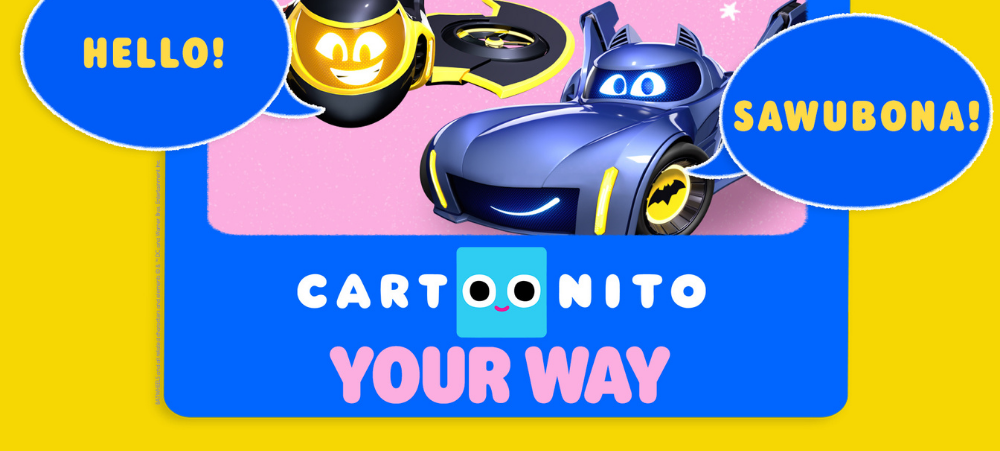
Cartoonito is sending its favourite cat-and-mouse duo somewhere they’ve never been before: outer space! Catch Tom and Jerry: Blast Off to Mars, launching on Monday, 10 August 2026. What’s It About? Tom and Jerry accidentally stow away on the very first manned mission to Mars — and discover that we are NOT alone. Martians are real! Now the unlikely pair must team up with a young Martian girl to dodge asteroid fields, stop a Martian invasion of Earth, and take down a giant alien robot with destruction on its mind. It’s chase-and-chaos comedy, now with a side of intergalactic adventure. When to Watch 📅 Launch date: Monday, 10 August 2026 📺 Tune in: Monday, 10 August at 09:40 CAT 🏁 Ends: 8 October 2026 A fun one for movie morning or a rainy-day treat — buckle up, because Tom and Jerry are heading to Mars!

Cambrilearn Online School

Will My Child Make Friends at an Online School?

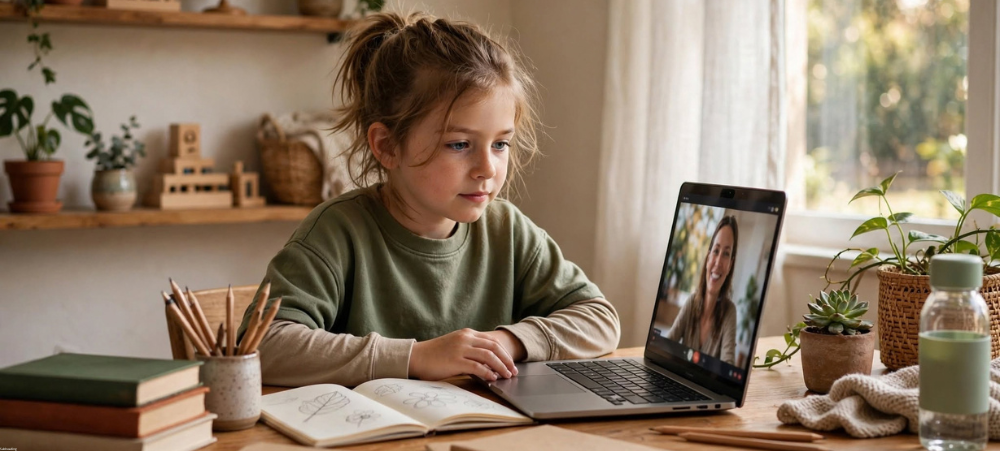
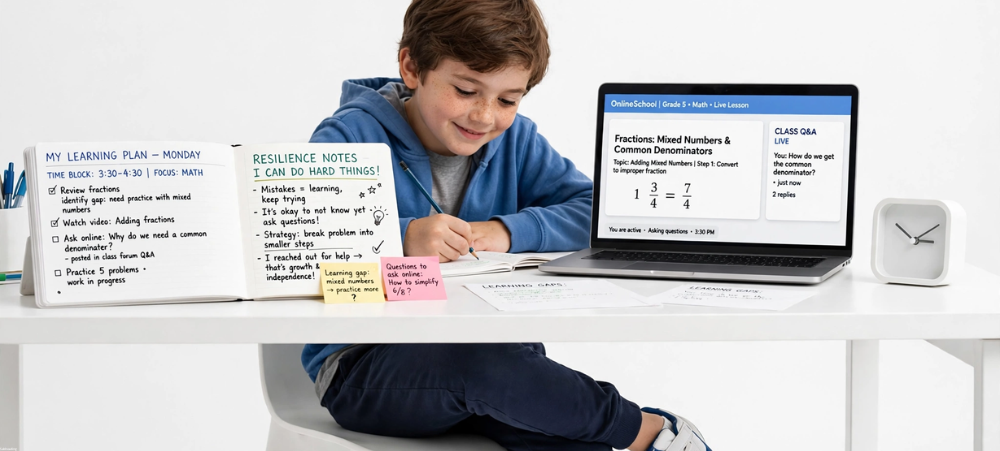
Ask parents weighing up online schooling what worries them most and the answer is rarely academic. Marks can be measured and improved. Friendship is harder to pin down, and the fear that a child will spend their teenage years alone in a bedroom is enough to end the conversation before it starts. So the question deserves a proper answer. Children at online schools make real friends, some of them closer than any they had in a uniform. They do not make them by accident, though, and that difference is the whole subject. What a school building gives you for free A physical school hands children hundreds of small social collisions a day. The walk between classes, the queue at the tuck shop, the ten minutes on the field before the bell. Nobody plans these moments, and most childhood friendships start inside them. Take the building away and the collisions disappear. An online school that shrugs at this, or waves it off with talk of forums and comment threads, is leaving the social side of childhood to luck. When you assess any online school, press on this point before you look at a single subject list: what has the school built, deliberately, to replace the corridor? Where online friendships actually start Friendships between online school students follow a recognisable path. It begins in the live classroom, where your child sees the same faces in Maths on Monday and Science on Wednesday. Familiarity builds the way it builds anywhere. Someone gives a funny answer, someone shares notes before a test, a group project throws four students together for a fortnight. From there it moves into clubs and shared interests, which do the job the playground used to do. A chess club, a coding group, a debate society: children who chose the same activity already have something to talk about, which is more than the school corridor ever guaranteed. Then the friendship leaves the school entirely, into group chats, gaming sessions and video calls, and eventually, where geography allows, into meeting in person. Parents are often surprised by the depth of these friendships. A child who went unnoticed in a room of thirty can be funny and confident in a club of eight, because the smaller setting asks different things of them. The children who are not leaving much behind There is a quieter version of the socialisation question that deserves airtime. Some children considering online school are not walking away from a rich social life. They are walking away from a difficult one: years of sitting on the edge of groups, or of being the target of ones they never chose. For these children, the corridor was never a gift. Online communities let a child restart on their own terms. They choose the club, they set the pace, and the peer group forms around a shared interest rather than around who happened to be assigned to the same register class in Grade 1. For a child whose confidence has taken a knock, that reset is often the point of the move, not a side effect. What CambriCommunity is CambriCommunity is the social side of CambriLearn, an accredited online school educating more than 80,000 students across 100+ countries. It brings together online clubs, events, study groups and regional in-person meetups, and it stands as one of the four connected school experiences that make up CambriOS, the structure behind the school. The idea underneath it is easy to say and hard to fake: learning is online, and the relationships are real. The in-person layer carries real weight in this design. In South Africa, Botswana and Namibia, CambriLearn families also get up to 20% off Virgin Active memberships, a partnership built around the idea of a third space between home and school: somewhere a child moves, trains and sees other people in the middle of an ordinary school week. Move more, learn better is the thinking, and the research on exercise and adolescent mood backs it up. Teenagers and younger children need different things One caution before the practical advice: the socialisation question has a different answer at eight than at fifteen, and a school should treat it that way. Younger children make friends through doing, so for them the priority is structured shared activity, with in-person time carrying extra weight because so much of early friendship is physical: building, chasing, showing. For teenagers, the club and the group chat are the natural habitat, and their friendships need less orchestration than parents assume, provided the meeting places exist. The teenage years also raise the stakes on belonging. A fifteen-year-old wants more than people to talk to; they want a group where their particular obsession is normal. A community broad enough to contain a debate society, a robotics club and a group planning a hiking meetup is not offering entertainment. It is offering each teenager decent odds of finding their people, which is the thing the corridor only ever offered by chance. What this asks of parents Even a well-built community needs a push from home, especially in the first term. Protect one standing commitment a week: a club, a sports session, a meetup, anything with the same people at the same time. Repetition is what turns acquaintances into friends, online exactly as it does offline. A child who drops into a different activity every week is meeting people; a child who shows up to the same one every Thursday is making friends. And resist the urge to measure your child’s social life by headcount. One good friend who shares an obsession with marine biology or Minecraft beats fifteen classmates whose surnames they barely knew. Plenty of children leave a traditional school with the second and finally find the first. The questions to ask a school directly If you want to see how the academic day and the social side fit together, the how CambriLearn works page walks through it, or you can book a free consultation and ask the awkward questions in person. Which

Bellavista SHARE

Are We Teaching Teenagers How To Think?

How do we raise teenagers who become ethical and responsible citizens, leaders in their fields, critical thinkers, resilient change-makers, effective problem solvers and happy, independent adults? These are questions worth sitting with, and cognitive education offers some compelling answers. What is Cognitive Education? Cognitive education is an intentional approach that focuses on developing howto think, rather than what to think. At its core is the work of Professor Reuven Feuerstein, who believed deeply in the learning propensity of every person. “People can modify,” he said. “This requires no miracle, only hard work.” His theory of Structural Cognitive Modifiability holds that intelligence is not fixed and that meaningful changes in thinking and cognitive function are possible at any age, regardless of limitations or past experiences. Why is this relevant for teenagers? The teenage years are a time of emotional change and neurological reorganisation. During this stage, adolescents are expected to draw on cognitive functions including self-regulation, planning, problem-solving, comparison, decision-making, critical thinking and social judgement – skills required not only for academic learning, but for navigating everyday life. Cognitive education develops these skills intentionally and explicitly, encouraging curiosity, metacognition, flexibility and adaptability. When taught well, it fosters agency, resilience, independence and confidence in young people. What does this look like in practice? In a typical Feuerstein Instrumental Enrichment lesson, teenagers are not simply absorbing content, they are asking questions, debating, hypothesising and seeking logical evidence, all while learning to listen to differing viewpoints with respect and curiosity. The cognitive tasks may appear straightforward, but the thinking they require is anything but. Learners develop habits of mind that transfer well beyond the classroom. Who might benefit from cognitive education? Cognitive education is relevant for a wide range of young people – those who find school demanding and need support with focus, organisation, planning, memory, reasoning or critical thinking; those who are managing well but would benefit from enrichment and extension; and those who simply value self-development and want to strengthen the way they think and learn. Finding out more Cognitive education programmes such as CEA (Cognitive Enrichment Advantage) and FIE (Feuerstein’s Instrumental Enrichment) are available in various settings. Bellavista iThemba’s Centre for Cognitive Education offers these programmes to teenagers and adults outside of a traditional school environment. More information is available at bellavista.org.za. By Lauren Davis, Deputy Principal and Director for Cognitive Education at Bellavista School

Parenting Hub

Colic & Crying: Supporting Babies with Ease

ProbiFloraTM, a multistrain probiotic1 range, understands that parenting is the most rewarding job in the world – and also the most exhausting. Add infant colic into the picture, and those early months can feel truly overwhelming. But here’s the good news: understanding what’s happening in your baby’s gut – and doing something about it – could make a difference in easing colic symptoms4. What Is Colic? Colic is when your healthy baby cries for long stretches with no clear reason, and none of the usual soothing tricks, from rocking and burping to pacing and cuddling, seem to help.  It is most common in the first six weeks of life. While extreme crying can be very stressful and difficult on parents, there is light at the end of the very noisy tunnel. By six months, most babies have outgrown colic completely.2 Colic symptoms Colic is more common than many parents realise, affecting up to 28% of babies. It is also one of the top reasons sleep-deprived parents arrive at the paediatrician, baby in arms and stress levels running high.3 Along with the crying, a baby with colic may also seem extra windy. They might burp a lot or pass more gas. You may also notice that your baby has a red, flushed face, has a tight tummy, pulls their legs up towards their belly and clenches their little fists while crying.2 What causes colic? Experts still don’t know exactly what causes colic, but there are a few ideas. Some babies may be more sensitive to the world around them. After birth, they suddenly have to deal with lights, sounds, smells, feeds, cuddles, visitors and all the busy bits of daily life. Some babies take it all in their stride. Others need a little more time to settle in. Another theory is that some babies are still learning how to calm themselves. Their nervous system is still developing, so once they get upset, it can be hard for them to wind back down.2 The gut connection While we still don’t know exactly what causes colic, research suggests the gut may be involved. This includes the balance of gut bacteria, inflammation, and the way the gut and brain communicate.4 This is where probiotics may help, thanks to their anti-inflammatory properties.5 With ProbiFloraTM your baby’s gut is good! ProbiFlora™ Infant Drops is a three-strain probiotic combination formulated for infants to support immunity and gut health, and to assist with diarrhoea.6 It has been shown to reduce crying and fussing time in breastfed infants with colic.7 This gentle, targeted approach helps support your baby where it matters most – in the gut. Easy to use every day When you’re juggling feeds, nappy changes, and broken sleep, the last thing you need is a complicated supplement routine. ProbiFlora™ Infant Drops keeps it simple, with an easy 5ml drop format and a recommended dose of just four drops a day. You can give it straight into your baby’s mouth, pop it onto a spoon, or mix it into breast milk or formula. A Note for Parents You know your baby best. If the crying feels overwhelming or it’s starting to take a toll on family life, have a chat with your paediatrician. ProbiFloraTM’s range of products are available from leading pharmacies and retailers nationwide. For more information and references, visit https://probiflora.co.za/ and join the conversations on Instagram and Facebook.   Approval ticket #01.07.20261000005871. July 2026.

Cartoon Network Africa

Build the Ultimate Superhero Adventure with Brickflicks Week on Cartoon Network

Calling all LEGO® fans and DC Super Heroes! Get ready for two weeks of action-packed adventures as Brickflicks Week lands on Cartoon Network. Batman, Superman, Wonder Woman, The Flash, Aquaman, Shazam and many more iconic DC heroes are stepping into their LEGO® worlds for an exciting collection of blockbuster movies the whole family can enjoy. The line-up features fan-favourite LEGO® DC adventures, including: 🦇 LEGO DC Comics Super Heroes: Justice League vs. Bizarro League⚡ LEGO DC Comics Super Heroes: Justice League: Attack of the Legion of Doom!🌌 LEGO DC Comics Super Heroes: Justice League: Cosmic Clash🏙 LEGO DC Comics Super Heroes: Justice League: Gotham City Breakout✨ LEGO DC Shazam!: Magic and Monsters🦸 LEGO Batman: The Movie – DC Super Heroes Unite👨‍👩‍👦 LEGO DC: Batman: Family Matters⚡ LEGO DC Comics Super Heroes: The Flash🦸‍♀️ LEGO DC Super Hero Girls: Brain Drain🎓 LEGO DC Super Hero Girls: Super-Villain High🌊 LEGO DC Comics: Aquaman: Rage of Atlantis🚀 LEGO DC Super Hero Girls: Galactic Wonder Packed with humour, thrilling adventures and colourful LEGO® animation, these movies are perfect for superhero fans of all ages. Whether your family loves Batman’s gadgets, Wonder Woman’s courage or The Flash’s lightning-fast action, Brickflicks Week promises hours of entertainment throughout the school holidays. Don’t miss the superhero fun! 📺 Brickflicks Week🗓 Premieres: Monday, 29 June 2026⏰ Monday to Friday at 11:00 CAT📅 Ends: 20 July 2026📍 Only on Cartoon Network

Koa Academy

Project-Based Learning at Koa Academy: A More Impactful Way to Learn

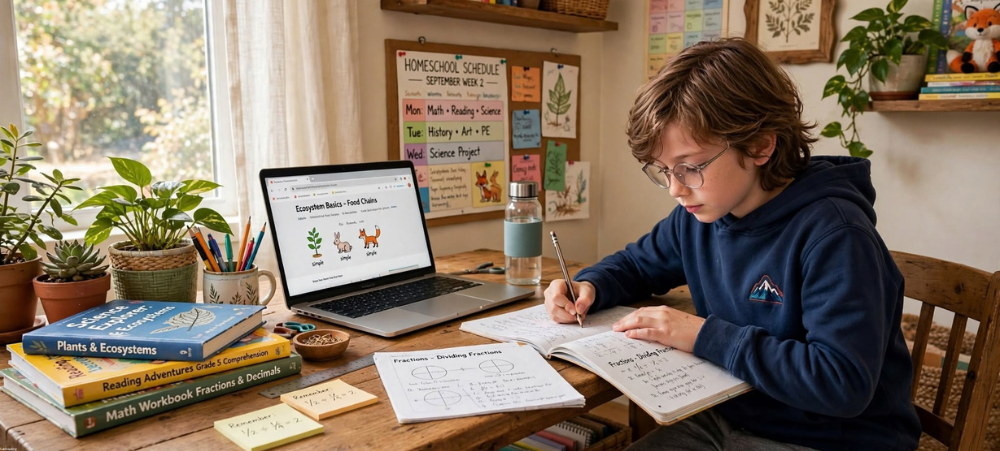
For many parents, one of the biggest frustrations with traditional schooling is that learning can sometimes feel disconnected. A child might learn a specific concept or skill in Mathematics, only to encounter it again in Science, History, or English – yet they rarely get the opportunity to bridge those ideas across their subjects or link them to real-world skills. At Koa Academy, we believe that meaningful learning should go beyond memorising content for a test. Students need to understand what they are learning, why it matters, and how to apply it in different contexts. This is where project-based learning plays such an important role. Project-based learning, often referred to as PBL, is an approach that allows students to engage with curriculum content through meaningful, practical and often cross-curricular projects. Instead of learning every subject in isolation, students are given opportunities to work with ideas, skills and concepts in a more connected way. As Janeen, Koa’s Intersen Academic Head, explains, project-based learning isn’t about memorising isolated subjects; it’s about diving deep into the curriculum to see how different fields of study naturally overlap. “The real value,” she says, “comes when students begin to connect these threads to solve real-world problems.” How Project-Based Learning Comes to Life at Koa In the Intersen phase, Koa’s commitment to project-based learning comes to life through our integrated term projects, known as Expos. As Janeen explains, these major projects are intentionally designed to mirror real-world professional work by breaking down the walls between subjects. Instead of studying facts in isolation, students tackle a central theme through multiple academic lenses, building robust research and critical thinking skills along the way. Learning how to apply this knowledge prepares them for the ultimate test: Demo Day. At this end-of-term event, students step into the spotlight to present their work to external guest judges, mastering the vital skills of public speaking, confidence, and responding to authentic feedback. Beyond Expos, this same project-based approach also shows up in smaller cross-curricular tasks within students’ Engage subjects. These moments may be smaller in scale, but they still help students connect knowledge and skills across different learning areas. For example, a student might learn about the human body and digestion in Science, create a poster to show their understanding, and then present their findings to their Pod Teacher. While the content is Science-based, the presentation component can also contribute to English, because the student is developing oral communication, structure, clarity and confidence. This matters because it helps students experience learning as something connected and useful. They are not simply completing a worksheet for one subject and then moving on to the next. Instead, they begin to see how knowledge and skills can work together across different contexts. Janeen describes this as a kind of “cross-pollination” of the curriculum. At Koa, this means that courses are designed with intentional links between subjects, helping students understand that learning is not just a set of separate facts to remember, but a set of connected skills they can use. They may not always see every curriculum box being ticked in the background, but they are engaging with the content in a deeper and more meaningful way. The Curriculum Still Matters One important misconception about project-based learning is that it replaces the curriculum or makes learning less rigorous. At Koa, the opposite is true. The curriculum remains the foundation. The difference is in how that curriculum is approached. Students still need to cover the required concepts, skills and content, but they are often given more meaningful ways to engage with them. This is supported by Koa’s Subject Specialist team, which works together to ensure that content across subjects is accurate, relevant and well-designed. The team includes teachers who specialise in their subject areas, which means that cross-curricular work is not simply a loose idea or a creative add-on. It is carefully built and checked by people who understand the curriculum deeply. In many ways, this kind of collaboration is more attainable in a purpose-built online school like Koa. Because our teachers are not limited by the same physical timetable and classroom constraints as a traditional school, subject specialists can come together more easily to collaborate on courses, align content, check accuracy and design learning experiences that make sense across subjects. This means that project-based learning at Koa is not about doing “fun projects” at the expense of academics. It is about designing learning in a way that is engaging, structured and academically sound. Less Assessment Pressure, More Meaningful Learning Another important benefit of project-based learning is that it can help lighten the assessment load for students. In a traditional setting, a child might have one project for English, another for History, another for Maths and another for Science, all due around the same time. At Koa, a well-designed project can sometimes allow one piece of work to assess skills across more than one subject area. Janeen explains that one well-designed project can assess learning across several subjects. A single task might allow students to demonstrate understanding in History, apply Maths skills, and develop English communication skills, without needing three separate assessments. The result is not less learning, but less duplication. Students are not overloaded with separate tasks that assess overlapping skills. Instead, they can spend more time engaging properly with the content and producing work that reflects their understanding. For many families, this is significant. Children often carry a heavy academic load, and school can begin to feel like a constant cycle of tests, tasks and deadlines. Project-based learning helps create space for deeper engagement, while still ensuring that learning is tracked and assessed. Building Skills That Last Beyond School One of the biggest strengths of project-based learning is that it develops skills students will use long after a particular topic is finished. Students learn how to investigate, organise information, communicate clearly, think critically, solve problems, create visual representations, manage time and present their ideas. These are not skills that belong to one subject only. They are life

Wingu Academy

The Role of Student Success Advisors (SSAs) at Wingu Academy

At Wingu Academy, Student Success Advisors (SSAs) play a vital role in supporting learner achievement and overall wellbeing. SSAs act as a bridge between learners, parents, and academic teams, ensuring that each learner receives personalised attention and consistent support throughout their educational journey. Their focus extends beyond academic performance to include engagement, motivation, and emotional wellbeing. They monitor learner progress, identify areas where additional support may be needed, and help develop strategies to improve outcomes. Whether assisting with time management, encouraging study consistency, or providing motivational support, SSAs ensure that no learner feels left behind. For parents, SSAs provide regular communication and insight into learner progress, helping families stay informed and involved. This collaborative approach strengthens the support network around each learner and ensures early intervention where needed. Through the work of SSAs, Wingu Academy reinforces its commitment to personalised, supported, and learner-centred education.

Educ8 SA

Giving Your Child a Strong Start With Educ8 SA’s Essential Learning Path

Early childhood education is the foundation of lifelong learning. Educ8 SA’s Essential Learning Path is designed for preschool and early primary learners, offering interactive,  computer-based lessons that make learning engaging, fun, and effective. Why Early Education Matters Early learning helps children: Starting your child on the right path ensures they are ready for future academic success. What the Essential Learning Path Offers Interactive Learning That Engages Young Minds Children interact with multimedia lessons, quizzes, and exercises designed to capture attention while reinforcing key concepts. Self-paced learning ensures each child can progress at a comfortable speed, building confidence and mastery. Flexibility for Families Parents can integrate learning into daily routines without worrying about fixed school schedules or commuting. This flexibility helps children learn at their own pace while maintaining family balance. Getting Started Enroll your child in the Essential Learning Path today: Give your child the gift of a strong educational foundation with Educ8 SA.

DIBBER SA

Why the Best Toddler Play Often Looks Like Nothing Much at All

A parent can spend time setting up the perfect toddler activity, stickers, paint, and a carefully planned outcome, only to find their child far more interested in a wooden spoon and a pot. According to Dibber International Preschools, that moment is not a distraction from learning. Instead, it’s often the learning itself. The preschool group is drawing attention to the value of unstructured play for toddlers, arguing that some of the most important early development happens when children are given room to play without being directed, corrected, or steered toward a specific outcome. For Dibber, unstructured play is simple to describe and easy to overlook. It is child-led, open-ended and free from adult instruction. There is no fixed outcome or right answer. The toddler decides what to do, how to do it and when they are finished. “At Dibber, we see again and again that young children learn deeply when they are given the freedom to explore on their own terms,” says Ursula Assis, Country Director of Dibber International Preschools South Africa. “Adults often feel they need to make play more educational, more organised, more purposeful. But toddlers are already finding meaning, experimenting and learning through the play they lead themselves.” Dibber notes that this kind of play has long existed naturally in many South African homes and communities, where children have often used gardens, open spaces and everyday household objects in imaginative play. But as family routines become busier and screen time grows, the preschool group believes it is worth protecting space for it. When toddlers play freely, they are building problem-solving skills, creativity, emotional self-regulation and physical confidence in ways that are difficult to reproduce through adult-led activities. Unstructured play also gives children a rare sense of control at a stage of life when most decisions are made for them. “At toddler age, so much of life is organised around adults,” says Assis. “What to wear, when to eat, where to go, when to sleep. Unstructured play gives some of that control back. It allows a child to make choices, follow curiosity and discover that their ideas have value.” Dibber points to several examples of simple, open-ended play that can support this kind of development. Sensory play remains one of the most accessible forms. A container filled with water, dry pasta, sand or lentils, along with cups and spoons, gives toddlers room to pour, scoop, sort and experiment without formal instructions. Loose play offers a similar kind of freedom. Sticks, stones, leaves, bark, and seed pods collected from a garden or park can serve as tools, ingredients, treasures, or building materials, depending entirely on how a child chooses to use them. Water play continues to be one of the richest forms of open-ended toddler play, whether it happens with a bucket, a bowl, a sponge or old kitchen utensils in the garden. Cardboard boxes remain a reliable favourite, too. A box can become a car, a cave, a house or something else entirely, with no adult needing to define it first. Free drawing and mark-making also fall into this category when they are left open. No template. No instructions to draw something recognisable. Just paper, crayons or paint, and the space to make marks that belong entirely to the child. For Dibber, the point is not that every parent must constantly create special play setups at home. Unstructured play does not need to be expensive or elaborate to be valuable. In many cases, the most effective play materials are the simplest ones. The harder part, Dibber says, is often the adult response. Parents and caregivers may feel the urge to improve the play, direct it, ask too many questions or step in when a child appears bored. However, Dibber argues that boredom is not always a problem to solve. It is often the beginning of play. “The challenge for adults is not usually providing the materials,” says Assis. “It is resisting the urge to take over. Toddlers do not always need us to show them what something is for. Often, they show us.” This is one reason Dibber continues to place strong value on child-led exploration in the early years. The group believes that toddlers do not need constant entertainment or instruction to learn well. They need time, trust and environments that let their curiosity lead. For Dibber, that remains one of the quieter truths of early childhood. The play that looks the least impressive to adults often does the most important work.

Bonitas – innovation, life stages and quality care

Reasons why your baby is crying

The following information is to be used as a guide to and at the discretion of the end-user and should not replace a doctor’s opinion. If your baby is crying, the first step is trying to figure out the reason.  Some of the most common reasons why a baby is crying are: Hunger is usually the first thing you should think of – they may give other signs first like rooting, fussing, smacking their lips and putting their hands to their lips. A dirty diaper – many infants don’t like a wet or dirty diaper, so changing their diaper when they cry is a simple thing you can do to help calm them. In need of sleep – babies may not just nod off to sleep when they are tired, they may get fussy and cry, so after feeding and changing diapers you may want to try soothing activities like finding a quiet place, holding them close and rocking them to help them get to sleep. Wanting to be held – babies like to be cuddled, so if you have tried all of the above tips without success it could be that your baby just wants you to hold and cuddle them; also talk in a soft voice or sing softly. Tummy troubles – babies can develop gas pains, colic, constipation, milk allergies and other conditions that make them cry; if this happens often talk with your doctor about ways you can soothe their tummy. Needing to burp – a trapped gas bubble in your baby’s stomach can make them uncomfortable, so if they are crying after a feeding, try burping them to see if that helps. Additional reasons are mentioned in the following tip. Additional reasons why your baby is crying The following information is to be used as a guide to and at the discretion of the end-user and should not replace a doctor’s opinion. In addition to the reasons mentioned in the previous tip, the following are reasons why your baby may be crying: Temperature troubles – babies will often cry if they are too cold, this may happen when you are changing them or washing them; it can also happen if they are too hot, though this is less common. Little irritations – babies are very sensitive to small discomforts like a hair wrapped around a finger or toe, scratchy clothing or being placed in the wrong position, so look for little discomforts if the big things don’t appear to be the cause of their distress. Teething – newborns don’t have teeth coming in but sometimes their teeth will move around under the gums causing them discomfort; their teeth won’t usually start to come in until they are about 4-7 months; a cold washcloth and gentle pressure on their gums may be soothing. Over stimulation – newborns can’t always process all the things that are going on around them, so if you think your baby may be suffering from too much stimulation take them to a quiet spot away from bright lights, hold them close and soothe them until they can calm down. Not enough stimulation – some babies are outgoing and like to see what’s going on around them, so if you think this is your baby’s issue try carrying them in a sling, front carrier or backpack so they can get the extra stimulation they need. Not feeling well – if you’ve met all your baby’s basic needs and they are still crying and fussy they could be coming down with something, so keep a close eye on them, check their temperature if you think they might have a fever and contact your doctor if needed. Things to try to comfort a crying baby The following information is to be used as a guide to and at the discretion of the end-user and should not replace a doctor’s opinion. Sucking is soothing for a baby and can lower their heart rate and relax their stomach, so give them a pacifier or a clean finger to suck on when nothing else seems to stop their crying. Babies are used to being warm and secure in the womb so when all else fails try imitating that experience by swaddling them and holding them securely or carry them with you in a sling. Some babies respond well to sound and movement, so try putting on some music and dancing with them – gently of course! Try white noise – often babies like noises that mimic the whooshing sounds they heard before they were born, so try running the vacuum cleaner, a fan or the water faucet or use a recording of a water fountain, a gurgling stream or waves. A change of scenery can sometimes help, so dress your baby appropriately and step outside your front door; walk around slowly and talk in a soothing tone. Get them moving – babies like motion so try carrying them around or take them for a ride in the stroller or the car; sometime this will work when nothing else seems to help. Massage may be helpful for some babies – don’t worry about knowing the right movements, just try a soft, gentle massage in a warm place free from drafts. Start all over again – sometimes it’s helpful just to start at the top of the list again; change their diaper, hold them close, feed them if their hungry and see if something works the second time around. If you ever think your baby is in distress because of a health-related issue don’t hesitate to contact your doctor. No question is ever “dumb” if it involves the wellbeing of your baby! Feeling frustrated when a baby won’t stop crying The following information is to be used as a guide to and at the discretion of the end-user and should not replace a doctor’s opinion. Keep in mind that crying won’t hurt your baby, they may just need a release so let them cry. Put your baby down and let

Impaq

Is your child stretched too thin between school, sport and exams?

A recent public discussion about whether schools should require learners to participate in sport and extracurricular activities during exam periods has opened a broader conversation about the pressure many South African children face as they try to balance academics, sport, cultural activities, travel, and wellbeing. While school sport and extracurricular activities can play an important role in a child’s development, the debate has raised an important question for parents and educators: are some children being expected to perform in too many areas at once, without enough support in the learning model around them? According to Louise Schoonwinkel, Chief Commercial Officer at Optimi, of which Impaq is a registered trademark, the issue should not be framed as a choice between academics and activities. “This should not become a sport-versus-school debate,” says Schoonwinkel. “Sport, culture and extracurricular activities can be incredibly valuable for children. They build confidence, discipline, teamwork and resilience. But when a learner is constantly exhausted, anxious or falling behind academically, adults need to ask whether the structure around that child is still working.” For many families, the pressure is not limited to exam periods. Learners involved in competitive sports or arts often have schedules that do not fit neatly into a traditional school day. Training may take place during school hours, many competitions require travel, and performances may often coincide with tests or exams. For many families, this is where a more adaptable learning model can make a meaningful difference. A structured homeschooling programme allows learners to follow a CAPS-aligned curriculum while creating greater room for training, travel, rest, recovery and individual learning needs. “A credible homeschooling model is not unstructured,” she says. “It still requires planning, curriculum alignment, assessments, progress tracking and support. But it helps some learners meet expectations in a more realistic way.” Rather than lowering academic standards, home education gives families the opportunity to build a learning routine around the learner’s circumstances. Whether balancing competitive sport, cultural commitments or simply learning more effectively in a quieter environment, a structured homeschooling model allows learners to maintain academic progress while studying at the times that work best for them. It can also give parents greater visibility into their child’s progress, helping them identify learning gaps early and seek support before small challenges become larger setbacks. “A good homeschooling model gives parents visibility,” says Schoonwinkel. “They can see where their child is coping, where they are struggling, and where they may need more support. That kind of early insight can make a significant difference to a learner’s confidence and progress.” Ultimately, Schoonwinkel believes the conversation should focus less on choosing between academics and extracurricular activities and more on creating learning environments that allow children to succeed in both. For some families, that may be a traditional school setting. For others, a structured homeschooling model may provide the balance needed to support both academic achievement and personal development. “Homeschooling can give families the space to design learning around the child,” says Schoonwinkel. “That does not mean lowering expectations. It means creating a structure where the learner can meet those expectations in a way that is more supportive.”

Wingu Academy

Midterm Milestone: Celebrating Progress and Preparing for the Next Stretch

As we reach the midpoint of the academic year, we take a moment to reflect on the journey so far and acknowledge the effort, resilience, and dedication of both learners and staff. The first half of the term has been filled with meaningful learning, academic milestones, and personal growth. Learners have demonstrated commitment to their studies, adapting to challenges and continuing to progress with determination and focus. At Wingu Academy, we also extend our appreciation to our teaching and support staff, who continue to provide structured guidance, live engagement, and consistent academic support throughout the term. As we move into the second half of the term, we encourage learners to stay focused, maintain healthy study routines, and make use of the support available to them. This next stretch is an opportunity to consolidate learning, strengthen understanding, and finish the term strong. To all learners and staff — well done on reaching this milestone, and best of luck for the journey ahead.

Cartoonito

Bring on the Giggles with Laughternoons on Cartoonito!

Get ready for afternoons packed with laughter as Laughternoons arrives on Cartoonito this July! From Monday to Friday, families can enjoy a fun-filled line-up of some of the funniest animated favourites, guaranteed to keep little ones smiling after a busy day. The exciting programming includes: 😂 Grizzy & the Lemmings (Seasons 1–4) – Watch as Grizzy tries to enjoy a peaceful life in the ranger’s cabin, only to be outsmarted time and time again by the mischievous Lemmings. 🦈 Zig & Sharko (Seasons 1–4) – Follow the hilarious adventures of Zig, a hungry hyena determined to catch Marina the mermaid, while Sharko does everything he can to keep her safe. 🐱🐭 The Tom and Jerry Show (Seasons 1–3) – Everyone’s favourite cat-and-mouse duo return with more hilarious chases, clever tricks and laugh-out-loud moments. 🐭 Tom and Jerry Tales (Seasons 1–2) – Classic comedy comes alive as Tom and Jerry continue their never-ending rivalry in a collection of fun-filled adventures. 💚 Lamput (Seasons 3–4) – The lovable orange blob is back, escaping two determined scientists in a series of fast-paced, hilarious adventures. Whether your little ones love slapstick comedy, mischievous antics or classic cartoon fun, Laughternoons is the perfect way to end the day with plenty of smiles. Don’t miss it! 📺 Laughternoons🗓 Premieres: Monday, 20 July 2026⏰ Monday to Friday at 17:15 CAT📅 Ends: 31 July 2026📍 Only on Cartoonito Get comfy, gather the family and enjoy an afternoon full of laughter!

Sanosan

Winter-Proofing Baby’s Skin: How to Prevent Dryness During the Colder Months

With winter setting in across South Africa, many parents notice changes in their baby’s skin. Dry patches, irritation, flakiness and increased sensitivity are common during winter, when cold outdoor air and indoor heating can strip the skin of its natural moisture. Because a baby’s skin is thinner and more delicate than an adult’s, it loses moisture more quickly and requires extra care during the colder months. Fortunately, a few simple adjustments to a baby’s daily skincare routine can help keep their skin soft, comfortable and protected throughout winter. Why winter affects baby’s skin Winter conditions create the perfect environment for dry skin. Cold air holds less moisture, while indoor heaters further reduce humidity levels. Frequent bathing in hot water can also weaken the skin’s protective barrier, leading to dryness and irritation. Babies who are prone to eczema or sensitive skin may experience flare-ups during winter, making consistent skincare even more important. “Many parents are surprised by how quickly a baby’s skin can become dry during winter,” says Karen Van Rensburg,spokesperson for Sanosan South Africa. “The key is prevention. By focusing on gentle cleansing and regular moisturising, parents can help strengthen the skin barrier and keep little ones comfortable throughout the season.”  Top tips to prevent winter skin dryness 1. Keep bath time short and warm, not hot While a warm bath can be comforting on a chilly day, hot water can remove the skin’s natural oils. Aim for short baths of around five to ten minutes using lukewarm water. Choose mild, soap-free cleansers specifically formulated for babies to avoid unnecessary irritation. 2. Moisturise immediately after bathing One of the most effective ways to lock in moisture is to apply a moisturiser within a few minutes of bath time, while the skin is still slightly damp. Products such as Sanosan Baby Care Cream and Sanosan Baby Care Lotion help replenish moisture and support the skin’s natural protective barrier. Formulated with carefully selected ingredients including organic olive extract and milk protein, they provide gentle hydration suitable for delicate baby skin. 3. Avoid over-bathing Daily baths are not always necessary, especially for very young babies. Excessive bathing can contribute to dryness during winter. On non-bath days, a gentle wipe-down of hands, face and nappy area may be sufficient. 4. Dress baby in breathable layers While it is important to keep babies warm, overdressing can cause sweating, which may irritate sensitive skin. Soft, breathable cotton layers help regulate body temperature while reducing friction against the skin. 5. Protect exposed skin Cold winds can leave cheeks and hands dry and chapped. Applying a gentle moisturising cream before heading outdoors can help create a protective barrier against the elements. 6. Maintain moisture indoors Indoor heaters can significantly dry out the air. Where possible, consider using a humidifier or placing a bowl of water near a heat source to help increase moisture levels in the room. 7. Watch for signs of irritation Persistent redness, itching, rough patches or discomfort may indicate eczema or another skin condition requiring professional advice. Parents should consult their healthcare provider if symptoms do not improve with gentle skincare measures. Building healthy skincare habits from the start Winter skincare is about more than preventing dryness – it also helps establish healthy habits that support the skin’s long-term health. “Simple routines can make a remarkable difference,” adds Van Rensburg. “A gentle cleanse followed by moisturising helps protect the skin barrier and reduces the likelihood of irritation. Parents don’t need complicated routines; consistency is what matters most.” By choosing gentle, nourishing skincare products and making a few seasonal adjustments, parents can help ensure that baby’s skin stays healthy, hydrated and happy all winter long.

Bonitas – innovation, life stages and quality care

Mental health vs mental illness: Why knowing the difference matters

An estimated one in three South Africans will experience a mental health condition during their lifetime, yet many people still struggle to distinguish between poor mental health and mental illness. While the terms are often used interchangeably, they are not the same thing. Everyone has mental health, just as everyone has physical health. Mental health refers to our emotional, psychological and social wellbeing and can fluctuate in response to stress, life events and everyday challenges. Mental illness, on the other hand, refers to diagnosable conditions such as depression, anxiety disorders, bipolar disorder and schizophrenia that can affect how a person thinks, feels and functions. According to Dr Themba Hadebe, Clinical Executive at Bonitas Medical Fund, knowing the difference between a difficult period and a potential mental illness is an important first step towards getting help. “It’s normal to experience stress, sadness or worry from time to time. However, when these feelings persist, worsen or begin affecting daily functioning, they may indicate something more serious that requires attention and support,” he says. Recognising the signs early can make a significant difference. Here are five indicators that it may be time to seek professional support. Everyone experiences difficult emotions from time to time. However, if feelings of sadness, worry, fear or hopelessness continue for several weeks and begin interfering with your daily life, it could be a sign of an underlying mental health condition. Pay attention to emotional changes that don’t improve with rest, self-care or changes in circumstance. Mental illness often affects sleeping habits. You may struggle to fall asleep, wake frequently during the night, experience restless sleep or find yourself sleeping significantly more than usual. Over time, disrupted sleep can affect concentration, energy levels, mood and overall wellbeing. A common warning sign of mental illness is losing interest in activities that once brought enjoyment or distancing yourself from family, friends and colleagues. While it’s natural to need time alone occasionally, ongoing social withdrawal may indicate that something deeper is affecting your wellbeing. If routine tasks suddenly feel overwhelming, or you’re struggling to focus, make decisions, meet deadlines or manage responsibilities that once felt manageable, it may be a sign that your mental wellbeing requires attention. “One of the biggest misconceptions about mental illness is that seeking help is a sign of weakness,” says Dr Hadebe. “In reality, recognising when you need support and taking action is a sign of strength.” Turning to alcohol, overeating, substance use or other unhealthy habits to cope with emotional distress may provide temporary relief, but often masks underlying challenges. Recognising these behaviours early can help prevent them from developing into longer-term problems and can signal the need for professional support. Mental illness is not a personal failure, and effective treatment and support are available. The earlier a condition is identified and managed, the better the outcome is likely to be. “We need to normalise conversations about mental illness in the same way we normalise conversations about physical health,” says Dr Hadebe. “Awareness helps reduce stigma and encourages people to seek help before challenges become crises.” Understanding the difference between mental health and mental illness can help people recognise when they or a loved one may need support. If symptoms persist, worsen or begin affecting daily life, speaking to a healthcare professional is an important step towards recovery. Bonitas members also have access to a dedicated Mental Health Programme, which offers professional guidance, counselling support and resources to help them better understand and manage their condition. Looking after your mental health is important, but recognising the signs of mental illness and seeking help early can make a meaningful difference to your long-term health, wellbeing and quality of life.

Educ8 SA

Investing in Your Child’s Future Without Breaking the Bank

Parents want the best education for their children, but rising tuition costs can make that seem unattainable. Educ8 SA offers a practical solution: high-quality online education at prices designed to fit family budgets, ensuring that every child has the opportunity to succeed. Affordable Learning Paths for Every Family Educ8 SA provides flexible programs for students of all ages: These programs ensure children receive a robust education while parents maintain financial stability. Quality Education That Fits Your Budget While affordable, Educ8 SA programs are structured, interactive, and designed to prepare students for academic success. From foundational skills in early grades to advanced high school courses, every child can thrive without compromise. Benefits Beyond the Classroom Investing in online education at Educ8 SA provides more than just academic knowledge. Children develop: These skills are critical for success in higher education and future careers. Flexibility for Family Life Online learning allows children to study at their own pace and schedule, reducing stress and fitting seamlessly into family routines. This flexibility helps maintain a balance between education, extracurricular activities, and family time. With Educ8 SA, families can invest in their child’s education without breaking the bank, ensuring every learner has the opportunity to achieve their full potential. Getting Started To give your child a bright future:

Wriggle and Rhyme

Music May Be One of the Greatest Gifts You Can Give Your Baby

The newborn months are unlike any other season of life. They are tender, joyful, messy and, at times, deeply exhausting. Between round-the-clock feeds, interrupted sleep and learning to care for a tiny new person, it’s easy for mothers to become so focused on meeting their baby’s needs that they forget to nurture themselves, too. But what if one of the simplest ways to strengthen your connection with your baby was something you’ve instinctively been doing all along? Singing. Research continues to show that music is far more than entertainment during infancy. It is a powerful tool for mother and baby bonding, helping babies feel secure while supporting their emotional, social and cognitive development. As developmental psychologist Professor Laurel Trainor* notes, “Music is a fundamental part of human interaction from the very beginning of life,” with shared musical experiences helping infants connect, communicate and regulate their emotions. This understanding lies at the heart of Snugglers, an intimate eight-week programme designed specifically for moms and their babies aged two to five months. Snugglers introduces mothers to simple, evidence-informed ways of weaving music for babies into everyday life. Through songs, movement, gentle play, massage and soothing routines, mothers discover how music can naturally become part of sleep times, feeding, play, cuddles and moments of calm—all while supporting early childhood development in a joyful and pressure-free way. Just as importantly, Snugglers recognises that new mothers need connection, too. Each weekly session creates a welcoming space where moms can meet other moms navigating the same beautiful, demanding season of motherhood. Friendships are formed, stories are shared and the reassuring reminder emerges that no one has to do this alone. In a world where many new mothers experience isolation, these moments of community are often just as transformative as the musical activities themselves. Every mom also receives a beautifully curated Snugglers Pack, including a unique prompted journal. Used throughout the eight weeks, it becomes both a practical companion and a treasured keepsake—a place to capture milestones, reflections and the everyday magic that can so easily slip by in the blur of newborn life. The beauty of Snugglers is its simplicity. There is no expectation to be musical, no pressure to “teach” your baby. Instead, mothers are gently reminded that their own voice is already enough. Every lullaby, every gentle sway and every shared smile becomes an opportunity to build trust, comfort and lifelong connection. In a season that passes all too quickly, Snugglers offers something many mothers are searching for: a chance to slow down, savour the moment and discover that some of the most meaningful memories are made, one song at a time. Research Reference Trainor, L. J. (McMaster University) has published extensively on infant musical development and parent–infant musical interaction. Additional evidence from Frontiers in Psychology (Custodero, Harman & colleagues, 2021) demonstrates that shared musical experiences support parent–infant attachment, emotional regulation and parental wellbeing, reinforcing the value of music as an everyday part of early family life. More Information Snugglers classes for moms and their very young babies (2–5 months) are now available in Cape Town at: Find out more about Snugglers at:https://www.wriggleandrhyme.co.za/music-classes-to-bond-you-and-your-very-young-baby/ Or follow Wriggle & Rhyme on Facebook and Instagram: @wrigglerhyme

DIBBER SA

Messy, Yet Easy, Art Activities That Develop Toddlers’ Motor Skills

A toddler with paint on their hands, glue on the table and a half-finished piece of paper in front of them may not look especially productive to an adult. But Dibber International Preschools say that these moments are often when some of the most valuable early learning is taking place. Dibber is encouraging parents to look more closely at the role of creative activity in the early years, arguing that art is more than a way to keep children occupied. In practice, simple art activities can help build the fine motor control children later need for writing, dressing, tying shoelaces and managing everyday tasks confidently. That makes art an important part of toddler development rather than a decorative extra around the edges of learning. “At Dibber, we see creative activity as one of the most natural ways young children learn about themselves and the world around them,” says Ursula Assis, Country Director of Dibber International Preschools South Africa. “When toddlers paint, pinch, tear, press, roll or draw, they are doing much more than making something. They are building hand strength, coordination, focus and confidence through experience.” Many of the art activities most useful for toddlers are also the simplest. Finger painting remains one of the clearest examples. Smearing, pressing and spreading paint across paper strengthens the muscles in the hands and fingers while giving children a direct sensory interaction of colour, texture and movement. Playdough works in a similar way. Rolling, pinching, flattening, and shaping dough help toddlers strengthen their grip and control while allowing them to explore their hands freely. Tearing and sticking paper for collages, meanwhile, encourages bilateral coordination by asking both hands to work together purposefully. Dibber also points to the value of less conventional painting tools. A sponge, a cotton wool ball, the bottom of a bottle or an old toothbrush can all invite different grips and movements. That variety matters, especially in the early years, when children are still developing the fine-motor control needed for later tasks. Sticker art offers another form of practice that can look deceptively simple. Peeling and placing stickers asks toddlers to use a pincer grip, the same kind of movement later needed to hold a pencil with control. Chalk drawing outdoors, sponge stamping, and wall or paving water painting all build coordination in slightly different ways while keeping the activity playful and inviting. For older toddlers, child-safe scissors can also become part of that development. Cutting paper or even playdough helps sharpen coordination between both hands and gives children one of the more focused forms of fine motor practice available in everyday play. Dibber’s broader point is that these activities matter because they combine physical development with creativity, experimentation and enjoyment. In the early years, children tend to learn best when these elements are allowed to sit together. “Toddlers do not separate development into neat categories,” says Assis. “For them, creativity, movement, sensory discovery and learning are happening all at once. That is why art can be such a powerful part of early childhood. It reaches the hands, the mind and the emotions together.” This is one reason art remains so useful in both home and school settings. It offers children a way to strengthen practical skills while also expressing themselves, exploring materials and building confidence through open-ended activity. There is no single correct outcome. The process carries much of the value. That can be reassuring for parents who sometimes feel pressure to focus heavily on more visible academic preparation. Dibber’s view is that skills such as grip strength, hand-eye coordination, concentration and confidence often begin developing long before formal learning appears to start. Activities that look playful or messy can still do serious developmental work. At Dibber, these understandings form part of a wider play-based approach to early childhood education, where children are encouraged to explore, create and learn through direct experience. Art is part of that rhythm because it gives children meaningful ways to experiment, communicate and strengthen essential developmental foundations. For Dibber, the message to parents is simple. The next time a toddler covers the table in paint, presses stickers everywhere but the page, or proudly presents a drawing that makes sense only to them, it may be worth looking beyond the mess.

Bonitas – innovation, life stages and quality care

New Dad’s roles

The following information is to be used as a guide to and at the discretion of the end-user and should not replace a doctor’s opinion. Know that it’s normal to have fears – there is no simple way to prepare for parenthood and all new parents (yes Moms too!) have some concerns or fears about their new role. Learn as much as you can about your baby’s daily routine and offer to help out with activities you are comfortable doing. Make “Daddy Time” a special time every day by spending one-on-one time talking, reading or singing to the baby – work with Mom to build these activities into the daily routine. Offer to attend your baby’s doctors’ visits whenever possible – it helps you learn about your baby and provides a second set of ears to hear what the doctor has to say. Be actively involved in providing a safe environment for the baby – help keep an eye out for safety hazards. Make sure your baby is never exposed to second-hand smoke and has a drug free place to live. Be gentle with the baby – never shake your baby or toss them in the air. Be mindful of how you talk and act around the baby – a gentle voice and kind gestures are always best. Support from Mom to Dad The following information is to be used as a guide to and at the discretion of the end-user and should not replace a doctor’s opinion. Ask Mom to teach you to do things you may not know how to do yet – this way you can help out and support her as you learn about your new baby. Once you’re comfortable, offer to watch the baby so Mom can get some extra rest – this gives you time with the baby while supporting Mom as well. Take care of yourself, get regular check-ups and exercise daily – work to stay healthy for the newest member of the family. Set a good example and keep smoking and drugs out of your baby’s home. Talk with Mom about how she feels about herself after her pregnancy – she may need your support and encouragement to resume intimacy and sex since things like her self-image and her body may have changed. Treat Mom to small gifts and simple gestures that tell her that you care about her – these will help her understand that she is still special to you even if she is feeling tired and her self-image has changed. Emotional aspects for Dad The following information is to be used as a guide to and at the discretion of the end-user and should not replace a doctor’s opinion. Especially in the first few weeks after birth, use compassion when dealing with both Mom and baby. They both have just been through a difficult experience and your compassion will go a long way in supporting them as they move into the next part of their journey. You may often find yourself in new and challenging situations where you have the choice to either laugh or cry – choose humour, it helps everyone survive and thrive during challenging times. Life doesn’t always prepare us for our role as a parent so as a new Dad you will often find yourself in new situations with no rulebook – rise to the occasion by using your creativity and imagination to overcome new challenges. Remember that patience is a virtue – this is especially true when you have a newborn, so remember to slow down, take a deep breath and relax before you react to trying situations. Always keep in mind that much of what you are doing in the early days after the birth of your baby is a form of service for both baby and Mom – don’t see it as a negative, rather see it as a time for you to develop a new leadership role as you offer yourself in service to others. Dad comforting a crying baby The following information is to be used as a guide to and at the discretion of the end-user and should not replace a doctor’s opinion. As a first step, always make sure your baby has been fed and changed and that they are comfortable – if so then go on to the next steps to soothe them. Swaddling: holding a baby close can help them feel more secure, so snuggle them in a soft blanket. Side/Stomach: holding your baby on their side or stomach may help calm them. Shhh: making this noise often helps sooth your baby. Sucking: is very comforting for your baby, so if it’s not feeding time, give them a pacifier to suck on. Swinging: gentle movement is often soothing to a baby, so gently rock them in your arms or put them safely in an infant swing. Remember that even though it may be frustrating, it’s important for you to be patient and gentle with your baby. Use this time to bond with your baby and allow Mom a much-needed break from her role as a caregiver. Getting Dad involved The following information is to be used as a guide to and at the discretion of the end-user and should not replace a doctor’s opinion. Talk with Dad about his thoughts, feelings and concerns regarding his role in caring for your newborn – this will help you understand his comfort level. Get Dad involved in your baby’s care – he may need help in learning how to hold the baby or change diapers so include him in as many of the day-to-day activities as you can. Have Dad help with a night feeding when possible – if you are breast feeding consider pumping a feeding ahead so he can take one feeding for you during the night. Have him talk, read or sing to the baby every day – build these activities into your baby’s daily routine. Involve Dad in doctors’ appointments whenever possible. Ask Dad

Curro Online

School That Moves With You: Inside the Curro Online Story

As education continues to evolve, online schooling is becoming an increasingly important part of South Africa’s learning landscape. Offering flexibility, personalised support, and access to quality education regardless of location, online schools are helping more learners thrive in environments that suit their individual needs. In 2025, the local online education market size was reported at USD 493.8 million (around R9 billion), with strong growth expected over the next decade. More than 250 000 South African learners are now part of online learning, a shift that has accelerated since 2020 and is reshaping expectations around access, continuity, and flexibility in education. Online schooling is increasingly seen less as an alternative and more as a practical response to how families now live and learn. A system shaped by access, continuity and lived reality For many families, education decisions are shaped as much by geography and circumstance as by curriculum choice. In South Africa, where distance and relocation remain part of daily life, consistent access to schooling is not always guaranteed by proximity to a school. Families who move frequently, work across regions or live in rural areas often face disruption in traditional schooling pathways. Online learning removes these physical barriers to continuity. Learners can remain in a structured academic environment regardless of location, maintaining consistency even as circumstances change. Digital learning is also now a normalised part of education delivery, embedded in how learning, interaction and assessment take place. Learning shaped for a changing world Education is no longer preparing learners for a fixed environment, but for systems defined by change. The World Economic Forum’s Future of Jobs Report 2025 highlights that nearly 39% of core workplace skills are expected to shift by 2030, with growing emphasis on adaptability, digital fluency, analytical thinking and self-management. In practice, this requires learners to take greater ownership of their progress, manage their time independently and engage confidently in digital platforms within a structured academic framework. These are no longer abstract future skills, but everyday capabilities increasingly expected in tertiary education and the workplace. The Curro Online proposition Curro Online, established in 2020, is part of southern Africa’s leading independent education network and was created with a clear purpose: to extend access to structured, high-quality schooling beyond physical boundaries. The model is built around CAPS-aligned education delivered through live, interactive classes taught by qualified, SACE-registered teachers. Learners from Grade 5 to Grade 12 are taught in small classes capped at 25, ensuring that engagement remains personal, even within a digital environment. The academic programme leads to the IEB examinations at the end of Grade 12, offering a qualification recognised by universities locally and internationally. Recorded lessons and structured academic support ensure continuity and flexibility, particularly for families managing mobility or complex schedules. A broad subject offering – including Information Technology, Engineering Graphics and Design, Visual Arts and French – allows learners to follow pathways aligned with their strengths and future ambitions. Early indicators of success across a wider learner journey The strength of online schooling is reflected not only in participation growth but also in the consistency of learner outcomes and the breadth of achievement beyond the classroom. Learners are increasingly balancing structured academic programmes with achievements in sport, leadership and the arts. These include Chrizmie Mostert (Grade 10), who was crowned Miss Teen Universe South Africa 2025; Yuvhan Govinder (Grade 11), who completed his second Dan grading in Karate; and Mienke Liebenberg (Grade 6), who competes at international golf level and represents the Northwest Girls U.11 provincial team. These examples show a learning environment in which academic progress and personal development are not treated as separate tracks, but as complementary parts of the same journey. A connected school experience, not a remote one A common misconception about online schooling is that it limits social development. In practice, the experience is more layered and interconnected. Learners participate in a wide range of clubs and enrichment activities, including coding, chess, drama, photography, creative writing and language-based clubs such as conversational German and isiZulu, alongside virtual fitness programmes. Interaction is further strengthened through regular in-person meetups, both locally and internationally, enabling learners to build relationships beyond the digital classroom. Importantly, learners are also connected to the broader Curro ecosystem through Curro Sport, Curro Create, and a wider subject offering, extending opportunities across academic, cultural and sporting development. A model built for continuity and future readiness As education continues to evolve, the focus is shifting from access alone to continuity, relevance and long-term readiness. Online schooling now sits within this broader shift, offering a model that aligns with how learners live and how they will ultimately work – flexible, structured and increasingly digital by design. For many families, the decision is no longer framed as traditional versus online, but rather as choosing an approach that can hold both structure and flexibility without compromise. Join the Curro Online information session Curro Online will host an information session on 22 July 2026, offering families an opportunity to explore the model, curriculum and learner experience in more detail. To reserve a place or find out more, visit: Curro Online – Information Session – 22 July 2026. To learn more about Curro Online, visit www.curro.co.za

Wingu Academy

Understanding and Addressing Online Bullying: A Guide for Parents

As education continues to evolve in digital spaces, online safety has become an essential part of learner wellbeing. While online learning offers flexibility and opportunity, it also introduces risks such as online bullying. Online bullying can take many forms, including hurtful messages, exclusion from online groups, impersonation, or inappropriate comments during digital interactions. Unlike traditional bullying, it can occur at any time and may feel more persistent due to constant connectivity. Parents play a vital role in prevention and support. Open communication is the first step — encouraging children to speak freely about their online experiences helps identify issues early. Monitoring device usage appropriately, setting healthy digital boundaries, and teaching learners about respectful online behaviour are also key protective measures. It is equally important to reassure learners that they are not alone. If online bullying occurs, parents should respond calmly, document incidents where possible, and report concerns to the school immediately so that appropriate support can be provided. At Wingu Academy, we prioritise digital wellbeing and maintain structured support systems to help learners navigate online challenges safely. Our educators and support teams work closely with families to ensure a respectful, secure, and positive learning environment. Together, we can build a culture of kindness, responsibility, and safe digital engagement.

Sanosan

Eczema & Dry Skin in Babies: What Parents Need to Know to Keep Little Ones Comfortable

There are few things more distressing for parents than seeing their baby uncomfortable, especially when dry, itchy, irritated skin starts disrupting sleep, feeds, and cuddles. From rough patches on tiny cheeks to persistent dry skin on arms and legs, eczema and skin sensitivity are common concerns among South African families.  While baby eczema (also known as atopic eczema or atopic dermatitis) cannot always be prevented, understanding triggers and creating a gentle skincare routine can help soothe discomfort and support healthier skin. “Baby skin is far thinner and more delicate than adult skin, making it more vulnerable to dryness and irritation,” says Karen Van Rensburg, spokesperson for Sanosan South Africa, a trusted skincare brand developed especially for sensitive baby skin. “The good news is that with the right daily care and awareness of triggers, many babies experience significant relief.” How to Spot the Signs of Eczema and Dry Skin Dry skin in babies often appears as rough, flaky or slightly irritated patches, particularly during colder months or in dry climates. Eczema, however, tends to be more persistent and may include red, inflamed, itchy areas that can become uncomfortable for babies. Common signs include: While some babies experience mild dryness, others may be more prone to eczema because of genetics, allergies, or environmental sensitivities. Identifying Common Triggers Every baby is different, but certain factors can worsen dry skin or trigger eczema flare-ups. Parents may find it helpful to observe patterns and identify possible irritants. Some common triggers include: Harsh soaps or fragranced products – adult skincare products or heavily fragranced washes can strip delicate skin of moisture and aggravate sensitivity. Dry weather and temperature changes – cold air, heaters, and low humidity can contribute to skin dehydration which is something many families experience during winter. Overheating and sweat – babies who become too warm may experience irritation, particularly in skin folds. Certain fabrics or laundry detergents – scratchy clothing or blankets, or strongly fragranced detergents can irritate sensitive skin  Long or overly hot baths – although bath time can be soothing, very warm water or extended baths may dry out the skin further.  Choosing the Right Moisturiser Matters One of the most important ways to support dry or eczema-prone skin is through regular moisturising, but not all products are created equally. Parents should look for moisturisers specifically developed for babies and sensitive skin, ideally those that are dermatologically tested and designed for sensitive or eczema-prone skin. Make sure they are free from harsh ingredients, and are gentle enough for daily use.  “Choose products with natural, soothing and protective ingredients like organic olive oil and chamomile,” advises Van Rensburg.  A Gentle Daily Routine for Relief For babies struggling with dryness or eczema, consistency often matters more than complexity. A simple, soothing routine may help minimise irritation and support skin comfort. Parents can consider the following: Keep baths short and lukewarm – Avoid overly hot water as it rapidly strips away baby skin’s natural oils and damages the already fragile skin barrier. Use gentle cleansers specially formulated for delicate baby skin, such as Sanosan Baby Bath & Shampoo which contains milk protein and organic olive oil, and preserve the natural protective function of the skin. Pat skin dry, don’t rub – After bathing, gently pat the skin dry with a soft towel rather than rubbing. Rubbing causes friction, which can easily lead to irritation, redness, and chafing.  Moisturise generously and regularly – Apply a gentle baby moisturiser after bathing and whenever skin appears dry. Sanosan Baby Care Lotion contains 96% natural ingredients, including milk protein and organic olive oil, as well as soothing panthenol and chamomile – perfect for baby’s sensitive skin.  Dress babies in breathable fabrics – Soft cotton clothing is often more comfortable for sensitive skin than rougher fabrics, and breathability reduces the chances of sweating and rashes forming.  Keep nails short – This may help reduce irritation if babies scratch itchy areas. When to Seek Medical Advice While mild dry skin can often be managed at home, parents should speak to a healthcare professional if eczema becomes severe, painful, infected, or significantly disrupts sleep and comfort. Every baby’s skin journey is different, but with patience, observation, and a gentle approach to skincare, parents can help keep little skin calmer, softer, and more comfortable. Sanosan specialises in baby skincare inspired by the natural nourishing properties of milk protein, formulated to help support the skin’s protective barrier while keeping baby skin soft and healthy. The range is developed specifically for delicate baby skin and dermatologically tested to ensure gentle, effective care. www.sanosan.co.za  

NB Hearing & Balance

Misophonia. When Everyday Sounds Feel Overwhelming

Imagine sitting around the dinner table with your family. Everyone is chatting and enjoying the moment. But while everyone else seems relaxed, one person feels completely overwhelmed by the sound of chewing, tapping, or even the way someone breathes. The sound may be ordinary to everyone else, but to that person, it feels impossible to ignore. This is the reality for many people living with misophonia, a condition where certain sounds trigger intense emotional or physical reactions. These reactions are not about being “too sensitive” or simply disliking a noise. For someone with misophonia, specific sounds can create a powerful response that may include irritation, anxiety, anger, distress, or the need to escape the situation. Understanding misophonia can help individuals, families, and communities create more supportive environments. What is Misophonia? Misophonia literally means “hatred of sound,” but the experience is often more complex than simply disliking certain noises. People with misophonia usually have specific trigger sounds that create an immediate reaction. Common triggers may include sounds such as: The important thing to understand is that the response is not always connected to how loud the sound is. A quiet sound may feel much more distressing than a loud one because of the way the brain processes and responds to that specific trigger. For someone without misophonia, the sound may fade into the background. For someone with misophonia, the brain may treat it as something requiring immediate attention. How Misophonia May Look in Everyday Life An adult with misophonia may find themselves avoiding certain social situations, such as dinners, meetings, or travelling with others. They may choose where they sit in a room to reduce exposure to trigger sounds or may feel exhausted after spending time in environments where they have been trying to manage their reactions. Some people describe feeling frustrated because they know the sound itself is harmless, yet their reaction feels automatic and difficult to control. This can sometimes lead to misunderstandings. Others may think that the person is being rude, impatient, or overly critical, when in reality they are trying to manage a very real sensory response. Children can also experience misophonia, but they may not always have the words to explain what they are feeling. A child may leave the room during meals, become upset by classroom sounds, struggle to concentrate, or appear frustrated in situations where certain noises are present. Parents may notice their child reacting strongly to sounds that others do not seem to notice. The child may say things like “make that stop” or “I can’t handle that sound,” but may not be able to explain why. Supporting Someone With Misophonia Living with someone who experiences misophonia can sometimes feel confusing. The most helpful thing families, friends, and colleagues can do is approach it with understanding rather than judgment. A person with misophonia is not choosing their reaction. Their response is often automatic, and criticism or frustration can make the experience more difficult. Simple adjustments can make a meaningful difference. This may include allowing someone to move seats, using background sound such as music or a fan, or being mindful of known triggers when possible. Communication is also important. Instead of focusing on “why does this bother you?”, try asking “what can I do to make this situation easier for you?” Creating a supportive environment does not mean avoiding all sounds or changing everything around one person. It means recognising that sensory experiences can differ from person to person. Living With Misophonia: Finding Ways Forward Many people spend years believing they are the only ones experiencing these reactions, when in fact misophonia is becoming increasingly recognised. Understanding your triggers, learning how your body responds, and finding strategies that work for your lifestyle can help reduce the impact misophonia has on your daily activities. The goal is not necessarily to eliminate every trigger sound from life, as this would be unrealistic. Instead, support focuses on improving comfort and the ability to participate in everyday experiences. How Can an Audiologist Help With Misophonia? At NB Hearing and Balance, we support several patients with sound sensitivity concerns. While misophonia is not simply a hearing problem, an audiologist can assess how a person hears and processes sound, helping to identify whether there are related hearing sensitivities or other contributing factors. A comprehensive hearing evaluation can help rule out underlying hearing concerns and provide a clearer understanding of the individual’s auditory profile. Audiologists can also provide guidance and support through approaches such as sound management strategies, education about auditory processing, and recommendations for managing challenging sound environments. You Are Not Alone Sound is an important part of how we connect with the world, and misophonia can affect relationships, school, work, and quality of life.  If you or someone you care about is struggling with sound sensitivity, our audiologists can help you better understand what is happening and explore ways to improve quality of life. At NB Hearing & Balance, we support children and adults experiencing hearing and sound-related concerns. We have offices located throughout Cape Town. Contact us if you need help with managing your sound sensitivities in a noisy, everyday world.

Freebees PR

Why South Africans Are Making the Switch to Natural Skincare and Home Products

As South Africans become increasingly conscious of what they put on their skin, use in their homes, and expose their families to, natural skincare and eco-conscious home products are gaining momentum, and for good reason.  From harsh detergents and synthetic fragrances to ingredient lists filled with chemicals few consumers can pronounce, many conventional products are coming under scrutiny. Parents, wellness-conscious consumers, and environmentally aware households are increasingly looking for alternatives that are gentler on people and kinder to the planet. The shift toward natural products is not simply a lifestyle trend. It reflects growing awareness of how everyday choices can impact personal wellbeing, family health, and environmental sustainability. Why Natural Matters The skin is the body’s largest organ, absorbing much of what it comes into contact with. Harsh ingredients found in many conventional personal care products may irritate sensitive skin, disrupt the skin barrier, as well as possibly cause respiratory issues and even affect hormones. These chemicals include sulphates (foaming agents in washes and shampoos), parabens (artificial preservatives), synthetic fragrances (a very broad category with very little monitoring), and artificial colourants.  Natural skincare products by contrast, often rely on gentler ingredients, plant extracts, and formulations designed to support the skin rather than strip it. Consumers are increasingly gravitating toward skincare that works with the skin’s natural biology instead of overwhelming it, and we have some great options made right here in SA! Local cosmeceutical skincare brand SKNLOGIC focuses on science-backed skincare that supports healthy skin function, with formulations that prioritise skin integrity and long-term skin health using a high percentage of natural ingredients. The award-winning Omega Oil serum and the Moist Supreme cream are particularly good choices for winter with their deeply moisturising qualities.  For textured and curly hair, natural ingredients can also make a meaningful difference. Jozi Curls has become a go-to for many South Africans embracing their natural hair journey, offering products formulated to nourish curls with moisture-rich ingredients while avoiding unnecessary harsh additives that can dry out textured hair. Infused with sustainably-sourced African Plant Extracts including Marula Oil and Raw Shea Butter, the Jozi Curls Hydrating Shampoo is a low-foam and sulphate-free shampoo recommended for dry and damaged hair that leaves all curl types moisturized and soft.  For parents navigating delicate newborn skin or common childhood concerns such as dryness and sensitivity, products designed with fewer irritants can offer reassurance and comfort. Brands such as the German based Sanosan, known for its gentle baby skincare range and now in South Africa, use a very high percentage of naturally derived ingredients including organic olive extract and milk protein to nourish and protect. Their Sanosan Baby Bath & Shampoo is developed to preserves delicate skin’s natural protective function, gently cleansing while remaining mild enough for everyday use.  Creating Healthier Homes The move toward natural living extends well beyond skincare. Many household cleaning products contain chemicals that may linger in indoor environments or wash into waterways after use. Eco-conscious consumers are increasingly turning to plant-based cleaning alternatives that are biodegradable and less likely to introduce unnecessary toxins into the home. Far from being less effective than traditional cleaners, essential oils have strong anti-bacterial, anti-fungal and antimicrobial properties, while being kinder to your health and the environment too.  Earthsap, one of South Africa’s original eco-friendly household brands, offers cleaning products made with plant-based ingredients. From dishwashing liquids to laundry and household cleaners, these biodegradable products are designed to clean effectively while reducing environmental impact – helping households minimise their chemical footprint without compromising on performance. Formulated with their microbiologists, the Earthsap All Purpose Cleaner contains only natural ingredients and essential oils but is a powerful and hygienic cleaner. It’s also concentrated, so a little goes a long way!  Better for the Environment Too The environmental aspect in the argument for natural products can no longer be ignored. Conventional products may contribute to pollution through non-biodegradable ingredients, excessive plastic packaging, and chemical runoff into rivers and oceans. Natural and eco-conscious brands often place greater emphasis on responsibly sourced ingredients, recyclable materials and packaging, and reduced environmental impact.  Soy-based candles, for example, have become increasingly popular among consumers seeking cleaner alternatives for home ambience. Local brand SoyLites offers soy candles, natural body care, and aromatherapy products made using renewable and sustainable ingredients, providing an option for fragrance lovers who want to avoid paraffin-based products while creating a calming home environment. The SoyLites Classic Soy Tumblers are the original soy candle range in South Africa! The dual use of ambience-plus-skincare that these candles provides is one of the most sought after qualities. The candles burn beautifully and are environmentally friendly, and the warm massage oil that forms as it melts at a low temperature is full of Vitamin E and Lecithin – a nourishing treat for your skin.  For families with young children, sustainability is also becoming a consideration in feeding and care products. Vital Baby’s new EarthSmart range offers recyclable and biodegradable parenting essentials that help reduce plastic waste while supporting practical, everyday family routines.  Small Changes, Big Impact While no household transformation happens overnight, small, intentional swaps can make a meaningful difference over time. For many South Africans, natural living isn’t about perfection – it’s about making better-informed choices for their families, their wellbeing, and the world around them, one step at a time.  As consumers continue to ask more questions about ingredients, sourcing, and sustainability, brands prioritising transparency, gentler formulations, and environmental responsibility are likely to remain front of mind. 

Advtech Group

Don’t Rush Academics: The Importance of Focusing on Play and Responsiveness in The Early Years

Play should sit naturally in early childhood education, as it reflects how young children come to know themselves, others and the world. Yet too often, play is the very space that requires the most protection. This tension usually arises from a culture that prioritises early academic achievement and holds the belief that accelerating formal learning guarantees future success.  When children are rushed or pressured into formalised academic outcomes too early, short-term gains may be visible for some, but the long-term cost can be significant, an education expert says. “Play is not separate from learning, it is the medium through which learning becomes possible,” says Lynda Eagle, Advtech Schools Specialist: Early Years Phase. “Early learning that prioritises performance over understanding risks weakening curiosity, motivation and wellbeing. Strong foundations are built not through acceleration, but through experiences that nurture thinking, communication, collaboration, and joy – conditions that sustain lifelong learning.” Eagle explains that children engage with play in ways that reflect their own pace, interests, and needs.  “It provides space for difference and diversity while offering opportunities for connection and shared experience. Importantly, play supports emotional regulation and prepares children for future learning by strengthening the foundations required for inquiry, reflection, and participation in real-world contexts.” Play and responsiveness are often described as abstract concepts, yet they require intentional commitment from both educators and families, says Eagle. “Responsiveness asks adults to understand the value of play and to reflect on their role within it: how they observe, when they intervene, how they extend thinking, and how they remain present without directing or interfering. By engaging in careful observation and thoughtful support, adults come to know children more deeply, including learning about their interests, strengths, and emerging identities. “It also plays a big role in building key life skills – things like thinking deeply or critically, solving problems, working with others, communicating effectively, and self-management. When children play, they’re constantly exploring new ideas, testing their theories, inventing solutions, and figuring out how the world works. Along the way, they learn to take manageable risks and handle challenges. And, very importantly, to stick with things even when they’re difficult, which gradually builds their confidence and a real mindset for growth.” PLAY AND RESPONSIVENESS – IMPORTANCE OF PARTNERSHIPS Partnerships between families and educators are central to this work, Eagle says. “Together, they can create learning experiences that balance freedom and structure, offering both flexibility and clear boundaries. This balance provides children with emotional safety while teaching respect for themselves, for others, and for the environment. Such stability supports the development of empathy, resilience, and perseverance.” Within these conditions, children form relationships, make connections, and gradually become independent learners. They develop conceptual understanding and learn to reason, transfer knowledge, and apply ideas in new contexts, moving from concrete experience toward more abstract thinking. “Any tension between our aspirations for children and our understanding of play and responsiveness deserves careful reflection,” Eagle warns. “When adults deepen their understanding of why play matters and how responsiveness supports learning, they are better positioned to guide children with intention and trust. Ultimately, early learning is not only about what children know, but about how they think, how they relate to others, and how they come to see themselves in the world, a world full of possibility.”

Cartoon Network Africa

Spend Your Saturdays with the Best of Regular Show on Cartoon Network!

Get ready for plenty of laughs as Regular Show Best Of Marathon arrives on Cartoon Network this July! Every Saturday, fans can enjoy back-to-back episodes featuring the funniest moments and biggest adventures of their favourite park crew. Whether you’re a longtime fan or discovering the series for the first time, this marathon is the perfect way to spend your weekend. Join the unforgettable gang, including: 💙 Mordecai – The easy-going blue jay who dreams of finishing his art degree but usually finds himself caught up in bizarre adventures instead. 🦝 Rigby – Mordecai’s mischievous raccoon best friend, whose clever ideas often lead to hilarious chaos. 🔴 Benson – The hot-tempered park manager who spends most of his time trying to keep Mordecai and Rigby focused on their jobs. 💪 Muscle Man – Known for his outrageous pranks and famous “my mom” jokes, he’s always guaranteed to bring the laughs. 👻 Hi-Five Ghost – Muscle Man’s loyal friend and prank partner who is always along for the ride. ❄️ Skips – The wise and dependable Yeti who has seen it all and always knows how to solve even the strangest problems. Filled with outrageous adventures, unforgettable characters and laugh-out-loud moments, Regular Show Best Of Marathon is the perfect weekend entertainment for kids, teens and nostalgic parents alike. Don’t miss it! 📺 Regular Show Best Of Marathon🗓 Premieres: Saturday, 11 July 2026⏰ Every Saturday at 16:55 CAT📅 Ends: 12 September 2026📍 Only on Cartoon Network Get ready for a weekend packed with the very best of Regular Show!

Educ8 SA

Why It’s Never Too Late to Learn With Educ8 SA

Learning is a lifelong journey, and it’s never too late to pursue your educational goals. Whether you want to complete your schooling, earn a recognised qualification, or gain new skills, Educ8 SA provides flexible, computer-based programs that make learning accessible to adult learners of all ages. Opportunities for Adult Learners Educ8 SA offers programs designed specifically for adults: GED Program: Affordable Grade 12 equivalent for R500 per month American High School Diploma: Prepare for higher education or career advancement These programs allow adults to study at their own pace, balancing education with work, family, and other responsibilities. Flexible, Self-Paced Learning The computer-based platform allows learners to access lessons, assessments, and interactive modules anytime, anywhere. Adult learners can: Benefits of Returning to Education Completing your education as an adult provides numerous benefits: Take the first step toward achieving your educational goals: Phone: 021 431 9258 WhatsApp: 084 685 2138 Email: [email protected] Visit: www.educ8sa.com It’s never too late to learn. With Educ8 SA, adult learners can access quality education, achieve qualifications, and open new opportunities in life.

DIBBER SA

Children Often Feel Adult Stress Long Before Anyone Speaks About It

A child does not need a full explanation to sense when something is wrong. A parent may keep their voice steady, get through dinner, manage bedtime and say very little about a difficult week. Yet a child may begin to cling at drop-off, wake more often at night, or complain of stomach aches before school. Dibber International Preschools South Africa says these shifts can be early signs that children are picking up on stress at home before adults realise how visible it has become. Dibber says this is a key, often overlooked part of a child’s emotional well-being. Children are highly attuned to the adults around them. They notice tension in tone, changes in routine, distracted responses, and the emotional atmosphere of a room, even when the cause of that stress is never directly spoken about. “Children are deeply perceptive,” says Ursula Assis, Country Director of Dibber International Preschools South Africa. “They do not always have the words to explain what they are feeling, but they often register far more than adults expect. A child may not understand the details of a stressful period, but they can still feel that something has shifted.” Dibber notes that, from infancy onward, children read faces, body language, and emotional cues. As they grow, that sensitivity becomes more refined. This matters in South Africa, where many families face constant pressure from financial strain, long commutes, disrupted routines, infrastructure stress such as load shedding and water outages, and extended family responsibilities. According to Dibber, stress in family life need not be dramatic to affect a child. It often shows up in quieter ways: a parent becomes shorter in conversation, there is more tension at the dinner table, or there is less emotional availability at the end of a hard day. These moments may feel manageable or invisible to adults, but a child’s sense of safety can still change. This is often where behaviour starts to change. Dibber points to several common signs that a child may be affected by stress at home. These can include regression, such as becoming clingier than usual or returning to earlier habits. Physical complaints without a clear medical explanation, especially around school or separation, can also be part of the picture. Changes in play, heightened irritability, or disrupted sleep may signal that a child is trying to process something they cannot yet express clearly. None of this means a parent is failing. It means the child is emotionally connected enough to be affected by what is happening around them. “Children often borrow the emotional climate of the adults they depend on,” says Assis. “That is why emotional safety matters so much. The goal is not to be a perfect, stress-free parent. It is to remain connected. A child can cope with hard seasons far better when they feel held, reassured and included in age-appropriate ways.” Dibber explains that there is a simple developmental reason for this. Young children co-regulate with the adults closest to them. When an adult is tense or overwhelmed, children can begin to imitate that stress physically and emotionally. They are also naturally egocentric in the early years, which means they may quietly assume they caused the problem unless reassured otherwise. For this reason, Dibber encourages parents to name stress simply, without placing adult burdens onto children. A sentence such as “I have been feeling worried lately. It is grown-up stuff, and it is not your fault” can do a great deal to restore a sense of safety. Predictable routines, calm rituals and space for children to express feelings also help. At school, these shifts can be easier to spot than many parents realise. Dibber says educators are often among the first adults to notice when a child seems less settled, more reactive or more withdrawn than usual. This is why the relationship between home and school matters so much, especially in the early years. At Dibber International Preschools South Africa, educators are trained to notice these emotional changes and to build environments where children feel steady, seen, and emotionally secure. The school group believes that a child’s wellbeing is moulded not only by what adults teach but by how adults respond. “Protecting a child’s emotional wellbeing does not mean removing every difficulty from their life,” says Assis. “It means helping them feel safe through difficulty. It means showing them that feelings can be handled, that stress does not have to become fear, and that they are not carrying adult worries on their own.” For Dibber, that message lies at the heart of early childhood care. Children are always listening for signs of safety. Often, what they need most is not a perfect explanation, but a calm adult who helps the world feel steady again.

Cambrilearn Online School

Pearson Edexcel explained: a guide for South African parents

If you have been researching international schooling for your child, you have almost certainly come across Pearson Edexcel. It sits alongside the better known British curriculum names, and parents often assume the two are interchangeable. They are related, but they are not the same thing, and the difference is worth understanding before you commit your child to a pathway they will follow for several years. What is Pearson Edexcel? Pearson Edexcel is a British examination board, one of the largest in the world, and its qualifications are taken in more than 80 countries. In the United Kingdom it is regulated by Ofqual, the body that oversees the major British exam boards, which means an Edexcel qualification carries the same regulatory standing as any other. For school-age learners, the qualifications that matter most are the International GCSE, usually written around age 16, and the A Level, usually written around age 18, with the AS Level sitting in between. Edexcel covers the full range of academic subjects, from mathematics and the sciences through to languages and the humanities. The board is known for a clear, structured progression from one stage to the next, which suits learners who do well with a predictable route through their secondary years. Is an Edexcel qualification recognised by universities? Yes. Pearson Edexcel International GCSEs and A Levels are accepted by every UK university, including Oxford, Cambridge and the Russell Group, and they carry the same UCAS tariff points as any other A Level. They are recognised at universities in well over 100 countries, including the United States, Australia and Canada. For South African families the picture is straightforward. South African universities recognise an Edexcel qualification through the certificate of exemption process administered by Universities South Africa, and it converts to admission points using mechanisms universities apply routinely. No single exam board carries a built-in advantage over another. What decides a university place is whether your child has taken the required subjects and achieved the required grades, not the name on the certificate. For applications abroad, Edexcel is often immediately familiar to admissions staff because of Pearson’s global presence. The science advantage for online learners One feature of Edexcel matters a great deal for families learning from home. In the Edexcel International GCSE and A Level sciences, Biology, Chemistry and Physics, practical understanding is assessed through written papers rather than a hands-on practical examination. Students do not need access to a laboratory to complete the qualification. For a child studying online, or in a town without a nearby centre that offers science practicals, this removes a real obstacle that other routes can create. How does my child sit Edexcel exams from South Africa? CambriLearn offers a dedicated Pearson Edexcel programme and is an accredited Pearson Edexcel centre, which means the school handles exam registration and centre coordination rather than leaving parents to arrange it alone. Your child writes the final examinations at a Pearson Edexcel exam centre and receives their marks directly from Pearson Edexcel. A Levels are also modular, so units can be written across separate sittings in January and June, and an individual unit can be retaken to improve a grade. For a student who prefers to focus on fewer subjects at a time, that structure takes some of the pressure off the final year. Edexcel or the International British Curriculum? Many families do not have to choose. A common approach is to take Edexcel for the sciences, to avoid the practical requirement, and the International British Curriculum for humanities, languages and other subjects. That gives a child a university application built on two respected British boards, and CambriLearn offers both within the same school, so a pupil can combine them without enrolling in two places. The right mix usually comes down to the subjects your child wants to take and where they hope to study. Is Edexcel the right fit for your child? Edexcel tends to suit families who want an internationally portable qualification, learners heading towards a science-heavy university application, and any child studying from home without easy access to a laboratory. It is less about prestige and more about fit. The qualification opens the same doors as other British routes, so the decision should rest on your child’s subject choices, their plans after school, and the practicalities of where they will write their exams. If you would like help mapping Edexcel subjects to a particular university’s requirements, you can speak with the CambriLearn team for a conversation with no obligation.

Aphrodite’s Garden

Her First Period Sets the Tone for Her Journey Into Womanhood

A girl’s first period is not just a biological moment. It is an introduction. It is the beginning of a new relationship with her body, her emotions, her rhythm, and her sense of self. And like the start of any important journey, the way she is introduced to menstruation matters. For generations, many girls have entered this stage quietly, shyly, or even fearfully. They were told what to do, handed a pad, and expected to carry on. Yes, menstruation is natural. Yes, it happens every month. But natural does not mean it should be ignored. A girl’s first period is one of the earliest opportunities to teach her that her body is not a burden, not an inconvenience, and not something to hide. At Aphrodite’s Garden, we believe that every passage of womanhood deserves knowledge, nurturing, honouring, and care. As women reach later stages of life — motherhood, perimenopause, menopause — many look back and ask: Did I listen to my body? Did I honour my cycle? Did I rest when I needed to? Did I celebrate myself, or did I spend years pushing through? So much of womanhood is spent carrying responsibility. We learn to take a pill, stay busy, ignore the symptoms, and continue. But what if we taught girls from the beginning that their cycle is not the enemy? What if we showed them how to work with their body, not against it? That is the heart behind the Aphrodite’s Garden Period Support Kit. Thoughtfully formulated and curated by a Doctor of Complementary Medicine, this kit was created to support girls from puberty into menstruation with comfort, confidence, and gentle self-care. Inside the Period Support Kit: Period Support Massage OilA nurturing massage oil created for lower tummy and back massage during that time of the month. It encourages connection with the body while supporting comfort during cramps, bloating, and monthly tension. Hormone Synergy RollerA gentle aromatherapy roller to support emotional ease and help girls feel more grounded during natural hormonal shifts. Blushing Rose Natural DeodorantA soft, natural deodorant for underarm freshness during puberty, when body changes begin. Made for families who prefer a more natural approach to daily personal care. Spot Rescue GelA targeted skin-support product for blemish-prone moments, helping girls care for hormonal breakouts with gentleness instead of harshness. Organic PadsA practical introduction to comfortable, breathable period care. FREE Mood PlushieA sweet emotional expression tool to help girls name what they feel without needing to explain everything in words. FREE Digital E-book: Puberty & Period Tips, Hacks & Support A simple guide to help open the conversation around periods, body changes, self-care, and monthly routines. This kit is especially meaningful as a first-period gift. It is also a beautiful conversation starter for mothers, aunties, grandmothers, caregivers, and single dads who want to support their daughters with tenderness, confidence, and care. Because the first introduction matters. When a girl’s first period is met with fear, silence, or embarrassment, she may carry that feeling for years. But when it is met with warmth, education, and celebration, she learns something powerful: Her body is wise.Her cycle deserves care.Her womanhood is not something to hide.It is something to honour. Aphrodite’s Garden Period Support Kit Created to support the first steps into womanhood — naturally, gently, and beautifully. Available online at www.aphroditesgarden.co.za.

Sidebar Image

Scroll to Top