

Advice from the experts
Aphrodite’s Garden

Her First Period Sets the Tone for Her Journey Into Womanhood

A girl’s first period is not just a biological moment. It is an introduction. It is the beginning of a new relationship with her body, her emotions, her rhythm, and her sense of self. And like the start of any important journey, the way she is introduced to menstruation matters. For generations, many girls have entered this stage quietly, shyly, or even fearfully. They were told what to do, handed a pad, and expected to carry on. Yes, menstruation is natural. Yes, it happens every month. But natural does not mean it should be ignored. A girl’s first period is one of the earliest opportunities to teach her that her body is not a burden, not an inconvenience, and not something to hide. At Aphrodite’s Garden, we believe that every passage of womanhood deserves knowledge, nurturing, honouring, and care. As women reach later stages of life — motherhood, perimenopause, menopause — many look back and ask: Did I listen to my body? Did I honour my cycle? Did I rest when I needed to? Did I celebrate myself, or did I spend years pushing through? So much of womanhood is spent carrying responsibility. We learn to take a pill, stay busy, ignore the symptoms, and continue. But what if we taught girls from the beginning that their cycle is not the enemy? What if we showed them how to work with their body, not against it? That is the heart behind the Aphrodite’s Garden Period Support Kit. Thoughtfully formulated and curated by a Doctor of Complementary Medicine, this kit was created to support girls from puberty into menstruation with comfort, confidence, and gentle self-care. Inside the Period Support Kit: Period Support Massage OilA nurturing massage oil created for lower tummy and back massage during that time of the month. It encourages connection with the body while supporting comfort during cramps, bloating, and monthly tension. Hormone Synergy RollerA gentle aromatherapy roller to support emotional ease and help girls feel more grounded during natural hormonal shifts. Blushing Rose Natural DeodorantA soft, natural deodorant for underarm freshness during puberty, when body changes begin. Made for families who prefer a more natural approach to daily personal care. Spot Rescue GelA targeted skin-support product for blemish-prone moments, helping girls care for hormonal breakouts with gentleness instead of harshness. Organic PadsA practical introduction to comfortable, breathable period care. FREE Mood PlushieA sweet emotional expression tool to help girls name what they feel without needing to explain everything in words. FREE Digital E-book: Puberty & Period Tips, Hacks & Support A simple guide to help open the conversation around periods, body changes, self-care, and monthly routines. This kit is especially meaningful as a first-period gift. It is also a beautiful conversation starter for mothers, aunties, grandmothers, caregivers, and single dads who want to support their daughters with tenderness, confidence, and care. Because the first introduction matters. When a girl’s first period is met with fear, silence, or embarrassment, she may carry that feeling for years. But when it is met with warmth, education, and celebration, she learns something powerful: Her body is wise.Her cycle deserves care.Her womanhood is not something to hide.It is something to honour. Aphrodite’s Garden Period Support Kit Created to support the first steps into womanhood — naturally, gently, and beautifully. Available online at www.aphroditesgarden.co.za.

Bellavista SHARE

Stuck in the Middle: A Parent’s Guide to the Tween Years

There is a specific look a parent gives when you ask them how their eleven-year-old is doing. It’s a mix of pride, exhaustion, and a hint of “I am not entirely sure where that sudden attitude came from.” Welcome to the Tween years. This is that “goldilocks” zone of parenting – not quite the “terrible twos” but certainly not the “tumultuous teens” either. It’s a unique, sometimes bewildering bridge. Defined roughly as the ages between 9 and 11, middle childhood is the ultimate developmental “waiting room.” As the provided research suggests, these kids are no longer the little ones who think you’re a superhero, but they aren’t yet the teenagers who think you’re an embarrassment (though they’re practicing the eye-roll). It is a time of massive shifts – physical, neurological, and social. To help you navigate this transition, let’s break down what is actually happening behind those bedroom doors and how you can support your child through the biggest challenges of the Tween era. 1.The Great Psychological Tug-of-War – Industry vs. Inferiority The psychologist Erik Erikson famously categorised this stage as “Industry vs. Inferiority.” During these years, your child’s primary task is to develop a sense of competence. At age five, a child draws a stick figure and expects a standing ovation. At age ten, they look at their drawing, compare it to the classmate’s next to them, and decide whether they “suck at art.” This is the birth of the social mirror. Why does this matter? The parent’s role is to shift your praise from results to effort. Instead of saying “You’re so smart for getting an A,” try “I saw how hard you practiced those flashcards.” Industry is about the doing, not just the winning. 2. The Body Betrayal (Physical Changes) Puberty doesn’t necessarily wait for the teen years. For many, especially girls, the physical transformation into an adult body can begin as early as age 10. This is often a clumsy phase. As limbs grow faster than the brain’s ability to map them, you might notice your once-graceful child suddenly tripping over thin air or knocking over glasses of water. Their bodies are changing, and for a Tween, that feels like a public performance they never auditioned for. What to watch for: The parent’s role is to keep the lines of communication open and clinical. Normalise the changes before they happen so your child isn’t surprised by their own biology. 3. The “Half-Baked” Brain (Decision-Making) If you’ve ever wondered why your 10-year-old can explain the complexities of climate change but can’t remember to bring their lunchbox home, you’ve witnessed the Tween Brain Gap. As the research notes, Tweens are moving beyond concrete thinking (black-and-white, literal) and starting to develop abstract thinking (the big picture). They are becoming more creative and better at problem-solving. However, the prefrontal cortex- the part of the brain responsible for impulse control and planning- is still very much under construction. The parent’s role is to be their external prefrontal cortex. Don’t expect them to have adult-level organisational skills yet. Use checklists, shared calendars, and gentle reminders. They aren’t being defiant when they forget their chores; their brain literally dropped the ball. 4. The Emotional Rollercoaster The final piece of the puzzle is emotional development. Because their brains are rewiring and their hormones are surging, Tweens become hyper-aware of their own feelings and, crucially, the feelings of others. This is the age where frenemies emerge and social hierarchies become rigid. They are learning to manage complex emotions like shame, jealousy, and social anxiety. They are no longer just sad, they are disappointed or lonely. Signs of Growth include: The parent’s role is to validate, don’t fix. When they come to you with a social drama, resist the urge to say, “It won’t matter in a week.” To them, it matters now. Use phrases like, “That sounds really tough, I can see why you’d feel that way.” The Bottom Line – Stay the Anchor The Tween years are a metamorphosis. It’s messy, it’s loud, and it’s occasionally rather smelly. But it is also the stage where your child’s true personality begins to shine through. They are testing their wings. Sometimes they’ll fly and other times they’ll crash into the sliding glass door of life. Your job isn’t to prevent the crash, but to be the safe place they return to when they need to reset. By understanding the struggle and giving them grace for their developing brains, you aren’t just surviving the Tween years- you’re building the foundation for a healthy, confident teenager. For additional resources, visit http://www.bellavista.org.za. by Karen Archer, Deputy Head of Bellavista School, Director at Bellavista SHARE

Wingu Academy

Wingu Academy Online Primary Is Now EBI PSI Registered

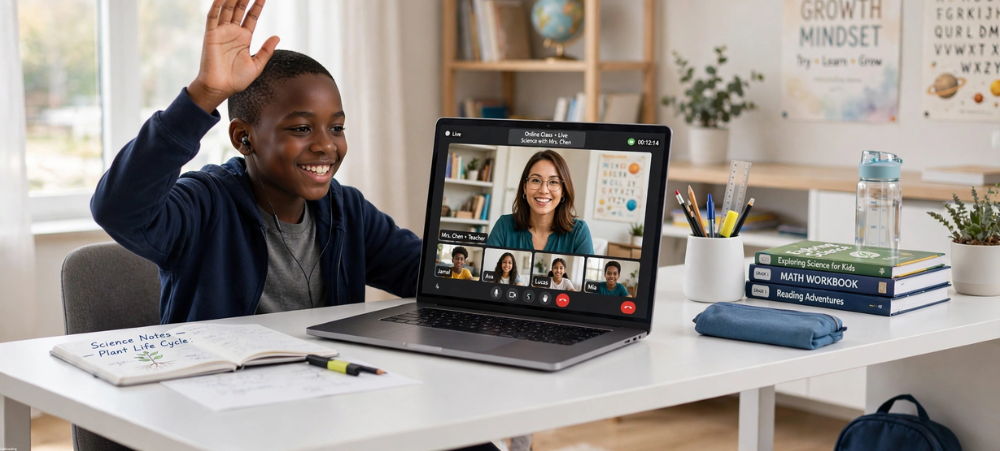
Wingu Academy is proud to announce that its Online Primary School is now officially EBI PSI Registered, marking an important milestone in our commitment to international educational quality and recognised academic standards. The EBI (Education Bureau International) PSI (Primary School International) framework is a quality assurance and registration system designed to ensure that primary education providers meet rigorous standards of curriculum delivery, learner support, and academic integrity. It evaluates institutions across key areas such as teaching quality, learner outcomes, safeguarding, curriculum structure, and operational excellence. For learners, this registration strengthens confidence in the quality and structure of their education. It ensures that learning is delivered within a recognised framework that prioritises academic development, personal growth, and consistent progress tracking. Learners benefit from enhanced credibility in their educational journey, alongside a well-supported and structured learning environment. For teachers, EBI PSI registration reinforces professional standards and best practices in online education. It provides clear frameworks for lesson delivery, learner engagement, and assessment consistency. This supports educators in maintaining high-quality instruction while continuously improving teaching methodologies within a globally aligned system. This achievement reflects Wingu Academy’s ongoing commitment to providing a future-focused, internationally aligned, and high-quality online learning experience.

The Collective Genius Centre

Navigating the High School Jungle: A South African Parent’s Guide to Supporting a Teen with ADHD

If you are raising a teenager with Attention-Deficit/Hyperactivity Disorder (ADHD) in South Africa, navigating the high school landscape can feel like an uphill battle. The shift from the structured environment of primary school to the heavy academic workload of Grade 8 through Grade 12 brings intense pressure. Between managing multiple subject teachers and prepping for high-stakes exams, the executive functioning demands can easily overwhelm a neurodivergent brain. Mainstream South African classrooms—frequently overpopulated and strictly bound to rigid timetables—are rarely designed with the ADHD brain in mind. However, with targeted classroom accommodations and alternative educational environments, your teen can bridge the gap between their potential and their performance. Understanding the Three Presentations of ADHD ADHD is a complex neurodevelopmental condition, and how it shows up in a teenager depends heavily on their specific type. The DSM-5 breaks ADHD down into three distinct presentations: Key Classroom Accommodations for the ADHD Brain When advocating for your teen at school or setting up an optimal learning space, focus on these environmental and procedural strategies: The Reality of Class Size In South Africa, it is not uncommon for public or standard private school classrooms to hold anywhere from 30 to 40 learners. For a teenager with ADHD, this amount of ambient noise, social movement, and sensory input is a recipe for cognitive overload. A larger class size also means a single teacher cannot easily notice when an inattentive student has drifted off. Minimising class size is one of the most effective structural interventions for neurodivergent learners. Normalising “Brain Breaks” Expecting a teen with ADHD to sit perfectly still through a 45-minute period—or a double period—is often counterproductive. Brain Breaks: Short, functional pauses built into a study routine to allow the nervous system to reset. Movement triggers the release of dopamine and norepinephrine, the exact neurotransmitters the ADHD brain lacks to sustain focus. Allow your teen to take small, discreet breaks. This could look like standing up at the back of the room for two minutes, doing a quick stretch, or running a small errand for the teacher to clear their head. Fidget Toys as Secondary Focus Tools There is a common misconception among educators that fidget tools are toys meant for play. For a neurodivergent learner, a quiet tactile item acts as a “secondary focus tool.” By occupying the physical restlessness of their hands, it frees up mental bandwidth to listen to a lecture. The golden rule for high schoolers is that the fidget must be silent and discreet to avoid peer disruption or unwanted attention. As shown above, great options include: Thinking Outside the Mainstream: The Collective Genius Centre For many South African teenagers, even with standard accommodations, a traditional school environment remains a mismatch for how their brains operate. This is where specialised alternative tuition environments offer a lifeline. Centres like The Collective Genius Centre based in Rosebank, Johannesburg, are deliberately built from the ground up to support learners who do not thrive in mainstream education. The Collective Genius Centre Approach Here is how a dedicated tuition centre bridges the gap for a teenager with ADHD: Moving Forward Raising a teenager with ADHD requires shifting your focus from making them “fit the mold” to finding a mould that fits them. Whether you work with their current school to introduce quiet fidgets and strategic brain breaks, or look into an alternative learning path like the small-group, independent design of The Collective Genius Centre, remember that your teen’s brain isn’t broken—it simply learns differently.

Sugar Bay Holiday Camp

25 Years of Sugar Bay Camp: A Place Where Childhood Still Feels Like Childhood

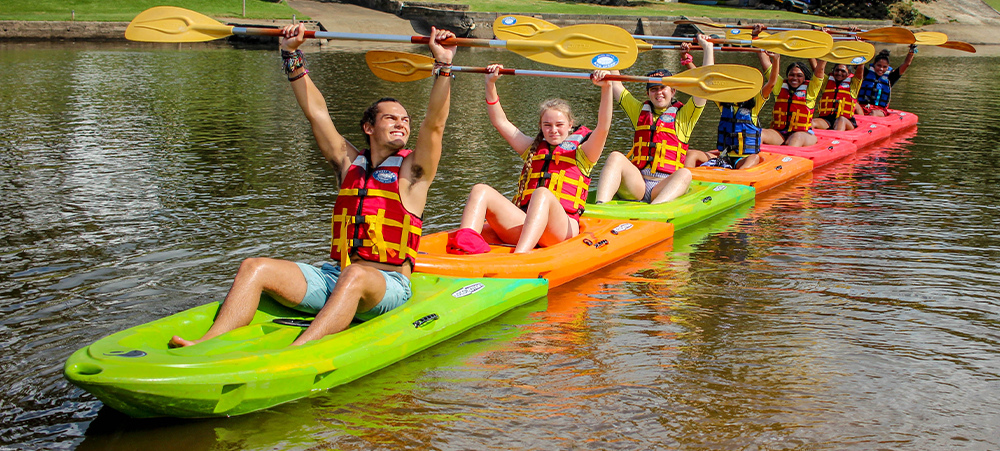
When I think about Sugar Bay turning 25, I do not first think about buildings, activity schedules or camp themes. I think about children. I think about the child who arrives quietly, unsure of where to stand, and leaves a week later with a nickname, a best friend and a story they cannot wait to tell in the car. I think about the campers who came to Sugar Bay years ago and are now parents themselves. I think about the children who have grown up with us, returning each school holiday a little taller, a little braver, a little more themselves. Twenty-five years is a long time in the life of a place. In the life of a child, it is a whole generation. Sugar Bay began with a simple but deeply felt belief: children need places where they can be children. Not perfect. Not polished. Not always watched through the lens of performance. Just free to play, try, laugh, make friends, get sandy, get tired, wake up excited and feel part of something. Long before Sugar Bay opened its doors, I found myself thinking back to my own childhood holidays. The happiest memories were not complicated or expensive. They were the days spent outdoors with cousins, climbing, exploring, building, imagining and being busy until the sun went down. There was a freedom in those days that stayed with me. Years later, after realising that my legal career was not where my heart belonged, I kept coming back to that feeling. I wanted to create a place where children in South Africa could experience the kind of holiday that gave them more than entertainment. A holiday that gave them confidence, friendship, independence and memories they could carry for years. That dream became Sugar Bay. In 2001, Sugar Bay opened in Zinkwazi Beach on the KwaZulu-Natal North Coast. At the time, the idea of an American-style children’s holiday camp was still unfamiliar to many South African families. Parents knew school camps. They knew family holidays. They knew the usual school holiday juggle. But a children-only sleepover camp, built around choice, friendship, outdoor adventure and themed camp weeks, was something new. It was not always easy to explain. Over the years, parents have asked the questions any caring parent should ask. Will my child be safe? Will they be included? What if they are shy? What if they miss home? What if they do not know anyone? I have always understood those questions, not only as a camp founder, but as a mother. Sending your child away for a school holiday camp is an act of trust. It is not a small thing. Parents are not just booking a week away. They are placing their child in someone else’s care and hoping that child will be protected, encouraged and understood. That trust is something we have never taken lightly. What has kept Sugar Bay going for 25 years is not only the beach, the lagoon, the activities or the themes. Those are part of the magic, of course. Children remember the waterslides, the campfires, the cabin jokes, the team games, the evening programmes and the moments that become funny only because they happened at camp. But the real legacy of Sugar Bay is harder to photograph. It is the child who learns to make a decision without a parent standing beside them. It is the child who tries an activity they were nervous about. It is the child who discovers that making a new friend is possible. It is the child who realises they can be away from home and still feel safe, cared for and happy. Sometimes the change is loud and obvious. Sometimes it is small and quiet. A child speaks up. A child joins in. A child comes home with more confidence than they arrived with. Those moments matter. In a world where children are growing up with so much noise, pressure and screen time, camp offers something beautifully simple. It gives them space to be present. Space to move their bodies. Space to meet children from different schools, cities and backgrounds. Space to form friendships that are not based on who they already know. For parents, that can be just as meaningful. Many families come to Sugar Bay looking for a supervised kids holiday camp in South Africa, a school holiday solution, or a safe sleepover camp near Durban, Ballito and the KZN North Coast. What they often find is that camp becomes more than a practical answer to the holidays. It becomes part of their child’s growing-up story. That is why this 25th birthday feels so special. It belongs to every camper who has sung at campfire, every parent who has trusted us, every counselor who has helped a nervous child settle in, every staff member who has poured heart into the programme, and every family who has allowed Sugar Bay to become part of their school holiday rhythm. It is a milestone, but it is also a reminder. Children still need adventure.Children still need safe independence.Children still need adults who believe in them.Children still need places where they can arrive as they are and leave feeling a little more capable. This August, we are celebrating that legacy with two special holiday camps at Sugar Bay. Wednesday Week runs from 9 to 16 August 2026. It is a creative, mysterious and slightly spooky camp theme built around music, courage, imagination and belonging. It is a lovely fit for children and teens who enjoy stories, puzzles, performance-style fun and a week with a little more personality. Read more: https://www.sugarbay.co.za/post/wednesday-week-sugar-bay-holiday-camp Sweet & Sour Week runs from 16 to 23 August 2026, and this is our big 25th birthday celebration week. It will be colourful, playful and full of birthday energy, with candy-inspired challenges, team games, campfire traditions, sweet surprises and a few exciting new Sugar Bay activities being revealed during the week. Read More: https://www.sugarbay.co.za/post/sweet-sour-week-sugar-bay-camp-august-2026 Both August camps take place at Sugar Bay in Zinkwazi Beach, KwaZulu-Natal, and

Wingu Academy

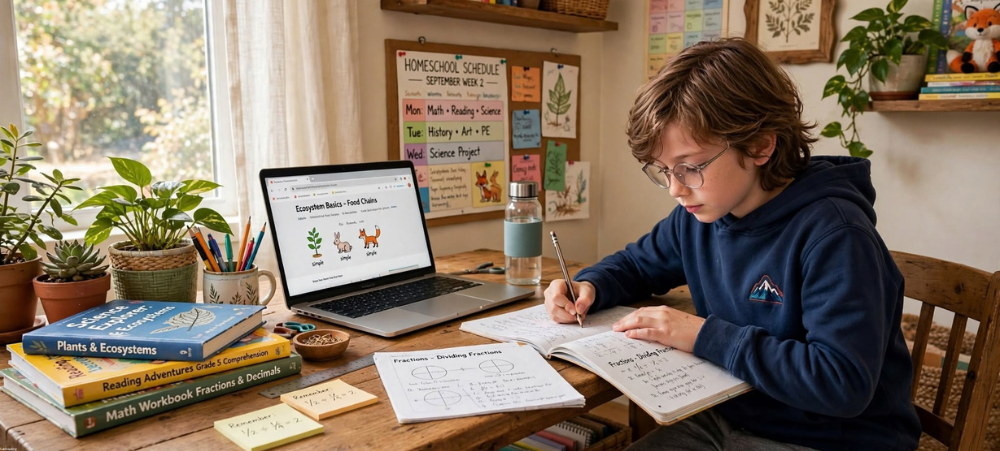
Learner wellness and holistic support in digital education

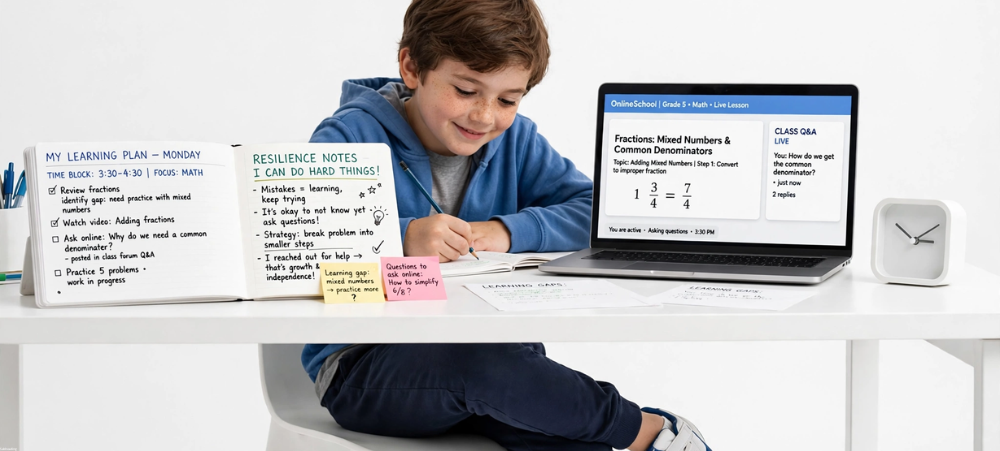
Educational research increasingly highlights the connection between learner wellbeing and academic performance. Students who feel emotionally supported are more likely to remain motivated, engaged, and resilient throughout their educational journeys. Wingu Academy prioritises holistic learner support through live teacher interaction, Student Success Advisors, parent-teacher communication, and flexible digital learning systems designed to support both academic and emotional wellbeing. Online education offers flexibility and accessibility, but successful digital learning environments must also create meaningful human connections. Live classes help learners remain actively engaged, while personalised academic support ensures that students receive guidance tailored to their individual needs. Student Success Advisors contribute significantly to learner wellbeing by assisting with organisation, motivation, accountability, and emotional encouragement during challenging academic periods. Direct communication between parents and teachers further strengthens the learner support system. Flexible tools such as recorded lessons and digital access allow learners to revise effectively, manage academic responsibilities, and reduce unnecessary stress associated with rigid learning structures. Through its holistic educational approach, Wingu Academy demonstrates how online education can support both academic excellence and learner wellbeing, empowering students to grow with confidence, balance, and long-term resilience.

Parenting Hub

Game on. School Holiday Fun Kicks Off at Mall of Africa

The Goal Zone brings football-themed family fun, prizes and competition to the winter school holidays Johannesburg, 11 June 2026: This winter school holiday, Mall of Africa will bring energy, excitement and a healthy dose of friendly competition to fire up the soccer spirit of the World Cup with The Goal Zone, Winter’s Ultimate Playoff, an action-packed indoor football experience designed to keep children moving, laughing and entertained. Running from Friday 3 to Monday 13 July in the Food Court, the immersive play experience will transform this part of the mall into an interactive soccer-themed activity zone where children, teens and even competitive parents can put their skills to the test across seven exciting challenges. Open daily from 10am to 8pm, tickets will be available at the activation area for R50 per participant. Visitors will stand a chance to win incredible prizes, including 1 of 5 official Bafana Bafana jerseys, 5 x R1 000 Studio 88 vouchers and spot prizes from EL&N, Honor, Lego, McDonalds, New Balance, Spur, Totalsports and Toy Kingdom. The first 100 participants through The Goal Zone will have the opportunity to customise a Krispy Kreme Original Glazed doughnut. Winter Holiday Fun with a Competitive Twist Created as a high-energy school holiday attraction, The Goal Zone activities will include a mix of football skills, speed, coordination and playful rivalry, giving young fans the chance to celebrate the game, test their skills and soak up the excitement of the World Cup. Whether visitors are showing off fancy footwork or simply trying something new, the experience is designed to entertain a wide range of ages, with selected challenges designed for the whole family to enjoy, while bringing a lively, sporty atmosphere to the winter break. Visitors will be able to test their power in Speed Kick, take aim in Beat the Keeper, sharpen reaction times at the Reflex Wall, or put their accuracy to the test in Through the Hoops. Those looking for something a little different will be able to try their hand at Footgolf, challenge friends and family in Sit Down Soccer, or see how long they can keep the ball in the air during Keepie Uppies. Created to mimic an indoor astroturf-style arena complete with playful sporting touches, The Goal Zone will bring all the excitement of a match-day atmosphere into a fun, family-friendly holiday experience. A School Holiday Outing with Extra Energy As cooler weather settles in, The Goal Zone will offer families an indoor activity that encourages children to stay active while adding something different to the school holiday calendar. Positioned in the heart of the mall, the football experience will also make it easy for families to pair the experience with lunch, shopping or a full day out. Whether it is siblings competing for bragging rights, friends challenging one another to beat the leaderboard or parents quietly proving they still have a winning kick, The Goal Zone is all about getting involved, having fun and making winter holiday memories. The Goal Zone will run from 3–13 July 2026 in the Mall of Africa Food Court. Tickets are available onsite for R50 per participant. For more information and regular updates on Mall of Africa, its stores and events, follow the mall on social media at Instagram: @_themallofafrica or visit the mall’s website: mallofafrica.co.za.

Kumon

Why Early Maths Matters – Building Number Sense Alongside Reading

We know how important it is to develop a child’s early reading foundation; it is often the first step in opening the doors to language, creativity, and lifelong learning. Equally important, and sometimes overlooked, is early Maths development. Building number sense from a young age helps children grow confident and sets the stage for future learning success, which is just as important as those first words you read together. Children often remember the books they read with their parents; wouldn’t it be amazing to provide a memory of the first time they tackled addition? Is Reading More Important? Early reading skills are celebrated for good reasons. Recognising letters and their sounds is essential for reading, and an emerging print awareness helps children communicate and understand their world. Yet, early Maths skills are just as important. Early exploration of numbers, patterns, and simple addition through everyday games builds strong mathematical reasoning that will be carried through a child’s life. Perhaps you have an older child struggling with word problems in Maths. Typically, those challenges are related to reading comprehension difficulties. However, if the student cannot solve the mathematical operations associated with the word problem, then the whole situation becomes much more challenging to rectify. Reading is important, but a balanced approach of learning both Maths and reading lays the foundation for well-rounded lifelong learning. Making Sense of Number Sense Number sense means understanding how numbers work and relate to each other. Children build this skill through everyday activities, such as counting toys, sorting snacks, spotting patterns, and playing with shapes. Kumon’s early Maths worksheets use this concept by way of counting colourful objects and shapes to help children begin to learn the number sequence, and how to group items. As the levels progress, children learn to write numbers, master the number sequence, and understand simple addition, gradually, and at their own individualised pace. Mental calculation is encouraged early, helping children learn to add without the need for finger counting. These simple experiences with numbers and patterns lay the groundwork for more advanced mathematical concepts seen later in life. Unique Benefits of Early Maths Early Maths skills help children develop logical thinking, reasoning, and problem-solving abilities. Maths is part of everyday life whether it’s measuring ingredients, keeping time, comparing quantities, counting change, or budgeting allowance. These overarching life skills stem from an early understanding of numbers and identifying patterns. Children who feel comfortable with numbers gain confidence to tackle more complex Maths as they grow. Teaching Maths early, when children are eager to learn, sets the stage for future success both in and out of the classroom. As a bonus, we’ve found that preschoolers who study consistently often speed up their rate of progress as they advance, rather than slowing down. This early exposure to Maths can unlock significant potential for future learning. In fact, in a long-term study of students from the time of school readiness through later academic achievement, researchers found that early Maths skill development mattered the most as a predictor of not just later academic Maths success, but later reading success, too.  Taking the Fear out of Maths While your child may be Kindergarten-aged or younger currently, they won’t be so forever. In the blink of an eye, your child will be immersed in higher level Maths concepts: multiplication, division, fractions, orders of operations, algebra, and beyond! Unfortunately for some older students, Maths can become a source of fear and frustration. When students have a weak mathematical foundation, every new concept that is built upon the previous becomes that much more challenging. While we can certainly turn these struggling students around and unlock their full mathematical potential, it’s much simpler to nurture a love for Maths when children are young and enthusiastic. Similarly to how you may be aware that a second (or third!) language can be more easily taught from an early age, think of Maths as another language more easily taught when young. Easy Ways to Foster Early Maths at Home Let’s Grow Strong Foundations Together Just as reading opens minds, early Maths opens doors to new ways of thinking and school readiness. Supporting number sense alongside literacy helps your child succeed in life. Kumon’s Maths Programme can complement your child’s reading journey, and your Instructor can support you in determining when to add Maths into your child’s routine. Let’s inspire curiosity, build confidence, and nurture a love for learning, one number at a time. To find out more about what Kumon has to offer, visit www.kumon.co.za. This article is courtesy of the Kumon North America website* * https://www.kumon.com/resources/why-early-math-matters-building-number-sense-alongside-reading/

Wingu Academy

Human-centred online education: the future of learner success

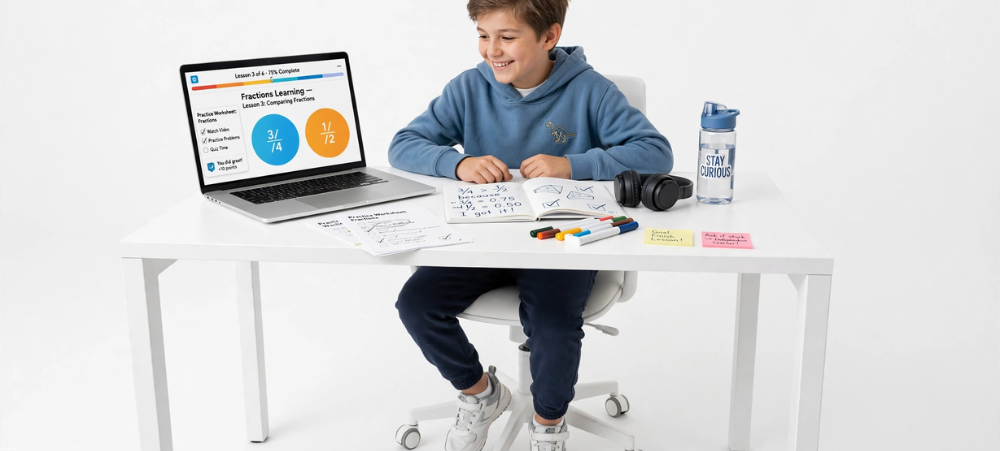
The global evolution of online education has significantly transformed how learners engage with academics, teachers, and educational support systems. Across the world, modern online schools are moving beyond traditional distance learning models toward more dynamic, interactive, and human-centred educational experiences. Current international trends increasingly emphasise live instruction, personalised learner support, flexible digital access, wellness integration, and future-focused learning pathways that prepare students for rapidly changing academic and professional environments. Research consistently demonstrates that successful online education depends not only on advanced technology, but also on meaningful human interaction, structured academic guidance, and strong emotional support systems. As a result, leading online schools globally are prioritising real teacher engagement, student wellbeing, academic accountability, and flexible learning models that accommodate diverse learner needs. Wingu Academy reflects these modern international education trends through its human-centred online learning model that combines live classes, qualified teachers, Student Success Advisors (SSAs), wellness support, and flexible digital learning tools. This balanced educational approach ensures that learners remain connected, supported, motivated, and academically engaged throughout the school year. One of the strongest global shifts in online education is the return to live teacher-led learning environments. Unlike passive content-only platforms, live classes encourage active participation, real-time interaction, immediate feedback, and stronger academic accountability. Learners benefit from direct engagement with qualified educators, creating more meaningful learning experiences that support confidence, critical thinking, and academic growth. Another growing international trend is the demand for flexibility without compromising educational quality. Modern learners and families increasingly value the ability to access recorded lessons, digital resources, and revision tools that support independent learning and personalised pacing. Wingu Academy’s inclusion of convenient lesson recordings allows learners to revisit challenging concepts, prepare effectively for assessments, and strengthen understanding in ways that support individual learning styles. Globally, educational institutions are also recognising the importance of learner wellbeing as a critical component of academic success. Wellness support, personalised learner guidance, and strong communication between educators and families are becoming essential features of high-quality online education models. Through Student Success Advisors and ongoing parent-teacher interaction, Wingu Academy supports both the academic and emotional development of its learners. As online education continues evolving internationally, the focus is increasingly shifting toward future-ready learning environments that combine technology with meaningful human connection. By integrating academic structure, personalised support, flexibility, and innovative digital learning tools, Wingu Academy demonstrates how contemporary online education can empower learners to thrive confidently within a modern, globally connected educational landscape.

Kumon

From “Can Read” to “Loves to Read”: The Difference Between Knowing How to Read and Being a Fluent, Confident Reader

Picture this: Your child picks up Cat in the Hat, struggles to sound out most of the words, gets to the end, and then… closes the book without a smile. There were no questions, no laughter, and no requests to find another humorous book to read. The task was simply completed, without joy and, likely, with frustration. Technically, they read the book. But did they really experience it? Compare this to the child who sits in the car and knows the ride will be long. They pull out the latest book they’re reading, find their place, and laugh to themselves at the antics of Diary of a Wimpy Kid.   This is the heart of the difference between an emerging reader who knows the mechanics of how to read and being a fluent, confident reader. Understanding this difference can help you support your child in ways that make reading not just a task to be completed, but an experience worth actively engaging in. What is an Emerging Reader? Emerging reading is the middle step between pre-reading and greater reading fluency. It’s when a child can decode words on the page, matching letters to sounds, blending them together, and saying them aloud to make words and then sentences. Think of it like learning to play the piano: In the beginning, you’re concentrating on every finger placement, reading each note, and making sure you’re pressing the right keys at the right time. You can technically play a song, but it’s mentally exhausting and a bit nerve-wracking. It doesn’t feel enjoyable, and the song may sound clunky, with many pauses.   For new readers, decoding takes so much brainpower that there’s little energy left for reading comprehension, and certainly not enjoyment. They’re busy thinking about what sound th makes and whether the c in race is pronounced the same way as in cup. This stage is important, but it should not be the last stage in the lifelong journey of becoming a reader. What is a Fluent and Confident Reader? Fluency is when reading feels smooth and natural. A fluent reader doesn’t just say the words; they understand them, feel them, and connect with them. True reading fluency provides: When kids reach this stage, reading becomes less of a chore and more like a treat. This is when children laugh at the jokes, gasp at surprises, and ask, “Can we go to the bookshop?” Why the Difference Matters Emerging reading is about accuracy while fluent reading is about using that accuracy to make meaning. An emerging reader may: Fluency opens doors not just to better grades, but to imagination, information, curiosity, and lifelong learning. How Do We Help Kids Make the Leap? To turn an emerging reader into a fluent one, you need connection, practice, and patience. Try these practical tips at home: But What If My Child Struggles to Move from Emerging to Confident? Remember: Every child moves at their own pace. Some need more time in the decoding phase before fluency kicks in, and that’s perfectly acceptable. Here’s what can help move your child forward: Lifelong readers may face struggles along the way, but the goal is to build enjoyment and a love of reading, which cannot be rushed. The Big Picture Knowing how to read is like learning where the keys are on a piano. Being a fluent, confident reader is like playing a favourite song effortlessly, your fingers dancing across the keys, music filling the room, and joy lighting up your face. While emerging reading gets kids started, fluency takes them places. With your support through shared reading, conversations, and encouragement, they’ll not only learn to read, but they’ll also learn to love it. Tonight, grab a book, snuggle up, and read together. Plan your next trip to the library or bookstore and build it up into a fun experience you’ll share. Intentionally read your own book while your child is near, showing what a reader looks like. Remember, every story you share brings your child one step closer to becoming a lifelong lover of reading. The Kumon English Programme aims to foster a love of reading and learning in every child. To find out more about what Kumon has to offer, visit www.kumon.co.za. This article is courtesy of the Kumon North America website* *  https://www.kumon.com/resources/the-difference-between-knowing-how-to-read-and-being-a-fluent-confident-reader/

Wingu Academy

Future-ready education and the development of global citizens

Modern education extends beyond academic achievement alone. Today’s learners must develop digital literacy, adaptability, critical thinking, and global awareness to succeed within an increasingly interconnected world. Wingu Academy supports future-ready education by integrating innovative digital learning with personalised academic support and flexible educational pathways. The school’s BlendFlex learning model within the British International Curriculum encourages independent learning while maintaining strong teacher guidance and accountability. Flexible learning environments allow students to access quality education while developing essential self-management and digital communication skills. At the same time, live teacher interaction ensures learners remain connected and academically supported. Wingu Academy also promotes learner empowerment, environmental awareness, and global citizenship — encouraging learners to engage responsibly within both digital and real-world communities. These values help students develop resilience, confidence, and a broader understanding of their role within a rapidly changing global society. By combining innovation with human-centred support, Wingu Academy prepares learners not only for examinations, but also for future academic, professional, and personal success.

Bellavista SHARE

Understanding Anxiety in Children, And How To Help Them Through It

Many parents will recognise the scene: a school morning that should be ordinary turns into something entirely different. There are tears at the gate, a stomach ache with no clear cause, and a child who, by every measurable standard, is fine, yet is clearly not fine at all. Anxiety in children rarely presents itself as anxiety; instead, it manifests as resistance, irritability, sleeplessness, sudden clinginess, or a sore tummy or tears on a Sunday evening. As South Africa focuses on our youth this June, we must consider the wellbeing of our young people, with mental health firmly included in that conversation. The scale of the issue The World Health Organisation estimates that around one in seven children and adolescents worldwide, aged 10 to 19, lives with a mental health condition (Sept, 2025). Anxiety disorders sit alongside depression and behavioural disorders as some of the most common. The numbers matter, but what matters more is our understanding of the disorder and how we can better support the child. Anxiety isn’t the enemy A useful place to start is by separating the feeling itself from the assumption that the feeling is a problem. Anxiety is, fundamentally, a sense of worry, fear or dread that won’t always respond to reason. It is also a normal and useful human emotion. A small dose of anxiety sharpens a child’s focus before an exam. It produces the energy that gets them onto the sports field with their head in the game. It is hard-wired into our survival system. Faced with genuine danger, the quickened heartbeat, the faster breathing, the sharper senses, are designed to keep us alive. Anxiety becomes a problem when it stops being situational and starts being constant- when the alarm system that should switch off after the threat passes simply does not switch off. At that point, anxiety stops protecting and starts interfering with daily life. One of the heaviest things many anxious children carry is not the anxiety itself but the judgement around it. So many of us were raised to believe we should not feel anxious in the first place, and that shame associated with this belief only compounds the worry. Children need to hear, clearly and often, that anxiety is normal and can be helpful. That it does not define them- it does not make them weak or bad. The moment they learn to notice it and put a name to it is the moment they start to take some control back. Awareness does not amplify anxiety, it quietly gives a child the confidence that they can cope. A useful reminder for any anxious child: “Feelings come and go. You felt different before, and you’ll feel different again.” What’s actually happening inside their head To support an anxious child well, it helps to understand what is happening at the level of the brain. Two parts of the brain do a lot of the heavy lifting here. The prefrontal cortex is the part responsible for focus, impulse control and flexible thinking – the rational executive. The amygdala is the part that processes emotions like fear – the alarm system. In a settled state, the prefrontal cortex keeps the amygdala in check, weighing up whether something is genuinely threatening. When a harmless situation gets misread as dangerous, however, the amygdala fires the alarm. The body switches into fight, flight, freeze or fawn mode. As anxiety climbs, the brain’s executive functioning takes a hit – logic goes offline. This is why telling an anxious child to “stop worrying, it’s not that bad” almost never works. To their brain and body, the threat is entirely real. We are not arguing with their thinking. We are arguing with their biology. What to look out for Part of the parental task is telling the difference between developmentally appropriate fears, everyday worries, and the kind of pattern that signals an actual anxiety disorder. Anxiety in children tends to show up in three ways: If several of these are showing up in your child persistently, and getting in the way of everyday life, that is the signal to take it seriously. What you can do to help Supporting an anxious child starts with the adults around them. Here are some practical approaches that work for the whole family. The goal is not a worry-free childhood Anxiety is not the enemy, it’s a normal, even necessary, human emotion. Learning to regulate emotions is a skill that children learn when they are supported by an adult. When we as the key adult co-regulate, they develop the metacognitive skills to regulate themselves.  With patience, the right strategies, and steady support, we can teach our children something far more useful than a worry-free childhood. We can teach them: “I can feel anxious and still be okay.” For more resources, visit www.bellavista.org.za By Karen Archer, Deputy Principal, Bellavista School

Kumon

6 Tips to Help Tackle Maths Anxiety in Children

Maths can often present challenges for students when it comes to understanding the material. Those who struggle may be taking longer than others on work aren’t able to solve assignments on their own, or are unable to complete tests. When they don’t feel confident in their skills and are aware that it is something they should be understanding in order to succeed. This can lead to feelings of Maths anxiety in children.  When a student feels anxious about Maths, they are quick to doubt their abilities, feel frustrated and in turn avoid doing their work. Maths anxiety can start from the first time Maths is introduced to more complex Maths concepts.  If you’re searching for ways to help your child work through and overcome their Maths anxiety, try the following tips: 1. Help them reframe their fixed mindset into a growth mindset:  You may have heard your child say, “I hate Maths” or “I’m terrible at Maths, I don’t want to do it!” While it’s common for a student to think they’re terrible at Maths based on performance and their comfort level, remaining positive is imperative to their success. Repeatedly expressing negativity towards Maths can discourage their desire to improve and lead them to believe it’s just something they will never be good at.   Instead, help your child with their growth mindset by having them think more positively. Show them that hard work combined with perseverance can help them improve their abilities. Thinking that “I can do it” versus “I’m not good at Maths” will help them feel more confident to work through the problems instead of not trying at all.   2. Enrol them in a supplemental Maths program:   Maths anxiety may often occur because a student didn’t master foundational Maths skills. This makes it incredibly difficult to learn more advanced Maths concepts. To help them with these foundation skills, you will want to understand where they can improve and practice concepts.  The Kumon Maths Programme is beneficial for a student struggling with Maths because the student will begin at a spot that is a comfortable starting place. Each student has different abilities and starting where your child is comfortable can help them build their knowledge at their own pace. They will practice regularly for 30 minutes per day which helps them to understand and retain knowledge. With consistent practice, students often can get on track which in turn builds their confidence in Maths and can often lead to them studying above grade level! 3. Praise their efforts:  Praising your child’s efforts helps them see that problem solving isn’t always successful on the first try. It can be stressful to give the wrong answers or struggle to find the solution, but the process of how they attempted to get there is important! Seeing the steps taken will help you understand where they may have gotten off track and how to figure it out from there. When you praise their efforts, children are more likely to feel comfortable attempting to solve problems and learning how to correct their work.   4. Play Maths games:  In addition to the Kumon Maths Programme, you can help your child practice Maths concepts daily by playing Maths games! This approach of practicing Maths concepts that will allow them to feel more comfortable improving their skills. Also, you can work on creating a fun Maths game with your child including concepts they find challenging. Creating a game can be a great way for them to be motivated to play something that they spent time making. It can be a game you play together as a family or one your child is excited to play with friends. This can help them feel more excited about Maths as they work through the game they created. 5. Add Maths into your daily routine:  Maths is a part of our daily routines as adults, from calculating budgets to managing time on the calendar. Incorporating Maths into your child’s daily routine can show how Maths applies to real life. You can start by discussing components of Maths that relate to a certain task, sorting and counting items around the house, making a recipe together for dinner, or just about anything! Making Maths relatable and applying it to real-life scenarios can show how useful it is to know and why it’s important to continue studying to develop their skills.  6. Discuss the importance of time management:  Time management can teach time, schedules, and planning in advance while instilling confidence in your child as they see the effects of being prepared.   The Takeaway  Maths anxiety can lead to students avoiding Maths work altogether and doubting their ability to improve their skills. Since every child has varying abilities, not every approach will work the same. Trying different tactics and working on developing your child’s Maths skills can help them tackle Maths anxiety and become more confident learners.  Kumon’s Maths Programme can help children to overcome Maths anxiety and build up confidence and proficiency in the subject. To find out more about what Kumon has to offer, visit www.kumon.co.za. This article is courtesy of the Kumon North America website**  https://www.kumon.com/resources/6-tips-to-help-your-child-tackle-Maths-anxiety/

EduHelp

Local Young Innovators to represent South Africa in New York

Two Grade 8 learners from Pretoria are taking the local STEM field by storm. Johan Vorster and Gustav Heesen were the first grade 7 learners to be crowned Overall Winners of the Gauteng North Imbewu Science Fair in 2025, beating older competitors across several grades. Their innovative project is a smartphone-based application that uses AI to mark tests and assignments, relieving the burden on teachers and allowing them more time to focus on teaching. Johan and Gustav designed, tested and tweaked their model independently, ending up with a cost-effective and accessible solution for overworked teachers. Their system is called Advanced Mark-Allocation System (AMAS), and was built using large language models and N8N flow-gramming software to alleviate the test and assignment-marking burden on teachers. Bigger classes mean more tests and assignments for teachers to grade. This AI system is designed to mark tests and provide feedback to learners based off smart phone photos of the learners’ test papers. The software was tested rigorously, and was able to interpret the information on the photograph even when cursive writing was used. It was also able to correctly interpret very untidy and illegible handwriting, as well as writing with a lot of spelling mistakes. The data from the tests were then used to provide feedback to learners and the teacher. AMAS generates personalised feedback to each learner based on their test or assignment information and results. It goes a step further by identifying areas for improvement and suggesting supplementary activities that could help strengthen the learner’s knowledge in that area. It also provides feedback to the teacher based on the class’s performance and overall strengths and weaknesses. After winning the Gauteng North Imbewu Science Fair this year, Gustav and Johan were crowned as second runners-up in the National Imbewu SAYESS (South African Youth Environmental and Science Symposium) competition and were subsequently invited to participate in the Genius Olympiad in Rochester, New York, USA, in June of this year. The boys and their families are, of course, very proud and excited about this fantastic opportunity to represent the future of South African STEM fields abroad. However, the cost of sending the two learners and a chaperone to the USA is significant. As a result, the families have started a crowdfunding campaign to help them cover the costs. They are almost halfway to their goal, with many individuals and companies pitching in to help get Johan and Gustav to New York for the Olympiad. If you would like to contribute, click on this link to their Back-a-buddy campaign. For more information on their application, AMAS, watch this YouTube presentation the boys made to explain their invention. EduHelp and Holistic Awareness wish Gustav and Johan all the best on their travels and the Olympiad, and we cannot wait to see what the future holds for these two bright young South African innovators! Written By Loudine Heunis This article originally appeared in the EduHelp/ Holistic Awareness newsletter.  Johan Voster and Gustav Heessen with the presentation of their innovative AI test-marking app. Image supplied by the Heessen family.

Sugar Bay Holiday Camp

A Mom’s Look Inside Sugar Bay Holiday Camp With Actor Lunathi Mampofu

When actor & mom Lunathi Mampofu visited Sugar Bay Holiday Camp in Zinkwazi Beach, it was more than a quick stop at a children’s camp. It was a mom getting to see the place her daughter, Skye, had been talking about long after coming home. Like many parents, Lunathi had felt the nerves that come with sending a child away to sleepover camp. It is one thing to know your child is going somewhere fun. It is another thing to let them go without being able to check in every few minutes, fix every small problem, or know exactly what they are doing throughout the day. That is why her visit to Sugar Bay mattered. Skye was already comfortable there. Lunathi got to see her daughter in the camp environment, moving around with confidence, proud to show her cabin, happy around the pool, and clearly at home in a place that had become special to her. For a parent, that says more than any brochure could. Sugar Bay is a children-only sleepover holiday camp on the KwaZulu-Natal North Coast, based in Zinkwazi Beach. Children and teens come for school holiday camps filled with activities, beach and pool time, cabin life, evening events, friendships and 24/7 supervision. But what stood out in Lunathi’s visit was not just the activities. It was the feeling that Skye had been given space to grow, while still being cared for. She spoke about the value of independence, and how important it is for children to have experiences outside their everyday home routine. At Sugar Bay, Skye gets to make choices, manage small responsibilities, spend time with other children, and enjoy a holiday that feels like her own. That is something many parents want for their children, even if the first step feels emotional. Lunathi’s visit gave a real look at what that can mean. A child who settles in. A child who feels safe enough to enjoy herself. A child who comes home with stories, confidence and a genuine connection to the people and place. For parents who are still unsure about sleepover camp, her experience is reassuring because it is honest. The nerves are normal. Letting go is not always easy. But seeing your child happy, confident and cared for can change the way you look at camp completely. Sugar Bay has been welcoming children and teens since 2001, with over 100 activities, trained counselors, cabin accommodation and a full camp programme designed for fun, friendship and independence. About Sugar Bay Holiday Camp Sugar Bay is a children-only sleepover holiday camp in Zinkwazi Beach on the KwaZulu-Natal North Coast. The camp welcomes children and teens aged 7 to 17 during the school holidays, with over 100 activities, 24/7 supervision, trained counselors, beach and pool experiences, cabin accommodation and a full camp programme built around fun, confidence and independence. Explore upcoming Sugar Bay school holiday camp dates:https://www.sugarbay.co.za/2026-school-holiday-camp-dates Learn more about Sugar Bay:https://www.sugarbay.co.za/about-sugar-bay-holiday-camp Find answers to common parent questions:https://www.sugarbay.co.za/parent-faq Book a Sugar Bay holiday camp:https://www.sugarbay.co.za/book-a-holiday Call: 032 485 3778WhatsApp: 082 525 9503

Sugar Bay Holiday Camp

June and July Holiday Camps That Give Kids More Than Just a Break

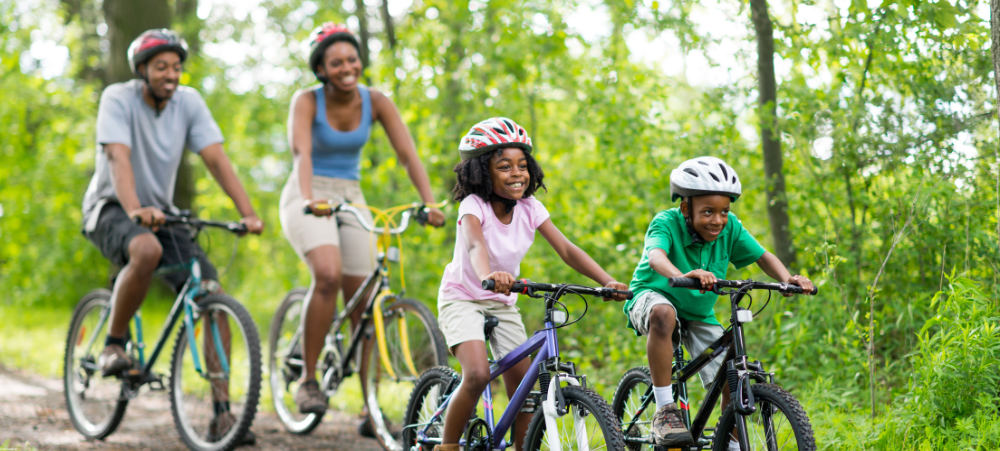
School holidays can be tricky for parents. You want your child to rest, have fun and enjoy their break, but you also want them to do something meaningful with their time. Something away from screens. Something active. Something social. Something that helps them grow. For many parents, the question is not just, “How do I keep my child busy during the holidays?” It is also, “How do I give my child the kind of holiday they will actually remember?” That is where a sleepover holiday camp can be so powerful. A good camp gives children the chance to make new friends, try new activities, spend time outdoors, build independence and come home with stories they cannot wait to share. At Sugar Bay, a kids-only sleepover holiday camp in Zinkwazi Beach on the KwaZulu-Natal North Coast, children and teenagers aged 7 to 17 enjoy a safe, supervised, screen-free camp experience filled with adventure, friendship and fun. June and July 2026 Holiday Camps at Sugar Bay This June and July, Sugar Bay is hosting three themed holiday camp weeks for children and teenagers aged 7 to 17: Wicked Week: 28 June to 5 July 2026FIFA Week: 5 to 12 July 2026Come Dine With Me Week: 12 to 19 July 2026 Each camp has its own theme, energy and activities, but every week includes the full Sugar Bay experience: over 100 free-choice activities, 24/7 supervision, trained staff, beach and lagoon adventures, creative sessions, sports, evening entertainment and a safe sleepover camp environment. Parents can view the full June and July 2026 holiday camp lineup at Sugar Bay, including dates, themes, costs and booking details. A School Holiday That Feels Like a Real Adventure June and July may be winter in South Africa, but Sugar Bay is based on the tropical North Coast of KwaZulu-Natal, where the weather is much milder than many parts of the country. Campers can still enjoy outdoor activities, beach time, lagoon adventures, creative workshops, sports, themed programmes and evening entertainment. Sugar Bay’s location makes it a year-round camp destination, with plenty for children to do in every season. Why Parents Choose Sugar Bay Sugar Bay is more than a place to keep children busy during the holidays. It is a place where children can build confidence, independence and friendships in a safe, structured environment. Campers choose from over 100 free-choice activities, which means they are not pushed through one fixed programme all day. One child may choose beach games, swimming and surfing. Another may prefer arts and crafts, drama, climbing, skating, sports or creative activities. This freedom of choice helps children discover what they enjoy, try new things at their own pace and experience camp in a way that feels exciting to them. For parents, safety and supervision matter just as much as fun. At Sugar Bay, campers are supervised 24/7 by trained staff, with a dedicated 1:3 staff-to-camper ratio. Parents can read more about safety and supervision at Sugar Bay. Wicked Week: For Creative and Imaginative Campers Sugar Bay’s Wicked-inspired theatre holiday camp runs from 28 June to 5 July 2026. This week is ideal for creative children, musical theatre fans, imaginative thinkers and campers who enjoy stories, costumes, fantasy, art and performance. The benefit of a theatre-inspired camp week is that it gives children a safe space to express themselves. Some campers may step onto a stage for the first time. Others may prefer helping with costumes, props, art, movement or behind-the-scenes creativity. Either way, the theme encourages confidence, teamwork, self-expression and the courage to try something new. Read More: https://www.sugarbay.co.za/post/wicked-inspired-holiday-camp-2026 FIFA Week: For Sporty, Energetic and Team-Spirited Campers Sugar Bay’s football-themed FIFA Week camp runs from 5 to 12 July 2026. With football excitement building in 2026, this camp gives children their own chance to be part of the energy. Campers can enjoy soccer-inspired challenges, friendly competition, cheering, poster making, team spirit activities, themed dining and classic Sugar Bay adventure. It is not only for serious soccer players. Sporty children can get involved on the field, while creative and social campers can take part through cheering, team challenges, cabin spirit and themed activities. The focus is on fun, friendship, confidence, teamwork and adventure. Read More: https://www.sugarbay.co.za/post/fifa-week-camp-july-2026 Come Dine With Me Week: For Social, Creative and Team-Focused Campers Sugar Bay’s Come Dine With Me themed holiday camp runs from 12 to 19 July 2026. This week turns mealtimes into a creative camp-wide challenge. Campers work together on menu ideas, table décor, presentation, entertainment and hosting, while still enjoying the full Sugar Bay sleepover camp experience. The theme encourages communication, cooperation, creativity, confidence and teamwork. It is not only for children who enjoy cooking. Every camper can find a role, whether they enjoy planning, decorating, performing, organising, encouraging others or simply being part of the group. Read More: https://www.sugarbay.co.za/post/come-dine-with-me-camp-july-2026 More Than a Camp Theme The themes make each week exciting, but Sugar Bay is about far more than the theme. For many children, camp is where they make new friends, try something they were nervous to do, spend time away from home, become more independent and enjoy a screen-free holiday filled with real-world connection. Camp gives children the space to grow in ways that feel natural: through play, activity, friendship, choice and shared experiences. Parents often tell us their children come home more confident, more independent and full of stories about the people they met and the things they tried. A Safe, Supervised Sleepover Camp Experience Sending your child away to sleepover camp is a big decision. That is why Sugar Bay places such a strong focus on safety, structure and supervision. Campers are supported throughout their stay by trained staff, clear routines and carefully managed activities. Water activities, excursions, evening programmes and general camp routines are supervised by the Sugar Bay team, giving children room to enjoy independence while parents have peace of mind. You can learn more about Sugar Bay’s safety and supervision on our website. Give Your Child a Holiday They Will Remember Children

Rush Extreme Sports

Trampoline Therapy for Autism: Why Bouncing Builds Balance at Rush

Trampoline therapy for autism is one of the most effective and accessible sensory interventions available to South African families — and at Rush, it happens naturally, joyfully, every single session. For a child on the autism spectrum, the world can feel like a constant stream of overwhelming signals: the glare of mall lighting, the unpredictable sounds of a public playground, the sensory chaos of a busy robot intersection. But inside a Rush trampoline park, something measurably different occurs. The rhythmic, predictable bounce of a trampoline mat is not just fun — for many neurodivergent children, it is a form of neurological liberation. Our latest article explains exactly why, and how to make the most of the April 2026 school holidays for your child’s sensory wellbeing. The Science of the Bounce: Proprioception and Vestibular Regulation Trampolining directly stimulates the two sensory systems that children with autism most commonly struggle to regulate: the proprioceptive system, which maps body position, and the vestibular system, which governs balance — making it one of the most neurologically targeted forms of sensory-friendly indoor play available. To understand why a trampoline works so well, we need to look at the hidden sensesthat underpin daily functioning for children with Autism Spectrum Disorder (ASD). The Proprioceptive System: Your Child’s Internal Map The proprioceptive system relies on receptors in joints and muscles to tell the brain where the body is in space — without the eyes needing to check. For children who feel chronically clumsy, bump into furniture, or struggle with personal space, this system is under-regulated. The deep-pressure impact of landing repeatedly on a trampoline provides intense, grounding proprioceptive feedback. In practical terms: children who enter our parks feeling frazzled and dysregulated frequently leave visibly calmer, because their nervous system has finally received the high-intensity input it was craving. The Vestibular System: Balance, Focus, and Calm Located in the inner ear, the vestibular system controls balance, spatial orientation, and the ability to filter out irrelevant sensory information. The repetitive up-and-down motion of jumping organises these signals in a way few other activities can match. A 2025 study published in the Multidisciplinary Science Journal found that even short-term trampoline interventions significantly reduced anxiety — measured through heart rate variability — and improved motor proficiency in children with ASD. These are the Rush trampoline park benefits that parents at our Claremont location see every week. A Safe Space for Self-Expression and Stimming At Rush, stimming is not just tolerated — it is the default mode of the activity, which is precisely why trampoline parks are one of the most genuinely neurodivergent-friendly activities in South Africa. “Stimming” — self-stimulatory behaviour such as rocking, flapping, or spinning — is a natural and necessary self-regulation strategy for many neurodivergent individuals. In most public environments, these movements attract unwanted attention or correction. On a trampoline, however, repetitive jumping is the activity. There is no masking required. This matters more than it might initially seem. Chronic masking – the suppression of natural autistic behaviours to conform to neurotypical expectations — is associated with significantly elevated rates of anxiety, burnout, and depression. An environment where a child can stim freely, within a safe padded space, is not a luxury. It is a mental health intervention. The physical intensity of jumping also provides “heavy work”input-  the kind of full-body exertion that lowers cortisol levels, reduces post-session meltdowns, and –  as many parents report — supports better sleep and improved focus once the takkies are back on and it is time for homework or dinner. Social Interaction Without the Social Pressure A visit to Rush trampoline park offers something rare for autistic children: genuine peer connection without the exhausting demands of direct social performance. One of the most overlooked aspects of autism is the sheer cognitive and emotional cost of conventional social interaction. The complex unspoken rules of team sports, the nuance of conversation, the unpredictability of group play — these can be genuinely exhausting for a neurologically different child. Trampoline parks offer a powerful alternative through what developmental psychologists call parallel play. On our wall-to-wall trampolines, children can jump alongsidepeers without any demand for verbal exchange. They share the same space, the same rhythm, and the same physical joy — each within their own defined section of the mat. This builds a genuine sense of belonging and community without the social overwhelm that traditional environments impose. This is what makes Rush the perfect place for trampoline therapy for autism. Over repeated sessions, parallel play often evolves organically into interaction: a shared laugh, a friendly wave, an impromptu synchronised bounce. These micro-connections, built on shared physical experience rather than verbal performance, are developmentally significant and authentic. Sensory-Friendly Session Planning General Timing Guidance For Families: Booking to Visit to Rush To check session times and pricing, visit the Rush holiday pricing and bookings page. Easter and Family Day slots — particularly sensory-friendly sessions — fill well in advance. Frequently Asked Questions About Trampoline Therapy For Autism Is trampoline therapy evidence-based? Yes. Research published in peer-reviewed journals, including a a study by Malque Publishing, has demonstrated measurable reductions in anxiety and improvements in motor proficiency in children with ASD following trampoline-based interventions. While Rush is not a clinical therapy provider, the sensory input provided by trampolining closely mirrors the mechanisms used in occupational therapy settings. What age is trampoline play suitable for children with autism? Rush caters for a wide age range, though suitability depends on the individual child rather than age alone. Toddlers and younger children benefit from smaller jump zones with lower trampoline tension, while older children and teens often respond well to the full park experience. We recommend contacting your nearest Rush park to discuss your child’s specific needs before a first visit. How is Rush different from a regular playground for autistic children? Rush indoor trampoline park offers several structural advantages over conventional playgrounds: Are there any organisations you are involved with? Absolutely. We work closely with Western Cape Autism where we have hosted special play days for kids on the spectrum. Which we will be hosting again this year! See our socials for more information! Our staff is also fully trained to support children with autism, making sure they feel safe, secure, and ready to have a blast at our park. Give Your Child

Wingu Academy

Why Online Education Has Become a Permanent Global Standard

The conversation around online education has changed significantly in recent years. What was once seen as an alternative option is now a recognised and respected part of global education. Families, universities, and employers increasingly acknowledge that high-quality online schooling can deliver strong academic results, flexibility, and future-ready skills when built on the right foundations. Modern online education is no longer defined by isolation or compromise. Leading institutions now combine live teaching, structured curriculum pathways, digital resources, personalised support, and meaningful learner engagement. Students are not simply accessing content—they are participating in a connected, interactive learning experience designed for today’s world. This shift is especially important for families seeking a more responsive education model. Traditional systems may not always meet the diverse needs of modern learners. Some students need flexibility, others need greater academic challenge, and many benefit from a safer, more supportive environment. Online education allows for greater personalisation and adaptability than standardised systems often can. Wingu Academy is at the forefront of this evolution. As an internationally recognised Top 10 online school, Wingu combines academic rigour with learner-centred support. Through qualified teachers, live classes, formal assessments, and accessible lesson recordings, students benefit from both structure and flexibility. Learning remains purposeful, measurable, and high-quality. Just as important is the human element. Effective online education is built on relationships, communication, and trust. Wingu Academy’s direct parent-teacher communication, responsive support teams, and Student Success Advisers ensure that families remain informed, supported, and actively involved in their child’s progress. The future of education is not about choosing between tradition and innovation—it is about combining excellence with adaptability. Online education has become a permanent global standard because it achieves both.

be.UP Park

Where Did All the Good Places Go? A Study of “Third Places”

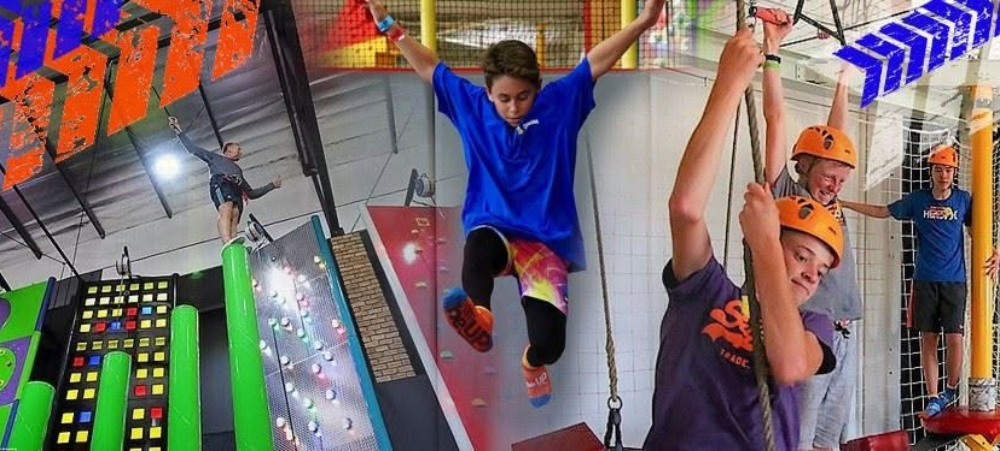
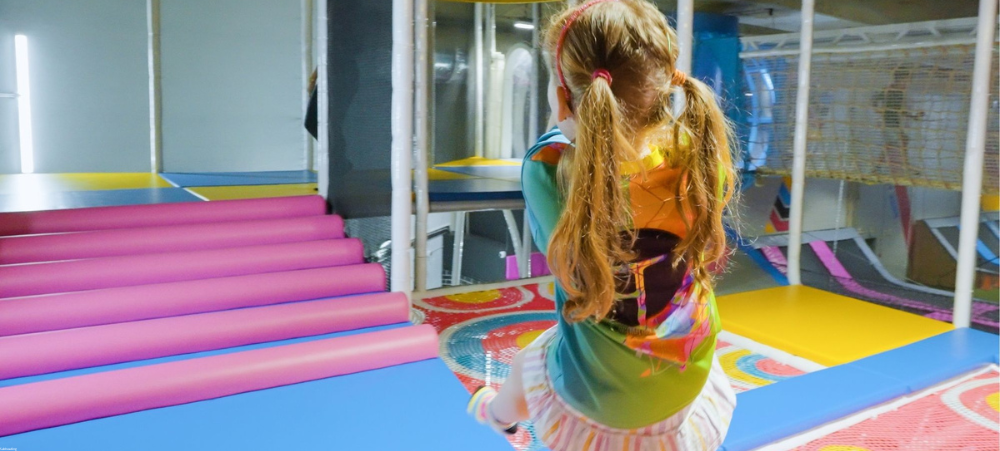
May drags on. Every parent knows the feeling. Kids are locked in study mode with June exams looming. They spend their afternoons hunched over textbooks instead of running around like they’re supposed to. The weather is turning; the days feel shorter. Everyone is a little grumpy and cooped up. Nobody says it out loud, but the whole house has that end-of-term energy—restless and tired all at once. And the worst part? There is nowhere obvious to go. With the colder, rainy weather keeping everyone away from parks and beaches, the options are slim. In Joburg, Durban, and even Cape Town, “other” places to go are few, far between, and generally expensive. You’ve got the mall. You’ve got restaurants that technically allow children. You’ve got a park if you’re lucky, though it probably doesn’t have much going on. What you don’t have is that one place—the place where you can just pitch up as a family, decompress, and actually enjoy an afternoon without planning it three weeks in advance. That place has a name: The Third Place. And we’ve somehow built entire suburbs without them. The Concept of the Third Place Sociologist Ray Oldenburg named it back in 1989, but the concept is ancient. It’s simple: It’s the corner café, the public square, the library that doesn’t shush you, or the park that actually has soul. Third places are where community happens by accident. You aren’t there for a meeting or to tick off a checklist; you’re just there, and so is everyone else, and somehow that’s enough. Most of the world’s great cities are built around them. Joburg and Cape Town? Not so much. We built the highways first, then the estates, then the shopping centres. The third place was left out of the blueprint entirely, costing us that vital sense of community. What That Actually Costs Us Kids aged 8 to 14 are spending roughly 6 hours a day on their screens. Before we complain about TikTok, we have to realize that’s what happens when there is nowhere else to be. The phone isn’t the sole problem; the absence of alternatives is. May makes it worse because the pressure to be “productive” takes over. Study. Revise. Prepare. Kids who should be outside figuring out the world are instead being asked to sit still and perform. There is no release valve—no place to just be a kid for an hour before dinner. Parents feel it too. You’re managing the studying, the moods, the screen-time negotiations, and the guilt about those negotiations. You could use somewhere to sit with a coffee or a good book that doesn’t require you to be “on” the entire time. That isn’t a luxury; it’s what a functioning neighbourhood should provide. The Urban Gap As our society has urbanised, there has been an intrinsic loss of easy, cost-effective third spaces. In cities like Durban, Cape Town, and Joburg, spaces are becoming increasingly inaccessible. Our cities are no longer walkable, and any sort of activity has be.Up – Your preferred third place Indoor playparks are the perfect third space for you and your child. Our indoor facilities are designed for screen-free fun, featuring a dedicated giant maze, soft play area, multi-court, trampoline zone, and more. It is a “kids’ fun zone” that has it all. Here, children have the space to breathe, run, chat with friends, and let their imaginations run wild. Meanwhile, parents finally have a space where they can grab a coffee, have a snack at our café, or read a book—all with the peace of mind that their young ones are safe and active. Book Now Visit any of our be.UP parks today in Cresta, Gateway, or the Waterfront.

Wingu Academy

The Human Side of Digital Learning – Why Support Matters More Than Ever

In conversations about online education, attention often goes to platforms, devices, and digital tools. While these are important, research consistently shows that the most decisive factor in learner success remains human support. Students perform better when they are guided by capable teachers, encouraged by caring adults, and part of a system that actively tracks both progress and challenges. Motivation, confidence, and resilience grow when learners feel seen, supported, and connected. Not all online schools operate in the same way. Some rely heavily on automation or self-directed learning models that can leave families without enough guidance. Effective online education requires more than content delivery—it requires presence, expertise, and responsiveness. Wingu Academy is built around meaningful human support. Families engage with real consultants, qualified teachers, and direct communication channels that foster clarity and trust. Questions are answered by people who understand education and are invested in learner outcomes. A key part of this support system is the Student Success Adviser. These advisers work closely with families to guide academic pathways, identify learner needs, and maintain consistent progress throughout the school journey. This reflects a modern approach to education: success is actively supported, not left to chance. For learners, this support can reduce anxiety, improve organisation, strengthen accountability, and increase engagement. For parents, it provides reassurance that they are not navigating education alone. Technology may enable learning, but people create impact. The strongest online schools understand that innovation must enhance human connection—not replace it.

Wingu Academy

Personalised Pathways – Why One-Size-Fits-All Education Is No Longer Enough

Every learner is different—yet many traditional systems still expect all students to learn at the same pace, in the same way. This can leave some learners unchallenged, others overwhelmed, and many disengaged. Educational research increasingly shows that personalised learning pathways lead to stronger outcomes, higher motivation, and greater ownership of learning. Personalisation is not about lowering expectations; it is about creating more effective routes to reach high standards. Online education is particularly well-suited to this approach. Digital learning environments offer flexibility in pacing, access to recorded lessons, tailored support, and clearer tracking of progress. Students can revisit content, manage their time more effectively, and receive targeted guidance when needed. Wingu Academy places personalised learning pathways at the centre of its model. Rather than applying a one-size-fits-all approach, the school supports individual learning journeys through structured guidance and academic planning. Student Success Advisers work closely with families to identify the most suitable pathway for each learner, ensuring decisions are intentional and future-focused. This is strengthened by live classes with qualified teachers, real assessments, and consistent communication between educators and parents. Students benefit from both flexibility and accountability—key ingredients for long-term academic success. Families are also active partners in the learning process. Open communication allows for early intervention, clearer goal-setting, and shared celebration of progress. Education becomes collaborative, responsive, and supportive. As education continues to evolve, personalised learning is becoming essential rather than optional. Wingu Academy’s approach reflects this shift—offering structured, adaptable pathways designed to help every learner progress with confidence.

The Collective Genius Centre

Managing Exam Stress & Preparing Smart: A How-To Guide

Exams can feel overwhelming for any learner, but for many, especially neurodivergent learners (such as those with ADHD, autism, dyslexia, or anxiety), the pressure can be even more intense.  The good news is that stress doesn’t have to take over. With the right strategies, preparation, and support, you can approach exams with confidence and control. This guide is designed specifically for South African learners, taking into account curriculum demands, and common challenges faced in classrooms. Understanding exam stress Exam stress is your body’s natural response to pressure. A little bit can help you stay alert, but too much can lead to: For neurodivergent learners, these feelings can be stronger or show up differently, for example: Understanding how stress affects you is the first step in managing it. Why early preparation matters Cramming the night before doesn’t work well for most learners, and it’s especially difficult for neurodivergent brains that benefit from structure and repetition. Preparing early helps you: Step 1: Start early (even if it’s just a little) You don’t need to study for hours every day. Start small: Tip: Break work into chunks. Instead of “Study Natural Sciences,” try: This is especially helpful for learners who feel overwhelmed by big tasks. Step 2: Create a flexible study plan A study timetable helps you stay organised, but it must be realistic. Here are some good timetable habits: For neurodivergent learners: Use visual planners or colour-coded schedules Try apps or alarms for reminders Keep routines consistent (same time, same place) Step 3: Study smarter, not harder Not all study methods are equal. Passive reading is one of the least effective. Better techniques include: Neurodivergent-friendly strategies include: Step 4: Adapt study methods to your brain There is no “one-size-fits-all” approach. If you have ADHD: If you are autistic: If you have dyslexia: Step 5: Manage stress in healthy ways You can’t eliminate stress completely, but you can control how you respond. Simple techniques that help include: Avoid: Step 6: Take care of your body Your brain works best when your body is supported. For many learners, especially neurodivergent ones, fatigue can make focus and emotional control much harder. Step 7: Ask for support You don’t have to do this alone. Speak to: In South Africa, many schools also offer concessions or accommodations for learners with diagnosed learning differences, don’t hesitate to ask about these. Step 8: Focus on progress, not perfection Exams are important, but they don’t define your worth or your future. Instead of thinking: ❌ “I must get everything right” Try: ✅ “I will do my best with the preparation I’ve done” Final thoughts Exam stress is real, but it’s manageable. The key is starting early, finding study methods that work for your brain, and taking care of yourself along the way. For neurodivergent learners especially, success doesn’t come from doing things the “normal” way, it comes from doing what works best for you. You are capable. You are not alone. And with the right strategies, you can handle exams with confidence.

Wingu Academy

4IR Skills and the Modern Learner – Preparing Students for Tomorrow

The Fourth Industrial Revolution (4IR) is transforming how societies work, communicate, and create value. Advances in artificial intelligence, automation, data systems, and digital collaboration are reshaping industries at remarkable speed. For today’s learners, academic knowledge remains essential—but it is no longer sufficient on its own. Future success increasingly depends on transferable skills such as critical thinking, digital literacy, creativity, collaboration, communication, and resilience. These competencies enable students to adapt to change, solve new problems, and thrive in technology-rich environments. Schools that prepare learners effectively are those that integrate these skills into everyday learning. Online learning environments can be especially powerful when designed with intention. Students learn to navigate digital platforms, manage schedules, communicate virtually, and engage with information independently. In doing so, they build confidence with the tools and habits that define modern professional life. Wingu Academy recognises that future readiness must be developed deliberately. Its approach combines strong academic foundations with the cultivation of 4IR-aligned skills. Through live classes, structured digital learning, project-based engagement, and modern communication tools, learners gain experience that extends beyond textbooks. Innovation at Wingu is also supported through forward-focused initiatives such as sociometry and continuous quality development. These systems reflect a data-informed approach to education, helping to better understand learner progress and strengthen support structures. Importantly, future-ready education must remain human-centred. Technology should enhance learning, not replace meaningful connection or critical thinking. Wingu Academy balances innovation with guidance from qualified teachers who help students think deeply, ask better questions, and apply knowledge meaningfully. The world learners are entering after school will reward adaptability, initiative, and lifelong learning. By combining academic rigour with practical digital competencies, Wingu Academy prepares students not only for exams, but for the opportunities and challenges of tomorrow.

Wingu Academy

Human-Centred Digital Education: Why Connection Still Matters

As education becomes more digital, one truth remains unchanged: “Human connection is essential to meaningful learning.” Leading global organisations emphasise that AI in education must remain human-centred, ethical, and inclusive. Why? Because learning is not just cognitive — it is also: Over-reliance on automation can create risks such as passive learning or reduced critical thinking. This is why the most effective online schools in 2026 prioritise: At Wingu Academy, this translates into: Technology delivers efficiency. But people deliver impact. The future of education belongs to institutions that understand this distinction — and design learning environments where students feel:

Wingu Academy

Personalised Learning at Scale: The Future is Individual

For decades, education followed a one-size-fits-all model. That model is now obsolete. Today, personalised learning is the global standard, powered by AI and data-driven insights. In fact, adoption has accelerated rapidly, with the majority of students and teachers now actively using AI tools in education environments. AI enables: This approach ensures that: But personalisation is not only about technology. At Wingu Academy, personalised learning is layered with: Global education research confirms that data-informed instruction significantly improves learning outcomes when combined with expert teaching. The result is a learning experience that is: Education is no longer about keeping up — it’s about unlocking each learner’s full potential.

Bill Corbett

Dealing with Your Child’s Power Struggles

Power struggles develop every day at work, at the store, and even jockeying for that spot in the parking lot.  Just look around you the next time you’re out driving; someone cuts you off, blocks you from entering a lane, or rides your bumper.  Initiating a power struggle is a way of expressing the frustration of being overpowered by others, the feeling of having little or no power, or being ignored and forced into feeling insignificant.  It makes us want to push back for our own power.  The same goes for children.  When they feel overpowered or insignificant, and want something from us (or know we want them to cooperate), they then initiate a power struggle. What to Do When They Want Something from You. Here’s a technique for situations when a child asks for something repeatedly until you cave in.  It might be a cookie right before mealtime, a toy while in the store, something they want to play with, or a place they want to go.  When your child first asks for the item you don’t want him to have, be firm and loving by stating, “I’m not willing for you to have that right now.”  Avoid saying “No” because it might encourage him to try harder to make you say “Yes.”  Using the term “willing” sets up a personal boundary and avoids defiance.  Children who throw fits to get what they want have been taught to do this by adults around them who have given in to their demands.  If he drops to the floor and goes into a meltdown, let it happen.  It indicates that you are winning and he is simply using another technique to get you to crack.  If you can learn to do this on a regular basis, you will actually teach your child that you mean what you say.  He may throw more fits in the beginning as a way of expressing, “I don’t like this new thing you’re doing,” but he will eventually learn to respect you for your boundaries.  The most valuable lesson he will learn from your actions is creating respectful boundaries with others. What to Do When You Need Their Cooperation. Solutions to handling a power struggle when you want something from them are very different.  I suggest replacing commands or orders with clear and appropriate choices.  For example, instead of saying, “It’s time to take your bath,” give him a choice by saying, “Would you like mommy to give you your bath or grandma?”  I remember picking up my granddaughter from the day care center one day and I could sense that she was overtired.  I knew she would not respond cooperatively to my request to get into her car seat so I offered a choice.  I said to her in a cheerful voice, “Would you like grandpa to put you in your seat or would you like to do it yourself?”  Immediately she declared with a whine that she would do it herself and strapped herself in.  Giving your child choices makes her feel powerful and creates less need to struggle with you.

Curro Online

Future-Ready Education Starts Now: Why Grades 7 and 8 at Curro Online Are a Smart Move for 2026

‘The future belongs to those who prepare for it today.’ Malcolm X’s words strike home for parents and guardians – here in South Africa and further afield – who want to give their children a meaningful advantage in a world where careers, technology and expectations are constantly shifting. Even though Grades 7 and 8 may feel early to worry about employability, these are the years where foundational skills and confidence take shape. With additional space now open for 2026 in Grades 7 and 8, Curro Online is making room for more families looking for credible, structured, future-ready schooling that delivers real value. At a time when households everywhere are watching their budgets carefully, our model is designed to give you measurable return on your educational investment. Academic Quality You Can Trust Curro Online follows an enhanced CAPS curriculum grounded in rigorous teaching and supported by the IEB’s respected assessment approach. South African parents understand the strong reputation of these standards, while our international families appreciate their structure, reliability and global relevance. These foundations position learners for success in a world where critical skills shortages continue to grow across multiple countries. Among the most in-demand fields today are: These capabilities start forming long before Grade 12. They’re nurtured in environments that encourage critical thinking, creativity, communication and digital competence – core strengths at Curro Online. Turning Screen Time into a Strength Let’s be honest: today’s young teens spend hours on their phones. They scroll, watch, experiment and – more than ever – create! Instead of resisting this reality, Curro Online turns it into opportunity. Content creation is now a global industry, generating primary income for millions. The skills behind it (storytelling, editing, digital design, branding, strategic thinking) are relevant in marketing, business, entrepreneurship and entertainment worldwide. Because our school environment is technology-rich, learners naturally become strong digital citizens. They learn to navigate online platforms, communicate professionally, think critically and harness creativity responsibly. What often looks like ‘just screen time’ becomes a powerful collection of future-ready skills. Why Families Choose – and Stay with – Curro Online Parents who remain loyal to Curro Online do so because they see genuine growth: calmer children, more focused routines, stronger academics and noticeably improved confidence. For many, online learning removes classroom pressures and distractions, allowing children to thrive without compromising quality. We also understand that one of the biggest concerns – especially for Grades 7 and 8 parents – is social interaction. That’s why we’ve expanded our social ecosystem for both our South African and global learners. Our learners benefit from: These opportunities help children form authentic friendships proving that connection extends far beyond the screen. Curro Online: Key Facts Choosing Curro Online means: We’re a Smart Investment Curro Online blends academic excellence, digital mastery, emotional support and future-focused learning into an offering that prepares learners for the world they are stepping into – whether that future unfolds in South Africa or anywhere across the globe. Enrol Now for 2026! With space open in Grades 7 and 8 for 2026, now is the perfect moment to explore whether Curro Online is the right fit for your family. Join us for one of our upcoming information sessions to see firsthand why more families are choosing a future-ready path for their children. RSVP today. Curro Online: Information Session – Fill out form

Wingu Academy

The New Era of Online Schooling: Where Human Intelligence Meets AI Precision

March 2026 marks a defining moment in global education. Online schooling is no longer an alternative — it is a refined, permanent, and increasingly sophisticated model of learning. At the centre of this transformation lies a powerful combination: artificial intelligence and human intelligence working together. AI-driven systems now enable deeply personalised learning pathways. These systems analyse student performance in real time, adapting pace, content, and support to each learner’s needs — improving engagement and academic outcomes. Yet, global research is clear: AI does not replace teachers — it enhances them. Educators are evolving into mentors, facilitators, and strategic guides, focusing on critical thinking, emotional intelligence, and deeper learning. At Wingu Academy, this balance defines excellence: This hybrid intelligence model reflects the future of education — one where: In 2026, the most successful schools are not choosing between technology and teachers — they are integrating both seamlessly.

Wingu Academy

The Rise of Globally Recognised Online Schools: Excellence Without Borders

Online schooling has evolved from convenience to global academic credibility. In 2026, leading online schools are: The shift has been driven by: Today’s top-tier online schools offer: At Wingu Academy, this global standard is reflected through: Affordability and accessibility are also key drivers. AI-supported systems help reduce operational inefficiencies, making high-quality education more scalable and cost-effective. This creates a powerful outcome: World-class education that is both accessible and sustainable.

Sugar Bay Holiday Camp

Are Holiday Camps Safe? What Parents Should Know Before Sending Their Child to Camp

For many South African parents, the idea of sending a child to a holiday camp can feel unfamiliar. Most parents remember school camps from their own childhood. Tents, basic accommodation, muddy fields and short trips organised by teachers. Modern holiday camps are very different. Instead of basic school trips, they are purpose-built environments designed to give children a safe, structured and exciting holiday experience filled with activities, friendships and adventure. Many parents quietly wonder the same thing:Will my child be okay without me? Will they feel safe? Will they make friends? These are completely natural questions. Any parent considering a camp experience wants to know their child will be well cared for before making that decision. The most common question is also the most important one: Are holiday camps actually safe for children? Understanding how modern holiday camps operate Well-run kids holiday camps operate very differently from what many parents imagine. Children follow structured daily schedules that include organised activities, meals and supervised downtime. Campers move between activities in small groups guided by trained staff members. Instead of children being left to entertain themselves, the day is carefully planned so that campers are always part of a supervised activity or group environment. This structure helps ensure that children remain safe, engaged and supported throughout their stay. For many parents, learning how camps actually operate helps them realise that a reputable camp environment is often far more organised and supervised than they initially expected. Why camp experiences can be valuable for children Beyond safety and supervision, holiday camps offer children something many parents feel is increasingly rare today: the chance to explore independence. Children have the opportunity to try new activities, meet people they’ve never met before and navigate situations on their own while still being supported by responsible adults. They might try a new sport, participate in a team challenge, discover a creative interest or simply enjoy the freedom of being active outdoors with other children. These experiences help children develop confidence, social skills and resilience. Many parents find that children return home from camp more independent and more confident than when they left. For many families, it becomes one of the most memorable parts of childhood. What parents should look for in a safe holiday camp Before choosing a school holiday camp in South Africa, parents should always look for clear information about how the camp operates. Some important questions to ask include: Reputable camps are transparent about these systems because safety and trust are essential for families. Sugar Bay, a Trusted Holiday Camp in South Africa Located at Zinkwazi Beach on the KwaZulu-Natal North Coast, Sugar Bay Holiday Camp has been welcoming children aged 7 to 17 during every South African school holiday for more than 25 years. Over that time, millions of parents have trusted Sugar Bay to provide a safe and structured environment where children can experience adventure, build friendships and develop confidence. Safety and supervision are central to how the camp operates. Children are supervised 24 hours a day, and the camp maintains an exceptional 1 counselor for every 3 children ratio, allowing staff to closely monitor and support campers throughout the day and night. Counselors also stay in the cabins with campers, ensuring children are never without adult supervision. All staff members working with children are carefully selected, background checked and required to have police clearance. They are also trained in First Aid, CPR and youth supervision to ensure they are prepared to respond appropriately to any situation. The resort itself operates with multiple layers of security including electric perimeter fencing, controlled access gates, CCTV cameras, night watchmen and 24-hour armed response. Sugar Bay also operates a dedicated on-site health centre run by a qualified nurse, with doctors on call and private hospitals nearby should medical care ever be required. Water activities are supervised by qualified lifeguards and trained safety staff, and children participate according to their swimming ability to ensure activities remain appropriate and safe. Campers take part in over 100 structured activities, including beach activities, water sports, sports, creative projects and team challenges designed to keep children active, social and engaged throughout the camp experience. These systems and decades of experience are part of the reason Sugar Bay has become one of the most trusted holiday camps in South Africa, chosen by families for more than two decades. Many campers return year after year, and today some of the children who attended Sugar Bay in its early years are now sending their own children to experience the same friendships, adventures and lifelong memories. Parents who would like to learn more about how the camp operates and explore upcoming camp dates can visit: Learn more about Sugar Bay Holiday Camp:https://www.sugarbay.co.za Learn more about Sugar Bay Holiday Camps Upcoming Camps: https://www.sugarbay.co.za/sugar-bay-camp-blog/categories/upcoming-sugar-bay-camps-2026 Helping children grow through experience Sending a child to camp for the first time can feel like a big step for any parent. But when camps are run professionally with strong safety systems, trained staff and structured programs, they can offer children something incredibly valuable. The chance to try new things.The chance to make new friends.The chance to discover what they are capable of. For many families, holiday camps become one of the ways children are able to experience independence, adventure and connection in a safe and supportive environment. And often, those experiences become some of the most meaningful memories of childhood.

Sidebar Image

Scroll to Top