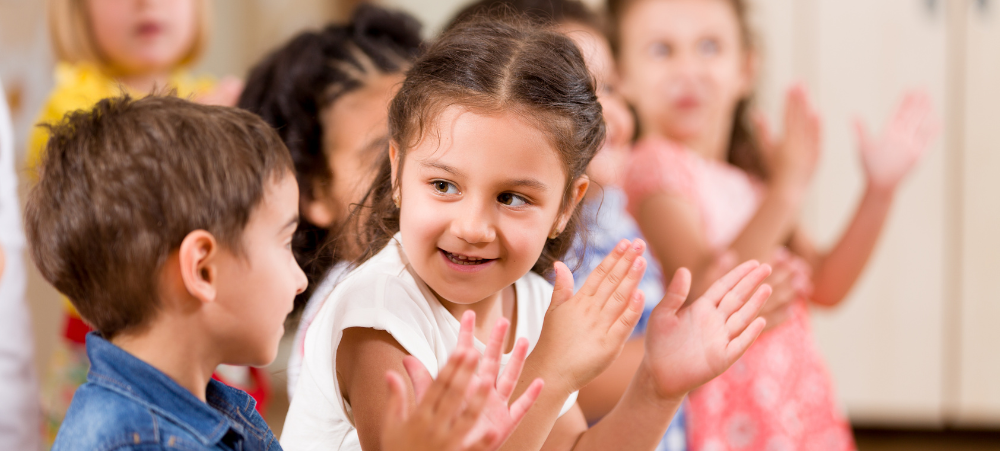



What Nordic Education Gets Right About Early Childhood Development
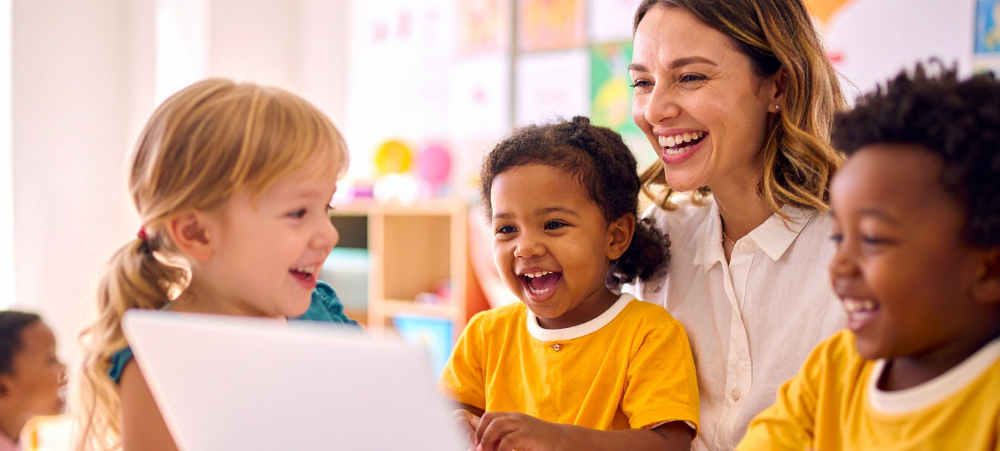
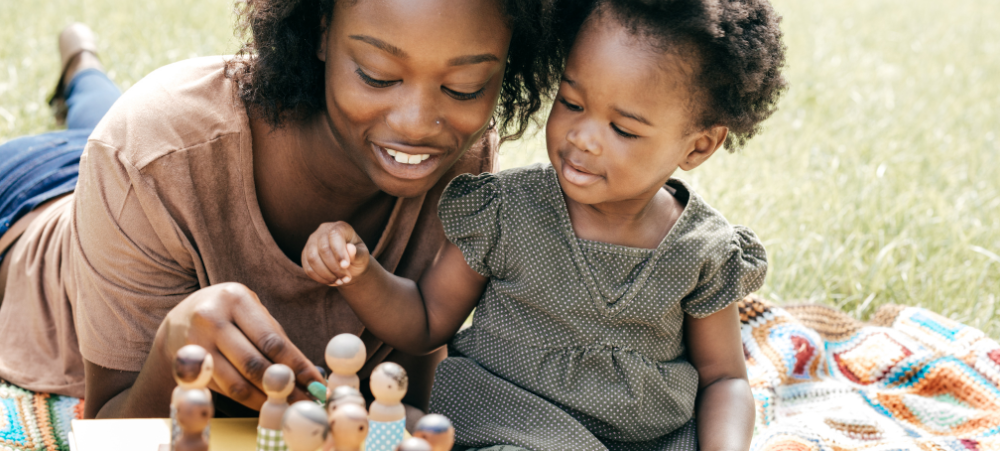
Childhood is frequently measured by milestones, speed and early achievement. Dibber International Preschools is encouraging parents and caregivers to consider a different question: what if the most valuable part of early education is not how quickly children perform, but how well they are supported to grow? According to Dibber, the Nordic approach to early childhood development offers an important reminder that childhood should not be rushed or over-optimised. Instead, it should be experienced fully, with space for play, curiosity, emotional security and meaningful growth. “At Dibber, we believe childhood is a deeply important stage of life in its own right,” says Ursula Assis, Country Director of Dibber International Preschools South Africa. “The Nordic approach recognises that children need more than early academic achievement. They need to feel safe, seen and confident enough to explore, make mistakes and develop a genuine love of learning.” Rather than treating the early years as a checklist of academic skills, the Nordic curriculum emphasises the whole child. Emotional well-being, social confidence, physical activity, creativity and interest are all seen as essential parts of development, not optional extras. This helps children build not only knowledge but also the ability to engage meaningfully with the world around them. For Dibber, this philosophy comes to life within environments where learning happens through both structured and spontaneous moments. A playful conversation, a shared activity, outdoor exploration, or a child working through a challenge all become part of a larger learning journey. Play remains fundamental to this approach. In Nordic education, play is not seen as separate from learning, but as one of its most powerful forms. Through play, children experiment, collaborate, imagine and solve problems in ways that feel natural and joyful. Whether building, storytelling or exploring outside, children are developing important cognitive, social and emotional skills free from the pressure of performance. “Play gives children the freedom to think, test ideas and discover what they are capable of,” adds Assis. “When learning feels meaningful and enjoyable, children become more confident, more engaged and more willing to keep exploring.” The Nordic model is also widely recognised for its emphasis on inclusion. Every child is seen as valuable, with their own pace, personality and way of learning. Rather than expecting children to fit a rigid mould, the approach creates room for individuality and belonging. At Dibber, this translates into nurturing classrooms where children are encouraged to grow as themselves, supported by warm relationships and personalised attention. Early support is another important strength of the model, but without early pressure. Children are carefully observed and guided according to their individual needs, while still being allowed the time and space to develop at their own pace. This helps build confidence without turning early childhood into a race. For Dibber, the educator’s role is central to making this possible. In a Nordic-inspired environment, educators do not simply direct learning from the front of the room. They guide, support and create opportunities for children to think, ask questions and discover answers for themselves. This helps children become active participants in their own development rather than inactive receivers of information. This approach also reflects a broader understanding of what education should aim to develop. Holistic growth — social, emotional, physical and cognitive — is treated as the real goal. Children are encouraged to build relationships, express feelings, move their bodies, explore their surroundings, and grow into individuals who are not only capable learners but also empathetic, resilient, and self-aware. Dibber also notes that the Nordic approach makes space for thoughtful, balanced use of technology. Rather than replacing play and human interaction, digital tools are introduced in moderation and used to enhance learning where appropriate. This helps children build early digital awareness while remaining anchored in real-world connection and exploration. Another defining feature focuses on the emphasis on teamwork rather than competition. Children are encouraged to share ideas, work together and learn alongside one another. In doing so, they begin developing communication skills and an enhanced sense of community from an early age. “The Nordic curriculum reminds us that childhood is not about getting ahead, but about growing well,” says Assis. “When children are supported through play, inclusion, emotional safety and strong relationships, they build a foundation that serves them far beyond preschool.” For Dibber, this is what the Nordic approach gets right. It recognises that early childhood education should not simply prepare children for the next academic step, but help shape confident, connected and curious individuals who are ready for life.