leading expert advice from Impaq
Impaq

How healthy homeschooling habits matter to future success

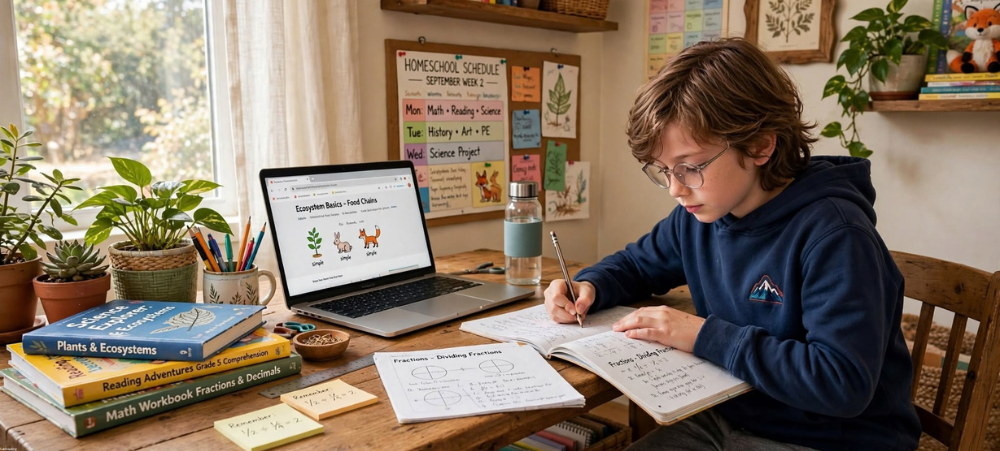
For many parents, homeschooling is not only about where a child learns. It is also about how that child builds curiosity, keeps going when work feels difficult, and stays interested in learning. These are habits that can support later success, but they need to start somewhere. Learning at home gives parents more direct influence over the pace and rhythm of their child’s education. That can be a real advantage, and it makes the home a place where children begin to build habits that shape how they learn as they grow. Those patterns can continue to matter long after the early years, through later schooling and eventually in the workplace. The World Bank’s Building Human Capital Where It Matters report highlights the home as one of the key places where children’s development takes shape. It shows that children need more than resources alone to grow and learn well. They also need care, encouragement, reading, routine, and regular opportunities to learn. The report also points to the need to enable parents to create homes that are both nurturing and stimulating. For homeschooling families, good intentions and content matter, but children also need a clear sense of direction in their work. A steady path through the week Without a clear way forward, home education can start to feel uneven. Children may stay busy without making steady progress or building strong work habits. In the early grades, parents need to know what comes next, how learning should build over time, and how to tell whether their child is keeping up. That kind of clarity makes daily lessons easier to manage and gives children a steadier sense of progress. This is where Impaq’s homeschooling options for Grades R to 3 can make things easier for families. The packages include workbooks, readers, learner aids, and portfolio-based assessments for daily lessons at home – useful tools parents can use as learners build early reading, numeracy, and life skills. Impaq also offers a clear, CAPS-aligned way to organise learning at home. This gives parents a proven framework for parent-led homeschooling, including regular listening, speaking, reading, writing, and ways to track progress. With CAPS-aligned learning materials, facilitator guides, assessment tools, and access to the Optimi Learning Portal (OLP), parents have what they need to lead teaching at home with more confidence. For children, this creates a regular rhythm that supports steady learning. They are not only working through content. They are also building consistency, follow-through, and confidence – habits that matter later in life. The value of these habits over time The habits formed in Grades R to 3 continue to matter beyond the early years. Over time, they shape how children approach challenges, respond to feedback, and take responsibility for their learning. Homeschooling is not the right choice for every family, but for those who do choose this learning path, the quality of the materials and guidance they use can make a real difference in helping their child grow – both in learning and in the habits they carry into later life. As Louise Schoonwinkel, Managing Director at Optimi Schooling, of which Impaq is a registered trademark, says, “When families read, talk, and build routines early, children arrive at formal learning with confidence, and that confidence compounds later in their lives.”

Impaq

Your child’s first classroom is home: building strong learning foundations in your own space

If you’re considering homeschooling for your child, the early years can feel like a big step. Grade R to 3 is when children start building the foundations they will keep using as they grow. These include literacy, numeracy, and life skills.  The early years shape what comes next As the World Bank notes in its Building Human Capital Where It Matters report, the home plays an important role in how children learn and grow. In these years, children rely on the adults around them not only for care and safety. They also depend on them for stimulation, reading, routines, and opportunities to learn that shape later progress.  The report also makes an important point. Gaps in early learning can be hard to close later on. That is why support at home matters so much. The national CAPS curriculum for Grades R to 3 gives a clear structure to these early years. It includes regular listening, speaking, reading, writing, and ways to track progress. But turning that framework into a daily routine at home can be a challenge. That is where the right guidance can make a clear difference. Why clear direction matters early on Worksheets and videos online can be helpful for extra practice, but without a clear CAPS-aligned plan, children can do activity after activity without building skills in the right order. That’s where a clearly defined homeschooling approach makes a difference. If you’re considering home education, you need more than curriculum-aligned content. You need a proven plan, useful tools, and guidance you can trust. Impaq’s Grade R to 3 homeschooling options speak to the kind of learning the World Bank highlights in its report, for example:  In short, Impaq helps you create the kind of home learning environment that gives your child a strong start. Guidance for you, steady growth for your child “Strong foundations aren’t about pushing children harder,” says Louise Schoonwinkel, MD at Optimi Schooling of which Impaq is a registered trademark. “They’re about building confidence through small, repeated wins, such as reading daily, practising basic numeracy, and keeping to routines to make learning easier.” “Our job is to help parents feel capable,” Schoonwinkel says. “When the plan is clear, and the support team is easy to reach, children settle faster, build confidence, and start to enjoy learning.” If you’re considering homeschooling for your child, this means you don’t have to do everything on your own. With the right guidance, your home can become a strong place for learning to begin.

Impaq

Why the Foundation Phase matters more than most parents realise, and how to support learning at home

Recent literacy findings have reignited a national concern: too many learners reach the Intermediate Phase without the reading skills they need to cope with the curriculum. The PIRLS 2021 results found that 81% of South African Grade 4 learners could not read for meaning in any language. The Department of Basic Education has echoed this urgency in its own reporting, noting that learners who cannot read with meaning “will struggle in every other subject” and referencing evidence that 8 in 10 children cannot read for meaning by Grade 4. For homeschooling parents and families, it helps to choose a provider like Impaq that supports you through the early grades with a clear CAPS-aligned plan, structured materials, regular assessments, and accessible guidance, so you’re not left to figure it out alone.  The Foundation Phase (Grade R – Gr 3) built at home, day by day, using the resources and routines you choose, is where the core building blocks are formed: listening and comprehension, vocabulary, phonics, handwriting, early numeracy, attention and learning habits. When these foundations are not secure, gaps tend to compound from Grade 4 onwards, because the learner must suddenly “read to learn” across every subject. “Foundation Phase is not a soft start, in fact, it’s the platform everything else stands on,” says Louise Schoonwinkel, Managing Director at Optimi Schooling of which Impaq is a registered trademark. “If reading and basic numeracy aren’t solid by the end of Grade 3, children often spend the rest of their schooling trying to catch up while the curriculum keeps moving.” Free resources help, but structure is what makes them work There is no shortage of material online. Parents can find worksheets, videos, printable readers, and even DBE resources such as CAPS documentation and Rainbow Workbooks, which provide weekly worksheets aligned to CAPS. These tools can be extremely valuable, especially for extra practice. However, the challenge is that “more” does not automatically mean “better.” Without a clear weekly plan, a progression of skills, and assessment checkpoints, families may end up with scattered activities that don’t build mastery. That matters most in the early grades, where learning depends on sequence: sounds before words, words before sentences, sentences before comprehension. “Parents need confidence that the material follows the right order, covers what it must, and gives them a clear way to track progress. In the early years, the sequence matters as much as the content,” Schoonwinkel says. A quick checklist: what your home materials should include Your programme should include these essentials, and by year-end your child should show these outcomes: When these elements are missing, families often only discover problems later, when the curriculum demands increase and the learner feels behind. “Children don’t fall behind in Grade 10, they usually fall behind in Grade 1 to Grade 3,” Schoonwinkel adds. “That’s why the Foundation Phase deserves the most deliberate attention from parents and providers.” What Impaq offers for Grades R–3 For families who want a structured home-learning option in the early grades, Impaq provides CAPS-aligned lesson material and assessments, clear weekly planning, and support that helps parents teach with confidence. In the Foundation Phase, families also have access to weekly live, interactive sessions and recorded support lessons (used as additional reinforcement for homeschool learners), as well as progress tracking and report information through the learning platform. Teacher guidance is available so parents don’t feel they are navigating the early years alone. “In the Foundation Phase, parents shouldn’t have to guess what comes next,” says Schoonwinkel. “The right support gives you a clear plan, quality resources, and the reassurance that your child is building the literacy and numeracy foundations needed for the years ahead.” Note for parents choosing home education: DBE (provincial) registration is required for homeschoolers in Grades R–9.

Impaq

SONA 2026 puts early learning, literacy and a “skills revolution” at the centre of education reform

Education was a major focus in the President’s State of the Nation Address (SONA) last week. The priority was clear: strengthen learning foundations early, help more learners stay in the system through the senior years, and rebuild post-school skills training to link education more directly to jobs and economic participation. In his address, the President pointed to strong matric results, emphasising both the overall pass rate and equity wins behind it. He noted that a significant share of bachelor’s passes came from schools in disadvantaged communities. He pointed to this as evidence of progress and as a reason to push further on quality and learner progression. The cohort numbers underline why progress matters. In the Department of Basic Education’s Select Committee briefing/report on the 2024 NSC outcomes, approximately six in ten learners who were registered in Grade 1 in 2013 were still registered for Grade 12 in 2024. Learner stage Number of learners Registered for Grade 1 (2013) 1,222,851 Registered for Grade 10 (2022) 1,148,437 Registered for Grade 12 (2024) 740,876 Wrote NSC exams (2024) 705,291 Passed 615,429 Bachelor’s passes 337,158 Source: DBE Select Committee briefing/report on the 2024 NSC outcomes (18 February 2025). A prominent feature of the speech was early learning, described as the point where long-term educational outcomes are won or lost. Government’s plan includes expanding access to early childhood development (ECD) through mass registration of facilities and increased subsidies. It includes a commitment to keep Grade R compulsory so that all children “get off to a good start.” The shift reinforces a focus on school readiness and the foundational years as a practical way to improve later academic performance. “Starting at Grade R is exactly where the focus should be,” said Louise Schoonwinkel, Managing Director at Optimi Schooling, of which Impaq is a registered trademark. “When children enter formal learning with the right foundations – language development, early numeracy, attention skills, and a love of learning – they cope better in the early grades and carry that confidence forward.” “Grade R isn’t about rushing children; it’s about giving them a structured, age-appropriate start so gaps don’t become barriers later. For some families, homeschooling in the early grades can be especially beneficial because it allows young children to build confidence at their own pace in a calmer environment, while still developing the core skills they need for the years ahead. If we get the foundation phase right, we reduce pressure in the later grades, improve progression, and ultimately give more young people a fair shot at success.” The President also highlighted a renewed drive to “fix” basic education with a more intensive focus on foundational skills, specifically literacy and numeracy. In this context, he referenced mother-tongue-based bilingual education, signalling a continued focus on language as a factor in reading comprehension and early learning progression. The message was not only about curriculum content. It was also about how teaching and learning are structured in the early grades to build competence that carries through to high school. While welcoming improved matric outcomes, the President cautioned that the system must address dropout rates, particularly in the final years of schooling. He argued that more learners should reach matric and take “gateway” subjects such as Mathematics and Science, which expand options into higher education and skills pathways. Schoonwinkel added that the focus on dropouts and gateway subjects should sharpen attention on what happens during the schooling years, not only matric. “It’s not enough to celebrate the pass rate. We need to reduce dropout in the senior grades and ensure learners are genuinely prepared for gateway subjects, because those choices determine the options available after school.” Even as the national system strengthens Grade R and the foundational years, it’s important to recognise that education is not one-size-fits-all. For many South African families, homeschooling and online schooling remain credible, structured options that can support strong outcomes. The need may be a calmer learning environment, a timetable that can accommodate travel or high-performance sport, or a learning pace that suits a child. What matters is that the pathway is aligned to the curriculum, that progress is tracked consistently, and families have access to guidance and support. When those elements are in place, alternative models form part of the practical solutions helping more learners thrive.

Impaq

Split Grade 10, 11, or 12 subjects over two years to ease pressure and protect learning standards

When more than 300,000 Grade 10 learners repeat a year, it’s not just a statistic — it points to how many young people are struggling to manage the workload. News24 recently reported that 303,236 public-school learners who were in Grade 10 in 2024, repeated the year in 2025, about 27% of the Grade 10 population across the country. Grade 10 has long been a pressure point, but repetition at this level highlights how quickly learning gaps can deepen in the Further Education and Training (FET) phase. By the time learners reach Grades 10–12, the pace is faster, the content load is heavier, and falling behind can feel difficult to recover from, especially when learners are also navigating adolescence, home pressures, transport time, and limited access to quiet study space. At the same time, South Africa continues to grapple with retention challenges in Grades 10–12, where dropout pressure is often highest. At Impaq, we see a growing number of families asking a different question: instead of “How do we survive Grade 10?”, they ask “How do we create a path where my child can actually master the work?” That shift matters because the goal in the FET phase isn’t speed. It’s completion with understanding. An option more families should know about One practical way to reduce pressure in Grades 10, 11, and 12 is to spread a grade over two years — not by “doing less”, but by pacing learning more intentionally. In a typical approach, a learner splits the subject load across two academic years: This approach gives learners time to build momentum and creates space for targeted support where they need it most (often maths, physical sciences, accounting, or language comprehension). It also reduces the constant “all subjects, all the time” pressure that can overwhelm learners who are already behind. This strategy isn’t only relevant for learners who are struggling academically or managing health-related challenges. It also makes practical sense for high-performing learners whose lives don’t fit the timetable of a conventional full-time school day — particularly those competing in sport at provincial, national, or international level. When training schedules, travel, tournaments, recovery time, and performance demands take priority, the issue is often not ability, but time and energy. A two-year-per-grade structure allows these learners to split subjects, protect focused study time, and keep their academic progress steady, without feeling forced to choose between sport and academics. “Grade 10 is the point where the academic workload and the emotional load collide. A two-year plan gives learners room to breathe while they rebuild the foundations they need for the final stretch,” said Louise Schoonwinkel, Managing Director at Optimi Schooling, of which Impaq is a registered trademark. Reducing pressure without lowering standards Extending a grade over two years changes the shape of the learning journey — not the destination. Learners still work toward the same curriculum outcomes, but with a structure that supports mastery. This is made possible through Impaq’s association with the South African Comprehensive Assessment Institute (SACAI), which administers National Senior Certificate (NSC) exams for homeschooling and distance-learning candidates and is accredited by Umalusi. In the online and homeschooling environment, pacing can also unlock a simple but powerful advantage: learners can study in their own space, with a daily rhythm that suits their household, with fewer classroom distractions and less social pressure. For many teenagers, that stability can help learning feel manageable again. “The message to families is simple: if your child needs more time, that doesn’t mean they’re failing — it means we need to match the plan to the learner. A two-year approach can be the difference between dropping out or finishing strong,” Schoonwinkel concluded. Next steps for your FET phase learner If a learner is struggling in Grade 10, 11 or 12, or feels anxious about what’s coming next, the first step is to shift the conversation from “Will they cope?” to “What pace will help them succeed?” In many cases, a structured two-year plan with subject splitting, consistent support, and a calmer study environment can help learners approach the FET phase with more confidence and a clearer plan. And importantly, it’s not about taking the easy road. It’s about taking the road that leads to completion.

Impaq

Homeschooling in SA: Keeping learning steady amid school placement delays

South Africa’s school placement scramble is influencing the choices families make about how their children learn. For many, the uncertainty runs deep into the first term – particularly in the early grades where classroom capacity is stretched and late placements can disrupt the steady routines young children need. As provincial education departments work to place learners, parents are left balancing practical realities with what matters most: keeping their children learning, settled, and confident. For some families, homeschooling is no longer a “last resort”. It has become a deliberate, parent-led option that offers continuity when mainstream placement is delayed, or when a child needs a calmer, more supported start to their school journey.  As South Africa’s largest homeschooling provider, Impaq supports parents with structured lesson plans, the Optimi Learning Portal (OLP), and a full ecosystem of resources designed to guide learning at home – without parents having to “figure it out” alone. “Parents are doing their best in an uncertain placement environment, and what children need in the early years is stability, encouragement and consistent learning routines,” says Louise Schoonwinkel, Managing Director at Optimi Schooling, of which Impaq is a registered trademark. “The Foundation Phase is where children build their relationship with learning. When that is nurtured in a supportive environment, it can have a lasting impact on confidence and readiness for the years ahead.” The early grades, from Grades R to 3, are widely recognised as the building blocks for literacy, numeracy, and emotional development. These are also the years when confidence can be shaped quickly. A learning environment that feels rushed or inconsistent may affect how a child sees themselves as a learner.  Homeschooling, when structured properly and supported with quality materials, can create space for children to learn at their own pace, ask questions freely, and strengthen the basics without the pressure of feeling “left behind.” Impaq’s lesson plans help parents follow a clear weekly rhythm, ensuring children cover what they need to while maintaining a steady routine at home. The Optimi Learning portal (OLP) provides guided learning resources and tools that support understanding and practice. For many parents, especially those juggling work and household responsibilities, the value is not just the content, but knowing what to do next: what to teach, when to teach it, and how to track progress. “Homeschooling doesn’t mean parents must become teachers overnight,” Schoonwinkel explains. “It means families need a trusted partner that provides a curriculum-aligned plan, resources that make learning practical, and support that helps parents stay consistent, because that is what builds confidence in young children.” That confidence shows up in everyday moments: a child reading aloud without fear of making mistakes, completing a task independently, or trying again when something feels difficult. In the Foundation Phase, those “small wins” matter. They shape resilience, curiosity, and willingness to participate – traits that carry into later learning, whether a learner continues homeschooling long-term or transitions back into a classroom setting once placements stabilise. Families considering homeschooling should ensure they choose a credible provider and understand the legal and administrative requirements for home education in South Africa. Parents should also be realistic about what they can commit to daily, and select a programme that offers guidance, structure, and accessible support. For younger learners, homeschooling works best when learning is consistent and age-appropriate – incorporating play-based activities, movement, reading practice, and short, focused lessons rather than long periods of screen time or a rigid “classroom at home” routine. As placement challenges continue to affect parts of the country, the conversation is shifting from “What do we do now?” to “What learning environment will help my child thrive?”  “Placement delays are a reality in many communities, but a child’s learning and confidence don’t have to be put on pause,” Schoonwinkel says. “The Foundation Phase is where children learn to trust themselves as learners – and with the right structure, support, and consistency at home, parents can protect that momentum and give their child a strong, steady start, regardless of what’s happening in the wider system.”

Advice from the experts
Wingu Academy

Human-Centred Digital Education: Why Connection Still Matters

As education becomes more digital, one truth remains unchanged: “Human connection is essential to meaningful learning.” Leading global organisations emphasise that AI in education must remain human-centred, ethical, and inclusive. Why? Because learning is not just cognitive — it is also: Over-reliance on automation can create risks such as passive learning or reduced critical thinking. This is why the most effective online schools in 2026 prioritise: At Wingu Academy, this translates into: Technology delivers efficiency. But people deliver impact. The future of education belongs to institutions that understand this distinction — and design learning environments where students feel:

Educ8 SA

Making Education Accessible for Everyone: Our Inclusive Approach

Accessibility is at the heart of modern education. Educ8 SA ensures that every learner, regardless of ability or location, can access high-quality programs that suit their unique needs. How Educ8 SA Ensures Accessibility This inclusive approach ensures that students with physical, cognitive, or learning challenges can participate fully in their education. Programs for Inclusive Learning Educ8 SA provides pathways for all ages and needs: Benefits Beyond Academic Achievement Inclusive online learning fosters: These skills prepare learners for lifelong success in education, work, and personal growth. Getting Started Provide your child with accessible, flexible education: Educ8 SA ensures that every learner has the opportunity to thrive, regardless of circumstances.

Dalza

What the Latest Research Actually Says About Screens and Your Child’s Brain

Parents everywhere are trying to navigate screens with as much intention as possible,  and often with a fair amount of guilt. A wave of new research has added fuel to the conversation, including a large 2025 study tracking over 10,000 children with brain scans, which found that higher screen time in middle childhood was associated with subtle changes in the brain regions involved in attention and self-regulation. 1 The effects were real but small, and the researchers are clear that they’ve found an association, not proof of cause and effect. So, what does the fuller picture actually tell us? It’s Not Just One Study A longitudinal study from A*STAR in Singapore found that high screen use before age two was linked to premature brain-network specialisation, slower decision-making at eight, and higher anxiety at thirteen, but screen time at ages three and four didn’t show the same effects, suggesting infancy is a uniquely sensitive window.2 A Karolinska Institute study tracking over 8,000 children found that social media use specifically was associated with growing inattention over four years, while TV and video games were not.3 And a meta-analysis of over 81,000 children found that those with more than two hours of daily screen time were significantly more likely to show attention-related difficulties.4 Content Matters More Than the Clock A 2025 study of over 41,000 children in Shenzhen found that the type of content matters far more than the clock. Passive screen use (cartoons, educational videos, autoplay) was linked to increasing attention difficulties the more children watched. But interactive content that required children to respond, make choices and think showed no such link, even at higher levels of use.5 This is the most empowering finding in the research: a child building in Minecraft is doing something fundamentally different from a child watching autoplay. The question isn’t just how long, but what is the screen asking my child’s brain to do? What Should Parents Do? The research doesn’t support panic. Effect sizes are small at the individual level. But it does support thoughtfulness: Prioritise interactive over passive. Apps and games that require thinking carry less risk than scrolling and autoplay.5 Take social media seriously. Of all screen types, social media is the one most consistently linked to growing concentration difficulties over time, and that finding held up regardless of a child’s background or starting point.3 Protect off-screen experiences. Executive function is built when children wait their turn, tolerate boredom and navigate friendships. Screens become a problem when they replace these moments. Read together. The Singapore team found that parent-child reading at age three significantly buffered the brain-network effects of earlier screen exposure.6 It’s never too late to add connection. Hold boundaries kindly. Children’s developing brains aren’t equipped to self-regulate screen use. A boundary isn’t a punishment — it’s space for the slow work of growing up. Dalza is a care coordination platform for children with learning differences, helping families connect the dots between school, therapy and home. Learn more at dalza.com. References 1. Shou, Q., Yamashita, M., & Mizuno, Y. (2025). Translational Psychiatry, 15, 447. 2. Huang Pei et al. (2025). Neurobehavioural Links from Infant Screen Time to Anxiety. A*STAR, Singapore. 3. Nivins, S. et al. (2025). Pediatrics Open Science, 2(1), 1–10. 4. Liu, H. et al. (2023). Reviews on Environmental Health, 39(4), 643–650. 5. Wu, J-B. et al. (2025). PLoS ONE, 20(4), e0312654. 6. Screen time, brain network development and socio-emotional competence. Psychological Medicine (2024).

Wingu Academy

Personalised Learning at Scale: The Future is Individual

For decades, education followed a one-size-fits-all model. That model is now obsolete. Today, personalised learning is the global standard, powered by AI and data-driven insights. In fact, adoption has accelerated rapidly, with the majority of students and teachers now actively using AI tools in education environments. AI enables: This approach ensures that: But personalisation is not only about technology. At Wingu Academy, personalised learning is layered with: Global education research confirms that data-informed instruction significantly improves learning outcomes when combined with expert teaching. The result is a learning experience that is: Education is no longer about keeping up — it’s about unlocking each learner’s full potential.

DIBBER SA

The Role of Preschool Educators Is Changing

While most people believe preschool educators simply keep children safe and teach basic skills, Dibber International Preschools emphasises that today’s early childhood educators have a much broader, more critical role. Their evolving responsibilities are essential in shaping children’s development, making their work more significant than ever. “The early years are not just a phase to manage — they are a window where children form foundations for learning, relating, and coping,” says Ursula Assis, Country Director of Dibber International Preschools South Africa. Educators do much more than deliver activities. They observe, guide, and support each child’s development responsively, intentionally, and skillfully.” Today, early learning success is defined not by rote performance but by a child’s capacity to make meaning from real experiences. Exploration, repetition, interaction, and play are now recognised as the best ways young children build foundational skills for lifelong learning. The educator’s task has shifted: Rather than focusing on direct teaching, they now create learning moments that ignite curiosity and strengthen competencies. True impact comes from recognising what each child is ready for and supporting discovery rather than directing it. At Dibber South Africa, this is reflected in the Engaged Educator™ role. Children are encouraged to explore and lead their learning through play-based experiences, while educators gently guide in the background, stepping in when support is needed and back when independence grows. “From the outside, it can look like children are simply playing,” Assis explains. “But what is really happening is that educators are building language, problem-solving, self-regulation and social confidence through carefully observed, thoughtfully supported experiences.” One reason the evolving role of preschool educators is under-appreciated is that much of their most important work is invisible at drop-off, pick-up, or during a tour. It shows up in pacing, tone, timing, and what educators choose to notice. In an average day, an early childhood educator may be: These actions accumulate quietly and consistently over time. Outcomes are often celebrated—a child who manages disappointment, plays cooperatively, or tries again after struggling—but the source can be overlooked unless parents know what to look for. As educators’ roles become more developmental and responsive, the parent-educator relationship evolves as well. Dibber says this requires genuine partnership, where educators share observations, and parents feel included, not just informed. “This invites parents to a new kind of trust,” says Assis. “Not blind trust—real trust. Built with open conversation, shared observations, and educators knowing each child individually.” When choosing a preschool, parents should look beyond logistics and ask: Do educators speak warmly and specifically about children? Do they know each child’s interests, strengths, and challenges? How do they respond to upset children? Is the environment calm and purposeful, or rushed? Does the school have a clear, well-articulated philosophy? “The questions parents ask shape their partnerships,” Assis adds. “When families and educators align, children feel it—and that security supports all learning.” While the importance of preschool educators has always been high, what’s evolving is society’s understanding of just how vital the early years are and of the expertise educators need to nurture a child’s earliest development. This is why their changing role matters so deeply today. Dibber International Preschools advances educator development with its Nordic-based method, values-led Heart Culture, and play-based philosophy supporting the whole child—cognitively, socially, emotionally, and physically.

Educ8 SA

How the American High School Diploma Prepares Students for Global Opportunities

For students in Grades 9–12, high school is more than just academics—it’s preparation for the future. Educ8 SA’s American High School Diploma provides learners with an internationally recognised certification, opening doors to universities, careers, and global opportunities. What is the American High School Diploma? The program offers a structured, computer-based curriculum covering core subjects such as: Offered at R1,800 per month, this diploma combines affordability with rigorous, internationally recognised academic standards. Flexible Learning for High School Students Students can learn at their own pace, completing lessons, assignments, and assessments online. This flexibility is ideal for those balancing part-time work, extracurricular activities, or personal commitments. Global Recognition and Opportunities The American High School Diploma is widely recognised internationally, making it an excellent choice for students who want to: Interactive, Self-Paced Learning The computer-based platform provides interactive modules, quizzes, and assessments. Students can review challenging topics as needed, reinforcing knowledge while building confidence and independence. Getting Started Enroll in the American High School Diploma program today: The American High School Diploma equips learners with academic excellence, independence, and the skills necessary for success in a globalised world.

Dalza

Things We Don’t Always Say Out Loud

There’s a version of parenting a neurodivergent child that the world sees: the appointments, the assessments, the school meetings, the research done at odd hours. The way you’ve fought, politely, persistently, and sometimes desperately, to get your child seen and supported. And then there’s the version that is a little quieter. The thoughts and feelings that don’t always make it into conversation, not because they aren’t real, but because there hasn’t always been a space that felt safe enough to hold them. We don’t always say “this is a lot.” Not in a way that asks for pity – just honestly. Parenting any child is full-hearted work. Parenting a neurodivergent child often asks something extra on top of that: navigating waiting lists, decoding reports, understanding your rights under the SIAS policy, and advocating in spaces that weren’t always built with your child in mind. Research confirms what many parents already feel: raising a neurodivergent child comes with significantly higher levels of stress than most people (including well-meaning friends and family) tend to appreciate. Knowing that doesn’t make it easier, but it does mean you’re not imagining it. It really is a lot. We don’t always say “the judgement is exhausting.” Perhaps someone in your family has suggested your child just needs firmer boundaries. Perhaps a stranger in a shopping centre has given you a look. Perhaps you’ve heard, directly or indirectly,  that this is somehow a reflection of your parenting. It isn’t. But carrying that, on top of everything else, takes a toll that rarely gets acknowledged. Many parents, particularly in communities where neurodivergence is still widely misunderstood, describe being blamed long before they receive any support. You deserved support from the beginning. You’re still standing, still advocating, still showing up, and that matters. We don’t always say “some days just feel like grief, and that’s okay.” Nobody talks about how you can be completely, unconditionally devoted to your child and still have days that feel like grief. Not grief for who they are, but for how hard the world makes it for them sometimes. For the energy it takes just to be understood. Researchers call this chronic sorrow: a quiet, recurring heaviness that visits in the gaps, not because of your child, but because of everything around them. It can exist right alongside deep joy, fierce pride, and a love that has genuinely changed who you are. These aren’t contradictions. They’re just the full picture and you’re allowed to hold all of it, without explanation. We don’t always say “I’m not sure I am getting it right.” Most parents of neurodivergent children become extraordinary advocates. They learn the systems, challenge the assumptions, build strategies from scratch. From the outside, it can look remarkably put-together. On the inside, there’s often a quieter voice asking: “am I doing enough?” and “Did I handle that well today?” That voice is not evidence of failure. It’s evidence of how deeply you care. The parents who ask those questions are almost always the ones showing up in exactly the ways that matter. We don’t always say “I need support too.” So much energy goes into finding the right support for your child — the right school, the right therapist, the right approach — that turning the same care toward yourself can feel almost indulgent. Like it’s not your turn yet. But your wellbeing is part of this. Not as an afterthought, but as something that genuinely matters, for you and for the family you’re holding together with so much love and effort. Saying “I need support too” is not a small thing. It might actually be one of the bravest. If you’ve recognised yourself somewhere in these words, that recognition is the whole point. There are more of us in this than you might realise, navigating the same uncharted territory, feeling the same mix of love and uncertainty, doing our best with enormous heart. We’re all in this together. And you are doing better than you think. Written by Dalza Dalza is a platform built by a parent who understands the realities of this journey. If you’d like to learn more, visit Dalza.com References: – Hayes, S. A., & Watson, S. L. (2013). The impact of parenting stress: A meta-analysis of studies comparing the experience of parenting stress in parents of children with and without autism spectrum disorder. Journal of Autism and Developmental Disorders, 43 (3), 629–642. – Olsson, M. B., & Hwang, C. P. (2001). Depression in mothers and fathers of children with intellectual disability. Journal of Intellectual Disability Research, 45 (6), 535–543.

Curro Online

Future-Ready Education Starts Now: Why Grades 7 and 8 at Curro Online Are a Smart Move for 2026

‘The future belongs to those who prepare for it today.’ Malcolm X’s words strike home for parents and guardians – here in South Africa and further afield – who want to give their children a meaningful advantage in a world where careers, technology and expectations are constantly shifting. Even though Grades 7 and 8 may feel early to worry about employability, these are the years where foundational skills and confidence take shape. With additional space now open for 2026 in Grades 7 and 8, Curro Online is making room for more families looking for credible, structured, future-ready schooling that delivers real value. At a time when households everywhere are watching their budgets carefully, our model is designed to give you measurable return on your educational investment. Academic Quality You Can Trust Curro Online follows an enhanced CAPS curriculum grounded in rigorous teaching and supported by the IEB’s respected assessment approach. South African parents understand the strong reputation of these standards, while our international families appreciate their structure, reliability and global relevance. These foundations position learners for success in a world where critical skills shortages continue to grow across multiple countries. Among the most in-demand fields today are: These capabilities start forming long before Grade 12. They’re nurtured in environments that encourage critical thinking, creativity, communication and digital competence – core strengths at Curro Online. Turning Screen Time into a Strength Let’s be honest: today’s young teens spend hours on their phones. They scroll, watch, experiment and – more than ever – create! Instead of resisting this reality, Curro Online turns it into opportunity. Content creation is now a global industry, generating primary income for millions. The skills behind it (storytelling, editing, digital design, branding, strategic thinking) are relevant in marketing, business, entrepreneurship and entertainment worldwide. Because our school environment is technology-rich, learners naturally become strong digital citizens. They learn to navigate online platforms, communicate professionally, think critically and harness creativity responsibly. What often looks like ‘just screen time’ becomes a powerful collection of future-ready skills. Why Families Choose – and Stay with – Curro Online Parents who remain loyal to Curro Online do so because they see genuine growth: calmer children, more focused routines, stronger academics and noticeably improved confidence. For many, online learning removes classroom pressures and distractions, allowing children to thrive without compromising quality. We also understand that one of the biggest concerns – especially for Grades 7 and 8 parents – is social interaction. That’s why we’ve expanded our social ecosystem for both our South African and global learners. Our learners benefit from: These opportunities help children form authentic friendships proving that connection extends far beyond the screen. Curro Online: Key Facts Choosing Curro Online means: We’re a Smart Investment Curro Online blends academic excellence, digital mastery, emotional support and future-focused learning into an offering that prepares learners for the world they are stepping into – whether that future unfolds in South Africa or anywhere across the globe. Enrol Now for 2026! With space open in Grades 7 and 8 for 2026, now is the perfect moment to explore whether Curro Online is the right fit for your family. Join us for one of our upcoming information sessions to see firsthand why more families are choosing a future-ready path for their children. RSVP today. Curro Online: Information Session – Fill out form

Wingu Academy

The New Era of Online Schooling: Where Human Intelligence Meets AI Precision

March 2026 marks a defining moment in global education. Online schooling is no longer an alternative — it is a refined, permanent, and increasingly sophisticated model of learning. At the centre of this transformation lies a powerful combination: artificial intelligence and human intelligence working together. AI-driven systems now enable deeply personalised learning pathways. These systems analyse student performance in real time, adapting pace, content, and support to each learner’s needs — improving engagement and academic outcomes. Yet, global research is clear: AI does not replace teachers — it enhances them. Educators are evolving into mentors, facilitators, and strategic guides, focusing on critical thinking, emotional intelligence, and deeper learning. At Wingu Academy, this balance defines excellence: This hybrid intelligence model reflects the future of education — one where: In 2026, the most successful schools are not choosing between technology and teachers — they are integrating both seamlessly.

DIBBER SA

Calm Is a Superpower in the Early Years

Walk into a calm room, and something in the body settles: shoulders drop, breathing slows, and thoughts find space. Dibber International Preschools says a calm environment is not a nice-to-have, but one of the most powerful developmental tools in the early years. “The world is stimulating enough,” says Ursula Assis, Country Director of Dibber International Preschools South Africa. “A child needs a place to land – somewhere that feels safe and steady. When children feel calm, they become more available for learning, connection, and confidence.” Dibber notes well-designed environments do more than keep children safe. They shape children’s feelings, their willingness to explore, their ability to recover, and the depth of their learning. Calm is foundational, not an afterthought. Dibber explains that young children are not miniature adults. Their developing nervous systems make them sensitive to sensory and emotional tones. Noise, clutter, unpredictability, and tension can tax their brains. When children feel overwhelmed, the brain enters alert mode. The child spends energy on self-protection rather than on curiosity or connection. Deep learning becomes difficult because the brain manages the environment instead of exploring it. “At Dibber, calm is not about control or silence,” says Assis. “It’s about creating an emotional and physical space where children can breathe, belong, and build capability at their own pace.” Dibber emphasises calm does not mean sterile or joyless. Nurturing spaces include gentle movement, soft conversation, and laughter. Each element is intentional. At Dibber South Africa, classrooms are designed with purpose, not just decorated. Each choice answers one question: Does this help each child feel at home and at ease? Dibber says calm environments create ripple effects across every area of development: 1) Emotional security and regulationChildren who feel safe begin to internalise calm. Over time, they learn to self-regulate, manage big feelings, recover from disappointment, and settle quickly. Dibber calls this one of the most transferable life skills. 2) Deeper focus and concentrationA child who is not managing environmental stress is freer to focus on what is in front of them. Even short periods of sustained attention in early years build the foundation for future learning, reading, problem-solving, and creativity. A calm environment lets children try challenges, make a mess, and feel comfortable when they don’t yet know the answer, allowing confidence to take root. 4) Stronger relationships with educators and peersWhen children feel settled, they can connect more easily. Friendships form naturally, trust in educators grows, and children open to guidance and support. Simple measures, such as a consistent bedtime routine, quiet spaces for play, lowering adult voices during transitions, and reducing background noise when focusing, support a child’s nervous system and emotional well-being. Dibber’s approach, rooted in Nordic pedagogy, recognises how a child feels shapes how they learn. Educators maintain calm, supportive spaces that help each child thrive.

Dalza

73% Better Outcomes. Not From More Therapy. From Connection

Why the people already in your child’s life might just need a way to work together You find the right OT. You get a great teacher. The speech therapist has a plan. On paper, everything’s in place. But in practice? The OT doesn’t know what the teacher is doing. The teacher hasn’t seen the speech therapist’s report. And you’re the only person connecting the dots, relaying messages, re-explaining, holding the whole picture in your head because nobody else is. It’s exhausting. And the research says it’s also the thing most likely to be limiting your child’s progress. 73% Better Outcomes. Not From More Therapy. From Connection. A major meta-analysis in JAMA Pediatrics found that when a child’s support team actively coordinates (sharing strategies, aligning goals, tracking progress together) the chance of meaningful improvement rises to 73%. Not from new interventions. Just from making sure the people already involved are actually working together. This matters especially for children with learning differences. A skill practised in the therapy room doesn’t automatically transfer to the classroom. If the teacher doesn’t know the strategy exists, or is using different cues, even excellent therapy can stall. That’s not your child failing. That’s a gap in the system around them. And it cuts both ways. Teachers often want to involve parents more closely, but the mechanisms just aren’t there. Contact ends up being a rushed chat at pickup or a termly report. The willingness exists on both sides. What’s missing is a simple way to make it happen. What You Can Do Ask your child’s team one question: do you have a way to share information with each other, not just at annual reviews, but week to week? Can the OT’s recommendations actually reach the classroom? Does the teacher know what the therapist is working toward? If the answer is no, that’s the gap to close. You need the people already in your child’s life to be connected. If you’re tired of being the go-between, Dalza gives your child’s whole support team (teachers, therapists, and you) one shared space to stay aligned. No more re-explaining. No more lost reports. Teachers and therapists join for free. We spend so much energy finding the right people for our children. The next step is making sure those people can actually talk to each other. That’s where the real gains are. Asarnow, J. R., Rozenman, M., Wiblin, J., & Zeltzer, L. (2015). Integrated medical-behavioral care compared with usual primary care for child and adolescent behavioral health. JAMA Pediatrics, 169(10), 929–937.

Educ8 SA

Scholarships and Affordable Learning Paths at Educ8 SA

Education should never be a privilege reserved for a few. At Educ8 SA, affordability is a core principle, ensuring that learners from all walks of life have access to high-quality online programs. For those seeking to further reduce costs, scholarships and structured payment options make pursuing education even more attainable. Structured, Affordable Learning Paths Educ8 SA offers four main learning paths to suit different needs and budgets: These options allow families and adult learners to choose programs that match their academic goals and financial situation. Scholarships for Additional Support In addition to low monthly fees, Educ8 SA is committed to supporting learners through scholarships for deserving students. Scholarships provide financial relief for families, allowing more students to access quality education without compromise. Affordable Education for All Ages The platform caters to a wide range of learners: By combining affordability with inclusivity, Educ8 SA ensures that every learner has the opportunity to succeed. Value Beyond the Price Affordable education at Educ8 SA does not mean sacrificing quality. The computer-based programs are interactive, engaging, and aligned with recognised standards. Students benefit from a self-paced learning environment that fosters independence, critical thinking, and confidence. Getting Started To explore programs and scholarship opportunities: Educ8 SA is committed to making education accessible, affordable, and rewarding for learners everywhere.

Impaq

How healthy homeschooling habits matter to future success

For many parents, homeschooling is not only about where a child learns. It is also about how that child builds curiosity, keeps going when work feels difficult, and stays interested in learning. These are habits that can support later success, but they need to start somewhere. Learning at home gives parents more direct influence over the pace and rhythm of their child’s education. That can be a real advantage, and it makes the home a place where children begin to build habits that shape how they learn as they grow. Those patterns can continue to matter long after the early years, through later schooling and eventually in the workplace. The World Bank’s Building Human Capital Where It Matters report highlights the home as one of the key places where children’s development takes shape. It shows that children need more than resources alone to grow and learn well. They also need care, encouragement, reading, routine, and regular opportunities to learn. The report also points to the need to enable parents to create homes that are both nurturing and stimulating. For homeschooling families, good intentions and content matter, but children also need a clear sense of direction in their work. A steady path through the week Without a clear way forward, home education can start to feel uneven. Children may stay busy without making steady progress or building strong work habits. In the early grades, parents need to know what comes next, how learning should build over time, and how to tell whether their child is keeping up. That kind of clarity makes daily lessons easier to manage and gives children a steadier sense of progress. This is where Impaq’s homeschooling options for Grades R to 3 can make things easier for families. The packages include workbooks, readers, learner aids, and portfolio-based assessments for daily lessons at home – useful tools parents can use as learners build early reading, numeracy, and life skills. Impaq also offers a clear, CAPS-aligned way to organise learning at home. This gives parents a proven framework for parent-led homeschooling, including regular listening, speaking, reading, writing, and ways to track progress. With CAPS-aligned learning materials, facilitator guides, assessment tools, and access to the Optimi Learning Portal (OLP), parents have what they need to lead teaching at home with more confidence. For children, this creates a regular rhythm that supports steady learning. They are not only working through content. They are also building consistency, follow-through, and confidence – habits that matter later in life. The value of these habits over time The habits formed in Grades R to 3 continue to matter beyond the early years. Over time, they shape how children approach challenges, respond to feedback, and take responsibility for their learning. Homeschooling is not the right choice for every family, but for those who do choose this learning path, the quality of the materials and guidance they use can make a real difference in helping their child grow – both in learning and in the habits they carry into later life. As Louise Schoonwinkel, Managing Director at Optimi Schooling, of which Impaq is a registered trademark, says, “When families read, talk, and build routines early, children arrive at formal learning with confidence, and that confidence compounds later in their lives.”

Teneo Online School

Why stable learning environments matter, and why more families are considering online schooling and homeschooling

For many South African families, the conversation about schooling has shifted. It’s not only about academic outcomes. It’s about whether a child has the stability to learn consistently: predictable routines, fewer disruptions, safe social conditions, and learning support that doesn’t depend on “waiting until the next test”. That’s one reason online schooling and homeschooling have become a serious option for more parents, not as a trendy alternative, but as a way to create a calmer, more stable learning environment at home, and why providers like Teneo Online School are seeing growing interest from families looking for structure, visibility, and consistent support. You can see how mainstream distance education is becoming in the matric landscape, too. Reporting on SACAI’s 2025 NSC results, one local summary noted that 94% of candidates were registered via distance education providers or online schools. And as more families explore these models, questions about quality and credibility naturally follow, which is why it matters that national quality assurance remains central to the system. For example, Umalusi publicly confirms its role in approving and quality assuring national examinations (including private assessment bodies) before results are released. What does a “stable learning environment” actually mean? Stability isn’t about removing challenge. It’s about removing unnecessary chaos so children can focus. A stable learning environment usually includes: In many traditional settings, stability is built into the school day by default: set timetables, bells, transitions, and a structured rhythm. But for some children, especially those who experience anxiety, struggle with sensory overload, or feel socially unsafe, the physical school environment can be the opposite of stabilising. Why is this a real issue for South African families Parents don’t need convincing that school can be tough socially. But it’s worth acknowledging that safety and bullying are not “soft” issues — they affect attendance, focus, confidence and learning. A piece from the Institute for Security Studies cited a 2019 Statistics South Africa study finding that 8% of primary school-aged children experienced violence at school, including corporal punishment and other forms of abuse. Separately, the Human Sciences Research Council has also highlighted bullying vulnerability among primary school learners, including high levels of ridicule and coercion reported by learners in its research spotlight. For some families, this context is part of what drives the search for stability: a learning environment where the child can concentrate without constant emotional noise. Why online schooling and homeschooling can be stabilising Online schooling and homeschooling are not the same thing, but both can offer a similar benefit: a learning environment you can control and design intentionally. 1) A calmer daily rhythm When children learn at home, the day can be built around what supports focus: consistent wake/sleep times, regular breaks, movement, and learning blocks matched to attention span, instead of forcing every child into the same pace. 2) Fewer “hidden disruptions” In many households, stability comes from reducing time lost to commuting, daily logistics, and the emotional hangover of difficult school days. For some learners, simply removing those stressors creates the headspace they need to engage. 3) A safer social environment (without isolating children) A stable learning environment doesn’t mean children shouldn’t socialise. It means social time is more intentional: clubs, sports, interest groups, tutoring communities, and supervised peer learning, rather than unstructured environments that can be difficult for anxious or vulnerable learners. 4) Earlier support and more visible progress One of the biggest stability benefits of digital learning models is visibility: when a learner struggles, it can become apparent sooner than it might in a classroom of 30 children. That doesn’t replace teachers; it supports them by making it easier to intervene early. This is also where quality matters, and why parents are right to vet providers carefully. TimesLIVE has previously reported on how parents can vet online learning institutions, including clarifying the difference between online schools and distance education providers and warning against unregulated centres. A parent’s perspective: stability that lasts One of the most common reasons parents cite for choosing online schooling is not novelty; it’s stability over time. As one parent wrote in a review: “We moved over to Teneo in 2020. Teneo offered a stable learning environment and continues to do so. My kids enjoy being taught online in the comfort of their own home… The teachers are highly qualified, and they put in extra effort to make learning fun. Our family will recommend Teneo as an alternative education system.” That idea “continues to do so” is the key. Stability isn’t a once-off improvement. It’s something families need to hold across terms, transitions, and tougher seasons. How to build a stable learning environment at home (even if you’re just starting) Whether you’re moving into online schooling, homeschooling, or a hybrid approach, stability is created by design. Three practical starting points: 1) Build a repeatable weekday structure  Not rigid, but predictable. Children tend to regulate better when the day has the same “anchors”: start time, break times, movement time, lunch, and a clear finish. 2) Create a dedicated “learning zone”  This doesn’t need to be a home office. It just needs to signal: “this is where we focus.” Consistency reduces daily friction. 3) Separate learning screens from leisure screens If learning happens online, screen boundaries matter even more. Stability improves when children don’t feel like the whole day is one long device session, and when leisure time still includes movement and offline breaks. Online schooling and homeschooling aren’t automatically better than traditional schooling. But for many families, they offer something increasingly valuable: a stable learning environment that reduces unnecessary disruption and helps children build confidence through consistent progress. For parents exploring alternatives, the best question often isn’t “Is online schooling good?” It’s: What learning environment will help my child show up consistently, academically, emotionally, and socially, week after week? If the answer is “more structure, more calm, and earlier support,” then online schooling or homeschooling may not be a compromise. It may be the stabilising factor that helps learning finally click.

Wingu Academy

The Rise of Globally Recognised Online Schools: Excellence Without Borders

Online schooling has evolved from convenience to global academic credibility. In 2026, leading online schools are: The shift has been driven by: Today’s top-tier online schools offer: At Wingu Academy, this global standard is reflected through: Affordability and accessibility are also key drivers. AI-supported systems help reduce operational inefficiencies, making high-quality education more scalable and cost-effective. This creates a powerful outcome: World-class education that is both accessible and sustainable.

DIBBER SA

5 Things Children Learn Outdoors That Classrooms Can’t Teach

Some of childhood’s most powerful lessons begin outdoors, where curiosity leads, and growth flourishes beyond any classroom’s four walls. While classrooms offer structure, routine, and guidance, outdoor environments offer something different. They offer real-world experiences that spark curiosity and build confident problem-solvers. Dibber International Preschools says that the advantages of learning outdoors go far beyond fresh air and playtime. They support cognitive, emotional, social, and physical development in ways that are difficult to replicate indoors. “Outdoor learning gives children permission to explore the world as it is – unpredictable, fascinating, and full of opportunity,” says Ursula Assis, Country Director of Dibber International Preschools South Africa. “When children climb, dig, observe, build, and imagine outdoors, they develop confidence, independence, and the kind of real-life problem-solving skills that stay with them.” Outdoor spaces invite children to notice what’s around them and follow their natural interests. A short walk through a garden or park can become a moment of discovery; for example, insects moving beneath a leaf, stones of different shapes and textures, changing clouds, or a trail of ants carrying food. These observations often lead to questions that come from genuine wonder: why leaves fall, how birds build nests, or where rainwater goes. Unlike structured indoor activities, outdoor learning gives children control to learn through direct experience—developing observation, attention, and deeper curiosity about the world in ways that structured classrooms alone cannot achieve. A key advantage of outdoor learning is that children face challenges and must respond creatively. Balancing, building, or crossing a puddle requires quick thinking and adaptation. These moments develop perseverance and flexibility—skills that support learning and coping after preschool. “When the environment is real, the learning becomes real,” adds Assis. “Children learn to try, to adapt, and to keep going — and those are powerful foundations for life.” Outdoor learning encourages children to take small, age-appropriate risks in a supported environment. Climbing a low hill, navigating playground equipment, or exploring a new path can feel like a major accomplishment to a young child. Every success helps children trust their own abilities. Over time, these experiences build independence and self-belief. Children begin to feel capable, not because they have been told they are, but because they have experienced it for themselves. Being outdoors creates calming, sensory-rich experiences that support emotional regulation and well-being. Listening to birds, feeling the wind, or standing in the shade grounds children in wonder. These experiences help children develop empathy for nature and living things, while forming early values around caring for and being responsible for the environment. Children who spend time outdoors often carry a stronger appreciation for the natural world into later childhood. Outdoor environments naturally encourage cooperation and communication. Whether children are building something together, inventing a group game, or investigating a shared space such as a park or playground at your local restaurant. They practise key social skills: taking turns, listening, negotiating, supporting each other, and solving small conflicts. Outdoor play often encourages teamwork without forcing it. Children learn to join in, lead, follow, and connect, building social confidence through lived experience. At Dibber, outdoor play and exploration form part of the daily rhythm. Carefully designed outdoor spaces support movement, discovery, and imagination while ensuring children feel safe, supported, and free to learn through any and all experiences. “The outdoors invites children to be active learners,” says Assis. “These are the moments where children discover what they can do — and who they are becoming.”

DIBBER SA

The First Six Years Shape Everything That Follows

The early years can feel like a blur: routines, small decisions, and constant adjustment. Yet research across neuroscience, psychology, and education highlights one truth. Early childhood development is not just another phase. It shapes how all future learning and well-being take root. Dibber International Preschools says experiences, relationships, and environments from birth to age six do more than influence development. They help build the brain’s foundation for language, emotional regulation, social intelligence, curiosity, and resilience. “The first six years are when children build the ‘how’ behind everything; how they cope, how they connect, and how they learn,” says Ursula Assis, Country Director of Dibber International Preschools South Africa. These years are not a waiting room for ‘real school’. They are the most developmentally intensive window of childhood, and they deserve thoughtful, heart-led care.” Dibber notes that the brain grows fastest in the first five years. By primary school, about 90% of brain structure is in place, forming the foundation that shapes how children learn and approach life for years ahead. This period is often called a sensitive developmental window. During these years, the brain is highly responsive to experience. It stays capable of change throughout life but is never again as open or influenced by everyday interactions as it is between birth and age six. Early development is not only about skills and knowledge. It is also about learning to feel safe. Dibber explains that when young children experience chronic stress, the brain shifts into an alert state. It starts to prioritise threat detection over exploration. Over time, this can affect attention, memory, and emotional regulation. The opposite is also true: steady warmth, care that responds to the child, and safe feelings help children stay calm and ready to learn. Dibber says it is common to think that what children do not learn now can simply be taught later, just as easily. While growth is always possible, some skills develop best within early windows. Language is a clear example. The brain absorbs language – its sounds and structure – most strongly in the early years. Children in language-rich environments usually develop more confident communication, comprehension, and expression. The same applies to life skills that support learning and relationships: focus, impulse control, cognitive flexibility, empathy, and a healthy sense of self. These are part of a child’s lifelong toolkit, shaped through daily interactions. Dibber emphasises that quality in early childhood development is not about pressure or academic acceleration. The best environments share a few key qualities: warm relationships with trusted adults; open-ended, child-led play; language-rich conversations where questions matter; calm, inviting spaces for exploration; and freedom to try, fail, try again, and feel quiet pride in I can. “The early years lay the deep structure of how a child thinks, feels, relates and learns,” says Assis. “When childhood is respected, when play is protected, and relationships are steady, children don’t just get ready for school. They get ready for life.”

Educ8 SA

Why Flexibility is Key in Modern Education

The traditional classroom model has long dictated how students learn: fixed schedules, standardised lessons, and strict progression timelines. While this approach works for some, it doesn’t cater to the needs of every learner. Modern education requires flexibility, and platforms like Educ8 SA are leading the way in providing programs that adapt to individual schedules, abilities, and goals. Learning at Your Own Pace Flexibility is not just about convenience; it’s about effectiveness. Educ8 SA’s programs allow students to learn at their own pace. Younger students can spend more time on challenging subjects while quickly advancing through areas they excel in. Adult learners can balance study with work and family responsibilities, progressing as their schedules allow. This self-paced approach leads to better retention, reduced stress, and a more enjoyable learning experience. Programs such as the American High School Diploma and GED are especially well-suited for learners who need to manage their time independently. Programs Designed for Diverse Needs Educ8 SA offers multiple learning paths to suit different learners and goals: Flexibility in program choice allows learners to select a path that aligns with their academic and career objectives. Accessible Education Anytime, Anywhere One of the greatest advantages of online learning is location independence. Students no longer need to commute or live near a quality school. As long as there is internet access, Educ8 SA programs are available worldwide. International learners can join the platform, and students in remote areas can access the same curriculum as those in major cities. Flexible Scheduling for Life’s Demands Life is unpredictable. Jobs, family obligations, and personal commitments can interfere with rigid school schedules. Educ8 SA allows learners to study whenever it suits them, whether it’s early morning, late at night, or weekends. This flexibility ensures that no one has to choose between education and life responsibilities. Personalised and Adaptive Learning The platform’s computer-based programs adapt to student performance, providing additional support where needed and allowing faster progression in areas of strength. This ensures that learning is efficient, targeted, and results-driven, helping learners achieve their full potential. Flexibility Builds Confidence and Independence Flexible learning encourages students to take control of their education. By managing their own study schedules and making learning decisions, students gain confidence, independence, and critical thinking skills. These qualities are invaluable both academically and professionally. Start Your Flexible Learning Journey Today Educ8 SA makes it simple to start: Flexibility is the cornerstone of modern education. With Educ8 SA, learners can embrace a system that fits their lifestyle, maximises their potential, and prepares them for success in an ever-changing world.

Dalza

Autism Awareness Month: What Acceptance Actually Looks Like at Home

Every April, the world turns its attention to autism. The blue lights come on. The social media posts go up. Schools run assemblies. Companies share infographics. And somewhere in the middle of it all, you’re still trying to get your child’s shoes on before the school run. Autism Awareness Month matters. But for the parents living it every day, awareness was never really the problem. You’re aware. You’ve been aware since the first sleepless Google search, the first assessment, the first time someone said “have you considered…”. What you actually need is acceptance. And not the hashtag kind. The kind that shows up in the small, unglamorous moments of daily life. Awareness vs. Acceptance: What’s the Difference? Awareness says: “I know autism exists.” Acceptance says: “I’m going to make space for what that actually means – for your child, in your home, in your school, in your life.” Awareness is a poster on a wall. Acceptance is the teacher who reads your child’s profile before the first day of term and adjusts without being asked. It’s the family member who stops saying “but they look so normal” and starts asking “how can I help?” It’s the therapist who listens to what’s working at home, not just what’s in the textbook. Acceptance lives in the detail. And it starts at home. What Acceptance Looks Like in Your House Here’s the thing nobody tells you: acceptance isn’t a moment. It’s not a switch you flip after diagnosis. It’s something you build, bit by bit, on the hard days and the good ones. It’s letting go of the timeline. Your child’s milestones won’t always match the chart on the paediatrician’s wall. That’s not failure, that’s their story unfolding at their pace. The comparison trap is real, and stepping out of it is one of the most powerful things you can do. It’s trusting your instincts. You know your child better than any report can capture. When something feels off, or when something is working, that knowledge matters. Don’t let it get drowned out by professional opinions that only see a slice of who your child is. It’s being honest about the hard stuff. Acceptance doesn’t mean pretending everything is fine. Some days are brutal. Meltdowns are exhausting. Admin is relentless. Saying “this is hard” isn’t the opposite of acceptance, it’s part of it. It’s celebrating what others might miss. The first time they made eye contact with the waiter. The sentence that came out of nowhere after months of silence. The fact that they tried the new food, even if they spat it out. These moments are enormous, and you don’t need anyone’s permission to treat them that way. What Acceptance Looks Like Beyond Your Front Door Home is one thing. But your child doesn’t exist in a bubble — they move through schools, therapy rooms, family gatherings, and a care system that doesn’t always join the dots. Real acceptance means the people around your child see the full picture, not just a diagnosis or a set of challenges. It means their teacher knows what lights them up, not just what triggers a meltdown. It means the occupational therapist knows what happened at school last week before the session starts. It means you’re not the only person carrying all of that context in your head. That’s exhausting work. And too often, it falls entirely on you. The Invisible Load of “Awareness” Here’s what Autism Awareness Month rarely talks about: the sheer weight of being the person who holds everything together. You’re the translator between the school and the speech therapist. The administrator who files every report, chases every referral, remembers every medication change. The advocate who has explained your child’s needs so many times you could do it in your sleep, and sometimes you practically do, at 11pm, drafting yet another email. That load is invisible. And in a month dedicated to awareness, it deserves to be seen. Small Shifts That Make a Real Difference You don’t need to overhaul your life this April. But here are a few things worth considering: Share the context, not just the crisis. The people supporting your child do better work when they can see beyond the appointment or the classroom. A short note about what’s changed at home — sleep patterns, a new anxiety, a breakthrough — can shift the quality of support your child receives. Let people in. Not everyone, and not all at once. But the right people — the teacher who cares, the therapist who gets it, the family member who’s willing to learn. Give them the information they need to show up properly. Stop carrying it alone. This one is easier said than done. But if there’s one thing this month could mean for you, let it be this: you were never supposed to be the only one holding the full picture of your child’s world. Your Child’s Story Deserves More Than a Month Autism Awareness Month will end. The blue lights will switch off. The social media posts will slow down. But your child’s story keeps going. It unfolds every single day — at home, at school, in therapy, in the car, at bedtime, in all the places that don’t fit neatly into an awareness campaign. That story deserves to be seen, understood, and supported all year round. Not just by you, but by everyone who plays a part in your child’s life. Dalza gives peace of mind to parents of children who learn, think, move, or communicate a little differently. One shared space where your child’s care team can see the full picture — so you’re not the only one holding it all together. Find out more at dalza.com

Impaq

Your child’s first classroom is home: building strong learning foundations in your own space

If you’re considering homeschooling for your child, the early years can feel like a big step. Grade R to 3 is when children start building the foundations they will keep using as they grow. These include literacy, numeracy, and life skills.  The early years shape what comes next As the World Bank notes in its Building Human Capital Where It Matters report, the home plays an important role in how children learn and grow. In these years, children rely on the adults around them not only for care and safety. They also depend on them for stimulation, reading, routines, and opportunities to learn that shape later progress.  The report also makes an important point. Gaps in early learning can be hard to close later on. That is why support at home matters so much. The national CAPS curriculum for Grades R to 3 gives a clear structure to these early years. It includes regular listening, speaking, reading, writing, and ways to track progress. But turning that framework into a daily routine at home can be a challenge. That is where the right guidance can make a clear difference. Why clear direction matters early on Worksheets and videos online can be helpful for extra practice, but without a clear CAPS-aligned plan, children can do activity after activity without building skills in the right order. That’s where a clearly defined homeschooling approach makes a difference. If you’re considering home education, you need more than curriculum-aligned content. You need a proven plan, useful tools, and guidance you can trust. Impaq’s Grade R to 3 homeschooling options speak to the kind of learning the World Bank highlights in its report, for example:  In short, Impaq helps you create the kind of home learning environment that gives your child a strong start. Guidance for you, steady growth for your child “Strong foundations aren’t about pushing children harder,” says Louise Schoonwinkel, MD at Optimi Schooling of which Impaq is a registered trademark. “They’re about building confidence through small, repeated wins, such as reading daily, practising basic numeracy, and keeping to routines to make learning easier.” “Our job is to help parents feel capable,” Schoonwinkel says. “When the plan is clear, and the support team is easy to reach, children settle faster, build confidence, and start to enjoy learning.” If you’re considering homeschooling for your child, this means you don’t have to do everything on your own. With the right guidance, your home can become a strong place for learning to begin.

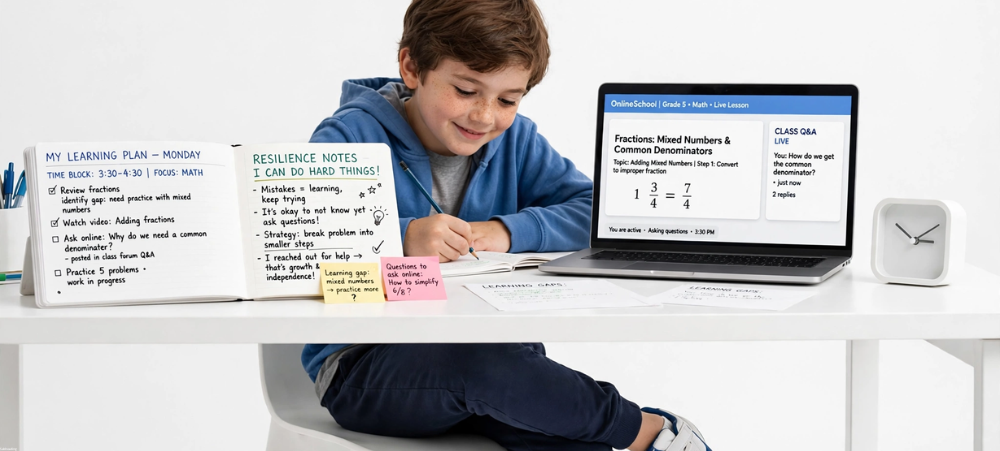
Sugar Bay Holiday Camp

Are Holiday Camps Safe? What Parents Should Know Before Sending Their Child to Camp

For many South African parents, the idea of sending a child to a holiday camp can feel unfamiliar. Most parents remember school camps from their own childhood. Tents, basic accommodation, muddy fields and short trips organised by teachers. Modern holiday camps are very different. Instead of basic school trips, they are purpose-built environments designed to give children a safe, structured and exciting holiday experience filled with activities, friendships and adventure. Many parents quietly wonder the same thing:Will my child be okay without me? Will they feel safe? Will they make friends? These are completely natural questions. Any parent considering a camp experience wants to know their child will be well cared for before making that decision. The most common question is also the most important one: Are holiday camps actually safe for children? Understanding how modern holiday camps operate Well-run kids holiday camps operate very differently from what many parents imagine. Children follow structured daily schedules that include organised activities, meals and supervised downtime. Campers move between activities in small groups guided by trained staff members. Instead of children being left to entertain themselves, the day is carefully planned so that campers are always part of a supervised activity or group environment. This structure helps ensure that children remain safe, engaged and supported throughout their stay. For many parents, learning how camps actually operate helps them realise that a reputable camp environment is often far more organised and supervised than they initially expected. Why camp experiences can be valuable for children Beyond safety and supervision, holiday camps offer children something many parents feel is increasingly rare today: the chance to explore independence. Children have the opportunity to try new activities, meet people they’ve never met before and navigate situations on their own while still being supported by responsible adults. They might try a new sport, participate in a team challenge, discover a creative interest or simply enjoy the freedom of being active outdoors with other children. These experiences help children develop confidence, social skills and resilience. Many parents find that children return home from camp more independent and more confident than when they left. For many families, it becomes one of the most memorable parts of childhood. What parents should look for in a safe holiday camp Before choosing a school holiday camp in South Africa, parents should always look for clear information about how the camp operates. Some important questions to ask include: Reputable camps are transparent about these systems because safety and trust are essential for families. Sugar Bay, a Trusted Holiday Camp in South Africa Located at Zinkwazi Beach on the KwaZulu-Natal North Coast, Sugar Bay Holiday Camp has been welcoming children aged 7 to 17 during every South African school holiday for more than 25 years. Over that time, millions of parents have trusted Sugar Bay to provide a safe and structured environment where children can experience adventure, build friendships and develop confidence. Safety and supervision are central to how the camp operates. Children are supervised 24 hours a day, and the camp maintains an exceptional 1 counselor for every 3 children ratio, allowing staff to closely monitor and support campers throughout the day and night. Counselors also stay in the cabins with campers, ensuring children are never without adult supervision. All staff members working with children are carefully selected, background checked and required to have police clearance. They are also trained in First Aid, CPR and youth supervision to ensure they are prepared to respond appropriately to any situation. The resort itself operates with multiple layers of security including electric perimeter fencing, controlled access gates, CCTV cameras, night watchmen and 24-hour armed response. Sugar Bay also operates a dedicated on-site health centre run by a qualified nurse, with doctors on call and private hospitals nearby should medical care ever be required. Water activities are supervised by qualified lifeguards and trained safety staff, and children participate according to their swimming ability to ensure activities remain appropriate and safe. Campers take part in over 100 structured activities, including beach activities, water sports, sports, creative projects and team challenges designed to keep children active, social and engaged throughout the camp experience. These systems and decades of experience are part of the reason Sugar Bay has become one of the most trusted holiday camps in South Africa, chosen by families for more than two decades. Many campers return year after year, and today some of the children who attended Sugar Bay in its early years are now sending their own children to experience the same friendships, adventures and lifelong memories. Parents who would like to learn more about how the camp operates and explore upcoming camp dates can visit: Learn more about Sugar Bay Holiday Camp:https://www.sugarbay.co.za Learn more about Sugar Bay Holiday Camps Upcoming Camps: https://www.sugarbay.co.za/sugar-bay-camp-blog/categories/upcoming-sugar-bay-camps-2026 Helping children grow through experience Sending a child to camp for the first time can feel like a big step for any parent. But when camps are run professionally with strong safety systems, trained staff and structured programs, they can offer children something incredibly valuable. The chance to try new things.The chance to make new friends.The chance to discover what they are capable of. For many families, holiday camps become one of the ways children are able to experience independence, adventure and connection in a safe and supportive environment. And often, those experiences become some of the most meaningful memories of childhood.

Wingu Academy

Securing Your Child’s Place for 2026: Why Forward-Thinking Families Choose Wingu Academy

The education landscape has changed permanently. Online schooling is no longer a temporary solution — it is now a sophisticated, trusted, and global education pathway. As demand for high-quality online education continues to rise, placements for 2026 are filling faster than ever. Families who plan ahead are giving their children certainty, continuity, and confidence. Wingu Academy stands out as a Top 10 SACAI-rated online school, internationally recognised for its academic standards, personalised learning pathways, and strong learner support structures. Choosing Wingu is not simply about securing a school place — it is an investment in your child’s future. With limited placements available across phases, early enrolment ensures learners start the academic year settled, supported, and prepared. At Wingu Academy, learners do not face disruption, rushed transitions, or uncertainty. Instead, they enter a structured environment designed for long-term success. Parents consistently choose Wingu because it combines the flexibility of online learning with the rigour, accountability, and human connection expected from a premium educational institution. Learners are taught by qualified, real teachers, follow structured curricula, and complete real assessments and formal examinations that hold genuine academic value. Starting 2026 with clarity means fewer interruptions and a smoother academic journey for your child.

DIBBER SA

Understanding Attention Levels in the Early Stages of Childhood

Parents often worry when a toddler doesn’t listen or seems distracted. Dibber International Preschools reminds families that attention and listening skills develop gradually, and that what appears to be inattention is often a normal part of early childhood development. “Attention is not something children either have or don’t have, it’s a skill that grows with time, practice and the right environment,” says Ursula Assis, Country Director at Dibber International Preschools South Africa. “When adults understand what attention looks like at different ages, they can respond with more patience and less pressure, and children feel safer and more capable.” Attention is a child’s ability to focus on an activity, sound, object, or instruction for a period. In the early years, attention and listening form the foundation for everyday learning – from following simple instructions and taking turns, to participating in play and engaging in classroom routines. At Dibber, educators see attention as part of holistic development, supported by a stable rhythm, calm transitions, language-rich interactions, and play-based learning. 0–12 months: brief focus and quick shifts Babies are learning to process the world for the first time. Their attention is naturally short and easily redirected by a new sound, bright object, or familiar voice. They may quieten, turn towards a caregiver’s voice, or track movement, but not for long. Dibber encourages caregivers and parents to support this stage with calm, close connections, slow speech, expressive facial cues, and quieter spaces where babies can notice sounds without feeling too overwhelmed. For families in busy homes, even small changes can make a difference. This is called 60-second quiet rituals – micro-habits that are simple to try each day. For example, try turning down the television or music for just one minute, setting aside a single minute for quiet play or reading in a cosy spot, or creating a brief routine where you connect without background distractions. These quick and intentional pauses help babies notice sounds and faces, even when the environment is lively, making it easy for parents to experiment and see what works for their family. 1–2 years: deep focus on what matters to them Toddlers often become intensely absorbed in play and may not respond immediately when called. This is not defiance, it’s concentration. At this age, switching attention between activities can be difficult. “Calling a child’s name, pausing, and waiting for eye contact before giving instructions can make a remarkable difference,” says Assis. “This small habit helps children learn how to shift their focus without feeling rushed.” 2–3 years: growing flexibility and early listening routines As toddlers approach three, they begin to show more flexibility – they can pause play, listen briefly, and return to what they were doing. However, they still struggle to hold multiple instructions in mind at once. Simple, single-step instructions work best, especially when paired with actions, routines, or visual cues. Songs, short stories, and listening games can also strengthen attention in gentle, enjoyable ways. 3+ years: stronger focus and decision-making From age three onwards, children typically become more able to sustain attention and follow brief instructions, even with some distractions around them. They also start making small decisions about where to direct their attention, which supports independence and confidence. There will still be moments that require reminders, but encouragement and positive reinforcement support growth far more effectively than repeated correction. “At Dibber, the message to parents is reassuring,” Assis adds. “Every child develops at their own pace. With warmth, consistency, and supportive environments, children learn to focus, listen, and engage with the world with growing confidence.” To learn more about Dibber’s play-based approach and family support, visit www.dibber.co.za.

Educ8 SA

How Educ8 SA Supports Diverse Learning Styles

No two students learn the same way. Some thrive on visual learning, others on reading, and some on interactive exercises. Educ8 SA recognises these differences and provides online programs that accommodate diverse learning styles. Interactive, Computer-Based Learning The platform features: By offering multiple ways to learn, Educ8 SA ensures students of all abilities can grasp concepts effectively. Programs for Every Learner These programs allow students to engage in learning that suits their preferred style, improving retention and overall academic performance. Flexibility Enhances Learning The self-paced structure means learners can take the time they need on challenging topics or accelerate through subjects they find easy. This reduces stress and helps maintain motivation. Getting Started Enrol your child in a program that supports their learning style: With Educ8 SA, education adapts to your child—not the other way around.

Impaq

Why the Foundation Phase matters more than most parents realise, and how to support learning at home

Recent literacy findings have reignited a national concern: too many learners reach the Intermediate Phase without the reading skills they need to cope with the curriculum. The PIRLS 2021 results found that 81% of South African Grade 4 learners could not read for meaning in any language. The Department of Basic Education has echoed this urgency in its own reporting, noting that learners who cannot read with meaning “will struggle in every other subject” and referencing evidence that 8 in 10 children cannot read for meaning by Grade 4. For homeschooling parents and families, it helps to choose a provider like Impaq that supports you through the early grades with a clear CAPS-aligned plan, structured materials, regular assessments, and accessible guidance, so you’re not left to figure it out alone.  The Foundation Phase (Grade R – Gr 3) built at home, day by day, using the resources and routines you choose, is where the core building blocks are formed: listening and comprehension, vocabulary, phonics, handwriting, early numeracy, attention and learning habits. When these foundations are not secure, gaps tend to compound from Grade 4 onwards, because the learner must suddenly “read to learn” across every subject. “Foundation Phase is not a soft start, in fact, it’s the platform everything else stands on,” says Louise Schoonwinkel, Managing Director at Optimi Schooling of which Impaq is a registered trademark. “If reading and basic numeracy aren’t solid by the end of Grade 3, children often spend the rest of their schooling trying to catch up while the curriculum keeps moving.” Free resources help, but structure is what makes them work There is no shortage of material online. Parents can find worksheets, videos, printable readers, and even DBE resources such as CAPS documentation and Rainbow Workbooks, which provide weekly worksheets aligned to CAPS. These tools can be extremely valuable, especially for extra practice. However, the challenge is that “more” does not automatically mean “better.” Without a clear weekly plan, a progression of skills, and assessment checkpoints, families may end up with scattered activities that don’t build mastery. That matters most in the early grades, where learning depends on sequence: sounds before words, words before sentences, sentences before comprehension. “Parents need confidence that the material follows the right order, covers what it must, and gives them a clear way to track progress. In the early years, the sequence matters as much as the content,” Schoonwinkel says. A quick checklist: what your home materials should include Your programme should include these essentials, and by year-end your child should show these outcomes: When these elements are missing, families often only discover problems later, when the curriculum demands increase and the learner feels behind. “Children don’t fall behind in Grade 10, they usually fall behind in Grade 1 to Grade 3,” Schoonwinkel adds. “That’s why the Foundation Phase deserves the most deliberate attention from parents and providers.” What Impaq offers for Grades R–3 For families who want a structured home-learning option in the early grades, Impaq provides CAPS-aligned lesson material and assessments, clear weekly planning, and support that helps parents teach with confidence. In the Foundation Phase, families also have access to weekly live, interactive sessions and recorded support lessons (used as additional reinforcement for homeschool learners), as well as progress tracking and report information through the learning platform. Teacher guidance is available so parents don’t feel they are navigating the early years alone. “In the Foundation Phase, parents shouldn’t have to guess what comes next,” says Schoonwinkel. “The right support gives you a clear plan, quality resources, and the reassurance that your child is building the literacy and numeracy foundations needed for the years ahead.” Note for parents choosing home education: DBE (provincial) registration is required for homeschoolers in Grades R–9.

Dalza

Medication, Supplements & Big Decisions: Moving from Anecdotes to Evidence – What to Consider for Your Neurodivergent Child

This article is adapted, with permission, from content originally published by Tamra and Jules, co-founders of The Neuroverse (theneuroverse.co.za), two South African mums building a supportive neurodivergent community. How to observe what matters, share it responsibly, and build a balanced picture with your care team When families begin exploring medication or supplements for a neurodivergent child, the process can feel overwhelming. Opinions come from everywhere — WhatsApp groups, school gates, family chats, and social media. But big decisions shouldn’t rest on anecdotes alone. A calmer, more grounded approach is to gather real-world observations from home and school, understand what professionals look for, and share information in a way that protects your child’s privacy. 1. Know What Professionals Actually Look At Across ADHD, autism, anxiety, and sensory regulation differences, clinicians focus on patterns over time, not isolated moments. Common areas they monitor include: These are the kinds of signals paediatric and mental-health professionals typically use to understand whether a child is coping, struggling, or responding to an intervention. 2. Supplements & Nutrition: Helpful Context, Not a Standalone Answer Many families explore supplements or nutritional support alongside (or before) medication. These can influence energy, mood, and regulation — but they still require the same principle: track what changes, when, and how much. Nutrition can support regulation, but it doesn’t replace structured observation or professional guidance. 3. Build a Shared Picture with the School Teachers often see patterns parents don’t — focus during lessons, transitions, sensory overload moments, social fatigue, appetite dips. A balanced view comes from combining home and school signals.Dalza makes this easier: teachers, therapists, and co-parents can see the same context (with your permission), so you’re not rewriting the same story in every meeting. 4. Log First, Decide Later Before making any decision — medication, supplements, or both — capture one to two weeks of simple notes: Dalza keeps these logs, reports, and observations in one secure place, so you’re not piecing things together from memory or multiple apps. 5. Share Only with the Right People Medication and supplement decisions are sensitive. Dalza’s parent-controlled sharing means you choose exactly who sees what — your paediatrician, therapist, teacher, or no one at all. Big decisions feel less daunting when they’re based on patterns, not pressure.With clear logs, shared context, and a connected care team, you can move forward with confidence — whatever path you choose for your child. Dalza is free for 30 days, so you can try it out risk-free. To get started today, simply add your name and email here. 

Wingu Academy

Personalised Learning That Puts Your Child First

Every learner is unique — and their education should reflect that. At Wingu Academy, personalised learning is not a buzzword; it is a carefully designed system led by Student Success Advisers (SAAs) who work closely with learners and families. SAAs create custom-made educational pathways based on each learner’s academic needs, learning style, pace, and long-term goals. This personalised approach allows learners to thrive without the pressure of one-size-fits-all schooling. Through ongoing monitoring, regular feedback, and structured guidance, SAAs ensure learners stay engaged, motivated, and supported throughout the year. This work is done in close collaboration with qualified human teachers who guide lessons, assess progress, and prepare learners for real exams and recognised academic outcomes. Parents gain peace of mind knowing there is a dedicated professional overseeing their child’s academic journey. Wingu’s personalised model also supports learners who are transitioning from traditional schooling, returning to education after disruption, or preparing for international opportunities. It is education designed around the learner — not the system.

DIBBER SA

Seven NASA-Inspired Activities That Make Space Real for Little Learners

Outer space has a unique way of capturing a child’s imagination – from glittering stars and distant planets to powerful rockets exploring the unknown. Dibber International Preschools encourage parents and caregivers to lean into that curiosity, using simple, hands-on activities that introduce early science concepts in ways young children can understand and enjoy. “Children are naturally wired for wonder,” says Ursula Assis, Country Director of Dibber International Preschools South Africa. “When we follow their curiosity and turn big ideas into playful experiences, we’re not only teaching them about space – but we’re also building confidence, problem-solving, language, and a love of learning that lasts.” At Dibber, we use play-based learning to make complex ideas approachable. Space-themed activities support key early learning areas such as fine motor development, collaboration, early maths and sequencing, and cause-and-effect thinking, all while keeping learning joyful and pressure-free. Seven easy, low-cost ideas help teach outer space to children using everyday materials and a spirit of exploration: 1. Build a balloon-powered rocket Using paper, tape, a straw and a balloon, children create a rocket that shoots forward when released. It’s a simple, exciting way to introduce early physics. This activity can elicit cause-and-effect, motion, curiosity, and experimentation. 2. Make planet masks Children choose a planet, decorate it using colours and textures, then become the planet through role-play. This blends creativity with early astronomy knowledge.This can build imagination, confidence, storytelling and most importantly, planet recognition. 3. Explore gravity with a rocket launch activity Through safe, simple demonstrations, such as launching lightweight objects or testing different launch methods. Children begin to grasp that rockets need energy to lift off.This creates observation, early science language and problem-solving in young children. 4. Play a solar system matching game Match planets to pictures, colours, rings, or simple clues. Turn it into a cooperative game with turn-taking and shared discovery.Activities such as this will help the little ones strengthen their memory, sequencing, and cognitive development. 5. Go on a space-themed scavenger hunt Hide stars, planets, astronaut symbols or space words around the home. Children hunt for clues while learning new vocabulary in motion, slowly building language, teamwork, and active learning. 6. Express space through art Invite children to draw galaxies, rockets, moons or imaginary planets. Ask questions about their artwork to deepen understanding and encourage communication. This will enhance their visual thinking, self-expression, creativity and imagination. 7. Learn with interactive space games Puzzles, mazes, and simple mission games help children practice logical thinking and focus while reinforcing spatial concepts and increasing concentration, reasoning, and persistence. Dibber’s approach to early education encourages children to explore big ideas through play, creativity, and gentle guidance. Space-themed learning becomes an opportunity to nurture curiosity, independence, and joy while supporting key foundational skills that help children thrive in later learning. All effort parents make, no matter how small, contributes to this journey and makes a meaningful difference in their child’s educational experience. “Space is a wonderful theme because it invites children to ask questions and imagine possibilities,” adds Ursula. “And when children learn that their questions matter, they develop the confidence to keep exploring – not only the universe, but the world around them

Educ8 SA

Preparing Your Child for Success With the Fundamental Pathway

The transition from basic foundational learning to more advanced subjects is a critical stage in education. Educ8 SA’s Fundamental Pathway supports learners from preschool through Grade 8, providing comprehensive, structured, and engaging online programs. What is the Fundamental Pathway? The Fundamental Pathway builds on foundational knowledge and prepares students for higher-level learning with a focus on: The program is offered at R1,800 per month, providing a comprehensive education that balances affordability with depth. Engaging, Computer-Based Curriculum Students interact with a dynamic online platform featuring: These tools keep learners motivated while promoting independent learning, critical thinking, and practical skills. Flexibility That Fits Your Family The Fundamental Pathway allows students to study at times that suit their schedules. Parents can easily integrate lessons into their family routine without the stress of rigid school timetables or commuting. Preparing Students for the Future By strengthening academic skills, fostering independence, and introducing technology-based learning, the Fundamental Pathway equips students for middle school, high school, and beyond. Students also gain digital literacy skills crucial for modern education and careers. Getting Started Enrol your child in the Fundamental Pathway today: The Fundamental Pathway ensures learners build confidence, competence, and curiosity—preparing them for long-term academic success.

Advtech Group

Turning Pages, Sparking Magic: Why Ages 10–12 Is the Make-or-Break Stage for Cultivating a Love of Reading

Children between ages 10 and 12 are at a fascinating stage of life. They’re no longer little kids, but they’re not yet teenagers. They’re starting to ask bigger questions, push boundaries, and search for who they are becoming. Amid all these changes, reading plays a powerful role, and schools and parents should strongly encourage students to build their reading muscle during this time, an education expert says. “In contrast to content on devices, books give children a safe space to explore new ideas, test out possibilities, and imagine life through someone else’s eyes. They also strengthen critical thinking, boost vocabulary, and build empathy – all skills that help pre-teens navigate school and friendships with more confidence,” says Nalani Singarum, Academic Advisor at ADvTECH Schools. “Most importantly, reading at this age lays the foundation for a lifelong habit. A child who enjoys books at ages 10 to 12 is far more likely to carry that love into their teenage years, when the pull of social media and other distractions becomes stronger,” she says. A 2024 study of children aged 10 to 12, by neuroscientists at Columbia University’s Teachers College, found that reading on paper promoted “deeper reading” with better comprehension and processing of complex texts. It was noted that this age group is pivotal for transitioning from “learning to read” to “reading to learn”, making physical books ideal for exploring ideas and imagining others’ perspectives without digital distractions. “Even where children at this age did not previously enjoy reading books, it is not too late to develop a regular and enjoyable reading habit,” says Singarum. “Regular reading during this key developmental period will support stronger understanding across subjects, better information absorption, and clearer expression of ideas throughout the child’s life.” Creating a Reading-Rich Home Pre-teens crave independence, yet they still look to their parents for cues. The best way to nurture reading at this age is to show that it’s valued at home – not as a school task, but as part of family life. Practical ways to create a reading-rich environment include: Bedtime shifts: Before bedtime, spend some time reading side by side. You each choose your own book, then share a favourite line or moment. It shows that reading is for everyone, not just a chore for children. (And no, reading on devices do not count).Reading in everyday life: Invite your child to read maps while travelling, menus at restaurants, or DIY instructions at home. These moments prove that reading has value beyond the classroom.Word of the day challenge: Let your child pick an unusual word from a book and challenge the family to use it naturally in conversation. Older children enjoy the playful competition and sense of mastery.Treasure hunts with riddles: Write riddles or codes your child must solve to find the next clue. Link some clues to favourite books for an extra spark.Peer power: Encourage your child to swap books with a friend or start a mini book club, to make reading become a social, not a solitary activity. The Role of Schools Beyond the curriculum, schools play a key role in creating an environment where reading is valued and enjoyable, which helps students build positive associations with books and learning.  “Schools offer social and collaborative opportunities that enhance reading motivation and enjoyment. By fostering a love of reading within a communal and supportive learning environment, schools complement and extend the encouragement children receive at home, making the development of reading habits more comprehensive and durable,” says Singarum.  She adds that it is valuable to have structured programmes, rather than just ad hoc reading opportunities. “At ADvTECH, we have a reading programme called Booktacular, which is specifically designed to make reading meaningful and magical again. Through activities like Book Clubs that spark lively conversations, creative ‘Book review in a bag’ projects, Literature Circles where every child takes on a role, and Visual literacy tasks that bring pictures to life, children discover that stories are adventures to be explored, not assignments to be completed.” Parents can extend this spirit into their homes with small, joyful habits like these. When reading feels playful and purposeful, children are far more likely to carry that joy into their teenage years and beyond, Singarum says. “Between ages 10 and 12, children are shaping their identities. They’re learning who they are, who they want to be, and how they see the world. Books offer them mirrors to see themselves and windows to step into lives very different from their own. “As parents and teachers, when we nurture a love of stories, we’re not only supporting school success, we’re giving our young people tools for life.

Sidebar Image

Sidebar Image

Scroll to Top