



Helping Kids Navigate Friendship Changes
“She doesn’t want to be my friend anymore.” “He plays with someone else at break now.” Few things sting quite like a child’s first experiences of shifting or ending friendships. For a parent, it can be hard to watch and hard to know how much

Positive Reinforcement: Why “Catching Them Being Good” Works
t’s easy to fall into a pattern where most of the attention a child gets is in response to misbehavior — a reminder, a correction, a raised voice. Good behavior, meanwhile, often passes silently, simply because it isn’t causing a problem. Flipping that pattern —

Teaching Kids to Handle Disappointment and Losing
The board game flipped over in frustration. The tears after losing a race. The refusal to play again after coming second. Learning to lose gracefully and handle disappointment is one of the harder emotional skills for children to develop — and one of the most
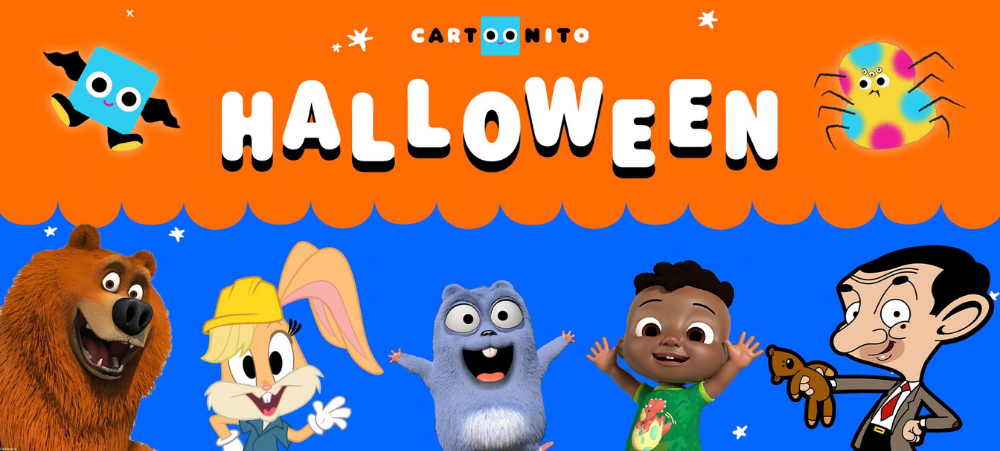
Happy Halloween takes over Cartoonito with a spooky (but sweet) stunt
Cartoonito (channel 302) is celebrating Halloween in style with a dedicated stunt, Happy Halloween, launching Saturday, 31 October at 6:00 CAT. The day is packed with gently spooky episodes from fan favourites including Zig & Sharko, Masha and the Bear, Grizzy & the Lemmings and
Building Confidence Without Overpraising
Every parent wants a confident child — one who believes in their own abilities, takes on challenges, and doesn’t crumble at the first setback. The instinct is often to praise constantly: “You’re amazing,” “You’re so smart,” “You’re the best.” But research on child development points
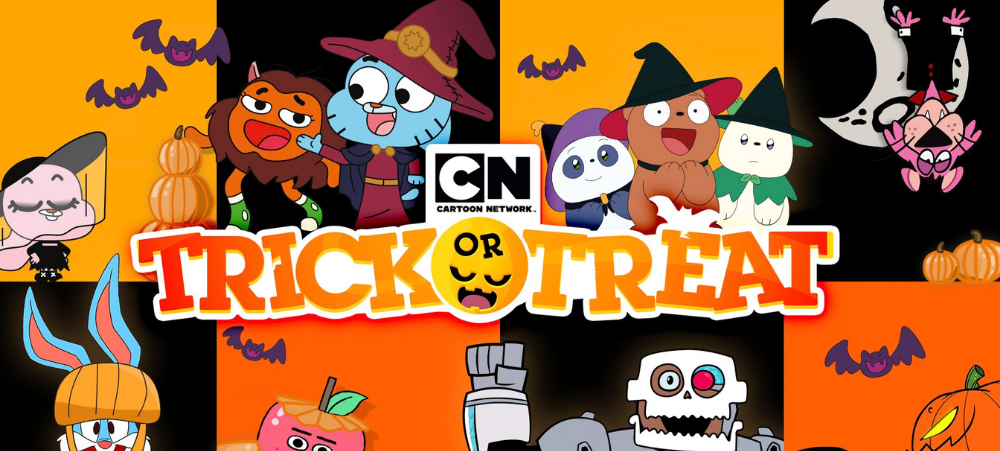
Trick or Treat brings a full day of Halloween favourites to Cartoon Network
Cartoon Network (channel 301) is going all out for Halloween with Trick or Treat, a packed local stunt launching Saturday, 31 October from 08:00 CAT. The day-long celebration features specially themed episodes from across the Cartoon Network lineup, plus the brand-new Regular Show: Lost Tapes

When to Step In and When to Step Back: The Overparenting Trap
Loving, attentive parents face a quiet, constant question dozens of times a day: do I help, or do I let them struggle? Step in too often, and children can miss the chance to build real competence and confidence. Step back too much, and a child

Online Primary School: What Happens Away From the Screen?
An online primary-school day should include far more than a child watching lessons on a laptop. For younger learners, reading, writing, practical activities, movement and adult interaction remain central to the learning process. In a well-structured online primary school, the screen is one part of

More Than a Curriculum: What “Enrichment” Actually Looks Like at Educ8 SA
Ask most parents what they want from their child’s education, and academics are only part of the answer. They want their kid to be someone who’s curious, who has interests outside of a textbook, and who leaves school with more than just marks on a









Generosity Starts Small: How Children Learn to Give
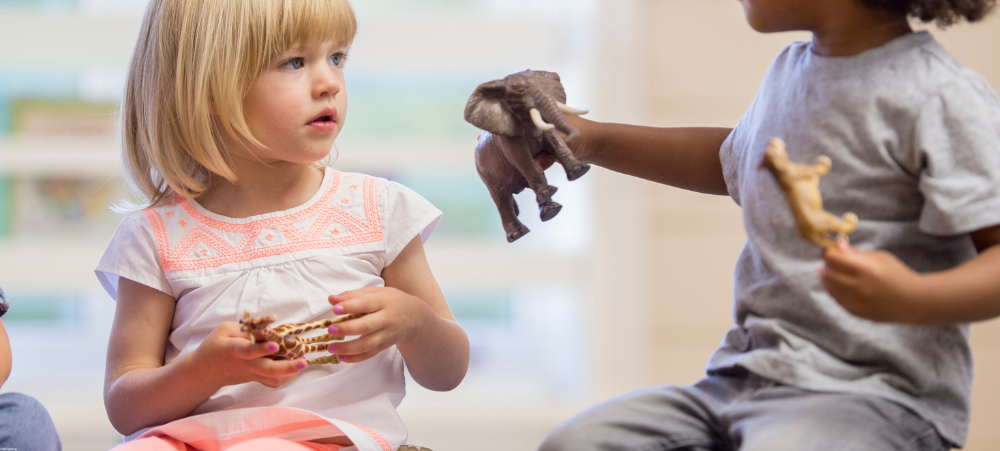
Generosity in young children rarely begins with a grand gesture or a conversation about values. It’s built through ordinary exchanges, repeated often enough for children to notice that other people have needs, feelings, and wants of their own. “Adults sometimes think of generosity mainly in

How to Talk to Your Kids About Big Emotions
A meltdown over the wrong colored cup. Tears over a friend who didn’t want to play. Sudden anger that seems to come from nowhere. Big emotions in children can feel disproportionate, exhausting, and at times bewildering to navigate — but they’re also one of the
Chores by Age: Building Responsibility Without a Battle
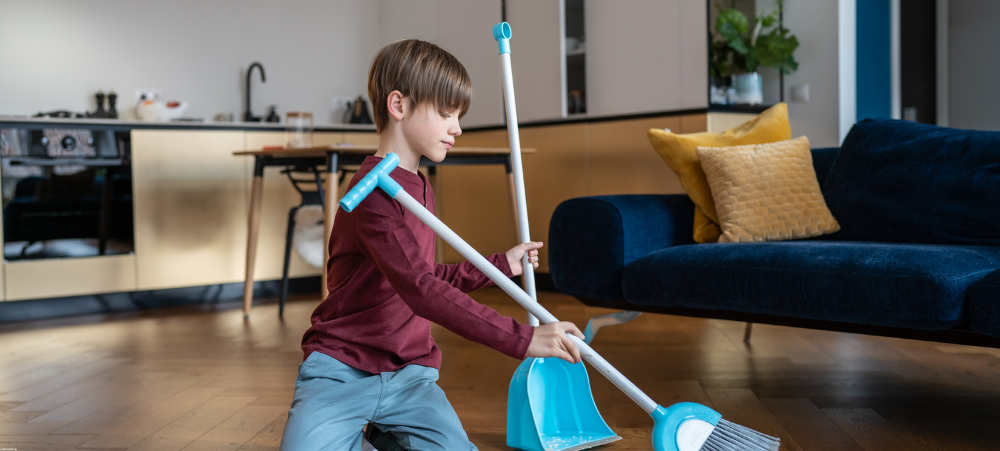
Getting kids to help around the house can feel like more effort than doing it yourself — the reminders, the half-finished jobs, the negotiations. But chores aren’t really about the tasks themselves. They’re one of the most effective, research-backed ways to build responsibility, confidence, and

The Power of Routine: Why Kids Thrive on Predictability
If your household ever feels like a constant negotiation — over meals, bedtime, screen time, getting out the door — the missing ingredient might not be more rules, but more rhythm. Routine is one of the simplest, most underrated tools in a parent’s toolkit, and

Halloween at be.UP Park: Two Ways to Celebrate, Twice the Fun
October marks Halloween! be.UP Park is bringing the fun for every kind of little monster, fearless tween and costume-loving teen. Join us on Saturday, 31 October for a full day of family-friendly Halloween fun, followed by an after-dark party for older kids. By day, it

Raising Kind Kids in a Competitive World
From school rankings to sports leagues to social media comparison, children today grow up steeped in competition from an early age. None of that is inherently bad — healthy competition can build resilience and drive. But in a world that often rewards winning above all

The Backseat Battles: Making Car Rides Bearable
Few spaces concentrate sibling squabbles, whining, and “are we there yet” quite like the backseat of a car. Confined, buckled in, and unable to physically separate, kids often turn small irritations into full-blown conflict — and parents, focused on driving, have limited ability to intervene
Information Is Everywhere. Thinking Matters.
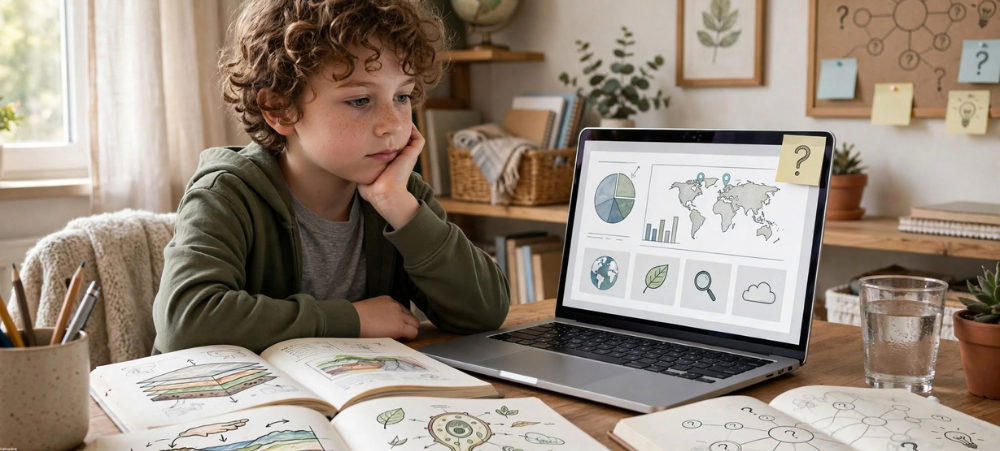
Preparing Learners for More Than Exams Today’s learners can find information within seconds. The greater challenge is knowing what to trust. Learners need to question sources, recognise misinformation, compare perspectives, and make informed decisions. These skills are becoming increasingly important in a world shaped by
