School of Rock Parktown North

Building Confidence, Creativity, and Community Through Music

At School of Rock, learning music isn’t about sitting still and memorising notes. It’s about movement, laughter, teamwork, and the thrill of making real music together. Our youth programs are carefully designed to meet kids where they are developmentally, while helping them grow in confidence, creativity, and independence. Little Wing (Ages 3–5) Little Wing is where the magic starts. This playful, high-energy program introduces our youngest musicians to music through games, movement, singing, and exploration. Kids clap, dance, play percussion, and learn the basics of rhythm and melody without even realising they’re learning. Along the way, they build coordination, listening skills, and social confidence, all while having a whole lot of fun. Rookies (Ages 6–7) Rookies is perfect for curious kids who are ready to try instruments but aren’t quite ready for a full band yet. Students get hands-on experience with guitar, bass, drums, keyboards, and vocals, discovering what they love while learning essential musical skills. This program boosts confidence, focus, and independence, and sets students up for success as they move into band programs. Rock 101 (Ages 8–12) Rock 101 is where kids become bandmates. Students combine private lessons with group rehearsals, learning real rock songs and working together as a team. They develop musical skills, stage presence, and collaboration while preparing for live performances that give them a huge confidence boost. There’s nothing quite like seeing a child light up on stage after nailing their first show. Why Parents Love School of Rock  Beyond the music, our programs help kids develop life skills that last. They learn teamwork, discipline, communication, and resilience. Performing builds self-esteem, creativity fuels confidence, and being part of a band creates friendships and a strong sense of belonging. At School of Rock, kids don’t just learn music. They find their voice, their confidence, and their inner rockstar  Whether you or your child is picking up an instrument for the first time or expanding existing skills, our performance programmes provide inspiration, fun, and confidence through music. Please pop us an email at [email protected] or Whatsapp us on 074 322 2000 for more info and to book a FREE trial.  

School of Rock Parktown North

Music all year round: Why School of Rock Parktown North Is the Gift That Keeps Giving

At School of Rock Parktown North, we don’t just teach kids how to play instruments, we help them build confidence, creativity, community, and lifelong skills. As the year winds down and festive energy sets in, many of you are probably looking for enriching activities that give you and the kids more than just a hobby. Here’s why the School of Rock experience is a perfect fit for the season! Beyond Notes: The Many Benefits of Music Education Music isn’t just fun; it’s transformative. Learning an instrument or singing can improve language development, memory, concentration, and even academic performance. Why School of Rock Parktown North Does It Differently At School of Rock Parktown North, we believe that learning music should be fun, social, and purposeful. Our model combines individual lessons with band rehearsals and live-performance opportunities, giving kids a real chance to experience what it’s like to be in a rock band. Holiday Workshops for Kids: December & January This festive season, our Holiday Workshops give children a fun, structured way to explore music while school is out. Open to both new and current students during December and January, these workshops offer: Whether a child is picking up an instrument for the first time or expanding existing skills, our workshops provide inspiration, fun, and confidence through music. Please pop us an email at [email protected] or Whatsapp us on 074 322 2000 for more info and to book a slot!  Corporate Year-End Workshops & Team- building events School of Rock Parktown North also offers corporate and adult-focused workshops that are perfect for companies looking for a creative way to celebrate the end of the year. These sessions are designed to be fun, team-oriented, and stress-relieving: These workshops offer a unique, memorable way to close out the year; combining music, collaboration, and a little bit of festive cheer. Reach out at [email protected] or Whatsapp us on 074 322 2000 for more details.  A Great Time to Start (or Re-Start) With the new year around the corner, there’s no better time to explore what music can offer. Whether you or your child has never touched an instrument, are looking to deepen skills, or want a creative team-building experience, School of Rock Parktown North is ready to welcome you all with open arms. Let music be more than a gift this holiday!

School of Rock Parktown North

Unlock Your Child’s Potential Through Music: Why School of Rock Parktown North Is More Than Just Lessons

While traditional lessons have their place, they’re not always the most engaging or inspiring, especially for kids. At School of Rock Parktown North Parktown North, we do things differently. Our unique, performance-based approach teaches children to play instruments by putting them in a real band, playing real music, and performing live on stage. It’s exciting, empowering, and packed with lifelong benefits, both musical and personal. If you’re looking for an activity that builds confidence, inspires creativity, and helps your child thrive, read on to see how School of Rock Parktown North Parktown North can change their tune. Music Lessons Reimagined At School of Rock Parktown North, we believe that kids learn best when they’re having fun, and nothing’s more fun than being in a band. Instead of only learning in isolation, our students take part in weekly individual lessons and band rehearsals, where they learn to play alongside others and prepare for a live rock concert. This hands-on, high-energy approach keeps students motivated and helps them progress faster than traditional methods. Learning becomes purposeful, social, and something they truly look forward to. Whether your child wants to play guitar, bass, drums, keyboards or sing, they’ll be part of a supportive, exciting environment that builds confidence. Why Performance Makes All the Difference We place a strong emphasis on live performance because it brings out the best in young musicians. When children know they’re working toward a real show, they become more engaged, disciplined, and excited to practise. But the benefits go far beyond musical skill: For many children, that moment on stage is life-changing. Experienced Musicians Who Inspire Our teachers are working musicians with real-world experience. From gigging and recording to touring, they bring music to life in a way that resonates with students. Importantly, they’re also trained in School of Rock Parktown North’s teaching approach, making them excellent mentors who know how to connect with children and keep them engaged. They meet each student where they are, tailoring lessons to individual interests and learning styles. A Curriculum That Strikes the Right Chord We follow a structured yet flexible curriculum that teaches kids the foundations of music, technique, theory, rhythm, and more, through the lens of songs they love. Whether your child is into classic rock, pop, punk, or indie, they’ll be learning music that excites and challenges them. This balance of structure and creative freedom helps children develop a solid musical base while exploring their individuality. More Than Just Music At its core, School of Rock Parktown North is about helping young people grow, not just as musicians, but as confident, capable individuals. Parents often tell us about the transformation they see: Music is an incredible outlet for self-expression, emotional regulation, and social connection. And when it’s taught in an environment that’s fun, dynamic, and nurturing, the results are powerful. For Kids of All Ages and Abilities One of the best things about School of Rock Parktown North is that it’s inclusive. Whether your child is just picking up an instrument for the first time or has been playing for years, there’s a place for them here. We welcome children of all skill levels and help them grow at their own pace, in a setting that values effort, creativity, and collaboration. It’s not about being the best, it’s about enjoying the journey and learning to shine in your own way. What Parents Are Saying “Our son found his confidence at School of Rock Parktown North. He used to be nervous in front of people, now he’s the one volunteering to play solos!”– Jess, Parktown North mum “It’s the highlight of the week for both our kids. They’ve learned so much musically, but more than that, they’ve found their tribe.”– Thabo, father of two Ready to Rock? At School of Rock Parktown North Parktown North, we do more than teach music, we help children find their voice, build self-belief, and experience the joy of creative expression. From the very first lesson to their moment on stage, we’re with them every step of the way. If you’re looking for an enriching activity that nurtures your child’s growth while being fun, engaging, and totally unforgettable, this is it. Book a Free Trial  WhatsApp: 074 322 2000 Email: [email protected] Website: www.schoolofrock.com

School of Rock Parktown North

Unlock Your Child’s Potential Through Music: Why School of Rock Parktown North Is More Than Just Lessons

While traditional lessons have their place, they’re not always the most engaging or inspiring, especially for kids. At School of Rock Parktown North Parktown North, we do things differently. Our unique, performance-based approach teaches children to play instruments by putting them in a real band, playing real music, and performing live on stage. It’s exciting, empowering, and packed with lifelong benefits, both musical and personal. If you’re looking for an activity that builds confidence, inspires creativity, and helps your child thrive, read on to see how School of Rock Parktown North Parktown North can change their tune. Music Lessons Reimagined At School of Rock Parktown North, we believe that kids learn best when they’re having fun, and nothing’s more fun than being in a band. Instead of only learning in isolation, our students take part in weekly individual lessons and band rehearsals, where they learn to play alongside others and prepare for a live rock concert. This hands-on, high-energy approach keeps students motivated and helps them progress faster than traditional methods. Learning becomes purposeful, social, and something they truly look forward to. Whether your child wants to play guitar, bass, drums, keyboards or sing, they’ll be part of a supportive, exciting environment that builds confidence. Why Performance Makes All the Difference We place a strong emphasis on live performance because it brings out the best in young musicians. When children know they’re working toward a real show, they become more engaged, disciplined, and excited to practise. But the benefits go far beyond musical skill: For many children, that moment on stage is life-changing. Experienced Musicians Who Inspire Our teachers are working musicians with real-world experience. From gigging and recording to touring, they bring music to life in a way that resonates with students. Importantly, they’re also trained in School of Rock Parktown North’s teaching approach, making them excellent mentors who know how to connect with children and keep them engaged. They meet each student where they are, tailoring lessons to individual interests and learning styles. A Curriculum That Strikes the Right Chord We follow a structured yet flexible curriculum that teaches kids the foundations of music, technique, theory, rhythm, and more, through the lens of songs they love. Whether your child is into classic rock, pop, punk, or indie, they’ll be learning music that excites and challenges them. This balance of structure and creative freedom helps children develop a solid musical base while exploring their individuality. More Than Just Music At its core, School of Rock Parktown North is about helping young people grow, not just as musicians, but as confident, capable individuals. Parents often tell us about the transformation they see: Music is an incredible outlet for self-expression, emotional regulation, and social connection. And when it’s taught in an environment that’s fun, dynamic, and nurturing, the results are powerful. For Kids of All Ages and Abilities One of the best things about School of Rock Parktown North is that it’s inclusive. Whether your child is just picking up an instrument for the first time or has been playing for years, there’s a place for them here. We welcome children of all skill levels and help them grow at their own pace, in a setting that values effort, creativity, and collaboration. It’s not about being the best, it’s about enjoying the journey and learning to shine in your own way. What Parents Are Saying “Our son found his confidence at School of Rock Parktown North. He used to be nervous in front of people, now he’s the one volunteering to play solos!”– Jess, Parktown North mum “It’s the highlight of the week for both our kids. They’ve learned so much musically, but more than that, they’ve found their tribe.”– Thabo, father of two Ready to Rock? At School of Rock Parktown North Parktown North, we do more than teach music, we help children find their voice, build self-belief, and experience the joy of creative expression. From the very first lesson to their moment on stage, we’re with them every step of the way. If you’re looking for an enriching activity that nurtures your child’s growth while being fun, engaging, and totally unforgettable, this is it. Book a Free Trial  WhatsApp: 074 322 2000 Email: [email protected] Website: www.schoolofrock.com

Parenting Hub

After-School Overload: Helping Kids Manage Stress from Extra-murals

As children grow and become more involved in activities outside of school, it’s easy for their schedules to become packed with extracurriculars. Whether it’s sports, music lessons, dance, or art classes, extramural activities can be fantastic for building skills, boosting confidence, and providing social opportunities. However, as kids juggle multiple commitments, there’s a fine line between healthy enrichment and over-scheduling. Overloading your child with too many activities can lead to stress, burnout, and emotional exhaustion. In today’s fast-paced world, it’s important to help kids navigate their extracurricular schedules in a way that fosters growth without causing unnecessary stress. 💡 Why Does After-School Overload Happen? After-school activities offer many benefits, but there are a few reasons kids may feel overwhelmed: 📚 Source: American Academy of Pediatrics – Effects of Stress on Children 🌟 How to Help Your Child Manage After-School Stress Here are some practical ways to support your child in balancing their after-school activities while preventing overload: 1. Encourage Open Communication Make sure your child feels comfortable talking to you about their feelings. Check in regularly about how they’re feeling with their activities. If they’re starting to feel overwhelmed, listen to their concerns and discuss what changes might be needed. Tip: Ask open-ended questions like, “How do you feel about your activities this week?” or “Is there anything you’d like to spend more time doing or less time doing?” 2. Set Realistic Limits While it’s great for kids to be involved in extracurricular activities, it’s essential to avoid over-scheduling. Help your child select a balanced number of activities that they genuinely enjoy and are able to manage. Tip: Limit activities to 2-3 per week, ensuring they have enough time for homework, downtime, and family. 3. Encourage Play and Rest Play and relaxation are just as important as structured activities. Allow your child ample time to unwind and engage in unstructured play, where they can relax and recharge. Tip: Ensure that your child has at least one day a week with minimal activities to allow for rest. 4. Teach Time Management As children grow older and their schedules become busier, it’s essential to help them develop time-management skills. Teach them how to prioritise tasks, manage homework, and organise their extracurricular commitments. Tip: Use a planner or digital calendar to help your child visualise their week and avoid overloading any single day with too many activities. 5. Be Mindful of Your Own Stress Children often pick up on their parents’ stress levels. If you’re constantly rushing from one activity to another, your child may feel the same sense of urgency and pressure. Practice mindfulness and ensure that the whole family is taking time to decompress. Tip: Model a balanced lifestyle where relaxation and self-care are prioritised, and encourage your child to follow suit. 6. Choose Quality Over Quantity It’s not about how many activities your child does, but the quality of the experiences. Instead of enrolling your child in every activity under the sun, focus on a few that they are passionate about and where they can excel or truly enjoy the experience. Tip: Ask your child to reflect on what they truly love doing, and make that the priority when choosing extracurriculars. 7. Create a Healthy Routine Having a routine can help reduce stress by providing structure. Make sure there’s a balance between school, extracurriculars, family time, and rest. Children thrive when they have predictable, consistent routines that they can rely on. Tip: Set a consistent bedtime and stick to regular meal times, as adequate sleep and proper nutrition play a significant role in managing stress. 8. Recognise Signs of Burnout Pay close attention to signs that your child is becoming stressed or burned out. These may include: If you notice any of these signs, it may be time to reconsider the number of activities or provide additional support. 📚 Source: Psychology Today – Over-Scheduling and Kids 🧑‍⚕️ What to Do If Stress Becomes Overwhelming If your child is showing signs of extreme stress, burnout, or anxiety, it’s important to seek professional help. A therapist, counsellor, or paediatrician can help assess the situation and provide support strategies. Sometimes, taking a step back and reevaluating activities can go a long way in helping your child feel less pressured. 💬 Final Thoughts Extramural activities can enrich your child’s life, but balance is key. By prioritising your child’s emotional well-being, helping them manage their time, and encouraging open conversations, you can help them thrive without the stress overload. Remember: It’s not about how many activities your child does, but how they feel about the activities they choose. Help them find joy in learning and playing, not stress.
Catrobatkidz

The Power of Movement in Raising Healthy Children
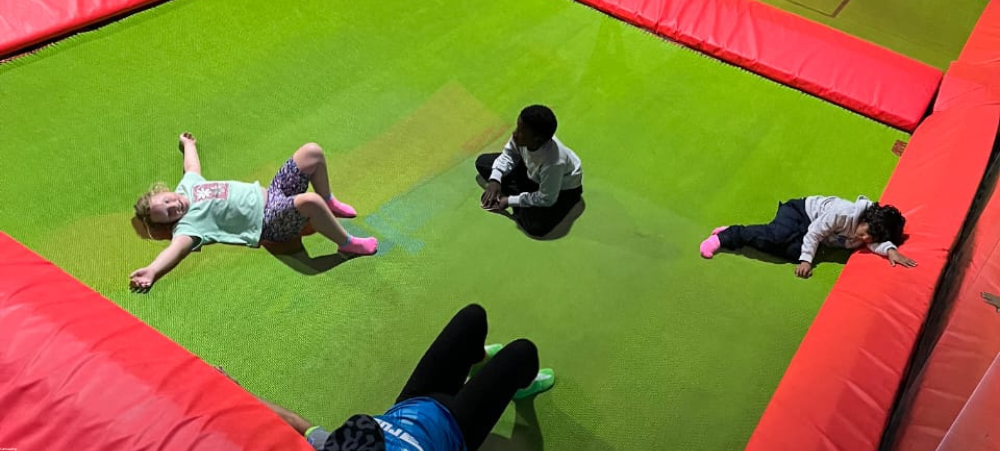
Movement is a powerful tool for developing the minds and bodies of young children. As a parent, you looked forward to seeing your baby start crawling, you waited to catch their first step on camera and you’re looking forward to cheering them on at school sports events. Reaching these milestones are all indicators that your child is growing and learning. What you might not know, is that movement contributes to more than a child’s physical development. There are many other areas where movement plays an essential role in developing a well-rounded individual. The Mind-Body Connection Children learn through movement. For example, as your little one crawls towards their favourite toy, they’re engaging in active problem solving. They know what they want and they’ve worked out how to get it – without asking you for help.  In a more abstract way, children move their bodies to explore ideas. A little boy running around the garden with his arms outstretched isn’t just mimicking the movements of an airplane; he’s imagining what it’s like to be a pilot. He pictures himself looking down at the earth below and imitates the effect of braking to make a smooth and safe landing. Physical play is how children learn about themselves and the world around them. Giving them the freedom to experiment with movement will stimulate their minds as well as their bodies.  Solid Communication Skills Do you remember playing “Peek-a-boo!” with your baby and how they’d smile and giggle when you took your hands away from your eyes? You could tell that they were enjoying the game from the way they reacted – no words necessary.  When your baby turned into a toddler, you may have noticed that they would copy your movements. If you were making a cake and stirring the batter, they wanted a bowl and wooden spoon too. Copying a movement or facial expression is one way a child feels closer to you. Children often use movement as a means of communication. Learning to read and understand body language helps children become better non-verbal communicators. Responding to your child’s gestures will give them the confidence that they are effective communicators. Emotional Intelligence Little children haven’t developed the vocabulary they need to explain how they’re feeling, so they rely on physical forms of expression. Sometimes, that means throwing a tantrum in the middle of a store while you’re out grocery shopping! Your little one might jump and down when they’re excited, try and hide behind your legs when they’re scared or snuggle up to you when they need some reassurance. Allowing your children to use movement to express how they feel is important. It also makes it easier for you to recognise their emotions and deal with them constructively. Strong and Healthy Bodies It goes without saying that active children are more likely to be healthy. Study after study has revealed how important it is for young children to be physically active. In an age of cellphones, tablets, video games and the internet all competing for your child’s attention, encouraging them to be active is essential. Physical activity builds gross and fine motor skills in children. Gross motor skills refer to movements that involve the whole body, such as walking, jumping, running and sitting up straight at a desk or table. These activities engage the large muscles of the body and develop core stability. As your child grows older, a strong core will help them cope with the physical activities they’ll encounter every day like carrying a school bag, climbing stairs and paying attention in class. Fine motor skills are just as important and involve the co-ordination of small muscles in the hands and fingers. Drawing, painting, buttoning up a shirt, tying shoe laces, and writing are all activities that rely on well-developed fine motor skills. Movement is the Key Children who are physically active from an early age have an advantage over those who aren’t. They’re more likely to become well-rounded, well-adjusted adults with healthy habits for coping with the stresses of modern life. For a sound, mind, body and spirit, movement is essential.  Catrobatkidz offers you an opportunity to involve your child or children in classes that focus on physical activities designed to build strong, healthy bodies and minds. For more information on enrolment, click here or contact us with your questions.

Catrobatkidz

JUMPING

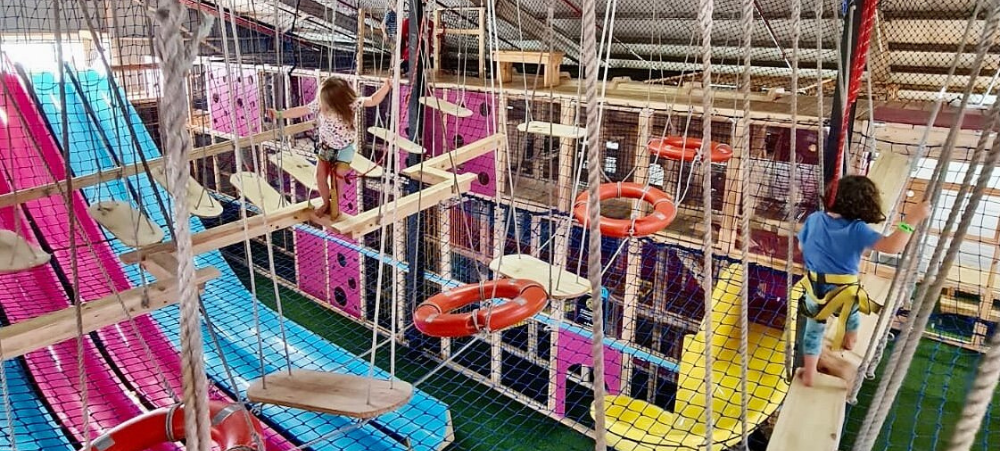
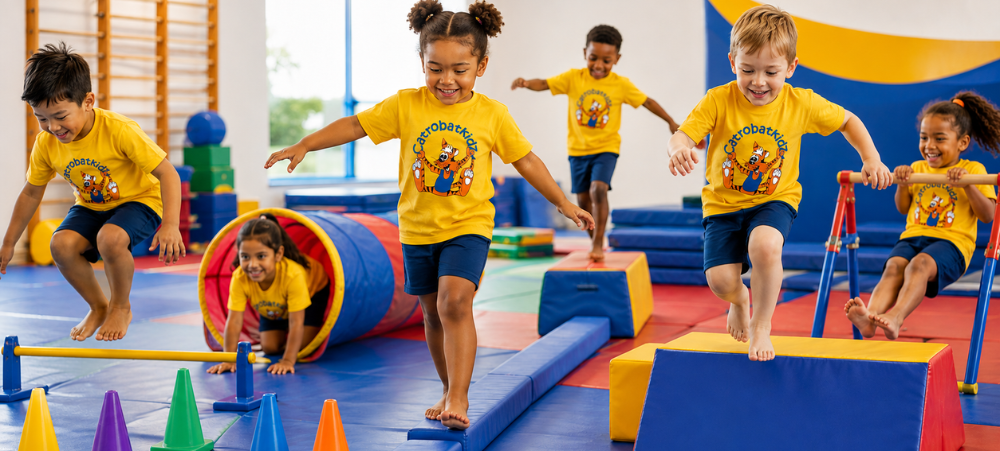
Anyone who’s ever seen a child jumping knows what the face of true joy looks like. Jumping is one of the simplest, cost effective workouts that combine fun and fitness together, providing physical, health and educational benefits to children, young or old. Best of all is that jumping is enjoyable and can be done any time of the day, anywhere. The Benefits of Jumping For children who are averse to taking part in sports, jumping works really well by getting a workout without realizing it! Healthy Heart Cardiovascular health has become one of the primary concerns in children. Jumping is an important cardiovascular exercise that gives the heart a healthy and organic workout. It helps the blood to circulate properly throughout the body ensuring that oxygen is pumped more efficiently. So, you can encourage your child to do this fun exercise and ensure the proper functioning of their heart, making them feel healthier and more alert. Plus, it is a great way to keep weight down! Stronger Core Muscles When children jump, they learn to control the movement of their bodies, which involves virtually all major muscle groups in the body. The core muscles are used to jump and land alike. This is how the core is strengthened. Jumping motions, with simultaneous impact and flex to keep the body going up and landing, allow the joints and muscles to move, strengthening both muscle and bones and increases endurance. Strong legs can take us very far in life, and children who jump can get the benefits of muscular limbs early on. No more getting tired and begging you to carry them after only half an hour of walking! Improved Learning Jumping increases a child’s metabolic rate, helping the child’s body to process nutrients faster and more efficiently. This helps to keep their weight down, leading to a fitter, leaner toned body, which boost self-esteem. In addition, while jumping, the body produces mood-enhancing substances, that is why children are happy and joyous and find it a fun exercise. Jumping creates a balance in the child’s mind. With happiness comes an ease of learning. Children who jump regularly tend to be better at study, grasp things easier, and have a sharper memory, improving their learning abilities. Jumping strengthens both the mind and the body! Motor Planning & Sequencing Jumping requires continuous motor planning and sequencing – skills that allows us to plan and execute our movements in order to safely navigate our environment. When jumping, the child uses motor planning to judge distance, evaluate how much power is required to jump and land, plan movements, and then execute the jump in the proper sequence. Strong Lymphatic System Jumping activates and stimulates the lymphatic system which manages the levels of toxins in the body. When toxins are managed well, it helps keep diseases away and improves the immune system. Better Co-ordination Jumping helps children understand their bodies better. They have to concentrate on a number of skills at the same time: bouncing, balancing, maintaining the body’s position, and anticipating the next action. Both sides of the brain and body have to work together while controlling different muscles and limbs at the same time as one another. This greatly improves, and has a positive impact, on bilateral motor skills and overall coordination. Weight Loss Jumping is great to help tackle weight issues and is very helpful with weight loss. Children can do this easy workout and burn a lot of calories on a daily basis. Jumping means a leaner body and more flexibility. Jumping can burn around 100 calories in only ten minutes – You can do it too!

Catrobatkidz

Why Choose Catrobatkidz?

We often hear messages in the media that children aren’t getting enough physical activity. But what exactly does “being physically active” mean when you are an infant, toddler or pre-schooler? And is it important for their health now and in the future? When we talk about physical activity for young children we don’t mean going to the gym. These ideas of physical activity aimed at adults, are not suitable for young children. They are still learning to inhabit their bodies. For young children, physical activity is about active play and exploring their environment. They are learning how to manoeuvre themselves physically and how to orient themselves in space. Physical activity is essential for a child’s development. Catrobatkidz exposes children to movement patterns required for physical development, giving them a good start in life. Movement and exercise from a young age have various benefits which reach far beyond only physical development. It is during early childhood that children are more willing to try new activities. Physical activity promotes healthy growth and development. It helps build a healthier body composition, stronger bones and muscles. It also improves the child’s cardiovascular fitness. Children benefit physically, mentally, socially and emotionally by taking part in Catrobatkidz. Catrobatkidz is researched and developed for children ages 2 -9. It is during these fundamental years that window periods open and close during which children have the opportunity to develop each skill (balance, locomotion, gross & fine motor, spatial relationships, co-ordination, rhythm & timing, strength and flexibility) to the best of their ability, in order to build a solid foundation that will allow them to achieve both physically and mentally throughout their life. Children, and most adults, learn best through ‘doing’. How often have you begun to show your child how to perform a new task or skill, and you are barely halfway through when he or she begs, “Let me try.” A growing child constantly tests his or her physical abilities and takes delight in progress: “Look how far I can stretch”, “Look how high I can jump”, and “Look how fast I can run” Catrobatkidz provides a safe, positive, fun-filled forum for children to develop their physical skills and abilities. Because all movement requires exercise and integration of the brain, mental skills and abilities are exercised and developed in direct proportion to physical activity. Maximum learning capacity is achieved when the left and right sides of the brain are working together, or integrated. Specific movements and exercises involving balance and co-ordination, crossing the mid-line of the body and combining the senses (sight, sound and touch) are the core elements of Catrobatkidz lesson plans. Catrobatkidz structured lesson plans incorporating music, mini gymnastics equipment and hand apparatus, teaches movement patterns that allow children to connect concepts to actions which is essential to accomplish a goal, and to learn through trial and error. We not only help children increase physical strength, but also increase memory, perception, language, attention, emotion, self-discipline and decision making. Movement is necessary for children to meet their developmental milestones. Reading and Writing skills require brain integration and physical co-ordination. Children will discover new ways to move and exercise each week in Catrobatkidz class. “Can you touch your wrist to your ear and hop on your right foot?” In that exercise alone children are reinforcing knowledge of body parts, of left and right, practicing balance and following a sequence of verbal information. Imagine the benefits of a full half hour devoted to movement! Rhythm plays an important part in reading skills – each week the lesson also includes creative movement to music. Controlling his or her body and movement is a wonderful way to develop a child’s self-discipline and self-confidence. Basic gymnastics positions, stretches and routines are also taught and practiced throughout the year. Development of eye-hand and eye-foot co-ordination will ensure children are ready to participate in any sport of their choice in Primary School. Any of you who exercise regularly know the benefits associated with it – good physical health, stress release and a general feeling of well-being and a good self-image. Exercising can also put you in a better mood. When you exercise, your brain releases chemicals that make you feel happier. It’s just another reason why exercise is a good idea! Physical activity should be integrated into young children’s lives to create a foundation of movement and activity which will be carried with them throughout the rest of their lives. At Catrobatkidz we aim to develop a love for physical exercise and a healthy lifestyle in each child who participates in the program. Catrobatkidz, giving your child the power of movement, giving your child a leg up in tomorrow’s world.

Catrobatkidz

The Benefits of Enrolling Your Child in Catrobatkidz

As parents, you have lots of options when it comes to choosing extra-mural activities for your children. At first glance, they all seem to offer the same benefits, such as developing strong, healthy bodies, improving co-ordination and providing children with an outlet for all their energy.  Children benefit from physical activity in many ways – a topic we explored in our previous blog, but that doesn’t mean that all extra-murals are equally good.  There are a few reasons why the Catrobatkidz programme stands out as it offers some benefits you probably haven’t thought of. Here are just a few of the advantages of enrolling your child in Catrobatkidz: Discipline & Confidence Our trained coaches show the children in their care how to follow the rules and behave properly. This way, they learn patience, discipline and how to get along with their peers. Along with discipline comes confidence. A child who knows how to behave around others will naturally be more confident. This confidence goes hand-in-hand with self-esteem. At Catrobatkidz, we’ve seen shy children blossom into children who are confident, secure and open to trying new things, all thanks to our amazing coaches. Listening & Following Directions As much as Catrobatkidz is about movement and activity, we also teach children how to stop, listen and focus on instructions. The earlier children can learn this skill, the better as it’s one that will serve them both inside and outside of the classroom.  Body Awareness & Co-ordination If you’re not sure what body awareness is, it’s often described as having a sense of your own body – understanding where each part is located in space and how it feels. This knowledge helps us know how far to reach for a glass or how close to stand next to another person. At Catrobatkidz, we incorporate exercises and activities that help children develop body awareness and fine-tune their co-ordination. Why is this important? Children with a good body awareness and co-ordination are less likely to hurt themselves when running, climbing or performing other activities. Rhythm & Timing Music makes exercise fun and it helps young children develop two other important skills – rhythm and timing. Children respond to music from an early age. In fact, your probably remember how your little one would sway and clap their hands to a favourite song.  Despite their physical response to music, rhythm and timing play an important role in helping children develop emotionally and intellectually. Being ‘in tune’ with the people around you helps you feel connected to them and makes communication easier. We’ve seen the positive effects first hand, which is why music and activities promoting rhythm and timing form part of our programme. Proper Posture & Flexibility Evidence of bad posture is all around us. Everywhere you look, you seepeople hunching over desks, slouching in front of the TV and slumping over their cellphones. As they get older, this can lead to back pain, neck pain and other health issues.  That’s why it’s important that children learn to sit, stand and move with the right posture. At Catrobatkidz, we focus on developing the core muscles that children need to be able to maintain an upright posture and relaxed shoulders at all times. Flexibility is just as important when it comes to maintaining a healthy, pain-free body because a flexible body is less prone to injury. Although children are naturally more flexible than adults, without maintaining their muscles and joints, they’ll lose this flexibility as they grow up. By instilling a love of movement and exercise from an early age, Catrobatkidz is the ideal choice for parents who want their children to experience exercise as fun and not a chore. Every type of sport and exercise has its benefits but there are few that manage to combine, physical, mental and emotional advantages the way Catrobatkidz does. If you’re interested in learning more about the programmes we offer, get in touch or ask your child’s school to sign up for a FREE demo class. We love what we do and we’d love to share it with you.

Catrobatkidz

Midline Crossing

Crossing the midline is very important to a child’s learning development. It’s a key element to helping children flourish and learn in the classroom as they get older. Our ability to reach over our midline with our arms and legs to perform tasks on the opposite side of our body plays a huge role in our day-to-day functioning. Brain Development Helping your child cross the midline as they grow is very important for their brain’s development. Midline crossing activities are often tied to higher learning skills such as speech, language, handwriting, reading, tracking objects, math sequencing, sensory integration, body awareness and other important skills for critical thinking. It’s also important for helping children retain information, improves attention and focus and allows them to listen to the teacher as they give directions (auditory processing). Crossing the midline helps the right and left sides of the brain work together. If we only work one side of the brain, the other side may become weaker, which could cause gaps in learning. Learning tools that come naturally for some children (organizing thoughts on paper, executive functioning, writing, comprehension and sitting still in a chair) may not come so easily to others who can’t cross their midline. When a child crosses their midline, new connections are made between the right side and the left side of the brain, and both sides are then working together, rather than independently of each other.  It integrates the two sides of the brain, and organizes the brain for better concentration and problem solving.  This is needed for reading and writing, as well as sports activities and other daily skills. What is Midline Crossing? Crossing midline simply means that a child reaches across their body with either hand or foot. Think of it as if there is an imaginary vertical line down the center of the body. Crossing the midline would mean having the ability to reach over this imaginary line with an arm or leg, and perform a task on the opposite side of the body. The ability to cross midline develops as bilateral coordination skills develop.  The child learns to coordinate their stronger hand (used for specialized skill) with their helper hand (the hand that they use to assist the dominant hand). Crossing the midline is a developmental ability that is important for so many gross motor tasks.  When a child has difficulty with crossing their midline, they will demonstrate difficulty with fine motor skills, too. Signs a Child can’t Cross their Midline 1. Appears ambidextrous. Children who have difficulty crossing the midline may use their right hand to perform tasks on the right side of their body, and their left hand to perform tasks on the left side of their body. They may seem ambidextrous, but what’s actually happening is that they aren’t properly developing the fine motor skills in their dominant hand. Instead, they are essentially developing average skills in both hands which can have significant implications in the long-run. 2. Has poor handwriting and often changes hands repeatedly while writing, drawing, colouring, etc. Handwriting may be more challenging, and their school work may be sloppy and messy. 3. Has difficulty performing basic life skills, like brushing teeth and hair, doing up buttons, zipping up zippers, putting on socks and shoes, etc. 4. Demonstrates poor gross motor skills. A child who can’t cross the midline will likely struggle with gross motor activities. For example, they may struggle to kick a ball with two feet instead of fine-tuning this skill with only their dominant foot. 5. Appears uncoordinated and struggles with more complex gross motor activities that require greater coordination, like jumping with a skip rope or doing jumping jacks. 6. Has difficulty with reading. Kids who can’t cross the midline may find it more difficult to visually track something from left to right, which can result in delayed reading skills. For more information, and videos for activities to do at home with your child to improve midline crossing, check out Catrobatkidz ON TV

Catrobatkidz

The Importance of Catrobatkidz – ages 2 to 6

Infants, toddlers and pre-schoolers grow quickly, both physically and cognitively. During these childhood years they develop the physical skills needed for their adult lives. Physical development experiences and activities are one of the prime areas of learning and development, influencing changes in the child’s brain and gross and fine motor skills. Therefore, it is very important that children are given the opportunities to be active and interactive to develop their co-ordination, control and movement.  Catrobatkidz programme is jammed packed full of all the essential building blocks covering all the important physical skill areas that children need to master.  Physical changes Children begin to lose their baby fat, or chubbiness, from around three years old. Toddlers soon acquire the leaner, more athletic look associated with childhood. Brain development The brain is comprised of two halves, the right and left cerebral hemispheres. Specifically, language, writing, logic, and mathematical skills seem to be located in the left hemisphere, while creativity, fantasy, artistic, and musical skills seem to be located in the right hemisphere. Although the hemispheres may have separate functions, these brain masses almost always coordinate their functions and work together. Motor skills Motor skills are physical abilities or capacities. Gross motor skills, which include running, jumping, hopping, turning, skipping, throwing, balancing, and dancing, involve the use of large bodily movements. Fine motor skills, which include drawing, writing, and tying shoelaces, involve the use of small bodily movements. Both gross and fine motor skills develop and are refined during early childhood.  How Children Learn 1. Observe the behaviour in others. 2. Form a mental image of the behaviour. 3. Imitate the behaviour. 4. Practice the behaviour. 5. Be motivated to repeat the behaviour. The Catrobatkidz programme is designed to teach children physical skills and improve brain integration while having fun. Where do you Want Your Catrobatkidz? ON TV @School @Home There is really nothing else quite like Catrobatkidz, please let your child exercise, learn, laugh and grow in self-confidence with us.

Catrobatkidz

A Nutritional Guideline for Healthy Active Kids

Parents play a big part in shaping children’s eating habits. In a fast paced world where most parents have to juggle their time between work, play and home and are faced with all the latest food fads, it is no surprise that some parents may need some help understanding what healthy food for their little ones is. Getting children to eat what’s best for them can be a challenge, and giving in to their pestering for less-than-nutritious food can make it awfully confusing. Remember you are the parent and you do the shopping.

Catrobatkidz

Why Catrobatkidz?

We often hear messages in the media that children aren’t getting enough physical activity. But what exactly does “being physically active” mean when you are an infant, toddler or pre-schooler? And is it important for their health now and in the future?

Catrobatkidz

Low muscle tone (hypotonia) in Pre-Schoolers

Muscle tone is the amount of tension (or resistance to movement) in muscles when they are at rest. Our muscle tone helps us to hold our bodies upright when we are sitting and standing. Changes in muscle tone are what enable us to move. Since tone only describes a muscle when it is inactive or resting, it is quite possible for a child with low tone to still be very strong when they exert themselves and activate their muscles. There’s a big difference between muscle tone and muscle strength.

Sidebar Image

Scroll to Top