In a move that reflects a growing shift to combine enjoyment with personal growth, social connection and community impact, Rush, an indoor playpark, has invested in specialised autism training for its teams.
‘We recognise that traditional high-energy environments can be overwhelming for some neurodivergent children,’ explains Richard Poulton, National Brand Manager at Rush. ‘So we partnered with by Autism Western Cape to equip our staff with the understanding and practical tools needed to better support children with Autism Spectrum Disorder (ASD) and their families.’
ASD is a neurological condition that affects how individuals communicate, interact socially and experience the world. In South Africa, approximately 1 in 31 children are diagnosed with ASD, highlighting the need for more inclusive public and recreational spaces.
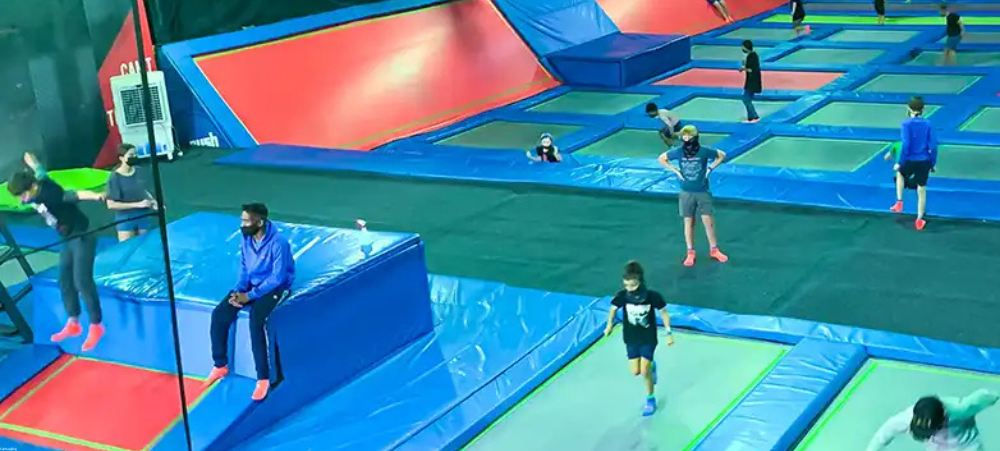
The team behind Rush then took meaningful steps to ensure that play is accessible to all children, including those on the autism spectrum by hosting a free dedicated, neurodivergent-friendly open day, at Rush in Claremont on Wednesday, April 29. Around 200 children – aged between 3 and 16 – together with their parents and caregivers attended.


Space for every child to play
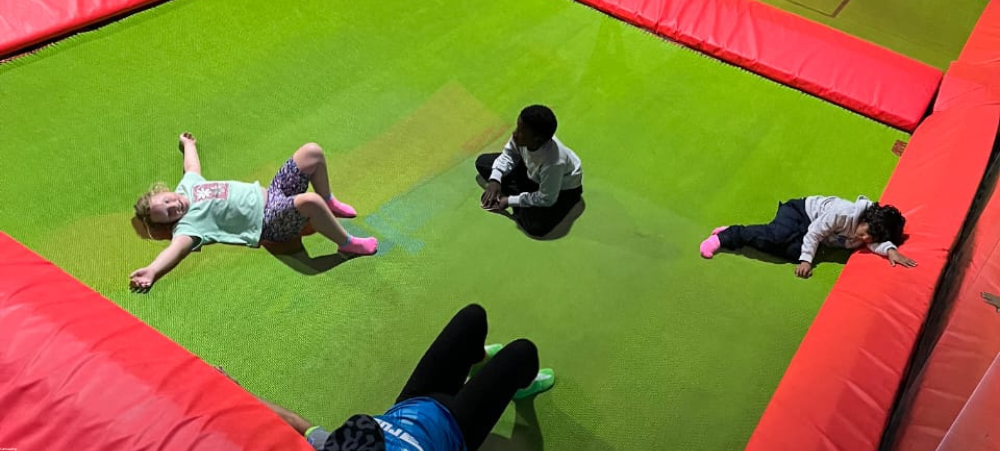
The open day was designed for families within the ADHD and autism community. By adjusting the environment from sensory stimuli (no music or televisions), including chill tents and ensuring trained staff were present, Rush created a space where children could have fun on their own terms, free from pressure or overstimulation.
‘Play is a fundamental part of childhood development but for many families navigating autism, finding safe and supportive environments is not always easy,’ says Julia Iles from Rush. ‘This initiative is about removing barriers, not just for a day but as part of a longer journey towards more inclusive spaces.’
Why play and movement matters
Beyond its social benefits, play, particularly activities like trampolining, can offer meaningful developmental support for children on the autism spectrum. Research shows that trampoline-based activities can:
- Improve balance, coordination and motor skills
- Support sensory processing, particularly vestibular (balance) and proprioceptive (body awareness) systems
- Enhance mood through the release of endorphins
- Offer an alternative, engaging platform for learning and focus
For some children, the rhythmic motion of jumping can also serve as a form of self-regulation, helping them manage stress, anxiety or sensory input.
A collaborative approach
Autism Western Cape played a central role in facilitating both the training and coordinating the upcoming event. ‘True inclusion starts with understanding and responsiveness,’ says Roshan Subailey of Autism Western Cape. ‘By investing in training and creating spaces like this, Rush is demonstrating what it means to move beyond awareness towards meaningful, everyday inclusion. These initiatives show how organisations can create environments where neurodivergency is embraced and supported.’
From awareness to action
While awareness of autism has grown, practical inclusion remains a challenge, particularly in leisure environments designed around noise, movement and stimulation.
The training programme addressed this gap head-on and provided staff – from front-of-house teams to court monitors – with foundational understanding of autism, including:
- An introduction to autism and how autistic individuals process information differently
- Recognising and responding to sensory sensitivities
- Supporting children during moments of overwhelm or ‘meltdowns’
- Challenging common misconceptions around autism
‘The training really shifted our perspective. We feel more confident now in how we approach and support children who may experience our spaces differently,’ says Shameerah Toffey, team leader at Rush.
Looking ahead
While this open day marks an important milestone, Rush sees this as part of a broader, ongoing commitment. ‘We’ve always believed in the power of play to bring people together.
‘Beyond the social, mental and physical benefits of play, there is something incredibly rewarding about watching children simply being themselves. For our teams, that joy becomes more meaningful when working with children for whom play does not always come easily. Creating an environment that feels softer, gentler and truly safe, allows them the freedom to relax, engage and enjoy play their own way.
‘This is not a once-off involvement,’ Poulton adds. ‘It’s about creating inclusivity into how we think about play, design our spaces and engage with every family who walks through our doors feels genuinely special.”

They cater to all ages, from toddlers to seniors, providing a tech-free environment packed with opportunities for active play. The park is thoughtfully designed to promote development through multisensory experiences, enhancing agility, balance, hand-eye coordination, strength, and cognitive skills while delivering endless fun.
At Rush, it’s all about People, Safety, and Fun—a place where everyone can have a blast!
- Rainy-Day Birthday Party Rescue: How Rush Extreme Saves the Day - September 10, 2026
- Trampoline Therapy for Autism: Why Bouncing Builds Balance at Rush - May 27, 2026
- Redefining play: Creating inclusive spaces for children on the autism spectrum - May 1, 2026