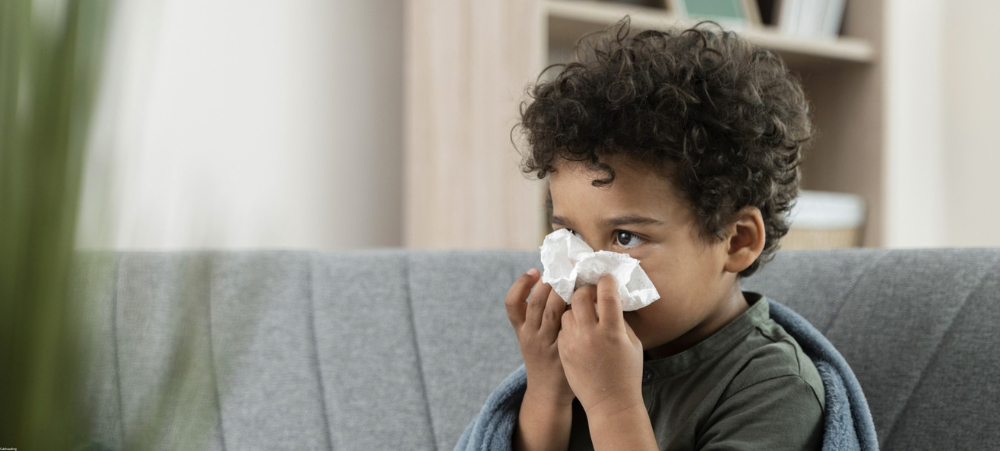
Fevers can be scary for parents. When your child is burning up, it’s hard to think straight, let alone make a clear-headed call on what to do next. The reassuring part is that a fever isn’t always a sign that something’s wrong. Often, it is simply your child’s body reacting to an infection as their immune system is activated to fight the infection.1 Knowing what can raise a temperature, how to keep your child comfortable, and when it is time to seek medical help can make childhood fevers a lot less frightening.
What is a fever?
A raised temperature is your child’s immune system rolling up its sleeves. When the body detects an infection, it raises its natural temperature to help kill the germs causing the illness. In other words, fever isn’t an illness in itself – it’s a normal, healthy response that actually helps the body recover faster. The definition of fever for all ages is 38.0°C or higher, but for infants younger than three months, any fever should be confirmed by a rectal thermometer, and a medical practitioner should be contacted promptly.1
Why do kids even get fevers?
Viral infections, such as colds, flu, croup, hand-foot-and-mouth disease and tummy bugs, cause most childhood fevers.In many cases, the fever settles within three to five days with rest, fluids and plenty of comfort. Bacterial infections are less common, but they can be more serious.Ear infections, strep throat, pneumonia, skin infections and urinary tract infections can all cause fever and may need medical treatment.2
A temperature can also rise after vaccination. This is usually short-lived and simply means the immune system is responding to the vaccine. And despite what generations of parents have been told, teething does not cause a true fever. It may make your baby feel a little warmer than usual, but a proper fever is likely to have another cause. Not every hot forehead means illness, either. Too many layers, a warm room or lots of running around can push body temperature up.2 If your child has been bundled up, remove a layer, give them time to cool down and check again.
The telltale signs of a fever
You can often tell when your child is not quite themselves. They may feel warm to the touch, look flushed or start acting differently. A fever can also bring chills and sweating or a headache. That said, guesswork only gets you so far. The only way to know for sure whether your child has a fever is to check their temperature with a reliable thermometer.3
How to take your child’s temperature
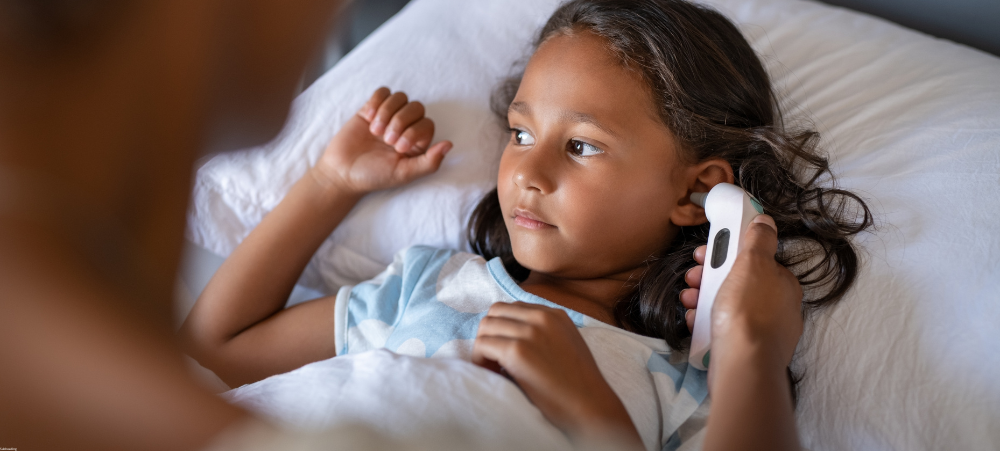
A digital thermometer can be used rectally, orally or under the arm, depending on your child’s age. Ear thermometers measure heat inside the ear and are generally suitable from six months onwards. Temporal artery thermometers scan across the forehead and can be used at any age. However, each brand works a little differently, so it is important to adhere to the Instructions for use on the thermometer’s package insert.It’s best to give plastic forehead strips, phone apps and old-fashioned glass thermometers a miss. They are either not accurate enough or no longer recommended for routine use. One last tip: don’t take a temperature straight after a bath, or while your child is wrapped up in blankets or multiple layers. Give them a little time to cool down first, or you may get an inaccurate reading.4
Treating a fever
Children with a fever don’t automatically need medication to bring their temperature down if they’re otherwise coping fine.The priority is comfort, not chasing a number on a thermometer. Dress your child in lighter clothing if they’re too warm. Keep the fluids coming, since fevers increase fluid loss through sweating, and offer whatever food they’re willing to eat. If your child is uncomfortable, in pain, or generally miserable, a fever-reducing medicine5 like Panado®’s Paediatric Range can relieve pain and fever.
When a Fever Needs More Than a Cuddle and a Thermometer
While most fevers can be treated at home with rest and fluids, some need more than a wait-and-see approach. Call your child’s doctor right away if they’re under three months old and have a temperature of 38°C or higher. Older babies and kids may require a call to their health care provider, if the fever hits 40°C or above, stays above 38.9°C for more than two days, keeps coming back, or refuses to budge despite treatment.5
At any age, contact your health care provider if your child looks properly unwell, unusually drowsy, or inconsolably fussy, or isn’t eating or drinking and shows signs of dehydration (dry mouth, sunken eyes, or barely any wet nappies). The same goes for a stiff neck, a bad headache, a painful sore throat or tummy ache, vomiting, diarrhoea, or an odd rash. And if your child is struggling to breathe, has a seizure, or is hard to wake, skip the phone call altogether and get to an emergency department as soon as possible.5
The power to fight pain and fever
Panado®’s Paediatric Range delivers the trusted6 pain relief South African families have relied on for generations. The range includes Infant Drops,7 named Product of the Year 2025 in the Child – Health category following a Kantar survey of 2,000 South African consumers,8 as well as Peppermint Syrup9,10 with improved taste11 and Strawberry Syrup,12 which is also available in handy single-use 5 ml sachets12 for families on the go.
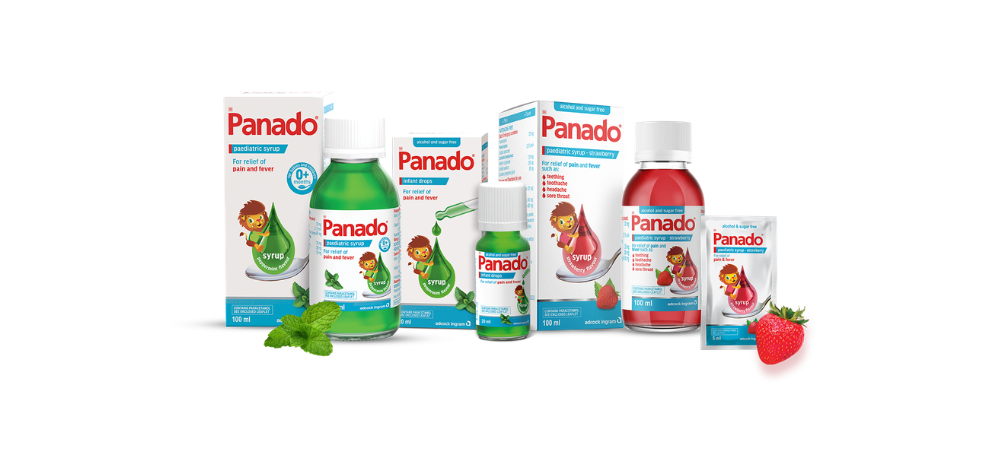
Panado® products are available from Baby City, Pick n Pay, Checkers including Hypers, Shoprite, Clicks, Dis-Chem and independent pharmacies. For more information, visit: https://panado.co.za/ and join the conversations on Facebook and Instagram. For references and legal disclaimers, visit https://panado.co.za/references
09.09.2026.1000006439. September 2026.

- The hidden reason children struggle to recover from a cold - October 7, 2026
- Managing Bumps, Bruises and Minor Aches as Kids Get Active Outdoors - October 1, 2026
- When tiny teeth cause big trouble - September 2, 2026