

Advice from the experts
Panado®

Pocket-Sized Reassurance for Life’s Unexpected Moments

Panado® knows that pain and fever in children never happen in just one place and often start without warning. You can schedule playdates, swimming lessons and dentist appointments, but you cannot schedule pain and fever. You can colour code the calendar and set reminders on your phone, but you cannot predict when pain and fever will strike. One minute, your child is perfectly fine, racing around the playground or chasing butterflies in the park. The next, they are flushed, clingy and telling you something hurts.  Many children will experience cold and flu symptoms, fevers, teething, toothache, and the odd sore throat, yet they can still catch you off guard. While you cannot prevent every virus or growing pain, you can control how prepared you are when pain and fever show up with Panado® Strawberry 5 ml Sachets.1 Designed for real-life parenting moments, each sachet contains a single 5 ml dose of Panado® Strawberry Syrup, powered by paracetamol, an ingredient with more than 150 years of clinical experience2. The sachets are sealed, hygienic, compact and easy to store or carry, making them perfect for travel and everyday outings. Containing the same trusted3 formulation, strength and berry nice flavour parents know, Panado® Strawberry 5 ml Sachets are ready to work immediately4 and are suitable for babies and children from three months and older. When needed, you tear or cut it open, measure the correct dose using a syringe or medicine measure, administer it and discard any remaining liquid. To support safe and accurate use, dosage is calculated according to a child’s age and weight. Parents can check the Panado® dosage calculator at panado.co.za/dosage-calculator, or scan the QR code for guidance. This helps take the guesswork out of dosing and gives extra peace of mind. The medicine cabinet  Your medicine cabinet is often the first place you turn when your child feels unwell. Keeping Panado® Strawberry 5 ml Sachets1 there means you are prepared without scrambling through drawers in the middle of the night. The nappy bag  The humble nappy bag holds wipes, nappies, snacks, toys and at least three things you forgot were in there. Toss in a few Panado® Strawberry 5 ml Sachets1, and you’re set for unexpected temperature spikes on the go. Handbags and pockets  As children grow, the nappy bag fades, but life’s curveballs don’t. Slip a slim Panado® Strawberry 5 ml Sachet1 into your handbag – or pocket on hectic days – in case your little one feels under the weather when you’re out and about. The cubby hole  A lot of your week plays out in the car, from school drop-offs and drives to friends, to quick dashes to the shops, and everything else in between. Stash Panado® Strawberry 5 ml Sachets1 in the cubby for instant access.  The first aid kit  Whether for trips, sleepovers, or school outings, your first aid kit already has plasters, antiseptics, and bandages. Panado® Strawberry 5 ml Sachets1 round it out perfectly for pain and fever relief. Children will have days when they don’t feel their best. You cannot prevent each one, but you can be ready for them. Panado® Strawberry 5 ml Sachets1 help parents slip a little reassurance into the places you use every day so wherever life takes you and your child, trusted3 pain and fever relief travels with you. Panado® Strawberry 5 ml Sachets sit alongside the wider Panado® paediatric range, which includes Panado® Strawberry Syrup1, Panado® Peppermint5, suitable from Day 1 and Panado® Infant Drops6. Panado® Infant Drops were named a Product of the Year 2025 winner in the Child Health category7, based on votes from 2,000 South African consumers in a Kantar survey. Panado® products are available from Baby City, Pick n Pay, Checkers including Hypers, Shoprite, Clicks, Dis-Chem and independent pharmacies. For more information, visit: https://panado.co.za/ and join the conversations on Facebook.  For references and legal disclaimers, visit https://panado.co.za/references. Approval ticket #03.20261000005039. March 2026.

Bill Corbett

Kids Behaving Badly When Mom’s In Charge

First of all, it’s not just moms. It seems to be whoever the female primary caregiver is; grandmothers, stepmoms, foster moms, adoptive moms and others. Believe it or not, when you learn what causes this, you may feel delighted that it happens to you. Here’s a typical scenario; the kids are home with mom and she begins finding it difficult to get their cooperation. Meltdowns are occurring and someone’s having a fit. Suddenly, dad arrives and the mood of the kids changes instantly. They run to greet him at the door and seem delighted to see him. He even gives them some instructions and they seem to comply. Immediately, his wife feels resentful that they are suddenly behaving completely different than they were just moments before he walked into the house. The meltdowns have subsided and the tantrums have disappeared. She may even be feeling angry toward him for suddenly getting smiles, laughter and cooperation. I’ve even witnessed this transition in reverse. The setting is the preschool classroom in which the child is playing contently or cooperating with the teacher. Then, mom arrives to pick up her child from school and the child runs to greet mom. She’s distracted on her cell phone or begins conversing with the teachers, and in an instant, the child throws himself down on the floor and a tantrum begins. The mystery around this behavior change has to do with the effect the mother, or the primary female caregiver, has on her child at the moment. Her presence creates an atmosphere of comfort and safety that is conducive to the child revealing the true emotions they may be feeling at the moment. In other words, the child feels safe enough to share what they are feeling deep inside. Unfortunately, few moms know this and mistakenly take the child’s actions, words or behaviors personal. She then gets sucked into the emotions the child is feeling and soon power struggles and arguments get triggered as she attempts to get her needs met in the moment. An important solution to this frustrating problem was offered in the famous book by author and speaker Stephen R. Covey, The 7 Habits of Highly Effective People, and then later, The 7 Habits of Highly Effective Families. The 5th habit is to seek first to understand, then be understood. In other words, if you desire cooperation from your child in a moment when it appears you’re not going to get it, take the time to see the moment from the child’s perspective. Through your own silence, observation and open ended questions, determine what your child needs in the moment and satisfy them.

Bill Corbett

How to raise a problem solver

Are you as worried as I am about the children of the new generations and their ability to solve problems?  With the increase in the number of helicopter parents (parents who “swoop” in to make everything all better) and a generation of highly sensitive kids, how well are our children going to be able to identify and solve their own problems? This isn’t actually a new problem but it seems to be getting worse.  Many years ago I taught college courses part time and it was back then that I noticed an increase in the number of parents coming to see me during my office hours, complaining about the grade I gave their young adult child.  Instructors today tell me it’s gotten even worse, with some parents even popping in to see the class for themselves. Making the commitment to raising your children to become problem solvers first requires that you accept the fact that every problem can only have one owner.  That person must be held responsible for solving the problem but can certainly seek out and incorporate help from others around him or her to solve the problem.  If your teenager puts a dent in the family car, she owns that dent.  She may obviously need help in getting it fixed, but she still owns it. To begin with, every time your child or teen comes to you with a problem, you must first determine yourself whether your child owns the problem or you own the problem.  If you own the problem, take immediate measures to solve it quickly.  If your child owns the problem, be ready to help him or her solve the problem.  The following incident is an example to learn by. My son came running into the house one Saturday, holding his arm and complaining about a small abrasion from a fall he took out in the yard.  A quick examination of the boo-boo and a few questions left me feeling confident that there was no internal damage and there really wasn’t any blood that I could see.  Because I did not feel that there was anything I needed to do that my child couldn’t do for himself, it became his problem to fix. I first acknowledged that the minor scrape was a problem for him by saying to him, “It looks like your arm might hurt.”  He nodded.  I then helped him begin problem solving by saying to him, “What do you think you could do to make that arm feel better?”  My coaching him to solve the problem felt uncomfortable to him so he said, “You’re my Dad, YOU do something.”  I replied with, “You’re right, I am your Dad and I’ve always done things in the past, but this time, I want to know what YOU think you can do to make that arm stop hurting.”  Instantly, my son said to me, “Can we wash it off and put a bandage on it?”  I replied with a smile, “What a great idea!  I could help by getting the box of bandages down from the cabinet for you.” Within a matter of minutes and of course, with some “Ouches!” he washed the boo-boo and applied the bandage, and off he ran to continue his play outside.  Today that young man is in his early 20s and solving problems every day as a much sought after restaurant manager!  Let your children and teens solve their own problems with your guidance and coaching, while you’re nearby to help them do it.  What problems will YOU begin letting your child solve on his or her own today?

Doug Berry

Help your toddler survive your divorce

Divorce is unpleasant, emotional and can be a downright hurtful experience. The problem is that we sometimes forget that we aren’t the only ones experiencing this pain. Often our children suffer an unnecessary degree of hurt as a result of our incompatibility with our chosen partner… Some tips: Consistency This is a watchword for the divorcing parent! With toddlers, parents must be mindful of the need for consistency in the child’s life. This is not the time to drag them from house to house. If at all possible, they should stay in familiar surroundings with the noncustodial parent visiting there. Communication At this age, the toddler understands more than they are often given credit for. They can comprehend that one parent has left the home, but not understand why. At this age, their concept of time is also arbitrary. Your child may ask you when they are going to see their daddy, or why their daddy isn’t here anymore. No matter how many times you have to give them the answers, don’t get frustrated with them, as their world is very confusing at this time. This ties back into consistency, as you become their source of understanding and answers. Conflict If you have to argue or “debate passionately”, make sure to do it in a way that doesn’t cause your child undue fear or concern. Remember, you are the adults in this situation and you have a responsibility to your child, to reduce as much harm as this separation is causing, as possible. Behaviour Toddlers often test their boundaries by saying “No” to adults or testing limits, such as hitting or throwing. This behaviour and acting out can increase during the divorce process as a result of confused boundaries and definitions in the family environment. Toddlers need clear, consistent rules (back to consistency!) that are enforced in a loving way. Empathy Toddlers don’t have a very developed sense of empathy and tend to be concerned primarily with how their own needs are to be met. In the event of divorce, their sense of security becomes more self-oriented and their concern is about whether or not they will be secure, if they will be loved and nourished. Emotions As your toddler becomes more aware of their own feelings, they learn to express them through words and play. As tensions increase in the household due to impending divorce, they may become more reactive. Strong feelings are hard for them to manage and moderate. Don’t forget to let them know that its ok to feel them, but remember to help them manage the intensity by proper displays of your own emotional state, as well as appropriate levels of affection and understanding towards your child. Why do divorce rates increase? There are several reasons that have been put forward as to why there could be an increase in the number of divorces being seen. Here are just a few! Time of year There is a commonly recognised trend that causes a spike in divorce numbers around January and February. The assumption here is that partners who are already discontent often reach a decisive point after having to spend prolonged holidays with their partners over the festive season. This seems to galvanise many into initiating divorce proceedings in the New Year. Empowerment With the increase in awareness of rights according to the constitution of South Africa, more women have become more empowered and are less likely to remain in abusive or undesirable relationships.  In the past, many women would remain in unhappy relationships as they felt that they did not have another option, but in current times, a better degree of knowledge and understanding of women’s’ rights could be contributing to the rise of divorce. No-fault divorce South African law provides for no-fault divorce based on the “irretrievable breakdown” of the marital relationship. Couples no longer need to prove that one person is at fault. They can simply say that the marriage relationship has broken down. In essence, it has become much easier to secure a divorce on clear and available legal grounds, with less procedure than in the past. Traditional roles In the past, traditional roles played a strong part in maintaining the marital unit. Partners did not question their lot in the marriage as openly and as a result, there was less open conflict. This is not to say that there was more happiness, merely less interpersonal disagreement. With the blurring of the definition of these roles, there is a rise in open disagreement, ending too often in divorce. Greater social acceptance In certain cultural groups in South Africa, divorce has long held an extremely shameful cloud over the divorcee, especially for the former wife. This has resulted in shunning and community abandonment, which served to discourage others from initiating proceedings. The more accepting the societies become of the concept; the more individuals are willing to pursue it as a route out of an undesirable marriage. Less guilt It is not uncommon these days for couples to wait 10 years before having children. As a result, many do not feel the same degree of guilt over “breaking up” the family unit, or over causing children distress. The disclaimer “at least there aren’t kids involved” can be heard echoing through the divorce courts.

Mia Von Scha

How To Be Angry Without Destroying Your Kids’ Self-Confidence

All too often I hear parents trying to repress their anger around their kids. Now this is not only unhealthy for you (repressed emotions actually create illness within the body) but it is also not great for your kids to grow up believing that some emotions are simply not ok to have. All emotions are a part of our human journey, and are messages from our unconscious mind regarding things we need to pay attention to or change in our lives. Having said that, it is also worth noting that telling your child that THEY are making YOU angry, sad, irritated (or even happy) is simply too much responsibility to place on another human being, particularly a little one! No one can MAKE you anything. Think about squeezing an orange. What comes out? I’m hoping that you’re saying “orange juice”! Not guava juice or pear juice or cherry flavoured Coca-Cola! Why? Because you only get out what is already within. So if your kids are pushing your buttons and there’s anger coming out, well then that’s what is within. Take responsibility for your own emotions. Own them – they’re yours. However, this does not mean that you are not allowed to experience these emotions, and even experience them very strongly in the presence of your children. So how do we express strong negative emotions without damaging our kids and making them feel responsible for us and our emotional state? How do we teach them to take responsibility for THEIR own emotions and not blame you or their siblings or teachers or life for how it is that THEY are feeling? It all starts with the little one-letter word “I”. “I am feeling soooo angry right now”, “I am feeling more and more and more irritated, so irritated that I could just scream”, “I am feeling ridiculously happy, like the luckiest person in the world”. As opposed to: “You are making me very angry”, “You are irritating me”, “You make your mom sooo happy”. Can you see the difference? And these can be said with as much emotion or volume as you feel is appropriate. You can even step it up in ways that they can relate to and that gives them some warning about where you’re at… “I am about as angry as a pea right now… Now I’m as angry as a small cat… AND NOW I’M AS ANGRY AS A LARGE ELEPHANT!!!” They will get the message. They will learn when to step away. They will learn how to experience strong emotional states themselves without lashing out at others. What they won’t learn is to take responsibility for you. What they won’t learn is to blame. What they won’t learn is to beat themselves up for your inner state. This builds emotional maturity, responsibility and self-confidence. All emotions are ok, but how we choose to express them is what makes the biggest difference.

Mia Von Scha

Why do children lie?

The question of why children lie begs the greater question of why any of us lie. If you think back to the last time you lied (and I’ll bet my life you can think of a time), look at what was going on internally and this will give you a good idea of why your children do it and how to avoid it in future. Now before we get to that, let me just say that we all have all traits. We are all liars sometimes and every one of us will be pushed to lie under certain circumstances. So firstly, please never label your child as a liar. Once we apply a label to a child they are more likely (not less) to repeat this behaviour and to incorporate it into their sense of self as they grow up. ALL children lie sometimes (as do ALL adults). Ok, so it’s normal to lie sometimes, but why, and why do some lie more often? Going back to why we all do, lying is a fear-based behaviour. The child believes, for whatever reason, that if they tell the truth it will result in more pain than pleasure. And where do they get this message? From us, of course. We’re constantly giving kids unconscious messages that telling the truth will get you in trouble. “Who ate the sweets?” “I did” “Right, go to your room”. Sound familiar? What we need to get into the habit of doing is praising truth-telling and taking responsibility more than we punish “bad” behaviour. If our children own up and say that they “did it” we should be actively praising this behaviour and pointing out that while the behaviour is not ok with us, we’re really impressed that they told the truth. Children will only lie if they are afraid of our reaction to the truth. I know that many people worry that if they take this approach they will be too soft on the bad behaviour and will end up with unruly kids. One of the fundamental structures for well-behaved, compliant children is being their primary attachment (which implies complete trust, openness and closeness). If your children trust you completely and feel connected to you and loved no matter what they do they will actually be less likely to produce so called “bad” behaviours in the long run. Of course they will make mistakes along the way and present “negative” traits (like we all do) including lying, but this will not develop into any kind of delinquency if that adult-child connection is in place. And part of keeping it in place is keeping the lines of communication open and allowing your children to tell the truth and know they will be safe. I think this is a fundamental skill to work on when your children are little and to instil a sense of open communication and acceptance BEFORE they become teenagers. Once our kids hit the teen years, if we’ve shut off honest communication, we are in for a different level of trouble with our children lying to us about things that can be life threatening, or where they really could use our adult help and guidance. The next time your child lies to you think about why they would be afraid to tell the truth and then instead of punishing them for lying, rather address the rift in your relationship.

Bonitas – innovation, life stages and quality care

Why is everyone sick right now? How to protect yourself before winter peaks

If it feels like everyone around you is coughing, sneezing or battling the same stubborn flu, you are not imagining it. As temperatures begin to drop across South Africa, respiratory illnesses start to circulate more widely, with workplaces, schools and households across the country quickly feeling the impact. “While many people think of flu as a routine seasonal illness, it can lead to serious complications, particularly for those with underlying conditions or weakened immune systems,” explains Dr Themba Hadebe, Clinical Executive at Bonitas Medical Fund. “Vaccination and proactive health habits help reduce both the severity of infection and the likelihood of hospitalisation.” The flu vaccine does not eliminate the possibility of getting influenza entirely. However, it significantly lowers the risk of developing severe illness and complications. For many people, the vaccine can also shorten the duration of illness and reduce the intensity of symptoms if they do become infected. Healthcare professionals generally recommend getting the flu shot before the winter peak that is coming up soon in South Africa, so that the body has time to build immunity. Many medical schemes also make it easier for members to access flu vaccinations through their healthcare networks. For example, Bonitas Medical Fund covers one flu vaccine per beneficiary each year through its preventative benefits across all options, subject to Scheme rates. Members can receive the vaccine through network pharmacies or healthcare providers, although it is advisable to call ahead to confirm stock availability and, where possible, schedule an appointment to reduce waiting times. Who should get the flu vaccine? While most people can benefit from vaccination, certain groups face a higher risk of severe illness and are strongly encouraged to get vaccinated. These include healthcare workers who are in contact with patients on a daily basis, people over the age of 65 and individuals with cardiovascular diseases, including chronic heart disease, hypertension or a history of stroke. People with chronic conditions such as diabetes, chronic kidney disease or chronic lung diseases like asthma and chronic obstructive pulmonary disease should also consider flu vaccines, as should pregnant women and people living with HIV/AIDS. Children can also receive the vaccine. Schools and early childhood centres are often environments where respiratory viruses spread quickly, as children may not yet have fully developed hygiene habits. The flu vaccine is widely used and considered safe for most children older than six months. “While children often recover well from seasonal flu, they can still experience severe symptoms and are also key spreaders of infection within families,” Themba explains. “Vaccination helps reduce the risk of serious illness and can also limit how easily the virus spreads to siblings, parents and grandparents.” Parents should always speak to a healthcare professional if they are unsure whether vaccination is appropriate for their child, particularly if the child has underlying health conditions or allergies. Who should avoid it? Although the flu vaccine is safe for most people, it is not recommended for certain groups. This includes individuals with severe allergies to eggs or egg proteins, as many flu vaccines are produced using chicken eggs. Infants younger than six months should not receive the vaccine, as it is not licensed for that age group. People who previously experienced a severe reaction to a flu vaccine should consult a healthcare professional before considering another dose. It is also advisable to delay vaccination if someone is already experiencing active flu symptoms. Strengthening your immune system before winter Vaccination is only one part of staying healthy during winter. Lifestyle factors play an important role in maintaining a strong immune response. A balanced diet rich in fruits, vegetables, lean proteins and whole grains helps supply the nutrients the body needs to fight infection. Adequate sleep is equally important, as poor sleep weakens immune function and increases vulnerability to illness, as is regular physical activity. “Taking proactive steps before winter fully sets in can protect not only individuals but entire communities,” says Hadebe. “Prevention remains one of the most effective tools we have when it comes to respiratory health.”

OneAid

How Safe Are Teething Gels?

Every baby is different but common symptoms associated with teething include, mild irritability, drooling, low-grade fever and loss of appetite. If your baby is inconsolable or has a high fever chances are this is not due to teething. Teething should not make your baby very sick but rather very unhappy.

Parenting Hub

Tips for Breastfeeding in Public: Confidence and Comfort

Breastfeeding is a natural and healthy way to feed your baby, but doing so in public can be a daunting experience for many mothers. Concerns about privacy, societal judgment, and personal comfort can create anxiety, making it challenging to breastfeed confidently outside the home. This article provides tips to help breastfeeding mothers in South Africa feel more comfortable and confident when breastfeeding in public, ensuring a positive experience for both mother and baby. Understanding Your Rights Before diving into practical tips, it’s essential to understand your legal rights regarding breastfeeding in public. In South Africa, the law protects the right to breastfeed in public spaces. According to the South African Department of Health, mothers are encouraged to breastfeed their children wherever and whenever needed. Knowing and understanding these rights can empower you and reduce anxiety about potential confrontations or negative reactions. Choose Comfortable Clothing One of the most practical steps to increase comfort while breastfeeding in public is choosing the right clothing. There are several options designed to make breastfeeding easier and more discreet: Nursing Tops and Dresses: These garments have hidden openings or panels that allow easy access for breastfeeding without exposing too much skin. Button-Down Shirts: These provide quick access to the breast and can be paired with a nursing bra for additional convenience. Nursing Bras: These bras have cups that can be easily unclipped and folded down, making breastfeeding more straightforward and comfortable. Choosing clothing that you feel comfortable and confident in can significantly impact your breastfeeding experience in public. Practice at Home Practicing breastfeeding at home can help you feel more confident when you need to do it in public. Find a comfortable position and practice using any nursing covers or specific clothing items you plan to wear outside. This practice can help you become more adept at handling your baby and adjusting your clothing discreetly. Use a Nursing Cover or Blanket If you prefer more privacy while breastfeeding in public, a nursing cover or blanket can be helpful. These covers are designed to drape over your shoulder and provide a barrier between you and the public. Some nursing covers even have adjustable necklines, allowing you to maintain eye contact with your baby while ensuring privacy. While nursing covers can provide a sense of security, it’s important to remember that they are not necessary for everyone. Some mothers and babies find them uncomfortable or restrictive. Choose what works best for you and your baby. Find a Comfortable Spot When breastfeeding in public, finding a comfortable and relatively private spot can make the experience more enjoyable. Many public places now offer designated nursing rooms or areas specifically designed for breastfeeding mothers. If these are not available, look for quieter, less crowded spots where you can sit comfortably. Some places to consider include: Cafes or Restaurants: Many establishments are breastfeeding-friendly and may have a quiet corner where you can nurse your baby. Parks: A bench under a tree can provide a peaceful spot for breastfeeding. Stores with Fitting Rooms: These can offer privacy if you feel uncomfortable breastfeeding in a more open area. Responding to Public Reactions Despite the increasing acceptance of breastfeeding in public, you may still encounter negative reactions or comments. Knowing how to respond can help you stay confident and calm. Here are some tips: Stay Calm and Polite: If someone confronts you, respond calmly and politely. You can inform them that you have the legal right to breastfeed in public. Focus on Your Baby: Remember that your baby’s needs come first. If you encounter negativity, focus on your baby and try not to let it affect your confidence. Have a Response Ready: Prepare a simple, respectful response in case someone comments on your breastfeeding. Something like, “I’m just feeding my baby. Thank you for understanding,” can be effective. Build a Support Network Having a support network can significantly boost your confidence when breastfeeding in public. Connect with other breastfeeding mothers through local support groups, online forums, or social media. Sharing experiences, tips, and encouragement with others who understand what you’re going through can be incredibly empowering. Educate Yourself and Others Education plays a crucial role in normalising breastfeeding in public. The more informed you are about the benefits of breastfeeding and your rights, the more confident you will feel. Additionally, by educating those around you, you can help create a more supportive environment. Share Information: Share articles, research, and personal stories about breastfeeding with family and friends to help them understand its importance. Advocate for Breastfeeding-Friendly Spaces: Encourage local businesses and public spaces to provide designated breastfeeding areas and support breastfeeding mothers. Use Distraction Techniques If your baby is easily distracted by the environment when breastfeeding in public, consider using distraction techniques to keep them focused. Some strategies include: Maintaining Eye Contact: Making eye contact with your baby can help them stay focused on breastfeeding. Covering Your Baby’s Head: A lightweight blanket or nursing cover can block out visual distractions and help your baby concentrate on feeding. Stay Hydrated and Nourished Breastfeeding can be physically demanding, so it’s essential to stay hydrated and well-nourished. Carry a water bottle and healthy snacks with you when you go out. Staying hydrated and maintaining your energy levels will help you feel better and more confident while breastfeeding in public. Practice Self-Care Finally, don’t forget to take care of yourself. Being a new mother can be overwhelming, and it’s important to prioritise self-care. Make time for activities that help you relax and recharge, whether it’s taking a walk, reading a book, or spending time with loved ones. The more relaxed and confident you feel, the more comfortable you’ll be breastfeeding in public. Conclusion Breastfeeding in public can be a positive and empowering experience with the right preparation and mindset. By understanding your rights, choosing comfortable clothing, practicing at home, and finding supportive environments, you can build the confidence needed to nurse your baby wherever you go. Remember that breastfeeding is a natural and essential part of motherhood,

Dalza

What the Latest Research Actually Says About Screens and Your Child’s Brain

Parents everywhere are trying to navigate screens with as much intention as possible,  and often with a fair amount of guilt. A wave of new research has added fuel to the conversation, including a large 2025 study tracking over 10,000 children with brain scans, which found that higher screen time in middle childhood was associated with subtle changes in the brain regions involved in attention and self-regulation. 1 The effects were real but small, and the researchers are clear that they’ve found an association, not proof of cause and effect. So, what does the fuller picture actually tell us? It’s Not Just One Study A longitudinal study from A*STAR in Singapore found that high screen use before age two was linked to premature brain-network specialisation, slower decision-making at eight, and higher anxiety at thirteen, but screen time at ages three and four didn’t show the same effects, suggesting infancy is a uniquely sensitive window.2 A Karolinska Institute study tracking over 8,000 children found that social media use specifically was associated with growing inattention over four years, while TV and video games were not.3 And a meta-analysis of over 81,000 children found that those with more than two hours of daily screen time were significantly more likely to show attention-related difficulties.4 Content Matters More Than the Clock A 2025 study of over 41,000 children in Shenzhen found that the type of content matters far more than the clock. Passive screen use (cartoons, educational videos, autoplay) was linked to increasing attention difficulties the more children watched. But interactive content that required children to respond, make choices and think showed no such link, even at higher levels of use.5 This is the most empowering finding in the research: a child building in Minecraft is doing something fundamentally different from a child watching autoplay. The question isn’t just how long, but what is the screen asking my child’s brain to do? What Should Parents Do? The research doesn’t support panic. Effect sizes are small at the individual level. But it does support thoughtfulness: Prioritise interactive over passive. Apps and games that require thinking carry less risk than scrolling and autoplay.5 Take social media seriously. Of all screen types, social media is the one most consistently linked to growing concentration difficulties over time, and that finding held up regardless of a child’s background or starting point.3 Protect off-screen experiences. Executive function is built when children wait their turn, tolerate boredom and navigate friendships. Screens become a problem when they replace these moments. Read together. The Singapore team found that parent-child reading at age three significantly buffered the brain-network effects of earlier screen exposure.6 It’s never too late to add connection. Hold boundaries kindly. Children’s developing brains aren’t equipped to self-regulate screen use. A boundary isn’t a punishment — it’s space for the slow work of growing up. Dalza is a care coordination platform for children with learning differences, helping families connect the dots between school, therapy and home. Learn more at dalza.com. References 1. Shou, Q., Yamashita, M., & Mizuno, Y. (2025). Translational Psychiatry, 15, 447. 2. Huang Pei et al. (2025). Neurobehavioural Links from Infant Screen Time to Anxiety. A*STAR, Singapore. 3. Nivins, S. et al. (2025). Pediatrics Open Science, 2(1), 1–10. 4. Liu, H. et al. (2023). Reviews on Environmental Health, 39(4), 643–650. 5. Wu, J-B. et al. (2025). PLoS ONE, 20(4), e0312654. 6. Screen time, brain network development and socio-emotional competence. Psychological Medicine (2024).

Toptots Head Office

Kangaroo care and its benefits

You may have heard the terms “skin-to-skin” or “kangaroo care” when it comes to interacting with a newborn baby. It refers to the amazing benefits that have been found when a mother has the opportunity to place their newborn baby skin-to-skin straight after birth. It also refers to skin-to-skin contact during the newborn phase from both mother and father. Of course, birth can be an unpredictable time – and that includes the need for doctors or nurses to have to handle your baby immediately after birth for medical reasons or for the baby to be placed in an incubator. If these things occur, skin-to-skin does not have an expiry date when it comes to your baby and can take place as soon as it is medically safe to. Here are just some of the scientifically proven benefits of kangaroo care: Skin-to-skin contact helps regulate a baby’s temperature. When mom/dad and baby are skin to skin, the parent’s chest temperature adjusts to warm up a cool baby, or cool down a too-warm baby. This phenomenon is called “thermal synchrony.” Skin-to-skin contact increases the paternal bond. One study followed mothers and babies who experienced skin-to-skin contact right after delivery compared to mothers who only viewed their child briefly immediately after birth. Days later the mothers who had skin-to-skin contact were shown to be more comfortable caring for and handling their babies. One year later those same mothers were found to touch, hold and interact with their children more. Skin-to-skin contact can help keep heart and breathing rates stable. Newborns panic when they are separated from their mother immediately after birth. That separation causes stress, which can increase both heart and breathing rates. Being skin to skin with their mother reduces stress and helps keep a baby’s heart rate and breathing normal. Babies cry less when they are skin to skin with their parent. Being close to their parents is natural for babies. Studies show that babies cry less when skin to skin with their mothers than babies who have been separated from mom. Human touch is an integral part of brain development. Touch and movement have been shown to be the basic building blocks for brain and social development. Early skin-to-skin contact helps to set a pattern for continued holding, carrying and touching. Moms who have early skin-to-skin contact breastfeed more and longer. When babies are placed skin-to-skin on their mother after delivery, research has shown that they follow a series of steps to familiarise themselves with their mother, eventually making their way to the breast on their own to begin breastfeeding. The research results are so strong, in fact, that the American Academy of Pediatrics now recommends that immediately after delivery all healthy infants be placed in direct skin-to-skin contact with their mothers as soon as possible and at least for the first hour. How to Hold Your Baby Skin to Skin: Find some good times throughout the day when skin-to-skin works best for you, your baby, and your partner. This might be during feedings (whether by breast or bottle), right before a bath, or just before putting pyjamas on for bedtime. Place your baby in a nappy only. Moms remove your bra. Hold your baby directly against your bare chest. Make sure your baby’s head is turned to the side, so he or she can easily breathe, and hold your baby close enough for you to kiss the top of their head. Your body will keep them warm. It’s fine to drape a thin blanket over your baby’s back. All you need to do after that is sit quietly and enjoy being close and together.

Panado®

Panado® Proudly Launches Berry Nice 5 ml Sachets to Make Life Easier For Parents On-the-Go

Panado® is the trusted1 name parents reach for when they need the power to fight their little one’s pain and fever.  But as any parent knows, pain and fever never arrive at a convenient time.  A fever can spike halfway through a long car trip or teething pain can creep in during a weekend away. A sore ear can appear mid-grocery shop or on the taxi ride home.  And a sore throat? It always seems to show up just before bedtime at Gogo’s house. That’s where Panado®’s newest offering – Panado® Strawberry 5 ml Sachets2 – fit neatly into real life with children. Ready to work immediately,3 gentle on stomachs4 and made for those unexpected moments when parents need pain and fever relief.  Your perfect backup for life’s little surprises Panado® Strawberry 5 ml Sachets2 offer on-the-go pocket power for parents and are compact, easy to store, and ideal for travel. Whether tucked into your pocket, a handbag, nappy bag, backpack or car console, they’re a practical solution when families are out and about. Easily accessible, they offer a solution for unexpected pain or fever emergencies. Small enough to carry, pain & fever relief when you need it most Suitable for babies and children from three months and older2, each sachet contains a single 5 ml dose of Panado® Strawberry Syrup2, powered by paracetamol, which has over 150 years of clinical experience5. There’s no bulky bottle to pack and no messy spills to deal with. Parents simply tear open the sachet, administer the right dosage using a medicine measure or syringe, and toss what’s left once the correct dose has been given. No mess. No stress. Just pain and fever relief.  Dosage is calculated according to a child’s age and weight, and parents can check the Panado® dosage calculator at panado.co.za/dosage-calculator, or scan the QR code. This extra step helps ensure the right dose every time.  Big relief in one tiny sachet The Panado® Strawberry 5 ml Sachets2 contain the same trusted2 formulation, strength and berry nice flavour parents are familiar with, ready to work immediately3 when pain or fever strikes. Panado® Strawberry 5 ml Sachets1 complement the existing Panado® paediatric range, which includes Panado® Strawberry Syrup2, Panado® Peppermint6 with improved taste7 and Panado® Infant Drops8, recognised as a Product of the Year 2025 winner, voted for by 2,000 South African consumers in a Kantar survey and awarded in the Child – Health category.9 Parents trust1 Panado® to bring comfort when it matters most, helping your little one settle, feel better and get back to being their happy, playful self, wherever the day takes you. Panado® products are available from Baby City, Pick n Pay, Checkers including Hypers, Shoprite, Clicks, Dis-Chem and independent pharmacies. For more information, visit: https://panado.co.za/ and join the conversations on Facebook.  For references and legal disclaimers, visit https://panado.co.za/references. Approval ticket #02.20261000004801. February 2026.

Toptots Head Office

Top ways to balance work and parenting

We all know that parenting can be a delicate juggling act at the best of times. Whether it is organising day-care, scheduling doctor appointments, making sure they are getting their five a day – being a parent is a lot to handle and think about. Throw a career into the mix, and often balls can start dropping. Here are five ways to not only help you manage your time but make sure that both your children and your job get the attention they need. Switch off This advice comes from some of the most successful business people in the world. Segment your time. When you are at work, focus solely on the tasks at hand. With that level of focus and concentration, you will be able to do your job more efficiently. The same applies at home. Make sure you switch off your work notifications when possible. Give your children and yourself the attention you all deserve when it is time to do so. Schedule This is a biggie! The more organised you are, the more time you have. For your children, for your job, to grab a coffee with a friend. There are many apps you can download to help you manage your and your families’ schedules. Some of them can even be shared amongst family members, so everyone that needs to can lend a hand. Make sure you have all the info you need at the touch of a button. Dentist appointments, Toptots classes, grocery lists and more. Knowing everything that needs to be done is one step closer to getting everything you need done! Prep time Most working parents swear by this. Whether packing lunches the night before or taking a few hours on a Sunday to meal prep for the week – using the time you have to give you breathing room during the crazy periods (AKA, bath and dinner time) is a smart use of time. Again, there are many online tools to assist you in things like meal prepping – use them to give you a helping hand. Time for you A burnt-out parent is not going to have the energy and capability to get anything done. Never mind spending quality time with their children. It is essential that you put yourself on the top of your ‘take care of’ list. Make sure you schedule time to do things you love, see friends and family and look after yourself. Happy parents make happy children.  Delegate You don’t need to do it all yourself. Everyone needs help, whether it be from a partner, parent or friend. There are always people around that are willing to lend a hand; you just need to reach out to them. Learning to let go of tasks, delegate responsibilities and ask for help with help to ease your load to focus on the things that matter – yourself and your children! Toptots Early Learning SA

Bill Corbett

Help! My Kids Won’t Stop Fighting!

Parents generally see their children as wonderful gifts from the heavens but children don’t always see each other in that same light.  They first see their primary caregivers, and the love and attention they get from them, as a limited commodity.  They then see their siblings as competition for that love and attention and sometimes feel they have to fight for it. When a new child enters the family, the oldest or older children sometimes feel as if they have been dethroned and now have to share their parents with this new child.  This can bring about feelings of animosity and jealousy between children.   To deal with this problem effectively, parents can find ways that will allow the older child to become a teacher or leader to the younger child(ren).  You can also give the older child special privileges and give them special time with you, such as one-on-one dates to help them feel like they haven’t lost their place in the family. Fighting and other forms of sibling rivalry also occur as a result of these feelings.  Avoid racing into every little argument or disagreement.  If you do, it will teach your children to create problems just to get you involved.  It will also train them that they are NOT accountable for stopping fights and working things out, it teaches them instead that YOU are responsible for doing that.  Because you ARE responsible for keeping everyone safe, sometimes the only solution is to just separate them.  This is especially true for when toddlers and preschoolers hit one another or begin to fight.  It just means they’ve had enough of that other person for a while and they want them out of their space. Avoid using punishments like time out and avoid taking sides.  When a conflict breaks out, just separate both of them.  It doesn’t matter who started it or who did what, just separate them in different spaces to be apart.  And during this moment of behavior management, remain calm and talk very little.  You can easily transfer your own negative feelings into the relationship between the children.  Sometimes the conflict between the children is actually an imitation of what’s going on with the adults.

Parenting Hub

Body20 Cares Returns in 2026: Powering Hope for Children with Cancer

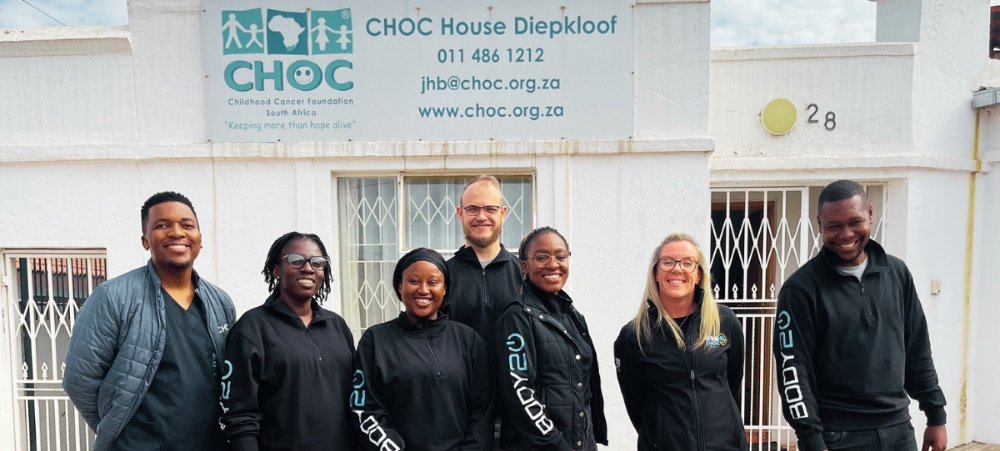
Sometimes, the greatest strength is found in unity. After raising over R150,000 in its inaugural year, Body20 is proud to relaunch its Body20 Cares initiative for 2026 — a campaign driven by compassion, community, and the belief that true wellness extends far beyond the studio floor. Body20 remains committed to ongoing support throughout 2026 and beyond, ensuring sustained impact for children with cancer and their families. From April to May 2026, 50% of all new members’ joining fees at Body20 studios nationwide will be donated to CHOC Childhood Cancer Foundation South Africa. These funds don’t just support a cause—they wrap children and their families in hope at the very moment they need it most. Supporting CHOC means directly helping children facing cancer and their families find comfort and strength. “This initiative isn’t just an activity for us — it’s a lifeline,” says Philip Hughes, chief executive officer of Body20 Global. “Last year, we witnessed firsthand how small actions, multiplied by many, can create a wave of hope. As Body20 Cares returns, our mission is simple: uplift families, offer practical support, and remind every parent and child battling cancer that they are never alone.” Cancer today touches almost every family, casting long shadows of fear and uncertainty. In South Africa, around 1,000 children are diagnosed with cancer each year—though many more go undiagnosed, and each statistic represents a child, a parent, a story. Despite advances in treatment, a diagnosis brings a tidal wave of emotional, logistical, and financial challenges. Organisations like CHOC are lifelines, offering more than just accommodation—they provide comfort, dignity, and a sense of home when families need it most. “Partnerships like Body20 Cares help us deliver vital support to children and their families,” says Adri Ludick, interim CEO for CHOC. “Every contribution means a family can stay together, a child can rest in comfort, and no one must face this journey alone. Last year, funds from Body20 Cares kept our CHOC Houses open—safe havens like Diepkloof, which offered warmth, food, and daily support to up to 30 people at a time. When hospitals close their doors at night, CHOC keeps hope alive for families in crisis.” Body20 Cares is about more than fundraising—it’s about human connection and shared purpose. Every new member isn’t just prioritising their own wellness; they’re giving a child and parent one less worry, one more day together, and a little more hope. Your participation can help us build a community united by compassion and action. “This is where fitness meets purpose,” Hughes adds. “Every sign-up is more than a membership; it’s a lifeline for a child fighting cancer, and a message to families that they are seen, valued, and supported by a whole community.” As Body20 Cares enters its second year, we invite every South African to stand with us. Join as a member, donate, or spread the word—every action, big or small, has the power to change a life. Your support makes you an essential part of this movement, helping us turn compassion into tangible hope. In a world where time is scarce and health is priceless, Body20 brings together your two most valuable resources. With cutting-edge EMS technology, Body20 helps people transform their wellbeing in just 20 minutes a week. It’s a promise: you can prioritise your health, support your community, and still have time for what—and who—matters most. Powerful transformations don’t just happen in our bodies—they ripple out, touching families, communities, and futures. When we move with purpose, we move the world a little closer to hope. To join Body20 Cares, become a new member at any Body20 studio or donate directly. For information or to get involved, visit https://body20.co.za/body20-cares or contact [email protected] | 087 231 0359. #Body20 #CHOC #Body20Cares #Cancer #ChildrenWithCancer #Children

Bill Corbett

Are You Raising a Praise Junkie?

Extensive research has been done to show the amazing results of praise.  It can motivate both adults and children to perform exceedingly well, but to do it for the goal of obtaining the praise, not for the joy of achieving or the pleasure of the activity.  I first learned of the term ‘praise junkie’ when I read Nurture Shock (2009; Twelve), a book that offers new research-based thinking about children. The authors state that the use of praise is becoming the solution for modern-day parenting that caregivers offer to their children as a way of soothing the anxieties the children experience throughout their day.  More and more parents seem to strive to “make things all better,” so that their children experience less stress.  And over-praised children don’t grow up to be ‘unmotivated softies’ as some have claimed, but instead, researchers have found that they actually become more competitive and overly focused on tearing others down. So if praising our children is discouraged, what are we supposed to do?  The answer lies in our response to our child’s accomplishment.  Instead of making sure that every child receives a trophy, the key is in how we respond to our child individually.  Instead of saying “I’m proud of you,” the most effective parental response is “What did YOU think of the game,“ or “Tell me all about the picture you drew.”  But there is more to this story; allow me to explain. I’m often asked if praise is bad for children and my response has been that it has a time, a place and a season.  I see certain types of praise being necessary in three specific situations: in teaching young, egocentric children learn new social skills (hygiene, chores, etc.), when working with some children with disorders (such as those on the Autism spectrum) and in situations for turning around unhealthy family relationships. In most of these types of situations however, there is a season.  Eventually, the awarding of smiley faces on behaviour charts or rewards for accomplishing new tasks should stop.  Eventually, many autistic children can move past the daily rewards for better cooperation at home and in the classroom as their development progresses.  And if the work is done, unhealthy family relationships can be restored, leading to less praise and rewards. When praise is not or no longer needed, encouragement (as you indicated) is needed instead.  Praise is one person’s judgment of another.  Even the words “Good Job” or “Attaboy” are someone’s evaluation of another person’s creation or performance.  Encouragement is the technique of having that creating or performing person to say “Good Job” with their own voice.  It coaches them to step back and assess what they did, and make internal decisions such as: “Am I happy with what I created?” “Will I do it again?” “Do I love doing this” “Does it fulfil me?” “What will I do with what I created?” When my children were young, I made the switch to stop the praise and instead, use encouragement.  I tried it, sort of as an experiment to see what would happen.  When my children came up to me with a picture they had drawn or a castle they built and said to me, “Look Dad, look at my picture.”  Instead of saying to them “Good Job,” I said “Wow, tell me all about it.”  In that moment, they would describe what they had created and I would avoid providing my opinion.  My job was to be there in that moment and listen. In the beginning, using this new response to whatever they wanted to show me, they would sometimes ask me, “What do you think Dad?”  My response would always be, “I like it, but what do YOU think about it.”  To wean them off the praise society and my parents taught me, I would always pass it back to them.  Because what they thought of their own creation was more important than mine.  Eventually, my children stopped asking me and stopped hanging their pictures on the refrigerator and instead, started hanging them on their bedroom walls or putting them in albums for them to enjoy.  They stopped placing them in public places in hopes of obtaining good words from others. When report cards came home, instead of taking it and reading it, I would hand it back to them and say, “Read it to me.”  They would then read off their grades and I would listen.  Encouragement requires lots of eye contact, much facial expression and few words.  After they had read their grades, I would ask them specific questions to bring out more about the report card, never once applying my opinion.  I would ask questions like what grade were they most proud of and which grade might they change and why.  If they expressed a desire to bring up one grade or another, I would coach them into coming up with ideas and in many cases, I would offer to help in some capacity, still never applying my opinion of them or their grades. Today I’m watching my three children live their lives according to what they enjoy and according to their own opinions of their accomplishments.  They are not performing or creating for other people, they are doing what they love to do for the love of doing the act, not doing it to please others.  I urge all parents to use more encouragement and less praise, every day!

Dalza

Things We Don’t Always Say Out Loud

There’s a version of parenting a neurodivergent child that the world sees: the appointments, the assessments, the school meetings, the research done at odd hours. The way you’ve fought, politely, persistently, and sometimes desperately, to get your child seen and supported. And then there’s the version that is a little quieter. The thoughts and feelings that don’t always make it into conversation, not because they aren’t real, but because there hasn’t always been a space that felt safe enough to hold them. We don’t always say “this is a lot.” Not in a way that asks for pity – just honestly. Parenting any child is full-hearted work. Parenting a neurodivergent child often asks something extra on top of that: navigating waiting lists, decoding reports, understanding your rights under the SIAS policy, and advocating in spaces that weren’t always built with your child in mind. Research confirms what many parents already feel: raising a neurodivergent child comes with significantly higher levels of stress than most people (including well-meaning friends and family) tend to appreciate. Knowing that doesn’t make it easier, but it does mean you’re not imagining it. It really is a lot. We don’t always say “the judgement is exhausting.” Perhaps someone in your family has suggested your child just needs firmer boundaries. Perhaps a stranger in a shopping centre has given you a look. Perhaps you’ve heard, directly or indirectly,  that this is somehow a reflection of your parenting. It isn’t. But carrying that, on top of everything else, takes a toll that rarely gets acknowledged. Many parents, particularly in communities where neurodivergence is still widely misunderstood, describe being blamed long before they receive any support. You deserved support from the beginning. You’re still standing, still advocating, still showing up, and that matters. We don’t always say “some days just feel like grief, and that’s okay.” Nobody talks about how you can be completely, unconditionally devoted to your child and still have days that feel like grief. Not grief for who they are, but for how hard the world makes it for them sometimes. For the energy it takes just to be understood. Researchers call this chronic sorrow: a quiet, recurring heaviness that visits in the gaps, not because of your child, but because of everything around them. It can exist right alongside deep joy, fierce pride, and a love that has genuinely changed who you are. These aren’t contradictions. They’re just the full picture and you’re allowed to hold all of it, without explanation. We don’t always say “I’m not sure I am getting it right.” Most parents of neurodivergent children become extraordinary advocates. They learn the systems, challenge the assumptions, build strategies from scratch. From the outside, it can look remarkably put-together. On the inside, there’s often a quieter voice asking: “am I doing enough?” and “Did I handle that well today?” That voice is not evidence of failure. It’s evidence of how deeply you care. The parents who ask those questions are almost always the ones showing up in exactly the ways that matter. We don’t always say “I need support too.” So much energy goes into finding the right support for your child — the right school, the right therapist, the right approach — that turning the same care toward yourself can feel almost indulgent. Like it’s not your turn yet. But your wellbeing is part of this. Not as an afterthought, but as something that genuinely matters, for you and for the family you’re holding together with so much love and effort. Saying “I need support too” is not a small thing. It might actually be one of the bravest. If you’ve recognised yourself somewhere in these words, that recognition is the whole point. There are more of us in this than you might realise, navigating the same uncharted territory, feeling the same mix of love and uncertainty, doing our best with enormous heart. We’re all in this together. And you are doing better than you think. Written by Dalza Dalza is a platform built by a parent who understands the realities of this journey. If you’d like to learn more, visit Dalza.com References: – Hayes, S. A., & Watson, S. L. (2013). The impact of parenting stress: A meta-analysis of studies comparing the experience of parenting stress in parents of children with and without autism spectrum disorder. Journal of Autism and Developmental Disorders, 43 (3), 629–642. – Olsson, M. B., & Hwang, C. P. (2001). Depression in mothers and fathers of children with intellectual disability. Journal of Intellectual Disability Research, 45 (6), 535–543.

Freebees PR

Terrific tea tree oil: Simple ways to incorporate this time-tested multitasker in everyday life

Tea tree oil is one of the most versatile natural ingredients, valued across cosmetics, personal care, household cleaning and even pet products. Commercially used for more than a century, its origins go back much further to the Indigenous communities of Australia, who long recognised its medicinal and cosmetic value. What is tea tree oil?Tea tree oil, also known as melaleuca oil, is an essential oil obtained by steam-distilling the leaves of the tea tree (Melaleuca alternifolia). Native to Australia, the plant thrives in the swampy, coastal regions of the southeast. For centuries, Aboriginal Australians used crushed tea tree leaves to release the oil, inhaling it or applying it to the skin to help relieve a variety of ailments. Today, tea tree oil is widely available in its pure essential oil form and is also commonly blended into skincare, personal care and household products. What are the benefits of tea tree oil? Tea tree oil is valued for its wide range of naturally active properties: What is tea tree oil used for? Thanks to its antibacterial, antifungal, and anti-inflammatory properties, tea tree oil is a popular ingredient in topical skincare products as well as personal and household products. Common uses include: Tea tree oil can easily and safely be incorporated into your day-to-day life. When selecting tea tree oil products, choose items from reputable brands known for the quality of their ingredients.  Essential oil SOiL is known as a leader in the manufacture of essential oils, and their Tea Tree Essential Oil is steam-distilled from the best quality leaves, resulting in a potent, organic oil that can be used for a variety of purposes. Remember to dilute tea tree essential oil with a carrier oil before applying it to your skin.  Skincare Tea tree oil can be very effective in the fight against breakouts and blemishes, making it a popular choice for skincare that works to limit sebum production and remove bacteria from the skin. SKNLOGIC Clarify contains tea tree oil, salicylic acid, and witch hazel to calm inflammation, clear existing breakouts, and prevent new ones from forming. This treatment product can be applied twice daily after cleansing to help unclog pores and achieve a clearer complexion.  Remove sebum, decongest and detoxify the skin and minimise pores with SKNLOGIC Charcoal Detox Masque. Together with tea tree oil and grapefruit extract, the activated charcoal deeply cleanses and purifies skin to minimise breakouts.  Using tea tree soap or shower gel is a fantastic (and gentle!) way to remove germs from the body and keep skin clear and refreshed. SoyLites Glycerine Tea Tree Soap Bar is rich in antibacterial essential oils to keep skin clean and healthy. If you prefer a liquid soap, try SoyLites Tea Tree Liquid Soap, which is gentle on skin and tough on bacteria. The convenient pump bottle is handy for the shower, office or kitchen. Hair care Oily scalp, greasy hair or product build-up? Tea tree oil is an excellent haircare ingredient, particularly for cleansing and refreshing the scalp. Not only does it remove oil and impurities, but it also helps prevent dandruff, reduces itchiness and discomfort and balances the scalp’s oil production.  Naturally Africa Hair & Scalp Oil is a natural blend of vitamin E, tea tree, castor, grape seed, coconut and sweet almond oil. The lightweight, non-greasy formula can be massaged into the hair and scalp to moisturise, add shine, heal and prevent split ends. For very dry hair, we recommend Naturally Africa Hair Food & Scalp Therapy. Infused with vegetable proteins, shea butter, castor oil and tea tree oil, it is intensely hydrating and can be applied every two weeks to give the hair and scalp an intensive moisture boost. It also helps to alleviate an itchy scalp. Home cleaning products Thanks to its disinfectant properties, tea tree oil is an excellent ingredient for household cleaning products. Not only does it effectively kill bacteria, but it is also safe to inhale, which is particularly important when you have children or pets. Earthsap offers a wide range of non-toxic, biodegradable, eco-friendly cleaning products, many of which utilise the power of tea tree oil.  You don’t have to resort to harsh chemicals to keep your toilet seat germ-free.Earthsap Tea Tree Toilet Seat Sanitizer is a compact spray that kills germs and helps to keep your bathroom clean and hygienic. Using a natural formula that’s free of harsh synthetic chemicals, it can be used to limit your family’s exposure to germs and bacteria in public restrooms as well.  Tea tree oil is a great ingredient for dishwashing liquid. Earthsap Tea Tree & Orange Dishwashing Liquid contains tea tree oil for its germ-fighting abilities. The formula is biodegradable, safe for waterways and a must-have for an eco-friendly household. Keep surfaces sparkling and germ-free with Earthsap Tea Tree & Orange All Purpose Cleaner, which quickly removes grease, grime, and bacteria without scratching or damaging surfaces.  There’s a reason why tea tree oil has been trusted for more than a century. With its powerful antifungal, antibacterial, and anti-inflammatory properties, this multitasker is the perfect safe alternative to harsh chemical ingredients.

Bonitas – innovation, life stages and quality care

Smoking and pregnancy – should I quit

If you’re an avid smoker you’re probably wondering if being pregnant means you should wave your smoking habits goodbye. Unfortunately, even if your health isn’t enough for you to stop, your baby’s health should be. What can happen to my baby if I keep smoking? Smoking during your pregnancy is harmful to your unborn baby. The chemicals in cigarettes are both damaging to you and your baby; nicotine and other harmful poisons increase the risk of health problems for unborn babies. Second hand smoke, vaping and e-cigarettes are all still damaging to your baby’s health and should also be avoided (or quitted). You may need to designate your house a non-smoking area, and ask any friends and colleges not to smoke around you. So what exactly does smoking do to your unborn baby? Smoking lowers the amount of oxygen available to your growing baby and nicotine damages the baby’s brain and lungs. Smoking can make it harder to conceive, and if you do fall pregnant, can lead to miscarriages or stillbirth. Babies can be born premature, have a low birth weight, or be born with birth defects.  Smoking during pregnancy can also affect your baby’s health after they are born, leading to cases of Sudden Infant Death Syndrome, asthma and other respiratory problems and infections. Help – I am really struggling to quit! Even if you have decided that quitting is in both of your best interests, this may be easier said than done. If you are pregnant already it is best to quit without using any medication, as this is healthier for you and your baby. You also won’t be able to transition to vaping or e-cigarettes, as these too, are harmful and usually contain nicotine, which is damaging to health. In order to quit for good, try avoid the triggers that make you want to smoke, and try find something else that you can do when the craving kicks in. Get the support of your family and friends, or join a stop-smoking group or self help plan. Whatever your plan is to stop, you can be sure that both you and your child’s health will benefit from it.

Bill Corbett

What If My Child Won’t Take No for an Answer?

If you’ve said no firmly and you’re child is wearing you down, avoid doing what many parent do when they are tired and overworked; giving in just to stop the pleading and begging. Doing so might stop the noise that’s adding to your stress, but it will also teach your child to repeat this behaviour anytime they receive a NO from you (and others) in the future. BE FIRM, STAY CALM, AND REMAIN QUIET So let me get right to the punch on this question. If your child is asking for something you can’t or won’t give to them and they won’t stop drilling you for it, calmly tell them that you’re not willing to discuss this issue any further and remain completely quiet if they try to engage you further. Be ready and willing to talk to them about any other subject, just not this one. WHAT IF YOUR CHILD HITS YOU IN RESPONSE? If this occurs, the answer is to tell them firmly, “No one is allowed to hit me,” and remove yourself from your child’s access immediately. This means you must go to another place in the house to be away from your child in the moment. If this isn’t easy to do, do your best to remove yourself from your child. Do not hit your child back and avoid yelling or punishing them. Doing so will only reward your child by reacting. WHAT IF THE CHILD CAUSES PROPERTY DAMAGE? Some parents have reported that when they left the area to be away from their child, the child became so angry that they caused some damage to something in the house. While there is a risk that this could occur, it is better to have property damage then physical damage to you or your child. If their behaviour becomes this extreme in response to a no, you should consider seeking help immediately from your child’s paediatrician or a family therapist. OTHER IDEAS TO CONSIDER When your child asks for something and you know that your NO may cause a meltdown, guide your child to a calendar and set a date and time in which the two of you will sit down and discuss the request. They may not be happy with this response, but it will tell them that the door isn’t completely closed on their request. This is also a great technique if what they are asking for is big and you need more time to think about it or research their request, such as piercings, dating, cell phones, etc. Finally, try replacing the word NO with one of these two phrases: “I’m not willing ____________,” or “I’m not ready for you to ___________________.” They put the ownership on you and not on your child. It is also less likely that your child will feel less driven to change your NO into a YES by arguing. When you demonstrate power over your own “will,” or state that you’re NOT READY for them to do something, you don’t have to have a reason for it, or even a date as to when you’ll be ready. Simply tell them they can ask again to see if things have changed.

Freebees PR

DermaFix Cosmeceutical Skin Care Expands Inclusive Sun Protection with Launch of Tinted SPF Dark

In a country where year-round sun exposure is a reality, daily SPF is non-negotiable. Yet for many South Africans with tanned to deeper skin tones, finding a sunscreen that protects without leaving a grey or ashy cast has long been a frustration.  DermaFix Cosmeceutical Skin Care is addressing that gap with the launch of DermaFix Tinted SPF Dark 50ml, a deeper, expertly balanced shade developed specifically for Fitzpatrick IV–VI skin tones. “While melanin-rich skin has natural advantages, it remains vulnerable to UV damage, premature ageing and hyperpigmentation,” explains Ursula Volbrecht, spokesperson for DermaFix. “Tinted SPF Dark delivers broad-spectrum SPF40 protection against UVA, UVB and HEV which is blue light exposure, while blending seamlessly into the skin for a natural, even-toned finish.” More than just sun protection, Tinted SPF Dark reflects the growing demand for multi-functional skincare. The formula works as a sunscreen, light foundation and complexion enhancer in one; ideal for everyday wear, post-procedure protection, or effortless “no-makeup” makeup days.  Importantly, the formulation remains gentle enough for sensitive and pigmentation-prone skin, helping defend against post-inflammatory hyperpigmentation (PIH), which is a common concern among South African consumers.  As a dermatologically approved and clinically effective brand, DermaFix continues to advance targeted skincare solutions across anti-ageing, hyperpigmentation, acne and scarring categories. The introduction of Tinted SPF Dark is a welcome addition for darker skin tones in the medical-grade sun care category, and signals a commitment to innovation.  DermaFix Tinted SPF Dark (50ml) retails at R437 and is available nationwide through dermatologists, doctors, skincare professionals and medi-spas, as well as online at www.dermafix.co.za.

DIBBER SA

Calm Is a Superpower in the Early Years

Walk into a calm room, and something in the body settles: shoulders drop, breathing slows, and thoughts find space. Dibber International Preschools says a calm environment is not a nice-to-have, but one of the most powerful developmental tools in the early years. “The world is stimulating enough,” says Ursula Assis, Country Director of Dibber International Preschools South Africa. “A child needs a place to land – somewhere that feels safe and steady. When children feel calm, they become more available for learning, connection, and confidence.” Dibber notes well-designed environments do more than keep children safe. They shape children’s feelings, their willingness to explore, their ability to recover, and the depth of their learning. Calm is foundational, not an afterthought. Dibber explains that young children are not miniature adults. Their developing nervous systems make them sensitive to sensory and emotional tones. Noise, clutter, unpredictability, and tension can tax their brains. When children feel overwhelmed, the brain enters alert mode. The child spends energy on self-protection rather than on curiosity or connection. Deep learning becomes difficult because the brain manages the environment instead of exploring it. “At Dibber, calm is not about control or silence,” says Assis. “It’s about creating an emotional and physical space where children can breathe, belong, and build capability at their own pace.” Dibber emphasises calm does not mean sterile or joyless. Nurturing spaces include gentle movement, soft conversation, and laughter. Each element is intentional. At Dibber South Africa, classrooms are designed with purpose, not just decorated. Each choice answers one question: Does this help each child feel at home and at ease? Dibber says calm environments create ripple effects across every area of development: 1) Emotional security and regulationChildren who feel safe begin to internalise calm. Over time, they learn to self-regulate, manage big feelings, recover from disappointment, and settle quickly. Dibber calls this one of the most transferable life skills. 2) Deeper focus and concentrationA child who is not managing environmental stress is freer to focus on what is in front of them. Even short periods of sustained attention in early years build the foundation for future learning, reading, problem-solving, and creativity. A calm environment lets children try challenges, make a mess, and feel comfortable when they don’t yet know the answer, allowing confidence to take root. 4) Stronger relationships with educators and peersWhen children feel settled, they can connect more easily. Friendships form naturally, trust in educators grows, and children open to guidance and support. Simple measures, such as a consistent bedtime routine, quiet spaces for play, lowering adult voices during transitions, and reducing background noise when focusing, support a child’s nervous system and emotional well-being. Dibber’s approach, rooted in Nordic pedagogy, recognises how a child feels shapes how they learn. Educators maintain calm, supportive spaces that help each child thrive.

Mia Von Scha

Questioning Questions: Why your child needs to ask ‘why’…

There comes a time in the life of every parent when you wish the word “Why” had never been invented. I recall with my own kids how a 5-minute bedtime story suddenly became a 30-minute ordeal: The bear went over the mountain.Why?To get to the other side.Why?To visit his friend.Why?Because he was lonely.Why?Well, if you’ll let me carry on reading we’ll find out. Ok, so sentence number two… It was a lovely warm day.Why? You know how the story goes! So before you move on from why, I have two more why questions for you… Why do kids stop asking questions? And why is it important for us to encourage them to continue? There are three main reasons that children stop questioning. The first is that we discourage the questions. Understandably we get tired of answering a million why’s every day and our tone and attitude towards questioning becomes quite clear. Children get the message that their questioning is annoying. Perhaps they even get the message that they are annoying. The second is that we encourage a very narrow, limited way of thinking. We give definite answers and we don’t explore possibilities. We train our children to think like we think; to believe what we believe; to do things the way they have always been done. The third is that we are afraid of (and so teach our kids to be afraid of) making mistakes. Children learn that there is a right and a wrong answer to any given question and it is bad to give the wrong answer – this will be met with red lines on your page, bad marks, failure and disappointment. But why would we want to encourage this questioning when it drives us nuts? Well, because the quality of your life is directly related to the quantity and quality of the questions that you ask. Questions open doors, they explore new possibilities, they take us outside of limiting beliefs and outdated ways of thinking and being. Questions really are at the very fabric of being alive. They imply curiosity and interest and enthusiasm and a willingness to learn and grow. It is when we stop questioning and start assuming that we know the answers that our life light goes out. We become conditioned and trained and dull and habitual. We stop seeking alternative ways of thinking and being and doing and we become mundane. And our lives become mundane. And then we learn to complain instead of questioning. We whine about the hamster wheel of life without questioning how to get off it. We moan about our relationships instead of seeking alternative answers to how to engage. We hate our jobs but we don’t question why we have ended up where we are and what different choices we could make. It becomes ingrained in us to fear asking questions. We still have that child within that doesn’t want to be annoying, that doesn’t want to be the one to ask a stupid question, what is terrified of the consequences of getting the answers wrong. And so we live small. And constricted. And below our full potential. If we want our children to live rich, fulfilling, exciting lives then we have to encourage questions. We need to encourage the “why’s” of the 4 year old to everything we say, and the “why’s” of the teenager to everything we do. We need to embrace a questioning attitude to our own lives and habits and choices. We need to step out of our comfort zones and risk failure and all the learning that comes with it. Here are some tips to get you going… When your child asks you why they have to do or not do something never answer with “because I said so”. If you have a good reason, explain it to them. If you don’t, then start questioning why they have to do it yourself. (You may find that there are many things you expect just because your parents did it that way or someone else told you it should be that way). Question everything that you believe. From the most basic daily trivialities (the wall is solid) to the most fundamental life issues (I was born) to the things that limit you (I am not good enough) and see what happens. Some lines of questioning can allow you to let go of stagnation and move into new realms, and others may strengthen what you already believe. Either way there will be a depth to your life where previously you were just floating on the surface. Don’t answer all your child’s questions. Teach them how to find answers in the world and send them on a journey of exploration and curiosity. Point them in the direction of knowledgeable people, send them to the library, show them how to use search engines, help them to set up experiments. Be a model of excitement in finding out the answers to things you don’t know and how much you learn along the way. Ask your child questions. Ask deep, open ended, thought provoking questions. Even to the little ones. Encourage them to ponder things; to not need to come up with quick answers; to not know the answer at all. As much as possible, refrain from showing irritation when your child asks questions. If you’re really not up for it, let them know you’ll be happy to continue later. Treat all failure as an exercise in learning. Tell your kids about Edison failing hundreds of times before figuring out the light bulb. Give them examples from your own life where you got something wrong and it helped you to grow. When they get something wrong help them to focus on what they can learn and how this can help them to grow. If your child asks deep and meaningful questions about life / themselves / God / etc, don’t give them a standard practiced response. Rather turn the question back to the questioner. Say something like, “Wow,

Vital Baby

Keeping Baby Healthy: Simple Hygiene Habits Every Parent Should Know

For new parents, keeping a baby clean isn’t just about bath time. Everyday hygiene routines, from proper handwashing to trimming tiny nails and keeping feeding equipment clean, play a vital role in protecting babies from common infections while their immune systems are still developing. Simple daily habits can make a significant difference in a baby’s overall wellbeing. “Babies are naturally more vulnerable to germs because their immune systems are still maturing,” says Sr Londe, independent midwife and Vital Baby South Africa’s trusted advisor. “The good news is that small, consistent hygiene practices can greatly reduce the risk of common illnesses and help babies stay comfortable and healthy.” Here are some of the key hygiene habits parents can easily incorporate into their daily routines. Handwashing: The First Line of Defence Handwashing remains one of the simplest and most effective ways to prevent the spread of germs. Parents and caregivers should wash their hands before feeding baby, after nappy changes, after using the bathroom, after handling pets and after returning home from outings. “Hands carry a surprising number of germs throughout the day,” explains Sr Londe. “Before handling your baby, it’s always a good idea to wash your hands thoroughly with soap and water.” As babies grow into curious toddlers, parents can start teaching them to wash their hands before meals and after playtime, helping to establish healthy habits early. When soap and water aren’t immediately available, gentle baby-safe wipes can be useful for cleaning little hands and faces while out and about. Nail Care: Small but Important Baby nails grow quickly and can easily collect dirt or bacteria. Because babies often touch their faces, long nails may also lead to scratches that can become irritated or infected. Regular trimming helps prevent this, and many parents find it easiest to trim nails after bath time when they are softer. “Using tools designed specifically for babies can make nail care safer and less stressful,” says Sr Londe. “Parents often feel nervous at first, but with the right tools and a calm moment during the day, it quickly becomes part of the routine.” Baby grooming essentials such as dedicated nail care sets or grooming kits can help make these tasks easier to manage.  Nasal Care: Helping Baby Breathe Comfortably Blocked noses are common in babies, particularly during seasonal changes or colder months. Because infants rely heavily on nasal breathing, congestion can sometimes interfere with feeding and sleep. “Even mild congestion can make babies uncomfortable,” says Sr Londe. “Using saline drops and gentle nasal aspirators can help clear the nasal passages safely and provide relief.” Keeping baby’s sleeping environment well ventilated and free from irritants such as cigarette smoke or strong fragrances can also support healthy breathing.  Preventing Common Infections While it’s impossible to completely avoid germs, parents can take several practical steps to reduce the risk of infection. Keep toys and teethers clean. Babies explore the world by putting objects into their mouths, which means toys and teethers should be washed regularly using warm soapy water and allowed to dry properly. Teething toys such as the Infantino 3 Stage Teether are designed to support babies through different developmental stages and can be easily cleaned as part of a daily routine. Practise safe feeding hygiene. Whether breastfeeding or bottle-feeding, it’s important to ensure bottles, teats and feeding equipment are properly sterilised. Prepared formula should be stored according to guidelines, and unfinished milk should be discarded after feeds to prevent bacterial growth. Keep surfaces clean. Changing stations, highchairs and kitchen counters should be wiped down regularly with baby-safe cleaning products to reduce the risk of cross-contamination. Limit exposure to illness. During flu season or when respiratory infections are circulating, it’s sensible to limit babies’ contact with people who are unwell. Parents can also encourage visitors to wash their hands before holding baby. Building Healthy Habits from the Start Maintaining baby hygiene doesn’t have to be complicated. With consistent routines such as handwashing, cleaning toys, safe feeding practices and gentle grooming, parents can significantly reduce the risk of common infections. Having the right baby care essentials on hand can also make these routines easier. Items such as Vital Baby’s PROTECT Nailcare Set, HYGIENE Hand & Face Wipes, and the new biodegradable and recyclable Vital Baby EarthSmart Baby Care Kit which includes various health and grooming products, can support parents as they establish these daily habits. “Parenthood comes with a lot to learn, but when it comes to hygiene, the basics really do matter. Small everyday habits help protect babies while giving parents confidence that they’re doing the very best for their little ones,” concludes Sr Londe. Vital Baby is a family-run business with over 45 years of experience in the baby industry. Their mission is to create products that make family time effortless and enjoyable for parents. The Vital Baby range, now including biodegradable and recyclable EarthSmart products, is 100% BPA-free and covers every stage of your baby’s development, from feeding and weaning, to hygiene and soothing. Explore the range online at Vital Baby® (vitalbabyshop.co.za) and Amazon, or find at Clicks, Dischem, and selected Woolworths.

Dalza

73% Better Outcomes. Not From More Therapy. From Connection

Why the people already in your child’s life might just need a way to work together You find the right OT. You get a great teacher. The speech therapist has a plan. On paper, everything’s in place. But in practice? The OT doesn’t know what the teacher is doing. The teacher hasn’t seen the speech therapist’s report. And you’re the only person connecting the dots, relaying messages, re-explaining, holding the whole picture in your head because nobody else is. It’s exhausting. And the research says it’s also the thing most likely to be limiting your child’s progress. 73% Better Outcomes. Not From More Therapy. From Connection. A major meta-analysis in JAMA Pediatrics found that when a child’s support team actively coordinates (sharing strategies, aligning goals, tracking progress together) the chance of meaningful improvement rises to 73%. Not from new interventions. Just from making sure the people already involved are actually working together. This matters especially for children with learning differences. A skill practised in the therapy room doesn’t automatically transfer to the classroom. If the teacher doesn’t know the strategy exists, or is using different cues, even excellent therapy can stall. That’s not your child failing. That’s a gap in the system around them. And it cuts both ways. Teachers often want to involve parents more closely, but the mechanisms just aren’t there. Contact ends up being a rushed chat at pickup or a termly report. The willingness exists on both sides. What’s missing is a simple way to make it happen. What You Can Do Ask your child’s team one question: do you have a way to share information with each other, not just at annual reviews, but week to week? Can the OT’s recommendations actually reach the classroom? Does the teacher know what the therapist is working toward? If the answer is no, that’s the gap to close. You need the people already in your child’s life to be connected. If you’re tired of being the go-between, Dalza gives your child’s whole support team (teachers, therapists, and you) one shared space to stay aligned. No more re-explaining. No more lost reports. Teachers and therapists join for free. We spend so much energy finding the right people for our children. The next step is making sure those people can actually talk to each other. That’s where the real gains are. Asarnow, J. R., Rozenman, M., Wiblin, J., & Zeltzer, L. (2015). Integrated medical-behavioral care compared with usual primary care for child and adolescent behavioral health. JAMA Pediatrics, 169(10), 929–937.

Sanosan

Understanding Your Baby’s Sensitive Skin: What Every Parent Should Know

A baby’s skin is one of the most delicate parts of their developing body. Up to five times thinner than adult skin, it loses moisture more easily and is far more vulnerable to irritation, dryness and environmental stressors. For new parents navigating the early months of childcare, understanding how to properly care for sensitive baby skin can make a meaningful difference to a child’s comfort and wellbeing. From nappy rash to dry patches and irritation caused by harsh ingredients, many common skin concerns can be prevented with gentle care and the right skincare choices. Why baby skin needs special care Newborn skin is still developing during the first year of life. Because the protective skin barrier is not yet fully mature, babies are more prone to dryness, redness and reactions to environmental triggers such as heat, friction, or fragranced products. Regular bathing with mild cleansers, followed by moisturising with products formulated specifically for babies, can help support the skin’s natural barrier and maintain hydration. “Parents are often surprised to learn just how sensitive baby skin really is,” says Karen Van Rensburg, spokesperson for Sanosan South Africa. “The products used on babies should be especially gentle and carefully formulated to support the skin’s natural development while helping protect it from everyday irritants.” Common causes of irritation Many baby skin issues arise from everyday factors, including: Being mindful of these triggers can help parents prevent discomfort before it begins. Choosing the right skincare products Dermatologically tested products specifically designed for babies can help reduce the risk of irritation. Parents should look for formulas that are gentle, nourishing and free from unnecessary harsh additives. “Using products designed with babies’ sensitive skin in mind can help parents feel confident they are supporting their child’s skin health from the very beginning,” Van Rensburg adds. Skincare ranges enriched with nourishing ingredients such as natural milk protein, which is known to help support the skin’s protective barrier, can provide gentle care while maintaining moisture balance. Building a gentle skincare routine A simple, consistent routine can help protect delicate baby skin: By understanding how delicate baby skin is and choosing products carefully, parents can help reduce irritation while keeping their babies comfortable and happy. “With so many options out there, we understand how important it is to trust the products used on a baby’s skin,” says Van Rensburg. “Gentle, thoughtfully developed skincare can help support healthy skin while giving parents peace of mind.” Sanosan specialises in baby skincare inspired by the natural nourishing properties of milk protein, formulated to help support the skin’s protective barrier while keeping baby skin soft and healthy. The range is developed specifically for delicate baby skin and dermatologically tested to ensure gentle, effective care. www.sanosan.co.za  

Wriggle and Rhyme

Memory – Take Note of the Role of Music!

Have you ever heard a song and it has brought back a memory? That memory may include the place where you heard the song, what you were doing at the time, how you felt and sometimes even a sensory trigger, like the memory of a certain taste or smell. The effect is so profound that a heart-warming movement called “Music and Memory” (http://www.musicandmemory.org) creates personalised playlists for residents with dementia in nursing homes. Apparently, the response is incredible!  Eyes light up and bodies start to move with the rhythm, as the music awakens memories of forgotten lives. All this from a piece of music! So why does music impact memory so profoundly? Neuroscientists have analysed the brain mechanisms related to memory, finding that words set to music are the easiest to remember.  We can all relate to that – just try and remember anything set to a tune and your powers of recall will be stronger! Apparently, the hippocampus and the frontal cortex are two large areas in the brain associated with memory and they take in a great deal of information every minute. But, we all know from experience, that retrieving all that information is not always easy. However, the structure of a song helps us to remember, because it provides a rhythm, rhyme and sometimes alliteration, which helps to unlock that information with cues.  The cues can also include things like the melody, emotions or images that the song lyrics evoke. Neuroscientists are constantly discovering more and more about how music affects memory. A 2009 study done by cognitive neuroscientist Dr. Petr Janata at the University of California, found a potential explanation for the link between music and memory by mapping the brain activity of a group of subjects while they listened to music.  Dr. Janata found that songs linked to strong emotions and memories corresponded with fMRI images that had greater activity in the upper part of the pre-frontal cortex, which sits right behind the forehead. This suggests that this area of the brain, which is also responsible for supporting and retrieving long-term memories, acts as a “hub” that links together music, emotions, and memories. The soundtrack of our lives … Janata explains that listening to a piece of familiar music “serves as a soundtrack for a mental movie that starts playing in our head,” calling back memories of a particular person or place. What about music in the brains of children? Over the past 14 years of using music as a catalyst for learning at our Wriggle and Rhyme music classes, we’ve seen, first hand, how music-based activities affect children’s brains. The responsibility to fill children’s brains with positive, learning experiences is not one that we take lightly.  We recognize that because our programs are set to music, we are building memories that may last a lifetime. Music education is therefore both a privilege and an exquisite burden! Whether you’re a parent, caregiver or educator, bear that in mind!  When it comes to music, everything that you expose your child/ren to needs to be done intentionally, with purpose.  You could be impacting your child’s memory for the rest of their lives! So, can I encourage you to build musical memories that evoke rich, joyful experiences for years to come? Because, when it comes to memory, we need to take note of the role of music! Musical resources

Wingu Academy

The Rise of Globally Recognised Online Schools: Excellence Without Borders

Online schooling has evolved from convenience to global academic credibility. In 2026, leading online schools are: The shift has been driven by: Today’s top-tier online schools offer: At Wingu Academy, this global standard is reflected through: Affordability and accessibility are also key drivers. AI-supported systems help reduce operational inefficiencies, making high-quality education more scalable and cost-effective. This creates a powerful outcome: World-class education that is both accessible and sustainable.

DIBBER SA

5 Things Children Learn Outdoors That Classrooms Can’t Teach

Some of childhood’s most powerful lessons begin outdoors, where curiosity leads, and growth flourishes beyond any classroom’s four walls. While classrooms offer structure, routine, and guidance, outdoor environments offer something different. They offer real-world experiences that spark curiosity and build confident problem-solvers. Dibber International Preschools says that the advantages of learning outdoors go far beyond fresh air and playtime. They support cognitive, emotional, social, and physical development in ways that are difficult to replicate indoors. “Outdoor learning gives children permission to explore the world as it is – unpredictable, fascinating, and full of opportunity,” says Ursula Assis, Country Director of Dibber International Preschools South Africa. “When children climb, dig, observe, build, and imagine outdoors, they develop confidence, independence, and the kind of real-life problem-solving skills that stay with them.” Outdoor spaces invite children to notice what’s around them and follow their natural interests. A short walk through a garden or park can become a moment of discovery; for example, insects moving beneath a leaf, stones of different shapes and textures, changing clouds, or a trail of ants carrying food. These observations often lead to questions that come from genuine wonder: why leaves fall, how birds build nests, or where rainwater goes. Unlike structured indoor activities, outdoor learning gives children control to learn through direct experience—developing observation, attention, and deeper curiosity about the world in ways that structured classrooms alone cannot achieve. A key advantage of outdoor learning is that children face challenges and must respond creatively. Balancing, building, or crossing a puddle requires quick thinking and adaptation. These moments develop perseverance and flexibility—skills that support learning and coping after preschool. “When the environment is real, the learning becomes real,” adds Assis. “Children learn to try, to adapt, and to keep going — and those are powerful foundations for life.” Outdoor learning encourages children to take small, age-appropriate risks in a supported environment. Climbing a low hill, navigating playground equipment, or exploring a new path can feel like a major accomplishment to a young child. Every success helps children trust their own abilities. Over time, these experiences build independence and self-belief. Children begin to feel capable, not because they have been told they are, but because they have experienced it for themselves. Being outdoors creates calming, sensory-rich experiences that support emotional regulation and well-being. Listening to birds, feeling the wind, or standing in the shade grounds children in wonder. These experiences help children develop empathy for nature and living things, while forming early values around caring for and being responsible for the environment. Children who spend time outdoors often carry a stronger appreciation for the natural world into later childhood. Outdoor environments naturally encourage cooperation and communication. Whether children are building something together, inventing a group game, or investigating a shared space such as a park or playground at your local restaurant. They practise key social skills: taking turns, listening, negotiating, supporting each other, and solving small conflicts. Outdoor play often encourages teamwork without forcing it. Children learn to join in, lead, follow, and connect, building social confidence through lived experience. At Dibber, outdoor play and exploration form part of the daily rhythm. Carefully designed outdoor spaces support movement, discovery, and imagination while ensuring children feel safe, supported, and free to learn through any and all experiences. “The outdoors invites children to be active learners,” says Assis. “These are the moments where children discover what they can do — and who they are becoming.”

Aphrodite’s Garden

How do you measure the worth of a mother?

How do you place a value on the woman who carried you before you ever took your first breath…who felt your heartbeat before you were seen, who gave of her body, her strength, her energy—quietly, willingly, with love? How do you measure the years that followed—the sleepless nights, the constant worry, the sacrifices no one noticed…the gentle words when you needed comfort, the strength she showed when you needed guidance,and the way she held everything together, even when she herself felt tired? A mother’s love is not something that can be counted or repaid.It lives in the small, unseen moments… repeated every day, over a lifetime. Some gifts will never equal that kind of love. But Mother’s Day offers something just as meaningful—a moment to pause, to reflect, and to choose a gift that truly honours her. Because sometimes, in the busyness of life, we choose what is familiar or convenient—something beautiful, thoughtful, and given with love…yet still missing the deeper intention of what she truly deserves. And a mother deserves more than a gesture. She deserves something thoughtful. Intentional. Meaningful. A gift chosen with care—something that nurtures her health, supports her wellbeing, and reminds her that she is deeply valued not only for what she does, but for who she is. Our Mother’s Day collection has been thoughtfully curated with pure, natural ingredients, developed with the guidance of a board-certified doctor of complementary medicine, ensuring that every product is created with purpose and care. Because the best gift for a mother is not simply something she can open. It is something that supports her, restores her, and gently gives back to the woman who has given so much. This Mother’s Day, choose a gift that reflects her worth. Give a gift with intention. Why We believe the Peri/Menopause Wellness Gift Set would be the perfect gift for mother Beautifully presented and intentionally curated, this set makes a meaningful gift for yourself or a loved one navigating menopause—a season that deserves softness, support, and care. What’s Inside the Peri/Menopause Wellness Gift Set: Chill Hot Flash Cooling Mist  – A refreshing botanical mist designed to bring instant cooling relief when you need it most. Hormone Synergy Aromatherapy Roller  – A grounding aromatherapy blend created to support emotional balance and hormonal harmony. Relax Aromatherapy Massage Oil  – A deeply calming massage oil designed to ease tension and restore emotional equilibrium.

Sidebar Image

Scroll to Top