

We live in a country where daily life can include everything from bustling taxi ranks and construction noise to loud music and community events, and protecting your hearing is not just important; it is essential across every stage of life.
The reality is that noise-induced hearing loss is permanent but often preventable with appropriate precautions. At NB Hearing and Balance, we believe that building good habits early and maintaining them over time can make a meaningful difference.
Why Noise Awareness Matters
Sound is measured in decibels (dB), and prolonged exposure to sounds above 85 dB can increase the risk of hearing damage. For context, busy traffic or a minibus taxi ride can reach this level, while concerts, nightclubs, and even some religious services can exceed 100 dB. Other cultural and social environments often celebrate music and community gatherings, both important aspects of life, but they can also increase the risk of long-term hearing damage if precautions are not taken.
Protecting Hearing from the Very Beginning: Newborns and Infants
Did you know that newborns have highly sensitive auditory systems, and early exposure to loud environments can be harmful? In addition, identifying hearing challenges early is critical for speech and language development.
Tips for newborn hearing protection:
- Keep babies away from loud environments like concerts, fireworks, or loud machinery
- Monitor volume levels of toys and devices
- Ensure newborn hearing screening is completed after birth (available in many private and some public hospitals)
- Watch for responses to sound as your baby grows
Early Childhood and Primary School Years
Our school environments can sometimes be noisy, and children may also be exposed to loud music through headphones, tablets, or shared devices. At this stage, education and habit-building are key.
Tips for protecting young ears:
- Teach children to keep headphone volume below 60%
- Encourage regular listening breaks (every 60 minutes)
- Choose child-safe headphones with volume limits
- Be mindful of noisy school environments or extracurricular activities
- Schedule hearing checks if there are concerns about listening, attention, or speech
This is also the stage where early signs of hearing or auditory processing difficulties may become noticeable, particularly in classroom settings.
Teenagers and Young Adults: High-Risk Years
Teenagers and young adults are among the most at-risk groups for noise-induced hearing damage. Social activities often include loud music, whether through headphones, clubs, festivals, or car sound systems.
Often, music and nightlife are vibrant parts of youth culture, and awareness becomes especially important.
Practical strategies:
- Follow the 60/60 rule: listen at 60% volume for no more than 60 minutes at a time
- Use noise-cancelling headphones to avoid increasing volume in noisy environments
- Wear earplugs at concerts, festivals, or sporting events
- Take “quiet breaks” after exposure to loud environments
- Avoid standing close to speakers
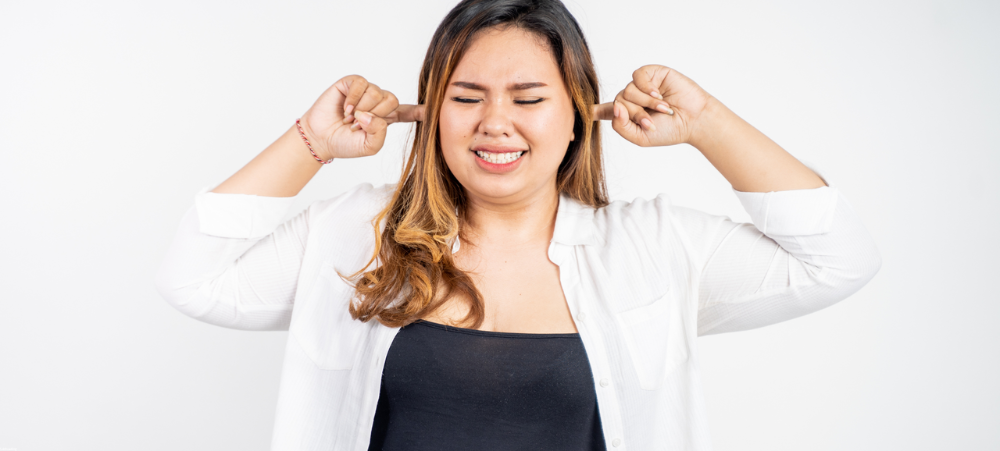
Temporary ringing in the ears (tinnitus) after a night out is a possible early warning sign and should not be ignored.
Adults in the Workplace and Daily Life
It is not unusual for many to be exposed to occupational noise, particularly in industries like mining, construction, manufacturing, and transport. Even outside of formal workplaces, daily exposure to traffic, generators during load shedding, and urban noise can add up.
Workplace and lifestyle tips:
- Use proper hearing protection (earplugs or earmuffs) in noisy environments
- Follow workplace safety guidelines and regulations
- Be mindful of cumulative exposure, noise throughout the day adds up
- Get regular hearing evaluations, especially if you work in a noisy setting
Employers also have a responsibility to implement hearing conservation programmes, but personal awareness remains crucial.
Older Adults: Maintaining Hearing Health
Hearing changes can naturally occur with age, but lifelong noise exposure can accelerate this process. Untreated hearing loss in older adults is linked to social isolation, reduced quality of life, and even cognitive decline. The good news is that proactive care can help maintain hearing and overall wellbeing.
Key considerations:
- Schedule routine hearing assessments
- Address hearing concerns early; do not delay intervention
- Use hearing protection when exposed to loud environments, even later in life
- Stay socially engaged and communicate openly about hearing challenges
A Lifelong Commitment to Hearing Health
Protecting your hearing is not about avoiding sound; it is about managing it wisely. Consistent actions can have a lasting impact. Whether it is lowering the volume, wearing ear protection, or scheduling a hearing check, these steps help preserve one of our most important senses.
Hearing connects us to people, to environments, and to experiences. Taking care of it should be part of everyday life. Our audiologists are here to help and have convenient locations across Cape Town. Contact us, we are here to listen.
- From Pregnancy to Menopause: A Woman’s Hearing and Balance Journey - September 1, 2026
- Misophonia. When Everyday Sounds Feel Overwhelming - July 13, 2026
- Protecting Hearing from Newborn to Adulthood - May 12, 2026



2 thoughts on “Protecting Hearing from Newborn to Adulthood ”
I don’t think parents realize what a big problem this can be in the long term. These days a lot of kids walk around with their earbuds firmly lodged in thin their ears blasting music and videos at full volume. And asking them to keep the volume at 60% is easier said than done. It gets even worse when something like a Roblox play session with a friend can go on for multiple hours.
As a new mom the article was very informative for me and I have learned ways on how I can protect my baby’s hearing. Thank you