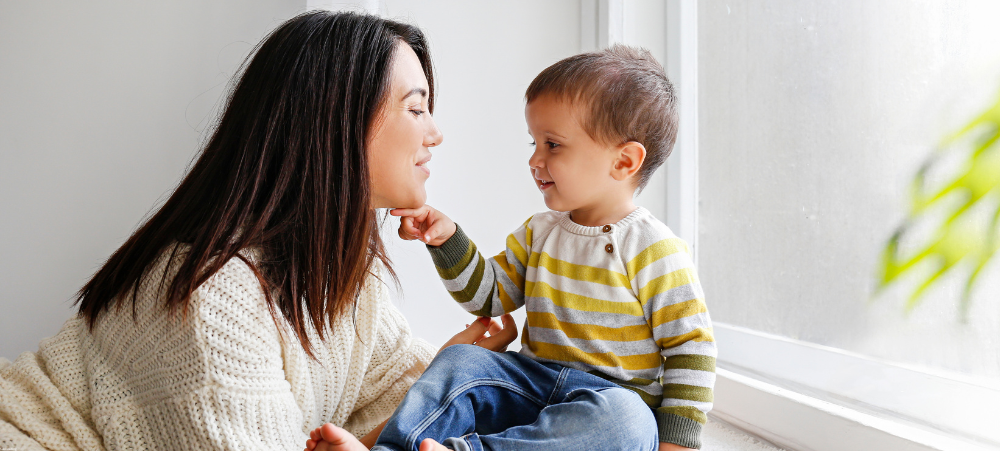

A child who feels safe learns differently. Before letters, numbers, and formal instruction can truly take root, children need something more fundamental: the emotional security to explore, question, connect and participate with confidence.
According to Dibber International Preschools, emotional safety is becoming one of the most important foundations of early childhood development. When children feel seen and heard, they can engage with learning and develop the confidence needed to navigate the world around them.
“At Dibber, we believe emotional safety is not separate from learning – it is what makes learning possible,” says Ursula Assis, Country Director of Dibber International Preschools South Africa. “When children feel secure, they are more open to trying, speaking, listening, exploring and growing. That sense of safety shapes not only how they learn, but how they experience themselves in the learning environment.”
Dibber notes that literacy in the early years cannot be viewed solely through the traditional lens of reading and writing. It also includes the ability to understand and regulate emotions, and to form healthy connections with others. In this sense, emotional literacy is becoming just as important as academic literacy in laying the foundation for later success.
In a preschool environment, emotional safety is often built through small but meaningful daily experiences. A calm response to a child’s distress, routines that create predictability, and spaces where feelings are acknowledged rather than dismissed all help children feel secure. These seemingly ordinary interactions have a profound impact on how children absorb and respond to new information.
“When children know they are safe, something shifts,” adds Assis. “They begin to participate more freely. They ask more questions. They recover more easily from frustration. They become more able to focus and more willing to engage. This is why emotional safety deserves to be treated as a core part of early education.”
Dibber believes emotional literacy must be nurtured with intention. Children are not born knowing how to name, manage or work through feelings. They learn this through steady guidance. When children are assisted in understanding what they feel, they can communicate their needs, relate to peers, and remain engaged in learning much more easily.
This is particularly important because emotional and cognitive development are closely connected. When children experience emotional insecurity or ongoing stress, their ability to focus, remember, and process information can be affected. By contrast, when they begin to understand and express their emotions, they are often better able to manage reactions, resolve conflict and participate meaningfully in group settings.
For Dibber, this understanding aligns strongly with the Nordic approach to early childhood education, which places emotional development at the centre of learning rather than treating it as an added extra. Through play, storytelling, shared routines, and guided interaction, children are supported in building self-awareness, empathy, and confidence, as well as in other crucial areas of development.
In the South African context, Dibber also sees a natural connection between emotional safety and the philosophy of Ubuntu. Based on the understanding that people grow through connection, care and shared respect, Ubuntu reinforces the idea that children thrive best within environments where belonging is actively nurtured. This strengthens emotional safety not as an individual achievement, but as a shared responsibility between educators, families and communities.
At Dibber, this feeling of belonging is intentionally woven through daily learning experiences. Children are encouraged to care for one another, express themselves, work through conflict with support and experience their learning environment as a place where they are valued.
Creating emotional safety does not require complicated systems. It begins with consistency, presence and emotionally responsive adults. When educators take time to acknowledge feelings and create space for expression through play and conversation, children begin to trust both the environment and themselves. Over time, this trust becomes the base for deeper learning, stronger relationships and more confident participation.
“Emotional well-being is not a soft add-on to education,” says Assis. “It is part of the foundation. When children feel emotionally safe, they are better able to become curious, capable and connected learners. Without that foundation, learning can remain shallow and inconsistent.”
Emotional safety is not simply an added advantage in the early years. It is one of the conditions that allows meaningful learning to happen at all.

- Six Simple Science Experiments That Get Preschoolers Asking Questions - October 5, 2026
- Why the Best Early Years Educators Do More Than Teach - September 25, 2026
- How to Help Toddlers Learn the Language of Emotion - September 18, 2026