

For many parents, the question of whether a child is “school-ready” can bring an unforeseen sense of pressure. One moment, a child is happily painting, building sandcastles or pretending to run a bakery for dinosaurs, and the next, parents find themselves worrying about alphabet recognition, counting milestones and whether enough has been done to prepare for formal schooling.
According to Dibber International Preschools, much of this anxiety is fuelled by outdated assumptions about what school readiness should look like. In reality, readiness for school is less about perfection and early academic performance and more about emotional confidence, curiosity, resilience, and connection.
“At Dibber, we believe school readiness is not about raising the child who can do the most before school starts,” says Ursula Assis, Country Director of Dibber International Preschools South Africa. “It is about helping children feel secure enough to try, to adapt, to build relationships and to enjoy learning. Those are the foundations that help children settle and thrive.”
Dibber notes that one of the most common myths parents continue to face is the belief that children must know how to read before they start school. While early reading can be positive, it is not the defining marker of future success. Children develop literacy at different paces, and pushing academics too early can create unnecessary pressure. What matters more is regular exposure to language through meaningful everyday experiences such as storytelling, music, conversation and play.
This is why Dibber’s Nordic-inspired approach focuses on curiosity, communication and confidence in the early years, rather than rushing formal academics. In quality early learning environments, children build strong foundations for literacy through joyful experiences that make learning seem natural and engaging.
Another persistent myth is the idea that a school-ready child should already be able to sit still, listen quietly and behave with constant composure. Dibber points out that young children are naturally wired for movement, and that running, climbing, jumping and exploring are all part of healthy development. School readiness should not be confused with early compliance.
Instead, children gradually learn self-regulation through warm relationships, steady routines and patient support. A child who can follow simple instructions, move between activities, express feelings and recover after frustration is already developing valuable readiness skills, even if those moments are accompanied by the occasional protest or wobble.
“There is a tendency to confuse readiness with behaviour that looks convenient to adults,” adds Assis. “But readiness is not about turning young children into miniature adults. It is about helping them grow in confidence, emotional security and the ability to participate in the world around them.”
Dibber also highlights the misconception that academic skills matter more than social and emotional development. While parents often focus on counting, shapes, writing names and other visible milestones, early childhood educators know that social-emotional skills are just as important in helping children settle into school successfully.
A child who can ask for help, share space with others, manage disappointment and feel emotionally secure is often better prepared for school life than a child who can recite information but struggles with separation, frustration or group interaction. Warm, responsive adults play an essential role in helping children develop these capacities, as they build confidence, independence and trust in themselves over time.
Another myth Dibber is encouraging parents to let go of is the belief that school readiness should look the same for every child. No two children develop in exactly the same way. One child may be highly verbal but still building fine-motor strength, while another may be quiet in a group yet observant, thoughtful, and independent. Readiness is not a one-size-fits-all checklist completed on a deadline. It is a gradual process shaped by personality, environment, relationships and opportunities to explore.
For this reason, Dibber believes parents should be careful not to judge readiness through comparison. Children develop best when they feel emotionally encouraged rather than pressured to perform. A nurturing environment which respects each child’s pace can have a significant impact on how confidently they enter formal learning.
Finally, Dibber is challenging the idea that preparing children for school means introducing more worksheets and formal tasks as early as possible. Children learn most effectively through meaningful experiences. Building towers supports problem-solving. Pretend play develops language and creativity. Outdoor play strengthens coordination, confidence and risk awareness. Far from being “just play”, these experiences help build the brain connections that support memory, emotional management, learning and social understanding.
This is why Dibber’s learning model places such strong value on play, movement, relationships and exploration alongside early academics. The goal is not to remove structure, but to ensure that learning remains developmentally appropriate, joyful and connected to the real needs of young children.
For Dibber, real school readiness means helping children learn to communicate their needs, build relationships, adapt to routines, manage emotions gradually, explore independently, and remain curious about the world. Perhaps most importantly, it means helping children recognise that mistakes are not defeats, but part of learning.
“Parents do not need to chase perfection in the early years,” says Assis. “Children need support, connection, opportunities to play and adults who believe in their potential. Sometimes the best preparation for school is simply allowing children to enjoy being children first.”
For Dibber, that remains one of the most important truths in early childhood education: when children feel safe, supported and free to grow at their own pace, they are far better prepared not only for school, but for life.

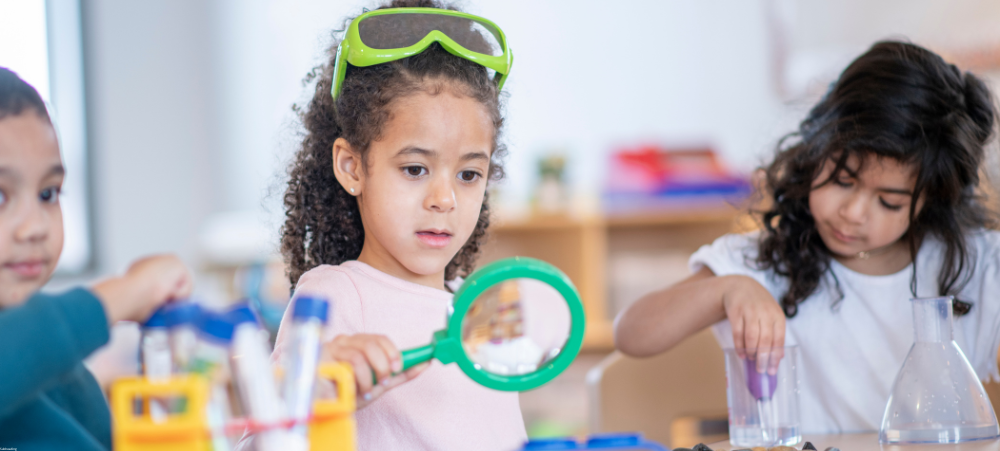
- Six Simple Science Experiments That Get Preschoolers Asking Questions - October 5, 2026
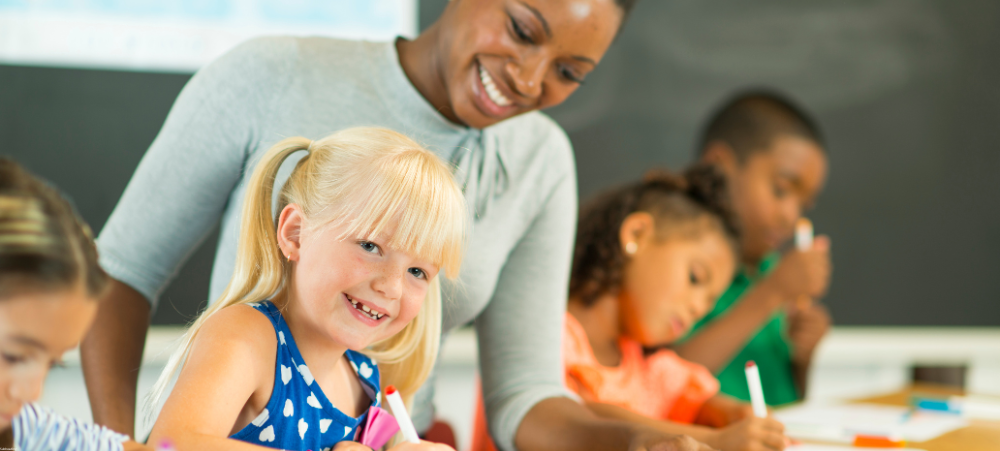
- Why the Best Early Years Educators Do More Than Teach - September 25, 2026
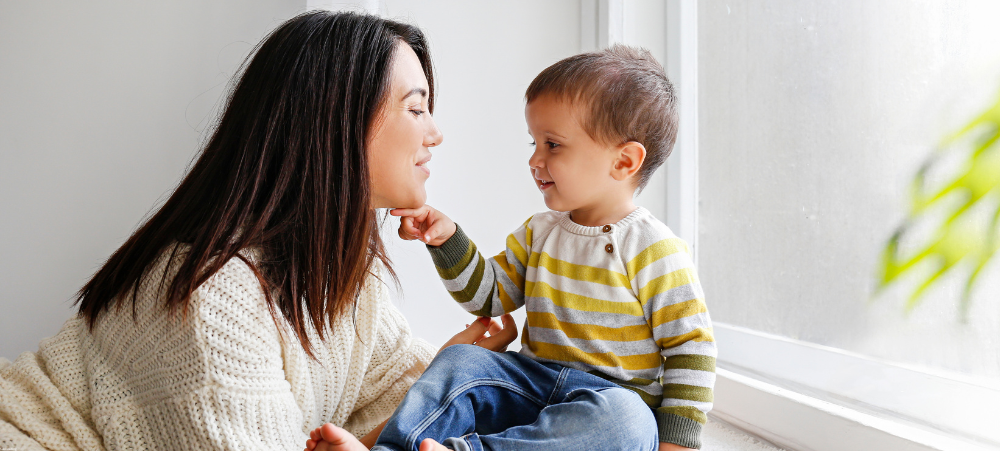
- How to Help Toddlers Learn the Language of Emotion - September 18, 2026

1 thought on “Five Myths About ‘School Readiness’ – And What Actually Matters”
a very interesting read