
NB Hearing & Balance

Misophonia. When Everyday Sounds Feel Overwhelming

Imagine sitting around the dinner table with your family. Everyone is chatting and enjoying the moment. But while everyone else seems relaxed, one person feels completely overwhelmed by the sound of chewing, tapping, or even the way someone breathes. The sound may be ordinary to everyone else, but to that person, it feels impossible to ignore. This is the reality for many people living with misophonia, a condition where certain sounds trigger intense emotional or physical reactions. These reactions are not about being “too sensitive” or simply disliking a noise. For someone with misophonia, specific sounds can create a powerful response that may include irritation, anxiety, anger, distress, or the need to escape the situation. Understanding misophonia can help individuals, families, and communities create more supportive environments. What is Misophonia? Misophonia literally means “hatred of sound,” but the experience is often more complex than simply disliking certain noises. People with misophonia usually have specific trigger sounds that create an immediate reaction. Common triggers may include sounds such as: The important thing to understand is that the response is not always connected to how loud the sound is. A quiet sound may feel much more distressing than a loud one because of the way the brain processes and responds to that specific trigger. For someone without misophonia, the sound may fade into the background. For someone with misophonia, the brain may treat it as something requiring immediate attention. How Misophonia May Look in Everyday Life An adult with misophonia may find themselves avoiding certain social situations, such as dinners, meetings, or travelling with others. They may choose where they sit in a room to reduce exposure to trigger sounds or may feel exhausted after spending time in environments where they have been trying to manage their reactions. Some people describe feeling frustrated because they know the sound itself is harmless, yet their reaction feels automatic and difficult to control. This can sometimes lead to misunderstandings. Others may think that the person is being rude, impatient, or overly critical, when in reality they are trying to manage a very real sensory response. Children can also experience misophonia, but they may not always have the words to explain what they are feeling. A child may leave the room during meals, become upset by classroom sounds, struggle to concentrate, or appear frustrated in situations where certain noises are present. Parents may notice their child reacting strongly to sounds that others do not seem to notice. The child may say things like “make that stop” or “I can’t handle that sound,” but may not be able to explain why. Supporting Someone With Misophonia Living with someone who experiences misophonia can sometimes feel confusing. The most helpful thing families, friends, and colleagues can do is approach it with understanding rather than judgment. A person with misophonia is not choosing their reaction. Their response is often automatic, and criticism or frustration can make the experience more difficult. Simple adjustments can make a meaningful difference. This may include allowing someone to move seats, using background sound such as music or a fan, or being mindful of known triggers when possible. Communication is also important. Instead of focusing on “why does this bother you?”, try asking “what can I do to make this situation easier for you?” Creating a supportive environment does not mean avoiding all sounds or changing everything around one person. It means recognising that sensory experiences can differ from person to person. Living With Misophonia: Finding Ways Forward Many people spend years believing they are the only ones experiencing these reactions, when in fact misophonia is becoming increasingly recognised. Understanding your triggers, learning how your body responds, and finding strategies that work for your lifestyle can help reduce the impact misophonia has on your daily activities. The goal is not necessarily to eliminate every trigger sound from life, as this would be unrealistic. Instead, support focuses on improving comfort and the ability to participate in everyday experiences. How Can an Audiologist Help With Misophonia? At NB Hearing and Balance, we support several patients with sound sensitivity concerns. While misophonia is not simply a hearing problem, an audiologist can assess how a person hears and processes sound, helping to identify whether there are related hearing sensitivities or other contributing factors. A comprehensive hearing evaluation can help rule out underlying hearing concerns and provide a clearer understanding of the individual’s auditory profile. Audiologists can also provide guidance and support through approaches such as sound management strategies, education about auditory processing, and recommendations for managing challenging sound environments. You Are Not Alone Sound is an important part of how we connect with the world, and misophonia can affect relationships, school, work, and quality of life.  If you or someone you care about is struggling with sound sensitivity, our audiologists can help you better understand what is happening and explore ways to improve quality of life. At NB Hearing & Balance, we support children and adults experiencing hearing and sound-related concerns. We have offices located throughout Cape Town. Contact us if you need help with managing your sound sensitivities in a noisy, everyday world.

Freebees PR

Why South Africans Are Making the Switch to Natural Skincare and Home Products

As South Africans become increasingly conscious of what they put on their skin, use in their homes, and expose their families to, natural skincare and eco-conscious home products are gaining momentum, and for good reason.  From harsh detergents and synthetic fragrances to ingredient lists filled with chemicals few consumers can pronounce, many conventional products are coming under scrutiny. Parents, wellness-conscious consumers, and environmentally aware households are increasingly looking for alternatives that are gentler on people and kinder to the planet. The shift toward natural products is not simply a lifestyle trend. It reflects growing awareness of how everyday choices can impact personal wellbeing, family health, and environmental sustainability. Why Natural Matters The skin is the body’s largest organ, absorbing much of what it comes into contact with. Harsh ingredients found in many conventional personal care products may irritate sensitive skin, disrupt the skin barrier, as well as possibly cause respiratory issues and even affect hormones. These chemicals include sulphates (foaming agents in washes and shampoos), parabens (artificial preservatives), synthetic fragrances (a very broad category with very little monitoring), and artificial colourants.  Natural skincare products by contrast, often rely on gentler ingredients, plant extracts, and formulations designed to support the skin rather than strip it. Consumers are increasingly gravitating toward skincare that works with the skin’s natural biology instead of overwhelming it, and we have some great options made right here in SA! Local cosmeceutical skincare brand SKNLOGIC focuses on science-backed skincare that supports healthy skin function, with formulations that prioritise skin integrity and long-term skin health using a high percentage of natural ingredients. The award-winning Omega Oil serum and the Moist Supreme cream are particularly good choices for winter with their deeply moisturising qualities.  For textured and curly hair, natural ingredients can also make a meaningful difference. Jozi Curls has become a go-to for many South Africans embracing their natural hair journey, offering products formulated to nourish curls with moisture-rich ingredients while avoiding unnecessary harsh additives that can dry out textured hair. Infused with sustainably-sourced African Plant Extracts including Marula Oil and Raw Shea Butter, the Jozi Curls Hydrating Shampoo is a low-foam and sulphate-free shampoo recommended for dry and damaged hair that leaves all curl types moisturized and soft.  For parents navigating delicate newborn skin or common childhood concerns such as dryness and sensitivity, products designed with fewer irritants can offer reassurance and comfort. Brands such as the German based Sanosan, known for its gentle baby skincare range and now in South Africa, use a very high percentage of naturally derived ingredients including organic olive extract and milk protein to nourish and protect. Their Sanosan Baby Bath & Shampoo is developed to preserves delicate skin’s natural protective function, gently cleansing while remaining mild enough for everyday use.  Creating Healthier Homes The move toward natural living extends well beyond skincare. Many household cleaning products contain chemicals that may linger in indoor environments or wash into waterways after use. Eco-conscious consumers are increasingly turning to plant-based cleaning alternatives that are biodegradable and less likely to introduce unnecessary toxins into the home. Far from being less effective than traditional cleaners, essential oils have strong anti-bacterial, anti-fungal and antimicrobial properties, while being kinder to your health and the environment too.  Earthsap, one of South Africa’s original eco-friendly household brands, offers cleaning products made with plant-based ingredients. From dishwashing liquids to laundry and household cleaners, these biodegradable products are designed to clean effectively while reducing environmental impact – helping households minimise their chemical footprint without compromising on performance. Formulated with their microbiologists, the Earthsap All Purpose Cleaner contains only natural ingredients and essential oils but is a powerful and hygienic cleaner. It’s also concentrated, so a little goes a long way!  Better for the Environment Too The environmental aspect in the argument for natural products can no longer be ignored. Conventional products may contribute to pollution through non-biodegradable ingredients, excessive plastic packaging, and chemical runoff into rivers and oceans. Natural and eco-conscious brands often place greater emphasis on responsibly sourced ingredients, recyclable materials and packaging, and reduced environmental impact.  Soy-based candles, for example, have become increasingly popular among consumers seeking cleaner alternatives for home ambience. Local brand SoyLites offers soy candles, natural body care, and aromatherapy products made using renewable and sustainable ingredients, providing an option for fragrance lovers who want to avoid paraffin-based products while creating a calming home environment. The SoyLites Classic Soy Tumblers are the original soy candle range in South Africa! The dual use of ambience-plus-skincare that these candles provides is one of the most sought after qualities. The candles burn beautifully and are environmentally friendly, and the warm massage oil that forms as it melts at a low temperature is full of Vitamin E and Lecithin – a nourishing treat for your skin.  For families with young children, sustainability is also becoming a consideration in feeding and care products. Vital Baby’s new EarthSmart range offers recyclable and biodegradable parenting essentials that help reduce plastic waste while supporting practical, everyday family routines.  Small Changes, Big Impact While no household transformation happens overnight, small, intentional swaps can make a meaningful difference over time. For many South Africans, natural living isn’t about perfection – it’s about making better-informed choices for their families, their wellbeing, and the world around them, one step at a time.  As consumers continue to ask more questions about ingredients, sourcing, and sustainability, brands prioritising transparency, gentler formulations, and environmental responsibility are likely to remain front of mind. 

Advtech Group

Don’t Rush Academics: The Importance of Focusing on Play and Responsiveness in The Early Years

Play should sit naturally in early childhood education, as it reflects how young children come to know themselves, others and the world. Yet too often, play is the very space that requires the most protection. This tension usually arises from a culture that prioritises early academic achievement and holds the belief that accelerating formal learning guarantees future success.  When children are rushed or pressured into formalised academic outcomes too early, short-term gains may be visible for some, but the long-term cost can be significant, an education expert says. “Play is not separate from learning, it is the medium through which learning becomes possible,” says Lynda Eagle, Advtech Schools Specialist: Early Years Phase. “Early learning that prioritises performance over understanding risks weakening curiosity, motivation and wellbeing. Strong foundations are built not through acceleration, but through experiences that nurture thinking, communication, collaboration, and joy – conditions that sustain lifelong learning.” Eagle explains that children engage with play in ways that reflect their own pace, interests, and needs.  “It provides space for difference and diversity while offering opportunities for connection and shared experience. Importantly, play supports emotional regulation and prepares children for future learning by strengthening the foundations required for inquiry, reflection, and participation in real-world contexts.” Play and responsiveness are often described as abstract concepts, yet they require intentional commitment from both educators and families, says Eagle. “Responsiveness asks adults to understand the value of play and to reflect on their role within it: how they observe, when they intervene, how they extend thinking, and how they remain present without directing or interfering. By engaging in careful observation and thoughtful support, adults come to know children more deeply, including learning about their interests, strengths, and emerging identities. “It also plays a big role in building key life skills – things like thinking deeply or critically, solving problems, working with others, communicating effectively, and self-management. When children play, they’re constantly exploring new ideas, testing their theories, inventing solutions, and figuring out how the world works. Along the way, they learn to take manageable risks and handle challenges. And, very importantly, to stick with things even when they’re difficult, which gradually builds their confidence and a real mindset for growth.” PLAY AND RESPONSIVENESS – IMPORTANCE OF PARTNERSHIPS Partnerships between families and educators are central to this work, Eagle says. “Together, they can create learning experiences that balance freedom and structure, offering both flexibility and clear boundaries. This balance provides children with emotional safety while teaching respect for themselves, for others, and for the environment. Such stability supports the development of empathy, resilience, and perseverance.” Within these conditions, children form relationships, make connections, and gradually become independent learners. They develop conceptual understanding and learn to reason, transfer knowledge, and apply ideas in new contexts, moving from concrete experience toward more abstract thinking. “Any tension between our aspirations for children and our understanding of play and responsiveness deserves careful reflection,” Eagle warns. “When adults deepen their understanding of why play matters and how responsiveness supports learning, they are better positioned to guide children with intention and trust. Ultimately, early learning is not only about what children know, but about how they think, how they relate to others, and how they come to see themselves in the world, a world full of possibility.”

Cartoon Network Africa

Spend Your Saturdays with the Best of Regular Show on Cartoon Network!

Get ready for plenty of laughs as Regular Show Best Of Marathon arrives on Cartoon Network this July! Every Saturday, fans can enjoy back-to-back episodes featuring the funniest moments and biggest adventures of their favourite park crew. Whether you’re a longtime fan or discovering the series for the first time, this marathon is the perfect way to spend your weekend. Join the unforgettable gang, including: 💙 Mordecai – The easy-going blue jay who dreams of finishing his art degree but usually finds himself caught up in bizarre adventures instead. 🦝 Rigby – Mordecai’s mischievous raccoon best friend, whose clever ideas often lead to hilarious chaos. 🔴 Benson – The hot-tempered park manager who spends most of his time trying to keep Mordecai and Rigby focused on their jobs. 💪 Muscle Man – Known for his outrageous pranks and famous “my mom” jokes, he’s always guaranteed to bring the laughs. 👻 Hi-Five Ghost – Muscle Man’s loyal friend and prank partner who is always along for the ride. ❄️ Skips – The wise and dependable Yeti who has seen it all and always knows how to solve even the strangest problems. Filled with outrageous adventures, unforgettable characters and laugh-out-loud moments, Regular Show Best Of Marathon is the perfect weekend entertainment for kids, teens and nostalgic parents alike. Don’t miss it! 📺 Regular Show Best Of Marathon🗓 Premieres: Saturday, 11 July 2026⏰ Every Saturday at 16:55 CAT📅 Ends: 12 September 2026📍 Only on Cartoon Network Get ready for a weekend packed with the very best of Regular Show!

Educ8 SA

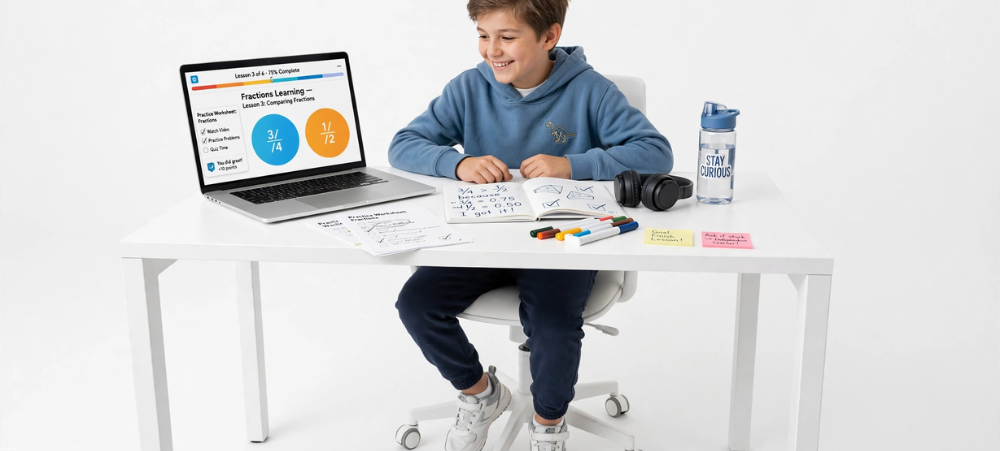
Why It’s Never Too Late to Learn With Educ8 SA

Learning is a lifelong journey, and it’s never too late to pursue your educational goals. Whether you want to complete your schooling, earn a recognised qualification, or gain new skills, Educ8 SA provides flexible, computer-based programs that make learning accessible to adult learners of all ages. Opportunities for Adult Learners Educ8 SA offers programs designed specifically for adults: GED Program: Affordable Grade 12 equivalent for R500 per month American High School Diploma: Prepare for higher education or career advancement These programs allow adults to study at their own pace, balancing education with work, family, and other responsibilities. Flexible, Self-Paced Learning The computer-based platform allows learners to access lessons, assessments, and interactive modules anytime, anywhere. Adult learners can: Benefits of Returning to Education Completing your education as an adult provides numerous benefits: Take the first step toward achieving your educational goals: Phone: 021 431 9258 WhatsApp: 084 685 2138 Email: [email protected] Visit: www.educ8sa.com It’s never too late to learn. With Educ8 SA, adult learners can access quality education, achieve qualifications, and open new opportunities in life.

Cambrilearn Online School

Pearson Edexcel explained: a guide for South African parents

If you have been researching international schooling for your child, you have almost certainly come across Pearson Edexcel. It sits alongside the better known British curriculum names, and parents often assume the two are interchangeable. They are related, but they are not the same thing, and the difference is worth understanding before you commit your child to a pathway they will follow for several years. What is Pearson Edexcel? Pearson Edexcel is a British examination board, one of the largest in the world, and its qualifications are taken in more than 80 countries. In the United Kingdom it is regulated by Ofqual, the body that oversees the major British exam boards, which means an Edexcel qualification carries the same regulatory standing as any other. For school-age learners, the qualifications that matter most are the International GCSE, usually written around age 16, and the A Level, usually written around age 18, with the AS Level sitting in between. Edexcel covers the full range of academic subjects, from mathematics and the sciences through to languages and the humanities. The board is known for a clear, structured progression from one stage to the next, which suits learners who do well with a predictable route through their secondary years. Is an Edexcel qualification recognised by universities? Yes. Pearson Edexcel International GCSEs and A Levels are accepted by every UK university, including Oxford, Cambridge and the Russell Group, and they carry the same UCAS tariff points as any other A Level. They are recognised at universities in well over 100 countries, including the United States, Australia and Canada. For South African families the picture is straightforward. South African universities recognise an Edexcel qualification through the certificate of exemption process administered by Universities South Africa, and it converts to admission points using mechanisms universities apply routinely. No single exam board carries a built-in advantage over another. What decides a university place is whether your child has taken the required subjects and achieved the required grades, not the name on the certificate. For applications abroad, Edexcel is often immediately familiar to admissions staff because of Pearson’s global presence. The science advantage for online learners One feature of Edexcel matters a great deal for families learning from home. In the Edexcel International GCSE and A Level sciences, Biology, Chemistry and Physics, practical understanding is assessed through written papers rather than a hands-on practical examination. Students do not need access to a laboratory to complete the qualification. For a child studying online, or in a town without a nearby centre that offers science practicals, this removes a real obstacle that other routes can create. How does my child sit Edexcel exams from South Africa? CambriLearn offers a dedicated Pearson Edexcel programme and is an accredited Pearson Edexcel centre, which means the school handles exam registration and centre coordination rather than leaving parents to arrange it alone. Your child writes the final examinations at a Pearson Edexcel exam centre and receives their marks directly from Pearson Edexcel. A Levels are also modular, so units can be written across separate sittings in January and June, and an individual unit can be retaken to improve a grade. For a student who prefers to focus on fewer subjects at a time, that structure takes some of the pressure off the final year. Edexcel or the International British Curriculum? Many families do not have to choose. A common approach is to take Edexcel for the sciences, to avoid the practical requirement, and the International British Curriculum for humanities, languages and other subjects. That gives a child a university application built on two respected British boards, and CambriLearn offers both within the same school, so a pupil can combine them without enrolling in two places. The right mix usually comes down to the subjects your child wants to take and where they hope to study. Is Edexcel the right fit for your child? Edexcel tends to suit families who want an internationally portable qualification, learners heading towards a science-heavy university application, and any child studying from home without easy access to a laboratory. It is less about prestige and more about fit. The qualification opens the same doors as other British routes, so the decision should rest on your child’s subject choices, their plans after school, and the practicalities of where they will write their exams. If you would like help mapping Edexcel subjects to a particular university’s requirements, you can speak with the CambriLearn team for a conversation with no obligation.

DIBBER SA

Children Often Feel Adult Stress Long Before Anyone Speaks About It

A child does not need a full explanation to sense when something is wrong. A parent may keep their voice steady, get through dinner, manage bedtime and say very little about a difficult week. Yet a child may begin to cling at drop-off, wake more often at night, or complain of stomach aches before school. Dibber International Preschools South Africa says these shifts can be early signs that children are picking up on stress at home before adults realise how visible it has become. Dibber says this is a key, often overlooked part of a child’s emotional well-being. Children are highly attuned to the adults around them. They notice tension in tone, changes in routine, distracted responses, and the emotional atmosphere of a room, even when the cause of that stress is never directly spoken about. “Children are deeply perceptive,” says Ursula Assis, Country Director of Dibber International Preschools South Africa. “They do not always have the words to explain what they are feeling, but they often register far more than adults expect. A child may not understand the details of a stressful period, but they can still feel that something has shifted.” Dibber notes that, from infancy onward, children read faces, body language, and emotional cues. As they grow, that sensitivity becomes more refined. This matters in South Africa, where many families face constant pressure from financial strain, long commutes, disrupted routines, infrastructure stress such as load shedding and water outages, and extended family responsibilities. According to Dibber, stress in family life need not be dramatic to affect a child. It often shows up in quieter ways: a parent becomes shorter in conversation, there is more tension at the dinner table, or there is less emotional availability at the end of a hard day. These moments may feel manageable or invisible to adults, but a child’s sense of safety can still change. This is often where behaviour starts to change. Dibber points to several common signs that a child may be affected by stress at home. These can include regression, such as becoming clingier than usual or returning to earlier habits. Physical complaints without a clear medical explanation, especially around school or separation, can also be part of the picture. Changes in play, heightened irritability, or disrupted sleep may signal that a child is trying to process something they cannot yet express clearly. None of this means a parent is failing. It means the child is emotionally connected enough to be affected by what is happening around them. “Children often borrow the emotional climate of the adults they depend on,” says Assis. “That is why emotional safety matters so much. The goal is not to be a perfect, stress-free parent. It is to remain connected. A child can cope with hard seasons far better when they feel held, reassured and included in age-appropriate ways.” Dibber explains that there is a simple developmental reason for this. Young children co-regulate with the adults closest to them. When an adult is tense or overwhelmed, children can begin to imitate that stress physically and emotionally. They are also naturally egocentric in the early years, which means they may quietly assume they caused the problem unless reassured otherwise. For this reason, Dibber encourages parents to name stress simply, without placing adult burdens onto children. A sentence such as “I have been feeling worried lately. It is grown-up stuff, and it is not your fault” can do a great deal to restore a sense of safety. Predictable routines, calm rituals and space for children to express feelings also help. At school, these shifts can be easier to spot than many parents realise. Dibber says educators are often among the first adults to notice when a child seems less settled, more reactive or more withdrawn than usual. This is why the relationship between home and school matters so much, especially in the early years. At Dibber International Preschools South Africa, educators are trained to notice these emotional changes and to build environments where children feel steady, seen, and emotionally secure. The school group believes that a child’s wellbeing is moulded not only by what adults teach but by how adults respond. “Protecting a child’s emotional wellbeing does not mean removing every difficulty from their life,” says Assis. “It means helping them feel safe through difficulty. It means showing them that feelings can be handled, that stress does not have to become fear, and that they are not carrying adult worries on their own.” For Dibber, that message lies at the heart of early childhood care. Children are always listening for signs of safety. Often, what they need most is not a perfect explanation, but a calm adult who helps the world feel steady again.

Aphrodite’s Garden

Her First Period Sets the Tone for Her Journey Into Womanhood

A girl’s first period is not just a biological moment. It is an introduction. It is the beginning of a new relationship with her body, her emotions, her rhythm, and her sense of self. And like the start of any important journey, the way she is introduced to menstruation matters. For generations, many girls have entered this stage quietly, shyly, or even fearfully. They were told what to do, handed a pad, and expected to carry on. Yes, menstruation is natural. Yes, it happens every month. But natural does not mean it should be ignored. A girl’s first period is one of the earliest opportunities to teach her that her body is not a burden, not an inconvenience, and not something to hide. At Aphrodite’s Garden, we believe that every passage of womanhood deserves knowledge, nurturing, honouring, and care. As women reach later stages of life — motherhood, perimenopause, menopause — many look back and ask: Did I listen to my body? Did I honour my cycle? Did I rest when I needed to? Did I celebrate myself, or did I spend years pushing through? So much of womanhood is spent carrying responsibility. We learn to take a pill, stay busy, ignore the symptoms, and continue. But what if we taught girls from the beginning that their cycle is not the enemy? What if we showed them how to work with their body, not against it? That is the heart behind the Aphrodite’s Garden Period Support Kit. Thoughtfully formulated and curated by a Doctor of Complementary Medicine, this kit was created to support girls from puberty into menstruation with comfort, confidence, and gentle self-care. Inside the Period Support Kit: Period Support Massage OilA nurturing massage oil created for lower tummy and back massage during that time of the month. It encourages connection with the body while supporting comfort during cramps, bloating, and monthly tension. Hormone Synergy RollerA gentle aromatherapy roller to support emotional ease and help girls feel more grounded during natural hormonal shifts. Blushing Rose Natural DeodorantA soft, natural deodorant for underarm freshness during puberty, when body changes begin. Made for families who prefer a more natural approach to daily personal care. Spot Rescue GelA targeted skin-support product for blemish-prone moments, helping girls care for hormonal breakouts with gentleness instead of harshness. Organic PadsA practical introduction to comfortable, breathable period care. FREE Mood PlushieA sweet emotional expression tool to help girls name what they feel without needing to explain everything in words. FREE Digital E-book: Puberty & Period Tips, Hacks & Support A simple guide to help open the conversation around periods, body changes, self-care, and monthly routines. This kit is especially meaningful as a first-period gift. It is also a beautiful conversation starter for mothers, aunties, grandmothers, caregivers, and single dads who want to support their daughters with tenderness, confidence, and care. Because the first introduction matters. When a girl’s first period is met with fear, silence, or embarrassment, she may carry that feeling for years. But when it is met with warmth, education, and celebration, she learns something powerful: Her body is wise.Her cycle deserves care.Her womanhood is not something to hide.It is something to honour. Aphrodite’s Garden Period Support Kit Created to support the first steps into womanhood — naturally, gently, and beautifully. Available online at www.aphroditesgarden.co.za.

Catrobatkidz

Movement Before Milestones: Why Young Children Need to Climb, Roll, Balance and Jump

Parents are often surrounded by milestones. When did your child sit? Walk? Talk? Count? Recognise colours? Write their name? These milestones matter, of course. But before many of the “school-ready” skills can truly settle, children need something wonderfully simple and often overlooked: they need to move. They need to climb, roll, balance, jump, crawl, stretch, throw, catch, twist, turn, hop, run and sometimes wobble their way through the world. And no, this is not just about “getting the energy out” before bedtime — although, let’s be honest, that part is not exactly a tragedy. Movement is one of the most important ways young children learn about their bodies, their surroundings, their confidence and their own capabilities. The body is a child’s first classroom Before a child learns with a pencil, they learn with their whole body. When a toddler climbs onto a low step, they are learning about height, balance and risk. When a preschooler rolls across a mat, they are learning body awareness and direction. When a child jumps with two feet together, they are practising strength, coordination, timing and courage — all in one little leap. These early physical experiences help children understand where their body is in space. This is known as body awareness, and it plays a big role in everyday life. A child who understands their body better is more likely to move confidently through a busy classroom, sit with better control, avoid bumping into others, and take part in games and group activities. In other words, movement helps children feel at home in their own bodies. Big movements support little skills Many parents are understandably focused on fine motor skills: pencil grip, cutting, colouring, drawing, buttoning clothes and opening lunchboxes. But those “small” skills do not develop in isolation. They are supported by bigger muscles first. A child needs core strength to sit upright. Shoulder stability helps with arm control. Stronger arms and hands make fine motor tasks easier. Balance and posture support concentration. When the body is working too hard just to stay upright, there is less energy available for listening, learning and participating. This is why climbing, crawling, hanging, rolling and balancing are not just play activities. They help build the physical foundation children need for many later tasks. The path to confident pencil control may begin long before a pencil is even in the picture. Movement builds confidence from the inside out One of the most beautiful things about physical development is that children can feel their own progress. They know when they have managed to jump a little further. They know when they can balance for longer than last time. They know when they were brave enough to try the activity that looked a little tricky at first. These small victories matter. Each time a child tries, practises and improves, they are not only building a physical skill. They are also building the belief that says, “I can do hard things.” That confidence often carries into other areas of life. A child who feels capable in movement may be more willing to join a game, speak up in a group, try something new or keep going when something does not work the first time. Confidence is not built by avoiding every wobble. Sometimes it starts with wobbling safely, laughing, trying again and discovering, “I’ve got this.” Children need safe challenge Modern parenting can feel like a constant balancing act between protecting children and allowing them to explore. Of course, children need safe environments. But they also need opportunities to test their bodies in age-appropriate ways. Safe challenge helps children learn judgement. They begin to understand how high they can climb, how far they can jump, how to land, how to stop, how to wait their turn and how to recover when something does not go perfectly. A child who never has the chance to practise these skills may become unsure of their own body. A child who is gently guided through physical challenges learns how to manage movement, space and risk with growing confidence. The goal is not reckless play. The goal is purposeful movement in a safe, encouraging space. Movement also supports the brain Movement is physical, but it is not only physical. When children follow instructions during an activity, remember a sequence, change direction, copy a movement pattern, respond to rhythm or wait for a signal, their brains are working too. They are practising attention, memory, listening, self-control and problem-solving. These are important skills for learning — and they develop beautifully when children are active, interested and having fun. This is one reason movement-based learning can be so powerful for young children. They are not sitting still while trying to absorb information. They are learning through action, repetition and experience. For many children, the body opens the door for the brain. It does not have to be complicated Parents do not need fancy equipment or a perfect programme at home to support movement development. Simple activities count: walking on a line, jumping over a cushion, rolling on a blanket, throwing socks into a basket, balancing on one foot, dancing to a favourite song, crawling under a chair, kicking a soft ball or playing “follow the leader” in the lounge. What matters most is variety, encouragement and regular opportunity. Children need to experience different types of movement: balance, strength, coordination, rhythm, body control, ball skills and spatial awareness. The more varied their movement experiences, the more confident and adaptable they become. A foundation for life Not every child will become a gymnast, dancer, athlete or sports star — and that is not the point. The real goal is much bigger than that. The goal is to help children feel capable in their bodies. To help them enjoy movement. To give them the physical foundation that supports confidence, learning, social participation and healthy habits as they grow. Because movement in early childhood is not just about what children can do today. It is about helping them step into tomorrow

Bellavista SHARE

Stuck in the Middle: A Parent’s Guide to the Tween Years

There is a specific look a parent gives when you ask them how their eleven-year-old is doing. It’s a mix of pride, exhaustion, and a hint of “I am not entirely sure where that sudden attitude came from.” Welcome to the Tween years. This is that “goldilocks” zone of parenting – not quite the “terrible twos” but certainly not the “tumultuous teens” either. It’s a unique, sometimes bewildering bridge. Defined roughly as the ages between 9 and 11, middle childhood is the ultimate developmental “waiting room.” As the provided research suggests, these kids are no longer the little ones who think you’re a superhero, but they aren’t yet the teenagers who think you’re an embarrassment (though they’re practicing the eye-roll). It is a time of massive shifts – physical, neurological, and social. To help you navigate this transition, let’s break down what is actually happening behind those bedroom doors and how you can support your child through the biggest challenges of the Tween era. 1.The Great Psychological Tug-of-War – Industry vs. Inferiority The psychologist Erik Erikson famously categorised this stage as “Industry vs. Inferiority.” During these years, your child’s primary task is to develop a sense of competence. At age five, a child draws a stick figure and expects a standing ovation. At age ten, they look at their drawing, compare it to the classmate’s next to them, and decide whether they “suck at art.” This is the birth of the social mirror. Why does this matter? The parent’s role is to shift your praise from results to effort. Instead of saying “You’re so smart for getting an A,” try “I saw how hard you practiced those flashcards.” Industry is about the doing, not just the winning. 2. The Body Betrayal (Physical Changes) Puberty doesn’t necessarily wait for the teen years. For many, especially girls, the physical transformation into an adult body can begin as early as age 10. This is often a clumsy phase. As limbs grow faster than the brain’s ability to map them, you might notice your once-graceful child suddenly tripping over thin air or knocking over glasses of water. Their bodies are changing, and for a Tween, that feels like a public performance they never auditioned for. What to watch for: The parent’s role is to keep the lines of communication open and clinical. Normalise the changes before they happen so your child isn’t surprised by their own biology. 3. The “Half-Baked” Brain (Decision-Making) If you’ve ever wondered why your 10-year-old can explain the complexities of climate change but can’t remember to bring their lunchbox home, you’ve witnessed the Tween Brain Gap. As the research notes, Tweens are moving beyond concrete thinking (black-and-white, literal) and starting to develop abstract thinking (the big picture). They are becoming more creative and better at problem-solving. However, the prefrontal cortex- the part of the brain responsible for impulse control and planning- is still very much under construction. The parent’s role is to be their external prefrontal cortex. Don’t expect them to have adult-level organisational skills yet. Use checklists, shared calendars, and gentle reminders. They aren’t being defiant when they forget their chores; their brain literally dropped the ball. 4. The Emotional Rollercoaster The final piece of the puzzle is emotional development. Because their brains are rewiring and their hormones are surging, Tweens become hyper-aware of their own feelings and, crucially, the feelings of others. This is the age where frenemies emerge and social hierarchies become rigid. They are learning to manage complex emotions like shame, jealousy, and social anxiety. They are no longer just sad, they are disappointed or lonely. Signs of Growth include: The parent’s role is to validate, don’t fix. When they come to you with a social drama, resist the urge to say, “It won’t matter in a week.” To them, it matters now. Use phrases like, “That sounds really tough, I can see why you’d feel that way.” The Bottom Line – Stay the Anchor The Tween years are a metamorphosis. It’s messy, it’s loud, and it’s occasionally rather smelly. But it is also the stage where your child’s true personality begins to shine through. They are testing their wings. Sometimes they’ll fly and other times they’ll crash into the sliding glass door of life. Your job isn’t to prevent the crash, but to be the safe place they return to when they need to reset. By understanding the struggle and giving them grace for their developing brains, you aren’t just surviving the Tween years- you’re building the foundation for a healthy, confident teenager. For additional resources, visit http://www.bellavista.org.za. by Karen Archer, Deputy Head of Bellavista School, Director at Bellavista SHARE

Parenting Hub

When “100% Juice” Isn’t the Full Story

In South Africa’s wellness economy, few phrases carry as much weight as “100% juice.” It signals purity, simplicity and health. Yet in an increasingly competitive beverage category, those two words can describe more than one production method. That is where the tension lies. The language designed to signal simplicity has grown more complex than many shoppers realise. Terms such as “from concentrate,” “not from concentrate,” “pressed,” and “fresh” are all legally permissible – yet not always widely understood. And when interpretation outpaces understanding, trust becomes fragile. According to registered dietitian and Nutrition consultant to CANSA, Megan Pentz-Kluyts, the confusion does not stem from dishonesty – it stems from the interpretation of terminology. “Consumers rely heavily on front-of-pack cues when making quick decisions,” Megan Pentz-Kluyts says. “But terms like ‘from concentrate’ have specific regulatory meanings. Without understanding those distinctions, shoppers may assume something about a product that is technically compliant – but not quite what they expected. Hence why it’s always advisable to check the ingredient list for clarity.”  The Concentrate Distinction Juice made “from concentrate” begins life as real fruit juice. During processing, water is removed to reduce volume and improve storage efficiency. Before packaging, that water is reintroduced to its original volume. Under South African food regulations, the final product may still legally qualify as 100% juice. For shoppers seeking clarity, ingredient lists can also provide an important signal, as South African labelling regulations require manufacturers to indicate when juice is made from concentrate. For many consumers, however, “100%” may imply freshly pressed – with no intermediate concentration stage. The issue is not legality. Concentrate remains a fully permitted and widely used global production method. The issue is clarity. In a post-Health Promotion Levy environment – where awareness around sugar and processing has heightened – shoppers are scrutinising ingredient lists more carefully than before. Parents, in particular, are paying closer attention to how beverages are made – not only how they are marketed. “When expectations and production methods do not clearly align, trust can weaken,” says Simonne Fourie, Rugani’s Commercial Head. “Even when products comply with regulation, transparency about processing supports informed choice.” Transparency as Competitive Advantage As scrutiny increases, some producers are leaning into operational transparency. Concentrate-based production remains the dominant global model because it reduces transport costs and extends shelf life. Fully integrated farm-to-bottle operations – where produce is grown, pressed and bottled in one location – remain comparatively uncommon. Some vertically integrated South African producers – such as Rugani Juice – have built their positioning around transparency in how juice is produced, including producing juice without a concentration and reconstitution stage. While concentrate remains fully legal, removing that intermediate step creates a more transparent production process – making it easier for consumers to understand how the product is made and what goes into it. According to Rugani’s Commercial Head, Simonne Fourie, consumer questions have become more detailed in recent years. “Shoppers are asking where ingredients come from and how they are processed,” she says. “For us, transparency is not a marketing message – it is how we operate.” The distinction is not about declaring one production method superior to another. It is about reducing ambiguity in a category built on perceived health. Why This Matters Wellness categories depend on credibility. When language becomes more sophisticated than consumer understanding, scepticism follows. “100% juice” is legally defined. But its emotional meaning to consumers often extends beyond regulation – suggesting freshness, minimal intervention and proximity to source. As the category evolves, brands that articulate how their products are made – in accessible, plain language – may find that transparency itself becomes their strongest differentiator. Because in a category built on trust, clarity is no longer optional.

Wingu Academy

Wingu Academy Online Primary Is Now EBI PSI Registered

Wingu Academy is proud to announce that its Online Primary School is now officially EBI PSI Registered, marking an important milestone in our commitment to international educational quality and recognised academic standards. The EBI (Education Bureau International) PSI (Primary School International) framework is a quality assurance and registration system designed to ensure that primary education providers meet rigorous standards of curriculum delivery, learner support, and academic integrity. It evaluates institutions across key areas such as teaching quality, learner outcomes, safeguarding, curriculum structure, and operational excellence. For learners, this registration strengthens confidence in the quality and structure of their education. It ensures that learning is delivered within a recognised framework that prioritises academic development, personal growth, and consistent progress tracking. Learners benefit from enhanced credibility in their educational journey, alongside a well-supported and structured learning environment. For teachers, EBI PSI registration reinforces professional standards and best practices in online education. It provides clear frameworks for lesson delivery, learner engagement, and assessment consistency. This supports educators in maintaining high-quality instruction while continuously improving teaching methodologies within a globally aligned system. This achievement reflects Wingu Academy’s ongoing commitment to providing a future-focused, internationally aligned, and high-quality online learning experience.

The Collective Genius Centre

Navigating the High School Jungle: A South African Parent’s Guide to Supporting a Teen with ADHD

If you are raising a teenager with Attention-Deficit/Hyperactivity Disorder (ADHD) in South Africa, navigating the high school landscape can feel like an uphill battle. The shift from the structured environment of primary school to the heavy academic workload of Grade 8 through Grade 12 brings intense pressure. Between managing multiple subject teachers and prepping for high-stakes exams, the executive functioning demands can easily overwhelm a neurodivergent brain. Mainstream South African classrooms—frequently overpopulated and strictly bound to rigid timetables—are rarely designed with the ADHD brain in mind. However, with targeted classroom accommodations and alternative educational environments, your teen can bridge the gap between their potential and their performance. Understanding the Three Presentations of ADHD ADHD is a complex neurodevelopmental condition, and how it shows up in a teenager depends heavily on their specific type. The DSM-5 breaks ADHD down into three distinct presentations: Key Classroom Accommodations for the ADHD Brain When advocating for your teen at school or setting up an optimal learning space, focus on these environmental and procedural strategies: The Reality of Class Size In South Africa, it is not uncommon for public or standard private school classrooms to hold anywhere from 30 to 40 learners. For a teenager with ADHD, this amount of ambient noise, social movement, and sensory input is a recipe for cognitive overload. A larger class size also means a single teacher cannot easily notice when an inattentive student has drifted off. Minimising class size is one of the most effective structural interventions for neurodivergent learners. Normalising “Brain Breaks” Expecting a teen with ADHD to sit perfectly still through a 45-minute period—or a double period—is often counterproductive. Brain Breaks: Short, functional pauses built into a study routine to allow the nervous system to reset. Movement triggers the release of dopamine and norepinephrine, the exact neurotransmitters the ADHD brain lacks to sustain focus. Allow your teen to take small, discreet breaks. This could look like standing up at the back of the room for two minutes, doing a quick stretch, or running a small errand for the teacher to clear their head. Fidget Toys as Secondary Focus Tools There is a common misconception among educators that fidget tools are toys meant for play. For a neurodivergent learner, a quiet tactile item acts as a “secondary focus tool.” By occupying the physical restlessness of their hands, it frees up mental bandwidth to listen to a lecture. The golden rule for high schoolers is that the fidget must be silent and discreet to avoid peer disruption or unwanted attention. As shown above, great options include: Thinking Outside the Mainstream: The Collective Genius Centre For many South African teenagers, even with standard accommodations, a traditional school environment remains a mismatch for how their brains operate. This is where specialised alternative tuition environments offer a lifeline. Centres like The Collective Genius Centre based in Rosebank, Johannesburg, are deliberately built from the ground up to support learners who do not thrive in mainstream education. The Collective Genius Centre Approach Here is how a dedicated tuition centre bridges the gap for a teenager with ADHD: Moving Forward Raising a teenager with ADHD requires shifting your focus from making them “fit the mold” to finding a mould that fits them. Whether you work with their current school to introduce quiet fidgets and strategic brain breaks, or look into an alternative learning path like the small-group, independent design of The Collective Genius Centre, remember that your teen’s brain isn’t broken—it simply learns differently.

Parenting Hub

Sally Williams Fine Foods launches the world’s first sour nougat with a playful new “Taste The Tingle” campaign

South African confectionery brand Sally Williams is adding a playful twist to one of its most iconic treats with the launch of what it believes is the world’s first sour nougat range. Available in three zingy flavour variants, the new Sally Williams Sour Nougat range combines the brand’s signature soft honey nougat with a subtle sour tingle designed to surprise tastebuds without overpowering them. “Our new Sour Nougat range was created to bring a sense of fun, surprise and shared enjoyment to everyday moments,” says Mark Sack, Managing Director. “It still has the soft, indulgent Sally Williams nougat people know and love, but with an unexpected zingy twist that makes you want to go back for another bite.” Launching under the campaign theme “Taste The Tingle”, the range is built around the idea that the experience is “sweet on the inside, sour on the outside”, bringing together playful flavour combinations with the premium nougat quality synonymous with Sally Williams. The launch also marks a bold new direction for the brand, with a strong focus on family-friendly moments and everyday indulgence. From lunchbox treats and movie nights to kiddies’ parties and weekend snacks, the range has been developed to appeal to both children and adults looking for something a little different. Sally Williams Fine Foods believes the playful flavour profile and colourful packaging will resonate strongly with families, especially children looking for exciting new treats and parents searching for feel-good additions to shared moments at home. Designed around the kind of “pester power” that starts in the sweet aisle and continues all the way to the checkout, the range taps into the excitement children feel when they discover something unexpected, playful, and bold. From lunchboxes and movie nights to birthday parties and weekend treats, Sally Williams Fine Foods expects the new Sour Nougat range to quickly become a family favourite. Each pack contains an assortment of the three flavour variants including Zingy Apple, Zingy Blueberry and Zingy Lemon, giving consumers a playful mix of flavours in every bag. The treats are also gluten free, offering families and snack lovers a more inclusive indulgence without compromising on flavour or the soft, signature Sally Williams nougat experience. The Sour Nougat range will be available in two sizes, with the 55g pack retailing for R32.99 and the 170g pack retailing for R99.99. Shoppers can get their next nougat indulgence in selected stores: According to the iconic brand, the campaign has been intentionally designed around playful sensory experiences and family connection, with the aim to create moments that feel vibrant, light-hearted and memorable. “We wanted this launch to feel joyful from the very first glance at the packaging to the moment someone takes a bite,” says Mark. “It is joyful, vibrant and a little unexpected, but at the heart of it, is still the same idea Sally Williams has always stood for: creating high-quality treats people genuinely enjoy sharing together.” For more information, visit Sally Williams Fine Foods.

BOUNCE Inc South Africa

Let Kids Burn Energy, Build Confidence and BOUNCE Back to Real Play These Holidays

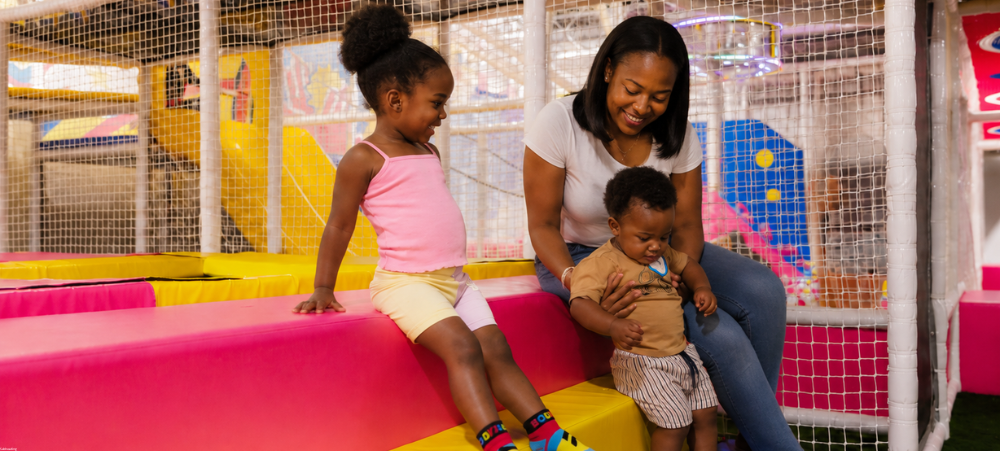
School holidays are meant to feel like freedom. Yet, for many families, they can quickly turn into long days of scrolling, gaming and watching one more episode. Screens have their place, but growing bodies need movement, challenge, laughter and real-world play. That is where a visit to BOUNCE becomes more than a fun outing. It becomes a simple way to help children move, connect and reset during the school break. Children are naturally active. From toddlers who climb everything in sight to older children who want to test new tricks, movement helps kids learn about their bodies and the world around them. Jumping, climbing, balancing, dodging and landing all use large muscle groups while encouraging coordination, focus and body awareness. These moments also help children build confidence as they discover what they can do and feel brave enough to try again. At BOUNCE, active play becomes an adventure. Kids are not thinking about exercise or fitness goals. They are chasing a dodgeball, aiming for a slam dunk, bouncing across Freestyle Trampolines, tackling X Run, exploring X Park or taking on High Ropes and Clip n Climb at selected venues. While they play, they are building stamina, strengthening muscles, improving balance and using both mind and body in one exciting session. Active play can also help children manage their energy. After weeks of school structure, holiday excitement can sometimes show up as boredom, restlessness or too much screen time. A session at BOUNCE gives kids a positive outlet in a safe and supervised indoor adventure environment. It gets the heart pumping, encourages movement and gives children the satisfaction of trying something new. After a busy session, children often leave feeling proud, calmer and more connected to the people they played with. There are social benefits too. Children learn to take turns, cheer each other on, follow safety rules and celebrate small wins.  Younger visitors can explore dedicated miniBOUNCE areas, while older kids can challenge themselves on bigger adventure features. Every visit turns movement into shared memories with friends and family, while helping children practice resilience, patience and teamwork in a playful way. For parents, BOUNCE is an easy holiday solution. It is indoors, weather-friendly, and suited to different ages and confidence levels. It works for playdates, family outings, birthday celebrations, or those days when everyone simply needs to get out of the house.  With ticket prices starting from R140 per person, it is an affordable way to keep kids active, entertained and away from digital screens during the holidays. . Visit any BOUNCE venue across Gauteng:BOUNCE Fourways MallBOUNCE Mall of AfricaBOUNCE Menlyn MaineBOUNCE East Point Shopping Centre So, when the holiday question becomes, “What are we doing today?”, make the answer easy. Pack your BOUNCE grip socks, bring the family and let the kids BOUNCE, climb, laugh and play their way through the school holidays. Book your session online via bounceinc.co.za and visit BOUNCE in Gauteng today.

Educ8 SA

Success Stories of Special Needs Learners at Educ8 SA

The best way to understand the impact of inclusive online learning is through real success stories. Educ8 SA has helped countless learners with special needs achieve their academic goals through flexible, computer-based programs. How Success is Achieved Students progress at their own pace using interactive, self-guided modules. This approach allows learners to focus on their strengths while building skills in areas that require more support. Programs That Empower Learners Benefits Observed Learners gain: Getting Started To create your own success story with Educ8 SA: Educ8 SA proves that with the right tools, flexibility, and approach, every learner—regardless of challenges—can succeed academically and prepare for a bright future.

Cartoon Network Africa

New NINJAGO: Dragons Rising Episodes Arrive on Cartoon Network This July!

The action continues this July as brand-new episodes of NINJAGO: Dragons Rising premiere exclusively on Cartoon Network! The Merged Lands are thrown into chaos when a mysterious weapon unleashes powerful Elemental Monsters across Ninjago. To make matters worse, the Ninja find themselves separated and without the guidance of the Source Dragons, leaving them to face their greatest challenge yet. As Lloyd searches for answers about the true nature of his Elemental Power, the young Ninja must learn to rely on themselves, find their way back home, and prove they have what it takes to become the protectors of Ninjago. Filled with epic battles, incredible adventures, and plenty of twists, Season 4 promises to keep fans on the edge of their seats. Don’t miss the premiere! 📺 Show: NINJAGO: Dragons Rising – Season 4🗓 Premieres: Monday, 6 July 2026⏰ Tune in: Monday to Friday at 16:00 CAT📍 Where: Cartoon Network Get ready for thrilling new adventures as the Ninja rise to face their biggest challenge yet!

Vital Baby

Winter Routines for Babies: How to Keep Little Ones Comfortable, Hydrated and Happy This Season

As temperatures drop across South Africa, winter brings new challenges for parents of babies and toddlers. Dry air, indoor heating, seasonal illnesses, and disrupted routines can leave little ones feeling uncomfortable – making it even more important to adjust daily habits to support hydration, nutrition, comfort, and development during the colder months.  According to independent midwife and trusted Vital Baby advisor, Sr Londe, winter care for babies doesn’t need to be complicated; consistency and simple routines make all the difference.  “Babies can be more sensitive to seasonal changes than adults realise,” says Sr Londe. “The colder weather can affect everything from feeding patterns to skin hydration and sleep quality. The key is to focus on warmth, nourishment, hydration, and stimulation in ways that feel gentle and manageable for families.”  Don’t overlook hydration in winter One of the biggest misconceptions during colder months is that babies need less hydration because they sweat less. “In winter, we naturally think less about fluids because we don’t feel as thirsty ourselves, but babies still need consistent hydration,” explains Sr Londe. “Dry indoor air and heaters can contribute to dehydration, and if babies are unwell with colds or fevers, fluid intake becomes even more important.” For breastfed babies, regular feeding on demand remains essential, while bottle-fed babies should continue their normal feeding routines unless advised otherwise by a healthcare professional. Mums can stay hydrated themselves with gentle warm drinks and nourishing soups, and having an ever-ready water bottle on standby throughout the day is also helpful.  For older babies eating solids, water offered regularly throughout the day can help support hydration.  Feeding for comfort and immunity support Winter often brings appetite fluctuations, especially if little ones are teething or feeling under the weather. “Parents sometimes worry if their baby eats slightly less when they’re uncomfortable or congested,” says Sr Londe. “What matters most is offering regular opportunities to feed and focusing on nourishing, age-appropriate foods.” For babies already on solids, warm foods such as soft vegetables, porridge, soups, and purees can feel soothing while helping support overall nutrition. Toddler-safe snacks that little ones can hold and feed themselves help with exploring textures and independent feeding.  She adds that routines matter. “Winter is a great time to create predictable meal and feeding rhythms. Babies often feel more settled when their day follows familiar patterns.” Keeping active indoors Shorter days and colder weather often mean less time outdoors, but babies still need opportunities to move, explore, and engage their senses. “Indoor play is incredibly important during winter,” says Sr Londe. “Play supports development, bonding, and movement. Even very simple activities can stimulate learning and help babies release energy.” She recommends activities such as tummy time, sensory play using safe household textures, reading, music, dancing, stacking toys, and creating cosy floor spaces for exploration. Parents shouldn’t feel pressure to overcomplicate things. Babies benefit most from responsive interaction. Singing songs, chatting, cuddling, and making eye contact all support emotional and developmental wellbeing.  Winter comfort starts with routine Ultimately, winter wellness comes down to consistency – keeping babies warm without overheating, maintaining hydration, offering nourishing feeds, and prioritising connection and play. Winter can feel overwhelming for new parents, especially when little ones are waking more or picking up seasonal bugs, but simple, nurturing routines go a long way. Small daily habits help babies feel safe, comfortable, and supported through the season. 

DIBBER SA

Five Mandela Lessons That Still Matter in the Preschool Years

Every year on 18 July, South Africa pauses to remember Nelson Mandela’s life, leadership and moral courage. For many adults, Mandela Day is a time to reflect on service, justice and responsibility. For Dibber International Preschools South Africa, it is also a moment to ask a simpler question: what do Mandela’s values look like in a young child’s life? According to Dibber, the answer begins earlier than many people think. The preschool group says the qualities most often associated with Nelson Mandela, courage, kindness, perseverance, honesty and respect for others, are not ideas children need to wait until high school to understand. They begin taking shape in the early years, in the ordinary moments of home and preschool life. “You do not need to explain the full history of South Africa to a four-year-old to begin sharing what Madiba stood for,” says Ursula Assis, Country Director of Dibber International Preschools South Africa. “The values at the centre of his life are deeply relevant to children. Being brave when something feels hard. Being kind when it would be easier not to be. Speaking up when something feels wrong. These are lessons children can begin learning very early.” For Dibber, one of the most important Mandela lessons for children is that courage does not mean freedom from fear. Mandela himself spoke openly about fear, and about choosing not to let it make his decisions for him. In the life of a preschooler, Dibber says that lesson can be brought into daily experiences such as walking into a new classroom, trying something new or finding the confidence to join in when they feel unsure. A second lesson lies in persistence. Mandela’s life has long been associated with strength, and Dibber believes this matters for young children in surprisingly practical ways. A child building a tower that keeps falling over, struggling with shoelaces or trying again after losing a game is already learning something of value. The emphasis, Dibber says, should not fall only on the result, but on the willingness to get up and try again. Kindness is another part of the picture. Dibber notes that Mandela’s devotion to dignity, forgiveness and inclusion remains especially meaningful in South Africa, where children are still growing up in a society formed by division, difference and the ongoing work of living together well. In the preschool years, these ideas are expressed in simple but significant actions. Including another child in play. Sharing. Apologising sincerely. Learning that other people matter too. The school group also believes Mandela’s example offers an early lesson about voice. Long before children understand politics or public leadership, they can begin learning that their voice has value. For Dibber, that means encouraging children to say when something feels unkind, to ask for help when they need it, and to express themselves clearly rather than shrinking into silence. Those habits begin small. They do not stay small. Another lesson Dibber draws from Mandela’s legacy is the importance of perspective when something feels difficult. His words, “It always seems impossible until it’s done,” may be quoted often, but the preschool group says the idea behind them is especially useful for young children. Whether it is learning to zip a jacket, making a new friend or settling into a new environment, children benefit from hearing that hard things can become possible with time, support and persistence. For Dibber, Mandela Day is also about an example. The group believes the values adults hope to see in society are formed in the earliest relationships children experience. Often quietly. Often long before formal schooling begins. “At Dibber, we believe the values children carry into adulthood are shaped in everyday moments,” says Assis. “Not through lectures, but through connection, play, guidance and the way adults respond to them. Courage starts in very small places. In being seen. In being listened to. In being encouraged to keep going.” That is why Dibber sees Mandela Day as an opportunity for parents and educators to think about the values children are already absorbing from the world around them. In how adults handle setbacks. In how they treat other people. In how they speak about fairness, kindness and responsibility. Dibber believes that if South Africa wants to raise children who are brave, emotionally grounded and able to care for others, the work begins in the preschool years. That is where courage first becomes visible, in the child who tries again, tells the truth, includes someone else, or finds the words to say, “That is not kind.” For Dibber, that is one of the most meaningful ways to honour Mandela’s legacy: by raising children who are already learning how to carry it forward.

Cartoonito

Movie Star Holidays Are Here! Enjoy Family Movie Mornings on Cartoonito This July

Looking for the perfect way to keep the kids entertained during the school holidays? Cartoonito has you covered with Movie Star Holidays – a fantastic line-up of family favourites airing every weekday throughout July! From laugh-out-loud adventures with Tom and Jerry to mystery-solving fun with Scooby-Doo and the wild antics of Taz, there’s something for every young viewer to enjoy. Families can look forward to a packed schedule featuring animated classics and exciting live-action adventures, including: 🎬 Taz: Quest For Burger🎬 Scooby-Doo! (Live Action)🎬 Tom and Jerry: Cowboy Up!🎬 Scooby-Doo! The Mystery Begins (Live Action)🎬 Scooby-Doo! Curse of the Lake Monster (Live Action)🎬 Tom and Jerry (2021)🎬 Scooby-Doo! In Where’s My Mummy?🎬 Tom and Jerry: The Magic Ring🎬 Scooby-Doo 2: Monsters Unleashed (Live Action)🎬 Scooby-Doo! Pirates Ahoy!🎬 King Tweety Whether your little ones love solving mysteries, cheering on mischievous cartoon favourites, or enjoying family movie mornings together, Movie Star Holidays promises plenty of fun throughout the school break. Don’t miss it! 📺 Movie Star Holidays🗓 Starts: Monday, 6 July 2026⏰ Monday to Friday at 09:40 CAT📅 Ends: Monday, 20 July 2026📍 Only on Cartoonito Grab the popcorn, get comfy, and enjoy unforgettable family movie mornings all holiday long!

Sugar Bay Holiday Camp

25 Years of Sugar Bay Camp: A Place Where Childhood Still Feels Like Childhood

When I think about Sugar Bay turning 25, I do not first think about buildings, activity schedules or camp themes. I think about children. I think about the child who arrives quietly, unsure of where to stand, and leaves a week later with a nickname, a best friend and a story they cannot wait to tell in the car. I think about the campers who came to Sugar Bay years ago and are now parents themselves. I think about the children who have grown up with us, returning each school holiday a little taller, a little braver, a little more themselves. Twenty-five years is a long time in the life of a place. In the life of a child, it is a whole generation. Sugar Bay began with a simple but deeply felt belief: children need places where they can be children. Not perfect. Not polished. Not always watched through the lens of performance. Just free to play, try, laugh, make friends, get sandy, get tired, wake up excited and feel part of something. Long before Sugar Bay opened its doors, I found myself thinking back to my own childhood holidays. The happiest memories were not complicated or expensive. They were the days spent outdoors with cousins, climbing, exploring, building, imagining and being busy until the sun went down. There was a freedom in those days that stayed with me. Years later, after realising that my legal career was not where my heart belonged, I kept coming back to that feeling. I wanted to create a place where children in South Africa could experience the kind of holiday that gave them more than entertainment. A holiday that gave them confidence, friendship, independence and memories they could carry for years. That dream became Sugar Bay. In 2001, Sugar Bay opened in Zinkwazi Beach on the KwaZulu-Natal North Coast. At the time, the idea of an American-style children’s holiday camp was still unfamiliar to many South African families. Parents knew school camps. They knew family holidays. They knew the usual school holiday juggle. But a children-only sleepover camp, built around choice, friendship, outdoor adventure and themed camp weeks, was something new. It was not always easy to explain. Over the years, parents have asked the questions any caring parent should ask. Will my child be safe? Will they be included? What if they are shy? What if they miss home? What if they do not know anyone? I have always understood those questions, not only as a camp founder, but as a mother. Sending your child away for a school holiday camp is an act of trust. It is not a small thing. Parents are not just booking a week away. They are placing their child in someone else’s care and hoping that child will be protected, encouraged and understood. That trust is something we have never taken lightly. What has kept Sugar Bay going for 25 years is not only the beach, the lagoon, the activities or the themes. Those are part of the magic, of course. Children remember the waterslides, the campfires, the cabin jokes, the team games, the evening programmes and the moments that become funny only because they happened at camp. But the real legacy of Sugar Bay is harder to photograph. It is the child who learns to make a decision without a parent standing beside them. It is the child who tries an activity they were nervous about. It is the child who discovers that making a new friend is possible. It is the child who realises they can be away from home and still feel safe, cared for and happy. Sometimes the change is loud and obvious. Sometimes it is small and quiet. A child speaks up. A child joins in. A child comes home with more confidence than they arrived with. Those moments matter. In a world where children are growing up with so much noise, pressure and screen time, camp offers something beautifully simple. It gives them space to be present. Space to move their bodies. Space to meet children from different schools, cities and backgrounds. Space to form friendships that are not based on who they already know. For parents, that can be just as meaningful. Many families come to Sugar Bay looking for a supervised kids holiday camp in South Africa, a school holiday solution, or a safe sleepover camp near Durban, Ballito and the KZN North Coast. What they often find is that camp becomes more than a practical answer to the holidays. It becomes part of their child’s growing-up story. That is why this 25th birthday feels so special. It belongs to every camper who has sung at campfire, every parent who has trusted us, every counselor who has helped a nervous child settle in, every staff member who has poured heart into the programme, and every family who has allowed Sugar Bay to become part of their school holiday rhythm. It is a milestone, but it is also a reminder. Children still need adventure.Children still need safe independence.Children still need adults who believe in them.Children still need places where they can arrive as they are and leave feeling a little more capable. This August, we are celebrating that legacy with two special holiday camps at Sugar Bay. Wednesday Week runs from 9 to 16 August 2026. It is a creative, mysterious and slightly spooky camp theme built around music, courage, imagination and belonging. It is a lovely fit for children and teens who enjoy stories, puzzles, performance-style fun and a week with a little more personality. Read more: https://www.sugarbay.co.za/post/wednesday-week-sugar-bay-holiday-camp Sweet & Sour Week runs from 16 to 23 August 2026, and this is our big 25th birthday celebration week. It will be colourful, playful and full of birthday energy, with candy-inspired challenges, team games, campfire traditions, sweet surprises and a few exciting new Sugar Bay activities being revealed during the week. Read More: https://www.sugarbay.co.za/post/sweet-sour-week-sugar-bay-camp-august-2026 Both August camps take place at Sugar Bay in Zinkwazi Beach, KwaZulu-Natal, and

Parenting Hub

Panado® Supports on-the-go Parenting With New Convenient 5 ml Sachets

Panado® knows that on-the-go parenting is not for the faint hearted. Mornings begin with the school run and quickly turn into a juggling act of school bags, a taxic ride, traffic, potholes and grocery bags, before the day wraps up with a last dash to get supper on the table before bedtime. Add unexpected pain or fever, and it’s enough to make any parent sigh. Headaches, teething discomfort, sore throats, earaches, and temperature spikes in children have a habit of picking the worst possible moment. They often show up once shoes are on and everyone is already out the door, halfway through a long drive, or just before bedtime at Gogo’s house. A fever or high temperature might come on slow or rise quickly1a. It might also rise and fall throughout the day.1b Pain can also be tricky for children to explain2a. Older kids might be able to tell you what hurts or whether the pain comes and goes, but toddlers often just say they don’t feel well2b.  Add a busy day into the mix and symptoms such as fever can feel worse. Warm weather, lots of movement and not drinking enough fluids, especially during summer, can leave children more uncomfortable when they’re already feeling unwell3. Treating pain or fever promptly with age-appropriate medications helps reduce discomfort4 so your child can back to normal routines sooner.  For parents constantly on the move, having an easy-to-use, powerful and pocket-sized solution can make all the difference.  Created with busy parents in mind, Panado® has introduced a new way to handle pain and fever in everyday family life with Panado® Strawberry 5 ml Sachets5.  Each sachet contains a single 5 ml dose of Panado® Strawberry Syrup5, powered by paracetamol, an ingredient with more than 150 years of clinical experience6. The sachets are sealed, compact and easy to store or carry, making them perfect for travel and everyday outings. Containing the same trusted7 formulation, strength and berry nice flavour parents know, Panado® Strawberry 5 ml Sachets5 are ready to work immediately8 and are suitable for babies and children from three months and older. Slip one into a pocket, handbag, nappy bag, or backpack and relief is always close by. There is no bulky bottle to carry and no spills to worry about. Parents simply tear open a sachet, measure the correct dose using a syringe or medicine measure, and discard the remainder once the dose has been given.  To support safe and accurate use, dosage is calculated according to a child’s age and weight. Parents can check the Panado® dosage calculator at panado.co.za/dosage-calculator, or scan the QR code on pack for guidance. This helps take the guesswork out of dosing and gives extra peace of mind. The sachets sit alongside the wider Panado® paediatric range, which includes Panado® Strawberry Syrup5, Panado® Peppermint9, suitable from Day 1 and Panado® Infant Drops10. Panado® Infant Drops were named a Product of the Year 2025 winner in the Child Health category11, based on votes from 2,000 South African consumers in a Kantar survey. When children are uncomfortable, parents want something they can rely on. Panado® continues to be trusted7 to help soothe pain and fever, allowing little ones to settle, feel better and return to being themselves, whether you are at home or on the move. Panado® products are available from Baby City, Pick n Pay, Checkers including Hypers, Shoprite, Clicks, Dis-Chem and independent pharmacies. For more information, visit: https://panado.co.za/ and join the conversations on Facebook.  For references and legal disclaimers, visit https://panado.co.za/references. 02.20261000004931. February 2026.

Netcells

Choosing the best for your baby: why families trust Netcells

Expectant parents choosing stem cell banking with Netcells can feel confident they’re partnering for the long-term. For 21 years, Netcells has helped families protect what matters most – their children’s future health.   Stem cell banking is the process of collecting and storing stem cells from a newborn baby’s umbilical cord at birth. These cells are collected immediately after delivery from the umbilical cord blood and/or cord tissue—once considered medical waste—and cryogenically stored at extremely low temperatures for potential future use. Stem cells are unique because they have the ability to develop into different types of specialised cells in the body and are being used in established treatments such as blood and immune system disorders, with ongoing research exploring their role in regenerative medicine and tissue repair. Our track record reflects stability, trust and ongoing innovation, with every step of the journey designed to deliver lasting value, trusted security and reliable accessibility for the future. Here are the key reasons why Netcells is the preferred choice for African families: More choice, greater accessibility We understand that every family’s needs and budgets are different. That’s why Netcells now offers a more cost-effective cord tissue-only storage option in addition to its existing services, creating a more accessible entry point into stem cell banking. Cord tissue is rich in mesenchymal stem cells (MSCs), which are already being explored and used in regenerative medicine, including areas such as tissue and muscle repair, modulation of inflammation, and support of the immune system.  Double the security Security is at the heart of what we do. By utilising a secure location within South Africa and maintaining strong international ties through our UK partners, Smart Cells, Netcells provides a level of redundancy and disaster recovery that offers parents true peace of mind. Discovery Health partnership As the only stem cell bank partnered with Discovery Health, South Africa’s largest medical aid scheme, Netcells can offer unique benefits to Discovery members, including discounts that help significantly reduce the overall cost of stem cell banking.  Integrated reproductive health ecosystem Netcells isn’t just a storage facility; it is part of Next Biosciences – a local leader in reproductive health. This means our clients benefit from a wide ecosystem of reproductive health genetic testing and biological manufacturing services. We don’t just store cells; we are at the forefront of the science that will use them in the future. Financial peace of mind: No hidden fees When you bank with Netcells, you are making a long-term investment. To help you plan your family’s budget with confidence, we offer all-inclusive upfront pricing. Unlike models that require small annual payments – which can be subject to inflation and interest rate changes over time – our 10- and 20-year plans include all costs upfront, from collection to storage. You can choose to pay upfront, settle the balance after successful sample banking, or opt for a 12-, 24-, or 60-month payment plan, ensuring your sample is securely stored for the next 10 or 20 years.  Global standards, local expertise Our facility has been AABB accredited since 2011, ensuring that our laboratory processes meet the highest international benchmarks. Should your child ever require a transplant in Europe, the USA, or elsewhere, our accreditation ensures that the stored stem cells are recognised and accepted by international medical institutions. On top of this, we will cover the retrieval and transport costs to deliver the banked stem cells to you – wherever you are – should they ever be required for a transplant for an immediate family member later in life. Secure your future today The decision you make at birth may open doors to future medical treatments for your child or family. Join over 23 000 families who trust Netcells to preserve this unique opportunity. Explore our stem cell banking options and Discovery Health benefits here. 

Cambrilearn Online School

Every way to get a matric certificate in South Africa

There is a widespread belief in South Africa that there is one matric, written one way, at the end of Grade 12, and that missing it means missing your shot. That belief is wrong, and it costs people years. A matric can be earned by more than one route and at more than one age, and universities also accept certain international qualifications in its place. What is a matric certificate? A matric certificate in South Africa is the National Senior Certificate, the official school-leaving qualification awarded after Grade 12 and quality assured by Umalusi. It certifies that a pupil has completed the final phase of schooling and, depending on subjects and marks, may carry a Bachelor’s pass, the level required to apply for a bachelor’s degree. It is the same qualification whether the examinations are set by the Department of Basic Education (DBE), the Independent Examinations Board (IEB), or SACAI, the assessment body used by many distance and online providers. Whichever body sets and marks the exams, the certificate itself is issued by Umalusi. What are the main ways to get a matric? Several routes lead to a matric, and one recognised international route can take its place for university entrance. The right one depends on your age, your circumstances and where you want to go next. The fuller breakdown of ways to get a matric certificate runs through each in detail, but the main options look like this. Route Who it suits What you get NSC through the DBE Pupils in Grade 12 at most schools NSC, with a possible Bachelor’s pass NSC through the IEB Pupils at IEB-registered schools NSC, with a possible Bachelor’s pass NSC through SACAI Pupils at registered distance and online providers NSC, with a possible Bachelor’s pass Amended Senior Certificate (adult matric) Adults 21 and older with at least Grade 9 or an incomplete matric A recognised Senior Certificate International route (an alternative to matric) Pupils on an international curriculum Not a matric: International GCSE and A Levels, which can support degree entry via a USAf exemption certificate, subject to each university’s requirements What is adult matric, and who is it for? Adult matric, formally the Amended Senior Certificate, is a route for adults aged 21 and older who did not finish school, provided they passed at least Grade 9 or hold an incomplete Senior Certificate or NSC. Candidates register with the Department of Basic Education, write final examinations once a year with no school-based assessment, and earn a Senior Certificate on passing. It exists precisely because the idea of a single, one-chance matric is a myth. Plenty of people finish their schooling qualification in their twenties, thirties and beyond, and the certificate is no less valid for the later date. Can you get a matric online? Yes. An online school enrols pupils and prepares them for the same National Senior Certificate examinations a physical school does, taught by qualified teachers over the internet on a set timetable. The route is identical in qualification terms; only the location of the lessons changes. CambriLearn is an accredited online private school that has educated 80,000+ students across 100+ countries over more than 20 years, accredited by Cognia and Pearson Edexcel, registered with SACAI and the IEB, and NCAA approved. Pupils can follow the CAPS curriculum towards the National Senior Certificate, written through SACAI, or an international route towards globally recognised school-leaving qualifications. Which route should you choose? Choose by circumstance, not by reputation. A pupil currently in school should usually finish on the route their school offers, CAPS or IEB, unless there is a strong reason to move. A teenager who has fallen behind or left school has options well short of giving up, including online schooling and, once they are old enough, adult matric. An adult who never finished has a clear, legitimate path through the Amended Senior Certificate. The one choice to avoid is assuming the door is shut. It rarely is. Common questions Is an online matric the same as a normal matric? Yes. An online school prepares pupils for the same National Senior Certificate, with the same recognition. How old is too old to get a matric? There is no upper age limit. Adult matric exists specifically for people completing the qualification later in life. Does it matter whether my matric is IEB or CAPS? Not for recognition. Both lead to the same National Senior Certificate, with the same standing at universities. A matric is a destination with several roads leading to it, not a single gate that locks at the end of Grade 12. If you or your child need a route back to one, book a free consultation with the CambriLearn team and they will map the options.

Cartoon Network Africa

Action-Packed Family Adventures with All of Ben 10 on Cartoon Network

Family time is often at its best when it is shared through stories that spark imagination, excitement, and a sense of wonder. Whether it is after school, over weekends, or during a quiet morning at home, watching something together can turn an ordinary moment into something memorable. This June, Cartoon Network Channel 301 brings families a thrilling adventure series with All of Ben 10, airing weekdays from Monday, 29 June 2026 at 09:50 CAT. At the heart of the story is Ben 10, following Ben Tennyson, an ordinary 10-year-old who discovers a mysterious watch from a crashed meteorite. This powerful device, the Omnitrix, allows him to transform into 10 different alien heroes — each with unique abilities — while still keeping his everyday kid personality. What makes Ben 10 such a long-standing family favourite is its perfect balance of action, humour, and relatable storytelling. Ben is not a flawless superhero — he is still learning, making mistakes, and growing along the way, which makes his journey especially engaging for younger viewers. As he explores his alien transformations, Ben learns important lessons about responsibility, courage, teamwork, and making the right choices under pressure. These themes naturally open up conversations between parents and children about resilience and problem-solving in real life. For families, shows like Ben 10 create a shared space where imagination comes alive. Children are drawn into the excitement of alien battles and transformations, while parents often appreciate the nostalgic value and the deeper messages woven into the storytelling. With its mix of action, creativity, and heart, All of Ben 10 offers the perfect opportunity for families to connect over something fun, fast-paced, and full of adventure. Tune-In Details 📺 Channel: Cartoon Network (Channel 301)📅 Launch Date: Monday, 29 June 2026⏰ Tune-In: Monday to Friday at 09:50 CAT📆 Ends: 11 October 2026

Impaq

Reading starts at home: What parents can do as SA faces literacy crisis

South Africa’s latest literacy findings have again placed the spotlight on the country’s foundational learning crisis, with new data showing that too many children are still entering the later grades without the reading skills they need to succeed. According to recent reporting on the Department of Basic Education’s Funda Uphumelele National Survey, 70% of Grade 1 to 3 learners cannot read at grade level in their home language. The survey assessed 27,800 learners across 710 schools nationally and found that only 30% of learners in Grades 1 to 3 are reading at the expected level in their home language. For Louise Schoonwinkel, Chief Commercial Officer at Optimi, of which Impaq is a registered trademark, the findings should be seen as an urgent call to action for parents, schools and learning support providers. “Reading is the foundation for learning across every subject,” says Schoonwinkel. “When a child struggles to read in the early grades, that child may also start struggling with maths, science, social sciences and even basic comprehension tasks, because so much of learning depends on the ability to understand written information.” The concern is that reading difficulties identified in the Foundation Phase often become more visible only later in a child’s schooling career, when learners are expected to read independently, interpret questions and apply knowledge across different subjects. Schoonwinkel says this is why parents should not wait until Grade 4 or Grade 5 before acting on early signs of difficulty. “Parents know their children, and they are often the first to notice when something is not quite right,” she says. “If a child avoids reading, guesses words, struggles to recognise sounds, cannot retell a simple story or becomes anxious when asked to read aloud, those signs should be taken seriously. Early support can make a significant difference.” The findings also highlight the importance of reading in the child’s home language, especially in the early years. A strong language foundation supports vocabulary development, comprehension and confidence, and helps children build the skills they need before moving into more complex academic work. Schoonwinkel says parents do not need complicated resources to support reading at home. What matters most is consistency. “Ten to fifteen minutes of focused reading every day can help build confidence and fluency over time,” she says. “Parents can read with their children, ask them to explain what happened in a story, talk about new words, and make books and stories part of everyday family life. These small routines help children see reading as something useful and enjoyable, not only as something they are tested on at school.” She adds that the issue should not be framed as a blame game between parents and schools. “Teachers cannot solve the literacy crisis alone, and parents should not feel that they have to become teachers overnight,” says Schoonwinkel. “What children need is a support system around them. Schools, parents and education providers all have a role to play in identifying gaps early and helping learners build the confidence and skills they need.” For families using home education or structured distance learning, the same principles apply. Parents need to track progress carefully, understand whether their child is reading at an appropriate level, and seek support when learning gaps appear. Schoonwinkel says the national literacy conversation should now move from concern to practical action. “The data is serious, but it also gives us a clearer picture of where help is needed,” she says. “The most important message for parents is not to wait. If a child is struggling to read, early intervention is always better than hoping they will simply catch up later.” As South Africa’s largest provider of home and online schooling, Impaq supports families with structured CAPS-aligned learning material, assessments, academic guidance and access to resources that help parents stay involved in their children’s education. On the issue of reading, this support is especially important, as parents need to understand where their children should be developmentally, how to identify early warning signs, and what practical steps they can take at home to build vocabulary, comprehension and confidence. For many families, the combination of curriculum structure, parental involvement and academic support can play a meaningful role in helping learners strengthen their foundational reading skills before gaps become more difficult to address.

DIBBER SA

How the Nordic Curriculum Prioritises Childhood Over Speed

Parents are often encouraged to measure progress by how quickly a child reaches milestones; Dibber International Preschools is highlighting a different perspective: that the early years should focus less on speed and more on healthy, holistic development. According to Dibber, the Nordic model of early childhood education offers an important reminder that childhood is not a race. In countries such as Norway, where formal schooling begins later than in many other parts of the world, children are still widely recognised as confident, capable and emotionally resilient learners. This, Dibber says, is no accident. It reflects an approach that places emotional wellbeing, play, creativity, movement and social development at the centre of early learning. “At Dibber, we believe children do not benefit from being rushed through childhood,” says Ursula Assis, Country Director of Dibber International Preschools South Africa. “The strongest foundations for later learning are built when children feel emotionally secure, free to explore, and supported to develop at their own pace. That is what gives them the confidence to communicate meaningfully with the world around them.” For many South African families, Dibber notes, this approach feels especially relevant. As children face increasingly packed schedules, more screen time and heightened academic pressure at younger ages, many parents are beginning to question whether early performance should really be the main measure of progress. The Nordic model addresses this concern by focusing on developmental readiness rather than speed. Rather than prioritising how early a child can read, write or complete structured tasks, the approach supports the development of strong emotional and social foundations first. A young child learning to share, express feelings calmly, solve small conflicts or manage frustration is building skills that matter deeply for later confidence, classroom participation and relationships. Dibber believes these early emotional capabilities are just as important as early literacy and numeracy, because they shape how children approach learning itself. When children feel secure, supported, and capable, they are more likely to participate confidently, adapt to new experiences, and keep trying when something feels difficult. A defining feature of the Nordic curriculum is its strong commitment to play-based learning. At Dibber, play is not treated as separate from education, but as one of the most effective ways children learn. Through building, painting, storytelling, climbing outdoors, pretending, singing and taking part in group games, children develop critical thinking, language, coordination, creativity and emotional understanding in ways that feel authentic and captivating. “Play is often underestimated because it does not always look like formal learning to adults,” adds Assis. “But for young children, play is one of the richest forms of learning. It allows them to make sense of the world, build relationships, solve problems and develop confidence through meaningful experience.” This approach also prioritises emotional well-being over performance. Dibber notes that young children cannot learn effectively when they feel stressed, anxious or overwhelmed. Calm learning spaces, predictable routines and warm adult interactions help children feel secure enough to ask questions, make mistakes and participate without fear. In the early years, this emotional security is essential because it shapes how children experience both themselves and learning. At Dibber, this is reflected in the role of its Engaged EducatorsTM, who guide rather than control. Educators pay close attention to each child’s interests, emotional needs and pace of development, creating an environment in which children are supported through meaningful relationships and everyday learning experiences. For Dibber, the value of the Nordic model resides in its whole-child perspective. Rather than focusing solely on academic achievement, it encourages emotional development, physical movement, social interaction, creativity, communication, independence, and healthy routines. Children are given opportunities to move freely, engage in sensory activities, spend time outdoors, and take part in daily routines in ways that build both competence and confidence. Even shared mealtimes are viewed as part of learning. Dibber points to The Dibber MealTM as an example of how healthy routines can support social interaction, independence and communication. These everyday moments may seem simple, but they help children build positive habits and a stronger sense of self. Dibber also believes that this approach prepares children not only for school, but for life. Research and practice increasingly show that long-term success depends on more than early academic performance. Emotional resilience, adaptability, problem-solving, creativity and the ability to connect with others are all vital in helping children cope with future challenges. A child who knows how to communicate feelings, collaborate with others, adapt to change and approach learning with confidence is often better equipped for the future than a child who has only been pushed towards early academic outcomes. For Dibber, this balanced, human-centred approach is becoming increasingly important in a fast-moving world. Modern parenting can often create pressure to do more, achieve more and move faster. The Nordic curriculum offers an alternative lens. It reminds families that children do not need rushed childhoods in order to become capable adults. They need connection, play, emotional security, healthy routines and the space to grow naturally. “When children are allowed to develop at their own pace, they often become more confident learners, stronger communicators and happier individuals,” says Assis. “And perhaps most importantly, they are given the chance to experience childhood as it should be experienced — calmly, curiously and joyfully.” For Dibber, that is what the Nordic curriculum gets right: it protects the value of childhood while laying the foundations for confident, resilient and engaged lifelong learners.

Kumon

How To Help Your Child Succeed in School: A Parent Guide

Every parent is eager to raise an independent learner and, at the same time, to help their child succeed in school. For most parents, there’s a bit of a balancing act that goes into encouraging children to solve their own problems while also giving them the support they need. The balancing begins as early as preschool. When a child is learning to write his or her name, you may draw dots on a piece of paper for them to trace, then fewer dots, progressing gradually to writing one letter on their own, then all of them. You are giving them guidance, but you can’t hold the pencil for them, or they will never be able to write it themselves. That’s the challenge you’ll face as your children progress through their school years, and some parents find it more difficult to strike that balance as their children get older and the tasks and challenges get bigger. In this guide, we offer suggestions on how to give your children the support they need and be their advocate through their school years while allowing them to learn from their mistakes and be an independent learner. Developing Good Learning Habits Even before children start kindergarten, parents can help them succeed in school by creating a schedule conducive to learning and instilling good learning habits. Children thrive when kept on a schedule, and that includes regular bedtimes, wakeup times and mealtimes. For school-age children, having a set time to do homework, chores and any after-school activities, such as Kumon, sports or piano practice, is essential to helping kids learn to fit everything into the day. Good sleep habits can help a child stay healthy and wake up rested and ready to learn every day. Children need time after dinner to wind down before bed. They should avoid caffeine and overstimulation. Video games and other digital devices that emit blue light are best enjoyed earlier in the day, as blue light stimulates the brain and suppresses production of melatonin, which helps people sleep. An evening routine that includes a bath or shower before reading a bedtime story works for many families. A bath and book becomes a signal to kids that they need to slow down and prepare for bed.   Getting an adequate amount of sleep is good for the mind and the body. Sleep helps children focus better in school and can help them retain information that they learned during the day. Sleep is necessary for a child’s healthy growth and is restorative for the body, allowing kids to fend off illness. Getting enough sleep has even been linked to helping kids fight or manage diabetes and ADHD. A good night’s sleep allows children to recharge before they start another busy day of learning. How To Encourage Reading There is very little you can do to support your child’s learning more than help them become strong readers. In kindergarten and throughout most of elementary school, children are very focused on learning to read. After they have become proficient readers, however, their attention turns to reading to learn other subjects. How is a student going to learn about history or science if they can’t read a textbook or article? A good start toward raising a reader is to ingrain reading in their daily schedule. That starts long before children can read themselves with bedtime stories and reading books for fun every day. It also helps when children see their parents or older siblings reading for enjoyment, so they think of reading as something to be done for pleasure rather than a chore. With young children, reading aloud together not only helps them learn that reading is fun but also to become more fluent readers. Listening to their parents read aloud teaches children to read at a proper pace accurately and expressively. It also allows the parent to listen and ask questions to help them improve reading comprehension. As children grow and become more comfortable reading silently, you can continue to prompt them with questions to ensure they understand what they are reading. Ask, “What was the story about? How did it end? What do you think will happen next?” To help children build their vocabulary, you may also want to encourage them to write down new words they come across in a journal. Attend Parent Meetings One way in which you can actively support your child in school is to make a point of attending parent meetings. First term parent meetings especially give you and an opportunity to meet the teachers, check out the classrooms and get a glimpse into some of what students will be learning through the year. Teacher expectations, methods of communication and essential information for study will go a long way towards helping you and your child to navigate the year more successfully. Finding out when you should look out for homework and study communications especially will help you avoid unpleasant surprises, like a Sunday night “I forgot to do this project” situation. Helping your child learn to manage a teacher’s expectations and stay on top of assignments starts in kindergarten, and it will serve them well throughout their school career. When To Express Concerns As your child progresses through school, there will undoubtedly be bumps in the road. Listen carefully to what your child tells you about problems at school. For example, a child may come home and say, “I got in trouble today, because my teacher doesn’t like me.” That kind of comment could stem from a number of issues, including that a child doesn’t understand the material and so did not do the homework; that a child was not listening to the teacher and was reprimanded; or that the child and the teacher are having a personality clash. To determine the next steps, if any are required, you will need to home in on the root of the problem and address it. The child may need a tutor or additional help to understand difficult material. You may

Impaq

What your child’s exam results may really be telling you

Many South African learners are waiting for their June exam results. For families, this can be an emotional period. A report or exam mark can bring relief and pride or sometimes concern, as the marks might not be what learners expected. But exam results should not be viewed only as a final outcome. They can also be a useful starting point for understanding what happened during the term, where a learner may need more support, and what can be done differently before the next assessment cycle. According to Louise Schoonwinkel, Chief Commercial Officer at Optimi, of which Impaq is a registered trademark, the post-exam period is an important opportunity for families to pause and reflect. “Exam results are feedback, not a final judgement on a child’s ability,” says Schoonwinkel. “A poor or disappointing result does not always mean a learner is lazy or incapable. It may reveal gaps in preparation, time management, understanding, support, or confidence.” She says parents should be careful not to respond to results with fear or blame. Instead, they should use the marks as a practical tool to identify patterns. A lower-than-expected result could point to several issues. A learner may have misunderstood key concepts earlier in the term, or may have struggled to manage their study time, left revision too late, or studied passively without testing whether they could apply the work. In other cases, the challenge may be emotional, with exam anxiety affecting performance despite effort and preparation. For some learners, the issue is not the exam itself, but the weeks and months leading up to it. “Parents should ask what the result is trying to show them,” says Schoonwinkel. “Did the learner understand the work? Did they know how to prepare? Did they have access to help when they got stuck? Were they studying consistently, or only trying to catch up at the last minute? These questions are often more useful than simply asking why the mark was not higher.” This is especially important because many learners do not always know how to ask for help. Some may be embarrassed to admit they do not understand a concept. Others may appear to be coping because homework is completed, while deeper gaps only become visible during exams. Schoonwinkel says this is where consistent academic support can make a meaningful difference. “Support should not start the night before an exam. Learners need structure throughout the term so that they can stay on track, identify gaps early and get guidance before those gaps become bigger problems.” For families using Impaq, this support includes access to an Online Learning Platform, learning material, planning tools and teacher support designed to help learners work through the curriculum in a more structured way. These resources can help learners understand what needs to be completed, track their progress and access guidance when they need help. “Many parents worry that homeschooling means they must carry the full academic load alone,” says Schoonwinkel. “But structured support changes that experience. The parent still plays an important role, but they are not expected to become the subject expert in every learning area. The right tools and support can help families create a more consistent learning routine.” The post-exam period is also a good time for parents to look beyond the mark itself. A learner who passed may still have struggled emotionally. Another learner may have improved significantly, even if the final mark is not yet where the family wants it to be. A child who failed one subject may be performing well elsewhere, which could point to a specific subject gap rather than a broader academic concern. Parents should also consider whether the current learning environment is helping or hindering progress. Some children need more structure. Others need more flexibility. Some need direct support to rebuild confidence after a difficult term. For learners who are overwhelmed in large classes, managing health challenges, experiencing anxiety, recovering from bullying, travelling frequently, or balancing sport and arts commitments, a different learning model may offer a better fit. Schoonwinkel says the key is not to make rushed decisions, but to make informed ones. “One disappointing result should not automatically lead to a major change. But repeated patterns should not be ignored either. If a learner is consistently falling behind, losing confidence or struggling to access the support they need, parents should take that seriously.” For parents, the mid-year exam results should therefore not be seen as the end of the road, but as a useful checkpoint. Results can show what is working, what needs attention, and where additional support could help a learner move forward. “Children are not defined by one set of exam results,” concludes Schoonwinkel. “What matters is what we do with the information. With the right support, structure and encouragement, a difficult result can become the start of a much better learning journey.


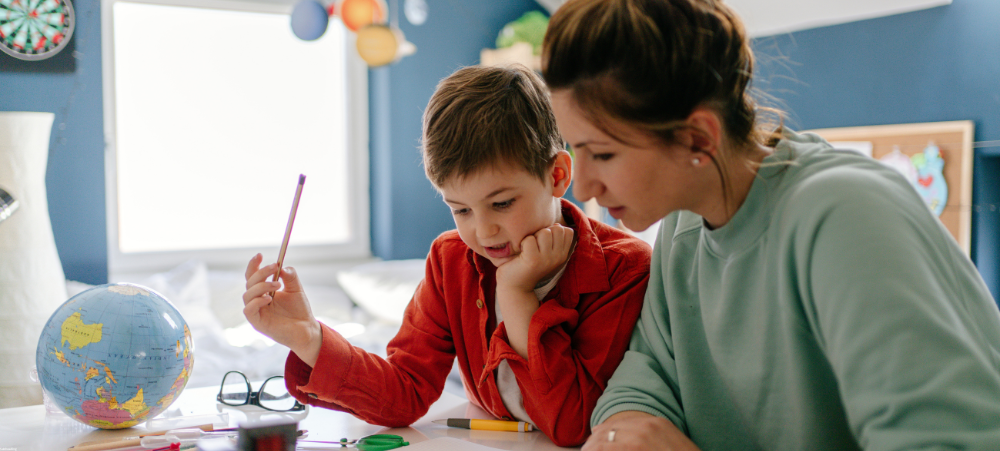
Wingu Academy

Learner wellness and holistic support in digital education

Educational research increasingly highlights the connection between learner wellbeing and academic performance. Students who feel emotionally supported are more likely to remain motivated, engaged, and resilient throughout their educational journeys. Wingu Academy prioritises holistic learner support through live teacher interaction, Student Success Advisors, parent-teacher communication, and flexible digital learning systems designed to support both academic and emotional wellbeing. Online education offers flexibility and accessibility, but successful digital learning environments must also create meaningful human connections. Live classes help learners remain actively engaged, while personalised academic support ensures that students receive guidance tailored to their individual needs. Student Success Advisors contribute significantly to learner wellbeing by assisting with organisation, motivation, accountability, and emotional encouragement during challenging academic periods. Direct communication between parents and teachers further strengthens the learner support system. Flexible tools such as recorded lessons and digital access allow learners to revise effectively, manage academic responsibilities, and reduce unnecessary stress associated with rigid learning structures. Through its holistic educational approach, Wingu Academy demonstrates how online education can support both academic excellence and learner wellbeing, empowering students to grow with confidence, balance, and long-term resilience.

Scroll to Top