

Expert Advice from Bonitas Medical Fund
Bonitas – innovation, life stages and quality care

All about epilepsy

It’s not surprising that Lavender is recognised as the international flower of epilepsy. Said to symbolise isolation and loneliness, often associated with epilepsy. National Epilepsy Week is celebrated from 10-16 February this year, its purpose: To create awareness about epilepsy and support the rights and well-being of individuals with epilepsy.  Dr Themba Hadebe, Clinical Managed Care Executive with Bonitas Medical Aid, discusses the causes, types, treatment and misdirected social stigma around epilepsy.  ‘Epilepsy is the most common chronic brain disease,’ says Dr Hadebe, ‘it affects an estimated 50 million people worldwide – across all ages, cultures and backgrounds.  In South Africa, 1 in every 100 people have epilepsy. As we mark the significance of epilepsy globally, it is vital to explore this brain condition, including addressing the social challenges and stigma around the disease.’  He says, ‘despite its prevalence, many people suffering from epilepsy – especially in low and middle-income countries do not receive the treatment or understanding they need.’ What is epilepsy? It’s characterised by recurring seizures, which occur when there is excessive electrical discharge in a group of brain cells. Dr Hadebe says, ‘While seizures can range from mild lapses in awareness to severe convulsions with loss of consciousness, the frequency and severity of episodes can vary widely. Although one seizure does not constitute epilepsy, people who experience two or more unprovoked seizures are diagnosed with the condition.’ In high-income countries, treatment access is more readily available but the disease remains a challenge, due to misdiagnosis and the persistence of stigma, making life difficult for those affected. It is also worth noting that up to 70% of people living with epilepsy could become seizure-free with proper diagnosis and treatment. Yet, an estimated 90% of people in some low-income countries remain untreated. This gap in access is worsened by a lack of trained healthcare providers in these areas. Causes of epilepsy There are a number of causes, including: Types of seizures There are focal seizures, which start in one part of the brain and generalised seizures, which affect both sides of the brain. Focal seizures Simple focal seizures: The person remains conscious and may experience unusual sensations, such as strange tastes or visual disturbances. Complex focal seizures: These may impair consciousness or awareness and may involve repetitive movements such as hand-wringing or lip-smacking. Generalised seizures Tonic-clonic seizures: Involve stiffening of the muscles followed by rhythmic jerking movements, often accompanied by loss of consciousness. Absence seizures: Brief lapses in awareness, often misinterpreted as daydreaming. Myoclonic seizures: Sudden, jerky movements that can affect the limbs or entire body. Atonic seizures: Sudden loss of muscle tone, which may cause falls or head drops. The impact of seizures The impact on an individual’s life can extend beyond the physical symptoms. People living with epilepsy often experience higher rates of mental health disorders, particularly anxiety and depression. In fact, the risk of premature death for people with epilepsy is up to three times higher than the general population, with the greatest risks found in low-income countries. Treatment and care Although epilepsy is a lifelong condition, seizures can often be controlled with medication. ‘The primary treatment for epilepsy is the use of antiseizure drugs and, for up to 70% of individuals, these drugs can lead to seizure-free living’ says Dr Hadebe. ‘In some cases, when medication fails, additional options like surgery, vagus nerve stimulation, or responsive neurostimulation can help manage seizures.’ Many countries lack affordable antiseizure medications and healthcare workers may not have the training necessary to accurately diagnose and treat epilepsy. The World Health Organization’s (WHO) efforts to bridge this gap include training primary healthcare providers in diagnosing and treating epilepsy, which has already proven effective in pilot projects in countries like Ghana and Myanmar. Prevention An estimated 25% of epilepsy cases are preventable. Preventing traumatic brain injuries, improving perinatal care, reducing the incidence of stroke and infections and addressing health conditions like hypertension and diabetes, can help lower the incidence of epilepsy. In tropical regions, eliminating parasitic infections like neurocysticercosis is also critical for reducing the burden of epilepsy. The impact of diet on epilepsy management Diet can play a supportive role in managing epilepsy. The ketogenic diet, a high-fat, low-carbohydrate eating plan, has been shown to significantly reduce seizure frequency in both children and adults. It works by promoting a metabolic state called ketosis, where the body burns fat for energy instead of carbohydrates, which can help stabilise brain activity.  For individuals who do not respond well to the ketogenic diet, alternatives like the Modified Atkins Diet or the Low Glycaemic Index Treatment (LGIT) can also be effective. In addition, ensuring adequate intake of omega-3 fatty acids, vitamin D and magnesium may help support brain function and reduce the risk of seizures. More research is needed to understand the impact of diet on epilepsy, but these dietary strategies offer an important complementary approach to medical treatment. Social stigma and Human Rights Dr Hadebe says, the stigma surrounding epilepsy is a significant barrier to care. ‘Many people with epilepsy suffer discrimination, whether in the form of myths about epileptics, workplace bias or limitations on their legal rights. The problem is so pronounced that Epilepsy South Africa’s hashtag is  #StampOutStigma. In some countries, people with epilepsy face challenges in obtaining marriage licenses, employment or even the ability to drive. ‘Addressing these issues requires improved public education, along with legislation that protects the rights of people with epilepsy and ensures they receive equal treatment in all aspects of life.’ Epilepsy remains a global health issue that impacts millions of lives, particularly in low- and middle-income countries. The international community, with organisations like WHO leading the charge, continue to work towards reducing the global burden of epilepsy. By recognising the causes, types and treatment options available and addressing the social stigma, we can create a more inclusive world for people living with epilepsy.  It is time to bring epilepsy out of the shadows and into the light of understanding, compassion and care.
Bonitas – innovation, life stages and quality care

Talking about HPV, cervical and the HPV vaccine

As the Department of Health gears up for the first round of Human Papilloma Virus (HPV) vaccinations for girls between 9 and 14 from February 3 to March 28, we put the spotlight on HPV and cervical cancer. The focus is on: Empowering, Preventing and Early Detection of cervical cancer. It’s important because cervical cancer kills more South African adolescents and women aged 15 to 44 than any other cancer.  It can be successfully treated, if caught early enough but it’s far better to prevent it in the first place.  Dr Themba Hadebe, Clinical and Managed Care Executive at Bonitas, provides some insights and important information about cervical cancer – caused by persistent infection with HPV – whyit is essential to screen for the virus and the vaccination that can help prevent it. Why a vaccine against HPV? HPV infects the cells of the cervix and, in some cases, the virus can persist – leading to abnormal changes in the cells that may eventually become cancerous. Over 99% of all cervical cancers are caused by persistent infection of high-risk types of HPV, including HPV-16 and HPV-18. ‘To help prevent cervical cancer, we have expanded our preventative care benefits to include the HPV vaccine across all plans,’ says Dr Hadebe.  ‘As recommended by The World Health Organization (WHO), this is 2 doses for females aged 9 to 14 years and 3 doses for females aged 15 to 26 years, per lifetime’. Screening for HPV and cervical cancer: Screening is essential to mitigate the risk of developing cervical cancer and aims to identify cervical cell changes and detect early cervical cancers before they cause symptoms. Two screening tests help with detection: It is recommended that between the ages of 21 and 65, women should have a pap smear every two years and, from the age of 30 onwards, a pap smear and HPV test should be done every 5 years. Signs and symptoms: The symptoms of the HPV virus can include: Lesions on the genital area as well as darker lesions on other parts of the body, to painful bumps on your upper limbs and skin growths on the balls of the feet and heels. The power of prevention: ‘Talk to your daughter about important lifestyle choices she must make’, says Dr Hadebe. ‘These may be uncomfortable conversations to have but they’re vitally important to protect her from HPV and subsequent diseases.’ Discussion points include the fact that the HPV vaccination is her best opportunity for protection from the virus.  In addition, she needs to consider the following: If you develop cervical cancer: Just like other cancers, cervical cancer is graded according to severity. From in situ, which means it hasn’t spread to nearby tissue, through stage one (it’s still in the original organ and small). If it progresses, it spreads to the surrounding lymph nodes and, in the most severe form, the cancer has metastasised to surrounding tissues and other lymph nodes.  As cervical cancer develops, the following may occur: ‘Cervical cancer is the most prevalent cancer among women after breast cancer,’ says Dr Hadebe. ‘Yet it has a good chance of being cured, if diagnosed at an early stage and treated promptly. Which is why, it’s important to have regular pap smears to detect any changes in the cervix and to vaccinate young girls to protect them against possible HPV infection.’  Additional information on cervical cancer and HPV can be found on the Bonitas website: www.bonitas.co.za or the Department of Health https://www.health.gov.za

Bonitas – innovation, life stages and quality care

Cwebeni gets a lifeline of water

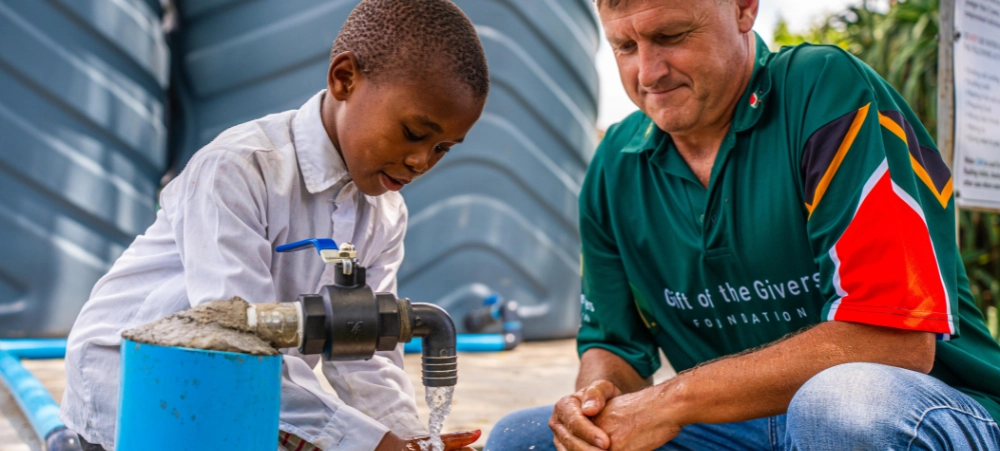
In many rural villages across South Africa, access to clean, running water is not a convenience – it’s a lifeline.  For the villagers of Cwebeni in rural Port St Johns in the Eastern Cape, fetching water for drinking, cooking and bathing is a daily struggle.  It requires long, exhausting and treacherous walks along a narrow path to a spring, while balancing buckets. Today (November 21) there is cause for celebration as the lives of this local community are being transformed, thanks to the provision and activation of a borehole and access to running water. The need The village of Cwebeni of around 400 households and 3 000 residents, face many challenges. There are few employment opportunities and little access to basic services – such as clean water, sanitation and road infrastructure. They have not had water in the communal taps for the last eight years. This means locals, including the elderly, walk up to 5km every day to access water from a water hole they share with the livestock.  ‘The entire community has suffered because we don’t have easy access to water,’ says Zuzukeli Duna, Principal of Cwebeni Junior Secondary School.  ‘Without water, daily tasks like cooking, bathing and growing food in our gardens are very difficult. A borehole would make a significant difference to us. It will greatly improve life for thousands of people in our community as well as the 361 learners at our school.’ ‘For many of us, water is readily available, so we don’t stop to think what life would be without it,’ says Dr Imtiaz Sooliman of Gift of the Givers.  ‘But access to water is a human right and, without it, communities face huge challenges including the threat of diseases, poor hygiene and malnutrition. Clean water and sanitation go hand in hand with dignity.’ Which is why when Gift of the Givers visited Cwebeni on a hunger alleviation intervention and were alerted to this crisis, they stepped in and approached Mr Duna for permission to drill on the school grounds to look for a good source of water. ‘We always attempt to place boreholes at institutions, such as schools, to secure the infrastructure,’ explains Dr Sooliman.  ‘This provides a solution for both the school and community as we extend the water outlets to outside of the school property, so that the community can benefit too.’ The intervention Gift of the Givers began exploring the possibility of a borehole and approached Bonitas Medical Scheme for funding, as part of the Scheme’s ongoing commitment to community upliftment. Feasibility studies were conducted in March, drilling began in April when water was found, yielding 960 litres per hour. The borehole, at a depth of 200 metres, was completed in July and is solar powered. The pump and control box are run off 4 x 430-watt solar panels and the system has a 1.1 kw solar motor and a Dab 24-1/37 pump. The borehole has been lined with a PVC casing to lessen the risk of collapse and 2 x 5 000 litre storage tanks are on site, as well as two taps – one inside the school grounds and the other outside for community access. Due to the water testing results showing elevated levels of coliform bacteria and to provide  safer and better-quality water, 4 x UV lights have been installed to kill the bacteria. However, it is recommended that water be boiled for drinking. The perfect partnership The partnership between Gift of the Givers and Bonitas began in 2018, the key objective: To provide relief to the most vulnerable and marginalised communities, specifically in the field of healthcare interventions.   Lee Callakoppen, Principal Officer of Bonitas says, ‘It’s wonderful to be able to make a difference in the lives of the villagers of Cwebeni. This precious resource is essential to every aspect of life. Water provides the chance for a brighter, healthier future and no one should be denied this fundamental right. ‘This project – and others – rolled out with Gift of the Givers, reinforces our commitment to being the medical aid for South Africa.   It’s the perfect partnership, as we have the same passion and drive to assist where it is needed most. We have over 65 000 members based in the Eastern Cape and so are pleased to support this Province, in a small but meaningful way and help change lives.’ Impacting lives ‘We are so grateful to Gift of the Givers and Bonitas for undertaking this project,’ says Duna.  ‘Life has been tough, especially during the winter but we’re so happy that we now have a borehole and access to running water within the village. It is going to make the lives of our community so much easier’.   Dr Sooliman says, ‘The simple act of turning on a tap and seeing water flowing, inspires hope and possibility for a more prosperous life.’ Future investment Bonitas has committed to continuing to work with Gift of the Givers on projects that help impact the lives of vulnerable and marginalised communities, with a bias towards health interventions and access to clean water. 

Bonitas – innovation, life stages and quality care

Pregnancy, your body and your baby – week 40 of your pregnancy

Congratulations, you’ve reached the milestone that you’ve been counting up to from the beginning. It may feel surreal to think that 40 weeks ago you had your last period and now you’re about to welcome your new baby into your life. The third trimester of your pregnancy may have been fairly difficult, as your baby and belly take up more room, and your body adjusts to accommodate your growing little one. Your body at week 40 At week 40 your body is ready to give birth after housing and growing your baby for 9 months. So close to birth you may notice changes in your baby’s fetal movement, however, they will still be moving around, so if you notice a big decrease in movement, contact your doctor. Until birth, you’ll experience typical pregnancy symptoms, including leg cramps, back and pelvic pain, trouble sleeping and diarrhoea, which is normal close to birth. Your baby at week 40 At week 40 your baby is now full-term. When your baby is born you’ll notice that they are covered in a mixture of blood, vernix and amniotic fluid. On average, baby’s at week 40 weigh about 3,5 kg and they’ll be roughly the size of a pumpkin. Even though they are just about to be born, the lungs, liver and brain are still developing. Things to keep in mind at week 40 Labour can be overwhelming, and it’s important to remember that you can do this. While your doctor will have given you a due date, it is possible that your baby won’t arrive on the dot. So make sure that you keep aware of the signs of labour and have your birth plan, hospital bags and any additional plans ready (such as making sure you have someone to look after your other kids if you have).

Bonitas – innovation, life stages and quality care

Pregnancy, your body and your baby – week 39 of your pregnancy

You’re now one week away from week 40 – the final week of your pregnancy. Strange to think back 39 weeks, where you wouldn’t even have known you were pregnant. Lots has changed since then, and a lot will continue to change before and after birth. Your body at week 39 At this point, you’ll definitely be feeling your pregnancy. Braxton Hicks contractions, leaking colostrum from your nipples and the frequent urge to urinate may all be part of your daily life. You may be having trouble sleeping, struggling with pelvic and back pain, and your vaginal discharge may be tinged with pink or brown as the blood vessels n your cervix rupture. It is possible to be diagnosed with preeclampsia in your last weeks of pregnancy. This is high blood pressure in pregnancy and is accompanied by protein in your urine and swelling of the hands and feet. Vomiting, nausea and dizziness are also symptoms you may have preeclampsia, and if you suspect you have it you’ll need to contact your doctor right away. Your baby at week 39 Your baby is now roughly the size of a honeydew melon and is considered full term if they’re born this week. At this point, their lungs are producing surfactant so that when they take their first breath, the air sacs won’t stick together. Things you should keep in mind at week 39 You may be wondering if you can still keep doing light exercise, or what you can do to keep active during this time. Exercise in late pregnancy is still doable and is a good idea if you’re feeling up to it. Although you may be worried about damaging your growing baby, exercise during this time is beneficial as it can help strengthen your body for delivery and birth. That being said, it’s important to clarify what you plan on doing with your doctor, and focus on short, low-intensity exercises such as certain yoga and water aerobics.

Bonitas – innovation, life stages and quality care

Pregnancy, your body and your baby – week 38 of your pregnancy

There are now two weeks left of your official pregnancy span, however, there is even a chance that you may get to meet your little one sooner, as about 5% babies are born before or after their due dates. Your breathing may be feeling easier, as your baby moves lower down into your pelvis. But this can leave you with an increasingly shrinking bladder and smaller tasks that used to feel easy are now more difficult. Your body at week 38 Don’t be surprised if your nipples start leaking colostrum around this time. You may also be experiencing frequent Braxton Hicks contractions (which will be helping to prepare you for the real deal) and your nesting instincts may have kicked in, leaving you with a strong urge to clean and organise your house. Other common pregnancy symptoms at this time are frequent urination and pressure on your pelvis and hips as your baby has dropped lower into your abdomen. You may also be struggling to sleep, have swollen feet and ankles and your vaginal discharge may be tinged pink or brown. Your baby at week 38 Your little one is almost ready to meet the world! Your baby has probably shed the soft hair, lanugo, which covered their body (although some are born with patches). Although they are mostly fully developed, if born now, they will be considered early term. They are still continuing to add fat on their body, and the brain and nervous system are continually developing. Things to keep in mind at week 38 One of the questions you may have going through your mind, is how will you be sure that labour has started? Birthing classes are a good way to get to know what to expect, but if you haven’t been able to attend any of those, there are other ways to know that your baby is on its way. Your cervix will start dilating, which your doctor will be able to track in weekly check-ups. You may experience diarrhoea and during labour  you’ll have frequent contractions which will grow stronger over time.

Advice from the experts
CRYOSAVE

Safeguarding the Future: Child Protection Week and Your Child’s Future Health

Every year, Child Protection Week serves as a powerful reminder of our collective responsibility to ensure the safety and well-being of South Africa’s children. Held from the last Sunday in May to the first week of June, this national campaign raises awareness about the threats children face and empowers communities to act. This year’s theme, while yet to be announced, will undoubtedly focus on creating a nurturing environment where children can thrive. As parents, this week takes on a deeply personal meaning.  We are the primary guardians of our children’s safety and well-being, not just in the present, but also for their future health.  While Child Protection Week focuses on immediate threats, it is also an opportunity to consider the long-term health of our children.  One way to do this is by banking their stem cells at birth with a reputable cord blood bank like CryoSave South Africa. Stem cells are the body’s master cells, holding the remarkable potential to develop into a variety of specialized cell types.  These cells have the power to revolutionize medicine, offering potential treatments for a wide range of diseases  including leukemia, lymphoma, genetic disorders, and even some autoimmune diseases. While medical advancements are ongoing, the umbilical cord blood and tissue collected at birth are a rich source of stem cells.  By storing these stem cells with a cord blood bank, parents are making a proactive investment in their child’s future health.  CryoSave South Africa, a leading cord blood bank in South Africa, provides a safe and secure option for this vital biobanking. Here’s how CryoSave South Africa aligns with the spirit of Child Protection Week: Investing in the Future: Just as Child Protection Week advocates for safeguarding children’s futures, storing stem cells offers a potential health shield for your child. These stem cells may be a valuable resource for future medical treatments, offering hope for a healthier tomorrow. Building a Legacy of Care: The decision to bank cord blood is a testament to a parent’s commitment to their child’s well-being. It is adynamic step that demonstrates a willingness to explore all avenues to ensure a healthier future for their offspring. Promoting Family Health: Stem cells from a sibling can also be a potential match for a child needing a transplant. Storing cord blood with CryoSave South Africa can benefit not only the child whose stem cells are banked, but also their siblings. During childbirth, the umbilical cord and placenta are rich sources of stem cells.  These stem cells have the potential to develop into various cell types, offering possibilities for future regenerative medicine.  CryoSave South Africa utilizes a state-of-the-art processing and cryopreservation technique to safely store these stem cells for potential future use. While Child Protection Week focuses on immediate dangers, it also serves as a springboard for conversations about long-term well-being.  CryoSave South Africa offers expecting parents comprehensive information sessions and consultations to guide them through the decision-making process.  Understanding the potential benefits and limitations of cord blood banking allows parents to make an informed choice for their child’s future health. Child Protection Week is a crucial reminder of our collective responsibility to safeguard South Africa’s children.  As parents, this extends beyond immediate threats to encompass their long-term health.  By exploring options like cord blood banking with CryoSave South Africa, we can invest in a future filled with hope and the potential for a healthier life for our children. Remember, while Child Protection Week focuses on present dangers, CryoSave offers a chance to protect your child’s health far into the future. Visit CryoSave for more information on stem cell banking: https://cryosave.co.za/

Bonitas – innovation, life stages and quality care

Pregnancy, your body and your baby – week 19 of your pregnancy

At week 19 you’re just one week off being halfway through your pregnancy! Your baby is now the size of a mango, and the exciting news is that you’ll soon find out (if you want to) whether your baby is a boy or a girl. Your body at week 19 You may have started to notice some pelvic pain and abdominal pain due to your baby’s growth. Your muscles and ligaments are working hard to support your expanding bump and this can cause discomfort. Regular gentle exercise (and if you were fit before your pregnancy, that’s a bonus) can help strengthen the muscles around your back and pelvis which can alleviate discomfort. Leg cramps are another pregnancy symptom that many expecting moms experience. These frustrating pains can often be experienced near the end of the day. Calf stretches and drinking plenty of water are two ways in which you can help reduce cramps. Your baby at week 19 Your baby is now the size of a mango, and at this time their skin becomes covered in a greasy, waxy substance called vernix caseosa. This protects the skin from the amniotic fluid in the uterus. Your baby’s first set of teeth are developing (although these won’t be visible for a while after they are born) and hair is starting to appear on their head. Things to remember at week 19 Around week 19-20 you’ll have a morphology scan which is an ultrasound which examines your baby’s body, the placenta and umbilical cord. The scan is used to check for any structural abnormalities in your baby, but it will also be the first chance you get to see your baby. This scan is also when you’re able to find out your baby’s gender.

Balene® (South Africa)

Balene – the toothbrush that cleans the inside and outside at the same time

A more efficient way to brush Balene, the revolutionary toothbrush that’s taking the world by storm, is now available in South Africa.  Leading oral care company Ivohealth is proud to introduce Balene, a revolutionary toothbrush from Spain with a rotating, dual-sided head, that’s designed to clean the inside and the outside of the teeth at the same time.  Balene is backed by solid clinical research, including the most recent study published in the International Journal of Dental Hygiene, which demonstrates Balene’s remarkable efficacy in removing plaque and promoting good oral hygiene. Balene is a breakthrough for patients who struggle to clean their teeth effectively. Dr Stephné Fenwick, dentist and clinical advisor to Ivohealth, is impressed. “Balene is a breakthrough for motor-impaired patients who struggle to brush correctly. In practice, we often see plaque build-up and decay where people have lost motor ability. Balene is the ideal solution; it brushes the inside, outside and chewing surfaces of the teeth at the same time.” How Balene works Balene has an innovative dual-sided head that embraces the teeth, brushing the inside, outside and chewing surfaces simultaneously, for a better clean in less time. The head rotates 180°, making it easy to move around the mouth and reach every corner.  The soft, rounded bristles are angled at 45° to help gently clean under the gumline, in line with the bass brushing technique recommended by dental professionals. The Tyflex® bristles are antibacterial, for a more hygienic brushing experience. They also last up to twice as long as conventional nylon bristles.  Watch how effectively Balene works in this video. You’ll see why it’s a more efficient way to brush. Who is Balene for? Balene is suitable for adults and children, aged six years and older. It is particularly beneficial when: You have limited time to brush correctly. Dental professionals recommend brushing for a full two minutes twice a day for best results. You struggle with fine motor skills, have limited dexterity or other challenges that make it difficult for you to reach all the areas of your mouth. You are assisting someone to take care of their teeth. Children are still learning to brush their teeth correctly.  South African oral hygienist, Dirna Grobbelaar, oral hygiene advisor to Ivohealth, says it’s ideal for parents, nurses and caregivers. “Balene is fantastic when you brush someone else’s teeth. It removes plaque from every surface quickly and efficiently, giving a deep and thorough clean in less time.” Balene is also safe and effective if you have implants or orthodontic braces.  How to use your Balene toothbrush Wet the bristles. Apply toothpaste to both sides of the head. Gently bite, closing your teeth on the brush. Slide the brush horizontally along your teeth. Rinse the bristles and leave to air dry. There are two Balene manual toothbrushes available in South Africa, each in a range of happy colours: The original Balene manual brush, for adults and children aged 12 and older, comes in three fresh colours – coral, blue, and aquamarine. Balene Junior, for children aged 6 to 11 years old, comes in vibrant blue, purple, fuchsia and green. Balene is more than a toothbrush; it’s a leap forward in oral care, making comprehensive cleaning effortless and accessible.  Are you ready to join the Balene brushing revolution?  Balene’s recommended retail price is R350. You’ll find it at Dis-Chem stores, online at www.dischem.co.za as well as selected pharmacies and dental practices (in South Africa, Namibia and Zimbabwe).  For stockists or any additional details visit www.balene.co.za or contact distributor Ivohealth – email [email protected], call (+27) 0860 456 123 or WhatsApp +27 66 121 0247. Balene – a more efficient way to brush.

CRYOSAVE

Pippie Kruger: A Courageous Stem Cell Success Story

Isabella “Pippie” Kruger was made famous when, as a 2 and a half-year-old burn victim from Limpopo, she received a revolutionary skin transplant operation. Pippie was severely burned when a bottle of gel firelighter exploded while her father was lighting a braai on New Year’s Eve. She suffered 80% full thickness third-degree burns. She was given a 3% chance of survival by her doctors.  The skin graft was grown from her own cells in a laboratory in the United States, because the technology was not available in South Africa. It was the first time the procedure was performed in Africa.  However, 5 heart attacks, 5 strokes, kidney failure, lung collapses, sepsis and almost 60 operations later, she survived. The medical director, Dr Barrett at Genzyme-Sanofi, a pharmaceutical company owns the rights to the technology known as Epicel. Epicel produces skin for people with extensive burn wounds by extracting stem cells from small patches of patients’ healthy skin. They are placed on a layer of inactive mice cells and fed with special proteins that allow them to grow into thin layers of skin that can cover burns. Epicel is indicated for adult and pediatric patients who have deep dermal or full-thickness burns comprising a total body surface area greater than or equal to 30%. The skin was cultured in America and sent to Johannesburg on a 21-hour flight and working with plastic surgeon Ridwan Mia to ensure that it was transplanted to Pippie within three hours of arriving in South Africa. The Epicel procedure is a costly procedure and luckily the Kruger family managed to raise more than R700 000 for the Epicel procedure through a trust fund that was started by a friend. With the help of  Facebook and almost 10 000 followers, this was accomplished. Pippie’s story has been told in 71 newspapers across the world and by many global radio and television stations. Pippie, now 15, is no stranger to the operating table. Since the disastrous burns accident she suffered as toddler, the young girl has been through a gamut of surgeries, and recently she had her 62nd operation. Link to article: https://cryosave.co.za/2022/05/06/pippie-kruger-a-courageous-stem-cell-success-story/

Sandton Eye Clinic

Motherhood and LASIK: Discover How Laser Vision Correction Can Transform Your Parenting Experience

As mothers, we juggle countless responsibilities, striving to capture every precious moment with our children. But what if you could see these moments more clearly, literally? Sandton Eye Clinic specializes in advanced refractive surgeries like LASIK, PRK, PresbyLasik, and Multifocal Cataract Surgery, all designed to refine your vision and correct refractive errors so you can bid farewell to glasses or contact lenses. We’ve collaborated with exceptional women—new mothers and grandmothers alike—who have experienced the life-changing effects of laser vision correction. Their stories aim to inspire and inform you about the advantages of these procedures at every stage of motherhood. Firstly, let us explain why you may need laser vision correction. Laser vision correction surgeries like LASIK and PRK are designed to treat refractive errors by reshaping the cornea to ensure proper focusing of light on the retina. Whether you’re dealing with near-sightedness, far-sightedness, astigmatism, or presbyopia, these procedures offer significant improvements in visual acuity and the freedom from glasses or contacts. They’re tailored for those who find glasses or contacts inconvenient, those battling frequent eye infections from contact lens use, or simply anyone seeking predictable, long-term vision enhancement. Vision Care for a Lifetime Imagine waking up tomorrow morning and seeing everything clearly, without glasses or contact lenses. Reading the bedtime story with no need for corrective lenses or getting up for the little ones in the middle of the night without searching for glasses. When will you need additional surgery to keep your spectacle independence? After 18 you become eligible for Laser vision correction. This will make it possible to spend motherhood without corrective lenses. Laser vision correction does correct your current refractive error permanently. It does not prevent the normal ageing of your eyes and around age 45 you will need reading glasses. At this stage PresbyLasik can be done as a top up to get rid of the readers. By age 65 cataracts will start to develop and you will need cataract surgery. Once again you can choose multifocal lenses and keep your spectacle independence. This means that it is also possible to be a grandmother without the need for corrective lenses. Laser vision correction does not prevent the development of other eye diseases. It is of utmost importance to keep screening for other eye diseases throughout your lifetime. Is LASIK Safe? Lasik is the safest, most effective, life-changing elective outpatient surgical procedure of any kind of all time. There are possible risks, like with any medical procedure, but serious complications from LASIK are extremely rare.  Let’s look at hard evidence. An important set of studies conducted by the FDA took an in-depth look at patient outcomes following LASIK. These studies confirm published reports of the outstanding safety and efficacy of LASIK. Ninety-nine percent of subjects in PROWL-1 were satisfied with their outcomes.  I have to mention that glasses are the safest option to correct your vision as there is no surgical procedure involved. If you are already a contact lens wearer, it means that you prefer the comfort of not wearing glasses. Sight affecting corneal microbial infections are 10 times higher in long term contact lens wearers than after LASIK. 99% of patients agreed that LASIK works better for them than contact lenses. For mothers the improved quality of life has a huge influence on their decision. Ultimately, whether or not it’s worth it for you is a very personal decision. Does Pregnancy Reverse LASIK? During pregnancy the hormonal changes influence your cornea and may cause fluctuation in your vision or refractive error whether you wear glasses or had LASIK. These changes are however not permanent and your refraction will return to what it was before pregnancy as soon as your hormones stabilize and you normal cycle returns. This means that your clear vision after LASIK will not be reversed by Pregnancy. You can however not have LASIK during pregnancy and will have to wait about three to six months after your baby was born to have LASIK. If you are breastfeeding you can have LASIK as soon as your normal cycle returns, indicating that your hormones have stabilized.  Now, let’s hear from real moms who’ve shared their stories about laser vision correction and motherhood.  Their experiences might resonate with you more than you think. Mom 1: Asha Singh Stage of Motherhood: Newly Pregnant Procedure: LASIK & PRK in November 2023 “I had my surgery at the end of last year, a month before my pregnancy. I had LASIK in my right eye and PRK in my left eye. My motivation was how inconvenient my vision problems made my life as a busy woman. There is a common myth that pregnancy can reverse LASIK, but I haven’t noticed any changes in my vision quality. At the moment, my PRK eye has 20/20 vision, and my LASIK eye is -0.5, but it may continue to improve as it heals. My advice to mothers considering laser vision correction: It’ll make a huge difference to your quality of life not having to worry about contact lenses or glasses. The most underrated feeling is being able to wake up and just see.” Mom 2: Candice Ngcobo Stage of Motherhood: Expecting Procedure: PRK in July 2023 “I had my PRK surgery last year on July 17. My main motivation was the deterioration of my eyesight. My glasses were quite thick, affecting my self-esteem and confidence. I wanted to wake up and be able to see without reaching for my glasses. I heard about the myth that pregnancy can reverse the effects of LASIK and was a little worried, but I haven’t noticed any changes in my vision quality during pregnancy. My last check-up was a few months ago, and Dr. Coetzee was very happy with my eyesight. My advice to other mothers is to get the surgery! It’s been one of the best decisions I’ve made. I’m so happy with my results that my husband is now considering having it done too!” Mom 3: Selina Naidoo Stage of Motherhood: Mother of a 9-month-old Procedure:

Bonitas – innovation, life stages and quality care

Pregnancy, your body and your baby – week 18 of your pregnancy

Your pregnancy is starting to become more obvious, and if you’re trying to conceal your bump, you may start finding this more difficult. Inside your body, you may feel your little one moving inside of you – you may even notice that the movements are in response to noises as your baby can start to register sounds. Your body at week 18 You may have started to notice dizziness when you stand up. To lessen this, get up gently when you stand from sitting or lying down. Your back may be feeling increasingly achey, so avoid doing activities that aggravates it. You may also notice swelling in your hands and feet, as well as increasingly difficulty to get to sleep. Your baby at week 18 Your baby is now the size of an artichoke or a red bell pepper, and it’s around this time you’ll start to notice your baby moving around inside you. You may have noticed this previously, especially if you’ve had a baby before – but this is the time that little one’s movements become more distinct. However, they’ll feel more like a flutter than a strong kick, so don’t be concerned if you’re unsure of what you’re feeling at first.  Things to remember at week 18 Although pregnancy is a happy and exciting time for many moms-to-be, it can also be very stressful. Antenatal anxiety is both fairly common during pregnancy, especially if your pregnancy is unplanned, you have external stresses such as financial strain, or you experienced depression and anxiety prior to pregnancy. A bit of worry during this time is normal, as you are going through many new experiences. However, if you feel like your worry is crippling and you can’t enjoy day-to-day life, then you may be experiencing antenatal anxiety. This is nothing to be ashamed of, and seeking medical guidance can help make your pregnancy easier and happier.

Parenting Hub

Let’s Make a Mocktail with A1 Fruit Water

A1 Fruit Water is a fresh sparkling water, infused with a splash of real African fruit. Healthy, tasty and refreshing, A1 Fruit Water comes in three flavours, Mandarin, Lemon & Grapefruit. Our water is extracted straight from real South African fruit, in South Africa – simple, fresh and flavoursome. A1 Fruit Water is sugar-free, zero calories with no sweeteners or preservatives. Our water is a by-product from making South African juice – keeping our impact low, our supply chain rooted in South Africa and enabling a fair deal for all from farm to can. A1 Fruit Water works with farming partners who are located in the sub-tropical mango and citrus-producing region of Hoedspruit in the north of the country. Every A1 Fruit Water you buy supports the South African economy; for farmers and factories, drivers and distributors, value that starts in South Africa, and stays in South Africa, every purchase makes a real difference. A1 Fruit Water is currently packed in a 300ml slim line can, which is wrapped in a sleeve. Both the sleeve and the can are recyclable. You can find A1 Fruit Water at selected Pick n Pay’s, SPAR’s, on Takealot.com as well as independent retailers. A1 Fruit Water – Think South African | Drink South African. Every delicious drink supports the South African economy. Mocktail Recipe for an Elderflower Collins  (Makes 1) 25ml Elderflower Syrup 25ml Lemon Juice 150ml A1 Sparkling Lemon Float of Bitter Truth Aromatic Bitters Garnished with a dehydrated Lemon wheel and edible flower. Instructions: In a shaker combine elderflower syrup, lemon juice, bitters and crushed ice Shake well Pour into a glass over more crushed ice and top with A1 Fruit Water in Lemon flavor Garnish with dehydrated Lemon wheel and flowers

CRYOSAVE

Keeping Your Little One Safe: Essential Burn Prevention Tips for New Parents

Every parent worry about their child’s safety, and the kitchen can be a minefield of potential hazards – especially for curious little ones. Burns are a common concern, with thousands of scalding incidents happening every year. But fear not, new parents! By following a few simple precautions, you can create a safe and enjoyable cooking environment for you and your budding chef. Pippie’s Story: A Powerful Reminder Pippie Kruger’s story is a stark reminder of the importance of burn prevention. This brave South African child suffered severe burns at a young age. Thankfully, advancements in medical care, like stem cell therapy, helped Pippie through the recovery process, allowing for successful skin grafting. While medical technology offers incredible support, prevention is always the best medicine. Tips for a Safe Home: Kitchen Safety Zone: As mentioned earlier, the kitchen can be a hotspot for burns. Implement the “No Child Zone” concept, keeping your child in a safe play area while you cook. Utilize back burners, turn pot handles inward, and keep hot food and drinks out of reach. Beyond the Kitchen: Burns can happen anywhere. Secure fireplaces and space heaters with sturdy barriers. Keep electrical cords out of sight and away from curious hands. Teach your child about the dangers of outlets and never allow them to play with electrical appliances. Sun Safety: Sunburns are a form of burn, and even on cloudy days, UV rays can damage your child’s delicate skin. Apply sunscreen with SPF 30 or higher liberally and reapply often, especially after swimming or sweating. Hot Water Woes: Scalding is a serious threat. Adjust your water heater to a safe temperature, ideally 48°C (120°F) or as recommended by the manufacturer. Install scald-resistant faucets in the bathtub and sinks your child uses. Chemical Concerns: Household cleaners and chemicals can cause burns. Keep them securely stored in high cabinets or locked away, out of reach of inquisitive youngsters. Remember: In case of a burn, immediately cool the affected area under cool running water for 10-15 minutes. For serious burns, call emergency services (10111 in South Africa) for immediate medical attention. By following these simple tips and fostering a safety-conscious environment, you can ensure your kitchen becomes a place of happy memories, not unfortunate accidents. Let us all work together to keep our precious little ones safe from burns!

Bonitas – innovation, life stages and quality care

Pregnancy, your body and your baby – week 17 of your pregnancy

Week 17 your baby is getting bigger, and this week they’ll start developing more fatty tissue. You may have started to notice an achy back and pelvis, and getting a good night’s sleep may have become increasingly more difficult. Your body at week 17 At week 17 you may see an increase in your appetite, a far cry from the nausea you experienced in your first trimester. Your breasts are also increasing in size as they prepare for milk production – for some women this growth is more than others. Your growing baby’s weight can also put added strain onto your spine and pelvis, meaning you could start to experience backache. Prenatal yoga and supportive chairs and shoes, are all ways in which you can help your body feel more comfy. Your baby at week 17 Your baby is now the size of an onion or orange, and at this time her fatty tissue is starting to form – this will help keep her warm after she’s born. Although the head is still the biggest part of the body, the body proportions are starting to become more even as your pregnancy progresses. Your baby is now learning to suck, so that when they’re born they can easily feed, although this reflex won’t mature until later in your pregnancy. Around this time, your baby’s finger prints will also form. Things to remember at week 17 Your pregnancy changes your whole life, including the way you sleep. Even though the position you sleep in is something fairly simple, which you probably hadn’t put much thought into before. As your pregnancy progresses, a good night’s sleep is something that may become increasingly difficult. It’s recommended that you avoid sleeping on your back in your second and third trimester, as your uterus and baby can put pressure on your spine and vena cava. Sleeping on your left side is ideal as this supports optimal circulation. Once your belly gets bigger, you can even look into getting a pregnancy pillow, which offers support for your entire body.

CRYOSAVE

Transforming Treatment: Stem Cell Molecules Target Inflammation and Immune Dysfunction

In the rapidly evolving field of medical science, stem cells have emerged as a beacon of hope for treating various diseases. This article delves into the multifaceted role of stem cells in combating viral diseases and managing autoimmune disorders like Multiple Sclerosis (MS). It explores how certain types of stem cells can not only mitigate viral replication but also modulate the immune response, shifting it from a state of inflammation to repair. The article further discusses the potential of umbilical cord stem cells in regulating the immune system, providing new insights into the treatment of MS. Read on to discover the transformative potential of stem cells in medical therapeutics. The Role of Stem Cells in Immune Response Some stem cell types release molecules that reduce viral replication and decrease the cytokine storm and inflammation induced by the immune system. These stem cells are part of both the innate and adaptive immune systems. Stem Cells in Post-Viral Recovery An important aspect of stem cells’ ability to alleviate viral diseases, especially post-clearance complications, is their capacity to shift the innate and adaptive immune systems from an inflammatory state to a repair state. This makes the molecules released from certain efficacious and safe stem cell types a potential new avenue for therapeutic development in Covid-19, particularly for late-stage inflammation and tissue damage once the virus has cleared, especially in the aged population. Stem Cells and Multiple Sclerosis (MS) The Problem: Immune System Abnormalities in MS MS is characterized by immune system attacks against myelin, despite the disease’s cause still being unknown. T-cells, which are immune system cells, enter the brains of MS patients and react with the myelin sheath that surrounds and shields neurons. The unregulated activity of T-cells, which leads to their unusual hostility, is often mediated by T regulatory cells (Tregs). The Solution: Mesenchymal Stem Cells (MSCs) MSCs, which are immature cells that can become any type of cell in the body, are one potential means of restoring T-cell control. Bone marrow contains a type of stem cell called MSCs. It has been demonstrated that MSCs activate Tregs, which in turn regulates T-cell activity. The Experiment: Umbilical Cord Stem Cells (UC-MSCs) Human umbilical cord contains MSC-equivalent stem cells, or UC-MSCs. Compared to MSCs, these cells are more stable, cause fewer immunological reactions, and have a greater capacity for expansion. Researchers cultured UC-MSCs in combination with immune system cells found in the blood of both healthy individuals and MS patients to investigate if these cells may regulate the immune system in MS. Unused human umbilical cords, which provide a plentiful and noninvasive source of these cells, and blood cells from ten healthy donors (mean age 28.38) and twelve RRMS patients (mean age 53.75) were used to create UC-MSCs. The Results: UC-MSCs and Tregs Researchers found that when UC-MSCs were present, resting T-cells from MS patients had a notably higher proportion of Tregs. Additionally, UC-MSCs were able to reinstate the regulatory function of Tregs, by inducing the synthesis of certain proteins known as cytokines that regulate T-cell activity. Overall, these findings showed that using umbilical cord stem cells to treat multiple sclerosis can successfully lower aberrant immune system activity. The potential of stem cells in treating viral diseases and autoimmune disorders like Multiple Sclerosis (MS) is immense. Their ability to modulate the immune system, reduce inflammation, and promote repair presents a promising avenue for future therapeutic development. Particularly, the use of umbilical cord stem cells offers a stable, non-invasive, and effective approach to control aberrant immune system activity. As we continue to unravel the mysteries of stem cells, we move closer to a future where diseases may be managed more effectively and efficiently, heralding a new era in medical therapeutics. References: Cuascut, F. and Hutton, G. (2019) ‘Stem cell-based therapies for multiple sclerosis: Current perspectives’, Biomedicines, 7(2), p. 26. doi:10.3390/biomedicines7020026. Forraz, N. and McGuckin, C.P. (2011) ‘The umbilical cord: A rich and ethical stem cell source to advance regenerative medicine’, Cell Proliferation, 44(s1), pp. 60–69. doi:10.1111/j.1365-2184.2010.00729.x. Khandelwal, V. et al. (2022) ‘Stem cell therapy: A novel approach against emerging and re-emerging viral infections with special reference to SARS-COV-2’, Molecular Biology Reports, 50(3), pp. 2663–2683. doi:10.1007/s11033-022-07957-2. Mebarki, M., Abadie, C., Larghero, J. et al. Human umbilical cord-derived mesenchymal stem/stromal cells: a promising candidate for the development of advanced therapy medicinal products. Stem Cell Res Ther 12, 152 (2021). https://doi.org/10.1186/s13287-021-02222-y Rowden, A. (2021) Stem cell therapy for multiple sclerosis: Explanation and safety, Medical News Today. Edited by N. Hammond. Available at: https://www.medicalnewstoday.com/articles/stem-cell-multiple-sclerosis Sleem, A. and Saleh, F. (2020) ‘Mesenchymal stem cells in the fight against viruses: Face to face with the invisible enemy’, Current Research in Translational Medicine, 68(3), pp. 105–110. doi:10.1016/j.retram.2020.04.003.

Parenting Hub

Bronchostop Introduces New Cough Syrup, Bronchostop Nite

We’ve all been there, tossing and turning at 2 a.m., disturbed by a relentless cough. Whether it’s your partner’s persistent hacking or your child’s distressing cough fits, a night-time cough doesn’t just steal sleep; it robs us of our peace of mind and the energy needed to face the day. Recognising this, iNova Pharmaceuticals announces the launch of a new addition to their Bronchostop range; Bronchostop Nite, which relieves a dry cough as well as a night-time cough, early symptoms of common cold and low grade fever1. A night-time cough is most often dry and persistent and can be caused by a variety of factors including the common cold, the flu, allergies, and exposure to environmental irritants2. A night-time cough can be disruptive and extremely frustrating. A recent study showed that a cough is one of the most common causes of night-time awakenings in colds and flu patients. A cough can have a significant impact on quality of life; affecting the ability to work, sleep and function during the day. Having a good night’s sleep helps the body recover faster3. Bronchostop Nite contains a unique combination of natural ingredients, Marshmallow root dry extract, Ribwort Plantain leaf dry extract and Lime flower dry extract. These ingredients work together to reduce the urge to cough and help you to get a better night’s sleep1,4. The Marshmallow root dry extract and Ribwort Plantain leaf dry extract have a thick, gel like consistency which creates a soothing, protective coating on the throat to relieve local irritation and soothe inflammation1,6. Excess mucus from the nasal passages can drip down the throat (post-nasal drip) to irritate the throat lining and trigger the cough reflex2. Mouth breathing at night can cause further dehydration and irritation of the throat lining which can increase cough receptor sensitivity and as a result increased coughing7,8. Bronchostop Nite’s ingredients have humectant properties which help restore hydration and reduce the urge to cough1,6. The last ingredient in Bronchostop Nite is Lime flower dry extract, which has a mild diaphoretic effect, which helps promote sweating to relieve mild feverish colds. The natural ingredients in Bronchostop Nite helps ensure a peaceful night’s sleep1,5. According to renowned medical research group the Mayo Clinic, rest is one of the most important ways your body fights off infections. Ironically, getting enough rest can also be the hardest thing to accomplish when a patient has a nagging night-time cough9. Fortunately, Bronchostop Nite is now available in leading pharmacies countrywide. Bronchostop Nite is suitable for the whole family from 4 years old. It is available in a strawberry flavour1 and can be purchased at Clicks, Dis-Chem and all leading independent pharmacies countrywide. Click here to buy now. Learn more about Bronchostop Nite or rest of the Bronchostop range at www.bronchostop.co.za. Should your coughing persist please consult your healthcare professional.       References:   Bronchostop® Nite professional information, May 2023. Healthline – What’s Causing My Unproductive Dry Cough at Night and How Can I Treat It (2019). Phillipson, G; Aspley, S; Fietze, I. Perceptions of the Importance of Sleep in Common Cold—Two Online Questionnaire-Based Surveys. SN Comprehensive Clinical Medicine (2020) 2:596–605. April 2020. IQVIA. IMS TPM February 2024 Assessment Report on TiliaCordata. Doc ID: EMA/HMPC/337067/2011 Murgia V et al. Upper Respiratory Tract Infection-Associated Acute Cough and the Urge to Cough: New Insights for Clinical Practice. Pediatr Allergy Immunol Pulmonol. March 2020; Sinus and Snoring Specialists – Mouth Breathing can cause a bad nights sleep (2020) at https://www.sinussnoringent.com/blog/snoring/mouth-breathing/mouth-breathing-could-be-causing-your-snoring/#(website accessed on 14 March 2024) NHS – Why do I still have a cough? (2021) at https://mft.nhs.uk/app/uploads/2021/05/Cough.pdf. Everyday Health. Why Your Cough Symptoms Get Worse at Night (2023) at https://www.everydayhealth.com/hs/cold-and-flu-relief/nighttime-cough/ (website accessed on 14 March 2024). Scheduling Status: S0 Proprietary name (and dosage form): Bronchostop® Nite Syrup. Composition: Each 5 ml oral solution contains: 62.5 mg Marshmallow root dry extract, 45.5 mg Lime flower dry extract and 50.0 mg Ribwort plantain leaf dry extract. Pharmacological Classification: Complementary medicine: Discipline Specific Traditional Claims D33.7 Combination product. These unregistered medicines have not been evaluated by the SAHPRA for their quality, safety or intended use. For more information speak to your health care professional. Further information is available on request from iNova Pharmaceuticals. Name and business address of applicant: iNova Pharmaceuticals (Pty) Limited. Co. Reg. No. 1952/001640/07, 15e Riley Road, Bedfordview. Tel. No. 011 087 0000. www.inovapharma.co.za. IN4791/24.

Panado®

SURVIVING BABY’S FIRST COLD AND FLU SEASON – A Parent’s Guide

Ah, the joys of welcoming a new bundle of joy into your life! As any seasoned parent will tell you, along with the adorable coos and cuddles come some not-so-adorable worries, especially when you’re gearing up for your baby’s first cold and flu season. While we can’t put your little one in a bubble (though, honestly, who wouldn’t want to?), we can arm you with some tips and tricks to help you both survive and thrive during those chilly months. So, let’s dive into this survival guide for Baby’s First Cold and Flu Season!  Understanding the Risks  First, let’s talk about why your baby is more susceptible to germs. Newborns, especially those under six months, come into this world with an immune system that’s still learning the ropes. That makes them prime targets for those pesky cold and flu bugs. But don’t worry; we’ve got your back!   Symptoms in Babies  Your baby won’t be able to tell you they’re feeling under the weather, so, you’ll have to rely on other signs like a fever, runny or stuffy nose, sneezing, coughing, congestion, crankiness, and changes in their eating habits or sleep schedule.1a   While most baby colds and flu cases are like a minor speed bump (colds typically only last seven to 10 days),1b some viruses can turn into the Grand Canyon of problems, escalating into more serious illnesses.1c The key is to keep a watchful eye and act fast if things start to get dicey.  Preventative Measures  Now that you’re up to speed on the symptoms, let’s move on to how you can play superhero in your baby’s defence against germs.   Vaccinations: Superheroes need their trusty sidekicks, and for your baby, that means vaccinations. Keep your baby up-to-date with those recommended shots to reduce the risk of nasty viruses.2a  Limit Exposure: Keep your baby away from germs as much as possible – and that means avoiding people who are sick. If friends or family are feeling a bit off, kindly ask them to postpone their visit until they’re feeling better.2b  Hand Hygiene: The power of clean hands is immense! Make sure everyone in your household practices good hand hygiene, especially before handling your little one, preparing their meals or feeding them.2c  Regular Cleaning: It’s time to clean house! Disinfect touched surfaces like doorknobs, light switches, and baby’s toys. Opt for baby-friendly, non-toxic cleaning products – no toxic chemicals allowed in this hero’s headquarters!2d  Breastfeeding: If you can swing it, breastfeeding is like giving your baby a superhero cape. Breast milk is packed with antibodies that can help your baby ward off infections.3 If you’re on Team Formula, make sure you’re sterilising those bottles and gear properly. Always follow the manufacturer’s instructions for formula preparation and storage.  Baby’s Sleeping Position: This one’s non-negotiable, folks. Always put your baby to sleep on their back – and this applies to both day napping and night-time sleeping.4a Lots of research from all over the world shows that putting your baby to sleep on their back at the beginning of each nap or bedtime, day or night, really cuts down the risk of sudden infant death syndrome (SIDS).4b Consider having a crib or bassinet in your room for the first few months so that you can keep an eye on your little bundle of joy.  Avoid Smoking: Smoking is a big villain in this story. Inhaling second-hand and third-hand smoke poses serious risks, particularly for babies. Passive exposure to smoke significantly heightens the chances of tots facing respiratory infections and other nasties. It can mess with their breathing, heart rate, and growth, making them more susceptible to sudden unexpected death in infancy (SUDI).5a Babies exposed to second-hand smoke are more likely to have a laundry list of health issues, including asthma, bronchiolitis, bronchitis, childhood cancers (yikes!), croup, ear infections, meningococcal disease (think meningitis and septicaemia), pneumonia and tonsillitis.5b Plus, those chemicals from second-hand and third-hand smoke can mess with a child’s developing brain, and trust us, baby brains are like sponges!5c Kids who already have lung or health problems are at an even higher risk from this smoke shindig.5d Oh, and one last thing – if babies live in a smoking household, their chances of picking up the smoking habit as teens double.5e That’s not cool because it can mess with their adult health too. So, keep the lair smoke-free!  How Panado® – The Ultimate Chill-Beating Pain Fighter – Can Help  Panado® is trusted6 by South African families to offer relief of pain and fever associated with headaches, toothache and colds and flu.  The range for adults is conveniently available in tablet, capsule or effervescent form to suit individual preferences. The effervescent format is innovative and ready to work immediately.6 & 7  For kids and babies, parents trust8 Panado® to be gentle on little tummies9 but tough on pain and fever this, winter. The paediatric range includes peppermint flavoured syrup in convenient 5 ml sachets, strawberry flavoured syrup, peppermint flavoured alcohol and sugar-free syrup, recently launched grape flavoured colourant-free, tartrazine-free, alcohol-free, and sugar-free syrup and peppermint flavoured infant drops with a dosage dropper.  Always administer using a medicine measure or a syringe. Do not exceed the recommended dose.  Dosage details can be found at https://panado.co.za/dosage-calculator/ and are calculated according to your child’s age and weight.  Final Words  While it might feel like you’re fighting an epic battle, remember that you’ve got the tools and knowledge to be the superhero your baby needs. Every baby is unique, and your parental instincts are your trusty sidekick. If you ever feel uncertain or worried about your baby’s health, don’t hesitate to seek guidance from your paediatrician. With a healthy, hygienic environment, a little immune system boost, some good old-fashioned parenting love and the power of Panado®, you’ll sail through your baby’s first winter season with flying colours. Stay strong, superhero parents! Embrace the Winter Warrior within with the Adcock Ingram Range, featuring Panado®, Cepacol®, Compral®, and ViralGuard™, available from Pick n Pay, Checkers including Hypers, Shoprite, Clicks,

Bonitas – innovation, life stages and quality care

Pregnancy, your body and your baby – week 16 of your pregnancy

You are now 4 months pregnant, and have 24 weeks left to go before you birth day, although this may seem far away your baby has done so much growing in these past 16 weeks and still has lots left to do before they are born.   Your body at 16 weeks Your pregnancy hormones can make your veins stretch, giving you varicose veins. While these distinctive purple lumps are the prettiest sight, generally they are painless and harmless. Pregnancy brain is another sign of a baby that you may have noticed, many moms-to-be notice they may become more forgetful or inattentive. The exact reason for this isn’t clear, however, stress and having many items on your to-do list could be contributing factors towards this. You may also notice some pregnancy weight gain (which is normal and nothing to worry about!) and your boobs will have probably gone up a few cup sizes as your body preps for breastfeeding. Be sure to invest in comfortable bras, such as maternity or sports bras, as this can help ease any discomfort. Your baby at 16 weeks Your baby is now the size of an avocado. This week may be the one that you first start to notice small kicks from your little on moving around. Another exciting marker of this time is the fact that your baby can start hearing your voice, so make sure you chat to them throughout your day. This’ll also be roughly the time that their eyes become more sensitive to light, their bones and muscles are hardening and strengthening and their eyebrows, hair and lashes are forming.  Things to take note of around this time. During pregnancy you may struggle with constipation. This is a fairly common pregnancy complaint thanks to pregnancy hormones and the extra iron you’re taking in your prenatal vitamins. Eating more fibre, drinking lots of water, and exercise can help keep you regular.  If you’re still struggling, chat to your doctor and they may prescribe stool softeners to help.

Panado®

New on the shelves! Panado® Grape Flavoured Paediatric Syrup

Panado®’s new paracetamol-based Grape flavoured1 paediatric syrup is colourant-free, tartrazine-free, alcohol-free, and sugar-free. It provides soothing relief of pain and fever in little ones.  Parents trust2 Panado® to be gentle on tummies3 and to provide comfort to babies and kids. Always administer using a medicine measure or a syringe. Do not exceed the recommended dose. Dosage details can be found at https://panado.co.za/dosage-calculator/ and are calculated according to your child’s age and weight. Approx.. RSP for 100ml – R69.95 and 50ml R38.95. Panado® products are available from Baby City, Pick n Pay, Checkers including Hypers, Shoprite, Clicks, Dis-Chem and independent pharmacies. For more information, visit https://panado.co.za/ and join the conversations on Facebook.     2023032710267635 References:   Panado ® Paediatric Alcohol Free – Grape Flavour. Approved package insert. October 2022. Circana, MT,  November 2023 MAT. Bannwarth B. Gastrointestinal safety of paracetamol: is there any cause for concern? Expert Opin Drug Saf. 2004 Jul;3(4):269-72. doi: 10.1517/14740338.3.4.269. PMID: 15268644. Available from: https://pubmed.ncbi.nlm.nih.gov/15268644/#. Last accessed February 2023.  

Bonitas – innovation, life stages and quality care

Measles – it’s a serious illness

The World Health Organization (WHO) has warned of an ‘alarming’ increase in measles cases – almost 45-fold in Europe last year – but outbreaks of new cases and even deaths are being reported globally. WHO believe this is a result of fewer children being vaccinated against the disease, especially during the Covid pandemic. However, measles is preventable, thanks to a vaccine that was introduced in 1963. Since 2000, the measles vaccination programme has averted an estimated 57 million deaths worldwide.  However, the Covid-19 pandemic disrupted global vaccination activities which, in 2021, resulted in the lowest measles-containing-vaccine first-dose (MCV1) coverage levels since 2008. Dr Themba Hadebe, Clinical Executive at Bonitas Medical Fund takes a look at this ‘childhood’ disease to remind us about what causes it, the symptoms and why we should vaccinate. What is measles? Measles is caused by a virus and can affect anyone but is most common in children.  It infects the respiratory tract and then spreads throughout the body. Some of the more common measles symptoms include: High fever  Cough Runny nose  Red, watery eyes (conjunctivitis)   A rash all over the body (3-5 days after symptoms begin). Complications of measles can lead to: Ear infections Diarrhoea Pneumonia (infection of the lungs) Other respiratory infections Encephalitis (inflammation of the brain) which occurs in about one in every 1 000 people with Measles. Blindness Measles can be serious Measles is so much more than just a fever and rash that clears up in a few days.  It can cause serious health complications, especially in children under the age of 5 and adults over the age of 30. If a woman catches Measles during pregnancy, it can be dangerous for the mother and can result in her baby being born prematurely with a low birth weight. Even with the best care, people can still die after contracting measles (1 to 3 out of 1 000 people). Being vaccinated is the best way to prevent getting sick with measles or spreading it to other people. Measles is contagious Measles is easily spread through the air when an infected person coughs or sneezes. It is very contagious: One person can infect up to 9 out of 10 people around them if they are not adequately protected. In fact, an infected person can spread measles to others even before they know they have the disease – from up to four days before developing the measles rash to around four days afterwards. The measles vaccine The best protection against measles is the Measles-Mumps-Rubella (German Measles) (MMR) vaccine. The MMR vaccine provides long-lasting protection against all strains of measles. Your child will need two doses of MMR vaccine for best protection: The first dose at between 12 and 15 months of age The second dose at between 4 through 6 years The Measles-Mumps-Rubella-Varicella (MMRV) vaccine, which protects against four diseases, is also available to children from 12 months through 12 years of age. Treating measles As measles is caused by a virus, there’s no specific medical treatment, it has to run its course.  However, if your child has measles they need to drink plenty of liquids, get lots of rest and stay at home to prevent spreading the infection. Measles outbreaks The people most at risk during a measles outbreak are non-immune person (not vaccinated or vaccinated but did not develop immunity). Unvaccinated young children and pregnant persons are at highest risk of severe measles complications. The fact is that measles is still common and with a break in the vaccination regime we are seeing more outbreaks.  The best way to fight it and prevent it spreading is to vaccinate. Did you know? South Africa follows International Guidelines in providing vaccines to children. This programme is known as the Expanded Programme of Immunisation (EPI). Parents need to take responsibility to ensure their child is vaccinated on time: Not only to help protect the child against certain illnesses but also to contribute to the overall health of children in the general population.  ‘Childhood vaccines are a critical part of a child’s health, they work by stimulating and teaching the immune system how to fight certain infections,’ explains Dr Hadebe. ‘Bonitas recognises this and we cover immunisation, on most plans, according to EPI up to the age of 12.’

CRYOSAVE

Preterm Birth Awareness: Supporting Healthier Beginnings

A full-term pregnancy is best for your baby’s health. Full-term pregnancies usually last approximately 40 weeks. Preterm birth is defined as one where a baby is born too early before 37 weeks of pregnancy have been completed. Babies who are born early may suffer from long-term health issues that could include e.g. cerebral palsy, mental retardation, visual and hearing impairments, and general poor health and growth problems. In 2021, preterm births were recorded in approximately 1 of every 10 infants born in the United States. The preterm birth rate rose 4% in 2021, from 10.1% in 2020 to 10.5% in 2021. Causes of premature birth There are factors that may increase the risk of premature birth, such as an infection or placental problems, but the exact causes remain unknown. Some risk factors for preterm birth include being pregnant with multiple babies, clinical uterus or cervix problems (whether current or historical), tobacco or substance abuse, and closely spaced pregnancies (less than 18 months). However, most premature births occur with a natural frequency and doctors have little idea as to the reason why. Is it possible for preterm labor to stop by its own accord? For about 3 in 10 women, preterm labour stops on its own. If it doesn’t stop, then medication or treatment may be given to try delaying the birth. Current data suggest that in the United States, the preterm birth rate has increased to more than 10.5%.  This rate is higher than in any other developed country where this rate compares to 7.4% in England and Wales, 6% in France, and 5.8% in Sweden. There is a general global increase in the rate of preterm births. What are the signs of preterm birth? Mild cramps (period cramps), pressure in the belly or pelvis, low and dull backache, contractions where the muscles in the belly tighten every 10 minutes or less, vaginal spotting or bleeding, changes in vaginal discharge, water breaks. We cannot always prevent preterm birth’s. However, you can lower the risk by following this advice. See your doctor early and regularly in your pregnancy for prenatal care. Take care of any health problems, including diabetes, high blood pressure, or depression. Don’t smoke, drink, or use illegal drugs. Eat a diet that includes a variety of healthy foods especially foods rich in iron and folic acid. Gain a healthy amount of weight (not too much or too little). Protect yourself from infections (wash your hands well; don’t eat raw meat, fish, or unpasteurized cheese; use condoms when having sex; limit domestic pet chores such as changing cat litter). Reduce stress in your life, try yoga, meditation, being active, joining support groups. Be active every day. Try to get 30 minutes of exercise daily South Africa has experienced an increase in early delivery of baby’s post COVID-19. This is confirmed by a preterm birth rate of 11%. CryoSave South Africa urges mothers-to-be to take good care of yourself and your baby during pregnancy. If you are determined to bank your baby’s cord blood to ensure future stem cell health insurance possibilities, talk to your healthcare provider early in your pregnancy. This will enable you to prepare and review your stem cell storage options. Preterm babies need extra oxygen and help from machines to help them breathe which can damage their lungs. A life-saving treatment using stem cell from the umbilical cord should soon be available. References https://www.youtube.com/watch?v=itZI3uHs_28 https://health-e.org.za/2020/11/18/premature-births-antenatal-access/ https://www.marchofdimes.org/about/news/march-dimes-2022-report-card-shows-us-preterm-birth-rate-hits-15-year-high-rates

Bonitas – innovation, life stages and quality care

Pregnancy, your body and your baby – week 15 of your pregnancy

Congratulations, you and your baby are now at week 15, while your baby still has lots of growing to do, you should make sure that you make the most out of feeling more energetic during trimester two. Join prenatal classes, enjoy walks outside and start planning how you’ll rearrange your house for the arrival of your new bundle of joy. Your baby at week 15  Your little one is now roughly the size of an apple or pear, and at this point your baby’s ears and eyes are starting to become more developed, and are moving into the correct place on their head. Soon they may even be able to hear the sound of your voice. During this time their bones and muscles are also getting stronger, not only this but her limbs are getting longer and are able to move. You won’t be able to feel any movement just yet, but it won’t be long! Your body at week 15 At week 15, your increased energy levels may also mean that you may experience increased libido. Although you may have higher energy levels, you’ll probably also notice that your expanding belly is itchy, thanks to stretching skin. If you are feeling increasingly hungry, thanks to a reduction in morning sickness, be aware of what you’re putting into your body. Certain foods, such as ripened cheese, can be damaging to your baby. However, the inclusion of healthy snacks can be beneficial to both of you, and by doing research or chatting to a dietician, you can make sure that you include food groups that’ll be nutritious to you and your baby. Things to keep in mind at week 15 Another pregnancy symptom is sensitive gums and teeth. The reason for this is hormonal changes which increase the blood flow to your gums, making them swell. Not only this but you may be more susceptible to gum disease and pregnancy gingivitis (which about half of all women experience during pregnancy). Because of this it’s important that you look after your teeth and gums, and check in the dentist during your pregnancy.

Panado®

Panado® Launches Grape-Tastic New Flavour To The Paediatric Range

Panado® has expanded their paediatric range with a new Grape flavour syrup,1 designed to help relieve pain and fever in children1. As a trusted2 name in South Africa, Panado® knows that parents want convenient and great tasting products for their children. That’s why our new grape flavour is colourant-free, tartrazine-free, alcohol-free, and sugar-free1. Providing comfort to little ones who are feeling unwell can be a daunting task for parents, particularly when children are not able to successfully communicate their discomfort. Panado®  is trusted2 by South African families for providing relief of pain and fever1 in babies, toddlers, and children, but it is also convenient and great tasting. This makes it a go-to choice for parents who want a reliable solution that is easy to administer and appealing for their little ones to take. With Panado® Paediatric Syrup – Grape Flavour, you can easily give your little one pain and fever relief. Fever is one of the most frequently cited reasons parents or caregivers seek medical help for their children. It is often a source of concern for parents and health care practitioners, who believe it may be linked to a greater risk of seizures (fits).3a A fever is defined as a body temperature of more than 38° C in children.3b Our syrup contains paracetamol, a good option for treating pain and fever in children,4 and caters to diverse tastes and preferences while being gentle on little tummies5. We know that getting children to take medicine can be a challenge, which is why we’ve made sure that our grape flavour is also taste-bud friendly and easy to take. With its clear syrup, there’s no need to worry about messy clothes or unsightly stains. Plus, the grape flavour is sure to make medicine time more appealing for kids. Dosage details for the Panado® range of products can be found at https://panado.co.za/dosage-calculator/ and are calculated according to your child’s age and weight. Add in your child’s age and weight, and our calculator will automatically calculate how much paracetamol you should give your child, and which product is best suited for your child. So, next time you find yourself in the middle of a parenting rollercoaster with pain and fever, remember to reach for Panado® Paediatric Syrup – Grape Flavour – the clear choice for parents and kids alike! Parents trust2 Panado® for the power to fight their little one’s pain and provide fast6 relief when needed most.  Panado® products are available at Baby City, Pick n Pay, Checkers, including Hypers, Shoprite, Clicks, Dis-Chem, and Independent Pharmacies. For more information, visit visit https://panado.co.za/ and join the conversations on Facebook. 2023032710267635   References:   Panado ® Paediatric Alcohol Free – Grape Flavour. Approved package insert. October 2022. Circana, MT,  November 2023 MAT. InformedHealth.org [Internet]. Cologne, Germany: Institute for Quality and Efficiency in Health Care (IQWiG); 2006-. Fever in children: Overview. 2013 Dec 18 [Updated 2019 Jun 6].Available from: https://www.ncbi.nlm.nih.gov/books/NBK279455/. Last accessed February 2023. de Martino M, Chiarugi A. Recent Advances in Pediatric Use of Oral Paracetamol in Fever and Pain Management. Pain Ther. 2015 Dec;4(2):149-68. doi: 10.1007/s40122-015-0040-z. Epub 2015 Oct 30. PMID: 26518691; PMCID: PMC4676765. Available from: https://pubmed.ncbi.nlm.nih.gov/26518691/. Last accessed February 2023. Bannwarth B. Gastrointestinal safety of paracetamol: is there any cause for concern? Expert Opin Drug Saf. 2004 Jul;3(4):269-72. doi: 10.1517/14740338.3.4.269. PMID: 15268644. Available from: https://pubmed.ncbi.nlm.nih.gov/15268644/#. Last accessed February 2023. Wilcock A, Twycross R. Therapeutic reviews: Acetaminophen (Paracetamol). Journal of Pain and Symptom Management, 2013;46(5):747-755.

Parenting Hub

IS GAMING GOOD OR BAD FOR YOUR MENTAL HEALTH?

Affinity Health, a leading provider of high-quality health coverage, debunks common myths about the impact gaming has on your mental health. “Video games have evolved tremendously, going from basic pixelated diversions to captivating digital realms,” says Murray Hewlett, CEO of Affinity Health. “As they’ve soared in popularity, conversations about how gaming affects mental health have gained traction. Some believe gaming can be a therapeutic outlet, while others raise concerns about potential negative consequences. The link between gaming and mental well-being has also shone a spotlight on common myths.” Myth 1: Gaming Can Lead to Anti-Social Behaviour One common belief about gaming is that it’s a lonely activity that keeps people away from real-life connections. In truth, many of today’s video games encourage social interaction. Games like Fortnite, League of Legends, or Among Us allow players to connect online with friends and strangers. These connections foster a sense of belonging and friendship and alleviate loneliness. Myth 2: Gaming Leads to Aggression Numerous studies have explored whether violent video games cause real-world aggression and violence, but the results are inconclusive. The American Psychological Association suggests that while some studies indicate a link between violent video games and increased aggression, the overall effect size is relatively small. Family environment, upbringing, and individual personality play more substantial roles in aggression than video games alone. Myth 3: Gamers Are Lazy and Unproductive The stereotype of gamers as lazy and unproductive individuals who spend their days in front of screens persists. However, this myth overlooks the diverse and multifaceted nature of the gaming community. Gaming often involves complex challenges that require strategic thinking, teamwork, and perseverance. Competitive gaming, known as eSports, has become a legitimate career path, with professional gamers practising for hours daily to excel in tournaments. Additionally, gaming can enhance cognitive skills, such as problem-solving, decision-making, and spatial awareness. Myth 4: Gaming Addiction Is Not a Real Problem Gaming addiction, often referred to as Gaming Disorder, is a natural and recognised mental health condition. In 2019, the World Health Organisation (WHO) included gaming disorders in the International Classification of Diseases. Gaming Disorder is defined by decreased control over gaming, a preference for gaming over other activities, and persistent gaming despite detrimental implications to one’s physical or mental health. While it affects a relatively small percentage of gamers, it can seriously affect their lives. Acknowledging the existence of Gaming Disorder is crucial for early diagnosis and intervention. Myth 5: Gaming Always Causes Sleep Problems Excessive gaming, particularly late at night, can disrupt sleep patterns. However, many other activities, such as binge-watching TV shows or using smartphones before bedtime, can also disrupt sleep. The key is moderation and responsible gaming habits. Benefits of Gaming on Mental Health  Now that we’ve debunked some common myths, let’s explore the potential positive effects of gaming on mental health: Stress Reduction: Gaming can serve as escapism, allowing individuals to detach from real-life stressors and unwind temporarily. Cognitive Enhancement: Many video games require problem-solving, critical thinking, and multitasking, which can enhance cognitive abilities. Social Connection: Online multiplayer games enable players to connect with friends and meet new people, fostering a sense of belonging. Creativity: Games that involve building, crafting, or storytelling can stimulate creativity and imagination. Mental Resilience: Overcoming challenges in video games can promote resilience and the ability to handle real-life adversity. Therapeutic Applications: Some video games are specifically designed for therapeutic purposes, such as managing anxiety or post-traumatic stress disorder (PTSD). Community Support: Gaming communities often provide emotional support and a sense of camaraderie among players facing similar challenges. Balancing Act: Responsible Gaming While gaming can offer mental health benefits, it’s essential to strike a balance and practice responsible gaming. Here are some tips: Set Time Limits: Allocate a specific amount of time for gaming each day and stick to it. Prioritise Real-Life Activities: Ensure that gaming doesn’t interfere with essential daily activities, such as work, school, exercise, and social interactions. Take Breaks: Regularly step away from the screen to rest your eyes and stretch your body. Monitor Content: Be mindful of the content and age-appropriateness of the games you play, especially if you have children. Seek Professional Help: If you suspect you have a gaming addiction or notice signs of its negative impact on your life, consult a mental health professional.

CRYOSAVE

How cord blood stem cells save lives

Throughout the world the most widely used stem cell treatment is hematopoietic (or blood) stem cell transplantation, for example, bone marrow transplantation. However, in recent years, cord blood stem cell transplants have shown superior results in comparison to bone marrow, in terms of risks of rejection, contamination, and infection. They also surpass bone marrow in their capability to restore cells damaged or deceased from chemotherapy or radiation treatments. Cord blood has a lower risk of graft-vs-host disease (GVHD). Approximately 1.24 million blood cancer cases occur yearly worldwide, accounting for roughly 6% of all cancer cases. Worldwide, almost every 4 minutes someone is diagnosed with a blood cancer and every 9 minutes, someone dies from a blood cancer. It is estimated that every year, about 18,000 people, aged between 0 – 74 years of age, might benefit from a potentially life-saving bone marrow or umbilical cord blood transplant. Worldwide there are currently about 50,000 stem cell transplants done yearly, with growth at a rate of 10-15% per year. In the past 4 decades the recognition of stem cell treatments has drastically increased, mostly due to its high efficacy and recorded success rates of up to 80%. It is estimated that 1 in 3 people might one day benefit from regenerative cell therapy. Cord blood stem cells save lives. There are currently over 80 diseases approved for routine treatment with cord blood stem cells. In transplants cord blood stem cells helps rebuild a healthy blood and immune system that has been damaged by disease. There are some of the more than 80 diseases where a child could use his or her own cord blood. However, many of the diseases on the proven treatment list are inherited genetic diseases. Usually, a child with a genetic disease who is in need of a transplant would require a cord blood unit from a sibling or an unrelated donor. In this instance when a family has banked cord blood stem cells the matched sibling’s stem cells will be immediately available. Research indicates that transplants using cord blood from a family member are about twice as effective as transplants using cord blood from a non-relative. Cord blood and cord tissue stem cells are being studied in regenerative medicine clinical trials for conditions that have no remedy. Families that invest in cord blood, cord tissue, and placental tissue banking are not just investing in the medicine of today—they have realised the potential of stem cell and regenerative medicine in the future. The healing potential of hematopoietic stem cells (HSCs) as found in cord blood is a long way from being exhausted. There are promising trials underway (over 1300 stem cell trials currently) with these cells that have the ability to continue the innovation in treatment that started with the first successful stem cell transplants many years ago. These include stem cell treatments for some bone, skin and corneal (eye) injuries. These diseases can be treated by grafting or implanting tissues, and the therapy relies on stem cells within this implanted tissue. Some of these procedures are widely accepted as safe and effective by the medical community and are routinely used for treatment. However, various other diseases and applications of stem cells are yet to be proven in clinical trials and should be considered highly experimental. These unapproved treatments would benefit people that have autism, cerebral palsy, spinal cord injuries, type 1 diabetes, Parkinson’s disease, amyotrophic lateral sclerosis, Alzheimer’s disease, heart disease, stroke, burns, autoimmune diseases, cancer and osteoarthritis. Parents endeavour to keep their children and family safe, especially when dreaded disease or an unforeseen medical condition occurs in a family. They want to be assured that there are accessible, effective treatments immediately available to the family. Banking your baby’s cord blood offers you with life-giving stem cells and gives reassurance knowing that you can access your baby’s preserved stem cells at any time. Cord blood transplants have been proven effective in treating these conditions: Blood Disorders Acute Myelofibrosis Agnogenic Myeloid Metaplasia (Myelofibrosis) Amyloidosis Aplastic Anemia (Severe) Beta Thalassemia Major Blackfan-Diamond Anemia Congenital Amegakaryocytic Thrombocytopenia (CAT) Congenital Cytopenia Congenital Dyserythropoietic Anemia Dyskeratosis Congenita Essential Thrombocythemia Fanconi Anemia Glanzmann’s Thrombasthenia Myelodysplastic Syndrome Paroxysmal Nocturnal Hemoglobinuria (PNH) Polycythemia Vera Pure Red Cell Aplasia Refractory Anemia with Excess Blasts (RAEB) Refractory Anemia with Excess Blasts in Transition (RAEB-T) Refractory Anemia with Ringed Sideroblasts (RARS) Shwachman-Diamond Syndrome Sickle Cell Disease Cancers Acute Biphenotypic Leukemia Acute Lymphocytic Leukemia (ALL) Acute Myelogenous Leukemia (AML) Acute Undifferentiated Leukemia Adult T Cell Leukemia/Lymphoma Chronic Active Epstein Barr Chronic Lymphocytic Leukemia (CLL) Chronic Myelogenous Leukemia (CML) Chronic Myelomonocytic Leukemia (CMML) Ewing Sarcoma Hodgkin’s Lymphoma Juvenile Chronic Myelogenous Leukemia (JCML) Juvenile Myelomonocytic Leukemia (JMML) Myeloid/Natural Killer (NK) Cell PrecursorAcute Leukemia Non-Hodgkin’s Lymphoma Prolymphocytic Leukemia Plasma Cell Leukemia Leukocyte Adhesion Deficiency Multiple Myeloma Neuroblastoma Rhabdomyosarcoma Thymoma (Thymic Carcinoma) Waldenstrom’s Macroglobulinemia Wilms Tumor Immune Disorders Adenosine Deaminase Deficiency (SCID) Bare Lymphocyte Syndrome (SCID) Chediak-Higashi Syndrome (SCID) Chronic Granulomatous Disease Congenital Neutropenia DiGeorge Syndrome Evans Syndrome Fucosidosis Hemophagocytic Lymphohistiocytosis (HLH) Hemophagocytosis Langerhans’ Cell Histiocytosis (Histiocytosis X) IKK Gamma Deficiency (NEMO Deficiency) Immune Dysregulation, Polyendocrinopathy, Enteropathy, X-linked (IPEX) Syndrome Kostmann Syndrome (SCID) Myelokathexis Omenn Syndrome (SCID) Phosphorylase Deficiency (SCID) Purine Nucleoside (SCID) Reticular Dysgenesis (SCID) Severe Combined Immunodeficiency Diseases (SCID) Thymic Dysplasia Wiskott-Aldrich Syndrome X-linked Agammaglobulinemia X-Linked Hyper IgM Syndrome X-Linked Lymphoproliferative Disorder Metabolic Disorders Congenital Erythropoietic Porphyria (Gunther Disease) Gaucher Disease Hunter Syndrome (MPS-II) Hurler Syndrome (MPS-IH) Krabbe Disease Lesch-Nyhan Syndrome Mannosidosis Maroteaux-Lamy Syndrome (MPS-VI) Metachromatic Leukodystrophy Mucolipidosis II (I-cell Disease) Neuronal Ceroid Lipofuscinosis (Batten Disease) Niemann-Pick Disease Sandhoff Disease Sanfilippo Syndrome (MPS-III) Scheie Syndrome (MPS-IS) Sly Syndrome (MPS-VII) Tay Sachs Wolman Disease X-Linked Adrenoleukodystrophy Further reading: https://www.lls.org/facts-and-statistics https://priorityyoumd.com/what-is-the-success-rate-of-stem-cell-therapy/



Bonitas – innovation, life stages and quality care

Pregnancy, your body and your baby – week 14 of your pregnancy

Week 14 of your pregnancy and you’re in month four of your pregnancy with five to go – almost half way already. Trimester two of pregnancy means you should be feeling renewed levels of energy and you may even notice that your appetite has increased thanks to morning sickness slowly easing up. Your baby in week 14 Your baby is now the size of a peach, and now often moves her arms and legs – but you won’t be able to feel this yet. If you could see into your belly, you may even notice your little one sucking their thumb! Around this time the grasp reflex is evolving, and hair growth is starting as follicle under the skin, so that when they’re born your baby should have silky strands of hair. Your little one’s genitals are now also fully developed, but it’ll still be difficult to tell their gender on ultrasound. Your body in week 14 Luckily during your second trimester you’ll be feeling more yourself, with rising energy levels, breasts that are less tender and dissipating nausea. You’ll also probably starting to show a bit as well, however, some moms, especially those expecting multiples, may start showing sooner. This is because your uterus is rising out of the pelvic region and into your lower abdomen. During the second trimester you’ll also notice that you’ll start to put on weight, don’t be alarmed by this as it’s completely normal and healthy during a pregnancy. Things to take note of  If you found that during your first trimester your pregnancy symptoms meant that you generally stayed away from exercise, embrace your renewed energy levels and start doing gentle exercises such as water aerobics, prenatal exercise classes and gentle walks. This’ll be beneficial to both you and your growing little one.

Parenting Hub

How to get healthier gums in 14 days

The popularity of water flossers is growing, with TikTok videos going viral, and for good reason! Water flossing for one minute before brushing easily removes bacteria and debris from hard-to-reach areas deep between teeth and below the gumline where traditional brushing and flossing can’t reach. The patented pulsating, massaging action increases circulation and gum health. However, not all water flossers are made equal. During clinical trials, the Waterpik® Water Flosser was found to be Twice as Effective as String Floss for Reducing Gingival Bleeding.  Reduction of Gingival Bleeding – 14 Day Results:   After 14 days, used in conjunction with manual tooth brushing, the Waterpik® Water Flosser with the Classic Jet Tip was twice as effective as traditional floss at reducing gingival bleeding. At 30 days, the relative improvement in gingival bleeding for the Water Flosser groups was even more dramatic. There were no significant differences between the Water Flosser Classic Jet Tip and the Plaque Seeker® Tip. The Waterpik® water flosser is clinically proven to provide significant oral health benefits: Improve gum health Remove plaque and bacteria Reach areas that you can’t get to with a toothbrush or string floss Removes up to 99.99% of plaque from treated areas Up to 2X as effective for implants vs String Floss Up to 3X as effective for Braces vs String Floss Up to 50% more effective for Gum Health vs String Floss The sleek and easy to use Waterpik® water flosser is ideal for implants, and essential for braces. Join the revolution – add the Waterpik® Water Flosser to your daily routine and choose the Waterpik® that suits your bathroom and lifestyle. Waterpik® WP-490 Cordless Plus Water Flosser – R1,599.00  Rechargeable and portable, the WP-490 Cordless Plus water flosser is ideal for the traveller and smaller bathrooms. It is rechargeable with ultra-quiet technology. The ergonomic narrow hand grip gives easy-to-hold control with improved tip rotation. This model comes with 2 pressure settings, 360-degree tip rotation, four tips and global voltage. Why would you benefit from using the WP-490? Effective plaque removal – It removes up to 99.9% of plaque from treated areas. Healthier gums – Clinically proven to be up to 50% more effective for improving gum health compared to string floss. Ideal for implants – Clinically proven to be up to 2x as effective for improving gum health around implants compared to string floss using the Plaque seeker™ tip. Essential for braces – Clinically proven to be up to 3x as effective for removing plaque around braces compared to string floss using the orthodontic tip. Helps to prevent bad breath, gum disease, and tooth decay – Removes plaque and debris from deep between teeth and below the gumline where brushing and traditional flossing can’t reach. Leaves your mouth feeling fresh and clean. Great for people with braces, implants, crowns, bridges, and veneers.   WP-462 Cordless Plus Black Water Flosser – R1,599.00 The WP-462 Cordless Plus Black water flosser with its satin finish takes up little space and include four unique tips to clean deep between teeth and below the gumline where traditional string floss can’t reach. Classic Jet tip – general use. Plaque Seeker tip – best for implants, crowns, veneers and bridges and removes plaque in hard-to-reach areas. Orthodontic tip – ideal for braces and is 3x as effective as floss for removing plaque around orthodontic appliances. Tongue cleaner – removes bacteria from the tongue to freshen breath. The advanced dual water pressure control system of the Cordless Plus allows you to adjust water pressure intensity according to your preference. The design is ergonomic and includes an easy-to-fill reservoir and a rechargeable battery. Waterpik® is the #1 recommended water flosser brand, clinically proven to remove up to 99.9% of plaque from treated areas. It is up to 50% more effective for improving gum health compared to string floss. To view and shop Waterpik® products, visit www.waterpikflosser.co.za. Also available at selected dentists, Dis-Chem stores and Takealot.

Parenting Hub

Fetal MRI: Insights from a specialist

When an unborn baby has an abnormality, decisions about the delivery and neonatal care can often be planned in advance – with the help of an MRI. However, MRI image acquisition can be tricky and quality reporting is an acquired skill. Dr Lauren Raubenheimer is an expert in the field, having honed her skills in London under word-renowned fetal and neonatal imaging specialist, Prof. Mary Rutherford.  She recently joined SCP Radiology as a consulting radiologist and provides insights into fetal MRI and what it can mean to expecting couples and their healthcare providers. ‘When a couple discovers the baby that they carry has an abnormality, the impact is enormous and can be life changing. As a mother, I have a huge emotional investment in my work. I hope that my findings give parents more answers as they navigate a difficult path.’ She says that, in many cases, the timing and route of delivery, as well as the neonatal care that will be required, can be planned in advance with help from an MRI. ‘Nothing is better than confirming a minor abnormality, with a good prognosis and giving parents some reassurance.’ Here she talks about the how, why and when a fetal MRI is indicated and the safety factors taken into consideration when doing so. When would fetal MRI be recommended? Patients are typically referred from Fetal Medicine Specialists after an abnormality has been detected on a screening ultrasound. An MRI can be done to confirm the abnormality, as well as to assess for abnormalities that are not readily visible through standard imaging techniques. This can significantly affect the prognosis. A fetal MRI can be performed either in the second or third trimester. ‘My special interest is in developmental fetal brain abnormalities but I also perform MRIs for body abnormalities, including congenital diaphragmatic hernia, congenital lung lesions, spina bifida, kidney anomalies and fetal tumours.’ Why not ultrasound? MRI can be superior to an ultrasound in certain instances. Such as assessing the folding of the brain and assessing parts of the brain obscured by the skull, when amniotic fluid is low (amniotic fluid is a clear to slightly yellow liquid that cushions a fetus within the amniotic sac) and when mothers have a high body mass index (BMI). How are quality images obtained? Fetal movement has previously been an obstacle in getting good quality MR images in the past. ‘But with today’s magnets and the use of faster imaging sequences, we can obtain excellent image quality, she explains. That said, a very busy baby calls for considerable skill and patience from the radiographer and, at SCP Radiology, fetal MRI scans are done exclusively by the lead MRI radiographer, Andrea Nagel. Safety comes first Safety is of utmost importance.  Present data shows ‘no conclusively documented harmful effects of MRI imaging on the developing fetus, providing it is at the safe and optimal level (1.5 T”)’. For the peace of mind of expectant parents, Dr Raubenheimer adds that MRI does not use ionising radiation and intravenous contrast is not administered in fetal MRI. ‘By working within strict parameters, potential harm to the fetus is prevented’. About referral and funding Fetal MRI is covered by medical aids but, as is the case with all other MRI scans, preauthorisation is required.. It is preferable that patients are referred from a Fetal Medicine Specialist after a detailed ultrasound. ‘Having access to ultrasound reports and knowing the exact gestation is crucial to an accurate MRI report’, Dr Raubenheimer emphasises. In general, she is in close communication with her colleagues in fetal medicine when it comes to individual patients. Parents who want to read more about the safety of and preparation for fetal MRI, can download SCP’s information sheet from the website: www.scp.co.za About Dr Lauren Raubenheimer Dr Raubenheimer obtained her MBChB with first class honours from the University of Cape Town and her radiology qualification with distinction from the same institution. After graduating, she worked in both the public and private sectors in South Africa and developed a special interest in fetal imaging and neuroradiology. She enrolled for the European Diploma in Neuroradiology (EDiNR) and, in 2019, did an observership in fetal and neonatal brain MRI at the St Thomas’ Hospital Centre for the Developing Brain in London, under the guidance of Prof. Rutherford. Since then, she has reported fetal MRIs for Groote Schuur Hospital, as a volunteer medical specialist from 2019 to 2023 as well as private-sector fetal MRIs, first in Stellenbosch and more recently at Mediclinic Cape Gate in partnership with SCP. Aside from her fetal imaging work, she also currently does contract reporting for an international radiology provider.

Panado®

Sleepless Nights: Understanding and Addressing Pain and Fever in Children

There’s no “right” moment for pain and fever to strike. Yet, when they jolt your child awake in the wee hours, the challenge often feels magnified. Understanding the symptoms of pain and fever and knowing how to address them can make the experience less daunting for everyone involved. Why Do Children Experience Fever? Fever in children is defined as a temperature of 37.8°C or higher.1a It’s essential to understand that a fever is not an illness. Instead, it’s like the body’s alarm system, indicating that it’s actively confronting an illness or infection.1b  This natural response serves a crucial purpose; it kickstarts the immune system, mobilising it to fend off invaders. In essence, when the body’s temperature rises, it’s creating an environment that’s less hospitable to germs.1c However, as beneficial as this might be internally, it’s not always a comfortable experience for our young ones. The elevated temperatures can lead to feelings of unease, discomfort, and restlessness, which can be concerning for parents and caregivers.1d Why Do Children Experience Pain? Pain in children can stem from multiple causes. Some of the straightforward causes include the usual bumps and scrapes that come with active play2a or the common headaches that might stem from a long day2b. There are also those tummy troubles which can range from a simple upset stomach to more severe aches2c. Various infectious illnesses can also be culprits, such as ear infections, strep throat, pesky stomach bugs, skin infections, and even pneumonia2d. Don’t forget the short-lived but often sharp pain that accompanies immunisations2e, and for our littlest ones, the discomfort of teething 2f.  How Pain and Fever Can Impact Your Child’s Sleep We all know that a child’s sleep is crucial for their physical growth, mental development, and overall well-being.3 However, when they’re unwell, their sleep can get disrupted. The goal is about reducing your kiddo’s distress and increasing their comfort so they can get a better night’s sleep. How to Help Your Child If pain or fever is bothering your child, it’s crucial to address it promptly and appropriately. Here are a few ways to provide relief: Fluids: Keep the juice and water coming! A fever can lead to dehydration, so make sure they’re drinking often and staying hydrated.4a Bathing: A tepid bath can do wonders to cool a feverish child down. Just remember, cold water or rubbing alcohol are no-nos. They can be harmful!4b Dress Code: Think summer vibes. Toss out the heavy PJs and let them wear something breezy and light.4c Snuggle Essentials: If they’re feeling a bit chilly, drape them with a light sheet. It’s all about keeping them cozy!4d The Power of Panado®: Always choose a pain and fever medication that is suitable for your child’s age and weight and measure the dose accurately: Always check the label or call your paediatrician for the correct dosage for your child.4e  Dosage details for the Panado®  range of products can be found at   https://panado.co.za/dosage-calculator/ and are calculated according to your child’s age and weight. A fever should naturally break on its own in one to three days, but you will want to seek out your paediatrician if your child’s fever persists.4f Turn to the Power of Panado® Paediatric Range of Products Panado®  contains paracetamol, which boasts over 150 years of clinical experience.5  It’s fast-acting6 and gentle on sensitive tummies.7 Panado®  paediatric range of products includes Panado®  Paediatric Syrup, Strawberry,8 Panado®  Paediatric Syrup, Peppermint Alcohol and Sugar-Free,9 Panado® Paediatric Syrup, Peppermint 5 ml Sachets10, Panado®  Infant Drops11 and recently launched Panado® Grape flavour which colourant-free, tartrazine-free, alcohol-free, and sugar-free.13 Parents trust12 Panado®  for the power to fight their little one’s pain and provide fast6 relief when needed most.  Panado® products are available at Baby City, Pick n Pay, Checkers, including Hypers, Shoprite, Clicks, Dis-Chem, and Independent Pharmacies. For more information, visit visit https://panado.co.za/ and join the conversations on Facebook.   2023083110309095   References:   University of Rochester Medical Center. Fever in children. Available from:  https://www.urmc.rochester.edu/encyclopedia/content.aspx?contenttypeid=90&contentid=P02512. Last accessed August 2023. UPMC Health Beat. Types of pain in children and how to treat it. Available from: https://share.upmc.com/2017/02/pain-in-children/. Last accessed August 2023. Johns Hopkins All Children’s Hospital. The importance of sleep for kids. Available from: https://www.hopkinsallchildrens.org/ACH-News/General-News/The-importance-of-sleep-for-kids. Last accessed August 2023. Children’s Health. What to do when your child has a fever. Available from: https://www.childrens.com/health-wellness/what-to-do-when-your-child-has-a-fever. Last accessed August 2023. 150 years of paracetamol. GP Pharma Update Mar/Apr 2019 Moller PL, Sindet-Pedersen S, Petersen CT, et al. Onset of acetaminophen analgesia: Comparison of oral and intravenous routes after third molar surgery. Br J Anaesth 2005;94(5):642-8. doi:10.1093/bja/aei109. Available from: https://pubmed.ncbi.nlm.nih.gov/15790675/. Last accessed August 2023. Goodman & Gilman’s.The pharmacological basis of therapeutics, 13th ed. Acetaminophen. p696 Panado® Paediatric Strawberry Syrup approved package insert, March 2002. Panado® Paediatric Syrup Alcohol and Sugar-Free professional information, May 2022. Panado® Paediatric Syrup professional information, May 2022. Panado® Infant Drops (Drops) approved professional information, August 1990. Circana, MT,  October 2023 MAT. Panado ® Paediatric Alcohol Free – Grape Flavour. Approved package insert. October 2022.

CRYOSAVE

Cord Blood- and Tissue-Derived Stem Cells: Can Autism be treated?

Autism Spectrum Disorder (ASD) is a complex neurological condition that usually develops in childhood. ASD is a neurodevelopmental disorder characterized by difficulties with social interactions and communication and the presence of repetitive and restricted behaviours.  As awareness about the condition has grown, so has the recognition that autism isn’t an intellectual disability and can occur in people with average and above-average IQs. Autism diagnosis rates have tripled in less than two decades. Approximately 1 in 44 children are identified as having ASD. Boys are four times more likely than girls to be diagnosed with autism. Autism affects all ethnic and socio-economic groups. Most ASD cases are idiopathic (a disease or condition which arises spontaneously or for which the cause is unknown). Approximately 15% to 20% of ASD cases are caused by specific genetic mutations. Some of the genes involved in ASD include ADNP, ARID1B, ASH1L, CHD2, CHD8, DYRK1A, POGZ, SHANK3, and SYNGAP1. In most individuals with ASD caused by rare gene mutations, the mutations occur in only a single gene. Both, 16p11. 2 deletion and duplication have been associated with the risk for autism spectrum disorder (ASD). Other deletions that are associated with ASD are 3q29 deletion and 1q21.1 deletion. There is no cure for Autism, however, various treatments and therapies assist with the day-to-day lives of people with ASD. Currently, several clinical trials are investigating the use of stem cells derived from cord blood and/or cord tissue. These trials are designed to ease or decrease the symptoms of ASD and are not cures. In future, there remains a strong need to generate supporting scientific data on stem cell therapy for use in ASD. The studies that have been conducted thus far, showing proof of clinical improvement, have not been standardised, there is therefore a need to collect further data. Various stem cell types have been used, and different routes of administration (intravenous/intrathecal), dosage levels, and duration of treatment were used. Additionally, the time to follow-up needs to be more standardised, and only then will it allow for the accurate assessment of long-term outcomes and comparisons of different choices and procedures of transplantations with respect to ASD treatment. Clinical studies have been undertaken using different sources of stem cells, i.e. bone-marrow, umbilical cord blood-derived stem cells, and cord tissue-derived stem cells. These studies focused on alleviating ASD symptoms by modulating inflammatory processes in the brain. In most of these studies, significant improvements were reported in the first few month’s post-infusion. These were also sustained and measurable after 12 months.  Children with higher baseline nonverbal intelligence percentages showed greater improvement. The clinical studies mentioned above reported no severe adverse events after cell transplantation and encountered only minor adverse events, such as nausea, vomiting, and pain at the site of injection. These preliminary clinical trials provide us with an encouraging opportunity for the application of stem cell therapy in the treatment of ASD. However, only with additional neuro-rehabilitation such as behavioural and speech therapy, sensory integration, or psychological intervention, etc., which will support the efficacy of stem cell therapy, will the full potential of this type of treatment of ASD be realised. Breaking news (2022): Rutgers scientists studied neural precursor cells (NPCs) – of patients with ASD. They discovered the NPCs – that create the three main kinds of brain cells: neurons, oligodendrocytes, and astrocytes – either overproduced or underproduced the number of permanent brain cells. These NPCs are formed prenatally during a period that stretches from the end of the first trimester through the second, about weeks eight to 24 of the 40-week gestation period of a human fetus. The scientists say this data might in the future assist in identifying a  “biomarker, which could signal when to introduce therapy or to identify signalling pathways for drug targeting in future.” References Lord C, Risi S, DiLavore PS, Shulman C, Thurm A, Pickles A. Autism from 2 to 9 years of age. Arch Gen Psychiatry. 2006 Jun;63(6):694-701. Hyman, S.L., Levy, S.E., Myers, S.M., & AAP Council on Children with Disabilities, Section on developmental and behavioural paediatrics. (2020). Identification, evaluation, and management of children with autism spectrum disorder. Paediatrics, 145(1), e20193447. https://www.rutgers.edu/news/stem-cells-either-overproduce-or-underproduce-brain-cells-autistic-patients

Bonitas – innovation, life stages and quality care

Pregnancy, your body and your baby – week 13 of your pregnancy

At week 13 of your pregnancy you are now in your second trimester. This trimester is often nicknamed the honeymoon period, as your pregnancy symptoms should have started easing up, and your baby is still small enough that you don’t feel uncomfortable. Your body at week 13 At week 13 your energy levels should start increasing, but if your nausea and fatigue don’t disappear just yet – don’t despair, some moms experience these for longer than others. This increase in energy won’t stick around forever, so make the most of this time while you can and tick important to-dos off your list. Your blood flow will also increase during this time, and because of this you may see blue streaks under your skin from your veins and experience an increase in libido. Your baby at week 13  Your baby is now the size of a lemon and her body proportion is slowly starting to change, although the head is still the biggest part of the body. Your baby is growing rapidly,  and during this time, her intestines are moving from the umbilical cord into the stomach. Her eyelids are shut to protect the eyes as they develop and her vocal cords are also developing, so that when your baby is born she’ll be able to cry and laugh and eventually say her first word. Things to remember in this week  Around this time is when some people choose to tell family, friends and employers that they’re expecting. You should pick when you feel most comfortable to tell everyone, however, this time is often chosen, as your risk of miscarriage will have decreased and you’ll have had your first pregnancy ultrasound, which should confirm that your baby is healthy.

Vital Baby

Motherhood & the Pressure to Conform to Unrealistic Body Images

Motherhood is a transformative journey, a unique experience that shapes each woman in remarkable ways. In today’s world, where social pressures abound, it’s essential to recognise the impact of unrealistic body standards on new mothers during pregnancy and postpartum. Many mums-to-be embrace their growing bellies, celebrating the life within, proudly displaying their baby bumps and appreciating the miracle of pregnancy. Other mums, however, may feel alienated from these changes and out of control of the adjustments taking place both inside and outside their bodies. Experiencing dissatisfaction with one’s body during pregnancy can have significant implications for both maternal and foetal well-being, leading some women to adopt extreme dietary restrictions or even trigger a relapse of an existing eating disorder.  One’s self-esteem can be further impacted when comparing oneself to unrealistic portrayals of pregnant women in the media, where stretch marks and uneven skin tone have been edited out. After birth, an obsession to ‘return to normal’ can be as damaging, leaving new mums feeling pessimistic and depressed about themselves instead of accepting that motherhood has upgraded them to a new life stage and status. The reality is that the ‘perfect’ pregnancy body doesn’t exist. The true beauty of birth into motherhood lies in your authenticity. Understand that it’s normal to have mixed feelings about your changing body during pregnancy. Many women go through similar emotions. If you feel inadequate or negative about yourself, it can help to: #1 Shift your mindset from aesthetics to functionality. Marvel at how your body is preparing to grow and deliver a new life into the world. #2 Share your feelings with a trusted friend, partner, or family member. Talking openly can help lighten your mental load. #3 Take the time to honour yourself by appreciating the strength, endurance, and resilience your body exhibits during pregnancy and childbirth.   #4 See it as an invitation to educate yourself and learn about the changes your body will undergo during pregnancy and postpartum so you can balance and support your mind and body better. #5 Create a pregnancy mantra or positive phrase. Repeat it regularly, especially when feeling low, and practise better self-talk. Dispelling Fears & Myths: Pregnancy brings significant changes in all areas of one’s life, and the fear of the unknown may cause anxiety. As your body goes through the gestation phase, you will experience hormonal shifts, weight gain, bloating, mood swings, swollen feet, back pain, morning sickness and skin changes that can make some women feel helpless and overwhelmed.  While you may witness your favourite celebrity or influencer appearing to breeze through their pregnancy with perfect glamour, you are not seeing the full story of real life; everyone has low days where our biorhythms are on the fritz. Understand it is the media’s job to photoshop and gloss up for the best aesthetic look rather than reveal the everyday practical challenges.  Challenge the myths circulating in women’s conversations and challenge yourself to decide what is true for you. For example: Myth: Pregnancy Makes You Hungrier: True. Pregnancy hormones often lead to an increased appetite; this is a natural body indicator for more fuel as you use more energy to grow a new person. Having more significant portions is normal. Myth: You Need to Eat for Two: False. There’s no need to eat for two. Only in your third trimester do you need about 200 extra calories per day. Focus on a balanced diet and quality nutrition, which will satisfy you more. Myth: You Should Gain a Kilogram a Month Throughout Pregnancy. Not exactly. Weight gain in pregnancy doesn’t happen evenly; most pregnancy weight happens after 20 weeks, and the recommended weight gain during pregnancy varies based on your pre-pregnancy weight and body mass index (BMI). On average, expect to gain 1 to 1.5 kilograms in the first three months (more if expecting twins) and 1.5 to 2 kilograms each month until delivery.   Myth: Excessive Weight Gain Is Fine. False. Too much weight gain puts you at risk for gestational diabetes and preeclampsia. Aim for 11 to 16 kilograms (more for twins) if you are of average weight and height.  How to Embrace Your Changing Body Focus on nourishing your body with wholesome foods and staying active—your well-being matters. Weight gain, stretch marks, and loose skin are natural parts of pregnancy like age is a natural part of life.  Your growing belly is a testament to the life blossoming within. Each stretch mark tells a story of strength. See this period as a call to walk your path rather than following another. Appreciate motherhood as an opportunity to create a closer relationship with yourself as you take on the responsibility of nurturing another tiny human being.   Prioritise your well-being rather than focussing on attaining a specific appearance. Understand that your body is doing incredible work, and imperfections are okay. Consult a healthcare provider who can guide you through the physical changes and address weight concerns.  Knowledge is empowering; learn about the changes you’ll experience with the support of the Vital Baby social media accounts, and connect to Sr Londe online, Vital Baby’s trusted advisor who provides advice through monthly Instagram Live videos for new mums and mums-to-be, answering your specific questions during the sessions. Connect to other Moms and join support groups and online communities where you can share experiences and hear stories from other women, which can normalise the challenges and help you feel less alone.  As the journey of motherhood unfolds, Vital Baby stands alongside expectant mothers, offering support, encouragement, and a celebration of the incredible transformations that occur during pregnancy and childbirth. We encourage new moms to focus on their body’s remarkable achievements and know that every curve, and every scar tells a story of resilience and love. Together, let’s redefine beauty beyond the superficial and honour the miraculous transformations that occur during the sacred journey of motherhood.

Philips Avent

Affordable ways to maximise your nutrition during pregnancy

As South African consumers we have become accustomed to the term ‘tightening your belt’ which means to live more frugally and to spend money wisely in this cash strapped economy. South African’s spend on average around R1403 per month on groceries, that can be compounded by the stress of other monthly expenses specifically when one is trying to make better food choices and save for a growing family. Considering this, here are a few actionable tips to help expectant mothers in maintain a healthy diet by making strategic choices and using available resources to ensure that your developing baby gets all the nutrients needed without breaking the bank. Plan your meals Planning your meals in advance will help you make sure you have all the necessary ingredients, avoid impulse buys, and stay within your budget. You can create a budget-friendly shopping list by including affordable yet nutritious items that provide all the nutrients for your growing baby and provide satiety for mum. Look at simple, cost-effective meals by adopting small habits like avoiding pre-packed portions or doing a weekly scan of supermarket savings to stretch your rand further. Having a written list makes it easier to analyse your food intake and will help you avoid food and financial waste. Instead of wasting food, find ways to repurpose and use leftovers. For example, leftover vegetables can be turned into a stir-fry or soup, and leftover meat can be added to salads or sandwiches. Keep it homegrown Local markets and street vendors often offer fresh produce at lower prices compared to supermarkets. By shopping at these places, you can save money while still getting fresh and nutritious ingredients for your meals. Consider planting a small kitchen garden where you can grow your own fruits, vegetables, and herbs which can be a cost-effective way to supplement your diet with fresh and nutritious foods. Fruits and vegetables are packed with essential vitamins and minerals such as vitamins A, B, C and E; folic acid and calcium that are important for a healthy pregnancy. Your baby is what you eat Protein is an essential nutrient during pregnancy, but it can also be expensive. To ensure you are getting enough protein without breaking the bank, opt for affordable protein sources such as beans, lentils, eggs, and canned fish like sardines or pilchards. Avoid processed foods as they tend to be more expensive and often lack nutritional value. Rather incorporate affordable staple foods such as maize meal, rice, and potatoes into your diet, these foods are often budget-friendly and provide necessary carbohydrates for energy. Water is an essential component of a healthy diet, especially during pregnancy. Make water your main beverage and avoid sugary drinks, which can be expensive and provide empty calories. You can also download the Philips Pregnancy+ app which is an additional valuable resource for expectant parents. The app supports parents and baby in a healthy and safe pregnancy and provides a comprehensive guide through all stages of pregnancy. “We’ve been helping families around the world for over 100 years, and we know that nourishing your body is important for the health and safety of you and your baby. Prioritising certain food groups, managing portions, and staying within a budget ensures that you and your baby receive the necessary nutrients for optimal health and development,” says Nelisiwe Xundu Consumer Marketing Lead: Personal Health Africa.

Dr Candice Shah

Children and nutrition

Adequate baby and child nutrition is imperative in order to achieve appropriate growth & development, build defence against infections and to decrease the overall incidence of life-threatening disease in childhood. Approximate energy, protein, iron, and folate requirements during childhood Age Energy kJ/day Protein g/day Iron mg/day Folate mcg/day 0-6 months 2700 13 6 65 7-12 months 3500 14 10 80 1-3 years 5500 23 10 150 4-8 years 7000 30 10 200 9-13 years 10000 45 18 300 (Adapted from the National Academy of Sciences- USA) Baby nutrition (0-6 months)  During the first 6 months of life most nutrient requirements are met by exclusive breastfeeding. Babies should thereafter be weaned onto solid foods such as vegetable feeds and cereals. It is important to view weaning as both a nutritional and developmental experience as babies explore various tastes and textures. Breastmilk is advantageous because it contains several active enzymes, hormones, and growth factors. Breastmilk also has antibacterial and antiviral properties. Research has also shown that breastfeeding can delay the onset of allergy. The Baby Friendly Hospital Initiative (BFHI) was launched in 1991 by the World Health Organization to support breastfeeding mothers. Infant and toddler nutrition (1-3 years) This age group requires a good balance between breastfeeding and complementary feeds. It is recommended to start with a few teaspoons of nutrient dense food prepared hygienically. It is important to track the weight of the child during this crucial period of weaning. Food fortification is another implementation that helps prevent iron deficiency and nutritional anaemia. Child and teenager nutrition (5-12 years) Eating habits developed during this stage of development sets the scene for the approach to food well into adulthood. Encouraging three healthy meals a day is recommended but appetite may decrease during this phase which may worry parents. However, the incidence of childhood obesity is on the rise in South Africa which can put children and teenagers at significant risk for chronic conditions such as type 2 diabetes and hypertension.  Malnutrition Malnutrition may present as an abnormally high or low body mass, poor growth, failure to thrive, swelling of soft tissue (oedema) and recurrent infections due to a compromised immune system. Inappropriate intake of energy and protein may lead to malnutrition. Furthermore, certain micronutrient deficiencies may lead to unique signs & symptoms, such as Vitamin A deficiency or iron deficiency.  Protein energy malnutrition (PEM) This type of malnutrition depends on how long protein and energy has been insufficient for the child. Other factors that impact the severity of PEM include age of the child and other associated vitamin, mineral and trace element deficiencies. It is vital to keep track of a child’s weight for height which can be a useful indicator of protein and energy intake.  Vitamin A deficiency  Vitamin A is found in milk, egg yolk, fish oils, some vegetables and fruits. The diets of children with Vitamin A deficiency are often deficient in other nutrients. A deficiency in Vitamin A can cause dry eyes, night blindness and an increase in the severity of serious infections. Research has shown that Vitamin A supplementation during complicated measles decreases the duration of complications. If Vitamin A deficiency is suspected, a dose of Vitamin A should be given immediately. Vitamin A should be made easily available for children at local clinics and hospitals. Diets rich in Vitamin A containing foods should be encouraged such as green leafy vegetables, pumpkin, squash and carrots. Vitamin B complex deficiency Vitamin B complex can protect against disease and is essential for metabolic processes. Some signs of Vitamin B complex deficiency include dermatitis, diarrhoea, dementia, mood instability and anaemia. Good food sources of B vitamins include, meat (especially liver), seafood, poultry, eggs, dairy products, legumes, leafy greens and seeds. Vitamin C deficiency Vitamin C facilitates the absorption of iron. Interestingly, cow’s milk is low in Vitamin C and breastmilk is rich in Vitamin C. Other sources of Vitamin C are citrus fruits, broccoli, berries, melons, potatoes, papaya, guava and tomatoes. Vitamin C deficiency results in poor collagen, poor wound healing, bleeding and haemorrhage. Iron deficiency  This can occur commonly in especially the first year of life because milk is low in iron. Iron deficiency can lead to a poor immune system causing an increase in infections, gastrointestinal symptoms, impaired effective absorption of food and vitamins, impaired thermoregulation, fatigue, and impaired cognitive function.  Zinc deficiency Zinc is a trace element which aids in metabolic processes and immunity. It also helps maintain epithelial integrity and growth. Zinc deficiency is associated with growth faltering, low birth weight babies and skin lesions. Zinc supplementation is widely available for those children who may require it. Prevention of nutritional disorders Good health education as early as during and after pregnancy, at clinics and schools is critical. The use of Road to health booklets, growth and weight charts should be easily accessible in order to prevent malnutrition.  “My plate” is one tool accessible on www.myplate.gov. This resource will allow children to explore food ideas and serves as a visual reminder to make healthy food choices. Conclusion My hope is for all children to grow up healthily while cultivating a positive attitude towards food. Food is vital fuel providing energy that can allow our children to thrive if chosen appropriately and in the correct portion sizes. The caregiver is the most important individual in a child’s life. You can make it easier for your kids to choose healthy options by keeping fruits and vegetables on hand and nutrient-dense foods easily available in the home. Sit down as a family and indulge in nutritious, wholesome meals together. A balanced diet is a balanced body. Dr Candice Shah Specialist Paediatrician Netcare- N1 City Hospital, Cape Town

Parenting Hub

Probiotics and Travel: Your Gut’s Best Friend On the Go

Travelling is an exciting adventure, but it can sometimes throw your digestive system off balance. Multi-strain probiotics contain a variety of live micoorganisms1a that provide health benefits,1b  including enhancing gut health1c while on the move. Benefits of Multi-Strain Probiotics The human digestive system is filled with hundreds of different types of tiny organisms living together in balance with one another.2a Most of these tiny organisms are bacteria.2b The types of bacteria in your gut can be influenced by various factors including what you eat. 2c Probiotic bacteria are like the good guys in this digestive ecosystem. They move in, take up residence, and help things run smoothly. They can help your digestive system work the way it’s supposed to.2d Probiotics can also lend a hand to your immune system,2e helping immune cells do their job better. Managing Irritable Bowel Syndrome Unfamiliar foods, and stress can exacerbate IBS symptoms, which may include abdominal pain and bloating.3a    Lactobacillus rhamnosus GG may reduce the frequency and severity of abdominal pain in children,4 while probiotic strains like Bifidobacterium lactis and Lactobacillus casei Shirota may help regulate bowel movements and improve stool consistency.5 How Multi-Strain Probiotics Can Help Alleviate Discomfort During Travel Consider adding a multi-strain probiotic supplement to your travel itinerary, such as ProbiFlora™.  ProbiFlora™ which contains multi-strains of well-studied probiotics proven to rebalance the GUT microflora.6 The ProbiFlora™ range includes ProbiFlora™ Adult Intensive Rescue – 9 Strain7, ProbiFlora™ Adult Classic Bowel Support – 4 Strain8, ProbiFlora™ Adult Everyday Flora Balance – 2 Strain9, ProbiFlora™ Rx Intestinal Flora Care10, ProbiFlora™ Junior Everyday Flora Balance11, ProbiFlora™ Probiotic Infant Drops 3 strain-Regular drops12, and ProbiFlora™ Junior Fit For School Chewable Tablets13. ProbiFlora™ – the PROs in probiotic health – to PROtect you and your family with PROven multi-strain benefits. ProbiFloraTM’s range of products are available from leading pharmacies and retailers nationwide. For more information, visit https://probiflora.co.za/ and join the conversations on Instagram and Facebook.     2023102610320533   References:   Kwoji ID, Aiyegoro OA, Okpeku M, Adeleke MA. Multi-strain probiotics: Synergy among isolates enhances biological activities. Biology (Basel). 2021 Apr 13;10(4):322. doi: 10.3390/biology10040322. PMID: 33924344; PMCID: PMC8070017. Available from: https://www.ncbi.nlm.nih.gov/pmc/articles/PMC8070017/. Last accessed September 2023. City of Hope. The skinny on probiotics and a healthy digestive system. Available from: https://www.cancercenter.com/community/blog/2020/07/the-skinny-on-probiotics. Last accessed September 2023. Saha L. Irritable bowel syndrome: pathogenesis, diagnosis, treatment, and evidence-based medicine. World J Gastroenterol. 2014 Jun 14;20(22):6759-73. doi: 10.3748/wjg.v20.i22.6759. PMID: 24944467; PMCID: PMC4051916. Available from: https://www.ncbi.nlm.nih.gov/pmc/articles/PMC4051916/. Last accessed September 2023. Francavilla, R., et al. (2010). A randomized controlled trial of Lactobacillus GG in children with functional abdominal pain. Pediatrics, 126(6), e. Available from: https://pubmed.ncbi.nlm.nih.gov/21078735/. Last accessed September 2023. Araújo MM, Botelho PB. Probiotics, prebiotics, and synbiotics in chronic constipation: Outstanding aspects to be considered for the current evidence. Front Nutr. 2022 Dec 8;9:935830. doi: 10.3389/fnut.2022.935830. PMID: 36570175; PMCID: PMC9773270. Available from: https://www.ncbi.nlm.nih.gov/pmc/articles/PMC9773270/. Last accessed September 2023. Adcock Ingram data on file. (strain documents) ProbiFlora™ Adult Intensive Rescue Professional Information, 26 August 2021. ProbiFlora™ Adult Classic Bowel Support Professional Information, 21 June 2022. ProbiFlora™ Adult Everyday Flora Balance Professional Information, 20 October 2020. ProbiFlora™ Rx Intestinal Flora Care Professional Information, 2 December 2021. ProbiFlora™ Junior Everyday Flora Balance Professional Information, 25 August 2021. ProbiFlora™ Probiotic Infant Drops 3 Strain Professional Information, 27 June 2020. ProbiFlora™ Junior Fit for School Professional Information, 29 August 2022.

Sidebar Image

Scroll to Top