
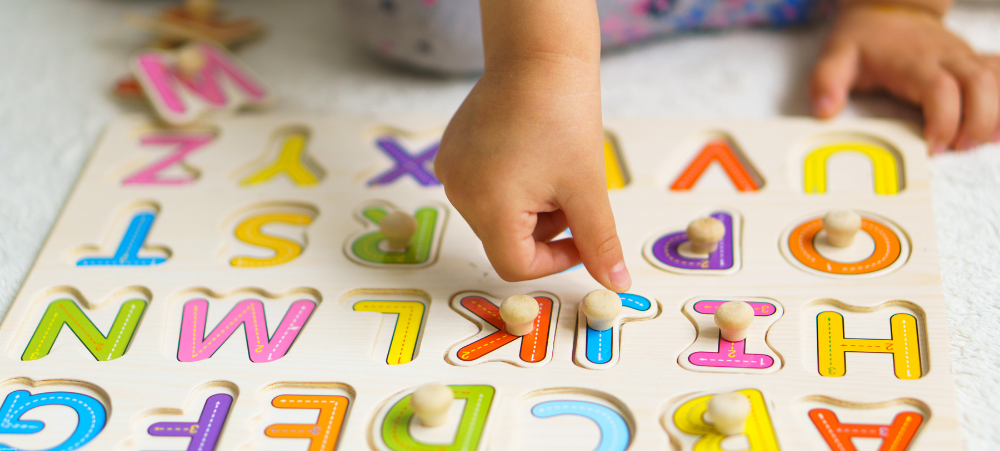
Parents are often asked whether a preschooler can recognise letters, count, follow instructions or sit through an activity. These skills are also only part of what helps a child settle into school and cope with what comes afterwards.
“There is understandable pressure on parents to make sure their child is ready,” says Ursula Assis, Managing Director of Dibber International Preschools South Africa. “The difficulty comes when readiness is reduced to what a young child can recite or complete on demand.”
Preparing children for life means paying attention to how they manage feelings, solve problems, communicate their needs and respond when something goes wrong.
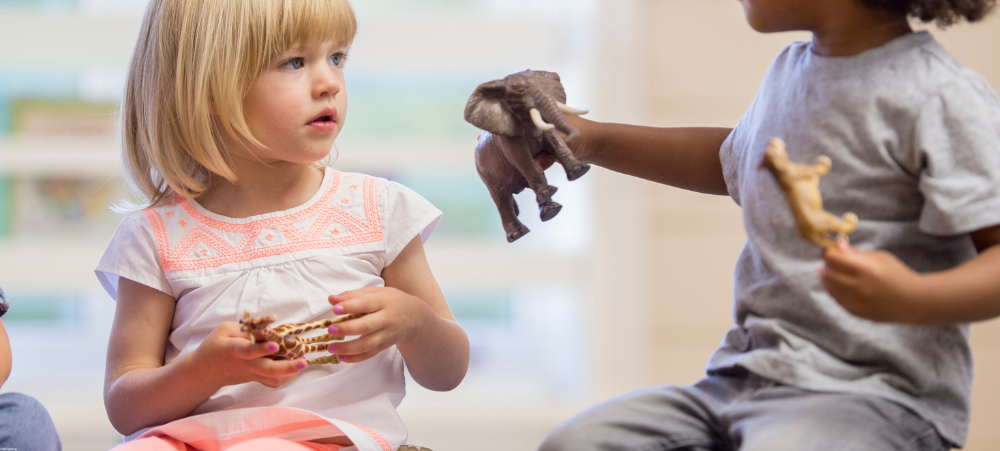
A child standing near the edge of a playground game, asking to join and coping when the answer is no, may be practising several of these skills at once. They are reading a social situation, communicating and managing disappointment.
None of that is likely to appear on a school-readiness checklist.
South Africa’s National Curriculum Framework for children from birth to four takes a broad view of early development. Language and mathematics matter, but so do relationships, play, movement, and hands-on experience.
The goals do not need to compete. Preparing a child for life can also help them prepare for school.
A child practises persistence while completing a difficult puzzle. They learn to communicate during a disagreement over a toy. Waiting for a turn, following game rules, and rebuilding a collapsed block tower all require skills they will use in a classroom.
It is tempting to solve every problem, finish the puzzle or settle the argument immediately. Sometimes children need that help. At other times, a short pause and a question may give them room to think.
“What have you tried?”
“What could you do next?”
“Preparing children for life does not mean leaving them alone with every difficulty,” Assis says. “It means giving them enough support to stay with a problem without immediately taking it away.”
Academic learning still matters. Children can explore letters through their names and favourite stories. Counting becomes meaningful when they divide fruit between friends or figure out how many cups they need at the table. Science can begin with a puddle, a shadow or a simple question about why something happened.
Children develop at different rates. One may be drawn to letters early, while another learns through movement, building or imaginative play.
Parents can therefore look beyond what a child knows and consider how they approach learning.
Do they try again after something goes wrong? Can they ask for help? Are they starting to join a group, displays frustration in words, or consider another person’s point of view?
There is no simple pass-or-fail answer. A tired or overwhelmed preschooler may struggle with something they managed the day before. The aim is to notice growth over time.
“School is one important part of a child’s life,” Assis says. “A strong early foundation should help them enter the classroom with interest and developing independence, while also helping them deal with people, uncertainty and mistakes.”
A child who can count to twenty has learnt something useful.
So has the child who can lose a game, feel disappointed and return to play.

- School Readiness Is Bigger Than a Checklist - November 11, 2026
- Generosity Starts Small: How Children Learn to Give - October 26, 2026
- When Early Learning Starts Looking Too Much Like School - October 19, 2026

2 thoughts on “School Readiness Is Bigger Than a Checklist”
This article has been really helpful for me. I am a first time mother and even though my baby is still young I am already worried for his chapter of starting school. Having read the article provide me with options to be prepare my baby to be ready for school.
insightful article, thanks