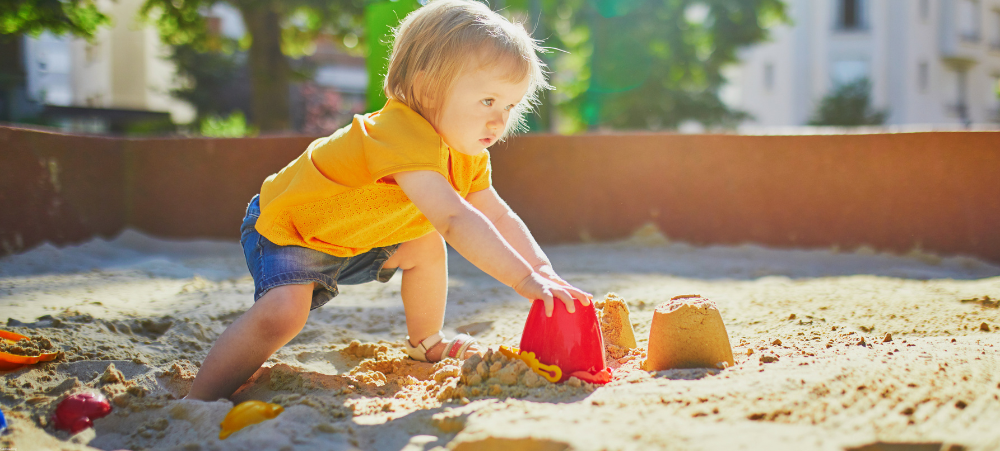
A preschooler spends twenty minutes building a road through a sandpit. It collapses, so they change the route. Another child joins in, wants to take over, and an argument begins.
To an adult passing by, it may look like ordinary play. Look more closely, and the children solve problems, negotiate, manage frustration, and test ideas.
That is one of the useful lessons within Nordic early childhood education.
No single Nordic preschool model exists. Denmark, Finland, Iceland, Norway and Sweden each have their own systems. Their national guidance, however, shares several values: children’s play, holistic development, wellbeing, participation, equality and community. A Nordic Council of Ministers review found that learning and play are treated as closely connected, while childhood is recognised as having value in its own right.
“That idea is important,” says Ursula Assis, Managing Director of Dibber International Preschools South Africa. “A four-year-old is not simply a future school pupil. They are a child now, and what they experience during these years matters.”
Play is not viewed as time left over after the real work is done. Finland’s early childhood curriculum gives children the right to play, learn and participate. It also says children’s experiences, interests, and strengths should shape learning. Norway’s framework takes a similarly broad view, placing play, care, learning, and development within the same daily experience.
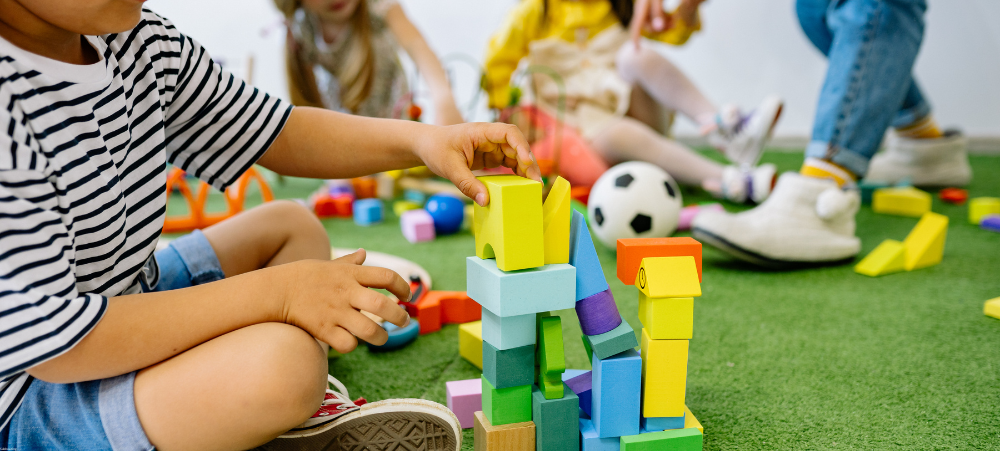
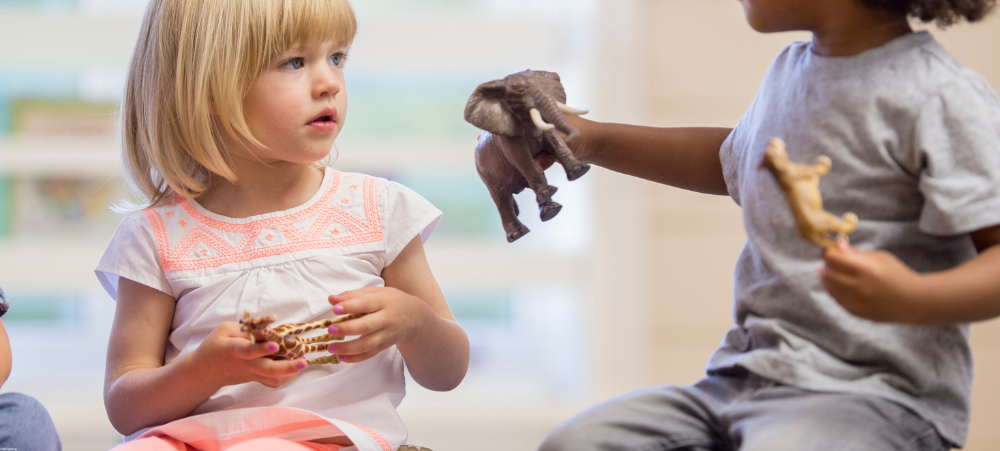
A block tower can introduce balance and cognitive skills. Pretend play develops language and requires children to consider another person’s ideas. Waiting for a turn, changing the rules of a game, and starting again after something goes wrong all ask a young child to do something.
This does not mean educators stand back and leave children entirely to themselves.
A skilled adult prepares an interesting environment, introduces materials, observes, and knows when a question can push a child’s thinking further.
“Good play-based learning is intentional,” Assis says. “The educator may ask, ‘Why do you think the tower keeps falling?’ or help two children find their way through a disagreement. The adult is present, but the child still has room to think and try.”
Children’s participation is another recurring principle. Finnish guidance says children should have a say in matters affecting their daily lives. Norway’s framework also emphasises children participating in and contributing to their communities.
For a preschooler, this can be very practical. This can mean choosing between two activities, pouring their own water, helping pack away, and trying to put on a jacket before an adult steps in.
The Nordic approach also places wellbeing alongside learning rather than treating it as a separate concern. The Nordic Council review found that children’s wellbeing sits at the centre of early childhood education, with quality measured by the learning environment and everyday interactions rather than by testing young children against academic targets.
That offers a useful perspective when school readiness begins to focus too narrowly on what a child can count, recite or reproduce on paper.
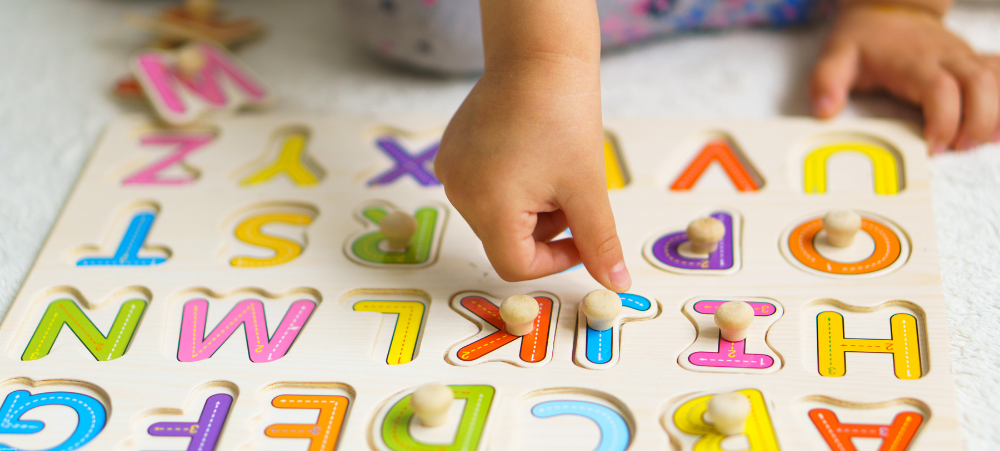
Early literacy and numeracy still matter. So do the abilities to ask for help, cope with disappointment, join a group and keep trying when the first attempt fails.
South Africa does not need to copy a Scandinavian classroom. Our languages, communities, climate and family life are different. The value lies in thoughtfully considering what can be adapted.
Are children given enough uninterrupted time to play? Do adults step in too quickly? Is a quiet, compliant classroom automatically seen as productive? Are children trusted with manageable responsibilities?
At Dibber, Nordic principles inform the approach to early learning, but they are applied within the culture as well as context of each community.
“The point is not to import somebody else’s version of childhood,” says Assis. “It is to protect the experiences that help young children become curious, secure and increasingly capable.A child is given time to play, trusted to try, and allowed to discover that getting it wrong isn’t the end of the experience. It is simply where the next attempt begins.”

- What Nordic Early Education Understands About Childhood - November 19, 2026
- Small Preschool Choices Help Build the Skills Behind Later Decisions - November 18, 2026
- School Readiness Is Bigger Than a Checklist - November 11, 2026