Advice from the experts
Mia Von Scha

Why do children lie?

The question of why children lie begs the greater question of why any of us lie. If you think back to the last time you lied (and I’ll bet my life you can think of a time), look at what was going on internally and this will give you a good idea of why your children do it and how to avoid it in future. Now before we get to that, let me just say that we all have all traits. We are all liars sometimes and every one of us will be pushed to lie under certain circumstances. So firstly, please never label your child as a liar. Once we apply a label to a child they are more likely (not less) to repeat this behaviour and to incorporate it into their sense of self as they grow up. ALL children lie sometimes (as do ALL adults). Ok, so it’s normal to lie sometimes, but why, and why do some lie more often? Going back to why we all do, lying is a fear-based behaviour. The child believes, for whatever reason, that if they tell the truth it will result in more pain than pleasure. And where do they get this message? From us, of course. We’re constantly giving kids unconscious messages that telling the truth will get you in trouble. “Who ate the sweets?” “I did” “Right, go to your room”. Sound familiar? What we need to get into the habit of doing is praising truth-telling and taking responsibility more than we punish “bad” behaviour. If our children own up and say that they “did it” we should be actively praising this behaviour and pointing out that while the behaviour is not ok with us, we’re really impressed that they told the truth. Children will only lie if they are afraid of our reaction to the truth. I know that many people worry that if they take this approach they will be too soft on the bad behaviour and will end up with unruly kids. One of the fundamental structures for well-behaved, compliant children is being their primary attachment (which implies complete trust, openness and closeness). If your children trust you completely and feel connected to you and loved no matter what they do they will actually be less likely to produce so called “bad” behaviours in the long run. Of course they will make mistakes along the way and present “negative” traits (like we all do) including lying, but this will not develop into any kind of delinquency if that adult-child connection is in place. And part of keeping it in place is keeping the lines of communication open and allowing your children to tell the truth and know they will be safe. I think this is a fundamental skill to work on when your children are little and to instil a sense of open communication and acceptance BEFORE they become teenagers. Once our kids hit the teen years, if we’ve shut off honest communication, we are in for a different level of trouble with our children lying to us about things that can be life threatening, or where they really could use our adult help and guidance. The next time your child lies to you think about why they would be afraid to tell the truth and then instead of punishing them for lying, rather address the rift in your relationship.
Bonitas – innovation, life stages and quality care

Why is everyone sick right now? How to protect yourself before winter peaks

If it feels like everyone around you is coughing, sneezing or battling the same stubborn flu, you are not imagining it. As temperatures begin to drop across South Africa, respiratory illnesses start to circulate more widely, with workplaces, schools and households across the country quickly feeling the impact. “While many people think of flu as a routine seasonal illness, it can lead to serious complications, particularly for those with underlying conditions or weakened immune systems,” explains Dr Themba Hadebe, Clinical Executive at Bonitas Medical Fund. “Vaccination and proactive health habits help reduce both the severity of infection and the likelihood of hospitalisation.” The flu vaccine does not eliminate the possibility of getting influenza entirely. However, it significantly lowers the risk of developing severe illness and complications. For many people, the vaccine can also shorten the duration of illness and reduce the intensity of symptoms if they do become infected. Healthcare professionals generally recommend getting the flu shot before the winter peak that is coming up soon in South Africa, so that the body has time to build immunity. Many medical schemes also make it easier for members to access flu vaccinations through their healthcare networks. For example, Bonitas Medical Fund covers one flu vaccine per beneficiary each year through its preventative benefits across all options, subject to Scheme rates. Members can receive the vaccine through network pharmacies or healthcare providers, although it is advisable to call ahead to confirm stock availability and, where possible, schedule an appointment to reduce waiting times. Who should get the flu vaccine? While most people can benefit from vaccination, certain groups face a higher risk of severe illness and are strongly encouraged to get vaccinated. These include healthcare workers who are in contact with patients on a daily basis, people over the age of 65 and individuals with cardiovascular diseases, including chronic heart disease, hypertension or a history of stroke. People with chronic conditions such as diabetes, chronic kidney disease or chronic lung diseases like asthma and chronic obstructive pulmonary disease should also consider flu vaccines, as should pregnant women and people living with HIV/AIDS. Children can also receive the vaccine. Schools and early childhood centres are often environments where respiratory viruses spread quickly, as children may not yet have fully developed hygiene habits. The flu vaccine is widely used and considered safe for most children older than six months. “While children often recover well from seasonal flu, they can still experience severe symptoms and are also key spreaders of infection within families,” Themba explains. “Vaccination helps reduce the risk of serious illness and can also limit how easily the virus spreads to siblings, parents and grandparents.” Parents should always speak to a healthcare professional if they are unsure whether vaccination is appropriate for their child, particularly if the child has underlying health conditions or allergies. Who should avoid it? Although the flu vaccine is safe for most people, it is not recommended for certain groups. This includes individuals with severe allergies to eggs or egg proteins, as many flu vaccines are produced using chicken eggs. Infants younger than six months should not receive the vaccine, as it is not licensed for that age group. People who previously experienced a severe reaction to a flu vaccine should consult a healthcare professional before considering another dose. It is also advisable to delay vaccination if someone is already experiencing active flu symptoms. Strengthening your immune system before winter Vaccination is only one part of staying healthy during winter. Lifestyle factors play an important role in maintaining a strong immune response. A balanced diet rich in fruits, vegetables, lean proteins and whole grains helps supply the nutrients the body needs to fight infection. Adequate sleep is equally important, as poor sleep weakens immune function and increases vulnerability to illness, as is regular physical activity. “Taking proactive steps before winter fully sets in can protect not only individuals but entire communities,” says Hadebe. “Prevention remains one of the most effective tools we have when it comes to respiratory health.”

OneAid

How Safe Are Teething Gels?

Every baby is different but common symptoms associated with teething include, mild irritability, drooling, low-grade fever and loss of appetite. If your baby is inconsolable or has a high fever chances are this is not due to teething. Teething should not make your baby very sick but rather very unhappy.

Bonitas – innovation, life stages and quality care

Neonatal jaundice, what is it and what happens if my baby is born with it?

Jaundice is a yellow discolouration of a baby’s eyes and skin and is fairly common in newborn babies. Although it may be alarming to you to see your newborn baby with a slightly yellowish tint, thankfully, most cases of jaundice are considered normal and will go away on their own. You may be wondering why your baby may be born with this condition, or what treatments are available if your little-one has jaundice – read on, we outline the causes and common treatments thereof.  Why would my baby have neonatal jaundice?  Babies are born with neonatal jaundice when they have excess levels of unconjugated bilirubin in their blood. Bilirubin is a yellowy substance which comes from the breakdown of red blood cells, however, baby’s livers sometimes can’t break this substance down fast enough, giving their eyes and skin a yellow tint.  When your baby is born they will be checked for jaundice, as high levels of bilirubin can lead to more serious problems. A baby is more likely to get neonatal jaundice if they are born premature, have a different blood type to their mother or are being breastfed. Babies who are breastfed can develop jaundice if they don’t get enough breastmilk, due to trouble feeding.  What happens if my baby has neonatal jaundice? If your baby has jaundice, this will typically be seen in the second or third day of being born.  Sometimes jaundice will go away on its own and other times it will need to be treated. If your baby is struggling to breastfeed it’s important that he be breastfed more often, or even receive formula as a supplement during this time.  Phototherapy (light therapy)  can also be used to help your baby. Light can turn the bilirubin into a form that can easily pass out the body. If the jaundice is very bad, your baby may receive a blood transfusion which will quickly lower bilirubin levels. 

Bonitas – innovation, life stages and quality care

South Africans are stressed out: the hidden health impact of a strained economy

South Africans are living through another cycle of sustained economic pressure as rising fuel costs continue to filter through the economy, pushing up the price of transport, food and household goods. At the same time, broader global uncertainty and ongoing geopolitical tensions are adding further worry and dread to an already financially stressful landscape for South Africans. A 2026 study on the impact of geopolitical tensions on mental health shows that sustained global conflict and political uncertainty is a key driver of anxiety, even among populations not directly affected by war, contributing to a persistent sense of threat. For many people, this is experienced not as a single event but as a constant background load, which compounds existing financial strain and intensifies everyday stress responses. “When people are faced with instability and conflict narratives, even if events are occurring far away, the body can remain in a sustained stress response,” says Dr Themba Hadebe, Clinical Executive at Bonitas Medical Fund. “Even when individuals are not directly affected, the constant sense that the world is unstable can heighten anxiety and intensify the strain already created by financial pressure. Over time, this compounds into burnout and emotional exhaustion that we are increasingly seeing in members.” Mental health challenges are also having a wider economic impact, with South Africa estimated to lose over R250 billion annually (around 4.5% of GDP) linked to mental health conditions. In addition, about 452 million work hours are lost each year, with “presenteeism” alone costing more than R200 billion in lost productivity. Chronic stress linked to money worries also drives physiological changes in the body that are harder to detect early. Sustained elevated levels of stress hormones like cortisol can affect sleep quality, weaken immune response and contribute to weight changes, fatigue and burnout. Over time, this creates a cycle where physical exhaustion and mental strain reinforce each other, making recovery more difficult. Managing stress in a high-pressure environment While economic conditions are not within individual control, there are practical steps that can help reduce the health impact of ongoing stress. Structured routines are important; regulating sleep patterns and ensuring you are eating balanced, consistent meals help regulate the body’s stress response. Even small adjustments, like limiting late-night screen exposure or introducing short daily walks, can improve sleep quality and mood regulation over time. Financial clarity also plays a role in reducing anxiety. Simple budgeting tools or weekly financial check-ins can reduce the cognitive load of uncertainty, which is often a major driver of chronic stress. “Preventative approaches are also important,” says Themba. “Early support for mental health symptoms can help prevent things from becoming worse. Members of a medical aid must look into the structured care programmes they are able to access and take benefit from through their plans, which can help a great deal in the event an individual requires further medical care that can become costly.” Bonitas’ Mental Health Programme offers its members structured support that is designed to help identify and manage conditions such as anxiety, depression and burnout earlier, with coordinated access to care pathways and ongoing support. “As a society we re quicker to discuss how these pressures affect us in economic terms, but are less cognisant of, or willing to speak to about, the very real and problematic physical and mental health issues that arise as a result of what’s happening in the world right now. “Stress linked to financial strain has real physiological and societal consequences, affecting all of us whether on an individual or organisational level. Don’t ignore the early signs of burnout and seek support to stop stress form developing into more serious conditions,” concludes Themba.

Parenting Hub

Body20 Cares Returns in 2026: Powering Hope for Children with Cancer

Sometimes, the greatest strength is found in unity. After raising over R150,000 in its inaugural year, Body20 is proud to relaunch its Body20 Cares initiative for 2026 — a campaign driven by compassion, community, and the belief that true wellness extends far beyond the studio floor. Body20 remains committed to ongoing support throughout 2026 and beyond, ensuring sustained impact for children with cancer and their families. From April to May 2026, 50% of all new members’ joining fees at Body20 studios nationwide will be donated to CHOC Childhood Cancer Foundation South Africa. These funds don’t just support a cause—they wrap children and their families in hope at the very moment they need it most. Supporting CHOC means directly helping children facing cancer and their families find comfort and strength. “This initiative isn’t just an activity for us — it’s a lifeline,” says Philip Hughes, chief executive officer of Body20 Global. “Last year, we witnessed firsthand how small actions, multiplied by many, can create a wave of hope. As Body20 Cares returns, our mission is simple: uplift families, offer practical support, and remind every parent and child battling cancer that they are never alone.” Cancer today touches almost every family, casting long shadows of fear and uncertainty. In South Africa, around 1,000 children are diagnosed with cancer each year—though many more go undiagnosed, and each statistic represents a child, a parent, a story. Despite advances in treatment, a diagnosis brings a tidal wave of emotional, logistical, and financial challenges. Organisations like CHOC are lifelines, offering more than just accommodation—they provide comfort, dignity, and a sense of home when families need it most. “Partnerships like Body20 Cares help us deliver vital support to children and their families,” says Adri Ludick, interim CEO for CHOC. “Every contribution means a family can stay together, a child can rest in comfort, and no one must face this journey alone. Last year, funds from Body20 Cares kept our CHOC Houses open—safe havens like Diepkloof, which offered warmth, food, and daily support to up to 30 people at a time. When hospitals close their doors at night, CHOC keeps hope alive for families in crisis.” Body20 Cares is about more than fundraising—it’s about human connection and shared purpose. Every new member isn’t just prioritising their own wellness; they’re giving a child and parent one less worry, one more day together, and a little more hope. Your participation can help us build a community united by compassion and action. “This is where fitness meets purpose,” Hughes adds. “Every sign-up is more than a membership; it’s a lifeline for a child fighting cancer, and a message to families that they are seen, valued, and supported by a whole community.” As Body20 Cares enters its second year, we invite every South African to stand with us. Join as a member, donate, or spread the word—every action, big or small, has the power to change a life. Your support makes you an essential part of this movement, helping us turn compassion into tangible hope. In a world where time is scarce and health is priceless, Body20 brings together your two most valuable resources. With cutting-edge EMS technology, Body20 helps people transform their wellbeing in just 20 minutes a week. It’s a promise: you can prioritise your health, support your community, and still have time for what—and who—matters most. Powerful transformations don’t just happen in our bodies—they ripple out, touching families, communities, and futures. When we move with purpose, we move the world a little closer to hope. To join Body20 Cares, become a new member at any Body20 studio or donate directly. For information or to get involved, visit https://body20.co.za/body20-cares or contact [email protected] | 087 231 0359. #Body20 #CHOC #Body20Cares #Cancer #ChildrenWithCancer #Children

Cartoon Network Africa

Movie Magic on Cartoon Network: Detective Pikachu & Space Jam Adventures!

Get ready for family movie fun on Cartoon Network! 🎬✨ Start the week with Pokémon Detective Pikachu (2019) on Monday 27/04 at 11:00 CAT, where Tim Goodman teams up with a clever talking Pikachu to solve his father’s last case in Ryme City. Then, don’t miss Space Jam: A New Legacy (2021) on Friday 01/05 at 17:00 CAT! Join LeBron James and his son Dom as they get trapped in a virtual world and must team up with the Looney Tunes to win a high-stakes basketball showdown. Plus, the Teen Titans meet the iconic Space Jam villains in Teen Titans Go See Space Jam (2021) for extra laughs and adventure. Perfect for kids and the whole family to enjoy together! Premiere 📺: Monday 27 April 2026Tune-In ⏰: Monday 27 April 2026 @ 11:00 CAT & Friday 1 May 2026 @ 17:00 CAT

Freebees PR

Terrific tea tree oil: Simple ways to incorporate this time-tested multitasker in everyday life

Tea tree oil is one of the most versatile natural ingredients, valued across cosmetics, personal care, household cleaning and even pet products. Commercially used for more than a century, its origins go back much further to the Indigenous communities of Australia, who long recognised its medicinal and cosmetic value. What is tea tree oil?Tea tree oil, also known as melaleuca oil, is an essential oil obtained by steam-distilling the leaves of the tea tree (Melaleuca alternifolia). Native to Australia, the plant thrives in the swampy, coastal regions of the southeast. For centuries, Aboriginal Australians used crushed tea tree leaves to release the oil, inhaling it or applying it to the skin to help relieve a variety of ailments. Today, tea tree oil is widely available in its pure essential oil form and is also commonly blended into skincare, personal care and household products. What are the benefits of tea tree oil? Tea tree oil is valued for its wide range of naturally active properties: What is tea tree oil used for? Thanks to its antibacterial, antifungal, and anti-inflammatory properties, tea tree oil is a popular ingredient in topical skincare products as well as personal and household products. Common uses include: Tea tree oil can easily and safely be incorporated into your day-to-day life. When selecting tea tree oil products, choose items from reputable brands known for the quality of their ingredients.  Essential oil SOiL is known as a leader in the manufacture of essential oils, and their Tea Tree Essential Oil is steam-distilled from the best quality leaves, resulting in a potent, organic oil that can be used for a variety of purposes. Remember to dilute tea tree essential oil with a carrier oil before applying it to your skin.  Skincare Tea tree oil can be very effective in the fight against breakouts and blemishes, making it a popular choice for skincare that works to limit sebum production and remove bacteria from the skin. SKNLOGIC Clarify contains tea tree oil, salicylic acid, and witch hazel to calm inflammation, clear existing breakouts, and prevent new ones from forming. This treatment product can be applied twice daily after cleansing to help unclog pores and achieve a clearer complexion.  Remove sebum, decongest and detoxify the skin and minimise pores with SKNLOGIC Charcoal Detox Masque. Together with tea tree oil and grapefruit extract, the activated charcoal deeply cleanses and purifies skin to minimise breakouts.  Using tea tree soap or shower gel is a fantastic (and gentle!) way to remove germs from the body and keep skin clear and refreshed. SoyLites Glycerine Tea Tree Soap Bar is rich in antibacterial essential oils to keep skin clean and healthy. If you prefer a liquid soap, try SoyLites Tea Tree Liquid Soap, which is gentle on skin and tough on bacteria. The convenient pump bottle is handy for the shower, office or kitchen. Hair care Oily scalp, greasy hair or product build-up? Tea tree oil is an excellent haircare ingredient, particularly for cleansing and refreshing the scalp. Not only does it remove oil and impurities, but it also helps prevent dandruff, reduces itchiness and discomfort and balances the scalp’s oil production.  Naturally Africa Hair & Scalp Oil is a natural blend of vitamin E, tea tree, castor, grape seed, coconut and sweet almond oil. The lightweight, non-greasy formula can be massaged into the hair and scalp to moisturise, add shine, heal and prevent split ends. For very dry hair, we recommend Naturally Africa Hair Food & Scalp Therapy. Infused with vegetable proteins, shea butter, castor oil and tea tree oil, it is intensely hydrating and can be applied every two weeks to give the hair and scalp an intensive moisture boost. It also helps to alleviate an itchy scalp. Home cleaning products Thanks to its disinfectant properties, tea tree oil is an excellent ingredient for household cleaning products. Not only does it effectively kill bacteria, but it is also safe to inhale, which is particularly important when you have children or pets. Earthsap offers a wide range of non-toxic, biodegradable, eco-friendly cleaning products, many of which utilise the power of tea tree oil.  You don’t have to resort to harsh chemicals to keep your toilet seat germ-free.Earthsap Tea Tree Toilet Seat Sanitizer is a compact spray that kills germs and helps to keep your bathroom clean and hygienic. Using a natural formula that’s free of harsh synthetic chemicals, it can be used to limit your family’s exposure to germs and bacteria in public restrooms as well.  Tea tree oil is a great ingredient for dishwashing liquid. Earthsap Tea Tree & Orange Dishwashing Liquid contains tea tree oil for its germ-fighting abilities. The formula is biodegradable, safe for waterways and a must-have for an eco-friendly household. Keep surfaces sparkling and germ-free with Earthsap Tea Tree & Orange All Purpose Cleaner, which quickly removes grease, grime, and bacteria without scratching or damaging surfaces.  There’s a reason why tea tree oil has been trusted for more than a century. With its powerful antifungal, antibacterial, and anti-inflammatory properties, this multitasker is the perfect safe alternative to harsh chemical ingredients.

Bonitas – innovation, life stages and quality care

Smoking and pregnancy – should I quit

If you’re an avid smoker you’re probably wondering if being pregnant means you should wave your smoking habits goodbye. Unfortunately, even if your health isn’t enough for you to stop, your baby’s health should be. What can happen to my baby if I keep smoking? Smoking during your pregnancy is harmful to your unborn baby. The chemicals in cigarettes are both damaging to you and your baby; nicotine and other harmful poisons increase the risk of health problems for unborn babies. Second hand smoke, vaping and e-cigarettes are all still damaging to your baby’s health and should also be avoided (or quitted). You may need to designate your house a non-smoking area, and ask any friends and colleges not to smoke around you. So what exactly does smoking do to your unborn baby? Smoking lowers the amount of oxygen available to your growing baby and nicotine damages the baby’s brain and lungs. Smoking can make it harder to conceive, and if you do fall pregnant, can lead to miscarriages or stillbirth. Babies can be born premature, have a low birth weight, or be born with birth defects.  Smoking during pregnancy can also affect your baby’s health after they are born, leading to cases of Sudden Infant Death Syndrome, asthma and other respiratory problems and infections. Help – I am really struggling to quit! Even if you have decided that quitting is in both of your best interests, this may be easier said than done. If you are pregnant already it is best to quit without using any medication, as this is healthier for you and your baby. You also won’t be able to transition to vaping or e-cigarettes, as these too, are harmful and usually contain nicotine, which is damaging to health. In order to quit for good, try avoid the triggers that make you want to smoke, and try find something else that you can do when the craving kicks in. Get the support of your family and friends, or join a stop-smoking group or self help plan. Whatever your plan is to stop, you can be sure that both you and your child’s health will benefit from it.

Bonitas – innovation, life stages and quality care

Symphysis pubis dysfunction (SPD) and to deal with it

Symphysis pubis dysfunction or SPD is pain in your pelvis, which is caused by the relaxing of ligaments in the pelvic bones too early before birth. Many aspects of pregnancy can cause discomfort, and SPD is one of them. Here are the signs of SPD and what you can do if you think you to alleviate your discomfort if you are suffering from it.  What is SPD and what causes it? Not all moms-to-be will experience SPD but it is thought to be fairly common in pregnancy. SPD is a pain in the symphysis pubis (which can range from moderate to serve) caused by the relaxing and stretching of the ligaments around the pelvic bone. Pain can be brought on by opening your legs, walking up stairs or even turning over in bed, and this may be accompanied by a clicking/grinding sensation in the pubic area.  The cause of SPD in pregnancy is the hormone relaxin, aptly named as it relaxes your joints and ligaments to make it easier for your baby to come out at birth. SPD happens when these hormones come into play too early. Not only that but you’re shifting centre of as your baby grows, which can cause main in your lower back and pelvis as your body shifts to accommodate your little one.  What can I do to relieve SPD  Living with SPD can be uncomfortable at best, so you may be wondering what you can do to help alleviate some pain. Being fit before pregnancy can help, as stronger glute and abdominal muscles can help support your pelvis. Physiotherapy can help manage SPD pain, as a physio will be able to work with you as your pregnancy and pain levels change. Speak to your doctor first, as they may have recommendations for you. Your pelvis should return to normal between 4 and 12 weeks after birth. 

Parenting Hub

Is it safe to have an MRI after hip or knee replacement surgery?

It is a common concern that metal implants, such as hip or knee replacements, may prevent you from having an MRI scan. In most cases, this is not true. Patients with modern joint replacements can safely undergo MRI, depending on the materials used in the implant. It is important to inform the radiology team about the implant before your scan. Dr Jean de Villiers, a radiologist and director of SCP Radiology, answers some of the most frequently asked questions, specifically around the process from referral to reporting in radiology imaging. What is Magnetic Resonance Imaging (MRI)? MRI is a noninvasive imaging technique that uses powerful magnets and radio waves to create detailed images of the body’s internal structures. Unlike Xrays or CT scans, MRI does not involve ionising radiation and is used extensively to diagnose a wide range of conditions. Because MRI uses strong magnetic fields, many patients ask whether it is safe to have an MRI after a hip or knee replacement. Can you have an MRI after a hip or knee replacement? Yes, you can have an MRI scan on other parts of the body, as well as on the knee or hip where the implant is. Although some older MRI scanners may not be compatible with certain prostheses, the vast majority of MRI equipment in use today is safe and compatible with modern hip and knee implants. How safe is MRI if the implant is made of metal? Most implants are made from titanium or cobaltchromium alloys. Although these materials are metallic, they are not significantly affected by the magnetic field of an MRI scanner, nor do they heat up during the scan. Many implants also contain hard plastic components, all of which are designed to be compatible with MRI scanners. They are not attracted to the powerful magnet in the same way as older or highly magnetic materials. Dr de Villiers explains, “The vast majority of joint replacements used today are MRIsafe. The key is that we know about them in advance, so we can adjust the scan if needed.” What is the main challenge with MRI and an implant? The main challenge is image quality. Metal can sometimes cause image distortion, known as artefact, on MRI images. This may make it more difficult to assess structures close to the implant. However, modern MRI techniques have improved significantly and can often minimise these effects, allowing radiologists to assess surrounding tissues such as muscles and ligaments, and to detect complications such as infection or loosening. MRI is often the best imaging method for evaluating pain or complications after joint replacement surgery. What happens if MRI does not produce clear diagnostic images? In some cases, alternative imaging techniques such as CT or ultrasound may be recommended, depending on the clinical question. However, MRI remains safe and highly valuable for many patients with joint prostheses. Are there implants that prevent you from having an MRI? Certain implants and devices may be unsafe or require special precautions during MRI, including: MRI is also contraindicated in the presence of some internal metallic objects such as bullets or shrapnel, as well as certain surgical clips, pins, plates, screws, metal sutures or wire mesh. Having a hip or knee replacement does not automatically exclude you from having an MRI scan. With modern implants and appropriate planning, MRI is both a safe and important diagnostic tool. As technology continues to evolve, future developments are expected to further enhance MRI compatibility with hip and knee implants, making it an even more reliable tool for ongoing patient care. It is crucial for patients to inform their healthcare providers about their joint replacement before undergoing an MRI. This allows the medical team to adjust the MRI settings and take appropriate precautions to ensure both safety and diagnostic accuracy.

Freebees PR

DermaFix Cosmeceutical Skin Care Expands Inclusive Sun Protection with Launch of Tinted SPF Dark

In a country where year-round sun exposure is a reality, daily SPF is non-negotiable. Yet for many South Africans with tanned to deeper skin tones, finding a sunscreen that protects without leaving a grey or ashy cast has long been a frustration.  DermaFix Cosmeceutical Skin Care is addressing that gap with the launch of DermaFix Tinted SPF Dark 50ml, a deeper, expertly balanced shade developed specifically for Fitzpatrick IV–VI skin tones. “While melanin-rich skin has natural advantages, it remains vulnerable to UV damage, premature ageing and hyperpigmentation,” explains Ursula Volbrecht, spokesperson for DermaFix. “Tinted SPF Dark delivers broad-spectrum SPF40 protection against UVA, UVB and HEV which is blue light exposure, while blending seamlessly into the skin for a natural, even-toned finish.” More than just sun protection, Tinted SPF Dark reflects the growing demand for multi-functional skincare. The formula works as a sunscreen, light foundation and complexion enhancer in one; ideal for everyday wear, post-procedure protection, or effortless “no-makeup” makeup days.  Importantly, the formulation remains gentle enough for sensitive and pigmentation-prone skin, helping defend against post-inflammatory hyperpigmentation (PIH), which is a common concern among South African consumers.  As a dermatologically approved and clinically effective brand, DermaFix continues to advance targeted skincare solutions across anti-ageing, hyperpigmentation, acne and scarring categories. The introduction of Tinted SPF Dark is a welcome addition for darker skin tones in the medical-grade sun care category, and signals a commitment to innovation.  DermaFix Tinted SPF Dark (50ml) retails at R437 and is available nationwide through dermatologists, doctors, skincare professionals and medi-spas, as well as online at www.dermafix.co.za.

Cartoonito

Dive Into Fun with ClawLolo – The Underwater Adventure for Families!

Get ready to plunge into a world where fish talk, sing, and dance! 🐠🎶 ClawLolo invites families to explore the magical underwater realm, full of fun, music, and adventure. This brand-new show brings the ocean to life in ways you’ve never seen before, letting kids and parents experience a seabed party full of laughter, surprises, and heartwarming moments. Perfect for young audiences, every episode promises joy, energy, and a splash of imagination! Premiere 📺: Monday 13 April 2026Tune-In ⏰: Monday to Friday @ 08:25 CAT (2 eps/day)

Cartoon Network Africa

Meet the Teen Titans Go! – Superhero Fun After the Action!

Saving the day isn’t all that Teen Titans Go! heroes do! 🦸‍♂️🦸‍♀️ Robin, Cyborg, Starfire, Raven, and Beast Boy may fight villains, but life as five teen roommates is full of chaos, laughter, and the occasional meatball party. From chores to romantic tension, and even demon dad drop-ins, these teens keep it fun for the whole family. Tune in for superhero antics that go beyond saving the city! Premiere 📺: Monday 13 April 2026Tune-In ⏰: Monday to Friday @ 17:15 CAT

Vital Baby

Keeping Baby Healthy: Simple Hygiene Habits Every Parent Should Know

For new parents, keeping a baby clean isn’t just about bath time. Everyday hygiene routines, from proper handwashing to trimming tiny nails and keeping feeding equipment clean, play a vital role in protecting babies from common infections while their immune systems are still developing. Simple daily habits can make a significant difference in a baby’s overall wellbeing. “Babies are naturally more vulnerable to germs because their immune systems are still maturing,” says Sr Londe, independent midwife and Vital Baby South Africa’s trusted advisor. “The good news is that small, consistent hygiene practices can greatly reduce the risk of common illnesses and help babies stay comfortable and healthy.” Here are some of the key hygiene habits parents can easily incorporate into their daily routines. Handwashing: The First Line of Defence Handwashing remains one of the simplest and most effective ways to prevent the spread of germs. Parents and caregivers should wash their hands before feeding baby, after nappy changes, after using the bathroom, after handling pets and after returning home from outings. “Hands carry a surprising number of germs throughout the day,” explains Sr Londe. “Before handling your baby, it’s always a good idea to wash your hands thoroughly with soap and water.” As babies grow into curious toddlers, parents can start teaching them to wash their hands before meals and after playtime, helping to establish healthy habits early. When soap and water aren’t immediately available, gentle baby-safe wipes can be useful for cleaning little hands and faces while out and about. Nail Care: Small but Important Baby nails grow quickly and can easily collect dirt or bacteria. Because babies often touch their faces, long nails may also lead to scratches that can become irritated or infected. Regular trimming helps prevent this, and many parents find it easiest to trim nails after bath time when they are softer. “Using tools designed specifically for babies can make nail care safer and less stressful,” says Sr Londe. “Parents often feel nervous at first, but with the right tools and a calm moment during the day, it quickly becomes part of the routine.” Baby grooming essentials such as dedicated nail care sets or grooming kits can help make these tasks easier to manage.  Nasal Care: Helping Baby Breathe Comfortably Blocked noses are common in babies, particularly during seasonal changes or colder months. Because infants rely heavily on nasal breathing, congestion can sometimes interfere with feeding and sleep. “Even mild congestion can make babies uncomfortable,” says Sr Londe. “Using saline drops and gentle nasal aspirators can help clear the nasal passages safely and provide relief.” Keeping baby’s sleeping environment well ventilated and free from irritants such as cigarette smoke or strong fragrances can also support healthy breathing.  Preventing Common Infections While it’s impossible to completely avoid germs, parents can take several practical steps to reduce the risk of infection. Keep toys and teethers clean. Babies explore the world by putting objects into their mouths, which means toys and teethers should be washed regularly using warm soapy water and allowed to dry properly. Teething toys such as the Infantino 3 Stage Teether are designed to support babies through different developmental stages and can be easily cleaned as part of a daily routine. Practise safe feeding hygiene. Whether breastfeeding or bottle-feeding, it’s important to ensure bottles, teats and feeding equipment are properly sterilised. Prepared formula should be stored according to guidelines, and unfinished milk should be discarded after feeds to prevent bacterial growth. Keep surfaces clean. Changing stations, highchairs and kitchen counters should be wiped down regularly with baby-safe cleaning products to reduce the risk of cross-contamination. Limit exposure to illness. During flu season or when respiratory infections are circulating, it’s sensible to limit babies’ contact with people who are unwell. Parents can also encourage visitors to wash their hands before holding baby. Building Healthy Habits from the Start Maintaining baby hygiene doesn’t have to be complicated. With consistent routines such as handwashing, cleaning toys, safe feeding practices and gentle grooming, parents can significantly reduce the risk of common infections. Having the right baby care essentials on hand can also make these routines easier. Items such as Vital Baby’s PROTECT Nailcare Set, HYGIENE Hand & Face Wipes, and the new biodegradable and recyclable Vital Baby EarthSmart Baby Care Kit which includes various health and grooming products, can support parents as they establish these daily habits. “Parenthood comes with a lot to learn, but when it comes to hygiene, the basics really do matter. Small everyday habits help protect babies while giving parents confidence that they’re doing the very best for their little ones,” concludes Sr Londe. Vital Baby is a family-run business with over 45 years of experience in the baby industry. Their mission is to create products that make family time effortless and enjoyable for parents. The Vital Baby range, now including biodegradable and recyclable EarthSmart products, is 100% BPA-free and covers every stage of your baby’s development, from feeding and weaning, to hygiene and soothing. Explore the range online at Vital Baby® (vitalbabyshop.co.za) and Amazon, or find at Clicks, Dischem, and selected Woolworths.

Bonitas – innovation, life stages and quality care

The First Signs of Labour

If you’re expecting your first baby you’ve probably read up a little (or a lot) on pregnancy and birth process. Labour is something you’ve probably wondered about and seeing as every pregnancy is different, many moms experience different labour signs. However, there are a few tell-tale signs to look out for that you are about to meet your new baby soon.  What to look (or feel) out for  You may be worried that you won’t distinguish normal late pregnancy signs from the fact that you’ve started labour. Luckily your due date should give you an indication of when you could expect your baby to arrive, but this won’t always be the case. Here are some indicators that your baby is on the way.  One of the more obvious signs of labour beginning is regular contractions. This will be different to the Braxton Hicks contractions you may have been experiencing leading up to this point. Labour contractions are longer, stronger and more frequent – when they come every 5 minutes you should call your doctor or midwife.  Another sign your baby is on her way is your cervix dilating or beginning to open. This can start happening in the days or weeks before you deliver. Your baby will also move down into your pelvis during this time – which is known as your baby dropping.  When your labour begins, the mucus plug which seals your cervix opening comes away. This jelly-like pink mucus is known as a show, and you may notice it when it passes out your vagina.  Lower back pain, diarrhoea and looser feeling joints are all other signs that your labour may be starting. Another sign is your water breaking, this can happen in a gush but a trickle is more likely, most moms-to-be go into labour within 24 hours of their water breaking.  Be sure to keep your birth partner in the loop about how you are feeling mentally and physically around the time of your birth. If you are at all worried about your baby or experience anything abnormal be sure to let your doctor know as soon as possible. 

Bonitas – innovation, life stages and quality care

Living longer isn’t enough, it’s time to live better

Good news: South Africans are living longer. According to Statistics South Africa’s 2025 Mid-Year Population Estimates, life expectancy has climbed to 64 years for men and 69.6 years for women. This marks a remarkable recovery from the devastating lows of the early 2000s, when the HIV epidemic cut lives tragically short. Expanded access to antiretroviral treatment deserves enormous credit for that turnaround. But here is the number that should stop us in our tracks: our healthy life expectancy sits at just 52.8 years. That means the average South African spends roughly a decade, sometimes more, living with illness, disability, or diminished quality of life before they die. We are adding years to life, but we are not yet adding enough life to years. This World Health Day, on 7 April, that is the conversation we need to be having. A nation under double pressure South Africa’s health landscape is uniquely complex. We carry a double burden of disease that few countries face at the same scale. On one side are communicable diseases: an estimated 8.15 million South Africans are currently living with HIV, representing 12.9% of the total population. On the other, non-communicable diseases (NCDs) are rising at an alarming rate and they are increasingly becoming the silent drivers of preventable death. Diabetes is perhaps the starkest example. Its prevalence has nearly tripled over a decade, from 4.5% in 2010 to 12.7%. By 2019, an estimated 4.58 million South Africans between the ages of 20 and 79 were living with the condition. More troubling still? Over half of them (52.4%) were undiagnosed. High blood pressure and heart disease follow a similarly concerning trajectory, steadily eroding the life expectancy gains we have worked so hard to achieve. The root of this problem is not only a lack of healthcare access though that inequality remains real and urgent. A significant part of the challenge is a lack of health literacy: people not knowing their numbers, not understanding their risk, and not knowing when or where to seek help. Information is healthcare World Health Day is not just about healthcare systems. It is about ensuring that every person, regardless of income, geography, or education level has the knowledge they need to protect their own health. That is health literacy. And it is one of the most powerful, and underused, tools we have. At Bonitas, we believe that a medical scheme’s role extends far beyond paying claims, we are a healthcare partner. That means meeting our members where they are: helping them understand their conditions, navigate the system, and make informed decisions before a health crisis forces their hand. Our Be Better Benefit is a direct expression of that philosophy. It is designed to empower members to take a proactive approach to their health, offering access to wellness screenings, tests, vaccines and preventative care measures – helping with early detection of health issues, and allowing for timely intervention. Because the best claim is the one that never needs to be submitted. Part of health literacy is understanding your medical aid, not just having it. Too many South Africans are either underinsured, enrolled on benefits that do not match their actual health needs, or simply uncertain about what their plan covers. With NCDs now affecting South Africans across every age group and income bracket, having the right cover is not a luxury. It is a necessity. Choosing the right medical scheme benefit option means understanding your family’s health profile: your age, chronic conditions, preventative care needs, and anticipated healthcare use. It means asking the right questions. And it means having a scheme that gives you the tools, and the transparency, to make those decisions confidently. A shared responsibility South Africa has made genuine, hard-won progress in public health. Infant mortality has dropped to approximately 23 deaths per 1,000 live births. Under-five mortality has fallen to around 26 per 1,000. But the next frontier of progress will not be won in hospitals alone. It will be won in the daily decisions people make about their health: whether it is getting screened, managing a chronic condition, or seeking care early rather than later. For that to happen, people need information, support, and a healthcare partner they can trust. This World Health Day, we at Bonitas reaffirm our commitment to being exactly that, not just a funder, but an educator, an advocate, and an ally in every South African’s journey towards a longer, healthier life. For more information on the Bonitas Be Better Benefit and to find the right benefit option for you and your family, visit www.bonitas.co.za.

Cartoon Network Africa

Hop Into Easter Adventures with Teen Titans Go!

Celebrate Easter with the Teen Titans Go! as they take on egg hunts, magical mischief, and even the Tooth Fairy herself. From Gotham to their satellite headquarters, the Titans are ready for holiday chaos, laughter, and fun-filled adventures for the whole family. Don’t miss the festive episodes that will have kids and parents alike glued to the screen! Episodes to Watch: Premiere 📺: Monday 6 April 2026Tune-In ⏰: 17h15 CAT

Cartoon Network Africa

Marathon Alert: Seasons 6, 7 & 8 of “Regular Show” Are Here!

Get ready to dive into the zany world of Mordecai and Rigby once again! The iconic Regular Show is back with marathon screenings of Seasons 6, 7, and 8 — a must-watch for fans both new and old. Join best buds Mordecai, the blue jay, and Rigby, the raccoon, as they navigate hilarious misadventures that switch effortlessly between the ordinary and the extraordinary. Whether it’s saving the park, the world, or just trying to survive another chaotic day, their antics — alongside the rest of the park crew — never fail to entertain. Perfect for kids, families, or anyone who loves humor, heart, and a touch of the surreal, these marathon sessions are your chance to binge all the action, laughs, and unforgettable moments in one go. Don’t miss out on the adventures that made Regular Show a modern classic!

Cartoonito

Slapstick Fun Every Afternoon with Cartoonito Laughternoons!

Get ready for giggles and grins every weekday with Cartoonito’s Laughternoons! From Grizzy & the Lemmings’ wild antics to the mischievous Zig & Sharko, and classic Tom & Jerry chaos, there’s nonstop fun for the whole family. Don’t miss Lamput’s zany adventures as the laughter continues all afternoon — perfect for kids and parents to enjoy together. Programming Line-Up: Premiere 📺: Monday 6 April 2026Tune-In ⏰: Monday to Friday at 17h15 CAT

Aphrodite’s Garden

How do you measure the worth of a mother?

How do you place a value on the woman who carried you before you ever took your first breath…who felt your heartbeat before you were seen, who gave of her body, her strength, her energy—quietly, willingly, with love? How do you measure the years that followed—the sleepless nights, the constant worry, the sacrifices no one noticed…the gentle words when you needed comfort, the strength she showed when you needed guidance,and the way she held everything together, even when she herself felt tired? A mother’s love is not something that can be counted or repaid.It lives in the small, unseen moments… repeated every day, over a lifetime. Some gifts will never equal that kind of love. But Mother’s Day offers something just as meaningful—a moment to pause, to reflect, and to choose a gift that truly honours her. Because sometimes, in the busyness of life, we choose what is familiar or convenient—something beautiful, thoughtful, and given with love…yet still missing the deeper intention of what she truly deserves. And a mother deserves more than a gesture. She deserves something thoughtful. Intentional. Meaningful. A gift chosen with care—something that nurtures her health, supports her wellbeing, and reminds her that she is deeply valued not only for what she does, but for who she is. Our Mother’s Day collection has been thoughtfully curated with pure, natural ingredients, developed with the guidance of a board-certified doctor of complementary medicine, ensuring that every product is created with purpose and care. Because the best gift for a mother is not simply something she can open. It is something that supports her, restores her, and gently gives back to the woman who has given so much. This Mother’s Day, choose a gift that reflects her worth. Give a gift with intention. Why We believe the Peri/Menopause Wellness Gift Set would be the perfect gift for mother Beautifully presented and intentionally curated, this set makes a meaningful gift for yourself or a loved one navigating menopause—a season that deserves softness, support, and care. What’s Inside the Peri/Menopause Wellness Gift Set: Chill Hot Flash Cooling Mist  – A refreshing botanical mist designed to bring instant cooling relief when you need it most. Hormone Synergy Aromatherapy Roller  – A grounding aromatherapy blend created to support emotional balance and hormonal harmony. Relax Aromatherapy Massage Oil  – A deeply calming massage oil designed to ease tension and restore emotional equilibrium.

Bonitas – innovation, life stages and quality care

What is HELLP?

Pregnancy and the arrival of a new baby is a time of great excitement and joy for expectant parents.  However, occasionally there can be complications, which is why pregnant moms should have regular health checks and be aware of any unusual symptoms that may develop. Over the past few years, there has been discussion around a condition known as HELLP Syndrome. It’s a life-threatening complication in pregnancy that can be difficult to diagnose. We reached out to Dr Morgan Mkhatshwa, Head of Operations at Bonitas Medical Fund and his clinical team, to get some answers and advice about HELLP. What is HELLP Syndrome? HELLP (Haemolysis, Elevated Liver enzymes, Low Platelet count) Syndrome usually develops before the 37th week of pregnancy but can occur shortly after delivery.  It’s a serious complication that affects the blood and liver. H = Haemolysis is the breakdown of red blood cells that carry oxygen from lungs to the rest of the body. EL= Elevated liver enzymes.  High levels of these chemicals in the blood can be a sign of liver problems. LP = Low platelet count.  Platelets are little fragments of blood cells that help with blood clotting.  A low platelet count can lead to serious bleeding. What causes HELLP? ‘We don’t know what causes HELLP syndrome,’ says Dr Mkhatshwa, ‘however, you are at risk if you have pre-eclampsia or eclampsia.’  About 1 to 2 in 10 pregnant women (10 to 20 percent) with pre-eclampsia or eclampsia develop HELLP.  Pre-eclampsia is caused by high blood pressure. It usually starts after the 20th week of pregnancy or giving birth. Eclampsia is when pre-eclampsia is uncontrolled and causes seizures. Many women are diagnosed with pre-eclampsia before they have HELLP which is a more severe form of pre-eclampsia. What are the symptoms / signs of HELLP?  You may feel tired, have pain in the upper right part of the belly, bad headaches and nausea or vomiting. You may also experience swelling, especially of the face and hands and blurry vision. Some women develop HELLP suddenly, without having any signs or symptoms.  If you have any signs of HELLP Syndrome, call your medical practitioner, emergency services or go to a hospital emergency room for medical care right away. How is HELLP diagnosed? To find out if you have HELLP Syndrome, your healthcare provider will do a physical exam to check  for: Belly pain or soreness, especially in the upper right side An enlarged liver High blood pressure Swelling in your legs Other tests could include: Blood tests to check your liver enzyme levels, lactate dehydrogenase and full blood and platelet count with a peripheral smear Urinalysis to check for protein in the urine A CT scan to see if there’s bleeding in your liver Non-stress test or ultrasound to check your baby’s health. A non-stress test checks your baby’s heart rate, in the womb, to see how the heart rate changes when your baby moves. This test is to make sure your baby’s getting enough oxygen. Ultrasound uses sound waves and a computer screen to show a picture of your baby inside the womb Is HELLP painful? Symptoms of HELLP include serious pain just below the ribs, or the upper right side of the chest area (where the liver is), shoulder pain or pain when breathing. How is HELLP treated? You may be given medication to control your blood pressure and prevent seizures or you may require a blood transfusion to treat anaemia and low platelet levels.  Early birth may be necessary because HELLP complications can get worse and harm both you and your baby – either through an induced labour or by C-Section depending on the health assessment results of the baby.  How does it impact the baby? Infants born to mothers with HELLP Syndrome may have a variety of birth injuries: Intrauterine growth restriction (IUGR) or severe respiratory distress. Are there long term effects of HELLP? A history of HELLP Syndrome means you are at increased risk for recurrent pre-eclampsia and HELLP Syndrome as well as increased long-term morbidities, particularly depression and chronic hypertension. Can HELLP develop after childbirth? Yes, up to 30% of all patients who develop HELLP Syndrome do so after giving birth, typically within 48 hours.  Can I have another baby after HELLP syndrome? If you had HELLP in a previous pregnancy, regardless of the time of onset, you have a greater risk for developing it in future pregnancies. ‘The condition is serious but rare’, stresses Dr Mkhatshwa. ‘Throughout your pregnancy it’s important to understand the changes your body is going through and to discuss any unusual pain or symptoms with your medical practitioner. This will ensure you receive the right help especially if you develop a complication and make the pregnancy and birth the joyous event it should be!’ 

Bonitas – innovation, life stages and quality care

What your medical aid should be doing for you while travelling this Easter

With the Easter long weekend just around the corner, many South Africans are gearing up for family getaways, road trips and well-earned breaks. While flights, accommodation, admin and packing tend to dominate the planning process, the one thing many people forget to plan for is what to do if they get sick or injured while travelling. Whether it’s a fall in Clarens, food poisoning in Bali or a sudden illness on a family road trip, medical emergencies can happen anywhere, and when they do, the situation can quickly become overwhelming if you don’t know what support you have or how to access it. Lee Callakoppen, Principal Officer of Bonitas, says that South Africans on medical aid should ensure they fully understand the benefits that are available to them in an emergency, before it’s too late.  “Healthcare planning might seem like the last thing on your mind when preparing for Easter travel, but knowing your plan and what sort of help you have at your disposal in case something goes wrong offers a great deal of peace of mind,” he says. “Not to mention, it avoids exorbitant out-of-pocket medical costs or the stress of finding yourself or loved ones stranded without assistance.” Callakoppen explains that healthcare planning for travel goes far beyond having a generic insurance policy or carrying a copy of your medical aid card. It’s about understanding the layers of support that are available to you and knowing how to access them if something goes wrong. “In a medical emergency, timing and coordination are critical,” he says. “You might need help with getting an ambulance to your location, securing hospital admission or making sure you’re brought home safely if that becomes necessary. These are the kinds of interventions that can make a frightening experience a little less overwhelming.” Understanding international travel benefits For those heading overseas this Easter, it’s vital to understand what your scheme covers. From hospital stays to emergency evacuations and specialist treatment, knowing your benefits can make a significant difference. Bonitas covers leisure and business trips by paying claims for emergency medical and related expenses directly to the medical service provider while you and/or your dependant(s) are on an insured international journey. “Too often, people assume travel insurance will take care of everything,” says Callakoppen. “But in many cases, your medical aid is your first line of defence. Insurance is important, but it works best when used in tandem with your scheme benefits, and that means taking the time to activate your international travel cover before departure. Being able to reach someone immediately for guidance, especially abroad, brings invaluable calm and control.”  When emergencies strike closer to home Medical emergencies aren’t only a concern abroad. Even local trips, whether a drive to the coast or a day out with the kids, can quickly become stressful without support. “Access to real-time emergency coordination can be a lifesaver,” he says. “We often think about cover in terms of what’s paid for, but in those first critical moments, what you really need is someone to help navigate the chaos – whether it’s dispatching an ambulance, keeping you calm while you wait for help, or liaising with emergency services on your behalf.” Bonitas SOS was created with that exact need in mind, offering 24/7 emergency support service that connects members to assistance at any time, covering the cost of care while also helping to manage the emergency while it’s happening. A bit of planning can go a long way when it comes to managing the unexpected. Knowing what your medical aid covers, how to access help, and what steps to take before you travel won’t stop emergencies from happening, but it can make them a lot easier to deal with when they do. Know your numbers One of the simplest and most effective things you can do before heading off this Easter is to save the Bonitas SOS emergency number in your phone – and make sure everyone travelling with you has it saved too. In a stressful situation, the last thing you want to be doing is searching for a contact number. Having it on hand means help is only one call away, no matter where you are. For more information, visit www.bonitas.co.za.

Cartoonito

Hop Into Fun: Cartoonito’s Easter Egg-stravaganza!

This Easter, Cartoonito is bringing the family together with a festive weekend full of laughter, adventure, and colourful fun! From 3 to 6 April 2026, enjoy a jam-packed lineup featuring your little ones’ favourites: 📺 Premiere: Friday 3 April 2026⏰ Tune-In: 3 – 6 April 2026 only on Cartoonito Channel 302 It’s the perfect way to celebrate Easter with the kids — endless giggles, adventures, and family-friendly fun!

Cartoon Network Africa

Celebrate Easter Holidays with CN Movies!

The Easter holidays just got a whole lot more fun with Cartoon Network Movies! Gather the family and enjoy a week of laughter, adventure, and superhero action with these exciting movies: 📺 Premiere: Monday 30 March 2026⏰ Tune-In: Monday to Friday @ 11:00 CAT only on Cartoon Network Channel 301 Don’t miss out on endless laughter, adventure, and family fun this Easter!

Cartoonito

Non-Stop Fun on Cartoonito: March–April Highlights!

Get ready for a jam-packed lineup of family fun on Cartoonito from 30 March to 3 April 2026! With classics, new adventures, and epic crossovers, there’s something for every little viewer. Schedule: In Storks, the beloved delivery birds have moved on from babies to packages for global internet giant Cornerstore.com. Junior, the top delivery stork, accidentally activates the Baby Making Machine, producing an unauthorized baby girl! Join Junior and Tulip as they race against time to complete their first-ever baby delivery, restoring the storks’ true mission along the way. ⏰ Tune-In: Every day @ 09:40 CAT only on Cartoonito Channel 302 Where a World of Joy Awaits.

Cartoon Network Africa

Pokémon the Movie: Ash and Friends Save the Diamond Domain!

Get ready for an epic adventure as Ash and his friends take on their latest challenge in Pokémon the Movie! In the underground Diamond Domain, where many Carbink live, the Mythical Pokémon Diancie serves as ruler. The Heart Diamond that sustains the land is beginning to fall apart, and Diancie is not yet strong enough to create a new one. While seeking help from the Legendary Pokémon Xerneas, Diancie encounters a group of thieves who want to take control of its diamond-producing power — and who awaken the Legendary Pokémon Yveltal from its cocoon in the process! Can Ash and his friends help Diancie discover its true power, stop Yveltal’s rampage, and save the Diamond Domain? 📺 Premiere: Saturday 28 March 2026⏰ Tune-In: Saturday 28 March 2026 @ 14:30 CAT only on Cartoon Network Channel 301 Tune in for endless laughter and adventures for the whole family!

Cartoon Network Africa

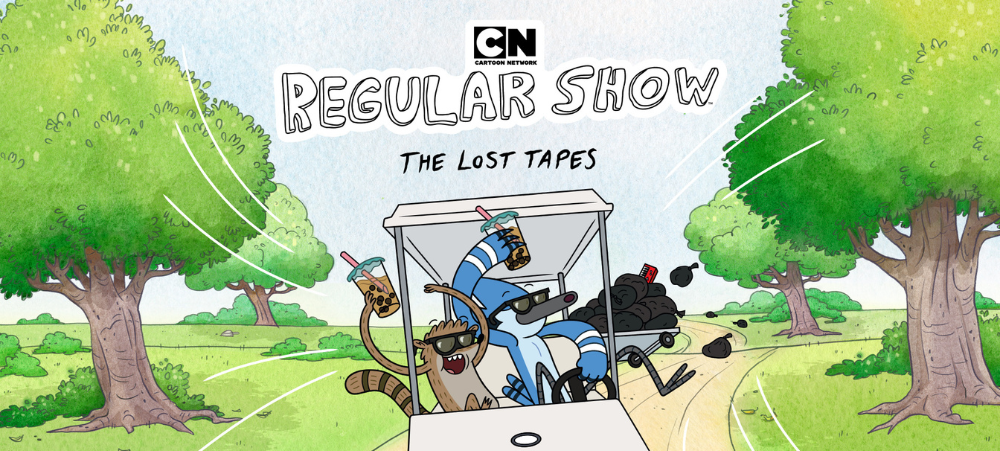
Emmy® Award-Winning Regular Show Returns with New Series

Premiering globally on Monday, 11 May, Regular Show: The Lost Tapes launches with a half-hour special on Cartoon Network Africa. Cartoon Network announced today the return of one of its most celebrated animated comedy series, Regular Show. Premiering with a special half-hour episode on Monday, 11 May across Cartoon Network’s global channels, Regular Show: The Lost Tapes uncovers all-new chaotic escapades of Mordecai and Rigby. Created by Executive Producer JG Quintel and produced by Cartoon Network Studios, Regular Show: The Lost Tapes centres on Mordecai and Rigby – best friends who work and live at a local park. Somehow, their mundane jobs always descend into surreal chaos, much to the annoyance of their boss and coworkers. From crashing a friend’s luau to searching for the sweetest spot to take a nap, avoiding work quickly spirals into thwarting surreal disasters… in the most hilarious and entertaining ways. Warner Bros. Discovery GM, International Kids, Animation and Franchise Vanessa Brookman said: “Regular Show has always been a cultural lightning bolt, defined by bold humour, unforgettable characters and a distinctive visual style. Its return underscores our commitment to premium animation with global appeal.  With Regular Show: The Lost Tapes, JG Quintel and the team honour the original’s legacy while introducing something fresh. We’re excited to bring Mordecai, Rigby and the gang back to audiences worldwide, while welcoming a new generation of fans.” President, Warner Bros. Animation, Cartoon Network Studios, Hanna-Barbera Studios Europe, Sam Register said: “Thank goodness JG works harder than Mordecai and Rigby, or we might have had to wait another nine years to see these characters again. With Regular Show: The Lost Tapes, JG and his incredible team have delivered the same absurd humour and genuine heart that made Regular Show a classic. We’re excited to welcome fans back to the park.” Creator and Executive Producer,  JG Quintel said: “It’s been so much fun working with everyone on more Regular Show. We’re just making stuff for ourselves and trying to crack each other up. It reminds me a lot of the original run. I can’t wait for everyone to see it.” Beyond the screen, fans globally, including sub-Saharan Africa, can dive deeper into the universe of Regular Show: The Lost Tapes through a new custom takeover in Cartoon Network: Game On! — the network’s popular Roblox metaverse experience. For six weeks, users can fully immerse themselves in key locations from the show, in a brand-new Regular Show Island. Players can meet popular Regular Show characters, including Rigby, Mordecai, Benson, Skips, Pops, Muscle Man & Hi-Five Ghost, ride around the park in iconic Regular Show vehicles, including Gold Cart & Lawn Mower; and build Regular Show themed rides and decorations in their own theme park. Additionally, fans can make a stage, grab an instrument, and rock the park! in Regular Show rhythm mini-game ‘Mordecai & The Rigby’s: Rock Out’.   Over the course of its eight seasons, Regular Show grew to become one of Cartoon Network’s most influential and beloved modern titles – a creator-driven series that blended comedy and emotional storytelling. At its peak in 2013, the series drew almost 2.5 million weekly U.S. viewers and reached an average of 4 million weekly audience in EMEA (UK, ZA, PL, IT, ES, RO and HU) – building a passionate cross-generational fan base. It consistently ranks among the network’s top‑performing shows. More recently, the series has remained a strong performer on HBO Max, ranking among the platform’s top kids’ shows. On Digital, Regular Show drew 59M monthly average views in 2025, across YouTube, TikTok and Instagram with a 100% increase year-on-year. The legacy of the series also includes a feature-length movie along with widespread critical acclaim, including a Primetime Emmy Award and multiple Emmy, Annie and BAFTA Children’s Awards nominations. Regular Show: The Lost Tapes is produced by Cartoon Network Studios. Executive Producers are JG Quintel, Sean Szeles, and Sam Register. Toby Jones serves as Supervising Director, Paula Spence serves as Supervising Art Director, and Ryan Slater serves as Producer. The stellar voice cast includes JG Quintel, William Salyers, Sam Marin, Mark Hamill, Minty Lewis, and Janie Haddad Tompkins, among others. Regular Show: The Lost Tapes will premiere on Cartoon Network Africa on Monday, 11 May @ 17h20 CAT.

Bonitas – innovation, life stages and quality care

Postpartum bleeding – what is normal?

Giving birth to your baby after 9 months can be a relieving, beautiful and exciting experience. Postpartum your body will still be going through adjustments for a while, and as you care for your new baby, you’ll need to remember to take care of yourself as well. Postpartum bleeding, also known as lochia, is normal after both vaginal and c-section births, however, it is best to know what is and isn’t common in post birth bleeding. Normal postpartum bleeding Lochia is similar to menstruation in the way in which it is made up of blood and tissue, it’s just heavier and longer lasting – it should stop between 4 and 6 weeks after giving birth. Initially, your bleeding will be heavy. This first phase of postpartum bleeding is known as lochia rubra and you’ll experience this in the first 3 to 4 days. Bleeding will be red to reddy brown and you may have small clots. In the next few days after birth your lochia will decrease in volume. Lochia serosa lasts 4 to 10 days and during this period your blood will darken in colour and become more watery. Blood clots should get smaller and disappear. Finally you’ll experience lochia alba, which usually lasts about another 1 to 2 weeks, but can be up to 28 days. Discharge will be yellowy white in colour, you may see pinkish or brown stains on some days. There should be no smell other than what you would experience during a normal period – a strong odor can be a sign of an infection. When to reach out to your doctor Even though lochia is normal, if you are bleeding heavily this can indicate that you have a postpartum haemorrhage. If your bleeding is heavy a week after birth, you experience fever or chills, a tender abdomen or foul-smelling discharge, you’ll need to seek medical assistance.

Bonitas – innovation, life stages and quality care

Closing the gap on eye care through early detection this World Optometry Week

Uneven access to optometry services in South Africa puts pressure on prevention, but collaboration and technology are helping shift the dial. Access to good eye care in South Africa remains uneven, resulting in many conditions being diagnosed too late. World Optometry Week, observed from 22 to 28 March, shines a light on this reality, where one in 10 South Africans suffers from some form of vision loss, highlighting the importance of eye health and the role early detection plays in preventing avoidable vision loss. This challenge is exacerbated by the fact that, while there are approximately 4 200 registered optometrists in South Africa, only a small proportion practise in the public sector. This limits access to care for many communities and delays diagnosis, particularly in under-resourced areas. As a result, prevention remains one of the most important, yet underutilised, tools in protecting eye health. “The reality is that many serious eye conditions develop without noticeable symptoms early on,” says Dr Themba Hadebe, Clinical Executive at Bonitas. “By the time vision is affected, the condition may already be advanced. Regular eye tests are critical in detecting issues early and preventing avoidable vision loss.” This year’s World Optometry Week theme, “A Shared Vision: Collaboration in Global Eye Care”, underscores the need for a coordinated approach to improve access, strengthen prevention and enable early diagnosis. This is one way to ease pressure on the broader healthcare system, since identifying conditions earlier reduces the likelihood of more complex interventions later, benefiting both patients and providers. Why early detection matters Conditions linked to chronic illnesses, particularly diabetes, remain a significant contributor to vision loss in South Africa. Diabetic retinopathy is among the leading causes of blindness in working-age adults, yet it often develops without pain or early warning signs. Advances in optometric technology are beginning to shift how the risks of permanent damage are identified and managed. Developments highlighted by the American Optometric Association point to a growing role for AI-assisted diagnostics and enhanced imaging in improving both the speed and accuracy of screening. These tools support clinicians by flagging potential abnormalities during routine eye tests, enabling earlier referral for further assessment where needed. Within this context, collaboration between medical schemes and provider networks plays a role in strengthening preventative care. Through its partnership with PPN, Bonitas provides members with access to diabetic retinopathy screening as part of the eye testing process at participating network practices. The screening process uses AI-assisted technology to evaluate retinal images in real time, flagging any irregularities that could indicate early-stage disease. This allows clinicians to identify potential issues ranging from diabetic retinopathy to glaucoma or macular degeneration before they progress to more serious stages. Patients who require further assessment are referred for secondary care, ensuring timely intervention and reducing the risk of irreversible vision loss. “This approach extends the reach of early detection by combining advanced technology with coordinated care and helps make the most of the limited number of specialists available,” says Hadebe. “Spotting problems early dramatically improves outcomes while reducing pressure on our healthcare system. In practice, it means a member could walk into a routine check-up and leave with peace of mind, or if something is flagged, a clear path to treatment.” As World Optometry Week highlights, awareness must translate into action. In a healthcare environment where access is not equal, regular eye tests, particularly for those at higher risk, remain essential to safeguarding vision and improving long-term health outcomes.

Sidebar Image

Scroll to Top