

Educ8 SA

How Educ8 SA Supports Diverse Learning Styles

No two students learn the same way. Some thrive on visual learning, others on reading, and some on interactive exercises. Educ8 SA recognises these differences and provides online programs that accommodate diverse learning styles. Interactive, Computer-Based Learning The platform features: By offering multiple ways to learn, Educ8 SA ensures students of all abilities can grasp concepts effectively. Programs for Every Learner These programs allow students to engage in learning that suits their preferred style, improving retention and overall academic performance. Flexibility Enhances Learning The self-paced structure means learners can take the time they need on challenging topics or accelerate through subjects they find easy. This reduces stress and helps maintain motivation. Getting Started Enrol your child in a program that supports their learning style: With Educ8 SA, education adapts to your child—not the other way around.

Impaq

Why the Foundation Phase matters more than most parents realise, and how to support learning at home

Recent literacy findings have reignited a national concern: too many learners reach the Intermediate Phase without the reading skills they need to cope with the curriculum. The PIRLS 2021 results found that 81% of South African Grade 4 learners could not read for meaning in any language. The Department of Basic Education has echoed this urgency in its own reporting, noting that learners who cannot read with meaning “will struggle in every other subject” and referencing evidence that 8 in 10 children cannot read for meaning by Grade 4. For homeschooling parents and families, it helps to choose a provider like Impaq that supports you through the early grades with a clear CAPS-aligned plan, structured materials, regular assessments, and accessible guidance, so you’re not left to figure it out alone.  The Foundation Phase (Grade R – Gr 3) built at home, day by day, using the resources and routines you choose, is where the core building blocks are formed: listening and comprehension, vocabulary, phonics, handwriting, early numeracy, attention and learning habits. When these foundations are not secure, gaps tend to compound from Grade 4 onwards, because the learner must suddenly “read to learn” across every subject. “Foundation Phase is not a soft start, in fact, it’s the platform everything else stands on,” says Louise Schoonwinkel, Managing Director at Optimi Schooling of which Impaq is a registered trademark. “If reading and basic numeracy aren’t solid by the end of Grade 3, children often spend the rest of their schooling trying to catch up while the curriculum keeps moving.” Free resources help, but structure is what makes them work There is no shortage of material online. Parents can find worksheets, videos, printable readers, and even DBE resources such as CAPS documentation and Rainbow Workbooks, which provide weekly worksheets aligned to CAPS. These tools can be extremely valuable, especially for extra practice. However, the challenge is that “more” does not automatically mean “better.” Without a clear weekly plan, a progression of skills, and assessment checkpoints, families may end up with scattered activities that don’t build mastery. That matters most in the early grades, where learning depends on sequence: sounds before words, words before sentences, sentences before comprehension. “Parents need confidence that the material follows the right order, covers what it must, and gives them a clear way to track progress. In the early years, the sequence matters as much as the content,” Schoonwinkel says. A quick checklist: what your home materials should include Your programme should include these essentials, and by year-end your child should show these outcomes: When these elements are missing, families often only discover problems later, when the curriculum demands increase and the learner feels behind. “Children don’t fall behind in Grade 10, they usually fall behind in Grade 1 to Grade 3,” Schoonwinkel adds. “That’s why the Foundation Phase deserves the most deliberate attention from parents and providers.” What Impaq offers for Grades R–3 For families who want a structured home-learning option in the early grades, Impaq provides CAPS-aligned lesson material and assessments, clear weekly planning, and support that helps parents teach with confidence. In the Foundation Phase, families also have access to weekly live, interactive sessions and recorded support lessons (used as additional reinforcement for homeschool learners), as well as progress tracking and report information through the learning platform. Teacher guidance is available so parents don’t feel they are navigating the early years alone. “In the Foundation Phase, parents shouldn’t have to guess what comes next,” says Schoonwinkel. “The right support gives you a clear plan, quality resources, and the reassurance that your child is building the literacy and numeracy foundations needed for the years ahead.” Note for parents choosing home education: DBE (provincial) registration is required for homeschoolers in Grades R–9.

be.UP Park

Rediscover Play: March Holiday Fun at be.UP Park

The first term of 2026 has been a marathon of lunchboxes and early mornings, but the break is finally here! While the kids rev up with excitement, parents often feel a sense of “holiday burnout,” wondering how they will find the right school holiday activities to keep everyone engaged. The mental load is heavy. However, as the March holidays approach, there is a shift in the air. We don’t just need a break from school; we need a break from the consistent “no.” No, don’t jump on the couch. No more screen time. No, stay inside. At be.UP Park, we strive to create a space for “yes”—where a family adventure replaces discipline with discovery. We want parents to feel that same sense of confidence and calm that their children find through movement. Read on to see how you can take your kids on a family adventure this holiday. The Hero’s Journey: Discover Shared Bravery  In every great adventure, the hero must leave their “ordinary world” to find their strength. At be.UP, that journey is built into the very architecture of our park. When you watch your child stand at the edge of the zipline, nervously shuffling toward the drop, you are witnessing a transformation. In that moment, they move from fearful and hesitant to the realisation that they can accomplish something that once scared them. As a parent, you are not just a spectator; you are the Mentor. You are the safe guide who allows them to test their limits so they can eventually fly. Consider the impact of your role: This is the heart of March holiday fun: the bridge of trust, connection, and pure joy built between you and your child. The Science Of Play  So why is physical activity, like our March holiday fun, so much better than screen time? Rather than spending the break tethered to a screen, engaging in a family adventure helps your child’s development in the long run. According to the Child Mind Institute, physical play is a primary driver for developing executive function and emotional regulation. When children engage in the “heavy work” of navigating a giant maze or the weightlessness of a trampoline, their brains release a powerful cocktail of endorphins and dopamine. This leads to what we call the “Post-Play Glow,” where: By choosing a high-quality kids holiday program or an active afternoon out, you are investing in your family’s well-being. A Sanctuary for the “Quiet Hero”  But don’t worry, we haven’t forgotten about you, the hero behind the scenes. Every explorer needs a base camp, and the be.UP Café is yours. While the kids are busy conquering peaks and navigating labyrinths, you can decompress in your base camp. At Be.UP Cafe thats why we’ve designed a space where you can transition from “Chaos Manager” to “Quiet Observer.” Find our Menu for some fuel while the kids refuel  Capture The Light Before the New Terms Starts  The 2026 school calendar is short, and the autumn sun will dip lower before we know it. Public schools close on 27 March and reopen on 8 April, with Human Rights Day and the Easter weekend falling right in the mix. These moments of connection are the ones that stick—the stories they will tell at the dinner table aren’t about the levels they reached in a game, but the time they raced you down the slide. Don’t let these holidays slip away into a blur of domestic chores and screen time. Choose a family adventure that leaves you with more than just a receipt; leave with a core memory of triumph and a family that feels truly connected. Your family adventure is waiting, and our sessions fill up faster than a kid down on a zip line. Check our holiday hours and gift your family a day of “Yes” by booking your session here.

Dalza

Medication, Supplements & Big Decisions: Moving from Anecdotes to Evidence – What to Consider for Your Neurodivergent Child

This article is adapted, with permission, from content originally published by Tamra and Jules, co-founders of The Neuroverse (theneuroverse.co.za), two South African mums building a supportive neurodivergent community. How to observe what matters, share it responsibly, and build a balanced picture with your care team When families begin exploring medication or supplements for a neurodivergent child, the process can feel overwhelming. Opinions come from everywhere — WhatsApp groups, school gates, family chats, and social media. But big decisions shouldn’t rest on anecdotes alone. A calmer, more grounded approach is to gather real-world observations from home and school, understand what professionals look for, and share information in a way that protects your child’s privacy. 1. Know What Professionals Actually Look At Across ADHD, autism, anxiety, and sensory regulation differences, clinicians focus on patterns over time, not isolated moments. Common areas they monitor include: These are the kinds of signals paediatric and mental-health professionals typically use to understand whether a child is coping, struggling, or responding to an intervention. 2. Supplements & Nutrition: Helpful Context, Not a Standalone Answer Many families explore supplements or nutritional support alongside (or before) medication. These can influence energy, mood, and regulation — but they still require the same principle: track what changes, when, and how much. Nutrition can support regulation, but it doesn’t replace structured observation or professional guidance. 3. Build a Shared Picture with the School Teachers often see patterns parents don’t — focus during lessons, transitions, sensory overload moments, social fatigue, appetite dips. A balanced view comes from combining home and school signals.Dalza makes this easier: teachers, therapists, and co-parents can see the same context (with your permission), so you’re not rewriting the same story in every meeting. 4. Log First, Decide Later Before making any decision — medication, supplements, or both — capture one to two weeks of simple notes: Dalza keeps these logs, reports, and observations in one secure place, so you’re not piecing things together from memory or multiple apps. 5. Share Only with the Right People Medication and supplement decisions are sensitive. Dalza’s parent-controlled sharing means you choose exactly who sees what — your paediatrician, therapist, teacher, or no one at all. Big decisions feel less daunting when they’re based on patterns, not pressure.With clear logs, shared context, and a connected care team, you can move forward with confidence — whatever path you choose for your child. Dalza is free for 30 days, so you can try it out risk-free. To get started today, simply add your name and email here. 

Rush Extreme Sports

Beyond the Gym: Discover the High-Flying Fitness Benefits of Trampolining

For many South African teenagers, the word “exercise” often conjures images of fluorescent lights and the repetitive hum of a treadmill. While staying active is a top priority, the traditional gym environment doesn’t always ignite the spark of excitement that young adults crave. At Rush South Africa, we are redefining what it means to get fit. Through high-energy play, we offer a vibrant, social, and incredibly effective alternative to the standard workout—one where “takkies” are optional, but fun is guaranteed. A Fresh Perspective on Fitness: Why Movement Should Feel Like Play The teenage years are a critical time for developing a lifelong relationship with physical health. Unfortunately, when exercise feels like a chore or a high-pressure performance—a phenomenon often called “gymtimidation”-it’s easy to lose motivation. In our busy cities like Johannesburg and Cape Town, teens spend hours navigating “robots” on the way to school and sitting at desks. By the time the afternoon rolls around, the last thing the brain wants is more rigid structure. This is where high-energy recreation changes the game. Trampolining removes the “work” from working out by tapping into a natural, instinctive joy. Teen fitness trends 2026 show a massive shift toward “social wellness” and “JOMO” (the Joy of Missing Out) on stressful gym culture in favour of movement that resets the nervous system. Instead of counting down the minutes on a stationary bike, jumpers at Rush are too busy mastering a new tuck-jump or competing in a friendly game of dodgeball to notice they are getting a full-body workout. The Science of the Bounce: NASA-Proven Efficiency It might look like simple fun, but every bounce is a powerhouse for the body. In a landmark study, NASA researchers discovered that “rebounding” is actually the most efficient and effective form of exercise yet devised. They found that for similar levels of heart rate and oxygen uptake, the biomechanical stimuli (the actual work your muscles and bones do) is significantly greater on a trampoline than on a treadmill. Choosing high-energy play over a standard gym circuit offers several unique, science-backed benefits: Master the Air: Elevate Your Skills with Professional Training While the freedom of a freestyle jump is liberating, many teens find they want to take their “flips” to the next level. This is where the transition from recreation to formal training begins. Unlike a gym, where the end goal is often purely aesthetic, our park activities build functional “agility” and “air awareness.” For those looking to turn their weekend energy into a disciplined craft, we offer specialized gymnastics training in Cape Town.  These one on one  ‘flip out’ classes aren’t just about looking “cool” in a Reel; they are about building the cognitive focus, core stability, and discipline required for competitive sport. By mastering technical maneuvers in a safe, foam-padded environment, build a sense of physical competence that translates into psychological confidence. You can explore our structured programs and sign up for a trial session on our Rush Classes page. Jump Into Action: Secure Your March 2026 School Holiday Spot The school year moves fast. According to the official Department of Basic Education 2026 School Calendar, Term 1 is set to conclude on 27 March 2026. This marks the perfect window to break the cycle of academic stress and sedentary habits. Instead of spending the holidays behind a desk or a gaming console, why not master the art of flight? Our holiday passes and special event nights are designed to keep the energy high and the boredom low. For the truly ambitious jumpers who want to mirror the stamina of a pro cyclist, we offer Rush Unlimited,  a promotion is designed specifically for active families who want more than just a quick jump. For just R215, kids can enjoy extended jump time on weekdays, giving them hours of social, screen-free fun.  Ready to fly? Don’t wait until the school holidays begin—our sessions fill up fast! Book your spot now at Rush South Africa and discover why the best way to get fit is to simply start jumping.

Bonitas – innovation, life stages and quality care

Closing the gap on eye care through early detection this World Optometry Week

Uneven access to optometry services in South Africa puts pressure on prevention, but collaboration and technology are helping shift the dial. Access to good eye care in South Africa remains uneven, resulting in many conditions being diagnosed too late. World Optometry Week, observed from 22 to 28 March, shines a light on this reality, where one in 10 South Africans suffers from some form of vision loss, highlighting the importance of eye health and the role early detection plays in preventing avoidable vision loss. This challenge is exacerbated by the fact that, while there are approximately 4 200 registered optometrists in South Africa, only a small proportion practise in the public sector. This limits access to care for many communities and delays diagnosis, particularly in under-resourced areas. As a result, prevention remains one of the most important, yet underutilised, tools in protecting eye health. “The reality is that many serious eye conditions develop without noticeable symptoms early on,” says Dr Themba Hadebe, Clinical Executive at Bonitas. “By the time vision is affected, the condition may already be advanced. Regular eye tests are critical in detecting issues early and preventing avoidable vision loss.” This year’s World Optometry Week theme, “A Shared Vision: Collaboration in Global Eye Care”, underscores the need for a coordinated approach to improve access, strengthen prevention and enable early diagnosis. This is one way to ease pressure on the broader healthcare system, since identifying conditions earlier reduces the likelihood of more complex interventions later, benefiting both patients and providers. Why early detection matters Conditions linked to chronic illnesses, particularly diabetes, remain a significant contributor to vision loss in South Africa. Diabetic retinopathy is among the leading causes of blindness in working-age adults, yet it often develops without pain or early warning signs. Advances in optometric technology are beginning to shift how the risks of permanent damage are identified and managed. Developments highlighted by the American Optometric Association point to a growing role for AI-assisted diagnostics and enhanced imaging in improving both the speed and accuracy of screening. These tools support clinicians by flagging potential abnormalities during routine eye tests, enabling earlier referral for further assessment where needed. Within this context, collaboration between medical schemes and provider networks plays a role in strengthening preventative care. Through its partnership with PPN, Bonitas provides members with access to diabetic retinopathy screening as part of the eye testing process at participating network practices. The screening process uses AI-assisted technology to evaluate retinal images in real time, flagging any irregularities that could indicate early-stage disease. This allows clinicians to identify potential issues ranging from diabetic retinopathy to glaucoma or macular degeneration before they progress to more serious stages. Patients who require further assessment are referred for secondary care, ensuring timely intervention and reducing the risk of irreversible vision loss. “This approach extends the reach of early detection by combining advanced technology with coordinated care and helps make the most of the limited number of specialists available,” says Hadebe. “Spotting problems early dramatically improves outcomes while reducing pressure on our healthcare system. In practice, it means a member could walk into a routine check-up and leave with peace of mind, or if something is flagged, a clear path to treatment.” As World Optometry Week highlights, awareness must translate into action. In a healthcare environment where access is not equal, regular eye tests, particularly for those at higher risk, remain essential to safeguarding vision and improving long-term health outcomes.

Cartoon Network Africa

Start Your Weekend with Laughter: The Lembwas Marathon Is Here!

Looking for the perfect way to kick off a family weekend? The Lembwas Marathon is just what you need! A full morning of fun, laughter, and chaotic adventures awaits families ready to dive into the world of the Lembwa family. Welcome to the surprising and super fun world of the Lembwa family, showcasing their chaotic yet vibrant African household filled with absurd day-to-day situations, science experiments gone wrong, and bizarre domestic adventures. With 10 exciting episodes lined up, it’s a perfect opportunity for co-viewing — parents and kids laughing, gasping, and cheering together as each adventure unfolds. The colourful characters, witty storytelling, and relatable family chaos make this marathon an absolute treat for viewers of all ages. 📺 Premiere: Saturday 21 March 2026⏰ Tune-In: Saturday 21 March 2026 @ 09:10 CAT only on Cartoon Network Channel 301 Tune in for endless laughter and adventures for the whole family!

Cartoonito

Epic Cartoon Crossover: Scooby-Doo Meets Courage!

Get ready for a one-of-a-kind animated adventure! Straight Outta Nowhere: Scooby-Doo! Meets Courage the Cowardly Dog brings two beloved worlds together in an epic Saturday special. Watch Scooby-Doo, Shaggy, and the gang team up with the timid but brave Courage as they face spooky mysteries, hilarious mishaps, and unexpected surprises. It’s a fun-filled family adventure that fans of all ages will love. 📺 Premiere: Saturday 21 March 2026⏰ Tune-In: Saturday 21 March 2026 @ 09:40 CAT only on Cartoonito Channel 302Ends: 6 March 2026 Where a World of Joy Awaits.

Wingu Academy

Personalised Learning That Puts Your Child First

Every learner is unique — and their education should reflect that. At Wingu Academy, personalised learning is not a buzzword; it is a carefully designed system led by Student Success Advisers (SAAs) who work closely with learners and families. SAAs create custom-made educational pathways based on each learner’s academic needs, learning style, pace, and long-term goals. This personalised approach allows learners to thrive without the pressure of one-size-fits-all schooling. Through ongoing monitoring, regular feedback, and structured guidance, SAAs ensure learners stay engaged, motivated, and supported throughout the year. This work is done in close collaboration with qualified human teachers who guide lessons, assess progress, and prepare learners for real exams and recognised academic outcomes. Parents gain peace of mind knowing there is a dedicated professional overseeing their child’s academic journey. Wingu’s personalised model also supports learners who are transitioning from traditional schooling, returning to education after disruption, or preparing for international opportunities. It is education designed around the learner — not the system.

Bonitas – innovation, life stages and quality care

TB awareness remains critical in South Africa’s ongoing fight against this persistent disease

Tuberculosis (TB) may feel like a disease of the past to many people, yet in South Africa it remains one of the country’s most serious public health challenges. Despite years of progress in treatment and prevention, TB continues to claim thousands of lives and affect hundreds of thousands of families each year. In fact, the World Health Organization estimates that around 54,000 people died of TB in South Africa in 2024, while about 249,000 people fell ill with the disease. While these numbers represent a decline from previous years, showing that the country has made measurable progress, there are still thousands of people with TB who remain undiagnosed and untreated, continuing the cycle of transmission in communities.  “As a country, we have made important strides in improving TB diagnosis and treatment outcomes, but the disease remains a significant health threat,” says Dr Themba Hadebe, Clinical Executive at Bonitas. “Continued awareness, early testing and access to appropriate care are critical to reducing the number of people who become seriously ill or die from TB.” Early detection and prevention remain key The disease is caused by bacteria that spread through the air when a person with active TB coughs, sneezes or speaks, making early detection and treatment essential to limiting its spread. The most common symptom is a persistent cough that lasts for two weeks or longer, sometimes accompanied by blood or mucus. Other warning signs may include fever, night sweats, fatigue, unexplained weight loss and chest pain. Because TB can develop gradually, some people may not recognise the symptoms immediately or may attribute them to other illnesses. “This is why regular screening plays a crucial role in preventing the disease from spreading,” adds Hadebe. “TB screening services are widely available in South Africa through public clinics, hospitals and private healthcare providers, and people who are at higher risk, including those living with HIV, diabetes or other conditions that weaken the immune system, are encouraged to screen more regularly. Diagnostic tests such as sputum tests or chest X-rays can help confirm the presence of TB and ensure treatment begins as soon as possible.” Prevention also extends to everyday practices. Because TB spreads through the air, opening windows and doors, allowing fresh air to circulate, and practising good respiratory hygiene, such as covering the mouth and nose when coughing or sneezing, are simple but effective steps that help limit the spread of infection. Addressing stigma to strengthen the response Beyond medical treatment and screening, the stigma and misinformation surrounding TB are another barrier that continues to undermine TB control efforts. Many people still hesitate to test for TB or disclose their diagnosis because they fear judgement from others. This reluctance can delay treatment and allow the disease to spread further. It’s important that people are educated on the fact that TB is both treatable and curable, and contracting the disease is not a reflection of personal failure. When communities understand this, people are more likely to seek help early and adhere to treatment. “Medical schemes, healthcare providers and communities all have a role to play in ensuring people feel supported rather than judged when they seek care,” says Hadebe. “Our focus as a medical scheme is on encouraging preventative care and ensuring members have access to the screenings and health assessments that help detect risks early.” A broader focus on preventative health can also play an important role in strengthening the country’s response to diseases such as TB. Regular health screenings help people better understand their overall health and identify conditions, such as diabetes, that can weaken the immune system and increase vulnerability to TB. For Bonitas members, this preventative approach is supported through access to annual wellness screenings that measure key health indicators such as blood pressure, cholesterol, blood glucose and body mass index. Members can also complete online health assessments through the Bonitas Member App or the Member Zone, which provide personalised health insights and recommendations and can encourage people to seek medical advice sooner when symptoms arise. While progress against TB in South Africa is encouraging, the fight is far from over. TB Awareness Month serves as an important reminder that everyone has a role to play in protecting their own health and that of their communities. Recognising symptoms early, seeking testing when needed and supporting those undergoing treatment can make a meaningful difference in slowing the spread of the disease.

Parenting Hub

Beyond diagnosis: The treatment power of modern radiology

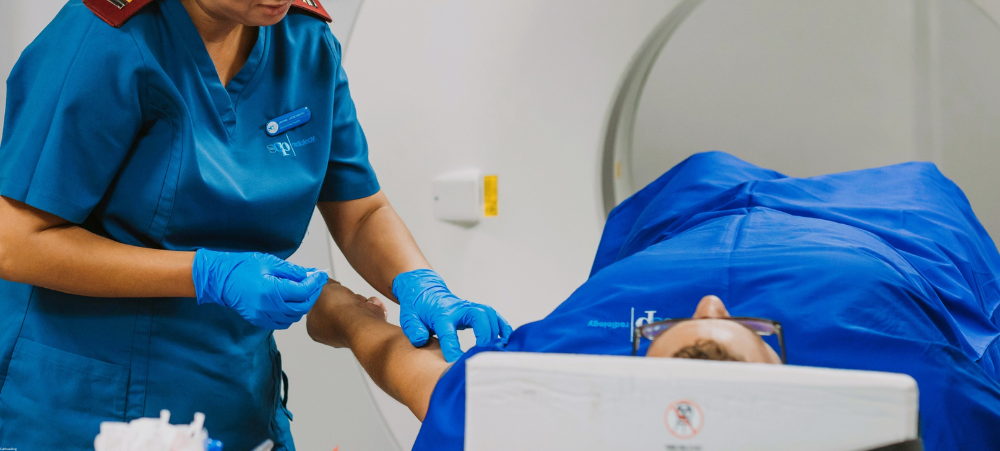
When you think about radiology, you probably think of an X-ray, MRI or a CT scan to help radiologists and doctors see what is happening inside the body. This is the ‘medical detective’ part of radiology.  But it has become so much more than that… Interventional Radiology can offer patients an effective alternative to open surgery, with a much shorter recovery time. Dr Siviwe Mpateni, an Interventional Radiologist (IR) at SCP Radiology, provides insights and answers questions about Interventional Radiology. Why it has become such an important part of modern healthcare and how these highly targeted procedures are helping to improve outcomes for patients across a wide range of conditions.  Can you explain IR in simple terms? In a nutshell, it bridges the gap between diagnosis and treatment. Radiologists use imaging technologies, not only to see inside the body but also to treat disease with extraordinary precision. What is even more remarkable, is that it’s usually through tiny incisions, often no larger than a pinhole.  IR guides miniature instruments, through blood vessels or tissues to stop bleeding, open blocked arteries, treat tumours, relieve pain or for a biopsy. For patients, this means shorter hospital stays, less pain and a quicker return to normal life. The impact of these procedures can be extraordinary. You say the impact can be extraordinary – can you give us an example? One particularly memorable case was a young man who suffered an acute stroke and had lost his ability to speak. Imaging showed a major vessel blockage in his brain, our team performed an urgent thrombectomy (removing blood clots from arteries or veins), successfully restoring blood flow. Seeing him and so many others recover, together with the positive impact of what we do, daily, reinforces my passion for the field.  It is obviously a passion of yours, can you explain what it is that draws you to IR? It is the problem-solving aspect, the innovative approach to patient care and the impact we can have on patients who often have very few options left. It’s a truly special field. Many patients referred to us have exhausted conventional therapies, particularly for pain management. A number of these are oncology patients, who may have limited time left. Using targeted, image-guided pain blocks, we can relieve their suffering in a precise and minimally invasive manner. This is the part of IR that I am truly passionate about. Knowing that, without these options, patients could spend their final days in severe pain, drives my commitment to this field. It’s the ability to preserve patient’s dignity and relieve pain at their most vulnerable moment. With our interventions, they can spend that time with their loved ones –  awake and alert, rather than heavily sedated on pain medication. What IR advancements have there been in the last 10 or 15 years? IR has progressed rapidly since the 1950s when Charles Dotter pioneered the idea of using imaging. His first major success was opening a blocked leg artery in a patient facing amputation. He saved her limb and launched a new field of medicine.  Since then, there have been remarkable advancements. We have smaller and more versatile devices, while the number of conditions we can treat has expanded significantly.  In collaboration with oncologists, surgeons and other clinical specialists, IR has become invaluable in the patient journey.  Are there any specific areas of medicine that IR have been particularly successful in or made a major impact? There are several areas, most notably in oncology where IR has developed a powerful and expanding role. Interventional radiologists are now integral partners in the management of solid organ tumours, offering image-guided therapies such as ablation, embolisation and targeted drug delivery. Beyond tumour control, IR plays a crucial role in palliative care – managing cancer-related pain and complications, often significantly improving quality of life for patients who may have previously had limited or no treatment options These advances reflect how IR has evolved into a central therapeutic specialty, working collaboratively within multidisciplinary teams to improve both progression-free survival and quality of life. When you think of the trauma of surgery, being under anaesthetic and the recovery, IR is quite revolutionary. It certainly is but, it is important to remember that IR is not a substitute for surgery. Rather, it complements surgical care and offers alternative or adjunctive options for patients who may benefit from less invasive approaches. And, because IR spans the entire body, from head to toe, our scope is broad. This can be confusing for patients or referrers, unlike specialties confined to a single organ system. But it’s what makes the work exciting. No two days are ever the same, and there’s always a new challenge to tackle. ‘Radiology is advancing in leaps and bounds’, says Dr Mpateni. ‘IR is a fine tune medicine that has an enormous place in healthcare, where people are being more conservative about having major surgery.’ Dr Mpateni will soon take up an Interventional Radiology Fellowship at the University of Toronto, where he will gain further experience in complex procedures, particularly in interventional oncology and pain management. ‘Training alongside global leaders is an invaluable opportunity,’ he says. ‘My goal is to bring that knowledge and expertise back to South Africa so that we can continue expanding access to advanced, minimally invasive treatments that improve outcomes and quality of life for our patients.’ As IR continues to grow, specialists like Dr Mpateni are helping ensure that South African patients have access to some of the most advanced, targeted and patient-centred treatments available in modern medicine.

DIBBER SA

Seven NASA-Inspired Activities That Make Space Real for Little Learners

Outer space has a unique way of capturing a child’s imagination – from glittering stars and distant planets to powerful rockets exploring the unknown. Dibber International Preschools encourage parents and caregivers to lean into that curiosity, using simple, hands-on activities that introduce early science concepts in ways young children can understand and enjoy. “Children are naturally wired for wonder,” says Ursula Assis, Country Director of Dibber International Preschools South Africa. “When we follow their curiosity and turn big ideas into playful experiences, we’re not only teaching them about space – but we’re also building confidence, problem-solving, language, and a love of learning that lasts.” At Dibber, we use play-based learning to make complex ideas approachable. Space-themed activities support key early learning areas such as fine motor development, collaboration, early maths and sequencing, and cause-and-effect thinking, all while keeping learning joyful and pressure-free. Seven easy, low-cost ideas help teach outer space to children using everyday materials and a spirit of exploration: 1. Build a balloon-powered rocket Using paper, tape, a straw and a balloon, children create a rocket that shoots forward when released. It’s a simple, exciting way to introduce early physics. This activity can elicit cause-and-effect, motion, curiosity, and experimentation. 2. Make planet masks Children choose a planet, decorate it using colours and textures, then become the planet through role-play. This blends creativity with early astronomy knowledge.This can build imagination, confidence, storytelling and most importantly, planet recognition. 3. Explore gravity with a rocket launch activity Through safe, simple demonstrations, such as launching lightweight objects or testing different launch methods. Children begin to grasp that rockets need energy to lift off.This creates observation, early science language and problem-solving in young children. 4. Play a solar system matching game Match planets to pictures, colours, rings, or simple clues. Turn it into a cooperative game with turn-taking and shared discovery.Activities such as this will help the little ones strengthen their memory, sequencing, and cognitive development. 5. Go on a space-themed scavenger hunt Hide stars, planets, astronaut symbols or space words around the home. Children hunt for clues while learning new vocabulary in motion, slowly building language, teamwork, and active learning. 6. Express space through art Invite children to draw galaxies, rockets, moons or imaginary planets. Ask questions about their artwork to deepen understanding and encourage communication. This will enhance their visual thinking, self-expression, creativity and imagination. 7. Learn with interactive space games Puzzles, mazes, and simple mission games help children practice logical thinking and focus while reinforcing spatial concepts and increasing concentration, reasoning, and persistence. Dibber’s approach to early education encourages children to explore big ideas through play, creativity, and gentle guidance. Space-themed learning becomes an opportunity to nurture curiosity, independence, and joy while supporting key foundational skills that help children thrive in later learning. All effort parents make, no matter how small, contributes to this journey and makes a meaningful difference in their child’s educational experience. “Space is a wonderful theme because it invites children to ask questions and imagine possibilities,” adds Ursula. “And when children learn that their questions matter, they develop the confidence to keep exploring – not only the universe, but the world around them

Educ8 SA

Preparing Your Child for Success With the Fundamental Pathway

The transition from basic foundational learning to more advanced subjects is a critical stage in education. Educ8 SA’s Fundamental Pathway supports learners from preschool through Grade 8, providing comprehensive, structured, and engaging online programs. What is the Fundamental Pathway? The Fundamental Pathway builds on foundational knowledge and prepares students for higher-level learning with a focus on: The program is offered at R1,800 per month, providing a comprehensive education that balances affordability with depth. Engaging, Computer-Based Curriculum Students interact with a dynamic online platform featuring: These tools keep learners motivated while promoting independent learning, critical thinking, and practical skills. Flexibility That Fits Your Family The Fundamental Pathway allows students to study at times that suit their schedules. Parents can easily integrate lessons into their family routine without the stress of rigid school timetables or commuting. Preparing Students for the Future By strengthening academic skills, fostering independence, and introducing technology-based learning, the Fundamental Pathway equips students for middle school, high school, and beyond. Students also gain digital literacy skills crucial for modern education and careers. Getting Started Enrol your child in the Fundamental Pathway today: The Fundamental Pathway ensures learners build confidence, competence, and curiosity—preparing them for long-term academic success.

Advtech Group

Turning Pages, Sparking Magic: Why Ages 10–12 Is the Make-or-Break Stage for Cultivating a Love of Reading

Children between ages 10 and 12 are at a fascinating stage of life. They’re no longer little kids, but they’re not yet teenagers. They’re starting to ask bigger questions, push boundaries, and search for who they are becoming. Amid all these changes, reading plays a powerful role, and schools and parents should strongly encourage students to build their reading muscle during this time, an education expert says. “In contrast to content on devices, books give children a safe space to explore new ideas, test out possibilities, and imagine life through someone else’s eyes. They also strengthen critical thinking, boost vocabulary, and build empathy – all skills that help pre-teens navigate school and friendships with more confidence,” says Nalani Singarum, Academic Advisor at ADvTECH Schools. “Most importantly, reading at this age lays the foundation for a lifelong habit. A child who enjoys books at ages 10 to 12 is far more likely to carry that love into their teenage years, when the pull of social media and other distractions becomes stronger,” she says. A 2024 study of children aged 10 to 12, by neuroscientists at Columbia University’s Teachers College, found that reading on paper promoted “deeper reading” with better comprehension and processing of complex texts. It was noted that this age group is pivotal for transitioning from “learning to read” to “reading to learn”, making physical books ideal for exploring ideas and imagining others’ perspectives without digital distractions. “Even where children at this age did not previously enjoy reading books, it is not too late to develop a regular and enjoyable reading habit,” says Singarum. “Regular reading during this key developmental period will support stronger understanding across subjects, better information absorption, and clearer expression of ideas throughout the child’s life.” Creating a Reading-Rich Home Pre-teens crave independence, yet they still look to their parents for cues. The best way to nurture reading at this age is to show that it’s valued at home – not as a school task, but as part of family life. Practical ways to create a reading-rich environment include: Bedtime shifts: Before bedtime, spend some time reading side by side. You each choose your own book, then share a favourite line or moment. It shows that reading is for everyone, not just a chore for children. (And no, reading on devices do not count).Reading in everyday life: Invite your child to read maps while travelling, menus at restaurants, or DIY instructions at home. These moments prove that reading has value beyond the classroom.Word of the day challenge: Let your child pick an unusual word from a book and challenge the family to use it naturally in conversation. Older children enjoy the playful competition and sense of mastery.Treasure hunts with riddles: Write riddles or codes your child must solve to find the next clue. Link some clues to favourite books for an extra spark.Peer power: Encourage your child to swap books with a friend or start a mini book club, to make reading become a social, not a solitary activity. The Role of Schools Beyond the curriculum, schools play a key role in creating an environment where reading is valued and enjoyable, which helps students build positive associations with books and learning.  “Schools offer social and collaborative opportunities that enhance reading motivation and enjoyment. By fostering a love of reading within a communal and supportive learning environment, schools complement and extend the encouragement children receive at home, making the development of reading habits more comprehensive and durable,” says Singarum.  She adds that it is valuable to have structured programmes, rather than just ad hoc reading opportunities. “At ADvTECH, we have a reading programme called Booktacular, which is specifically designed to make reading meaningful and magical again. Through activities like Book Clubs that spark lively conversations, creative ‘Book review in a bag’ projects, Literature Circles where every child takes on a role, and Visual literacy tasks that bring pictures to life, children discover that stories are adventures to be explored, not assignments to be completed.” Parents can extend this spirit into their homes with small, joyful habits like these. When reading feels playful and purposeful, children are far more likely to carry that joy into their teenage years and beyond, Singarum says. “Between ages 10 and 12, children are shaping their identities. They’re learning who they are, who they want to be, and how they see the world. Books offer them mirrors to see themselves and windows to step into lives very different from their own. “As parents and teachers, when we nurture a love of stories, we’re not only supporting school success, we’re giving our young people tools for life.

The Collective Genius Centre

Supporting Learners with Chronic Illness: Why Flexible Education Matters

For many South African families, the high school years are a season of hope and preparation. However, for learners navigating autoimmune diseases or chronic illnesses like lupus, juvenile arthritis, or diabetes, the rigid structure of traditional schooling can become an insurmountable barrier. The unpredictable nature of these conditions—characterised by “flare-ups” and debilitating fatigue—means a student might be top of their class one week and bedridden the next. Without a flexible system, these learners risk falling behind, leading to a cycle of anxiety and academic gaps. Tailored Support: Turning Challenges into Strengths Educational flexibility isn’t about lowering standards; it’s about leveling the playing field. In specialised learning environments like The Collective Genius, the “one-size-fits-all” model is replaced with adaptive strategies that cater to the specific needs of the individual. 1. Managing Physical Limitations For students with autoimmune challenges affecting heart health, a traditional school day is physically exhausting. A flexible approach allows them to: 2. Balancing Physical & Neurodivergent Needs Conditions like POTS (Postural Orthostatic Tachycardia Syndrome) are often exacerbated by anxiety. For a student on the spectrum dealing with POTS, a support system acts as a buffer. By prioritising workloads and advocating for the learner when they are overwhelmed, educators can prevent the sensory or emotional dysregulation that triggers physical symptoms. 3. Real-Time Health Monitoring In smaller, more intimate classroom settings, educators can provide a level of observation impossible in crowded schools. For a student with diabetes, this means teachers are trained to spot the subtle behavioural cues of fluctuating blood sugar levels before they become a medical emergency. 4. Overcoming Motor and Sensory Hurdles Learners with Cerebral Palsy or neuro developmental conditions like ADHD and Autism require a sensory-sensitive environment. Bridging the Gap to Graduation The ultimate goal for any South African learner is the National Senior Certificate (NSC). Flexibility extends into the exam room through formal accommodations. By advocating for separate venues, extra time, prompters, and readers, we ensure that a student’s grade reflects their intellect, not their illness. At The Collective Genius, we believe that a medical diagnosis should never be the end of an academic journey. By embracing online, blended, and adaptive learning, we empower students to thrive on their own terms.

Freebees PR

Introducing Rohto Dry Aid Fresh Boost

South Africans spend more time in front of screens than any of the 45 nations included in a recent study, averaging 9 hours and 38 minutes per day — a staggering 58.2% of their waking hours1. It’s no surprise, then, that more than 50% of people5 in the country suffer from dry eyes. Whether it’s university students, office workers, or school children, Digital Eye Strain is becoming a national concern. With smartphones, tablets, and computers now a constant part of daily life, more and more people are experiencing symptoms of digital eye strain — including dryness, irritation, and fatigue. This growing issue has created increased demand for targeted solutions like blue light-blocking eyewear and specially formulated eye drops. Introducing Rohto Dry Aid Fresh Boost – from the World’s No.1 Eyecare Brand3 – an advanced formulation for relief from Dry and Tired Eyes Developed specifically to combat dry, irritated eyes, new Rohto Dry Aid Fresh Boost features an advanced, clinically proven2 formula that targets dry spots on the eye’s surface caused by tear film disruption. This condition can result from prolonged screen use, aging, hormonal changes (including menopause), environmental factors like wind and pollution, or even central heating and certain medications. Using Rohto’s unique TEARSHIELD TECHNOLOGY®, Rohto Dry Aid Fresh Boost works to restore and stabilize the natural tear film, delivering long-lasting hydration and relief. It effectively alleviates common dry eye symptoms such as: The drops also contain menthol, which activates cold receptors on the eye’s surface4, offering a refreshing and cooling sensation upon application — helping your eyes feel instantly awakened and revitalized. Formulated to mimic natural tears, Rohto Dry Aid Fresh Boost works across all three layers of the tear film to provide soothing, sustained relief and help return vision clarity to normal. While reducing screen time remains the ideal goal, supporting your eyes with a scientifically formulated product like Rohto Dry Aid Fresh Boost is a practical step towards maintaining eye health in a digital world. RPR0925

Advtech Group

IEB CAPS vs Cambridge: How to Choose the Right Curriculum for Your Child

Choosing the right academic path for your child is one of the most important decisions you will ever make, and parents torn between IEB CAPS and Cambridge International often do not know what they need to consider before making the call. Both of them are two strong, well-regarded curricula offering unique benefits and structures, however deciding which one is the best fit for your child is not a straightforward consideration. “Each track has unique characteristics which need to be matched to a child’s strengths, learning style, and long-term goals,” says Colin Northmore, Executive Head at ADvTECH’s Evolve Online School.  Northmore, who is in a unique position to offer unbiased insights into the benefits and challenges of both paths, as Evolve offers both the Cambridge International and the IEB CAPS curricula, says parents should take heed of the below factors and considerations when determining which curriculum is best suited to their child: Local vs Global If you are looking at IEB CAPS, you are looking at a proudly South African curriculum. It is overseen by the Independent Examinations Board (IEB) and based on the CAPS framework – the Curriculum and Assessment Policy Statement. It is built with South African learners and contexts in mind. On the other hand, Cambridge International is a British-born curriculum developed by the University of Cambridge. It is offered in across 160 countries and is widely accepted by universities worldwide, from the UK and USA to South Africa, Australia, and beyond. Content and Method The IEB CAPS curriculum offers a broad and consistent subject range, with learning that is often more teacher-led and structured. Everything is outlined by national policy, meaning learners are typically working through the same topics at the same pace across the country. Cambridge, in contrast, allows for greater subject choice and flexibility, especially from the IGCSE stage (around Grade 10). It encourages students to think critically, research independently, and take ownership of their learning. It is ideal for learners who enjoy diving deep into topics and working with autonomy. Assessments Assessment styles are where the two curricula diverge substantially. IEB CAPS strongly emphasises continuous assessment, things like projects, practicals, orals, and classwork all count toward the final result. It is a more “all-year-round” picture of how your child is doing. Final matric marks are what universities look at when deciding on admissions in South Africa. Cambridge leans heavily into formal exams, especially in the IGCSE, AS, and A Level years. These exams are set and marked externally and follow an international standard. While there are internal assessments in some subjects, exam success is key. The exams are typically written in phases: IGCSE around Grade 11, AS Levels in Grade 12, and A Levels in Grade 13. Curriculum Fit Determining which curriculum best suits your child will, to a great degree, depend on their personality and learning style. IEB CAPS tends to suit students who do well in a structured and guided environment, with steady support and a clear path forward. If your child aims to study in South Africa, this is a solid, widely recognised choice. Cambridge International works well for independent, inquisitive learners who flourish when critical thinking is called for. It is also the ideal curriculum if your child is considering studying abroad or wants to develop globally transferable skills. Cost and Accessibility IEB CAPS is generally more affordable than Cambridge International, especially in South African private schools. Being locally developed, it also aligns well with existing public infrastructure, making it more accessible to a broader range of families.  In contrast, Cambridge schools may have higher tuition fees due to international accreditation, additional examination fees, and the extended Grade 13 (A-Level) year. Textbook and Resource Availability IEB CAPS textbooks and teaching materials are widely available through local publishers and bookstores, often at a lower cost. Resources are tailored to South African contexts and align directly with CAPS topics. While high-quality and globally relevant, Cambridge resources can be more expensive and harder to source locally, especially in print. However, digital resources and international publishers offer increasing accessibility. Availability of Schools IEB CAPS is widely implemented across South African independent schools and recognised by the South African Council for Quality Assurance in General and Further Education and Training (Umalusi). While growing in popularity, Cambridge International is offered in fewer schools nationally. That said, the number of registered Cambridge schools and online learning providers is increasing rapidly across South Africa and the continent. With this rapid increase, parents should however be warned to ensure that their school is well equipped to teach the curriculum and provide the logistical and other support required to be successful. Support for Special Educational Needs IEB CAPS offers structured support through assessment, accommodations, and the involvement of educational psychologists, particularly for learners with documented barriers to learning. Cambridge International also provides support mechanisms, including access arrangements and modified papers for learners with special educational needs. However, implementation depends significantly on the school’s policies and capacity to support diverse learning needs. University Considerations Both curricula open doors, but in different ways. IEB results are used to calculate the APS scores required for South African university applications. Cambridge qualifications, particularly AS and A Levels, are accepted locally and internationally, including at top universities in the UK, USA, Europe, and South Africa. For global opportunities, Cambridge provides a more familiar format to international admissions offices. “When considering which curriculum to choose for your child, there is no right or wrong answer. However it is important to consider learning style, future aspirations and the level of support a student might need. Whether aiming for local strength or global reach, IEB CAPS and Cambridge International both offer robust academic preparation, so the key is finding the fit that empowers your child to thrive,” Northmore says.

Cartoon Network Africa

Adventure Awaits: Why Watching Pokémon Together Is the Ultimate Family Morning Ritual

There are few shows that bring generations together quite like Pokémon. For many parents, it’s a nostalgic return to childhood. For kids, it’s an action-packed world filled with discovery, friendship, and epic battles. Watching it together? That’s where the real magic happens. It’s a big, big world, but you know where to find Ash and Goh—battling and catching Pokemon from Kanto to Galar! With Pikachu, Cinderace, and their other Pokemon beside them, our heroes continue to travel all over the world to research Pokemon for Cerise Laboratory. Along the way, Ash climbs higher in the World Coronation Series rankings, and Goh adds more Pokemon to his Pokedex in his quest to catch Mew. Meanwhile, Chloe takes her first steps as a Pokémon Trainer when she meets a mysterious Eevee. New friends, returning rivals, and exciting adventures await—as the journey continues! What makes this series so enjoyable to watch as a family is its balance. There’s action and strategy for older viewers, humour and heart for younger fans, and meaningful themes woven throughout — perseverance, teamwork, curiosity, and courage. Ash’s determination in the World Coronation Series sparks conversations about goals and resilience. Goh’s mission to complete his Pokédex shows the value of focus and passion. Chloe’s journey reminds young viewers that it’s okay to move at your own pace and discover what excites you. And of course, there’s the thrill of spotting favourite Pokémon, debating battle strategies, and predicting what will happen next. It’s more than just a show — it’s a shared experience. Whether it’s before school or during a relaxed morning routine, tuning in together creates small but memorable moments that families cherish. 📺 Premiere: Monday 16 March 2026⏰ Tune-In: Monday to Friday @ 08:05 CAT only on Cartoon Network Channel 301 Tune in for endless laughter and adventures for the whole family!

Dalza

Joining the Dots Between Home, School and Therapy

It’s easy to think of school as the main stage.  The classroom. The teacher. The timetable. The report. But your child only spends about 17% of their year in the classroom. The other 83% happens at home, on weekends, during holidays, in therapy rooms, and in the quiet moments before bed. That 83% doesn’t disappear when the school bell rings. It walks straight into the classroom with them. For neurodivergent children especially, regulation doesn’t reset at 8am. Sleep, routine, anxiety, sensory load, family changes, therapy goals — all of it shapes how a child shows up to learn. When we join those dots, support becomes clearer.  1. Home Rhythms Shape School Days A late night.A tough morning.A sibling argument before school.A week of poor sleep. None of these are “school issues”, but they absolutely affect school behaviour. A tired brain struggles to regulate. An overstimulated nervous system struggles to focus. Without context, teachers see the behaviour,  but not always the cause. What to do: Keep it simple. Once a week, ask yourself: Share only what’s relevant. A short note to the teacher like:  “Sleep has been disrupted this week — we’re working on getting back into routine.” is often enough. Context changes interpretation. Instead of:  “He’s not coping.” It becomes:  “His nervous system is tired.” That shift moves the response from correction to support – and support is what helps regulation rebuild. 2. Therapy Goals Need to Travel Your child works hard in therapy. They practise: But if those strategies stay inside the therapy room, progress slows.  Teachers may not know what’s being practised.Therapists may not know what’s happening at school. Children end up navigating three different systems:One for home.One for school.One for therapy. What to do: When a therapist introduces a new strategy, ask: “How can this be reinforced at school?” Share the simple version with the teacher:“We’re working on a ‘pause and breathe’ strategy before overwhelming tasks.” Likewise, if school identifies a recurring challenge, loop that back to the therapist. This helps because consistency builds safety. When the same language and tools show up across environments, children don’t have to relearn expectations in every room. Progress becomes steadier. 3. Holidays and Breaks Matter More Than We Think Holidays shift structure. Bedtimes drift.Screen time increases.Social demands change.Routines loosen. For some children, this is restorative. For others, it’s dysregulating. Returning to school can feel overwhelming, not because a child has regressed, but because their nervous system is adjusting. What to do: Before a new term or after a long weekend, consider a brief heads-up to the teacher:“Routine has been different over the break — we may see some transition wobble this week.” You don’t need a long explanation. Just context. Context reduces misinterpretation. Instead of assuming defiance, adults recognise adjustment. And when expectations are softened temporarily, regulation returns faster. The Invisible Load of Coordination Here’s the part parents rarely talk about. The constant updating.The forwarding of reports.The retelling of history.The remembering of medication changes.The summarising before every meeting. You become the go-between for teachers, therapists, and doctors. It’s not just emotional labour. It’s administrative labour. And it’s exhausting. Information lives in emails, WhatsApp threads, notebooks, portals, memory.Patterns get lost.Details slip through cracks.You lie awake wondering if you forgot to mention something important. You’re trying to hold the 83% and the 17% in your head at the same time. No parent should have to manage support this way alone. Join the Dots with Dalza Dalza was built to make coordination simpler. It gives you one secure, central place to: Instead of repeating the same story, you build on it.Instead of scattered updates, everyone sees the same evolving picture.Instead of carrying the load alone, the team shares it. Your child is one whole person moving between environments. Their support system should reflect that. Dalza is free for 30 days, so you can try it out risk-free. To get started today, simply add your name and email here. 

Bonitas – innovation, life stages and quality care

Why contraception should be treated like any other preventive health measure

While flu shots, pap smears and blood pressure checks are the preventative measures we more readily associate with preventive healthcare, contraception should feature just as prominently on that list, yet it is still often considered an ‘optional extra’. According to a recent study, about 49% of all pregnancies in low- and middle-income countries are unintended. In South Africa, more than half of pregnancies are reported as unintended, with about 20% unwanted and 35% mistimed. Dr Themba Hadebe, Clinical Executive at Bonitas, says that the public must become more informed on the importance of it. ‘Contraception must be recognised as a core part of preventive medicine, because it directly reduces maternal complications, unsafe abortions and the social and economic strain that unplanned pregnancies place on families.’ This year’s World Contraception Day, themed ‘A choice for all. Freedom to plan, power to choose’, is a reminder that the conversation on reproductive health cannot exclude the topics of prevention, choice and empowerment. Tackling barriers to access Despite its proven benefits, contraception remains out of reach for many South Africans. Barriers such as cost, limited availability in certain regions, stigma and misinformation continue to prevent people from making informed choices about their reproductive health. Dr Hadebe notes that making contraception a more prominent part of preventive healthcare starts with knowledge and support. ‘For our members, normalising contraception as preventive medicine means providing clear information and, of course, easy access to the benefits they are entitled to. The more people understand their options and how to use them effectively, the more confident they can be in making decisions about their health and their futures.’ For medical scheme members in particular, contraception should never be seen as an out-of-pocket luxury. At Bonitas, all women up to the age of 50, have access to contraceptives alongside other preventive measures such as wellness screenings and check-ups. In this way, individuals can make proactive choices that protect both their health and financial wellbeing. Normalising contraception as routine care ‘Preventative care should not only be viewed as the notion of keeping illnesses at bay, but rather as a means for empowering people to make decisions that keep them healthy and secure,’ says Dr Hadebe. ‘This includes reproductive health, which is central to overall wellness.’ This year’s World Contraception Day calls for contraception to be viewed and treated as routine healthcare. When placed alongside the already normalised forms of preventative care, contraception becomes less stigmatised and more widely accepted as part of the everyday health toolkit. This has a number of positive ripple effects, namely reducing maternal risks, as well as empowering women and their families to make informed decisions about their own reproductive health. 

Cartoon Network Africa

A Magical Family Treat: Why Harry Potter Baking Nights Belong on Your Weekend Watch List

Few worlds capture the imagination quite like the Wizarding World of Harry Potter. From enchanted corridors to unforgettable characters, it’s a universe families love revisiting together. Now, there’s a brand-new way to experience that magic — with a delicious twist. In a celebration of the Wizarding World of Harry Potter, James and Oliver Phelps, who played the Weasley twins in the films, host as pairs of professional bakers create spellbinding edible showpieces on the sets where Harry Potter’s magical journey was filmed in England. This isn’t just a baking competition — it’s a magical experience. Watching talented bakers transform sugar, chocolate, and cake into breathtaking creations inspired by iconic scenes brings a whole new layer of wonder to family viewing. For parents, it’s nostalgic. For kids, it’s pure enchantment. And together, it sparks creativity, laughter, and maybe even a little inspiration to try some baking of your own at home. Weekend viewing becomes something special — a shared escape into magic, imagination, and spectacular edible artistry. Whether you’re a Gryffindor at heart or simply love a good baking challenge, this is the perfect show to gather around and enjoy together. 📺 Premiere: Saturday 14 March 2026⏰ Tune-In: Weekends @ 16:55 CAT only on Cartoon Network Channel 301 Ends: 29 March 2026 Tune in for endless laughter and adventures for the whole family!

Vital Baby

Vital Baby launches EarthSmart – a technology that makes plastic biodegradable

In a world where plastic waste continues to threaten the future of our planet, Vital Baby is proud to announce the launch of EarthSmart, a revolutionary technology that allows plastic to biodegrade in landfill. Designed to work towards helping create a brighter future for generations to come, EarthSmart is set to make a positive impact on the environment while empowering parents with high quality eco-friendly solutions (that don’t break the bank!). A Sustainable Solution to a Global Problem With only 9% of global plastic waste being recycled, and half of it going straight to landfill, EarthSmart steps in as a powerful alternative to your average baby feeding accessory. This new technology is both biodegradable and 100% recyclable and provides peace of mind for families, knowing that even if their products do end up in landfill, Vital Baby have got it covered.  “We’re   all about empowering parents with simple, innovative solutions to make the world brighter for our littlest customers and the planet,” said Dean Tollman, CEO of Vital Baby. “EarthSmart is our back-up plan for the planet and can (should!) be reused over and over again until it’s ultimately recycled. If, for whatever reason, it ends up in landfill, we’ve got it covered. It’s designed to give parents a sustainable option without compromising on style, price, or functionality.” No Compromise, Only Innovation EarthSmart stands out from other solutions with its unique ability to biodegrade in landfill conditions without leaving microplastics or harmful residues behind. What’s more, quality, functionality and price remain at the high standard that we know of Vital Baby.  Dean Tollman says “Why should families have to compromise on style, quality, functionality and price to make more conscious decisions? Now they don’t have to. Our products are still safe for use in the dishwasher, can still be throw on the floor from the heights of a highchair, are still tested to the nines to make sure they’re safe – and they won’t break the bank when you buy them.” Vital Baby’s Commitment to Sustainability Vital Baby is dedicated to creating products that support parents while being conscious of the planet’s future. With EarthSmart and the brand’s efforts to remove plastic from their packaging, the company takes another significant step toward reducing plastic waste and building a more sustainable future for generations to come. A selection of the Vital Baby EarthSmart range is currently available at Woolworths in South Africa, and includes products such as the NURTURE Easy Latch Starter Set, HYDRATE Sippy Straw Cup and Free Flow Cup, as well as a range of cutlery and bowls for weaning and toddler feeding.   For more information about the Vital Baby EarthSmart range, keep an eye on the social media pages – Facebook @Vitalbabysa and IG: vitalbabysa  

Wingu Academy

Human-Centred Online Learning: Social Development, Safety, and Wellbeing

One of the greatest concerns parents have about online schooling is social development. Wingu Academy addresses this head-on through intentional, research-driven systems that prioritise connection, safety, and wellbeing. Wingu uses advanced sociometry to understand social connections within its learner community. This allows the school to identify learners who may be at risk of isolation and intervene early with structured support. Social engagement is actively nurtured through virtual events, collaborative projects, and dedicated social weeks. Safety is embedded into every layer of the Wingu experience — from moderated digital environments to clear safeguarding protocols and continuous wellbeing monitoring. Learners engage daily with real teachers and peers, ensuring accountability, structure, and meaningful human interaction. Learners are not anonymous faces on a screen; they are known, supported individuals. This humanised approach ensures that learners develop confidence, communication skills, and a strong sense of belonging — essential foundations for both academic success and personal growth.

Upenya

Teen skin is changing. Their skincare should too

The teenage years bring rapid skin changes. Increased oil production and blocked pores contribute to breakouts, and many teens respond by over-washing or using harsh products that weaken the skin barrier. Upenya was created as a simpler, science-led alternative. Upenya is a South African skincare brand formulated specifically for acne-prone teen skin. Our dermatologically tested formulas contain over 99% natural-origin ingredients and ethically sourced African botanicals, including marula oil. The range is vegan, cruelty-free and formulated to European cosmetic standards. Inspired by the marula-rich landscapes of Limpopo, Upenya supports skin balance and hydration without harsh stripping or unnecessary complexity. A routine that makes sense Instead of overwhelming teens with complicated steps, Upenya focuses on a simple, consistent 3-step routine: Cleanse A gentle exfoliating cleanser removes excess oil and impurities without disrupting the skin’s natural balance. Hydrate A lightweight moisturising gel supports the skin barrier, maintains comfort and helps reduce the appearance of redness and excess oil. Target Blemish Care supports clearer-looking skin as part of a daily routine by gently helping to unclog pores. Designed for real teen life Sport. School. Hormones. Stress. Late nights before exams. Teen skin needs support that fits into an active lifestyle. Upenya’s lightweight textures absorb quickly and feel fresh, making it easy for teens, including boys, to stay consistent. Visible improvements are typically seen after 4 to 8 weeks of regular use. As with any persistent or severe skin concern, professional advice should be sought. Loved by teens. Trusted by parents. Parents value products that are getnel, safe and thoughtfully formulated. Teens want skincare that feels simple, not clinical or overwhelming.  A calm routine builds confidence. And confidence shows. Upenya. Science-led skincare for teen skin. The complete Upenya Youth Range skincare set (worth R1552.00): 

DIBBER SA

Language Diversity at Home: How Everyday Moments Shape Confident Communicators

Language is more than words. It’s how children express feelings, understand the world, and connect with others. Dibber International Preschools says a home that embraces language diversity powerfully supports a child’s development. “Children are naturally curious about words, sounds and meaning,” says Ursula Assis, Country Director for Dibber International Preschools South Africa. “When families nurture language diversity at home—through storytelling, songs, or simple conversation—children grow up more confident, empathetic, and open to the world around them.” Homes are often a child’s first classroom, and supporting language diversity doesn’t require formal lessons or fluency. Rather, it happens through small, meaningful moments interlaced into daily life. From chatting in multiple languages during routines to reading bilingual books or singing nursery rhymes from different cultures, these everyday practices help children develop flexibility in thinking, stronger memory, and an expanded emotional vocabulary. According to Dibber, the goal is not perfection but exposure – and joyful engagement. “Using your home languages freely and naturally helps children make important brain connections,” Assis explains. “And it also tells them: who you are, where you come from, and how you express yourself matters deeply.” Play-based approaches work especially well. Labelling household items in different languages, using pretend play to introduce new vocabulary, and turning learning into games or songs keep the process fun and pressure-free. Dibber’s Nordic-rooted philosophy encourages families to celebrate their cultural roots and make language a shared, emotional experience – whether it’s counting in isiXhosa, singing in Afrikaans, or reading bedtime stories in English. Dibber also highlights the importance of patience. “Children develop at their own pace. Some might mix languages or pause before responding, and that’s absolutely normal,” Assis reassures. “The key is to stay supportive and engaged without rushing them.” Parents and caregivers play a crucial role in shaping how children experience language. By modelling curiosity and respect – greeting neighbours in their home language, learning a few new words together, or showing interest in other cultures – families can help children develop a lifelong love of language. “Nurturing language diversity is about far more than communication,” says Assis. “It’s about raising confident children who can connect with others, understand different perspectives, and thrive in a multicultural world.” With more than 600 high-quality preschools across nine countries, Dibber is a global leader in early childhood education. In South Africa, its campuses in Gauteng and the Western Cape offer holistic, heart-led learning environments that reflect and celebrate diversity, including language and culture. For parents wondering where to start, Dibber’s advice is simple: talk, read, sing, and play. Children may not remember every word, but they will remember how language made them feel: curious, connected, and seen.

Vital Baby

Preparing for Baby: Cutting Through the Noise and Focusing on What Really Matters

In today’s world, preparing for a new baby doesn’t just mean packing a hospital bag and setting up a cot. It often means navigating an overwhelming flood of advice, product lists, online forums and well-meaning opinions – all before your little one has even arrived. For South African moms-to-be, the excitement of pregnancy is increasingly accompanied by information overload. From social media reels to endless “must-have” checklists, it can be difficult to know what’s truly essential and what simply adds to the pressure. “Expectant moms are exposed to more information than ever before,” says Sr Londe, independent midwife and trusted advisor to Vital Baby South Africa. “While access to knowledge is empowering, it can also create anxiety. The key is to simplify and focus on what genuinely supports both mom and baby.” So where should moms-to-be start? 1. Focus on the Fundamentals At its core, preparing for baby comes down to a few key areas: feeding, sleep, hygiene and safety. Instead of trying to buy everything at once, begin with the basics you’ll need in the first few weeks. Think practical: feeding bottles or breastfeeding support items, sterilising solutions, safe sleep essentials, nappies and gentle bathing products. Many items marketed as “must-haves” can be introduced later, once you understand your baby’s unique needs. 2. Create a Calm, Functional Space Pinterest-perfect nurseries are lovely, but they’re not essential. What matters most is creating a safe, calm and functional space. A comfortable chair where mom can sit to feed, accessible storage for daily essentials, and a safe sleeping area are far more valuable than elaborate décor. Preparation should reduce stress, not add to it. 3. Build a Support System No product can replace human support. Whether it’s a partner, family member, friend or antenatal group, having people you can turn to for reassurance makes a significant difference. Information online is abundant, but personalised advice from healthcare professionals remains invaluable. Moms-to-be should feel comfortable discussing concerns with their doctor, midwife or clinic sister. 4. Trust Your Instincts One of the biggest challenges for new moms is self-doubt. Conflicting advice can make even simple decisions feel overwhelming. “Every baby is different, and every mom’s journey is unique,” says Sr Londe. “Preparation isn’t about perfection, it’s about feeling confident and informed. Trusting your instincts is just as important as any checklist.” 5. Plan, But Stay Flexible Birth plans change. Feeding journeys evolve. Sleep routines take time. Preparing for baby should include room for flexibility. Having reliable, thoughtfully designed essentials on hand without overcomplicating the process, can make the transition smoother. Ultimately, preparing for baby isn’t about having everything. It’s about having the right things, the right support and the confidence to adapt along the way. For South African moms-to-be, cutting through the noise and focusing on simplicity may be the most powerful preparation of all. Vital Baby is a family-run business with over 45 years of experience in the baby industry. Their mission is to create products that make family time effortless and enjoyable for parents. The Vital Baby range, now including biodegradable EarthSmart products, is 100% BPA-free and covers every stage of your baby’s development, from feeding and weaning, to hygiene and soothing. Explore the range online at Vital Baby® (vitalbabyshop.co.za) or find at Clicks and Dischem.   
Blessing Mhlanga

Why Today’s Children Need Faith-Based Stories More Than Ever

Parents have a powerful influence in shaping who their children become. Research and lived experience consistently show that children raised in supportive, value-centred homes are more likely to grow into confident, resilient, and purpose-driven adults. When guidance is absent, however, young people can struggle with identity, direction, and self-worth. In today’s world, children are surrounded by stories. Bookstores and streaming platforms overflow with fantasy adventures, fairy tales, and magical worlds. While these stories entertain, far fewer children’s books intentionally nurture faith-based values in a way that feels engaging and accessible. Bible stories are foundational and essential. However, for some young readers, the language and historical context can feel complex. Christian fiction offers a gentle bridge; transforming timeless biblical principles into relatable adventures that children can understand, enjoy, and remember long after the last page is turned. When faith-based values are woven naturally into storytelling, children are not only entertained; they are equipped. Regular reading strengthens literacy, imagination, and emotional intelligence. At the same time, it quietly plants seeds of honesty, courage, kindness, forgiveness, responsibility, and hope. The biblical wisdom of “training a child in the way he should go” reminds us that character is not built overnight. It is formed through repetition, conversation, and consistent guidance. Stories can reinforce those conversations in a way that feels safe and engaging. Even when children face challenges later in life, a strong moral foundation gives them something steady to return to. One of the most powerful moments of influence happens during shared reading time. When a parent sits with a child and turns pages together, something deeper than literacy is happening. Emotional bonds are strengthened. Questions are asked. Values are discussed. Children feel seen, heard, and valued. Teachers and schools play an important role in academic development, but lasting moral and spiritual foundations are primarily shaped at home. Children’s Christian fiction is not designed to replace Bible study; it is meant to support it, translating principles into stories that resonate with young hearts. Mora: The Fall of Darkness, the children’s book I’ve written, targets kids 7 – 12 years old, and explores these ideas through adventure. The story follows Betty, a brave brown bear chosen to save her village from a spreading curse of darkness. Along her journey, she discovers that true victory is not found in strength alone, but in faith, courage, obedience, and wise choices. Through stories like these, children can grow in both imagination and character; helping to build a generation grounded in truth, confidence, and hope. Where to buy:  Mora: The Fall of Darkness is available as a hardcopy on WhatsApp on 064 689 0372 for R200 (excluding shipping).  It is also available internationally as a paperback on Amazon. 

Freebees PR

Building better habits in 2026: How to rebalance and achieve a sustainable, healthier lifestyle

For many of us, the festive season is a time of excess. From larger, celebratory meals, to an increase in alcohol consumption, to an abandonment of exercise regimes and healthy habits… December is usually followed by a string of New Year’s resolutions in an attempt to undo some of the indulgent December behaviour. The problem with New Year’s resolutions is that they don’t last. Most of us start the year with good intentions, but quickly break our own rules. Sometimes achieving a goal requires a lot of sacrifice and hard work, and that’s when many of us give up.  Instead of attempting significant lifestyle changes – with strict rules on how to get there – you may find it much easier to start implementing smaller, daily healthy habits that compound over time. Making time to rest, using more eco-conscious products in your daily life and taking care of your body are just a few small things that are easy to achieve and have long-term health and wellness benefits. Building a sustainable, healthier lifestyle goes beyond food and exercise. Making holistic wellness choices helps build better habits and a healthier body. And yes – it’s possible to maintain these healthy habits in the long run by starting small: Making greener cleaning choices at home It’s become increasingly apparent in recent years that the cleaning products we use in our homes have a direct impact on our health and well-being. Many commercial cleaning products contain toxic ingredients that may be harmful to inhale, and there is a risk that pets and children may come into contact with them. If switching over to an eco-friendly cleaning cupboard seems daunting, why not start with one product at a time? The next time your dishwashing liquid runs out, try a natural one like Earthsap Dishwashing Liquid, a safe, biodegradable product that’s kind to the planet but tough on dirt. Earthsap has a comprehensive range of affordable, green cleaning products from All Purpose Cleaners, to Floor Cleaner and Fabric Softener, and everything in between. Fragrance your home naturally – and reap the wellness benefits Did you know that paraffin-based candles are now classified as carcinogenic? Think twice when scenting your home – you don’t want to breathe in potentially harmful ingredients, so it’s best to stick to natural home scents made from ingredients like soy, shea butter, beeswax and essential oils. SoyLites manufactures high-quality soy candles that are safe for your health (and the environment) and beautifully fragranced with natural essential oils. Their Classic Soy Votive Candles are perfect for creating ambience in any room of the home. If you have a ceramic burner, then the Soylites Soy Wax Melts are a great choice. Drop one into the hollow of your burner, place a tea light candle in the burner, light, and enjoy a beautifully fragranced space. Make time for self-care Self-care is not a cliché; in fact, it’s necessary to combat the various stressors we encounter in our day-to-day lives. Making the time to pamper your body in the bath or shower, maintain a daily skincare routine and care for your hair is not only physically good for your body, but it’s also good for your soul. It doesn’t have to be a long or complicated regime – just a few minutes makes all the difference.  Weekly exfoliation is the key to a smoother skin texture, increased radiance and fewer clogged pores and ingrown hairs. SKNLOGIC Exfoliate Enzymatic is an excellent option for all skin types. It combines natural and chemical exfoliants to remove dead skin cells and refine the skin’s texture. Follow with SKNLOGIC Derma Repair Balm, packed with powerful natural ingredients such as prickly pear, jojoba, and shea butter, to deeply nourish and repair. Treat your skin to a pick-me-up throughout the day with one of SOiL Organic Skincare’s Facial Mists. Choose between Lavender, Rose Blossom, Rosemary and Rose Geranium. These organic mists refresh and hydrate the skin while uplifting the mind with the beautiful aromatherapy scents. And while facial skincare is essential, don’t forget about your body. Take a few minutes each day to massage a nourishing lotion into your arms and legs. Not only does this treat dry skin, but it also helps soothe tired muscles. For a burst of hydration, try the new The Bodylab Science Urea Complex Hydrating Body Cream, with a deeply moisturising formula and a delicate cocoa butter scent. Powered by urea and glycerin, it restores hydration, softens dryness, and smooths rough areas for healthier-looking skin.  If you prefer an oil consistency, then SOiL Body Oil Blends are great – a qualified aromatherapist formulated the Toning Blended Oil to help reduce the appearance of cellulite by detoxifying, toning, and stimulating the skin. It also contains Juniper Berry, which helps clear lymphatic congestion. Treat your feet Our feet carry us all day, yet they are one of the most neglected parts of the body. Regularly exfoliating and moisturising your feet, as well as taking care of your nails, not only keeps them looking good in sandals, but it also helps increase circulation, keeping them healthy. Take some time every week to scrub your feet with Citrusway Exfoliating Sugar Foot Scrub. Formulated to help exfoliate, hydrate, soften, and smooth skin, it creates a relaxing experience by relieving tension and increasing blood circulation. After exfoliating, gently massage some Citrusway Foot Restoration Cream into your feet. It has antibacterial properties, making it a moisture-rich solution that helps soften dry, cracked heels and feet while rejuvenating the skin. The plastic problem From its detrimental effects on our health to its negative impact on our oceans and the environment, plastic is becoming a bigger concern by the day. Eliminating all plastic from your home is neither straightforward nor realistic. Still, you can start small by replacing plastic water bottles with glass or aluminium bottles, using a bamboo toothbrush, and switching to clothes made from natural fibres like cotton and linen. But what about baby? Many baby products are made from traditional plastics

Advtech Group

Strong Academic Foundations: The Future Starts in the Early Years

As South Africa grapples with persistent challenges in Early Childhood Development, the conversation must move beyond access alone to impact, because the country’s future is being shaped long before children start school.  The Early Childhood Development (ECD) stage, spanning from birth to five years old and extending into Grade R, is more than just playtime – it’s the foundational phase where a child’s brain, social skills, and learning habits are shaped. Investing in this period sets the stage for lifelong academic success, and schools and parents have a crucial role to play, an academic expert says. According to Harvard University’s Center on the Developing Child:  “The early years are a golden window for building cognitive, emotional, and physical skills that influence future success in school and beyond. Igniting curiosity in children and supporting their optimal development during these years have a lifelong impact,” says Desiree Hugo, Executive: ADvTECH Schools Academics. Hugo says it was encouraging to see recent pronouncements by both the Ministers of Basic and Higher Education, Ministers Siviwe Gwarube (SA needs to focus more on early learning) and Buti Manamela (Renewed emphasis on ECD and foundational learning not just welcome, but essential), highlighting the importance of the early years on future academic performance. “We support the position of the ministers, which aligns with ADvTECH’s commitment to lifelong learning and early intervention, by offering our children opportunities to explore, create and consistently inquire,” she says. Hugo says while parents often direct their focus to finding the best possible high school for their child, greater attention should be given to a child’s early years’ experience – both in terms of accessing the best possible education, as well as providing support at home. “During early childhood, children develop essential building blocks such as inquiry, language, problem-solving, and self-regulation through play-based activities. High-quality ECD schools foster curiosity, creativity, and social interaction, which translate into better reading, math, and critical thinking skills later on,” she says.  “We have empirical evidence to support this by considering our MAP results which highlight that children who attend our programmes have shown a significant higher performance later on, than those who have not been in our early years programs. “Children who receive strong ECD support are more likely to perform well academically, exhibit positive behavior, and perform well throughout their academic journey. Conversely, gaps in early development can lead to learning and other challenges that persist into adulthood. By prioritising ECD, parents and educators lay a robust foundation, helping children thrive in an increasingly competitive world.” How Parents and Schools Can Support Early Childhood Development Encourage play-based learning and develop creativity: Provide items such as blocks, puzzles, and art supplies to spark imagination and fine motor skills – aim for 30 minutes of unstructured play daily. Let children do observational drawings, by drawing items placed in front of them, rather than colouring in templates, this builds planning and skills that ensure observing and noticing detail in items. Read together regularly and allow children to create their own stories: Share books every day to build vocabulary and listening skills; make it fun by using different voices or build comprehension skills by asking  questions about the story. Give children three items to create a story based on the items, encourage the use of exciting adjectives in their descriptions. Foster social interactions: Arrange playdates or group activities to help children learn sharing, empathy, and communication. Start with short, supervised sessions. Establish routines: Create consistent daily schedules for meals, naps, and bedtime to promote self-regulation and a sense of security. Build these schedules with your child, and invite them to tick off completed tasks. Limit screen time: Keep digital exposure (including television) to under one hour per day, opting for educational content when used, and prioritise real-world experiences instead. Promote physical activity: Encourage outdoor play, like running or climbing, to develop gross motor skills and overall health – at least 60 minutes of active play each day. Talk and listen actively: Engage in conversations about their day or feelings to enhance language development and emotional intelligence. Here, parents must ensure they themselves are fully present and responsive. Listen to your children’s theories rather than just giving answers and responses – ask them what they are thinking that makes them say what their theory is. Encourage questioning and let them provide answers, which builds cognition and deepens learning. Monitor milestones: Keep track of developmental progress, and consult professionals if concerns arise. 

Educ8 SA

Understanding the Cost of Education: Are You Overpaying?

Parents and adult learners alike often wonder if the cost of schooling matches the value received. Many traditional schools come with high fees, hidden costs, and long-term commitments that can strain family budgets. Educ8 SA provides a modern alternative that is not only affordable but also flexible, accessible, and highly effective. The True Cost of Traditional Schools In addition to tuition, parents often pay for: These expenses quickly add up, making quality education financially challenging. Educ8 SA: Affordable Learning Without Compromise Educ8 SA eliminates many of these costs by providing an entirely online, computer-based learning experience. Transparent pricing ensures that families know exactly what they are paying for: Students have access to engaging modules, assessments, and interactive learning materials without additional hidden fees. Affordable Does Not Mean Limited Low-cost education does not mean sacrificing quality. Educ8 SA’s programs are comprehensive and structured, providing learners with the tools to succeed academically. From foundational skills in pre-school to advanced high school programs and GED certification, every student can achieve measurable progress. Flexible Payment Options for Every Budget The platform’s different learning paths cater to diverse financial situations. Families can select a program that aligns with their budget and educational goals. Adult learners, in particular, benefit from affordable options like the GED, which allow them to complete their education without financial strain. Value Beyond the Price Investing in online education with Educ8 SA is not just about affordability—it’s about value. Learners gain: This combination ensures that learners are not overpaying—they are investing in their future. Start Your Cost-Effective Education Today For more information or to enrol:

Scroll to Top