
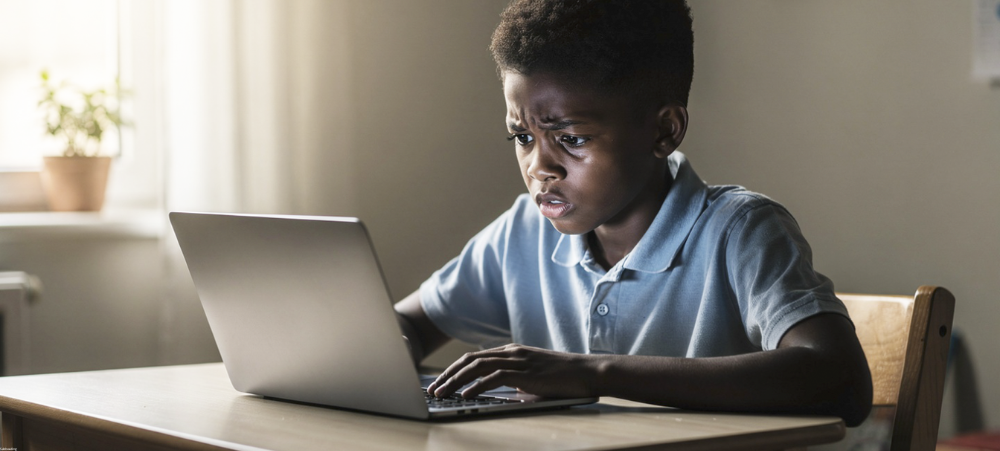
As education continues to evolve in digital spaces, online safety has become an essential part of learner wellbeing. While online learning offers flexibility and opportunity, it also introduces risks such as online bullying.
Online bullying can take many forms, including hurtful messages, exclusion from online groups, impersonation, or inappropriate comments during digital interactions. Unlike traditional bullying, it can occur at any time and may feel more persistent due to constant connectivity.
Parents play a vital role in prevention and support. Open communication is the first step — encouraging children to speak freely about their online experiences helps identify issues early. Monitoring device usage appropriately, setting healthy digital boundaries, and teaching learners about respectful online behaviour are also key protective measures.
It is equally important to reassure learners that they are not alone. If online bullying occurs, parents should respond calmly, document incidents where possible, and report concerns to the school immediately so that appropriate support can be provided.
At Wingu Academy, we prioritise digital wellbeing and maintain structured support systems to help learners navigate online challenges safely. Our educators and support teams work closely with families to ensure a respectful, secure, and positive learning environment.
Together, we can build a culture of kindness, responsibility, and safe digital engagement.

- Information Is Everywhere. Thinking Matters. - October 23, 2026
- Online School or Homeschooling in 2027? - October 16, 2026
- Online School Doesn’t Mean Learning Alone - October 9, 2026



1 thought on “Understanding and Addressing Online Bullying: A Guide for Parents”
Definitely an important topic for me since I have a tween