
Advice from the experts
Bonitas – innovation, life stages and quality care

YOUR GUIDE TO A HEALTHY PREGNANCY

Looking after your health is important, but even more so when you are an expectant mom.  There are several steps you can take to ensure you have a healthy pregnancy and give your little one the best possible start in life, here are a few tips brought to you by Bonitas Medical Fund. Eating right is vital Eating healthily during pregnancy will help your baby to develop properly.  There’s no need to go on a special diet but, it is important to eat a variety of foods every day to get the right balance of nutrients that you and your baby need. Eating healthily often means just changing the  the foods you eat so that your diet is varied. Staying active is a must Regular exercise will help you control your weight, improve circulation, boost your mood and help you sleep better. Pilates, yoga, swimming and walking are all great activities for pregnant women. Aim for 30 minutes of exercise most days of the week. Listen to your body though and don’t overdo it. Be sure to check with your doctor first, before starting any exercise programme. Approach chores with caution Chores like scrubbing the bathroom or cleaning up after pets can become risky when you are pregnant. Exposure to toxic chemicals, lifting heavy objects or coming into contact with bacteria can be harmful.  So, avoid heavy lifting, climbing on ladders, changing the kitty litter, using harsh chemicals and standing for long periods of time. Take care of your feet Weight gain during pregnancy throws off your centre of gravity, which puts extra pressure on your feet. This can cause painful flattening out of the feet. You may retain fluids too, which can make your feet and ankles swell. To prevent this, wear comfy shoes with good support. Many pregnant moms find they need a larger shoe size even after they give birth, so go a size up if you need to. Benefits for you and your baby Bonitas offers a wide range of maternity benefits as well as benefits for newborns and babies.  These are paid for from Risk so they are in addition to your savings and day-to-day benefits. Some are: Maternity benefits Having children is expensive. That’s why Bonitas pays for your maternity benefits in addition to your savings and day-to-day benefits so you can focus on the things that really matter. Contact The Bonitas Maternity Programme today to see all the benefits when you click here. Bonitas is also in the process of establishing a comprehensive mother and baby support programme which will offer pregnant moms a range of benefits including: 24/7 pregnancy care helpline Dedicated Bonitas care advisors Pregnancy education SMSs and emails Online pregnancy education Bonitas pregnancy events with expert speakers on prenatal and postnatal care The full programme has bee available since March 2020 and will ensure there is sufficient support for moms throughout the pregnancy journey.  Education and information will be provided to allow for healthier pregnancies which in turn could support higher incidences of natural birth. But there will also be management and support for pregnancy complications including miscarriage and gestational diabetes. In addition, your stay in hospital when your baby arrives will also be covered. Please make sure you pre-authorise your hospital stay after your 24th week of pregnancy. Please note: Your maternity benefits will depend on the medical aid option you have selected.   Newborn hearing screening Significant hearing loss is the most common disorder at birth which is why screening all newborns for hearing loss is internationally recommended. We cover two electrophysiological techniques, auditory brainstem responses (ABR) and optoacoustic emissions (OAE) for all babies under 8 weeks old, in or out-of-hospital allowing you to ensure your baby’s hearing is intact or intervene early if necessary. Congenital hypothyroidism screening Cover for TSH tests (to screen for congenital hypothyroidism) is available on all options for children under a month old. Help is just a call away with BabyLine BabyLine (0860 999 121) is the first dedicated children’s health advice line in South Africa. It is available 24 hours a day, 365 days a year. The service is run by paediatric-trained nurses who assist with any queries related to your little one’s health and wellness. The benefit is available to all Bonitas members and is for children under 3 years, it offers: Home care advice Clinic/primary care/GP referral for the same day Clinic/primary care/GP referral for the following day After-hours care within the next six hours Immediate referral to the E

Parenting Hub

Developing trust between toddler and sibling

The relationship between siblings is very special, no matter what the age.  A good, trusting relationship does not just automatically happen.  As a parent, opportunities for developing this kind of relationship need to be given so that it can be built from a very young age. When a child is told that a little brother or sister is on the way there is much excitement! But after the baby is born things aren’t quite as they imagined.  Their little brother or sister cries a lot and takes a lot of mom and dad’s attention. It’s hard for toddlers to play and share when they don’t know how to socialize. This is the important time when the parents step in and they can practically help build and foster a relationship of trust between the siblings which will hopefully continue until they are adults. Trust has a major part to play in a sibling relationship.  The meaning of the word trust is “a firm belief in the honesty, truthfulness, justice, or power of a person or thing” (Barnhart, 1987).  When siblings have a sense of trust in their relationship, it provides a good foundation for a meaningful relationship. If a good relationship is in place when they are young this helps as they grow older and face challenges in life. They know that they are there for each other.  Erik Erikson was an American developmental psychologist and psychoanalyst who had a theory about the psychosocial development of people. He is well known in the area of child development and he has some valid points when looking at the importance of relationships between people. In his theory he focuses on 4 stages of psychosocial development in children. The first two are applicable to young children. Stage one is called Trust verses Mistrust and this occurs from birth to about 1 year.  A child needs to feel a sense of belonging and warmth from his family.  He needs to feel that he can trust his family to provide for his needs. We can take this further and also apply it to a relationship with a sibling. A trusting relationship between siblings is there so that they feel they can rely on someone and relate to someone besides their parents.  If there is mistrust between the child and the family at this young age he will develop a sense that no one can be trusted and that the world is an intimidating place. The second stage is Autonomy verses Shame and Doubt.  This occurs in the ages 2-3 years of age.  During this stage of the child becoming more independent the older sibling has a vital role to play.  He will learn a lot from the older sibling and will model what he sees.  The older sibling can encourage the younger one as he grows and learns. Having a trusting relationship between the sibling’s means that the younger sibling can trust the older sibling and feel comfortable to learn from them.  If a younger sibling is battling with something and no one intervenes, they can feel a sense of failure and doubt themselves.  Tips to build a trusting relationship between siblings: Friendship: Siblings should be encouraged to be friends.  Encourage them to play together and spend time together.  Find games and activities that they both enjoy and encourage them to take turns to choose what game to play.  Individuality: Help your children to realize that they are unique individuals with different strengths and weaknesses.  Siblings will argue and compete to see who is better! Parents need to intervene and help them see that there are advantages to having a sibling who has different strengths from their own. They can help with their problem areas.  Provide opportunities to talk about their differences and unique traits.  Helping each other: Giving opportunities to help each other, instead of the parents always intervening, also helps develop trust in their relationship. They learn to rely on each other and ask for help when needed.  They also realize that their sibling is always there for them.  Sorting out conflict: Conflict and arguments are bound to happen.  Siblings need to realize that it’s ok to get cross with each other but the situation needs to be dealt with then and there. Working through the emotions and the cause of the problem, with the parent’s guidance, not only helps the sibling’s problem solve but also helps them to realize the importance of solving conflict. Even with conflict it is important to emphasize the fact that they still love each other and can trust each other.  When helping them to solve conflict they also learn to understand each other more and it creates a sense of empathy. Saying ‘I love you’:  These are very powerful words and it means a lot to vocalize this from a very young age. Siblings should be encouraged to say ‘I love you’ regularly to create a deeper relationship.  Teaching young children to get on and have a good relationship can be challenging, but it is very important for them to realize that friends come and go but siblings are forever.  Written By: Lauren Reddell (Gr 000 teacher at Trinityhouse Pre-Primary Little Falls)

Parenting Hub

10 tips for parents of fussy eaters

Having a fussy eater is more common than you think and there’s nothing like a food battle with your offspring to raise your stress and anxiety levels. Paediatric Dietician Kath Megaw says that fussy eating in children isn’t just common, it’s completely normal. “While we don’t know exactly why kids become fussy, neophobia (the fear of novel foods), seems to be part of the answer. A fear of trying new foods is hard wired within us from prehistoric times when some of our food choices may have proved poisonous,” says Megaw. Fussy eating generally starts after the age of one, a time of empowerment for a little one where they feel the need to assert their authority and eat what they want. Around this stage the growth spurt slows, and so the demand for energy is less, which means their appetite may be lower, escalating the fussiness. Finally, food may be fuel to us, but to a toddler it is also power, power to play up to your parents and get their undivided attention!  Megaw recently worked alongside UCOOK to develop a range of nutritious, no-nonsense frozen kid’s meals. She says that witnessing the battles of parents daily inspired her to help develop a range of foods that are attractive to fussy eaters but contain essential vitamins and minerals from a large quantity of hidden vegetables in every dish. Megaw offers 10 tips for parents of fussy eaters: 1.You are not alone 30% of children go through a fussy eating phase. Remind yourself of this every time dinner erupts into a full-on food fight. This is a phase and like teething and colic it too will pass, be patient! 2.Try not to get frustrated Most children will eat when they are hungry. Whilst feeding your offspring might seem the most natural and basic duty of a parent, it can be a battle. However emotional you feel about your child’s eating habits keep it to yourself as they will only play up if they feel they are getting attention. 3.Set an example Mealtimes are important for a family as a focus for communication and bonding. Aim to have everyone eating the same thing in the same sitting. Children mimic their parents, so try to eat all the vegetables you’d like to see them eating.  4.Have a routine Schedule three meals and a few small snacks throughout the day and stick to it like clockwork. Allocate 30 minutes for meals and then lift the plate whether it’s finished or not, without making a fuss. Making them sit staring at a cold plate creates negative associations and ultimately adds to your own frustration. 5.Don’t let them fill up on liquids Overdrinking is one of the main causes of fussy eating. The tiny stomach of a child is easily filled up with fluid reducing their appetite for food. 6.Keep trying As we are hardwired to fear new foods, similarly we favour sweet foods over bitter ones as our instinct tells us the latter might be bad or even deadly. Children like foods that are most familiar to them. If at first you don’t succeed you may need to try 10-14 times before they will actually taste it. 7.Hide the goodness Hide your healthy foods in clever ways so that children get used to eating these foods unknowingly. This will train their taste buds without them even knowing about it. 8.Start small Avoid offering large portions of food. Aim for small portions, which enable them to ask for more, the holy grail for the parent with a fussy eater! Limit their choices. A huge array of food on a plate will only put them off. 9.Make it fun Encourage your kids in the preparation of food and make it fun. Dinosaur pasta and fairy mash sounds much better than boring bolognese and potatoes. Be adept at sneaking vegetables in, concealed in pasta tubes, grated, diced or pureed. 10.Beware the bribe If you offer an alternative of chips, biscuits or lollies, then they are sure to perform at the next mealtime knowing you will cave in. Praise a clean plate and avoid confrontation if they have only picked at the food. Megaw says that many parents feel isolated and alone in these struggles, which is unnecessary. “Ultimately, if your child is displaying worrying symptoms like behavioural issues, fatigue, digestive problems or weight loss seek advice from your Paediatrician, GP or Paediatric dietitian.” The new UCOOK Kids Frozen range launches with delicious options including UCOOK Kids Beef Rump Bites & Root Veg Mash and Mushroom Bites & Root Veggie Mash as well as old favourites like Mac & Cheese and Chicken & Broccoli Bake. See more at https://www.ucook.co.za/craft-kids.

Parenting Hub

OGX The most important ingredients to incorporate in your hair care regime

The hair care market is flooded with a wide variety of ingredients, all claiming to be the very best for your hair. How can one know which ingredients are proven to deliver results and give your hair the very best nourishment it needs? We’ve determined five ingredients that are trusted and proven to nourish, strengthen, moisturise and hydrate your hair: Blonde Brass be gone with OGX Blonde Enhanced + Purple Toning Shampoo! This highly pigmented and potent dark purple toning shampoo is easy to use and helps get rid of brass with every rinse. Try: OGX Blonde Enhance+ Purple Toning Shampoo (from R209.99) use it to brighten and colour-correct yellow tones on silver, pre-lightened or natural blonde hair with strengthening ingredients like keratin, purple fig and iris. After rinsing, follow it up with your favourite OGX conditioner such as OGX Biotin or OGX Brazilian Keratin Therapy. Argan oil Aragn oil comes from the seeds of the argan tree, which is native to Morocco. It has been used for centuries, not only to nourish skin and hair, but also as a culinary ingredient. It has a sweet, nutty flavour and is filled with nourishing fatty acids and antioxidants. It is often referred to as “liquid gold” because of its scarcity and value. Argan oil is rich in vitamins, including a high concentration of vitamin E and minerals. It has the ability to hydrate and soften hair and lock in moisture. The presence of vitamin E and essential fatty acids helps increase the hair’s elasticity, restore shine and prevent breakage. Try: OGX Argan Oil of Morocco Shampoo (R199.95) and Conditioner (R199.95) which cleanses hair while moisturising each strand with a precious blend of Argan oil of Morocco. The luxurious shampoo strengthens your tresses while restoring shine and softness. The conditioner penetrates the hair shaft to nourish and strengthen locks, while creating soft, shiny, healthy looking hair. Biotin Biotin is a water-soluble, complex B vitamin naturally found in certain dairy products, meats, nuts, bananas and more. It helps the body convert food into energy and is a crucial vitamin to keep the eyes, skin, liver, hair and nervous system healthy. People with a Biotin deficiency may often suffer from hair loss, and Biotin is thus used in hair care products to promote thicker and healthier hair growth. Try: OGX Thick & Full Biotin & Collagen Shampoo (R199.95), which contains a blend of vitamin B7, biotin, collagen and hydrolysed wheat protein to create the appearance of thicker, fuller and healthier-looking hair. OGX Thick & Full Biotin & Collagen Conditioner(R199.95) has a volumising formula to create fuller-looking and more textured hair. Keratin Keratin is a protein produced naturally by the body. It is responsible for keeping the hair, skin and nails healthy and strong. Keratin is used in hair care products because of its ability to make the cells in the hair stronger and more resilient. It also has the ability to make hair smoother, by smoothing down the cells that overlap to form hair strands (also known as the hair cuticle). This makes hair look fuller and glossier. Try: OGX Brazilian Keratin Therapy Shampoo (R199.95) and Conditioner (R199.95). The duo strengthens and softens hair while helping to smooth the cuticle for strong locks. The luxurious blend of coconut oil, keratin proteins, avocado oil and cocoa butter leaves your hair smelling and looking amazing. Coconut oil Coconut oil is a white solid fat (which becomes a clear liquid when heated), derived from coconuts. It has antimicrobial and antioxidant properties and is a rich source of saturated fats. It is widely used in cooking, but in recent years it has also gained popularity in the cosmetics industry. Coconut oil has many benefits for hair. Because of its rich fatty content, it is an excellent moisturiser. It has the ability to deeply penetrate the hair strands, making them more flexible, increasing their strength and helping to prevent them from breaking. Those who use coconut oil regularly have also seen improvement in hair growth, less dandruff, increased shine and less frizz and flyaways. Try: OGX Coconut Miracle Oil Shampoo (R199.95) which deeply moisturises thick to coarse hair with a combination of coconut oil, essence of tiare, and vanilla bean extract. These three natural ingredients revive and soften hair, leaving it silky smooth and hydrated. The matching Conditioner (R199.95) drenches dry, damaged hair in moisture, nourishing parched strands with a combination of coconut oil, essence of tiare, and vanilla bean extract. More care for your hair – Oils The importance of treating your hair goes far beyond just having nice looking and feeling hair. Oils play an important role in protecting hair from regular wear and tear. Oiling hair regularly reduces hygral fatigue (damage to your hair follicles) or the swelling and drying of hair. Oils protect the follicle from surfactants by filling the gap between cuticle cells. OGX has a range of oils that will nourish and protect your hair. But which one to choose? Dry, damaged hair needing a bit of oomph: Try: OGX Coco Miracle Pen Oil 100ml (R209.95) This ultra rich repairing blend with coconut oil, essence of tiare and vanilla bean extract helps to repair, soften and revive strands. Discover silky, soft, island girl hair with the use of this penetrating coconut oil. Try: OGX Renew Moroccan Oil Dry/coarse 100ml (R209.95) OGX Extra Penetrating Renewing + Argan Morocco Oil 100 ml helps to revive and moisturise dry and coarse hair. The powerful blend of argan oil of Morocco leaves your locks smooth and shiny by helping to repair damage and restore lustre to each strand. How to use: Apply a small amount to the palm of your hands, rub hands together, then apply evenly to damp (towel-dried) hair. For extra nourishment use on the ends of dry hair. About OGX We’re inspired by originality, and it shows up in all we do, from how we make and package our products to the real, diverse and Photoshop-free passion-fuelled people who represent our brand. We promise

Parenting Hub

What is biodegradable beauty?

The beauty world is becoming greener, and by now you’re probably familiar with terms like “clean beauty”, “natural”, “organic” and “vegan”. But what about “biodegradable” beauty? The term “biodegradable” is used to describe any material or object that is capable of being decomposed, or to decay naturally without leaving waste behind. Think about natural items like bamboo or cork: When left to decompose, they are broken down by micro-organisms like bacteria or fungi, and disappear without contributing to pollution. This is in stark contrast to non-biodegradable material such as plastic, for example, which contributes to pollution and may take up to 1000 years or more to decompose. What does this mean for beauty products? Biodegradable beauty products such as soaps or shampoos have minimal to zero adverse environmental impacts. Most non-biodegradable beauty products contain antibacterial and preservative ingredients that help extend the product’s shelf life, but may cause harm to the environment once it is disposed of. Why is biodegradable beauty important for the planet? Biodegradable beauty products are great for your skin, and also for the planet. It’s no secret that pollution and particularly plastic pollution, is one of the most pressing environmental issues of our time. Our World In Data reports that the world is currently producing more than 380 million tonnes of plastic every year, which is a staggering statistic, especially when you consider how much of it will end up in landfills (and that it’ll take 1000 years to decompose). Then there’s the issue of cosmetic wastewater polluting the ocean. Many of the chemicals used to formulate traditional cosmetics may be detrimental to our water quality. It was widely reported when the island of Hawaii banned the distribution of sunscreen products containing oxybenzone and octinoxate (two very common sunscreen ingredients) in 2021. Their reason? Research has shown that these ingredients cause significant damage to coral reef ecosystems, including coral bleaching and even coral DNA damage. It’s sad but true that the beauty industry is a major contributor to global pollution and environmental damage. However, there is some good news. In recent years we’ve seen a major influx of global trends steering towards greener and sustainable living, and sustainable lifestyles seem to keep gaining momentum. Consumers have learnt that making small changes in your day-to-day life is not only easier than it sounds, but it makes a real difference to the bigger picture. When purchasing and using biodegradable beauty products, you don’t contribute to the cosmetic wastewater issue and you can rest assured that you’re not polluting the world’s oceans with harmful synthetic ingredients. What are the benefits of using biodegradable products on your body? We know why biodegradable beauty is important for the planet, but did you know that it’s also beneficial for your skin? A lot of beauty products contain harsh ingredients that may cause skin to react or become sensitized. We also don’t know all the long-term effects of these synthetic ingredients. Biodegradable beauty products are natural and free from toxic synthetic materials. They are gentler on the skin and less prone to cause irritation. They do not contain any harmful by-products or controversial cheap fillers, but instead, are filled with the very best of what Mother Nature has to offer. For over 20 years, Earthsap has been known for their high quality, natural biodegradable beauty and household products. Their products offer completely safe and toxin-free formulas, and have been formulated with the help of skilled microbiologists and are made using pure plant-extracted oils and other natural ingredients. You’ll find no synthetic fragrances, irritants or allergens in their body care products as they’re completely chemical-free and gentle. Plus – you’ve guessed it – Earthsap formulas are biodegradable! A few of our favourite must-have Earthsap beauty products include: Earthsap Orange & Mandarin Foam Bath (R94.95) Soft bubbles and a fresh citrus fragrance are a match made in bath time heaven. Earthsap Foam Bath with Orange & Mandarin is an all-natural, SLS-Free bubble bath formula that will care for your skin as you soak. It’s also biodegradable, making it safe for the planet’s waterways. Earthsap Garden Carrot Face Wash (R94.99) Cleanse and care for your skin with this mild facial wash, made with a blend of real carrot oil and 100% natural, biodegradable ingredients. Earthsap’s Garden Carrot Face Wash is kind to your skin and packed with nutrients like vitamin A and antioxidants, to leave you with a fresh and healthy complexion. Free of harsh chemicals, this face wash gently cleans away grime and dirt without drying or damaging your skin. Earthsap Pomegranate & Cranberry Hand & Body Lotion (R84.99) This natural combination of soothing pomegranate, cranberry and the moisturising and nourishing aloe and jojoba oils, makes a natural combination that leaves the skin soft, smooth and healthy. Earthsap Pine Forest Shampoo (R99.99) Cleanse and protect your hair with this 100% natural shampoo, and enjoy the crisp, refreshing scent of pine needles. Made with pure plant-based ingredients, including coconut extracts, olive oil, vegetable glycerine and real pine needle oil, Earthsap Pine Forest Shampoo will give you a naturally fresh start to the day. It’s biodegradable and chemical-free, which means its kind to the planet as well as your hair and scalp. Part of the Earthsap Pine Forest range; a great unisex scent for eco-conscious guys and girls. Suitable for all hair types.

Glenoaks Remedial and Special Needs School

The impact of Parental Involvement on a child’s education

Early years: 3-7 Parental involvement influences cognitive development, literacy (reading, spelling, writing) and number skills. Ages 7-16 Parental involvement influences learner achievement more than family background, parental education or socio-economical factors do. Parental involvement plays an essential role- in a child’s development and success. Research has consistently shown that children whose parents are involved in their education tend to achieve better academic results, show a positive attitude towards homework and school in general, school attendance is more regular, they have better social skills and show improved behavior at school.   There are two kinds of parental involvement: Parental activity and participation; doing something that is observable e.g., serving on committees, assisting with functions and attending school events. Parental support of their individual children at home and school. Early involvement includes activities such as having fun, playing, physical activities (e.g. riding bikes, ball games), reading, teaching songs and rhymes, painting and drawing.  Visiting interesting educational places such as an aquarium, the planetarium, Sci-Bono and the transport museum makes learning exciting. It does not only build vocabulary but stimulates the minds of children and gives them a frame of reference when they discuss topics at school. This involvement sends a message that education is important and they are more likely to take it seriously.  Do not underestimate discussions around the dinner table, where matters of the day are discussed, debated and shared. Positive parents listen, guide and ask the correct questions to stimulate the enquiring minds, to encourage and support them and to be sympathetic to their social and academic learning experiences. When parents show an interest in their child’s life, they can provide emotional support and help their child develop coping skills to manage stress. What kind of parental involvement is necessary to assist with schoolwork and homework? Routines are important. Specific times must be allocated to do homework. A designated place with little distraction is important. Check the homework diary daily. Younger children need frequent support. Older children need support e.g., with projects (see that they have the necessary equipment in time).  Sometimes children might request assistance with test or exam preparation. Research has indicated that parental support towards autonomy is associated with higher test scores than direct assistance where children become dependent on parents all the time. Parents are there for support, motivation and to monitor. Parents who are involved and stay committed throughout their children’s school career by encouraging and supporting them are helping to shape their future and give them a head start in life. Witten by Dr Leone Roux (Head of Psychology and Educational Psychologist Glenoaks Remedial & Vocational School) and Haneline Connoway (Educational Psychologist and Parental Support Glenoaks Remedial & Vocational School).

Squish

6 tips for easy weaning

Weaning your baby from breastmilk or formula on to solids is an exciting next step in their growth and development. But every baby is different, and some take to the exciting new tastes and textures of solids easier than others. These simple tips will help take the stress out of your baby’s weaning journey.   1. Don’t be over ambitious Weaning is a process and won’t happen overnight. Remember that up until now your baby has been accustomed to getting food delivered by a bottle or breast and will need time to adapt to the new tastes and textures of solids. Let your little one set the pace, and don’t force the issue. If they outright reject the food you offer, pack it away, offer breast or bottle, and try again later or the following day when your baby is well rested and isn’t too hungry.  2. Start small Start small – and don’t introduce too many tastes at once. Offer only a small amount of food at a time – around a quarter of a teaspoon – then slowly build up the amount of food your baby has in one sitting. Squish 100% Fruit and Veg Purees are specifically created for weaning babies and because they have a screw-top lid you can just use what you need then pop the rest in the fridge. This really cuts back on food waste – and saves you money – especially when you’re starting off on your baby’s weaning journey and are only serving a small bit at a time.   3. Watch what you add Don’t make the mistake of adding salt or sugar to try and make food more appetising – babies haven’t yet acquired a taste for seasoned food. Squish 100% Fruit and Veg Puree is made from quality fruit and veg and doesn’t contain any colourants, preservatives or flavourants – and it has no added sugar or salt. This means it really is as good as homemade! 4. Check heat Always check the heat of your little one’s food before you serve it by testing a small amount on the back of your hand. Squish 100% Veggie Purees can be heated in the pouch by placing it in warm water or decanted into a microwave-friendly bowl and heated on low in the microwave.  5. Try, try and try again Experts say it can take seven tries before your baby will accept a new taste – so don’t give up. If they reject one flavour today, don’t force them to eat it. Instead try again at the next feed, or the next day. Squish 100% Fruit and Veg Purees come in a variety of flavours, giving you plenty of mealtime options. Our fruit puree range includes Apple; Pear; Apple + Guava, Banana + Apple; Pear + Prune; Banana + Strawberry; Fruit Salad; Mango + Banana; and Summer Berries. Squish fruit and veg puree range includes Butternut + Carrot; Pear + Sweet Potato; Mixed Veg; Apple, Beetroot + Guava; Apple, Sweet Potato + Sweetcorn; and Sweet Potato, Apple + Cinnamon. 6. Get ready for mess! Mealtimes are going to be messy – there is absolutely no doubt about that! It is better to simply accept you’ll be doing a bit of a clean-up, rather than turn what should be a special time to bond with your baby into a stressful occasion or battle of wills. You’ll have plenty of time in the future to teach your little mealtime etiquette!

Junior Colleges

WALKING RINGS… YES OR NO?

There is much discussion and debate on whether walking rings are beneficial or dangerous to babies. Once very popular and widely used, there has been a strong debate on their usefulness in recent years. We will take a closer look into these reasons and decide whether it is worth the risk. 1. Walking rings can cause a risk of serious injury; The risk of falling down stairs or tripping over can result in head injuries, concussion, skull fractures, and or soft tissue injuries to the head and neck. The raised height of the baby means they are in closer reach to hot drinks, kettle and iron cords, stoves, cleaning products, etc. Walking rings make it easier for babies to reach up and pull things down. 2. Walking rings may result in delayed motor development. The natural process of walking includes babies learning to roll, sit, crawl, scoot and stretch. These pre-walking skills help a baby strengthen their muscles and learn to balance. Walking rings may visually appear as though they are helping your baby to walk. However, they can delay their motor milestone development, and in fact, they can hinder your child’s mental and learning development as well. Walking rings prevent your baby from viewing their limbs and feet, which help babies visually guide their legs across the floor. The visual-motor skills are critical for a child’s development of depth-perception and visual processing needed for tracking words across a page, moving their eyes from sentence to sentence and paragraph to paragraph. Walking rings limit eye and foot coordination, which is necessary for motor planning and sequencing (praxis)– generating an idea of what you want to do (ideation), figuring out how you are going to do it (organisation), and then carrying out what you want to do (execution). Children with poor planning and sequencing may find difficulty when needing to think harder to complete new physical tasks due to poorly integrated information from the sensory systems. Under-developed planning and sequencing skills impact a child’s ability to organise themselves and learn new routines. It also prevents your baby from using the natural movement needed for cross-laterality, which is important for right and left-hemisphere brain development, fine and gross motor skills, balance, posture, and language skills. The advantages of using a walking ring are as follows: Providing your baby with a source of entertainment Allows parents the opportunity to do some household tasks while babies keep themselves busy. Given the high risk of injury and the possibility of delaying development and milestones, you have to ask yourself whether it is worth taking the risk. I raised my babies in an era where walking rings were very popular, and our babies spent much of their day rolling around the house in them. However, now being able to make an informed decision with the experience I have through witnessing the injuries and delays involved in walking rings, I would recommend baby learn to crawl and walk on the floor. I honestly believe that the risk is too high, and our babies are far too precious to take that risk. Teacher Natalie Early Childhood Educator The importance of Breastfeeding

Parenting Hub

Introducing Tree Hut Beauty

The beauty brand that’s here to elevate your body care routine to a self-care ritual  The wait is over – Tree Hut Beauty has landed in SA! Known for beautifully scented, filled-with-goodness, feel-good body care, Tree Hut is here to elevate your daily beauty rituals.  A family business hailing from the US, Tree Hut believes that everyone deserves to take time in their day to feel good, even if it’s just in the shower. For almost 20 years, this feel-good brand has brought the spa into the home of consumers with pampering products that are jam-packed with goodness. Tree Hut skincare and body products are designed to transform your hygiene routine into a self-care ritual allowing you to indulge, relax and take a few moments for yourself. Whether scrubbing, shaving or moisturizing, Tree Hut never skimps on good ingredients, so the result is soft, smooth skin every time.  Tree hut products are formulated with high concentrations of skin-loving, plant-based ingredients such as: Shea Butter, Cupuaçu Butter, Sugar, Avocado Oil, Macadamia Seed Oil, Evening Primrose Oil, Sweet Almond Oil, Hemp Seed Oil, Coconut Oil, Guarana, Aloe, Fruit Enzymes, Fruit Extracts, and Vitamin C. These natural ingredients are carefully selected to soften, moisturize and nourish skin so that you can achieve an all-over healthy glow.  Tree Hut products are proudly made without Parabens or Sulphates. The collection consist four categories: Classic The best-selling crowed-pleasers loved by all. Scents include Coconut Lime, Moroccan Rose and Exotic Bloom. Solution The power players infused with skincare actives to elevate your exfoliation to a full body treatment. Scents include Strawberry, Pineapple, Vitamin C, Watermelon and Vanilla. Destination The tropical and sunny blends that transport you to exotic destinations and a dream holiday in seconds. Scents include Coco Colada, Desert Haze, Papaya Paradise, Tahitian Vanilla Bean, Tropic Glow, Bikini Reef and Blue Lagoon. Sweet The deliciously sweet scents fit for any sweet tooth. Scents include Cotton Candy and Peach Sorbet. The product range consists of: Shea Sugar Scrubs (R395.00) This best-selling product line is available in a variety of scents – you’ll want to collect them all! Made with real sugar, Shea Butter and a special six-oil blend that leaves skin smooth and hydrated, the range features best-sellers for a reason – customers can’t get enough!  Whipped Body Butters (R395.00 – R439.00) Ultra-nourishing Shea Butter is whipped with softening plant oils for an airy, glide-on formula. It’s the perfect finish to the Tree Hut body care routine.  Bath Soaks (R325.00) Unplug and unwind with a deeply relaxing bath soak. Epsom salts ease achy muscles and Shea Butter softens, while the signature scents provide you with a spa-like experience.   Bare Moisturizing Shave Oils (R395.00) This luxurious shave line will have you ready for your close-up! Say goodbye to stubble, nicks and bumps, and say hello to beautifully smooth skin. Achieve the closest shave possible and long-lasting smoothness.   Each shave oil is powered by a proprietary technology to prevent nicks and cuts by enhancing contact between the razor and the skin for a closer shave. They contain nourishing Shea Butter along with a blend of other nourishing oils such as Jojoba, Argan, Grapeseed and Vitamin E.  Sugar Lips (R275.00) Dry lips got you down? These natural formulas are here to smooth away flakes and restore softness. Buff away rough patches with real sugar and Shea Butter in a scrub that’s so natural you can simply lick your lips and enjoy the result!  Ready for a feel good glow from head to toe? Sweeten your self-care routine with Tree Hut’s affordable, quality body care products and make every day a spa day. SHOP www.medhealthsup.com and visit www.treehutshea.com for more information.  Follow Tree Hut on social media: Facebook: Tree Hut South Africa Instagram: @treehut_southafrica

Squish

5 easy freezer hacks for babies and toddlers

With just a little forward planning and some imagination, your freezer can become your go-to pantry for quick and easy snacks and meals. Try these five clever tips, hacks and ideas – they’ll save you precious time and energy. 1. Goodness-packed slushies Keep a stash of Squish 100% Fruit Purees and Squish Yogi pouches in your freezer. Pop one in your child’s lunchbox and by snack time it will have gently melted, creating a delicious slushie they can enjoy straight from the nozzle. Squish 100% Fruit and Yogi pouches are made using quality fruits, and are free of colourants, added sugar, flavourants and preservatives, so you know they’ll be getting only nature’s best. Plus, the frozen pouches will keep the rest of the lunchbox goodies cool too. 2. Meals in minutes On busy days it isn’t always easy to find time to prepare a healthy supper from scratch. That’s when you need to have a nutritious meal on hand to simply grab out of the freezer and heat in the microwave. Next time you have mince leftover from suppertime, place it in small silicone cups, then add a layer of Squish 100% Veg Puree and top with mash. Any of the Squish flavours will work well – try Squish 100% Butternut + Carrot Puree or Squish 100% Mixed Vegetable Puree. Place the silicone cups in the freezer and rest assured that you’ll always have a balanced meal on hand for your toddler. These are also really handy to take along for weekends away. Visit the Squish website for more delicious freezer-friendly recipes.  3. Shards of deliciousness Get your little one involved in helping you make these yummy yoghurt shards. Mix together plain yoghurt and any leftover Squish 100% Fruit Puree you have in your fridge. Squish pouches come with a resealable lid, which means you never have to waste a drop. Mix yoghurt and fruit together well, then spread evenly over a baking tray lined with clingfilm or baking paper. Now dot with your toddler’s favourite fruit, cut into small chunks. Freeze overnight. Break into shards for your child to enjoy as a snack – it’s also delicious crumbled over oats or cereal.  4. Make it a double Did you know you can substitute the sugar in your favourite pancake or muffin mix with Squish 100% Fruit and Veg Puree to make them even more tasty? Next time you’re baking, make a double batch then pop them in a zip-lock bag and freeze. That way you’ll always have tasty snacks on hand to add to your child’s lunchbox or for an afternoon treat. 5. Cool bananas Little ones love these fun and delicious Bananasicles – and they couldn’t be easier to make. All you need is an ice lolly stick, banana, plain yoghurt, and Squish 100% Fruit Puree – use Summer Berries to make them pop! Cut the banana in half lengthways, then gently push in the lolly stick. Place on a baking tray lined with clingfilm or baking paper. Mix together the yoghurt and puree, then spread the mix over the bananas, and place in the freezer for one hour. For special occasions, finish off with sprinkles. For the full recipe, click here.  For more tips, hacks and recipes, visit squish.co.za

Junior Colleges

The benefits of imaginative play/role play

Not only is this a fun and exciting game to play, but it can benefit a learner in so many aspects of their life, such as fostering creativity, being able to express and act out in a situation, and manipulating different tools into an object such as using a block as a phone. By this, they tap into that creative side of their brain. It promotes physical development: For example, dressing and undressing a baby doll’s clothes helps develop their hand-eye coordination and fine motor skills.  It helps them develop their language and social skills: by conversing with others and expressing themselves while playing a game of Mommy, daddy, and baby. They learn how to have conversations, take turns when talking, ask questions, and make gestures. It also helps them develop their listening skills.  This helps them develop problem-solving and self-regulation skills: If there is a situation where children cannot get what they want, for example, they are playing a game, and all the children want to play the role of mommy, they learn to solve the problem and manage their emotions for the game to continue.  Role play change is a great way to develop positive behaviour: Swap roles with your children; you be the child and allow them to be the parent in the game. Create a scenario for the child to decide what to do in this situation, for example, getting ready for school and what all needs to happen before going to school. We must make the bed, get dressed, have breakfast, brush our teeth, etc. See how the child reacts in this situation. This is a great way to promote that positive behaviour.  Here are a few tips on how to encourage imaginative play  Have all sorts of different props for the children to play with. Allow children to explore and play as much as they can. Play lots of dress-up games, and have different outfits for them to dress into to play different roles. Always involve your children in your everyday lives, make them part of your chores and, allow them to help you put the washing in the machine, stand alongside you while you cook or bake. Promote many conversations and help them think creatively, such as bedtime, and let them pretend to sleep in a rocket ship.

Junior Colleges

The importance of learning to tie your shoelaces

In the age of velcro straps and slip-on shoes, the skill of tying shoelaces has been forgotten. As children enter their foundation phase schooling years, they become more independent with self-dressing. Children should begin to learn to tie their shoelaces between the ages of5 and 7 years old. Tying shoelaces requires strong fine motor skills, including; finger isolation, hand-eye coordination, and hand strength. As well as promoting self-confidence and independence. Learning to tie shoelaces for the first time can be rewarding yet frustrating as children become overwhelmed. To avoid tears and foster a positive learning experience, follow these simple tips: Let your children pick their own shoes; this makes it more exciting and attractive. Start practicing with the shoe NOT on their foot. Place it either on a table or on their lap. Choose a time during the day when you won’t be rushed. After school as opposed to during your morning routine and do this daily! Show your child your own shoes while they practice along with their own shoe. To avoid confusion, practice one step at a time. Master the first step before moving into the next. Choose a method and stick to it. Whether it be the traditional method or the ‘bunny ear.’ Method. Avoid using left and right unless your child is aware of and is adept at using these terms. Instead, use stickers or different coloured laces, then use the terms sticker or nonsticker,or red and blue lace. Most importantly, have patience and remain calm. Tying shoes requires many advanced. Skills. Enjoy this learning experience with your child. This is an important milestone in their lives and a life skill they will never forget.

Safety 1st

BABY PROOF YOUR HOME LIKE A PRO

Wouldn’t you like one less thing to worry about in your home? Especially now that you have a curious little one meandering around without a care about anything that could be dangerous. In a matter of seconds, your child could get into a potentially hazardous situation in the house. At Safety 1st, we have the babyproofing products you need to keep your child safe, from the kitchen to the bathroom to every other room. Safety Gates Once your little one is on the move – the race is on. And as fast as you think you are, they are somehow faster. Keep your wobbly walker from accessing certain areas of your house by installing baby gates in your home. But how do you know which safety gate to choose? Well, it all depends on where the baby gate is going. Pressure-mounted gates are perfect for the bottom of staircases or doorways. Since they adjust and stay in place by using pressure, you can install the gate without drilling into the wall. If you need a baby gate at the top of the stairs, you’ll want one that securely mounts to the wall. These gates extend to ensure the proper fit, but you’ll need to get your drill handy. At Safety 1st, we have baby gates that are perfect for just about anywhere you need one in your home, including walk-through gates, doorway gates, pressure mounted, hardware mounted flat step, tall and wide, and more. Locks & Latches Curious kids love opening and closing doors, drawers, and cabinets until you find yourself so exhausted from telling them to stop that you need a nap. Since it isn’t safe to play with what’s tucked away inside, Safety 1st designed childproof locks and latches, including magnetic drawer locks, appliance locks, and latches that help protect your child from getting into areas they’re not supposed to be exploring. Keeping your child safe is our top priority, which is why they are very easy for you to install and use, in case you were wondering. It’s ok if your home doesn’t have traditional doorknobs. We have locks that fit lever handles, too. Shop our childproof cabinet locks, latches, and much more! Plug Protectors As much as you tell your little one not to play with something, they don’t always listen. So, you need a stronger line of defense when it comes to electrical outlets. Play it safe by installing plug protectors. The plug protectors are removable (by you) and help stop little ones from sticking who knows what into the unused outlets.  When it comes to in-home safety, there are a few other ways to protect your little one, too. For instance, cord shorteners are a great way to wrap up long cords to help prevent your little one from getting caught in one. One thing parents don’t always think to cover is a power strip, but the exposed outlets that aren’t being used can also pose a danger. Shop our selection of plug protectors, plus much more.

Parenting Hub

HEALTH BENEFITS OF DARK CHOCOLATE

While many people enjoy dark chocolate for its rich flavour, Affinity Health, a leading provider of high-quality healthcare, says it also offers several health benefits that make it a smart choice for those looking to indulge in a sweet treat without compromising their health. “Dark chocolate contains a high concentration of cocoa solids, which are rich in antioxidants called flavonoids,” says Murray Hewlett, CEO of Affinity Health. “However, when consuming dark chocolate, choosing high-quality chocolate with at least 70% cocoa solids is essential to maximise its health benefits. Dark chocolate with added sugar, milk, or other ingredients may not offer the same health benefits. And remember, dark chocolate is still high in calories and fat, so limit yourself to a small serving.” The Surprising Health Benefits of Dark Chocolate Rich in Antioxidants Dark chocolate is rich in antioxidants, which help protect the body against damage from free radicals. Free radicals are unstable molecules that can cause damage to cells and contribute to the development of chronic diseases like cancer and heart disease. Dark chocolate’s antioxidants can help neutralise free radicals and reduce the risk of these diseases. Heart Health Several studies have shown that eating dark chocolate can benefit heart health. Dark chocolate contains flavonoids, compounds that help lower blood pressure and improve blood flow. This can reduce the risk of heart disease and stroke. Additionally, dark chocolate can help reduce LDL (harmful) cholesterol levels, another risk factor for heart disease. Mood Booster Dark chocolate contains a compound called phenylethylamine, which can help to improve mood and reduce symptoms of depression. Additionally, dark chocolate contains small amounts of caffeine and theobromine, which can help to boost energy levels and improve mental clarity. Brain Function Eating dark chocolate may also be beneficial for brain function. The flavonoids in dark chocolate can improve blood flow to the brain, enhancing cognitive function and memory. Additionally, dark chocolate’s caffeine and theobromine can help improve mental alertness and focus. Vision Health Dark chocolate flavonoids can improve vision and lower the risk of age-related macular degeneration by reducing oxidative stress and inflammation in the retina and improving blood flow. Skin Health Dark chocolate is also beneficial for skin health. Dark chocolate’s antioxidants can help protect the skin against damage from the sun and other environmental factors, reducing the risk of wrinkles and other signs of ageing. Additionally, the flavonoids in dark chocolate can improve blood flow to the skin, enhancing skin hydration and texture. Weight Management While chocolate is often thought of as a food that should be avoided when trying to lose weight, dark chocolate can be beneficial for weight management. Dark chocolate is rich in fibre, which can help to keep you feeling full and satisfied. Additionally, the flavonoids in dark chocolate can help reduce cravings for sweet and salty foods, making it easier to stick to a healthy diet.     About Affinity Health   Affinity Health is South Africa’s leading health insurance provider, offering you a range of options at affordable rates, including access to the widest national provider network. We understand the importance of medical insurance that meets your needs, budget, and lifestyle. Our healthcare products are designed to protect you and your family when it matters the most. We strive to give our clients peace of mind and the highest standard of service. For more information, follow us on Facebook, Twitter, and Instagram.

Junior Colleges

The importance of Sensory Play

From birth through to early childhood, children use their senses to explore and try to make sense of the world around them.  It is critical to provide children with opportunities to use all their senses to explore their world through “sensory play” as each new sensory experience helps to build neural pathways in the brain, which assist with brain development and the child’s ability to complete more complex learning tasks in later years. A variety of sensory activities allow children’s brains to create stronger connections to be able to process and respond to sensory information. Any neural pathways which are not established will eventually die off. Sensory play includes any activity that stimulates a young child’s senses of touch, sight, smell, taste, and hearing as well as anything that involves movement and balance. I will explain this now.  We are all familiar with the 5 basic senses of Taste, Touch, Smell, Sight, and Hearing.   But there are two other very important senses people are not always aware of: Proprioception (Body Awareness) – When a baby or child moves, information from the muscles and joints are sent to the brain. The receiving and interpreting of this information is proprioception. This enables us to gain a sense of where our bodies are in space – Body Awareness. Vestibular system – The stimulation of the vestibular system of the inner ear tells the baby where their body is in relation to gravity. It helps to orientate the baby, It is important for the development of balance and postural control, and for the development of spatial orientation and perception.  It strengthens the eye movements necessary for reading. It also promotes emotional stability and encourages pleasure in movement. Babies and children need to be exposed to different kinds of movement to ensure the proper development of the Vestibular (Balance) system. These different movements should include forwards and backward ( Like walking, running, swinging), Sideways  ( rocking side to side, running sideways), Up and down ( lifting up and down, jumping up and down), Rotating head  ( rolling from point A to B along the floor,  somersaulting),  Spinning  ( going round and round, winding up a swing and then letting it unwind). Stimulating the Senses While it is important to stimulate all the senses in early childhood, The Tactile and Vestibular Systems are the most important systems in early development as they are the first systems to develop in Early development. (The baby was exposed to tactile and vestibular stimulation while in the womb). I have covered some ways to stimulate the vestibular system above. Now I would like to discuss more ways to stimulate the Tactile (Touch) system.  Fine nerve endings found throughout the skin enable the sense of touch.  The skin needs to be exposed to a variety of different textures and materials to enable children to discriminate between different sensations like rough, smooth, hard, soft, hot, cold, heavy, light etc. Because the receptors are found throughout the skin it is important to expose as much of the skin to a variety of different textures. But remember all stimulation must be offered in a play and fun environment and we must ensure we do not overstimulate babies and children. Just offer opportunities for them to explore and touch a variety of textures in a fun, playful environment and allow your child to explore at their own pace. Play with your child and describe the different textures – wet, dry, hot, cold, rough, smooth, etc.  Simple things like walking bare feet, rolling across the grass with as little clothing as possible, and playing in a sandpit or in water with as little clothing as possible.  Playing with a variety of textured materials and ideally letting your child feel the textures over their entire body – feathers, beans, polystyrene chips, rice, spaghetti, playdough, leaves, sand, etc. Playing with messy textures is also important. Like mixing cornstarch with water, playing in mud and water, playing with shaving foam, soapy bubbles, dry flour or flour and water, finger paints, etc. As mentioned children learn through ALL their senses – so here are a few points on the other sense too.: Auditory sensory play  – let your child listen to different sounds while sitting in the garden  – birds, airplanes, cars, trees rustling. Imitate animal sounds. Experiment with making different sounds – loud and soft, high and low.  Tap out different rhythms using kitchen utensils.  Read out loud together often. Listen to Nursery rhymes and fun songs. Visual sensory play – use torches in the dark and create interesting shapes, watch shadows on the wall, let them chase their own shadow, watch leaves blowing in the wind, exposing them to a variety of colourful lights, and help them identify objects in pictures, encourage them to track moving objects like balls, etc. Taste and smell – expose your child to a variety of food items to taste and smell – so they learn about sweet and sour, bitter, salty and spicy. Describe the tastes and the smells.  Expose them to flowers, perfumes, fresh bread, etc. Sensory Play has many benefits.  As discussed above children learn about and explore their environments through their senses. In this way, sensory play establishes neural pathways in babies’ and young children’s brains, which are important for all later learning. There are also many opportunities for developing fine motor skills by picking up different textured objects, and squishing and squeezing things – which develops pre-writing skills. There is potential for early maths skills by discussing size, weight, height, shape, counting, etc.  Messy activities are excellent for encouraging vocabulary and language development. Always make the sensory play and the exploration fun and allow your child to explore at their own pace.  You can play alongside them at times to describe the different textures, tastes, sounds, etc – but never bombard your child with information – allow them just to play, explore, figure their world out for themselves and most importantly have fun.

My Breastpump

How long should a mother breastfeed for

As a lactation consultant I often get asked how long should a mother breast feed for? The World Health Organisation have had the recommendation of: exclusive breast feeding for 6 months and prolong breast feeding for 2 year or longer for a while now.  This guideline is very helpful for mothers to realise what is considered normal and beneficial to both mom and the baby. Breastfeeding is seen as the normal way of feeding a baby. Study after study has show in increasing clarity how beneficial breast feeding is to baby and mom. Prolonged breast feeding of 2 years or longer is due to the continued benefits. Mothers can now feel assured that they can breast feed their baby for as long as they both desire with positive health benefits due to breastfeeding for the entire time.  Human breast milk has a unique composition that is rich in antimicrobial, anti-inflammatory, immunoregulatory agents and living leukocytes all these components contribute to helping the child’s immune system develop. Breastmilk is dynamic and it changes to meet the needs of a growing or ill infant. Studies of exclusive breast feeding over 6 months have shown lower rates of respiratory tract infections, severe diarrhoea, otitis media and obesity. Let’s unpack that for a child that is living in South Africa. The under 5 stunting rate in South Africa is 27%, which is above the world average. Stunting is an indicator of long-standing undernutrition. With breast feeding for longer we would be able to reduce this statistic. The illnesses mentioned above have major effects on children’s growth and development specifically if they happen often. Breast feeding helps to prevent these illnesses and help to promote better growth and development of children.  For example, a child that has reoccurring ear infections this can affect they way that they hear. Causing them to have delayed speech or to miss hear sounds. This can have a negative affect on the child’s speech and learning.  The health benefits are for all babies that are breast feed and not just those that have lower social economic backgrounds. Mothers who breast feed for longer than 6 months have a reduced risk of developing diabetes by half even if they have had gestational diabetes. Cholesterol levels can also be lowered in mothers that are breast feeding, maternal weight loss and reduced risk of different types of cancers. Baby’s skin also benefits from breast feeding as there is a reduced risk of skin issues, allergies and eczema. The preventative effect from cancer is not just for the mother but also for the child. The mother’s immune system works with the baby’s immune system though exchange of milk and baby’s saliva to share information about health and need for immune responses. This is very important as the baby gets older and is exposed to more bacteria and viruses.  Ways that we can assist mother with prolonged breast feeding is to be accepting. It is as simple as that. We know that there are benefits for both the mom and baby- I would also like to add to the extended family as well. There is no need to comment or ask when the mother will stop breast feeding. Let mom and baby enjoy their breast-feeding time together because it the grater scheme of life it is a very short period. Shops and restaurants need to make it easier for mothers to breast feed in private or public as she feels comfortable.  In the working environment, there are guidelines that HR departments can follow to allow the mother to express at work so that the mother is able to maintain her supply when she returns to work.  For the mom to express efficiently and effectively they need a strong breast pump like the Ameda Mya Joy. This breast pump is a hospital grade breast pump that can effectively drain and empty your breasts. This is important for mothers that are pumping at work because effective draining is key to maintaining your breast milk supply. By having a good milk supply, that you can express easily in the 30 minutes break expressing breaks, helps to keep your breast milk stash fully supplied and helps to reduce stress around pumping. Another breast pumping tip is to have a great pumping bag that can fit all your pumping equipment and a milk cooler bag that keeps your milk the correct temperature while you travel home. See the My Breastpump bag and Cooler bag on our website. 

Bonitas – innovation, life stages and quality care

Mental health and pregnancy – Antenatal depression

Your health during and after your pregnancy is important to both you and your baby. Normally when people think health, assume physical, but your mental health is just as important. If you are struggling with anxiety and depression during your pregnancy, this is known as antenatal depression. You’re probably chalking your mood swings and doubts down to pregnancy hormones, but when should you start to be worried about your mental health during pregnancy? What is antenatal depression? Mood swings during pregnancy are fairly normal, as your body is adjusting to changing hormones. Not only are your body’s hormones changing, but the emotional, physical and psychological changes that you are going through during pregnancy can also be overwhelming. Most antenatal care focuses on physical health, meaning depression and anxiety are often overlooked during pregnancy. Postnatal depression is far more commonly addressed than prenatal, and it is important that both are equally acknowledged – your mental health is always important. Antenatal depression is different from mood swings in the way that it is a persistent feeling of sadness or loss. Many of the symptoms of depression are similar to what can normally be experienced during pregnancy, such as fatigue and changes in sleep patterns. However, when you are struggling to function normally day to day, or your symptoms persist for weeks on end, it may be time to find professional help. What can I do if  I think I have antenatal depression? If you are worried that your feelings of frustration or sadness are not just normal pregnancy blues, here is what you can do to help yourself. Talking to a professional is always a good first step as they can guide you in a direction that will work best for you and your baby. You could help yourself feel better by looking after yourself. Eating healthy, exercising and sleeping well are all ways in which you can boost your serotonin levels. Speak to people with similar experiences or open-up to your close friends and family. Building your support network can help you feel less isolated and alone.

FYI Play it Safe

Chat apps – the devil you think you know…

Towards the end of 2020, WhatsApp made a big announcement that they would be updating their privacy policy applicable to all the WhatsApp users. At that stage, WhatsApp’s privacy policies already granted the sharing of personal information to Facebook, but limited to the phone numbers and device information. The update to the policy would allow WhatsApp to also share payment and transaction data to better target advertisements and expand the ecommerce capabilities. WhatsApp received significant backlash from users with a lot of users starting to investigate alternatives before the effective date of the new privacy policy. Many people, including groups of families and circles of friends, migrated to Signal and Telegram. Almost a year later, at the end of 2021, we have to ask: “The devil you know, or the devil you don’t?” FYI play it safe received a message from an enlightened parent. As a family, they decided to swap WhatsApp for Telegram. They were not aware of the risks of this new chat app and didn’t know about the security settings that should be set – especially if children use the app. This parent started noticing a change in their teenager’s behaviour and investigated by going through her Telegram messages. The app allows people to discover and chat to people “nearby” and also have “nearby groups”. She started dabbling in drugs, because it was super easy for her to buy what she wanted and to start experimenting. What started off with a bit of weed, progressed to harder drugs, which quickly escalated to heroin addiction.  Fortunately, her father intervened and responded with urgency and together, they found the right support. Well done, Dad! When you are starting to use an app, and more importantly, when your children start to explore new apps, make sure to go into each setting and select the most private and most secure options. It is equally important to discuss this with your children and explain to them why you are putting these security measures in place. Location services on chat-type apps should never be allowed and all the necessary private information should only be visible to your child’s contacts.  FYI play it safe monitors the contents of every single app. Whether your child is doing a Google search, chatting with his online gaming-friends in a chat room, or using social media. As parents, you don’t have to read through thousands of messages to really know what’s going on, because FYI play it safe does that for you and will alert you if your child is exposed to a potentially harmful situation. Monitoring includes signs of cyberbullying, depression, self-harm, suicidal ideation, when they talk to strangers or predators, or if they engage in adult content such as pornography, sexting or any form of drugs. Be the cyber-smart parent. FYI play it safe is the one app no parent should be without. Download the app at www.fyiplayitsafe.com and follow the easy three-step sign-up process to start your free 7-day trial.

Parenting Hub

TIPS TO HELP YOUR TEETHING BABY

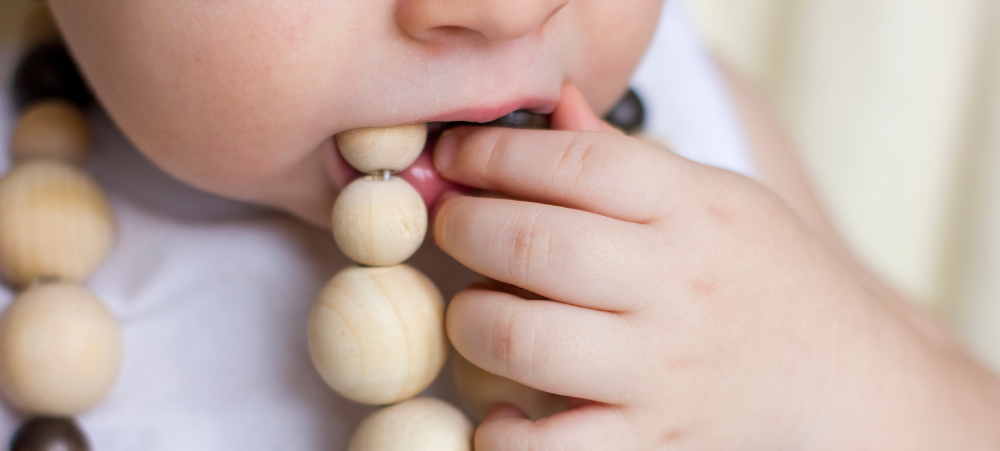
While teething can be uncomfortable for your baby, Affinity Health, a leading provider of high-quality healthcare, says there are ways to make your baby’s teething experience more bearable. “Teething occurs when your baby’s teeth protrude through the gum line. It’s also known as odontiasis,” says Murray Hewlett, CEO of Affinity Health. “Every baby is different when it comes to teething. However, your baby will likely get their first tooth during their first year.” When Do Babies Begin To Teeth? Some babies begin teething before the age of four months, while others start after the age of twelve months. However, most babies begin teething around the age of six months. Symptoms Of Teething Baby teeth can sometimes emerge without any pain or discomfort. At times, however, teething can cause your baby to be irritable and uncomfortable. Signs that your baby is teething include: Sore and red gums where the tooth is coming through A mild temperature (less than 38 degrees Celsius) Flushed cheeks A rash on their face Rubbing their ears Dribbling more than usual Gnawing and chewing on things more than usual Restlessness Irritability   “Teething can be painful, but it rarely causes babies to become ill,” adds Hewlett. “If your baby has diarrhoea, vomiting, body rashes, a higher fever, or cough and congestion, contact your doctor. These are not typical teething symptoms. You should also contact a paediatrician if your baby’s gums are bleeding or if you notice any pus or swelling on their face. What is the order of appearance of baby teeth?” The Order Milk Teeth Appear The following is a rough guide to how babies’ teeth typically emerge: Bottom incisors (bottom front teeth): These teeth are usually the first to appear at around five to seven months. Top incisors (top front teeth): These appear around six to eight months. Lateral incisors (either side of the top front teeth): These appear around nine to 11 months. Bottom lateral incisors (either side of the bottom front teeth): These appear around 10 to 12 months. First molars (back teeth): The majority of children will have all of their back molars by the age of two or three. When and how teeth appear varies from baby to baby and may be influenced by family history. Eventually, 20 milk teeth will emerge. 8 Ways To Calm a Teething Baby What soothes one baby might not work for another, so you might need to try different things to make your child feel better. Bananas, apples, and carrots can be frozen and gnawed on by your teething baby for pain relief and a tasty treat. To avoid choking hazards, crush the food and place it in a baby-safe mesh feeder once the teeth have emerged. Ginger is a natural anti-inflammatory that soothes the nerve endings in the gums, which helps to relieve teething pain. Rub a slice of peeled ginger over your baby’s gums for two or three minutes for the best results. Cloves contain oils that are warming and numbing. Combine ground cloves with water, coconut oil, or unsalted butter to make a paste that can be rubbed on the gums. Allow your baby to chew on a damp washcloth for a cool, numbing sensation. To add some interest, tie one end of the cloth in a knot before freezing it, or soak it in chamomile tea instead of water. Because they are nearly bite-proof, firm rubber and unfinished wooden teething rings are ideal for older teethers. Avoid liquid-filled teethers because they can break under pressure. And, of course, make sure that the ones you buy are BPA-free Chill a metal spoon in the refrigerator for a few hours and give it to your baby to suck on.  Use your index finger to rub and massage your infant’s gums gently. Allow them to gnaw on your big knuckle if you’re brave (and they don’t have too many teeth). Rub your baby’s face, jaw, and gums in a circular motion several times daily. This treatment may be ineffective in some babies but may be effective in others. A Word On Teething Necklaces  You may have heard that heated amber teething necklaces release a pain reliever. That has not been proven, and doctors advise against using one. “Teething necklaces, in general, are not recommended by paediatricians,” says Hewlett. “They’re dangerous because they have the potential to strangle your baby. They can also choke if the necklace breaks and the beads are swallowed.” If you do decide to use one, make sure that you: Put it on the baby’s wrist or ankle, not around their neck. Always keep an eye on your child while they are wearing it. Take it away whenever you are not watching your baby, even for a short period.

Parenting Hub

10 MYTHS ABOUT DEPRESSION

Affinity Health, a leading provider of high-quality healthcare, says it is important to understand the facts about depression to dispel myths and misconceptions that can prevent people from seeking help. “Depression (major depressive disorder) is a serious mental health condition that, according to the World Health Organization (WHO), affects more than 264 million people globally,” says Murray Hewlett, CEO of Affinity Health. “Despite its prevalence, there are many myths and misconceptions about depression that can make it difficult for people to understand and seek help.” Affinity Health explores 10 common myths about depression and provides accurate information to help dispel these misconceptions. Myth: Depression is Just Sadness Fact: While sadness is a common symptom of depression, it is not the only one. Depression can also cause feelings of hopelessness, worthlessness, and emptiness, as well as physical symptoms like fatigue, insomnia, and changes in appetite. Myth: Depression is a Personal Weakness or Character Flaw Fact: Depression is a medical condition caused by a combination of genetic, environmental, and biological factors. It is not a personal weakness or a reflection of character. Myth: Depression is a Choice Fact: People with depression cannot simply choose to be happy or snap out of it. Depression requires treatment and support. Myth: Depression is not a Serious Illness Fact: Depression can have significant impacts on a person’s mental and physical health, as well as their relationships and ability to function in daily life. Myth: Only Weak People Get Depressed Fact: Depression can affect anyone, regardless of their strength or resilience. In fact, many people who experience depression are highly accomplished and successful. Myth: Depression is a Normal Part of Ageing Fact: While depression can occur at any age, it is not a normal part of ageing. Older adults, however, may be at higher risk for depression due to factors like loneliness, financial difficulties, chronic pain, and lack of purpose or meaning. Myth: Talking About Depression Makes it Worse Fact: Talking about depression can help people to feel understood and supported and reduce feelings of social isolation and shame. Myth: Depression is Just Like Sadness, and it Will Pass Fact: Sadness is a normal emotion everyone experiences during stressful or sombre times. Life events such as losing a loved one, financial troubles, or job loss can trigger sadness. However, sadness often passes with time, but depression persists, affecting daily life. Myth: Medication is The Only Treatment for Depression Fact: While medication can be an effective treatment for depression, it is not the only option. Therapy, lifestyle changes, and other types of support can also help manage depression. Myth: Once Someone is Cured of Depression, they will Never Experience it Again Fact: Depression is a chronic mental illness that can recur throughout a person’s life. While treatment can help to manage symptoms, it is important for people to continue to prioritise their mental health and seek support as needed. Need Help? If you believe you are suffering from depression, talk to your healthcare provider, who can assist with a treatment plan. Alternatively, contact The South African Depression and Anxiety Group (SADAG) at (011) 234-4837 during office hours or 0800 456 789 (24-hour helpline).   About Affinity Health Affinity Health is South Africa’s leading health insurance provider, offering you a range of options at affordable rates, including access to the widest national provider network. We understand the importance of medical insurance that meets your needs, budget, and lifestyle. Our healthcare products are designed to protect you and your family when it matters the most. We strive to always give our clients peace of mind and the highest standard of service. For more information, follow us on Facebook, Twitter, and Instagram.

Parenting Hub

Discover the power of targeted nutrition with JSHealth: Your Guide to optimal health and wellness

JSHealth is not just another supplement brand. JSHealth offers unique, nutritionally formulated products designed for specific health needs such as skin health, mild stress and anxiety, and bloating. The range of products is simple and easy to navigate, with each formula’s name reflecting its purpose. The brand’s philosophy centers on quality, with ingredients in each formula chosen by a team of experts to ensure efficacy and optimal dosages. This Australian-made brand has total control over the quality of ingredients, combination, and dosage. A few hero products from the range includes: JSHealth Mild Anxiety + Stress Tablets 60’s (R699.00) The Mild Anxiety + Stress formula is designed to help reduce the occurrence of symptoms of mild anxiety, and relieve symptoms of stress and nervous tension, based on traditional Western herbal medicine with a special combination of rejuvenating adaptogens, herbs, antioxidants, and vitamins. Passionflower is traditionally used in western herbal medicine to help reduce the occurrence of symptoms of mild anxiety, stress, and nervous tension, relieve irritability, and calm and soothe the nerves. Ashwagandha is traditionally used in Ayurvedic medicine as a rejuvenating tonic. It is an adaptogen to help the body adapt to stress and relieves feelings of general malaise and debility. Vitamin B5 supports cognitive and mental function. Vitamin C is an antioxidant that reduces free radicals formed in the body. JSHealth Detox + Debloat Tablets 60’s (R699.00) One formula inspired by a double-benefit approach for the digestive system and the liver is designed to support your confidence and nourish your health from the inside out. Fennel is traditionally used in Western herbal medicine to decrease, reduce and relieve abdominal bloating and distention. Turmeric is traditionally used in Western herbal medicine to relieve digestive discomfort, support liver health and is an antioxidant. Milk thistle is traditionally used in Western herbal medicine to support natural cleansing and detoxification. JSHealth Hair + Energy Formula 30’s/60’s (from R499.00) Hair + Energy supports hair health and growth (when dietary intake is inadequate), plus maintains energy levels, with Iodine from an exclusive blend of JS Health Kelp™ and Zinc. It also maintains hair thickness and strength in females. Iodine maintains and supports hair health (when dietary intake is inadequate). It maintains and supports energy levels and body metabolism, as well as thyroid gland function and thyroid hormones. Zinc helps maintain normal healthy hair, skin and nails. JSHealth Skin + Digestion Formula 60’s (R699.00) Did you know that the gut and skin are linked? This formula targets both. Think of Skin + Digestion as an inside-out tool for skin health, which works to relieve the symptoms of acne, pimples and more. At the same time, it relieves digestive discomfort, it is based on traditional Western herbal medicine, and supports gastrointestinal health. This comprehensive formula also helps support collagen production. Zinc relieves symptoms of acne, pimples and minor skin eruptions. Burdock is traditionally used in Western herbal medicine to relieve minor skin eruptions and symptoms of mild eczema and dermatitis. Vitamins B2 and C maintain and support skin health. Turmeric is traditionally used in Western herbal medicine to relieve digestive discomfort and promote bile secretion. JSHealth Vitality X + Collagen (R999.00) Vitality X + Collagen is our signature inner beauty powder. This unique blend harnesses the benefits of sustainably-sourced Marine Collagen enhanced with a unique combination of ingredients for skin health and vitality. The Marine Collagen peptides are activated through the hydrolysation process for high absorption. Marine collagen supports collagen formation, skin integrity and structure, skin hydration and elasticity in females and maintains collagen health. JSHealth Vitamins is available at selected Clicks stores and online at www.clicks.co.za

Bill Corbett

MY CHILD IS SCARED AND KEEPS GETTING OUT OF HIS BED

I received the following question in an email from a parent:  “Our son is three years old and for the past three months he has not been sleeping well. Depending on the night, it can take numerous attempts to get him to go to sleep and then when he does, he wakes up every 3 hours or so and it can take a while for him to go back to sleep.  He never had any issues with sleep prior to this. His father and I are married and have a great loving relationship and nothing has changed in our family at all over the past year. What thoughts do you have for us in dealing with his sleep issues?” Here is my reply to this parent: Children go through different phases throughout their childhood and sometimes their behavior doesn’t make sense to us.  They could see something scary quickly, hear adults talking about something alarming or a friend at school might tell them something that bothers them.  The most important thing for you to do is to remain calm around this issue.  When children see their parents acting calm and not appearing anxious, it can actually help them calm down as well.  Here are a few things you can do right away. DO SOMETHING AS A FAMILY IN THE HOUR OR TWO BEFORE HIS BEDTIME.  I know it can be difficult for working parents, but make time for it anyway. Spend time together reading a book, playing a quiet game, or talking. This loving activity will help him to feel loved and know that his family is OK. IDENTIFY THE PRIMARY ACTIVITIES AT BEDTIME AND SEE THAT THEY HAPPEN.  With him, create a visual list of what he needs to do: potty, get PJs on, a story, teeth brushing, and a drink of water. Creating a visual list will help create sameness and routine. Children with more sameness and routine in their lives feel more comforted and calm. I love the product called SCHKIDULES (http://www.schkidules.com) because they allow parents to create visual routines for little and big children. GUIDE HIM BACK SILENTLY EACH TIME HE GETS OUT OF BED.  Tell him in advance that starting tonight, after he gets tucked into bed, one parent will guide him back to his bed and they will not be able to speak to him. Role play this. Make believe to tuck him into bed and then when he gets out, calmly and lovingly (without speaking) guide him back to his bed and leave the room immediately. Remember, no talking to the child when he gets out of bed after being officially tucked in.  But be sure and smile and lovingly return him to his bed immediately and then leave his room. Do this whether he wakes while you’re up or after you go to sleep.  Your job is to create sameness, routine and to draw boundaries and follow through.

Bill Corbett

3 POWERFUL METHODS FOR HANDLING CHALLENGING BEHAVIOUR

When I deliver a live parent lecture, I sometimes ask my audience to raise their hand if their parents used punishment when they misbehaved. Most hands go up, revealing that punishment was a common parenting tool back in the day. Since that time, society has determined that punitive treatment of our children is no longer acceptable. Researchers have also determined that children who are punished are more likely to have low self-esteem and experience depression or even suicidal thoughts as adults. Many of today’s parents also understand how important the experience during the early years of childhood contribute to the success of their children in their adult years. This includes how happy they are, how well they seek out healthy living habits, and how well they are able to select other healthy adults into their lives. So if you want to set your child up for success, here are just a few suggestions on how to handle challenging behaviors with your children. This does not serve as a complete list, but simply a few suggestions to get you started. FIND A FUN WAY TO GET YOUR NEEDS MET. Sometimes a parent is on a mission to accomplish some task and his children are making it difficult by demonstrating uncooperative behavior. Ask yourself, “What fun can I add to this moment that will provide some cooperation. One day I was bound and determined to get the leaves raked up in the yard and my kids did not want to help. Instead of getting angry, yelling and punishing them, I issued a challenge to my three kids: WHOEVER COULD RAKE UP THE LARGES PILE OF LEAVES WOULD GET THROWN INTO IT. The kids immediately ran out into the yard to begin raking. My goal was accomplished GIVE YOUR CHILD A SENSE OF VALUE. A woman shared with me that her son would act out and misbehave whenever she was busy in the kitchen preparing for a big meal for a family gathering. Perhaps the boy felt as if he was competing with the kitchen activities for his mom’s attention. I told her to make a list of all the guests who will be coming to dinner, and have the boy create a drawing on a large 8.5″ x 17″ piece of paper, specifically for each of those individuals. Those drawing will be the placemats placed at each place setting. After the dinner is completed and the dishes are cleared, the little boy gets to explain what each drawing means to the person he drew it for. GIVE YOUR CHILD A CHOICE. Demanding a child to do something immediately doesn’t work in this modern age. It did back when we were young because it was a different time with a different style of parenting. Most of us were raised by autocratic parents who issued demands regularly and we were expected to comply. So instead of issuing commands to your child, give them a choice related to completing the task. Instead of saying, “Go brush your teeth!”, say, “Would you like me to brush your teeth or would you like to do it yourself?”

My Breastpump

NICU and Milk supply

The first few days after giving birth are very important in setting up your milk supply, particularly if your baby is born early. Starting your milk supply without a baby drinking directly from your breast can be done. It does take commitment and effort but it most certainly can be done. In this blog, I will give you tips to help you and also the reason as to why they will work.  Firstly if your baby is born early you still need to get your milk production up to its maximum by week two. This is to ensure that you are able to meet your baby’s needs as she grows and gets older. The amount of expressed breast milk that you are aiming to express is between 750-1100ml per 24 hours at 2 weeks for a singleton. An interesting fact to note is that your baby will not need more milk than this as they age. The composition of your breast milk will change according to your baby’s needs but not the volume. So once you have reached this goal you are set for the rest of your breastfeeding experience.  So how do you get your milk supply up in such a short time and with everything else that is going on in the NICU?  The first step is to start pumping as soon as possible. The guideline is to start pumping within the first 6 hours after birth. This target is important, as it is, your body is primed to start with breastfeeding. If for any reason you were not able to start within this time, start anyway, often there are reasons for the delayed starting that are out of a mom’s control: surgery, recovery from the birth, ill health, not having a breast pump or knowing how to hand express. The reason that you need to start expressing is you need to let your body know that you have a baby to feed and it will respond. Your body has been primed during pregnancy for breastfeeding but now it needs the nipple stimulation that is associated with breastfeeding and pumping to start up your “milk-making factory”. The nipple stimulation gets your prolactin levels higher which is the milk-making hormone. You need to maintain high levels of prolactin in order to keep your “milk factory” working. The second step which is actually more important than when you started expression, is how often your express in 24 hours. Your goal should be 8 to 12 times, with no longer than a 5-hour break for your evening sleep. This strict regime of pumping is so that you are imitating how a newborn would be feeding. It imitates how your nipples would be stimulated and increases and keeps the prolactin levels high so that your breast milk factory (the breasts) keeps on producing milk. With time you will see your milk change from colostrum to transitional milk and then mature milk.  Don’t forget to pump at night. Night pumping is very important as your prolactin levels are higher at night and as a result, your breasts will then respond to the stimulation better. This can become an issue for a mother that needs sleep and is not able to maintain a 3 hourly schedule of pumping through out the night. In this case, the recommendation is that the mother pump just before she sleeps and as soon as she wakes up with no longer than a 5-hour break between pumping. Sleeping is also important in the process of making breast milk and sleep can be very beneficial in helping you with your milk production.  Make sure that you are pumping efficiently and effectually in the shortest amount of time. This is because it is better to pump 8 times a day for 20 minutes and 4 times a day for 60  minutes. Some mothers find that if they wait longer, they can express more in a session- this is the beginning of weaning as the breast will be stimulated less and less resulting in a decrease in milk production over the 24 hours. It is better to keep to more often pumping with an effective Double electric hospital-grade breast pump that is a closed system like the Ameda Mya Joy. An added bonus is that the Mya Joy is very quiet and portable. There is even an option to make the pump, hands-free as well.  When pumping make sure that all your breast pump parts are clean, sterilised, and in working order. You may need to replace the valves over time as these are the parts that wear the most.  Focus on your happy place- while you re pumping. This can be your baby, looking at a  photograph or a video. However, some mothers might find this stressful to see their baby in NICU with all the tubes and monitors so they may benefit from focusing on a different happy place. It really is an individual focus that will help you to get your milk flowing. You may even try hands-on pumping which in some cases has shown to improve the milk volume at the end of a pump.  Focus on these 5 tips to help you to get your breast milk supply up and flowing while your baby is in NICU. As soon as you are able to take advantage of skin-to-skin and how it can help you to increase your milk supply. It is also a lovely way to spend time with your baby. 

Philips Avent

You’re Pregnant! Now what? What to expect when you are expecting and knowing your rights as a new Mom

Every second four babies are born somewhere in the world. Most births are usually preceded by the most popular question: Is it a boy or a girl?  In South Africa, 1 million births took place in 2021 with the most popular choice of birth names being Lethabo and Melokuhle according to Statistics South Africa, both of which represent positive connotations of love and acceptance. And, did you know that statistically, slightly more boys are born than girls with the World Health Organisation stating that around 105 boys are born per 100 girls. Whether you choose to find out the sex of your foetus at your 20-week ultrasound appointment and throw a celebratory baby naming ceremony with friends and family or; you prefer to be surprised on the day of your delivery, it will undoubtedly be a watershed moment. No one forgets the day they turned into a bona fide parent responsible for building and strengthening the mother-father-and-child bond through everyday love and caring.  As a parent, you will want what is best for your baby from day one. With 30 years of clinical experience in baby feeding, Philips Avent has been designing and manufacturing solutions to meet your needs developed through extensive research, clinical trials and, even more importantly by listening to parents like you. While developing innovations based on a deep understanding of mom and baby physiology, we are here to support you every step of the way. Preparing for Birth Not everyone is gifted with the opportunity to fall pregnant and deliver a child into the world. When you do fall pregnant however you also realise that your growing belly doesn’t come with a manual for life. Rather, you are the manual, and it is your responsibility to look after yourself first and then your child in the best conceivable way.  It is your turn now to step up to being the ‘Mom know best’ in your life, while gathering information along your journey, finding support, asking questions and using the best tools for loving, nurturing, nourishing and growing that new life inside of you which carries fifty percent of its DNA from Mom and the other half from Dad.     Self-care When you test positive for a baby, your physical body immediately gets to work and you will notice changes such as weight gain, backache, and fluid retention as the pressure of your growing womb affects the blood flow in your legs.  Gestation is not only a time for your baby to grow and develop but for you to become more conscious and attentive to the needs of you and your body. Self-care means resting when you are tired, cutting out junk foods and food cravings, walking or stretching daily to strengthen your body in preparation for the birth and preparing your home nest to receive a new member who will fit into your everyday routines as seamlessly as possible. Trimester Checklists The first trimester is the most important period of your baby’s development. This is when your baby’s structure and organs develop. Most miscarriages and birth defects occur during this uncertain period and your body also undergoes major changes. First Trimester Essentials: Week 1 – 13: Start taking a prenatal vitamin and avoid unsafe foods such as raw eggs, deli meat and raw fish. Stop smoking, drinking alcohol and reduce your caffeine intake.  Stay hydrated and try to fit in at least 30 minutes of physical activity most days of the week. Settle on a gynaecologist, midwife, or other prenatal care provider  Check your medical aid insurance to see if it covers prenatal care and delivery Schedule your first prenatal appointment usually around the 8-week mark Talk to your doctor or midwife about prenatal testing to check for genetic defects and HIV. Check your finances, the costs of your baby and how maternity leave will impact you. Start a budget and a savings plan. Discuss your parenting ideas with your partner and agree on how you want to raise your child and research parenting and prenatal classes you can sign up for together. You Have a Baby! Now What? Following the birth, the first ten days with your newborn at home will prove to be as big a learning curve as it was on initially hearing you were pregnant. Don’t panic, this is where your instincts get to kick in and perform at their best. If you don’t have a mom, sister, or doula to support you, here are a few practical tips for your baby’s healthy development: Do as much skin to skin contact as possible. Your baby loves feeling, hearing, and smelling your presence which gives them a sense of protection and calm. Hug, touch, talk and stroke your child as much as possible. Within only a few days, your newborn can start smiling back when people smile at them. Breastmilk wins every time.  Mother’s milk is pure elixir to babies helping them to grow properly and develop their immune systems. Breast pumping is an easy and practical method for modern mums to bring in your milk and ensure you supply enough breast milk at every feed and for the two-year mandated breastfeeding period while juggling life and a career.  Embrace every moment and love every challenge with the Philips Avent Electric Breast pump which offers a new era in expressing with a perfect balance of suction and nipple stimulation inspired by the natural way baby’s drink.  Communicate with your new-born. Talk to your child in soft tones and baby talk. You will notice they can hear and will soon start to memorise and copy your words. Understand why they are crying. A newborn baby is unable to look after itself and relies on you to attend to its needs. A baby will cry when hungry, if it has a soiled nappy, is tired, needs a cuddle, has wind, is too hot or cold, or is bored or overstimulated. TIP: Babies suckle to calm themselves. For babies with a strong need to

Junior Colleges

How to assist your child in developing their language of learning

Mom is strolling around the supermarket with a six-month-old infant in the baby seat. Not once does she engage in eye contact, talk to the child or even smile. When the baby becomes restive, a dummy is thrust in his mouth without a word spoken. Contrast this with a dad in a fruit and veg store, with an infant of similar age. At every display he picks up a fruit, lets the baby touch and smell it and talks about the name of it, the colour and how good it tastes. Not hard to know which of these babies will develop a good language as he grows. Babies develop language through constant face to face engagement with a trusted care giver. These days many infants are left in the hands of untrained nannies who are too busy listening to music on their earphones or talking on their cell.  The foundations of language are laid in utero and beyond. Two-year old’s who have been deprived of stimulating language are already developmentally behind their peers and the gap grows, requiring expensive therapeutic intervention before formal school entry. Adding to this language gap, we now place the child into a school where the language of learning is different and expect that the new language will be acquired rapidly-because that’s what we pay fees for! What is not understood is that a second language is based on the first. Almost like making a photocopy. If the original is poor, the copy will be too. Home language is important, but make it rich by talking, singing and reading to the baby/toddler. TV and tablets do not teach language, it is a reciprocal process. If someone in the home is fluent in the proposed language of learning, they should be doing all the above in that language, from day one. Babies are pre-programmed to learn as many as 4 languages simultaneously, AS LONG AS EACH LANGUAGE IS SPOKEN BY THE SAME PERSON. Granny can speak Sotho, Mum isiZulu and Dad English, but they must stick to their language until the child is at least 3. Don’t mix languages, this just results in language soup! Besides talking, singing and playing with the child, using a rich vocabulary, you should be reading to the baby from a very early age. Initially use board books with clear pictures that relate directly to the child’s home environment. Talk about the pictures, relate them to real objects if possible and let the baby touch them when you name them. Expand the range of books as the baby grows and by two, join the local library. A weekly visit in search of a new book will become a highlight. You will of course have taught the child how to handle books respectfully! Yes, you can use a tablet, but these are too heavy for young babies to handle and hold. Books in many of our official languages are scares, but you can translate! But what if my child is only speaking one language when he enters school? In this situation, parents will have to work hard to support the school. Here, a tablet can be useful as you can find good apps for simple songs that will help your child acquire the rhythm of the new language. Find books that have a picture with details of familiar rooms at home, animals, toys etc. to help your child learn as many new words as they are capable of, revising them daily. Use full sentences: “Look at the big red car. Let’s count the wheels. Let’s drive your car across the floor Does your car have four wheels? Your car can go fast. Can you make it go slowly?” Young children learn by doing and including plenty of action as you talk will help the learning process. If possible, enrol you child in language enrichment classes, or form groups and engage a good tutor. Find out what theme/inquiry your child is doing at school and link your support to it. Ask the teacher for a list of important vocabulary to practice. In order to cope well in Grade 1, a child needs a cognitive and perceptual vocabulary. Colour/number/shape/size/position in space/sounds in words etc. etc. School curriculums are available on line, which will help you keep pace. Playing with peers is a great help in learning a new language. Children can play without language, and for a couple of months they may just listen but will soon be joining in and may talk more in play than they do in class. If your child has difficulty acquiring the language of learning, talk to a speech and language therapist and get advice. Therapy before the age of six will pay dividends and results will be much faster than if you wait until troubles loom in Grade 1 and negatively affect learning to read. Lastly, make your child’s life as interesting as possible. Visit the zoo, animal parks, farms etc. as often as possible. Be with your child, not in the restaurant taking you ease, and talk, talk, talk. After the visit encourage your child to draw a picture and tell you what he saw. Going to one of our numerous eating venues and handing the child over to the resident nannies is wasting precious language time. Sitting together, talking about the food and having family conversation is making the most of the outing. By Barbara Eaton (Academic Development Co-ordinator for Junior Colleges)

Social Kids

My kid is not online

Sure, you might think this, but the reality is, if they’re watching YouTube, playing games on your phone or streaming TV – they are online. Would you rather your child learns how to navigate this world from their peers or through trial and error?  Studies have shown that teenage suicide has increased with the growth of cyberbullying. Cybercriminals do not discriminate on age; they attack anyone who is online and unprotected.  Unexpected purchases happen from more pop-ups and ads that interrupt games than ever before. We live in a digital world; your child was born to a screen and the loving arms of mom and dad. Screens are a part of our lives, there is no getting away from it.  Social Kids was founded out of a concern for what children are being exposed to at a young age with little to no control. The purpose of the course is to equip children with the skills to STOP. Think. Before they click.  The content has been developed to be fun, engaging and memorable, along with an amazing team of professionals and many hours of research coupled with 20 years of digital marketing experience, this program was created to protect their own child and others like him.  Social Kids is a series of pre-recorded videos to be watched over 5 weeks. There are five 20-minute videos. Each adventure tackles essential topics like how to be SMART online, deal with cyberbullies, spot fake new and having good manners online. Codey Crawler with his BFF Miss Nadie, a professional teacher guides the conversation to show children how they can approach these topics and keep talking to their loved ones.  After each adventure, children must complete activities to earn digital badges. Once these adventures have been completed, children will receive a Global Surfer button and a certificate of achievement. Giving you the confidence that your child can face any situation that may find them, either now or later in life.  Join Codey Crawler as he helps to guide our children through the digital world they play and learn in. Codey will give children aged 7 to 11 years old the confidence and guidance to surf the net, know their rights and handle uncomfortable situations before their tweens.  Register today and save!    

Parenting Hub

WHAT ARE THE SIGNS OF GLAUCOMA IN CHILDREN?

Affinity Health, a leading provider of high-quality healthcare, investigates the indicators of glaucoma in children so that parents and caregivers can recognise the illness and seek treatment as soon as possible. “Glaucoma is the leading cause of preventable and irreversible blindness worldwide,” says Murray Hewlett, CEO of Affinity Health. “While the condition is often associated with older adults, it can also affect children, and early detection is key to preventing vision loss.” What is Glaucoma? Glaucoma develops when the optic nerve, which transmits visual information from the eye to the brain, is damaged. Increased pressure in the eye, known as intraocular pressure, is often the source of this damage. As a result, the patient’s vision gradually deteriorates, eventually leading to blindness if left untreated. Sadly, there is no cure for glaucoma, but early detection and treatment can help slow down or prevent vision loss. Therefore, regular eye exams are crucial, especially for those at a higher risk of developing the condition. What Are the Risk Factors of Glaucoma? Glaucoma risk factors include age, family history, high eye pressure, and certain medical conditions like diabetes and high blood pressure. In children, glaucoma often results from an underlying medical condition or genetic disorder. Signs of Glaucoma in Children In infants and young children, glaucoma can be difficult to detect because children may not be able to communicate their symptoms. However, there are some signs that parents and caregivers can look for, including: Cloudy or enlarged eyes: One of the most common signs of glaucoma in infants is an enlargement of one or both eyes. The affected eye may also appear cloudy or hazy. Excessive tearing: Children with glaucoma may experience excessive tearing, even when they are not crying. This can be a sign of increased pressure in the eye. Sensitivity to light: Children with glaucoma may be sensitive to light, which can cause discomfort or pain. They may also squint or close their eyes in bright light. Redness in the eye: Redness in the eye can be a sign of many eye conditions, including glaucoma. If a child’s eye appears red or bloodshot, it’s essential to have it evaluated by an eye doctor. Cloudy cornea: The cornea is the clear, dome-shaped tissue at the front of the eye. The cornea may become cloudy or opaque in some cases of childhood glaucoma. Poor vision: As glaucoma progresses, it can cause vision loss. In young children, this may manifest as a lack of interest in visual stimuli, delayed development of visual skills, or difficulty tracking objects. How is Glaucoma Diagnosed and Treated? If you suspect your child may have glaucoma, it’s vital to have them evaluated by an eye doctor as soon as possible. The doctor will perform a comprehensive eye exam, which may include measuring the pressure in the eye, evaluating the optic nerve, and examining the cornea. If glaucoma is diagnosed, treatment will depend on the underlying cause and the severity of the damage to the optic nerve. In some cases, medications may be prescribed to lower the pressure in the eye. In other cases, surgery may be necessary to improve fluid flow in the eye. Prevention and Management of Glaucoma While there is no guaranteed way to prevent glaucoma, there are some steps that parents and caregivers can take to help reduce the risk of vision loss. These include: Scheduling regular eye exams for children, especially if they have a family history of eye disease or other risk factors for glaucoma. Being vigilant for signs of eye problems, such as excessive tearing, redness, or cloudiness in the eye. Encouraging children to wear protective eyewear, such as goggles or sunglasses, when participating in sports or other activities that could lead to eye injury. Ensuring that children take any medications as prescribed and attend all scheduled medical appointments.     About Affinity Health Affinity Health is South Africa’s leading health insurance provider, offering you a range of options at affordable rates, including access to the widest national provider network. We understand the importance of medical insurance that meets your needs, budget, and lifestyle. Our range of healthcare products are designed to protect you and your family when it matters the most. We strive to always give our clients peace of mind and the highest standard of service. For more information, follow us on Facebook, Twitter, and Instagram.

Clever Me

WHAT IS SENSORY PROCESSING DISORDER?

Adequate awareness, interpretation and use of sensory information is the cornerstone of all learning and behaviour. Some sensory deficits are easy to recognise, such as poor vision or hearing. Other difficulties are less easy to interpret, as they may result from difficulty with processing stimuli through movement, touch, pressure, position and gravity receptors. Some children may have adequate hearing, smell and eyesight but have trouble with using visual, auditory and olfactory information for function. Sensory Integration is the organisation of sensations for use. The brain locates, sorts and orders sensations- somewhat as a traffic officer directs moving cars. This enables interpretation of our surroundings and helps us form adaptive responses that form the foundation for behaviour and learning. When the flow of sensations is disorganised every second of one’s life can be like a rush hour traffic jam! Messages get jumbled and some don’t reach their destination at all.  Improving sensory integrative functioning is like inserting traffic lights that order and control streams of traffic, organising the tangle of cars and roads, and helping the child predict what to do when the traffic gets really bad. School environments can be overwhelming to children with Sensory Processing Disorder (SPD) due to the enormous quantity and variability of incoming sensations. Common difficulties experienced by children with SPD include delayed development of activities of daily living (such as going to the toilet, putting on shoes), delayed milestones, poor fine motor coordination, poor gross motor coordination, poor posture, restlessness, clumsiness, difficulty socialising, anxiety and low self confidence, poor concentration and attention, poor impulse control, avoidance of play ground, very rough play, very active, very labile, slow work speed, difficulty learning letters and numbers, poor handwriting, difficulty with spatial orientation, difficulty following instructions, distractibility. These are only some of the problems that are most frequently experienced by children with minor or major sensory integrative difficulties. Each child’s symptoms, behaviour and academic ability is different. A closer look at how our senses process information: Vision Organ-Eyes Must be able to detect light and movement Must be able to follow moving objects Must be able to focus on one object Must be able to work together or separately (usually 1 eye dominant Visual processing Transmission of visual input to Occipital lobe in brain where information is interpreted. Manipulate visual concepts (figure ground, visual closure, spatial relations, position in space, form constancy) Integrate visual information with movement (Eye hand coordination, visual motor speed, copying) Filter and ignore non-pertinent, non-threatening information. Hearing Organ- Outer ear, middle ear (ear drum, ossicles), inner ear (Cochlear) Must be able to detect sound Must be able to interpret sound into meaningful information Must be able to accommodate according to noise Auditory processing Transmission of sound to Temporal Lobe and formation of adaptive response Discrimination between loud and soft/high and low/far and near Speech and language reception and expression Filter and ignore non-pertinent, non-threatening information Integration with movement impulses (semi-circular canals in inner ear) Connection with arousal and attention levels Position and movement Organ- muscles & joints Proprioceptive processing Transmission of information about position and movement of our bodies to the brain stem and cerebellum Automatic adjustment of posture and appropriate contraction/relaxation of muscles Enables subconscious awareness of the position of our limbs in space, and therefore provides foundation for any coordinated movement for function. Predicts self-orientation, self-awareness and in many cases interest and satisfaction in tasks. Gravity, Head Movement & Balance Organ- Semi-circular canals and otoliths in inner ear Vestibular processing Transmission of information about vibration and gravity (Otoliths), movement, acceleration and position of the head (Semicircular canals) to the brain stem, cerebellum and cerebrum. Interpretation of exactly where we are in relation to gravity, how fast we are going, and in what direction. Enable subconscious adjustments needed for balance, posture and movement Interaction and integration with all other impulses travelling up and down the spinal cord. Major influence on emotional and social responses, self regulation, arousal and concentration, self esteem, anxiety etc Types of sensory responses High threshold- need more sensory information than others to experience the same sensation. Child may present as lethargic, disinterested, weak, and spaced out (low registration). Child may present as very active, have poor motor planning, touches things, moves/spins/jumps etc., likes heavy blankets/tight clothing, inattentive, restless, rough during play. Both types are associated with poor body concept, difficulty with fine and gross motor skills, poor self-confidence. Low threshold- are more easily stimulated by sensory stimuli, need less input than others to experience same sensations. Child may present as anxious, avoidant, difficulty eating, poor motor planning, dislike of being messy, behaviour deteriorates in noisy environments, dislike of change, difficulty with attention and concentration, tantrums Common categories of SPD Dyspraxia Bilateral Integration and Sequencing Visual Praxis Modulation (Over-responsive/Under-responsive) What to do for kids with SI difficulties: Be patient. Kids with SPD take longer to develop thing even though their cognitive function may be normal. Allow more time for individuals with SPD to complete tasks (including going to the toilet, understanding a new concept etc.,) within appropriate classroom boundaries. Help them deal with frustrations and difficulties experienced as a result of SPD. Children with SPD often appear naughty, aggressive, oppositional and disengaged and are often associated with hyperactivity. These behaviours are the outcome of deregulation on an electro-chemical level in the brain. Use positive reinforcement for desired behaviours, and accommodations to make the environment more user-friendly’ to the SPD child. Provide a space that is quiet, dark and uncluttered for SPD kids to utilise as a regulatory tool. Explain that this is not a time-out space which is associated with bad behaviour, but a way to help our brains organise themselves again. Tents work well or you can use a desk with a blanket over it or a quiet room. Provide ample opportunity for movement. Engage SPD kids in taking messages, moving furniture, handing out books etc. Encourage SPD kids to engage in active play during break times. Seat SPD kids in the least distracting place in the classroom.

Academic Coaches

7 Gifts to Give Your Children Today that Will Help Them Tomorrow

Just because it’s wrapped in pretty paper doesn’t mean it’s valuable. It’s because sometimes the best gifts aren’t appreciated until a child is older.  Here are 7 gifts that are worthy of your financial or time investment today because they “pay off” (sometimes literally, sometimes figuratively) in the long run.   Responsibility. Have you ever met a child that has no chores? Whose parents do everything for him with little or no appreciation? Or who gets everything she wants AND an expensive gift for her birthday? Teaching your children responsibility is a gift! By coddling a child, you do them a disservice to be prepared for life outside the home. Encourage them to volunteer, help around the house, get a holiday-job, and take responsibility for their actions and their future. Teach them how to do a budget, the importance of paying their bills on time, keep commitments, keep promises made, and be punctual. Responsibility is as much about valuing yourself as it is about valuing others. It builds independence, which is crucial for relationships, tertiary studies, work life, and mental health. A savings account. Consider opening a savings account or purchasing savings bonds for your children. Although savings accounts don’t typically earn a ton of interest, you’ve got time on your side and an opportunity to teach your children the importance and value of saving money. Academic Coaching. Being able to learn independently and successfully applying your knowledge, are just two of a long list of benefits your children will receive from professional academic coaching. Unlike tutoring, which focuses on reteaching academic information, academic coaching focuses on building learning skills, strategies and tactics that enables a child to become an independent learner. Definitely a gift with life-long benefits. A love of reading. Do your children have a library card? Do they have access to paper books or e-books? Head to a used or new bookstore, create a local book exchange with other parents, or find out when the book store is having their next sale. Few loves will take them further in life than a love of reading!  Failure. Watching your child fail is hard, sometimes even heart breaking. But it’s a necessary part of life and knowing how to handle failure, a life skill every child should have. How else do they learn from their mistakes? Part of the beauty of failure is that it encourages us to take risks and learn that we can manage the results, no matter what they may be.  Memberships. Teaching your children what it means to be a member of a group or club, is a gift in itself. What better way to help them experience the joys, responsibilities and value a membership brings, than to encourage them to become a member of a (formal or informal) group or club? Being part of something bigger than themselves, taking ownership of their role within that group or club, and understanding that others are depending on them, are just a few of the gifts your children will receive. Your time. This is probably the most valuable gift of all. Eat dinner as a family. Read to your children at bedtime (or have them read to you). Go cycling, fishing, hiking or camping together, or just picnic and stargaze from your garden. Teach them to bake, have a family movie night at home, or tell each other silly jokes. Let them know, through your words AND your actions, that they are your greatest gifts!

Sidebar Image

Scroll to Top