
Expert Advice from Bonitas Medical Fund
Bonitas – innovation, life stages and quality care

Reasons why your baby is crying

The following information is to be used as a guide to and at the discretion of the end-user and should not replace a doctor’s opinion. If your baby is crying, the first step is trying to figure out the reason.  Some of the most common reasons why a baby is crying are: Hunger is usually the first thing you should think of – they may give other signs first like rooting, fussing, smacking their lips and putting their hands to their lips. A dirty diaper – many infants don’t like a wet or dirty diaper, so changing their diaper when they cry is a simple thing you can do to help calm them. In need of sleep – babies may not just nod off to sleep when they are tired, they may get fussy and cry, so after feeding and changing diapers you may want to try soothing activities like finding a quiet place, holding them close and rocking them to help them get to sleep. Wanting to be held – babies like to be cuddled, so if you have tried all of the above tips without success it could be that your baby just wants you to hold and cuddle them; also talk in a soft voice or sing softly. Tummy troubles – babies can develop gas pains, colic, constipation, milk allergies and other conditions that make them cry; if this happens often talk with your doctor about ways you can soothe their tummy. Needing to burp – a trapped gas bubble in your baby’s stomach can make them uncomfortable, so if they are crying after a feeding, try burping them to see if that helps. Additional reasons are mentioned in the following tip. Additional reasons why your baby is crying The following information is to be used as a guide to and at the discretion of the end-user and should not replace a doctor’s opinion. In addition to the reasons mentioned in the previous tip, the following are reasons why your baby may be crying: Temperature troubles – babies will often cry if they are too cold, this may happen when you are changing them or washing them; it can also happen if they are too hot, though this is less common. Little irritations – babies are very sensitive to small discomforts like a hair wrapped around a finger or toe, scratchy clothing or being placed in the wrong position, so look for little discomforts if the big things don’t appear to be the cause of their distress. Teething – newborns don’t have teeth coming in but sometimes their teeth will move around under the gums causing them discomfort; their teeth won’t usually start to come in until they are about 4-7 months; a cold washcloth and gentle pressure on their gums may be soothing. Over stimulation – newborns can’t always process all the things that are going on around them, so if you think your baby may be suffering from too much stimulation take them to a quiet spot away from bright lights, hold them close and soothe them until they can calm down. Not enough stimulation – some babies are outgoing and like to see what’s going on around them, so if you think this is your baby’s issue try carrying them in a sling, front carrier or backpack so they can get the extra stimulation they need. Not feeling well – if you’ve met all your baby’s basic needs and they are still crying and fussy they could be coming down with something, so keep a close eye on them, check their temperature if you think they might have a fever and contact your doctor if needed. Things to try to comfort a crying baby The following information is to be used as a guide to and at the discretion of the end-user and should not replace a doctor’s opinion. Sucking is soothing for a baby and can lower their heart rate and relax their stomach, so give them a pacifier or a clean finger to suck on when nothing else seems to stop their crying. Babies are used to being warm and secure in the womb so when all else fails try imitating that experience by swaddling them and holding them securely or carry them with you in a sling. Some babies respond well to sound and movement, so try putting on some music and dancing with them – gently of course! Try white noise – often babies like noises that mimic the whooshing sounds they heard before they were born, so try running the vacuum cleaner, a fan or the water faucet or use a recording of a water fountain, a gurgling stream or waves. A change of scenery can sometimes help, so dress your baby appropriately and step outside your front door; walk around slowly and talk in a soothing tone. Get them moving – babies like motion so try carrying them around or take them for a ride in the stroller or the car; sometime this will work when nothing else seems to help. Massage may be helpful for some babies – don’t worry about knowing the right movements, just try a soft, gentle massage in a warm place free from drafts. Start all over again – sometimes it’s helpful just to start at the top of the list again; change their diaper, hold them close, feed them if their hungry and see if something works the second time around. If you ever think your baby is in distress because of a health-related issue don’t hesitate to contact your doctor. No question is ever “dumb” if it involves the wellbeing of your baby! Feeling frustrated when a baby won’t stop crying The following information is to be used as a guide to and at the discretion of the end-user and should not replace a doctor’s opinion. Keep in mind that crying won’t hurt your baby, they may just need a release so let them cry. Put your baby down and let

Bonitas – innovation, life stages and quality care

New Dad’s roles

The following information is to be used as a guide to and at the discretion of the end-user and should not replace a doctor’s opinion. Know that it’s normal to have fears – there is no simple way to prepare for parenthood and all new parents (yes Moms too!) have some concerns or fears about their new role. Learn as much as you can about your baby’s daily routine and offer to help out with activities you are comfortable doing. Make “Daddy Time” a special time every day by spending one-on-one time talking, reading or singing to the baby – work with Mom to build these activities into the daily routine. Offer to attend your baby’s doctors’ visits whenever possible – it helps you learn about your baby and provides a second set of ears to hear what the doctor has to say. Be actively involved in providing a safe environment for the baby – help keep an eye out for safety hazards. Make sure your baby is never exposed to second-hand smoke and has a drug free place to live. Be gentle with the baby – never shake your baby or toss them in the air. Be mindful of how you talk and act around the baby – a gentle voice and kind gestures are always best. Support from Mom to Dad The following information is to be used as a guide to and at the discretion of the end-user and should not replace a doctor’s opinion. Ask Mom to teach you to do things you may not know how to do yet – this way you can help out and support her as you learn about your new baby. Once you’re comfortable, offer to watch the baby so Mom can get some extra rest – this gives you time with the baby while supporting Mom as well. Take care of yourself, get regular check-ups and exercise daily – work to stay healthy for the newest member of the family. Set a good example and keep smoking and drugs out of your baby’s home. Talk with Mom about how she feels about herself after her pregnancy – she may need your support and encouragement to resume intimacy and sex since things like her self-image and her body may have changed. Treat Mom to small gifts and simple gestures that tell her that you care about her – these will help her understand that she is still special to you even if she is feeling tired and her self-image has changed. Emotional aspects for Dad The following information is to be used as a guide to and at the discretion of the end-user and should not replace a doctor’s opinion. Especially in the first few weeks after birth, use compassion when dealing with both Mom and baby. They both have just been through a difficult experience and your compassion will go a long way in supporting them as they move into the next part of their journey. You may often find yourself in new and challenging situations where you have the choice to either laugh or cry – choose humour, it helps everyone survive and thrive during challenging times. Life doesn’t always prepare us for our role as a parent so as a new Dad you will often find yourself in new situations with no rulebook – rise to the occasion by using your creativity and imagination to overcome new challenges. Remember that patience is a virtue – this is especially true when you have a newborn, so remember to slow down, take a deep breath and relax before you react to trying situations. Always keep in mind that much of what you are doing in the early days after the birth of your baby is a form of service for both baby and Mom – don’t see it as a negative, rather see it as a time for you to develop a new leadership role as you offer yourself in service to others. Dad comforting a crying baby The following information is to be used as a guide to and at the discretion of the end-user and should not replace a doctor’s opinion. As a first step, always make sure your baby has been fed and changed and that they are comfortable – if so then go on to the next steps to soothe them. Swaddling: holding a baby close can help them feel more secure, so snuggle them in a soft blanket. Side/Stomach: holding your baby on their side or stomach may help calm them. Shhh: making this noise often helps sooth your baby. Sucking: is very comforting for your baby, so if it’s not feeding time, give them a pacifier to suck on. Swinging: gentle movement is often soothing to a baby, so gently rock them in your arms or put them safely in an infant swing. Remember that even though it may be frustrating, it’s important for you to be patient and gentle with your baby. Use this time to bond with your baby and allow Mom a much-needed break from her role as a caregiver. Getting Dad involved The following information is to be used as a guide to and at the discretion of the end-user and should not replace a doctor’s opinion. Talk with Dad about his thoughts, feelings and concerns regarding his role in caring for your newborn – this will help you understand his comfort level. Get Dad involved in your baby’s care – he may need help in learning how to hold the baby or change diapers so include him in as many of the day-to-day activities as you can. Have Dad help with a night feeding when possible – if you are breast feeding consider pumping a feeding ahead so he can take one feeding for you during the night. Have him talk, read or sing to the baby every day – build these activities into your baby’s daily routine. Involve Dad in doctors’ appointments whenever possible. Ask Dad

Bonitas – innovation, life stages and quality care

Premature birth – what to expect

Expecting a baby is an exciting time of your life, and you want to make sure that you do as much as you can to make sure your new child is as healthy as possible. Premature birth is something you want to try to avoid or manage as carefully as possible. In many cases the cause is unknown, and according to The World Health Organisation, one in ten babies are born preterm. A birth is considered premature when a baby is born before the 37th week of pregnancy. The final few weeks in the womb are important to your baby’s full development, so being born prematurely can lead to longer hospital stays, short term, and long term complications. Why does it happen? Some of the more common risk factors which contribute to preterm births are having had a premature birth before, you’re pregnant with twins/multiples or you have issues with your uterus or cervix. However, often the cause of preterm birth often can’t be identified. Your health is also a factor that impacts on your likelihood to have your baby prematurely. Smoking during your pregnancy (which is not recommended), diabetes, high blood pressure (which can develop into preeclampsia) and being over or under weight are all potential premature birth causes. To try and avoid preterm birth you can talk to your doctor about any existing health issues, such as depression, diabetes or high blood pressure) before getting pregnant – this way you can manage any problems with a treatment plan. Waiting 12 months between pregnancies and eating healthy (making sure that you get the correct prenatal vitamins needed) can also help prevent premature birth. What if my baby is born preterm? If your baby is born prematurely they are at risk for long and short term complications. Many preterm babies lead completely healthy lives, however, the more premature and underdeveloped your baby is when they are born, the more likely they are to have issues. If your baby is born prematurely they may be put into a neonatal intensive care unit into an incubator. Some babies will spend longer in the unit than others, this all depends on when they are able to live without medical support.

Bonitas – innovation, life stages and quality care

Due soon? What to include in your hospital bag

With your due date fast approaching, this is a very exciting, yet stressful time for most moms to be. Here is a great list of what to pack for the big day! Ideally, you should have your bag ready to go by 36 to 37weeks, apart from the last minute grabs such as your tooth brush and phone charger. Please see our extensive list of the essential items and also items to make you feel more comfortable for mom and baby (and dad, of course!) Baby Car seat – Many hospitals won’t let you leave without one. Please make sure you know how to strap baby properly into the seat and the seat is secure in the car. Safety first! A going home outfit: It’s important to keep baby skin to skin (this means no clothes on baby; only a nappy) for as long as possible, as this promotes growth, bonding and a calming period for you and your baby. When it’s time to go home, pack different outfits in different sizes as you don’t know how big or small baby will be. Aim for an outfit in Newborn sizes, and 0-3 months. Don’t forget a beanie or socks if the weather is cold. Blankets or Muslin wrap to keep baby nice and cosy. Bottles – If you are going into the hospital knowing you are going to bottle feed, take your bottles with. The hospital usually supplies the formula, but if you have a preferred brand, take some along. If breastfeeding doesn’t work for you, don’t stress! The nurses will provide the bottles and formula. Nappies and wipes to keep baby clean and dry. The nurses in the hospital will show you how to change baby if you are a first time mom. Mom Your medical aid information, your pre authorization/ doctors forms, your ID card and all other important documents you may need. Keep this safely in a folder all together to avoid any stress. A robe or dressing gown – This is such a handy item to have to cover up and make you feel comfortable Pyjama’s that button down at the front – If you are breastfeeding it’s a lot easier to undo the buttons than lift your top continuously. Comfortable, soft and loose pants such as lights weight shorts, stretchy leggings or sleep pants are ideal. Maternity pads and disposable breast pads. Nursing bras are also wonderful and offers great support for breastfeeding moms. Slippers or slip in shoes. Your feet may be a little swollen after delivery, so don’t feel bad leaving the hospital in the snuggest and easiest pair of shoes you can slip into. Slipper socks also work great. Cotton underwear, preferably in a dark or black colour. One that fits you well but rises above the uterus. This is good for moms who have a caesarean section and natural birth as it offers support and doesn’t cause pain along the wound site. Nipple cream – If you’re planning on breastfeeding, your nipples will be happy you are being so proactive. Toiletries – You will want to brush your hair and have a shower after baby has arrived. Take your shampoo, face cream, lotion and body wash, as well as your toothbrush and toothpaste. Deodorant, lip balm and extra hair ties are also a great items to have on hand. Cell phone charger – Because your phone will be full of photos of your new addition to your family. Water bottle and snacks. Take a reusable water bottle as its very important to keep hydrated during and post-delivery. Snack on dried fruit and wine gums to keep your sugar up and to give you energy (with permission from your midwife or doctor of course) A magazine or book, your laptop or some music. Labour may sometimes become a little long. It’s good to keep busy. Most hospitals and birthing clinics supply towels, pillows and blankets. If you have a favourite, take yours along to the hospital. A set of clothes to go home in. Your make up bag and straightener or curling iron. While you won’t be focused on looking great during labour, you may want to take some photos after the birth of your little one. Get someone to help you and make you feel good about yourself (and the great work you’ve just done!) Dad/Birthing partner Camera – Take photos! Lots of them. This is a great job for dad to do during birth. It will make them feel a lot more involved. Snacks: Another great job for dad. Full his bag with plenty of snacks and treats that you can both enjoy during your stay. Comfortable clothes – As he may be sitting with you for quite some time, let him pack some tracksuit pants, t shirts, slippers and hoodies.  Extra underwear is also a winner if he is staying overnight. Chargers – For phones, laptops and cameras. The longer the wire, the better, as most plug outlets are likely to be far from you. Toiletries – He may want to freshen up during the course of your stay. Many private hospitals offer you a baby bag when you are admitted for delivery. This is a great item and will contain most, if not all baby’s toiletries such as soap and creams. If you forget something, it’s not the end of the world. The nurses may be able to help or someone can go to the shop for you. All baby ideally needs is a clean nappy, milk, and most importantly, you.


Bonitas – innovation, life stages and quality care

Your pregnancy – a comprehensive guide

Morning sickness remedies The following information is to be used as a guide to and at the discretion of the end-user and should not replace a doctor’s opinion. Relieving morning sickness often takes some trial and error before you find a method that works for you. Here are a few suggestions you can try to see if you find them helpful. To find relief from a smell that is bothering your stomach try carrying a handkerchief or washcloth with a few drops of an essential oil in it that does not cause nausea, such as lemon. It may relieve morning sickness if you breathe into the handkerchief or washcloth, so you no longer smell the bothersome odour. Eat smaller meals every two hours or so. If you have morning sickness try eating cold foods as they have fewer smells that can make you feel sick. Vitamin B6 and B12 taken regularly as advised by your doctor could help reduce your nausea and/or vomiting due to morning sickness. Folic acid and pregnancy The following information is to be used as a guide to and at the discretion of the end-user and should not replace a doctor’s opinion. Neural tube defects are birth defects of a baby’s brain and spinal cord that occur early in a pregnancy. They can often be prevented when the mother takes folic acid just prior to getting pregnant and through the first part of the pregnancy. Because much of this time period occurs before a woman knows she is pregnant, and 50% of all pregnancies are unplanned, it’s recommended that all women of childbearing age have folic acid supplementation. The recommended amount of folic acid intake is about 400 micrograms (or 0.4 milligrams) for women of childbearing age. For women who have had a pregnancy that resulted in a neural tube defect a higher dose is often recommended. Less folic acid is required at other life stages so check with your doctor to determine your exact needs. First Trimester The first trimester (weeks 1 to 12) The following information is to be used as a guide to and at the discretion of the end-user and should not replace a doctor’s opinion. The first trimester can be a difficult time for many pregnant women.  Some may feel great, while others may feel horrible.  Here are some of the changes you may experience during the first 3 months: Nausea is normal in up to 85% of women; this may or may not include vomiting Light spotting is normal and about 25% experience this during implantation Tender breasts Constipation Increased vaginal discharge that is thin and milky white in colour Increased fatigue Cravings and aversions to certain foods Increased urination Heartburn Mood swings Gaining weight Call your doctor right away if you experience any of the following: Significant bleeding, cramping or sharp abdominal pain Foul-smelling, green or yellow discharge Severe nausea or vomiting Severe dizziness Too much or too little weight gain (more than 3 kg (6.5 lbs.) per month or less than 1 kg (2 lbs.) per month) Second Trimester The second trimester (weeks 13 to 27) The following information is to be used as a guide to and at the discretion of the end-user and should not replace a doctor’s opinion. Most women find the second trimester the easiest and most enjoyable.  Usually, morning sickness and fatigue fade and you start feeling like your usual self again.  There are many big changes that occur during these weeks, some of these include: Growing breasts Gum discomfort, swelling or bleeding Increased pressure on back which can cause back pain Nasal congestion and increased nosebleeds Thin, milky white vaginal discharge continues Increased urination, heartburn and constipation continue Increased hair growth of current hair and in new places such as the face, arms or back Headaches Haemorrhoids Flutters of movement can sometimes start to be felt around 20 weeks Increased sensitivity to the sun Stretch marks, spider and varicose veins may show up Brown pigmentation on the face (“mask of pregnancy”) and a darker line down the abdomen (linea nigra, Latin for “black line”) may appear Increased weight gain Call your doctor right away if you experience any of the following: Significant bleeding, cramping or sharp abdominal pain Foul-smelling, green or yellow discharge Severe nausea or vomiting Severe dizziness Too much or too little weight gain (more than 3 kg (6.5 lbs.) per month or less than 4.5 kg (10 lbs.) by 20 weeks) Third Trimester The third trimester (weeks 28 to 42) The following information is to be used as a guide to and at the discretion of the end-user and should not replace a doctor’s opinion. The third trimester can bring some uncomfortable symptoms as you prepare for the birth of your baby.  Here’s what to expect during this time: Back pain Braxton Hicks contractions Increased breast size Increased discharge from previous months Fatigue Increased urination, heartburn and constipation continues Haemorrhoids Difficulty breathing Swelling in your feet, ankles and hands Increased weight gain Call your doctor right away if you experience any of the following: Cramping or sharp abdominal pain Foul-smelling, green or yellow discharge Severe nausea or vomiting Severe dizziness Too much or too little weight gain Pain or burning with urination Sudden swelling in your feet Contractions that are regular and get closer and closer together and more intense Spotting or any bleeding Nutrition Good things to eat The following information is to be used as a guide to and at the discretion of the end-user and should not replace a doctor’s opinion. Good nutrition is essential for a healthy pregnancy.  Here are some ways to eat healthy during your pregnancy: Take your prenatal vitamin Eat a variety of foods each day Eat more fibre (pasta, rice, fruits, veggies and cereals) Eat more calcium (at least 4 servings of dairy products, green leafy vegetables, etc.) Eat more iron (red meat, eggs, green leafy vegetables, beans/lentils, dried fruit and iron-enriched cereals and grains) Bad things to eat The

Bonitas – innovation, life stages and quality care

Don’t sleep on medical aid in your 20s

Your 20s are a crash course in adulthood. Between your first job, submitting your first tax return, learning how to budget and figuring out what belongs in a washing machine, there’s no shortage of new responsibilities competing for your attention. Yet one responsibility that often gets overlooked is healthcare cover. For many young South Africans, healthcare cover feels like something to worry about later in life, once you’re earning more, starting a family or dealing with health concerns. But while your 20s may be your healthiest years, they’re also one of the best times to start building healthy habits and financial resilience. Clinical Executive at Bonitas Medical Fund, Dr Themba Hadebe, shares his top five things worth knowing about medical aid in your 20s. It’s not only there for major medical emergencies When people think about medical aid, they often picture worst-case scenarios such as accidents, hospital admissions or emergency surgery. While these benefits are important, medical aid can also support your day-to-day health through preventative care, routine check-ups and screenings that help identify potential issues early. Looking after your health includes your mental wellbeing Your 20s can be an exciting but demanding stage of life. Career pressures, financial responsibilities and major life transitions can all take a toll on your mental wellbeing. Many medical aid schemes now recognise the importance of holistic healthcare and offer access to mental health support and digital wellness tools alongside traditional medical benefits. An unexpected medical bill can have a long-lasting financial impact One of the biggest challenges facing young professionals is building financial stability. Medical expenses can be difficult to predict, and a single hospital admission, procedure or specialist consultation can place significant strain on personal finances. Medical aid helps reduce the financial risk associated with unexpected healthcare costs, allowing members to access care when they need it without facing the full cost alone. Your 20s are a good time to learn how healthcare funding works Medical aid comes with its own terminology and processes, from provider networks and co-payments to benefit limits and authorisations. Learning how these systems work early can help you make more informed healthcare decisions over time and avoid costly mistakes. Much like learning how to manage a budget or submit a tax return, understanding healthcare funding is a valuable life skill that becomes easier when you start early. There are options designed for different budgets and life stages One of the biggest misconceptions about medical aid is that it is only accessible to high-income earners. Today, many schemes offer a range of options designed to cater for different healthcare needs and budgets, making it easier for young adults entering the workforce to find cover that aligns with their circumstances. “Bonitas offers options such as BonStart and BonCore, which are designed to provide accessible entry points for young South Africans as they begin taking greater ownership of their health and finances,” says Dr Themba. “The key is to look beyond monthly contributions and consider the overall value and benefits that support your healthcare needs.” The bottom line is that your 20s are about building foundations for the future, whether that’s your career, your finances or your wellbeing. Medical aid may not be the most exciting item on your monthly budget, but understanding your healthcare options early can help you make informed decisions, access preventative care and better prepare for the unexpected. The goal isn’t simply to have cover when something goes wrong. It’s to have the support, resources and healthcare access that help you stay well in the first place.

Advice from the experts
Mia Von Scha

Why do children lie?

The question of why children lie begs the greater question of why any of us lie. If you think back to the last time you lied (and I’ll bet my life you can think of a time), look at what was going on internally and this will give you a good idea of why your children do it and how to avoid it in future. Now before we get to that, let me just say that we all have all traits. We are all liars sometimes and every one of us will be pushed to lie under certain circumstances. So firstly, please never label your child as a liar. Once we apply a label to a child they are more likely (not less) to repeat this behaviour and to incorporate it into their sense of self as they grow up. ALL children lie sometimes (as do ALL adults). Ok, so it’s normal to lie sometimes, but why, and why do some lie more often? Going back to why we all do, lying is a fear-based behaviour. The child believes, for whatever reason, that if they tell the truth it will result in more pain than pleasure. And where do they get this message? From us, of course. We’re constantly giving kids unconscious messages that telling the truth will get you in trouble. “Who ate the sweets?” “I did” “Right, go to your room”. Sound familiar? What we need to get into the habit of doing is praising truth-telling and taking responsibility more than we punish “bad” behaviour. If our children own up and say that they “did it” we should be actively praising this behaviour and pointing out that while the behaviour is not ok with us, we’re really impressed that they told the truth. Children will only lie if they are afraid of our reaction to the truth. I know that many people worry that if they take this approach they will be too soft on the bad behaviour and will end up with unruly kids. One of the fundamental structures for well-behaved, compliant children is being their primary attachment (which implies complete trust, openness and closeness). If your children trust you completely and feel connected to you and loved no matter what they do they will actually be less likely to produce so called “bad” behaviours in the long run. Of course they will make mistakes along the way and present “negative” traits (like we all do) including lying, but this will not develop into any kind of delinquency if that adult-child connection is in place. And part of keeping it in place is keeping the lines of communication open and allowing your children to tell the truth and know they will be safe. I think this is a fundamental skill to work on when your children are little and to instil a sense of open communication and acceptance BEFORE they become teenagers. Once our kids hit the teen years, if we’ve shut off honest communication, we are in for a different level of trouble with our children lying to us about things that can be life threatening, or where they really could use our adult help and guidance. The next time your child lies to you think about why they would be afraid to tell the truth and then instead of punishing them for lying, rather address the rift in your relationship.

Bonitas – innovation, life stages and quality care

Why is everyone sick right now? How to protect yourself before winter peaks

If it feels like everyone around you is coughing, sneezing or battling the same stubborn flu, you are not imagining it. As temperatures begin to drop across South Africa, respiratory illnesses start to circulate more widely, with workplaces, schools and households across the country quickly feeling the impact. “While many people think of flu as a routine seasonal illness, it can lead to serious complications, particularly for those with underlying conditions or weakened immune systems,” explains Dr Themba Hadebe, Clinical Executive at Bonitas Medical Fund. “Vaccination and proactive health habits help reduce both the severity of infection and the likelihood of hospitalisation.” The flu vaccine does not eliminate the possibility of getting influenza entirely. However, it significantly lowers the risk of developing severe illness and complications. For many people, the vaccine can also shorten the duration of illness and reduce the intensity of symptoms if they do become infected. Healthcare professionals generally recommend getting the flu shot before the winter peak that is coming up soon in South Africa, so that the body has time to build immunity. Many medical schemes also make it easier for members to access flu vaccinations through their healthcare networks. For example, Bonitas Medical Fund covers one flu vaccine per beneficiary each year through its preventative benefits across all options, subject to Scheme rates. Members can receive the vaccine through network pharmacies or healthcare providers, although it is advisable to call ahead to confirm stock availability and, where possible, schedule an appointment to reduce waiting times. Who should get the flu vaccine? While most people can benefit from vaccination, certain groups face a higher risk of severe illness and are strongly encouraged to get vaccinated. These include healthcare workers who are in contact with patients on a daily basis, people over the age of 65 and individuals with cardiovascular diseases, including chronic heart disease, hypertension or a history of stroke. People with chronic conditions such as diabetes, chronic kidney disease or chronic lung diseases like asthma and chronic obstructive pulmonary disease should also consider flu vaccines, as should pregnant women and people living with HIV/AIDS. Children can also receive the vaccine. Schools and early childhood centres are often environments where respiratory viruses spread quickly, as children may not yet have fully developed hygiene habits. The flu vaccine is widely used and considered safe for most children older than six months. “While children often recover well from seasonal flu, they can still experience severe symptoms and are also key spreaders of infection within families,” Themba explains. “Vaccination helps reduce the risk of serious illness and can also limit how easily the virus spreads to siblings, parents and grandparents.” Parents should always speak to a healthcare professional if they are unsure whether vaccination is appropriate for their child, particularly if the child has underlying health conditions or allergies. Who should avoid it? Although the flu vaccine is safe for most people, it is not recommended for certain groups. This includes individuals with severe allergies to eggs or egg proteins, as many flu vaccines are produced using chicken eggs. Infants younger than six months should not receive the vaccine, as it is not licensed for that age group. People who previously experienced a severe reaction to a flu vaccine should consult a healthcare professional before considering another dose. It is also advisable to delay vaccination if someone is already experiencing active flu symptoms. Strengthening your immune system before winter Vaccination is only one part of staying healthy during winter. Lifestyle factors play an important role in maintaining a strong immune response. A balanced diet rich in fruits, vegetables, lean proteins and whole grains helps supply the nutrients the body needs to fight infection. Adequate sleep is equally important, as poor sleep weakens immune function and increases vulnerability to illness, as is regular physical activity. “Taking proactive steps before winter fully sets in can protect not only individuals but entire communities,” says Hadebe. “Prevention remains one of the most effective tools we have when it comes to respiratory health.”

OneAid

How Safe Are Teething Gels?

Every baby is different but common symptoms associated with teething include, mild irritability, drooling, low-grade fever and loss of appetite. If your baby is inconsolable or has a high fever chances are this is not due to teething. Teething should not make your baby very sick but rather very unhappy.

Panado®

Panado® Proudly Launches Berry Nice 5 ml Sachets to Make Life Easier For Parents On-the-Go

Panado® is the trusted1 name parents reach for when they need the power to fight their little one’s pain and fever.  But as any parent knows, pain and fever never arrive at a convenient time.  A fever can spike halfway through a long car trip or teething pain can creep in during a weekend away. A sore ear can appear mid-grocery shop or on the taxi ride home.  And a sore throat? It always seems to show up just before bedtime at Gogo’s house. That’s where Panado®’s newest offering – Panado® Strawberry 5 ml Sachets2 – fit neatly into real life with children. Ready to work immediately,3 gentle on stomachs4 and made for those unexpected moments when parents need pain and fever relief.  Your perfect backup for life’s little surprises Panado® Strawberry 5 ml Sachets2 offer on-the-go pocket power for parents and are compact, easy to store, and ideal for travel. Whether tucked into your pocket, a handbag, nappy bag, backpack or car console, they’re a practical solution when families are out and about. Easily accessible, they offer a solution for unexpected pain or fever emergencies. Small enough to carry, pain & fever relief when you need it most Suitable for babies and children from three months and older2, each sachet contains a single 5 ml dose of Panado® Strawberry Syrup2, powered by paracetamol, which has over 150 years of clinical experience5. There’s no bulky bottle to pack and no messy spills to deal with. Parents simply tear open the sachet, administer the right dosage using a medicine measure or syringe, and toss what’s left once the correct dose has been given. No mess. No stress. Just pain and fever relief.  Dosage is calculated according to a child’s age and weight, and parents can check the Panado® dosage calculator at panado.co.za/dosage-calculator, or scan the QR code. This extra step helps ensure the right dose every time.  Big relief in one tiny sachet The Panado® Strawberry 5 ml Sachets2 contain the same trusted2 formulation, strength and berry nice flavour parents are familiar with, ready to work immediately3 when pain or fever strikes. Panado® Strawberry 5 ml Sachets1 complement the existing Panado® paediatric range, which includes Panado® Strawberry Syrup2, Panado® Peppermint6 with improved taste7 and Panado® Infant Drops8, recognised as a Product of the Year 2025 winner, voted for by 2,000 South African consumers in a Kantar survey and awarded in the Child – Health category.9 Parents trust1 Panado® to bring comfort when it matters most, helping your little one settle, feel better and get back to being their happy, playful self, wherever the day takes you. Panado® products are available from Baby City, Pick n Pay, Checkers including Hypers, Shoprite, Clicks, Dis-Chem and independent pharmacies. For more information, visit: https://panado.co.za/ and join the conversations on Facebook.  For references and legal disclaimers, visit https://panado.co.za/references. Approval ticket #02.20261000004801. February 2026.

Bonitas – innovation, life stages and quality care

Staying healthy during your pregnancy

Welcoming a new addition to the family is exciting but also a little daunting. Parents are anxious to make sure everything is done correctly to ensure the best start for their little one. Part of this preparation is also maintaining a healthy lifestyle and diet, during the pregnancy, crucial for both the mother and developing baby. Dr Themba Hadebe of Bonitas Medical Fund says that what you eat during your pregnancy, directly affects foetal development. ‘A diet rich in vitamins, minerals and other key nutrients can help ensure a healthy pregnancy outcome. Proper nutrition supports the development of your baby’s brain, bones and organs. It also aids in building the placenta, which supplies the baby with oxygen and nutrients.’ He advises eating a balance diet that includes a variety of food groups, such as fruits, vegetables, lean proteins, whole grains and healthy fats. Each offers unique benefits that support both maternal health and foetal growth. What foods should I be eating?  Bearing in mind that you may feel nauseous in the beginning and not be able to eat certain foods and may have cravings for others, as far as possible try to follow a balanced diet, rich in nutrients. Foods you should include in your diet are dairy products, such as milk and yoghurt, as they provide extra protein, calcium and probiotics. Legumes, such as lentils and soybeans, are other good foods to include as they contain protein, fibre and folate, which is particularly important during pregnancy.  Sweet potatoes, which are high in vitamin A and fibre, are also a good addition to your shopping list. Other wholesome foods include eggs, broccoli, lean meat and berries.  ‘During pregnancy your vitamin and mineral needs will change,’ say Dr Hadebe. ‘And although a heathy diet should supply most of the vitamins and minerals needed, often healthcare professionals suggest prenatal vitamins as a good way to supplement and cover nutritional gaps, even though they don’t replace a healthy lifestyle and diet.’ What vitamins and minerals are essential and why?  Folic Acid: Or folate helps prevent neural tube defects, such as spina bifida and supports the development of the baby’s brain and spine. Iron: Supports healthy growth and helps prevent anaemia by ensuring that blood (in both mom and baby) carries oxygen effectively. Iron-rich foods like lean meats, beans and spinach can help but most pregnant women need an iron supplement to meet the increased demands.  Calcium: Calcium supports the development of the baby’s bones and teeth. If the mother’s calcium intake is inadequate, the baby will draw from the mother’s stores, potentially weakening her bones. Dairy products and leafy greens are great sources of calcium. Vitamin D: Aids in calcium absorption and supports the baby’s bone health. Exposure to sunlight and foods like fortified dairy and fatty fish (salmon, mackerel) can help ensure adequate vitamin D levels.  Omega-3 Fatty Acids: These essential fats, found in fatty fish, like salmon and also flaxseeds, support the baby’s brain and eye development. Omega-3s can also help reduce the risk of preterm birth. Vitamin C: Helps with iron absorption and boosts the immune system. It can be found in citrus fruits, strawberries, bell peppers and broccoli. Iodine:  Essential for the production of thyroid hormones that regulate the development of the foetal brain and nervous system. You will need more iodine than usual when you’re pregnant or breastfeeding.  Iodine can be found in dairy products, eggs and seafood. ‘Getting the correct micronutrients is essential for a healthy pregnancy and best possible development of your baby,’ says Dr Hadebe. ‘Deficiencies can lead to complications such as hypertension and low birth weight which is why prenatal supplements are often prescribed.  However, it is important not to exceed the recommended dosages.  Consult your doctor or gynae before starting any supplements, they will help determine the appropriate dose for your individual needs.’ In additional to a balanced diet, Dr Hadebe also recommends you exercise regularly – it’s a great way to stay in shape, boost your mental health and releases ‘feel good’ endorphins. In addition to maintain a healthy lifestyle, cut out alcohol and nicotine, cut down on caffeine and find way to manage your stress levels.   *Plan dependant.

Bonitas – innovation, life stages and quality care

Neonatal jaundice, what is it and what happens if my baby is born with it?

Jaundice is a yellow discolouration of a baby’s eyes and skin and is fairly common in newborn babies. Although it may be alarming to you to see your newborn baby with a slightly yellowish tint, thankfully, most cases of jaundice are considered normal and will go away on their own. You may be wondering why your baby may be born with this condition, or what treatments are available if your little-one has jaundice – read on, we outline the causes and common treatments thereof.  Why would my baby have neonatal jaundice?  Babies are born with neonatal jaundice when they have excess levels of unconjugated bilirubin in their blood. Bilirubin is a yellowy substance which comes from the breakdown of red blood cells, however, baby’s livers sometimes can’t break this substance down fast enough, giving their eyes and skin a yellow tint.  When your baby is born they will be checked for jaundice, as high levels of bilirubin can lead to more serious problems. A baby is more likely to get neonatal jaundice if they are born premature, have a different blood type to their mother or are being breastfed. Babies who are breastfed can develop jaundice if they don’t get enough breastmilk, due to trouble feeding.  What happens if my baby has neonatal jaundice? If your baby has jaundice, this will typically be seen in the second or third day of being born.  Sometimes jaundice will go away on its own and other times it will need to be treated. If your baby is struggling to breastfeed it’s important that he be breastfed more often, or even receive formula as a supplement during this time.  Phototherapy (light therapy)  can also be used to help your baby. Light can turn the bilirubin into a form that can easily pass out the body. If the jaundice is very bad, your baby may receive a blood transfusion which will quickly lower bilirubin levels. 

Bonitas – innovation, life stages and quality care

South Africans are stressed out: the hidden health impact of a strained economy

South Africans are living through another cycle of sustained economic pressure as rising fuel costs continue to filter through the economy, pushing up the price of transport, food and household goods. At the same time, broader global uncertainty and ongoing geopolitical tensions are adding further worry and dread to an already financially stressful landscape for South Africans. A 2026 study on the impact of geopolitical tensions on mental health shows that sustained global conflict and political uncertainty is a key driver of anxiety, even among populations not directly affected by war, contributing to a persistent sense of threat. For many people, this is experienced not as a single event but as a constant background load, which compounds existing financial strain and intensifies everyday stress responses. “When people are faced with instability and conflict narratives, even if events are occurring far away, the body can remain in a sustained stress response,” says Dr Themba Hadebe, Clinical Executive at Bonitas Medical Fund. “Even when individuals are not directly affected, the constant sense that the world is unstable can heighten anxiety and intensify the strain already created by financial pressure. Over time, this compounds into burnout and emotional exhaustion that we are increasingly seeing in members.” Mental health challenges are also having a wider economic impact, with South Africa estimated to lose over R250 billion annually (around 4.5% of GDP) linked to mental health conditions. In addition, about 452 million work hours are lost each year, with “presenteeism” alone costing more than R200 billion in lost productivity. Chronic stress linked to money worries also drives physiological changes in the body that are harder to detect early. Sustained elevated levels of stress hormones like cortisol can affect sleep quality, weaken immune response and contribute to weight changes, fatigue and burnout. Over time, this creates a cycle where physical exhaustion and mental strain reinforce each other, making recovery more difficult. Managing stress in a high-pressure environment While economic conditions are not within individual control, there are practical steps that can help reduce the health impact of ongoing stress. Structured routines are important; regulating sleep patterns and ensuring you are eating balanced, consistent meals help regulate the body’s stress response. Even small adjustments, like limiting late-night screen exposure or introducing short daily walks, can improve sleep quality and mood regulation over time. Financial clarity also plays a role in reducing anxiety. Simple budgeting tools or weekly financial check-ins can reduce the cognitive load of uncertainty, which is often a major driver of chronic stress. “Preventative approaches are also important,” says Themba. “Early support for mental health symptoms can help prevent things from becoming worse. Members of a medical aid must look into the structured care programmes they are able to access and take benefit from through their plans, which can help a great deal in the event an individual requires further medical care that can become costly.” Bonitas’ Mental Health Programme offers its members structured support that is designed to help identify and manage conditions such as anxiety, depression and burnout earlier, with coordinated access to care pathways and ongoing support. “As a society we re quicker to discuss how these pressures affect us in economic terms, but are less cognisant of, or willing to speak to about, the very real and problematic physical and mental health issues that arise as a result of what’s happening in the world right now. “Stress linked to financial strain has real physiological and societal consequences, affecting all of us whether on an individual or organisational level. Don’t ignore the early signs of burnout and seek support to stop stress form developing into more serious conditions,” concludes Themba.

Parenting Hub

Body20 Cares Returns in 2026: Powering Hope for Children with Cancer

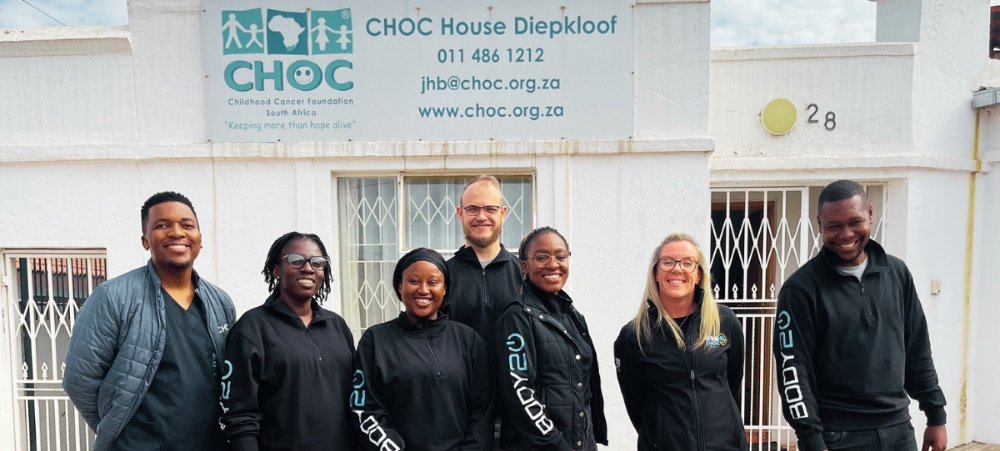
Sometimes, the greatest strength is found in unity. After raising over R150,000 in its inaugural year, Body20 is proud to relaunch its Body20 Cares initiative for 2026 — a campaign driven by compassion, community, and the belief that true wellness extends far beyond the studio floor. Body20 remains committed to ongoing support throughout 2026 and beyond, ensuring sustained impact for children with cancer and their families. From April to May 2026, 50% of all new members’ joining fees at Body20 studios nationwide will be donated to CHOC Childhood Cancer Foundation South Africa. These funds don’t just support a cause—they wrap children and their families in hope at the very moment they need it most. Supporting CHOC means directly helping children facing cancer and their families find comfort and strength. “This initiative isn’t just an activity for us — it’s a lifeline,” says Philip Hughes, chief executive officer of Body20 Global. “Last year, we witnessed firsthand how small actions, multiplied by many, can create a wave of hope. As Body20 Cares returns, our mission is simple: uplift families, offer practical support, and remind every parent and child battling cancer that they are never alone.” Cancer today touches almost every family, casting long shadows of fear and uncertainty. In South Africa, around 1,000 children are diagnosed with cancer each year—though many more go undiagnosed, and each statistic represents a child, a parent, a story. Despite advances in treatment, a diagnosis brings a tidal wave of emotional, logistical, and financial challenges. Organisations like CHOC are lifelines, offering more than just accommodation—they provide comfort, dignity, and a sense of home when families need it most. “Partnerships like Body20 Cares help us deliver vital support to children and their families,” says Adri Ludick, interim CEO for CHOC. “Every contribution means a family can stay together, a child can rest in comfort, and no one must face this journey alone. Last year, funds from Body20 Cares kept our CHOC Houses open—safe havens like Diepkloof, which offered warmth, food, and daily support to up to 30 people at a time. When hospitals close their doors at night, CHOC keeps hope alive for families in crisis.” Body20 Cares is about more than fundraising—it’s about human connection and shared purpose. Every new member isn’t just prioritising their own wellness; they’re giving a child and parent one less worry, one more day together, and a little more hope. Your participation can help us build a community united by compassion and action. “This is where fitness meets purpose,” Hughes adds. “Every sign-up is more than a membership; it’s a lifeline for a child fighting cancer, and a message to families that they are seen, valued, and supported by a whole community.” As Body20 Cares enters its second year, we invite every South African to stand with us. Join as a member, donate, or spread the word—every action, big or small, has the power to change a life. Your support makes you an essential part of this movement, helping us turn compassion into tangible hope. In a world where time is scarce and health is priceless, Body20 brings together your two most valuable resources. With cutting-edge EMS technology, Body20 helps people transform their wellbeing in just 20 minutes a week. It’s a promise: you can prioritise your health, support your community, and still have time for what—and who—matters most. Powerful transformations don’t just happen in our bodies—they ripple out, touching families, communities, and futures. When we move with purpose, we move the world a little closer to hope. To join Body20 Cares, become a new member at any Body20 studio or donate directly. For information or to get involved, visit https://body20.co.za/body20-cares or contact [email protected] | 087 231 0359. #Body20 #CHOC #Body20Cares #Cancer #ChildrenWithCancer #Children

Freebees PR

Terrific tea tree oil: Simple ways to incorporate this time-tested multitasker in everyday life

Tea tree oil is one of the most versatile natural ingredients, valued across cosmetics, personal care, household cleaning and even pet products. Commercially used for more than a century, its origins go back much further to the Indigenous communities of Australia, who long recognised its medicinal and cosmetic value. What is tea tree oil?Tea tree oil, also known as melaleuca oil, is an essential oil obtained by steam-distilling the leaves of the tea tree (Melaleuca alternifolia). Native to Australia, the plant thrives in the swampy, coastal regions of the southeast. For centuries, Aboriginal Australians used crushed tea tree leaves to release the oil, inhaling it or applying it to the skin to help relieve a variety of ailments. Today, tea tree oil is widely available in its pure essential oil form and is also commonly blended into skincare, personal care and household products. What are the benefits of tea tree oil? Tea tree oil is valued for its wide range of naturally active properties: What is tea tree oil used for? Thanks to its antibacterial, antifungal, and anti-inflammatory properties, tea tree oil is a popular ingredient in topical skincare products as well as personal and household products. Common uses include: Tea tree oil can easily and safely be incorporated into your day-to-day life. When selecting tea tree oil products, choose items from reputable brands known for the quality of their ingredients.  Essential oil SOiL is known as a leader in the manufacture of essential oils, and their Tea Tree Essential Oil is steam-distilled from the best quality leaves, resulting in a potent, organic oil that can be used for a variety of purposes. Remember to dilute tea tree essential oil with a carrier oil before applying it to your skin.  Skincare Tea tree oil can be very effective in the fight against breakouts and blemishes, making it a popular choice for skincare that works to limit sebum production and remove bacteria from the skin. SKNLOGIC Clarify contains tea tree oil, salicylic acid, and witch hazel to calm inflammation, clear existing breakouts, and prevent new ones from forming. This treatment product can be applied twice daily after cleansing to help unclog pores and achieve a clearer complexion.  Remove sebum, decongest and detoxify the skin and minimise pores with SKNLOGIC Charcoal Detox Masque. Together with tea tree oil and grapefruit extract, the activated charcoal deeply cleanses and purifies skin to minimise breakouts.  Using tea tree soap or shower gel is a fantastic (and gentle!) way to remove germs from the body and keep skin clear and refreshed. SoyLites Glycerine Tea Tree Soap Bar is rich in antibacterial essential oils to keep skin clean and healthy. If you prefer a liquid soap, try SoyLites Tea Tree Liquid Soap, which is gentle on skin and tough on bacteria. The convenient pump bottle is handy for the shower, office or kitchen. Hair care Oily scalp, greasy hair or product build-up? Tea tree oil is an excellent haircare ingredient, particularly for cleansing and refreshing the scalp. Not only does it remove oil and impurities, but it also helps prevent dandruff, reduces itchiness and discomfort and balances the scalp’s oil production.  Naturally Africa Hair & Scalp Oil is a natural blend of vitamin E, tea tree, castor, grape seed, coconut and sweet almond oil. The lightweight, non-greasy formula can be massaged into the hair and scalp to moisturise, add shine, heal and prevent split ends. For very dry hair, we recommend Naturally Africa Hair Food & Scalp Therapy. Infused with vegetable proteins, shea butter, castor oil and tea tree oil, it is intensely hydrating and can be applied every two weeks to give the hair and scalp an intensive moisture boost. It also helps to alleviate an itchy scalp. Home cleaning products Thanks to its disinfectant properties, tea tree oil is an excellent ingredient for household cleaning products. Not only does it effectively kill bacteria, but it is also safe to inhale, which is particularly important when you have children or pets. Earthsap offers a wide range of non-toxic, biodegradable, eco-friendly cleaning products, many of which utilise the power of tea tree oil.  You don’t have to resort to harsh chemicals to keep your toilet seat germ-free.Earthsap Tea Tree Toilet Seat Sanitizer is a compact spray that kills germs and helps to keep your bathroom clean and hygienic. Using a natural formula that’s free of harsh synthetic chemicals, it can be used to limit your family’s exposure to germs and bacteria in public restrooms as well.  Tea tree oil is a great ingredient for dishwashing liquid. Earthsap Tea Tree & Orange Dishwashing Liquid contains tea tree oil for its germ-fighting abilities. The formula is biodegradable, safe for waterways and a must-have for an eco-friendly household. Keep surfaces sparkling and germ-free with Earthsap Tea Tree & Orange All Purpose Cleaner, which quickly removes grease, grime, and bacteria without scratching or damaging surfaces.  There’s a reason why tea tree oil has been trusted for more than a century. With its powerful antifungal, antibacterial, and anti-inflammatory properties, this multitasker is the perfect safe alternative to harsh chemical ingredients.

Bonitas – innovation, life stages and quality care

Smoking and pregnancy – should I quit

If you’re an avid smoker you’re probably wondering if being pregnant means you should wave your smoking habits goodbye. Unfortunately, even if your health isn’t enough for you to stop, your baby’s health should be. What can happen to my baby if I keep smoking? Smoking during your pregnancy is harmful to your unborn baby. The chemicals in cigarettes are both damaging to you and your baby; nicotine and other harmful poisons increase the risk of health problems for unborn babies. Second hand smoke, vaping and e-cigarettes are all still damaging to your baby’s health and should also be avoided (or quitted). You may need to designate your house a non-smoking area, and ask any friends and colleges not to smoke around you. So what exactly does smoking do to your unborn baby? Smoking lowers the amount of oxygen available to your growing baby and nicotine damages the baby’s brain and lungs. Smoking can make it harder to conceive, and if you do fall pregnant, can lead to miscarriages or stillbirth. Babies can be born premature, have a low birth weight, or be born with birth defects.  Smoking during pregnancy can also affect your baby’s health after they are born, leading to cases of Sudden Infant Death Syndrome, asthma and other respiratory problems and infections. Help – I am really struggling to quit! Even if you have decided that quitting is in both of your best interests, this may be easier said than done. If you are pregnant already it is best to quit without using any medication, as this is healthier for you and your baby. You also won’t be able to transition to vaping or e-cigarettes, as these too, are harmful and usually contain nicotine, which is damaging to health. In order to quit for good, try avoid the triggers that make you want to smoke, and try find something else that you can do when the craving kicks in. Get the support of your family and friends, or join a stop-smoking group or self help plan. Whatever your plan is to stop, you can be sure that both you and your child’s health will benefit from it.

Bonitas – innovation, life stages and quality care

Symphysis pubis dysfunction (SPD) and to deal with it

Symphysis pubis dysfunction or SPD is pain in your pelvis, which is caused by the relaxing of ligaments in the pelvic bones too early before birth. Many aspects of pregnancy can cause discomfort, and SPD is one of them. Here are the signs of SPD and what you can do if you think you to alleviate your discomfort if you are suffering from it.  What is SPD and what causes it? Not all moms-to-be will experience SPD but it is thought to be fairly common in pregnancy. SPD is a pain in the symphysis pubis (which can range from moderate to serve) caused by the relaxing and stretching of the ligaments around the pelvic bone. Pain can be brought on by opening your legs, walking up stairs or even turning over in bed, and this may be accompanied by a clicking/grinding sensation in the pubic area.  The cause of SPD in pregnancy is the hormone relaxin, aptly named as it relaxes your joints and ligaments to make it easier for your baby to come out at birth. SPD happens when these hormones come into play too early. Not only that but you’re shifting centre of as your baby grows, which can cause main in your lower back and pelvis as your body shifts to accommodate your little one.  What can I do to relieve SPD  Living with SPD can be uncomfortable at best, so you may be wondering what you can do to help alleviate some pain. Being fit before pregnancy can help, as stronger glute and abdominal muscles can help support your pelvis. Physiotherapy can help manage SPD pain, as a physio will be able to work with you as your pregnancy and pain levels change. Speak to your doctor first, as they may have recommendations for you. Your pelvis should return to normal between 4 and 12 weeks after birth. 

Parenting Hub

Is it safe to have an MRI after hip or knee replacement surgery?

It is a common concern that metal implants, such as hip or knee replacements, may prevent you from having an MRI scan. In most cases, this is not true. Patients with modern joint replacements can safely undergo MRI, depending on the materials used in the implant. It is important to inform the radiology team about the implant before your scan. Dr Jean de Villiers, a radiologist and director of SCP Radiology, answers some of the most frequently asked questions, specifically around the process from referral to reporting in radiology imaging. What is Magnetic Resonance Imaging (MRI)? MRI is a noninvasive imaging technique that uses powerful magnets and radio waves to create detailed images of the body’s internal structures. Unlike Xrays or CT scans, MRI does not involve ionising radiation and is used extensively to diagnose a wide range of conditions. Because MRI uses strong magnetic fields, many patients ask whether it is safe to have an MRI after a hip or knee replacement. Can you have an MRI after a hip or knee replacement? Yes, you can have an MRI scan on other parts of the body, as well as on the knee or hip where the implant is. Although some older MRI scanners may not be compatible with certain prostheses, the vast majority of MRI equipment in use today is safe and compatible with modern hip and knee implants. How safe is MRI if the implant is made of metal? Most implants are made from titanium or cobaltchromium alloys. Although these materials are metallic, they are not significantly affected by the magnetic field of an MRI scanner, nor do they heat up during the scan. Many implants also contain hard plastic components, all of which are designed to be compatible with MRI scanners. They are not attracted to the powerful magnet in the same way as older or highly magnetic materials. Dr de Villiers explains, “The vast majority of joint replacements used today are MRIsafe. The key is that we know about them in advance, so we can adjust the scan if needed.” What is the main challenge with MRI and an implant? The main challenge is image quality. Metal can sometimes cause image distortion, known as artefact, on MRI images. This may make it more difficult to assess structures close to the implant. However, modern MRI techniques have improved significantly and can often minimise these effects, allowing radiologists to assess surrounding tissues such as muscles and ligaments, and to detect complications such as infection or loosening. MRI is often the best imaging method for evaluating pain or complications after joint replacement surgery. What happens if MRI does not produce clear diagnostic images? In some cases, alternative imaging techniques such as CT or ultrasound may be recommended, depending on the clinical question. However, MRI remains safe and highly valuable for many patients with joint prostheses. Are there implants that prevent you from having an MRI? Certain implants and devices may be unsafe or require special precautions during MRI, including: MRI is also contraindicated in the presence of some internal metallic objects such as bullets or shrapnel, as well as certain surgical clips, pins, plates, screws, metal sutures or wire mesh. Having a hip or knee replacement does not automatically exclude you from having an MRI scan. With modern implants and appropriate planning, MRI is both a safe and important diagnostic tool. As technology continues to evolve, future developments are expected to further enhance MRI compatibility with hip and knee implants, making it an even more reliable tool for ongoing patient care. It is crucial for patients to inform their healthcare providers about their joint replacement before undergoing an MRI. This allows the medical team to adjust the MRI settings and take appropriate precautions to ensure both safety and diagnostic accuracy.

Freebees PR

DermaFix Cosmeceutical Skin Care Expands Inclusive Sun Protection with Launch of Tinted SPF Dark

In a country where year-round sun exposure is a reality, daily SPF is non-negotiable. Yet for many South Africans with tanned to deeper skin tones, finding a sunscreen that protects without leaving a grey or ashy cast has long been a frustration.  DermaFix Cosmeceutical Skin Care is addressing that gap with the launch of DermaFix Tinted SPF Dark 50ml, a deeper, expertly balanced shade developed specifically for Fitzpatrick IV–VI skin tones. “While melanin-rich skin has natural advantages, it remains vulnerable to UV damage, premature ageing and hyperpigmentation,” explains Ursula Volbrecht, spokesperson for DermaFix. “Tinted SPF Dark delivers broad-spectrum SPF40 protection against UVA, UVB and HEV which is blue light exposure, while blending seamlessly into the skin for a natural, even-toned finish.” More than just sun protection, Tinted SPF Dark reflects the growing demand for multi-functional skincare. The formula works as a sunscreen, light foundation and complexion enhancer in one; ideal for everyday wear, post-procedure protection, or effortless “no-makeup” makeup days.  Importantly, the formulation remains gentle enough for sensitive and pigmentation-prone skin, helping defend against post-inflammatory hyperpigmentation (PIH), which is a common concern among South African consumers.  As a dermatologically approved and clinically effective brand, DermaFix continues to advance targeted skincare solutions across anti-ageing, hyperpigmentation, acne and scarring categories. The introduction of Tinted SPF Dark is a welcome addition for darker skin tones in the medical-grade sun care category, and signals a commitment to innovation.  DermaFix Tinted SPF Dark (50ml) retails at R437 and is available nationwide through dermatologists, doctors, skincare professionals and medi-spas, as well as online at www.dermafix.co.za.

Bonitas – innovation, life stages and quality care

Living longer isn’t enough, it’s time to live better

Good news: South Africans are living longer. According to Statistics South Africa’s 2025 Mid-Year Population Estimates, life expectancy has climbed to 64 years for men and 69.6 years for women. This marks a remarkable recovery from the devastating lows of the early 2000s, when the HIV epidemic cut lives tragically short. Expanded access to antiretroviral treatment deserves enormous credit for that turnaround. But here is the number that should stop us in our tracks: our healthy life expectancy sits at just 52.8 years. That means the average South African spends roughly a decade, sometimes more, living with illness, disability, or diminished quality of life before they die. We are adding years to life, but we are not yet adding enough life to years. This World Health Day, on 7 April, that is the conversation we need to be having. A nation under double pressure South Africa’s health landscape is uniquely complex. We carry a double burden of disease that few countries face at the same scale. On one side are communicable diseases: an estimated 8.15 million South Africans are currently living with HIV, representing 12.9% of the total population. On the other, non-communicable diseases (NCDs) are rising at an alarming rate and they are increasingly becoming the silent drivers of preventable death. Diabetes is perhaps the starkest example. Its prevalence has nearly tripled over a decade, from 4.5% in 2010 to 12.7%. By 2019, an estimated 4.58 million South Africans between the ages of 20 and 79 were living with the condition. More troubling still? Over half of them (52.4%) were undiagnosed. High blood pressure and heart disease follow a similarly concerning trajectory, steadily eroding the life expectancy gains we have worked so hard to achieve. The root of this problem is not only a lack of healthcare access though that inequality remains real and urgent. A significant part of the challenge is a lack of health literacy: people not knowing their numbers, not understanding their risk, and not knowing when or where to seek help. Information is healthcare World Health Day is not just about healthcare systems. It is about ensuring that every person, regardless of income, geography, or education level has the knowledge they need to protect their own health. That is health literacy. And it is one of the most powerful, and underused, tools we have. At Bonitas, we believe that a medical scheme’s role extends far beyond paying claims, we are a healthcare partner. That means meeting our members where they are: helping them understand their conditions, navigate the system, and make informed decisions before a health crisis forces their hand. Our Be Better Benefit is a direct expression of that philosophy. It is designed to empower members to take a proactive approach to their health, offering access to wellness screenings, tests, vaccines and preventative care measures – helping with early detection of health issues, and allowing for timely intervention. Because the best claim is the one that never needs to be submitted. Part of health literacy is understanding your medical aid, not just having it. Too many South Africans are either underinsured, enrolled on benefits that do not match their actual health needs, or simply uncertain about what their plan covers. With NCDs now affecting South Africans across every age group and income bracket, having the right cover is not a luxury. It is a necessity. Choosing the right medical scheme benefit option means understanding your family’s health profile: your age, chronic conditions, preventative care needs, and anticipated healthcare use. It means asking the right questions. And it means having a scheme that gives you the tools, and the transparency, to make those decisions confidently. A shared responsibility South Africa has made genuine, hard-won progress in public health. Infant mortality has dropped to approximately 23 deaths per 1,000 live births. Under-five mortality has fallen to around 26 per 1,000. But the next frontier of progress will not be won in hospitals alone. It will be won in the daily decisions people make about their health: whether it is getting screened, managing a chronic condition, or seeking care early rather than later. For that to happen, people need information, support, and a healthcare partner they can trust. This World Health Day, we at Bonitas reaffirm our commitment to being exactly that, not just a funder, but an educator, an advocate, and an ally in every South African’s journey towards a longer, healthier life. For more information on the Bonitas Be Better Benefit and to find the right benefit option for you and your family, visit www.bonitas.co.za.

Bonitas – innovation, life stages and quality care

What is HELLP?

Pregnancy and the arrival of a new baby is a time of great excitement and joy for expectant parents.  However, occasionally there can be complications, which is why pregnant moms should have regular health checks and be aware of any unusual symptoms that may develop. Over the past few years, there has been discussion around a condition known as HELLP Syndrome. It’s a life-threatening complication in pregnancy that can be difficult to diagnose. We reached out to Dr Morgan Mkhatshwa, Head of Operations at Bonitas Medical Fund and his clinical team, to get some answers and advice about HELLP. What is HELLP Syndrome? HELLP (Haemolysis, Elevated Liver enzymes, Low Platelet count) Syndrome usually develops before the 37th week of pregnancy but can occur shortly after delivery.  It’s a serious complication that affects the blood and liver. H = Haemolysis is the breakdown of red blood cells that carry oxygen from lungs to the rest of the body. EL= Elevated liver enzymes.  High levels of these chemicals in the blood can be a sign of liver problems. LP = Low platelet count.  Platelets are little fragments of blood cells that help with blood clotting.  A low platelet count can lead to serious bleeding. What causes HELLP? ‘We don’t know what causes HELLP syndrome,’ says Dr Mkhatshwa, ‘however, you are at risk if you have pre-eclampsia or eclampsia.’  About 1 to 2 in 10 pregnant women (10 to 20 percent) with pre-eclampsia or eclampsia develop HELLP.  Pre-eclampsia is caused by high blood pressure. It usually starts after the 20th week of pregnancy or giving birth. Eclampsia is when pre-eclampsia is uncontrolled and causes seizures. Many women are diagnosed with pre-eclampsia before they have HELLP which is a more severe form of pre-eclampsia. What are the symptoms / signs of HELLP?  You may feel tired, have pain in the upper right part of the belly, bad headaches and nausea or vomiting. You may also experience swelling, especially of the face and hands and blurry vision. Some women develop HELLP suddenly, without having any signs or symptoms.  If you have any signs of HELLP Syndrome, call your medical practitioner, emergency services or go to a hospital emergency room for medical care right away. How is HELLP diagnosed? To find out if you have HELLP Syndrome, your healthcare provider will do a physical exam to check  for: Belly pain or soreness, especially in the upper right side An enlarged liver High blood pressure Swelling in your legs Other tests could include: Blood tests to check your liver enzyme levels, lactate dehydrogenase and full blood and platelet count with a peripheral smear Urinalysis to check for protein in the urine A CT scan to see if there’s bleeding in your liver Non-stress test or ultrasound to check your baby’s health. A non-stress test checks your baby’s heart rate, in the womb, to see how the heart rate changes when your baby moves. This test is to make sure your baby’s getting enough oxygen. Ultrasound uses sound waves and a computer screen to show a picture of your baby inside the womb Is HELLP painful? Symptoms of HELLP include serious pain just below the ribs, or the upper right side of the chest area (where the liver is), shoulder pain or pain when breathing. How is HELLP treated? You may be given medication to control your blood pressure and prevent seizures or you may require a blood transfusion to treat anaemia and low platelet levels.  Early birth may be necessary because HELLP complications can get worse and harm both you and your baby – either through an induced labour or by C-Section depending on the health assessment results of the baby.  How does it impact the baby? Infants born to mothers with HELLP Syndrome may have a variety of birth injuries: Intrauterine growth restriction (IUGR) or severe respiratory distress. Are there long term effects of HELLP? A history of HELLP Syndrome means you are at increased risk for recurrent pre-eclampsia and HELLP Syndrome as well as increased long-term morbidities, particularly depression and chronic hypertension. Can HELLP develop after childbirth? Yes, up to 30% of all patients who develop HELLP Syndrome do so after giving birth, typically within 48 hours.  Can I have another baby after HELLP syndrome? If you had HELLP in a previous pregnancy, regardless of the time of onset, you have a greater risk for developing it in future pregnancies. ‘The condition is serious but rare’, stresses Dr Mkhatshwa. ‘Throughout your pregnancy it’s important to understand the changes your body is going through and to discuss any unusual pain or symptoms with your medical practitioner. This will ensure you receive the right help especially if you develop a complication and make the pregnancy and birth the joyous event it should be!’ 

Panado®

Panado®’s New Pocket-Sized Power Sachets, Keep Parents Prepared for Pain Or Fever Anytime, Anywhere

Panado® understands that even with the best planning, pain or fever in children can still catch you by surprise.  A fever can spike late at night. Teething pain can strike on a weekend away. A temperature can creep up mid-shop, a headache can hit halfway through a long car trip, or a small burn can turn a relaxed afternoon into a stressful one. Readiness means having a plan in place for when children don’t feel well, wherever they happen to be. Being pain and fever ready isn’t about expecting the worst. It is about knowing that common childhood symptoms are part of growing up, and that understanding how to manage them can take much of the fear and anxiety out of the moment1a. When parents feel calmer and more in control, children feel safer too1b. The calm spreads, easing stress and helping everyone cope better until your little one feels well again1c. To support readiness in everyday family life, Panado® has introduced the perfect backup every parent needs, offering a practical way to manage pain and fever anytime, anywhere – Panado® Strawberry 5 ml Sachets2. Each sachet contains a single 5 ml dose of Panado® Strawberry Syrup2, powered by paracetamol, an ingredient with more than 150 years of clinical experience3. The sachets are sealed, hygienic, compact, simple to store and easy to carry, making them ideal for travel and day-to-day outings.  Containing the same trusted4 formulation, strength and berry nice flavour parents are familiar with, the Panado® Strawberry 5 ml Sachets2 are ready to work immediately5 and are suitable for babies and children from three months and older.   Slip one into a pocket, handbag, nappy bag, backpack, pram organiser, or car console and you’re always prepared. There is no bottle to pack and no risk of spills. When needed, a sachet is torn or cut open, the correct dose is measured using a syringe or medicine measure, and any remaining liquid is discarded.  To help parents feel confident, dosing is based on a child’s age and weight. Clear guidance is available via the panado.co.za/dosage-calculator online or by scanning the QR code on the pack, reducing guesswork at moments when you want reassurance. The sachets are part of the Panado® paediatric range, which includes Panado® Strawberry Syrup2, Panado® Peppermint6, suitable from Day 1 and Panado® Infant Drops7. Panado® Infant Drops were named a Product of the Year 2025 winner in the Child Health category8, based on votes from 2,000 South African consumers in a Kantar survey. When a child has pain or fever, readiness is about having something familiar you can rely on, without scrambling or second guessing. Panado® Strawberry 5 ml Sachets2 supports that peace of mind by fitting into real family life, not just the medicine cupboard at home, so you can focus less on the moment of panic and more on comforting your child. Panado® products are available from Baby City, Pick n Pay, Checkers including Hypers, Shoprite, Clicks, Dis-Chem and independent pharmacies. For more information, visit: https://panado.co.za/ and join the conversations on Facebook.  For references and legal disclaimers, visit https://panado.co.za/references. Approval ticket # 02.20261000004930. February 2026.

Bonitas – innovation, life stages and quality care

What your medical aid should be doing for you while travelling this Easter

With the Easter long weekend just around the corner, many South Africans are gearing up for family getaways, road trips and well-earned breaks. While flights, accommodation, admin and packing tend to dominate the planning process, the one thing many people forget to plan for is what to do if they get sick or injured while travelling. Whether it’s a fall in Clarens, food poisoning in Bali or a sudden illness on a family road trip, medical emergencies can happen anywhere, and when they do, the situation can quickly become overwhelming if you don’t know what support you have or how to access it. Lee Callakoppen, Principal Officer of Bonitas, says that South Africans on medical aid should ensure they fully understand the benefits that are available to them in an emergency, before it’s too late.  “Healthcare planning might seem like the last thing on your mind when preparing for Easter travel, but knowing your plan and what sort of help you have at your disposal in case something goes wrong offers a great deal of peace of mind,” he says. “Not to mention, it avoids exorbitant out-of-pocket medical costs or the stress of finding yourself or loved ones stranded without assistance.” Callakoppen explains that healthcare planning for travel goes far beyond having a generic insurance policy or carrying a copy of your medical aid card. It’s about understanding the layers of support that are available to you and knowing how to access them if something goes wrong. “In a medical emergency, timing and coordination are critical,” he says. “You might need help with getting an ambulance to your location, securing hospital admission or making sure you’re brought home safely if that becomes necessary. These are the kinds of interventions that can make a frightening experience a little less overwhelming.” Understanding international travel benefits For those heading overseas this Easter, it’s vital to understand what your scheme covers. From hospital stays to emergency evacuations and specialist treatment, knowing your benefits can make a significant difference. Bonitas covers leisure and business trips by paying claims for emergency medical and related expenses directly to the medical service provider while you and/or your dependant(s) are on an insured international journey. “Too often, people assume travel insurance will take care of everything,” says Callakoppen. “But in many cases, your medical aid is your first line of defence. Insurance is important, but it works best when used in tandem with your scheme benefits, and that means taking the time to activate your international travel cover before departure. Being able to reach someone immediately for guidance, especially abroad, brings invaluable calm and control.”  When emergencies strike closer to home Medical emergencies aren’t only a concern abroad. Even local trips, whether a drive to the coast or a day out with the kids, can quickly become stressful without support. “Access to real-time emergency coordination can be a lifesaver,” he says. “We often think about cover in terms of what’s paid for, but in those first critical moments, what you really need is someone to help navigate the chaos – whether it’s dispatching an ambulance, keeping you calm while you wait for help, or liaising with emergency services on your behalf.” Bonitas SOS was created with that exact need in mind, offering 24/7 emergency support service that connects members to assistance at any time, covering the cost of care while also helping to manage the emergency while it’s happening. A bit of planning can go a long way when it comes to managing the unexpected. Knowing what your medical aid covers, how to access help, and what steps to take before you travel won’t stop emergencies from happening, but it can make them a lot easier to deal with when they do. Know your numbers One of the simplest and most effective things you can do before heading off this Easter is to save the Bonitas SOS emergency number in your phone – and make sure everyone travelling with you has it saved too. In a stressful situation, the last thing you want to be doing is searching for a contact number. Having it on hand means help is only one call away, no matter where you are. For more information, visit www.bonitas.co.za.

Rush Extreme Sports

Beyond the Gym: Discover the High-Flying Fitness Benefits of Trampolining

For many South African teenagers, the word “exercise” often conjures images of fluorescent lights and the repetitive hum of a treadmill. While staying active is a top priority, the traditional gym environment doesn’t always ignite the spark of excitement that young adults crave. At Rush South Africa, we are redefining what it means to get fit. Through high-energy play, we offer a vibrant, social, and incredibly effective alternative to the standard workout—one where “takkies” are optional, but fun is guaranteed. A Fresh Perspective on Fitness: Why Movement Should Feel Like Play The teenage years are a critical time for developing a lifelong relationship with physical health. Unfortunately, when exercise feels like a chore or a high-pressure performance—a phenomenon often called “gymtimidation”-it’s easy to lose motivation. In our busy cities like Johannesburg and Cape Town, teens spend hours navigating “robots” on the way to school and sitting at desks. By the time the afternoon rolls around, the last thing the brain wants is more rigid structure. This is where high-energy recreation changes the game. Trampolining removes the “work” from working out by tapping into a natural, instinctive joy. Teen fitness trends 2026 show a massive shift toward “social wellness” and “JOMO” (the Joy of Missing Out) on stressful gym culture in favour of movement that resets the nervous system. Instead of counting down the minutes on a stationary bike, jumpers at Rush are too busy mastering a new tuck-jump or competing in a friendly game of dodgeball to notice they are getting a full-body workout. The Science of the Bounce: NASA-Proven Efficiency It might look like simple fun, but every bounce is a powerhouse for the body. In a landmark study, NASA researchers discovered that “rebounding” is actually the most efficient and effective form of exercise yet devised. They found that for similar levels of heart rate and oxygen uptake, the biomechanical stimuli (the actual work your muscles and bones do) is significantly greater on a trampoline than on a treadmill. Choosing high-energy play over a standard gym circuit offers several unique, science-backed benefits: Master the Air: Elevate Your Skills with Professional Training While the freedom of a freestyle jump is liberating, many teens find they want to take their “flips” to the next level. This is where the transition from recreation to formal training begins. Unlike a gym, where the end goal is often purely aesthetic, our park activities build functional “agility” and “air awareness.” For those looking to turn their weekend energy into a disciplined craft, we offer specialized gymnastics training in Cape Town.  These one on one  ‘flip out’ classes aren’t just about looking “cool” in a Reel; they are about building the cognitive focus, core stability, and discipline required for competitive sport. By mastering technical maneuvers in a safe, foam-padded environment, build a sense of physical competence that translates into psychological confidence. You can explore our structured programs and sign up for a trial session on our Rush Classes page. Jump Into Action: Secure Your March 2026 School Holiday Spot The school year moves fast. According to the official Department of Basic Education 2026 School Calendar, Term 1 is set to conclude on 27 March 2026. This marks the perfect window to break the cycle of academic stress and sedentary habits. Instead of spending the holidays behind a desk or a gaming console, why not master the art of flight? Our holiday passes and special event nights are designed to keep the energy high and the boredom low. For the truly ambitious jumpers who want to mirror the stamina of a pro cyclist, we offer Rush Unlimited,  a promotion is designed specifically for active families who want more than just a quick jump. For just R215, kids can enjoy extended jump time on weekdays, giving them hours of social, screen-free fun.  Ready to fly? Don’t wait until the school holidays begin—our sessions fill up fast! Book your spot now at Rush South Africa and discover why the best way to get fit is to simply start jumping.

Bonitas – innovation, life stages and quality care

Closing the gap on eye care through early detection this World Optometry Week

Uneven access to optometry services in South Africa puts pressure on prevention, but collaboration and technology are helping shift the dial. Access to good eye care in South Africa remains uneven, resulting in many conditions being diagnosed too late. World Optometry Week, observed from 22 to 28 March, shines a light on this reality, where one in 10 South Africans suffers from some form of vision loss, highlighting the importance of eye health and the role early detection plays in preventing avoidable vision loss. This challenge is exacerbated by the fact that, while there are approximately 4 200 registered optometrists in South Africa, only a small proportion practise in the public sector. This limits access to care for many communities and delays diagnosis, particularly in under-resourced areas. As a result, prevention remains one of the most important, yet underutilised, tools in protecting eye health. “The reality is that many serious eye conditions develop without noticeable symptoms early on,” says Dr Themba Hadebe, Clinical Executive at Bonitas. “By the time vision is affected, the condition may already be advanced. Regular eye tests are critical in detecting issues early and preventing avoidable vision loss.” This year’s World Optometry Week theme, “A Shared Vision: Collaboration in Global Eye Care”, underscores the need for a coordinated approach to improve access, strengthen prevention and enable early diagnosis. This is one way to ease pressure on the broader healthcare system, since identifying conditions earlier reduces the likelihood of more complex interventions later, benefiting both patients and providers. Why early detection matters Conditions linked to chronic illnesses, particularly diabetes, remain a significant contributor to vision loss in South Africa. Diabetic retinopathy is among the leading causes of blindness in working-age adults, yet it often develops without pain or early warning signs. Advances in optometric technology are beginning to shift how the risks of permanent damage are identified and managed. Developments highlighted by the American Optometric Association point to a growing role for AI-assisted diagnostics and enhanced imaging in improving both the speed and accuracy of screening. These tools support clinicians by flagging potential abnormalities during routine eye tests, enabling earlier referral for further assessment where needed. Within this context, collaboration between medical schemes and provider networks plays a role in strengthening preventative care. Through its partnership with PPN, Bonitas provides members with access to diabetic retinopathy screening as part of the eye testing process at participating network practices. The screening process uses AI-assisted technology to evaluate retinal images in real time, flagging any irregularities that could indicate early-stage disease. This allows clinicians to identify potential issues ranging from diabetic retinopathy to glaucoma or macular degeneration before they progress to more serious stages. Patients who require further assessment are referred for secondary care, ensuring timely intervention and reducing the risk of irreversible vision loss. “This approach extends the reach of early detection by combining advanced technology with coordinated care and helps make the most of the limited number of specialists available,” says Hadebe. “Spotting problems early dramatically improves outcomes while reducing pressure on our healthcare system. In practice, it means a member could walk into a routine check-up and leave with peace of mind, or if something is flagged, a clear path to treatment.” As World Optometry Week highlights, awareness must translate into action. In a healthcare environment where access is not equal, regular eye tests, particularly for those at higher risk, remain essential to safeguarding vision and improving long-term health outcomes.

Bonitas – innovation, life stages and quality care

TB awareness remains critical in South Africa’s ongoing fight against this persistent disease

Tuberculosis (TB) may feel like a disease of the past to many people, yet in South Africa it remains one of the country’s most serious public health challenges. Despite years of progress in treatment and prevention, TB continues to claim thousands of lives and affect hundreds of thousands of families each year. In fact, the World Health Organization estimates that around 54,000 people died of TB in South Africa in 2024, while about 249,000 people fell ill with the disease. While these numbers represent a decline from previous years, showing that the country has made measurable progress, there are still thousands of people with TB who remain undiagnosed and untreated, continuing the cycle of transmission in communities.  “As a country, we have made important strides in improving TB diagnosis and treatment outcomes, but the disease remains a significant health threat,” says Dr Themba Hadebe, Clinical Executive at Bonitas. “Continued awareness, early testing and access to appropriate care are critical to reducing the number of people who become seriously ill or die from TB.” Early detection and prevention remain key The disease is caused by bacteria that spread through the air when a person with active TB coughs, sneezes or speaks, making early detection and treatment essential to limiting its spread. The most common symptom is a persistent cough that lasts for two weeks or longer, sometimes accompanied by blood or mucus. Other warning signs may include fever, night sweats, fatigue, unexplained weight loss and chest pain. Because TB can develop gradually, some people may not recognise the symptoms immediately or may attribute them to other illnesses. “This is why regular screening plays a crucial role in preventing the disease from spreading,” adds Hadebe. “TB screening services are widely available in South Africa through public clinics, hospitals and private healthcare providers, and people who are at higher risk, including those living with HIV, diabetes or other conditions that weaken the immune system, are encouraged to screen more regularly. Diagnostic tests such as sputum tests or chest X-rays can help confirm the presence of TB and ensure treatment begins as soon as possible.” Prevention also extends to everyday practices. Because TB spreads through the air, opening windows and doors, allowing fresh air to circulate, and practising good respiratory hygiene, such as covering the mouth and nose when coughing or sneezing, are simple but effective steps that help limit the spread of infection. Addressing stigma to strengthen the response Beyond medical treatment and screening, the stigma and misinformation surrounding TB are another barrier that continues to undermine TB control efforts. Many people still hesitate to test for TB or disclose their diagnosis because they fear judgement from others. This reluctance can delay treatment and allow the disease to spread further. It’s important that people are educated on the fact that TB is both treatable and curable, and contracting the disease is not a reflection of personal failure. When communities understand this, people are more likely to seek help early and adhere to treatment. “Medical schemes, healthcare providers and communities all have a role to play in ensuring people feel supported rather than judged when they seek care,” says Hadebe. “Our focus as a medical scheme is on encouraging preventative care and ensuring members have access to the screenings and health assessments that help detect risks early.” A broader focus on preventative health can also play an important role in strengthening the country’s response to diseases such as TB. Regular health screenings help people better understand their overall health and identify conditions, such as diabetes, that can weaken the immune system and increase vulnerability to TB. For Bonitas members, this preventative approach is supported through access to annual wellness screenings that measure key health indicators such as blood pressure, cholesterol, blood glucose and body mass index. Members can also complete online health assessments through the Bonitas Member App or the Member Zone, which provide personalised health insights and recommendations and can encourage people to seek medical advice sooner when symptoms arise. While progress against TB in South Africa is encouraging, the fight is far from over. TB Awareness Month serves as an important reminder that everyone has a role to play in protecting their own health and that of their communities. Recognising symptoms early, seeking testing when needed and supporting those undergoing treatment can make a meaningful difference in slowing the spread of the disease.

Parenting Hub

Beyond diagnosis: The treatment power of modern radiology

When you think about radiology, you probably think of an X-ray, MRI or a CT scan to help radiologists and doctors see what is happening inside the body. This is the ‘medical detective’ part of radiology.  But it has become so much more than that… Interventional Radiology can offer patients an effective alternative to open surgery, with a much shorter recovery time. Dr Siviwe Mpateni, an Interventional Radiologist (IR) at SCP Radiology, provides insights and answers questions about Interventional Radiology. Why it has become such an important part of modern healthcare and how these highly targeted procedures are helping to improve outcomes for patients across a wide range of conditions.  Can you explain IR in simple terms? In a nutshell, it bridges the gap between diagnosis and treatment. Radiologists use imaging technologies, not only to see inside the body but also to treat disease with extraordinary precision. What is even more remarkable, is that it’s usually through tiny incisions, often no larger than a pinhole.  IR guides miniature instruments, through blood vessels or tissues to stop bleeding, open blocked arteries, treat tumours, relieve pain or for a biopsy. For patients, this means shorter hospital stays, less pain and a quicker return to normal life. The impact of these procedures can be extraordinary. You say the impact can be extraordinary – can you give us an example? One particularly memorable case was a young man who suffered an acute stroke and had lost his ability to speak. Imaging showed a major vessel blockage in his brain, our team performed an urgent thrombectomy (removing blood clots from arteries or veins), successfully restoring blood flow. Seeing him and so many others recover, together with the positive impact of what we do, daily, reinforces my passion for the field.  It is obviously a passion of yours, can you explain what it is that draws you to IR? It is the problem-solving aspect, the innovative approach to patient care and the impact we can have on patients who often have very few options left. It’s a truly special field. Many patients referred to us have exhausted conventional therapies, particularly for pain management. A number of these are oncology patients, who may have limited time left. Using targeted, image-guided pain blocks, we can relieve their suffering in a precise and minimally invasive manner. This is the part of IR that I am truly passionate about. Knowing that, without these options, patients could spend their final days in severe pain, drives my commitment to this field. It’s the ability to preserve patient’s dignity and relieve pain at their most vulnerable moment. With our interventions, they can spend that time with their loved ones –  awake and alert, rather than heavily sedated on pain medication. What IR advancements have there been in the last 10 or 15 years? IR has progressed rapidly since the 1950s when Charles Dotter pioneered the idea of using imaging. His first major success was opening a blocked leg artery in a patient facing amputation. He saved her limb and launched a new field of medicine.  Since then, there have been remarkable advancements. We have smaller and more versatile devices, while the number of conditions we can treat has expanded significantly.  In collaboration with oncologists, surgeons and other clinical specialists, IR has become invaluable in the patient journey.  Are there any specific areas of medicine that IR have been particularly successful in or made a major impact? There are several areas, most notably in oncology where IR has developed a powerful and expanding role. Interventional radiologists are now integral partners in the management of solid organ tumours, offering image-guided therapies such as ablation, embolisation and targeted drug delivery. Beyond tumour control, IR plays a crucial role in palliative care – managing cancer-related pain and complications, often significantly improving quality of life for patients who may have previously had limited or no treatment options These advances reflect how IR has evolved into a central therapeutic specialty, working collaboratively within multidisciplinary teams to improve both progression-free survival and quality of life. When you think of the trauma of surgery, being under anaesthetic and the recovery, IR is quite revolutionary. It certainly is but, it is important to remember that IR is not a substitute for surgery. Rather, it complements surgical care and offers alternative or adjunctive options for patients who may benefit from less invasive approaches. And, because IR spans the entire body, from head to toe, our scope is broad. This can be confusing for patients or referrers, unlike specialties confined to a single organ system. But it’s what makes the work exciting. No two days are ever the same, and there’s always a new challenge to tackle. ‘Radiology is advancing in leaps and bounds’, says Dr Mpateni. ‘IR is a fine tune medicine that has an enormous place in healthcare, where people are being more conservative about having major surgery.’ Dr Mpateni will soon take up an Interventional Radiology Fellowship at the University of Toronto, where he will gain further experience in complex procedures, particularly in interventional oncology and pain management. ‘Training alongside global leaders is an invaluable opportunity,’ he says. ‘My goal is to bring that knowledge and expertise back to South Africa so that we can continue expanding access to advanced, minimally invasive treatments that improve outcomes and quality of life for our patients.’ As IR continues to grow, specialists like Dr Mpateni are helping ensure that South African patients have access to some of the most advanced, targeted and patient-centred treatments available in modern medicine.

The Collective Genius Centre

Supporting Learners with Chronic Illness: Why Flexible Education Matters

For many South African families, the high school years are a season of hope and preparation. However, for learners navigating autoimmune diseases or chronic illnesses like lupus, juvenile arthritis, or diabetes, the rigid structure of traditional schooling can become an insurmountable barrier. The unpredictable nature of these conditions—characterised by “flare-ups” and debilitating fatigue—means a student might be top of their class one week and bedridden the next. Without a flexible system, these learners risk falling behind, leading to a cycle of anxiety and academic gaps. Tailored Support: Turning Challenges into Strengths Educational flexibility isn’t about lowering standards; it’s about leveling the playing field. In specialised learning environments like The Collective Genius, the “one-size-fits-all” model is replaced with adaptive strategies that cater to the specific needs of the individual. 1. Managing Physical Limitations For students with autoimmune challenges affecting heart health, a traditional school day is physically exhausting. A flexible approach allows them to: 2. Balancing Physical & Neurodivergent Needs Conditions like POTS (Postural Orthostatic Tachycardia Syndrome) are often exacerbated by anxiety. For a student on the spectrum dealing with POTS, a support system acts as a buffer. By prioritising workloads and advocating for the learner when they are overwhelmed, educators can prevent the sensory or emotional dysregulation that triggers physical symptoms. 3. Real-Time Health Monitoring In smaller, more intimate classroom settings, educators can provide a level of observation impossible in crowded schools. For a student with diabetes, this means teachers are trained to spot the subtle behavioural cues of fluctuating blood sugar levels before they become a medical emergency. 4. Overcoming Motor and Sensory Hurdles Learners with Cerebral Palsy or neuro developmental conditions like ADHD and Autism require a sensory-sensitive environment. Bridging the Gap to Graduation The ultimate goal for any South African learner is the National Senior Certificate (NSC). Flexibility extends into the exam room through formal accommodations. By advocating for separate venues, extra time, prompters, and readers, we ensure that a student’s grade reflects their intellect, not their illness. At The Collective Genius, we believe that a medical diagnosis should never be the end of an academic journey. By embracing online, blended, and adaptive learning, we empower students to thrive on their own terms.

Bonitas – innovation, life stages and quality care

Why contraception should be treated like any other preventive health measure

While flu shots, pap smears and blood pressure checks are the preventative measures we more readily associate with preventive healthcare, contraception should feature just as prominently on that list, yet it is still often considered an ‘optional extra’. According to a recent study, about 49% of all pregnancies in low- and middle-income countries are unintended. In South Africa, more than half of pregnancies are reported as unintended, with about 20% unwanted and 35% mistimed. Dr Themba Hadebe, Clinical Executive at Bonitas, says that the public must become more informed on the importance of it. ‘Contraception must be recognised as a core part of preventive medicine, because it directly reduces maternal complications, unsafe abortions and the social and economic strain that unplanned pregnancies place on families.’ This year’s World Contraception Day, themed ‘A choice for all. Freedom to plan, power to choose’, is a reminder that the conversation on reproductive health cannot exclude the topics of prevention, choice and empowerment. Tackling barriers to access Despite its proven benefits, contraception remains out of reach for many South Africans. Barriers such as cost, limited availability in certain regions, stigma and misinformation continue to prevent people from making informed choices about their reproductive health. Dr Hadebe notes that making contraception a more prominent part of preventive healthcare starts with knowledge and support. ‘For our members, normalising contraception as preventive medicine means providing clear information and, of course, easy access to the benefits they are entitled to. The more people understand their options and how to use them effectively, the more confident they can be in making decisions about their health and their futures.’ For medical scheme members in particular, contraception should never be seen as an out-of-pocket luxury. At Bonitas, all women up to the age of 50, have access to contraceptives alongside other preventive measures such as wellness screenings and check-ups. In this way, individuals can make proactive choices that protect both their health and financial wellbeing. Normalising contraception as routine care ‘Preventative care should not only be viewed as the notion of keeping illnesses at bay, but rather as a means for empowering people to make decisions that keep them healthy and secure,’ says Dr Hadebe. ‘This includes reproductive health, which is central to overall wellness.’ This year’s World Contraception Day calls for contraception to be viewed and treated as routine healthcare. When placed alongside the already normalised forms of preventative care, contraception becomes less stigmatised and more widely accepted as part of the everyday health toolkit. This has a number of positive ripple effects, namely reducing maternal risks, as well as empowering women and their families to make informed decisions about their own reproductive health. 

Bonitas – innovation, life stages and quality care

Bonitas celebrates record growth and broker excellence at 2026 Top Broker Awards

Bonitas Medical Fund hosted its annual Top Broker Awards last night, recognising the leading brokers, advisers and brokerages whose performance and partnership helped drive the Scheme’s growth in 2025. The awards reinforce the strategic role brokers play in educating members and guiding them through healthcare decisions that have long-term impact. Brokers form an integral part of Bonitas’ distribution ecosystem, helping individuals and corporates match needs with the right medical cover and support. The evening brought together South Africa’s foremost advisory professionals, as Bonitas honoured top performers across multiple categories, including Bronze, Silver, Gold, Platinum and Special Awards. The pinnacle accolade, Bonitas Broker of the Year, was awarded to AlexForbes, reflecting its exceptional performance with more than 5 000 new principal members enrolled during the year. Record growth and impact Bonitas entered 2026 on the back of a strong 2025 performance, building on record financial results and membership growth reported in 2024. The Scheme achieved its highest January intake ever this year and with substantial gains in total lives covered and diversification across market sectors. This is a key milestone in the Scheme’s strategic redirection in appointing new providers with a diversified, innovative skillset to optimise performance in terms of wellness, marketing, new business, digital and data management. Bonitas Principal Officer Lee Callakoppen acknowledged the contribution of the broker community to this performance, highlighting that sustained member growth is rooted in conversations, trusted advice and deep professional relationships. “Behind every membership figure is a family, an employee, an individual whose peace of mind has been strengthened by the assurance of quality healthcare. Our brokers make that possible,” said Callakoppen. He further emphasised that the Scheme’s robust financial position allows it to absorb cost pressures while maintaining competitive pricing and benefits for members. Celebrating excellence across categories A total of 31 awards were presented, each backed by detailed actuarial analysis and independent evaluation of performance based on new principal members enrolled during 2025. Awards recognised not just volume but quality of growth and strategic contribution. Among the standout winners: Special awards included Best Net Growth (NMG Consultants and Actuaries), Most Sustainable Book (Wynsam Wealth) and Best New Performing Broker (Nexus Independent Financial Professionals). The inaugural Top Wellness Broker Award, reflecting commitment to member health engagement and risk profiling, went to AlexForbes. The evening spotlighted not only strong performance but also the breadth of expertise and resilience within South Africa’s advisory community. Bonitas reiterated its commitment to ongoing collaboration with brokers to enhance service delivery, strengthen member outcomes and respond to evolving healthcare needs. “Our shared work extends beyond figures,” Callakoppen added. “It is about improving access to care, enabling sustainable healthcare decisions and building trust across all segments of our membership.”

NB Hearing & Balance

When a Child’s Behaviour Difficulty May In Fact, Be a Hearing Issue

Common Questions From Parents And Teachers- How To Help Children Thrive Generally, children with hearing difficulties cannot tell you “I can’t hear” or are not even aware that they are not hearing well. Instead, they may show it in subtle ways which can sometimes be easily misunderstood or go unnoticed. A child may seem distracted, inattentive, or even disobedient when the real problem is that they are missing important sounds, words or instructions. For parents and teachers, recognising the early signs of hearing difficulty can make an extraordinary difference in a child’s learning, communication, and confidence. At NB Hearing and Balance, we see firsthand how early identification and the right support can transform a child’s school and home life. “Is my child ignoring me, or are they not hearing me?” One of the most common concerns we hear from parents and teachers is that a child does not respond when spoken to. This may look like ignoring instructions, failing to answer when their name is called, or needing repeated reminders. In many cases, the child is not being difficult — they are not hearing clearly. Even a mild hearing loss can make speech sound muffled, especially in a noisy classroom or playground. Consonants like “s”, “t”, and “f” are often the first to be missed, which makes words harder to understand. What Helps: A professional hearing test can determine whether the child is hearing speech sounds accurately. If hearing loss is present, early management allows children to follow instructions, engage with lessons, and feel less frustrated. “Why does my child struggle in class but seem fine at home?” Classrooms are noisy environments. There are other children talking, chairs moving, fans running, and teachers speaking from a distance. Even children with normal hearing can struggle, but children with hearing difficulties are at a much greater disadvantage. At home, where it is quieter and parents speak close to them, the child may appear to hear well. At school, they may miss large parts of what the teacher says. What Helps: A full hearing assessment can reveal whether a child has difficulty hearing in noise or processing speech. If so, classroom strategies, assistive devices, or seating adjustments can significantly improve learning. “My child’s speech or reading seems delayed. Could hearing be the cause?” Yes. Hearing plays a central role in speech development, reading, and spelling. Children learn how words sound before they learn how they are written. If they do not hear words clearly, they may struggle to pronounce them correctly, recognise sounds in reading, or spell accurately. Sometimes children are labelled as having attention or learning difficulties when the real issue is that they are missing vital sound information. What Helps: A hearing test and, when needed, auditory processing assessments can identify whether sound clarity or sound processing is contributing to learning challenges. With the right support, many children show rapid improvement. “Why does my child seem tired or frustrated at school?” Listening with hearing difficulty is exhausting. Children must concentrate far harder to follow speech, especially in noise. This can lead to fatigue, frustration, headaches, or behavioural outbursts. A child who seems withdrawn, irritable, or overwhelmed may be struggling to keep up with the sound demands of their environment. What Helps: When hearing challenges are identified and supported, children often become calmer, more confident, and more engaged both socially and academically. How Parents and Teachers Can Support a Child with Hearing Challenges Awareness. When adults recognise that behaviour, attention, and learning may be linked to hearing, children get the help they need much sooner. Here are simple steps that make a big difference: Early Support Changes Everything When hearing challenges are identified early, children do not fall behind. They gain access to sound, language, and communication in ways that support learning, friendships, and emotional well-being. At NB Hearing and Balance, we offer school screenings, paediatric hearing tests, auditory processing assessments, and personalised support to help every child reach their full potential. If you are unsure about a child’s hearing, do not wait. One simple test can open the door to lifelong success. Contact any of our offices if you are concerned about your child’s hearing. We are conveniently located in Durbanville, Sea Point, Hout Bay, Wynberg and Noordhoek.

Bonitas – innovation, life stages and quality care

‘Foot and mouth’ vs ‘hand, foot and mouth’ disease: What’s the difference?

Following South Africa’s declaration of foot and mouth disease as a national disaster in February 2026, there has been intensified public attention on the outbreak affecting livestock across parts of the country. There have been a number of South Africans who have confused this with the common childhood illness, ‘hand, foot and mouth’ disease, resulting in widespread panic and misinformation. It’s important to note that the two diseases are not related, despite the similarity to one another, and the current outbreak poses no public health risk to humans. Dr Themba Hadebe, Clinical Executive at Bonitas Medical Fund, says understanding the distinction is key. “When a disease affecting animals shares part of its name with a human illness, it is easy for people to assume the worst. The current foot and mouth disease outbreak affects livestock only and does not pose a risk to human health. Clarifying this helps families respond appropriately and prevents unnecessary worry or medical visits.” The difference between the two diseases Foot and mouth disease affects cloven-hoofed animals such as cattle, sheep and pigs. It is a highly contagious viral disease within animal populations and is managed through veterinary controls, movement restrictions and vaccination programmes. Its impact is agricultural and economic, not human. Hand, foot and mouth disease, by contrast, is a viral infection that affects people, most often young children. Typically caused by coxsackievirus, it spreads through close contact in settings such as homes and schools. Symptoms may include mild fever, mouth sores and a rash on the hands and feet. Most cases are self-limiting and resolve with supportive care. There is no crossover between the two viruses in this context and the livestock outbreak does not increase the risk of hand, foot and mouth disease in communities. “Heightened media coverage has contributed a lot of the uncertainty, especially in an environment where information circulates rapidly across social platforms,” says Hadebe. “Part of caring for our members is helping them interpret health developments accurately, and this means providing access to clear, evidence-based information. This enables people to make appropriate decisions about when medical care is required and when reassurance is sufficient.” Parents and caregivers should seek medical advice if a child develops symptoms consistent with hand, foot and mouth disease, especially persistent fever, signs of dehydration or unusual lethargy. However, precautionary medical visits are not necessary in response to the livestock outbreak alone. While the foot and mouth disease outbreak remains a serious issue for the agricultural sector and the broader economy, it does not constitute a human health emergency.

Bonitas – innovation, life stages and quality care

The silent risk of ignoring your health: Why annual screenings matter in 2026

Between the demands of work, taking care of a family and perhaps even trying to fit in some semblance of social enjoyment, maintaining your own and your loved ones’ long-term health and wellbeing can become less of a priority. You might even wait until a problem arises to get health concerns checked. For those in their mid-thirties and early forties, however, the biggest threats to long‑term wellbeing rarely announce themselves with pain or cause for alarm. Conditions such as high blood pressure, elevated blood glucose, high cholesterol and early‑stage cancers tend to progress quietly, only becoming apparent when they have advanced significantly, and often in later years when there is less you can do to help matters. If this sounds like you, you wouldn’t be the only one potentially neglecting your own and your family’s future health. Non‑communicable diseases (NCDs) are now among the leading causes of death and disability in South Africa, responsible for 51% of all deaths. These are driven by lifestyle factors such as limited physical activity, diet patterns and stress. ‘We have seen numerous provincial health authorities across the country highlighting a rapid rise in NCDs and have launched community screening campaigns to address issues such as elevated blood glucose and blood pressure before complications arise,’ says Dr Themba Hadebe, Clinical Executive at Bonitas Medical Fund. ‘This is evidence of the national push towards early detection and prevention as key tools in controlling the NCD epidemic, and it’s important that all South Africans start taking their health more seriously.’ Screenings are non-negotiable Annual health screenings are the frontline in this preventative approach. A comprehensive screening gives a clear picture of where your body stands right now, capturing key indicators such as blood pressure, glucose levels, cholesterol, body mass index and waist‑to‑hip ratio which are known predictors of future health outcomes. Detecting abnormalities early allows for simpler interventions, often involving lifestyle changes or medicine that prevent progression to chronic and costly conditions. ‘For someone juggling career and family commitments, prevention over treatment is the obvious preference in both practical and financial terms. Waiting until a condition causes symptoms frequently means discovering it at a stage where treatment is more complex, costly and disruptive,’ says Hadebe. ‘Managing early indications through regular monitoring, diet, physical activity and targeted medical support is typically far more affordable and less disruptive than hospitalisation or long‑term specialist care.’ Bonitas’ annual wellness screening, available to all members aged 21 and over, is designed with this real‑world need at its core. It brings together essential tests that can identify silent conditions long before they escalate, helping members understand their current health status and make informed decisions about next steps. Early detection not only reduces personal risk but also lessens the strain on health systems and households. This is useful with conditions like hypertension or diabetes, which when caught early and managed efficiently, result in fewer emergency hospital admissions, fewer complications and less time away from work. This matters for quality of life and for productivity in a workforce already stretched by the demands of the modern economy. Getting a fuller picture of your health There are further advantages to annual screenings beyond spotting the unseen. The process helps individuals gain a fuller understanding of how lifestyle, genetics and environment affect their health. It acts as a checkpoint, encouraging people to evaluate habits and set actionable goals around nutrition, exercise, sleep and mental wellbeing. And the reality is that for many, seeing numbers grounded in medical data provides the impetus to make lasting changes. Importantly, being proactive about health also builds continuity with healthcare providers. Regular engagement allows practitioners to observe trends over time and refine personalised health plans, and to intervene when risk factors worsen. This continuity improves diagnosis accuracy and fosters a partnership in health management that extends beyond reactive care. As South Africa continues to scale up early detection efforts and broaden access to screening services across age groups and communities, prevention should be part of your health routine. Annual health screenings are an accessible and effective way to guard against silent conditions that can undermine long‑term wellbeing. ‘Your health is one asset you cannot afford to neglect. Take advantage of your annual wellness screening available to you from your medical aid, and protect yourself, your family and your futures,’ concluded Hadebe.

Parenting Hub

From referral to report: 7 questions patients frequently ask 

Dr Jean de Villiers, a radiologist and director of SCP Radiology, answers some of the most frequently asked questions, specifically around the process from referral to reporting in radiology imaging. The usual process when it comes to going to a radiology practice for imaging is that a medical professional (a doctor or clinician) will refer you for imaging. Radiographers take the images and then radiologists, doctors who have specialised in radiology, analyse and interpret the images and provide a detailed report.   The report is highly technical, which is why it is sent to your medical practitioner for explanation. Why do I need a referral for imaging? There are several reasons for this referral system, one of which is your safety: To ensure you are not being exposed to more imaging than is necessary. The other is so that your referring doctor – who is trained to know when and what imaging is essential or required – will receive the results, explain them to you and plan appropriate medical care.  The only exception is for a mammogram or bone density scan (DEXA scan). Will the radiographer give me my results after the imaging? A radiographer is a trained healthcare professional who operates the equipment that produces these images. They are responsible for taking the images but not interpreting them.  Who interprets the images and writes the report? A radiologist is a medical doctor who has specialised in interpreting medical images such as X-rays, CT scans, MRIs and ultrasounds to diagnose and treat diseases. Reports cannot be generated immediately, it takes the radiologist time to study the images and often includes comparing previous images. This means they will not be able provide a report instantly and, any such report will need to be interpreted with full knowledge of your medical history and clinical findings.  So, I won’t receive the results from the radiologist? No. The radiologist analyses your images and then prepares a detailed report, which is sent to your doctor. The protocols and systems around the reporting means that your doctor will discuss and explain the findings with you and then recommend treatment and co-ordinate follow up care.  In the case of a mammogram, the radiographer may sometimes let you know if the mammogram is clear or suggest an ultrasound for confirmation. However, the mammogram images are still sent to a radiologist who will prepare a report and may suggest further screening, if necessary.  How long does it take to get the results?   This depends on the type of imaging (scan) and the urgency of the case; generally, the results are available within 24 hours.  Urgent cases are prioritised. Your doctor will contact you once the results have been received and reviewed. This may mean a follow-up appointment, or it can be discussed over the phone. What does the radiologist’s report reveal? The actual radiology report provides information about the type of imaging test that was done, how it was done, it includes the brief medical history and any information provided by the referring doctor.  The report outlines what structures and processes are normal and any abnormalities in the images. A radiologist does not diagnose but they can identify abnormalities or suspicious features in images that might indicate the presence of a tumour. They cannot definitively diagnose cancer from images alone, only a biopsy or tissue sampling can do that definitively. They will use words and phrases in their report, such as: Am I allowed to view my results or get a copy of the X-rays? Absolutely. Some radiology practices have a patient portal that allows you access to your images and results. It is routine for these results and images to be released once your referring doctor has had a chance to view them.(Remember it can take a few days). Alternatively, you are able to request a copy of the imaging and reports from the radiology practice or your doctor.  Dr Villiers says, ‘if there are additional questions you want to ask don’t hesitate to ask at the radiology practice where you are having the imaging done.’ For additional information go to: www.scp.co.za

Bonitas – innovation, life stages and quality care

Medical aid myth busting: The misunderstandings we’re leaving behind in 2026

From tracking steps and calories to getting the gains at the gym and taking care of mental and emotional wellness, South Africans have never been more health conscious. At the same time, there is a growing disconnect in how we perceive the systems that protect that health.   As we step further into 2026, it’s important to debunk the myths around medical aid that often cloud our judgement when it comes to looking after our own health and that of our families. Cover without interruption should be high up on our list of resolutions this year, and to achieve this, it’s important that South Africans get the facts straight. Myth 1: Medical aid is a luxury The most pervasive myth is that medical aid is a luxury. The data, in fact, suggests otherwise. According to the Council for Medical Schemes (CMS) 2024 Industry Report, hospital expenditure remains the dominant cost driver in South Africa, accounting for nearly 36% of total benefits paid. ‘Medical aid acts as a bridge to immediate, specialised intervention,’ says Lee Callakoppen, Principal Officer of Bonitas Medical Fund. ‘For a scheme like Bonitas, being a member is a guarantee of access to a network of private facilities when time is the most critical variable.’ Myth 2: Plan adjustments mean lower quality There is a common fear that moving to a different plan within a scheme is a step backwards. In reality, the healthcare market is defined by customisation, allowing you to choose a plan that fits your specific lifestyle and healthcare needs without paying for bells and whistles you don’t use.  This is best seen in the rise of options that make strict use of networks and digital-first plans like Bonitas’ BonCore that was unveiled in September last year. Network options offer reduced monthly premiums by requiring members to use a specific group of healthcare providers with whom preferential rates have been negotiated. BonCore takes this further by offering a digitally enabled hospital plan that combines unlimited hospital cover with virtual-first primary care. This means that simple GP consultations happen via video link, which lowers costs and increases convenience while still providing a Benefit Booster for physical visits and specialised tests. Myth 3: Secondary products can stand alone A dangerous trend has seen some people viewing gap cover or health insurance as a replacement for full medical aid membership. While these tools have their place, they are designed as supplements and not replacements. Gap cover, for instance, is a vital tool for managing specialist shortfalls, but it relies on the foundation of a medical aid to function. Without that foundation, the protection is incomplete. Real security comes from a holistic ecosystem, with Prescribed Minimum Benefits (PMBs) ensuring that a pre-determined list of chronic conditions and emergency procedures are covered by law, regardless of the plan you choose. Myth 4: Public-private hybrids are a universal quick fix While the integration of public and private care is a key pillar of national health policy, the immediate reality for many in 2026 comes down to capacity. Public facilities are under significant strain, and while insurance products linked to public care provide a basic entry point, they often lack the elective agility that private medical aid provides. In simple terms, this means that while you might be covered for a life-threatening emergency, you could face a very long wait for elective procedures like hip replacements, cataract surgery or specialised scans. Securing private care through a scheme with a broad national footprint allows for proactive health management and the ability to treat a condition before it becomes a surgical emergency. Myth 5: Medical schemes prioritise the young and healthy South African medical schemes operate on a principle of social solidarity. This means that all contributions go into a collective pool of funds to be used by all members, as and when needed. As per the Medical Scheme’s Act 131 of 1998, open schemes are legally required to accept all applicants. In fact, Bonitas’ 2026 strategy emphasises preventative care for all life stages, which includes a series of health screenings, vaccinations and wellness assessments. This ensures that the Scheme’s R9 billion in reserves is used to keep all members healthy for longer, regardless of age. ‘Ultimately, being a member of a medical aid is about having a partner that bridges the gap between health consciousness and health security. We must move beyond viewing healthcare as a grudge purchase to seeing it as a vital tool for long-term resilience,’ concludes Callakoppen.

Bonitas – innovation, life stages and quality care

Bonitas Medical Fund revitalises future of healthcare in South Africa with new strategic partners on board

The healthcare industry has evolved significantly in the past decade with innovation, improved servicing and consolidation of medical schemes emerging. Bonitas Medical Fund has taken a strategic step in responding to the needs of its members and the Health Citizens of South Africa, by appointing Momentum Health as its new administrator from 1 June 2026. With a considerable history spanning over 4 decades, Bonitas Medical Fund has emerged as one of the leaders in the medical scheme market. Covering over 750 000 lives, the Scheme is known as the medical aid for South Africa with a range of options – strategically designed to meet the needs of South Africans from all walks of life.  The change in administration is in line with the guidelines of the Health Market Inquiry and the industry Regulator, the Council for Medical Schemes (CMS). In 2024, the CMS stated that, “one of the main issues driving market stagnation is the prevalence of ‘evergreen’ contracts”. This alludes to long-term agreements between medical schemes and suppliers spanning decades without being subject to regular competitive procurement processes. Principal Officer, Lee Callakoppen, explains, “One of our key strategic objectives is to ensure we create value for our members and key stakeholders. This can take the form of benefit optimisation, favourable tariff negotiations, amalgamations to obtain critical mass or optimised service. The healthcare industry has evolved considerably over the past decade, and it was critical for the Scheme to evolve in line with this. Over the past 48 months, the Board have extensively debated the steps needed to be taken to place Bonitas in a competitive position and ensure that it remains sustainable in the best interest of our members. In doing so we have continuously evaluated the value provided by our service providers with consideration to our strategic objectives and the capabilities of our service providers as well as the expectations of our members corporate clients, healthcare professionals, and brokers. We have seen medical schemes placed under financial strain with sustainability challenges emerging and we remain committed to remaining relevant to our members and must therefore be vigilant in our approach.” This was followed by rigorous ongoing benchmarking exercises and a subsequent Request for Proposal process for administrative services and managed care – with Momentum Health appointed as the successful entity for the provision of administration services and Private Health Administrators appointed to provide managed care services. “We are delighted to cement this relationship with Momentum Health, who have demonstrated that they have the necessary capabilities to exceed expectations and support us in our strategic growth objectives” Callakoppen said. “Bonitas’ performance in the past 18 months, has exceeded all previous benchmarks with over 80 000 new families successfully enrolled on the Scheme and financial sustainability stronger than previous years. We see these appointments as strategic enablers to challenge the status quo – and drive value optimisation to continue leading the healthcare industry. Our aim is to optimise efficiencies, achieve mass enrolment, and meaningfully contribute to the shaping of private healthcare in South Africa.” Hannes Viljoen, Chief Executive Officer of Momentum Health welcomed the appointment, citing it as a key strategic opportunity in the dynamic open market for Momentum Health. “We are excited about positively impacting the health of more people. The group currently service over 3,3 million beneficiaries in Africa and more than 25 million world-wide and are strategically and operationally positioned to deliver value in a meaningful and impactful way,” he said. Dr Ayanda Mbuli, Chief Executive Officer of PHA, was pleased with the outcome, “We are deeply honoured by Bonitas’ decision to entrust PHA with its managed healthcare function, a historic milestone for the Scheme. This partnership presents a unique opportunity to further optimise the care received by Bonitas members and to meaningfully contribute to both the Bonitas healthcare agenda and the broader South African health landscape.” Bonitas has been a leading open scheme in South Africa for several decades and these changes will open opportunities to build a more significant and influential open scheme that caters for more South African’s health care needs.

Sidebar Image

Scroll to Top