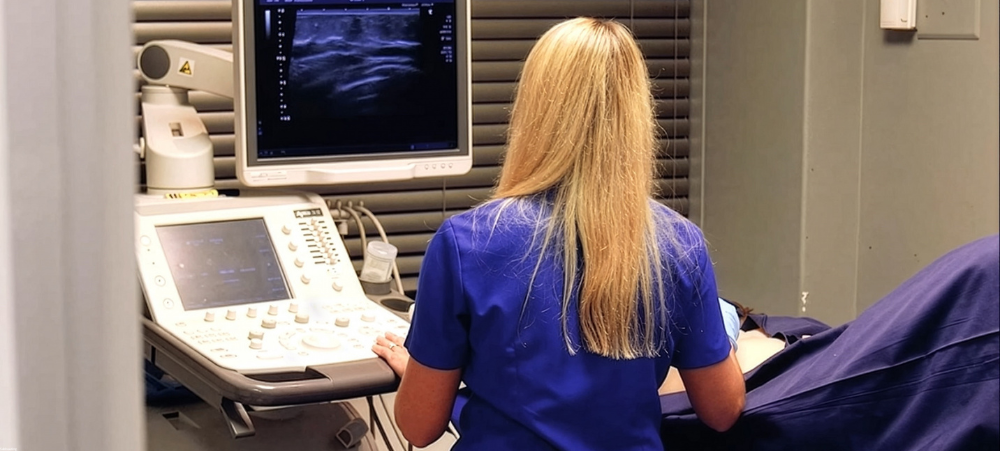

It is a common concern that metal implants, such as hip or knee replacements, may prevent you from having an MRI scan. In most cases, this is not true. Patients with modern joint replacements can safely undergo MRI, depending on the materials used in the implant. It is important to inform the radiology team about the implant before your scan.
Dr Jean de Villiers, a radiologist and director of SCP Radiology, answers some of the most frequently asked questions, specifically around the process from referral to reporting in radiology imaging.
What is Magnetic Resonance Imaging (MRI)?
MRI is a noninvasive imaging technique that uses powerful magnets and radio waves to create detailed images of the body’s internal structures. Unlike Xrays or CT scans, MRI does not involve ionising radiation and is used extensively to diagnose a wide range of conditions.
Because MRI uses strong magnetic fields, many patients ask whether it is safe to have an MRI after a hip or knee replacement.
Can you have an MRI after a hip or knee replacement?

Yes, you can have an MRI scan on other parts of the body, as well as on the knee or hip where the implant is. Although some older MRI scanners may not be compatible with certain prostheses, the vast majority of MRI equipment in use today is safe and compatible with modern hip and knee implants.
How safe is MRI if the implant is made of metal?
Most implants are made from titanium or cobaltchromium alloys. Although these materials are metallic, they are not significantly affected by the magnetic field of an MRI scanner, nor do they heat up during the scan. Many implants also contain hard plastic components, all of which are designed to be compatible with MRI scanners. They are not attracted to the powerful magnet in the same way as older or highly magnetic materials.
Dr de Villiers explains, “The vast majority of joint replacements used today are MRIsafe. The key is that we know about them in advance, so we can adjust the scan if needed.”
What is the main challenge with MRI and an implant?

The main challenge is image quality. Metal can sometimes cause image distortion, known as artefact, on MRI images. This may make it more difficult to assess structures close to the implant. However, modern MRI techniques have improved significantly and can often minimise these effects, allowing radiologists to assess surrounding tissues such as muscles and ligaments, and to detect complications such as infection or loosening. MRI is often the best imaging method for evaluating pain or complications after joint replacement surgery.
What happens if MRI does not produce clear diagnostic images?
In some cases, alternative imaging techniques such as CT or ultrasound may be recommended, depending on the clinical question. However, MRI remains safe and highly valuable for many patients with joint prostheses.
Are there implants that prevent you from having an MRI?
Certain implants and devices may be unsafe or require special precautions during MRI, including:
- Implanted pacemakers
- Intracranial aneurysm clips
- Cochlear implants
- Certain prosthetic devices
- Implanted druginfusion pumps
- Neurostimulators
- Bonegrowth stimulators
- Any other ironbased metal implants
MRI is also contraindicated in the presence of some internal metallic objects such as bullets or shrapnel, as well as certain surgical clips, pins, plates, screws, metal sutures or wire mesh.
Having a hip or knee replacement does not automatically exclude you from having an MRI scan. With modern implants and appropriate planning, MRI is both a safe and important diagnostic tool. As technology continues to evolve, future developments are expected to further enhance MRI compatibility with hip and knee implants, making it an even more reliable tool for ongoing patient care.
It is crucial for patients to inform their healthcare providers about their joint replacement before undergoing an MRI. This allows the medical team to adjust the MRI settings and take appropriate precautions to ensure both safety and diagnostic accuracy.

We understand that there are many aspects that encompass a Mother, Father or Child and strive toward providing resources and services that accommodates this.
Our content is aimed to inform and educate families on issues starting from pregnancy through to the challenges of the teen-age years.
- Playtime that gives back: A new school programme that helps raise funds while children have fun - September 22, 2026
- You Look After Everyone Else. Isn’t It Time You Put Yourself Back on the List? - September 17, 2026
- How breast density matters in breast cancer - September 17, 2026