Expert Advice from Bonitas Medical Fund
Bonitas – innovation, life stages and quality care

Pregnancy, your body and your baby – week 14 of your pregnancy

Week 14 of your pregnancy and you’re in month four of your pregnancy with five to go – almost half way already. Trimester two of pregnancy means you should be feeling renewed levels of energy and you may even notice that your appetite has increased thanks to morning sickness slowly easing up. Your baby in week 14 Your baby is now the size of a peach, and now often moves her arms and legs – but you won’t be able to feel this yet. If you could see into your belly, you may even notice your little one sucking their thumb! Around this time the grasp reflex is evolving, and hair growth is starting as follicle under the skin, so that when they’re born your baby should have silky strands of hair. Your little one’s genitals are now also fully developed, but it’ll still be difficult to tell their gender on ultrasound. Your body in week 14 Luckily during your second trimester you’ll be feeling more yourself, with rising energy levels, breasts that are less tender and dissipating nausea. You’ll also probably starting to show a bit as well, however, some moms, especially those expecting multiples, may start showing sooner. This is because your uterus is rising out of the pelvic region and into your lower abdomen. During the second trimester you’ll also notice that you’ll start to put on weight, don’t be alarmed by this as it’s completely normal and healthy during a pregnancy. Things to take note of  If you found that during your first trimester your pregnancy symptoms meant that you generally stayed away from exercise, embrace your renewed energy levels and start doing gentle exercises such as water aerobics, prenatal exercise classes and gentle walks. This’ll be beneficial to both you and your growing little one.

Bonitas – innovation, life stages and quality care

Pregnancy, your body and your baby – week 13 of your pregnancy

At week 13 of your pregnancy you are now in your second trimester. This trimester is often nicknamed the honeymoon period, as your pregnancy symptoms should have started easing up, and your baby is still small enough that you don’t feel uncomfortable. Your body at week 13 At week 13 your energy levels should start increasing, but if your nausea and fatigue don’t disappear just yet – don’t despair, some moms experience these for longer than others. This increase in energy won’t stick around forever, so make the most of this time while you can and tick important to-dos off your list. Your blood flow will also increase during this time, and because of this you may see blue streaks under your skin from your veins and experience an increase in libido. Your baby at week 13  Your baby is now the size of a lemon and her body proportion is slowly starting to change, although the head is still the biggest part of the body. Your baby is growing rapidly,  and during this time, her intestines are moving from the umbilical cord into the stomach. Her eyelids are shut to protect the eyes as they develop and her vocal cords are also developing, so that when your baby is born she’ll be able to cry and laugh and eventually say her first word. Things to remember in this week  Around this time is when some people choose to tell family, friends and employers that they’re expecting. You should pick when you feel most comfortable to tell everyone, however, this time is often chosen, as your risk of miscarriage will have decreased and you’ll have had your first pregnancy ultrasound, which should confirm that your baby is healthy.

Bonitas – innovation, life stages and quality care

Pregnancy, your body and your baby – week 12 of your pregnancy

This is now the last week of your first trimester, which is week 1 to 12. Your clothes are probably starting to feel a little tighter than they used to, but the good news is that some of the first-trimester pregnancy symptoms, such as morning sickness and fatigue should be easing up soon. During the first trimester, your baby will have grown from an egg to a fully formed baby (with lots of growing to do) and you’ll have had your first check-up and ultrasound. Your body at week 12 At week 12 you’ll probably notice that your morning sickness may start to subside. This is because the hCG hormone is starting to level off. However, not all moms are this lucky, as some experience nausea in their second trimester as well, or even throughout their whole pregnancy. Stomach pain, cramping and constipation are also pregnancy symptoms you may be experiencing.  Not all women experience constipation, however, it is fairly common thanks to pregnancy hormones. If you experience sharp or severe pain, it’s important to seek medical help as quickly as possible. Things to keep in mind Throughout your pregnancy both your mental and physical wellbeing is important. Many articles on pregnancy neglect to explain the mental challenges that expecting moms can struggle with during this time. Pregnancy hormones, the added stresses of a new life growing inside you and previous or current depression and/or anxiety can mean that you may also struggle with antenatal depression and anxiety. Tell-tale signs of antenatal depression are feeling sad or anxious all the time, and lack of interest in things that used to.  If you do feel that you’re struggling it’s important that you reach out to a health care provider and rely on family and friends for support. Joining a support group of moms, or moms-to-be in a similar position can also help you feel more at ease. Where is your baby at in week 12 Your growing baby is now roughly the size of a lime or a plum. At this point all your baby’s important features, body parts and organs are in place, they just have lots of growing and maturing to do. Your baby’s tiny developing bone marrow is starting to make white blood cells and their muscles and nervous system are maturing.

Bonitas – innovation, life stages and quality care

Pregnancy, your body and your baby – week 11 of your pregnancy

You are now almost at the end of trimester one, which is good news as the second trimester is often seen as easier than the first. Both you and your baby will have undergone many changes during these first 11 weeks, and you’ll have gone from a hoping-to-be-mom to an expecting one. Pregnancy has its ups and downs, so it’s important that you look after yourself (and by default your growing baby) at this time. How you’ll be feeling at week 11 At week 11 your baby bump may be beginning to show, but don’t worry if your baby bump isn’t showing yet, as this varies from pregnancy to pregnancy. It’s likely that if this is your first pregnancy and you don’t have multi babies inside you, you won’t start showing as quickly. If your morning sickness if beginning to ease you may notice that you’re feeling hungrier than normal. If this is the case, make sure that you fuel up on healthy snacks that are nutritious to both you and your growing baby. You may find that your cravings are completely different from what you’d normally eat, and your old favourite food is one you that makes you feel queasy. Hormones, senses that are heightened and a need for comfort food are all reasons behind these strange (but normal) pregnancy cravings and aversions. Your baby at week 11 Your baby is now the size of a lime or a fig, and their body is slowly starting to straighten out. At this point, your baby’s hands and feet, as well as their ears, nose and mouth are becoming more developed. Hair follicles are beginning to form, as well as nail beds and their reproductive organs are developing, however, you won’t be able to tell gender via ultrasound just yet.

Bonitas – innovation, life stages and quality care

TB – Serious but Curable

Tuberculosis (TB) is a serious public health issue in South Africa.  280 000 people fell ill with TB during 2022 and, of these, an estimated 54 200 died from the disease. South Africa is one of the 30 high burden TB countries, contributing 87% of the estimated cases worldwide.  According to the Department of Health, the main driver of TB infection is HIV, with around 48% of TB patients living with HIV. As a member of the United Nations, South Africa has committed to reducing new TB cases by 80% by 2030, compared with 2015 levels. Clinical data presented by the World Health Organization (WHO) indicates that our country is meeting some of its targets but there are still too many people falling ill and dying. ‘It is important to remember that TB is curable’, says Dr Themba Hadebe, Clinical Executive at Bonitas Medical Fund. ‘However, we all need to be more aware of how contagious it is, the symptoms, the impact of the disease, the importance of getting medical attention and adhering to the treatment regimen.’ ‘TB also has a big impact on the economy, not only in terms of healthcare expenses but lost productivity – due to absenteeism and the direct and indirect costs to business.  ‘We know that not everyone has access to private medical care but public healthcare facilities offer free testing and treatment.  If you test positive for TB, the Department of Health will provide the necessary medication. Crucial to overcoming this disease is to follow and complete the treatment regimen as advised by your healthcare giver.’ Some TB facts: What is TB? It’s a disease that mainly affects the lungs but can also be found in any other body organ. It is caused by an organism (germ) called Mycobacterium Tuberculosis which is found in the sputum (a mixture of salvia and mucus) coughed up by someone with TB of the lungs. The organism (germ) usually destroys the soft tissue of the lungs resulting in difficulty breathing and blood can be coughed up in severe cases. If untreated, TB can cause death.  How is TB contracted? The disease is passed on from one person to another. The germs spread into the air via microscopic droplets if an infected person sneezes, coughs or releases saliva. The incubation period is 6 weeks.  TB Symptoms  If you are concerned about your health or having been exposed, you must get tested urgently.   Symptoms of the TB include: Excessive coughing – a cough that has been present for more than two weeks and is productive, (a cough that has phlegm) Chest pains  Loss of appetite and weight Low grade fever Night sweats Chills Coughing up blood In children the symptoms may present as a cough for 2 weeks or more, loss of energy and appetite and quite often a mild fever. Who is most at risk of contracting TB? People living with HIV/AIDS Living in the same house as someone who has had or has TB  Anyone who has had active TB in the last two years  Those with diabetes Residents of informal settlements Children under five The undernourished Alcoholics and smokers  Mineworkers  Prisoners Pregnant women Can you have TB and not be sick? TB can be ‘latent’, in other words it’s in your body but not active and therefore you not capable of spreading it. However, if your immune system becomes weak, the TB can become active and you become ill. Having HIV/AIDS is a key factor in the TB epidemic which is why it is so important that the people living with HIV are screened and treated.   How is TB diagnosed? Diagnosis of TB is quite complex since many symptoms can be quite similar to those of other common lung diseases. South Africa has moved towards more intensive and active methods of identifying cases, for example by screening all those attending primary health clinics.  TB testing and treatment is free. The Mantoux Tuberculin Skin Test (TST) and blood tests do not differentiate between latent and active TB which means a sputum sample needs to be taken or a chest X-ray.  Treating TB TB is definitely treatable. However, medication must be started as soon as possible, and it must be taken regularly – as per the instructions. Also important is to finish the course of medication. It takes six months for TB to be cured completely but, within 2 weeks of starting treatment, the person will no longer spread the disease.  Treatment must be completed. If treatment is missed, the risk of a drug resistant strain of TB is possible, which is difficult to treat and requires a longer treatment period.  How can TB be prevented? People on TB medication must complete their treatment, this prevents the spread of TB Cover your mouth and nose when coughing or sneezing Wash hands with soap and water Immunise of all babies at a clinic within 1 year of birth Keep your body healthy by eating balanced meals and exercising Stop smoking  Keep your windows open in your home if living with someone with TB – fresh air blows the TB germs away and sunshine kills the TB germs. TB in the workplace If any employees display TB symptoms, they should stay home and limit contact with others as much as possible until the results from a TB test are known. Once a person has been on TB treatment for 2 weeks, they are no longer infectious and can continue to work.

Bonitas – innovation, life stages and quality care

Pregnancy, your body and your baby – week 10 of your pregnancy

At week ten, you are officially a quarter of the way through your 40-week pregnancy with only a few more weeks left of trimester one. In your first trimester, you won’t look it but your body will have gone through many changes to accommodate your growing baby. This trimester its particularly important to keep taking prenatal vitamins containing folic acid as your babies spinal tube and organs develop. Your baby at week 10  Your little baby is now the size of a strawberry and is now referred to as a fetus and not an embryo.  She is growing rapidly inside you and is slowly started forming bones and ligaments, their little arms and legs are slowly becoming more functional and your baby’s jawbone is also started developing. Nerves are starting to form in their spine and her kidneys are starting to function. Your body at week 10  At week ten your baby bump may be starting to show, but it may be a few weeks before your family and friends notice or you decide to tell anyone. Because of your slowly growing baby belly, it may be a good idea to invest in your first few items of maternity wear, as pants that are too tight around your waist is an added discomfort that you shouldn’t have to deal with. You’ll still be managing a variety of pregnancy symptoms, from morning sickness to frequent urination. You may still be struggling with fatigue, but thankfully this pregnancy symptom should lessen in your second trimester. Things to keep in mind  Week ten (between week 10 and 12) is roughly the time that you would choose to have your baby genetically tested. Genetic testing isn’t required but it is a good option to consider so that parents-to-be are alerted to potential genetic disorders before birth. A genetic test is particularly important if you have hereditary genetic problems in your family, or if you and your partners are carriers for a particular disorder.

Advice from the experts
Tanya Hanekom

IS MY CHILD IGNORING ME, OR IS IT “SELECTIVE” HEARING?

Does this sound familiar? “Joshua, it’s time for dinner…” No answer. Is he ignoring me? Or maybe he didn’t hear me…? Maybe I should get those ears checked… When is it worthwhile taking your child for a hearing test? Perhaps you recall your child had a hearing test at birth. Or perhaps there was so much going on that it seems like a distant memory. Most children do have their hearing screened at birth by an audiologist, but it depends on the hospital protocol. The test that is done at birth is a screening test to exclude significant hearing loss, but it is certainly worthwhile to repeat the hearing test several times as your child ages. Ideally, your child should have their hearing tested at birth, at one year, at three years and at five years of age. This should be done by an audiologist, as doctors cannot test your child’s hearing. Why is it so important to test my child’s hearing so frequently? At Birth –This is normally a screening done in the hospital at birth, within the first few days of life. Hearing is tested using a small probe which measures echo responses from the cochlea (inner ear). It is recommended that every child has a hearing screening test at birth. At 1 year – At this age your child should start producing one word utterances. Hearing is tested using the same test as at birth, but this time a diagnostic version is used, which tests a broader range of tones, and two different types of echoes can be measured. Your child can sit quietly and does not need to respond. We also look at their behavioural responses to soft speech in a sound proof booth, with rewarding stimuli like a Barney DVD which is played when they respond appropriately. Lastly, their middle ear health is tested using tympanometry, as many children have middle ear fluid which parents are not aware of. At 3 years – Your child should now be stringing short sentences together, which should be largely intelligible to both family and strangers. By age 3 and a half, your child can start responding more accurately to behavioural hearing tests. A combination of the testing described above, as well as play audiometry is generally used at this age to test your child’s hearing. Middle ear pressure tests and objective testing may be repeated if behavioural responses do not give enough information. At 5 years – By five years of age your child can attend for longer and give responses that are accurate. A full diagnostic hearing test is normally carried out. Results tend to be more specific to the pitch and intensities of your child’s hearing threshold. It is important that your child’s hearing is tested before they start school to ensure they can hear normally, which will allow your child the optimum learning capacity. Warning signs for potential hearing loss to look out for: Requests for the TV to be a little louder Ignoring or not responding when spoken to, especially from a distance (this can be inconsistent) Asking for repetition (saying ‘what?’ ‘huh?’) Difficulty learning new words Delayed speech or language development You feel concerned as a parent Teachers raise concerns Academic difficulties Attention or behaviour problems Complaints about sore ears, or frequent tugging of the ears Difficulty hearing on the phone with one or both ears If in doubt, rather have your child’s hearing tested routinely. Hearing loss can occur within the first few years of life, and children are at risk for middle ear infections, which are not always detectable by parents. To find an audiologist in your area, visit  Audiology SA 

Clamber Club

The Great Eye-Hand Link; The Importance of Eye-Hand Coordination for Children

Eye-hand coordination, also known as hand-eye coordination, refers to the smooth, controlled and coordinated movements of the hand and eye together in order to reach a specific goal.  While this may appear to be a fairly simple process to an observer, it is in fact an immensely complicated process that is dependent on your eyes ability to see, your brains ability to process, interpret and understand what is being seen by the eye and then based on that information plan and execute a smooth, coordinated, appropriate motor response. In the case of eye-hand coordination, the motor response relates to the use of the hands in order to achieve a particular objective. Fine motor control refers to the ability of small groups of muscles found in the hands, fingers and eyes working together in a coordinated manner. Good fine motor skills develop from good gross motor skills in children. This means that providing a young child with opportunities to move the large muscle groups in their bodies through engaging in activities such as climbing, jumping, running and crawling develops body awareness. This in turn enables the child to better understand where their bodies are in relation to their environment and other objects. This understanding of their bodies in terms of large movements will then also translate in to an understanding of their bodies in terms of small movements or fine motor skills should the child be provided with sufficient gross motor input.  Kelly Westerman, Clamber Club franchisee and Occupational Therapist says, “It is very important to understand that our child’s eye-hand coordination is intimately linked to their fine motor control and both the importance of the eyes and the hands must be understood and acknowledged as being key role players in eye-hand coordination.”  The role of the eyes is to see, follow moving objects, focus near and far, judge distances, observe details of objects and importantly, navigate the movement of the hands. The role of the hands is to feel textures, shapes, temperatures and weight. The hand will hold and manipulate objects, push and pull, catch and throw, clap, rub, grip, squeeze and point. All of which might be meaningless without the guidance of the eyes; thereby creating the eye-hand coordination.  “If we consider how many of the things we do on a daily basis require the use of our eyes and hands, we realise how important it is that this process works effectively and efficiently,” adds Westerman.  Fine motor skills and eye-hand coordination begin to develop from the time a child is born. An infant tracking a moving object with their eyes and then attempting to swipe at it, reaching for objects and moving those objects to their mouths as well as grasping and releasing objects are all the early activities that develop these skills. As the child gets older good eye-hand coordination and fine motor skills contributes to a child’s ability to learn essential self-care skills such as dressing and undressing, brushing their teeth and feeding themselves. In the school-going child, proficiency in these skills results in improved classroom performance as these skills are involved with a learner’s ability to write, cut, copy work from a board and read.  “In light of the importance of eye-hand coordination, parents should ensure that they create opportunities for their children to learn and master these skills form as early as possible,” comments Occupational Therapist and founder of Clamber Club, Liz Senior. “We aim to provide children with comprehensive eye-hand coordination experiences in our classes, using equipment that is beneficial, and at the same time fun, while promoting the skills required to get their hands, fingers and eyes working together in a coordinated manner.” Clamber Club has put together these top activities and games that can help your baby develop their eye-hand coordination: Encourage your baby to follow moving objects or person with their eyes Provide opportunities for your little one to reach and grasp at objects Give your baby a variety of objects to hold so that they can practice difference grips and grasps. Watch as your little one transfers objects from one hand to another. This is a very important skill that they learn, so parents should watch out for it!  Your baby will also play with their hands. This is a wonderful way for them to learn more about their hands, so make sure that there are times when their hands are free of objects and they can explore with their hands at their midlines  Do not discourage your little one from bringing objects to their mouths; this is an important skill and by mouthing objects your little one learns about certain features of that object Provide opportunities for your little one to explore objects with their eyes. This can be done through suspending objects from frames that your baby lies under

Parenting Hub

DO LAXATIVES HELP WITH WEIGHT LOSS?

Affinity Health, a leading provider of high-quality healthcare, warns that using laxatives for weight loss is ineffective and can also be dangerous. What Are Laxatives? Laxatives are substances that are designed to promote bowel movements and relieve constipation. While they are often used for medical purposes, such as treating digestive disorders or preparing for medical procedures, some people may also use laxatives to lose weight. However, the use of laxatives for weight loss is not only ineffective, but it can also be dangerous. Busting Laxative Myths The idea that laxatives can aid in weight loss is based on a common misconception about the role of bowel movements in the body. Some people may believe that if they can have more bowel movements, they will eliminate more waste and therefore lose weight. However, the amount of waste in the body is not directly correlated with body weight. In fact, most waste material comprises water, bacteria, and undigested food, which do not contribute to overall body mass. Furthermore, using laxatives for weight loss can have serious health consequences. 10 Dangers of Abusing Laxatives Laxative abuse is a growing problem, especially among those who struggle with eating disorders or body image issues. The dangers of laxative abuse include the following. Dehydration: Laxatives can cause the body to lose water, leading to dehydration if not enough fluids are consumed. Electrolyte imbalances: Laxative abuse can also cause electrolyte imbalances in the body, leading to serious health problems such as muscle weakness, irregular heartbeats, and seizures. Intestinal damage: Overusing laxatives can damage the intestinal lining, causing chronic inflammation, ulcers, and bleeding. Nutrient deficiencies: Chronic laxative abuse can lead to nutrient deficiencies, as the body may not be able to absorb essential vitamins and minerals. Gastrointestinal disorders: Laxative abuse can contribute to developing gastrointestinal conditions such as irritable bowel syndrome (IBS), chronic constipation, and even colon cancer. Dependence: Regular use of laxatives can lead to physical dependence on them, making it difficult for the body to have a bowel movement without their use. Weight gain: Laxatives do not help with long-term weight loss and can lead to weight gain as the body becomes dependent on them to have regular bowel movements. Kidney damage: Laxative abuse can damage the kidneys over time as they filter waste products from the body. Psychological effects: Laxative abuse can also have psychological effects, such as anxiety, depression, and a distorted body image. Death: In extreme cases, laxative abuse can lead to serious health complications that can be fatal, such as electrolyte imbalances, dehydration, and kidney failure. The Importance of Healthy Lifestyle Changes for Weight Loss Instead of relying on laxatives for weight loss, focusing on healthy, sustainable lifestyle changes is essential. This includes a balanced diet of fruits, vegetables, whole grains, lean protein, regular exercise, and adequate hydration. “In some cases, constipation and digestive issues can be a symptom of an underlying medical condition,” says Murray Hewlett, CEO of Affinity Health. “If you are experiencing chronic constipation or other digestive issues, it is important to talk to a healthcare professional to rule out any underlying conditions and develop an appropriate treatment plan.” About Affinity Health Affinity Health is South Africa’s leading health insurance provider, offering you a range of options, including access to the widest national provider network. We understand the importance of medical insurance that meets your needs, budget, and lifestyle. Our healthcare products are designed to protect you and your family when it matters. We strive to give our clients peace of mind and the highest standard of service. Follow us on Facebook, Twitter, and Instagram.  

Parenting Hub

IS EXERCISE MORE EFFECTIVE THAN MEDICATION FOR DEPRESSION AND ANXIETY?

While medication and therapy are often used to treat anxiety and depression, Affinity Health, a leading provider of high-quality healthcare, highlights growing evidence to suggest that exercise may also be an effective treatment option. According to the World Health Organization (WHO), depression is the leading cause of disability worldwide, affecting more than 264 million people. Anxiety disorders are also common, affecting an estimated 284 million people globally. “While depression and anxiety are distinct conditions with unique symptoms, they often occurB together and share many common underlying factors,” says Murray Hewlett. “Research has shown that genetics, life experiences, and brain chemistry can all contribute to the development of these disorders.” Signs And Symptoms of Depression and Anxiety Depression is a mood disorder characterised by persistent sadness, hopelessness, and a loss of interest in activities that were once enjoyable. Symptoms of depression may include: Feelings of sadness or hopelessness Loss of interest in activities Changes in appetite or weight Changes in sleep patterns Fatigue or lack of energy Difficulty concentrating or making decisions Feelings of worthlessness or guilt Thoughts of death or suicide Anxiety is a condition characterised by excessive worry, fear, or nervousness. Symptoms of anxiety may include: Excessive worry or fear Restlessness or irritability Difficulty concentrating or sleeping Muscle tension or headaches Fatigue or lack of energy Panic attacks Avoidance of certain situations or activities The Evidence for Exercise as a Treatment for Depression and Anxiety Research has consistently shown that exercise can positively impact mental health. A growing body of evidence suggests that exercise may be as effective as medication for treating depression and anxiety. “One meta-analysis published in the Journal of Psychiatric Research found that exercise was as effective as medication for treating depression in adults. The study analysed the results of 11 clinical trials involving 455 patients with major depressive disorder. The researchers found that exercise was just as effective as medication in reducing symptoms of depression,” adds Hewlett. “Another study published in the Journal of Sport and Exercise Psychology found that exercise was an effective treatment for anxiety in college students. The study involved 60 college students randomly assigned to either a control or exercise group. The group participated thrice weekly in a 30-minute aerobic exercise session for eight weeks. The researchers found that the exercise group experienced significantly reduced anxiety symptoms compared to the control group.” Hewlett continues to say a review of 25 studies published in the journal Clinical Psychology: Science and Practice found that exercise was an effective treatment for depression in older adults. The review included studies of various types of exercise, including aerobic exercise, resistance training, and tai chi. The researchers found that exercise was effective in reducing symptoms of depression in older adults, regardless of the type of exercise. Why Exercise May Be Effective There are several reasons why exercise may be an effective treatment for depression and anxiety. First, exercise has been shown to increase levels of certain neurotransmitters, such as serotonin and dopamine, which affect mood regulation. Exercise has also been shown to reduce inflammation, which is thought to contribute to depression. In addition to these physiological effects, exercise can also have psychological benefits. Exercise has increased self-esteem, improved mood, and reduced stress and anxiety. Is Exercise More Effective Than Medication? While exercise is an effective treatment for depression and anxiety, it is not necessarily more effective than medication. The effectiveness of exercise versus medication may depend on the individual and the severity of their symptoms. For some people, medication may be a necessary component of treatment for depression or anxiety. For others, exercise may be an effective alternative or complementary treatment for depression and anxiety. “While exercise may not be the best option for everyone, it can be a valuable tool for managing symptoms and improving mental health. Suppose you are struggling with depression or anxiety. In that case, it is important to speak with a healthcare provider or mental health professional to determine the best treatment for your needs, ” says Hewlett. About Affinity Health Affinity Health is South Africa’s leading health insurance provider, offering you a range of options at affordable rates, including access to the widest national provider network. We understand the importance of medical insurance that meets your needs, budget, and lifestyle. Our healthcare products are designed to protect you and your family when it matters the most. We strive to give our clients peace of mind and the highest standard of service. For more information, follow us on Facebook, Twitter, and Instagram.  

Parenting Hub

Baked Mushroom Bowls with Swiss Chard Mash

Serves 4  Ingredients: For the mash: 6 large baking potatoes  6 Tbsp butter 125ml / ½ cup full cream milk, kept warm 1 medium white onion, diced  1 bunch / 200g swiss chard, roughly chopped For the mushrooms: 500g mixed cultivated mushrooms 2 Tbsp butter, melted  1 Tbsp lemon juice 2 garlic cloves, grated  ± 6 sprigs of fresh thyme ½ tsp chilli flakes  Olive oil Salt and pepper, to taste  Micro herbs or baby greens, for serving Method: For the mash:  Peel potatoes and cut into large cubes.  Transfer to a pot of cold water and rinse until the water runs clear.  Cover potatoes with clean cold water and season generously with salt. Bring to a simmer.  Cook until potatoes are completely tender.  Drain in a colander and let steam dry for a minute.  Use a potato ricer, food mill or hand held masher to mash the potatoes in their pot.  Add the butter and fold in using a spatula.  Pour in the hot milk and fold it into the potatoes.  Season to taste.  While the potatoes are cooking, prepare the swiss chard.  Heat a drizzle of olive oil in a large frying pan and cook the onion until soft.  Add the swiss chard and sauté until barely wilted.  Season.  Fold the swiss chard through the mashed potatoes and keep warm.  For the mushrooms: Preheat oven to 200˚C, fan on.  Place the mushrooms in a large bowl.  It is great to use a mix of mushrooms but keep the sizes similar for cooking. Keep small portabellinis whole and slice large browns into quarters etc…  Drizzle the mushrooms with the melted butter.  Add the lemon juice, garlic, thyme and chilli. Toss to coat well.  Transfer to a large  rimmed baking sheet and spread into a single layer. Roast for 10-15 minutes or until mushrooms release liquid and are golden brown. Carefully pour off the excess mushroom liquid to keep them from going soggy.  (You can keep this for a delicious broth or stock or drizzle over the dish as a sauce) Serve the roasted mushrooms on a bed of the swiss chard mash.  Top with some fresh herbs or baby greens and serve! 

Parenting Hub

Everyday vitamins and nutrients for you and the whole family

When looking after your and your family’s health, diet takes top priority. A healthy, balanced diet supports a stronger immune system, healthy blood pressure and cholesterol and a healthy heart.  It’s important to include lots of fresh fruit and veggies, lean protein and fibre in your diet, and to minimise the amount of sugar, salt and processed foods consumed. Water is the number one healthiest drink to consume, followed by herbal teas, while sugary fizzy drinks and excess caffeine is best avoided.  Even when we follow a balanced diet, it is still possible that our bodies are not getting all the nutrients we need to function at our best. This may be due to dietary restrictions (for example, a vegetarian or vegan might not always get enough iron) or the fact that some nutrients are not present in a big variety of foods. Then there’s also the factor of food quality. Because of modern farming practices, the foods we eat today do not have the same nutrient density as the foods our grandparents ate.  This is where the importance of supplementation comes in. Good quality supplements support a healthy diet by filling in the gaps and ensuring you get all the vitamins and minerals your body needs, in the correct amounts.  Supplements are not a “fix” for a bad diet – you can’t eat lots of unhealthy foods and take supplements to make up for it. Rather, they’re a complement to a balanced diet which may lack a few nutrients due to the various factors involved.   When selecting supplementation products for you and your family it is important to choose products that don’t contain added sugar or unnecessary fillers. Choose a brand with a trusted reputation, that uses good quality raw ingredients and as many natural ingredients as possible. The type of nutrients you decide to supplement with is entirely up to each member of your family’s individual health concerns. Adults have a lot more health concerns than children do, and especially in older adults, it’s important to supplement according to individual health concerns. All adults will benefit from taking a multi-nutrient product (to build immunity and support general health) and a probiotic to ensure gut health and absorption of nutrients.  NutriPure Multi-Vitamin Complete (R145.00) is packed with 12 essential vitamins and minerals: Vitamin D, B6, B12, C, Biotin, Pantothenic Acid and Niacin help to metabolise carbohydrates, fats, and proteins and are factors in the maintenance of good health.  I If you struggle with stress and anxiety, a supplement filled with stress-fighting nutrients like JSHealth Mild Anxiety + Stress Tablets (R649.00), which contains a special combination of rejuvenating adaptogens, herbs, antioxidants, and vitamins, may help reduce your symptoms and support your immune system.  If you have skin concerns, you could supplement with JSHealth Skin + Digestion Formula (R649.00) to help heal and prevent breakouts, or with JSHealth Vitality X + Collagen (R999.00) if you’re concerned about the visible signs of aging like loss of elasticity and skin sagging.  Did you know that herbal teas can also be taken daily to help improve health conditions? Not only are they an excellent source of hydration (to replace sugary or caffeine-filled alternatives) but they contain natural ingredients with a variety of health benefits. SELA teas are filled with the very best in African Traditional Herbs that have been used for many generations to help boost health and relieve the symptoms of many illnesses. Sela products are suitable for everyone from the age of 12 years old and older. The range contains a natural, affordable and effective solution for everything from sleeplessness (SELA Sleep Tea, R49.99, has calming and relaxing properties to promote restful sleep), to healthy and strong immune system (SELA Health Tea, R49.99, is formulated to support a stronger immune system and general health) to sexual health (SELA Strong Man Tea, R84.99, supports healthy male sexual function).  Because children are growing, they need a lot of vitamins and minerals to ensure healthy bone development. Children are also prone to getting sick, so it’s essential to strengthen their immunity. A multivitamin is the first place to start. This should cover all the major vitamin and mineral requirements that children need. NutriPure Kids Multi Vitamin (R120.00) is a complete health supplement containing 11 essential vitamins and minerals including, among others, vitamins B6, B12, C and D. Formulated into a soft and chewy treat, it is free from added sugar and is made from natural ingredients. In addition to a multivitamin, it’s also important to improve your child’s gut health with a good quality probiotic. NutriPure Kids Probiotics (R170.00) is formulated with Bifidobacterium infantis and Lactobacillus rhamnosus, two scientifically tested bacteria strains. Each NutriPure bear contains 1 billion live cultures to help your child boost their daily culture intake. Remember, you’ll get the most out of your supplements when they form part of a healthy lifestyle that includes a balanced diet, regular exercise, and enough sleep and rest.

Bonitas – innovation, life stages and quality care

Asthma – avoiding triggers

Asthma is one of the most common chronic illnesses, affecting over 300 million people worldwide. Dr Morgan Mkhatshwa, Head of Operations at Bonitas Medical Fund, talks about the causes of asthma, preventative steps to reduce the chances of an attack and treatment. What is asthma? Asthma is a long-term condition affecting children and adults. The air passages in the lungs become narrow due to inflammation, production of extra mucus and tightening of the muscles around the small airways. This causes asthma symptoms such as coughing, wheezing, shortness of breath and chest tightness. These symptoms can be intermittent, are often worse at night and can be triggered by exercise.  It affects approximately one in 10 children and one in 20 adults and can occur for the first time at any age, even in adulthood, although asthma usually begins before the age of five.  A few children affected will ‘outgrow’ it during their teenage years but it usually persists if contracted in adulthood. Asthma tends to run in families. Signs and symptoms Asthma is often under-diagnosed and under-treated and this can lead to disturbed sleep, tiredness during the day and poor concentration. If you fail to recognise and avoid triggers that lead to your tightened airways, you may have an asthma attack, feel respiratory distress or experience a life-threatening situation. It’s important to avoid the triggers and recognise the signs of this condition to enjoy a better quality of life.  What causes asthma? There are various types of asthma including allergy-induced asthma. Research shows that the risk factors include a combination of genetic predisposition and environmental exposure, to inhaled substances and particles that may cause allergic reactions or irritate the airways.  These include indoor allergens – such as dust mites, particles of cockroach waste and pet dander and outdoor allergens – such as seasonal pollen, mould as well as tobacco smoke and air pollution. Smoke and strong soaps and perfume can also be triggers.  Other triggers for asthma can include cold and dry air, physical activity, stress, certain medications, such as aspirin and other non-steroid anti-inflammatory drugs and beta-blockers (which are used to treat high blood pressure, heart conditions and migraine) viral infections and occupational asthma, triggered by workplace irritants such as chemical fumes, gases or dust. Factors associated with asthma prevalence or disease severity in South African children include the adoption of an urban lifestyle, atopy (a genetic predisposition to having allergies), obesity, respiratory infection or exposure to industrial pollution or tobacco smoke.  Treating asthma Asthma can be life threatening when left untreated and cannot be cured but, with the right treatment most asthmatics will lead completely normal, active lives. The aim of treatment should be to make the lungs and breathing tubes as normal as possible so that there are minimal symptoms and as little disruption to ordinary life as possible. People with asthma may need an inhaler. Their treatment will depend on the frequency and severity of symptoms and the different types of inhalers available. There are two main types of inhalers: Bronchodilators that open the air passages and relieve symptoms Steroids that reduce inflammation in the air passages. This improves asthma symptoms and reduces the risk of severe asthma attacks and death It can sometimes be difficult to coordinate breathing using an inhaler, especially for children and during emergency situations. Using a spacer device makes it easier and helps the medicine to reach the lungs more effectively. A spacer is a plastic container with a mouthpiece or mask at one end and a hole for the inhaler in the other. A homemade spacer, made from a 500ml plastic bottle, can be as effective as a commercially manufactured inhaler. Reduce your exposure to allergy triggers The best way to reduce your exposure to seasonal allergy triggers is to avoid them.  Avoid activity in the early morning when pollen levels are at their highest Stay indoors on dry, windy days as the pollen counts surge in these conditions The best time to go outside is after a good rain, rain washes pollen away but beware, pollen counts can also soar after rainfall Delegate gardening chores like mowing the lawn to others  Wear a pollen-filtering mask if you must do chores outside. When back indoors, shower to rinse pollen from your skin and hair and put on clean clothes Keep windows shut or use an air conditioner if you know that pollen counts are going to be high Clean floors often with a vacuum cleaner Wash your bedding in hot water at least once a week  Don’t hang laundry outside during this time as pollen can stick to sheets and towels Cover your bedding and pillows with allergen-proof covers Remove stuffed toys from your children’s bedrooms Dr Mkhatshwa says, ‘If you are experiencing asthma symptoms or think you might have asthma, it is important for you to talk to your GP. This will help you establish if your symptoms are linked to asthma or whether something else is causing them.’

Parenting Hub

Fight Flu with the Big Five of Essential Oils to Support Health at Home & Office

It all starts with a scratchy throat and before long you have headache, fatigue, fever, an onslaught of snot or a dry niggling cough… and no energy to get out of bed. Winter colds start slowly while flu viruses set in quickly with the change of season, and with similar symptoms, colds and flu can lead to more serious illness including bronchitis, sinusitis, pneumonia, asthma, strep throat, or ear infection. Over 200 viruses cause the common cold and there are multiple strains of the flu, which contagiously circumnavigate the globe each year affecting between 5 to 20 percent of the population. Flu germs spread up to three feet when an infected person coughs, sneezes or speaks and can easily enter your body through touching eyes, nose or mouth with viruses surviving up to 24 hours and spread across commonly touched door handles and staircase balustrades. Stay fighting fit and prepare ahead for winter by boosting you and your family’s immunity against germs and viruses with your own naturally occurring, organic apothecary of pure healing essential oil aromatherapy kits for home and office to provide everyday immune support, remedies and relief from colds, flu, cough, and congestion. Protection & Prevention with SOiL’s Natural Essential Oils Children and the elderly are most affected by the flu as their immune systems are still developing or as in the latter, declining with age. Research shows that stress and a lack of adequate sleep (at least 7 hours per night) also heightens your risk of catching a cold. As a natural alternative to medication, pure essential oil aromatherapy includes properties that can fight viruses, alleviate flu symptoms, increase comfort during illness, treat symptoms like congestion, reduce fever and shorten the duration of your illness. Benefit from the best emotional and physical support with essential oils when you diffuse them, this is also the easiest way for young children and the elderly to get the best effect, and when you want to clean the environmental air in an office, retail store, schoolroom, or community. A diffuser neutralises airborne pathogens, supports your respiratory system, quietens, and sedates your nervous system and triggers positive emotional states. Clean the Air: To cleanse the air and promote clear breathing and healthy respiratory functioning use eucalyptus, peppermint, lavender, and lemon. Sleep Deeply: To support sleep diffuse lavender, chamomile, bergamot, and sandalwood essential oils. Build Immunity: SOiL’s Immunity Blend 10ml R85.00 offers a pre-blended oil of Lemongrass, Benzoin, Tea Tree, and Thyme oil to guard against illness. Shield: SOiL’s Shield Blend 10ml R75.00 is a spicy citrus mint blend that creates a barrier against unwanted germs and bacteria to support a healthier environment, immune and respiratory function. SOiL AROMATHERAPY DIFFUSERS:  The SOiL Ceramic Aroma Burner R150.00 is the perfect size for essential oil use as a scented room aroma for ambiance or therapeutically with your favourite SOiL essential oils or aroma wax melts. The SOiL Ultrasonic Aroma Diffuser R600.00 disperses the essential oils into the air via a fine mist. Low on energy, this cold mist diffuser uses water and ultrasonic vibrations to disperse the molecules of the essential oil into the air via a fine mist. Easy to use and clean, it offers a full power, timed and intermittent setting of 15 second intervals. For 200ml of water, add between 6-10 drops of SOiL essential oil depending on the desired strength of aroma and the size and ventilation of the room. The Ultrasonic Diffuser holds a one-year guarantee. You can also inhale essential oils by sniffing the bottle directly or adding a few drops of essential oil to a cotton ball or handkerchief. You can also dilute oils in a carrier oil and massage them into your skin, head, neck, and feet, or add them to steamy bathwater or large bowl of hot water for steam inhalation. The BIG FIVE of Flu Remedy & Relief with SOiL #1 SOiL Eucalyptus – South African grown Eucalyptus (Eucalyptus Smithi) essential oil R30.00 protects against colds, reduces fever, fights viruses, clears breathing passageways, and soothes muscular aches. Pleasant in a massage blend or as a steam inhalation, it is a popular decongestant, helping to loosen phlegm and treat coughs. The Eucalyptus tree is native to Australia and the Aboriginals see it as a symbol of strength, protection, and abundance. They have used it for centuries to purify and negate negative energy and with its antiviral and antimicrobial properties, a cool compress will reduce a fever. #2 SOiL Chamomile – Chamomile is one of the most ancient medicinal herbs known to humankind according to the National Library of Medicine, with anti-inflammatory and antispasmodic properties and while it relieves cold and flu symptoms it is also used for hay fever, inflammation, insomnia, muscle spasm, menstrual disorders, ulcers and much more. There are two types available, both with calming properties: German Chamomile (Matricaria recutita) R350.00 offers anti-inflammatory and antispasmodic properties and is known to relieve skin disease and stomach distress, and severe skin problems like allergies, eczema, psoriasis and healing and tissue regeneration. Roman Chamomile (Anthemis nobilis) R200.00 is distilled from the flowering tops of the plant with a pleasant apple fragrance. It is a gentle oil, which makes it suitable for children. With relaxing and pain-relieving properties use it to treat complaints of the digestive and nervous systems, sooth teething in infants, colic, and indigestion and nervous system with sedative and anti-inflammatory effect. #3  SOiL Lemon Tea tree oil is antibacterial, antiseptic, and antimicrobial, making it ideal for not only treating cold and flu symptoms, but also preventing illness. The SOiL Lemon Tea Tree oil 10ml (Leptospermum Petersonni) R50.00 is perfect for a respiratory essential oil blend to help combat coughs and colds. #4 SOiL Peppermint Oil  (Mentha Piperita) R60.00 has antiviral and antibacterial properties, kills airborne germs and acts as a natural decongestant and fever-reducer. Containing menthol, it soothes sore throats and quiet coughs, sinusitis, and infection #5  SOiL Easy Breathe Blend 10ml R80.00 Expertly formulated by SOiL’s certified aromatherapist, this blend of essential oils

Dr Gerald B Kaplan

A Child’s First Visit to the Dentist

Your child’s introduction to oral care should actually begin soon after birth. By gently cleaning a baby’s gums after feeding with a soft, damp washcloth, parents can get the child accustomed to oral hygiene which is an important, everyday routine. Your child’s first dental visit is as important as those first words or first steps; it’s a social and developmental milestone. By starting dental habits at an early age, you will help your child develop a lifetime of good dental habits. A child’s introduction to professional dental care should take place by the child’s first birthday. The earlier you begin, the better chance there is to prevent problems. During the first dental visit, your child’s mouth, teeth and gums will be examined for any signs of tooth decay and other problems. Depending on the age, X-rays may be taken to see whether facial bones and teeth are developing properly and to find any hidden decay. The teeth may also be cleaned and any adverse habits such as thumb sucking can be evaluated. Also you could be taught to effectively clean your child’s teeth at home. Regular fluoride treatment is helpful; I recommend it be done every six months.    Let your dentist do it, so that regular visits to the dentist become the norm for your child. A good time to schedule your child’s first dental appointment is in the morning, when he or she is rested and more cooperative.  Morning appointments also don’t conflict with mealtimes or naps. If your child enjoys the first dental visit, future visit will be anticipated rather than feared. These early experiences will influence your child’s attitude towards dental health, and can help start him or her on the path to a lifetime of good dental health. Before the first dental visit Here are some important tips for your child’s first dental visit: Don’t: Bribe your child into going to the dentist Use dental visit as a punishment Let the child know that you feel any anxiety about going to the dentist Let anyone tell your child scary stories about dental visits Do: Talk about the upcoming appointment  with the  child in a positive, matter-of-fact way Try to make dental visits enjoyable for your child Set  a good example by caring for your own teeth

Bonitas – innovation, life stages and quality care

Free hearing screening (online) for all

Hearing loss is an under-diagnosed medical condition that significantly impacts the physical and mental health of those who have any degree of hearing difficulty. Disabling hearing loss is being called the ‘invisible epidemic.’ It affects more than three million South Africans and over 1.5 billion people globally. The World Health Organization (WHO) estimates that in just two more decades, this number will exceed 2.5 billion. To help create more awareness, Bonitas Medical Fund is offering free online hearing screening for all South Africans. One of the biggest concerns associated with hearing loss when it is not treated properly is the long-term impact it has on the quality of life. Prevention and early detection are important, after all, hearing is the foundation for speech and language development, as well as learning and communication.  Which is why Bonitas Medical Fund has introduced an online hearing screener on its website www.bonitas.co.za. ‘We have partnered with hearConnect to make this functionality available to all South Africans,’ says Lee Callakoppen, Principal Officer of Bonitas. The online, validated speech-in-noise hearing test uses the latest in audiological technology. This is combined with the highest standards of clinical expertise and available on the website. In just two minutes you can test your hearing status.  All you need is access to a computer or your mobile, headphones or ear plugs, a quiet area and then you’re all set to take the test. If the screening test indicates you are experiencing hearing loss, hearConnect is available to guide you through the next steps. ‘Our partnership with hearConnect includes a full audiology benefit management programme for our members. This includes a follow up with ongoing treatment steps if hearing loss is detected.’  The introduction of this programme has also improved audiology benefits for Bonitas members – offering full cover all consultations, tests and treatment needs without any unwanted co-payments. This is subject to the use of an audiologist on the hearConnect Audiology Network, hearConnect treatment protocols and clinical pathways.  There are many challenges associated with hearing loss. These include language development that impacts our ability to read, write, spell and concentrate. It affects social skills resulting in isolation, depression, loneliness, cognitive impairment, unemployment and an increased risk of dementia.  Hearing loss also has a direct impact on healthcare costs. ‘As a medical scheme we know that patients with untreated hearing loss experience more inpatient stays compared to those without hearing loss,’ says Callakoppen. This has a direct impact on healthcare utilisation costs. There is a 17% increased risk of emergency department visits, readmissions and rate of hospitalisation as well as longer hospital stays.’   What causes hearing loss Hearing loss can come about as you age or as a result of loud noises, illnesses and disease, genetics and trauma (contact sport) can also cause hearing loss. Other factors, such as too much earwax, also reduce your ability to hear.  Don’t blast your eardrums  Overexposure to loud music – or any loud noises – can be harmful. Research indicates that hearing loss results from a combination of sounds being too loud, listening to loud sounds over an extended period and the frequency of exposure.  A BMJ Global Health review recently reported that pumping tunes, listened to via ear buds or even live, could be placing up to 1.35 billion young people at risk of hearing loss worldwide. The gift of hearing  ‘Our new ABM programme, with hearConnect, supports our initiative with Gift of the Givers and sponsorship to test over 15 000 learners this year. The learners are from Grade R to Grade 12 at schools in in six areas within KZN,’ explains Callakoppen.  ‘This project uses a South African manufactured portable audiometer, called the Kuduwave. It’s a state-of-the-art, medically certified device that has revolutionised the testing and diagnosis of auditory related deficiencies. It combines a headset, audiometer and sound booth into a single, lightweight device, which can be used in just about any location.  ‘The combination of the online testing through hearConnect and the Kuduwave means we are able to offer a comprehensive hearing testing solution in South Africa,’ says Callakoppen.

Parenting Hub

WHAT IS CYBERSICKNESS? SYMPTOMS AND TREATMENT

Affinity Health, a leading provider of high-quality healthcare, explores the phenomenon of cybersickness, which has emerged as a notable concern in the digital age. Cybersickness, or virtual reality sickness or simulation sickness, is a term used to describe symptoms that can occur when there is a disconnect between what someone sees on a screen and how their body feels. “Have you ever experienced light-headedness or nausea while scrolling through social media or browsing the web? If so, you may have had an episode of cyber sickness,” says Murray Hewlett, CEO of Affinity Health. “Similar to motion sickness, which is common on boats, in cars, and on amusement park rides for many people, cybersickness can happen when your senses send conflicting signals to your brain. This phenomenon can occur while using multiple screens, attending virtual meetings where someone else controls the screen, or simply scrolling on your smartphone or computer.” What Is the Cause of Cybersickness? The exact cause of cybersickness is unknown, but it is thought to be related to a mismatch between visual and vestibular (balance) cues.  When the brain receives visual information that suggests motion or movement, the body does not feel it (such as playing video games or using virtual reality headsets). It can cause disorientation and other cybersickness symptoms. Signs And Symptoms Symptoms of cybersickness can include: Nausea Dizziness Headaches Eye strain Fatigue Sweating A Word on Mental Wellness In addition to the physical symptoms, cybersickness can also harm mental health, as physical symptoms can lead to feelings of frustration, disappointment, and even anxiety. The constant stimulation and information overload that technology provides can also contribute to feelings of burnout. How To Prevent Cybersickness  Fortunately, several strategies can help to prevent or manage cybersickness. Some of these strategies include: Taking Frequent Breaks Taking frequent breaks from screens, or virtual reality environments can help to reduce the risk of developing cybersickness. Experts recommend taking breaks every 20-30 minutes to give the brain a chance to adjust. Limiting Exposure Limiting exposure to screens or virtual reality environments can also help prevent cybersickness. This may mean limiting gaming time, using virtual reality headsets, or using screens or devices in moderation. Adjusting Settings Adjusting the settings on screens or virtual reality devices can help reduce cybersickness symptoms. This may include adjusting the field of view, reducing the screen’s brightness, or adjusting the motion sensitivity. Staying Hydrated Staying hydrated can help minimise cybersickness symptoms, as dehydration can exacerbate symptoms like nausea and headaches. Managing Stress Stress can aggravate symptoms of cybersickness, so managing stress levels through activities like exercise, meditation, or deep breathing is essential. Using Medication In some cases, doctors may prescribe medication to manage cybersickness symptoms. This may include anti-nausea medication or medication to manage symptoms like headaches. “As technology continues to advance, more people will likely be exposed to screens and virtual reality environments, and the risk of cybersickness may increase,” adds Hewlett. “It is important for individuals to be aware of cybersickness symptoms and to take steps to prevent or manage it. Researchers also need to continue studying cybersickness to understand its causes better and develop effective strategies for prevention and management. By working together, we can minimise the negative effects of cybersickness and make technology a safer and more enjoyable experience for everyone.” About Affinity Health Affinity Health is South Africa’s leading health insurance provider, offering you a range of options at affordable rates, including access to the widest national provider network. We understand the importance of medical insurance that meets your needs, budget, and lifestyle. Our healthcare products are designed to protect you and your family when it matters the most. We strive to give our clients peace of mind and the highest standard of service. For more information, follow us on Facebook, Twitter, and Instagram.

Bonitas – innovation, life stages and quality care

All about cholesterol

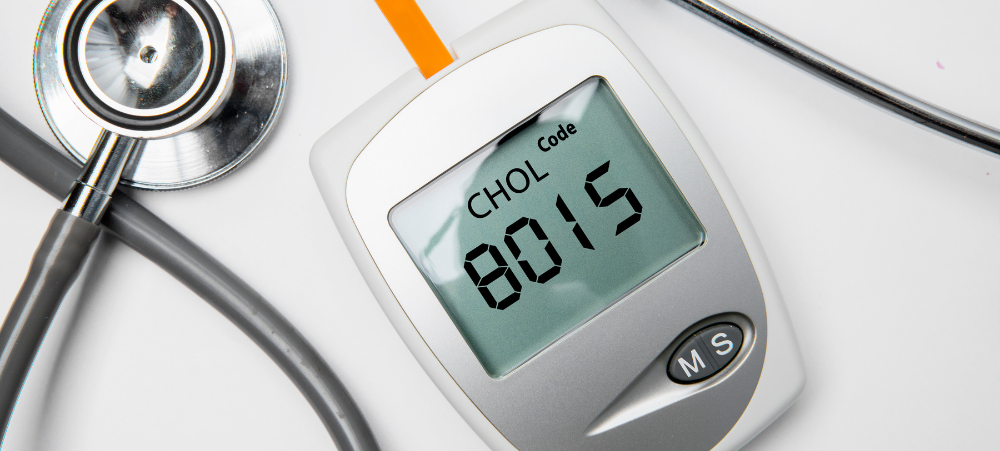
High cholesterol levels go hand in hand with a number of other factors which fall under chronic conditions. It is often as a result of lifestyle factors. According to the South African Heart and Stroke Foundation, one in four adults in South Africa has high total cholesterol, while 30% have a high LDL level and 50% have low HDL Levels. What does this mean?   Dr Morgan Mkhatshwa, Clinical Executive at Bonitas Medical Fund takes a look at cholesterol: What it is and why it is used, together with other factors like lifestyle and medical conditions, to estimate your risk of cardiovascular disease. And why knowing your LDL and HDL numbers is important in managing your health. What is cholesterol? Cholesterol [kuh·leh·stuh·rol] is a waxy fat-like substance, made in the liver and found in the blood and cells of your body. We all have cholesterol, it is made naturally and helps to form cells, hormones, vitamin D and bile acid (that helps us digest food). What is the difference between bad cholesterol LDL and good cholesterol HDL? LDL is low-density lipoprotein: It is called the ‘bad’ cholesterol because a high LDL level leads to a buildup of cholesterol in your arteries which leads to a greater chance of developing a heart disease HDL is high-density lipoprotein: Is the ‘good’ cholesterol because it carries cholesterol from other parts of your body back to your liver. Your liver then removes the cholesterol from your body. However, if someone has high levels of bad cholesterol it means they have too much of this fatty substance in their blood and, over time, this could cause arteries to block and result in a heart attack or stroke. Unfortunately, unlike most medical conditions, high cholesterol can go unnoticed and often doesn’t present any symptoms, unless it’s serious enough to cause problems.  What test is used to determine the levels of cholesterol in your body? Called a fasting lipogram, it measures the exact amount of different types of cholesterol you have. The SA Heart and Stroke Foundation maintain that healthy cholesterol levels should be: Total cholesterol: Less than 5.0 mmol/l (millimoles per litre) LDL cholesterol: Less than 3.0 mmol/l HDL cholesterol: Greater than 2.0 mmol/1 If your triglycerides (fat stored in the body) are higher than 1.7mmol/l, this is also indicative of a possible cholesterol problem Dr Mkhatshwa cautions that these are variables for the optimal LDL(bad cholesterol)  count, according to your risk profile. ‘If you are very high-risk or high-risk the LDL-C goal is 1.8 mmol/l and 2.5 mmol/l respectively. Your doctor will explain these to you, what they mean and the steps you need to take to reduce your LDL count,’ he says. ‘You can then begin to play an active role in managing your own health.’ How often should you be tested? Most healthy adults should have their cholesterol checked every four to six years. People who have heart disease, diabetes or a family history of high cholesterol, need to get their cholesterol checked more often.  What diseases or conditions result from high cholesterol levels?  When you have too much ‘bad’ cholesterol in your blood, it can cause narrowing and blockages of the arteries – the blood vessels that carry blood to your heart muscle and to other parts of your body. In time, this narrowing can lead to a heart attack, while blockages in the arteries of your brain can cause a stroke. What kind of illnesses or diseases can cause elevated levels of LDL? People with high blood pressure (hypertension) and diabetes often have high cholesterol. Some other health conditions that can also cause raised levels of cholesterol include kidney disease and liver disease. What role does genetics play in high cholesterol levels?  The medical term for high blood cholesterol is Familial hypercholesterolaemia. It is an inherited condition characterised by higher-than-normal levels of LDL blood cholesterol. It causes up to 10 per cent of early-onset coronary artery disease – heart disease that occurs before the age of 55 years. The cause is a mutation in a gene. Can I lower my genetically high LDL cholesterol? There is no cure for familial hypercholesterolaemia. Treatment aims to reduce the risk of coronary artery disease and heart attack and may include Dietary changes, including reduced intake of saturated fats and cholesterol-rich foods, and increased intake of fibre. Statins are the most common medicine for high cholesterol. They reduce the amount of cholesterol your body makes and you usually need to take them for life. What lifestyle changes can help to lower cholesterol levels? Losing weight Eating a heart-healthy diet: Focus on plant-based foods, including fruits, vegetables and whole grains Exercising regularly Not smoking Did you know? One third of adults have high cholesterol No one can live without cholesterol High cholesterol could be genetic Even children can have high cholesterol Sweating can raise your good cholesterol levels Supplements may work to lower cholesterol — but slowly

Meg Faure

Peaceful nights – When Sleep Patterns change

Just as you get it all right and think you are on the track to having a baby who sleeps through the night, you get one disturbed night of sleep and it sets you back big time! The question is: are there typical times that you should expect nighttime hiccups? 4-6 months old – From birth your baby will slowly and steadily begin to sleep for longer and longer stretches at night and you will have the satisfaction of the occasional longer period of sleep. But just as your baby pieces it together and is almost ‘sleeping through’, he will start to wake more frequently again. This happens as your little one begins to require extra nutrition at night, the milk feeds that used to sustain him are no longer doing so and you have three choices: Breastfeed on cue and meet his demands at night to stimulate your milk supply. In this way your little one will go back to sleep and wake again in 4 hours for another feed. This is a good idea if Your baby is less than 17 weeks You or your baby have confirmed allergies (in which case you should delay introducing a formula or solids) Offer a top up bottle at bedtime or if he wakes shortly after going down Introduce solids – absolutely fine to do any time between 4 and 6 months 8 months old – At around 8 months old, your baby will start waking due to separation reasons or plain ol’ habits. At this age your baby is working hard to establish object permanence – the awareness that you exist when he can’t see you. To decrease the effect of this milestone on sleep: Encourage a sleep soother such as a ‘doodoo blanky’ (Taglet) or dummy that can be used independently. Play separation games during the day – ‘peek a boo’ or hide and seek. Listen to your baby at night before going to him and see if he resettles on his own. If he cries, go to him, give him love and help him settle on his own with a doodoo blanky. Do not be tempted to feed him at night before 2am as this can lead to habits developing. Toddler years – Toddlers are notorious poor sleepers. Your toddler will wander at night and come through to your room. In fact more toddlers co-sleep than newborns, according to recent research! Toddlers call for their parents at night due to night fears and boundary issues. To address this, leave a night light on and encourage your toddler to use a comfort object instead of coming to you. If your toddler repeatedly wanders into your bed at night you have three choices: Repeatedly walk him back to his bed – while this will be exhausting initially, your toddler will eventually learn that night wanders brings no joy. Let him climb into your bed and share a bed with him Find the sense-able middle ground – have a mattress under your bed that he can pull out and sleep on at night – this means your bed remains your own but your toddler has access to you at night.

Bonitas – innovation, life stages and quality care

Dealing with anxiety during pregnancy

Pregnancy can be a very happy and exciting time of your life, however, it can also be a time that is very difficult for some expecting moms. This is often made more difficult by the fact that many family and friends expect you to be thrilled, and conflicting emotions are often surrounded by guilt. Your mental health is important, and you shouldn’t expect yourself to snap out of it, or soldier on alone. What is anxiety during pregnancy?  It’s natural for an expecting mom to have worries, this is a new and ever-changing part of your life. However, if your anxiety is ever-present, can’t be controlled easily and impact on your daily life it may be time to seek help. Worrying is part of being human, and if you have struggled to conceive or have lost a baby before, it’s very understandable that you may worry about your baby’s health. You may also worry about whether you’ll be a good parent or how your family dynamic will change, and these are all normal worries. But if you find your heart racing, your breathing shallow, obsessively worrying with racing thoughts, feeling restless or struggling to eat or sleep you may have anxiety. Anxiety in pregnancy is fairly normal, and you’re more likely to experience it if you’ve had anxiety in the past, have a high-risk pregnancy or are dealing with huge life stresses. What can I do about it? If you think you may have anxiety during your pregnancy, know that you are not alone or abnormal, as many expecting moms have experienced this. If you’re struggling, the best way forward is not put up with it, but to seek help. Speaking to a psychologist is a good way to start dealing with why you are suffering from anxiety and how you can deal with it. Medication during pregnancy can be tricky but are an option if they’ll benefit you and your babies well being. Staying active, eating healthy and trying to get enough sleep are also ways in which you can help yourself. Talking to others that have gone through pregnancy, or making sure that you rely on your family and partner for support are also ways in which you cope with your feelings and feel less isolated.

Parenting Hub

DIGITAL EYE STRAIN: 5 TIPS FOR RELIEF

According to Affinity Health, a leading provider of high-quality healthcare, prolonged exposure to digital devices can cause a range of uncomfortable symptoms known as digital eye strain, also called computer vision syndrome. In our digital age, many people spend hours staring at screens, whether for work, entertainment, or communication. However, this prolonged exposure to digital devices can cause a range of uncomfortable symptoms known as digital eye strain, also called computer vision syndrome. Digital eye strain can affect anyone who uses screens regularly, from young children to older adults. According to the American Optometric Association, around 59% of adults report experiencing symptoms of digital eye strain, which is likely even higher among younger generations who have grown up with digital devices. Symptoms of digital eye strain include: Eye fatigue Dry eyes Blurred vision Headaches Neck and shoulder pain Difficulty focusing Increased sensitivity to light These symptoms can be mild or severe, depending on the individual’s screen use habits, the type of screen used, and other factors such as lighting conditions and posture,” says Murray Hewlett, CEO of Affinity Health. “While digital eye strain is not a serious condition, it can be very uncomfortable and impact the quality of life, productivity, and overall eye health.” Causes of Digital Eye Strain What causes digital eye strain, and how can we prevent or alleviate it? Digital eye strain is caused by several factors related to the use of screens. Blue light: Digital screens emit blue light, a type of high-energy visible (HEV) light that can penetrate deep into the eye and cause damage to the retina. Blue light exposure can also disrupt sleep patterns and circadian rhythms, leading to fatigue and other symptoms. Screen glare: Screens can create glare, especially in bright environments or when the screen is dirty or smudged. This glare can cause eye strain and discomfort. Poor posture: Many people hunch over their screens or hold them too close, which can strain the neck, shoulders, and back, as well as the eyes. Reduced blinking: When we stare at screens, we tend to blink less, which can cause dry eyes and discomfort. Flicker and refresh rates: Some screens can flicker or have a low refresh rate, which can cause eye strain and headaches. 5 Tips for Eye Strain Relief There are various ways to prevent or alleviate digital eye strain. One can adjust screen settings to reduce blue light and glare by changing the brightness, contrast, and colour temperature. The 20-20-20 rule can be followed, taking breaks every 20 minutes to look at something 20 feet away for 20 seconds. Conscious blinking or artificial tears can also help lubricate the eyes. Positioning screens at a comfortable distance and angle, using appropriate lighting, and reducing screen time can also help. Additionally, blue light filters or glasses can help reduce symptoms of digital eye strain, while regular eye exams can detect and treat underlying eye conditions. In severe cases, prescription glasses or contact lenses may be necessary to correct underlying vision problems contributing to digital eye strain. About Affinity Health Affinity Health is South Africa’s leading health insurance provider, offering you a range of options at affordable rates, including access to the widest national provider network. We understand the importance of medical insurance that meets your needs, budget, and lifestyle. Our healthcare products are designed to protect you and your family when it matters the most. We strive to give our clients peace of mind and the highest standard of service. For more information, follow us on Facebook, Twitter, and Instagram.

Panado®

Three Top Tips to Help Little Ones With Pain and Fever Relief this Winter

Winter brings with it a flurry of sniffles, sneezes, and fevers among kids. As you’re out and about with your little ones, it’s crucial to be equipped for any sudden onset of pain or fever. Here are three top tips to help your children with pain and fever relief this winter: #1 Keep a supply of Panado® Paediatric Syrup sachets handy Panado® Paediatric Syrup sachets are a convenient option for pain and fever relief in children. The active ingredient is paracetamol, which is known to be safe for use in both infants and children.1 The sachets are easy to carry with you wherever you go, making it easy to give your child relief when they need it most.  Make sure to follow the recommended dosage instructions on the package and consult your healthcare provider if your child’s symptoms persist. Always administer using a medicine measure or a syringe. Do not exceed the recommended dose.  Dosage details can be found at https://panado.co.za/dosage-calculator/ and are calculated according to your child’s age and weight.  Add in your child’s age and weight, and our calculator will automatically calculate how much paracetamol you should give your child, and which product is best suited for your child. #2 Dress your child in comfortable layers When your child has a fever, it’s important to keep them comfortable. Dressing them in layers and lightweight fabrics, allows you to adjust their clothing as needed to maintain a comfortable body temperature.2  Opt for breathable fabrics such as cotton, and avoid heavy blankets or clothing that could cause overheating. #3 Encourage rest and hydration Rest and hydration are essential when your child is feeling unwell. Encourage your child to drink plenty of fluids, such as water or diluted fruit juice, to help them stay hydrated.3 With these three top tips, you can help your little ones stay comfortable and manage pain and fever relief this winter.  Remember to always consult your healthcare provider if you have any concerns about your child’s health. Panado® provides trusted pain and fever relief, making this Winter so much easier for you and your family to navigate. Other Panado® Products Suitable For Your Child   In addition to Panado® Paediatric Syrup, Peppermint 5 ml Sachets, Panado’s range for children includes Panado® Paediatric Syrup, Strawberry (50 ml | 100 ml),4 Panado® Paediatric Syrup, Peppermint Alcohol and Sugar-Free (50 ml | 100 ml),5 and Panado® Infant Drops 20 ml.6 Make pain and fever care easy by shopping for Panado products from independent pharmacies and selected Clicks, Dis-Chem, and Pick ‘n Pay stores. For more information, visit https://panado.co.za/ and join the conversations on Facebook. #Panado #ADoseOfCare     2023040410269534   References:   Kanabar DJ. A clinical and safety review of paracetamol and ibuprofen in children. Inflammopharmacology. 2017 Feb;25(1):1-9. doi: 10.1007/s10787-016-0302-3. Epub 2017 Jan 6. PMID: 28063133; PMCID: PMC5306275. Last accessed 27 March 2023. Available from: https://www.ncbi.nlm.nih.gov/pmc/articles/PMC5306275/ Kids Health. What Can I Do About a Fever (High Temperature)?  Last accessed 27 March 2023. Available from: https://kidshealth.org/en/parents/fever-sheet.html Medical News Today. What to know about a fever in toddlers. Last accessed 27 March 2023. Available from: https://www.medicalnewstoday.com/articles/fever-in-toddlers Panado® Paediatric Syrup Strawberry (Syrup). Approved package insert, March 2002. Panado® Paediatric Syrup Alcohol and Sugar-Free / Panado® Paediatric Syrup. Approved package insert, April 2010. Panado® Infant Drops (Drops). Approved package insert, August 1990.

Parenting Hub

THE SNACK REVOLUTION: SMART NUTRITION ON THE GO

Fuel your day with FUTURELIFE®’s new Smart Oats™ Energy Bars   In a world where we’re always on the move, finding time to take care of our health and well-being can seem like an impossible task. In between rushing to work, fetching kids, hitting the gym and attending meetings, there’s not always time to sit down to a proper meal. Fortunately, FUTURELIFE®, known throughout South Africa for their nutritional expertise and Smart food™, continues to deliver on their promise of “smart nutrition for life”, and has developed a Smart solution to provide busy individuals with a delicious on-the-go snack, the Smart Oats™ Energy Bar. Scientifically formulated to contain minerals to support immunity, this pocket-sized snack is also convenient and packed with energy. “Given our fast-paced lifestyle nowadays and the expanding role snacking plays, consumers are looking for snacks that will support a healthier lifestyle. Our Smart Oats™ Energy Bars are perfect for busy moms, executives, kids, or anyone looking for a great-tasting, convenient pick-me-up,” says Angela Leach, Head Dietitian at FUTURELIFE®. Angela adds that the bars are formulated with Zinc, Copper, and Selenium, the bars are also high in dietary fibre,  contain whole grain oats, and 25% less sugar* making them ideal for the whole family. “We understand that snacking is no longer just a source of nutrition and indulgence but also an expression of personal identity and lifestyle choice. Our goal is to empower people to live healthier and happier lives with functional foods, and the Smart Oats™ Energy Bar allows them to do just that” says Angela. Available in three different variants; Yoghurt Coated, Yoghurt and Berry, and Peanut Butter Chocolate, the Smart Oats™ Energy Bars are available at Shoprite and Checkers stores nationwide, so make sure to grab yours and snack smart with FUTURELIFE®. For more information on FUTURELIFE® and their wide range of great-tasting products, visit https://futurelife.com. *25% less sugar than the leading yoghurt, berry and peanut butter energy breakfast bars in South Africa as at Nielsen November 2022.

Bonitas – innovation, life stages and quality care

7 Vital health checks for women

When it comes to healthcare, the focus has moved to preventative managed care and particularly, health checks and screenings. These include tests  carried out by a medical doctor to check for diseases and health conditions, even before you may have any symptoms. By detecting diseases early on they are often easier to treat.  Dr Morgan Mkhatshwa, Clinical Executive at Bonitas Medical Fund, talks about the most important check-ups for women. Breast cancer From the age of 18 you should do regular self-examination of your breasts, if you see or feel any changes, consult your doctor immediately. Early detection increases the chance of survival and can save your life.  Some doctors recommend having a mammogram every two years from the age of 40 , others believe you only need to start at 50 years of age. A mammogram is a low-dose X-ray which radiologists analyse to look for changes in breast tissue.  Although the greatest risk for breast cancer is age, women can get breast cancer from a very early age, genetics also play a role in determining if you are at risk for breast cancer. Having a first-degree relative (mother, sister or daughter) with breast cancer almost doubles a woman’s risk. Having 2 first-degree relatives increases her risk 3-fold. Breast cancer can affect men too,   so women with a father or brother who has had breast cancer have a higher risk of breast cancer. Cervical cancer South Africa has a high rate of cervical cancer which has been attributed to the fact that not enough women are screened regularly. Screening can detect early changes in the cervix which can be treated and save your life. These include: Pap test (pap smear) which looks for cell changes (pre-cancers) in the cervix that may progress to cancer if not treated.  The Human Papillomavirus (HPV) test. Looks for the virus that causes most cervical cancers It is recommended that between the ages of 21 and 65, women should have a pap smear every two years and, from the age of 30 onwards, a pap smear and HPV test can be done every 5 years. A vaccine has been developed to protect women from getting HPV. It is administered free of charge, annually, to girls between Grade 4 and 7 (9 to 12 years of age) in all government schools. The HPV vaccination can be a cost-effective strategy in lowering the cervical cancer risk among women in South Africa. HIV/AIDS It is a misconception that men predominantly become infected with HIV/AIDS. Studies show that women are getting infected at a faster rate, particularly in developing countries and are both infected more and suffer more, than men. It is advisable for women to have an HIV test annually.  Bone Density As you age, your bones become thinner and weaker. Over time this can lead to a condition called osteoporosis. If you’re aged 65 or older a bone density test is recommended, which is covered by Bonitas. Called a DEXA scan, the frequency of this screening varies depending on your bone density and other risk factors. Your doctor may suggest you have this test earlier if you: Broke a bone in the past Have taken steroids for a long time Have rheumatoid arthritis Are underweight  Have a parent who has broken a hip after a minor injury Treatment for osteoporosis is readily available, ask your doctor.  Colorectal cancer screening These tests look for cancer in the colon or rectum by checking for tissue growths, called polyps. If you don’t have an elevated risk for cancer, then you should start having these tests when you turn 45. A colonoscopy, where the doctor looks at your entire colon, should be done every 3-10 years depending on what is found during your exam. A Faecal Immunochemical Test (FIT) should happen annually. The FIT is also a screening test for colon cancer which tests for hidden blood in the stool, which can be an early sign of cancer.  Skin checks Skin cancer is caused by the abnormal growth of skin cells – usually on the skin that has been exposed to the sun but not always. There are three major types of skin cancer: Basal cell carcinoma, squamous cell carcinoma and melanoma.  Examine your skin carefully at least once a month and, if you are prone to getting lots of moles, go to a dermatologist and have the moles ‘mapped.’  If skin cancers are found early and treated, they are almost always curable.   If you have a history of skin cancer in your family, have your skin checked regularly by a doctor.  Non-communicable diseases (NCDs) Known as lifestyle diseases, NCDs pose some of the biggest threats to the health of South Africans. They are a result of the way we live, combined with genetic, physiological, environmental and behavioural factors. The most common are hypertension (or high blood pressure), diabetes, mental health and obesity. It is imperative to have regular or annual checkups as recommended by your doctor.  Weight and BMI Almost 70% of women in South Africa are overweight or obese. The Body Mass Indicator (BMI) is used to check if you are a healthy weight. To calculate your BMI: Divide your weight in kilograms (kg) by your height in metres (m) Then divide the answer by your height again  Underweight is less than 18.5 and over 30 is considered obese Diabetes With over 4.6 million people in South Africa living with diabetes, it’s important to check your blood glucose. There are two main types of diabetes: Type 1 and Type 2. They are different conditions but are both serious and need to be treated and managed properly. One of the biggest problems with diabetes is when it remains undiagnosed. This can lead to blindness, heart attackstroke, kidney failure, impotence and amputation, so it’s vital to be checked frequently. Blood pressure Hypertension (high blood pressure) is when blood pressure stays elevated over time. It is often referred to as the ‘silent killer’ since nearly 33% of people who have it,

Parenting Hub

International Burger Day on 28 May

Burgers have always been and will always be a firm favourite. And we’ve put together some awesome recipes to help you celebrate the yummiest of yummy “any time meal”. Our added twist is burgers that work for carnivores, flexitarians and vegetarians. So whether you’re thinking local, Asian, Greek or  Plant-based, we have just the burger for you. ASIAN-STYLE MUSHROOM BLENDED BURGER Makes 4 burgers FOR THE BURGERS: 400 grams Beef Burger Mince (80/20 fat ratio) 400 grams mixed Portabella and Portabellini mushrooms, finely diced ¼ Cup Panko Bread Crumbs 2 tablespoons Oyster Sauce 3 tablespoons Ketjap Manis (Sweet Soy Sauce) 1 teaspoon Sesame Oil 2 teaspoons garlic powder 2 teaspoons onion powder 1 teaspoon ground ginger ¼ teaspoon white pepper ½ teaspoon salt 1 large egg A little oil for frying FOR SERVING: 4 Burger Buns, toasted (Sesame Seed buns are great for this burger) Asian Slaw Mix (green cabbage, red cabbage, carrots & coriander) PREPARATION: For the Burger Patties: Combine all burger patty ingredients in a large bowl and mix by hand ensuring spices well distributed Form 4 burger patties and refrigerate for a minimum of 30 minutes Grill or Fry burger patties (suggest medium) ensuring caramelization on searing BUILD YOUR BURGER: Toast Burger Buns on grill Place a little of the Asian Slaw mix onto your toasted Burger Bun base Top with Mushroom Blended Burger Patty Drizzle with Sriracha Mayo Top with Red onion Pickle & Burger Bun lid Enjoy!!!! Chef’s tips Great served with Asian Slaw Salad, Atjar Tjampoer (Sweet & Sour Vegetable Pickle) and hand-cut potato wedges tossed in rosemary salt Beef mince can be replaced with Ostrich mince for a leaner, healthier option GREEK STYLE MUSHROOM BLENDED BURGER 2 x BIFTEKIA (PATTIES INGREDIENTS: Fresh Tomato – 40g Fresh Parsley – 12g Beef Mince – 300g Button Mushrooms – 300g Stale White Bread – 1 slice Large Onion – 1/2 Dry Oregano – 3ml Ground Cinnamon – 1ml Ground Cumin – 1ml Olive Oil – 12ml Baking Powder – 1ml Salt – 1ml METHOD Drench the slice of bread in water – put aside Grate the tomato & finely chop the parsley – put aside Roughly chop the mushrooms and flash fry – put aside Fry onions in olive oil until soft – put aside Add the cooked mushrooms, onion, bread, spices, herbs, baking powder, chopped tomato and parsley to the raw mince. Add seasoning to taste Mix by hand ensuring ingredients are well distributed Form the burger patty and refrigerate for 30 minutes. Grill or fry patty FOR SERVING: Two toasted Sesame Seed buns A side salad and zucchini fries 2 x tablespoons of tzatziki to spoon over the patties Lentil & Mushroom Burger with Mushroom Bun Serves 4 Ingredients: Patty: 400g white button mushrooms 2 x 400g tin brown lentils, rinsed and drained  ½ red onion, diced 2 cloves garlic, grated 1 Tbsp smoked paprika ¼ cup flour ¼ cup breadcrumbs Olive oil  Salt and pepper, to taste  Avocado salsa: 1 large ripe tomato, diced (or use a handful of colourful cherry tomatoes)  ½  red onion, diced 2 small – medium sized avocados  ¼ cup fresh coriander leaves  Juice of ½ lemon  Freshly ground pink peppercorns, to taste  Salt, to taste  To serve: 8 large portabello mushrooms  2 large carrots, peeled & peeled further into ribbons  2 cups mixed lettuce  Sesame seeds Side suggestion- Sweet potato fries & mayo Method: For the patty:  Blitz mushrooms in a food processor until finely diced.  Add mushrooms to a hot pan with a drizzle of olive oil.  Cook out all of their water. Work in batches if necessary to not overcrowd the pan.  Scrape mushrooms into a large bowl.  Add the lentils to the dry hot pan and toast them until dry.  Add to the bowl of cooked mushrooms.  In the same pan add a fresh drizzle of olive oil and cook the onion until soft.  Add the garlic and paprika and cook for a minute until fragrant.  Add to the bowl of mushrooms and lentils.  MUSHROOM AND BEAN BURGERS  Serves 4 – 6 Mushroom and Bean Burgers: 15ml odourless coconut oil or avocado oil 1 small red onion, finely diced 1 clove garlic crushed 250g white button mushrooms, finely diced 5ml miso paste 1 can black beans, drained and rinsed 45g fresh parsley, chopped salt and pepper 2ml cayenne pepper 60g Parmesan cheese*, finely grated (or vegan cheese) 1 cup – 1 ½ cups mashed potato, cooked and mashed 1 cup panko crumbs or rye bread crumbs 2 eggs odourless coconut oil or avocado oil, for shallow frying To serve: steamed spinach, lemon zest roasted vine tomatoes in balsamic vinegar avocado wedges, grilled red tomato-based chutney a few rocket leaves Heat the oil in a pan and gently fry the onion and garlic for 5 minutes. Place the mushrooms in a food processor and blitz until fine. Add the mushrooms to the onions and fry for 3 minutes. Mash the beans with a fork or blitz in a food processor. Transfer the mushroom mixture to a mixing bowl and stir in the miso paste, mashed beans, parsley, salt and pepper, cayenne pepper, Parmesan cheese, mashed potatoes, bread crumbs and eggs. Mix well together and shape the mixture into patties and place in the fridge for 30 minutes to firm up. Heat some coconut oil or avocado oil in a shallow pan and pan fry the patties for 3-4 minutes per side. Alternatively, arrange the patties on a greased baking sheet and bake at 180°C for 15 – 20 minutes. Serve for breakfast or brunch with wilted spinach, balsamic roasted vine tomatoes, avocado wedges, chutney and a few rocket leaves if desired. FREE RANGE BEEF & PORTABELLO MUSHROOM BURGER  with oven roasted tomatoes (serves 2) BLENDED MUSHROOM BURGER PATTY INGREDIENTS 200g Free Range Beef Mince 200g Portabella Mushrooms One bun per burger 4g Finely Chopped Parsley 4g Hudson’s Secret Burger Spice60 Egg METHOD FOR BURGER PATTY Chop the parsley finely. Chop the portabella mushrooms into small pieces,

Bonitas – innovation, life stages and quality care

Stress and the physical effects on your body

It is common knowledge that an overload of stress is not healthy and can have detrimental effects on your mental and physical health. Dr Morgan Mkhatshwa, Clinical Executive at Bonitas Medical Fund, discusses how too much stress interferes with the optimal functioning of your body and mind and results in an alarming number of health issues. What is stress? Stress is a natural human response to challenges and threats in our lives. It usually happens when we are in a situation that we don’t feel we can manage or control. Medically, stress causes chemical changes in the body that can raise your blood pressure, heart rate and blood sugar levels. So, what happens to your body? Your Sympathetic Nervous System (SNS) is a network of nerves that helps your body activate its ‘fight-or-flight’ response. This system’s activity increases when you’re stressed, in danger or physically active. The body shifts its energy resources toward fighting off a perceived life threat or fleeing from an enemy. The SNS signals the adrenal glands to release hormones called adrenalin (epinephrine) and cortisol. The fight response is your body’s way of facing any perceived threat aggressively Flight means your body urges you to run from danger Freeze is your body’s inability to move or act against a threat Research suggests that stress also can bring on or worsen certain symptoms or diseases. What are the most common physical symptoms in reaction to stress The cortisol and adrenaline hormones released during a stressful situation can cause several changes in your body, including: Increased heart rate and blood pressure: The increased level of hormones can cause your heart to beat faster and your blood vessels to constrict, leading to higher blood pressure. Digestive problems: Stress can affect your digestive system and cause symptoms such as stomach pain, bloating, constipation or diarrhoea. Weakened immune system: Chronic stress can suppress your immune system and make you more susceptible to infections and illnesses. Muscle tension and pain: Stress can cause muscle tension and pain, especially in your neck, shoulders and back. Headaches: Stress can trigger tension headaches, migraines as well as muscular spasms in the neck and shoulders. Sleep problems: Stress can interfere with your sleep, causing difficulty falling asleep, staying asleep or waking up too early. Skin problems: Stress can exacerbate skin conditions such as eczema, psoriasis or acne. Endocrine disorders caused by stress include thyroid hormones leading to hyperthyroidism or hypothyroidism, ghrelin and leptin, the hormones that regulate appetite, increasing hunger, melatonin, resulting in restlessness and insomnia, insulin, contributing to Type 2 diabetes. Mental health issues: Chronic stress can also contribute to the development of mental health disorders such as anxiety, depression and burn-out. How do you monitor your stress levels? To monitor your stress, first identify your stress triggers. What makes you feel angry, tense, worried or irritable? Do you often get headaches or an upset stomach with no medical cause? Is it hard to focus or do you have trouble sleeping at night? Overall, chronic stress can contribute to the development or worsening of chronic conditions such as diabetes, obesity, depression and anxiety.  Stress can be a killer. Which is why it’s essential to manage your stress.  Do this through healthy coping mechanisms such as exercise, meditation, deep breathing or seeking professional help, if necessary. And remember, your GP should be your first port of call for all your healthcare needs. We believe there needs to be coordination of care and encourage you to see your GP, who can refer you to a specialist or auxiliary provider as and if the need arises.

Panado®

Ease Your Child’s Winter Woes With Panado® Infant Drops For Pain And Fever

As a parent, nothing is more important than ensuring that your little one is healthy and happy. However, during the winter months, babies and young children are more vulnerable to typical winter ailments.1 Infants run a higher risk of respiratory infections because their immune systems aren’t fully developed.2  Panado® Infant Drops help with the relief of mild pain and fever associated with colds and flu.3 One of the most significant challenges when it comes to administering medication to babies is ensuring accurate dosing. This is where Pando® Infant Drops excel.  The medication is specifically designed to be administered in small doses, making it easier to get the dosage just right.  The dropper that comes with the medication is also designed to be easy to use and accurate, making sure that you can give your baby the correct amount of medication every time. Formulated To Be Gentle On Your Baby’s System Panado® Infant Drops contain paracetamol, which is a trustworthy4 solution for treatment of pain and fever in children.5 This means that you can rest easy knowing that your baby is getting the care they need.  Another benefit of Panado® Infant Drops is the convenience they offer. The small bottle with a dropper, can easily fit into your nappy bag, handbag, and car cubbyhole, making it easy to take with you wherever you go.  Whether you’re heading to the park, going on a road trip, or simply running errands, you can be confident that you have the medication you need to take care of your little one. The dropper also makes administering the medication convenient. You can easily give your baby the medication without having to worry about spills or getting it all over their face, or your clothing. This means that you can administer the medication quickly and efficiently, even when you’re in a hurry. Specially Designed For Infants It’s worth noting that Panado® Infant Drops are formulated specifically for infants up to a year old. Overall, if you’re looking for a pain and fever medication that is easy to use, then Panado® Infant Drops is an excellent choice. With its accurate dosing and convenience, you can be confident that you’re giving your baby the care they need during the winter months.   Other Panado® Products Suitable For Your Child  In addition to Panado® Infant Drops,3 Panado’s range for children includes Panado® Paediatric Syrup, Strawberry (50 ml | 100 ml),6 Panado® Paediatric Syrup, Peppermint Alcohol and Sugar-Free (50 ml | 100 ml),7  and Panado® Paediatric Syrup, Peppermint 5 ml Sachets. Make pain and fever care easy by shopping for Panado® products from independent pharmacies and selected Clicks, Dis-Chem, and Pick ‘n Pay stores. For more information, visit https://panado.co.za/ and join the conversations on Facebook. #Panado #ADoseOfCare         2023050910278218 References: Medical Academy. Winter illnesses and children: when to be concerned? Available from: https://www.medicalacademic.co.za/winter-ailments/winter-illnesses-and-children-when-to-be-concerned/. Last accessed 27 March 2023. UTHealth Houston. Six tips for children’s wintertime illnesses. Last accessed 27 March 2023. Available from: https://www.utphysicians.com/six-tips-for-childrens-wintertime-illnesses/  Panado® Infant Drops (Drops). Approved package insert, August 1990.  IRI Data for MAT August 2021. de Martino M, Chiarugi A. Recent Advances in Pediatric Use of Oral Paracetamol in Fever and Pain Management. Pain Ther. 2015;4(2):149-168. doi:10.1007/s40122-015-0040-z. Last accessed 27 March 2023. Available from: https://www.ncbi.nlm.nih.gov/pmc/articles/PMC4676765/ Panado® Paediatric Syrup Strawberry. Approved package insert, March 2002.  Panado® Paediatric Syrup. Approved package insert, April 2010.

Parenting Hub

HOW TO REDUCE INFLAMMATION THROUGH DIET

Incorporating anti-inflammatory foods into your diet and limiting your intake of pro-inflammatory foods may help to reduce inflammation in the body and boost overall health, says Affinity Health, a leading provider of high-quality healthcare. Inflammation: What is It? When the body is threatened in some way, such as by an accident, an illness, or some other type of stress, it responds by triggering a natural process known as inflammation. Inflammation involves a complicated chain of events that result in the body ridding itself of dead or damaged cells and tissues so it can start recovering. While acute inflammation is generally a good thing, prolonged inflammation has the opposite effect on the body. It can cause serious health issues, such as cardiovascular disease, cancer, and autoimmune diseases. Lifestyle choices, environmental circumstances, and nutritional deficiencies can all contribute to persistent inflammation. According to Murray Hewlett, CEO of Affinity Health, while the link between diet and inflammation is multi-faceted, there is evidence certain eating patterns may lead to chronic inflammation in some people. Fruits and vegetables, whole grains, nuts, and fatty fish have, for example, have been shown to help reduce inflammation. However, highly processed, and refined meals, sugary beverages, and those high in trans fats and saturated fats have been shown to induce inflammation. But, as Murray points out, everyone’s physical make-up is unique, so what triggers inflammation in one person might have no effect on another. “If you’re having persistent inflammation, it’s recommended that you see a healthcare professional to determine the root reason and create an efficient and tailored treatment plan,” says Murray. Potentially Anti-Inflammatory Foods Researchers have shown that consuming certain meals can help lower inflammation. Examples of such foods are: Fruits and Vegetables Fruits and vegetables have anti-inflammatory properties because they are rich in vitamins, minerals, and antioxidants. Eat a rainbow every day by loading up on berries, greens, and cruciferous veggies like broccoli and cauliflower. These meals also tend to be high in fibre, which helps with digestion and soothes the stomach. Omega-3 Fatty Acids This beneficial fat has been shown to help reduce inflammation throughout the body. Omega-3 fatty acids are found in abundance in fatty fish like salmon, sardines, mackerel, chia seeds, flaxseeds, and walnuts. One way to guarantee adequate intake of omega-3 fatty acids is to take a supplement. Grains Grain products like whole wheat and other whole grains are a great way to get the anti-inflammatory benefits of whole foods without sacrificing any of the deliciousness. It is recommended that refined carbohydrates, such as white bread and pasta, be replaced with whole grains to promote good digestion and reduce inflammation. Herbs and Spices Turmeric, ginger, and garlic are just a few examples of spices and herbs that have anti-inflammatory characteristics and can help the body deal with inflammation. Soups, stews, and stir-fries, for example, can all benefit from the addition of these spices and herbs, which also contribute to a balanced, anti-inflammatory diet. Possible Inflammatory Foods There is evidence that some foods can promote inflammation. Examples of such foods are: Refined sugars and harmful fats The inflammation-inducing refined sugars and harmful fats found in processed foods like chips, cookies, and sugary drinks. Eating full, nutrient-dense foods rather than processed foods can help lower inflammation. Saturated Fat Saturated fat, which is abundant in red meat, is a known inflamator. When trying to lower inflammation in the body, it’s recommended to swap out some of the red meat in your diet for leaner forms of protein like chicken, fish, and legumes. Inflammation-inducing fried foods include, but are not limited to, French fries, chicken wings, and doughnuts. Rather than frying your meals, try baking or grilling it to cut down on the amount of bad fats you consume. Alcohol Consuming large quantities of alcohol is associated with increased inflammation throughout the body. Limiting alcohol consumption and drinking lower-alcohol beverages like wine or beer can help reduce inflammation. Lifestyle Modification for Inflammation In addition to modifying your food, Affinity Health suggests the four following additional adjustments to your daily routine: Exercise: Inflammation can be reduced by regular exercise’s positive effects on the circulatory system, the nervous system, and the immune system. Get at least 30 minutes of moderate-intensity activity on most days of the week. Lowering Stress: An anti-inflammatory way of living should include trying to lower stress levels, as this is a known aggravating component in the body’s inflammatory response. If you’re looking for a way to relax and de-stress, try out some yoga, deep breathing exercises, or some meditation. Getting Enough Sleep: The immune system must be kept in good working order, and systemic inflammation must be kept to a minimum, both of which are greatly aided by getting a good night’s sleep. To better your overall health and reduce inflammation, you should aim for seven to eight hours of sleep per night. Quitting Smoking: Stopping Smoking can have numerous positive effects on health, including a decrease in inflammation. Giving up cigarettes is a fantastic beginning to living a healthier, less inflammatory life.   About Affinity Health Affinity Health is South Africa’s leading health insurance provider, offering you a range of options at affordable rates, including access to the widest national provider network. We understand the importance of medical insurance that meets your needs, budget, and lifestyle. Our range of healthcare products are designed to protect you and your family when it matters the most. We strive to always give our clients peace of mind and the highest standard of service. For more information, follow us on Facebook, Twitter, and Instagram.

Parenting Hub

All you need to know about your newborn

Newborn Hearing Newborns can hear immediately upon birth and are able to distinguish their mother’s voice above all else. If your baby does not seem to react to your voice or does not startle with a loud noise, be sure to tell your paediatrician. Stimulating your baby’s sensesBelieve it or not your baby will learn a lot in their first year of life. One way you can help them learn is to provide stimulation for them in different forms. This can be done in a variety of ways such as stimulating their vision and hearing or through touch and movement. Remember to spend some time every day working to help your baby explore the world around them. Stimulating your baby’s vision Here are a few ways to help stimulate your baby’s vision: Make eye contact with your baby during times when their eyes are open. Look them right in the eye. They recognize faces very early in life, especially yours!This helps them develop their memory. Use a mirror to let your baby stare at his or herself. They will enjoy looking at “another” baby and watching the movements it makes. Stick out your tongue for your baby or make funny faces. Starting at 2 days old newborns can begin to mimic simple facial movements as they begin to develop problem solving skills. Hold up two pictures for your baby to look at. They should be similar, but with some sort of difference between the two – maybe one has a house and the other doesn’t. Even young babies will look back and forth between the two to try and figure out the difference between them. This can help them develop letter recognition and reading skills later. Stimulate your baby with laughing and singing Laughing and singing are great ways to stimulate your baby and have fun at the same time. Here are a few suggestions: Find ways to get your baby laughing. This can be through methods like gentle tickling, blowing on their arms and tummy, or making funny faces. As they get older you can joke around more too. Laughter is great for babies! Sing song to your baby. Learn as many as you can or make up your own words to songs you already know. Play music to your baby. This can be Bach or Mozart or even the Beatles. Learning music rhythms may help them learn math skills later on. Talk away. In other words, have a silly, fun conversation with your baby. Chat away and pause at places where your baby would speak in the conversation. As your baby grows, they will learn   to start chatting to fill in the spaces you leave. Be sure to make eye contact and smile a lot! Play peek-a-boo, it’s great for getting babies to giggle and laugh – it also teaches them that objects can disappear and then come back. Physical activities for your baby As your baby gets older and is more mobile encourage physical activities that can help with motor skills, coordination and problem-solving. Here are a few suggestions: Turn yourself into a playground by lying on the floor and letting your baby crawl all over you. This will help boost their problem-solving skills and coordination. Teach them to move to music. You can teach them to do the twist, twist and shout or even twirl like a ballerina. This helps them develop skills like balance and coordination as well as a sense of rhythm. Create an obstacle course by laying toys, boxes or sofa cushions on the floor and then show your baby how to crawl over and around or under the items. This helps with problem-solving, strength and coordination. Play pick up by allowing them to drop toys or pieces of wadded up paper off their highchair into a bucket or other safe container. This helps them learn and explore the laws of gravity.

Squish

These 5 foods can help boost your child’s immunity this winter

These 5 foods can help boost your child’s immunity this winter The food your baby and toddler eats can positively impact their immunity. By including these five foods in your little one’s meal and snack times you can help promote year-round good health.       You’ll find a whole range of recipes on the Squish website – click here – including this Summer Berry Swirl Ice Cream made with yoghurt.   Squish Purees containing sweet potato are great on their own, or can be added to recipes to create tasty meals, like this Chicken + Sweet Potato Risotto and these Sweet Potato Pancakes.   Try this quick and easy Cheesy Mixed Vegetable Egg Scramble – it’s always a winner!   Looking for more immune-boosting recipes? Click here.

Bonitas – innovation, life stages and quality care

YOUR GUIDE TO A HEALTHY PREGNANCY

Looking after your health is important, but even more so when you are an expectant mom.  There are several steps you can take to ensure you have a healthy pregnancy and give your little one the best possible start in life, here are a few tips brought to you by Bonitas Medical Fund. Eating right is vital Eating healthily during pregnancy will help your baby to develop properly.  There’s no need to go on a special diet but, it is important to eat a variety of foods every day to get the right balance of nutrients that you and your baby need. Eating healthily often means just changing the  the foods you eat so that your diet is varied. Staying active is a must Regular exercise will help you control your weight, improve circulation, boost your mood and help you sleep better. Pilates, yoga, swimming and walking are all great activities for pregnant women. Aim for 30 minutes of exercise most days of the week. Listen to your body though and don’t overdo it. Be sure to check with your doctor first, before starting any exercise programme. Approach chores with caution Chores like scrubbing the bathroom or cleaning up after pets can become risky when you are pregnant. Exposure to toxic chemicals, lifting heavy objects or coming into contact with bacteria can be harmful.  So, avoid heavy lifting, climbing on ladders, changing the kitty litter, using harsh chemicals and standing for long periods of time. Take care of your feet Weight gain during pregnancy throws off your centre of gravity, which puts extra pressure on your feet. This can cause painful flattening out of the feet. You may retain fluids too, which can make your feet and ankles swell. To prevent this, wear comfy shoes with good support. Many pregnant moms find they need a larger shoe size even after they give birth, so go a size up if you need to. Benefits for you and your baby Bonitas offers a wide range of maternity benefits as well as benefits for newborns and babies.  These are paid for from Risk so they are in addition to your savings and day-to-day benefits. Some are: Maternity benefits Having children is expensive. That’s why Bonitas pays for your maternity benefits in addition to your savings and day-to-day benefits so you can focus on the things that really matter. Contact The Bonitas Maternity Programme today to see all the benefits when you click here. Bonitas is also in the process of establishing a comprehensive mother and baby support programme which will offer pregnant moms a range of benefits including: 24/7 pregnancy care helpline Dedicated Bonitas care advisors Pregnancy education SMSs and emails Online pregnancy education Bonitas pregnancy events with expert speakers on prenatal and postnatal care The full programme has bee available since March 2020 and will ensure there is sufficient support for moms throughout the pregnancy journey.  Education and information will be provided to allow for healthier pregnancies which in turn could support higher incidences of natural birth. But there will also be management and support for pregnancy complications including miscarriage and gestational diabetes. In addition, your stay in hospital when your baby arrives will also be covered. Please make sure you pre-authorise your hospital stay after your 24th week of pregnancy. Please note: Your maternity benefits will depend on the medical aid option you have selected.   Newborn hearing screening Significant hearing loss is the most common disorder at birth which is why screening all newborns for hearing loss is internationally recommended. We cover two electrophysiological techniques, auditory brainstem responses (ABR) and optoacoustic emissions (OAE) for all babies under 8 weeks old, in or out-of-hospital allowing you to ensure your baby’s hearing is intact or intervene early if necessary. Congenital hypothyroidism screening Cover for TSH tests (to screen for congenital hypothyroidism) is available on all options for children under a month old. Help is just a call away with BabyLine BabyLine (0860 999 121) is the first dedicated children’s health advice line in South Africa. It is available 24 hours a day, 365 days a year. The service is run by paediatric-trained nurses who assist with any queries related to your little one’s health and wellness. The benefit is available to all Bonitas members and is for children under 3 years, it offers: Home care advice Clinic/primary care/GP referral for the same day Clinic/primary care/GP referral for the following day After-hours care within the next six hours Immediate referral to the E

Parenting Hub

10 tips for parents of fussy eaters

Having a fussy eater is more common than you think and there’s nothing like a food battle with your offspring to raise your stress and anxiety levels. Paediatric Dietician Kath Megaw says that fussy eating in children isn’t just common, it’s completely normal. “While we don’t know exactly why kids become fussy, neophobia (the fear of novel foods), seems to be part of the answer. A fear of trying new foods is hard wired within us from prehistoric times when some of our food choices may have proved poisonous,” says Megaw. Fussy eating generally starts after the age of one, a time of empowerment for a little one where they feel the need to assert their authority and eat what they want. Around this stage the growth spurt slows, and so the demand for energy is less, which means their appetite may be lower, escalating the fussiness. Finally, food may be fuel to us, but to a toddler it is also power, power to play up to your parents and get their undivided attention!  Megaw recently worked alongside UCOOK to develop a range of nutritious, no-nonsense frozen kid’s meals. She says that witnessing the battles of parents daily inspired her to help develop a range of foods that are attractive to fussy eaters but contain essential vitamins and minerals from a large quantity of hidden vegetables in every dish. Megaw offers 10 tips for parents of fussy eaters: 1.You are not alone 30% of children go through a fussy eating phase. Remind yourself of this every time dinner erupts into a full-on food fight. This is a phase and like teething and colic it too will pass, be patient! 2.Try not to get frustrated Most children will eat when they are hungry. Whilst feeding your offspring might seem the most natural and basic duty of a parent, it can be a battle. However emotional you feel about your child’s eating habits keep it to yourself as they will only play up if they feel they are getting attention. 3.Set an example Mealtimes are important for a family as a focus for communication and bonding. Aim to have everyone eating the same thing in the same sitting. Children mimic their parents, so try to eat all the vegetables you’d like to see them eating.  4.Have a routine Schedule three meals and a few small snacks throughout the day and stick to it like clockwork. Allocate 30 minutes for meals and then lift the plate whether it’s finished or not, without making a fuss. Making them sit staring at a cold plate creates negative associations and ultimately adds to your own frustration. 5.Don’t let them fill up on liquids Overdrinking is one of the main causes of fussy eating. The tiny stomach of a child is easily filled up with fluid reducing their appetite for food. 6.Keep trying As we are hardwired to fear new foods, similarly we favour sweet foods over bitter ones as our instinct tells us the latter might be bad or even deadly. Children like foods that are most familiar to them. If at first you don’t succeed you may need to try 10-14 times before they will actually taste it. 7.Hide the goodness Hide your healthy foods in clever ways so that children get used to eating these foods unknowingly. This will train their taste buds without them even knowing about it. 8.Start small Avoid offering large portions of food. Aim for small portions, which enable them to ask for more, the holy grail for the parent with a fussy eater! Limit their choices. A huge array of food on a plate will only put them off. 9.Make it fun Encourage your kids in the preparation of food and make it fun. Dinosaur pasta and fairy mash sounds much better than boring bolognese and potatoes. Be adept at sneaking vegetables in, concealed in pasta tubes, grated, diced or pureed. 10.Beware the bribe If you offer an alternative of chips, biscuits or lollies, then they are sure to perform at the next mealtime knowing you will cave in. Praise a clean plate and avoid confrontation if they have only picked at the food. Megaw says that many parents feel isolated and alone in these struggles, which is unnecessary. “Ultimately, if your child is displaying worrying symptoms like behavioural issues, fatigue, digestive problems or weight loss seek advice from your Paediatrician, GP or Paediatric dietitian.” The new UCOOK Kids Frozen range launches with delicious options including UCOOK Kids Beef Rump Bites & Root Veg Mash and Mushroom Bites & Root Veggie Mash as well as old favourites like Mac & Cheese and Chicken & Broccoli Bake. See more at https://www.ucook.co.za/craft-kids.

Squish

6 tips for easy weaning

Weaning your baby from breastmilk or formula on to solids is an exciting next step in their growth and development. But every baby is different, and some take to the exciting new tastes and textures of solids easier than others. These simple tips will help take the stress out of your baby’s weaning journey.   1. Don’t be over ambitious Weaning is a process and won’t happen overnight. Remember that up until now your baby has been accustomed to getting food delivered by a bottle or breast and will need time to adapt to the new tastes and textures of solids. Let your little one set the pace, and don’t force the issue. If they outright reject the food you offer, pack it away, offer breast or bottle, and try again later or the following day when your baby is well rested and isn’t too hungry.  2. Start small Start small – and don’t introduce too many tastes at once. Offer only a small amount of food at a time – around a quarter of a teaspoon – then slowly build up the amount of food your baby has in one sitting. Squish 100% Fruit and Veg Purees are specifically created for weaning babies and because they have a screw-top lid you can just use what you need then pop the rest in the fridge. This really cuts back on food waste – and saves you money – especially when you’re starting off on your baby’s weaning journey and are only serving a small bit at a time.   3. Watch what you add Don’t make the mistake of adding salt or sugar to try and make food more appetising – babies haven’t yet acquired a taste for seasoned food. Squish 100% Fruit and Veg Puree is made from quality fruit and veg and doesn’t contain any colourants, preservatives or flavourants – and it has no added sugar or salt. This means it really is as good as homemade! 4. Check heat Always check the heat of your little one’s food before you serve it by testing a small amount on the back of your hand. Squish 100% Veggie Purees can be heated in the pouch by placing it in warm water or decanted into a microwave-friendly bowl and heated on low in the microwave.  5. Try, try and try again Experts say it can take seven tries before your baby will accept a new taste – so don’t give up. If they reject one flavour today, don’t force them to eat it. Instead try again at the next feed, or the next day. Squish 100% Fruit and Veg Purees come in a variety of flavours, giving you plenty of mealtime options. Our fruit puree range includes Apple; Pear; Apple + Guava, Banana + Apple; Pear + Prune; Banana + Strawberry; Fruit Salad; Mango + Banana; and Summer Berries. Squish fruit and veg puree range includes Butternut + Carrot; Pear + Sweet Potato; Mixed Veg; Apple, Beetroot + Guava; Apple, Sweet Potato + Sweetcorn; and Sweet Potato, Apple + Cinnamon. 6. Get ready for mess! Mealtimes are going to be messy – there is absolutely no doubt about that! It is better to simply accept you’ll be doing a bit of a clean-up, rather than turn what should be a special time to bond with your baby into a stressful occasion or battle of wills. You’ll have plenty of time in the future to teach your little mealtime etiquette!

Squish

5 easy freezer hacks for babies and toddlers

With just a little forward planning and some imagination, your freezer can become your go-to pantry for quick and easy snacks and meals. Try these five clever tips, hacks and ideas – they’ll save you precious time and energy. 1. Goodness-packed slushies Keep a stash of Squish 100% Fruit Purees and Squish Yogi pouches in your freezer. Pop one in your child’s lunchbox and by snack time it will have gently melted, creating a delicious slushie they can enjoy straight from the nozzle. Squish 100% Fruit and Yogi pouches are made using quality fruits, and are free of colourants, added sugar, flavourants and preservatives, so you know they’ll be getting only nature’s best. Plus, the frozen pouches will keep the rest of the lunchbox goodies cool too. 2. Meals in minutes On busy days it isn’t always easy to find time to prepare a healthy supper from scratch. That’s when you need to have a nutritious meal on hand to simply grab out of the freezer and heat in the microwave. Next time you have mince leftover from suppertime, place it in small silicone cups, then add a layer of Squish 100% Veg Puree and top with mash. Any of the Squish flavours will work well – try Squish 100% Butternut + Carrot Puree or Squish 100% Mixed Vegetable Puree. Place the silicone cups in the freezer and rest assured that you’ll always have a balanced meal on hand for your toddler. These are also really handy to take along for weekends away. Visit the Squish website for more delicious freezer-friendly recipes.  3. Shards of deliciousness Get your little one involved in helping you make these yummy yoghurt shards. Mix together plain yoghurt and any leftover Squish 100% Fruit Puree you have in your fridge. Squish pouches come with a resealable lid, which means you never have to waste a drop. Mix yoghurt and fruit together well, then spread evenly over a baking tray lined with clingfilm or baking paper. Now dot with your toddler’s favourite fruit, cut into small chunks. Freeze overnight. Break into shards for your child to enjoy as a snack – it’s also delicious crumbled over oats or cereal.  4. Make it a double Did you know you can substitute the sugar in your favourite pancake or muffin mix with Squish 100% Fruit and Veg Puree to make them even more tasty? Next time you’re baking, make a double batch then pop them in a zip-lock bag and freeze. That way you’ll always have tasty snacks on hand to add to your child’s lunchbox or for an afternoon treat. 5. Cool bananas Little ones love these fun and delicious Bananasicles – and they couldn’t be easier to make. All you need is an ice lolly stick, banana, plain yoghurt, and Squish 100% Fruit Puree – use Summer Berries to make them pop! Cut the banana in half lengthways, then gently push in the lolly stick. Place on a baking tray lined with clingfilm or baking paper. Mix together the yoghurt and puree, then spread the mix over the bananas, and place in the freezer for one hour. For special occasions, finish off with sprinkles. For the full recipe, click here.  For more tips, hacks and recipes, visit squish.co.za

Parenting Hub

HEALTH BENEFITS OF DARK CHOCOLATE

While many people enjoy dark chocolate for its rich flavour, Affinity Health, a leading provider of high-quality healthcare, says it also offers several health benefits that make it a smart choice for those looking to indulge in a sweet treat without compromising their health. “Dark chocolate contains a high concentration of cocoa solids, which are rich in antioxidants called flavonoids,” says Murray Hewlett, CEO of Affinity Health. “However, when consuming dark chocolate, choosing high-quality chocolate with at least 70% cocoa solids is essential to maximise its health benefits. Dark chocolate with added sugar, milk, or other ingredients may not offer the same health benefits. And remember, dark chocolate is still high in calories and fat, so limit yourself to a small serving.” The Surprising Health Benefits of Dark Chocolate Rich in Antioxidants Dark chocolate is rich in antioxidants, which help protect the body against damage from free radicals. Free radicals are unstable molecules that can cause damage to cells and contribute to the development of chronic diseases like cancer and heart disease. Dark chocolate’s antioxidants can help neutralise free radicals and reduce the risk of these diseases. Heart Health Several studies have shown that eating dark chocolate can benefit heart health. Dark chocolate contains flavonoids, compounds that help lower blood pressure and improve blood flow. This can reduce the risk of heart disease and stroke. Additionally, dark chocolate can help reduce LDL (harmful) cholesterol levels, another risk factor for heart disease. Mood Booster Dark chocolate contains a compound called phenylethylamine, which can help to improve mood and reduce symptoms of depression. Additionally, dark chocolate contains small amounts of caffeine and theobromine, which can help to boost energy levels and improve mental clarity. Brain Function Eating dark chocolate may also be beneficial for brain function. The flavonoids in dark chocolate can improve blood flow to the brain, enhancing cognitive function and memory. Additionally, dark chocolate’s caffeine and theobromine can help improve mental alertness and focus. Vision Health Dark chocolate flavonoids can improve vision and lower the risk of age-related macular degeneration by reducing oxidative stress and inflammation in the retina and improving blood flow. Skin Health Dark chocolate is also beneficial for skin health. Dark chocolate’s antioxidants can help protect the skin against damage from the sun and other environmental factors, reducing the risk of wrinkles and other signs of ageing. Additionally, the flavonoids in dark chocolate can improve blood flow to the skin, enhancing skin hydration and texture. Weight Management While chocolate is often thought of as a food that should be avoided when trying to lose weight, dark chocolate can be beneficial for weight management. Dark chocolate is rich in fibre, which can help to keep you feeling full and satisfied. Additionally, the flavonoids in dark chocolate can help reduce cravings for sweet and salty foods, making it easier to stick to a healthy diet.     About Affinity Health   Affinity Health is South Africa’s leading health insurance provider, offering you a range of options at affordable rates, including access to the widest national provider network. We understand the importance of medical insurance that meets your needs, budget, and lifestyle. Our healthcare products are designed to protect you and your family when it matters the most. We strive to give our clients peace of mind and the highest standard of service. For more information, follow us on Facebook, Twitter, and Instagram.

Bonitas – innovation, life stages and quality care

Mental health and pregnancy – Antenatal depression

Your health during and after your pregnancy is important to both you and your baby. Normally when people think health, assume physical, but your mental health is just as important. If you are struggling with anxiety and depression during your pregnancy, this is known as antenatal depression. You’re probably chalking your mood swings and doubts down to pregnancy hormones, but when should you start to be worried about your mental health during pregnancy? What is antenatal depression? Mood swings during pregnancy are fairly normal, as your body is adjusting to changing hormones. Not only are your body’s hormones changing, but the emotional, physical and psychological changes that you are going through during pregnancy can also be overwhelming. Most antenatal care focuses on physical health, meaning depression and anxiety are often overlooked during pregnancy. Postnatal depression is far more commonly addressed than prenatal, and it is important that both are equally acknowledged – your mental health is always important. Antenatal depression is different from mood swings in the way that it is a persistent feeling of sadness or loss. Many of the symptoms of depression are similar to what can normally be experienced during pregnancy, such as fatigue and changes in sleep patterns. However, when you are struggling to function normally day to day, or your symptoms persist for weeks on end, it may be time to find professional help. What can I do if  I think I have antenatal depression? If you are worried that your feelings of frustration or sadness are not just normal pregnancy blues, here is what you can do to help yourself. Talking to a professional is always a good first step as they can guide you in a direction that will work best for you and your baby. You could help yourself feel better by looking after yourself. Eating healthy, exercising and sleeping well are all ways in which you can boost your serotonin levels. Speak to people with similar experiences or open-up to your close friends and family. Building your support network can help you feel less isolated and alone.

Sidebar Image

Scroll to Top