
leading expert advice from Dibber International Preschools
DIBBER SA

Five Myths About ‘School Readiness’ – And What Actually Matters

For many parents, the question of whether a child is “school-ready” can bring an unforeseen sense of pressure. One moment, a child is happily painting, building sandcastles or pretending to run a bakery for dinosaurs, and the next, parents find themselves worrying about alphabet recognition, counting milestones and whether enough has been done to prepare for formal schooling. According to Dibber International Preschools, much of this anxiety is fuelled by outdated assumptions about what school readiness should look like. In reality, readiness for school is less about perfection and early academic performance and more about emotional confidence, curiosity, resilience, and connection. “At Dibber, we believe school readiness is not about raising the child who can do the most before school starts,” says Ursula Assis, Country Director of Dibber International Preschools South Africa. “It is about helping children feel secure enough to try, to adapt, to build relationships and to enjoy learning. Those are the foundations that help children settle and thrive.” Dibber notes that one of the most common myths parents continue to face is the belief that children must know how to read before they start school. While early reading can be positive, it is not the defining marker of future success. Children develop literacy at different paces, and pushing academics too early can create unnecessary pressure. What matters more is regular exposure to language through meaningful everyday experiences such as storytelling, music, conversation and play. This is why Dibber’s Nordic-inspired approach focuses on curiosity, communication and confidence in the early years, rather than rushing formal academics. In quality early learning environments, children build strong foundations for literacy through joyful experiences that make learning seem natural and engaging. Another persistent myth is the idea that a school-ready child should already be able to sit still, listen quietly and behave with constant composure. Dibber points out that young children are naturally wired for movement, and that running, climbing, jumping and exploring are all part of healthy development. School readiness should not be confused with early compliance. Instead, children gradually learn self-regulation through warm relationships, steady routines and patient support. A child who can follow simple instructions, move between activities, express feelings and recover after frustration is already developing valuable readiness skills, even if those moments are accompanied by the occasional protest or wobble. “There is a tendency to confuse readiness with behaviour that looks convenient to adults,” adds Assis. “But readiness is not about turning young children into miniature adults. It is about helping them grow in confidence, emotional security and the ability to participate in the world around them.” Dibber also highlights the misconception that academic skills matter more than social and emotional development. While parents often focus on counting, shapes, writing names and other visible milestones, early childhood educators know that social-emotional skills are just as important in helping children settle into school successfully. A child who can ask for help, share space with others, manage disappointment and feel emotionally secure is often better prepared for school life than a child who can recite information but struggles with separation, frustration or group interaction. Warm, responsive adults play an essential role in helping children develop these capacities, as they build confidence, independence and trust in themselves over time. Another myth Dibber is encouraging parents to let go of is the belief that school readiness should look the same for every child. No two children develop in exactly the same way. One child may be highly verbal but still building fine-motor strength, while another may be quiet in a group yet observant, thoughtful, and independent. Readiness is not a one-size-fits-all checklist completed on a deadline. It is a gradual process shaped by personality, environment, relationships and opportunities to explore. For this reason, Dibber believes parents should be careful not to judge readiness through comparison. Children develop best when they feel emotionally encouraged rather than pressured to perform. A nurturing environment which respects each child’s pace can have a significant impact on how confidently they enter formal learning. Finally, Dibber is challenging the idea that preparing children for school means introducing more worksheets and formal tasks as early as possible. Children learn most effectively through meaningful experiences. Building towers supports problem-solving. Pretend play develops language and creativity. Outdoor play strengthens coordination, confidence and risk awareness. Far from being “just play”, these experiences help build the brain connections that support memory, emotional management, learning and social understanding. This is why Dibber’s learning model places such strong value on play, movement, relationships and exploration alongside early academics. The goal is not to remove structure, but to ensure that learning remains developmentally appropriate, joyful and connected to the real needs of young children. For Dibber, real school readiness means helping children learn to communicate their needs, build relationships, adapt to routines, manage emotions gradually, explore independently, and remain curious about the world. Perhaps most importantly, it means helping children recognise that mistakes are not defeats, but part of learning. “Parents do not need to chase perfection in the early years,” says Assis. “Children need support, connection, opportunities to play and adults who believe in their potential. Sometimes the best preparation for school is simply allowing children to enjoy being children first.” For Dibber, that remains one of the most important truths in early childhood education: when children feel safe, supported and free to grow at their own pace, they are far better prepared not only for school, but for life.

DIBBER SA

Six Ways Children Benefit When They Lead Their Own Learning

There is something powerful about watching a child become completely absorbed in what they are doing. Whether it is a toddler carefully pouring water from one cup to another, or a young child transforming cushions into an imaginary safari jeep, these moments are about far more than simple play. According to Dibber International Preschools, children think, experiment, question, and learn in ways adults often underestimate. For many parents, the early years can come with pressure to persistently teach, direct or correct. Yet Dibber believes some of the most meaningful learning happens when children are given the space to explore on their own terms. This is where child-led learning begins to shape development in powerful ways. “At Dibber, we believe children are naturally curious and capable,” says Ursula Assis, Country Director of Dibber International Preschools South Africa. “When children are trusted to explore their own interests, they do not become less engaged in learning — they become more so. They develop confidence, independence and a much deeper connection to the world around them.” Rather than asking only what a child should learn on a given day, Dibber’s approach takes into account what a child is naturally curious about in that moment. For young children between the ages of one and six, curiosity is not a distraction from learning, but one of its strongest foundations. One of the most important benefits of child-led learning, Dibber says, is the development of genuine confidence. While praise can be encouraging, real confidence grows when children experience the satisfaction of doing something for themselves. Choosing an activity independently, solving a small problem or experimenting without fear helps children begin to trust their own abilities. At Dibber, children are encouraged to make age-appropriate choices throughout the day. Inspired by the Nordic approach to early childhood education, educators guide gently while still allowing children the freedom to explore their interests. These small but meaningful choices help children understand that their ideas matter and that they are capable contributors to their own learning journey. Child-led learning also supports deeper curiosity and engagement. Dibber notes that children are naturally wired to learn. The challenge is not creating interest, but preserving the curiosity that already exists. When children choose activities that genuinely interest them, they tend to focus for longer, ask more questions and remember what they have discovered more clearly. A child collecting leaves outdoors, for example, may appear to be simply playing. In reality, they are observing patterns, textures, colours and differences in nature. In this way, science, language and thinking skills develop naturally through joyful experience rather than pressure. Dibber believes that when learning feels meaningful and enjoyable, children begin building a positive relationship with education from the start. Problem-solving acts as another key area of growth. When adults step in too quickly to fix all challenges, children can miss valuable opportunities to think independently and adapt. Child-led learning environments allow young children to encounter manageable obstacles and discover solutions for themselves. Whether fitting puzzle pieces together, finding a new way to build a tower after it falls, or negotiating roles in pretend play, children are developing flexible thinking and resilience. “These early moments of problem-solving matter deeply,” adds Assis. “They help children understand that mistakes are not something to fear. They are part of learning. When children experience this early, they often become more willing to try, persist and trust themselves.” Dibber also points out the emotional benefits of child-directed learning. Young children often experience big feelings before they have the language or maturity to fully understand them. Through self-directed play, children frequently work through real-life experiences, observations and emotions in natural ways. A child pretending to be a teacher, doctor, or parent may, in fact, be processing something meaningful from their world. For this reason, Dibber sees child-driven learning as an important support for emotional consciousness and expression. When children are listened to, respected and given the freedom to explore, they are often more at ease expressing themselves openly. Responsive adults play an important role by observing carefully, listening and providing gentle support rather than constant control. This helps strengthen trust and emotional security. Independence is another quality that develops gradually through these everyday experiences. Dibber notes that independence does not appear suddenly as children grow older. It is built over time through simple moments such as packing away toys, choosing between two outfits, serving a snack or deciding how to create artwork. These actions may look small, but they help children develop responsibility, initiative, and a stronger sense of themselves as capable individuals. At Dibber, this sense of independence is nurtured through age-appropriate responsibilities that help children feel trusted and valued. When children are given the opportunity to participate meaningfully in their own routines, they frequently become more willing to cooperate and more confident in taking initiative. Child-directed learning also creates space for creativity to flourish without fear. In highly organised environments, children can become preoccupied with pleasing adults or getting things “right”. But when they are given room to imagine freely, creativity emerges in rich and unexpected ways. A cardboard box becomes a spaceship, mud becomes a bakery, and a stick becomes a magic wand. These moments are not meaningless fantasy, Dibber says, but important opportunities for language development, storytelling, emotional expression and innovative thinking. For Dibber, the value of child-directed education reaches far beyond academics. It supports the development of confident, emotionally secure, curious children who enjoy learning because they feel ownership over it. When parents and educators slow down enough to follow a child’s curiosity rather than direct every moment, learning often becomes deeper, calmer, and more meaningful. “Children do not need constant instruction to learn well,” says Assis. “They need connection, trust, guidance and the freedom to explore who they are becoming. Sometimes the most valuable thing adults can do is step back slightly and allow the learning to unfold.” For Dibber, that remains one of the most important truths of early childhood education: when children are trusted to lead

DIBBER SA

Why Emotional Safety in Young Children Is the New Literacy

A child who feels safe learns differently. Before letters, numbers, and formal instruction can truly take root, children need something more fundamental: the emotional security to explore, question, connect and participate with confidence. According to Dibber International Preschools, emotional safety is becoming one of the most important foundations of early childhood development. When children feel seen and heard, they can engage with learning and develop the confidence needed to navigate the world around them. “At Dibber, we believe emotional safety is not separate from learning – it is what makes learning possible,” says Ursula Assis, Country Director of Dibber International Preschools South Africa. “When children feel secure, they are more open to trying, speaking, listening, exploring and growing. That sense of safety shapes not only how they learn, but how they experience themselves in the learning environment.” Dibber notes that literacy in the early years cannot be viewed solely through the traditional lens of reading and writing. It also includes the ability to understand and regulate emotions, and to form healthy connections with others. In this sense, emotional literacy is becoming just as important as academic literacy in laying the foundation for later success. In a preschool environment, emotional safety is often built through small but meaningful daily experiences. A calm response to a child’s distress, routines that create predictability, and spaces where feelings are acknowledged rather than dismissed all help children feel secure. These seemingly ordinary interactions have a profound impact on how children absorb and respond to new information. “When children know they are safe, something shifts,” adds Assis. “They begin to participate more freely. They ask more questions. They recover more easily from frustration. They become more able to focus and more willing to engage. This is why emotional safety deserves to be treated as a core part of early education.” Dibber believes emotional literacy must be nurtured with intention. Children are not born knowing how to name, manage or work through feelings. They learn this through steady guidance. When children are assisted in understanding what they feel, they can communicate their needs, relate to peers, and remain engaged in learning much more easily. This is particularly important because emotional and cognitive development are closely connected. When children experience emotional insecurity or ongoing stress, their ability to focus, remember, and process information can be affected. By contrast, when they begin to understand and express their emotions, they are often better able to manage reactions, resolve conflict and participate meaningfully in group settings. For Dibber, this understanding aligns strongly with the Nordic approach to early childhood education, which places emotional development at the centre of learning rather than treating it as an added extra. Through play, storytelling, shared routines, and guided interaction, children are supported in building self-awareness, empathy, and confidence, as well as in other crucial areas of development. In the South African context, Dibber also sees a natural connection between emotional safety and the philosophy of Ubuntu. Based on the understanding that people grow through connection, care and shared respect, Ubuntu reinforces the idea that children thrive best within environments where belonging is actively nurtured. This strengthens emotional safety not as an individual achievement, but as a shared responsibility between educators, families and communities. At Dibber, this feeling of belonging is intentionally woven through daily learning experiences. Children are encouraged to care for one another, express themselves, work through conflict with support and experience their learning environment as a place where they are valued. Creating emotional safety does not require complicated systems. It begins with consistency, presence and emotionally responsive adults. When educators take time to acknowledge feelings and create space for expression through play and conversation, children begin to trust both the environment and themselves. Over time, this trust becomes the base for deeper learning, stronger relationships and more confident participation. “Emotional well-being is not a soft add-on to education,” says Assis. “It is part of the foundation. When children feel emotionally safe, they are better able to become curious, capable and connected learners. Without that foundation, learning can remain shallow and inconsistent.” Emotional safety is not simply an added advantage in the early years. It is one of the conditions that allows meaningful learning to happen at all.

DIBBER SA

Are We Preparing Children for School – or for Life?

A child tying their shoelaces for the first time may seem like a small, everyday moment. Yet for Dibber International Preschools, moments like these reflect something far more meaningful than simply completing a task. They reveal how young children begin to build patience, independence, resilience, and confidence; qualities that matter not only in school, but throughout life. As conversations around school readiness continue to shape early childhood education, Dibber is encouraging parents and caregivers to look beyond academic milestones alone. While recognising letters, counting numbers, and following instructions remain important, the preschool years play an important critical role in helping children develop the life skills that affect how they will learn, relate, adapt, and grow – creating the perfect foundation for their future. “At Dibber, we believe early childhood education should prepare children for life as much as it prepares them for school,” says Ursula Assis, Country Director of Dibber International Preschools South Africa. “A child who learns how to cope with frustration, ask questions, try again, solve problems and trust their own abilities is building a foundation that reaches way beyond the classroom.” Dibber’s Nordic-inspired approach to early learning emphasises the whole child. This means recognising that some of the most valuable learning happens in ordinary, everyday moments; when children are given time to try, space to struggle and support working things out for themselves. In practice, this can be as simple as allowing a child to persist with tying their shoelaces instead of stepping in too quickly. While the task may take longer, the learning runs deeper. In that one experience, the child develops an increasing sense of independence. This same principle can be seen throughout preschool days. When children learn to share, they are not simply being taught manners; they are developing empathy and cooperation. When they are encouraged to ask questions, they build confidence and enhance critical thinking skills. When they engage in creative play, they begin to imagine possibilities, experiment with ideas and, most importantly, find their own solutions. Even moments of conflict, when guided with care, can help children develop emotional self-regulation and negotiation skills. “These are not extras to learning,” adds Assis. “They are the building blocks of it. Children need more than academic knowledge to thrive. They need emotional strength, curiosity, adaptability and the confidence to communicate with the world around them.” Dibber believes emotional development is particularly important during the early years. Preschool is often one of the first spaces where children begin learning how to understand and express feelings beyond the home environment. When educators acknowledge emotions rather than dismiss them, children begin to understand that feelings are manageable and that they can move through disappointment, frustration and uncertainty with support. Over time, this helps build resilience, an essential life skill that influences a child’s ability to navigate future challenges. Technology also forms part of this broader conversation. Dibber recognises that digital tools are now part of children’s world but believes they should strengthen learning rather than replace play, movement or human connection. When used meaningfully, technology can support storytelling, guided exploration and digital awareness, while still protecting the rich, hands-on experiences children need most in their early years. For Dibber, the educator’s role is central to all of this. In a life-focused learning environment, educators are not simply delivering content. They are creating conditions for growth. They understand when to step in, when to step back, and how to guide children through a challenge without removing the opportunity to learn from it. “Children learn not only from what adults teach, but from how adults respond,” says Assis. “When educators create warm, supportive environments where mistakes are part of learning and effort is recognised, children begin to see themselves as capable. That sense of self matters deeply.” Dibber believes the real purpose of preschool is not to rush children towards performance, but to help them become confident, connected and capable individuals. When early education focuses only on preparing children for the next grade, it risks narrowing their potential to what can be measured. But when it prepares them for life, children gain something significantly more lasting. That is the heart of meaningful early childhood education: recognising that the best preparation for school is, ultimately, preparation for life.

DIBBER SA

Early Childhood Education Influences Decision-Making in Adulthood

Early childhood education extends beyond school readiness. Dibber International Preschools notes that early experiences foster critical thinking, relationship-building, problem-solving, and decision-making skills that last into adulthood. Nearly 90% of brain development occurs before age five. These formative years are crucial for developing learning skills, positive behaviour, self-confidence, and well-being, which support future academic success, social skills, and resilience. “We see early childhood as a meaningful and valuable stage in its own right,” says Ursula Assis, Country Director of Dibber International Preschools South Africa. “The experiences children have during these years help shape far more than educational preparedness. They influence how children see themselves, how they approach challenges, and how confidently they make choices as they grow.” Childhood unfolds in stages, each offering valuable learning opportunities. Infants form attachments, explore their environment, and begin communicating. Toddlers develop language, mobility, and independence. Preschoolers advance in social awareness, imagination, and problem-solving. With proper support, these stages create a strong foundation for life. Dibber’s Nordic approach supports social, emotional, cognitive, and physical development. Supportive environments and engaging experiences motivate children to explore, ask questions, express themselves, and grow. This teaching approach is vital for cognitive growth. Activities such as storytelling, music, puzzles, and guided play enhance language, memory, reasoning, and early math and reading skills. An engaging environment strengthens the brain connections essential for future learning. Early education also develops social and emotional skills. In group settings, children learn about emotions, form friendships, practice patience, and resolve conflicts. These experiences foster empathy, self-awareness, and belonging, which are vital for well-being and future relationships. “One of the most meaningful things adults can give young children is the chance to make choices in a safe, supportive environment,” adds Assis. “When children are encouraged to take initiative, solve small problems and express their preferences, they begin to trust themselves. That trust becomes a foundation for independence and decision-making later in life.” At Dibber, children make meaningful choices daily. Selecting activities, completing tasks, and expressing preferences help them build confidence, responsibility, and ownership of their learning. Over time, this strengthens their reasoning and self-confidence. Play is central to learning at Dibber. Through play, children develop creativity, communication, teamwork, critical thinking, and coordination. Both structured and free play provide opportunities for discovery and enjoyable learning. Quality early education delivers long-term benefits. Children perform better academically and socially, adapt confidently, and develop self-control, curiosity, strong relationships, and resilience. Dibber believes early education is about more than advancement. It builds lasting confidence, curiosity, and life skills that support decision-making and success in adulthood. “The early years are filled with ordinary moments that shape extraordinary outcomes,” says Assis. “When children are met with care, guidance and meaningful opportunities to grow, they are not only learning for now – they are building the habits and capabilities that will support them for life.”

DIBBER SA

What Nordic Education Gets Right About Early Childhood Development

Childhood is frequently measured by milestones, speed and early achievement. Dibber International Preschools is encouraging parents and caregivers to consider a different question: what if the most valuable part of early education is not how quickly children perform, but how well they are supported to grow? According to Dibber, the Nordic approach to early childhood development offers an important reminder that childhood should not be rushed or over-optimised. Instead, it should be experienced fully, with space for play, curiosity, emotional security and meaningful growth. “At Dibber, we believe childhood is a deeply important stage of life in its own right,” says Ursula Assis, Country Director of Dibber International Preschools South Africa. “The Nordic approach recognises that children need more than early academic achievement. They need to feel safe, seen and confident enough to explore, make mistakes and develop a genuine love of learning.” Rather than treating the early years as a checklist of academic skills, the Nordic curriculum emphasises the whole child. Emotional well-being, social confidence, physical activity, creativity and interest are all seen as essential parts of development, not optional extras. This helps children build not only knowledge but also the ability to engage meaningfully with the world around them. For Dibber, this philosophy comes to life within environments where learning happens through both structured and spontaneous moments. A playful conversation, a shared activity, outdoor exploration, or a child working through a challenge all become part of a larger learning journey. Play remains fundamental to this approach. In Nordic education, play is not seen as separate from learning, but as one of its most powerful forms. Through play, children experiment, collaborate, imagine and solve problems in ways that feel natural and joyful. Whether building, storytelling or exploring outside, children are developing important cognitive, social and emotional skills free from the pressure of performance. “Play gives children the freedom to think, test ideas and discover what they are capable of,” adds Assis. “When learning feels meaningful and enjoyable, children become more confident, more engaged and more willing to keep exploring.” The Nordic model is also widely recognised for its emphasis on inclusion. Every child is seen as valuable, with their own pace, personality and way of learning. Rather than expecting children to fit a rigid mould, the approach creates room for individuality and belonging. At Dibber, this translates into nurturing classrooms where children are encouraged to grow as themselves, supported by warm relationships and personalised attention. Early support is another important strength of the model, but without early pressure. Children are carefully observed and guided according to their individual needs, while still being allowed the time and space to develop at their own pace. This helps build confidence without turning early childhood into a race. For Dibber, the educator’s role is central to making this possible. In a Nordic-inspired environment, educators do not simply direct learning from the front of the room. They guide, support and create opportunities for children to think, ask questions and discover answers for themselves. This helps children become active participants in their own development rather than inactive receivers of information. This approach also reflects a broader understanding of what education should aim to develop. Holistic growth — social, emotional, physical and cognitive — is treated as the real goal. Children are encouraged to build relationships, express feelings, move their bodies, explore their surroundings, and grow into individuals who are not only capable learners but also empathetic, resilient, and self-aware. Dibber also notes that the Nordic approach makes space for thoughtful, balanced use of technology. Rather than replacing play and human interaction, digital tools are introduced in moderation and used to enhance learning where appropriate. This helps children build early digital awareness while remaining anchored in real-world connection and exploration. Another defining feature focuses on the emphasis on teamwork rather than competition. Children are encouraged to share ideas, work together and learn alongside one another. In doing so, they begin developing communication skills and an enhanced sense of community from an early age. “The Nordic curriculum reminds us that childhood is not about getting ahead, but about growing well,” says Assis. “When children are supported through play, inclusion, emotional safety and strong relationships, they build a foundation that serves them far beyond preschool.” For Dibber, this is what the Nordic approach gets right. It recognises that early childhood education should not simply prepare children for the next academic step, but help shape confident, connected and curious individuals who are ready for life.

Advice from the experts
Dalza

Sleep, Mood, Meltdowns: Turn Quick Notes into an Action Plan at School

If you parent a neurodivergent child, your days are full of small moments that matter. The noise that tipped them over.The transition that went better than expected.The snack that helped. The one that didn’t. You clock these moments in real time. But then the day moves on. By the time you’re packing lunches or collapsing on the couch, the details are blurred because you’re trying to hold too much in your head. So next time the teacher or therapist asks, “What seems to trigger it?” your mind goes blank This is the quiet stress most parents don’t talk about: the pressure to remember everything, because it all feels important. For parents of neurodivergent children, the challenge isn’t noticing the small moments. It’s remembering them accurately, connecting them over time, and turning them into something useful, without keeping a novel-length diary or relying on exhausted memory. What does help is a simpler approach: brief daily notes that take seconds, can turn a week of scattered moments into clear patterns, and real support at school. Here’s how to do it. The only rule: one line a day For one school week, write one short line each evening. Just a note you’d want to remember later. If it helps, anchor it to this single question: “What changed today?” That change might be: Why this works. This approach draws on simple journaling techniques that use one sentence a day to capture what matters, without overwhelm. When notes are short and consistent, patterns start to surface on their own.  After a week, you’re no longer relying on memory; you’re looking at evidence. And that’s where things start to shift. After 10 days, look for just three things: 1. What showed up more than once? (“Late nights → tough mornings” / “Noise before lunch = meltdown risk”) 2. What helped, even a little? (“Headphones after assembly” / “Written instructions”) 3. What surprised you? (These are often the most useful insights.) Turn it into a teacher/ therapist-ready message.  “Over the last week, we noticed that when instructions were given verbally only, [Your child’s name] struggled to get started. When they were written or shown visually, they were able to work more independently.” It’s this actionable insight that bridges the gap between home, school and therapy and gets everyone in the care team working towards the same goal: supporting your child.  Keeping these daily notes in one place matters. When they’re scattered across your head, your phone, and half-finished notebooks, patterns get lost again. Dalza is an award-winning app that gives parents a single, secure place to jot these one-line notes, spot patterns, and then share insights with teachers or therapists in a 1:1 or group chat.  Small notes turn guesswork into clarity, and clarity is what helps your child get the right support, sooner. Dalza is free for 30 days, so you can try the ‘one line a day’ technique and see if it helps reduce your mental load, risk-free.  To get started today, simply add your name and email here. 

DIBBER SA

The Hidden Emotional Load on South African Parents – and How Early Years Education Can Support It

You know that moment when you are sitting in traffic, staring at the red brake lights ahead, and your mind is racing through the list: Did I pack the lunchbox? Did I pay the electricity bill? Will I make it to the office on time? And then, like a punch in the gut, the thought hits: Am I even doing enough for my child? This is the reality for so many South African parents. We are carrying an invisible weight that no one sees, the emotional load that comes with raising children in a country where safety concerns, economic uncertainty, and relentless work-life pressure collide every single day. It is not just about getting through the day; it is about holding it all together while the ground beneath us feels shaky. We wake up to headlines about rising costs, load-shedding schedules, and crime alerts. Then we rush to pack lunchboxes, navigate traffic, and show up at work like everything is fine. But beneath the surface, many of us are running on fumes, trying to be present for our children while silently wondering if we are failing them. Parenting here is not about perfection. It is about survival. And yet, in the middle of this chaos, something powerful often goes unnoticed: the role of early childhood education in lightening that load. Because here is the truth: when parents feel supported, children thrive. High-quality early childhood education does not just teach ABCs; it becomes an emotional anchor for families. It is the teacher who notices your child’s anxious face and gently reassures them. It is the predictable routine that gives your little one stability, so you can breathe a little easier. It is the educator who greets you by name, shares a small win about your child, and reminds you that you are doing an excellent job, even on the days you feel like you are barely holding on. Schools like Dibber understand this. They do not see parents as people who simply “drop and go.” They see you as partners. They know that when you walk through the door, you are not just handing over a child, you are handing over your heart, your worries, your hopes. And they meet that with Heart Culture: a way of being that says, “We see you. We are with you.” It is the quiet reassurance that you are not alone in this. It is sending a photo of your child’s joyful moment during the day so that, stuck in traffic, you feel connected instead of guilty. It is creating spaces where children feel loved, and parents feel seen. Imagine this: a mom who has been up all night worrying about bills walks into a centre where her child runs into the arms of someone who truly knows them. The teacher smiles, says, “He told me the funniest story today,” and suddenly, for a moment, the weight lifts. That moment matters. It is not just childcare; it is care for the whole family. And here is the thing: you do not need a Pinterest-perfect routine to ease the emotional load. Start small. Create one predictable ritual, like a bedtime story or a morning hug. Name feelings aloud, for yourself and your child. “I’m tired today, but I’m happy to be with you.” Lean on your child’s educators, share what is hard, and celebrate what is working. Partnership starts with honesty. Parenting in South Africa is tough, but you are not alone. When early years education is done right, it does not just shape children; it strengthens families. It reminds parents that they do not have to carry the emotional load alone. And in a world that feels uncertain, that kind of support is everything.

Dalza

From Lonely Lunches to Gentle Connections: Helping Your Neurodivergent Child Find “Safe” Friends at School

It’s the first term of the year. Your child is met with a sea of unfamiliar faces, and your stomach flips as you think about them enduring more lonely lunches.  Social safety can be shaky for children who learn, think, move, or communicate a little differently. For many, wobbles occur not because they don’t want friends, but because friendship, including reading social cues, sharing airtime, and switching topics, feels like a maze. What a “safe friend” looks like (and why it matters) A safe friend is a peer who respects boundaries, shares an interest (even one!), and doesn’t pressure. For many neurodivergent kids, this kind of companionship keeps their nervous system steadier, helps them be seen for more than their challenges, and also meets a core need: to belong. Be gentle with the realities. As one parent shared, “My kiddo can be overbearing and doesn’t always pick up when others don’t want to play, but is so loving and wants to play with everyone.” That intensity is part of who they are; our job is to channel it toward kinder matches and clearer cues. Start a home conversation: What makes a good friend? Turn “friendship” into an ongoing, low-pressure chat. Together, name what kindness looks like (takes turns, checks in, doesn’t tease). Use concrete examples “A good friend lets you take a quiet break” and role-play both sides: how to invite, how to pause, how to exit kindly. Explain why others don’t always want “the hobby talk” for hours. Special interests are wonderful. They build joy, expertise, and identity when shared with consent. Try this kid-friendly explanation: Three conversation-sharing rules to practise Teach social cues based on a traffic light system.  Coaching at home Keep a quick note on what works Keeping brief notes as the school weeks progress, such as who they sat with, what worked, what didn’t, will help parents and teachers spot patterns and act sooner.  If you prefer one place to keep that picture (and share it with the teacher when needed), you can use Dalza to centralise your notes, spot patterns, give feedback to the teacher (and vice versa) and create an action plan.  Try Dalza for free dalza.com 

DIBBER SA

Every Moment Matters: The Power of Meaningful Time with Children

Today parents balance work, home and countless responsibilities, and many probably ask themselves : “Am I spending enough time with my child?” According to Dibber International Preschools, the real magic lies not in how much time we spend, but how we spend it. It’s about quality, not quantity and creating intentional, emotionally rich moments that help children feel seen, heard, and valued. “Children don’t measure love in hours,” says Ursula Assis, Country Director at Dibber South Africa. “They notice your presence.  Warm, focused attention can strengthen a child’s sense of belonging and confidence.” At Dibber, the emphasis is on building connections through everyday routines. Whether it’s greeting a child by name at the door, sharing a story under a tree, or inviting them to help set the lunch table, these simple moments become the building blocks of emotional security and self-worth. Parents often feel pressured to carve out large chunks of time, plan elaborate outings, or feel guilty when they can’t do it all. But Dibber encourages a different approach. “We believe quality time can happen while peeling vegetables, folding socks, or walking around the block,” adds Assis adds. “What matters is being emotionally present, engaging with warmth, and inviting children to be part of our daily rhythms.” Integrating children into family life by encouraging independence, curiosity, and conversation – parents create consistent opportunities for bonding. Tools like toddler-friendly step stools, learning towers, or child-sized utensils not only support independence, but also spark joyful participation in shared tasks. The Dibber approach mirrors this at home and in the classroom. Teachers use open-ended materials, self-help stations, and collaborative rituals to promote agency and connection. At home, parents can recreate this spirit through mini rituals like singing a favourite song during bath time or naming the colours of the jacaranda trees on the way to school.  For those wrestling with guilt, Assis offers a gentle reminder: “Connection isn’t measured in hours. It’s measured in presence. When you show up with attention and warmth – even briefly – it matters deeply”. According to Dibber, children thrive in environments where they feel trusted and included. Involving them in age-appropriate tasks, allowing space for exploration, and offering undivided attention during small moments contributes to long-term emotional wellbeing and resilience. “From our classrooms to your homes, we encourage families to let go of perfection and instead embrace presence. You’re likely already creating the moments that matter – and with just a little intention, they become memories children carry for life,” concludes Assis,

DIBBER SA

Dibber The Whisken Officially Opens: Bringing Heart-Led Learning to Midrand Preschoolers

“Our mission is to embark as many children as possible on a magical learning journey – giving them the best start in life and fostering a lifelong love of learning.”— Hans Jacob Sundby, Founder, Dibber International Preschools Crowthorne, Midrand – Today marked the official opening of Dibber The Whisken. This brand-new early childhood development centre is situated in the heart of the Whisken Lifestyle Estate on Whisken Avenue. The new campus is the latest addition to Dibber’s growing family of international preschools in South Africa. It offers young children in the local community a nurturing and inspiring start to their learning journey. Located in one of Gauteng’s vibrant residential hubs, Dibber The Whisken is set to become a cornerstone for families. It offers meaningful, values-driven early learning in a safe and stimulating environment. The school is led by principal Drew Ellis and her passionate team of educators. Bharti Daya, Dibber’s Pedagogy and Operational Lead for Montessori campuses in South Africa, provides pedagogical guidance. With a global foundation across nine countries, Dibber is known for its heart-led early education. In South Africa, the network now spans 17 schools across Gauteng and the Western Cape. A new Western Cape campus opens in March. A franchise model will soon launch to expand access even further. Dibber’s unique philosophy centres on nurturing the whole child, with a strong emphasis on the holistic development of the child. Every Dibber school is rooted in its local community. The curriculum combines global best practices with South African cultural richness and play-based discovery. Children are encouraged to explore, question, imagine, and connect. Engaged educators see and celebrate the individual strengths of every child. “At Dibber, we believe children are the most important people in the world. That belief shapes everything we do – from how we build our classrooms to how we greet each child in the morning. With the opening of Dibber The Whisken, we’re so proud to extend this culture of care and curiosity to even more families,” said Lizelle ‘t Lam, Growth, Integration and Marketing Lead, Dibber South Africa.  The Whisken campus offers Montessori-inspired classrooms and interactive outdoor play areas. The daily rhythm balances structure with creativity. Parents benefit from Dibber’s emphasis on family partnerships, transparent communication, and values-based education. Dibber invites all parents in the Midrand and greater Johannesburg area to explore what makes its schools different. Open Days and enrolment tours are available upon request. For more information, visit www.dibber.co.za or contact Dibber The Whisken directly – 0729975013 | [email protected]

DIBBER SA

Why Free Play, Gentle Guidance, and Community Matter More Than Ever 

In a world of packed schedules, rising anxieties, and digital distractions, the way we parent has never been more complex, or more important. Children don’t need perfect childhoods, they need real ones. Ones filled with play, protection and participation to grow. “Today’s parenting styles often come from a place of deep love,” says Ursula Assis, Country Director for Dibber International Preschools in South Africa. “But when we hover too closely or clear every obstacle before our children reach it, we can unintentionally rob them of the small struggles that help them thrive.” Modern terms like ‘helicopter parenting’ and ‘lawnmower parenting’ describe well-intentioned behaviours. ‘hovering’ to protect and help or smoothing every path to prevent discomfort. While these approaches are rooted in care, they often overlook what child development experts call the ‘just-right challenge’. Dibber’s approach, built on Nordic pedagogical principles, embraces this balanced philosophy which gives children the support they need while encouraging and maintaining independence. “Children build confidence by trying, failing, and trying again. That’s where resilience begins”, explains Assis. “When we pair warmth with boundaries, and love with opportunity, we see incredible growth -not just academically, but socially and emotionally.” Free play remains one of the most powerful developmental tools in early childhood. Whether it’s climbing, balancing, or imaginative playing, these experiences help children build executive function, manage emotions, and understand social dynamics. With adult support close by – but not overbearing – these activities become safe and enriching opportunities to learn. In South Africa, Dibber believes parents have a unique advantage: community. Grandparents, neighbours, and extended families as they often play a vital role in raising children. “That village of support is our strength,” Assis adds. “We encourage families to use it -plan outdoor playdates, invite cousins to join, share learning spaces. There’s no app that can replace the value of human connection.” At Dibber’s campuses across Gauteng, the Western Cape, and KwaZulu-Natal, the focus is on nurturing not just cognitive skills, but the whole child. Teachers act as gentle guides, helping children navigate early life’s hurdles with empathy, patience, and clear structure. The result? Children who feel seen, heard, and confident enough to explore the world. “Resilience doesn’t come from a perfectly smooth path. It comes from knowing that when life gets bumpy, someone is there to support you while you take the wheel,” says Assis. “At Dibber, we’re not raising perfectionists—we’re helping raise capable, compassionate human beings.” For parents wondering whether they’re doing it ‘right’, Dibber offers this reassurance: there is no single perfect parenting style. What matters most is balance. Guide, protect, listen, and most importantly let children play, explore, and grow into who they want to be.

DIBBER SA

Easing First-Day Jitters: Dibber’s Guide to a Smooth Start for Preschoolers

As the new school year approaches, the team at Dibber International Preschools reminds families that preparing emotionally is just as important as packing a lunchbox or buying new school shoes. While the start of the year can feel exciting, it can also bring anxiety – especially for toddlers and preschoolers taking their first steps into a structured classroom environment. “School transitions are big milestones in a young child’s life. They bring a range of feelings – from curiosity and joy to nervousness and uncertainty,” says Ursula Assis, Country Director at Dibber South Africa. “By offering children consistent routines, open conversations, and gentle preparation, we lay the emotional foundation they need to walk into school with confidence.” At Dibber, educators view the transition into a new year as a moment of connection, a chance to honour each child’s emotions, while also equipping them with tools to adapt and thrive. One of the most powerful ways to ease this transition is through routine. After the relaxed pace of the holidays, families are encouraged to gently reintroduce familiar rhythms such as earlier bedtimes, regular mealtimes, and quiet evening play. These small steps help children feel safe and ready for the day-to-day structure of preschool life. “Children thrive on predictability,” explains Assis “Something as simple as brushing teeth at the same time every night or sitting together for breakfast each morning helps them feel anchored as they prepare for change.” Communication is another key ingredient. Dibber encourages parents to listen attentively to their child’s thoughts and feelings, no matter how small they seem. Young children often express their worries indirectly – through behaviour or play – and offering empathy in return can go a long way. “Speak to your child in your home language – whether it’s English, isiZulu, Afrikaans, or Sesotho,” says Assis. “Familiar words feel comforting. When children feel heard, their emotional load lightens, and their confidence grows.” To strengthen that confidence, Dibber recommends celebrating small wins; from remembering to greet a friend to helping pack their own bag. These moments build emotional resilience and a sense of pride, which are essential when navigating unfamiliar environments. Dibber educators also collaborate closely with parents, building continuity between home and school. These warm relationships (what Dibber calls ‘Engaged Educators’) are the cornerstone of their approach. “When children see their grown-ups working together, they feel secure. They understand that they are supported on all sides,” says Assis. Storytelling can also be a powerful preparation tool. Reading books about starting school or inventing your own story where your child is the hero can ease anxiety And above all, never underestimate the power of play. “Pretend play at home – from packing a snack to role-playing as the teacher – transforms the unknown into the familiar. “Play is how children practice life. It gives them a sense of control and excitement.” As South African families prepare to turn the page on the holidays, Dibber reminds parents that perfection isn’t the goal – connection is. With a little structure, playful practice, and openhearted teamwork, school transitions can become joyful rather than daunting. “At Dibber, we believe every child deserves a warm, secure start. That’s why our educators walk hand-in-hand with families to make each new chapter as smooth and meaningful as possible,” concludes Assis. To learn more about Dibber’s approach to emotional readiness and play-based learning, visit your nearest Dibber International Preschool or connect with the team at www.dibber.co.za.

Lotus Preschool and Aftercare

Helping Your Child Make Friends: Supporting Social Development and Conflict Resolution

Learning how to make friends is one of the most meaningful parts of early childhood. Strong social skills help children feel connected, confident, and secure both inside and outside the classroom. While some children naturally navigate friendships with ease, others need more guidance, reassurance, and time. As parents and caregivers, we play a powerful role in modelling healthy relationships, teaching emotional vocabulary, and supporting children when conflicts arise. This blog explores practical, Montessori inspired and developmentally appropriate ways to help your child make friends, resolve disagreements, and build lifelong social confidence. 1. Understanding Social Development in Early Childhood Social development begins long before a child speaks their first words. From infancy, children observe facial expressions, tone of voice, and body language which all form the foundation for future friendships. Key Milestones Ages 2 to 6 If your child seems shy or slow to warm up, remember that temperament is natural. The goal is support, not pressure. 2. How to Help Your Child Make Friends a) Model Social Behaviours Children learn by watching you. Demonstrate: When they see positive social behaviour daily, they naturally mirror it. b) Create Opportunities for Interaction Gently support social exposure by: Small and consistent experiences help children build confidence. c) Teach Emotional Language Children interact better when they can express feelings. Try daily emotional check ins:  How are you feeling today  You look frustrated. Would you like help Books like The Color Monster can also support emotional awareness. d) Role Play Common Situations Practise friendly behaviours at home: Role play gives children simple scripts that reduce social anxiety. e) Avoid Forcing Friendships Children develop friendships at different paces. Your gentle support builds confidence without pressure. 3. Supporting Healthy Conflict Resolution Conflict is normal and an important part of friendship. a) Stay Neutral and Calm Help each child express their perspective: b) Teach Problem Solving Steps Use child friendly steps: c) Validate Emotions Validation reduces stress and builds trust. d) Explain the Value of Empathy Encourage them to consider others feelings: 4. When Your Child Struggles to Make Friends Some children need more time and support. Encourage: Professional support may be helpful if concerns persist. 5. Recommended Resources Helpful websites Conclusion Helping your child make friends is a gentle journey filled with small steps, emotional growth, and wonderful moments of connection. With patience, modelling, and loving guidance, you give your child the confidence they need to form strong friendships and navigate conflict with resilience.

NB Hearing & Balance

Back-to-School Hearing Health Checklist for Children

Why Hearing Health Matters for Speech and Language Development The start of a new school year is an exciting time for children and parents alike, especially after a long holiday! New stationery, fresh uniforms, getting back into the swing of the Monday to Friday school routine, and a sense of possibility fill the air. While shopping lists usually include notebooks, backpacks, and shoes, there is one essential item that is often overlooked: your child’s hearing health. Hearing plays a vital role in how children learn, communicate, and connect with others. Undetected hearing difficulties can affect speech and language development, academic performance, and even confidence in the classroom. We’ve developed this back-to-school checklist to help prepare your child for success, with a special focus on why looking at your child’s hearing health should be part of every child’s school-readiness plan. A Back-to-School Checklist for Parents 1. Stationery and School Supplies Make sure your child has the basic tools they need to learn: Having the right supplies helps children feel prepared and confident from day one. 2. Vision and Hearing Checks Many parents remember eye tests but forget hearing checks. Yet children spend most of their school day listening to teachers, classmates, and instructions. Why hearing checks matter: A hearing screening before school starts can identify problems early, when support can make the biggest difference. 3. Speech and Language Development Check Clear hearing supports clear speech. If a child struggles to hear certain sounds, they may: If you notice that your child is not speaking as clearly as expected for their age, a hearing test is an important first step. 4. Classroom Readiness Skills Children with good hearing are better able to: When hearing difficulties go unnoticed, children may seem distracted, shy, or frustrated, even though they are trying their best. 5. Health and Wellness Check A general health check can support overall learning readiness. This includes: Hearing health fits into this wellness picture and is as important as physical health. Why Hearing Is Key to Speech and Language Development From birth, children learn by listening. Hearing helps them recognize sounds, learn words, and understand how language works. At school age, this becomes even more important as learning relies heavily on spoken instruction. If a child cannot hear clearly: Even temporary hearing issues, such as frequent ear infections or fluid in the ears, can affect learning if left untreated. Signs Your Child May Need a Hearing Test Not all hearing difficulties are obvious. Look out for these signs: If you notice any of these, then we recommend a hearing test. Set Your Child Up for Success This School Year Back-to-school preparation is about more than supplies; it’s about giving your child the best possible foundation to learn, communicate, and thrive. Including a hearing test on your checklist can only support your child’s academic and social development. At NB Hearing and Balance, we are passionate about helping children hear clearly and reach their full potential. Our experienced audiologists provide gentle, age-appropriate hearing tests and school screenings designed to support speech, language, and learning success. Contact us if you have any concerns or would like to schedule a hearing test at a branch near you.

DIBBER SA

What Parents Should Look for in a Preschool: The Power of Play-Based Learning

“As the year draws to a close, parents face the significant decision of choosing the right preschool for their child in 2026. This choice lays the foundation for your child’s early learning journey, and it deserves careful thought. As a preschool educator, I believe parents should prioritise a nurturing, safe, and developmentally appropriate environment that fosters growth through play-based learning. Here’s what every parent should consider when selecting a preschool and why play-based learning is so vital at this stage. What parents want and need from a preschool  “Parents of preschool-aged children share common priorities when choosing a school. Above all, they seek a safe and secure environment where their child feels cared for and protected. This includes a clean facility, vigilant supervision, and protocols that prioritise child safety. Equally important is a nurturing atmosphere with qualified, compassionate teachers who understand the unique needs of young learners. Parents also value a curriculum that balances fun with foundational skills, preparing children for future academic success while fostering their individuality.  “Clear communication between the school and families, affordability, and a convenient location are practical considerations that ease the daily demands of parenting. Ultimately, parents want a preschool that aligns with their values and supports their child’s social, emotional, and intellectual growth. The Importance of Play-Based Learning  “At the heart of an exceptional preschool experience lies play-based learning, a cornerstone of early childhood development. Play is not just fun; it’s how young children naturally explore, learn, and grow. Research, including studies from the American Academy of Pediatrics, underscores that play-based learning supports brain development, executive function, and long-term academic and social success far more effectively than overly academic approaches in the early years. “Through play, children develop cognitive skills by engaging in activities like building structures, solving puzzles, or pretending in imaginative scenarios, which introduce concepts like math, spatial awareness, and problem-solving.  “Socially and emotionally, play teaches children to share, collaborate, and navigate conflicts, helping them build empathy and resilience. Physically, active play – whether climbing, drawing, or manipulating objects – hones motor skills and coordination. Language skills flourish as children engage in storytelling or conversations during play, laying the groundwork for literacy.  “Most importantly, play fosters confidence and independence, allowing children to make choices, take risks, and learn from mistakes in a supportive setting. This joyful approach to learning sparks a lifelong love for discovery, ensuring children enter formal schooling with enthusiasm and curiosity. Choosing the right preschool  “As you visit preschools this season, look for environments where play is central to the curriculum. Observe whether teachers encourage creativity and exploration, whether the space feels warm and inviting, and whether the school communicates openly about your child’s progress. Ask how the programme supports your child’s unique needs and fosters their social and emotional growth alongside early academics. A great preschool will feel like a second home for your child – a place where they are safe, valued, and inspired to grow through the magic of play. “Choosing a preschool is a deeply personal decision, but by focusing on safety, nurturing care, and the proven benefits of play-based learning, you can feel confident in setting your child on a path to thrive. Take the time to explore your options, trust your instincts, and choose a school that feels right for your family. Your child’s early years are a precious opportunity to build a strong foundation for their future”. Ursula Assis is the Country Director for Dibber International Preschools, with extensive experience in early childhood education.

DIBBER SA

Are We Over-Scheduling Our Children?

Finding the Balance Between Activities and Free Play – a reminder from Dibber South Africa From ballet to ball skills, phonics to piano, many South African children today lead lives as tightly scheduled as their parents. While every activity may have merit, too many structured commitments can crowd out the simple, sacred space of childhood: free play. “In our pursuit of giving children the best start, we sometimes forget that rest, imagination, and unstructured time are just as vital as academics or sport,” says Ursula Assis, Country Director of Dibber South Africa. “Free play is not wasted time. It’s how children develop emotional strength, social intelligence, and a sense of self.” The Rush of Childhood Today Across Dibber campuses, educators observe the increasing pressure children face. South African parents – many juggling careers, households, and aspirations – enrol children in numerous enrichment activities with the best of intentions. But when every moment is programmed, children may feel overwhelmed rather than inspired. At Dibber, play isn’t seen as a break from learning – it is learning. And not just in the classroom. Children need time to imagine, explore, and be fully themselves without adult instruction or end goals. That’s where free play holds its quiet power. What Is Free Play – and Why Does It Matter? Free play is child-led, open-ended, and spontaneous. It’s found in games invented on the fly, make-believe shops, sandcastles in the garden, and treehouse adventures. With no adult-imposed structure, free play fosters independence, resilience, and creativity. “When a child builds a fort with couch cushions or becomes a superhero for the day, they’re not just playing – they’re solving problems, expressing feelings, and stretching their cognitive muscles,” explains Assis. “It’s a vital ingredient in holistic development.” Balancing Structure with Breathing Room Of course, structured activities have their place. They teach discipline, coordination, and commitment. But overscheduling can lead to fatigue, anxiety, or even disinterest. “Balance is key,” says Assis. “Children need time to reflect, to follow their own curiosity, and to rest. That’s when deeper learning takes place.” Dibber educators often observe how children return from free play with better focus, improved social cooperation, and renewed energy. “We don’t need to cancel structure – just make space for childhood too,” she adds. The Power of Play in South Africa’s Diverse Communities In a country as vibrant and multicultural as South Africa, free play also becomes a bridge between cultures and backgrounds. On playgrounds and parks, children connect beyond language, using games and laughter to build empathy and shared understanding. Whether climbing trees in KwaZulu-Natal, riding scooters in the Western Cape, or building with blocks in Gauteng, children across the country benefit from time to explore their environment freely and safely. Simple Ways to Make Room for Free Play Let’s Bring Childhood Back into Focus At Dibber, childhood is honoured as a phase of life with its own value – not just a preparation for what’s to come. That’s why Dibber centres prioritise play-based learning, not just as a teaching tool but as a way of respecting each child’s inner world. “Free play gives children the room to explore who they are and where they fit in the world,” says Assis. “It fosters the kind of confidence, emotional intelligence, and joy that no class can replicate.” As the school year winds down and families look ahead to holidays or the next academic chapter, it’s the perfect time to reassess the calendar – and intentionally leave space for daydreams, backyard adventures, and moments of spontaneous joy. Because sometimes, the best thing we can schedule for our children… is nothing at all.

Meridian Pinehurst

Meridian Pinehurst Preschool, building tomorrow’s thinkers through today’s play

As a parent, you want your child’s first steps into learning to feel safe, joyful, and full of wonder. At Meridian Pinehurst Preschool, we understand this. Our newly refreshed space has been designed to offer an environment where little ones aged 3 months to 5 years can thrive. Our revamp goes beyond fresh paint and new equipment. It reflects a renewed vision for early childhood care. Redesigned classrooms and enchanting outdoor areas create a setting where curiosity, growth, and happiness come naturally. A nurturing approach that puts your child first We believe the early years should be filled with laughter, exploration, and gentle guidance. Our approach focuses on helping each child develop at their own pace, in their own way: Facilities designed for wonder and discovery Our renewed campus includes inviting indoor play areas, jungle gyms, playhouses, and a sensory garden that encourages learning through touch and movement. The on-site kitchen prepares nutritious meals daily, and child-friendly bathrooms and dedicated cots or beds ensure comfort throughout the school day. Supporting modern family life We know juggling work and family is not always easy. That is why we have designed our offering around real family needs: Early drop-off from 7:00 and full-day care until 18:00 provides flexibility. Holiday care keeps children in a familiar, engaging environment during school breaks at no additional cost. With healthy meals included in the fees, you can feel confident that your little one is well cared for throughout the day. Safe hands, peaceful minds Your child’s safety is at the heart of everything we do. From biometric access controls to attentive supervision throughout the day, we have thoughtfully designed an environment where children can explore freely, while parents can breathe easily. You will find comfort in knowing that every detail has been considered, allowing you to focus on your day with complete peace of mind. Enriching experiences beyond the classroom We offer a wide variety of extramural activities to support your child’s holistic development. From Swim Hub and Playball to Dance Academy, Karate, Cricket, Rugby, and Monkeynastix, each programme nurtures physical development, confidence, coordination, and teamwork. These activities help children discover their unique talents whilst building essential motor skills and social connections. A community where your child belongs At the heart of Meridian Pinehurst is a simple promise: to nurture the whole child, emotionally, socially, academically, and physically. Enrolling is easy, and we are here to help. Apply online at curro.co.za, or simply give us a call, we would love to chat about your child’s journey with us: 087 087 7711 | [email protected] | 6 Campus Way, Pinehurst

DIBBER SA

Five Ways to Encourage Independence and Confidence in Children with Special Needs

ibber South Africa on nurturing capability, calm, and self-belief through inclusive early childhood education As the journey of inclusive education continues to gather momentum in South Africa, one truth remains clear: every child deserves to be seen, heard, and valued. At Dibber International Preschools, this belief lies at the heart of our practice—because building confidence in children with special needs is not about ticking boxes. It’s about creating moments of empowerment that ripple into lifelong self-belief. “Children with special needs thrive when they feel emotionally safe and capable,” says Ursula Assis, Country Director of Dibber South Africa. “Our role, whether as teachers or parents, is to create environments where children are invited to explore, express, and grow—at their own pace and in their own way.” Here are five ways Dibber encourages independence and confidence in children with special needs—practical strategies that parents can also embrace at home. 1. Predictable Routines that Offer Gentle Flexibility Children feel more secure when they know what to expect. For those with special needs, structured routines offer comfort and control. At Dibber, daily transitions are guided by visual schedules, familiar songs, and calm, predictable rhythms. These tools help children take ownership of their day. “Even completing one step independently—like packing their own bag—is a win,” says Assis. “We celebrate these milestones because they build self-esteem.” 2. Play with Purpose Play is more than just fun—it’s a child’s way of making sense of the world. For children with special needs, unstructured and imaginative play supports decision-making, sensory exploration, and social connection. Dibber classrooms are intentionally designed with open-ended materials like sensory trays, building blocks, and pretend-play zones. “Play is a child’s natural language,” says Assis. “When we follow their lead, we build their confidence to try, create, and collaborate.” 3. Praise the Process, Not Just the Outcome Confidence is cultivated when effort is recognised. Children with special needs may face challenges that require persistence – and when adults acknowledge that effort, they feel seen and validated. Dibber educators use intentional language such as “You kept going even when it was hard” to help children develop resilience and internal motivation. “We’re not looking for perfection,” Assis explains. “We’re celebrating courage, grit, and progress.” 4. Leadership in Small Moments When children are given responsibilities – no matter how small – they begin to see themselves as capable contributors. At Dibber, leadership is woven into the day, with children taking turns leading a game, setting out cups at snack time, or choosing the next classroom activity. These roles are thoughtfully adapted for each child’s abilities. “When a child feels trusted, they rise to the occasion,” says Assis. “It’s a powerful shift from being helped to being helpful.” 5. Emotional Support That Builds Inner Strength Big transitions and new experiences can bring big emotions – especially for children with special needs. Dibber educators use emotion coaching to help children recognise, name, and manage their feelings. Phrases like “It’s okay to feel nervous; I’m right here with you” help create a secure emotional base. “Confidence doesn’t come from masking feelings,” says Assis. “It comes from knowing your emotions are accepted and supported.” At the heart of it all is connection. Confidence grows when children feel loved for who they are, not what they do. In homes and classrooms where empathy and patience are practised daily, every child has the chance to shine. “At Dibber, we call this heart culture,” says Assis. “It’s about building trust, celebrating small steps, and helping each child see their own value. When educators and families work together in this way, children with special needs aren’t just included, they’re empowered.”

DIBBER SA

Ten Beautiful Gifts to Give Your Child This Christmas

Christmas at Dibber is a season of wonder – where hearts open wide, twinkling lights shine bright, and each child’s joy becomes the most cherished gift of all. As parents begin the search for the perfect presents, it’s worth remembering that the most unforgettable gifts aren’t always the biggest or flashiest. They’re the ones steeped in care, imagination, and connection. “Children remember how we make them feel far more than what we put under the tree,” says Ursula Assis, Country Director of Dibber South Africa. “A gift that inspires, comforts, or encourages creativity can leave a deeper impact than anything wrapped in gold paper.” Here are ten thoughtful gift ideas that bring the spirit of Christmas alive –to delight little ones, encourage meaningful moments, and reflect the joy of South African summer holidays. 1. A Book That Opens New Worlds Stories are powerful gifts. They take children to places their feet cannot yet go – from magical forests to the shores. Choose homegrown favourites like Nal’ibali tales, Stories from the Kalahari, or The Adventures of Shaka Zulu. Books inspire curiosity and imagination – core traits nurtured at Dibber. 2. A Memory Jar Fill a decorated jar with handwritten notes: things you love about your child, fun ideas for holiday adventures, or memories from the past year. Children light up when they see their lives reflected back with joy. “It’s a beautiful way to strengthen connection and self-esteem,” says Assis. 3. Outdoor Adventure Gear In sunny South Africa, adventure awaits just beyond the front door. Wrap up a pair of kiddie binoculars, a magnifying glass, or a bug explorer kit, and plan a walk through your local nature reserve. When gifts become gateways to shared experiences, children remember them for life. 4. A Homemade Christmas Treat Box Celebrate the season with a box of sweet South African treats – think peppermint crisp tart balls, koeksisters, or milk tart cupcakes. Involve your little one in the baking, wrapping, or decorating. “Food made together tastes better – and builds those magical festive memories,” Assis smiles. 5. A Craft Kit for Creative Joy Gifting a child the tools to create is like gifting them a window into themselves. A craft kit – filled with beads, paints, or clay – encourages expression, fine motor skills, and confidence. Include patterns inspired by local designs or eco-friendly materials for extra learning. 6. A Family Experience Gift Why not gift a memory? Surprise your child with a family pass to Gold Reef City, the Two Oceans Aquarium, or a boat trip along Durban’s harbour. “When families explore together, they grow closer,” says Assis. “These shared experiences say ‘you matter’ more than any toy ever could.” 7. A Personalised Keepsake A gift made just for them – like a Christmas bauble with their name or a storybook featuring them as the main character – tells a child: You are special. These keepsakes often become treasures they carry through childhood and into adulthood. 8. A Musical Instrument From marimbas to mini djembes, a small instrument can awaken a world of rhythm and expression. Music builds coordination and emotional expression – and turns up the fun at any family braai! “Music unites generations – we’ve seen it time and again in our classrooms,” adds Assis. 9. A Gardening Kit Include tools, gloves, and seeds for sunflowers, basil, or even Spekboom – South Africa’s own carbon-cleaning plant. Children love watching something grow under their care, and the gift becomes a symbol of patience, pride, and environmental awareness. 10. A Gift That Gives Back Gifts that support a cause are perfect for instilling kindness. Choose a handcrafted toy made by a local artisan or donate a book to a literacy charity in your child’s name. These acts of giving teach empathy – and fill hearts with true holiday warmth. The Greatest Gift of All? Time and Togetherness Whether it’s wrapped in ribbon or woven into a memory, the most meaningful gifts are those that nurture children’s hearts and minds. “Christmas is a time to slow down, connect, and focus on what really matters,” says Assis. “At Dibber, we call this heart culture, where love, learning, and laughter lead the way.” This festive season, let your gifts reflect more than just joy, let them plant seeds of wonder, confidence, and love. Merry Christmas!

DIBBER SA

Reflecting on Parenting Goals: Seven Meaningful Ways to Reset Before the Holiday Season

As families prepare for South Africa’s big holiday season, Dibber International Preschools is encouraging parents to take a mindful pause and reflect on their parenting goals. According to Ursula Assis, Country Director of Dibber South Africa, creating space for reflection during this busy period can bring renewed balance, intention, and joy into family life. “Reflection isn’t about judging what we did right or wrong, it’s about recognising growth, reconnecting with what matters most, and creating the kind of home environment where both children and parents can thrive,” says Assis. “The holidays are a perfect opportunity to do this together as a family.” Below, Assis shares seven gentle yet practical techniques to guide parents as they reflect on their parenting journey before the new year begins. 1. Take Care of Yourself First A child’s emotional balance often mirrors that of their caregivers. When parents take time to rest and recharge, it positively influences the tone of the household. Whether it’s hiking scenic trails in Pretoria, enjoying a family picnic at Zoo Lake, or simply playing board games indoors, moments of calm connection help restore harmony. 2. Avoid Over-Planning While planning is helpful, over-scheduling family activities can create unnecessary stress. Assis advises parents to “allow for flexibility and spontaneous moments of joy.” Unstructured time often brings the most meaningful family connections. 3. Pause and Reflect Before the festive rush takes over, take a quiet moment to think about your year in parenting. Ask questions like, “When did I feel most connected to my child?” and “What challenges helped us grow?” This mindful reflection nurtures self-awareness and strengthens family bonds. 4. Celebrate Small Wins Not every success needs to be big. Noticing your child’s daily progress—like sharing a toy or learning a new word—builds confidence and gratitude. “Acknowledging these small victories boosts your child’s self-worth and reinforces positive parenting habits,” says Assis. 5. Listen to Your Child’s Perspective Children experience the world differently. Invite them to share their thoughts about the year – what made them happy, what they’d like to do more of. “Listening to your child’s perspective teaches empathy and makes them feel valued,” Assis notes. 6. Set Realistic Goals for the New Year Ambition is good—but so is balance. Instead of overwhelming children with lofty expectations, focus on achievable goals. “When children see consistent encouragement rather than pressure, they develop confidence and resilience,” says Assis. 7. Create New Family Traditions Turn reflection into a shared family ritual—like everyone sharing one thing they’re grateful for at the Christmas table or during a beach braai. These small acts foster connection, mindfulness, and appreciation that last long after the holidays end. “When we pause and reflect with love and curiosity,” Assis concludes, “we set the stage for more mindful parenting—and a happier, more harmonious start to the year ahead.”

DIBBER SA

Dibber Shares Practical Strategies to Address Year-End Fatigue for Parents and Preschoolers

As year-end fast approaches, Dibber International Preschools, a leading preschool provider, offers clear and practical strategies to help parents and their children manage the challenges of burnout. Parenting is a rewarding yet demanding role, and both parents and preschoolers can feel the strain of modern life’s demands. Dibber is committed to supporting families with actionable advice to promote balance and well-being. “Parenting is a fulfilling journey, but it can be challenging at times,” says Ursula Assis, Dibber Country Director. “At Dibber, we view ourselves as an extended family, partnering with parents to create a supportive environment where both children and caregivers can flourish.” Understanding Parental Burnout  Parental burnout is an overwhelming state of emotional, mental, and physical exhaustion and can arise from financial stress, work-life balance challenges, lack of support, or unrealistic expectations. It’s a common issue, with 65% of working parents reporting burnout, according to recent surveys. Dibber encourages families to adopt practical strategies to regain energy and focus. Parental Burnout Strategies Dibber provides the following tips to help parents recharge: Supporting Preschoolers Through Burnout. Young children can also feel overwhelmed by busy schedules or high expectations. Dibber’s approach to preventing preschool burnout includes: “At Dibber, we strive to support families every step of the way,” adds Assis. “Our educators create a nurturing environment where children feel secure and parents feel supported. We’re more than a preschool—we’re a community that grows together.” Dibber invites parents to explore these strategies and connect with their local preschool community for support. For more information about Dibber’s programmes and family resources, visit https://www.dibber.co.za or follow Dibber on Facebook, Instagram or LinkedIn.

DIBBER SA

Helping Children Navigate Change: Dibber Shares Guidance for Smooth School Transitions

As the school year winds down across South Africa, parents often reflect on their child’s growth while preparing for the next phase of their learning journey. Transitions – from one class to another, or from preschool to Grade R – can bring a mix of excitement, nervousness, and uncertainty for young children. According to Ursula Assis, Country Director of Dibber International Preschools South Africa, helping children through these changes requires a balance of stability, empathy, and celebration. “Transitions are a natural part of growing up, and when handled with patience and consistency, they help children build confidence and adaptability,” says Assis. “At Dibber, we guide families to embrace change as an opportunity for growth rather than disruption.” Here are six simple yet effective ways parents and caregivers can support their children as the academic Year comes to a close: 1. Keep Routines Steady Children thrive on predictability, especially when everything else feels uncertain. Maintaining regular mealtimes, nap schedules, and bedtime routines provides a sense of security. “Simple routines like morning walks, watering the garden, or reading before bed offer structure and reassurance,” says Assis. 2. Celebrate the Season The South African summer brings sunshine, holidays, and togetherness. Families can mark the transition from school to vacation with meaningful rituals, such as a braai, a visit to grandparents, or a picnic in the park. Talking about upcoming holidays helps children connect change with something positive and familiar. 3. Reflect on the Year Together Encouraging reflection builds emotional awareness. Parents can ask gentle questions such as, “What was your favourite part of school?” or “What new things did you learn?” Creating a scrapbook or drawing favourite school memories makes this reflection visual and fun. “Acknowledging how far children have come fosters pride and resilience,” adds Assis. 4. Show Appreciation for Teachers A simple act of gratitude – like a handmade card, drawing, or small bunch of flowers -can mean the world to educators. “Expressing thanks teaches children empathy and appreciation,” says Assis. “It also strengthens the bond between families and educators, which is central to a child’s sense of belonging.” 5. Celebrate Achievements, Big and Small Recognising milestones, whether learning to count, tie shoelaces, or make a new friend, helps children feel capable and confident. Parents can create a ‘Proud Board’ at home, displaying drawings, photos, or small notes celebrating the Year’s successes. 6. Partner with Teachers for a Smooth Transition Before term-end, parents are encouraged to connect with teachers for feedback on both social and academic progress. “Teachers can highlight areas to support over the holidays,” says Assis. “This partnership ensures continuity and prepares children emotionally and developmentally for the next stage.” As the Year concludes, Dibber reminds parents that transitions are not just about change; they’re about growth, reflection, and connection. “When families slow down and engage meaningfully in this process,” concludes Assis, “children not only adjust more easily but carry forward the confidence and curiosity they need for lifelong learning.”

DIBBER SA

What Parents Should Look for in a Preschool: The Power of Play-Based Learning

“As the year draws to a close, parents face the significant decision of choosing the right preschool for their child in 2026. This choice lays the foundation for your child’s early learning journey, and it deserves careful thought. As a preschool educator, I believe parents should prioritise a nurturing, safe, and developmentally appropriate environment that fosters growth through play-based learning. Here’s what every parent should consider when selecting a preschool and why play-based learning is so vital at this stage. What parents want and need from a preschool  “Parents of preschool-aged children share common priorities when choosing a school. Above all, they seek a safe and secure environment where their child feels cared for and protected. This includes a clean facility, vigilant supervision, and protocols that prioritise child safety. Equally important is a nurturing atmosphere with qualified, compassionate teachers who understand the unique needs of young learners. Parents also value a curriculum that balances fun with foundational skills, preparing children for future academic success while fostering their individuality.  “Clear communication between the school and families, affordability, and a convenient location are practical considerations that ease the daily demands of parenting. Ultimately, parents want a preschool that aligns with their values and supports their child’s social, emotional, and intellectual growth. The Importance of Play-Based Learning  “At the heart of an exceptional preschool experience lies play-based learning, a cornerstone of early childhood development. Play is not just fun; it’s how young children naturally explore, learn, and grow. Research, including studies from the American Academy of Pediatrics, underscores that play-based learning supports brain development, executive function, and long-term academic and social success far more effectively than overly academic approaches in the early years. “Through play, children develop cognitive skills by engaging in activities like building structures, solving puzzles, or pretending in imaginative scenarios, which introduce concepts like math, spatial awareness, and problem-solving.  “Socially and emotionally, play teaches children to share, collaborate, and navigate conflicts, helping them build empathy and resilience. Physically, active play – whether climbing, drawing, or manipulating objects – hones motor skills and coordination. Language skills flourish as children engage in storytelling or conversations during play, laying the groundwork for literacy.  “Most importantly, play fosters confidence and independence, allowing children to make choices, take risks, and learn from mistakes in a supportive setting. This joyful approach to learning sparks a lifelong love for discovery, ensuring children enter formal schooling with enthusiasm and curiosity. Choosing the right preschool  “As you visit preschools this season, look for environments where play is central to the curriculum. Observe whether teachers encourage creativity and exploration, whether the space feels warm and inviting, and whether the school communicates openly about your child’s progress. Ask how the programme supports your child’s unique needs and fosters their social and emotional growth alongside early academics. A great preschool will feel like a second home for your child – a place where they are safe, valued, and inspired to grow through the magic of play. “Choosing a preschool is a deeply personal decision, but by focusing on safety, nurturing care, and the proven benefits of play-based learning, you can feel confident in setting your child on a path to thrive. Take the time to explore your options, trust your instincts, and choose a school that feels right for your family. Your child’s early years are a precious opportunity to build a strong foundation for their future”. Ursula Assis is the Country Director for Dibber International Preschools, with extensive experience in early childhood education.

DIBBER SA

Dibber Launches ‘Dibber Montessori’ in South Africa, Welcoming Five New Schools in October and Three More in 2026

Dibber International Preschools is proud to announce the acquisition of the LittleHill Montessori group of schools, marking a significant step in Dibber’s expansion and commitment to delivering world-class early childhood education in South Africa. From October 2025, the five LittleHill Montessori campuses — Polofields, Thaba, Kikuyu, Fynbos (Cape Town), and The Huntsman (Cape Town) — officially become part of the Dibber family, uniting under the Dibber name while maintaining a strong Montessori focus that families and educators have come to trust. In this transition, Dibber will build on the Montessori foundation, enriching it through Dibber’s Nordic pedagogy, an approach that celebrates emotional warmth, play-based learning, and the holistic development of every child. Together, this creates a learning experience that reflects global best practice while remaining deeply personal, nurturing, and rooted in the local community. “This is first and foremost about children and the daily experience they have at school. Families will recognise the same faces and the same warmth. What changes is the name on the gate and the additional strength behind the school,” says Ursula Assis, Managing Director of Dibber International Preschools South Africa. It reflects the practical approach being taken on campus, with teaching teams remaining in place and daily life continuing without disruption. The Montessori curriculum, meals, and fee structures remain unchanged. Starting in October, sites will carry the new identity, ‘Dibber Montessori,’ and the branch name. “Dibber’s heart culture is about relationships before routines. Montessori’s respect for the child fits naturally with that. Our role is to create spaces where children feel safe, seen, and ready to explore, while giving educators the support and tools to do their best work every day,” adds Assis. Estate partners and communities will also benefit from the transition. Dibber will assume school management while maintaining the existing staff teams, bringing the assurance of international best practice, ongoing staff development, and strong quality systems and compliance, all while preserving the caring, Montessori-inspired environment that families value. Dibber’s South African growth sits within a global context. The group operates more than 600 high-quality preschools across ten countries, consistently focusing on nurturing every child’s unique potential through warm relationships, purposeful play, and meaningful learning.  “Parents have told us they want continuity for their children and clarity about what matters day to day. That is exactly what we are safeguarding here by ensuring familiar teachers, predictable routines, and a learning approach that honours every child, but now with the added resources of a global early learning family.” This evolution represents a thoughtful blend of Montessori’s respect for the child as an independent learner and Dibber’s conviction that every child is inherently valuable — a fusion that nurtures confidence, curiosity, and compassion through relationships, joyful play, and meaningful learning experiences, helping each child to grow with heart, purpose, and a lifelong love of learning. For more information about Dibber International Preschools and its approach to early childhood education, visit www.dibber.co.za.

DIBBER SA

Fine and Gross Motor Skills: Building Blocks for Confident, Capable Children

From the moment a baby learns to grasp a finger or kick their legs, they are beginning a journey of movement that will shape their development for years to come. At Dibber International Preschools South Africa, these early milestones are recognised not just as cute moments, but as critical indicators of a child’s physical, cognitive, and social growth. In its latest educational guide for parents and caregivers, Dibber unpacks the difference between fine motor skills — small, coordinated movements like picking up a pencil or tying shoelaces — and gross motor skills, which include larger physical actions like crawling, jumping, and running. “These two areas of development work hand-in-hand,” explains Ursula Assis, Country Director of Dibber South Africa. “By supporting both types of movement through intentional play and daily routines, we help young children build the physical confidence and independence they need to explore their world and thrive within it.” Fine motor skills involve subtle, precise actions that rely on hand-eye coordination and visual-motor integration. Gross motor skills, in contrast, depend on larger muscle groups — engaging the arms, legs, spine, and core — and are essential for mobility and spatial awareness. Together, these skills form the foundation for everyday tasks like eating, writing, dressing, and playing — all of which contribute to a child’s readiness for school and life beyond. “We may not think twice about actions like turning a page or climbing a set of stairs,” adds Assis, “but for a child, these are hard-won milestones that build resilience, control, and self-esteem.” Age-Appropriate Milestones The guide breaks down typical developmental milestones from birth to age six, helping parents identify what skills to look out for — and when to expect them. For example: Recognising these milestones helps caregivers ensure children are on track while identifying opportunities for early support if needed. Everyday Spaces, Everyday Movement The release also encourages families to explore local outdoor environments as natural playgrounds for gross and fine motor development. Parks, beaches, and reserves across South Africa — from Johannesburg’s Delta Park to Durban’s family-friendly coastlines — provide the perfect settings for children to climb, balance, build, and move. “Our message to parents is simple: movement is learning,” says Assis. “Whether it’s scootering through a park or stacking blocks at home, every action strengthens the brain-body connection that drives future learning.” Dibber’s Commitment to Holistic Development At Dibber International Preschools, movement is more than physical activity — it is woven into every aspect of the child’s learning journey. Educators create rich, sensory environments where both gross and fine motor skills are encouraged through daily activities, purposeful play, and guided exploration. “We look at the whole child — not just what they can write or say, but how they move, how they explore, how they express,” explains Assis. “Supporting motor skill development gives children the tools to build confidence, independence, and a deep sense of competence that lasts a lifetime.” For more information on Dibber’s approach to early learning and development, or to find a preschool near you, visit www.dibber.co.za.

DIBBER SA

Helping Little Bodies Fall in Love with Movement

Dibber Encourages Healthy Activity in Children Through Joyful, Everyday Play. Dibber International Preschools is championing the power of movement in early childhood with a renewed focus on joyful, developmentally appropriate physical activity. With children increasingly drawn to screens and sedentary pastimes, Dibber is committed to helping little ones fall in love with movement from the very beginning. Movement is not just a matter of fitness—it’s foundational to early learning. Regular physical activity supports healthy growth in young children, strengthens muscles and bones, improves mental health, and fosters key cognitive and social development milestones. “At Dibber, we believe that movement should be a celebration of what little bodies can do,” says Ursula Assis, Country Director of Dibber South Africa. “We help children explore the joy of movement through dancing, climbing, stretching, running, and balancing. These experiences not only support physical health but also nurture confidence, coordination, and emotional resilience.” Making Exercise Fun, Not Forced Not all children are naturally inclined toward physical activity. That’s why Dibber promotes gentle, motivating ways for caregivers to encourage movement at home and in daily life: According to Dibber, movement routines established in the early years can shape a child’s relationship with health and wellness for life. “It’s not about perfection or performance,” adds Assis. “It’s about building positive emotional connections to physical activity. At Dibber, we create playful environments where movement is part of the daily rhythm—whether through music, games, or outdoor adventures.” The Preschool group encourages caregivers to support age-appropriate physical activity at home and consult their family doctor for guidance on more intensive exercise, especially for children with unique developmental needs.

DIBBER SA

Let’s Celebrate Our Teachers

As we prepare to celebrate Teacher’s Day on the 5th of October and observe Teacher Appreciation Month, Dibber International Preschools South Africa is encouraging families to show gratitude to the educators who play such a vital role in the lives of their young children. Teachers are not only guides in early education—they are caregivers, mentors, and champions of growth during the most formative years of a child’s life. Dibber’s approach to early childhood education recognises the profound impact educators have, and this October, parents and toddlers alike are invited to celebrate their preschool teachers with small but powerful acts of kindness. “Our educators give their hearts and energy every single day to nurture, inspire, and support our children,” says Ursula Assis, Country Director of Dibber South Africa. “Teacher Appreciation Month is a perfect time to pause and reflect on the impact these dedicated individuals make—and to celebrate them in meaningful and memorable ways.” Here are five heartfelt ways families can show appreciation to teachers this month: 1. Personalised Thank You Notes Sometimes, a few simple words from a child can create an unforgettable moment. A colourful card or scribbled note can speak volumes when it comes from the heart. At Dibber Bedfordview, one group of 4–5-year-olds surprised their teacher by drawing their favourite classroom moments. “You make me smile every day,” one child wrote—words that stayed pinned on the classroom board for months. “These personal expressions of appreciation remind teachers why they do what they do,” says Assis. 2. Handmade or Thoughtful Snacks A sweet gesture can be as simple as a homemade muffin or a pack of treats with a kind note. At Dibber Bryanston, children brought banana muffins with a message saying, “You make school sweet,” much to the delight of their teacher, Miss Zanele. Whether it’s a batch of vetkoek, a koeksister, or even a small chocolate bar, food made or gifted with love is always a hit. 3. A Bouquet of Blooms Fresh flowers are a timeless way to say “thank you.” In Pretoria, children once picked wildflowers from their home gardens and brought them to class in recycled jam jars. These small, fragrant arrangements brightened the classroom and reminded teachers that their hard work was seen and valued. 4. School Supply Donations As the school term winds down, resources like crayons, glue sticks, and notepads can run low. In Midrand, one parent donated a bulk pack of art supplies during back-to-school season. The teacher later said, “It felt like a weight was lifted.” “Helping teachers with supplies is a tangible way to ease their burden and support creative learning,” adds Assis. “It shows appreciation in action.” 5. Volunteer Your Time Whether reading to a class, leading a simple workshop, or helping supervise an outing, parent volunteers can make a big difference. At Dibber Fairlands, a physiotherapist parent ran a fun movement session with the children—hopping, stretching, and balancing together to celebrate their teacher. While October is the designated month of appreciation, Dibber reminds families that educators deserve to feel supported and celebrated all year round. “Teachers shape far more than academics. They nurture a child’s self-esteem, sense of belonging, and view of the world,” says Assis. “A heartfelt thank you—even a small one—can uplift their entire day. And those gestures don’t go unnoticed.”

DIBBER SA

Five Creative Ways for Young Children to Celebrate Diversity

Children are born curious. As they explore the world around them – filled with different people, sounds, tastes, and traditions- they begin forming ideas about themselves and others. In South Africa, where cultures weave a rich and colourful national identity, early childhood offers a beautiful opportunity to instil openness, acceptance, and pride in diversity. “At Dibber International Preschools, we believe that teaching children to value diversity starts long before they enter a formal classroom. It happens not just through books and lessons but through the lived experiences, celebrations, and connections they see around them. “Diversity is not something we teach in a single lesson. It’s something we live, every day, in how we talk, play, eat, and include,” says Ursula Assis, Managing Director of Dibber International Preschools South Africa. “Our children are growing up in a world where cultural awareness is a superpower, and it’s our responsibility to help them embrace difference with joy, curiosity, and empathy.” Five Meaningful Ways to Nurture Diversity in Young Children 1. Celebrate Traditions Together From Diwali to Eid, Chinese New Year to Heritage Day, every celebration is an opportunity to learn about customs, symbols, and stories from around the world. Dressing up in traditional attire, preparing cultural meals, and hearing the stories behind each holiday helps children connect emotionally and visually with cultures beyond their own. 2. Music and Art as Cultural Bridges Children naturally respond to rhythm, melody, colour, and pattern. Exploring diverse music and art introduces them to new perspectives and creative expressions. Whether they’re learning to play a djembe drum, creating Zulu beadwork, or singing lullabies in isiZulu, these activities lay the foundation for cultural appreciation. 3. Visit Cultural Spaces and Museums Family outings to places like the Ditsong National Museum of Cultural History in Pretoria or local libraries with multicultural children’s books allow young learners to understand how history, struggle, and celebration shape identity. These visits can spark deeper conversations and help children connect local stories to their own lives. 4. Embrace Differences Through Stories Storytelling is a powerful tool for empathy. Reading books about children from different backgrounds, abilities, and experiences teaches preschoolers to appreciate differences and recognise common humanity. Conversations around what makes each person special help children grow more compassionate and inclusive. 5. Model Inclusive Behaviours Children mirror the actions of the adults around them. They learn to do the same when parents, teachers, and caregivers speak respectfully about all cultures, use inclusive language, and build diverse friendships. At Dibber, this is embedded in our daily practices—from how we greet one another to the languages we celebrate in our classrooms. Heritage Day: A Celebration of Unity in Diversity In South Africa, Heritage Day on 24 September is more than just ‘Braai Day’. It is a tribute to the people, cultures, and histories that make this country unique. Families come together to share meals like pap and chakalaka, Shisanyama, and milk tart. Communities organise parades and storytelling sessions, honouring traditions passed down through generations. “When children grow up in spaces that celebrate culture, they grow up with confidence, respect, and a strong sense of belonging. At Dibber, we are proud to walk alongside families in creating a generation that not only learns about the world—but welcomes it with open arms,” concludes Assis.

Lotus Preschool and Aftercare

Gently Preparing Your Little One for a Montessori Journey: A Parent’s Guide

Starting Montessori school is a beautiful milestone – not just for your child, but for your whole family. At Lotus Preschool, we understand that this transition can come with a mix of emotions. The good news is, with a little preparation, your child can step into this new world. They can do so with confidence and joy. One mum, Sarah, told us: “I was so nervous about Theo starting school. But when I saw how excited he was to put on his own shoes. He carried his bag like a big boy. I realized he was more ready than I thought. Montessori gave him that spark.” Here are some gentle tips to help prepare your little one – and yourself – for a Montessori beginning. Foster Independence in Everyday Routines Montessori education is built on the belief that children are capable and competent. Encourage independence in small but meaningful ways: Parent Testimonial: “Ellie takes so much pride in making her own sandwich. It’s messy, but you can see her confidence growing every time she tries.” – Louis, dad of a 4-year-old Create Calm, Predictable Mornings Montessori classrooms are calm and ordered – and your mornings can be too: Common Challenge: “My child is slow to get ready and we end up rushing.”Solution: Try using a picture-based morning schedule to make each step fun and clear. Nurture Natural Curiosity Montessori embraces the magic of a curious mind. You can do this at home by: Parent Story: “Zara became obsessed with snails after we found one in the garden. She made a little notebook and drew ‘her snail’ every day. That spark of curiosity started with a walk around the block.” – Tara, mum of two Practise Grace and Courtesy Montessori education gently teaches social skills through respectful interaction: Tip: Role play what a first school day might look like. Start from greeting the teacher and continue packing up at home time. Talk About School with Positivity and Reassurance How you talk about school will shape how your child feels about it: Real Moment: “We created a special goodbye rhyme that we say every morning. It became our little tradition and helped Charlie feel secure walking into school.” – Joanne, mum of a first-year student Overcoming Common Worries Many parents share similar concerns. Here’s how we can ease them: “Will they be okay without me?” Montessori environments are nurturing and supportive. Staff are trained to help children settle in gently.Tip: Practise short separations in advance and always say goodbye – never sneak away. “My child doesn’t like change.” Routine helps children feel safe. Visit the school together, meet the teacher, and talk about what they can expect.Tip: Read picture books about starting school to build familiarity. “They’re shy around other kids.” Montessori settings encourage peaceful, one-on-one interactions and small group activities.Tip: Arrange a few play dates before school starts to build social comfort. Further Reading for Curious Parents If you’re keen to explore more about Montessori education, we recommend: Final Thoughts Preparing for Montessori isn’t about buying special materials or mastering skills before day one. It’s about offering your child trust, respect, and the chance to grow into themselves. You’re already doing that by reading this. We’d love to hear from youWhat’s helped your family get ready for schoolDo you have a favourite routine or goodbye traditionShare your tips and stories in the comments below – you may inspire another family If you’d like to learn more about Lotus Preschool, we’d be delighted to welcome you. You can also visit our Montessori environment. Just get in touch.

DIBBER SA

The Powerful Influence of a Mother on a Child’s Development

From the first heartbeat, a mother’s presence offers warmth, safety, and guidance. In those crucial early years—especially the first 1,000 days when a child’s brain and emotional wiring are rapidly forming—the influence of mothers and maternal figures can help shape how children learn and who they become. Across South Africa and beyond, mothers and female caregivers are often the first teachers, role models, and nurturers that children encounter. Their presence anchors childhood in stability, empathy, and love. “We often talk about education starting at school, but it truly begins at home—often in the lap of a mother, grandmother, or aunt,” says Ursula Assis, Managing Director of Dibber International Preschools South Africa. “These early experiences, wrapped in care and routine, shape how children view themselves and the world around them. That is why our approach to early education deeply values the role of mothers and matriarchs as co-educators.” Mothers are often the emotional epicentre of a child’s world. From a warm hug after a tumble to bedtime lullabies passed down through generations, maternal figures provide children with emotional safety, an essential condition for healthy development. Children learn empathy, resilience, and self-confidence when a mother validates emotions or responds with kindness. Early Learning Starts with Mum The influence of mothers on child development often begins with simple, everyday interactions. Singing a folk song in Afrikaans, preparing meals together, or helping with counting games in isiXhosa—these early moments spark language skills, curiosity, and a love of learning. Mothers have laid the foundations for cognitive and social development before formal schooling begins. Whether it’s allowing a toddler to choose their outfit or encouraging them to share their ideas, mothers empower children to be heard. This nurtures independence and helps children build a strong sense of identity. In South African homes, where many mothers juggle work, parenting, and community responsibilities, their ability to balance strength with softness is a profound model for young children. In homes filled with laughter, traditions, and story-sharing, maternal figures quietly shape a child’s understanding of values—respect for elders, sharing with others, and standing up for what’s right. These lessons are often passed down during ordinary routines, becoming extraordinary building blocks of a child’s moral compass. Extended Family: A Collective of Care While mothers hold a special role, South African children are often raised by a robust network of women—grandmothers, sisters, aunts, and caregivers—each contributing in unique ways. This shared responsibility is a celebration of ubuntu, reinforcing a child’s sense of belonging, community, and connection. Dibber honours the vital role of mothers and strong female figures in a child’s early years. The preschool’s educators work hand-in-hand with families, ensuring that what begins at home is nurtured in its classrooms.  When a child feels loved, safe, and seen, the learning never really stops. It only grows stronger.

DIBBER SA

Is My Child Ready? Understanding School Readiness, the Dibber Way

Is my child ready? It’s a question that comes quietly at first—maybe when they start saying more words, when they begin packing their own little backpack, or when you see them watching older children play just beyond their comfort zone. It’s not always about school readiness. Sometimes, it’s something deeper. You start to wonder: are they ready for the world beyond me? Are they ready to sit in a group, to listen, to speak up, to take turns? Will they be okay when I’m not right there? At Dibber, we’ve seen it all—the nervous drop-offs, the proud moments when a child says their friend’s name for the first time, the spark in their eye when they master something small but mighty, like fastening a zip or remembering a story they loved. We also know readiness isn’t a tick-box. It’s something you feel more than you see. It’s in the way they wave goodbye with a little more confidence, or when they comfort a crying friend, even though just weeks ago, they would’ve cried themselves. You don’t need fancy terms or complicated checklists to know your child is growing. You’ll notice the little things. Like how they start asking questions that actually wait for answers. Or how they begin to recognise their own name on a hook or a cubby. You’ll hear them telling you about the colours in their drawing—not just that they drew a house, but that the roof is red because it’s “hot like the sun.” These are the signs that something inside them is beginning to click. Respect, too, is something that grows. Not in a loud, demanding way, but slowly, through how we speak to our children and how we speak around them. They’re always watching. They see how we greet the cashier, how we talk about neighbours or family members. They see how we apologise when we make mistakes. Children learn respect not by being told to “be respectful,” but by living in a space where respect is simply part of the air they breathe. We’re not aiming for perfect children. We’re not even aiming for “school-ready” children in the old-fashioned sense. We’re nurturing something more meaningful: children who feel safe to be themselves, can handle a no without crumbling, and are brave enough to try again after a tough moment. Children who learn to pause before grabbing a toy, who notice that their friend’s feelings matter. Children who know their voice counts—not because we told them, but because we listen when they speak. That’s why we believe gentle parenting isn’t soft parenting. It’s strong in the ways that matter. It sets firm, clear boundaries, but holds them with calm and warmth. When a child struggles, we don’t react with frustration—we guide. We help them make sense of the moment and gently support them through it. And yes, it takes time. But so does anything that truly lasts. The beautiful thing is, when a child feels respected, they start to mirror it. They surprise us. They look you in the eye and say, “I’m sorry.” They offer their last biscuit to a friend. They raise their hand and wait. These moments don’t happen because we told them what to do. They happen because we showed them the way. And as for school? Whether your child is heading to Grade R or still a year or two away, the most important preparation you can offer isn’t flashcards or early reading apps. It’s confidence. It’s connection. It’s giving them daily chances to solve small problems, to use their hands and hearts, to make choices that matter. Even something as simple as picking their snack or choosing a story gives them a sense of self—and that’s what they’ll carry into the classroom more than anything else. At Dibber, we hold their hands for a while, but our goal is to help them grow the strength to walk proudly on their own. We know it’s not about being the loudest or the fastest learner—it’s about building a child who believes, deep down, “I am seen. I am safe. I can do hard things.” So, if you’ve been wondering whether your child is ready, maybe take a moment to look at what they can do and who they are becoming. A child who notices. A child who tries. A child who is beginning to belong in their own skin. That, more than anything, means they’re on their way. And that’s more than enough. By Kelly Eyre, Quality and Pedagogy Lead, Dibber South Africa

DIBBER SA

Teaching Toddlers to Tame Big Feelings: Eight Ways to Help Children Learn Self-Regulation

One of the most challenging and vital skills a child will ever learn is how to manage strong feelings. From toddler tantrums to meltdowns over toys, emotional outbursts are a natural part of development. But when children are given tools to understand and express themselves, they gain something much greater than momentary calm: resilience. Dibber International Preschools believes emotional intelligence is just as important as literacy and numeracy. That’s why helping children name, process, and manage their emotions is woven into every part of their daily routines—through play, stories, breathing, reflection, and connection. Understanding What’s Behind the Anger Big emotions often stem from little frustrations: a missed nap, disrupted routine, or inability to express feelings in words. Instead of seeing anger as “bad,” we view it as a message that children need help translating. “When a child acts out, they are not trying to be difficult. They are trying to communicate something they don’t yet have the words or tools for,” says Ursula Assis, spokesperson for Dibber International Preschools South Africa. “Our role as adults is to meet that moment with patience, not punishment.” Simple Ways to Support Emotional Self-Regulation Here are eight approaches used in Dibber schools and shared with families to nurture this life skill in little ones: Raising Emotionally Resilient Children, Together “At Dibber, we partner with families to ensure children feel safe, seen, and supported both at school and at home. Our nurturing environments are designed to help every child flourish—not just academically, but emotionally too. “Because when children understand their feelings, they also begin to understand the feelings of others. And that’s the foundation of kindness, empathy, and lifelong confidence,” concludes Assis.

DIBBER SA

More Than Just Care: Why Starting School Early Builds a Stronger Beginning

Deciding when to start school is one of the first big choices we face as parents. For many South African families, the idea of sending a baby to school before they’re even crawling can feel daunting—like maybe it’s too soon, or too far from what we imagined. But the truth is, with the right environment, starting early can be a beautiful and powerful step in your child’s development. At Dibber, we believe that early childhood is not a race—it’s a relationship. It’s not about preparing babies to grow up faster. From the beginning, it’s about giving them a nurturing space to grow into exactly who they are. In those early months, babies are doing some of the most important developmental work of their lives. Their brains are forming millions of connections every second. They’re learning what trust feels like. They’re discovering the rhythms of the day, the warmth of relationships, and the meaning of the sounds and faces around them. A well-designed school environment doesn’t replace a parent’s love—it echoes it. Our baby rooms are intentionally calm, connected, and predictable. Every moment of the day—feeding, nappy changes, sleep, and gentle play—is approached with intention, love, and responsiveness. These daily routines help young children feel secure, and security is the foundation of all future learning. And it’s not just about care—it’s about connection. Our educators don’t simply look after babies; they build deep, respectful relationships with each child. They learn each baby’s cues, preferences, and unique ways of communicating. They create consistency and rhythm. They speak to babies as whole people—with voices full of kindness and patience. These interactions lay the foundation for language development, social confidence, and emotional strength. Starting school early also supports working parents who want to know their child is in a space that doesn’t just “mind” them—but grows them. At Dibber, we view parents as partners. We keep you close with daily communication, shared moments, and updates that make you feel part of your baby’s day, even when you’re apart. It’s not a handover—it’s a hand-in-hand journey. There’s something truly powerful about a baby who is seen, heard, and loved by more than just their family. When they’re surrounded by warmth, connection, and responsive care—both at home and at school—they build a strong inner foundation. They begin to trust the world. They begin to flourish. So, if you’re standing at that crossroads, wondering whether it’s too soon—know this: with the right people and the right space, early school can be more than just a safe place to leave your baby. It can be the start of a lifelong love of learning, relationships, and self-belief. They may still be small. But they’re already capable. Already curious. Already ready to be part of something bigger. And that “something bigger”? It’s where love and learning come together—it’s the Dibber way. By Kelly Eyre, Quality and Pedagogy Lead, Dibber South Africa

St Teresa's School

Harnessing the Hidden Potential of ADHD: The Power of Hyperfocus

Most people are surprised to discover that individuals with ADHD have the ability to focus intently for long stretches of time. “Surely not? I mean, it’s called Attention Deficit Hyperactivity Disorder.” As educators, our day-to-day perception of ADHD is the child who is easily distracted and struggles to sustain attention. It is Tshego staring out the window, lost in thought; Mark sculpting a work of art with his eraser and scissors instead of writing his sentences; or Anika’s growing stack of incomplete tasks¹. Yet, individuals with ADHD can focus intensely and become completely absorbed in a task, often for hours at a time. ADHD – A nuanced understanding Is the term Attention Deficit Hyperactivity Disorder, then, a misnomer? Perhaps. Some argue that ADHD would be more aptly described as encompassing challenges with the regulation of attention, rather than a lack thereof. Furthermore, instead of a disorder, ADHD may be better understood as a unique brain type that shapes one’s experience of the world². In the DSM-V, ADHD is defined as a persistent pattern of inattention and/or hyperactivity-impulsivity that interferes with functioning or development. An array of symptoms related to inattention, impulsivity, and hyperactivity is used as criteria to identify ADHD and its three subtypes³. Yet, the ADHD experience is more multifaceted and nuanced, reaching beyond these facets to include challenges such as inaccurate perceptions of time, sensitivities around perceived rejection, chronically poor sleep, working memory difficulties, and sensory sensitivities. The struggles associated with ADHD are layered and complex, but so are the strengths and hidden potentials. Divergent thinking, a relentless generation of ideas, creativity, adventurousness, curiosity, and great reserves of energy are attributes positively associated with ADHD⁴. Hyperfocus is one such nuanced strength, frequently referred to as an asset, advantage, or even superpower. The hyperfocus advantage Hyperfocus is a term that describes a state of intense concentration, in which a person becomes utterly immersed in a task to the extent that all else falls away. A friend described her experience of hyperfocus to me as a meditative state, culminating in a deep sense of satisfaction and feeling of invigoration, with the knowledge that she had created something tangible, surmounted a challenging task, or achieved a goal. In the literature, the terms ‘flow’ and ‘in the zone’ describe similar phenomena of full task engagement, but are not necessarily synonymous with ‘hyperfocus’⁵. While in this state of complete absorption, the external environment fades away as the ADHD child, teen or adult seems to ignore or tune out everything around them. Task performance improves and they can be highly productive, sometimes achieving a week’s worth of work in a matter of hours. Hyperfocus is usually centred on an activity or subject that deeply interests or captivates the ADHD individual⁶, although they can also become fully engrossed in mundane tasks. Hyperfocus is typically sparked by deep interest⁹, sometimes leading to remarkable outcomes such as the realisation of a passion, world-changing innovation, and creative ingenuity. Some advocates refer to hyperfocus as an ADHD superpower in efforts to reframe an often negative narrative surrounding ADHD. Yet, for hyperfocus to truly be an asset, the challenges that accompany it need to be carefully managed. This is where educators and parents become our children’s greatest allies, helping them harness this capacity for intense focus and channel it towards productive endeavours in a balanced, healthy way. It is important to note that hyperfocus is not currently listed in the diagnostic criteria for ADHD in the DSM-V⁷. Many children may become absorbed in video games or doodling for hours without having ADHD. Similarly, the lived experience of ADHD is not uniform across all individuals, and your ADHD child, spouse, or friend may experience hyperfocus to varying degrees, or not at all. Navigating hyperfocus challenges  I recall once being very pleased to see my usual daydreamer, Gugu, working intensely throughout our Mathematics lesson, only to have her hand in a blank worksheet. What in the world had she been doing? On inspecting the back of the worksheet, I discovered a magnificent rendition of the clownfish poster I had stuck on the wall to introduce our ocean theme. Dr Edward Hallowell, a leading expert, describes ADHD as a set of “paradoxical tendencies”, the most noteworthy being “a lack of focus combined with an ability to superfocus”. The difficulty with both these states is that they are not entered into deliberately or by choice⁸. If the ADHD child could pay attention on demand by ‘trying harder’, classrooms would all have engaged, attentive students finishing their work. During a period of heightened, intense focus, the ADHD individual can become so engrossed in an activity that they become detached from their surroundings, lose track of time, and neglect their personal needs, responsibilities, and relationships⁹. When hyperfocus is directed at positive tasks, the ADHD individual can accomplish extraordinary things. Yet, they can just as easily become honed into non-beneficial activities, such as scrolling through social media. Hyperfocus in the classroom Educators may be scratching their chins at this point and thinking, “I see a lot of inattention and distractibility in my classroom, but not much hyperfocus.” This makes absolute sense. Schools adopt highly structured schedules, where each hour or so a bell rings and children are whisked off to the next lesson. There is little opportunity to get lost in an activity for an extensive period of time. This is partly why some ADHD children cope better at school than in adult life, where the organisational demands of everyday life soar¹⁰. Hyperfocus generally occurs around an activity that is highly interesting and intrinsically rewarding, whereas a lot of schoolwork can be tedious, repetitive, and colourless. The very act of learning involves practising a skill multiple times to master it, which, to the ADHD child, is, well, boring. Boredom is utterly unbearable to individuals with ADHD – they feel boredom as others do, a painful ache¹¹. There are simple ways to make our classrooms more engaging and appealing to the ADHD child. We can set the

DIBBER SA

Raising Respectful Children Through Gentle Parenting

Parenting doesn’t come with a manual, but it does come with a million opinions. Some days, it feels like you’re doing everything wrong—too soft, too firm, not enough of this, too much of that. But when you pause and look into your child’s eyes, when you see that little spark of love, mischief, and curiosity all rolled into one, you remember what matters most: connection. In today’s world, raising kind, confident, and respectful children isn’t about controlling their behaviour—it’s about walking alongside them, showing them what care and consideration feel like in real moments. Gentle parenting is not about being permissive. It’s about leading with calm authority and making space for emotions, while still holding firm to values and limits. At Dibber, we believe that children grow through relationships, through experience, and through knowing they are deeply accepted. Children explore boundaries not to challenge us, but to make sense of the world. They don’t need to be corrected—they need to be supported. A child who cries when they don’t get their turn, or grabs a toy in frustration, isn’t misbehaving—they’re still learning. When we respond with calm, get down on their level, and say, “I see it’s hard to wait. Let’s try together,” we’re not fixing a problem—we’re guiding them through a moment of growth. And they’re always watching. They see how we respond when someone cuts us off in traffic, how we greet the lady at the till, how we treat our own parents. They learn more from how we speak in frustration than from any lesson we teach in calm. That’s why respect begins with us. Not in what we say—but in what we show, especially when things don’t go as planned. Children who are treated with respect begin to understand what it feels like to matter. When they feel heard and considered, they start to do the same for others. They share not because we told them to, but because they care. They say “sorry” not because they were forced to, but because they understand that someone else was hurt. And that kind of growth doesn’t come from punishment—it comes from experience, and from being guided with warmth and trust. Boundaries still matter. In fact, they’re essential. But they don’t need to come with fear. They can come with clarity, kindness, and consistency. “I won’t let you hit. I’m here to help.” “You really want that toy, but we’re learning to wait.” When children hear these words often, in a calm tone, they begin to internalise self-regulation—not because someone made them, but because someone helped them. Every day at Dibber, we see this approach in motion. A young child who once struggled to greet a friend now smiles first. A preschooler who cried during transitions now helps the younger ones feel safe. This doesn’t happen through rules or rewards. It happens because they’ve experienced what it means to belong. When we let children choose between two healthy snacks, or decide which book to read at bedtime, they’re not just making choices—they’re learning that their opinion counts. These moments may seem small, but they are powerful. They teach children to trust their voice. And when something feels off, they’ll know they’re allowed to speak up—even if an adult is the one who made them uncomfortable. We don’t need to have all the answers. We just need to be present, consistent, and kind. When we hold our children through the messy moments with love, and guide them gently through challenge, we raise more than well-behaved children—we raise thoughtful, empathetic, and self-aware individuals. And those are the kinds of children who grow into the adults this world truly needs. By Kelly Eyre, Quality and Pedagogy Lead, Dibber South Africa
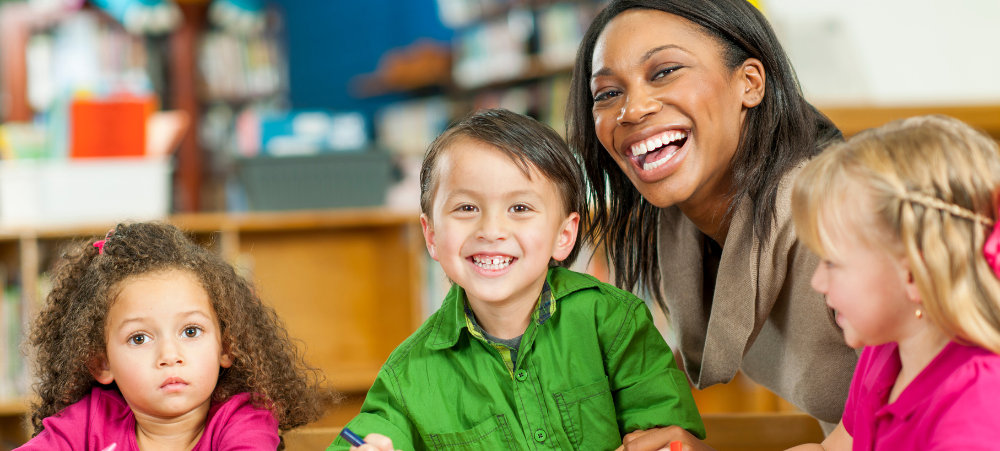
Sidebar Image

Scroll to Top