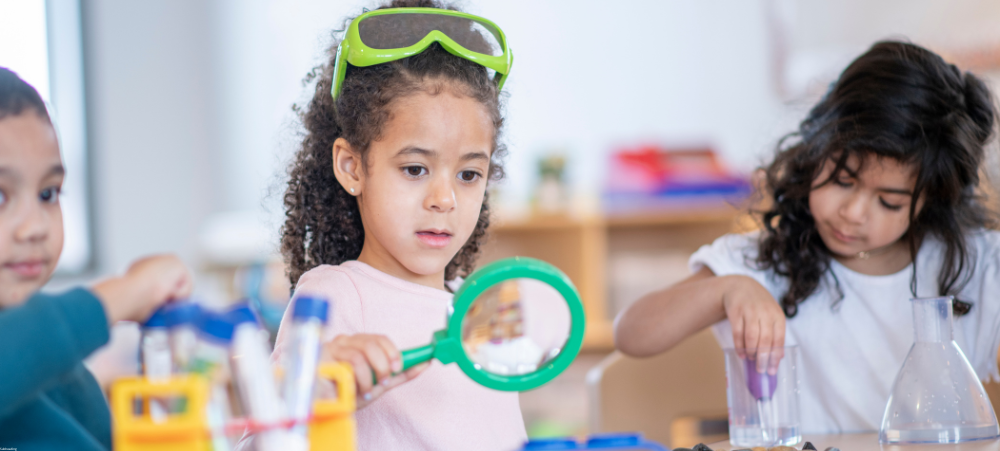

“Early childhood education may look like play and simple routines, but its influence runs deep. It shapes who children become and how they see the world,” says Ursula Assis, Country Director of Dibber International Preschools South Africa.
As the new academic year begins, Dibber is inviting families to reflect on the lifelong value of early childhood education – not just as preparation for school, but as preparation for life.
In the first five years, a child’s brain forms more than a million neural connections every second. These formative experiences shape emotional well-being, social skills, confidence, communication, and a child’s relationship with learning itself. It is during these early years that the foundations are laid for how children grow, connect, and adapt in an ever-changing world.
“At Dibber, we don’t just teach children to learn- we teach them to love learning,” says Assis. “Our educators nurture curiosity, confidence, and emotional resilience through a blend of structured rhythm, free play, and heart-led care.”
The long-term impact of high-quality early education reaches far beyond letters and numbers:
- Children build life skills such as problem solving, emotional regulation, and communication through meaningful interaction and guided discovery.
- Social and emotional learning equips children with the empathy, cooperation, and confidence they need to navigate relationships, school life, and future challenges.
- A strong sense of identity and independence is developed through consistent routines, gentle encouragement, and opportunities for children to try, explore, and express themselves.
- Language and communication skills are built through storytelling, rich conversations, and active listening—forming the foundation for literacy and self-expression.
- Positive learning attitudes take root when children associate learning with joy, exploration, and encouragement, fostering a growth mindset that lasts well beyond preschool.
Dibber’s unique approach to early learning blends global best practice with local cultural richness. Each child is seen and celebrated for who they are, with values like respect, kindness, curiosity, and responsibility deeply embedded in everyday interactions.
“Children are the most important people in the world. When we honour that, we raise individuals who are confident, capable and compassionate—ready not only for school, but for life,” adds Assis.
Dibber operates 17 schools across Gauteng and the Western Cape, with new campuses and a franchise model expanding access to its values-driven, play-based education.
To learn more about Dibber’s approach to early childhood education and how it prepares children for long-term success, visit www.dibber.co.za or follow @dibber_southafrica on Instagram.

- Six Simple Science Experiments That Get Preschoolers Asking Questions - October 5, 2026
- Why the Best Early Years Educators Do More Than Teach - September 25, 2026
- How to Help Toddlers Learn the Language of Emotion - September 18, 2026