
Ask ten South African parents what separates homeschooling from online school and you will get ten slightly different answers, several of them wrong. The two terms get used interchangeably, the marketing blurs them on purpose, and parents end up choosing a route without quite knowing what they have signed up for. The distinction is simple once someone spells it out.
What is homeschooling in South Africa?
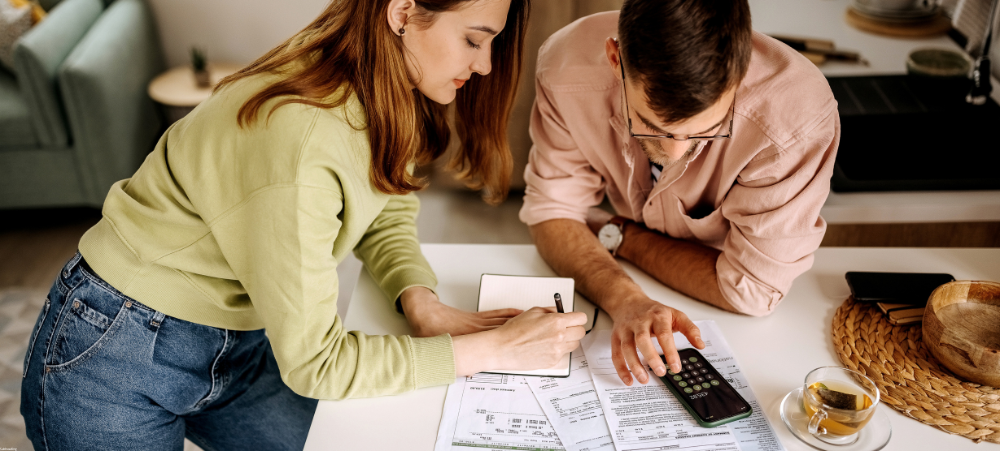
Homeschooling in South Africa is parent-led education delivered at home, where the parent takes legal responsibility for the child’s learning. Under the South African Schools Act, as amended by the BELA Act in 2024, a parent who chooses home education must apply to register the child with the provincial education department. The parent then chooses the curriculum, provided it covers content and skills at least comparable to the national curriculum, teaches or supervises the work, and arranges for an independent assessment at the end of each phase. Some families buy a structured curriculum package to follow; others build their own. The defining feature is that the parent, not a school, runs the education.
What is an online school?
An online school enrols your child, employs the teachers, sets the timetable and takes responsibility for delivering the curriculum, with lessons taught over the internet rather than in a classroom. Your child is an enrolled pupil of that school. The teaching, marking, reporting and exam preparation sit with the school, not with you. Not every provider that calls itself an online school is accredited, so the first thing to check is accreditation and which examining body the school is registered with. CambriLearn is one example of an accredited online school in South Africa, with students enrolled from across the country and abroad.
The practical test is straightforward. If a qualified teacher is responsible for teaching your child each day, it is an online school. If you are, it is homeschooling.
Homeschooling vs online school, side by side
| Feature | Homeschooling | Online school |
| Who teaches | Parent or hired tutor | Qualified subject teachers |
| Who is responsible | The parent | The school |
| Registration | Parent registers with the provincial education department | Up to Grade 9, the parent registers for home education; from Grade 10, the school registers pupils with the examining body |
| Timetable | Set by the family | Set by the school |
| Marking and reports | Managed by the parent | Managed by the school |
| Best suited to | Parents with time to teach | Families who want school structure at home |

Which one is right for your family?
Homeschooling works well when a parent has the time, confidence and subject knowledge to teach, and wants full control over what the child learns and when. It asks a great deal of the parent, particularly in the senior grades, where the content gets harder and exam preparation gets serious.
An online school suits families who want their child taught by qualified teachers and held to a proper school structure, but who need that to happen from home, whether because of relocation, travel, sport, health, or simply a preference for learning away from a traditional classroom. The parent stays involved without having to become the maths teacher in March.
There is also a middle reality worth naming. Many families who call themselves homeschoolers are in fact looking for an online school and do not know the term applies to them. If you want the structure of a school but the location of your home, you are describing an online school.
Is online school legal in South Africa, and is it recognised?
Yes, and there is one piece of admin worth understanding upfront. South African law recognises two ways to meet compulsory schooling: attending a registered school, or home education registered under Section 51 of the Schools Act. Online schools are not yet a separate category in the legislation. So a child in the compulsory phase, which under the BELA Act of 2024 begins at Grade R, who learns from home through an online school is registered for home education with the provincial education department, even though the school does all the teaching. A good online school will tell you this applies, but the registration itself is the parent’s responsibility and is made directly with the provincial education department, not through the school. Once a child has completed Grade 9 or reached the end of the year in which they turn 15, whichever comes first, the compulsory phase has ended, and from Grade 10 pupils are registered with the examining body, such as SACAI or the IEB, through the school itself.
The distinction between homeschooling and online school stays real in practice, even though the law currently files both under the same registration mechanism while a child is in the compulsory phase. And none of it affects the qualification. A child enrolled with an accredited online school follows a recognised curriculum and writes the same recognised examinations a physical school offers. CambriLearn is an accredited online private school that has educated 80,000+ students across 100+ countries over more than 20 years, accredited by Cognia and Pearson Edexcel, registered with SACAI and the IEB, and NCAA approved. Recognition comes from the curriculum and the examining body, not from whether the lessons happen in a room or on a screen.
For families who would rather keep the parent-led route, registered homeschooling in South Africa remains a fully legal option, and the choice between the two comes down to time and responsibility more than legality.
Common questions
Do I have to register my child for home education? Yes, for children in the compulsory phase, Grade R to Grade 9. Under the BELA Act this applies whether you do the teaching yourself or an online school does it for you, and the registration is made by the parent directly with the provincial education department. From Grade 10, the school registers pupils with the examining body.
Can my child still get a matric through online school? Yes. Online schools offer the National Senior Certificate and international school-leaving qualifications that universities accept for degree study.
Is online school cheaper than private school? It usually costs less than equivalent physical private schooling, because there is no campus to run, though fees vary by curriculum and grade.
The label matters less than the fit. Work out who you want teaching your child each day, then choose the route that puts the right person in that chair. If you would like help deciding, book a free consultation with the CambriLearn team.

- 2027 School Fees: What to Budget for and What You Can Lock In - October 7, 2026
- The certificate South African parents find out about too late - September 25, 2026
- Read the 2025 matric results properly before you choose a curriculum - September 18, 2026