

Advice from the experts
Upenya

Teen skin is changing. Their skincare should too

The teenage years bring rapid skin changes. Increased oil production and blocked pores contribute to breakouts, and many teens respond by over-washing or using harsh products that weaken the skin barrier. Upenya was created as a simpler, science-led alternative. Upenya is a South African skincare brand formulated specifically for acne-prone teen skin. Our dermatologically tested formulas contain over 99% natural-origin ingredients and ethically sourced African botanicals, including marula oil. The range is vegan, cruelty-free and formulated to European cosmetic standards. Inspired by the marula-rich landscapes of Limpopo, Upenya supports skin balance and hydration without harsh stripping or unnecessary complexity. A routine that makes sense Instead of overwhelming teens with complicated steps, Upenya focuses on a simple, consistent 3-step routine: Cleanse A gentle exfoliating cleanser removes excess oil and impurities without disrupting the skin’s natural balance. Hydrate A lightweight moisturising gel supports the skin barrier, maintains comfort and helps reduce the appearance of redness and excess oil. Target Blemish Care supports clearer-looking skin as part of a daily routine by gently helping to unclog pores. Designed for real teen life Sport. School. Hormones. Stress. Late nights before exams. Teen skin needs support that fits into an active lifestyle. Upenya’s lightweight textures absorb quickly and feel fresh, making it easy for teens, including boys, to stay consistent. Visible improvements are typically seen after 4 to 8 weeks of regular use. As with any persistent or severe skin concern, professional advice should be sought. Loved by teens. Trusted by parents. Parents value products that are getnel, safe and thoughtfully formulated. Teens want skincare that feels simple, not clinical or overwhelming.  A calm routine builds confidence. And confidence shows. Upenya. Science-led skincare for teen skin. The complete Upenya Youth Range skincare set (worth R1552.00): 

Blessing Mhlanga

Why Today’s Children Need Faith-Based Stories More Than Ever

Parents have a powerful influence in shaping who their children become. Research and lived experience consistently show that children raised in supportive, value-centred homes are more likely to grow into confident, resilient, and purpose-driven adults. When guidance is absent, however, young people can struggle with identity, direction, and self-worth. In today’s world, children are surrounded by stories. Bookstores and streaming platforms overflow with fantasy adventures, fairy tales, and magical worlds. While these stories entertain, far fewer children’s books intentionally nurture faith-based values in a way that feels engaging and accessible. Bible stories are foundational and essential. However, for some young readers, the language and historical context can feel complex. Christian fiction offers a gentle bridge; transforming timeless biblical principles into relatable adventures that children can understand, enjoy, and remember long after the last page is turned. When faith-based values are woven naturally into storytelling, children are not only entertained; they are equipped. Regular reading strengthens literacy, imagination, and emotional intelligence. At the same time, it quietly plants seeds of honesty, courage, kindness, forgiveness, responsibility, and hope. The biblical wisdom of “training a child in the way he should go” reminds us that character is not built overnight. It is formed through repetition, conversation, and consistent guidance. Stories can reinforce those conversations in a way that feels safe and engaging. Even when children face challenges later in life, a strong moral foundation gives them something steady to return to. One of the most powerful moments of influence happens during shared reading time. When a parent sits with a child and turns pages together, something deeper than literacy is happening. Emotional bonds are strengthened. Questions are asked. Values are discussed. Children feel seen, heard, and valued. Teachers and schools play an important role in academic development, but lasting moral and spiritual foundations are primarily shaped at home. Children’s Christian fiction is not designed to replace Bible study; it is meant to support it, translating principles into stories that resonate with young hearts. Mora: The Fall of Darkness, the children’s book I’ve written, targets kids 7 – 12 years old, and explores these ideas through adventure. The story follows Betty, a brave brown bear chosen to save her village from a spreading curse of darkness. Along her journey, she discovers that true victory is not found in strength alone, but in faith, courage, obedience, and wise choices. Through stories like these, children can grow in both imagination and character; helping to build a generation grounded in truth, confidence, and hope. Where to buy:  Mora: The Fall of Darkness is available as a hardcopy on WhatsApp on 064 689 0372 for R200 (excluding shipping).  It is also available internationally as a paperback on Amazon. 

Freebees PR

Building better habits in 2026: How to rebalance and achieve a sustainable, healthier lifestyle

For many of us, the festive season is a time of excess. From larger, celebratory meals, to an increase in alcohol consumption, to an abandonment of exercise regimes and healthy habits… December is usually followed by a string of New Year’s resolutions in an attempt to undo some of the indulgent December behaviour. The problem with New Year’s resolutions is that they don’t last. Most of us start the year with good intentions, but quickly break our own rules. Sometimes achieving a goal requires a lot of sacrifice and hard work, and that’s when many of us give up.  Instead of attempting significant lifestyle changes – with strict rules on how to get there – you may find it much easier to start implementing smaller, daily healthy habits that compound over time. Making time to rest, using more eco-conscious products in your daily life and taking care of your body are just a few small things that are easy to achieve and have long-term health and wellness benefits. Building a sustainable, healthier lifestyle goes beyond food and exercise. Making holistic wellness choices helps build better habits and a healthier body. And yes – it’s possible to maintain these healthy habits in the long run by starting small: Making greener cleaning choices at home It’s become increasingly apparent in recent years that the cleaning products we use in our homes have a direct impact on our health and well-being. Many commercial cleaning products contain toxic ingredients that may be harmful to inhale, and there is a risk that pets and children may come into contact with them. If switching over to an eco-friendly cleaning cupboard seems daunting, why not start with one product at a time? The next time your dishwashing liquid runs out, try a natural one like Earthsap Dishwashing Liquid, a safe, biodegradable product that’s kind to the planet but tough on dirt. Earthsap has a comprehensive range of affordable, green cleaning products from All Purpose Cleaners, to Floor Cleaner and Fabric Softener, and everything in between. Fragrance your home naturally – and reap the wellness benefits Did you know that paraffin-based candles are now classified as carcinogenic? Think twice when scenting your home – you don’t want to breathe in potentially harmful ingredients, so it’s best to stick to natural home scents made from ingredients like soy, shea butter, beeswax and essential oils. SoyLites manufactures high-quality soy candles that are safe for your health (and the environment) and beautifully fragranced with natural essential oils. Their Classic Soy Votive Candles are perfect for creating ambience in any room of the home. If you have a ceramic burner, then the Soylites Soy Wax Melts are a great choice. Drop one into the hollow of your burner, place a tea light candle in the burner, light, and enjoy a beautifully fragranced space. Make time for self-care Self-care is not a cliché; in fact, it’s necessary to combat the various stressors we encounter in our day-to-day lives. Making the time to pamper your body in the bath or shower, maintain a daily skincare routine and care for your hair is not only physically good for your body, but it’s also good for your soul. It doesn’t have to be a long or complicated regime – just a few minutes makes all the difference.  Weekly exfoliation is the key to a smoother skin texture, increased radiance and fewer clogged pores and ingrown hairs. SKNLOGIC Exfoliate Enzymatic is an excellent option for all skin types. It combines natural and chemical exfoliants to remove dead skin cells and refine the skin’s texture. Follow with SKNLOGIC Derma Repair Balm, packed with powerful natural ingredients such as prickly pear, jojoba, and shea butter, to deeply nourish and repair. Treat your skin to a pick-me-up throughout the day with one of SOiL Organic Skincare’s Facial Mists. Choose between Lavender, Rose Blossom, Rosemary and Rose Geranium. These organic mists refresh and hydrate the skin while uplifting the mind with the beautiful aromatherapy scents. And while facial skincare is essential, don’t forget about your body. Take a few minutes each day to massage a nourishing lotion into your arms and legs. Not only does this treat dry skin, but it also helps soothe tired muscles. For a burst of hydration, try the new The Bodylab Science Urea Complex Hydrating Body Cream, with a deeply moisturising formula and a delicate cocoa butter scent. Powered by urea and glycerin, it restores hydration, softens dryness, and smooths rough areas for healthier-looking skin.  If you prefer an oil consistency, then SOiL Body Oil Blends are great – a qualified aromatherapist formulated the Toning Blended Oil to help reduce the appearance of cellulite by detoxifying, toning, and stimulating the skin. It also contains Juniper Berry, which helps clear lymphatic congestion. Treat your feet Our feet carry us all day, yet they are one of the most neglected parts of the body. Regularly exfoliating and moisturising your feet, as well as taking care of your nails, not only keeps them looking good in sandals, but it also helps increase circulation, keeping them healthy. Take some time every week to scrub your feet with Citrusway Exfoliating Sugar Foot Scrub. Formulated to help exfoliate, hydrate, soften, and smooth skin, it creates a relaxing experience by relieving tension and increasing blood circulation. After exfoliating, gently massage some Citrusway Foot Restoration Cream into your feet. It has antibacterial properties, making it a moisture-rich solution that helps soften dry, cracked heels and feet while rejuvenating the skin. The plastic problem From its detrimental effects on our health to its negative impact on our oceans and the environment, plastic is becoming a bigger concern by the day. Eliminating all plastic from your home is neither straightforward nor realistic. Still, you can start small by replacing plastic water bottles with glass or aluminium bottles, using a bamboo toothbrush, and switching to clothes made from natural fibres like cotton and linen. But what about baby? Many baby products are made from traditional plastics

Cartoon Network Africa

Family Laughs Guaranteed: Why Watching GOAT GIRL Together Is the Perfect After-School Treat

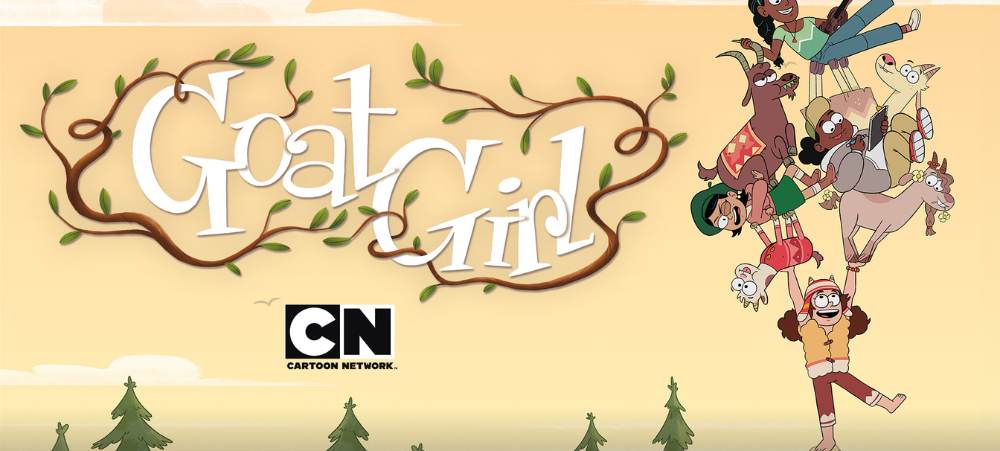
There’s something special about sitting down together at the end of a busy day and escaping into a world that makes everyone laugh. Whether it’s after homework, dinner prep, or a long workday, shared screen time can become one of the simplest — and most fun — family rituals. That’s exactly what makes GOAT GIRL such a brilliant show to watch together. This is the story of Gigi, a 13–year-old girl who just happens to have been raised by mountain goats. But now that she’s a teenager, her Nanny and Billy think it’s time that Gigi spread her wings (her… horns?), so this year she will attend a boarding school and, for the first time in her life, spend time around actual people. The result? Pure comedy. From awkward first impressions to wildly funny misunderstandings, GOAT GIRL delivers the kind of humour that kids love — and parents genuinely enjoy too. Gigi’s journey into the “human world” is packed with heart, friendship, and laugh-out-loud moments that spark conversations long after the episode ends. Watching together gives families something to talk about:• What would it really be like to grow up on a mountain?• How do you navigate being the “new kid”?• Why is being different actually your superpower? It’s light, it’s clever, and it’s full of adventure — the perfect way to unwind as a family while still sharing meaningful moments. 📺 Premiere: Monday 9 March 2026⏰ Tune-In: Monday to Friday @ 17:00 CAT only on Cartoon Network Channel 301 Tune in for endless laughter and adventures for the whole family! Make it your new after-school tradition — popcorn optional, giggles guaranteed.

Bonitas – innovation, life stages and quality care

What is abdominal separation and how do I deal with it?

Abdominal separation or diastasis recti is the separation of the two parallel bands of muscle in your belly. This is common in pregnant women, and luckily often heals on its own, or with the help of exercises,  after pregnancy. This condition is not only experienced by pregnant moms, but also by men, as well as women who’ve never been pregnant. You may be wondering how you’d know if you have abdominal separation,  how to tell if it’s bad and what you can do to help your tummy return to normal. How do I know if I have diastasis recti? If your muscles have separated, you may notice a bulge in your abdomen where the two muscles have pulled apart. In addition to this, you may notice a sore lower back, constipation and bloating. Women who are expecting multiples or women who have been pregnant more than once (especially if the pregnancies are close together) are more likely to experience muscle separation. There is a way you can check if you have diastasis recti yourself. Lie flat on your back and then sit up slightly, engaging your core muscles. Put your fingers just above your belly button on the middle of your stomach. If you feel like the gap between your fingers is more than three fingers, then you probably have diastasis recti. However, this is not an exact science but rather a way to gauge if you may have a problem. How can I correct my diastasis recti? If you have a smaller separation, it may go away on its own or with the help of exercises, however, bad cases may need the help of a physio or even surgery. If you have a gap, chances are it’ll close up one or two months after birth. However, certain exercises may help the gap close up quicker. That being said, be careful of what exercise you do, some fitness practices make it worse. If you are worried about it, it’s best to talk to a health care professional and they can help you make the best choice for you and your body.

Acrobranch

Acrobranch in South Africa: Your Ultimate Treetop Adventure

If you’re after a totally unique outdoor experience – one that blends physical challenge, nature, fun and adventure – then Acrobranch is one of South Africa’s most exciting activity destinations. With a network of treetop parks across the country, Acrobranch brings forest-based thrills within reach of kids (from 3 yrs+), teens, adults, families and groups of all kinds. Whether you’re planning an epic group outing, a birthday celebration, a corporate team-building event or just a memorable day surrounded by trees, Acrobranch delivers an adventure you’ll remember long after you leave. What Is Acrobranch? At its core, Acrobranch is a treetop adventure park offering courses high above the ground in nature – obstacle bridges, rope ladders, tunnels, walkways, Tarzan swings, balance beams and exhilarating zip lines. These are structured aerial courses set between trees where participants of various ages and abilities can climb, balance, swing, jump and slide their way from platform to platform – all while being safely harnessed. Key Features of the Adventure Who It’s For Acrobranch caters to a wide range of adventurers, including: The variety of courses – from beginner to advanced – ensures that everyone from cautious 1st-timers to thrill-seeking explorers finds something suited to their comfort level. Levels of Courses You’ll Find Across all parks you’ll find a range of colour-coded courses: Where You Can Go There are multiple Acrobranch locations across South Africa, making it easy to find one within a few hours’ drive. Gauteng: Western Cape: North West: Kwazulu-Natal: How to Book Booking your Acrobranch adventure is simple and flexible: Online Booking: www.acrobranch.co.za The easiest way is through the Acrobranch website, where you can: Phone or Email Prefer a more personal touch? Tips for Booking What to Expect on the Day Before You Go: Dress in active, comfortable clothing Tie back long hair in a bun and avoid loose accessories like hanging earrings Safety Briefing: Amenities: Why People Love Acrobranch Acrobranch is more than just an activity — it’s an experience that: Final Thoughts Whether you’re coming with family, friends, teammates or colleagues, Acrobranch South Africa turns a day out into a memorable adventure in nature’s playground. With a national footprint in SA & years of experience – operating since 2010; Acrobranch prides itself in creating an extraordinary experience, while staying safe and secure. We offer one of the most exciting outdoor experiences available in the country. Ready to #gethooked? Strap in, look up & branch out! 

Cartoonito

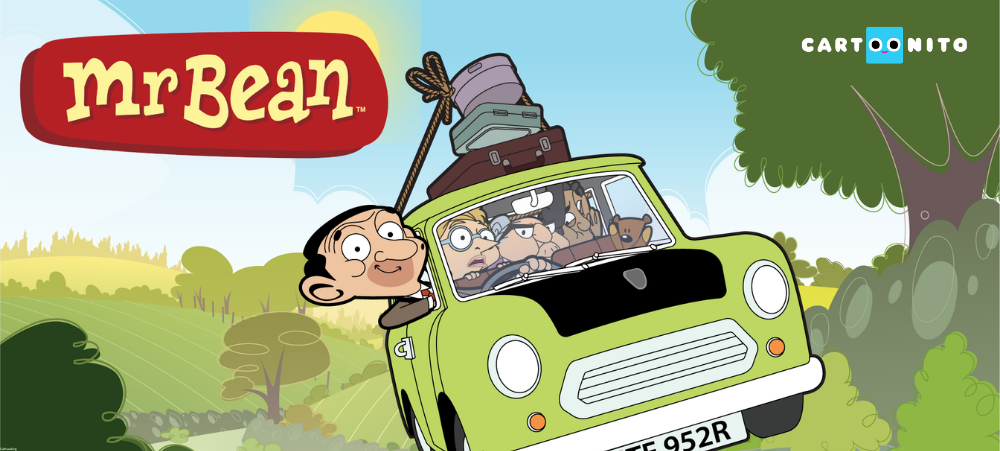
Laugh Along with Mr. Bean on Cartoonito!

Get ready for non-stop laughter with Mr. Bean: The Animated Series! Follow the clumsy and quirky Mr. Bean as he turns everyday tasks into hilarious chaos. With his faithful teddy bear, Teddy, and grumpy landlady Mrs. Wicket, every simple errand becomes a comical misadventure. The show’s slapstick humor and exaggerated animation make it perfect for the whole family. 📺 Premiere: Monday 2 March 2026⏰ Tune-In: Monday to Friday @ 16:30 CAT only on Cartoonito Channel 302 Where a World of Joy Awaits.

Bonitas – innovation, life stages and quality care

Putting together your birth plan

As you enter your third trimester you’ll have probably done a fair bit of research on the birth process (if this is your first) and may have a good idea of what you want before, during and after delivery. There are many options and opinions, from whether or not you want pain medication to how many people you would like supporting you. However, trying to keep track of your choices during labour may be tricky, which is why you’d put together a birth plan. So what exactly is it and how do you put one together? Why should I put together a birth plan?  Your birth plan is your choices or preferences before, during and after labour and delivery. While things may not always go according to plan, having your preferences written down and communicated means you, your midwives and doctor have a more mutual understanding. However, if your pregnancy doesn’t go accordingly, you need to be prepared to make adjustments on the day. What should be in my birth plan? Your birth plan is how you’d like everything would go in the best-case scenario. Your birth plan will also have to take into consideration what is available at the hospital or place where you are giving birth. Some birth plans are very basic, just outlining a simple overview, whereas others may be far more detailed and in-depth. The choice is yours. Typically a birth plan will include before, during and after labour and birth preferences. Such as who you want to assist you during birth, whether or not you want any pain medication,  you birthing positions, and requests for newborn care, such as skin-to-skin time. How can I learn more about the birth process?  If you feel like you need to top up your birthing knowledge before putting together a plan they are a few ways you can go about this. Joining antenatal classes are a good way to learn more and to meet other women in your position. Chatting to friends or family who has been through the birthing process themselves is another good way to see what would work best for you. If you and your partner are having a baby together, keep them in the loop as well. Find out what they expect during labour and you can chat about what you want, and what role you see them playing in the process.

Cartoon Network Africa

Cartoon Network’s New Series Goat Girl Celebrates Finding Your Herd This March

This March, Cartoon Network introduces Goat Girl, a coming‑of‑age comedy about a girl who approaches life with quiet determination, a lot of heart, and just the right amount of goat‑like stubbornness. Gigi steps into a brand‑new world in Goat Girl, where finding your herd starts with being yourself. A Story About Standing Out, Even When You’re Trying to Fit In At the centre of the series is Gigi, a 13‑year‑old girl raised by mountain goats. Now stepping into the world of humans for the first time, she faces a challenge far bigger than any cliff face: navigating school, friendships, and the everyday uncertainties of growing up. The show follows her as she learns to balance her unusual upbringing with the realities of tween life, first tests, first zits, shifting friendships, all while discovering that her “goatiness” may be more of a strength than she realises. As co‑creator Shannon George explains, “She’s stubborn, and she’s strong, and she’s wild… and that really comes to the fore when her goaty instincts kick in.” It’s a description that deepens our understanding of how Gigi’s instincts shape her journey. A Celebration of Being Yourself Goat Girl is ultimately a story about belonging, not by changing who you are, but by embracing it. Gigi’s journey mirrors the experiences of many tweens as they figure out where they fit and what makes them unique. Co‑creator Kristina Yee reflects on this idea, noting, “There’s so much joy in being yourself and embracing yourself fully, and being unafraid to show other people who you are… be confident, be your coolest goaty self.” It’s a reminder that sits at the centre of Gigi’s story. A World Full of Warmth, Humour and Heart Gigi’s instincts, climbing anything in sight, bleating when she’s excited, or fainting like her goat‑dad Billy, bring a gentle, character‑driven humour to the series. But beneath the comedy is a story about resilience, kindness, and finding your place in a world that doesn’t always make sense. Find your herd this March when Goat Girl premieres on Cartoon Network Africa (DStv Channel 301) on Monday, 09 March 2026 @ 17:00.

Cartoon Network Africa

Pokémon Day – Celebrate 30 Years of Adventure with Your Kids!

Join Ash, Pikachu, and friends as they celebrate 30 years of Pokémon with two exciting movies! Pokémon the Movie: Hoopa and the Clash of Ages (74’): When Ash and his friends visit a desert city by the sea, they encounter the mythical Pokémon Hoopa, whose magical ring can summon people and Pokémon alike. Expect fun, chaos, and magical adventures! Pokémon the Movie: Volcanion and the Mechanical Marvel (94’): Ash meets the mythical Pokémon Volcanion, who despises humans but is bound to Ash on a daring rescue mission. Together, they face mysterious forces in thrilling action-packed adventures! Parents, these movies are perfect for family viewing, full of excitement, friendship, and fun Pokémon adventures to enjoy together. 📺 Premiere Friday 27 February 2026⏰ Tune-In Friday @ 13:45 CAT on DSTV Channel 301Tune in for endless laughter and adventures for the whole family!

Bonitas – innovation, life stages and quality care

Everything you need to know about having a miscarriage

Deciding to become a mom, or even finding out by chance that you’re pregnant can be an exciting time in your life. However, sometimes you will spontaneously lose the embryo before 20 weeks and this is known as a miscarriage. You may be wondering what causes a miscarriage and how to notice the symptoms and signs of one.  What is a miscarriage and what causes them? Miscarriages are defined as the spontaneous ending of a pregnancy before 20 weeks. Miscarriages can both be emotionally and physically painful to deal with, but it is thought (according to the NHS) that 1 in 8 pregnancies end in miscarriage, with many happening before a woman notices that she has missed her period (meaning she probably won’t even know that she’s been pregnant.  American Pregnancy Association (APA) states that the most common cause of miscarriage is an embryo that is genetically abnormal, which can be either genetic or spontaneous. However, miscarriages can be caused by underlying health conditions such as diabetes, or poor lifestyle choices, such as drug use and drinking. Maternal age is also a contributing risk factor, as women over 35 have higher chances of pregnancy loss.  How do I know if I ‘m having a miscarriage? Symptoms of a miscarriage can be similar to that of your menstrual period. You may experience cramps and abdominal and back pain, as well as bleeding which can vary from light spotting to heavy discharge. It is normal to have pain and bleeding after a miscarriage, and these period-pain type signs should stop after two weeks.  If you experience heavy bleeding, fever or chills be sure to seek professional help as you could have an infection. Unfortunately, the miscarriage process can’t be reversed and if you think you are having a miscarriage you should speak to your doctor about how to manage it.  Can I have a normal pregnancy after having a miscarriage? Many women may worry that having a miscarriage may affect their chances of getting pregnant again – however, many women have healthy pregnancies after miscarriage. Most doctors recommend waiting a period of time before trying again, so speak to your health care provider about the best way forward. 

Playstation by Rush

Holiday Fun: Safe and Stimulating Activities for Young Explorers

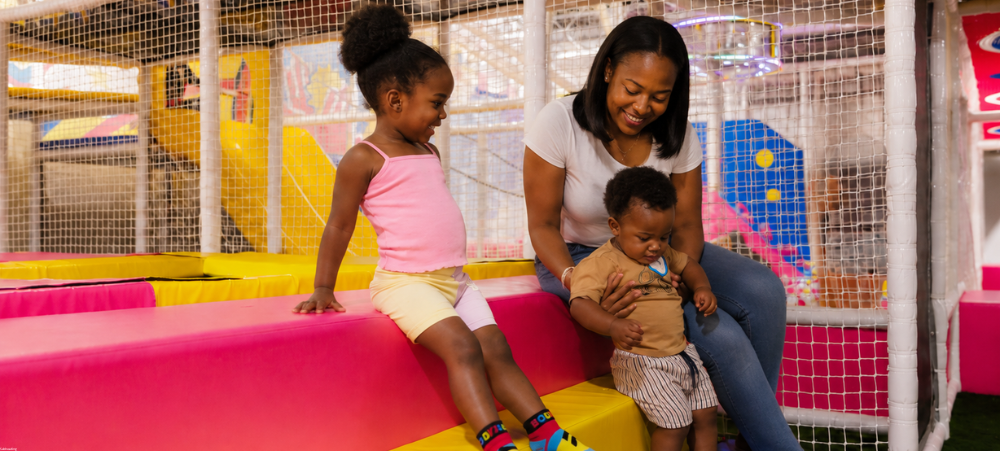
As the South African autumn settles in and the first term of 2026 draws to a close, parents across the Western Cape asking the same question! “How am i going to entertain my kids this year?” With the official 2026 school calendar scheduling the break from 27 March to 8 April, the window for adventure is perfectly timed for young explorers. At PlayStation by Rush in Kirstenhof, we’ve designed a world where safety meets stimulation, offering the premier destination for indoor activities 2–9 yrs. Why Structured Indoor Play Is Vital For Development  For toddlers and foundation-phase learners, play is a full-time job. It is the primary way they process the world around them. According to the Thrive by Five Index, a leading South African study on preschool outcomes, only about 45% of children in early learning programmes are meeting the expected standards for their age. This highlights a critical need for environments that support gross motor development and executive function outside the classroom. Choosing the right toddler play venues isn’t just about burning off energy; it’s about providing a “metaphoric multivitamin” for the brain. Structured indoor environments allow children to test their physical limits-like climbing, sliding, and balancing- in a space where “falling” is just part of the learning process on our padded floors. Imaginative Play Activities: More Than Just “Make-Believe” At PlayStation by Rush, we believe that a cardboard box can be a spaceship, and our high-line course can be a mountain peak. These imaginative play activities are essential for building cognitive flexibility. When a child engages in role-play, they aren’t just “pretending”; they are practicing social scripts, developing empathy, and sharpening their language skills. The Adventure Maze: A Masterclass in Problem Solving Our custom-built Adventure Maze—the largest of its kind in South Africa—is designed specifically to challenge the “little person” logic. As children navigate swing bridges and hidden tunnels, they are working on spatial awareness and sequencing. “How do I get to the yellow slide from here?” is a complex engineering problem for a four-year-old. By solving it, they build the confidence needed for more formal academic challenges later in life. Stress-Free Parenting During the School Holidays We know that for many South African parents, the school holidays don’t always mean a break from work. While the kids are off enjoying the holidays, the “real world” for parents keeps spinning. Most parents in SA do not get time off when school holidays are in play. This is why we have prioritised a “Play like it should be” philosophy that includes the grown-ups too. Secure Your Spot for the March/April Break The upcoming holiday period, including the Easter long weekend (3–6 April), is one of our busiest times of the year. To ensure a high-quality experience for every child, we limit our intake to avoid overcrowding. This means our peak slots fill up fast! Don’t let the school holidays catch you off guard. Whether you’re looking for a single-hour session or a full morning of adventure, we recommend booking your tickets in advance. Ready to give your young explorer an unforgettable holiday? View our holiday specials and book your playtime today! Book Stimulating Activities For Toddlers today

Bonitas – innovation, life stages and quality care

The silent risk of ignoring your health: Why annual screenings matter in 2026

Between the demands of work, taking care of a family and perhaps even trying to fit in some semblance of social enjoyment, maintaining your own and your loved ones’ long-term health and wellbeing can become less of a priority. You might even wait until a problem arises to get health concerns checked. For those in their mid-thirties and early forties, however, the biggest threats to long‑term wellbeing rarely announce themselves with pain or cause for alarm. Conditions such as high blood pressure, elevated blood glucose, high cholesterol and early‑stage cancers tend to progress quietly, only becoming apparent when they have advanced significantly, and often in later years when there is less you can do to help matters. If this sounds like you, you wouldn’t be the only one potentially neglecting your own and your family’s future health. Non‑communicable diseases (NCDs) are now among the leading causes of death and disability in South Africa, responsible for 51% of all deaths. These are driven by lifestyle factors such as limited physical activity, diet patterns and stress. ‘We have seen numerous provincial health authorities across the country highlighting a rapid rise in NCDs and have launched community screening campaigns to address issues such as elevated blood glucose and blood pressure before complications arise,’ says Dr Themba Hadebe, Clinical Executive at Bonitas Medical Fund. ‘This is evidence of the national push towards early detection and prevention as key tools in controlling the NCD epidemic, and it’s important that all South Africans start taking their health more seriously.’ Screenings are non-negotiable Annual health screenings are the frontline in this preventative approach. A comprehensive screening gives a clear picture of where your body stands right now, capturing key indicators such as blood pressure, glucose levels, cholesterol, body mass index and waist‑to‑hip ratio which are known predictors of future health outcomes. Detecting abnormalities early allows for simpler interventions, often involving lifestyle changes or medicine that prevent progression to chronic and costly conditions. ‘For someone juggling career and family commitments, prevention over treatment is the obvious preference in both practical and financial terms. Waiting until a condition causes symptoms frequently means discovering it at a stage where treatment is more complex, costly and disruptive,’ says Hadebe. ‘Managing early indications through regular monitoring, diet, physical activity and targeted medical support is typically far more affordable and less disruptive than hospitalisation or long‑term specialist care.’ Bonitas’ annual wellness screening, available to all members aged 21 and over, is designed with this real‑world need at its core. It brings together essential tests that can identify silent conditions long before they escalate, helping members understand their current health status and make informed decisions about next steps. Early detection not only reduces personal risk but also lessens the strain on health systems and households. This is useful with conditions like hypertension or diabetes, which when caught early and managed efficiently, result in fewer emergency hospital admissions, fewer complications and less time away from work. This matters for quality of life and for productivity in a workforce already stretched by the demands of the modern economy. Getting a fuller picture of your health There are further advantages to annual screenings beyond spotting the unseen. The process helps individuals gain a fuller understanding of how lifestyle, genetics and environment affect their health. It acts as a checkpoint, encouraging people to evaluate habits and set actionable goals around nutrition, exercise, sleep and mental wellbeing. And the reality is that for many, seeing numbers grounded in medical data provides the impetus to make lasting changes. Importantly, being proactive about health also builds continuity with healthcare providers. Regular engagement allows practitioners to observe trends over time and refine personalised health plans, and to intervene when risk factors worsen. This continuity improves diagnosis accuracy and fosters a partnership in health management that extends beyond reactive care. As South Africa continues to scale up early detection efforts and broaden access to screening services across age groups and communities, prevention should be part of your health routine. Annual health screenings are an accessible and effective way to guard against silent conditions that can undermine long‑term wellbeing. ‘Your health is one asset you cannot afford to neglect. Take advantage of your annual wellness screening available to you from your medical aid, and protect yourself, your family and your futures,’ concluded Hadebe.

Rush Extreme Sports

Beyond the Gym: Discover the High-Flying Fitness Benefits of Trampolining

For many South African teenagers, the word “exercise” often conjures images of fluorescent lights and the repetitive hum of a treadmill. While staying active is a top priority, the traditional gym environment doesn’t always ignite the spark of excitement that young adults crave. At Rush South Africa, we are redefining what it means to get fit. Through high-energy play, we offer a vibrant, social, and incredibly effective alternative to the standard workout—one where “takkies” are optional, but fun is guaranteed. A Fresh Perspective on Fitness: Why Movement Should Feel Like Play The teenage years are a critical time for developing a lifelong relationship with physical health. Unfortunately, when exercise feels like a chore or a high-pressure performance—a phenomenon often called “gymtimidation”-it’s easy to lose motivation. In our busy cities like Johannesburg and Cape Town, teens spend hours navigating “robots” on the way to school and sitting at desks. By the time the afternoon rolls around, the last thing the brain wants is more rigid structure. This is where high-energy recreation changes the game. Trampolining removes the “work” from working out by tapping into a natural, instinctive joy. Teen fitness trends 2026 show a massive shift toward “social wellness” and “JOMO” (the Joy of Missing Out) on stressful gym culture in favour of movement that resets the nervous system. Instead of counting down the minutes on a stationary bike, jumpers at Rush are too busy mastering a new tuck-jump or competing in a friendly game of dodgeball to notice they are getting a full-body workout. The Science of the Bounce: NASA-Proven Efficiency It might look like simple fun, but every bounce is a powerhouse for the body. In a landmark study, NASA researchers discovered that “rebounding” is actually the most efficient and effective form of exercise yet devised. They found that for similar levels of heart rate and oxygen uptake, the biomechanical stimuli (the actual work your muscles and bones do) is significantly greater on a trampoline than on a treadmill. Choosing high-energy play over a standard gym circuit offers several unique, science-backed benefits: Master the Air: Elevate Your Skills with Professional Training While the freedom of a freestyle jump is liberating, many teens find they want to take their “flips” to the next level. This is where the transition from recreation to formal training begins. Unlike a gym, where the end goal is often purely aesthetic, our park activities build functional “agility” and “air awareness.” For those looking to turn their weekend energy into a disciplined craft, we offer specialized gymnastics training in Cape Town.  These one on one  ‘flip out’ classes aren’t just about looking “cool” in a Reel; they are about building the cognitive focus, core stability, and discipline required for competitive sport. By mastering technical maneuvers in a safe, foam-padded environment, build a sense of physical competence that translates into psychological confidence. You can explore our structured programs and sign up for a trial session on our Rush Classes page. Jump Into Action: Secure Your March 2026 School Holiday Spot The school year moves fast. According to the official Department of Basic Education 2026 School Calendar, Term 1 is set to conclude on 27 March 2026. This marks the perfect window to break the cycle of academic stress and sedentary habits. Instead of spending the holidays behind a desk or a gaming console, why not master the art of flight? Our holiday passes and special event nights are designed to keep the energy high and the boredom low. For the truly ambitious jumpers who want to mirror the stamina of a pro cyclist, we offer Rush Unlimited,  a promotion is designed specifically for active families who want more than just a quick jump. For just R215, kids can enjoy extended jump time on weekdays, giving them hours of social, screen-free fun.  Ready to fly? Don’t wait until the school holidays begin—our sessions fill up fast! Book your spot now at Rush South Africa and discover why the best way to get fit is to simply start jumping.

Cartoon Network Africa

Pokémon Horizons: Rising Hope – Adventure Awaits the Whole Family!

The adventures soar to the next level in Pokémon Horizons: Season 3—Rising Hope! Follow Liko and Roy as they level up alongside Floragato, Crocalor, and Captain Pikachu. Roy even befriends a Lucario that can Mega Evolve! This season, the group embarks on an exciting journey to rebuild the Rising Volt Tacklers, encountering an unexpected new friend, Ult, and investigating a mysterious pink mist affecting Pokémon across many regions. Families will enjoy thrilling adventures, teamwork, and the excitement of discovering new Pokémon together. Parents, this is a show you’ll love watching with your kids—packed with action, friendship, and lessons in courage and problem-solving! 2 New Episodes per day📺 Premiere Saturday 21 February 2026⏰ Tune-In Weekends @ 13:10 CAT on DSTV Channel 301Tune in for endless laughter and adventures for the whole family!

Dalza

Your Child’s First Support Team: A Simple Guide for Newly Diagnosed Families

This article is adapted, with permission, from content originally published by Tamra and Jules, co-founders of Neuroverse (Neuroverse.co.za), two South African mums building a supportive neurodivergent community. A new diagnosis rarely arrives quietly. It comes with a stack of leaflets, a handful of referrals, well-meaning advice from every direction. And a growing sense that you’re suddenly responsible for coordinating an entire team, while still being a parent. If you’re feeling overwhelmed, this guide will help you make sense of who’s who on your child’s support team, when to involve them, and (just as importantly) how to keep everyone aligned, so you don’t become the permanent go-between. Start with what’s most pressing (hint: it’s not everything) When your child is newly diagnosed, it can feel like you need to do everything at once. You don’t. A gentler rule of thumb: You can build the team gradually. Progress comes from doing the right next thing. Who’s Who on Your Child’s Support Team Developmental Paediatrician A medical doctor specialising in child development. When to see them: If you’re looking for a developmental assessment or diagnostic clarity for conditions such as autism, ADHD, anxiety, or developmental delays. What to expect: A holistic assessment drawing on medical history, observations, and often input from teachers and therapists. Their role: Diagnosis, guidance, care coordination, and referrals. They may prescribe medication and recommend follow-ups. Occupational Therapist (OT) Supports sensory processing, motor skills, and daily functioning. When to see them: If your child struggles with sensory overload, regulation, handwriting, coordination, or everyday tasks. What to expect: Play-based assessments and weekly sessions tailored to your child’s sensory profile. Their role: Practical strategies, sensory diets, and home or school adaptations. Speech and Language Therapist (SLT) Supports communication, language, and social interaction. When to see them: For delayed speech, language comprehension challenges, social communication differences, or articulation issues. What to expect: Assessment of expressive and receptive language, followed by individualised therapy. Their role: Building communication skills and helping teachers and parents support language across settings. Educational Psychologist Focuses on learning, emotions, and school functioning. When to see them: If your child is struggling academically, emotionally, or socially at school, or needs learning accommodations. What to expect: Formal assessments (e.g. cognitive and educational testing) and ongoing therapeutic support. Their role: School recommendations, accommodation reports, and collaboration with educators. Child / Paediatric Psychiatrist A medical specialist in child mental health. When to see them: For diagnosis or treatment of ADHD, autism, anxiety, mood disorders, sleep difficulties, or when medication is being considered. What to expect: Detailed developmental history, assessments, and ongoing reviews. Their role: Medication management and coordination with therapists and schools. Paediatric Neurologist Specialist in the brain and nervous system. When to see them: For seizures, significant developmental delays, neurological symptoms, or diagnostic clarification. What to expect: Medical investigations such as EEGs or scans, alongside assessments. Their role: Rule-outs, diagnosis, and medical treatment where needed. Psychologist / Play Therapist Supports emotional wellbeing and regulation. When to see them: For anxiety, trauma, behavioural challenges, or emotional processing.What to expect:Play-based or talk therapy, often weekly. Their role: Helping children develop coping skills and emotional insight, in partnership with parents and teachers. Dietitian Supports nutrition and feeding challenges. When to see them: For restrictive eating, ARFID, allergies, weight concerns, or special diets. What to expect: Dietary assessments and personalised plans. Their role: Practical nutrition strategies that support growth and regulation. The part no one prepares you for: coordination Here’s the piece parents often find hardest: keeping everyone in the loop. Teachers ask for updates. Therapists want feedback. Doctors need reports. And suddenly, you’re translating, forwarding, summarising, and trying not to forget anything important. You are not meant to hold this alone. Simple micro-routines help: Dalza is an award-winning app that exists for exactly this reason: to give parents one secure place to keep and share their child’s information, notes, and reports, so the team sees the same picture, and you can step out of the middle. Every practitioner brings something valuable. But progress for your child doesn’t come from collecting specialists; it comes from the collaboration between them. When home, school, and clinicians can see the same evolving picture, support becomes more consistent, decisions become clearer, and you get to return to your most important role: being your child’s parent. You don’t have to do this all at once. And you don’t have to do it alone. Dalza is free for 30 days, so you can try it out risk-free. To get started today, simply add your name and email here. 

Parenting Hub

isiZulu Takes Centre Stage as Warner Bros. Discovery’s Kids’ Shows Launch in Local Language

Beloved shows including The Wonderfully Weird World of Gumball, Teen Titans Go! and Batwheels debut in isiZulu, supported by new local voices and multilingual greetings across the channels. Watch the Cartoonito Your Way! video here to learn how little viewers can change languages and enjoy their favourite shows in the way that suits them best. Warner Bros. Discovery is strengthening its connection with South African families by introducing isiZulu dubbing for fan‑favourite Cartoon Network and Cartoonito shows, a major step in making its kids’ content more accessible and culturally relevant for the local market. Building on the brands’ existing local productions and on-ground marketing initiatives, the rollout also includes new local channel voice‑overs and multilingual Cartoonito on‑air greetings. Together, these elements celebrate cultural inclusivity, support local talent, and respond to the growing demand for authentic local voices in kids’ entertainment, making Cartoon Network and Cartoonito’s content more accessible and relevant than ever before. These initiatives build on the strong connection Warner Bros. Discovery Kids already enjoys with South African audiences. Cartoon Network has once again been voted the #1 Coolest Kids’ Channel in the Sunday Times GenNext Youth Survey, while Cartoonito ranks as the #1 channel in the DStv Family package. During DStv’s 30th Anniversary Open Window promotion in November, Cartoonito also soared to the #1 kids’ channel across the platform. Cartoon Networkremains one of the strongest and most popular kids’ channels on pay‑TV, available from the DStv Access package upwards¹. With beloved shows such as Teen Titans Go!, Regular Show, Mr Bean and Zig & Sharko, the brands continue to deliver the content kids love — now with an even stronger local touch. Cynthia Gonçalves Afonso, Warner Bros. Discovery Senior Manager, Programming and Presentation, Kids Channels, explains, “By introducing local languages into our kids’ channels, we’re not only making our content more accessible, but also ensuring it stays relevant to the everyday lives of South African families.” Fan-Favourite Shows Dubbed in isiZulu Following the December launch of The Wonderfully Weird World of Gumball in isiZulu on Cartoon Network, audiences can now enjoy Batwheels in isiZulu on Cartoonito. More dubbed favourites will roll out throughout the year, including Teen Titans Go!. These shows are being introduced progressively across both channels, giving children the joy of hearing their heroes in their own language. isiZulu is South Africa’s most widely spoken home language, spoken most often at home by 24.4% of the population (15.1 million people) according to the latest national census (Stats SA, 2022). By dubbing flagship shows into isiZulu, Warner Bros. Discovery is directly responding to the growing demand for content in local languages, ensuring that more children feel included in the stories they love. Johannesburg‑based localisation studio EarCandy led the isiZulu dubbing process. Louise Callcott‑Stevens, CEO of EarCandy, says, “Our role was to ensure that the shows were authentically localised, from translation to voice recording, while maintaining the integrity of the original content. By combining linguistic accuracy with cultural nuance, we make sure the dubbed versions look and sound just like the originals.” New Local Channel Voices Cartoon Network and Cartoonito have strengthened their South African identity by appointing Paballo Koza and Siya Ngxambuza as the new official voice‑over artists for the channels. Siya is a Johannesburg‑based voice‑over artist with extensive experience across major South African brands, while Paballo is an award‑nominated actor and children’s TV presenter, bringing a familiar and trusted voice to the channel. As the leading voices behind promos and on‑air branding, they bring local authenticity and flair to the channels’ identities. This initiative is separate from show dubbing and ensures that the channels themselves sound closer to home for African audiences. Cartoon Network and Cartoonito now sound like home, thanks to fresh South African voice-over talent. Everyday Greetings in Kids’ Own Languages Alongside English, Cartoonito’s hosts Nito & his friends now greet viewers in seven additional South African languages: isiZulu, isiXhosa, Afrikaans, Sepedi, Setswana, Sesotho, and SiSwati. With a total of eight languages, the channel has introduced more than 100 on‑air greetings and short clips, covering the first language of nearly 90% of South African homes. These everyday moments make the channel feel more familiar and inclusive, while laying the groundwork for future expansion into additional Sub‑Saharan African languages. Watch Nito & friends greet kids in English, isiZulu, isiXhosa, and Afrikaans, making Cartoonito’s everyday moments more familiar, inclusive and fun for local families. Looking Ahead Warner Bros. Discovery continues to blend global storytelling with meaningful local elements, which helps lay strong foundations for the future of kids’ entertainment in Africa. By expanding language representation in South Africa, Cartoon Network and Cartoonito ensure children see and hear themselves in the stories they love. By reflecting the richness of everyday life across the country, Warner Bros Discovery is future-proofing its content and ensuring its shows remain resonant for the next generation of viewers. Cynthia Gonçalves Afonso concludes: “Language is a powerful connector, and by offering beloved shows in isiZulu and adding multilingual on-air greetings, we’re helping make everyday moments on Cartoon Network and Cartoonito feel more familiar and inclusive. This is an important step in representing the vibrant linguistic landscape of South African homes.”

Bonitas – innovation, life stages and quality care

What is HELLP?

Pregnancy and the arrival of a new baby is a time of great excitement and joy for expectant parents.  However, occasionally there can be complications, which is why pregnant moms should have regular health checks and be aware of any unusual symptoms that may develop. Over the past few years, there has been discussion around a condition known as HELLP Syndrome. It’s a life-threatening complication in pregnancy that can be difficult to diagnose. We reached out to Dr Morgan Mkhatshwa, Head of Operations at Bonitas Medical Fund and his clinical team, to get some answers and advice about HELLP. What is HELLP Syndrome? HELLP (Haemolysis, Elevated Liver enzymes, Low Platelet count) Syndrome usually develops before the 37th week of pregnancy but can occur shortly after delivery.  It’s a serious complication that affects the blood and liver. H = Haemolysis is the breakdown of red blood cells that carry oxygen from lungs to the rest of the body. EL= Elevated liver enzymes.  High levels of these chemicals in the blood can be a sign of liver problems. LP = Low platelet count.  Platelets are little fragments of blood cells that help with blood clotting.  A low platelet count can lead to serious bleeding. What causes HELLP? ‘We don’t know what causes HELLP syndrome,’ says Dr Mkhatshwa, ‘however, you are at risk if you have pre-eclampsia or eclampsia.’  About 1 to 2 in 10 pregnant women (10 to 20 percent) with pre-eclampsia or eclampsia develop HELLP.  Pre-eclampsia is caused by high blood pressure. It usually starts after the 20th week of pregnancy or giving birth. Eclampsia is when pre-eclampsia is uncontrolled and causes seizures. Many women are diagnosed with pre-eclampsia before they have HELLP which is a more severe form of pre-eclampsia. What are the symptoms / signs of HELLP?  You may feel tired, have pain in the upper right part of the belly, bad headaches and nausea or vomiting. You may also experience swelling, especially of the face and hands and blurry vision. Some women develop HELLP suddenly, without having any signs or symptoms.  If you have any signs of HELLP Syndrome, call your medical practitioner, emergency services or go to a hospital emergency room for medical care right away. How is HELLP diagnosed? To find out if you have HELLP Syndrome, your healthcare provider will do a physical exam to check  for: Belly pain or soreness, especially in the upper right side An enlarged liver High blood pressure Swelling in your legs Other tests could include: Blood tests to check your liver enzyme levels, lactate dehydrogenase and full blood and platelet count with a peripheral smear Urinalysis to check for protein in the urine A CT scan to see if there’s bleeding in your liver Non-stress test or ultrasound to check your baby’s health. A non-stress test checks your baby’s heart rate, in the womb, to see how the heart rate changes when your baby moves. This test is to make sure your baby’s getting enough oxygen. Ultrasound uses sound waves and a computer screen to show a picture of your baby inside the womb Is HELLP painful? Symptoms of HELLP include serious pain just below the ribs, or the upper right side of the chest area (where the liver is), shoulder pain or pain when breathing. How is HELLP treated? You may be given medication to control your blood pressure and prevent seizures or you may require a blood transfusion to treat anaemia and low platelet levels.  Early birth may be necessary because HELLP complications can get worse and harm both you and your baby – either through an induced labour or by C-Section depending on the health assessment results of the baby.  How does it impact the baby? Infants born to mothers with HELLP Syndrome may have a variety of birth injuries: Intrauterine growth restriction (IUGR) or severe respiratory distress. Are there long term effects of HELLP? A history of HELLP Syndrome means you are at increased risk for recurrent pre-eclampsia and HELLP Syndrome as well as increased long-term morbidities, particularly depression and chronic hypertension. Can HELLP develop after childbirth? Yes, up to 30% of all patients who develop HELLP Syndrome do so after giving birth, typically within 48 hours.  Can I have another baby after HELLP syndrome? If you had HELLP in a previous pregnancy, regardless of the time of onset, you have a greater risk for developing it in future pregnancies. ‘The condition is serious but rare’, stresses Dr Mkhatshwa. ‘Throughout your pregnancy it’s important to understand the changes your body is going through and to discuss any unusual pain or symptoms with your medical practitioner. This will ensure you receive the right help especially if you develop a complication and make the pregnancy and birth the joyous event it should be!’ 

Cartoonito

Bugs Bunny Builders: Wild Construction Adventures Your Kids Will Love!

At ACME Construction Company, Bugs Bunny manages an inept crew of builders. By working together as a team, Lola Bunny, Daffy Duck, Porky Pig, Tweety, and others use their tools and wild vehicles to pull off some of the looniest construction jobs ever. Parents, this is a show you can watch with your kids! Filled with teamwork, problem-solving, and plenty of laughs, Bugs Bunny Builders offers fun adventures that the whole family can enjoy together. 📺 Premiere Monday 16 February 2026⏰ Tune-In Monday to Friday @ 15:20 CAT on DSTV Channel 302Don’t miss out – Big Laughs and Fun Adventures make Kids Happy!

Cartoon Network Africa

The Love Bug – Laughter, Friendship, and Fun for the Whole Family

Valentine’s Day just got a whole lot funnier! Celebrate love, friendship, and laughter with your kids in The Love Bug on Cartoon Network. Join Mordecai, Rigby, and their friends as they navigate the ups and downs of young love, featuring episodes with all the heartwarming, awkward, and hilarious moments from their favourite love story arcs. Watch Mordecai and CJ, Rigby and Eileen, and Mordecai and Margaret as they tackle crushes, first dates, and funny misunderstandings – all in the quirky, exciting world of their park adventures. Perfect for parents and kids to enjoy together, these episodes offer big laughs while celebrating friendship and love. 📺 Premiere Saturday 14 February 2026⏰ Tune-In Saturday @ 14:30 CAT on DSTV Channel 301Ends: 14 February 2026 Don’t miss out – Big Laughs and Fun Adventures make Kids Happy!

DIBBER SA

Sun Smart from the Start: Keeping Toddlers Happy and Healthy in South Africa’s Sun

“Keeping children safe doesn’t mean keeping them indoors—it means helping them enjoy the sunshine with confidence, comfort, and care,” says Ursula Assis, Country Director of Dibber International Preschools South Africa. Dibber International Preschools encourages parents to embrace the joy of outdoor play while being mindful of heat-related risks. With toddlers particularly vulnerable to heat and sun exposure, the early years are an ideal time to establish healthy habits that last a lifetime. “Sun safety becomes second nature when it’s introduced gently and consistently from a young age,” explains Assis. “At Dibber, we teach children to enjoy the outdoors while learning how to take care of their bodies – just as they see adults doing.” Here are Dibber’s essential sun-smart tips to help parents keep toddlers cool, protected, and happy during South Africa’s sunny months: At Dibber schools, sun safety is woven into the daily rhythm – through conversations, routines, and gentle role-modelling. From applying sunscreen to choosing shade during play, children begin to understand how to care for their bodies while still experiencing the joy and wonder of the outdoors. “South Africa’s sunshine is part of what makes our childhoods magical,” says Assis. “Our role is to make sure that magic happens safely—so every child can play, explore and grow under the sun.” To learn more about Dibber’s early childhood approach and how it supports whole-child wellbeing, visit www.dibber.co.za or follow @dibber_southafrica.

Cartoonito

Happy Valentine – Fun & Laughs for the Whole Family

Celebrate Valentine’s Day with your little ones as Cartoonito brings a special lineup of fun and laughter! From the adventures of Masha and the Bear, the mischievous antics of Mr. Bean Animated, to the hilarious escapades of Zig & Sharko, Bernie, Grizzy and the Lemmings, and Lamput – there’s something for every child to enjoy. Gather the family, share some laughs, and make this Valentine’s Day extra special! 📺 Premiere Saturday 14 February 2026⏰ Tune-In Saturday from 06:00 CAT on DSTV Channel 302Ends: 14 February 2026

Bonitas – innovation, life stages and quality care

Why should I breastfeed my baby, and what if this is not an option?

Breastfeeding is important to your baby’s health and is the safest and healthiest thing that you can feed your little one. It is recommended by the American Academy of Pediatrics (AAP) you should feed your baby exclusively with breastmilk for the first six months. Unfortunately, some moms can’t breastfeed due to medical or health reasons. Read on if you want to know the benefits of breastfeeding, or if you can’t breastfeed your baby, here are some healthy alternatives. What are the benefits of breastfeeding?  Breastfeeding is the perfect way to get all the nutrients needed to your baby, as well as being a special bonding experience between mom and child. Breast milk is optimally suited to babies providing all the right nutrients, vitamins and minerals, being easily digestible and helping protect your baby by providing important antibodies. Baby’s who are breastfed have less ear infections, issues with diarrhea and respiratory issues. Benefits of breastfeeding include lowering your baby’s chance of getting infections and breastmilk can also help lower instances of asthma and eczema, and is thought to lower the risk of diabetes as well. Not only is breastfeeding good for your baby, but it’s also good for you. It helps your bond with your baby as your body releases the hormone oxytocin, which helps your uterus reduce to its pre-pregnancy size as well as lowers stress levels. And it’s an added bonus is that breast milk is cost effective and easily available. The only thing lacking from breast milk is vitamin D, and you can supplement this to your little one from birth. What are alternatives if I can’t breastfeed? Sadly some moms aren’t able to breastfeed their babies due to not having enough breastmilk supply, being on medication that could damage their baby’s health and, infectious diseases such as HIV. Although it’s hard not to be able to breastfeed, remember this won’t stop you bonding with or providing nutrients for your baby. The best alternative to your own breast milk is donated breast milk. However, if you are struggling to find adequate supply you can make use of baby formulas. In South Africa, the South African Breastmilk Reserve and Milk Matters supports breastfeeding moms through the provision of donated milk.  SABR focuses on helping premature babies under the age of 14 days, and Milk Matters supports babies in neonatal intensive care units (NICUs) in the Western Cape.

Dalza

Here’s How Tax Relief for Neurodivergent Kids Actually Works

If you’re raising a neurodivergent child in South Africa, you’re already doing a lot. Appointments. School meetings. Forms. “Can you just send that report again?” moments. The daily juggling act of home + school + therapy + life. So when someone says, “You might be able to claim tax relief,” it can feel like one more admin mountain… right when you’re already running on fumes. Here’s the good news: tax relief is available, and there’s a real framework designed to give families some breathing room. The bad news is: it’s not always obvious how it works, and the internet is full of conflicting advice. This guide will help you understand the basics without spiralling. Tax relief is available in South Africa South Africa’s tax system includes support for families who carry additional medical and care costs. The main mechanism is the Additional Medical Expenses Tax Credit (AMTC). It’s not a cash payout. It’s a tax credit that reduces the amount of normal tax you pay. For many families, it becomes a crucial “safety valve”, especially when you’re paying for the kind of support your child needs to function well in the real world. Where neurodiversity fits into the SARS framework SARS doesn’t have a neat category called “neurodivergence.” Instead, conditions like Autism Spectrum Disorder (ASD), ADHD, and PDA are considered based on their functional impact, in other words, how much they limit day-to-day life. For tax purposes, a “disability” is defined as a moderate to severe limitation in a person’s ability to function or perform daily activities (including learning, thinking, communicating). If your child’s challenges create a moderate to severe limitation that is expected to last more than a year, your family may qualify for tax relief. If the limitations are considered milder, the condition may fall under what SARS calls a “physical impairment.” (Despite the name, this category isn’t limited to physical conditions and can still apply in some neurodevelopmental contexts.)  Relief may still be available, but often with different thresholds and limits. The common misunderstanding that trips parents up One of the biggest myths is: “If I have the diagnosis, we automatically qualify.” Not necessarily. SARS looks at whether the condition remains a significant limitation even after what it calls “maximum correction” (including appropriate therapy, treatment, or medication). Because every child is different, eligibility is assessed case by case. Two families can have the same diagnosis and still have different outcomes depending on how the condition impacts daily functioning. Which is frustrating, yes.But also: it’s why getting clarity early matters. Why paperwork and medical confirmation matter (even if you hate admin) The admin requirements can feel like adding weight to an already heavy load. But they’re also the keys to unlocking tax relief. A diagnosis label isn’t enough. You need formal medical confirmation from a registered practitioner who is trained to give an opinion on your child’s condition. The key document is the ITR-DD form (Confirmation of Diagnosis of Disability). Whether this form is required in your situation can depend on how your child’s needs are classified (which is exactly where many parents get stuck). Important: you typically don’t submit the form with your annual return, but you must keep it, along with invoices and proof of payments, for at least five years.  SARS often verifies these claims, so having your paperwork organised from the start protects you later. Think of it like this: a few clicks to save documents today can save you hours of stress later. You don’t have to figure it all out today If this feels complex, you’re not meant to decode it alone in between lunchboxes and meltdowns. So we created a simple starting point for parents: ✅ Download the tax relief cheat sheet at www.dalza.com/tax-relief-cheat-sheet/ A clear summary of what you need to know (and what to gather), without the jargon. Supporting a neurodivergent child requires enough time, energy, and emotional bandwidth as it is. Tax admin shouldn’t be another thing you have to white-knuckle your way through. Start with the cheat sheet.Get the lay of the land.And take it one step at a time. 👉 Download the free tax relief cheat sheet at www.dalza.com/tax-relief-cheat-sheet/ Disclaimer: This content is provided for general information purposes only. It is not intended as legal, tax, or financial advice. Tax outcomes depend on individual circumstances, and eligibility for tax relief is assessed by SARS on a case-by-case basis. We recommend consulting a registered tax practitioner or qualified professional before submitting any tax claims

School of Rock Parktown North

Building Confidence, Creativity, and Community Through Music

At School of Rock, learning music isn’t about sitting still and memorising notes. It’s about movement, laughter, teamwork, and the thrill of making real music together. Our youth programs are carefully designed to meet kids where they are developmentally, while helping them grow in confidence, creativity, and independence. Little Wing (Ages 3–5) Little Wing is where the magic starts. This playful, high-energy program introduces our youngest musicians to music through games, movement, singing, and exploration. Kids clap, dance, play percussion, and learn the basics of rhythm and melody without even realising they’re learning. Along the way, they build coordination, listening skills, and social confidence, all while having a whole lot of fun. Rookies (Ages 6–7) Rookies is perfect for curious kids who are ready to try instruments but aren’t quite ready for a full band yet. Students get hands-on experience with guitar, bass, drums, keyboards, and vocals, discovering what they love while learning essential musical skills. This program boosts confidence, focus, and independence, and sets students up for success as they move into band programs. Rock 101 (Ages 8–12) Rock 101 is where kids become bandmates. Students combine private lessons with group rehearsals, learning real rock songs and working together as a team. They develop musical skills, stage presence, and collaboration while preparing for live performances that give them a huge confidence boost. There’s nothing quite like seeing a child light up on stage after nailing their first show. Why Parents Love School of Rock  Beyond the music, our programs help kids develop life skills that last. They learn teamwork, discipline, communication, and resilience. Performing builds self-esteem, creativity fuels confidence, and being part of a band creates friendships and a strong sense of belonging. At School of Rock, kids don’t just learn music. They find their voice, their confidence, and their inner rockstar  Whether you or your child is picking up an instrument for the first time or expanding existing skills, our performance programmes provide inspiration, fun, and confidence through music. Please pop us an email at [email protected] or Whatsapp us on 074 322 2000 for more info and to book a FREE trial.  

Cartoonito

Looney Tunes Presents: Sports Made Simple – Bugs Makes Winter Sports Fun!

Get your kids laughing and learning with Bugs Bunny in Looney Tunes Presents: Sports Made Simple! This playful series of 6×90 second shorts breaks down winter sports—from snowboarding and figure skating to ski jumping and ice hockey—making it simple, fun, and totally entertaining. Perfect for parents to watch alongside their little ones, Bugs Bunny brings big laughs while sparking curiosity and encouraging kids to try new things. With short, action-packed episodes, it’s a fun way to introduce your children to winter sports, all from the comfort of your living room! 📺 Premiere Friday 6 February 2026⏰ Tune-In 6 February to 13 February @ 16:00 on DSTV Channel 302Ends: 22 February 2026Don’t miss out – Big Laughs and Fun Adventures make Kids Happy!

Aphrodite’s Garden

Love, Connection & Postpartum Reality: Redefining Intimacy

February is often celebrated as the month of love, romance, and connection. But for many new parents—especially mothers in the postpartum phase—this narrative can feel far removed from reality. Postpartum life is intense. Your body is healing from birth, hormones are fluctuating, sleep is fragmented, and much of the day revolves around feeding, changing nappies, soothing, and repeating the cycle again. Many women experience physical discomfort such as muscular aches from breastfeeding positions, constipation, haemorrhoids, lingering postpartum bleeding, or tenderness and healing after a caesarean birth. Add emotional overwhelm, exhaustion, and limited personal space, and intimacy can feel like the last thing on your mind. At the same time, partners are often equally depleted—sleep deprived, adjusting to new responsibilities, and navigating how to support both baby and mother. The result isn’t a lack of love, but rather a lack of energy and opportunity to connect. Why Connection Still Matters in the Postpartum Phase Research into postpartum wellbeing consistently shows that gentle emotional and physical connection between partners supports maternal mental health, relationship satisfaction, and long-term family stability. This doesn’t mean returning to pre-baby expectations of intimacy. Instead, it calls for redefining closeness in ways that are realistic, respectful, and nurturing. Connection in this phase is less about performance and more about presence. Creating Small, Intentional Moments Together One of the most accessible ways to reconnect postpartum is through intentional, pressure-free touch. Even short moments—ten minutes of quiet time—can help calm the nervous system and rebuild closeness. A simple ritual may include: Massage has been shown to support relaxation, reduce stress hormones, and stimulate oxytocin—the hormone associated with bonding and trust.  For couples who feel ready, Aphrodite’s Garden natural Love Balm may be introduced to support comfort and ease during intimate touch. Hormonal changes after birth can contribute to dryness and sensitivity, and supportive lubrication can help intimacy feel more comfortable and less demanding. Reconnecting With the Body—At Its Own Pace Postpartum recovery is deeply individual. Desire may return slowly, and that is both normal and valid. Gentle sensory care—such as massage with Aphrodite’s Garden natural Love Potion massage oil—can help a woman reconnect with her body without pressure, allowing intimacy to unfold naturally rather than being forced. A Gentle Postpartum Reminder Love during the postpartum season is quieter and slower. It lives in shared pauses, supportive touch, and intentional presence. Making space for your relationship—however small that space may be—is not a luxury. It is part of holistic family wellbeing.

Cartoon Network Africa

Regular Show – Laughter and Adventures for the Whole Family

Two best friends, a blue jay named Mordecai and a raccoon named Rigby, try to turn their regular, boring job as groundskeepers at a park into exciting adventures. Trying to entertain themselves by any means, often creating hilarious messes, they are joined by a hot-tempered gumball machine named Benson, a yeti named Skips, an English gentleman with a lollipop-shaped head named Pops, an overweight green man named Muscle Man, and High-Five Ghost, a ghost with a hand extending from the top of his head. Parents, watch with your kids and enjoy the wild, funny, and unpredictable adventures of Mordecai and Rigby together! 📺 Premiere Monday 2 February 2026⏰ Tune-in Monday to Friday @ 16:15 CAT on DSTV Channel 301Tune in for endless laughter and adventures for the whole family!

Bonitas – innovation, life stages and quality care

Veganism and pregnancy

Veganism is becoming an increasingly popular lifestyle which abstains from the consumption and use of animal products, predominantly for health, and/or ethical reasons. If you’re vegan and are considering pregnancy, or are pregnant, you are probably wondering how to best provide nutrients for your growing baby, and if veganism is still the best option for both of you. Can I stay vegan while pregnant? Veganism is often criticised for its lack of certain vitamins and minerals that a typical ‘balanced’ diet contains. Luckily, it is still possible to stick to your vegan diet during pregnancy – you’ll just have to make sure that your growing baby receives the nutrients that she needs. While pregnant, it’s important to eat foods that contain folic acid (a B vitamin), calcium, vitamin D, iron and protein – you can get this from the food you eat as well as supplements. If you’re wondering where you can find these important nutrients in a plant-based diet, read on. Citrus fruits, dried beans and leafy green veggies are all foods that include folic acid. Typically dairy is a source of calcium, however, non dairy foods rich in calcium are broccoli and kale.  Vitamin D can be found in mushrooms and fortified products, such as rice milk and soy milk.  Although meat is often seen as a primary source of protein, beans, peas, nuts and seeds are all rich in protein. Potatoes and tofu are also good foods to eat when replacing meat protein, and iron can be found in spinach and beans. What nutrients are typically lacking in a vegan diet? As a vegan, there are certain nutrients that you can’t find in plants – during pregnancy it becomes even more important to supplement these. Vitamin B12 (which helps with proper brain development), vitamin D (which aids bone and teeth development), omega 3 fatty acids and iron (you’ll need about twice as much when pregnant) are vitamins and minerals you might need to supplement. Even if you’re not vegan, making sure your baby gets all the correct nutrients is important and may mean adjusting your diet. If you are planning on sticking to a strict diet plan it’s a good idea to consult with someone knowledgeable first.

Cartoon Network Africa

The Wonderful Weird World of Gumball – New Season

Get ready for big laughs and wonderfully weird adventures as The Amazing World of Gumball returns with a brand-new season on Cartoon Network! Follow the misadventures of twelve-year-old Gumball and his family in their weird and wonderful town of Elmore. Dad’s a six-foot stay-at-home pink rabbit; Mom works hard in the rainbow factory; and as part of the stellar cast of characters, Gumball’s school friends include a tyrannosaurus rex, a cheerleading peanut and a banana. Packed with humour that kids love and clever moments parents will appreciate, this is the perfect show to enjoy together as a family. Sit down, laugh along, and make after-school TV time something everyone can enjoy. 📺 Premiere Monday 2 February 2026⏰ Tune-In Monday to Friday @ 16:30 CAT on DSTV Channel 301 Don’t miss out – Big Laughs and Fun Adventures make Kids Happy!

Sidebar Image

Scroll to Top