
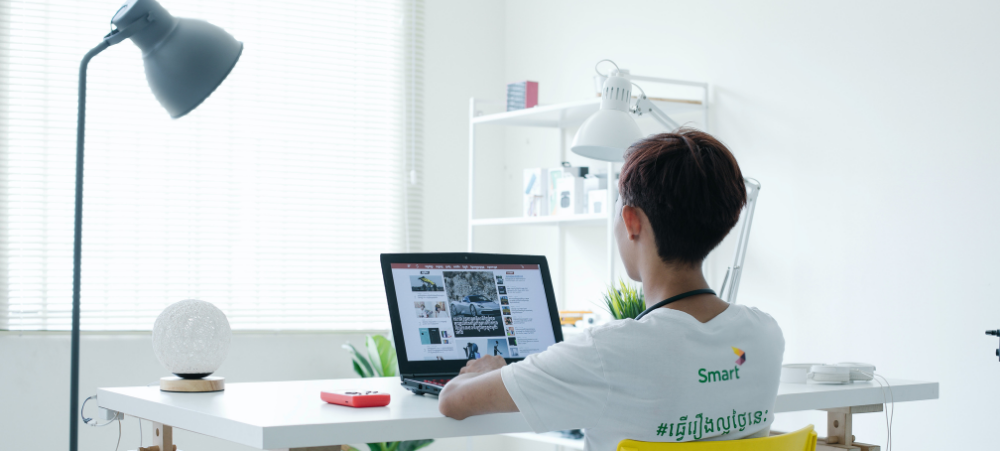

Recently

How to become a super organised Wingulian
Wingu Academy

How to become a super organised Wingulian

At Wingu Academy we encourage our Wingulians to develop good study habits and get organised from the word go. According to daniel-wong.com here are some of the top tips to get organised, focused and avoid falling behind. 1. Develop a routine Consistency is the key to student success. So write down your general weekly schedule and create a routine. Include things like when you’ll do your homework, when you’ll review the things you’ve learned, when you’ll exercise, and so on. It’s not possible to stick to a routine 100% of the time, but at least set up the framework to keep you focused and on track. 2. Set rules for yourself Set some very specific rules for yourself. These could be things like “complete all projects and assignments at least two days before they are due” or “start studying for tests at least one week in advance”. Review your rules once a month and adjust them if necessary. 3. Work on one task at a time; don’t multitask One of the most important organisational tips for students is to focus on one task at a time. Multitasking seems like a good idea because you can pretend that you’re working twice as hard. We all get bored of the tasks we’re working on, so jumping about seems more fun. The problem is that it doesn’t result in the best outcomes. Here’s what I recommend: Take a scrap piece of paper and write down the task you’re working on right now, e.g. Math assignment, questions 1 to 5. Put that scrap piece of paper on your study table, to serve as a reminder for you to stay focused on the task at hand. 4. Keep one notebook and one binder for each subject Take all your notes for one subject in one notebook. When you run out of space, start a new notebook. Label each notebook clearly, e.g. History Notebook 1, History Notebook 2. This will make it easy for you to find the information you need in the future. Don’t take notes on loose sheets of paper you may lose. Also, don’t just use only one notebook, in which you take notes across all your different subjects. 5. Do five minutes of daily planning each day Before you start doing your homework or studying for a test, look at your planner first. Take note of all upcoming deadlines, and think about your schedule for the rest of the day. Then you can decide what specific tasks to work on for the day. Doing daily planning will ensure that you’re always working on the most important tasks, and that you don’t leave anything out. 6. Block out time in your schedule for the things that matter most Blocking out time in your schedule is a critical time management strategy for students. If you don’t do this, other things which are less important will fill your schedule. 7. Break down big tasks into smaller tasks Breaking down big tasks and projects makes them seem less overwhelming and more manageable. Doing this also makes it clearer what your specific next step is, so you’ll be less likely to procrastinate on your assignments. 8. If a task takes two minutes or less to do, do it immediately The “two-minute rule” was popularised by productivity expert David Allen. When you follow this rule, small tasks don’t pile up and become overwhelming. Things like texting a friend, sending your classmate some information via email, or asking your parents to sign a consent form are all quick tasks that take less than two minutes to complete. When you do these tasks immediately, you’ll feel a sense of achievement too. 9. Create a conducive environment at home for studying You need to have the right environment to work. You need all the necessary materials, stationery, paper and study tools. You also need a suitable table and lamp. And if you want to be productive, you definitely shouldn’t study on your bed! 10. Before you start work, eliminate all distractions Take a moment and think about the distractions you typically face when you’re trying to study. Common ones include text messages, notifications on your phone, social media and YouTube. 11. Every day, review all the new information you learned in school earlier that day A quick review of the key concepts should only take you about 20 minutes. Doing this helps to ensure understanding, so you stay on top of the material. If you really can’t do this review on the same day, do it the following day while the information is still fresh in your mind. 12. Keep an ongoing list of the questions you have about the class material As you read your notes and the textbook, keep a list of the things you don’t understand and the questions you have. As soon as you’re able to, ask your teachers about the items on your list. If you do this consistently, you won’t need to spend so much time studying for tests and exams, because you already understand the information. These are only some of Daniel Wong’s tips.  He has lots more in his article: https://www.daniel-wong.com/2017/04/10/students-get-organised-for-school/ It may seem overwhelming, but adopting one new habit at a time will take you further then you know until you’re comfortable to tackle the next one.  Remember that your journey as a student is about progress and not perfection.

CAN YOUR CHILD MASTER MATHS AT ONLINE SCHOOL?

Koa Academy

CAN YOUR CHILD MASTER MATHS AT ONLINE SCHOOL?


It’s not just kids, many parents have ‘Maths anxiety’.  While, the importance of Maths education is all but universally recognized, if you’re a parent who is not confident about your own Maths abilities, you’re likely to be feeling some stress around how you support your child in mastering Maths.  You may even doubt whether it is likely that your offspring can master Maths. When parents were at school, the dominant thought about Maths proficiency was that some kids would be naturally inclined – ‘gifted’ in Maths, most though would struggle along to get average results and there would be others, who would have no hope.  Maths education was the process of sorting out who was lucky, not-so-lucky and downright unlucky. Thankfully, this erroneous and harmful idea no longer underpins Maths education, and it’s not an attitude our children should ever encounter in the Maths classrooms of today.  Reams of research has attested to the fact that everyone can learn Maths and become proficient.  It’s also shown that ‘Maths anxiety’ can be a real roadblock to any child’s potential in mastering Maths.  However, for some parents, worries around their child’s Maths abilities may cause them to pour the family’s resources into extra Maths lessons, and also impact on their school choices. Mark Anderson, Principal of Koa Academy, a high-engagement online school says, “I’m really passionate about how we approach Maths at Koa. In fact, more than any other subject, we have seen kids grow in confidence and skill in this area. Last year, for example, we had a boy, who had failed Grade 8 Maths at his local school in 2020, go on to complete two years’ worth of Maths with us in 2021.  He wrote his final Grade 9 Maths exams and passed confidently, effectively catching up with his grade age.  With a different approach, there are remedies available within the school environment.” That ‘different approach’ includes mastery-based learning which is ideally suited to Maths education where the meaning of numbers and number concepts need to be understood rather than trying to rely on memorizing rules.  Maths practice teaches kids how to apply principles to different problems rather than replicating calculations; and, importantly, mistakes are opportunities for reflective learning and doing it again until you get it – rather than never getting a second chance to master a Maths operation and trying to move on with a fundamental Maths learning deficit.   It turns out that digital platforms are adept at providing mastery-based learning in Maths.  Anderson explains, “When you harness the real strengths of the digital space, Maths can really come alive! We use platforms which are designed specifically to teach Maths online. Content is broken up into focused ‘bite size’ chunks, which are immediately followed by checkpoints which help a learner to know whether they have grasped the concepts or need to revisit them. A learner progresses as they master each concept, rather than learning for 6 weeks only to write a test and find out that they have major gaps in their understanding. It means that you can try something, fail, learn and try it again. This builds confidence – and Maths is such a confidence subject! The platforms are also wrapped up in a gamified environment which is engaging and feels native to the online space.  On top of that, at Koa, we know that every learner needs person-to-person academic support at times in Maths. So, we have daily bookable Teacher Time where a learner can book a session with their Pod Teacher or a Maths Subject Specialist to work together on their platform.  They’re never alone, and their parents can monitor their kid’s progress daily but do not need to get involved in teaching their kids Maths.” Discover Koa Academy here

Pregnancy: Your body is amazing
My Breastpump

Pregnancy: Your body is amazing

So, you have a bun in the oven, what excitement and changes to come.  Being pregnant is something to celebrate. Pregnancy is such an amazing miracle of life and is a time of learning. You learn so much about what your body can do. Can you imagine growing your own little human? It that not totally amazing?  Pregnancy gives you time to get ready for the birthing and beyond that? Pregnancy is a fantastic time to learn, this way you can make informed choices about your pregnancy care, birth experience and afterwards. There are important things that you need to know about to have a safe and healthy pregnancy. You need to go for regular check ups with your health care provider to monitor you for hypertension, diabetes, infections, and anaemia. You will also then know how your baby is growing. One of the most special times is hearing your baby’s heartbeat for the first time.  You can also learn more about healthy eating and what supplements to take while you are pregnant, how to exercise safely, the different ways that your baby can be delivered and how you will look after your baby once she is born.  This is the perfect time to learn more about breast feeding. The more you know about feeding before you give birth the easier it will be. If you understand about how breast milk is made you will be mor confidant in your body’s ability to make milk. If you know different ways to latch and what a deep latch it is will make the actual feeding so much easier.  Understanding what to expect and normal baby behaviour really helps when you are learning to breast feed. Did you know that a newborn can drink between 8 to 12 times in 24 hours?  Include your partner in all the baby related discussions because the both of you can learn and attend classes together. Did you know that your partner plays such an important role in breast feeding? Yes this is true, they can be so helpful with making you comfortable, getting baby in the correct positions for feeding, keeping you hydrated and fed. Not to mention all the other practical things that they can help with like dishes, cooking, bathing siblings and shopping.  My Breastpump is so passionate about breastfeeding, education and pumping. Here are a few reasons why, but there are so many more. Breast feeding has positive effects for both mom and baby. Lets start with mom; breast feeding helps to reduce the risk of a variety of cancers, can reduce the risk of developing Diabetes by half if you breast feed for longer than 6 months, you burn between 300-500 calories a day, helps to return your womb to its original size (yes that means it helps to reduce the size of your tummy after birth), the hormones of breast feeding also helps to reduce stress and depression.  Now for some of the benefits for baby. It reduces the risk of illness including flu, COVID, diarrhoea, childhood cancers, eczema and ear infections. Breast milk helps to teach the baby’s immune system how to fight infections by passing on the information from the mother’s immune system. Therefore, if a mother is sick, she can continue to breast feed her baby. This is just so amazing! Other benefits are that the muscles used to breast feed help your baby to learn to eat and speak.  There are so many different places that you can learn about birthing. It is a good idea to learn more about the difference between a natural birth, c-section and v-bac? Why would you need a Pilates ball, is walking good in labour, what should I pack or even how to choose a good health care provider? What are the pro and cons with each and why would you prefer one birthing type over the other? These are all important and common questions that moms have. My Breastpump have been working closely with Origin Mother and Baby clinic and love the free and paid for classes that they offer to pregnant mothers. You have the option of online or face to face workshops. The Origin antenatal classes give you valuable information about creating your birthing plan, the role of Doula’s, Midwives, pro and cons about midwife lead or hospital lead birthing. They have great interactive conversations with qualified health care professionals. For more information about their pregnancy workshops have a look at their website . Another great pregnancy and mommy classes are BuB Hub   as they also have baby classes to help you bond and stimulate your baby as they get older. It is so lovely to join a mommy group and find your tribe.  As an extra service to you, My Breastpump provides an hour online personalised breastfeeding workshop for you and your partner. To book the workshop for yourself follow this www.mybreastpump.co.za. You can also find out who your local South African Certified Breastfeeding Consultants or IBCLC is. This way if you need assistance, you will know who to call and how to set up an appointment with them.  Why not follow the “My Breastpump” social media pages on Facebook and Instagram where we share great information around breast feeding and pumping? We give information on positioning and good latching, positive stories about breast feeding and also guidelines on how to choose a breast pump, when and how to pump and pumping while back at work. Our page on Facebook is @mybreastpumpsa and @my_breastpumpsa on Instagram. You are welcome to DM us if you are needing more information around pumps and pumping.  Enjoy your pregnancy, embrace it and learn about all the weird and wonderful things that you body is doing. You will be amazed at how strong your body is and how prepared you can be for birthing. Your little baby is growing and becoming stronger each day. 

MOTIVATE YOUR CHILD FOR ACADEMIC SUCCESS
Global Village College

MOTIVATE YOUR CHILD FOR ACADEMIC SUCCESS

Getting children motivated to learn is a challenge for many parents.  Many factors can cause a lack of motivation, including seeing no purpose or value in studying, boring teaching methods, a lack of relevance, inappropriate levels of challenge and an uncomfortable, unsafe or unsupportive learning environment, amongst others. Parents know the importance of their children being motivated to learn and to achieve; however, they often do not know how to get them motivated. As we reflect on our students’ outstanding results in the recent Cambridge International examinations, and on their emotional well-being, we would like to share some ideas to help you motivate and empower your child to achieve academic success.   Whilst we believe that Cambridge International is an excellent qualification and it offers an international standard, choice, and flexibility, the guidelines provided here can be applied in general to any qualification. Start with the end in mind It is important for your child to know why they are learning and what their end goal is.   Explore future careers Would they like to pursue a professional career?  Do they wish to run their own business one day?  Would they like to learn a trade?  They should start considering these questions as they progress on their academic pathway and it is essential that they do so before they need to choose subjects. Once they have an idea of possible career options, they should start finding out about career paths, and what is required to qualify for possible career choices. They should start researching different careers and qualification requirements, speak to people in the workplace about their careers and how to qualify, find job-shadowing opportunies, and contact professional associations and further education institutions.   Consider further study options Once they have an idea of possible career options, they should start contacting further education institutions to find out about the qualifications offered and the entry requirements.   Would they like to attend a college or university?  Would they like to study in South Africa or at an international institution?  Encourage your child to search the internet to find career and qualification information and contact the different institutions to start finding out about possible courses and admission requirements. Choose the right subjects  For admission into South African public universities, specific USAF minimum admission requirements apply for exemption for Bachelor degree purposes.  Each educational institution also has their own admission requirements for their different courses.  Make sure your child chooses subjects which will enable them to meet these requirements.   Individualise learning Every child is unique.  They have their own interests, strengths and preferred way of learning.  Help them design their unique academic plan to meet the admission requirements and to achieve the best possible result in each subject.  This plan can be adapted, so that your child enrols for an examination when they are fully prepared and has the best chances of meeting the requirements.   Assist your child to plan their study timetable and schedule according to their pace and when they learn best.  Some students prefer to focus on one or two subjects a day, whilst others prefer to work on all their subjects every day.  They might prefer to start and finish early, or to start and end their academic day later.   Provide a structure  A sound academic framework helps children to study effectively to achieve their goals.  Ensure that realistic timeframes are set to prepare for their planned examinations and that they complete each section of work within these timeframes.  Make sure they maintain a regular study routine. Utilise quality resources Ensure that your child makes full use of the syllabus documents, endorsed resources and past examination papers to prepare well for their examinations. Select qualified, experienced subject specialist tutors to guide and support their learning and to inspire them.   Encourage active learning Research shows that children learn better if they are actively involved in finding something out, rather than listening and trying to memorise the information and being given the answers.  In our experience, an adaption of the “flipped classroom” approach is extremely effective.  Using this approach, learners work through the material independently.  They then utilise their tutoring time for instruction only in those topics or with problems which they do not understand.  Tutors also check learners’ understanding so that they know which areas or topics to revisit. Delegate responsibility for learning Whilst it is important to guide children and to check that they are on track, it is very motivating for children to have control of their learning experience.  Allow them to have direct input into their learning and to set their own pace.  We find that children learn more effectively and they achieve better results as they are gradually empowered with the responsibility to determine the pace and quality of their learning. Guide and support Parents should gauge the guidance and support each child needs and keep providing this according to their needs as they progress on their academic pathway.   Whilst children like to feel in control of their learning, they also need to know that they are not on this journey on their own.  Share and celebrate in their successes, continue to keep an eye on their progress, and bring them back on course when necessary.   Enjoy the journey with your child.

Postpartum recovery – How long does it take and what can you expect?
Bonitas – innovation, life stages and quality care

Postpartum recovery – How long does it take and what can you expect?

As a new mom, or a potential new mom, you are probably wondering how long your body will take to recover post birth and pregnancy. The postpartum period is generally regarded as the first six weeks after childbirth. This is an important time for both you and your baby, as you there are lots of emotional and physical adjustments that happen in this period. Recovering from having a baby can be a long process, especially considering that you now have a new baby to look after as well. What can I expect postpartum? Postpartum recovery will differ between moms and pregnancies. If you have opted for a vaginal birth, your vagina will hurt postpartum, and recovery can take 3 to 6 weeks depending on if you had an episiotomy or your perineum tore.  C-section incisions can be painful and you can expect a recovery period of 4 to 6 weeks. Initially you may find moving difficult, but it’s important to move a little bit to avoid blood clots. Some new moms can experience difficulty urinating, perineal discomfort or soreness, vaginal bleeding, contractions, constipation and breast tenderness post birth. During the postpartum period you may also feel irritable, anxious or have sudden mood swings, this is also known as the ‘baby blues’ and is caused by hormonal changes in the first few weeks. However, if this period is extended you could be suffering from postpartum depression, and should speak to your doctor about this. How can I help my postpartum recovery? Be aware of pushing yourself to return to ‘normal’ as soon as possible, even if you have had an easy pregnancy and birth, your body has still been through an ordeal and you will need time to recover. Avoid over exercising (even if it’s tempting to get straight back into it!) and trying to socialise too much with friends and family eager to meet the new baby.  Don’t be afraid to ask people for space and to limit your baby’s visitors.

FYI play it safe TO SCREEN AWARD-WINNING GLOBAL YOUTH MENTAL HEALTH FILM IN SA
FYI Play it Safe

FYI play it safe TO SCREEN AWARD-WINNING GLOBAL YOUTH MENTAL HEALTH FILM IN SA

Connecting the Dots by award-winning director/producer Noemi Weis will be showing at The Labia Theatre Featuring young people from across the world, documentary film, Connecting the Dots, will be brought to South Africans virtually and on big screens by FYI play it safe, innovator of the parental app that is changing how parents keep their children safer online.  Directed by Noemi Weis, Connecting the Dots, which was released in 2020, has been screened at a host of international film festivals, receiving widespread acclaim from critics and viewers. First of its kind, Connecting the Dots offers a no-frills, authentic look at youth mental health around the world.  By exclusively showcasing the voices of young people, the film invites educators, parents, families, friends, communities and leaders into a safe space to listen to the lived experiences of this generation of teens and youth.  Weis, a mother and a grandmother, has made an esteemed film career focusing mainly on social issues important to women and children.  She says, “There is a youth mental health crisis around the globe. Suicide is the number one health-related cause of death for youth. Mental health is the health issue of this generation. There is an urgent call to action being heard globally asking for an elimination of the stigma and shame surrounding youth mental health struggles and demanding an increase in open dialogue and more accessible, relevant and timely support.” Cassey Chambers, Operations Manager at The South African Depression and Anxiety Group (SADAG) says, “There’s significant value in FYI play it safe screening Connecting the Dots for South African audiences.  As a nation, we too experience high levels of youth mental health challenges, which is surrounded still by stigma that stifles conversations and inhibits finding solutions.  Young people in South Africa who are facing challenges are under-served in their communities when it comes to mental health services.  It’s hard to open up and it’s hard to find the help you need. This is an important platform to invite conversation; to inspire us to listen to the voices of our South African youth and to find solutions for what is an increasing problem in our country, that has only been exacerbated by the pandemic over the past two years.” For FYI play it safe founder and CEO, Rachelle Best, who is also mother of a teen daughter, facilitating the first screenings of Connecting the Dots is personal.  She says, “Sadly, in 2021, we experienced a significant number of teenage suicides all around us in Cape Town. This happened over a short time and mostly in the same age group as my daughter. I realised that we, as parents, don’t talk enough about youth mental health and we certainly don’t talk to our children about it enough.  FYI play it safe is helping parents keep their children safer online by alerting parents if there is any online activity that can indicate depression, self-harm or suicidal ideation. When I first watched the film, I could feel it on my skin.  What stood out for me was a scene where a young girl said that she retreated into her room more, because the people who she chatted to online understood her better than the people around her. This was the moment I realised that every parent and every child in South Africa should see this film, and that FYI play it safe can help! We should be part of this global conversation. I got introduced to Noemi Weis, who is the director and producer of Connecting the Dots, and she shared the excitement of FYI play it safe bringing the film to South Africa.”  Best sees the upcoming screenings of Connecting the Dots in South Africa as an opportunity to improve teen mental health in the country.  “The documentary exposes us to the current global conversation about youth mental health. It creates a bigger awareness that firstly, for our tweens and teenagers, it is healthy to talk about mental health. It is also ‘okay to not be okay’. And it is wise to reach out for help. Secondly, it helps parents and teachers to understand that our tweens and teenagers are actually not okay. They need help and they need us to open up conversations about their mental health to make it easier. We are really hoping for every parent, educator and youth in South Africa to see this film, to raise their hands and to become part of the conversation.” FYI play it safe screenings of Connecting the Dots will take place at The Labia Theatre in Cape Town on 22 February 2022 at 10:00 and 18:00.  Tickets cost R120 per person and are available through Webtickets now. The film is recommended for an audience of 12 years + Groups, schools and organisations can also book a bespoke screening of Connecting the Dots, virtually or at their own venues.  Contact [email protected] for further information. In partnership with UNICEF, the film offers Facilitators Guides for different target groups to help them guide their screening. Plus a tool kit to help them promote their own screening. https://connectingthedotsfilm.com/resources

Hi Baby nappies’ super absorbent core
Exigo Care

Hi Baby nappies’ super absorbent core

The Super Absorbent Core of Hi Baby nappies are the heart and soul of our nappies. When it comes to caring for your little human, other than a parent’s loving arms, it is the surface area of the nappy that holds the most responsibility. The inner surface of the nappy you put on your baby’s bottom will be in contact with your baby’s skin for prolonged periods of time so why would you want to put anything other than an AAA grade Hi Baby Premium Nappy on that bum?  Excess moisture in a nappy causes maceration of the skin surface (where skin gets lighter in colour and goes all wrinkly… such as when you have been sitting in the bath for too long) and ultimately leads to skin breakdown which may result in secondary fungal, yeast and bacterial infections which thrive in a warm moist environment … especially in this summer heat! Prolonged skin contact with urine and feces irritates the skin, leading to inflammation and further skin breakdown. Contact dermatitis is especially common when babies have diarrhea, often paired with illness or teething. A super absorbent nappy core ensures a dry nappy surface protecting baby’s sensitive skin from nappy rash.  How do Hi Baby nappies absorb and retain so much moisture?  Along with the incredibly soft top inside layer, the nappy’s inner core is made up of Super Absorbent Polymers (SAPs). SAPs look like little crystals when they are dry, but when exposed to moisture they swell up and turn into a gel-like substance. SAPs can absorb up to 30 times their own weight in fluid (kind of like a pregnant woman… or at least it feels that way) ensuring that the nappy absorbs moisture and locks it away. SAPs cannot dissolve in water and can tolerate weight/pressure so that, even with a baby bouncing on the nappy, moisture does not get released back to the nappy surface, keeping your little one’s skin safe and dry. An added bonus is that Hi Baby Premium Nappies and Pull Up’s are free from Oxymethylene, Flourescer and Brightener, making them gentle and safe on baby’s skin without chemical smells. The outer layer of the nappy is just as soft – it does not have a plastic feel to it, and it breathes, eliminating excess ‘humidity’ on the inside of the nappy. When thinking about it, one could easily compare a mother to a Hi Baby Nappy or Pull Up. Like the outside of our nappies, a mother brings that soft and gentle element into a home … and she is beautiful too (just like our nappies).  The inner soft layer is like a mother’s gentle touch; that loving hug, that gentle hand wiping away tears. She is that protective barrier between her little human and the big bad world, protecting her little one to the best of her ability, regardless of the circumstances. A mother is absorbent, just like the core of a Hi Baby Nappy or Pull up. Her heart is full of Super Absorbent Polymers … taking in each moment of her little one’s fleeting childhood, and sealing it in, not releasing it from her heart again.  From the moment you found out that you were pregnant, coming to terms with the fact that this little person is yours, and embracing it. Feeling your unborn baby kick for the first time. Sealing in the moment you looked at your newborn for the first time … vowing that you would protect him/her against all odds. Just like the nappy takes a few blows when a baby is bouncing all over it; so too does a mother’s heart. Sometimes your little one will get, sometimes it feels like they are hurting you on purpose … but it does not change the fact that you would do anything to protect them from harm and keep them safe.  From now on, every time you change your little one’s Hi Baby Premium Nappy or Pull up, take a moment to hold that full dry-surfaced nappy in your hand (yes, regardless of what is in the nappy) and remind yourself to absorb every moment, every phase, and every stage. Seal it in your heart where not even the toughest situations in life can take that from you because you are a mother: with a heart full of Super Absorbent Polymers! Until Next Month, Sr Jessica Bredenkamp (Registered Midwife (BCur) & Mom)

A Valentine-A-Day for your children
Bill Corbett

A Valentine-A-Day for your children

Just in time for Valentines Day, here are 8 tips you can use, one each day leading up to the big day, for demonstrating love to your children. Using a family meeting, have everyone create a craft project that represents love to them.Provide a wide selection of construction paper and craft supplies and allow your children to create whatever comes to mind.Put the creations on display for everyone to see and enjoy, and photograph them to look at for many years to come. Compose a poem about your child or describing how much you love her. Print it off on special preprinted paper with a border that can be purchased at office supply stores. Frame it and hang it on your child’s bedroom wall. You could even include the child’s picture or her foot or handprints if you had them done earlier. Sign it and read it to her nightly Have a movie night with your kids, complete with big pillows to snuggle up with and a big bowl of popcorn. The one difference in making this night special is that the movie being featured will be the home movies you have of your children! Help your child plan a V-Day party with all of her friends. For one activity at the party, provide a personalised mailbox (or bag) for each child. On blank slips of paper, have each child write down words that describe what they like about each of the other kids, one child per slip of paper. They will deposit them in each others mailboxes. Every Sunday night, schedule a date with each of your children for the week to come. Put it on your calendar and tell your child so they will have something to look forward to. Scheduling in these dates ahead of time ensures they will happen. Then everything else that is less important can fill in around them. Why not schedule a date with your significant other as well? Take a picture of you and your child, frame it, and then give it to your child to put in his or her room on the dresser or night table.If you have more than one child, create one for each of them.For an older child, put a picture of the two of you in a locket that the child can wear.This will also help calm a child who feels anxious when being away from the parent. Find a child’s illustrated book that sends a message of love and commit to reading it to your children every night, leading up to Valentines Day. My favourite is the book LOVE YOU FOREVER by Robert Munsch and illustrated by Sheila McGraw.It sends the message that I’ll always love you unconditionally, no matter how you behave and well into your adult years. Toddlers to teens love to be surprised. Hide a small valentine, an encouraging note, or a small valentine chocolate somewhere for them to find each day leading up to Valentines Day. Get creative and mix it up.You could also leave a note each day in one place that contains clues to helping them find what you’ve hidden.

10 Ways to celebrate Valentines Day
Aaliya Loureiro

10 Ways to celebrate Valentines Day

Are you looking for new or even classics to take your Valentines Day through a whole new journey? To create a momentous, time-freezing day with the one who has your heart? Just a small idea can lead to one of the best experiences to look back on together. 1. Staycation in your city  Travel your city to a new destination. A trip not too far from home, but a vacation it is. Destinations including tourist attractions and lounges can be just that breath away from reality and inside your very own story.  2. Tour the city Whether you’re on a staycation or staying at home, an adventure-filled date across the city is magical. How often are you able to explore your own city out of enjoyment? Why not take the opportunity to, with your favourite person. 3. Picnic Paradise A hike filled with laughter, chatter, and joy. A climb for the sun at a nature reserve or even a beautiful hill near home. Lay out a picnic of your favourite goodies and meals, readying to sit and gaze at the beautiful sunset together. 4. Keen on being at home? Each partner choose a movie you both love, and to deepen the surprise, each person order a seamless delivery with food you think the other would enjoy.  5. Time of our lives  The perfect, underrated moment of time to bond with your partner is making a time capsule, full of all things that bring your smiles, when you’re reminiscing once more. In the future, when you notice your growth together, and fall in love with your memories, you’ll even find joy in recollection of creating this time capsule together. 6. Classic cliches  You can’t go wrong with rose petals or even her favourite flower petals, champagne, and twin fuzzy robes. You could light some new scented candles and just spend the moment with either pedicures or even binging your favourite shows.  Its your day together, why not get creative with your time.  7. Romance in a drink If you and your partner are filled with a passion for tastings together, a romantic wine tasting is for you. An elegant way to start your celebration, and to spend time pretending to be a judge could spark some charismatic delight. 8. Chaos in the kitchen  You and your partner can plan a homemade dinner, where you cook a new recipe together.  You could even have your very own cook-off. A little competition to see what masterpiece, or monster mess-up, you create! 9. Your man’s heart Food. It’s a wonderful for of love between one another. A cute, delicious idea is frying up some bacon and making a bouquet of bacon roses to eat in a yard or lounge picnic. An extra idea is turning the rest of your date into a game day containing all the games you’ve been waiting to play. 10. A day of mystery  A day of mystery? An escape room date. A thrilling way to work together and become closer by the end of all the excitement.  its the ultimate team building exercise to further use each others strengths and to laugh at it all once you’re on your way home. 

Inflammaging and how Lamelle can help you beat it

Lamelle Research Laboratories

Inflammaging and how Lamelle can help you beat it


We’ve all experienced inflammation, from the ache of a sprained ankle to the sting of a bad sunburn. While it can feel unpleasant, short-term inflammation is actually a good thing as it produces inflammatory cytokines (small proteins that trigger an even greater inflammatory response) that tell your body it’s time to get busy healing. Still, in the long term, inflammation isn’t your friend. In fact, if an injury repeatedly occurs to the same area, it eventually won’t heal as well and can result in scarring or abnormal healing. Interestingly, inflammation has the same effect on our skin. Short term, it can help you heal an injury, be it a pimple or a cut. Chronic inflammation, however, causes a chain of events that can damage your skin’s collagen – among other things – and accelerate the aging process. This is what’s known as “inflammaging”. Worse yet, this type of chronic inflammation isn’t even caused by a visible injury. The triggers include “every day”, often unavoidable things like UV rays and free-radicals. Fight that fire! Clearly, none of us are immune to the effects inflammaging but we can protect ourselves in ways that mitigate the damage. One is to invest in skincare that contains potent anti-inflammatory antioxidants. This is why Lamelle products are formulated using some of the most potent and proven, including the super antioxidant Pycnogenol. Now, remember how we mentioned cytokines? You should know that not all of them are “fire starters”. You get many different types and, while some can trigger inflammation, others do a brilliant job of deactivating it. Thus, you’ll find a patented complex of the latter in our anti-aging Dermaheal collection. Interestingly, preventing accelerated aging isn’t just the only reason you’d want to keep inflammation in check. Chronic inflammation also encourages hyperpigmentation and creates the ideal environment for acne to thrive. Other ways to prevent inflammaging While anti-inflammatory active ingredients are a great way to mitigate inflammaging, it’s not your only defense. One of the biggest triggers of inflammation is still unprotected sun exposure. This is why it’s vital to applying a sunscreen every time you set foot outdoors, our favourite being Lamelle Helase 50+. It protects you from the full spectrum of light and contains that potent, inflammation-busting antioxidant we mentioned earlier, Pycnogenol. It then takes thing a step further by addressing any damage that’s already occurred using photolyase. A powerful DNA-repairing enzyme that occurs naturally in animals and plants, photolyase can seek out and correct dangerous DNA kinks (known as “dimers”) that can lead to the mutations responsible for skin cancer. Remember, it’s never too late As with just about everything in life, the prevention of inflammaging is better than cure. But what if it’s too late? What if you’re already dealing with the resultant premature aging that includes fine lines, wrinkles and a loss of firmness? In this case, you’ll be glad to know it’s never too late to take action. Lamelle’s Dermaheal range contains growth factors that help reverse the damage caused by inflammaging by optimizing the communication between your cells, instructing your skin to behave as though it were much younger. This encourages the creation of skin-firming collagen and elastin. You can also consider Lamelle in-office treatments such as peels and collagen-induction therapy (CIT) that can remove old, damaged tissue and encourage the growth of new, healthy tissue. The bottom line Ultimately, it’s very difficult to avoid the triggers of inflammaging. They’re literally everywhere – from free-radicals borne in the air to the sunlight streaming through your window. However, it doesn’t mean we can’t protect ourselves from their effects with powerful inflammation-fighting products such as those we’re proud to create at Lamelle Research Laboratories. Also, it’s never too late to start correcting the effects. Simply chat to a highly-skilled Lamelle skincare therapist who can help you prevent as well as treat so you can enjoy healthier, younger-looking skin for longer. 

Gorgeous fashion plate pacifiers with Chicco’s Physio technology at the heart
Prima Baby

Gorgeous fashion plate pacifiers with Chicco’s Physio technology at the heart

The perfect pacifier will be a parent’s best friend – and they are harder to find than one may imagine. Chicco has spent years in the Observatory research centre developing the ‘perfect pacifier’ that is not just a soothing device, but ultimately meets the needs of every child’s oral development too. Introducing the ‘Physio’ concept of pacifiers. Based on the theory of good breathing, the range of Physio pacifiers extends from the smallest of premmie needs to the versatility of glow-in-the-dark favourites to keep toddlers sleeping through the night, even when they drop their dummies.  Physio Micro is the first and smallest in the innovative range of Physio pacifiers. Micro in size but powerfully effective, this premmie dummy is perfect for the littlest of mouths, with an orthodontic teat to match. With extra lightweight fashion plates with air holes for ventilation, Micro Soft’s teat sits neatly in the palette, keeping from lolling around in the mouth and causing saliva build-up. When it’s time for baby to outgrow their newborn pacifier, the Physio Air range steps in. Great for bigger newborn and supporting little ones all the way up to 36 months, the range includes a wide variety of fashion plates with cute characters and colours. The glow-in-the dark range is perfect for finding dropped dummies in the night without turning on the light. Available at Baby City, The Kid Zone, Takealot, Loot, Babanino and a host of other retailers.

Covid – how and when might it all end?
Bonitas – innovation, life stages and quality care

Covid – how and when might it all end?

Covid-19 has disrupted the world in so many ways, including the uncertainty of what the future holds. The Bonitas Medical Fund clinical and actuarial teams unpack some of the pandemic versus endemic terminology and offer scenarios for the future. Since the start of Covid-19, the word ‘pandemic’ has been on everyone’s the lips. What is a pandemic and what is the difference between an outbreak, an epidemic and a pandemic? According to Harvard Medical School, ‘An outbreak is a sudden increase of an infectious disease in a particular place, an epidemic is a larger outbreak in a restricted country or community, while a pandemic means a global epidemic.’ Do the governments of various countries decide there is a pandemic? It is the World Health Organization (WHO) which declares a global pandemic as was the case on March 11, 2020, when the virus was present in over 110 countries. WHO will also decide the degree of severity and communicate this to the world? The declaration gives governments time to prepare for the pandemic, legislate laws and restrictions – such as travel and trade – and begin emergency procedures to protect their citizens.  What are the criteria for a pandemic? There is no universally agreed definition of when a disease outbreak should be called a pandemic but there are three reasons WHO can declare a pandemic, when: The disease causes death There is persistent transmission between people It spreads in multiple countries The Centre for Disease Control (CDC) explains it as a ‘term most often applied to new influenza strains’ and says it’s used when viruses can infect people easily and spread from person to person in an efficient and sustained way in multiple regions. The declaration refers to the spread of a disease, rather than the severity of the illness it causes. What are examples of other pandemics? Past pandemics, which had a profound effect on the world, were the Plague or Black Death in the 14th Century, the outbreak of flu in 1918 each killing around 50 million people. Both the AIDS pandemic and Covid-19 are more recent. Who keeps a finger on the pulse of the pandemic? During pandemics, epidemiologists work as profilers. They are experts in the branch of medicine which deals with the incidence, distribution and possible control of diseases. Epidemiologists are scientists who: Trace, monitor and predict the movement and behaviour of a pathogen to create a detailed portrait. Key epidemiological questions include: What is the spectrum of disease severity? How transmissible is the virus and who is most likely to spread it?  What are the risk factors for severe illness and death? How does the behaviour of the infection vary by location and does it change over time?  Answers to these questions can determine what public health measures should be implemented and what resources should be allocated. These choices have a profound effect on the outcomes. Who decides that a pandemic is over? The pandemic may be widely considered over when WHO decides the virus is no longer an emergency of international concern. It is generally when the infection is mostly contained and rates of transmission drop significantly throughout the world.   The expert committee reassess every three months and the world are waiting for a decision from WHO regarding the end of the pandemic as we know it. However, they are still anticipating a 5th wave. Despite this the organisation is calling for travel bans to be lifted as they have proved to be ineffective in stopping the spread of the Omicron variant.  Downgrading from pandemic to endemic There is a consensus that Covid-19 will eventually settle into becoming a more predictable virus, like the flu. This means there will be seasonal outbreaks but not the huge numbers the world is experiencing now.  It will transition from a pandemic phase to endemic phase and the world will adapt to living with it.  What is the difference between endemic and pandemic?  Endemic means the disease is still circulating but at a lower, more predictable rate — and with fewer people being admitted to hospital.  Epidemiologists would consider a disease endemic when levels are consistent and predictable – unlike the ‘boom and bust’ waves we have seen so far in the pandemic. That said, just because it’s endemic it doesn’t mean to say it’s not serious. Smallpox, for example, was endemic for thousands of years and a third of the people who were infected, died. Malaria is also endemic and causes around 600 000 deaths a year. What are the hypotheses for the way in which the pandemic will end?  It is difficult to predict when the pandemic will end but three scenarios emerge as the most probable. It is important to note that these will be determined by WHO and governments around the world. 1.Getting through it as quickly as possible This means the government allows people and communities to be exposed as quickly as possible so that most people have been infected or developed immunity. At some point herd immunity will be reached – when the virus cannot find new hosts -and the pandemic slowly peters out. The problem with this is that hospitals reach peak capacity very quickly and millions may die. 2.Slow it down or delay it and vaccinate As happened with most countries’, governments used various methods to slow down the spread. This reduces the number of lives lost but the virus still spreads slowly and many of these measures have a devastating effect on the economy. 3.Co-ordinate globally to crush it This is achieved by introducing travel bans, quarantining, social distancing and restricting travel.  In this scenario the world should co-ordinate efforts to reduce transmission.  In the best-case scenario this could end the pandemic swiftly with low loss of life. The virus will not be eliminated through this means alone but reduced transmission and spread.  Each has its pros and cons but it’s generally accepted that vaccination, assisted by as much global coordination as possible, is the best possible scenario. What is

Healthier nap expectations from your toddler
Good Night Baby

Healthier nap expectations from your toddler

As mums, our focus is always aimed at how our children are sleeping. Are they sleeping too much? Are they sleeping too little? What is too much? Sleep plays an important role in the everyday lives of young children and influences their lifelong development and health. A child who is well rested is better able to concentrate, take on new information, interact positively with others and deal with conflict and challenges. During sleep, learning is improved and biological changes occur that help children to grow, develop and stay healthy. Children with poor quality or insufficient sleep are less able to regulate their emotions and behaviour and can have difficulty concentrating. When it comes to sleep, it is also important to distinguish between your toddler’s day sleep needs versus their night sleep needs. Their day routine and naps will depend on their age. However, their night sleep will remain the same until the age of 5 years. All children until the age of 5 years, will need between 11-12 hours of night sleep. All toddlers should and CAN be sleeping through the night (from 12 months of age), without any night feeds. In fact, to keep having night feeds at this age can be do more harm than good. Nap lengths will change as your toddler gets older: 12 months At this age, we always recommend keeping your toddler on a 2 nap routine. Whilst every baby is different, most toddlers will still need 2 naps at this age. Your toddler should be sleeping between 2-3 hours in the day. 13-15 months This is a bit of a “grey” area. Some toddlers still do well on 2 naps (which is great!), whilst others do seem to be ready for one nap. Keep in mind when introducing a one nap routine, that you do it gradually over a few weeks, moving nap one later every 3 days, to help your toddler get used to this transition. On those days when your toddler is having just one nap, don’t be afraid to bring bedtime earlier. This is an adjustment for your little one and they do tend to get tired after the long stretch of being awake. If they are having just the one nap, try and ensure that they sleep for as long as possible. Most toddlers will sleep between 2 to 3 hours for the one nap routine. On the flip side, if your toddler is still having 2 naps at this age, then remember that their night sleep does shorten, as often, the 2 nap routine will mean a slightly later bedtime. Just make sure that bedtime does not become too late. 16-18 months Most toddlers at this age are definitely ready to transition to one nap. It is easier to transition them at this point, as they are older and able to handle that longer stretch better. Having said that, it’s important to remember that this 2-1 nap transition does take time. Your toddler’s night sleep will lengthen, as the one nap routine automatically garners an earlier bedtime. 18 months – 2.5 years Life gets much simpler at this point, as toddlers will have a fixed nap time, happening at around midday. Mums can focus on a clock-based routine, where awake time and bedtime can happen at the same time every day. The earliest age that a toddler can drop a nap is 2.5 years old, but most toddlers at that age, still do well with a nap. 3 years – 5 years This is the age where your child will drop their nap. Just as with every transition, it’s important to look for the signs and make the transition when your child is ready to do so. Like all other transitions, it takes time to completely drop that nap. There will be days when your toddler will still have that nap and days when they don’t. You can have a nap on alternate days and then eventually work towards not having a nap on a daily basis. Whilst keeping the above age appropriate routines in mind, one of the most vital aspects of toddler sleep is to remember that SLEEP BECOMES A DISCIPLINE. Your toddler is an individual, with their own personality. They are getting better at communicating and in expressing their own opinions about what they would like to do. All of this is completely normal. The challenge for parents is to still allow our toddlers the gift of choice and exerting their own sense of independence, whilst still keeping boundaries in place. This is often the most frustrating aspect of sleep with toddlers. Consistency is key – it is the best teacher, but also take the time to understand your toddler, so that you can ensure that you are communicating with them effectively. The toddler years are a beautiful time – to witness your baby grow into their own being and develop their unique personality. It is the joy of being able to connect with them, through their words and actions. It is those moments when you look at them in awe, simply amazed at them, and the fact that they are YOURS. It might not seem this way right now, but the time does indeed go too fast. In all the worrying and anxiousness that we experience as mothers, don’t forget to enjoy the small moments too. By Sarah Bibi Patel – Good Night Consultant

HAPPY KIDS ARE GOOD KIDS
Parenting Hub

HAPPY KIDS ARE GOOD KIDS

In the words of Oscar Wilde, “The best way to make children good is to make them happy,” and that’s what the Friends In Your Freezer are intent on achieving through delicious, healthy, fun, and convenient food. Oh, and a chance to win a family holiday worth R50 000 too! Two of the largest brands in the frozen food world are on a mission to create convenient and nutritious mealtime solutions, while bringing fun into the kitchen and onto kids’ plates. Whether their summer holiday was the greatest six weeks of their little lives, or a time spent ranting about having nothing to do, the back-to-school transition is daunting for most children, and more than likely, moms too. Having a stable eating routine with exciting food helps children to look forward to mealtimes, and a nutritious eating routine improves not only their energy levels, but their concentration and mental health too.  McCain and Sea Harvest offer the finest quality frozen fish and vegetables, which are incredibly healthy too. Their produce is harvested at its peak, sustainably sourced and snap frozen within hours to maintain freshness and lock in nutrients, meaning that your little ones not only get to enjoy a delicious meal, but one that’s packed with vitamins and minerals too. “Frozen foods are a convenient and affordable way of incorporating protein and vegetables into your children’s diets. The combination of products that McCain and Sea Harvest offer are sure to satisfy even the most discerning of little palates,” says Jared Patel, the Head of Marketing of the Sea Harvest Group. Get the kids involved in the kitchen and create a fun and fresh (or shall we say, frozen) take on sushi: Fish Finger ‘Sushi’ with Smiles Serves: 4 Prep Time: 30 minutes Cook time: 20 minutes Difficulty: easy Ingredients Fish & Smiles 8 Sea Harvest Fish Fingers 1 x 415 g bag McCain Smiles Sushi 8 slices of brown bread, crusts cut off 40 ml mayonnaise 8 slices of pre-sliced cheddar cheese 1 small cucumber, peeled into ribbons 1 large carrot, peeled and finely grated Dipping Sauce ¼ C (60 ml) mayonnaise 2 Tbsp (30 ml) chutney Method Fish & Smiles Preheat the oven to 200 ºC. Lay frozen Fish Fingers and Smiles onto a baking tray. Place into the oven for 15-20 minutes and cook until golden and crunchy. Alternatively, cook in an air fryer for the recommended time. Allow the fish fingers to cool completely. Sushi Roll each slice of bread with a rolling pin to flatten by half. Dollop roughly a teaspoon of mayonnaise on each slice of bread and spread evenly to all corners. Place a slice of cheese right on the edge of the side of the bread closest to you – this will ensure that there is a margin of bread left on the other side that will stick the sushi roll together. Place a cucumber ribbon on the edge of the cheese that is closest to you followed by a cooked Fish Finger. Top the fish finger with grated carrot, then roll the bread roll away from you to form a neat log shape. Press down on the seam to seal the roll. Trim off the ends off, then slice into 4-5 bite-size pieces of sushi. Repeat the rolling process until you have completed and sliced all of the rolls. Dipping Sauce Mix the mayo and the chutney together and set aside. To Serve Serve fish finger sushi rolls with potato smiles and dipping sauce on the side. Having these Friends In Your Freezer ensures that mealtime planning and creativity in the kitchen isn’t higher grade, so to speak. “Our purpose is to make mom’s lives easier, and kid’s lives happier. The first two months of the year are generally chaotic and there’s no doubt that having frozen meals on hand eliminates the added pressure of meal prep on a busy week night,” says Danielle De Villiers, Senior Brand Manager at McCain.  Purchase any 1 McCain and 1 Sea Harvest product from participating stores and stand a chance to WIN 1 of 4 family holidays valued at R50K each with McCain and Sea Harvest. Competition ends 28 February 2022, T&C’s apply. For more information, visit www.friendsinyourfreezer.co.za, McCain Facebook, McCain Instagram, Sea Harvest Facebook or Sea Harvest Instagram. You can also download this fun activity book filled with puzzles, games and jokes, to keep the kids busy!

Wingu Academy’s Centurion Learning hub provides a unique learning space for learners to thrive with their tribe
Wingu Academy

Wingu Academy’s Centurion Learning hub provides a unique learning space for learners to thrive with their tribe

Wingu Academy’s Centurion Learning Hub has officially opened its doors to learners between 6 – 18 years. Wingu Academy offers the internationally recognised British curriculum and has recently also introduced Grade 10 CAPS. Wingu’s CAPS curriculum is SACAI accredited and will be expanded from 2023. Wingu’s Learning Hub provides a safe space for a blended learning approach which allows learners to learn from home or get support in person at the Learning Hub. It offers the opportunity for children to have access half or full day at the hub, as well as a 3-day or 5-day option per week. This provides a unique level of flexibility between working at home or hub with uninterrupted education for learners as an alternative to attending a traditional school.  Learners can engage and interact with fellow learners in a safe and friendly environment that promotes learning and personal growth. The Learning Hub further provides support such as learning spaces to attend seminars and tutorials, collaborative learning spaces, learning coaches, science and robotics laboratory access and a variety of extra-curricular support.   Learners are encouraged to take part in activities such as sports, drama, art, music and many others as part of the school’s extracurricular programme. “We understand that the development and learning of our learners requires a balance of academic and personal development in and outside the Academy and Hub. Taking part in physical and cultural activities provides an invaluable opportunity for children to develop physical, emotional and cognitive skills,” says Leza Petersen, Wingu Centurion Learning Hub Manager.  Some of the activities are presented at the Learning Hub, which also lighten the burden on parents, whilst other activities are accommodated at trusted service providers.  The host of activities include: Arts & Performance  Drama Swimming Arts & Crafts  Music Baking Horse-riding lessons / Equine Therapy  Golf Hockey Drone Club Chess Science  Early Childhood Development STEM principles  Robotics  Software Engineering  Wingu Academy believes these unique learning opportunities will assist children to thrive in a positive environment to build trust, coordination, teamwork, motivation, attitude and mobility and foster a spirit of healthy competition with fellow Wingulians (Wingu Academy learners). Enrolments are still open until mid-February 2022. To join Wingu Academy’s Centurion Learning Hub or for more information, you can book a free consultation session at: https://wingu-academy.com/book-now/ or send an email to [email protected]. The Learning Hub Manager can be contacted directly on email: [email protected] or mobile:  084 552 6546.

Homeschooling: How to Raise Happy Kids (and Parents)
Cambrilearn Online School

Homeschooling: How to Raise Happy Kids (and Parents)

It is safe to say that parenting through a pandemic has dished out a few lessons on how to cope with the daily dose of mom guilt. People speak of the ‘new normal’ and we slowly find ourselves levelling out – back into the daily routine. But things are different now; it has become a little harder to take life for granted and to just ‘get on with it’. Because the last two years changed us, all of us. The Year of Banana Bread 2020, the year of the banana bread, the year of loungewear and the year that the parents became the teachers. At first, homeschooling was a temporary replacement for a traditional classroom setting. The change was driven by necessity, not by choice. And whilst “panic pandemic homeschooling” is not a true reflection of an optimal online schooling model, it did turn out to be a wonderful consolation prize for many families.  The onset of the pandemic catapulted us into online work environments, homeschooling and online shopping. We learned to quickly appreciate the benefits of online learning platforms like CambriLearn, which offers an all-in-one online education from pre-primary to matric.   When we look back on the lessons learned in parenting through the pandemic, we can now see some silver lining to the experience. More and more people are now realising the potential and benefits of remote work and school environments and have put measures in place to reset and restructure the work and education aspects of their lives.  Many parents have experienced first-hand that their children learn better when they want to learn. When they have a vested interest in the content and how they are exposed to the subject matter. The best educational setting is the one that helps a child achieve their goals, that makes the most of their abilities, and meets their unique personal needs.  Are you paying attention? With challenges like anxiety, ADD, ADHD and other special needs we have to ask ourselves – is there one schooling option that is right for everyone? Or should we be paying more attention and investigating more personalised approaches that suit each unique child? With six-hour school days on top of extramural activities on top of extra lessons, children (and parents) are under pressure. Homeschooling has opened the door to alternative education solutions that better serve the diverse needs of our children. When I grow up, I want to be healthy and happy Logan Laplante is a 13-year-old boy who hosts a popular TEDx Talk episode about his homeschooling experiences. In a profound moment in the video, he talks about what he wants to be when he grows up. His answer is simple and one that we as adults so often forget. “I want to be healthy and happy,” he says.  As parents, our number one goal for our children should be for them to grow up to be happy. And we can only hope to raise our children in a way that enables them to learn from our own pursuit of happiness.  What is the right (school) choice for your child?  The right education solution for your child should be the one that allows them to study in an environment that supports their individual needs, rather than one that casts them into a one-size-fits-all mould.  CambriLearn offers a personalised, flexible and self-paced learning solution to suit each child’s individual needs. With over a decade of experience, their online learning platform has been tried and tested by more than 3.5 million students worldwide. Their interactive course content and teaching methods promote optimal knowledge retention and help instil a child’s love for learning – throughout their schooling career. 

Koa Academy & Fully Alive host free webinar for parents
Koa Academy

Koa Academy & Fully Alive host free webinar for parents

We’re in the midst of a seismic change in the world of work.  We’ve seen tech disruption so far eliminate industries, transform others and usher in brand-new ones.  Many working parents have experienced this first-hand. We expect emerging and evolving technologies to continue their innovation and disruption at an ever-escalating pace.  Advances in the early field of Artificial Intelligence are already showing the promise of the machine to diagnose illness, offer optimal legal solutions and compose music that even aficionados can’t distinguish from human effort. This has led to the common assertion that we are educating children today for jobs that don’t yet exist, or for roles that are going to look very different from what they are like today.  Principal of Koa Academy Mark Anderson says, “This is why we named our school ‘Koa’, which is a type of tree. Koa wood is famous for being both strong and flexible, which is what we want for our learners – to grow into adults who are robust and flexible at the same time, and therefore adaptable in a fast-changing world. We want this for them academically, as well as socio-emotionally.” Parents are invited to join a conversation with Mark and Meg Bruyns, the founder of Fully Alive for a one hour free Future of Work Webinar on Tuesday, 1st March 2022 (6pm to 7pm) to gain insights into how we need to be educating our ‘digital-native’ kids for a very different future of work. Meg, a self-described ‘passionate people developer’, works with teams and individuals, parents and teens to help her clients find purpose and clarity while developing the skills they need to get the most from life and work.  She says, “It would be helpful for parents to understand that the transformation of work is not just driven by external factors such as the tech.  There’s a people-driven change too.  The young generations entering the workforce, and those preparing themselves for it, are not that interested in clocking in 9 to 5 for a pay-check.  They want to experience how their work makes a difference in the world.  There’s a human drive to change the future of work through pushing for purpose and meaningful impact.  Our young people are keen to be disruptors themselves challenging the status quo and influencing big issues like social justice and environmental awareness.  With latest technologies in their hands, they want to push societal boundaries and go beyond what has been possible before.  So, the question is: How does their education and their youthful experience equip them for this?” During the webinar, Mark will be sharing information about the range of practical ways that Koa Academy is integrating the development of the skills that 21st Century employers prize most, with its IBE-accredited academic curriculum.  He says, “There are so many exciting things that learners can do from Enrichment streams that lean into each child’s interests, strengths and passions to our mastery-based approach that develops goal- setting, adaptability, time management and a growth mindset.  The platforms and applications our learners use day-to-day are the ones that are being used by people in the real world.  Our focus is not on school as an end-goal, but the nurturing of lifelong learners, which is what our kids need to be in order have the strength and flexibility to thrive in the future world of work” Lifelong learning is something that Meg also feels strongly about.  She says, “For educators and parents, their quest is to know how to support the young generation in becoming intentional, lifelong, fearless learners.  This develops the resilience, agility and adaptability that will help them succeed in our constantly changing world.” Parents are invited to register for the free Future of Work webinar here visit www.koaacademy.com

THE ‘DON’T PANIC GUIDE’ TO THE NEW YEAR OF HIGH SCHOOL
Abbotts Colleges

THE ‘DON’T PANIC GUIDE’ TO THE NEW YEAR OF HIGH SCHOOL

Being a mother of teenage boys and a principal of a high school has taught me a few lessons about the start of a school year. The first is that my expectation of a perfectly seamless start to the year is just not possible! One would like to imagine that the principal’s sons are highly organised and efficient, excited, and ready to walk through the school gates on the first day of the new year. Books are covered, stationery is packed, school attire is ready and waiting, grocery shopping is done for the menu you’ve prepared for lunches. Yes! Organised and feeling good as a mom! Unfortunately, this is often the wish but not the reality, even in the principal’s household, where my own two sons tell me not to panic. “Mom, we do the same thing every year, why do you think this year is any different? Can we go and play games now?” I should trust them more…  Putting the principal’s hat on becomes a very different picture. I am there to calm parents like me. Perfection does not exist! Phew, thank goodness! As parents, we have the best intentions for our children and we often feel the pressure of not doing enough or being imperfect. Just know that you are not judged by the teachers if the seamless start to the first few weeks has not occurred in your household. A few good tips from the ‘inside’ may assist with a calmer, more rational approach to those first few weeks at school.  Let’s take a look at some advice for parents and some points I would discuss with my teachers in a first staff meeting before we welcome your children to the school: Try and allay any anxieties your child may be having, especially Grade 8 students going into high school and students who are going to a new school. Your child’s social and emotional learning journey plays an important role in their academic success. Teachers understand this important foundation for learning and a good school will assist students to manage themselves, reduce emotional stress, and support them through their high school journey.  Finding friends to sit with at break can be a challenging prospect for the introverted child. In my school, my teachers are on the lookout for these students and are always willing to try and connect new students with others who may have similar interests or subjects. It is important that parents and guardians communicate how their child is feeling with the relevant staff at the school so that they can assist them in adjusting. A meeting with all the teachers or the principal to discuss emotional, familial, or academic challenges is vital to the success of the year and the feeling of security for your child. Many parents, myself included, order textbooks late in the year from the supplier the school has offered. Buying textbooks is a financial commitment and many will await year-end bonuses or 13th cheques to assist with this purchase. This would mean that books ordered late, will only arrive at the beginning of the year, dependent on when the suppliers get back to work after the new year. My advice is not to panic! Teachers will understand that textbooks arrive late and will ensure that notes are available to ensure the student will not be compromised. Follow-up is constant and schools will always make a plan for students to have access to learning resources!  If your child does not have all the stationery requirements, this is also not the worst thing that could happen. Teachers in most schools always give a couple of weeks for students to settle in and afford the time for parents to purchase what is still missing. They will also give specific instructions for books and how they should be covered, if at all. You may finally have a teenager who can do this on their own! There may be times that a student’s timetable is incorrect – especially in the senior grades. This is normally a small adjustment by the Deputy Principal in charge of academics. Once again, it is to be expected that there may be hiccoughs at the start but those first few days are there to iron out minor errors in timetabling. Whatever the panic in your household may be in those first few weeks of the year, remember that a good school will be there to support and assist where necessary and not condemn and criticise!  Over the years, I have noticed that the challenges that seem insurmountable to many students can easily be sorted out with caring and empathetic staff members at your child’s school. By far the most important part of the beginning of the year is that we allow them to settle in, build good relationships with their teachers and make wholesome friends. Encouraging healthy relationships helps students develop important life skills such as communication, cooperation, resolving conflicts, and problem-solving.  I wish all parents a positive start to the new school year. It may not be seamless but we need to allow our teenagers to also take responsibility for their learning journey.  Have a happy and healthy 2022! By: Marion Kohler, Principal of Abbotts College Johannesburg South

How to prevent acne scarring with Clarity by Lamelle
Lamelle Research Laboratories

How to prevent acne scarring with Clarity by Lamelle

Struggling with acne is stressful enough, nobody also wants to deal with the aftermath – the scars it can leave behind. This is why it’s important to prevent as well as address spots the moment appear while managing inflammation, a major contributor to scarring. Happily, Lamelle’s Clarity collection can help you do all three! What causes an acne scar When a pimple strikes, it causes inflammation in your skin and your body perceives it as a “wound”. In a bid to repair the injury, your skin produces more collagen, the protein that gives your skin it’s structure. Just enough and you’ll get to enjoy fresh, healthy new skin. Too much, however, and you could be left with a raised scar. Too little it could create a depressed scar, like a little pit that’s left in your skin. In addition, how long it takes for the wound to heal as well as how deep it is will also influence the extent of scarring. This is because while your skin is healing, it’s structure, which includes collagen and elastin, gets broken down and rebuilt, sometimes haphazardly. It doesn’t care what the result looks like, only that the job gets done. This is why it’s so important not to pick at a pimple because you’ll only prolong the healing process and increase the odds of disorganised rebuilding that’s essentially scarring. There’s also another way acne can blemish your skin and that’s via post-inflammatory pigmentation (PIH). Ever noticed how, sometimes, in the wake of a pimple, you’re left with a dark mark? People often mistake these for “scars” but they’re actually hyperpigmentation. This is because your melanocytes (the cell’s responsible for creating pigment) are triggered by any kind inflammation. They aren’t able to determine the cause, they just think they’re doing their job and protecting your skin. Again, this is yet another reason to not pick at pimples. The more you aggravate them, the more likely they’ll form PIH. How to prevent them Clearly, when it comes to beating acne scarring, the ideal is to prevent all breakouts. While that would be great, acne sufferers know that the reality of keeping spots in check can be a marathon, not a sprint. Still, Clarity by Lamelle, a cutting-edge skincare collection proven to clear up your skin by as much as 88% in as little as eight weeks. Aside from helping to control acne, all Clarity products are formulated with inflammation in mind. Our super-soothing ingredients include niacinamide, panthenol, tea tree oil, red cedar tea extract and salicylic acid. The latter is a great acne-blitzing multitasker as, aside from having inflammation-fighting properties, it also exfoliates deep inside your pores to keep them clean and clear. You’ll also find a patented retinoic acid ester in our Clarity Correctives PM Plus night lotion. A powerful form of vitamin A, it can serve up all the regenerative benefits of retinol but without the associated irritation. It’s a great way to help regulate your skin’s natural exfoliation process to keep your pores clean and clear. Also, studies show that retinoids and their analogues have direct anti-inflammatory effects on the skin. Again, resist the urge to pick! Relying on Clarity by Lamelle to reduce breakouts and manage inflammation is one thing you can do to help prevent acne scars. But, as we’ve said, you should nevr pick at your pimples. While it might be very tempting to squeeze that monster on your chin, you’re only increasing the risk that your skin responds with a scar or PIH. Instead, we suggest you rely on our bestselling Clarity Active Spot Control treatment. Tiny enough to pop into your handbag for on-the-go treatment, it contains a mix of super-soothers to rapidly decrease the size and redness of the spot. We’ve also used a form of vitamin C proven to zap pimple-forming bacteria. Better yet, it also makes use of azelaic acid that inhibits the overproduction of melanin to help reduce your risk of developing PIH. Genius, right? We thought so too! 

Breathing made easy with the orthodontically-approved Chicco Physio Soft pacifier
Prima Baby

Breathing made easy with the orthodontically-approved Chicco Physio Soft pacifier

The perfect pacifier will be a parent’s best friend – and they are harder to find than one may imagine. Chicco has spent years in the Observatory research centre developing the ‘perfect pacifier’ that is not just a soothing device, but ultimately meets the needs of every child’s oral development too. Introducing the ‘Physio’ concept of pacifiers. Based on the theory of good breathing, the range of Physio pacifiers extends from the smallest of premmie needs to the versatility of the one-piece silicone pacifier that soothes toddlers all the way up to when they are ready to say goodbye to their trusty dummy. The Physio Soft is a best-selling pacifier from the range that has stood the test of time and continues to be a household favourite around the world. Made in sizes from newborn upwards, this one-piece silicone is so flexible and soft that it can completely bend, allowing face-sleeping to not disturb or line your little one’s face. Without separate compartments this pacifier reduces the chance of bacteria and mold getting inside elements and is one of the easiest dummies on the market to clean. The perfectly created cut-out shape gives noses space to breathe comfortable and the trademarked Chicco Physio teat sits in the palette area to avoid lolling and saliva build-up. With cut-out heart designs, more air can circulate between your babies face and the pacifier, ensuring that rashes are kept at bay and proper ventilation is key. Let your little one try one today in clear, pink, purple, blue and green colour tones in a range of age-appropriate sizes. Available at Baby City, select Clicks stores or Clicks Babyclub online, The Kid Zone, Takealot, Loot, Babanino and a host of other retailers.

MAKING A STRONG START IN 2022 – ADVICE FOR HIGH SCHOOL STUDENTS
Abbotts Colleges

MAKING A STRONG START IN 2022 – ADVICE FOR HIGH SCHOOL STUDENTS

There’s a saying that goes: Start as you wish to finish. Resolving to give the very best from the very beginning, and putting in the necessary work every day, will ensure high school students perform to the very best of their ability this year and reach their goals, says Izak Stander, Principal of Abbotts College Northcliff. “Every year when I welcome my management team back to campus, I remind them that every new year brings a new chance to start off right. This is true not just for our teachers and staff, but also for all students, who will benefit from taking a little time to reflect and realign their goals as we enter the new academic year,” says Stander. He says there are a few things high school students can do to get them started on the right track towards a successful year: 1.Set goals Setting both personal and academic goals is the starting point. Jot some ideas down on paper and remember to put an estimated date of when you plan to reach this goal, and measures you will put in place to meet your goals. If you are entering senior high school, this is a great time to start doing your research on different tertiary institutions to gather information regarding admission scores, subject requirements, duration of studies, and so forth while the pressure isn’t yet on. Also remember that public universities are not your only option, and that there are highly respected qualifications you can pursue through private higher education providers such as The Independent Institute of Education.   Once you’ve determined what you want to accomplish this year (or in the years to come if you are close to finishing school), you can reverse engineer the milestones you need to reach to realise your future dreams. 2.Do the work – every day Discipline is probably the most important weapon in your arsenal. Being disciplined every day, and completing the tasks which are the building blocks towards mastery in a systematic and sustained manner, is a winning formula. Sometimes today’s work may seem negligible and easily left until tomorrow, but the small tasks will soon compound and you will find yourself suddenly under pressure (causing stress and anxiety) which could have been avoided. 3.Find a great school and choose the correct subjects Finding a great school is important. Read more about tips to help you choose a great school here. Sometimes even students who try their best find that they are not happy in their environment, or not making the progress that they are capable of. While it is important to make a commitment to do your very best in the environment you find yourself, it is equally true that if something is just not working, it is not worth keeping on doing the same thing and expecting different results. All people are different, and if the traditional school environment turns out not to be the optimal one for you, it is worth considering your options and making a change if you find a better fit.  At Abbotts College, for instance, students are able to continue learning in a non-traditional environment. Students also have access to after hour teacher assistance and subject clinics. Regular feedback in the form of 7 report cards throughout the academic year also assist students to continue to track and improve on their academics.  4.Find your balance While your academic journey is extremely important, you should also strive to maintain a well-balanced personal life. Spending quality time with your friends and family, regularly exercising and having good routines for eating, sleeping and relaxing is very important. Having a good routine will also ensure that you are in a good foundational mindset to achieve your goals.  “All of us must regularly take a step back to re-evaluate our goals,” Stander says.  “The most successful people all over the world continuously must take a step back, realign, and make changes to achieve success. Never give up, and be kind to yourself and to others. May 2022 be a very successful year for all students and our wider community!” Written by our principal at Abbotts College Northcliff, Mr Izak Stander.

All about Boosters
Bonitas – innovation, life stages and quality care

All about Boosters

As the COVID-19 pandemic waxes and wanes around the globe, it is universally accepted that as many people in the world as possible need to be vaccinated to develop immunity. Depending on which vaccine you received, you will either have had one or two initial vaccines doses and then, between 2 and 6 months afterwards are eligible for a booster. Kathy Malherbe speaks to Dr Morgan Mkhatshwa, Head of Operations at Bonitas Medical Fund, about COVID-19 immunity, vaccines, boosters and the way forward.  What do boosters and vaccines do? They develop immunity against infections. In the case of COVID-19, when we are fully vaccinated, we acquire what is called ‘vaccine-induced immunity’.  However, it has been shown that the immunity created by vaccines may wane over time so an additional dose of the vaccine (full or half strength) – in the form of a booster- is then given to provide the strongest and long-lasting protection possible. What exactly is immunity? Simplified, it is your body’s ability to protect you from becoming ill when you encounter a germ (virus, parasite, fungus, bacteria). It is not a simple process but essentially your body produces cells that try to stop the invading germs. This includes cells which ‘memorise’ a particular infection or germ and then recognise it when it returns and try to destroy it.  Immunity can be natural or vaccine induced Natural immunity is your body’s natural ‘fighting mechanism’ which creates antibodies to fight an infection. If you get a disease mildly (like COVID) you do not develop a powerful natural immunity and your natural immunity, regardless of how strong it is, weakens over time – faster than immunity from a COVID-19 vaccine. For this reason, it is recommended that even if you have natural immunity, you still need a COVID-19 vaccine. Why is a booster necessary when you are fully vaccinated Fully vaccinated people have proved to be well-protected from becoming severely ill or dying from COVID-19. So, you may ask why a booster then? Even though vaccines protect you, their efficacy does lessen over time, regardless of which variant of COVID, especially with people 65 years and older. This is not only in the case if a COVID vaccine. If a vaccine does not contain a live, (weakened) virus, a booster is required in most cases.  The COVID vaccine does not contain any form of live viruses and, like other inactivated vaccines, will need several doses over time to remain effective. The booster is designed to help people maintain their level of immunity for longer. It is important to know that immune responses can differ in people who get COVID-19 and recover from the illness There are many vaccines which require a booster so you’re more than likely going to receive at least one in a lifetime.  When should you have a booster shot? For those who received the double-dose Pfizer vaccine, you’re eligible for a booster shot at least 6 months after the final dose of the vaccine was administered  If you received the Johnson & Johnson vaccine, you should get a booster if you’re 18 or older and got vaccinated two or more months ago Can you have different booster shots from the original vaccine? The South African Health Products Regulatory Authority (SAHRPA) has not licensed mix and match vaccines. However, there is good evidence that mix and match vaccines are just as effective (and sometimes better) at increasing antibody levels. SAHRPA has requested submission of evidence to support this approach, so watch their website for updates.  Do booster shots use the same ingredients as existing vaccines? Yes. COVID-19 booster shots are the same ingredients (formulation) as the current COVID-19 vaccines. Some boosters have the same ingredients but it is not a full dose. J&J and Pfizer boosters are the full dose. Are there side effects from the booster shot? There is a chance you may feel like you have mild flu after your booster shot. This could include a sore and even slightly swollen arm, a temperature, a headache and fatigue for a day or two. These symptoms mean that your immune system is responding to the shots and building up immune protection against the coronavirus. Can I have a booster if I am immune compromised? Yes, but should be referred by your doctor. Persons who are immunocompromised should receive an additional Pfizer or J&J booster at least 28 days after receiving their last vaccination.  Presently, persons who are considered immune-compromised should have the same booster as the initial vaccine dose (or doses).  Even though there is talk that COVID-19 will move from being a pandemic to endemic, there’s no getting away from the fact that this virus will be part of our lives for a long time and we will need to learn to live with it. Which means that in order for the world to develop immunity against the virus, as many people as possible need to be vaccinated and also receive booster shots.  

The changing landscape of homeschooling in South Africa
Wingu Academy

The changing landscape of homeschooling in South Africa

More and more families are starting to realize the numerous benefits associated with home schooling. It is no longer a stigmatized, isolated learning experience. Due to the global pandemic and the rise of online curriculum service providers, home schooling has evolved into a bespoke educational offering that merges the best elements of a traditional brick-and-mortar school system with the advantages that independent distance-based learning can allow. However, despite the great benefits of homeschooling, there are also certain disadvantages to this approach.  Let’s explore some of these pros and cons of a home schooling approach. Disadvantages A possible disadvantage experienced by a homeschooling parent, is that the parent might become frustrated by having to take on the role of a teacher. Deciphering not only the coursework, but the curriculum outcomes as well, can create a lot of anxiety for parents. Parents might struggle to know whether they are “doing the right thing” or not. Especially in cases where learners are older, parents might be intimidated by the difficulty of some of the coursework, as they are not subject experts themselves, but are now expected to teach their children mathematics or physics that they have done 20 odd years ago – or sometimes not at all! In cases like the aforementioned, parents often start to invest in expensive private tutors, which can lead to a high financial burden. However, by making use of an online curriculum service provider, such as Wingu Academy, these disadvantages can largely be mitigated. Through a reputable online curriculum service provider, learners can have access to subject expert tutors and learning coaches, which eliminates the need for parents to act as teachers themselves. With this in mind, let’s focus on the benefits of homeschooling, and in particular the benefits of online schooling. Benefits 1.    Academic flexibility The traditional education system allows for very little flexibility in learning, when in reality, education is not a one-size fits all solution.  Some learners are very strong auditory and visual learners. Other learners might learn best through repetition. Some might prefer learning through practical application. Home schooling affords an individual the opportunity to learn in a way that suits him/her best, especially if combined with a blended learning teaching strategy – which incorporates live classes and remote learning elements, such as interactive lessons, quizzes and games, as well as practical project based learning. For learners who are professional athletes, or who have parents with careers that require frequent travelling, the flexibility of a home schooling system is particularly beneficial. Furthermore, in a traditional schooling context, with high student-to-teacher ratios, a lot of time is often spent waiting for assistance. Learners are often expected to partake in extracurricular school subjects which do not interest them. The flexibility of homeschooling allow learners more time to focus on things that truly interest them. Learners can progress according to their own ability and interest. 2.    Fosters independent learning skills Learners who are homeschooled and allowed the freedom to learn in a way that suits him/her best, naturally also acquire the ability to learn more independently. In other words, these learners don’t need someone to guide them through all elements of the learning material step-by-step. They are more confident in assimilating academic resources for themselves – a skill which they have honed during their years of homeschooling! This sense of autonomy is an invaluable ‘soft-skill’ that will aid learners for years to come, whether at university or at work. Furthermore, learners who homeschool with the help of an online curriculum service provider learn how to be adept at using technology, often from a young age. These learners learn how to use cloud computing tools to collaborate remotely – an essential future of work skill, which is becoming even more important in an increasingly globalized and interconnected world. 3.    Health and safety Learners who struggle with anxiety, social anxiety or depression, or who were victims of bullying in a traditional school context, can study from home in a safe environment.. Learners have the opportunity to focus on their mental and emotional wellbeing. In small amounts, stress can be good, but the incredible pressure that is placed on learners to perform academically – or that they often place on themselves – can become debilitating. There is less pressure on learners to conform or fit a traditionally expected mould, which is beneficial to a student’s self-esteem. Learners with special needs or learning disabilities might feel especially marginalized in a traditional school setting, and their confidence can suffer. In a home schooling environment, parents are better equipped to introduce certain interventional strategies to address learning challenges.  With the global pandemic learners can study from the safety and comfort of their homes without the fear of being infected or having to wear a mask. Schooling remains uninterrupted and unaffected. Parents sending their children to school for the first time, have peace of mind knowing that their child isn’t affected by the current circumstances surrounding Covid-19.  4.    Social development A fear that many parents who are considering homeschooling have, is the fear of social isolation. Parents fear that their children will not develop social skills or have no friends. However, due to the flexibility of homeschooling, learners often have more time to engage in social extracurricular activities or community initiatives – such as joining a sports club, or volunteering at a local shelter – where they can still make friends and interact with peers. For learners who make use of an online curriculum service provider, the shift from parent-led to facilitator-led education means there is an even greater opportunity to interact socially. In an online school environment – which essentially emulates some elements of a traditional school environment, such as live classes – learners continually interact with classmates and tutors. 5.    Higher quality education In traditional classes with high student-to-teacher ratios, learners do not get individualized attention. In a home schooling context, learners can receive more individualized attention, either from a parent or tutor. When making use
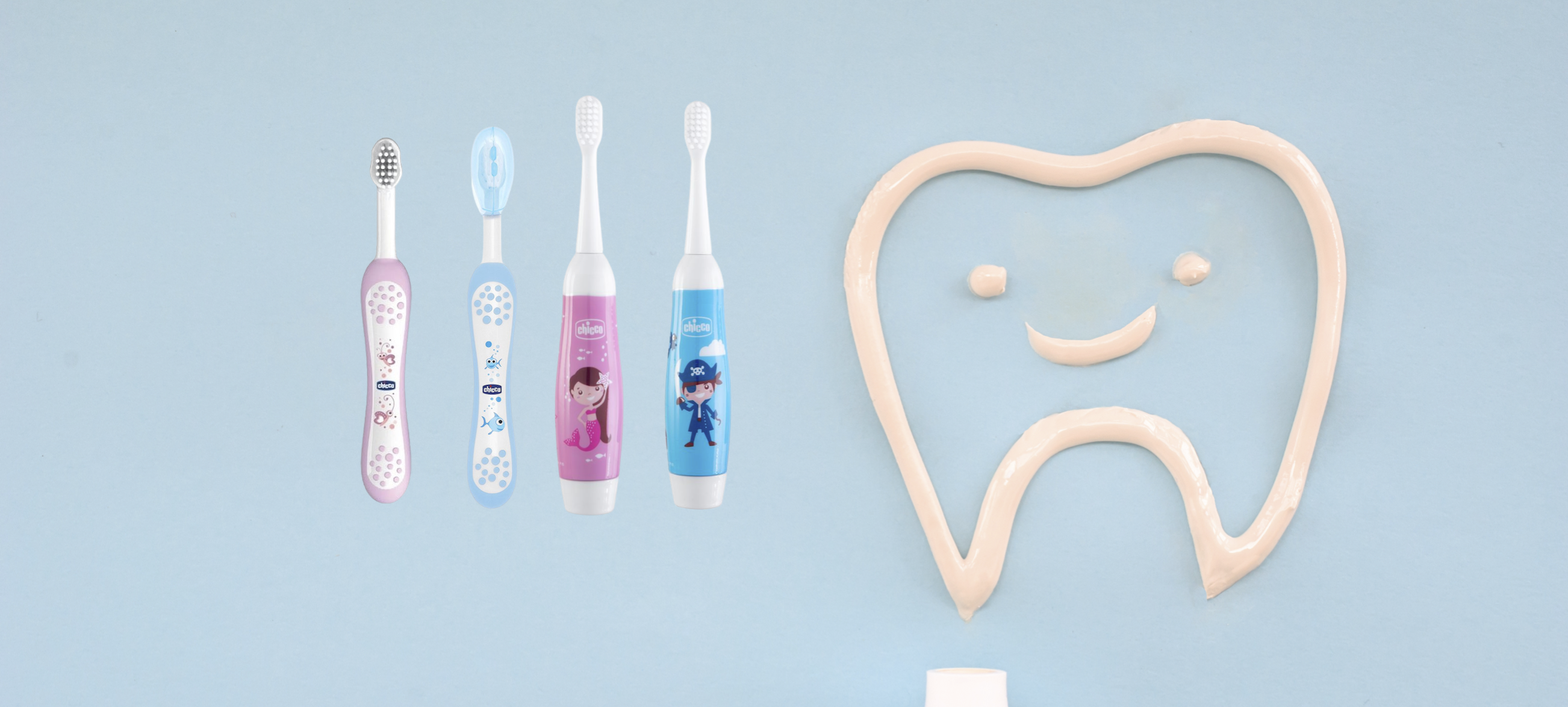


HELPING YOUR MATRICULANT CHOOSE A HIGHER EDUCATION INSTITUTION
Parenting Hub

HELPING YOUR MATRICULANT CHOOSE A HIGHER EDUCATION INSTITUTION

Across South Africa, thousands of successful matriculants are about to embark on a new and vital stage of their educational journey.  It’s widely recognised that gaining some kind of tertiary education enhances young people’s opportunities to find fulfilling work and meet their future career and life goals.  A 2021 survey conducted by SACAP (The South African College of Applied Psychology) amongst almost 1000 parents who are members of the popular The Village parenting community on Facebook, found that 83% of the parents of high school learners believe that tertiary education would improve their child’s employability. The decisions around what to study and where to study are serious ones for a family.  Factors such as accreditation, costs, quality, closeness to home and safety are always important concerns for parents.  However, our pandemic experience over the past two years has raised other issues for parents and students needing to make tertiary education decisions in the next few months.  Janine Kendall, Counselling Psychologist and SACAP’s Head of Teaching and Learning: Education Recruitment says, “What came out of our research is that parents are uncertain and concerned for their children’s tertiary education journey as a result of the pandemic and general environmental challenges.  Parents and guardians want to be confident that the tertiary institution they select with their matriculants, delivers on robust academic quality with practical skills, provides a safe environment and offers the support to nurture students in uncharted waters.  As they have closely supported their high school learners through disruptions, lockdowns and threats of illness, parents have a keener awareness at this time of the value in their children developing resilience and agility so that they cope during uncertain and challenging times.”   Researching, considering and applying to tertiary institutions along with your child works best by following an agreed process, where roles and responsibilities, and where the power lies in decision-making are clear upfront.  Itemising your priorities when it comes to what you want from the institution can expand the criteria you and your child will use to evaluate, which supports optimal decision-making.  For instance, the quality, breadth and depth of student support services offered may be important for new students who require input and reassurance as they embark on their studies.  Educational philosophy and institutional values may be important to some parents who want their children growing up to be agile thinkers and appropriately flexible in a world that is becoming increasingly uncertain and volatile. Kendall says, “It was interesting to find in our research that many parents were not just concerned about academic rigour, but also want to see their children gain practical skills through their tertiary studies.  This is a shift in today’s parents who are recognising that tertiary institutions need to help students become work-ready and that their study experience needs to build real-life competencies as well as academic knowledge.  SACAP is very well placed to deliver on these needs and to ensure that our graduates are able to respond and adapt to challenging environments as they grow in their career.” SACAP, which offers accredited degree programmes in Applied Psychology, Management & Leadership, and Social Work & Community Development, has a keen focus on innovative teaching and content styles for educating agile thinkers for the future.  That institutional agility was put into practice over the pandemic years, when SACAP has kept every student always on track with their studies with very few interruptions and delays.  SACAP also has one of the most comprehensive and holistic student support services offered in South Africa. SACAP Registrar, Claire Du Plooy says, “I have had the privilege of studying in various Higher Education private and public institutions, and I have never seen or experienced student support and development in quite the way SACAP offers it. SACAP recognizes that academics is one part of the student’s life and journey, but that their academic success also relies on their emotional and psychosocial wellbeing. The focus is therefore on the holistic student, from academics to emotional support to student life. I think the one thing that sets SACAP’s student support and development apart is that I genuinely believe that each member of the team has a passion for students, for their growth and for their success. Practically, what this looks like is the availability of individual and group counselling support, individual and group academic support, various workshops, online interventions, social events, advocacy and leadership opportunities, peer-support, and support and genuine care of our students on their academic journey.” This is designed with the needs and wants of Gen Z students particularly in mind as a generation which values input, mentoring and close support as they develop the all-round skills and particular 4iR skills-sets that will help set them up for work success. Kendall concludes, “Parents and their matriculants need to take a range of factors into consideration as they seek a good match between their child’s learning style, strengths and challenges, as well as their career goals.  Tertiary education is a whole-of-life, absorbing experience, and each aspect of this plays a role in the outcomes of their child’s studies.”   To find out more visit: www.sacap.edu.za

10th anniversary of World Read Aloud Day – Here’s the story
Parenting Hub

10th anniversary of World Read Aloud Day – Here’s the story

If, ‘The journey of a lifetime starts with the turning of a page,’ thenNal’ibali – South Africa’s reading-for-enjoyment campaign – has been the catalyst for millions of lifetime journeys. Nal’ibali, (isiXhosa for ‘Here’s the story’), was founded in 2012 to spark children’s potential through storytelling and reading. Each year since, it has been leading literacy change in SA by galvanising adults into reading with their children through its annual World Read Aloud Day celebration.  What is World Read Aloud Day World Read Read Aloud Day (WRAD) is a sustained initiative to promote a culture of reading aloud with children amongst families, parents, caregivers, educators and society. 13 401 children were reached with Nal’ibali’s first call to action in 2013. In 2021, the campaign, together with its partners, read aloud to over 3 million children. The growth of this initiative suggests that South Africans have embraced the call to read aloud on the day. Reading is the foundation of education, and Nal’ibali works hard to promote reading and literacy throughout the year. Signing up 1 million families  As opposed to previous years when Nal’ibali’s focus has been on increasing the number of children being read to on WRAD, in 2022 the target remains 3 million children. However, the NGO aims to sign up 1 million families, with the help of partners such as Standard Bank, Liberty Community Trust, VW and City of Cape Town Library and Information Services to commit to reading regularly to their children over the next three years, starting on WRAD.  The importance of families ‘Where schools play a key role in teaching children the mechanics of reading, families play an equally key role in helping children to fall in love with stories and books,’ says Katie Huston, acting Director of Nal’ibali. ‘Children who regularly hear fun and engaging stories understand how books work and are more motivated and better equipped to learn to read themselves and to keep reading.’  Research also shows that families who participate in WRAD keep up a sustained habit of reading and sharing stories. Family literacy is essential for many reasons; one of the biggest is that when family members can read and write, it helps break the cycle of poverty.  Here’s the story ‘For children to enjoy a story, they must be able to understand it! Because of this we commission a brand-new story in all 11 official South African languages each year,’ explains Huston. The story is also made available in South African Sign Language and Braille through partners, SLED (Sign Language Education and Development) and Blind SA. ‘We then encourage adults everywhere to pledge to read it aloud to children on the day,’ Huston concludes. This year’s story, ‘A Party at the Park‘, was written by Mabel Mnensa, author of the children’s book ‘Kantinga Finds the Perfect Name.’ This year’s story, ‘A Party at the Park‘, was written by Mabel Mnensa, author of the children’s book ‘Kantinga Finds the Perfect Name.’  Reaching into Africa ‘A Party at the Park’ has also been translated into an additional six languages (Swahili, Shona, French, Chichewa, Portuguese and Lingala) to cater for the approximately two million children who are foreign nationals living in South Africa. In addition, neighbouring African countries have been invited to join Nal’ibali’s WRAD celebration. This is a landmark step for the campaign as it starts to build a pan-African resolve to get children and families reading, and share its reading resources beyond South Africa’s borders. Get the story and pledge to read aloud  Members of the public can join Nal’ibali’s 2022 WRAD celebration by making their pledge to read the official story with their children on Wednesday, 2 February via the campaign’s website, www.nalibali.org, or by WhatsApping ‘WRAD’ to 060 044 2254. The official story is available for free download from these platforms and pledgers can choose to keep reading with Nal’ibali throughout the year by opting into its family-reading programme.  Pledgers are also encouraged to share pictures of their read-aloud sessions online, tagging Nal’ibali (@NalibaliSA) or using the hashtag #NalibaliWRAD2022.

GET TO KNOW MAJOZI, SA MUSO & KOA ACADEMY’S NEW HEAD OF CULTURE
Koa Academy

GET TO KNOW MAJOZI, SA MUSO & KOA ACADEMY’S NEW HEAD OF CULTURE

SAMA-nominated hitmaker, Majozi, takes to the stage in SA education this year as Koa Academy’s Head of Culture. Appreciated for his warmth and humanity, we sat down with Majozi so that SA parents can get to know him better: What was your favourite subject in school, and why? “It was history. The other subjects didn’t even come close for me, I’m not sure why. Maybe it was the story-telling aspect, mixed with trying to understand where we’ve come from and how we got here.”  Did you have a teacher that made a huge difference in your life? How? “My history teacher, Mr Van der Bergh. I really enjoyed the subject and he was an interesting character. He shared interesting stories and poems with us all the time.” Looking back, what would you have wanted to change about your own school experience? Tell us more about a song that inspired you when you were at school and why? “I wish I had the opportunity to pursue more of the creative arts in school. We never had music but we did have drama. I wish I had explored that avenue at a younger, school-going age, but to be honest, not many people took it seriously or saw any value in it. I started playing guitar at the beginning of high school, and any song that was fun to play inspired me. I remember playing along with anything from Jimi Hendrix and Metallica, to Blink 182 and Avril Lavigne. As long as it had a few chords and riffs, I would try to play it.” As Koa’s Head of Culture, what are you most looking forward to? “I’m really looking forward to working with the students. In my previous interactions, I found them inspiring and they gave me so much hope for the future. I’m honoured to try and tap into what I’ve already seen and help them explore their creative endeavours in whatever form that may take, in the Koa environment that allows them to grow and feel valued.” Tell us more about your musical journey, and how you got started… “I use to sing in the choir in Grade 1, but I really started being interested in music when I started playing guitar at the age of 13. I was pretty average at most things, but I took to guitar fairly quickly and just had so much fun. Learning to play other songs helped me understand how songs were made, and that inspired me to write my own songs and got me on the path to a creative career.” When you think back to your youth, what did music, arts & culture mean to you? “So many of my favourite memories have songs attached to them, and I’ve been introduced to many of my friends through a mutual love for the same music. My youth is full of those moments. That all turned into important moments like playing music in church, growing spiritually and finding a community that loved me.”   What is your greatest wish or prayer for young South Africans? “I wish all young South Africans knew that they are loved and that they are enough. No matter who they are or what they’ve done.”  What is the best thing about being a professional musician? “I love meeting interesting people. Music has opened many doors for me, and I’ve had the pleasure of engaging with some of the most fascinating people in the world.” If you weren’t a musician, what other career would you like to explore? “Acting, not sure I’d be any good, but I’d have fun.” If you had to give a young, emerging artist just one piece of advice, what would it be? I would quote the incomparable musician, composer, arranger and record producer, Quincy Jones, who said: “Never be a better musician than you are a person’.” Koa Academy is a high-engagement, online school offering an accredited IEB-curriculum for Grades 4 to 12.  Learners, who engage with their teachers in high contact 8-person Pods, get to interact with Majozi in a range of experiential arts and culture projects that aim to develop real-life skills. Majozi also engages with parents through various webinars and school activities. Discover Koa Academy here

Chicco’s manual or electric toothbrushes for perfect infant dental care
Prima Baby

Chicco’s manual or electric toothbrushes for perfect infant dental care

When selecting that very first toothbrush for newly sprouting teeth, certain factors need to come into play: Soft bristles for delicate gums Small head for little mouths Handle with grip for a non-slip brush Chicco’s manual and electric toothbrushes offer the best solution for early dental development. Whether little ones are still learning the movements of brushing themselves or working alongside an electric brush for that deep clean, their toothbrush will be their daily dental ally and form good habits for their lives moving forward. Available in pastel pink and baby blue, the manual toothbrush is available at a variety of retailers including The Kid Zone, www.shopchicco.co.za, babanino, Baby City, Takealot, Loot and many others. The Chicco Electric Toothbrush is available in dark pink and dark blue with comic characters such as mermaids and pirates on them and available at the same retailers. Pair with great tasting, age-appropriate toothpastes and get them loving their dental routine for life.

Wingu Academy’s Wellness Hub provides next-level services to ensure learner well-being in online environment
Wingu Academy

Wingu Academy’s Wellness Hub provides next-level services to ensure learner well-being in online environment

Learner well-being is a core focus area for Wingu Academy, especially due to the increase in mental health awareness in the online environment.  In fact, Wingu Academy takes this so seriously that they have a dedicated wellness hub, called Wingu Wellness. The vision is to collaborate with students, guardians, and parents, as well as the valued staff of the Academy, to build a safe online learning environment. “Wingu Wellness provides up to date information on mental health issues, learning barriers, coping mechanisms and stress management, to mention a few. Working alongside top names in the field, like Dr Serahni Symington, counsellor and play therapist specialist, we will be providing counselling and mediation sessions and webinars free of charge, to anyone in the Wingu Family.” says Ian Strydom, Wingu Academy’s Managing Director. Services offered by Wingu Wellness Hub Current services include: Organising concessions for learners with learning barriers; Wellness consultations with a wellness coach or qualified counsellor; Monthly webinars; Sensitivity training; Resolution of behaviour misconduct; Assisting students and parents with day-to-day educational needs, i.e. study assistance, identifying learning styles, etc. Diagnostic Testing facilitated by Educationist, Dr Belinda van der Westhuizen Family mediation offered through Dr Serahni Symington How does Wingu Wellness assist students? The Wingu Wellness Hub will be assisting students by offering consultation sessions with either the Wellness Coach or a trained therapist. This will act as a safe space for learners to talk about what is weighing on them. They also provide learner applicable content to assist them in matters that they do not feel comfortable coming forward about. They further facilitate external coaching in the form of play therapy for the younger learners, by referring them to Dr. Symington. Wingu Wellness will also act as a means to further promote the many social clubs within the Academy to assist learners in still benefitting from the social aspects that are sometimes lacking in the cyber world.  How does Wingu Wellness assist parents/guardians? Assistance includes the same support as to students, but on top of that also offering family mediation through Dr Symington. “We offer comprehensive and professionally verified content to assist in matters dealing with how to cope with situations such as moving a learner from a mainstream school into an online learning environment or to things like dealing with family trauma.” says Panashe Tiffany Saungweme, Associate Director of Human Capital. Aiming to assist the Wingu Family with their overall well-being. “Wingu Wellness is not just an initiative to create awareness of mental barriers we may all have, but rather a platform providing a safe space to find solutions and encourage positive well-being behaviour for everyone part of the Wingu Family.” Strydom concludes.

Does your child use Telegram? Here’s what you should know
FYI Play it Safe

Does your child use Telegram? Here’s what you should know

A lot of our children, especially teenagers, are jumping over to Telegram as their messaging app of choice. When their friends join another chat app, they know that they may be left out unless they use that app too. We tested using Telegram to explore what our teenagers will experience and to determine if there are any risks we should know about. We only needed 5 minutes to know that this app is not for children! Our experience was as follows: Firstly, we downloaded the app and registered our phone number Immediately, we got more than 15 messages from our contacts welcoming us to Telegram. When you’ve joined Telegram before, and someone in your contacts joins, Telegram notifies you about this. Needless to say, all the people reaching out made us feel very welcome. We started exploring the app and went to “Contacts”. Right at the top of this screen is a “find people nearby” button, which had us curious so we went there. After giving the app access to our location, we had 5 groups nearby which were very inappropriate for even older children. Examples of these include “Escort service”, “Horny H_’s”, “Bi couples exploring”… Do we even have to go further? Lastly, we clicked on the group that seemed the most above-board, and before we could send a message, the most explicit pornographic photo appeared. Less than 5 minutes… To conclude, a call to all parents – if your child is using Telegram, please make sure the setting for their location services is always off and that they cannot switch it on themselves. FYI play it safe is the only app that monitors all the content on Telegram that your child is exposed to. Go to www.fyiplayitsafe.com and start your 7-day free trial. 

Back to school Safety
ChildSafe

Back to school Safety

As many normal activities have continued to require careful consideration as a result of the coronavirus pandemic, parents are now challenged with “Back To School” and what that means for their children and their families.  “We know there is a lot to manage during this time, and it can feel like there is very little in your control. But whether your child will be attending school at home, in-person or a combination of the two, we want to help make sure they stay injury-free. Remember it is important to make injury prevention part of your Back To School plan. That is something you can control”, says Thilda Nel (Executive Director, ChildSafe). With a new school term about to start, now is the perfect time to take a few minutes to remind your children how they can stay safe when going to school, whether they walk, bike, take the bus/train or ride in a carpool or use scholar transport. No matter how your children get to school, make sure they are safe and prepared to make the trip.  ChildSafe reminds all parents and caregivers to ALWAYS teach their children to: Look left, right and left again before crossing the road.  Walk on sideways or paths and crossroads using traffic signals and pedestrian crossings, where possible. Make eye contact with drivers before crossing the road. Avoid using cell phones and headphones when walking near and around cars and to be aware of their surroundings. Wear a properly fitted helmet when biking to school.  Wait for the bus/train to come to a complete stop before entering or disembarking. Drivers should ALWAYS: Ensure that children under the age of 12 are properly buckled-up in the back seat.  Adhere to speed limits and drive slowly in residential areas and school zones. Look out for pedestrians while driving. For more information on injury prevention, call ChildSafe at 021 685 5208 or please visit www.childsafe.org.za

Scroll to Top