Advice from the experts
Impaq

Impaq helps learners prepare for the real world

Home education (or homeschooling) helps learners prepare for the real world as homeschool learners learn the art of self-study. Ravon Venter, an Impaq alumnus, says that studying through Impaq helped him develop better self-discipline. He also credits Impaq with giving him the qualifications he needed to find a job he is passionate about.

Prima Baby

BABY SENSES MRS GIRAFFE STROLLER ROPE TOY

Chicco’s Baby Senses range of toy is a developmentally engaging range of colourful toys that range from simple multi-cloths to rattles, teethers, puzzles and much, much more. All designed with early development in mind, the range is bright and stimulating and offers a toy for every stage of your child’s first year.

Dr Tamara Jaye

Uncomfortable in your own skin? How to manage eczema

What is eczema? Atopic eczema is a common chronic skin condition that causes dry, red and itchy skin. It may affect up to 20% of infants, and 3% of adults. It is commonly associated with other allergic disease such as asthma and hay fever. Atopic eczema usually begins in infancy, at around 3 months, and it may persist into adulthood. Its’ course may vary over a period of time with bouts of red, angry flares interspersed with relatively normal-looking skin. The good news is that in most cases eczema improves by age 3 to 5 years, and has often completely resolved by teenage-hood. What causes eczema? Importantly, eczema is not a contagious disorder. It is due to the interplay of genetics, environmental factors, and a defective skin barrier in an individual.  Due to this abnormal layer of skin, there may be water loss, and allergens and irritants may enter the skin resulting in itchiness and dryness. The skin may be vulnerable to bacterial infections during the flares. What are the common sites of eczema? In young children, eczema is usually seen on the face and outer legs and arms. It appears wet and oozing. As a child gets older, the rash usually changes to a dry scaly itchy rash, and the position moves to the inner creases of the elbows and knees. Is eczema a serious condition? Though not associated with serious illness, eczema has definitely been proven to affect one’s quality of life. This may be due to the intractable itch, often subconscious, leading to sleep problems for example. Lack of sleep may, in turn, result in both behavioural and learning problems during school. There is often an associated issue of low self-esteem as individuals feel embarrassed by their skin, and absenteeism is common. What causes eczema to flare-up? Heat, woollen or synthetic clothing, fragranced soaps, washing detergents, and bubble baths have all been associated with eczema flare-ups. What are the steps to manage eczema? Reduce trigger factors  prevent over-heating wear cottons rather than wool or synthetic clothing keep nails short to reduce damage to the skin from scratching emollients should replace soaps fabric softeners should be avoided avoid bubble baths bath water should be lukewarm not hot, and once out pat yourself dry, don’t  rub the skin wash hair in the basin to avoid shampoo making contact with the skin before swimming, use a layer of emollient from top to toe after swimming, have a shower to remove the chlorine, followed by using an emollient again Moisturizing emollients These are the cornerstone of eczema treatment. They create an oily layer on top of the skin, which stops water from leaving the skin and therefore becoming dry. They should be applied in large quantities and frequently, as much as 8 times a day. Aqueous cream should not be used as a moisturizer as if it is left on the skin it is likely to irritate it however it may be used as a substitute for soap. Steroid creams These are effective in stopping skin inflammation. They work rapidly to settle down eczema flare- ups, and should be used during flare-ups to prevent skin damage. Steroids come in different strengths, from very mild to very strong. Very strong steroid ointments should be used sparingly as they have side effects such as thinning of the skin. Mild steroids have far fewer side effects, and will not affect a child’s growth and development. In a flare-up, a potent steroid cream can be used, but once controlled a lower strength ointment should replace it. This should be slowly reduced until the steroid cream can be stopped completely, and then only the emollient continued. Emollients should be used during flares too, and applied directly onto the steroid ointment. Cortisone tablets, syrups or injections are not recommended. While they may provide short term improvement, they may also cause worsening of eczema and are associated negative side effects. Antibiotics Your doctor may prescribe antibiotics in severe cases where areas of infection are noted around the eczematous lesions. Is eczema due to a food allergy? There is a lot of concern that eczema is a result of a food allergy. In fact, a very small minority of children with atopic dermatitis will have food allergy. This is far more common in severe atopic dermatitis. It is more likely that eczema causes food allergies, than the other way around, as allergens may enter the skin through the defective skin barrier. Food should not be removed from diet for the treatment of atopic dermatitis without the guidance of an allergy doctor. A baby with widespread eczema not responding to the correct eczema treatment may need to be worked-up for a possible food allergy. Can I prevent my baby from developing eczema? Babies at high risk are those whose parents or siblings have any type of allergies. There is a lower risk of eczema if babies are not exposed to cigarette smoking. Breastfeeding is beneficial in the first 4 months, if possible. Probiotics during pregnancy may provide a beneficial role in eczema prevention. And lastly, regular use of emollients in high risk babies, even if no eczema is present, has been shown to be protective against developing eczema.


South African Divorce Support Association

Be on the same page

A parenting plan is first and foremost a document developed, negotiated and agreed to by the parents of a minor child, and approved by the court.

Parenting Hub

EMBRACING THE PROCESS NOT JUST THE PRODUCT

“It must not be forgotten that the basic law of children’s creativity is that it’s value lies not in its results, but in the product of creation. It is not important what children create, but that they do create, that they exercise and implement their creative imagination.” – Vygotsky

Parenting Hub

Pregnant and too busy to eat healthily?

Life doesn’t stop when you are pregnant. Most of us are still busy with a full day’s work plus the usual cleaning, washing, shopping and cooking chores while sometimes caring for older children as well.

Impaq

Impaq’s Top Achievers Share Their Advice

While most matrics are getting ready for the preliminary examinations, we thought we would look back at Impaq’s top achievers for 2018 to see if they have any advice for this year’s matrics.

Parenting Hub

Top Product Picks for Your Baby

Everyone will agree that babies are special beings and they deserve to be spoilt. To help you make informed choices when shopping to spoil your baby, we put together three of our favourite picks.

OneAid

Does Your Child Need a Tetanus Shot or Not?

I’ve had parents often come into the emergency room after their child has taken a tumble asking for a Tetanus vaccine, which is why I felt the need to write a post explaining what Tetanus is and why we need to vaccinate our kids. WHAT IS TETANUS? Tetanus is a disease commonly known as lockjaw. It is caused by the bacteria, Clostridium tetani and can be fatal. The toxin from the bacteria affects the nervous system and causes severe painful muscle spasms, which can interfere with the ability to breathe. Currently there is no cure for Tetanus and treatment is mainly symptomatic until the effects of the toxin wear off. Complete recovery can take up to several months. WHERE IS THE BACTERIA FOUND? Clostridial spores can be found everywhere. They are found in soil, dust and animal faeces (including humans). Once the spores enter a wound they grow into mature bacteria, which produce the powerful toxin. Clostridium tetani is found worldwide. WHAT ARE THE SIGNS AND SYMPTOMS OF TETANUS? Signs and symptoms of tetanus can appear anytime from a few days to a few weeks from infection: Spasms and stiffness of jaw muscles (hence the name lockjaw); Spasms and stiffness of the neck muscles; Difficulty swallowing; Spasms and stiffness of other body muscles, commonly the abdominal muscles; Other constitutional symptoms such as fever, sweating and palpitations. TETANUS VACCINATION I won’t go into too much detail regarding the various combination vaccines as there are many and every country has its own recommendations. A copy of the latest South African immunisation schedule can be downloaded from my resources page. The WHO recommends an initial 6-dose schedule to achieve tetanus immunity. 1. Primary vaccination Three primary doses of the vaccine are recommended in childhood starting from 6 weeks. 2. Booster vaccination Three booster doses are recommended prior to adolescence. Booster vaccines are then recommended every 10 years thereafter. TETANUS-PRONE WOUND This is any wound that has been contaminated with material that could contain tetanus spores; This is any wound that is deep; This is any wound that is dirty; This is any wound that contains a foreign body. Note: any wound can be tetanus-prone – cuts, scrapes, burns, animal (including human) and insect bites. WHEN TO SEE A DOCTOR It is recommended you see a doctor if: Your child has a tetanus-prone wound and has not had a booster vaccine in the last 5 years; Your child has a minor, clean wound and has not had a booster vaccine in the last 10 years; Your child has a wound and you cannot remember when their last booster vaccine was. RESOURCES CDC (2018) Tetanus. [online]. Available from: https://www.cdc.gov/vaccines/pubs/pinkbook/tetanus.html#contraindications [Accessed 30 August 2018]. WHO (2018) Tetanus vaccines: WHO position paper, February 2017 – Recommendations. Vaccine. [online] 36 (25). Available from: http://dx.doi.org/10.1016/j.vaccine.2017.02.034 [Accessed 30 August 2018]. WHO (2018) Tetanus. [online]. http://www.who.int/ith/vaccines/tetanus/en/ [Accessed 30 August 2018].

Toptots Head Office

Toptots Slippers

Winter is coming and those little feet need to be kept warm.  Our toddler slippers are made from cotton denim with a soft polar fleece inner lining to keep little feet toasty warm.  All our slippers have grip soles to keep your little one safe when running around. Available in an array of sizes

Kaboutjie

4 Bottle Feeding Tips To Make Mom’s Life Easier

There are many reasons why moms bottle feed their babies. Some moms choose to feed their babies formula from birth and other moms find breastfeeding a struggle and decide to formula feed at some stage due to breastfeeding difficulties.

Kaboutjie

Tips For Handling Your Newborn

Becoming a parent is the beginning of an entirely new phase of one’s life. Caring properly for your newborn is imperative for their healthy growth. Becoming a parent is a tough job especially if it is your first baby. However, once you are home, you might feel that you do not have any clue about what is going on and how you are going to do it. However, remember that this is what makes parenting so beautiful; learning to care for your little one.

Kaboutjie

5 Tips For Raising A Child As A Single Parent

According to statistics, there is a steady increase in a family run by a single parent. From the 1970s to 2000s, the number jumped to as much as 37%. It is a sad reality. It is caused by a multitude of reasons like divorce and death. In the US alone, there are about 13.6 million single parents. Around one-third of children have a single parent.

Parenting Hub

Bringing art to life- 3 Traits every art teacher should have

How do we create the next generation of innovative artists? Through all our amazing art teachers across the globe!  It’s not easy being a kid today; facing chunks of homework and a seemingly never-ending quest for achievement, it appears to be harder being a kid than a CEO of a large corporate company. It’s even harder for creative children; to discover and nurture their talent with different social pressures and numerous inconsistent daily requirements. Listed below are 3 key qualities every art teacher should have. Cultivating these principles assists our aspiring Picassos, aka your students, in finding their role in the creative world and how to play it. Curiosity Curiosity builds a desire for a greater understanding and learning more. Besides innovating your student’s creative talent by gaining more intel, curiosity develops awareness and attention to detail for their craft. It is of utmost importance to motivate them to consistently ask questions and to dig deeper. This fosters growth and matures their expertise. Passion  Tony Wagner, a Senior Research Fellow at the Learning Policy Institute, states that one of the key principles to strengthen a student’s innovative framework, is the passion passed from the teacher to student. Wagner further explains how the best teachers always support what the student’s natural passion is, and make an effort to connect what needs to be learnt to satisfy the passion. This creates a sense of purpose with their craft and longing to better themselves.  Purpose  Having a purpose is imperative for any human being. Great art teachers know the importance of creating art that will add value to the world, rather than creating for the sake of creating. When students pick up this sentiment, it develops their creative problem-solving skills. Finding solutions is more urgent and pushes the student to take greater risks and look for new ways of solving challenging issues to fulfil their purpose.  With these 3 principles implemented into your art class, who knows, you could be grooming the next Da Vinci. 

Kaboutjie

The Importance Of Following New Parent Advice For Your Own Sanity

Being a parent can be overwhelming at the best of times, especially if it is your first baby. A lot of us are quite independent and like to do everything for ourselves, so we often struggle to reach out and ask someone for help. You may have many different reasons for wanting to do everything on your own, but sometimes it doesn’t hurt to ask for some advice. When it comes to parenting, it is very important that you swallow your pride and take any advice and help when you can get it.

Prima Baby

YOUNIVERSE (Group 1/2/3 (9-36kgs) ever-growing car seat

Youniverse is the cars eat that starts at 9kgs and follows your child up to 36kgs – that’s almost 12 years of age! With car seat laws becoming stricter all the time, young or light children need the protection that only a solid shell can give against impact. The Youniverse is a sturdy, ever-growing car seat that can be adjusted with every inch of your child’s growth. Reclining with simple movements, comfortable with extra padding and Italian style and quality make it a favourite amongst parents globally. Installed with Isofix and seat belts.

Parenting Hub

The importance of reading at home

Of all the important learning activities we can do with young children, reading probably trumps the rest. The importance of elementary literacy skill development has been well documented. In reality, early literacy influences every aspect of learning and thinking. As the organization, ProLiteracy states, “Every important social issue is impacted by low literacy.” Decades of research shows the direct correlation between early literacy skills and long term student success. Shockingly it is said that “students not reading well in third grade are four times more likely to drop out” (Students First, Statistics about Education in America). In most curricula, children learn to read and receive reading instruction in the foundation phase. Hereafter they are expected to read to learn. Therefore, it is imperative that children be afforded every possible support to ensure early reading success.

Kaboutjie

Parenting Through Grief

Facing the death of a loved one can be a monumentally difficult emotional hurdle to overcome. Tragedy and grief have a way of seeping into every aspect of your life. Your favorite tv show can remind you of the loved one who passed away. Your favorite food reminds you of the meals you shared with the recently deceased. A hobby you once enjoyed can be a chilling reminder of the loved one who is no longer with you. The heartache you feel will lessen over time. The old adage, ‘Time heals all wounds’ holds truth. Unfortunately, you cannot drop all of your responsibilities and obligations. First and foremost, your responsibility to take care of your child. You are still a parent and must navigate the already complicated journey of parenting while dealing with grief. Even if the grief you are experiencing is debilitating you still must provide for your children. You cannot check out.

Impaq

PARENTAL SELF-CARE

In the previous articles I have spoken about the ADD/ADHD child but what about the parents? As the last of these articles, it is important to talk about parents of children with attention deficit disorder (ADD) and attention deficit hyperactivity disorder (ADHD). It is hard work having an ADHD child and few parents who do not have one understand and recognise this. ADHD children can impact hugely on family dynamics and the parental relationship.

Kaboutjie

Tips For Teaching Kids About Dogs

There are numerous benefits linked to having a family dogas a pet and teaching kids how to take care of dogs. Young children can learn valuable life lessons when they are taught from an early age how to take care of an animal: 1. Responsibility Younger children can help by participating in feeding, exercise, playing, grooming and showing affection. 2. Trust Pets make trusted companions for children and this could be the first step towards teaching your child how to build relationships. 3. Compassion Caring for an animal entails showing understanding, compassion and empathy, all valuable lessons on how to take care of others’ and their basic needs. 4. Bereavement When a family pet passes away your child will experience the pain of losing a beloved pet, but it also teaches them how to cope during the bereavement phase. 5. Respect Children learn how to have respectfor others by learning how to touch a pet gently, learning not to disturb them while eating or sleeping and tending to their daily needs. 6. Self-esteem Dogs love you unconditionally and this can have an immense effect on a child’s self-esteem accompanied with the satisfaction of sharing responsibility of taking care of an animal’s needs. 7. Loyalty There is no match for a pet’s loyalty and in turn the child learns how to have loyalty towards their furry friend 8. Physical activity Taking the dog out for a walk and playing with themenables a child to be more physically active than a child without a dog. 9. Patience It takes time to bond with a new pet and through this the child learns to have patience. 10. Social skills Taking a dog out for a walk and interacting with other pet-lovers can be a wonderful ice-breaker and improve your child’s social skills. How do you know the time is right for teaching kids about dogs? Younger children can not be expected to take care of a family pet without assistance, especially children under the age of five years old. They can help of course, but most of the caring will be done by you. Young children are often too rough and doesn’t really understand yet how to handle a pet gently and they may end up injuring the dog and become injured themselves when the pet reacts. Children from the age of 3-4 years old must be monitored when spending time with a pet and even children under the age of ten must not be expected to take care of a pet on their own. When an older child expresses the need for a pet, it is the perfect opportunity to discuss the responsibility of taking care of a pet as well as setting up expectations before the time about what their pet-care responsibilities is going to be. When you do decide to get a pet, make sure you include your child in the process of getting a dog and let them help with choosing the right pet for your household. Tips on how to teach your child to interact responsibly and safely with their dog companions: Introducing the puppy to the child When a new puppy is brought into the home it is essential to teach a child about the rule of “no touch, no talk, no eye contact”. The introduction between the child and the puppy must be suspended until the child’s excitement has blown over and he is in a calm state of mind and capable of focusing on adult instruction. Avoid allowing the child to make the first move. Ensure that your child’s energy levels are stable and keep an eye on the puppy’s reactions. Once you are happy that the situation is under control and safe, you can teach your child how to show affection. Playtime Ground rules must be set for off-limits playing for example, the child must understand that its not ok to pull the puppy’s tail or ears. Be vigilant for signs of rough play and immediately correct the child or redirect his energy when the need calls for it. Always keep an eye on the body language of the puppy and step in when you think the puppy had enough playtime. Never leave a young child without supervision with a puppy. Cleanliness and health issues Children are more susceptible to pet-related illnesses than us grown-ups. Here are a few tips that can help keep your child healthy: Make sure the puppy has regular visits to the Vet. Teach your child to wash his hands thoroughly before and after playing with the puppy. Avoid playtime near areas where the puppy relieves himself. Dog excrement must be picked up and disposed of regularly. Other safety tips relating to dog interaction Children should never approach unfamiliar dogs. Not all dogs are used to young children, therefore it’s better to practice caution beforehand. Dogs that are restrained or behind fences are often more likely to attack. Children should be taught that it’s never ok to tease or reach for a dog that seems harmless because they are “out of reach”. Children should not approach a stray dog without adult supervision. The right way is to call an adult to assist with a dog that looks injured or lost. Teach your child the right body-language for child-dog interaction: Teach them how to be calm, allowing the dog to approach first. They should never back a dog into a corner. When they are touching the dog, they must stroke under the chin or on the cheek. Discourage young children from trying to hold a dog. An innocent hug may be perceived as a threat. Dogs have sensitive hearing and an unexpected squeal from your little one may overwhelm them or startle them. A soothing voice will make the dog feel at ease and allow you child to have a calm mindset. Be on the look-out for signals that the dog is displaying that his had enough of play. Look for pacing, flattening of the ears, tucking their tails, retreating, bearing teeth, growling

Bonitas – innovation, life stages and quality care

The big four – know your numbers

‘South Africa is heading for a disaster if the number of people living with chronic lifestyle diseases does not change.’ That’s what both the Human Sciences Research Council (HSRC) and the Medical Research Council warned two years ago. The Council described the problem of these non-communicable diseases as an ‘emerging epidemic’.  If you look at the exponential growth of chronic lifestyle diseases then it is not difficult to understand why former Minister of Health, Dr Aaron Motsoaledi, said chronic diseases such as hypertension and diabetes are putting a huge strain on the country’s health care system. Obesity and being overweight are major risk factors for the development of chronic diseases.  Testing for lifestyle diseases such as diabetes and heart disease is essential in the face of a steadily deteriorating health status in our country.  Lee Callakoppen, Principal Officer of Bonitas Medical Fund says, ‘Get tested, know your numbers and take action now!’ The Bonitas Clinical Team explain why you need to keep your finger on the pulse of your ‘big four’ wellness numbers and what they are. Cholesterol What is cholesterol? It is a soft, waxy substance – one of the blood fats made naturally in the body. It helps to form cells, hormones and bile (that helps us digest food). Cholesterol is found mostly in animal products such as meat, cream and butter. What is high cholesterol? This is when you have too much ‘bad’ cholesterol in your blood. This, in turn, can cause narrowing and blockages of the arteries – the blood vessels that carry blood to your heart muscle and to other parts of your body. In time, the narrowing of the arteries to your heart can lead to a heart attack, while blockages in the arteries of your brain can cause a stroke. The test Called a fasting lipogram it measures the exact amount of different types of cholesterol you have. Good to know If your total cholesterol is greater than 5mmol/L on your fasting lipogram this indicates raised cholesterol Your low density lipoprotein (LDL) – the ‘bad cholesterol’ – should not be greater than 3mmol/L.  LDL causes the build-up of cholesterol in the arteries which means a greater chance of heart disease High density lipoprotein (HDL), if  less than 1.2mmol/L, means you don’t have enough good cholesterol which prevents build up in the arteries and transports cholesterol to the liver If your triglycerides (fat stored in the body) are higher than 1.5mmol/l, this is also indicative of a possible cholesterol problem.  Weight and BMI Your Body Mass Indicator (BMI) calculator checks if you’re at a healthy weight.   The test You can calculate yours by: Dividing your weight in kilograms (kg) by your height in metres (m) Then dividing the answer by your height again to get your BMI. Underweight less than 18.5 Normal weight 18.5 – 24.9 Overweight 25 – 29.9 Obese 30 or greater Diabetes What is diabetes? Our bodies produce insulin all day – a hormone that creates energy by converting sugar, starches and other foods.  Without insulin, cells cannot absorb sugar (glucose), which they need to produce energy. When there isn’t enough of this hormone in your body, or it’s not used as it should be, sugar (or ‘glucose’) can’t be moved to your other body cells to supply them with energy. This means that you have higher than normal blood-glucose levels, resulting in diabetes.There are two main types of diabetes: Type 1 and Type 2. They are different conditions but are both serious and need to be treated and managed properly. Type 1 diabetes occurs when the pancreas stops producing insulin. It usually starts very quickly and in younger people. If you have Type 1 diabetes you need insulin injections to survive as well as having a carefully balanced food intake and exercise programme Type 2 diabetes (formerly called adult-onset or non-insulin-dependent diabetes) occurs when the pancreas makes too little insulin or your body can’t use the insulin effectively. It usually develops in adulthood and is often caused by being overweight and not exercising. Approximately 85–90% of all people with diabetes have Type 2 and many people who have this condition are undiagnosed. This can result in serious damage to the delicate parts of the body and lead to blindness, heart attackstroke, kidney failure, impotence and amputation so it’s vital to be checked.  The tests  Test 1: The Fasting blood glucose test – blood glucose is taken before you eat in the morning. Normal 3.9 to 5.5 mmols/l Prediabetic or Impaired Glucose Tolerance 5.6 to 7.0 mmol/l Diabetic More than 7.0 mmol/l Test 2: HbA1c test. The HbA1c levels determine your blood sugar control over time.  Normal Less than 6% Prediabetic  6 – 6.4% Diabetic 6.5% or more Blood pressure What is blood pressure? Blood pressure is the pressure of blood in your arteries – the blood vessels that carry blood away from your heart.  The blood pressures numbers mean the following: The first (or top) number is your systolic blood pressure. It is the highest level your blood pressure reaches when your heart beats. The bottom figure is your diastolic blood pressure and is the lowest pressure exerted as your heart relaxes between beats. What is high blood pressure? High blood pressure or hypertension is when blood pressure stays elevated over time. Hypertension is often known as the “silent killer”, since nearly 33% of people who have it, don’t know it. The only way to know if you have high blood pressure is to have yours measured.    Range Normal 120/80 to 129/84 Upper end of Normal 130/85 to 139/89 Mild hypertension 140/90 to 159/99  Moderate hypertension 160/100 to 179/109 Severe hypertension More than 180/110 If your blood pressure is too high, it puts extra strain on your arteries (and your heart) and  if it’s not treated, hypertension can cause kidney failure, eye problems, heart disease and stroke. Callakoppen says, ‘When you consider that 1 in every 3 people in South African has high blood pressure and every 8 minutes 1 South African has

Parenting Hub

Tips for Travelling with Your Toddler

My husband and I travelled with our two-year-old on a long-haul flight to London. Having bought a seat for our restless bundle of energy was, in our case, the best thing ever. Eleven hours plus on our laps would have been too much to handle. We very quickly learnt what to do and what NOT to do.

Prima Baby

COSMOS Group 0+/1 (0 – 18kgs) belt-installed car seat

Rear and front-facing, the Cosmos is a belt-installed car seat that is the perfect introduction from newborn upwards. When baby grows, simply turn the seat around and let them see the world. A newborn mini reducer will keep small babies snug and comfortable and can be removed as the child grows. Recline into 4 positions to make sleeping on road trip and pleasure. The rounded and ergonomic shape of the seat makes it stylish and solid and it even comes with a small toy car.

OneAid

Emergency Numbers Every Parent Should Know

It occurred to me the day I went back to work after my maternity leave that I didn’t know any other emergency number besides 10111. Thankfully I have never had to use this but I couldn’t risk leaving my daughter at home with her caregiver without leaving a more comprehensive list of important numbers by the phone. The last thing you want to do in an emergency is dial the wrong number. In the US, the UK and Europe there is only one toll-free number to call from any landline or mobile phone. In South Africa, things are not as simple. Unfortunately there isn’t one single number for an emergency. I spent a really long time searching the web and making a couple of phone calls but I finally managed to put together this simple list. It is vital that you as parents and/or caregivers know what number to dial when and it is perhaps even more important that your little ones know this too. USING YOUR CELL PHONE: Any emergency nationwide – 112 (this number will still work even if you have no airtime) USING YOUR LANDLINE OR CELL PHONE: Police/Fire – 10111 Nationwide ambulance (public EMS) – 10177 Netcare 911 (private EMS) – 082 911 ER 24 (private EMS) – 084 124 Poison Information Centre – 0861 555 777 Remember, before making that emergency call, try to stay calm. You also need to have important information ready such as, the type of emergency, details of any injuries and the exact location of the emergency needing attention. A list of Emergency Numbers can be downloaded for free from my resources page. It may be a good idea to stick this on your fridge or somewhere nearby the phone.

Kaboutjie

Tips To Keep your Sanity As An Expecting Mom

Being a mom can be quite exciting. After all, you’re bringing new life into the world. However, this can also be a stressful time, with a whole bunch of emotions, the potential for strained relationships, and it can take a toll on you. But, here are some tips to stay sane as an expecting mom, and to help you have the happiest pregnancy possible.

Parenting Hub

21st Century Teaching – A Gateway to Curiosity

Lifting students learning in a school is a collaborative effort. It requires team effort, both at school and at home. It has become evident that with the current economic demands, parents find themselves overcommitted, not by choice, but the need to provide for their families. Hence, social growth is neglected and thus the school environment becomes the essential feeder of the curious minds.

Toptots Head Office

What is Independence?

Independence is defined as freedom from the control, influence, support and aid of others. This is something that we all strive for, having the independence to live our lives free from being dependent on others. It is the knowledge that wherever we go and whoever we are with, we are capable and competent. We can trust our ability to make our own choices and plan our actions accordingly. The more successfully we negotiate challenges and succeed at tasks, the more self-confident we feel and the greater our self-esteem becomes.

Parenting Hub

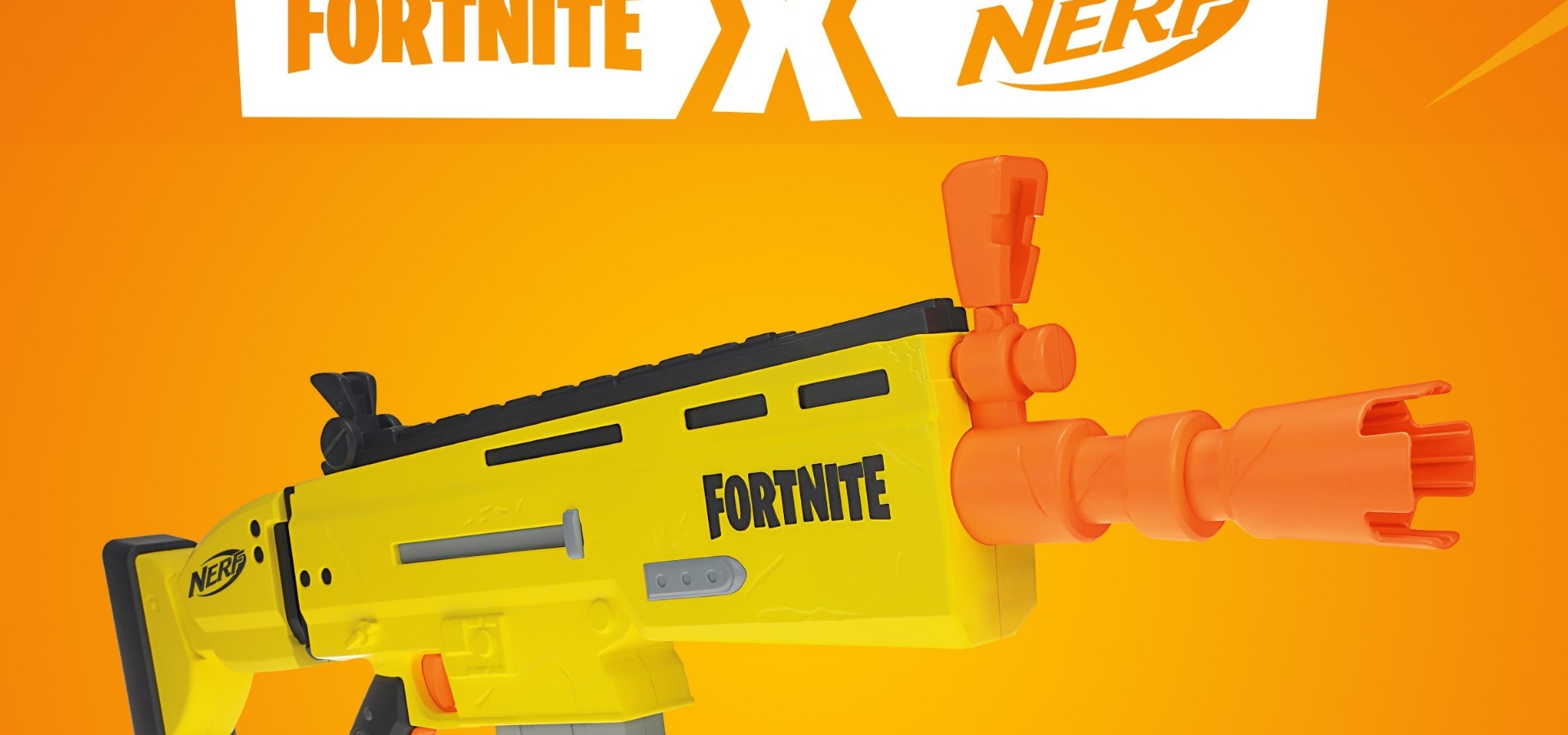
INTRODUCING NERF FORTNITE – THE ONLY WAY TO PLAY FORTNITE IN REAL LIFE

Calling all NERF Nation fans, gear up and get ready as NERF FORTNITE hits South Africa.  Hasbro has teamed up with Epic Games to introduce a range of officially licensed NERF and SUPER SOAKER blasters inspired by the FORTNITE Battle Royale video game.  The NERF FORTNITE blasters immerse fans into the player-versus-player action of the game, allowing them to play out the Battle Royale in a real-world setting, complete with blasters and accessories that replicate the exciting onscreen battles FORTNITE is known for. The NERF X FORTNITE range include official NERF darts, designed for distance, tested and approved for performance and quality, and constructed of foam with flexible, hollow tips. The FORTNITE themed NERF blaster range is the only way to play FORTNITE In Real Life.  The range isavailable from Takealot.com, Makro, Toys R Us, ToyZone, Toy Kingdom, Game and Checkers.  The full range includes:  NERF ELITE FORTNITE AR-L Blaster features motorised dart blasting. Power up the motor with the acceleration button and pull the trigger to shoot one dart. It comes with a 10-dart clip and 20 Official NERF ELITE FORTNITE darts, enough to fully load the clip and give you 10 backup darts for reloading. Flip up the two sights on the top of the blaster to align your shot. Drop into indoor and outdoor FORTNITE action with this motorised, dart-firing NERF ELITE FORTNITE blaster! Batteries required – not included.  NERF ELITE FORTNITE SP-L Blaster has a detachable barrel to customise for different ways to play. Attach the barrel for distance targeting; remove the barrel when you need a more compact look for smaller play areas or when you need to move fast and stay mobile. The FORTNITE SP-L blaster has an internal clip with a three-dart capacity, so you can load three darts in a row before it’s time to reload. Insert darts, prime, and pull the trigger to fire.   NERF SUPER SOAKER FORTNITE TS-R Water Blaster.  Extend the FORTNITE fantasy into the backyard and drench the competition with pump-action soakage. This NERF SUPER SOAKER water blaster holds up to one liter of water. It’s easy to fill and easy to fire. Open the cap to fill the tank, then move the pump-handle back and forth to overwhelm opponents with massive waves of water. Tag opponents with a powerful storm from the NERF SUPER SOAKER FORTNITE TS-R water blaster!  Blast into big fun with the NERF MICROSHOTS FORTNITE series of collectible, mini-sized NERF toy blasters. Blasters in this assortment include replicas of the FORTNITE TS blaster, FORTNITE RL blaster and FORTNITE Llama blaster, inspired by the iconic purple pinata loot box used in the popular FORTNITE video game. Each MICROSHOTS blaster includes two official NERF ELITE darts and fires one dart at a time with hand-powered action. Look for the MICROSHOTS series of micro-sized blasters for collecting and playing. Each sold separately.N Join the Nerf Nation @NerfSouthAfrica on Facebook and @NerfNationSA on Instagram –  check out the Nerf Nation Social Show (with Zach King) on YouTube for more exciting Nerf Nation fun.  *Nerf and all related properties are trademarks of Hasbro. Use only official Nerf darts designed for this product.  Epic, Epic Games, and Fortnite and their related logos are registered trademarks of Epic Games, Inc. in the USA (Reg. U.S. Pat. & Tm. Off.) and elsewhere.

Sidebar Image

Scroll to Top