

Advice from the experts
Bonitas – innovation, life stages and quality care

5 things every parent should know about the HPV vaccine

Cancer prevention may seem like an adult conversation, but when it comes to HPV, some of the most important protection can start in childhood. Here’s what parents and caregivers need to know. When your child is offered a vaccine at school, it is natural to have questions. What does it protect against? Why is it being given at this age? And, perhaps most importantly, why does my child need it now? The HPV vaccine can be an important opportunity to protect your child against certain cancers later in life. Here are five things every parent should know. The HPV vaccine is about cancer prevention – not sexual activity One of the biggest misconceptions about the HPV vaccine is that giving it to a child somehow assumes they are or will soon become sexually active. That isn’t the purpose of the vaccine. Human papillomavirus (HPV) is extremely common and can be passed through intimate skin-to-skin contact. Most HPV infections cause no symptoms and clear naturally, but persistent infection with certain high-risk HPV types can lead to cancer. “Parents may understandably wonder why a vaccine linked to a sexually transmitted virus is being offered to their child at such a young age. The answer is prevention. We want to provide protection before exposure to HPV occurs, giving children the best opportunity to benefit from the vaccine when they are older. This is why we offer 2 doses of the HPV vaccine for female beneficiaries between ages 9 and 14,” says Dr Themba Hadebe, Clinical Executive at Bonitas. HPV is common, and you may never know you have it HPV isn’t something that only affects people who are unhealthy or have made poor choices. It is one of the most common viral infections globally, and most people will encounter HPV at some point in their lives. The challenge is that an HPV infection often has no symptoms. While most infections resolve on their own, persistent infection with high-risk HPV can cause abnormal cell changes that may eventually develop into cancer. Almost all cervical cancer cases are linked to HPV infection, making vaccination an important tool in cancer prevention. Why vaccinate so young? Because timing matters The HPV vaccine is most effective when given before exposure to the virus. This is why HPV vaccination is recommended during early adolescence, rather than waiting until adulthood. South Africa’s national school-based programme provides an opportunity to vaccinate eligible girls while they are still young and before potential exposure. And there has been encouraging progress. South Africa achieved 88% HPV vaccination coverage among eligible Grade 5 girls in 2024/25, according to the National Department of Health. But every child who misses that opportunity represents a gap in prevention. If your child missed a vaccination at school, speak to a healthcare professional about whether catch-up vaccination is appropriate. The HPV vaccine doesn’t mean you can forget about prevention later Getting vaccinated is an important step, but it doesn’t replace other preventative healthcare. The HPV vaccine significantly strengthens protection against HPV-related disease, but women should still follow recommended cervical cancer screening guidelines as they get older. Vaccination reduces risk, but it doesn’t eliminate the need for cervical cancer screening later in life. The World Health Organization’s cervical cancer elimination strategy aims for 90% of girls to be fully vaccinated against HPV by age 15 – alongside increased screening and timely treatment for women who need it. In other words, prevention is a journey, not a once-off appointment. Questions are encouraged – misinformation isn’t It is completely reasonable for parents to have questions before consenting to a child’s vaccination. If you’re unsure about the HPV vaccine, its safety, timing or whether your child needs a catch-up dose, speak to a healthcare professional who can provide advice based on your child’s circumstances. With so much information online, make sure your questions are answered by a qualified healthcare professional or a trusted health source. The bigger message is that preventative healthcare works best when we act early – before disease has an opportunity to develop. For parents and caregivers, the HPV vaccine is one small decision that can form part of a much bigger goal: protecting your child’s health today, so that they have a healthier tomorrow.


DIBBER SA

Heritage Is Simmered, Sung, and Said Long Before It Is Taught

South Africa has 12 official languages and no shortage of opinions about the right way to make pap. It is a country where heritage lives in ordinary things: a familiar dish, a song heard in the car, or a family story told often enough to become part of a child’s own memory. Ahead of Heritage Day, Dibber International Preschools South Africa is encouraging families to look beyond once-a-year celebrations and consider how children come to understand where they belong. According to the preschool group, young children do not learn heritage through formal explanations alone. They absorb it through repetition, relationships and the life happening around them. Long before they can define culture or identity, they notice what their family eats, the languages spoken at home, and the music adults return to. The stories considered important enough to keep telling. “Children begin forming a sense of who they are much earlier than many adults realise,” says Ursula Assis, Country Director of Dibber International Preschools South Africa. “Heritage gives them a point of connection. It tells them something about where they come from, who came before them and why certain things matter in their family.” That grounding can shape how children encounter the wider world. A child who feels secure in their own identity is often better placed to approach someone else’s background with curiosity and respect. This matters in a country where children grow up alongside people whose languages, traditions and family histories may be very different from their own. For families carrying more than one cultural tradition, heritage does not have to be reduced to a choice between them. Children can inherit several stories. What matters is that those stories are present, spoken about and treated with value. Food is often the easiest place to begin because it is already part of family life. A traditional dish does not need to be saved for a public holiday. It can appear on an ordinary weeknight, with a child helping to stir, roll, knead or taste. Cooking together allows adults to explain where a recipe came from, who taught it to them and how it may have changed throughout generations. Children often ask their best questions while their hands are busy. Why do we make this? Did Gogo cook it the same way? What did you eat when you were little? These conversations rarely feel like lessons, which is precisely why they tend to stay with children. Music carries heritage differently. A child may not understand every word of a song sung in isiXhosa, Afrikaans, Sesotho or another family language, but they still absorb its sound and rhythm. Over time, certain songs become attached to people, places and feelings of familiarity. Parents do not need polished singing voices or a carefully prepared playlist. The music their own parents loved is often enough. Songs sung casually while driving, cooking or getting ready in the morning can become some of a child’s strongest early associations with family and belonging. Stories hold the rest together. Every family has them: how grandparents met, where they grew up. What work they did. The hard period they survived, or the small family incident which has been retold so many times that everyone knows when to laugh. These stories do not need to be perfectly remembered. They need to be shared. “Children learn a great deal about themselves through the stories adults choose to preserve,” says Assis. “A family story gives history a face and a voice. It helps a child understand that they are part of something that began before them and will continue after them.” Bedtime offers a natural opportunity. Parents can occasionally set aside the storybook and tell something real from their own childhood or family history. Young children are often remarkably attentive to these accounts and may repeat them years later, sometimes accurately and sometimes with additions of their own. The aim is not to turn every meal into a cultural lecture or every car journey into a language class. Children quickly sense when something has become forced. A lighter, more consistent approach usually works better—a familiar dish on a Wednesday. A family song played because someone remembered it. A bedtime story told because the moment feels right. Early learning environments also have a role to play. Children benefit when their languages, family structures and cultural backgrounds are reflected respectfully in the spaces where they spend their days. Heritage should be visible in books, music, conversations and everyday learning, rather than appearing only as a special event once a year. “A child should not have to wait for Heritage Day to see their family and culture treated as meaningful,” says Assis. “When children recognise something of themselves in a learning environment, it strengthens their sense of belonging. It also creates natural opportunities for other children to listen, ask questions and learn with respect.” Heritage Day may bring the conversation into sharper focus, but the deeper work happens throughout the year. Heritage is not a lesson to finish. It is something adults keep alive, one meal, one song and one remembered story at a time.

Parenting Hub

The Bedtime Stalling Games (and How to End Them)

One more story. One more glass of water. A sudden, urgent need to discuss something entirely unrelated to sleep. If bedtime in your house involves a predictable parade of stalling tactics, you’re far from alone — bedtime resistance is one of the most universal parenting battles, and it’s rarely about the actual requests being made. Why Kids Stall at Bedtime Bedtime often represents the end of connection and stimulation for the day, and the start of separation — being alone in a dark room, away from parents, for many hours. For many children, especially younger ones, that transition triggers a real, if hard to articulate, low-level anxiety. Stalling tactics are frequently an attempt to extend connection and delay that separation, more than genuine defiance. There’s also a practical piece: children, especially as they get a little older, can become genuinely wired at bedtime due to overtiredness (which paradoxically increases alertness) or a room environment that isn’t conducive to winding down. Common Stalling Tactics and What’s Behind Them Building a Routine That Reduces Stalling 1. Start the wind-down earlier than you think you need to. A rushed bedtime routine tends to produce more resistance, not less. Building in enough time for a calm bath, book, and lights-out sequence reduces the pressure that often fuels stalling. <br> 2. Address needs before the “goodnight” moment, not after. Offering water, a last bathroom trip, and a check-in (“Is there anything on your mind?”) as a built-in part of the routine — before you say goodnight — reduces the likelihood of these being used as stalling tools afterward. 3. Give a consistent, predictable ending cue. A specific phrase, song, or action that reliably signals “this is truly the end” (dimming the light, a specific goodnight phrase) helps a child’s brain register that negotiation time is over. 4. Offer a small, defined amount of control. Letting a child choose between two books, or pick their pajamas, can satisfy the desire for some agency within the routine, reducing the need to create control through stalling. 5. Address anxiety directly, if that’s the root cause. A nightlight, a comfort object, or a brief conversation about what feels worrying about being alone can address the underlying issue, rather than just the surface-level stalling behavior. 6. Hold the boundary calmly and consistently. When a request for “one more thing” comes after the routine has ended, a calm, consistent response (“We’ve done our books and songs, it’s time for sleep now”) — repeated without frustration, night after night — tends to reduce stalling over time far more effectively than an inconsistent response that sometimes gives in. When It’s More Than Stalling Occasional stalling is developmentally normal. If bedtime resistance is severe, involves genuine distress, or is accompanied by other signs of anxiety, it may be worth discussing with a pediatrician, since some children experience separation anxiety or sleep-related fears that benefit from more targeted support. The Realistic Goal Bedtime may never be entirely stall-free — a request for water here, a stray question there is normal, even in a well-established routine. The goal isn’t perfection, but a routine predictable and calm enough that most nights end with less negotiation and more genuine, easy connection before lights out.

Bonitas – innovation, life stages and quality care

Due soon? What to include in your hospital bag

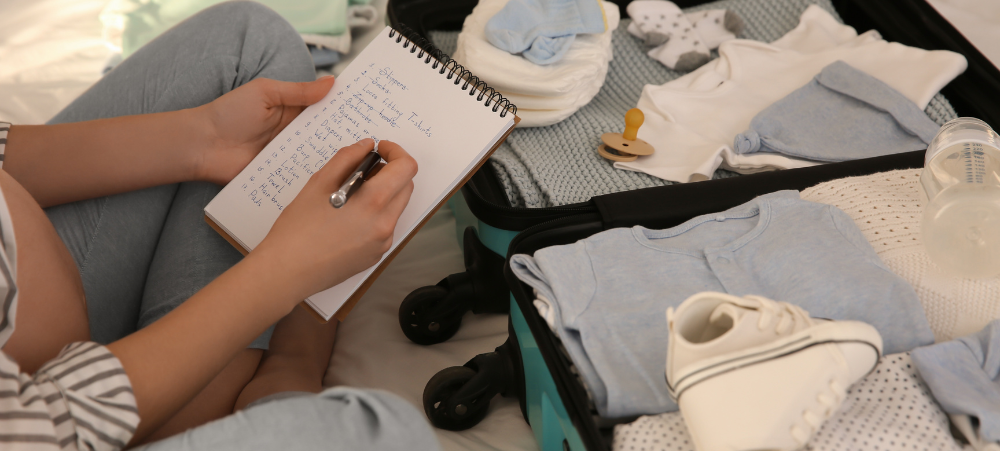
With your due date fast approaching, this is a very exciting, yet stressful time for most moms to be. Here is a great list of what to pack for the big day! Ideally, you should have your bag ready to go by 36 to 37weeks, apart from the last minute grabs such as your tooth brush and phone charger. Please see our extensive list of the essential items and also items to make you feel more comfortable for mom and baby (and dad, of course!) Baby Car seat – Many hospitals won’t let you leave without one. Please make sure you know how to strap baby properly into the seat and the seat is secure in the car. Safety first! A going home outfit: It’s important to keep baby skin to skin (this means no clothes on baby; only a nappy) for as long as possible, as this promotes growth, bonding and a calming period for you and your baby. When it’s time to go home, pack different outfits in different sizes as you don’t know how big or small baby will be. Aim for an outfit in Newborn sizes, and 0-3 months. Don’t forget a beanie or socks if the weather is cold. Blankets or Muslin wrap to keep baby nice and cosy. Bottles – If you are going into the hospital knowing you are going to bottle feed, take your bottles with. The hospital usually supplies the formula, but if you have a preferred brand, take some along. If breastfeeding doesn’t work for you, don’t stress! The nurses will provide the bottles and formula. Nappies and wipes to keep baby clean and dry. The nurses in the hospital will show you how to change baby if you are a first time mom. Mom Your medical aid information, your pre authorization/ doctors forms, your ID card and all other important documents you may need. Keep this safely in a folder all together to avoid any stress. A robe or dressing gown – This is such a handy item to have to cover up and make you feel comfortable Pyjama’s that button down at the front – If you are breastfeeding it’s a lot easier to undo the buttons than lift your top continuously. Comfortable, soft and loose pants such as lights weight shorts, stretchy leggings or sleep pants are ideal. Maternity pads and disposable breast pads. Nursing bras are also wonderful and offers great support for breastfeeding moms. Slippers or slip in shoes. Your feet may be a little swollen after delivery, so don’t feel bad leaving the hospital in the snuggest and easiest pair of shoes you can slip into. Slipper socks also work great. Cotton underwear, preferably in a dark or black colour. One that fits you well but rises above the uterus. This is good for moms who have a caesarean section and natural birth as it offers support and doesn’t cause pain along the wound site. Nipple cream – If you’re planning on breastfeeding, your nipples will be happy you are being so proactive. Toiletries – You will want to brush your hair and have a shower after baby has arrived. Take your shampoo, face cream, lotion and body wash, as well as your toothbrush and toothpaste. Deodorant, lip balm and extra hair ties are also a great items to have on hand. Cell phone charger – Because your phone will be full of photos of your new addition to your family. Water bottle and snacks. Take a reusable water bottle as its very important to keep hydrated during and post-delivery. Snack on dried fruit and wine gums to keep your sugar up and to give you energy (with permission from your midwife or doctor of course) A magazine or book, your laptop or some music. Labour may sometimes become a little long. It’s good to keep busy. Most hospitals and birthing clinics supply towels, pillows and blankets. If you have a favourite, take yours along to the hospital. A set of clothes to go home in. Your make up bag and straightener or curling iron. While you won’t be focused on looking great during labour, you may want to take some photos after the birth of your little one. Get someone to help you and make you feel good about yourself (and the great work you’ve just done!) Dad/Birthing partner Camera – Take photos! Lots of them. This is a great job for dad to do during birth. It will make them feel a lot more involved. Snacks: Another great job for dad. Full his bag with plenty of snacks and treats that you can both enjoy during your stay. Comfortable clothes – As he may be sitting with you for quite some time, let him pack some tracksuit pants, t shirts, slippers and hoodies.  Extra underwear is also a winner if he is staying overnight. Chargers – For phones, laptops and cameras. The longer the wire, the better, as most plug outlets are likely to be far from you. Toiletries – He may want to freshen up during the course of your stay. Many private hospitals offer you a baby bag when you are admitted for delivery. This is a great item and will contain most, if not all baby’s toiletries such as soap and creams. If you forget something, it’s not the end of the world. The nurses may be able to help or someone can go to the shop for you. All baby ideally needs is a clean nappy, milk, and most importantly, you.

Impaq

Why more South African families are rethinking traditional schooling

Home is more than where you live. For a growing number of South African families, it is also becoming a place where meaningful learning can happen – particularly for children whose talents, sporting commitments and ambitions do not always fit neatly into a conventional school timetable. The traditional school day has long been built around a fairly fixed rhythm: early mornings, set classroom hours, homework in the afternoon and extracurricular activities squeezed into whatever time remains. For many families, that model still works well. But for others, particularly those raising young athletes, performers and children with demanding extracurricular commitments, the daily balancing act can become increasingly difficult. A swimmer may need to be in the pool before sunrise and again in the afternoon. A young golfer or equestrian may travel frequently for competitions. Sport players can face demanding training schedules, while dancers, actors and musicians often need hours of practice during the day. For these families, the issue is not a lack of commitment to education. It is finding an education model that can work alongside the child’s broader development. Impaq is South Africa’s largest provider of home and online schooling. “Families are increasingly looking at education in a more holistic way,” says Louise Schoonwinkel, Chief Commercial Officer at Optimi, of which Impaq is a registered trademark. “They are asking whether their child’s education supports the life they are actually living, their individual talents and the opportunities available to them. For some learners, having an adaptable education can make it easier to pursue both academic and personal goals without constantly feeling that one has to come at the expense of the other.” This is one of the reasons more families are exploring alternatives to traditional schooling. For some, the attraction lies in the ability to structure learning around the child’s needs. For others, it is the opportunity to create a calmer, more focused learning environment at home. And for families whose children are serious about sport or the performing arts, adaptability can be the difference between constantly falling behind and being able to manage both commitments sustainably. When the school timetable and the child’s ambitions clash Talented young athletes and performers often face a challenge that is not always visible from the outside. Success in sport or the arts requires far more than attending a weekly practice session. As children progress, training becomes more intensive, competition schedules expand and travel becomes a regular part of family life. Trying to fit all of this around a rigid academic timetable can leave children exhausted and parents overwhelmed. The pressure can also affect academic progress. Missing several days of school for a competition may mean returning to a full classroom schedule while also trying to catch up on work covered in their absence. An alternative way of learning allows families to plan ahead. However, with home schooling, learners may be able to complete academic work before travelling, continue with selected subjects while away, or adjust the learning day around training and competition schedules. The result is not necessarily less structure, but a different kind of structure, one designed around the learner’s circumstances. “Flexibility should never be confused with a lack of discipline,” says Schoonwinkel. “In many cases, home schooling learners are exceptionally disciplined because they are managing academics alongside demanding training or performance schedules.” Learning at home does not mean learning alone One of the common misconceptions about home education is that parents must do everything themselves. For many families considering a move away from traditional schooling, this can be one of their biggest concerns. Parents may worry about whether they are qualified to teach, how they will keep their child on track, or whether the learner will receive enough academic support. This is where structured home education and online schooling options can play an important role. Impaq supports families with structured academic programmes and access to educational support, helping learners continue with their studies while allowing families to adapt their approach to their learner’s education based on their needs.  For a child with a demanding sporting or performance schedule, this can be valuable. Academic work can be planned around training, travel and competitions, while learners can continue working towards their educational goals.  Creating space for balance The conversation around alternative education is not simply about convenience. For many families, it is about wellbeing. Children who are constantly rushing from school to training, completing homework late at night and waking early to repeat the cycle can quickly become physically and mentally exhausted.  An alternative learning schedule can create room for rest and recovery, both of which are important for young athletes and performers. It can also give families greater control over the pace of the day. “Parents often tell us that what they are looking for is balance,” says Schoonwinkel. “They do not want their child to give up academic goals, but they also do not want a talented young athlete, artist or performer to lose an important opportunity simply because the traditional timetable cannot accommodate it. The right education model can help families create space for both.” For some learners, that may mean training during the day when facilities and coaches are available. For others, it may mean travelling to competitions without the same anxiety about missed classroom time. The key is recognising that education does not have to look identical for every child. A different definition of the school day As South African families become more aware of the various education options available to them, the traditional definition of a school day is beginning to shift. For families raising children with big sporting, artistic or performance ambitions, this can be significant. Home is already where children rest, prepare, dream and spend time with the people who know them best. For a growing number of families, it can also be a place where great learning happens, giving children the freedom to pursue their talents while continuing to build a strong academic foundation.

Parenting Hub

Teaching Kids to Handle Being Told “No”

Whether it’s a denied request for another cookie, a “no” to a later bedtime, or simply not getting their way in a game, how a child responds to hearing “no” says a lot about their emotional regulation — and it’s a skill that can be actively built, not just something a child either has or doesn’t. Why “No” Is Genuinely Hard for Kids For young children especially, a “no” can feel like more than just a denied request — it can register as a loss of control in a world where they already have relatively little. Add in an undeveloped ability to regulate frustration, and it’s easy to see why even a small “no” can trigger a disproportionately big reaction. This isn’t a sign of a spoiled or poorly behaved child — it’s a normal part of development that improves with both maturity and practice. What Doesn’t Help Avoiding saying no to prevent a reaction. Caving to avoid a meltdown teaches a child that a big enough reaction changes outcomes, which reinforces the very behavior a parent is trying to reduce. Over-explaining or negotiating extensively. Long justifications for a “no” can unintentionally signal that the decision is up for debate, inviting more pushback rather than less. Shaming the reaction. “Stop being such a baby” attacks the child rather than addressing the behavior, and tends to increase shame without building any actual skill. Building the Skill of Hearing “No” 1. Keep the “no” itself short and calm. A brief, matter-of-fact “Not right now” delivered calmly is more effective than a long explanation delivered anxiously, which can unintentionally signal that you feel guilty about the decision. 2. Validate the feeling, hold the answer. “I know you’re disappointed we can’t get that today. The answer is still no.” Naming the feeling shows empathy without reopening the decision. 3. Practice in low-stakes moments. Board games, minor requests, and everyday small denials are good opportunities to practice — the stakes are low enough that a child can build the skill gradually rather than only encountering “no” during high-pressure moments. 4. Offer a choice within the boundary where possible. “We’re not getting a toy today, but you can pick which library book to bring home” gives some sense of agency without reversing the actual boundary. 5. Stay consistent, even when it’s hard. If “no” sometimes means no and sometimes means “keep pushing and it might change,” children learn to test rather than accept. Consistency, more than any single technique, is what builds this skill over time. 6. Praise calm acceptance when you see it. “I really appreciate how you handled that ‘not right now’ — that was mature” reinforces the behavior specifically and makes it more likely to happen again. The Long-Term Value Children who learn to tolerate hearing “no” without a major reaction build a broader capacity for frustration tolerance that extends well beyond specific requests — into handling setbacks, rejection, and disappointment throughout life. It’s a small, everyday skill with an outsized long-term payoff, built patiently through hundreds of ordinary moments rather than one big lesson.

Parenting Hub

Family Meals That Actually Happen (Even on Busy Nights)

The image of a family sitting down together every evening for a home-cooked meal, phones away, unhurried conversation flowing, is a lovely one — and for most real households juggling work, activities, and exhaustion, it’s also fairly unrealistic most nights. The good news: research on family meals points less to elaborate dinners and more to consistency and connection, both of which are achievable even on the busiest weeknights. Why Family Meals Matter So Much Multiple long-term studies have linked regular family meals to a range of benefits for children and teens, including stronger vocabulary development, better academic performance, lower rates of risky behavior in adolescence, and improved emotional wellbeing. The mechanism isn’t magic — it’s the built-in, low-pressure opportunity for conversation, connection, and modeling that a shared table naturally creates. Importantly, the benefit comes from the connection and consistency of the ritual, not from the complexity of what’s on the plate. Letting Go of the Pinterest-Perfect Version A major barrier to family meals is the pressure to make them elaborate. If the bar is a home-cooked, multi-course dinner every night, most families will quietly give up before they start. Lowering that bar is often the single most useful shift: Making It Actually Happen on Busy Nights 1. Protect one meal, not all of them. Rather than aiming for every dinner together, pick a realistic anchor — perhaps two or three weeknights, plus weekend breakfast — and protect those specifically. 2. Batch and freeze on lower-pressure days. A weekend spent making double portions of a simple meal (and freezing half) can turn a hectic Wednesday into a five-minute reheat rather than a from-scratch cook. 3. Involve kids in prep. Even young children can wash vegetables, set the table, or stir. Involvement builds investment in the meal and often reduces mealtime resistance. 4. Keep phones away from the table — including your own. The conversational and connective benefits of family meals depend on actual engagement. A meal eaten together in silence with screens on doesn’t deliver the same benefit as one with conversation. 5. Use simple conversation starters. “What was the best and worst part of your day?” or “Tell me something that made you laugh today” can turn a quiet table into a genuine connection point, especially with kids who default to “fine” when asked how their day was. 6. Don’t aim for peaceful every time. Some family meals will involve a picky eater refusing everything, a sibling squabble, or a toddler meltdown. The ritual still counts — the goal is showing up consistently, not achieving a serene, TV-perfect scene every night. The Real Win Family meals aren’t really about the food. They’re about a repeated, low-pressure ritual where connection happens almost by accident — a shared moment in an otherwise busy day. Even a simple, imperfect, fifteen-minute dinner together delivers real value, and that’s a far more achievable goal than the elaborate version most of us feel we’re failing to live up to.

DIBBER SA

Why ‘Because I Said So’ May End the Argument but Miss the Lesson

For many South Africans who grew up in the 1980s or 1990s, the phrase needs little explanation. It ended arguments quickly, often before a child had time to ask another question. Clear authority has its place in parenting. Children need boundaries, and some situations require an immediate response. A toddler moving towards a busy intersection needs a firm “stop”, rather than a discussion about road safety. The question is whether children understand why a rule matters, or have learned to obey only while the adult is present. According to Dibber International Preschools South Africa, this question sits at the heart of the distinction between guiding and controlling a child. Both approaches involve adults setting limits. Control emphasises immediate compliance, often through direct instruction. Guidance keeps the boundary in place while giving the child an age-appropriate reason for it. A controlling instruction might be: “Hold my hand now.” A guiding version could be: “We hold hands when we cross the road because drivers cannot always see us, and I need to keep you safe.” The action required from the child has not changed. What changes is the information attached to it. That explanation may help the child apply the same reasoning later, when the parent is not standing beside them. Over time, children begin to connect rules with safety, care and the effect their behaviour has on other people. Guidance does not require parents to explain every instruction or negotiate every boundary. Time, age and emotional state all matter. A tired three-year-old in the middle of a meltdown may not be ready for a careful conversation about why it is time to leave the playground. The difficulty comes when authority becomes the only reason a child is given. A child may follow the rule, but remain unsure of what it is intended to teach. As independence grows, that gap can become more significant. Some parents worry that explaining a rule will invite debate or weaken their authority. It does not have to. A parent can acknowledge a child’s disappointment and still hold the limit: “I know you want to keep playing. We are leaving now because it is time for supper.” Guidance allows children to feel understood without placing the decision in their hands. It also shows them that strong emotions can be accepted without changing every outcome. This matters because children are still learning how to manage frustration. They need adults who remain calm and clear when they cannot yet do that for themselves. Many South African families place strong value on respect for elders and clear family roles. Explaining a boundary does not require those values to be abandoned. A child can understand that an adult carries responsibility while also learning why a particular rule exists. For parents raised in more control-led households, this shift may take practice. Familiar phrases will still appear on tiring days. That is part of family life, rather than evidence that a parent has failed. The aim is awareness. Parents can begin to notice when immediate compliance is necessary and when a brief explanation may teach something that lasts beyond the moment. At Dibber, educators use clear boundaries alongside age-appropriate explanations, adjusting their response to the situation and the child in front of them. Children are gradually encouraged to think, communicate and understand the consequences of their choices. “Guidance is not permissiveness,” says Ursula Assis, Country Director of Dibber International Preschools South Africa. “Children still need adults to lead. The difference is that a well-explained boundary can become part of the child’s own understanding, rather than a rule that exists only while an adult is watching.” The real test of a boundary may be what a child does with it when the adult is no longer in the room.

DIBBER SA

The Quiet Parenting Shift Changing How Children Handle Big Feelings

Dibber International Preschools South Africa is drawing attention to a quiet change taking place in family homes as parents increasingly use co-regulation to help young children manage intense emotions. Co-regulation happens when an adult remains calm and emotionally present while a child experiences anger, fear, disappointment or distress. Rather than expecting children to settle themselves, parents provide steadiness while their ability to cope is still developing. “A young child cannot always calm down simply because an adult asks them to,” says Ursula Assis, Managing Director of Dibber International Preschools South Africa. “Children learn emotional regulation through their relationships with trusted adults. When a parent remains close, calm and responsive, the child begins to understand that difficult feelings can be experienced safely and will eventually pass.” According to Dibber, four everyday behaviours suggest that this shift may already be taking place. The first is naming feelings. A parent who says, “I can see that you are angry,” helps the child connect an internal experience with a word. Over time, this can help children recognise and communicate what they are feeling before it spills into behaviour. This does not mean every tantrum will become a calm learning experience. Parents become tired and frustrated too. Sometimes, the shift is simply pausing long enough to acknowledge the feeling before addressing the behaviour. “Validation does not mean that every reaction is acceptable,” Assis explains. “A parent can acknowledge disappointment while still holding a clear boundary.” A second sign is coming down to the child’s eye level. Crouching or sitting during a difficult interaction can change its emotional tone. It communicates safety and attention, even when the words remain firm. Co-regulation also begins with the adult’s emotional state. Taking a breath before responding to screaming, defiance or tears prevents a parent’s frustration from adding to the child’s distress. It also shows children that strong feelings do not have to lead immediately to strong reactions. “The aim is not to create perfectly composed parents,” says Assis. “Children need real adults who can pause, recover and try again. Even when a parent reacts impatiently, returning to the child and repairing the moment carries an important lesson.” The fourth sign is what happens after the crying or resistance has passed. Parents are increasingly returning to the child and acknowledging that the moment was difficult. A simple question such as, “That was hard. Are you feeling better now?” can restore closeness and create space for reflection. This reconnection teaches children that conflict does not threaten the relationship. It also allows parents to explain a boundary once the child is calm enough to listen. The shift reflects a broader awareness of early childhood development. It is also generational, as parents reconsider parts of their own upbringing while carrying forward what felt secure and loving. Co-regulation does not remove structure from family life. Children still need clear limits and adults who are willing to say no. What changes is the way those boundaries are communicated. “A calm no remains a no,” says Assis. “Warmth and firmness can exist together. Children feel safest when adults are emotionally available and clear about what is expected.” At Dibber, educators use co-regulation techniques to support children through frustration, separation anxiety and conflict. The same habits can be used at home without expecting every difficult interaction to unfold perfectly. Parenting growth rarely arrives as one dramatic change. It appears quietly. A parent kneels instead of shouting across the room. A breath is taken. A feeling is named. After a difficult moment, the parent comes back. One calm response at a time, children learn that their feelings can be understood, their relationships remain secure, and, eventually, they will be able to find their own way back to calm.

Parenting Hub

How to Set Boundaries Without the Guilt

Every parent has been there: you say no to another biscuit before dinner, and within seconds you’re met with tears, a tantrum, or that heart-sinking look of betrayal. It’s tempting to cave, not because you’ve changed your mind, but because the guilt of disappointing your child feels unbearable. Learning to set boundaries without drowning in guilt is one of the most valuable skills you can build as a parent — and it’s entirely learnable. Why Boundaries Feel So Uncomfortable Most of us didn’t grow up with a clear model of healthy boundaries. Many parents were raised in homes where “no” meant conflict, or where compliance was expected without explanation. As adults, saying no to our own children can trigger old feelings of being the “bad guy,” even when the boundary is completely reasonable. It helps to remember: a boundary is not a punishment. It’s information. It tells your child what is and isn’t okay, and it gives them the security of knowing where the edges are. Children, whether they show it or not, actually feel safer with consistent limits than with none at all. Reframe What Guilt Is Telling You Guilt often shows up as a signal that you’ve done something wrong. But when it comes to boundaries, guilt is frequently just discomfort in disguise — the discomfort of watching your child be unhappy, even briefly. Try separating the two feelings: Once you can name it as discomfort rather than guilt, it becomes much easier to hold your ground. Practical Ways to Set Boundaries With Confidence 1. Decide the boundary before the moment arrives. It’s much harder to hold a limit in the heat of the moment than to have already decided on it calmly. If you know screen time ends at 5pm, decide that in advance rather than negotiating it live. 2. Use short, calm language. Over-explaining or justifying a boundary repeatedly can make it feel negotiable. A simple “Bedtime is 7:30, we’ll read two books first” is more effective than a lengthy debate about why. 3. Validate the feeling, hold the limit. “I know you’re disappointed we’re leaving the park. It’s hard to stop having fun.” You can acknowledge emotion without changing the decision. This teaches children that big feelings are allowed, but they don’t dictate outcomes. 4. Expect pushback — and don’t take it as a sign you’re wrong. Children test boundaries because that’s how they learn they’re real. Consistent limits, held with warmth, are far more reassuring long-term than limits that shift under pressure. 5. Repair, don’t rescue. If a boundary led to a tough moment, you can reconnect afterward with a hug or a kind word — without undoing the boundary itself. Comfort and consistency can coexist. The Long-Term Payoff Kids who grow up with clear, warmly-held boundaries tend to develop stronger self-regulation and a better sense of security. They learn that love isn’t conditional on getting their way, and that the adults around them can be trusted to stay steady even when emotions run high. Setting boundaries isn’t about being strict — it’s about being dependable. And the guilt? It fades with practice, replaced by the quiet confidence of knowing you’re parenting with intention.

Freebees PR

Mid-Year Reset: Why Winter is the Perfect Time to Refresh Your Everyday Habits

As South Africans reach the halfway mark of the year, many people find themselves running on autopilot. The excitement of New Year’s resolutions has faded, workloads have piled up, school schedules are in full swing, and winter’s shorter days often leave us feeling tired and uninspired. Rather than waiting for summer to make positive changes, winter is actually one of the best times to pause, reflect and reset.  A mid-year reset doesn’t have to mean making dramatic lifestyle changes. Instead, it’s about taking stock of your daily routines and asking a few simple questions: What’s working? What’s causing unnecessary stress? What small improvements could make everyday life healthier, easier and more enjoyable? Here are five simple areas worth reviewing this winter. Refresh your daily routine Routines naturally evolve, but we don’t always notice when habits are no longer serving us. Whether it’s spending too much time scrolling before bed, skipping breakfast, or feeling constantly rushed in the mornings, now is an ideal time to make small adjustments. Start with one habit rather than trying to overhaul your entire lifestyle. Going to bed 30 minutes earlier (and actually putting the phone away!), preparing lunches the night before, or scheduling short walks during the day can all have a noticeable impact on energy and wellbeing.  Give your skincare routine a winter update Winter conditions are far harsher on skin than many people realise. Cold air, indoor heating and hot showers can strip away natural moisture, leaving skin dry, tight and irritated. This is the perfect time to reassess the products you’re using. Look for gentle cleansers and richer moisturisers that help support the skin’s natural barrier rather than products that may dry it out further.  SKNLOGIC’s Gentle Cleanse Cream contains Fig Extract that has moisturising properties similar to the skin’s own and is therefore an excellent hydrator providing a gentle tightening effect.  The newly launched Hada Labo Glow Brightening Hydrator is a Japanese water-gel lotion created to tackle hyperpigmentation, uneven tone and dull, dehydrated skin. An innovative blend of Super Hyaluronic Acid (nano + macro), Tranexamic Acid and calming Hatomugi Extract dives deep into the dermis, locks in moisture for 24 hours, brightens sun, hormonal or post-acne marks and restores fresh radiance. The ultra-light texture absorbs in seconds, leaves zero tackiness and works for every skin type, especially from your mid-20s, when the first dark spots and fine lines appear.  Starting your day off with an invigorating Earthsap Citrus & Ginger Body Wash shower is a great option. This zesty citrus-scented body wash is fresh, foamy and made with a mixture of sensational natural ingredients. Coconut hydrates the skin, while grapefruit and ginger stimulate your circulation and get the blood pumping. Plus this is a non-toxic body wash, so it will cleanse, rejuvenate and soften your skin without causing any harm to you or the environment. If you have been indulging in scorching baths or showers, or the aircon has been taking its toll and your skin is super dry, the Bodylab Camphor Complex Soothing Body Cream is rich, calming formula designed for very dry skin. Infused with camphor, it delivers deep moisture while providing a refreshing cooling sensation to soothe and comfort dryness and irritation.  Revisit what’s on your plate Comfort food certainly has its place during colder months, but winter can also be an opportunity to add more nourishing foods to your diet. Think colourful vegetables, seasonal citrus packed with vitamin C, warming soups, legumes and whole grains. Staying hydrated remains just as important during winter, even if you don’t feel as thirsty. Small swaps, rather than restrictive diets, are often easier to maintain over the long term.  Create a healthier home Winter usually means closed windows, more time indoors and increased exposure to dust, germs and allergens. A mid-year reset is the ideal opportunity to declutter living spaces, wash bedding and couch blankets, clean overlooked areas, and choose household cleaning products that are kinder to both your family and the environment. Plant-based cleaning products, such as those from Earthsap, effectively clean the home while reducing exposure to harsh chemicals, making them a practical choice for households looking to embrace healthier everyday living.  Make wellbeing part of everyday life A reset isn’t only about physical health. Taking time to reconnect with family, spending less time on screens, enjoying hobbies or simply creating moments of calm can have a significant effect on emotional wellbeing. Remember, hobbies aren’t about perfection – it’s about finding something you enjoy doing that brings you contentment or fun.  For parents, winter also offers opportunities for quality family time through indoor play, reading together or creative activities. Products designed to make everyday family life simpler, such as Vital Baby’s practical feeding and home essentials, can help reduce some of the small daily stresses that busy families experience. Their Nourish Prep & Wean allows you to steam, cook, and blend healthy homemade meals quickly for your little one all in one machine, helping to cut out clutter and streamline your routine. Simple and easy to use, the Prep & Wean has three distinct functions and a large 900ml jug capacity to help you through every step of weaning – sterilising, steaming, and blending.  Even something as simple as lighting a naturally fragranced candle in the evening, such as those from SoyLites, can help create a calm and welcoming atmosphere after a busy day. The Clarity Tumbler Candle with Bergamot, Patchouli, Lemon and Rosewood  is an antidote for stress and nervous tensions, enhancing and uplifting your mood. Or light the Energise Tumbler Candle with Spearmint, Peppermint, Geranium & Ginger during the day for renewed energy – it’s a cooling scent with stimulating undertones of fresh mint, a perfect pick-me-up. Small Changes Add Up The beauty of a mid-year reset is that it isn’t about perfection. It’s about making thoughtful adjustments that support healthier habits for the months ahead. Whether it’s choosing gentler skincare, eating more nourishing meals, creating a healthier home environment or simply slowing down long enough

Catrobatkidz

The Brain–Body Connection: Why Movement Helps Children Focus, Remember and Learn

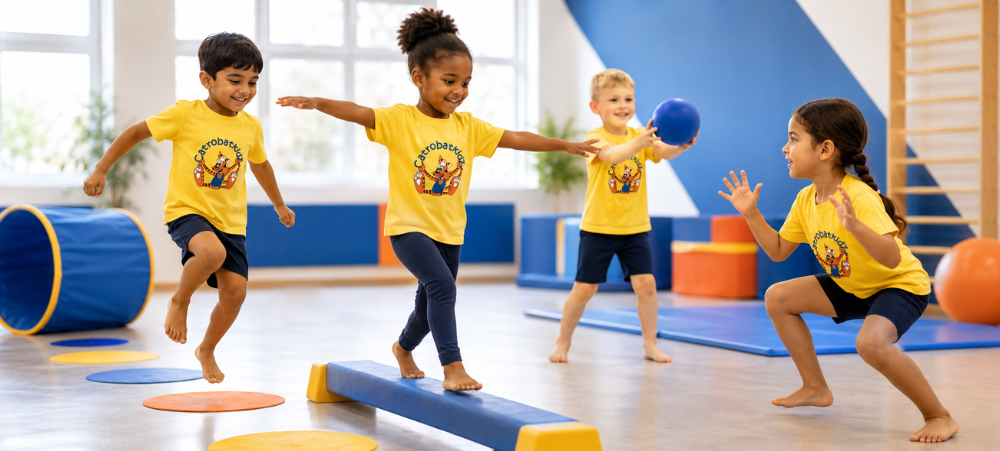
Have you ever noticed that a child who is wriggling, climbing, spinning or bouncing can suddenly settle more easily afterwards? It may look as though they are simply “getting the energy out”, but something much more interesting is happening. Movement is not separate from learning. For young children, the body is one of the brain’s most important learning tools. When children run, balance, throw, catch, crawl, jump and follow movement instructions, they are doing far more than building muscles. They are also practising the skills that help them pay attention, remember information, listen, solve problems and manage their behaviour. The brain does not develop in isolation A child’s brain and body are in constant conversation. Physical activity increases alertness and engages brain systems involved in attention, memory and decision-making. Research consistently links regular physical activity in children with benefits for brain health, cognitive development, attention and memory. This does not mean that ten star jumps will magically turn homework into a delight. Wouldn’t that be handy? It means that movement can help create a brain state that is more ready to receive, organise and use information. Young children are especially dependent on active, hands-on experiences. They learn “under”, “over”, “through”, “fast”, “slow”, “left” and “right” far more meaningfully when they experience those ideas with their bodies rather than only hearing them explained. Movement supports attention Attention is not simply the ability to sit still. A child may be perfectly still and mentally somewhere near the moon. True attention involves noticing what matters, filtering out distractions and staying engaged long enough to complete a task. Active play gives children repeated opportunities to practise this. Consider a simple movement game: “Jump twice, crawl to the cone, then freeze.” The child must listen, hold the instruction in mind, complete the actions in order and stop their body at the right moment. That playful activity is also attention training. Movement can be particularly helpful before activities that require concentration. A few minutes of marching, animal walks, dancing, skipping or outdoor play may help a child return to a quieter task feeling more alert and organised. Movement strengthens memory Memory grows through use. When children connect information to actions, rhythm, repetition and sensory experiences, learning has more “hooks” to hold onto. This is why action songs are so effective. A child must remember the words, match them to movements, keep the sequence going and adjust to the rhythm. The body helps reinforce what the brain is learning. Movement can also make every day learning more memorable. Children can hop while counting, form letter shapes with their bodies, throw a ball while naming colours or act out a story. The goal is not to turn every lesson into a workout. It is to recognise that learning often sticks better when children can see it, say it, hear it and do it. Movement builds listening skills Listening is an active skill. Children need to focus on the speaker, understand the message, remember it and respond appropriately. Games such as “Simon Says”, follow-the-leader, musical statues and movement sequences practise all of these steps. Children learn to wait, listen for a cue and control the urge to move too soon. Rhythm activities are especially valuable because they require children to coordinate what they hear with what their bodies do. Clapping patterns, moving to changes in tempo and stopping when the music stops all strengthen the connection between listening and action. The hidden work of executive function Executive function is the brain’s management system. It helps children remember instructions, resist impulses, switch between tasks, plan what to do and recover when something does not go according to plan. These abilities are commonly grouped into working memory, self-control and mental flexibility. These skills are still developing throughout childhood. They are not personality traits, and a child who struggles with them is not necessarily lazy, naughty or “not listening”. Movement-rich play provides a natural training ground. An obstacle course requires planning and sequencing. A ball game requires timing and self-control. Balancing requires concentration and adjustment. A group activity requires turn-taking, awareness of others and flexible thinking. Movement games and action songs can challenge children’s attention, working memory and inhibitory control in age-appropriate ways. Even wobbling matters. When a child loses balance, adjusts and tries again, the brain is receiving valuable feedback. Learning is taking place in the correction, not only in the successful result. Simple ways to use movement at home Parents do not need expensive equipment or a complicated programme. Small, regular opportunities make a difference. Try a five-minute movement break before homework or a quiet activity. Give two- or three-step movement instructions. Play stop-and-go games. Create a simple obstacle course using cushions, chairs and a piece of string. Throw and catch while practising words or numbers. Let children climb, carry, push, pull, balance and explore outdoors whenever it is safe to do so. Most importantly, avoid using movement only as a reward after the “real work” is finished. For children, movement is part of the real work. Children are built to move A moving child is not automatically a distracted child. Sometimes movement is exactly what helps the child organise their attention, regulate their body and become ready to learn. Active play will not solve every learning or behavioural difficulty, and children develop at different rates. But movement gives the developing brain rich, repeated practice in many of the skills learning depends on. When children move, they are not taking time away from development. They are building the physical, cognitive and emotional foundations that help development happen. At Catrobatkidz, we believe in Learning to Move – Moving to Learn—because when the brain and body work together, children are better equipped to focus, remember, listen and grow.

Bonitas – innovation, life stages and quality care

Should I be exercising while pregnant, and if so, how much?

For most exercise is a part of life, so it is natural to want to keep active for as long as possible while pregnant. You may wonder how much exercise you can keep doing as your baby develops, and what routine changes you’ll need to make as your baby grows bigger. If you have a complicated pregnancy or are dealing with a weak cervix, a low placenta or suffering from a heart condition, diabetes or asthma, it is best to consult with a doctor or health professional before putting together a pregnancy exercise plan. What are the benefits of exercise during pregnancy  Improving overall health and wellness, exercise is a vital part of keeping you feeling your best and can help with backache caused by pregnancy, as well as prepare you for labour and delivery. If you were active before your pregnancy, you should be able to keep training with modifications made to your program. Exercises that are low impact and carry small risk of injury are best and you should be able to remain active until birth. Exercising during pregnancy can help boost your mood and energy levels, improve muscle tone, strength and lessen back pain. Exercise can also help reduce fatigue and stress, as well as help improve your sleep, all of which helps make your pregnancy easier on your body and mind. Staying fit can also help shorten your post delivery recovery time, however, getting back into exercise postpartum can be difficult and you should avoid pushing yourself too hard in the beginning. Exercising during pregnancy isn’t only good for your overall wellness, but studies show that it can also improve your baby’s health. What type of exercise should I be doing?  During pregnancy it is important to keep tabs on how your body is feeling. If you have been exercising frequently pre-pregnancy it should be fine to continue to do so in moderation, however, if something feels strange or uncomfortable it is best to consult a health practitioner. Swimming, prenatal yoga and pilates, walking and water aerobics are all exercises that you can focus on during your pregnancy. Water activities are good as they give you buoyancy and put very little strain on your body, especially when you are close to giving birth. If you were an avid runner before, you should be able to continue into pregnancy with some alterations to your program.  Exercise to avoid High impact sports with a risk of falling should be avoided. These include horse riding, mountain biking, downhill skiing. Contact sports, such as rugby, kickboxing and soccer are also preferable to avoid as there is a risk of being hit. Scuba diving is a big no-no as the baby has no protection against decompression sickness.

DIBBER SA

When “Just Shy” May Be Something More: How to Spot Social Anxiety in Toddlers

Dibber International Preschools South Africa is encouraging parents to look more closely at the difference between shyness and social anxiety in toddlers. Although the two can appear similar, a shy child may need time before joining in, whereas persistent distress and repeated avoidance may point to anxiety that needs closer attention. The distinction can be difficult to make. A child who clings to a parent at a family braai may quickly be described as shy. That may be true. It may also be too early to tell. “Quietness is not automatically a cause for concern,” says Ursula Assis, Managing Director of Dibber International Preschools South Africa. “Some children are naturally cautious in new environments. They watch, listen and take their time before deciding that they feel safe enough to participate.” A shy toddler will often remain close to a trusted adult, observe the room and join in gradually. Once they feel settled, the discomfort usually begins to ease. Social anxiety tends to look different. A child may show intense distress at the prospect of being approached or expected to interact. They may cry repeatedly at preschool drop-off after the environment has become familiar, refuse to attend gatherings or complain of feeling ill before a social situation. “The most useful clues are intensity, duration and how much the fear interferes with daily life,” Assis explains. “A difficult afternoon at a crowded event does not necessarily indicate anxiety. A repeated pattern of distress across familiar settings is more significant.” Parents should also consider whether the child’s response eases over time. Shyness often softens once the child becomes familiar with the people and surroundings. Anxiety may continue despite reassurance and the presence of trusted adults. For a shy toddler, pressure is rarely helpful. Parents can allow the child to observe before joining in, explain what is happening and recognise small steps such as waving, making eye contact or giving a quiet greeting. Labelling a child as “the shy one” can make matters harder. Young children absorb the descriptions adults use about them and may begin to see the label as a fixed part of who they are. “A child who needs ten minutes to observe is not being difficult,” says Assis. “They may simply be gathering the information they need to feel secure.” When anxiety appears to be driving the behaviour, predictability could help. Parents can explain where they are going, who will be there and what will happen. Practising greetings through play at home may also make the real interaction seem less unfamiliar. A child’s fear should be acknowledged rather than dismissed. Saying, “I can see that this feels scary. I am here with you,” recognises the emotion while offering reassurance. Parents should seek advice from a paediatrician or child psychologist if the distress is frequent, intense, or begins to interfere with preschool attendance, family activities, or daily routines. Early childhood educators can also offer useful insight because they observe children among their peers over time. “At Dibber, educators pay attention to how a child enters the classroom, responds to unfamiliar people, joins group activities and recovers after becoming overwhelmed,” says Assis. “These observations can help parents understand whether a child is moving at a cautious pace or needs more structured support.” No single birthday party, preschool drop-off or family gathering tells the whole story. What matters is the pattern. Some toddlers need more time before stepping into the room. Others need help managing fear that feels too large to handle alone. The difference becomes clearer when adults replace quick labels with careful observation.

Panado®

Panado® Understands Pain Doesn’t Always Look The Same In Little Ones

Little ones have their own way of saying “ouch” – some cry, some cling, some go quiet. When these moments come, Panado®’s Paediatric Range of syrups get to work immediately1 delivering the trusted2 pain relief South African families have relied on for generations. Pain Doesn’t Always Look Like Pain While older children can usually tell you how they’re feeling, younger ones may have a harder time explaining what they’re feeling and exactly where it hurts. They do, however, give us clues by certain behaviour. A baby may arch their back, draw up their legs, or cry in a tone that sounds different from usual. Some become unusually fussy or restless, while others withdraw and lose interest in eating or playing.3 You may also notice changes in their facial expressions, such as a furrowed brow and tightly closed eyes.4 Even though infants are still developing and can’t exactly say, “Mommy, I’ve got a throbbing headache, could you pass the paracetamol?”, they absolutely do feel pain, and the good news is that their pain can be managed and treated.4 The Power To Fight Their Pain With its paracetamol-based infant drops5 and paediatric syrups6&7 Panado® has always been a go-to choice for parents when it comes to easing pain and discomfort in babies and children,including: Panado® Strawberry6 syrup, and Panado® Peppermint7 syrup with improved taste,8 get to work immediately1 to ease pain and bring down fever. No more scrunched-up noses or stubborn pouts. Each pack also includes clear dosage instructions, so parents can feel confident they’re giving just the right amount every time. For babies from three months, Panado® Infant Drops5 are specially formulated to provide safe, accurate relief. The drops are alcohol and sugar-free and come with a precision dropper that makes measuring simple and stress-free. It’s no surprise that Panado® Infant Drops were named Product of the Year in the Child Health category,9 a recognition of the trust2 families and caregivers continue to place in the brand. For added peace of mind, parents can simply use the online Panado® Dosage Calculator at https://panado.co.za/dosage-calculator, which adjusts according to a child’s age and weight. This extra step helps ensure the right dose every time.  New Look, Same Trusted2 Relief The Panado® Strawberry syrup packaging now proudly lists the key pain occasions right on the box, giving parents quick, easy-to-spot guidance when they’re searching for the right pain relief. Because when a child is uncomfortable, there’s no time to second-guess. A Staple in South African Homes Panado® has been passed down through generations and relied on by families across the country. While pain may be part of growing up, with Panado®, relief is always within reach, giving parents the confidence to comfort their children quickly and safely. And let’s be honest, when the kids feel better, everyone in the house feels better too. Panado® products are available from Baby City, Pick n Pay, Checkers including Hypers, Shoprite, Clicks, Dis-Chem and independent pharmacies. For more information, visit: https://panado.co.za/ and join the conversations on Facebook.  For references and legal disclaimers, visit https://panado.co.za/references. Ticket approval #11.09.20251000003796. September 2025.

Brescia House School

Raising Girls Who Can Thrive in a Complex World

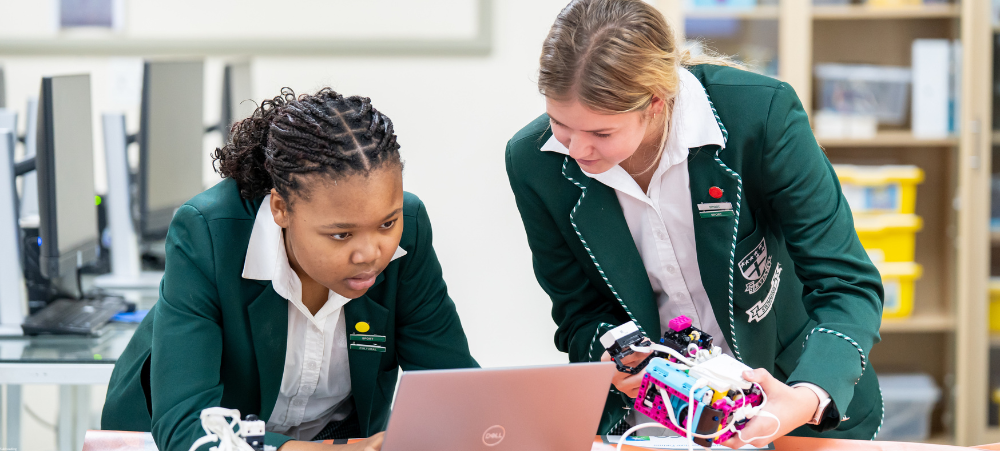
In a world that feels increasingly unpredictable, success can no longer be measured by academic achievement alone. While strong results remain important, the true test of education is how well it equips young people to navigate complexity, embrace uncertainty, and contribute meaningfully to society. For girls in particular, this preparation is vital. Despite significant progress, many young women still face challenges around confidence, voice, and self-belief. Schools therefore carry a responsibility not only to educate, but to empower – to create environments where girls feel seen, heard, and capable of shaping their own futures. Thriving in a BANI World We are raising girls in what futurists call a BANI world – one that is brittle, anxious, nonlinear, and incomprehensible. It’s a world where change is constant, where clarity is rare, and where resilience is the new currency. Resilience is not about expecting girls to cope with everything independently. Resilience is the ability to recover from setbacks – not deny the pain or disappointment. Resilience develops when young people are supported through challenges by emotionally available adults, meaningful relationships, and environments where setbacks are viewed as part of growth rather than failure. Girls must be equipped not just to survive, but to thrive in environments where change is constant and uncertainty is the norm. Resilience becomes their greatest superpower. Many girls today are navigating immense pressures beneath the surface – balancing academic expectations, social comparison, digital overstimulation, and fears about the future, often while still developing a secure sense of self. Supporting girls in this context requires more than achievement-focused education. It requires environments where emotional wellbeing, identity development, and connection are prioritised alongside performance. At Brescia House School, thriving goes beyond excelling. It is about developing the confidence to take risks, the resilience to overcome setbacks, and the courage to lead with authenticity. These qualities are nurtured through a holistic approach to education – one that values academic rigour alongside creativity, collaboration, and character. Serviam: Leadership Through Service The school’s motto, Serviam (“I will serve”), is more than a guiding principle; it is a way of life. It reminds every student that true leadership is not about individual success but about fostering a community where integrity, empathy, and collective strength drive lasting impact. This ethos is lived out in initiatives such as the Sisterhood Groups in the Intermediate Phase (Grades 4–6). These multi-grade groups collaborate on service projects – knitting blankets for Mandela Day, creating collective artwork, or assembling care packages for outreach. Through these shared experiences, girls learn empathy, collaboration, and initiative. They discover that leadership is not about standing above others, but about lifting others up. Building Connection and Confidence Confidence grows in community. When girls feel connected, to their peers, their teachers, and their school community, they are more willing to participate, take initiative, and believe in their own potential. At Brescia House High School, this belonging is fostered through Social Emotional Learning (SEL) groups, across grades. Meeting every morning, these groups create spaces where friendships form naturally and mentorship flourishes. Senior students guide younger girls, offering encouragement and support that extends beyond the classroom. In a BANI world, where anxiety and uncertainty can easily overwhelm, these relationships provide stability, reassurance, and strength. Research consistently shows that belonging is one of the greatest protective factors in adolescent development. Girls who feel emotionally connected within their school communities are more likely to take healthy risks, recover from setbacks, and develop confidence rooted not in perfection, but in self-worth. Inclusive Leadership in Action Instead of a traditional prefect system, Brescia House School ensures that every Grade 12 student contributes meaningfully by serving on a committee aligned with her interests – whether in Sports, Culture, Wellbeing, Public Relations, Serviam, or Eco. This inclusive model ensures that leadership is dynamic, passion-driven, and accessible to all. As Dr. Chaland van Zyl, Educational Psychologist at Brescia House School, explains: “Our goal is not to raise girls who never experience difficulty or uncertainty. It is to raise girls who know how to move through challenge without losing their sense of self, connection, or worth.” Drawing on developmental psychology, she highlights that young women supported in building identity, emotional intelligence, and social responsibility are more likely to grow into confident, ethical leaders. Preparing Girls for Life Beyond the Classroom Opportunities both inside and outside the classroom, whether in leadership, sport, the arts, service, or real-world learning, play a critical role in shaping young women who are thoughtful, adaptable, and grounded. Importantly, they are supported in understanding that growth often comes through challenge, and that failure is not something to fear, but an essential part of the learning journey. Perhaps one of the most important shifts in education today is recognising that wellbeing and achievement cannot be separated. Girls learn best when they feel emotionally safe, connected, and understood. In a fast-changing world, schools play an essential role not only in preparing students academically, but in helping them develop the emotional flexibility, self-awareness, and sense of purpose needed to navigate life beyond the classroom. In doing so, Brescia House School is not simply preparing students for the future; it is empowering them to shape it. In a world that is brittle, anxious, nonlinear, and incomprehensible, Brescia girls are learning to be resilient, compassionate, and courageous leaders – ready not only to thrive, but to make a difference.  Contributors:  Dr Chaland van Zyl: Educational Psychologist; Mrs Helga Bishop: Head of Marketing and Admissions 

DIBBER SA

Why the Best Toddler Play Often Looks Like Nothing Much at All

A parent can spend time setting up the perfect toddler activity, stickers, paint, and a carefully planned outcome, only to find their child far more interested in a wooden spoon and a pot. According to Dibber International Preschools, that moment is not a distraction from learning. Instead, it’s often the learning itself. The preschool group is drawing attention to the value of unstructured play for toddlers, arguing that some of the most important early development happens when children are given room to play without being directed, corrected, or steered toward a specific outcome. For Dibber, unstructured play is simple to describe and easy to overlook. It is child-led, open-ended and free from adult instruction. There is no fixed outcome or right answer. The toddler decides what to do, how to do it and when they are finished. “At Dibber, we see again and again that young children learn deeply when they are given the freedom to explore on their own terms,” says Ursula Assis, Country Director of Dibber International Preschools South Africa. “Adults often feel they need to make play more educational, more organised, more purposeful. But toddlers are already finding meaning, experimenting and learning through the play they lead themselves.” Dibber notes that this kind of play has long existed naturally in many South African homes and communities, where children have often used gardens, open spaces and everyday household objects in imaginative play. But as family routines become busier and screen time grows, the preschool group believes it is worth protecting space for it. When toddlers play freely, they are building problem-solving skills, creativity, emotional self-regulation and physical confidence in ways that are difficult to reproduce through adult-led activities. Unstructured play also gives children a rare sense of control at a stage of life when most decisions are made for them. “At toddler age, so much of life is organised around adults,” says Assis. “What to wear, when to eat, where to go, when to sleep. Unstructured play gives some of that control back. It allows a child to make choices, follow curiosity and discover that their ideas have value.” Dibber points to several examples of simple, open-ended play that can support this kind of development. Sensory play remains one of the most accessible forms. A container filled with water, dry pasta, sand or lentils, along with cups and spoons, gives toddlers room to pour, scoop, sort and experiment without formal instructions. Loose play offers a similar kind of freedom. Sticks, stones, leaves, bark, and seed pods collected from a garden or park can serve as tools, ingredients, treasures, or building materials, depending entirely on how a child chooses to use them. Water play continues to be one of the richest forms of open-ended toddler play, whether it happens with a bucket, a bowl, a sponge or old kitchen utensils in the garden. Cardboard boxes remain a reliable favourite, too. A box can become a car, a cave, a house or something else entirely, with no adult needing to define it first. Free drawing and mark-making also fall into this category when they are left open. No template. No instructions to draw something recognisable. Just paper, crayons or paint, and the space to make marks that belong entirely to the child. For Dibber, the point is not that every parent must constantly create special play setups at home. Unstructured play does not need to be expensive or elaborate to be valuable. In many cases, the most effective play materials are the simplest ones. The harder part, Dibber says, is often the adult response. Parents and caregivers may feel the urge to improve the play, direct it, ask too many questions or step in when a child appears bored. However, Dibber argues that boredom is not always a problem to solve. It is often the beginning of play. “The challenge for adults is not usually providing the materials,” says Assis. “It is resisting the urge to take over. Toddlers do not always need us to show them what something is for. Often, they show us.” This is one reason Dibber continues to place strong value on child-led exploration in the early years. The group believes that toddlers do not need constant entertainment or instruction to learn well. They need time, trust and environments that let their curiosity lead. For Dibber, that remains one of the quieter truths of early childhood. The play that looks the least impressive to adults often does the most important work.

Bonitas – innovation, life stages and quality care

Reasons why your baby is crying

The following information is to be used as a guide to and at the discretion of the end-user and should not replace a doctor’s opinion. If your baby is crying, the first step is trying to figure out the reason.  Some of the most common reasons why a baby is crying are: Hunger is usually the first thing you should think of – they may give other signs first like rooting, fussing, smacking their lips and putting their hands to their lips. A dirty diaper – many infants don’t like a wet or dirty diaper, so changing their diaper when they cry is a simple thing you can do to help calm them. In need of sleep – babies may not just nod off to sleep when they are tired, they may get fussy and cry, so after feeding and changing diapers you may want to try soothing activities like finding a quiet place, holding them close and rocking them to help them get to sleep. Wanting to be held – babies like to be cuddled, so if you have tried all of the above tips without success it could be that your baby just wants you to hold and cuddle them; also talk in a soft voice or sing softly. Tummy troubles – babies can develop gas pains, colic, constipation, milk allergies and other conditions that make them cry; if this happens often talk with your doctor about ways you can soothe their tummy. Needing to burp – a trapped gas bubble in your baby’s stomach can make them uncomfortable, so if they are crying after a feeding, try burping them to see if that helps. Additional reasons are mentioned in the following tip. Additional reasons why your baby is crying The following information is to be used as a guide to and at the discretion of the end-user and should not replace a doctor’s opinion. In addition to the reasons mentioned in the previous tip, the following are reasons why your baby may be crying: Temperature troubles – babies will often cry if they are too cold, this may happen when you are changing them or washing them; it can also happen if they are too hot, though this is less common. Little irritations – babies are very sensitive to small discomforts like a hair wrapped around a finger or toe, scratchy clothing or being placed in the wrong position, so look for little discomforts if the big things don’t appear to be the cause of their distress. Teething – newborns don’t have teeth coming in but sometimes their teeth will move around under the gums causing them discomfort; their teeth won’t usually start to come in until they are about 4-7 months; a cold washcloth and gentle pressure on their gums may be soothing. Over stimulation – newborns can’t always process all the things that are going on around them, so if you think your baby may be suffering from too much stimulation take them to a quiet spot away from bright lights, hold them close and soothe them until they can calm down. Not enough stimulation – some babies are outgoing and like to see what’s going on around them, so if you think this is your baby’s issue try carrying them in a sling, front carrier or backpack so they can get the extra stimulation they need. Not feeling well – if you’ve met all your baby’s basic needs and they are still crying and fussy they could be coming down with something, so keep a close eye on them, check their temperature if you think they might have a fever and contact your doctor if needed. Things to try to comfort a crying baby The following information is to be used as a guide to and at the discretion of the end-user and should not replace a doctor’s opinion. Sucking is soothing for a baby and can lower their heart rate and relax their stomach, so give them a pacifier or a clean finger to suck on when nothing else seems to stop their crying. Babies are used to being warm and secure in the womb so when all else fails try imitating that experience by swaddling them and holding them securely or carry them with you in a sling. Some babies respond well to sound and movement, so try putting on some music and dancing with them – gently of course! Try white noise – often babies like noises that mimic the whooshing sounds they heard before they were born, so try running the vacuum cleaner, a fan or the water faucet or use a recording of a water fountain, a gurgling stream or waves. A change of scenery can sometimes help, so dress your baby appropriately and step outside your front door; walk around slowly and talk in a soothing tone. Get them moving – babies like motion so try carrying them around or take them for a ride in the stroller or the car; sometime this will work when nothing else seems to help. Massage may be helpful for some babies – don’t worry about knowing the right movements, just try a soft, gentle massage in a warm place free from drafts. Start all over again – sometimes it’s helpful just to start at the top of the list again; change their diaper, hold them close, feed them if their hungry and see if something works the second time around. If you ever think your baby is in distress because of a health-related issue don’t hesitate to contact your doctor. No question is ever “dumb” if it involves the wellbeing of your baby! Feeling frustrated when a baby won’t stop crying The following information is to be used as a guide to and at the discretion of the end-user and should not replace a doctor’s opinion. Keep in mind that crying won’t hurt your baby, they may just need a release so let them cry. Put your baby down and let

Sanosan

Winter-Proofing Baby’s Skin: How to Prevent Dryness During the Colder Months

With winter setting in across South Africa, many parents notice changes in their baby’s skin. Dry patches, irritation, flakiness and increased sensitivity are common during winter, when cold outdoor air and indoor heating can strip the skin of its natural moisture. Because a baby’s skin is thinner and more delicate than an adult’s, it loses moisture more quickly and requires extra care during the colder months. Fortunately, a few simple adjustments to a baby’s daily skincare routine can help keep their skin soft, comfortable and protected throughout winter. Why winter affects baby’s skin Winter conditions create the perfect environment for dry skin. Cold air holds less moisture, while indoor heaters further reduce humidity levels. Frequent bathing in hot water can also weaken the skin’s protective barrier, leading to dryness and irritation. Babies who are prone to eczema or sensitive skin may experience flare-ups during winter, making consistent skincare even more important. “Many parents are surprised by how quickly a baby’s skin can become dry during winter,” says Karen Van Rensburg,spokesperson for Sanosan South Africa. “The key is prevention. By focusing on gentle cleansing and regular moisturising, parents can help strengthen the skin barrier and keep little ones comfortable throughout the season.”  Top tips to prevent winter skin dryness 1. Keep bath time short and warm, not hot While a warm bath can be comforting on a chilly day, hot water can remove the skin’s natural oils. Aim for short baths of around five to ten minutes using lukewarm water. Choose mild, soap-free cleansers specifically formulated for babies to avoid unnecessary irritation. 2. Moisturise immediately after bathing One of the most effective ways to lock in moisture is to apply a moisturiser within a few minutes of bath time, while the skin is still slightly damp. Products such as Sanosan Baby Care Cream and Sanosan Baby Care Lotion help replenish moisture and support the skin’s natural protective barrier. Formulated with carefully selected ingredients including organic olive extract and milk protein, they provide gentle hydration suitable for delicate baby skin. 3. Avoid over-bathing Daily baths are not always necessary, especially for very young babies. Excessive bathing can contribute to dryness during winter. On non-bath days, a gentle wipe-down of hands, face and nappy area may be sufficient. 4. Dress baby in breathable layers While it is important to keep babies warm, overdressing can cause sweating, which may irritate sensitive skin. Soft, breathable cotton layers help regulate body temperature while reducing friction against the skin. 5. Protect exposed skin Cold winds can leave cheeks and hands dry and chapped. Applying a gentle moisturising cream before heading outdoors can help create a protective barrier against the elements. 6. Maintain moisture indoors Indoor heaters can significantly dry out the air. Where possible, consider using a humidifier or placing a bowl of water near a heat source to help increase moisture levels in the room. 7. Watch for signs of irritation Persistent redness, itching, rough patches or discomfort may indicate eczema or another skin condition requiring professional advice. Parents should consult their healthcare provider if symptoms do not improve with gentle skincare measures. Building healthy skincare habits from the start Winter skincare is about more than preventing dryness – it also helps establish healthy habits that support the skin’s long-term health. “Simple routines can make a remarkable difference,” adds Van Rensburg. “A gentle cleanse followed by moisturising helps protect the skin barrier and reduces the likelihood of irritation. Parents don’t need complicated routines; consistency is what matters most.” By choosing gentle, nourishing skincare products and making a few seasonal adjustments, parents can help ensure that baby’s skin stays healthy, hydrated and happy all winter long.

Wriggle and Rhyme

Music May Be One of the Greatest Gifts You Can Give Your Baby

The newborn months are unlike any other season of life. They are tender, joyful, messy and, at times, deeply exhausting. Between round-the-clock feeds, interrupted sleep and learning to care for a tiny new person, it’s easy for mothers to become so focused on meeting their baby’s needs that they forget to nurture themselves, too. But what if one of the simplest ways to strengthen your connection with your baby was something you’ve instinctively been doing all along? Singing. Research continues to show that music is far more than entertainment during infancy. It is a powerful tool for mother and baby bonding, helping babies feel secure while supporting their emotional, social and cognitive development. As developmental psychologist Professor Laurel Trainor* notes, “Music is a fundamental part of human interaction from the very beginning of life,” with shared musical experiences helping infants connect, communicate and regulate their emotions. This understanding lies at the heart of Snugglers, an intimate eight-week programme designed specifically for moms and their babies aged two to five months. Snugglers introduces mothers to simple, evidence-informed ways of weaving music for babies into everyday life. Through songs, movement, gentle play, massage and soothing routines, mothers discover how music can naturally become part of sleep times, feeding, play, cuddles and moments of calm—all while supporting early childhood development in a joyful and pressure-free way. Just as importantly, Snugglers recognises that new mothers need connection, too. Each weekly session creates a welcoming space where moms can meet other moms navigating the same beautiful, demanding season of motherhood. Friendships are formed, stories are shared and the reassuring reminder emerges that no one has to do this alone. In a world where many new mothers experience isolation, these moments of community are often just as transformative as the musical activities themselves. Every mom also receives a beautifully curated Snugglers Pack, including a unique prompted journal. Used throughout the eight weeks, it becomes both a practical companion and a treasured keepsake—a place to capture milestones, reflections and the everyday magic that can so easily slip by in the blur of newborn life. The beauty of Snugglers is its simplicity. There is no expectation to be musical, no pressure to “teach” your baby. Instead, mothers are gently reminded that their own voice is already enough. Every lullaby, every gentle sway and every shared smile becomes an opportunity to build trust, comfort and lifelong connection. In a season that passes all too quickly, Snugglers offers something many mothers are searching for: a chance to slow down, savour the moment and discover that some of the most meaningful memories are made, one song at a time. Research Reference Trainor, L. J. (McMaster University) has published extensively on infant musical development and parent–infant musical interaction. Additional evidence from Frontiers in Psychology (Custodero, Harman & colleagues, 2021) demonstrates that shared musical experiences support parent–infant attachment, emotional regulation and parental wellbeing, reinforcing the value of music as an everyday part of early family life. More Information Snugglers classes for moms and their very young babies (2–5 months) are now available in Cape Town at: Find out more about Snugglers at:https://www.wriggleandrhyme.co.za/music-classes-to-bond-you-and-your-very-young-baby/ Or follow Wriggle & Rhyme on Facebook and Instagram: @wrigglerhyme

DIBBER SA

Messy, Yet Easy, Art Activities That Develop Toddlers’ Motor Skills

A toddler with paint on their hands, glue on the table and a half-finished piece of paper in front of them may not look especially productive to an adult. But Dibber International Preschools say that these moments are often when some of the most valuable early learning is taking place. Dibber is encouraging parents to look more closely at the role of creative activity in the early years, arguing that art is more than a way to keep children occupied. In practice, simple art activities can help build the fine motor control children later need for writing, dressing, tying shoelaces and managing everyday tasks confidently. That makes art an important part of toddler development rather than a decorative extra around the edges of learning. “At Dibber, we see creative activity as one of the most natural ways young children learn about themselves and the world around them,” says Ursula Assis, Country Director of Dibber International Preschools South Africa. “When toddlers paint, pinch, tear, press, roll or draw, they are doing much more than making something. They are building hand strength, coordination, focus and confidence through experience.” Many of the art activities most useful for toddlers are also the simplest. Finger painting remains one of the clearest examples. Smearing, pressing and spreading paint across paper strengthens the muscles in the hands and fingers while giving children a direct sensory interaction of colour, texture and movement. Playdough works in a similar way. Rolling, pinching, flattening, and shaping dough help toddlers strengthen their grip and control while allowing them to explore their hands freely. Tearing and sticking paper for collages, meanwhile, encourages bilateral coordination by asking both hands to work together purposefully. Dibber also points to the value of less conventional painting tools. A sponge, a cotton wool ball, the bottom of a bottle or an old toothbrush can all invite different grips and movements. That variety matters, especially in the early years, when children are still developing the fine-motor control needed for later tasks. Sticker art offers another form of practice that can look deceptively simple. Peeling and placing stickers asks toddlers to use a pincer grip, the same kind of movement later needed to hold a pencil with control. Chalk drawing outdoors, sponge stamping, and wall or paving water painting all build coordination in slightly different ways while keeping the activity playful and inviting. For older toddlers, child-safe scissors can also become part of that development. Cutting paper or even playdough helps sharpen coordination between both hands and gives children one of the more focused forms of fine motor practice available in everyday play. Dibber’s broader point is that these activities matter because they combine physical development with creativity, experimentation and enjoyment. In the early years, children tend to learn best when these elements are allowed to sit together. “Toddlers do not separate development into neat categories,” says Assis. “For them, creativity, movement, sensory discovery and learning are happening all at once. That is why art can be such a powerful part of early childhood. It reaches the hands, the mind and the emotions together.” This is one reason art remains so useful in both home and school settings. It offers children a way to strengthen practical skills while also expressing themselves, exploring materials and building confidence through open-ended activity. There is no single correct outcome. The process carries much of the value. That can be reassuring for parents who sometimes feel pressure to focus heavily on more visible academic preparation. Dibber’s view is that skills such as grip strength, hand-eye coordination, concentration and confidence often begin developing long before formal learning appears to start. Activities that look playful or messy can still do serious developmental work. At Dibber, these understandings form part of a wider play-based approach to early childhood education, where children are encouraged to explore, create and learn through direct experience. Art is part of that rhythm because it gives children meaningful ways to experiment, communicate and strengthen essential developmental foundations. For Dibber, the message to parents is simple. The next time a toddler covers the table in paint, presses stickers everywhere but the page, or proudly presents a drawing that makes sense only to them, it may be worth looking beyond the mess.

Bonitas – innovation, life stages and quality care

New Dad’s roles

The following information is to be used as a guide to and at the discretion of the end-user and should not replace a doctor’s opinion. Know that it’s normal to have fears – there is no simple way to prepare for parenthood and all new parents (yes Moms too!) have some concerns or fears about their new role. Learn as much as you can about your baby’s daily routine and offer to help out with activities you are comfortable doing. Make “Daddy Time” a special time every day by spending one-on-one time talking, reading or singing to the baby – work with Mom to build these activities into the daily routine. Offer to attend your baby’s doctors’ visits whenever possible – it helps you learn about your baby and provides a second set of ears to hear what the doctor has to say. Be actively involved in providing a safe environment for the baby – help keep an eye out for safety hazards. Make sure your baby is never exposed to second-hand smoke and has a drug free place to live. Be gentle with the baby – never shake your baby or toss them in the air. Be mindful of how you talk and act around the baby – a gentle voice and kind gestures are always best. Support from Mom to Dad The following information is to be used as a guide to and at the discretion of the end-user and should not replace a doctor’s opinion. Ask Mom to teach you to do things you may not know how to do yet – this way you can help out and support her as you learn about your new baby. Once you’re comfortable, offer to watch the baby so Mom can get some extra rest – this gives you time with the baby while supporting Mom as well. Take care of yourself, get regular check-ups and exercise daily – work to stay healthy for the newest member of the family. Set a good example and keep smoking and drugs out of your baby’s home. Talk with Mom about how she feels about herself after her pregnancy – she may need your support and encouragement to resume intimacy and sex since things like her self-image and her body may have changed. Treat Mom to small gifts and simple gestures that tell her that you care about her – these will help her understand that she is still special to you even if she is feeling tired and her self-image has changed. Emotional aspects for Dad The following information is to be used as a guide to and at the discretion of the end-user and should not replace a doctor’s opinion. Especially in the first few weeks after birth, use compassion when dealing with both Mom and baby. They both have just been through a difficult experience and your compassion will go a long way in supporting them as they move into the next part of their journey. You may often find yourself in new and challenging situations where you have the choice to either laugh or cry – choose humour, it helps everyone survive and thrive during challenging times. Life doesn’t always prepare us for our role as a parent so as a new Dad you will often find yourself in new situations with no rulebook – rise to the occasion by using your creativity and imagination to overcome new challenges. Remember that patience is a virtue – this is especially true when you have a newborn, so remember to slow down, take a deep breath and relax before you react to trying situations. Always keep in mind that much of what you are doing in the early days after the birth of your baby is a form of service for both baby and Mom – don’t see it as a negative, rather see it as a time for you to develop a new leadership role as you offer yourself in service to others. Dad comforting a crying baby The following information is to be used as a guide to and at the discretion of the end-user and should not replace a doctor’s opinion. As a first step, always make sure your baby has been fed and changed and that they are comfortable – if so then go on to the next steps to soothe them. Swaddling: holding a baby close can help them feel more secure, so snuggle them in a soft blanket. Side/Stomach: holding your baby on their side or stomach may help calm them. Shhh: making this noise often helps sooth your baby. Sucking: is very comforting for your baby, so if it’s not feeding time, give them a pacifier to suck on. Swinging: gentle movement is often soothing to a baby, so gently rock them in your arms or put them safely in an infant swing. Remember that even though it may be frustrating, it’s important for you to be patient and gentle with your baby. Use this time to bond with your baby and allow Mom a much-needed break from her role as a caregiver. Getting Dad involved The following information is to be used as a guide to and at the discretion of the end-user and should not replace a doctor’s opinion. Talk with Dad about his thoughts, feelings and concerns regarding his role in caring for your newborn – this will help you understand his comfort level. Get Dad involved in your baby’s care – he may need help in learning how to hold the baby or change diapers so include him in as many of the day-to-day activities as you can. Have Dad help with a night feeding when possible – if you are breast feeding consider pumping a feeding ahead so he can take one feeding for you during the night. Have him talk, read or sing to the baby every day – build these activities into your baby’s daily routine. Involve Dad in doctors’ appointments whenever possible. Ask Dad

Wingu Academy

Understanding and Addressing Online Bullying: A Guide for Parents

As education continues to evolve in digital spaces, online safety has become an essential part of learner wellbeing. While online learning offers flexibility and opportunity, it also introduces risks such as online bullying. Online bullying can take many forms, including hurtful messages, exclusion from online groups, impersonation, or inappropriate comments during digital interactions. Unlike traditional bullying, it can occur at any time and may feel more persistent due to constant connectivity. Parents play a vital role in prevention and support. Open communication is the first step — encouraging children to speak freely about their online experiences helps identify issues early. Monitoring device usage appropriately, setting healthy digital boundaries, and teaching learners about respectful online behaviour are also key protective measures. It is equally important to reassure learners that they are not alone. If online bullying occurs, parents should respond calmly, document incidents where possible, and report concerns to the school immediately so that appropriate support can be provided. At Wingu Academy, we prioritise digital wellbeing and maintain structured support systems to help learners navigate online challenges safely. Our educators and support teams work closely with families to ensure a respectful, secure, and positive learning environment. Together, we can build a culture of kindness, responsibility, and safe digital engagement.

Sanosan

Eczema & Dry Skin in Babies: What Parents Need to Know to Keep Little Ones Comfortable

There are few things more distressing for parents than seeing their baby uncomfortable, especially when dry, itchy, irritated skin starts disrupting sleep, feeds, and cuddles. From rough patches on tiny cheeks to persistent dry skin on arms and legs, eczema and skin sensitivity are common concerns among South African families.  While baby eczema (also known as atopic eczema or atopic dermatitis) cannot always be prevented, understanding triggers and creating a gentle skincare routine can help soothe discomfort and support healthier skin. “Baby skin is far thinner and more delicate than adult skin, making it more vulnerable to dryness and irritation,” says Karen Van Rensburg, spokesperson for Sanosan South Africa, a trusted skincare brand developed especially for sensitive baby skin. “The good news is that with the right daily care and awareness of triggers, many babies experience significant relief.” How to Spot the Signs of Eczema and Dry Skin Dry skin in babies often appears as rough, flaky or slightly irritated patches, particularly during colder months or in dry climates. Eczema, however, tends to be more persistent and may include red, inflamed, itchy areas that can become uncomfortable for babies. Common signs include: While some babies experience mild dryness, others may be more prone to eczema because of genetics, allergies, or environmental sensitivities. Identifying Common Triggers Every baby is different, but certain factors can worsen dry skin or trigger eczema flare-ups. Parents may find it helpful to observe patterns and identify possible irritants. Some common triggers include: Harsh soaps or fragranced products – adult skincare products or heavily fragranced washes can strip delicate skin of moisture and aggravate sensitivity. Dry weather and temperature changes – cold air, heaters, and low humidity can contribute to skin dehydration which is something many families experience during winter. Overheating and sweat – babies who become too warm may experience irritation, particularly in skin folds. Certain fabrics or laundry detergents – scratchy clothing or blankets, or strongly fragranced detergents can irritate sensitive skin  Long or overly hot baths – although bath time can be soothing, very warm water or extended baths may dry out the skin further.  Choosing the Right Moisturiser Matters One of the most important ways to support dry or eczema-prone skin is through regular moisturising, but not all products are created equally. Parents should look for moisturisers specifically developed for babies and sensitive skin, ideally those that are dermatologically tested and designed for sensitive or eczema-prone skin. Make sure they are free from harsh ingredients, and are gentle enough for daily use.  “Choose products with natural, soothing and protective ingredients like organic olive oil and chamomile,” advises Van Rensburg.  A Gentle Daily Routine for Relief For babies struggling with dryness or eczema, consistency often matters more than complexity. A simple, soothing routine may help minimise irritation and support skin comfort. Parents can consider the following: Keep baths short and lukewarm – Avoid overly hot water as it rapidly strips away baby skin’s natural oils and damages the already fragile skin barrier. Use gentle cleansers specially formulated for delicate baby skin, such as Sanosan Baby Bath & Shampoo which contains milk protein and organic olive oil, and preserve the natural protective function of the skin. Pat skin dry, don’t rub – After bathing, gently pat the skin dry with a soft towel rather than rubbing. Rubbing causes friction, which can easily lead to irritation, redness, and chafing.  Moisturise generously and regularly – Apply a gentle baby moisturiser after bathing and whenever skin appears dry. Sanosan Baby Care Lotion contains 96% natural ingredients, including milk protein and organic olive oil, as well as soothing panthenol and chamomile – perfect for baby’s sensitive skin.  Dress babies in breathable fabrics – Soft cotton clothing is often more comfortable for sensitive skin than rougher fabrics, and breathability reduces the chances of sweating and rashes forming.  Keep nails short – This may help reduce irritation if babies scratch itchy areas. When to Seek Medical Advice While mild dry skin can often be managed at home, parents should speak to a healthcare professional if eczema becomes severe, painful, infected, or significantly disrupts sleep and comfort. Every baby’s skin journey is different, but with patience, observation, and a gentle approach to skincare, parents can help keep little skin calmer, softer, and more comfortable. Sanosan specialises in baby skincare inspired by the natural nourishing properties of milk protein, formulated to help support the skin’s protective barrier while keeping baby skin soft and healthy. The range is developed specifically for delicate baby skin and dermatologically tested to ensure gentle, effective care. www.sanosan.co.za  

Advtech Group

Don’t Rush Academics: The Importance of Focusing on Play and Responsiveness in The Early Years

Play should sit naturally in early childhood education, as it reflects how young children come to know themselves, others and the world. Yet too often, play is the very space that requires the most protection. This tension usually arises from a culture that prioritises early academic achievement and holds the belief that accelerating formal learning guarantees future success.  When children are rushed or pressured into formalised academic outcomes too early, short-term gains may be visible for some, but the long-term cost can be significant, an education expert says. “Play is not separate from learning, it is the medium through which learning becomes possible,” says Lynda Eagle, Advtech Schools Specialist: Early Years Phase. “Early learning that prioritises performance over understanding risks weakening curiosity, motivation and wellbeing. Strong foundations are built not through acceleration, but through experiences that nurture thinking, communication, collaboration, and joy – conditions that sustain lifelong learning.” Eagle explains that children engage with play in ways that reflect their own pace, interests, and needs.  “It provides space for difference and diversity while offering opportunities for connection and shared experience. Importantly, play supports emotional regulation and prepares children for future learning by strengthening the foundations required for inquiry, reflection, and participation in real-world contexts.” Play and responsiveness are often described as abstract concepts, yet they require intentional commitment from both educators and families, says Eagle. “Responsiveness asks adults to understand the value of play and to reflect on their role within it: how they observe, when they intervene, how they extend thinking, and how they remain present without directing or interfering. By engaging in careful observation and thoughtful support, adults come to know children more deeply, including learning about their interests, strengths, and emerging identities. “It also plays a big role in building key life skills – things like thinking deeply or critically, solving problems, working with others, communicating effectively, and self-management. When children play, they’re constantly exploring new ideas, testing their theories, inventing solutions, and figuring out how the world works. Along the way, they learn to take manageable risks and handle challenges. And, very importantly, to stick with things even when they’re difficult, which gradually builds their confidence and a real mindset for growth.” PLAY AND RESPONSIVENESS – IMPORTANCE OF PARTNERSHIPS Partnerships between families and educators are central to this work, Eagle says. “Together, they can create learning experiences that balance freedom and structure, offering both flexibility and clear boundaries. This balance provides children with emotional safety while teaching respect for themselves, for others, and for the environment. Such stability supports the development of empathy, resilience, and perseverance.” Within these conditions, children form relationships, make connections, and gradually become independent learners. They develop conceptual understanding and learn to reason, transfer knowledge, and apply ideas in new contexts, moving from concrete experience toward more abstract thinking. “Any tension between our aspirations for children and our understanding of play and responsiveness deserves careful reflection,” Eagle warns. “When adults deepen their understanding of why play matters and how responsiveness supports learning, they are better positioned to guide children with intention and trust. Ultimately, early learning is not only about what children know, but about how they think, how they relate to others, and how they come to see themselves in the world, a world full of possibility.”

DIBBER SA

Children Often Feel Adult Stress Long Before Anyone Speaks About It

A child does not need a full explanation to sense when something is wrong. A parent may keep their voice steady, get through dinner, manage bedtime and say very little about a difficult week. Yet a child may begin to cling at drop-off, wake more often at night, or complain of stomach aches before school. Dibber International Preschools South Africa says these shifts can be early signs that children are picking up on stress at home before adults realise how visible it has become. Dibber says this is a key, often overlooked part of a child’s emotional well-being. Children are highly attuned to the adults around them. They notice tension in tone, changes in routine, distracted responses, and the emotional atmosphere of a room, even when the cause of that stress is never directly spoken about. “Children are deeply perceptive,” says Ursula Assis, Country Director of Dibber International Preschools South Africa. “They do not always have the words to explain what they are feeling, but they often register far more than adults expect. A child may not understand the details of a stressful period, but they can still feel that something has shifted.” Dibber notes that, from infancy onward, children read faces, body language, and emotional cues. As they grow, that sensitivity becomes more refined. This matters in South Africa, where many families face constant pressure from financial strain, long commutes, disrupted routines, infrastructure stress such as load shedding and water outages, and extended family responsibilities. According to Dibber, stress in family life need not be dramatic to affect a child. It often shows up in quieter ways: a parent becomes shorter in conversation, there is more tension at the dinner table, or there is less emotional availability at the end of a hard day. These moments may feel manageable or invisible to adults, but a child’s sense of safety can still change. This is often where behaviour starts to change. Dibber points to several common signs that a child may be affected by stress at home. These can include regression, such as becoming clingier than usual or returning to earlier habits. Physical complaints without a clear medical explanation, especially around school or separation, can also be part of the picture. Changes in play, heightened irritability, or disrupted sleep may signal that a child is trying to process something they cannot yet express clearly. None of this means a parent is failing. It means the child is emotionally connected enough to be affected by what is happening around them. “Children often borrow the emotional climate of the adults they depend on,” says Assis. “That is why emotional safety matters so much. The goal is not to be a perfect, stress-free parent. It is to remain connected. A child can cope with hard seasons far better when they feel held, reassured and included in age-appropriate ways.” Dibber explains that there is a simple developmental reason for this. Young children co-regulate with the adults closest to them. When an adult is tense or overwhelmed, children can begin to imitate that stress physically and emotionally. They are also naturally egocentric in the early years, which means they may quietly assume they caused the problem unless reassured otherwise. For this reason, Dibber encourages parents to name stress simply, without placing adult burdens onto children. A sentence such as “I have been feeling worried lately. It is grown-up stuff, and it is not your fault” can do a great deal to restore a sense of safety. Predictable routines, calm rituals and space for children to express feelings also help. At school, these shifts can be easier to spot than many parents realise. Dibber says educators are often among the first adults to notice when a child seems less settled, more reactive or more withdrawn than usual. This is why the relationship between home and school matters so much, especially in the early years. At Dibber International Preschools South Africa, educators are trained to notice these emotional changes and to build environments where children feel steady, seen, and emotionally secure. The school group believes that a child’s wellbeing is moulded not only by what adults teach but by how adults respond. “Protecting a child’s emotional wellbeing does not mean removing every difficulty from their life,” says Assis. “It means helping them feel safe through difficulty. It means showing them that feelings can be handled, that stress does not have to become fear, and that they are not carrying adult worries on their own.” For Dibber, that message lies at the heart of early childhood care. Children are always listening for signs of safety. Often, what they need most is not a perfect explanation, but a calm adult who helps the world feel steady again.

Aphrodite’s Garden

Her First Period Sets the Tone for Her Journey Into Womanhood

A girl’s first period is not just a biological moment. It is an introduction. It is the beginning of a new relationship with her body, her emotions, her rhythm, and her sense of self. And like the start of any important journey, the way she is introduced to menstruation matters. For generations, many girls have entered this stage quietly, shyly, or even fearfully. They were told what to do, handed a pad, and expected to carry on. Yes, menstruation is natural. Yes, it happens every month. But natural does not mean it should be ignored. A girl’s first period is one of the earliest opportunities to teach her that her body is not a burden, not an inconvenience, and not something to hide. At Aphrodite’s Garden, we believe that every passage of womanhood deserves knowledge, nurturing, honouring, and care. As women reach later stages of life — motherhood, perimenopause, menopause — many look back and ask: Did I listen to my body? Did I honour my cycle? Did I rest when I needed to? Did I celebrate myself, or did I spend years pushing through? So much of womanhood is spent carrying responsibility. We learn to take a pill, stay busy, ignore the symptoms, and continue. But what if we taught girls from the beginning that their cycle is not the enemy? What if we showed them how to work with their body, not against it? That is the heart behind the Aphrodite’s Garden Period Support Kit. Thoughtfully formulated and curated by a Doctor of Complementary Medicine, this kit was created to support girls from puberty into menstruation with comfort, confidence, and gentle self-care. Inside the Period Support Kit: Period Support Massage OilA nurturing massage oil created for lower tummy and back massage during that time of the month. It encourages connection with the body while supporting comfort during cramps, bloating, and monthly tension. Hormone Synergy RollerA gentle aromatherapy roller to support emotional ease and help girls feel more grounded during natural hormonal shifts. Blushing Rose Natural DeodorantA soft, natural deodorant for underarm freshness during puberty, when body changes begin. Made for families who prefer a more natural approach to daily personal care. Spot Rescue GelA targeted skin-support product for blemish-prone moments, helping girls care for hormonal breakouts with gentleness instead of harshness. Organic PadsA practical introduction to comfortable, breathable period care. FREE Mood PlushieA sweet emotional expression tool to help girls name what they feel without needing to explain everything in words. FREE Digital E-book: Puberty & Period Tips, Hacks & Support A simple guide to help open the conversation around periods, body changes, self-care, and monthly routines. This kit is especially meaningful as a first-period gift. It is also a beautiful conversation starter for mothers, aunties, grandmothers, caregivers, and single dads who want to support their daughters with tenderness, confidence, and care. Because the first introduction matters. When a girl’s first period is met with fear, silence, or embarrassment, she may carry that feeling for years. But when it is met with warmth, education, and celebration, she learns something powerful: Her body is wise.Her cycle deserves care.Her womanhood is not something to hide.It is something to honour. Aphrodite’s Garden Period Support Kit Created to support the first steps into womanhood — naturally, gently, and beautifully. Available online at www.aphroditesgarden.co.za.

Catrobatkidz

Movement Before Milestones: Why Young Children Need to Climb, Roll, Balance and Jump

Parents are often surrounded by milestones. When did your child sit? Walk? Talk? Count? Recognise colours? Write their name? These milestones matter, of course. But before many of the “school-ready” skills can truly settle, children need something wonderfully simple and often overlooked: they need to move. They need to climb, roll, balance, jump, crawl, stretch, throw, catch, twist, turn, hop, run and sometimes wobble their way through the world. And no, this is not just about “getting the energy out” before bedtime — although, let’s be honest, that part is not exactly a tragedy. Movement is one of the most important ways young children learn about their bodies, their surroundings, their confidence and their own capabilities. The body is a child’s first classroom Before a child learns with a pencil, they learn with their whole body. When a toddler climbs onto a low step, they are learning about height, balance and risk. When a preschooler rolls across a mat, they are learning body awareness and direction. When a child jumps with two feet together, they are practising strength, coordination, timing and courage — all in one little leap. These early physical experiences help children understand where their body is in space. This is known as body awareness, and it plays a big role in everyday life. A child who understands their body better is more likely to move confidently through a busy classroom, sit with better control, avoid bumping into others, and take part in games and group activities. In other words, movement helps children feel at home in their own bodies. Big movements support little skills Many parents are understandably focused on fine motor skills: pencil grip, cutting, colouring, drawing, buttoning clothes and opening lunchboxes. But those “small” skills do not develop in isolation. They are supported by bigger muscles first. A child needs core strength to sit upright. Shoulder stability helps with arm control. Stronger arms and hands make fine motor tasks easier. Balance and posture support concentration. When the body is working too hard just to stay upright, there is less energy available for listening, learning and participating. This is why climbing, crawling, hanging, rolling and balancing are not just play activities. They help build the physical foundation children need for many later tasks. The path to confident pencil control may begin long before a pencil is even in the picture. Movement builds confidence from the inside out One of the most beautiful things about physical development is that children can feel their own progress. They know when they have managed to jump a little further. They know when they can balance for longer than last time. They know when they were brave enough to try the activity that looked a little tricky at first. These small victories matter. Each time a child tries, practises and improves, they are not only building a physical skill. They are also building the belief that says, “I can do hard things.” That confidence often carries into other areas of life. A child who feels capable in movement may be more willing to join a game, speak up in a group, try something new or keep going when something does not work the first time. Confidence is not built by avoiding every wobble. Sometimes it starts with wobbling safely, laughing, trying again and discovering, “I’ve got this.” Children need safe challenge Modern parenting can feel like a constant balancing act between protecting children and allowing them to explore. Of course, children need safe environments. But they also need opportunities to test their bodies in age-appropriate ways. Safe challenge helps children learn judgement. They begin to understand how high they can climb, how far they can jump, how to land, how to stop, how to wait their turn and how to recover when something does not go perfectly. A child who never has the chance to practise these skills may become unsure of their own body. A child who is gently guided through physical challenges learns how to manage movement, space and risk with growing confidence. The goal is not reckless play. The goal is purposeful movement in a safe, encouraging space. Movement also supports the brain Movement is physical, but it is not only physical. When children follow instructions during an activity, remember a sequence, change direction, copy a movement pattern, respond to rhythm or wait for a signal, their brains are working too. They are practising attention, memory, listening, self-control and problem-solving. These are important skills for learning — and they develop beautifully when children are active, interested and having fun. This is one reason movement-based learning can be so powerful for young children. They are not sitting still while trying to absorb information. They are learning through action, repetition and experience. For many children, the body opens the door for the brain. It does not have to be complicated Parents do not need fancy equipment or a perfect programme at home to support movement development. Simple activities count: walking on a line, jumping over a cushion, rolling on a blanket, throwing socks into a basket, balancing on one foot, dancing to a favourite song, crawling under a chair, kicking a soft ball or playing “follow the leader” in the lounge. What matters most is variety, encouragement and regular opportunity. Children need to experience different types of movement: balance, strength, coordination, rhythm, body control, ball skills and spatial awareness. The more varied their movement experiences, the more confident and adaptable they become. A foundation for life Not every child will become a gymnast, dancer, athlete or sports star — and that is not the point. The real goal is much bigger than that. The goal is to help children feel capable in their bodies. To help them enjoy movement. To give them the physical foundation that supports confidence, learning, social participation and healthy habits as they grow. Because movement in early childhood is not just about what children can do today. It is about helping them step into tomorrow

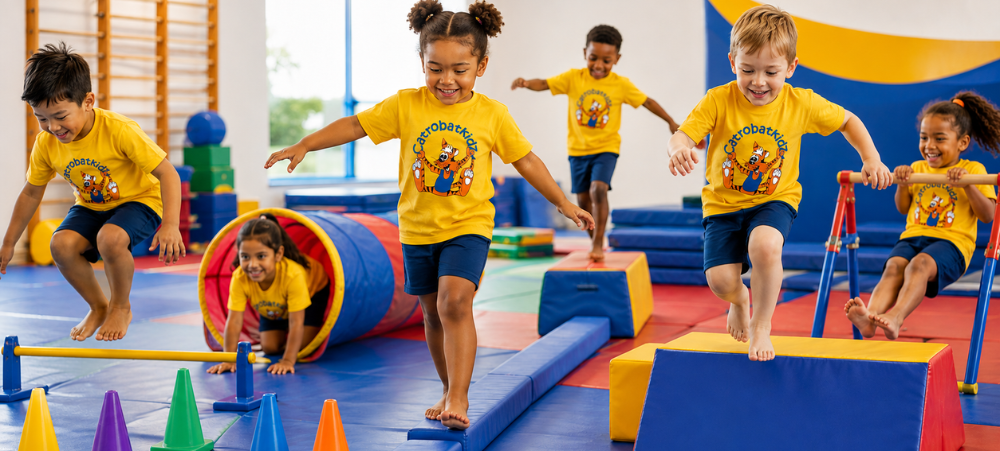
DIBBER SA

Five Mandela Lessons That Still Matter in the Preschool Years

Every year on 18 July, South Africa pauses to remember Nelson Mandela’s life, leadership and moral courage. For many adults, Mandela Day is a time to reflect on service, justice and responsibility. For Dibber International Preschools South Africa, it is also a moment to ask a simpler question: what do Mandela’s values look like in a young child’s life? According to Dibber, the answer begins earlier than many people think. The preschool group says the qualities most often associated with Nelson Mandela, courage, kindness, perseverance, honesty and respect for others, are not ideas children need to wait until high school to understand. They begin taking shape in the early years, in the ordinary moments of home and preschool life. “You do not need to explain the full history of South Africa to a four-year-old to begin sharing what Madiba stood for,” says Ursula Assis, Country Director of Dibber International Preschools South Africa. “The values at the centre of his life are deeply relevant to children. Being brave when something feels hard. Being kind when it would be easier not to be. Speaking up when something feels wrong. These are lessons children can begin learning very early.” For Dibber, one of the most important Mandela lessons for children is that courage does not mean freedom from fear. Mandela himself spoke openly about fear, and about choosing not to let it make his decisions for him. In the life of a preschooler, Dibber says that lesson can be brought into daily experiences such as walking into a new classroom, trying something new or finding the confidence to join in when they feel unsure. A second lesson lies in persistence. Mandela’s life has long been associated with strength, and Dibber believes this matters for young children in surprisingly practical ways. A child building a tower that keeps falling over, struggling with shoelaces or trying again after losing a game is already learning something of value. The emphasis, Dibber says, should not fall only on the result, but on the willingness to get up and try again. Kindness is another part of the picture. Dibber notes that Mandela’s devotion to dignity, forgiveness and inclusion remains especially meaningful in South Africa, where children are still growing up in a society formed by division, difference and the ongoing work of living together well. In the preschool years, these ideas are expressed in simple but significant actions. Including another child in play. Sharing. Apologising sincerely. Learning that other people matter too. The school group also believes Mandela’s example offers an early lesson about voice. Long before children understand politics or public leadership, they can begin learning that their voice has value. For Dibber, that means encouraging children to say when something feels unkind, to ask for help when they need it, and to express themselves clearly rather than shrinking into silence. Those habits begin small. They do not stay small. Another lesson Dibber draws from Mandela’s legacy is the importance of perspective when something feels difficult. His words, “It always seems impossible until it’s done,” may be quoted often, but the preschool group says the idea behind them is especially useful for young children. Whether it is learning to zip a jacket, making a new friend or settling into a new environment, children benefit from hearing that hard things can become possible with time, support and persistence. For Dibber, Mandela Day is also about an example. The group believes the values adults hope to see in society are formed in the earliest relationships children experience. Often quietly. Often long before formal schooling begins. “At Dibber, we believe the values children carry into adulthood are shaped in everyday moments,” says Assis. “Not through lectures, but through connection, play, guidance and the way adults respond to them. Courage starts in very small places. In being seen. In being listened to. In being encouraged to keep going.” That is why Dibber sees Mandela Day as an opportunity for parents and educators to think about the values children are already absorbing from the world around them. In how adults handle setbacks. In how they treat other people. In how they speak about fairness, kindness and responsibility. Dibber believes that if South Africa wants to raise children who are brave, emotionally grounded and able to care for others, the work begins in the preschool years. That is where courage first becomes visible, in the child who tries again, tells the truth, includes someone else, or finds the words to say, “That is not kind.” For Dibber, that is one of the most meaningful ways to honour Mandela’s legacy: by raising children who are already learning how to carry it forward.

Netcells

Choosing the best for your baby: why families trust Netcells

Expectant parents choosing stem cell banking with Netcells can feel confident they’re partnering for the long-term. For 21 years, Netcells has helped families protect what matters most – their children’s future health.   Stem cell banking is the process of collecting and storing stem cells from a newborn baby’s umbilical cord at birth. These cells are collected immediately after delivery from the umbilical cord blood and/or cord tissue—once considered medical waste—and cryogenically stored at extremely low temperatures for potential future use. Stem cells are unique because they have the ability to develop into different types of specialised cells in the body and are being used in established treatments such as blood and immune system disorders, with ongoing research exploring their role in regenerative medicine and tissue repair. Our track record reflects stability, trust and ongoing innovation, with every step of the journey designed to deliver lasting value, trusted security and reliable accessibility for the future. Here are the key reasons why Netcells is the preferred choice for African families: More choice, greater accessibility We understand that every family’s needs and budgets are different. That’s why Netcells now offers a more cost-effective cord tissue-only storage option in addition to its existing services, creating a more accessible entry point into stem cell banking. Cord tissue is rich in mesenchymal stem cells (MSCs), which are already being explored and used in regenerative medicine, including areas such as tissue and muscle repair, modulation of inflammation, and support of the immune system.  Double the security Security is at the heart of what we do. By utilising a secure location within South Africa and maintaining strong international ties through our UK partners, Smart Cells, Netcells provides a level of redundancy and disaster recovery that offers parents true peace of mind. Discovery Health partnership As the only stem cell bank partnered with Discovery Health, South Africa’s largest medical aid scheme, Netcells can offer unique benefits to Discovery members, including discounts that help significantly reduce the overall cost of stem cell banking.  Integrated reproductive health ecosystem Netcells isn’t just a storage facility; it is part of Next Biosciences – a local leader in reproductive health. This means our clients benefit from a wide ecosystem of reproductive health genetic testing and biological manufacturing services. We don’t just store cells; we are at the forefront of the science that will use them in the future. Financial peace of mind: No hidden fees When you bank with Netcells, you are making a long-term investment. To help you plan your family’s budget with confidence, we offer all-inclusive upfront pricing. Unlike models that require small annual payments – which can be subject to inflation and interest rate changes over time – our 10- and 20-year plans include all costs upfront, from collection to storage. You can choose to pay upfront, settle the balance after successful sample banking, or opt for a 12-, 24-, or 60-month payment plan, ensuring your sample is securely stored for the next 10 or 20 years.  Global standards, local expertise Our facility has been AABB accredited since 2011, ensuring that our laboratory processes meet the highest international benchmarks. Should your child ever require a transplant in Europe, the USA, or elsewhere, our accreditation ensures that the stored stem cells are recognised and accepted by international medical institutions. On top of this, we will cover the retrieval and transport costs to deliver the banked stem cells to you – wherever you are – should they ever be required for a transplant for an immediate family member later in life. Secure your future today The decision you make at birth may open doors to future medical treatments for your child or family. Join over 23 000 families who trust Netcells to preserve this unique opportunity. Explore our stem cell banking options and Discovery Health benefits here. 

Sidebar Image

Scroll to Top