
Advice Column

Advice from the experts
How Can a Second Language Help in My Career or My Child’s Future Career?
Fluent Panda

How Can a Second Language Help in My Career or My Child’s Future Career?

Even within our 4 walls at home – the world has become large and accessible. It is no longer the reality that everyone speaks our language or everyone is from our background. The world is changing and progressing and we are more aware of globalization now more than ever. With technology developing as it is – we can be on one corner of the world communicating and doing business with someone in separate countries and different time zones. This means that many businesses are able to stretch out from those in their immediate proximity and the target audience is now international!  How does an additional language help me in my career? Most simply – you have a skill that others around you do not have. Not only that – you will be a lot harder to replace. The most important thing about having an additional language is to think of your intention. There is no reason to think that learning Thai for example will help advance your career if you do not work for a Thai company, you aren’t planning on doing business with Thai businesses, or you aren’t planning on immigrating to Thailand (this is not saying that if you have a passion for Thai you shouldn’t learn it! Opportunity may come knocking in many ways!). You should think about what your career is – what your dream company is – and if that company is a foreign country, a foreign country,  or if you know they are looking to do business with foreign companies.  Immediately this will set you out from other candidates who do not have this additional skill that could seriously help the company with many of their foreign liaisons.   What level do I need to be for it to be useful in my career? This is more difficult to answer – most likely most companies won’t really need someone who is just conversational in a language (though the thought is always appreciated!) however – being completely native probably also isn’t extremely needed. The sweet spot would be at a high intermediate level. It would also be good (if possible) to know what sort of company you are working for. If you are working in an import or exports company, knowing vocabulary and the sort of business questions and relations required to do this job would be sort of essential knowledge to know that otherwise wouldn’t be done in a course unless explicitly requested. Let your teacher know this is the sort of field you are going into and would like to do as much vocabulary and grammar etc associated with the field you are planning to work in.  What about qualifications? Even if you do not know the field you are going into or what to know – or even if you are learning a language just for the joy of it – You should get some sort of certification behind you to prove you are actually the level you say you are in your application. It can be very difficult to prove to potential employers that you are able to do what you say you are able to do especially if they do not speak the language themselves to “test” you.  How can this be done? Well, most simply is doing it either at school or if your tertiary education allows you to also study it. The main thing to remember here is that these qualifications may differ from international standards and may not hold the same weight as some internationally recognised qualifications.  Alternatively – Fluent Panda offers courses where you can study towards an internationally recognised exam hosted by various embassies. These courses will prepare you for these international exams. The exam is externally marked and upon passing an exam, you will be issued with a certificate that is INTERNTAIONALLY recognised and certified by the various embassies. The test is also usually the same around the world so you will be tested at an international level.  These tests are based on different curriculums as each country follows a different curriculum. Europe follows CEFR whilst places like Japan have their own grading system known as the JLPT. Usually – there are multiple exams to take (Beginner, intermediate, advanced etc). to prove your level of fluency.   How do these exams help me? Most notably – these exams open the door of opportunity to different countries. By passing one of these exams – you immediately have an internationally recognised qualification that is recognised WORLDWIDE – not just in one or two countries. It is an indisputable certification to prove your level in any given language.  Furthermore – the certification does not expire and can be valid throughout your life without worry of needing to renew at any point once received.  These exams are also sometimes required when applying for passports when wanting to immigrate. Including this qualification with your passport submission is sometimes required by embassies for them to have evidence of your ability in the national language of the country you are immigrating to.  These qualifications and skills do not only assist in your career but opens many international doors for general options throughout life.  How to get started? Contact Fluent Panda for their course times and outlines. State that you are interested in taking the exam and we will help providing you with all relevant curriculum material as well as a teacher that is familiar with the exam in question and understands the different levels that have to be achieved.  Fluent Panda has over 32 languages on offer – guaranteeing something for everyone and helping pave the way for future careers! 

Delicious Vitamins – A treat for daily maintenance
NutriPure

Delicious Vitamins – A treat for daily maintenance

In today’s world, more people are in need of food supplements to support their diets, but do not enjoy taking pills. That’s why Nutripure fruity chews make vitamins easy and painless to take.  The delicious tasting Nutripure fruity chews are specially  formulated with natural fruit pectin for adults and kids. Here are a few reasons why fruity chew vitamins are so popular: They are easy to take, especially for adults and children who struggle to swallow tablets. They are very convenient, you don’t need to have a glass of water with you, you can take them anytime and anywhere. They are easily digested. They are delicious and come in a variety of fruity flavours. Gelatine Free No Sugar Coating Vegan  Gluten Free No Artificial Colours or Sweeteners No Preservatives No GMO Ingredients   FOR KIDS: MULTI VITAMIN Complete (60)  – R109.95 NutriPure Multi-vitamin Complete have been specially formulated into a soft and chewy treat, making vitamins fun and easy for children 3 years and older. Multivitamins contribute to the normal function of children’s immune systems and the normal function of many other systems in the body contributing to general wellbeing. Each NutriPure MultiVitamin Complete contains 11 Essential Vitamins & Minerals: Vitamin D, B6, B12, C, Biotin, Pantothenic Acid and Niacin help to metabolise carbohydrates, fats and proteins and are factors in the maintenance of good health. VITAMIN C (60) – R109.95 Contributes to the normal function of the immune system* Research shows that in the winter months children are at a higher risk of colds and flu due to the decline in their immune system. NutiPure Vitamin C is the tasty and effective solution to compensate for the deficiency of this vitamin and to contribute to the normal function of the immune system. Vitamin C also contributes to normal functioning of the nervous system, normal energy- yielding metabolism and the reduction of tiredness and fatigue. One Nutipure bear contains 80mg of Vitamin C which is 100% of the EC RDA. PRO BIOTICS (60) – R153.95 With 1 billion live friendly bacteria. At any age, a balanced intestinal micro-flora is highly important in keeping the body in healthy working order. The healthy bacterial micro-flora in the gut is a key element for overall well-being. NutriPure Probiotics is formulated with Bifidobacterium infantis & Lactobacillus rhamnosus, two scientifically tested bacteria strains. Each Nutripure bear contains 1 billion live cultures to help your child boost his daily culture intake.  Ideal to use every day.  Important to take when children are on antibiotics. IMMUNE SUPPORT + (60) – R109.95 A factor in the maintenance of good health* NutriPure Immune Support + contains a unique blend of 6 essential vitamins and minerals that all contribute to the normal function of the immune system. Vitamin C, B6 and B12 help to metabolise carbohydrates, fats and proteins and are factors in the maintenance of good health. VITAMIN D Gummies (60) – R109.95 Helps maintain strong bones and teeth plus is great for the immune system and is known to aid in the fight against viruses. Extra soft so suitable for even the fussiest eaters. Vitamin D contributes to: The normal function of the immune system, the maintenance of normal bones and teeth, the maintenance of normal muscle function, normal absorption/utilisation of calcium and phosphorus. FOR ADULTS MULTI VITAMIN Complete (60) – R134.95 NutriPure Multi vitamin Complete has been specially formulated for adults. Each NutriPure Multivitamin chew contains a balanced dosage of 12 essential vitamins and minerals: Vitamin D, B6, B12, C, Biotin, Pantothenic Acid and Niacin help to metabolise carbohydrates, fats and proteins and are factors in the maintenance of good health. IMMUNE SUPPORT – Vitamins C, D, B6 & B12 (60) – R134.95 NutriPure Immune Support has been carefully formulated with 6 essential vitamins and minerals: Vitamin C, Vitamin D, Vitamin B6, Vitamin B12, Zinc and Selenium are all a factor in the maintenance of good health. VITAMIN D – High Strength (60) – R109.95 Helps maintain strong bones and teeth plus is great for the immune system and is known to aid in the fight against viruses.  Vitamin D contributes to:      the normal function of the immune system, the maintenance of normal bones and teeth, the maintenance of normal muscle function and the normal absorption/utilisation of calcium and phosphorus APPLE CIDER VINEGAR  – Gummies (60) – R159.95 A great natural Immune Booster. At last taking apple cider vinegar has been made easy and great tasting. Nutritional highlights:  500mg of Apple Cider Vinegar per serving for immune support and metabolism, Vitamin C for immune health, Vitamin B6 for energy yielding metabolism and Vitamin C & B6 to reduce tiredness and fatigue. A delicious array of vitamins and minerals for every occasion. There is now no excuse not to stock up and maintain your health.

Chicco Akita Fix Air 123 Car Seat
Prima Baby

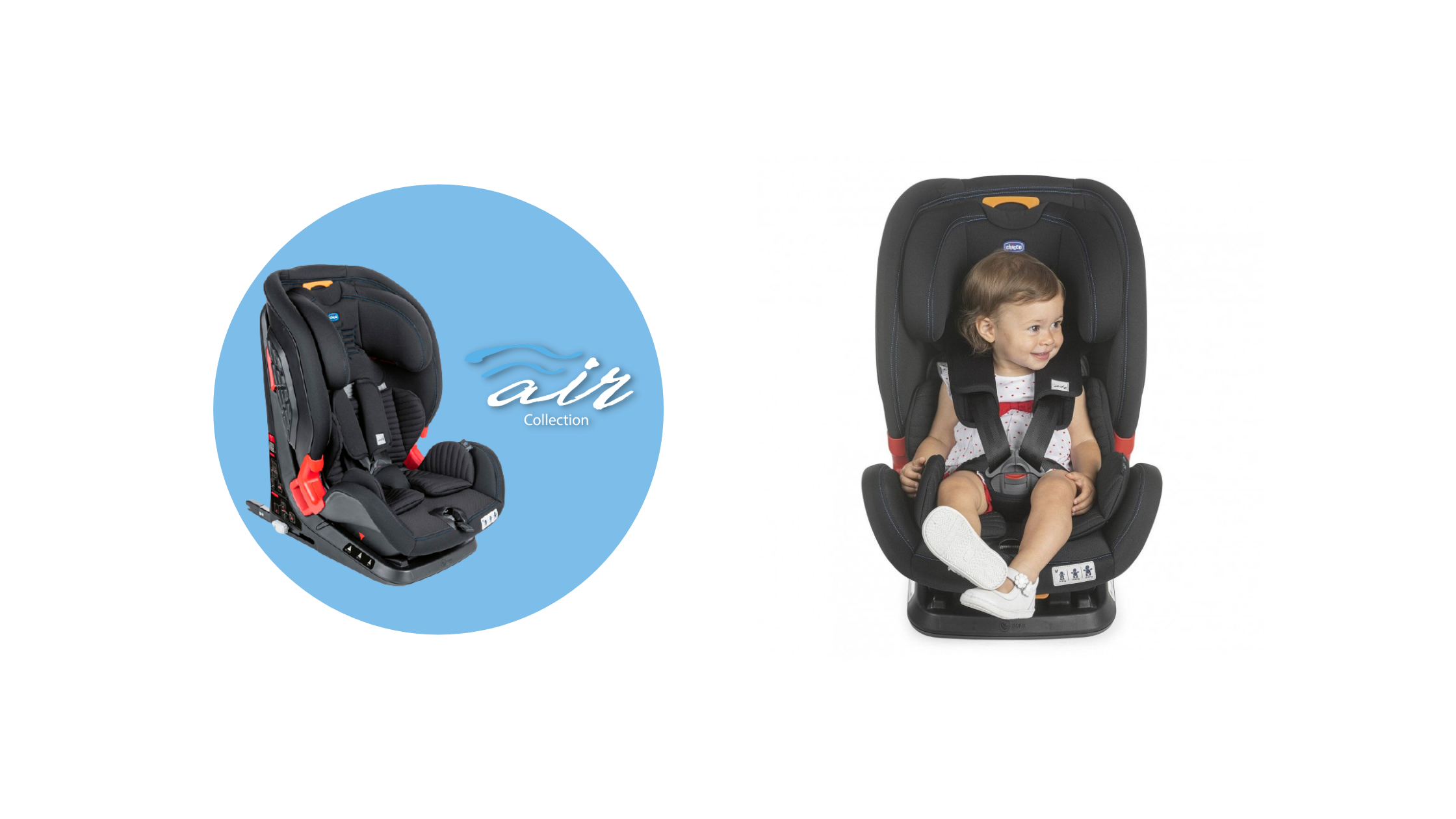
Chicco Akita Fix Air 123 Car Seat

We get asked by a lot of parents – what do we do when our baby outgrows the infant car seat that came with our Travel system?  What is the best option to keep baby safe?  When will we know to “upgrade” to the next level of car seat? In an ideal world, parents will only need one homologated seat that can be used from birth till your child is 12 years of age – but this is not always possible.  Often, parents use previously purchased travel systems in the case of a second or third child joining the family or are using gifted items from loving friends and family.   Once your baby reaches the age of approximately 9 months, they will have outgrown their infant car seat also known as group 0+ (unless you have a fully homologated option – we have a few in our range that you can research) and it will be time to transition them into a group 1/2/3 seat to ensure they are kept safe in the car. INTRODUCING THE CHICCO AKITA FIX AIR 123 CAR SEAT The Chicco Akita Fix Air 123 is a comfortable and safe solution for children that have grown out of their Gro 0+ travel system car seat and now require a front-facing car seat. Installed either with Isofix connectors or your vehicles 3-point seat belt, this seat can be used from 9 months till 12 years of age. It is imperative that the belts and headrest of the seat be perfectly adapted to your child’s size – there is no one size fits all when it comes to safety after all – but this is simply done as the Chicco Akita Fix can be adjusted simultaneously with just one movement. A seat reducer provides a supportive and comfortable cushion for smaller children. Once your child reaches the age of 4, they are considered tall enough to be buckled up with your car’s own seat belt. The built-in belt system of the child car seat can be dismantled easily – that way, the Chicco Akita Fix can be transformed into a group 2/3 child car seat in no time at all. To ensure the best possible positioning of the lap belt, an additional belt positioner forms part of this versatile seat.   Equipped with a side impact protection system for maximum protection, the comfy and elegant Chicco Akita Fix will convince the whole family and remain a loyal companion – for many years.  Get yours from any participating baby outlet for R5499.99. For more information head to www.chicco.co.za

Tantalising the Toddler’s Taste Buds
Squish

Tantalising the Toddler’s Taste Buds

Did you know that you can influence your child’s taste buds from when you are pregnant? Starting much earlier than we realised, your baby gulps amniotic fluid in your womb and this healthy eating journey continues during breastfeeding, too. While these opportunities may have passed by the time you have a baby and toddler, it is good to know that there are still practical ways to help the not-so-exploratory little tastebuds discover the wonderful and varied world of flavours. The Spice of Life Gone are the days of boring, bland, and tasteless foods for babies and toddlers. Just like adults, our little ones, too, appreciate flavourful food. It is important that, soon after starting your solid journey, you introduce a range of flavours such as fresh herbs (e.g. mint, basil, thyme, etc.), mixed dried herbs, cinnamon, cumin, curry, garlic, cocoa powder, and the like. Sugar-free nut butter also packs a flavour punch, but always check for allergies first. Stir into a warm bowl of oats in winter or offer up on a slice of wholewheat toast as a snack. Luckily for busy moms, Squish 100% fruit and veg purees come in a range of delicious flavours so exploring many different flavours from baby, toddler and up will be easy for your little one with Squish 100% Fruit and Veg Purees. Mealtime = Fun Time Children eat with their eyes. Make mealtimes fun, interesting and appealing. Call in the help of your child’s favourite superhero or princess with colourful kiddie-friendly cups, plates, utensils, placemats, and lunch boxes. Cut and arrange assorted coloured fruit and vegetables into interesting shapes and funny faces. Use cookie cutters on wholegrain sandwiches or arrange mashed sweet potato into fun shapes. Squish 100% fruit and veg purees come in a convenient pouch which is safe for your little one to explore eating on their own. Squish is a convenient, tasty meal or a snack, or for older kids, try it on the side for dipping – they’re sure to love it. Game On As any parent can attest, it is a daily struggle to get children to eat their fruits and vegetables. Fruit and vegetables are some of nature’s most perfect foods: rich in vitamins, minerals, antioxidants, phytonutrients and fibre, highly nutritious for preventing illness and disease and overall health. To encourage variety, print a picture of a rainbow and place on the fridge or in your child’s room. Encourage your child to choose a fruit or veggie each day from a different colour of the rainbow. For example, tomatoes and watermelon are red, berries and beetroot are purple, and mangoes and carrots are orange Rewards systems like using star charts to mark off how many fruit and vegetables are eaten are also a fun game for your child. Place somewhere visible and offer your child a reward when a goal is reached, such as going to the park or an extra story at night before bed. Another fun way to get your child to eat fruit and veg is by offering them Squish 100% fruit and veg purees and pressed 100% fruit and veg juices. The convenient pouches are well-loved amongst mommies and are perfect for babies from the first introduction of solids, right through the weaning process – from babies to toddlers and beyond. And the 100% fruit and veg pressed juices are deliciously refreshing and a good way to get babies, toddlers and young kids to enjoy fruit and veg. Get Green Fingers Children love being outside and getting their hands dirty. Use this to your advantage and build a vegetable garden. If you do not have a garden, windowsills and vertical/hanging gardens are good alternatives. With your child, plant various herbs and vegetables, and, when ready to be harvested, pick the vegetable with your toddler. Little Chef Older toddlers and young children will enjoy being in the kitchen. Let your children watch you prepare family meals and talk to them about what you are cooking. Let them help you set the table, stir ingredients in plastic bowls, and older children can help chop soft vegetables like baby marrow with a butter knife. One at a Time As much as we want to encourage a variety of flavours, it is important to introduce new foods and previously disliked foods one at a time. Children are naturally wary of anything unfamiliar. Always offer up new food with well-liked food to help increase your child’s acceptance of the food. Remember, it can take up to 15 exposures of food before your child likes it, so keep being patient and keep trying. And if all else fails, there is always the Squish 100% fruit and veg puree range with enough delicious flavours to please even the fussiest of eaters.

How family holidays benefit your kids
Parenting Hub

How family holidays benefit your kids

Whilst the idea of going on holiday with children can be somewhat daunting, the benefits of spending time together exploring a new destination far outweigh any niggling negatives. “In fact,” Shaun Lamont, Managing Director of First Group Hotels and Resorts, says, “Holidaying as a family gives your children the opportunity to fill their lives with incredible new adventures. And, in addition to giving your kids the gift of making magical, lasting memories with the people they love, it also offers a wealth of benefits that will help shape who your kids will become as adults.” He adds that some of his own best childhood memories are of time spent away with his family. “Family holidays are valued by children, both in the moment and decades later too.  I don’t remember what my parents gave me for my 13th birthday, but I can recall, with fondness, a trip we took to Cape Town. In a world where material items are so easily accumulated and tossed aside, there really is no greater gift you can give your children.” And studies confirm this, a research study conducted by the Family Holiday Association in the United Kingdom found that 49% of those surveyed said that their happiest memory was of their family vacation. The study also showed that one-third of the people still clearly remembered their vacations. Shaun shares four additional ways that travelling as a family will have a massive impact on your children: 1. Strengthens Bonds  When you go on a family holiday, you leave all the worries of your everyday life behind. Away from the everyday distractions and long working hours, your family will be able to spend uninterrupted, quality time together. Even the simplest experiences such as a meal, can become a cherished memory that brings you closer together. 2. Every day is a learning experience It’s a fact that kids absorb knowledge more effectively through experiential learning, so whether you’re exploring a museum, hiking up a mountain, fishing on the shoreline or visiting a nature reserve, travel brings education to life. This helps your child to be more open minded, adaptable to changing situations and flexible in their habits, providing hands-on problem-solving capabilities they will carry with them throughout life. Visiting new places and doing new things will also ignite your child’s imagination and will even encourage them to try new things and say ‘yes’ to new experiences (yes moms, even new foods! 3. Making new friends No matter where you are, kids will find other kids to play with. South Africa has 11 official languages and yet even when children meet someone they can’t converse with, it doesn’t matter, because play is a universal language. All it takes is a smile and a laugh to break barriers. This intercultural communication will help your child build relationships with new friends. And, in a world that’s dominated by screens, these interpersonal life skills are invaluable as a child grows and develops their sense of self. 4. It teaches adaptability and responsibility  Breaking from routine can be a little scary for some mums, but it gives your child the opportunity to adapt to new surroundings and circumstances. Allow them to get involved in the decision making – from what restaurant to choose to what place to visit. If they are a little older, let them be the map navigator. If they are younger, get them to pack their own bags (it doesn’t have to be perfect). You will be teaching them invaluable skills that will stand them in good stead as they grow up. “You won’t ever get the ‘perfect trip’ with picture-perfect postcard memories, so don’t plan for perfection. Instead focus on making magical, lasting memories with your children that will unite you for the rest of your lives.” Photo credit: Family photo created by rawpixel.com – www.freepik.com

Most common makeup mistakes and how to avoid them
Cosmetix

Most common makeup mistakes and how to avoid them

Have you ever wondered if your day-to-day makeup routine consists of beauty horrors? From wrong blending techniques to clumpy eyelashes. There is a very good chance that your daily makeup routine could consist of beauty blunders, and you may not even know it.  Below are three common makeup mistakes to avoid at all costs: 1.Applying makeup in the wrong lighting Hold on! Before applying anything to your face, have a look at the lighting around you. It is best to use natural light as much as possible when applying makeup. Natural sunlight provides the most accurate reflection of your face in a mirror, making it easier to neatly apply the makeup. If natural light is not an option a warm white LED light, which most closely resembles the outside, can be used instead.  2.Applying makeup before moisturising How do you prep your skin? Applying makeup on dry or oily skin can cause flakiness and prevents the makeup from setting correctly on the skin. A great skincare routine can prevent acne and allows your skin to stay hydrated and healthy when applying products on it. Make sure your face is correctly cleansed and moisturised daily. When applying makeup, it is best to use a moisturiser that can double down as a primer to smoothen the skin and keep the makeup in place. Using serums are also always great to incorporate into your skincare routine. CATRICE has some great serums that do different things.  There is a Hydro plumping serum with hyaluronic acid which is great for hydration & the skin elasticity. Pore minimizing serum with niacinamide which is great for shrinking pores. Glow serum with vitamin C which is great to brighten up tired and dull looking skin. 3.Wrong foundation shade  Blend! Blend! Blend! When purchasing foundation, you can test whether you have purchased the correct foundation shade by applying it to your jawline rather than your arm for the most accurate result. The correct foundation shade smoothly disappears onto the skin while blending and will not look like an extra layer of skin when applying.  Straying away from your favourite day-to-day makeup routine can be strenuous, however, avoiding these common beauty errors makes applying makeup 100% more fun!   How to Winter proof your makeup The rainy season is upon us, and if you find yourself outside without an umbrella your full face of makeup will suffer as well. That is, unless you take a few extra steps in your makeup process to avoid the smudging that occurs when your face is drenched. 1.Start with a primer Setting your foundation with a good primer sets your face for success throughout the day. A primer will not only make the application of your makeup smoother, but it will also help it last longer by acting as a barrier to prevent foundation, concealer, bronzer, blush, and highlighter from penetrating too much into the skin. Try the CATRICE Tensational 10 in 1 Primer. 2.Use a makeup sponge When applying foundation, CC creams, or BB creams, a damp beauty blender will help buff product into your skin for a longer-lasting look. Try the essence makeup & baking sponge. 3.Utilise the baking technique Use a setting powder and apply a little to your face with the straight end of a beauty brush, leaving it on for a few minutes, then gently wiping it off with a wider brush if you want a long-lasting look. Try the CATRICE Nude Illusion Loose Powder. It has blurring properties which really helps to set the makeup and give it a flawless finish. 4.Use a setting spray Setting spray can be used to increase the lifespan of your makeup look as it helps to add hydration to the skin and refresh lived-in makeup. Try the CATRICE Shake, Fix & Glow Setting Spray. 5.Lock Your Lashes Applying a lash primer before using waterproof mascara will turn any formula into a tear-proof force. Try the essence lash primer. Now, not even a downpour can stop you from looking fabulous! Celebrity Makeup Artist Reveals Top 10 Favourite CATRICE Products  Whether you are walking in store or shopping online to pick up a concealer or mascara it is easy to become lost in the variety of options and it’s something every makeup addict has experienced.  There is no way to make a definitive list of the best makeup products, but there is a way to get a better idea of what the greatest options are, so we have asked celebrity makeup artist, La’eeqa Yunus for her top ten favourite CATRICE products, and here they are: 1.Pro Neon Earth Slim Eyeshadow Palette 010 I love how versatile this palette is with all the warm brown shades that can be used all year round. 2.Glam & Doll False Lashes Mascara Waterproof 010 Black I love the silicone wand & the staying power of this mascara. No racoon eyes for me. 3.Matt Pro Ink Non-Transfer Liquid Lipstick 090 This Is My Statement It is my favourite because it is mask proof and the deepest red which makes my teeth look extra white. Choosing a red with a blue undertone will always make your teeth look whiter. 4.Volumizing Lip Booster 150 Everyone’s Nude I love a good nude gloss. Apply on the cupids bow & centre of the lips for pout. 5.Kohl Kajal 140 Chocwaves This pencil great for creating a subtle sultry smokey eye. 6.More Than Glow Highlighter 010 Super pigmented and a great addition to your makeup routine. 7. 3 Steps to Contour Palette 010 Such an amazing palette to contour your face & add definition. 8.Blush Box 025 A lovely nude peach shade to warm up the face. I always like to apply blush to the apples of my cheeks & then run the brush across the nose, forehead & chin area. 9.Full Satin Nude Lipstick 040 The perfect nude lipstick. So comfortable on the lips & a shade that can be worn all year round. 10.Shake, Fix & Glow Setting Spray I love that this setting

Power Tips on Creating the Perfect Homeschool Environment
Syllabis Learning

Power Tips on Creating the Perfect Homeschool Environment

With the changes that we have all faced over the last seventeen months, now more than ever before, parents find themselves having to manage their children’s virtual and or home-based education. Despite the many benefits of homeschooling, at-home learning can be challenging for both parents and students. Challenges like creating order and structure in a home learning environment can lead to frustration and even cause students to fall behind on assignments or learning objectives. Your child’s curriculum has many moving parts—and if you have more than one child, that complexity only increases.  Teaching your children at home can be an immensely rewarding experience. One of the reasons that many parents choose to homeschool their kids is that they believe they can provide a better education for their children than a public or private school. To provide an outstanding education for your children, you will need to provide an environment that fosters learning. We can help you to keep your kids on track and successfully navigate the ins and outs of independent learning with the following tips. Create a designated learning space  While it can be tempting to set up shop at the dining room table or on the couch, these areas aren’t the most conducive to learning. Creating a dedicated learning space can make it easier for children to concentrate on schoolwork. Consider a room that is large and open that has natural light. This dedicated space should be used for schoolwork and no outside activities. It would be best if this room is used solely for schooling otherwise may find that your children lose focus if they have distractions around them. Not all kids like to sit in a chair all day, so perhaps offer different seating options in the room to make the space more comfortable for those who want to sit on the floor or a beanbag chair. You could also offer yoga balls for deskwork. Follow a daily schedule Homeschooling brings a wonderful level of flexibility and spontaneity to a child’s education. However, without a clear structure, it can be easy to get distracted and go off track. Kids thrive when they have a basic structure and routine. Creating a daily schedule will be hugely beneficial in giving your child direction and structure. You can always adapt this schedule as you go along. Pick a system that works for you. Your schedule can be as detailed or as relaxed as you want. The key is having some set routine and structure for you and your child to follow so you can both stay on track. Use Technology Technology plays a considerable role in education, and access to it will make homeschooling that much easier. It enables you to become more productive, efficient, and better communicate with other people. It is, therefore, essential to include the necessities in your homeschool environment. A computer, laptop or tablet, digital calendars, and task managers will be extremely helpful in managing time and progress. Time trackers and cloud-based folders like Dropbox or Google Drive will also be helpful. Information is at our fingertips with internet access so your child will have the ability to research topics and collect information with ease. Map out the school year ahead of time Map out your school year to track progress on your goals and plan out big projects. Breaking up big goals and projects into smaller steps makes them more manageable and you’re less likely to let details fall through the cracks. Setting goals and visualizing your plans can help you stay organized and see your progress at a glance, which makes targets more reachable and less overwhelming. Take learning beyond the classroom One of the best parts of homeschooling, and one of its greatest advantages, is the flexibility to learn outside a traditional classroom setting. Make time for these opportunities in your daily schedule and keep an open mind. Outdoor spaces are excellent learning places for exploring new skills, meeting new people, and experiencing through play. Always look for learning opportunities beyond the classroom and be open-minded about the benefit of learning through a practical example.  Collaborate with other homeschoolers It is important to know that you are not in this alone, there are rich and diverse homeschool communities all around the world. It is important and beneficial to connect with other homeschoolers in your area or online to collaborate and share resources. This will not only make the schooling process easier for you, but it will also enrich your child’s experience and expand their educational opportunities in and out of your home. Communicating with other homeschoolers also provides important social opportunities for your child. Leave Time for Breaks It is difficult to work for extended times without a break. When your kids start to get restless or hungry it is a good idea to schedule regular breaks. Morning snack breaks and afternoon exercise breaks allow your kids to get a good balance of work and chill time. scheduling them into your day. While some children might require frequent short breaks, others might like only one or two longer breaks. Read your children and let them help create your schedule in this matter. Learning need not be boring, and neither does your homeschool environment. Always consider what your kids like, who they are, and what are their interests, ideas, distractions, and sources of inspiration to come up with a suitable learning space.

Micro-holidaying in the Kia Pegas

Kia Pegas

Micro-holidaying in the Kia Pegas


Armed with the new Kia Pegas, Calvin Fisher folded his squad of five humans aboard and set off on an overnight escape  Pandemics, unrest, lockdowns and load-shedding… 2021 has truly lived up to the old Hollywood adage that sequels seldom improve upon the original. Memories of a world only slightly on fire in 2020 fresh in our minds, I surveyed my family of five, war-torn and weather-beaten, before deciding upon a night of respite. They say change is as good as a holiday but I say a change of scenery is exactly a holiday. So I took to the Internet to browse for an escape. My quest was to find us a night away far from the northern suburbs of Cape Town we call home and found a gem in the coastal town of Fish Hoek just 45 km away. What inspired this? Perhaps the aforementioned factors, but more likely the fact that in my possession I had the keys to a brand-new Kia Pegas compact sedan with a full tank of 95-octane.  A sedan man goes on holiday I’m 43 years old, so naturally I grew up on the back seat of a sedan. My formative years were spent on sunny drives to Simons Town, False Bay and, if we were feeling particularly adventurous, as far Durban. The time was spent arguing with my siblings, passing out from beach fatigue and waking up with sticky fingers and cheeks. Despite a glut of SUVs, the idea of loading up a three-box saloon, albeit a compact one, still appeals to me. So there we were, my macro-sized brood loading up a micro-ish sedan about to set off on a micro holiday and that meant folding and piling an array of overnight bags, clothing, snacks and board games into the ample 475-litre boot. Sadly, this meant saying ‘see you tomorrow’ to our Staffies, who had already made themselves at home on the rubberized boot inlay. With our luggage easily gobbled up, it is worth having a conversation about space. The Kia Pegas competes in price with the likes of the Honda Amaze and Suzuki Dezire, but those are tiny things based upon even tinier hatchbacks. In reality, the dimensions of the Pegas, at 4.3 metres long, is more akin to the likes of the VW Polo and Ford Figo sedans, but with more cohesive styling and dimensions. In fact, bugger cohesion, I think the styling is great – sharp and purposeful and with all the design cues intact that make Kia cars so desirable. It closely resembles the Rio Sedan and retains that larger-sedan feel thanks to copious legroom fore and aft derived from a longer wheelbase. It’s capacious, with the three large sprogs comfortably seated behind my wife and I, also quite comfy in the front.  A lot can happen in 45 km I’m lucky to report that they all share my choice in music so thanks to Android Auto, we were soon blasting along to ‘70s rock ballads, as one does on a road trip. Well, my household does. Also a perk of the infotainment system’s standard screen-mirroring is the fact that it perfectly integrates with my smartphone’s navigation so there we were, enjoying a well-laid out route to Fish Hoek on the 7-inch touchscreen, with the added benefit of voice recognition for calling out our favourite tracks. Apparently, my propensity for Fleetwood Mac songs was something that needed to be addressed – but that’s for a separate column. And, besides, there was always the steering wheel controls if I felt like overriding their choices. The helm is covered in leather, the seats in artificial leather for easy cleaning because look, I don’t make a habit of eating in cars, but this was a holiday ‘thang’. And the best bagel in the Cape was on our route. A discussion on power The ‘EX’ trim Pegas I had under me is powered by a 1.4 MPI engine paired with a five-speed manual transmission. This makes for mild performance to the tune of 69 kW and 132 Nm, good for a max speed of 170 km/h, but we won’t be trying to achieve that today – rather, taking in the view of False Bay. Now, I realise that if one lives at high altitude, the Reef air might stifle that performance but here at the coast the little four-pot revved cleanly. Gear changes were sharp and satisfying, and the overall demeanour and ride were unfussy, and honest. Like a good car should do. A delightful climax The driveway to our accommodation was steep and winding, the little engine making a strong case for itself, and impressing its driver one final time as it effortlessly dispatched the climb. The boot was easily unloaded and I was left to take in the gorgeous sunset views from Simons Town to Kalk Bay, the smells of the sea air and the good vibes that came with escaping a tedious time with my favourite people. Here’s the thing: my last trip on the back seat of my dad’s sedan was a terribly long time ago. He passed away when I was just 14 years old. This might sound corny, but nothing makes me feel closer to him than my own adventures with my wife and sons. And I’m truly grateful for that. It seems that sedans are still ripe for making memories.

NEW – FLOWER MAGIC FROM MAVALA
Parenting Hub

NEW – FLOWER MAGIC FROM MAVALA

A virus has turned fashion codes on their heads. Isolation and social distancing have created new energies and paved the way to an irresistible burst of imagination and improvisation, leading designers to explore new worlds of creation: livestreamed fashion shows, Instagram releases, artful videos, … Fashion is reinvented and gives birth to a fiery blooming of vibrant and flowery colours, a bold  and beautiful bunch of optimism. The Spring-Summer 2021 colour trends respond to this urgent need for a joyful palette of colours full of freshness and comfort, able to give us energy and the strength to move forward. Passion and fantasy express themselves in flowery, sunny motifs, vivid red and orange shades, incandescent or sweet rose nuances: it will definitely be a cheerful and liberating season. The 2021 shades are a real treat for the eyes, an exciting feast of magical buds and petals. The FLOWER MAGIC Color’s collection of MAVALA, with its bright, luminous and resolutely optimistic red-and-rose-coloured variation of shades, reveals the floral magic: Faro, an ardent red, true bloom of force and energy Mandalay, a blazing pink, dazzling embodiment of the joy of living Pondicherry,a shining and invigorating coral cultivating good mood Kingston, an incandescent marigold, saturated with sunlight Cartagena, a vibrant fuchsia, sparkling blossom of optimism Lugano,a flamboyant red, quintessence of passion Price R105.00 and available online at www.mavala.co.za

Caring for Baby
Bonitas – innovation, life stages and quality care

Caring for Baby

The following information is to be used as a guide to and at the discretion of the end-user and should not replace a doctor’s opinion. Circumcision care Newborn circumcision is a surgery that removes the loose skin (foreskin) that covers the end of a baby boy’s penis. It may be done for various reasons and usually heals with 7-10 days. Follow the care instructions you were given by your baby’s doctor. Often times they will recommend that you use a small amount of petroleum jelly on the site at diaper changes to prevent irritation. Contact your baby’s doctor if you see blood or pus around the circumcision or if you smell an odour coming from the site. Myths about newborns The following are common myths about newborns: Myth: Don’t touch their “soft spots” – Truth: Known as the fontanels, these areas are a thick protective membrane, not your baby’s brain, so if you happen to touch them gently nothing bad will happen; as with all of your baby, handle that area with gentle loving care. Myth: Baby girls don’t have periods – Truth: Baby girls may have a “mini period” within the first few weeks of life which is the result of the stimulation of their uterus by Mom’s high estrogen levels. If you ever have questions about what’s happening with your baby, contact your doctor. Myth: Babies don’t get acne – Truth: Some newborns will develop acne due to circulating hormones from their mother between 2 weeks and 2 months of age; you don’t need acne creams, just cleanse the area gently. Myth: Babies have flat chests – Truth: Some babies may temporarily have swollen breasts due to their mothers circulating hormones; this can happen to boys and girls. Myth: Sneezing must mean my baby has a cold – Truth: Newborns have tiny noses and often have some congestion, so they may sneeze a lot at first; if they have thick, coloured mucus and are sneezing a lot then they may be developing a cold. Never hesitate to contact your doctor if you are worried about what’s going on with your baby. No question is ever “dumb” if you are worried. Bathing your newborn Your baby doesn’t need a full bath every day, only 3-4 times a week. When giving them a full bath make sure the water is warm, but not hot, by testing the temperature with your elbow – if it’s too hot for your elbow, it’s too hot for your baby. Use mild bath soap made specifically for babies – harsh soaps may dry and irritate their skin. Always keep one hand on the baby while they are in the bathwater. There are some parts of your baby that will need to be washed with mild soap every day, especially their face, chin, neck and bottom. Do not use soap on their belly button (navel) or on a circumcision until it’s healed. Make sure the room you are in to bathe your baby is warm and free of drafts. Every baby is different so don’t hesitate to talk with your baby’s doctor if you have any questions about caring for your newborn. Healthy skin for newborns You don’t need to use lotion or powder on your baby unless it’s been recommended by their doctor. Don’t use fabric softener or bleach on their clothes as these can irritate their skin. Use mild detergent to wash their clothes, making sure to wash new clothing before you put it on the baby. Be careful not to overdress your baby – if you are comfortable in a t-shirt and shorts, your baby will be fine in a t-shirt or short sleeved onesie and a diaper. Diaper care for your newborn Periodically check your baby’s diaper to see if it’s wet or soiled. Change their diaper whenever one becomes wet or soiled. When changing your baby’s diaper, wash their bottom with mild soap and warm water or use disposable baby wipes. Be sure to wash your hands each time you finish changing a diaper. Additional tips for care of newborn For mouth care, wipe you baby’s gums daily with a clean damp washcloth or an infant toothbrush. To prevent scratches, keep your baby’s finger and toenails cut short. Remember that newborns sleep a lot – usually between 16-18 hours a day. Make sure to schedule your baby’s first check-up as recommended by their doctor – it’s usually recommended between 2-4 weeks of age. Umbilical cord care Do not place the baby in bath water until after the umbilical cord stump has fallen off. Keep the umbilical cord stump clean and dry – if it becomes soiled you can clean it with a cotton ball, mild soap and water. Umbilical cord stumps usually fall off about 2-4 weeks after birth – contact your baby’s doctor if this doesn’t happen. If the umbilical cord stump turns red around the base, bleeds, develops coloured drainage or a bad odour contact your baby’s doctor right away since it could be a sign of an infection. Contact your baby’s doctor if you have any questions or concerns about your baby’s umbilical cord stump. Teething pain relief The following information is to be used as a guide to and at the discretion of the end-user and should not replace a doctor’s opinion. To help soothe the pain from teething give your baby a teething ring, a wet washcloth cooled down in the refrigerator, or feed him/her cold foods such as applesauce or yogurt. You can also talk to your doctor about giving your baby acetaminophen (Tylenol) to ease the pain.

NutriPure Gummy Vitamins and Supplements
NutriPure

NutriPure Gummy Vitamins and Supplements

Taking gummy vitamins as a kid is a fun experience because they look, taste, and feel like gummy sweets. When vitamins are similar to their favourite treat, children take them willingly! This is one of the many benefits of NutriPure’s gummy vitamins.  While gummy vitamins are usually seen as a remedy for children, there’s absolutely no reason why adults can’t enjoy them too. In addition to children’s vitamins and supplements, NutriPure now offers a full range of adult gummy supplements. There’s no need to dread your tablet box each morning – taking vitamins is tasty and enjoyable with NutriPure. Many of us lack the varied and balanced diet key to a healthy lifestyle. While supplements should not be seen as a replacement for eating and living well, they can provide support when we need it most. NutriPure gummies are vegan, gluten free, and are not sugar coated. They are also free of GMO ingredients, preservatives, and artificial sweeteners and colourants.  There are certain groups of people who may struggle to reach their optimal nutrient intake. Vegans, pregnant women, athletes, the elderly, picky eaters, and those following special diets may need help in getting the nutrients they need. In these cases, taking supplements is beneficial for overall health and well-being.  NutriPure gummies get their great taste from a natural fruit pectin base. They are also convenient to take as you don’t need water. You can chew and swallow them in a few seconds, without having to worry about them getting stuck in your throat. NutriPure supplements are available in assorted variants. Whether you’re in need of immune support, a boost to your metabolism, or support for your general well-being, NutriPure has a vitamin for you. Once you’ve tried NutriPure, you’ll never forget to take your vitamins again. FOR KIDS: MULTIVITAMIN Complete (60) – R109.95 NutriPure Multivitamin Complete gummies have been specially formulated into a soft and chewy treat, making vitamins fun and easy for children 3 years and older. Multivitamins help promote the normal functioning of a child’s immune system and promote general well-being. Each NutriPure Multivitamin Complete contains 11 essential vitamins and minerals including vitamin D, B6, B12, C, biotin, pantothenic acid, and niacin. These help to metabolise carbohydrates, fats, and proteins, an outcome key to the maintenance of good health. VITAMIN C (60) – R109.95 Research shows that in the winter months, children are at a higher risk of colds and flu due to the weakening of their immune systems. NutriPure Vitamin C is a tasty and effective solution to help strengthen their immunity during these periods. Vitamin C also helps children maintain a functioning nervous system, a normal energy-yielding metabolism, and reduces fatigue. One NutriPure gummy contains 80mg of vitamin C which is 100% of the recommended daily allowance (RDA). PRO BIOTICS (60) – R153.95 At any age, a balanced intestinal micro-flora is important to keep the body in healthy working order. NutriPure Probiotics are formulated with Bifidobacterium infantis and lactobacillus rhamnosus, two scientifically tested bacteria strains. Each NutriPure gummy contains 1 billion live cultures to help your child boost their daily intake of these beneficial bacteria. They also provide immune support when children are taking antibiotics. IMMUNE SUPPORT + (60) – R109.95 NutriPure Immune Support + contains a unique blend of 6 essential vitamins and minerals that all contribute to the normal functioning of the immune system. Vitamin C, B6, and B12 help to metabolise carbohydrates, fats, and proteins, an outcome key to the maintenance of good health. VITAMIN D Gummies (60) – R109.95 Helps maintain strong bones and teeth and is known to aid in the fight against viruses. Extra soft so suitable for even the fussiest eaters. Vitamin D also contributes to the normal functioning of the immune system, the maintenance of normal muscle function, and the normal absorption/utilisation of calcium and phosphorus. FOR ADULTS  MULTIVITAMIN Complete (60) – R134.95 NutriPure Multivitamin Complete has been specially formulated for adults. Each NutriPure Multivitamin gummy contains a balanced dosage of 12 essential vitamins and minerals: vitamin D, B6, B12, C, biotin, pantothenic acid, and niacin. These help to metabolise carbohydrates, fats and proteins, an outcome key to the maintenance of good health. IMMUNE SUPPORT – Vitamins C, D, B6 & B12 (60) – R134.95 NutriPure Immune Support has been carefully formulated with 6 essential vitamins and minerals: vitamin C, D, B6, B12, zinc, and selenium are vital for strong immunity. VITAMIN D – High Strength (60) – R134.95 Helps maintain strong bones and teeth and is known to aid in the fight against viruses. Vitamin D also contributes to the normal functioning of the immune system, the maintenance of normal muscle function, and the normal absorption/utilisation of calcium and phosphorus. APPLE CIDER VINEGAR – Gummies (60) – R159.95 Boost your immune system by taking great-tasting apple cider vinegar gummies. Nutritional highlights: 500mg of apple cider vinegar per serving for immune support and metabolism, vitamin C for immune health, vitamin B6 for energy-yielding metabolism, and vitamin C & B6 to reduce fatigue. A delicious array of vitamins and minerals for every occasion. Stock up, eat up, and stay healthy. Stockist: Dis-Chem & Yooper – limited items available on Takealot, PNP, Spar and Clicks  www.nutripure.co.za

Winter makeup tips for glowing skin and striking eyes
Parenting Hub

Winter makeup tips for glowing skin and striking eyes

South African summers can bring about harsh weather, and going from extreme heat to icy temperatures, dry air and rain in winter, can wreak havoc on our skin. When winter hits, it’s time to adjust your skincare and makeup routine to accommodate the cold, the wind, the rain and the effects of indoor heating.  While there are some pretty standard makeup tips you can follow all year round, one thing is for certain – if you don’t apply and wear your makeup cleverly during the colder months, it can draw attention to dryness, dullness and flakiness (all of which are prevalent in winter!).  This winter, our focus is on dewy, glowy skin (yes, this is totally possible to achieve in the heart of winter!) and – because our protective masks aren’t going anywhere – a focus on the eyes.   Here’s how to get glowing skin and striking eyes this winter: Prep your canvas You should be applying moisturiser every morning, but if you’ve been skimping, now is the time to pick up the pace. Moisturised skin wears foundation much better, as it provides a hydrated base (which helps with the glow) and a smoother canvas to work on. ZERO’s Day Cream (R399.00) and Night Cream (R399.00) offers intense nourishment and moisturisation in a plant-based, gentle formula. Because your skin likely needs all the hydration it can get, a hydrating primer is your new best friend. We recommend wet n wild Prime Focus Primer Serum (R149.95). This lightweight, ultra-hydrating water-based primer serum refines skin for longer-lasting makeup application, allowing your foundation to glide on effortlessly for a luminous, flawless finish. *Tip: Save your matte primers for summer – in winter you’ll need all the help you can get to create radiance! Avoid powder formulas Powder foundations can make dry skins look dull, and are best saved for the summer months when your skin is more likely to get oily. Matte formulations can highlight flakiness if your skin is dry. So, for winter, select a foundation with a dewy formulation, like wet n wild’s Photo Focus Dewy Foundation (R119.95). Silky and creamy, coverage is buildable from medium to full, and it easily transitions from day to night wear. Ideal for normal to dry skin types, this moisturising formula blends seamlessly, blurs imperfections and helps minimise the appearance of pores for a perfectly smooth, dewy finish. We recommend always applying foundation with a good quality makeup brush, to ensure it blends seamlessly into the skin. The newly-launched Real Techniques The Flawless Base Set (R499.99) contains everything you need for flawless foundation application: four brushes and an added bonus brush cup for your convenience (including the Square Foundation Brush, Buffing Brush, Contour Brush, Detailer Brush and Brush Cup). The Square Foundation Brush is densely packed and unique cut to build custom coverage with liquid foundation – our top product for applying liquid foundation! If you find blending easier with a sponge, try the Real Techniques Sponge Duo Set (R219.99). Boasting flat edges for high definition contouring around the eyes and nose, a rounded side for easy blending on the forehead, cheeks and chin and precision tip for blemish and imperfection coverage, these are the only sponges you’ll use this season.  Use highlighter Yes, you can totally pull off highlighter in winter! In fact, it’s one of the best ways add a faux glow to your complexion. Select a highlighter with a pearlescent finish for noticeable glow. We recommend wet n wild’s Megaglo Highlighting Powder (R109.95) to perfectly accent your features.  Master false lashes False lashes are the quickest and most effective item to vamp up your makeup and draw attention to your eyes, but lots of women struggle with application. Enter the brand new Kiss Magnetic Lashes:  With no glue, no adhesive and no hassle, the secret behind these miracle lashes is its game-changing Magnetic Liner and double strength magnets embedded into each lash. As easy as it sounds, this game-changing product takes the hassle out of false lashes. Simply draw a line along your lash line using the Magnetic Liner and then gently apply the Magnetic Lashes. The Kiss Magnetic Lash and Magnetic Liner can be bought separately or together in a kit for your convenience (R379.95) | Lashes sold separately (R229.95) | Magnetic eyeliner (R249.95).  A wintery take on the smokey eye Traditionally, we bring reach for our best shades of charcoal, silver, grey, brown and nude when it comes to a smokey eye on a night out. In winter, you can switch up your eyeshadow shades to create a daytime smokey eye. wet n wild’s 10 Pan Eyeshadow Palettes (R139.95) offer ten super pigmented shadows in one convenient palette. For an office smokey eye, try Rose in the Air, a pretty collection of pinks, nudes and mauves. Some something a little more daring, try Cosmic Collision. Here you can really mix it up with shades of blue, purple, green and earthy shades.  The new Real Techniques Everyday Essentials Eye Set (R499.99) is your go-to for every eye look from a soft day shimmer to a bold and striking night get-up. With seven new brushes and a metal lash separator, this kit has your every possible need covered. Get the perfect smokey eye, every time.

One-Pot Winter Winners (6 delectable easy recipes)
Parenting Hub

One-Pot Winter Winners (6 delectable easy recipes)

Looking for some convenient, easy to prepare winning winter dishes that only use one pot to prepare? Look no further! From a simple one-pot roast chicken to a boerewors spaghetti, West African Jollof rice, a chicken veg stew, sausage and baked bean stew or a hearty breakfast and brunchtime snack, with the convenience and goodness of the Rhodes Quality products the goodness sealed in is the goodness you get out in the wholesome recipes for you to make for the whole family with love. Enjoy these convenient and easy-to-make recipes to keep you warm and cosy during the long nights and short days. Jollof Rice A spicy one-pot tomato rice dish from West Africa. Ingredients (serves 4-6) 1 x 400 g can Rhodes Quality Tomatoes Chopped & Peeled 2 red peppers, seeded and chopped 1-2 chillies (Scotch bonnet are authentic) 45 ml (3 Tbsp) sunflower oil 1 onion, finely chopped 4 cloves garlic, crushed 65 ml (1 x 115 g) Rhodes Quality Tomato Paste 750 ml (2½ cups) prepared chicken stock 10 ml (2 tsp) Packo Mild & Spicy Curry Powder 5 ml (1tsp) dried thyme salt and freshly cracked black pepper 500 ml (2 cups) white rice 2 bay leaves to serve: 30 ml (2 Tbsp) chopped parsley Method Place the Rhodes Quality Tomatoes Chopped & Peeled, the red peppers and the chillies into a food processor and blend until smooth. Heat the oil in a large saucepan. Add the onion and fry until soft and translucent. Add the garlic and Rhodes Quality Tomato Paste and fry for two minutes more. Add the tomato-pepper puree and stir. Bring to the boil and then reduce the heat and simmer for ten minutes. Add chicken stock, Packo Mild & Spicy Curry Powder and thyme. Season to taste with the salt and pepper. Simmer for a further 5 minutes. Add rice and bay leaves and stir well. Reduce heat and cover the saucepan with a lid. Simmer, stirring often, until all the liquid is absorbed and the rice is cooked. Add extra water or chicken stock if needed during cooking. Remove the jollof from the heat. Remove the lid and leave to stand for 5 minutes. Fluff the rice with a fork, sprinkle with parsley and serve. Sausage and baked bean stew A quick & easy throw-together meal with delicious pork sausages. Ingredients (serves 4) 15 ml (1 Tbsp) sunflower oil 1 onion, finely sliced 1 garlic clove, crushed 8 frozen pork sausages 1 x 400 g can Rhodes Quality Tomatoes Chopped & Peeled 5 ml (1 tsp) Dijon mustard 160 ml (⅔ cup) prepared chicken stock 1 x 410 g can Rhodes Quality Baked Beans in Tomato Sauce salt and freshly cracked black pepper 60 g (1 cup) baby spinach leaves, washed to serve: mashed potato or fresh bread Method Heat the oil in a large saucepan. Add the onion and fry over low heat until softened. Add the garlic and fry for two minutes more and set aside. In the same saucepan, brown the sausages on all sides. Return the onions and garlic to the pan. Add the Rhodes Quality Tomatoes Chopped & Peeled, the mustard and the chicken stock. Bring to the heat and then add the Rhodes Quality Baked Beans in Tomato Sauce. Continue simmering the sauce until the sausages are cooked through. Season well to taste. Stir in the spinach and turn off the heat. Serve over mashed potatoes or with a fresh bread. Breakfast bacon and potato hash A one-pan easy breakfast or perfect brunchtime meal. Ingredients (serves 4)  4 potatoes, peeled 30 ml (2 Tbsp) olive oil 200 g back bacon, diced 2 spring onions, finely chopped 1 x 400 g can Rhodes Quality Tomatoes Chopped & Peeled salt and freshly cracked black pepper handful of chopped Parsley 4 eggs 65 ml (¼ cup) mozzarella cheese Method Dice the potatoes into even sized cubes. Heat the oil in a large non-stick frying pan. Add the potatoes and cook until tender, golden and crispy. Add the bacon pieces and fry until crisp. Add the spring onions. Add the Rhodes Quality Tomatoes Chopped & Peeled and bring the sauce to the boil. Season well to taste and stir in the parsley. Reduce the heat to a simmer. Make four wells in the hash and crack an egg into each well. Sprinkle each egg with a little mozzarella cheese. Replace the lid and cook until the eggs are cooked. Serve immediately. Cooking Tip: Replace the bacon with chicken rashers if preferred. One-pot roast chicken A simple roast chicken made with Rhodes Quality Chickpeas is true home-style cooking. The whole chicken cooks in one pot with vegetables and potatoes – making sure that no flavour is lost. Made with Rhodes Quality Chickpeas. Ingredients (serves 4-6)  1 x 400g can Rhodes Quality Chickpeas, drained 65 ml (¼ C) butter 45 ml (3 T) sunflower oil 1 whole chicken, cleaned 10 ml (2 t) fresh thyme leaves 1 medium onion, chopped 4 carrots, chopped 2 cloves garlic, chopped 200 g baby potatoes, peeled 250 ml (1 C) prepared chicken stock Method Heat the butter and the oil together in a large heavy-bottomed casserole dish. Season the whole chicken with salt, pepper and thyme and place into the casserole dish. Brown the skin well on all sides. Remove the chicken from the dish and set it aside. Add the onions, carrots and garlic to the dish and fry for a few minutes, stirring occasionally until the onions begin to soften. Add the baby potatoes and stir well to coat. Return the chicken to the casserole dish. Add the chicken stock and place the lid on the casserole dish. Place the casserole dish into the oven preheated to 170˚C and roast slowly for 45 minutes. Add the Rhodes Quality Chickpeas to the vegetables and stir well. Replace the lid and continue cooking until the chicken is cooked through and the vegetables are tender. Your choice: To thicken the sauce, remove one cup of the vegetables together with

Chicco Unico Air Car Seat
Prima Baby

Chicco Unico Air Car Seat

Purchasing a safe car seat is one of the most important decisions a parent makes long before their precious little one even joins the family.  There are many options on the market and the information overload can be supremely overwhelming. The Chicco Unico Plus Air is a super seat that is suitable for us from birth till 12 years of age making it a highly cost-effective choice for parents.  There is a reason this car seat is rated 4.9 out of 5 stars by over 94 reviewers internationally!   The Unico Plus is now a part of the “Air” family making it more breathable and well ventilated – perfect for South Africa’s warm climate! Easy installation either by Isofix or your vehicles 3-point belt A padded reducer provides additional protection for your tiny newborn Side Safety System – ensuring best practice in case of lateral impacts The Unico Plus Air can be purchased at participating baby outlets for R4999.99 – a great investment in your little one’s well-being. For more information head to www.chicco.co.za

Intentional Parenting
Toptots Head Office

Intentional Parenting

The term Intentional Parenting has become a hot topic in recent years, but many people are not exactly sure of what it means. Intentional Parenting is a method where parents deliberately plan ways to be present in their children’s lives. And not just physically present – but emotionally, communicatively, and educationally too.  While not every moment of our lives can be planned, adapting an Intentional Parenting style helps provide us with ways to bond with our children. Science has shown that when parents deliberately spend time with their children, it assists in future academic achievement, improved relationships, and greater emotional well-being.  To children, love equals attention. With the world today being so distracting and parents being busier than ever, children seem to be missing out on the undivided attention that they need. We can’t give all of our attention, all of the time, to our kids. That would be impractical. However, this is where Intentional Parenting comes into play. It is a way to try and plan your life to fit in moments of attention. Whether it be a 10 minute cuddle in the morning before the rush starts, one-on-one story time in the evening or a walk around the block pointing out interesting things – it is these small moments that are not only doable, but will make all the difference in your relationship with your child. Another important aspect of Intentional Parenting is making teachable moments instead of letting them come by naturally. Schedule the time to teach your child to water plants, tie shoelaces, pack away toys, tummy time or help in the kitchen. Not only are you teaching them valuable skills, you will also be setting rules for them. When it comes to Intentional Parenting, setting rules and boundaries is not only about discipline but giving your children stable guidelines with which they can grow. Here are a few ideas on how you can introduce Intentional Parenting to your child’s life simply: Ages 0-4 Join a parenting and child class like Toptots [INSERT FIND A BRANCH LINK] Cuddle and sing songs Read a book Go for a walk Blow bubbles Play pretend games Water plants Ages 5-10 Join a parenting and child class like Toptots [INSERT FIND A BRANCH LINK] Play games Build with Legos or blocks Work on a puzzle Fly a kite Draw pictures outside with sidewalk chalk Throw/kick a ball Bake together

Benefits and disadvantages of homeschooling
Wingu Academy

Benefits and disadvantages of homeschooling

More and more families are starting to realize the numerous benefits associated with homeschooling. Homeschooling is no longer a stigmatized, isolated learning experience. Through the power of the internet and the rise of online curriculum service providers, homeschooling has evolved into a bespoke educational offering that merges the best elements of a traditional brick-and-mortar school system with the advantages that independent distance-based learning can allow. However, despite the great benefits of homeschooling, there are also certain disadvantages to this approach.  Let’s explore some of these pros and cons of a homeschooling approach. Disadvantages A possible disadvantage experienced by a homeschooling parent, is that the parent might become frustrated by having to take on the role of a teacher. Deciphering not only the coursework, but the curriculum outcomes as well, can create a lot of anxiety for parents. Parents might struggle to know whether they are “doing the right thing” or not. Especially in cases where students are older, parents might be intimidated by the difficulty of some of the coursework, as they are not subject experts themselves, but are now expected to teach their children mathematics or physics that they have done 20 odd years ago – or sometimes not at all! In cases like the aforementioned, parents often start to invest in expensive private tutors, which can lead to a high financial burden. However, by making use of an online curriculum service provider, these disadvantages can largely be mitigated. Through a reputable online curriculum service provider, students can have access to subject expert tutors, which eliminate the need for parents to act as teachers themselves. With this in mind, let’s focus on the benefits of homeschooling, and in particular the benefits of online schooling. Benefits 1.  Academic flexibility The traditional education system allows for very little flexibility in learning, when in reality, education is not a one-size fits all solution.  Some students are very strong auditory and visual learners. Other students might learn best through repetition. Some might prefer learning through practical application. Homeschooling affords an individual the opportunity to learn in a way that suits him/her best, especially if combined with a blended learning teaching strategy – which incorporates live classes and non-live learning elements, such as interactive lessons, quizzes and games, as well as practical project based learning. For students who are professional athletes, or who have globetrotting parents, the flexibility of a homeschooling system is particularly beneficial. Furthermore, in a traditional schooling context, with high student-to-teacher radios, a lot of time is often spent waiting for assistance. Students are often expected to partake in extracurricular school subjects which do not interest them. The flexibility of homeschooling allow students more time to focus on things that truly interest them. Students can progress according to their own ability and interest. 2.  Fosters independent learning skills Students who are homeschooled and allowed the freedom to learn in a way that suits him/her best, naturally also acquire the ability to learn more independently. In other words, these students don’t need someone to guide them through all elements of the learning material step-by-step. They are more confident in assimilating academic resources for themselves – a skill which they have honed during their years of homeschooling! This sense of autonomy is an invaluable ‘soft-skill’ that will aid students for years to come, whether at university or at work. Furthermore, students who homeschool with the help of an online curriculum service provider learn how to be adept at using technology, often from a young age. These students learn how to use cloud computing tools to collaborate remotely – an essential future of work skill, which is becoming even more important in an increasingly globalized and interconnected world. 3.  Mental health Students who struggle with anxiety, social anxiety or depression, or who were victims of bullying in a traditional school context, can study from the comfort and safety of their own homes. Students have the opportunity to focus on their mental and emotional wellbeing. In small amounts, stress can be good, but the incredible pressure that is placed on students to perform academically – or that they often place on themselves – can become debilitating. There is less pressure on students to conform or fit a traditionally expected mold, which is beneficial to a student’s self-esteem. Students with special needs or learning disabilities might feel especially marginalized in a traditional school setting, and their confidence can suffer. In a homeschooling environment, parents are better equipped to introduce certain interventional strategies to address learning challenges. 4.  Social development A fear that many parents who are considering homeschooling have, is the fear of social isolation. Parents fear that their children will not develop social skills or have no friends. However, due to the flexibility of homeschooling, students often have more time to engage in social extracurricular activities or community initiatives – such as joining a sports club, or volunteering at a local shelter – where they can still make friends and interact with peers. For students who make use of an online curriculum service provider, the shift from parent-led to facilitator-led education means there is an even greater opportunity to interact socially. In an online school environment – which essentially emulates some elements of a traditional school environment, such as live classes – students continually interact with classmates and tutors. 5.  Higher quality education In traditional classes with high student to teacher ratios, students do not get individualized attention. In a homeschooling context, students can receive more individualized attention, either from a parent or tutor. When making use of a reputable online curriculum service provider, students can have access to a highly qualified subject expert at the click of a button. Furthermore, some parents might want their children to be taught using a different curriculum than the one offered by traditional government schools. In reality though, many parents simply might not be able to afford the cost of a private school that offers such an alternative curriculum. For these parents, homeschooling provides a way to

Can Adults Learn an Additional Language?
Fluent Panda

Can Adults Learn an Additional Language?

We already know that learning anything is easiest as child. But does that mean it is impossible for adults? Of course not! It is never too late to start learning! Our biggest barriers at learning a language as an adult can be attributed to a number of factors – such as not enough time or feelings of shyness or embarrassment. As an adult – our main set back is that unlike a child – we now have to focus on learning and also have a number of adult thoughts and emotions that we want to express outright. However, these are mere mental blocks and with a little perseverance can be overcome! How long does it take to learn an additional language? This is a question we offer get – and the short and simple answer is that it is unanswerable! Learning a language is not something that can be quantified – even in your home language – most likely you learn something new about it each day. It is also not easy to say “how long will it take me to be conversational?” because these are all averages. It is also highly dependent on the target language – are there new alphabets and phonetics to learn before getting to learn the language itself? These all factor into the length of a language When you see a course that says “it takes 2 months to complete this course and then you will be at X level” – what happens if you don’t pass? Then is it your own failure or the teacher’s failure? None. Learning something as fluid as a language is something that depends on you as an individual. If you study everyday and expose yourself to various other materials in your target language after your class lesson – naturally your ability will develop a lot quicker than if you only attend class and do not practice or expose yourself out of class – it is both the same amount of work – but your approach to it determines how you progress through the material. Unfortunately – language is a patient game. It is something that if you decide you want to become fluent in – you shouldn’t put a time limit on yourself – why make something long term pressured?  The most important thing to define for yourself is what your goal in learning this language will be. Is it to advance in your career? Is it for immigration purposes? Do you want to just be conversational in another language? Once you clearly know what your goal is – set your sights and work towards it. Once achieved, it will be easier to decide if you are still interested in learning the language or actually you feel you have progressed enough and going any further will be unenjoyable.  That sounds bleak – does that mean I shouldn’t learn another language if the road to fluency is rife? Of course not! The joy of learning a language is exactly that! It’s that feeling of progression and the feeling of communication and the breakthroughs – it’s the thrill of hearing someone else say something in a different language and understanding them. This is what connects us.  The most important thing when learning an additional language is to decide WHY you are learning that language. If you are learning due to a passion, a love, a goal, greater opportunities, immigration, a holiday – WHATEVER the reason – as long as there is a MOTIVATOR that is enough to learn a second language.  Because the thing about languages – is that it requires determination. Your motivation will lead your determination.  The main thing to remember when learning a language in adulthood – is that it is much like any skill you need to start from scratch – before you can make an omelette – you probably should learn how to cook an egg first – and build from there. Maybe you won’t be able to express your thoughts and feelings immediately – but if you can begin by introducing yourself and your name – you have a basis to build on. There also is something to be said that as wonderful as fluency is – is it what you need? Would you ever need engage at a fluent level? The main thing should be that you are ENJOYING learning the language and seeing your progression. What is the best way to learn a new language? There are many schools of thoughts and ways to argue this – but something that everyone can agree on is the best way to learn a new language is through IMMERSION. You need to IMMERSE yourself in the target languages language, culture, show, music, books, media, ANYTHING. Even if you don’t understand everything – the more exposure the better! It is always said that you will learn quicker if you move to the country where the target language is the main language. Why? Because this FORCES you to engage in that language. You can no longer rely on your experience or knowledge of your home language – you quite literally have to figure out how to communicate. And this is where linguistic breakthroughs happen.  Naturally not everyone can up and leave to a country every time they want to learn a new language (though we wish we could!) so the most important thing is to try and expose yourself to as much of your target lesson as possible. Ask your teacher for exercises to do at home – or a recommended show – or a popular band. The most important thing is working on the language everyday – even if just for a couple of minutes.  The good starting point for every language is to be sure you understand their reading and writing system so that you can start reading texts and understanding their phonetics as soon as possible. This may be difficult with languages like Mandarin, but practice those characters given in class everyday until they

Hand Washing
Parenting Hub

Hand Washing

We are in the middle of 2021 and despite our many hopes, Covid-19 has not gone anywhere. With an unraveling third wave looming over our heads and no mask-less meetings waiting for us in the foreseeable future, it is important to stay healthy, safe, and complying to all hygiene and social distancing regulations. But let’s be real, the inevitable “there has to be a mask in here somewhere” moment must be ranked as the worst treasure hunt in history, and no one enjoys restraining themselves from petting that cute dog you see being walked in the park. Yet, there is one safety precaution that is accessible, easy, and arguable the most important, and that is washing your hands regularly.  Even before the ugly head of the coronavirus had reared, washing your hands had been a vital defense against all seasonal flus and coughs. Research has shown that the average person will handle close to one hundred and forty foreign objects every day and touch their face up to fifteen times an hour. This puts your body under a huge risk of encountering germs, dirt, diseases and, in this day and age, the coronavirus.  Therefore, washing your hands has never been such a crucial habit to add to your routine! Although, we all know that it would be impossible to wash your hands fifteen times an hour (between each nose itch) or even after every new object you encounter (of which many you may not even notice). As a result, we have narrowed down the list to a few important times to wash your hands;  Before  & after preparing and eating food After using the toilet After handling garbage  After touching pets  Before and after caring for someone who is ill Before & after treating wounds  After sneezing or blowing your nose.  Each wash should last at least twenty seconds -the Happy Birthday song sung twice – and should be a thorough cleanse of your palms, fingers (including the gaps in-between!), fingernails, backs of your hand and all the way down to your wrist. If you don’t have soap and water on hand, hand sanitizer is the ideal alternative to keep you and your family safe during these turbulent times! Try these hand washes & sanitizers products; Earthsap Earthsap East India Islands Liquid soap – R117.95 – is biodegradable, contains no petrochemicals and no synthetic fragrance. Earthsap Orange Valencia Hand Soap – R84.99 – This liquid hand soap is a wonderful addition to any home or office because it’s non-toxic and packed with therapeutic ingredients. Orange and lemon essential oils give you a burst of freshness with their zesty citrus aroma, and they also kill off nasty germs and bacteria. Coconut oil contains lauric acid, which takes great care of your skin. And let’s not forget wheat germ, which fights free radicals and replenishes and moisturises your skin. The perfect natural hand wash for your kitchen or bathroom sink. Earthsap Tea Tree Hand Soap – R54.99 – There is nothing quite like tea tree when it comes to getting rid of nasty germs, bacteria, fungus and infections. So it’s no wonder that Earthsap created a lovely natural hand soap using tea tree oil as its key ingredient. Wheat germ was added to ensure that your skin is nourished and hydrated. What’s more, this liquid hand wash is 100% non-toxic – that means no petrochemicals or artificial preservative to dry out your hands. Packaged in a handy pump bottle, Earthsap’s liquid hand soap is ideal for your bathroom or kitchen sink.   Earthsap – Lavender & Rosemary Hand Soap – R84.99 – This all-natural hand soap is so gentle and therapeutic; you can use it to cleanse your hands and your face as well. It’s made with a wonderful blend of skin-friendly ingredients and is free of harsh synthetic chemicals, so you don’t have to worry about it drying your skin out. Lavender oil adds a wonderfully calming scent and also keeps germs at bay, while rosemary soothes as wheat germ cleanses and hydrates. Add to your family’s kitchen or bathroom sink, and keep your hands germ-free with a mild natural hand wash; mild enough for sensitive skin. Earthsap – Hand Sanitizer – R49.95 – effectively kills germs naturally. Anti-fungal & Antii-bacterial Stockists: Available at selected SPAR stores, health shops nationwide, Wellness Warehouse and online at https://www.faithful-to-nature.co.za/ Morlage & Yorke is an English heritage brand that is inspired by fine craftsmanship  Morlage & Yorke Apothecary Lemongrass & Verbena 500ml Hand Wash – R89.00  – The refreshing scent of lemongrass and clarifying verbena will stimulate and awaken the senses. Allow this hand wash to cleanse your skin leaving it refreshed and delicately fragranced Morlage & Yorke Apothecary White Orchid & Ginger 500ml Hand Wash – R89.00 – Delicate floral notes of white orchid with sophisticated spicy warmth. Enriched with vitamin E to leave the skin feeling smooth, nourished and delicately fragranced.  Stockists:  @Home Bodycare From Africa Range  Thanks to the natural composition that our products are made out of, Bodycare from Africa offers a luxurious Bath & Body range that features key African extracts such as Rosehip Oil, Hemp Seed, Shea Butter, Argan and Activated Charcoal. Bodycare From Africa Shea 500ml Foaming Hand Wash – R74.95  – Enriched with Shea Butter and Vitamin E to cleanse and moisturize Bodycare From Africa African Rosehip Foaming Hand Wash 500ml – R74.95 – Rich in Vitamin E and Rosehip to moisturize the skin, leaving it feeling soft, silky and smooth Bodycare From Africa Marrakech Argan 500ml Foaming Hand Wash – R74.95 – Rich in Vitamin E and Argan Oil to cleanse and moisturize Bodycare From Africa Savannah Hemp Seed 500ml Foaming Hand Wash – R74.95 – Enriched with Hemp Seed and Vitamin E to cleanse and moisturize. Stockists:  Dischem (Hand washes only), Pick n Pay ( Shower Gel, Hand washes & Hand creams), Takealot Treemedus  Treemendus Tea Tree Hand Sanitiser 100ml – R35.00 – This 100 % natural hand sanitiser is formulated to effectively help reduce exposure to potential disease-causing bacteria.The combination of 2% organic tea tree essential oil in a 70% alcohol solution is designed for use when hand washing is not possible

Things to look for when considering a school | ask the tough questions
HeronBridge College

Things to look for when considering a school | ask the tough questions

While academics are often seen as the hallmark of any good school, a pupil will not achieve to his or her potential unless they are encouraged, believed-in and supported.  At the outset, you should look for a school that will nurture and care for your child as a first priority, one that meets your child where they are at and encourages growth of their whole selves.   A good school, a school worthy of your child will have teachers that go beyond the terms of a contact of employment. They will be women and men of character, who have empathy and a deep sense of commitment to the young people in their care. They should be people that take on the education of your child as something honourable, exciting and challenging, and will strive to give of their best in growing each and every student in their charge.  Here is a simple tip: When scheduling a visit to a prospective school, ask when breaktimes are and plan your visit so that you have your feet on the ground at break. You can tell everything about a school from breaktimes: A snapshot of the sense of community; the way pupils engage with each other and their elders; and how happy, settled and included pupils are from how they act and behave when they are in the social times between lessons.  Ask about the school’s support programme for the emotional wellbeing of the pupils. What systems do they have in place to provide for the pastoral care of the young people? Don’t ask about their Matric pass rate, but rather ask them about how they respond to a pupil who they see sitting alone at breaktime.  Ask the Head taking the tour for a specific example of when he or she has made a decision that has put the wellbeing of a child as a matter of first priority. Put the Head on the spot. You need to know that the school you are handing your daughter or son to will look after your daughter or son. Ask the Head how they respond to teenagers who are programmed to challenge the system. Ask what they do specifically to ensure everyone feels welcome, everyone feels included, everyone feels supported and everyone feels deeply cared for. Most good schools will tell you about their academic performance and will showcase their top achievers and that is good. These pupils have done well. But what about the pupil who has improved their mark significantly and who has achieved a passing grade for the first time? What about the pupil who battles to make friends? What about the pupil who has a home life that is impossibly difficult? What about that precious child who just needs someone to believe in them? Ask the Head these questions because schools are not just about a few. They are about the many. Schools are so much more than places of academics and sport. They are places where learning happens and where lives are shaped and grown. They are places where untapped potential is tapped and where the individual within the group is seen and matters. Come and talk to us at HeronBridge about the care we will take of your daughter or son. Come and ask us these difficult questions and have a listen to how we approach education in a way that is creative, affirming and inclusive. Come and listen to what it is that we do that allows us to provide an education second to none. By Simon Crane | Deputy Head, HeronBridge College 

Snack Like Little Superstars
Squish

Snack Like Little Superstars

The tiny tummies of busy little bodies mean that frequent eating is a must for babies and toddlers. Healthy snacks between main meals are a great way to help your little one reach their energy and nutrient needs each day, which is why we’ve come up with a range of fun and creative snack ideas to form part of your baby and toddler’s diet. Fruity Fiesta Quick, easy, and big on nutrients, fruit is nature’s original fast food. Fruits contain vitamins, minerals, antioxidants, phytonutrients and fibre, highly nutritious for preventing illness and disease, and better overall health. Squish fruit purees for babies and age-appropriate soft whole fruits for toddlers are your number one snack option Apple Sandwiches: For older children, “sandwich” apple slices with nut butter or cream cheese. Apple Sauce Dip: Encourage toddlers to dip baby carrots into Squish 100% apple puree, or try any of their favourite Squish flavours. Berry and Cream Cheese Squares: As a snack, spread crème cheese on wholewheat bread and top with diced strawberries or raspberries. Cut into squares. Cinnamon Orange Slices: Slice oranges or cut into wedges and sprinkle with cinnamon. Fruit Kebabs: Skewer small diced fruit (e.g. apple chunks, banana, peach slices, berries, etc.) onto a kebab stick. Dust with cocoa powder or cinnamon and dip into baby’s favourite Squish 100% fruit and veg puree. Fruit Popsicles: For a summer treat, blend fresh fruit of choice or with Squish Summer Berries fruit puree and some water. Freeze in lollipop molds. Legen-dairy Dairy products like milk, yoghurt and cheese pack a powerful punch as part of our children’s daily snack choices. In fact, studies have shown that yoghurt-loving children have healthier weights. It is generally advised that children stick to full cream dairy options because of their higher energy needs. Squish has a new range of 100% fruit and veg purees: Apple, Sweet Potato & Sweet Corn or Pear, Mango & yoghurt and Sweet Potato, Apple & Cinnamon. Perfect for a meal or a snack anywhere, at home or on the go. Free from preservatives, colourants and flavourings, and with 8 tasty options to choose from, you can rest assured you are giving your baby or toddler a filling meal or snack that they are bound to enjoy. Here are some ideas on how to add dairy as a snack to your child’s diet: Smoothies: Blend fruit with Squish fruit and veg purees with yoghurt to make interesting smoothies, such as banana and dates, or berries and beetroot. Thin with milk to serve as smoothies for toddlers or keep thicker to spoon feed to younger babies. Cracking Crackers: Spread cream cheese or cottage cheese on wholewheat crackers Frozen Yoghurt: Freeze Squish fruit and veg purees with yoghurt for a chilled snack on a hot summer’s day, with or without blended fruit. Also the perfect way to ease sore gums when your baby is teething. Egg-cellent Eggs No food is as versatile as the humble egg. An American study reported that early introduction of eggs to a child’s diet can significantly improve their growth. This is because eggs are high in good quality protein, with 7g of protein per egg containing all the essential amino acids the body needs for good health at all ages. Eggs also contain nutrients like vitamin B12, biotin, selenium and manganese, and a source of vitamin D and iodine. If you’re worried about introducing potential food allergens to your child, consult with a paediatric healthcare professional for more advice. Scrambled Egg: For younger babies, keep it soft, simple and scramble an egg with pureed veg like butternut, carrot, sweet potato, or gem squash as a snack. Try adding a few spoonfuls of baby’s favourite Squish veg puree, a clever way to incorporate veg into baby’s diet! Egg Muffins: Egg muffins are a winner as a finger food for older babies and toddlers. Scramble a few eggs with a good portion of small diced veg, like carrots, baby marrows, spinach, red onion, mushrooms, and the like. Pour into a greased muffin pan and bake until set at 180C for about 10 – 15 minutes. Store in a sealed container in the fridge for up to five days. French Toast Fingers: Scramble one egg with a dash of milk, vanilla essence, and cinnamon. Dip one slice of wholewheat bread and fry up in a hot pan. Sliced into smaller pieces or fingers, this is a good snack idea for toddlers for hand-eye coordination. In these financially challenging times, eggs offer a cost-effective meal or snack option with excellent nutritional value for your money Fabulous Fats Healthy fats like avocado, olives, nuts (if your child is not allergic), and their oil contain more energy than carbohydrates and protein, helping our busy little bodies meet their growing needs. Healthy fats provided by foods such as avos, olives, nuts and nut betters help keep the immune system strong and provide essential fatty acids for healthy eyes and brain development. Nut Butter Fingers assuming no nut allergies: For older babies and toddlers, spread some sugar-free nut butter (e.g. peanut, macadamia, almond, etc.) on wholewheat toast. Slice into fingers and serve. Chocolate Pudding: Blend together 1 banana, ½ avocado and 1 tsp cocoa powder. Avo Cream Cheese: Blend together 1 avocado and 1 tub of cream cheese. Serve as is to younger babies or as a spread on wholewheat toast or high fibre crackers for toddlers. Since fats are high in energy, drizzling olive oil or avocado oil over meals is a good way to help smaller babies and toddlers who need to pick up some weight. For a convenient and tasty meal or on-the-go snack, why not try Squish 100% fruit and veg puree and Squish pressed 100% fruit and veg juices? Squish offers a range of 100% fruit and veg purees and pressed 100% fruit and veg juices. The convenient pouches are well-loved amongst mommies and are perfect for babies from the first introduction of solids, right through the weaning process – from

Tips to help your baby sleep better
Parenting Hub

Tips to help your baby sleep better

 “Sleep is an essential part of how the human body operates, and it’s just as necessary for babies as it is for adults,” says Dr Iqbal Karbanee, paediatrician and CEO of Paed-IQ BabyLine, a trusted telephonic medical advice service for the first 1000 days of a child’s life, starting from conception to birth and beyond. “However, what moms and dads ideally want is for their baby’s sleep pattern to suit the family’s routine.” Below Dr Karbanee discusses the key building blocks, and shares tips to ensure that babies – and their parents – get the rest they need. About babies and sleep Until the age of three years, children spend more time asleep than awake. A child of five needs 11 to 12 hours of sleep at night. A baby that is healthy and growing will be ready to sleep through the night from about 6 months of age, although some may still need an early morning feed until the age of 9 months. Newborn sleep however is very different to that of older babies. Before 14 weeks, newborns have not yet learnt to self-soothe and fall asleep on their own. Is a medical reason keeping your baby awake? There may be an underlying medical reason like reflux, abdominal cramps, colic, or teething that prevent a baby from sleeping. Abdominal pain and colic may cause a baby to become restless later in the day, and parents should try introducing probiotic drops to assist the gut. They should also book a feeding assessment at a clinic. It may comfort parents to know that colic generally peaks at about 2-3 months, and then starts subsiding by 16 weeks. From the age of 4 months, teething is one of the most common reasons why babies don’t sleep. A baby that tugs at its ears is a teething giveaway. There are a variety of teething powders and gels available on the shelves, but the most effective pain relief for babies who are otherwise healthy is paediatric paracetamol syrup. If a baby shows signs of fever or other symptoms, it’s important to see a GP or paediatrician to rule out other medical causes. It is only from 12 to 16 weeks that a baby’s sleep cycle or circadian rhythm starts forming and they can start falling asleep on their own.  This is the time at which sleep training can start to be introduced.  Full tummies lead to sleepy eyes Nutrition is a critical building block for good sleep. From 6 months of age a baby’s iron reserves start depleting, which is why it’s important to slowly start introducing solids into the diet, although milk should remain the primary nutrient source until 12 months. A sufficient dietary supply of iron is essential for growth and development. A new-born’s sleep pattern is partly regulated  by hunger, so if a baby is feeding well and has no other medical issues, they should be sleeping well too.  An environment that supports sound sleep The next building block for good sleep is their environment. All a baby needs in its cot is a proper fitted mattress and a fitted sheet. All other loose blankets, toys and that may cause distraction should also be removed. Babies have a high metabolic rate so they don’t feel the cold the way adults do. A suitable room temperature is 21°C, and if the temperature goes above 26°C you may want to use a cooling fan.  The room should be as dark as possible at night. Keeping the room dark in the day is not recommended. A night light is not necessary – babies have not yet learned to be afraid of the dark. A routine that builds good sleep habits Babies and children that struggle to fall asleep are often overstimulated and over-tired. A three-month old baby should only have 1.5 hours of awake time, a six-month old can stay awake for 2.5 hours, and a 10-month old can manage 3.5 hours before they start getting into a state of agitation and need a nap. For babies over four months of age, a sleep-feed-play cycle, where a child feeds as soon as they wake up, can be introduced. Play time after feeding helps the baby relieve gas and be more comfortable for its next nap. Establishing a bedtime routine is also an important step in preparing children for sleep as they have no concept of time, but they will learn that sleep happens after bath and story time in the evenings. Dr Karbanee says parents must remember that it will take  two to three days before a baby starts responding to new changes. “Parents must understand that incremental change works best,” he concludes.

Preventing Childhood Poisoning
ChildSafe

Preventing Childhood Poisoning

A small child exposed to a potentially poisonous substance causes great anxiety in parents. In South Africa, just under half of the calls to the Poisons Information Helpline relate to accidental poisoning in children under the age of 5 years. Fortunately, accidental poisoning is seldom fatal; childhood poisoning contributed only 0.21% global deaths in children under the age of 5 years in 2019.  Accidental poisoning is commonest in children under five years, with a peak at two years of age. At this age, children are becoming more mobile, they like to explore, and copy older children and adults, but they do not yet recognise danger.   For a pre-school child, home is the main living environment, so exposures to household substances are common. Household substances include cleaning agents such as bleaches and soaps, which can cause a local chemical (burn) injury. Cosmetics are common in the home, but unlikely to cause significant poisoning.  ChildSafe reminds parents and caregivers of the following:

School for Real Life
Syllabis Learning

School for Real Life

Independent learning creates independent learners. Most of us have been raised in a traditional school system, where our learning was mainly from textbooks, workbooks, and the blackboard. We were bored and unmotivated most of the time, we wished we didn’t have to be stuck in the classroom listening to one person tell us about subjects chosen for us by educators in an era gone by. Most of us have lived full, successful lives without needing to know much of the information that we were forced to memorise and regurgitate in school. We are beginning to realise that that there are more fun, effective and creative ways for children to learn. Researchers are still studying how children learn best and about the problems they encounter in the school system but teaching children in traditional schools, is like learning about polar bears in a zoo…there is no room to navigate one’s preferred style of learning. After all, a child standing at the check-out counter with a ten Rand note in her hand will be far more motivated to do the maths calculation than one sitting at a desk with a workbook, and this applies to many other skills taught in school. Not only do children become independent thinkers and self-managed students but the environment of homeschooling promotes family bonding and improves learning outcomes. Attending school, in general, weakens the relationship between parents and children,  as family groups are not together for most of the day and parents are always struggling to keep up to date and be involved in what their children are learning about. Each child is unique and each child has different talents, abilities, and emotional needs at different ages and stages, this would suggest that any form of education that is designed for the masses cannot be in a particular child’s best interests. Since every child is one-of-a-kind, you need to understand their history, their physical, emotional and mental health, their developmental milestones, their talents, interests, and potential as well as other intimate family information. This personal information should be used to tailor-make the child’s education to suit him or her, education needs to be flexible. The school system can never provide this kind of customised education. Home education can! The school system fails learners in many ways – by focusing on policies, procedures, administrators, teachers, and controlling large groups of children, the needs of the individual child are overridden by the needs of the system. One of the goals of home education is to raise humans who will become self-disciplined and take responsibility for their own education and their own lives. Students can take ownership of their education and do what they need to do for their own reasons, not to conform to the requirements of a teacher or a school system. Home education means parents and their children can choose which learning materials they wish to use. They can study topics that interest them and use materials that are not in conflict with their values and beliefs. This allows for greater freedom and diversity, rather than a one-size-fits-all ideology. The school system forces children into age-segregated classrooms to facilitate mass-delivery of the learning material. Classroom interactions are limited to one age group, which is a false environment in which to learn social skills. As adults, we live in a multi-age community so while learning at home siblings of varying ages can enjoy building relationships and sharing their learning experiences. It is a big decision to abandon the traditional school system and take on home education, but if the school system is failing your child and you identify that the future is changing every moment why not embrace a pro-active, forward-thinking solution to the education of your child. The future needs rule-breakers and creative innovators, not robots with linear thinking. Enrol them in a schooling method that prepares them for real life.

Style, function, exclusivity: new luxury bag/nappy bag range launches online in South Africa
Parenting Hub

Style, function, exclusivity: new luxury bag/nappy bag range launches online in South Africa

Born in South Africa in 2020, the Lily Rose Collection was created to allow fashion-conscious women to easily switch between her roles of supermom, with nappies and bottles, to working executive complete with laptop without having to change over bags, items or looks. Crafted for busy moms who value practicality and convenience, every item in the Lily Rose Collection is made from super-desirable Neoprene. The bags are washing machine-friendly (perfect for personal Covid hygiene protocols), durable yet lightweight and with just the right amount of stretch to fit in that little something extra – because you can never have enough space! The fabric used in the Lily Rose Collection is a hardworking material offering no-snag protective cushioning that’s also weather-, water- and heat-resistant so it will last for ages. The added bonus? The entire bag is plastic- and latex free(a common allergen). It can also keep your baby bottles warm or your drinking water cool for ages because of its built-in insulation, so no extra cooler bag is needed.  With limited signature prints – photographed in Cape Town using locally-grown blooms – reminiscent of luxe Victorian fabrics, it’s apt that the brand name is the Lily Rose Collection. With lilies representing devotion to oneself, family or career, and roses known to signify love and passion, who better to turn to for a statement piece to carry all your (and your baby’s) daily items?  But you’ll love your aptly named “Bag of Plenty” from the Lily Rose Collection for more than just its good looks, because the designers really have thought of everything. A wide opening with a roomy main compartment, funky colour-matched canvas hand- and shoulder straps for ease of use, built-in elasticated pockets for bottles or your wallet – plus, there are thoughtful details like zip stoppers, protective feet, zipped pockets for your valuables and small items, as well as a zip with a branded puller to secure everything inside from would-be pick pocketers.  A Lily Rose Collection bag is a style statement, and one you’ll be happy to continue carrying long after your children have outgrown the nappy stage as it is truly a collectable that any serious fashionista would appreciate.  Currently available in South Africa and soon in USA and Australia. Visit www.lilyrosecollection.co.za for more information or to purchase online.

Treat your Aching Joints
Parenting Hub

Treat your Aching Joints

Joint pain is more common than you may realise. From a dull ache to a stabbing pain, it’s a condition that affects almost everyone at some stage and generally gets worse as we age.  Catherine Clark, the Owner and Founder of The Harvest Table, says that athletes are often the people who experience the worst joint pain. “Most adrenaline junkies accept a level of joint discomfort as they believe it’s a result of strenuous exercise. In truth though, if athletes get the right nutrition their joint pain may be alleviated,” says Catherine.  Joint pain can affect any part of your body, from your ankles and feet through to your knees, hips, shoulders and hands. It’s usually caused by inflammation, the body’s normal immune response to an injury or infection that results in painful swelling around the joint. “Whether you exercise or not, the great news is that it’s easy to manage painful joints with some small changes to your lifestyle,” says Catherine.  Catherine’s top tips to reduce joint pain are: 1. Stop eating gluten Studies have shown that people who are gluten sensitive can have an inflammatory reaction to the proteins found in wheat, which causes their immune systems to jump into action. The resultant inflammation affects the body’s organs and soft tissue which leads to intermittent joint pain. If you think that you may be gluten sensitive, try cutting out all wheat products for two weeks and see if this reduces your joint pain (and other symptoms such as bloating). There should be a massive difference within just a couple of days and you’ll never look back.  2. Eat more inflammation fighting foods We all have levels of inflammation in our bodies but when it gets out of hand, it can impact your health. Your body will send you signals when this happens and one of the most common is aching joints. Fortunately, you’ve already got most of the best inflammation-busting basics in your refrigerator and if you eat an overall healthy diet that’s high in fruits, vegetables, nuts, whole grains, fish and healthy oils – all of which have natural antioxidants – this will help reduce levels of inflammation and leave you feeling better in no time.  3. Introduce Bone Broth Bone broth is a meeting of ancient wisdom and modern nutrition. Made from slow-cooked beef bones, it’s low in calories but rich in the amino acids and essential minerals our bodies and bones need to stay strong and healthy. Bone broth is readily available in a powder form that delivers a whopping nine grams of protein per teaspoon. It also tastes very mild, so you can add it to anything, from smoothies to stews, to ensure your whole family gets the nutrition they need. But the proof, especially for athletes, is in performance and according to Anton Cater it’s made a world of difference, an ultramarathon athlete who used to suffer from joint pain. He discovered bone broth in 2020 and upon completing a recent 100km race, he said he hadn’t experienced any muscle or joint pain! Anton attributes this to his daily afternoon bone broth snack, saying that it’s now a staple in their household that the whole family loves. 4. Manage your weight Joints in your body’s lower half, particularly your knees and hips, bear most of your weight and if you are you are carrying a couple of extra kilograms, this can contribute to achy, swollen and stiff joints. The more weight on your joints, the more wear and tear on the cartilage. So, protect your hips and knees in the long-term by lightening your load.  5. Exercise Another way to reduce joint pain is through regular exercise. Light strength training can fortify the muscles around joints, providing better support. Your muscles act as shock absorbers so if you can get them toned, you may have less pain. Start with swimming or water aerobics as this is a great way to exercise. The water provides resistance and you’ll activate muscles without burdening your joints. And it’s great fun too! When you are used to living with sore joints, being pain free can be life changing. If you follow these lifestyle changes though and still have no relief, Catherine advises that you consult a medical professional as there are many other, more serious conditions that can cause joint pain. Harvest Table has a wide range of collagen products that are available from www.harvesttable.co.za. Follow Catherine on Instagram: @whole_healthy_me.

Chicco Oasys Group 2-3 FixPlus Car seat
Prima Baby

Chicco Oasys Group 2-3 FixPlus Car seat

Did you know that every child under 1.5m tall (between 10 and 12 years old) needs some form of support to survive a crash? It’s a sobering thought, isn’t it? This means that your little one will need to travel in a car seat until they are 12 years old in order to be fully safe should the unthinkable happen.   WHAT SEAT DO I USE ONCE MY BABY HAS OUTGROWN THEIR GROUP 0/1 SEAT? The Chicco Oasys 2-3 Evo FixPlus is a car safety seat that grows with your child and it now features a new level of safety – the new Safe Pad.  This makes this seat the perfect seat to transition to once your little one hits the scale at 15kg (around 3 years of age) to 36kg (around 12 years of age). Installation of this seat can be completed in a few easy steps either by using the vehicles own 3-point belt or by attaching the rigid FixPlus to the Isofix-points. No matter how fast your little one grows, the Oasys 2-3 Fixplus Evo car seat always adapts perfectly to your child’s body size, as both height and width can be adjusted independently of each other by using a convenient rotary wheel.  At the touch of a button, you can adjust the backrest and seat surface in four different levels until a comfortable position for your little one is created. The integrated cup holder keeps refreshing beverages safe and easy to reach – because juice and snacks are what gets us though those long trips, right folks?  Just in case your little crumb-snatcher spills something by accident, you can easily remove and wash the easy-to-clean cover – winning! From only R4499.99, you can rest easy knowing your little one is safe and sound in the Chicco Oasys Group 2-3 FixPlus car seat! For more information head to www.chicco.co.za

Your children with disabilities want to do it themselves!
Glenoaks Remedial and Special Needs School

Your children with disabilities want to do it themselves!

From my 20 years of professional experience and a lifetime of personal experience with disability I can honestly say that helping your children with disabilities to learn and participate in activities of daily living is probably one of the most important things you will ever do for yourself and for them. Activities of daily living (ADLs) are essential and routine self-care activities that most young individuals can perform without assistance. The concept was originally proposed in the 1950s by Sidney Katz and his team at the Benjamin Rose Hospital in Ohio. Healthcare and educational professionals often use a person’s ability or inability to perform ADLs as an indication of their functionality, particularly in regard to people with disabilities. A person’s ability to safely care for themselves will significantly impact on their quality of life, will set the stage for future performance in school, work and independent living, and determine their need for different levels of care and support in adulthood. Most people engage in daily tasks, almost automatically with little thought. But for individuals with mental and physical impairments, these essential daily living skills can present barriers to leading a happy, healthy, fulfilling life. Types of Activities of Daily Living (ADLs) ADLs are skills needed to manage one’s basic physical needs, as well as more complex activities associated with living independently in the community. They include a person’s ability to: Move around independently. Use the toilet independently. Feed oneself. Bathe / shower and groom oneself.Drive or organize alternative means of transport to get around.  Shop for groceries and other items like clothing. Prepare meals.  Pay expenses, use a banking service and manage money. Clean a home, do laundry and basic home maintenance. Communicate using technology. Obtain medication and take as prescribed. Do you do too much for your child? When children are young parents intuitively take over the executive functioning role of their child’s brain. They make important decisions for their children, organize their lives, and create structure and routines.  Most of the time, the responsibility for these processes moves from the parent to the child as they get older. This is an important part of a child’s development, and a clear indication of this is when children start saying ‘I want to do it myself!’ But what about children who have barriers to learning or disabilities? In these children their executive functioning skills are often compromised, negatively affecting their ability to naturally learn important life skills. These children will need more help and support to participate in ADLs and become more independent. This can be an emotionally taxing and time-consuming burden for parents and becomes a dysfunctional habit which disempowers children and increases stress, burnout, and resentment for parents. Why parents do too much for their children Parents tend to be more protective of children with disabilities, believing that their children won’t manage these responsibilities. Some parents feel sorry for their children with disabilities and believe they shouldn’t have more responsibilities when they already find many aspects of life challenging. It takes a lot of time, energy, and patience to teach children with disabilities to be more independent. Parents struggle to set aside time for this with the demands of work, running a household and caring for other siblings. Many parents believe their children with disabilities will learn daily living skills naturally when they are older and that there is no reason to start earlier.  Children are very aware that parents or the helper manage these tasks at home, unfortunately creating the perception amongst children that they will never have to do these tasks themselves.     Benefits of teaching your children daily living skills The benefits of teaching your children ADLs are endless, and although the choice to do this could be perceived as the more difficult option, it certainly results in long term advantages for both parents and their children. Increased independence. Improved confidence and self-esteem. A sense of purpose. Reduces the burden on parents. Teaches responsibility and perseverance which are critical life skills. Improves a child’s chances of being a more independent adult.  Builds an understanding of following structured activities which is vital for entry into the workplace.  Introduces the concept of being rewarded for ‘work’ if incentives are used.  How to teach daily living skills Teaching a child with a disability to be more independent will require some planning and different approaches to ensure a positive and successful experience. Do the tasks with your children. Children with disabilities learn and retain information better when the skill is demonstrated, and they can model someone else doing it.  Step1: Let them watch you first while you explain what you are doing. Step 2: Allow them to try small parts of the task while you instruct, watch and guide.   Step 3: Prompt them to explain to you what needs to be done, allow them to try on their own, observe, assist only if needed and give feedback.  Step 4: Leave them to do the task on their own by following a checklist and give feedback once complete. Teach the task where it usually happens – if you are teaching your child to use an ATM do so at a real ATM so that learning is more tangible. Break the task down into simple steps. This helps explain the correct sequence of events so that children know where to start and what comes next. Use visual reminders – checklists, a photo sequence, rosters, and videos. Visual tools work best for children with disabilities and should be exciting to look at, visible, accessible, and linked to a child’s interests where possible.  Explore using assistive devices and technology that make elements of the task easier to manage such as alarms, reminders, and adapted / assistive tools. Advances in technology and creative tools can make the impossible possible. Continuously praise and reward. Positive reinforcement is so important for children, it encourages them to keep trying and helps them to believe in their abilities. Use star charts or a points system and link achievements to

Should My Child Learn a Second Language and When?
Fluent Panda

Should My Child Learn a Second Language and When?

One of the magical things about children is their incredible ability to learn without even trying! There reaches an age where suddenly it seems you may have done the most minuscule thing and notice your child has picked this up. The same can be said for children and languages! So, just why are children so good at learning? The main attribute to this is a child’s neuroplasticity – more specifically – the brain being malleable! Although neuroplasticity can occur throughout our lives, children naturally have the most plasticity due to all the neurons making and forming new connections and thus being able to make those connections and stores in the brain much simpler than perhaps an individual over 25. What this malleability allows is for children to basically have an unlimited hard drive with almost very little effort (an ability we all wish we could keep into our adulthood!) The most rapid time for learning is from 2 years until around 10 years old (that is not to say that the brain stops being neuroplastic, just that it is less likely for you to create new connections organically without you focussing on this). It is during these sweet years that once a skill or ability is learned, the brain is able to remember it well into adulthood, easily pick up the skill again, easily grasp similar concepts and the like as the brain has already experienced this skill and more importantly, made the neural links to tap into when necessary. How does learning multiple languages work in children? There is a myth that learning multiple languages at a very young age causes confusion in a child. This is not so. A child can develop and learn multiple languages (and we really mean multiple – this is not restricted to one or two languages) simultaneously whilst growing up – and often leads to greater ability to codeswitch (the ability to switch between speaking one language and another language interchangeably). Why is this? As a child – when we are learning multiple languages – we learn it at the most fundamental basic level – which is by NOT having the ability to translate from a home language. This means – when speaking, a child does not need to first decide which language they want to respond in, and then translate from their home language, because they do not have one yet! They are developing crucial neural links without needing to draw from a reference, that being their home language! The key to teaching children languages is repetition in the target language as often as possible.  Why is it better to learn a language as a child vs. as an adult? This is not to say that it is impossible for adults to learn a second language – it most definitely is! But it is unarguable that children are able to pick it up easier. Why is this? It can be attributed to 2 factors. The first was touched on above, as a child – everything we learn is new – that is the foundation of our experience and learning – so those make up our fundamental references – and if you do not have any references, you have to form a new one in order to learn that concept. Conversely to adults – we already speak a language fluently. Our thoughts and words are moulded by that language. So when we are learning a new language – we immediately want to make it relatable by knowing the translations of words. We don’t learn a word as a definition, we learn a word as reference to the word we already know in our language. This will lead us to need to translate in order to speak a second language vs. a child learning naturally and fluidly the definitions of multiple words in multiple languages without the need to translate. The second reason goes back to neuroplasticity. As an adult, although we still have some neuroplasticity, it is not as malleable and extreme as that of children. Our neural networks are pretty much formed and unless we really focus and study that topic, turning new knowledge into long term memory can be difficult. More interestingly, the language centre in our brain decides “ok – this is what we need to know for this language!” when we start learning a new language as an adult, our brain needs to decide where to store this information (our hard drive is no longer unlimited!) and will then decide that the place where the new neural connections will be made will be in the already existing language centre. Effectively, deleting some words that we may have previously known to make space for the new language. This is why most people who become fluent in a second language as an adult, may suddenly find they forget something in their home language that previously they knew. In children, this is not so! That neuroplasticity is so ready – that when the information is coming into our brains for language – the language centre then MOULDS to the number of languages that the child is learning – so instead of forgetting some things in a home language – a child is actually able to store up to double without it affecting either language conversely! Further to this – the brain at a young age is able to say “hey! There are different languages out there – maybe we should keep some neurons available if we ever encounter more” and thus bilingual children are able to learn a new language even as adults.  What age should I start teaching my child? The simple answer is – from birth! As parents we mould our children’s experiences and starting to speak in multiple languages from as young as possible will only allow that malleability to really excel and grow.  For formal lessons, here at Fluent Panda Language School, we recommend putting children in our kids classes from as young as 4 years old.

Matric 2021 – How to Survive and Thrive
Parenting Hub

Matric 2021 – How to Survive and Thrive

Join SACAP’s free Matric Student Study Hack Webinar Facing the challenges of writing matric this year?  One of the best investments of your time will be taking out just an hour and half on the morning of Saturday, 14 August to join the experts at the upcoming SACAP (South African College of Applied Psychology) webinar.  Taking a whole-person approach, the panel will include leaders in their fields who will teach you the all-important hacks you need to not just survive matric but thrive. The SACAP Student Study Hack webinar will offer tips and practical tools so that you can identify the study approach that will work best for you, learn simple ways to use diet and physical activity to boost your well-being and perform at your peak, and easily put in place strategies that will keep you motivated, on-track and positive about getting through your matric experience. Registered Counsellor, Kirsten Harrison who has a special interest in higher education as well as trauma, points out that writing matric today is a lot more pressured than it used to be, and this year’s cohort is under additional stresses brought about by the global pandemic.  She says, “It’s a life-changing time, writing these final school exams marks the end of the school era, and the anticipation of a different life ahead which is filled with uncertainties.  There’s a demand to perform at your peak in the midst of a storm of expectations, hopes and fears.  The good news is that you don’t have to be at the mercy of all this.  There are practical ways that you can manage your matric experience and putting these strategies into practice brings about growth and competence in facing challenges in life.  In essence, getting through your matric exams is not just about the marks you achieve at the end; it also provides day-by-day opportunities to develop your personal self-mastery.” During the webinar Kirsten will highlight how repetitive learning is not enough to pass matric and she will unpack the importance of finding the study approach that best works for you.  Learning about the different study approaches empowers you to learn more about how you learn best.  Kirsten says, “Some of the short-term benefits to planning one’s study approach include increased focus, less anxiety-provoking thoughts, more effective use of your study time and increased confidence in how you approach exams. There are longer term benefits too, in that you will have a more positive experience of studying and writing exams which will help you achieve your goal grades going forward into higher education.”  Setting yourself up for success in the matric exams is not only about the actual studying you need to do.  Nutrition expert, Robyn-Leigh Mentor knows that you can’t think well if you don’t eat well. She will share top diet hacks and advice on how to buy healthy and delicious food on a budget.  Qualified Biokineticist, Joshua De Hahn will explain how movement is a powerful tool that helps both your body and brain and give you practical tips on how you can use movement to boost your mind. You’re going to need more than higher levels of physical self-care to get you through matric challenges, you’re going to also need emotional stamina and resilience.  Jogini Packery is a Counselling Psychologist who is passionate about youth development, and she will be talking about setting expectations and coping strategies – essential tools to help you manage your matric experience and prepare you for life after matric.  Jogini says, “It’s important to understand that having a positive attitude towards your matric studies and exams is not about pretending it’s all going to be peachy and rosy.  It’s about having the coping strategies to deal with the inevitable stresses that enable you to settle your emotions and focus on what needs to be done next.  Jogini explains that we all have innate coping strategies that help us feel better in tough moments, but not all coping strategies return us quickly to a balanced state – they can lead us to being distracted or avoidant at a time when what we really need is to get back on track as quickly as possible.  Learning how you cope in the face of adversity, and finding better ways is part of the matric journey.  Jogini says, “You need to constantly reevaluate what is working for you and what is not. Mental agility and flexibility are at the core of resilience. If something that we are doing is not serving a healthy purpose, then we need to set healthy boundaries.” Becoming more aware of your emotional and physical states is also vital as it helps you to more quickly identify when you are not coping so that you can avoid a downward spiral into anxiety or hopelessness.  Reaching out to your support system when you are feeling overwhelmed is taking a brave, strong step towards recovering, problem-solving and doing better. The one and half-hour webinar will include a Q&A session so that you can get into the conversation with the experts and your peers.  Join SACAP’s Student Hack webinar on Saturday, 14 August 2021 from 10h00 to 11h30.  Registration is free and you can sign up here. How to support your Matric child holistically Lean in? Stay away? It’s not easy knowing how best to support your child through the inevitable stresses of writing their matric exams.  It’s an experience that can be as challenging to parents as it is to students, and you might need to be managing impacts on other family members too.  As parents, you have a pivotal emotional support role to play and the experts at the upcoming, free SACAP (South African College of Applied Psychology) Parents’ Guide to Matric Support webinar will give you a holistic approach to not just surviving but thriving through your child’s matric experience. Getting the balance right between giving support while enabling your child to own their study and exam process can be tough, especially if we’re witnessing our child

Hey moms and dads, did you know…?
HeronBridge College

Hey moms and dads, did you know…?

85 percent of a child’s brain development has already taken place by the age of six.   Children who participate in quality pre-school education reach higher levels of education, are less likely to drop out of school, and have lower chances of needing learner support later on in their school careers.  Children aged three to five are in the crucial stages of developing self-regulation; learning how to focus, wait, and control their impulses. While these skills are built on into adolescence, the critical building blocks are formed during their early years.  Children form attachment styles between the ages of two and three. This means that children need a safe and caring environment to learn how to interact and behave around others, paving the way for relational attachments later in life.   During the early years of life, children have a natural curiosity to explore the world around them. Through play, they participate in nature’s way of learning, picking up on cues and experiences in their everyday.  While children will continue to learn naturally, introducing young children to organised instruction outside of their family context supports their ability to learn both soft and hard skills. In a loving, creative and intentional environment, children are given more opportunities to develop their cognitive, physical, social and emotional skills which lays a solid foundation for future learning and school readiness.  Enrolling your child into pre-school can be a big decision, but starting early helps your child to “learn how to learn” as they spend time in the classroom and on the playground, learning from their peers, their teachers, and their own experiences.  A good-quality pre-school that allows for all the above to happen is one that puts the social and emotional wellbeing of a child at the forefront, includes perceptual motor development, a rich language environment and activities that stimulate cognitive development.  At HeronBridge Pre-Preparatory, we provide a happy, safe and encouraging space for children, aged two to six, to grow and develop. All of our teachers are specialists in Early Childhood Development which means that while children spend the day “playing” their activities are specifically designed to facilitate learning in a way that is relevant and age-appropriate to each child.  To find out more about HeronBridge, and why we believe in laying a solid foundation for learning through Pre-Prep education, visit our website www.heronbridge.co.za or book a tour on 079 508 7436. 

Sidebar Image

Scroll to Top