Advice from the experts
Koa Academy

WHY ONLINE LEARNING POWERS INDIVIDUALISED LEARNING

Many of us parents experience frustrations with the schooling system on behalf of our children.  Sometimes, our child is being left behind as the class moves on before they have mastered a learning milestone.  Sometimes, our child is bored and acting out because the class isn’t moving on yet, and they are ready.  This is because in traditional classroom learning, educators teach to the middle and they are simply, practically, not able to round up all the children on the same page at every time. We can intervene, and we can demand that our child’s learning needs to be individualised, but the entire, conventional education system does not enable this. We all learn somewhat differently; and our capacities to listen, understand and engage with information ebb and flow from time to time, no matter how structured our learning environment.  Just because a teacher stood up in class and gave a lesson doesn’t mean that all the children learned.  Learning deficits can be costly in multiple ways.  They can have long-lasting effects, derailing our child’s positive experience of their education, impacting on their identity and their self-confidence.  If it’s not you, it’s more than likely that you do know someone whose life has been inadvertently shaped by the idea: ‘I couldn’t do this… or follow that path… because at school, I was never any good at Maths.’ Mark Anderson, Koa Academy Principal says, “We all know that individualised learning is the game-changer.  School leaders, teachers and parents have all known this for a long time.  It’s a transformation that has to happen in school systems across the world, and it is turning out that technology is an enabler of this change.”  The advantage of online learning is that children can engage with content at their own pace, and they can access global content in formats that best suit their learning style, creating an individualised learning pathway.   Anderson says, “At Koa Academy, children are highly engaged with their teachers in small Pods of eight learners.  This is the structure that promotes socio-emotional learning and high engagement in our school community.  However, our children are also accessing global educational content and proceeding at their own pace.  They have an individualised dashboard, visible to their teacher and parents, that tracks their content engagement and learning progress.  They are on unique learning pathways in a tech-powered learning environment that enables both structure and individualization.” Discover Koa Academy here

Parenting Hub

Be Natural, Be Beautiful, Be You (Blemish Free) with Cruelty-free Products this Summer

Bright and lively with Pure Pink Grapefruit Creightons cruelty-free Pink Grapefruit range is aimed at cleansing and purifying your skin, acting as a natural alternative for clearing away blemishes and achieving a brighter skin at the start of each day. Creightons Pink Grapefruit Daily Face Scrub (RSP R 69.95) offers active ingredients to gently exfoliate, helping to unclog pores, remove dirt and excess oil that builds up leaving your skin feeling clean and cared for with a noticeably brighter complexion. Grapefruit is an energetic skincare ingredient, containing anti-oxidants that add radiance to your skin and reduces any redness, swelling or inflammation. Boosted Beauty with Refreshing H2O Containing Hyaluronic acid, a highly demanded skincare ingredient, the Creightons H2O Boost range gives a complete hydrating skincare routine that moisturises and freshens the skin. Hyaluronic acid is a naturally occurring molecule that binds to water, trapping it in the skin and keeping your face fully hydrated. This allows for the skin to achieve that full, plump and glowing appeal. The H2O Boost Hydrating serum (RSP R179.95) combats moisture loss, especially when out and about during the hotter summer months. Containing the key ingredient of Hyaluronic Acid as well as Marine Algae, this hydrating serum is excellent for toning and revitalising your skin. Sun Safe Vitamin C Superfruits This superfruit ingredient is becoming increasingly more popular in the skincare industry, boasting a large variety of benefits for happier and healthier skin. Creightons Skin Radiance Moisturiser (RSP R89.95) is a moisturising, lightweight lotion to soothe and care for blemish-prone skin without clogging pores or being too heavy on your pores. When you use a purely plant-based product on your skin, you will experience how Vitamin C not only brightens your skin, but also protects against UV damage, and helps prevent signs of ageing by assisting in the skin’s regeneration process. Vitamin C also inhibits melanin production, meaning it reduces pigmentation and evens out your skin tone. Enriched with many superfruits that contain Vitamin C, including orange, pineapple and papaya, the Skin Radiance Moisturiser leaves your skin refreshed, renewed and soft to the touch. Creightons Vitamin C 2% Bright Eye Serum (RSP R115.95) contains the same beneficial ingredients and works to reduce dark circles under the eyes, getting rid of that tired look that our busy lifestyles can so often cause. Soothing Salicylic Acid for Complexion This trending ingredient is proven to fight blemishes appearing on the skin, especially from friction caused by material against the skin, something we experience everyday now due to mask wearing protocols and the pandemic. Salicylic Acid is beneficial in penetrating your skin and acts as an exfoliator, clearing any dirt or oil from the pores. Creightons Salicylic Acid Range is dermatologically tested to soothe problematic skin, promoting clearer skin tone every day. The all natural, cruelty-free Salicylic Foaming Cleanser (RSP R75.95) works to absorb excess oil and clear skin irritations, with its combined ingredients of Kaolin Clay with great anti-bacterial properties, and Lactic Acids which reduce the appearance of pores. Their Exfoliating Tonic also works to maintain clearer skin with Niacinamide acting to improve uneven skin tone and texture and leave your complexion brighter, clearer and more radiant than ever before. When looking for eco-friendly beauty this summer, consider choosing to be a cruelty-free shopper with an alternative beauty brand that is verified to offer you the double benefit of spreading kindness to animals and at the same time avoid the harsh chemicals found in other beauty products. Creightons products are never tested on animals during production. Creightons is available at Dis-Chem stores.

Parenting Hub

Parent Sense disrupts babyhood in the best way

Whether you’re a first-time parent or welcoming the latest newborn into your family, the early parenting period can be downright confounding.  On top of the lack of sleep and the rigours of truly 24/7 attendance, from the get-go, each new baby has its distinct character, which takes time to get to know.  This is where Parent Sense can help.  A proudly South African platform and app created by Meg Faure, childcare expert and best-selling parenting author, Parent Sense offers innovative, science-based tech-enabled parenting. Recently shortlisted as a finalist for the UK App of the Year at the UK App Awards 2021, Parent Sense provides a holistic framework for baby care, helps you accurately track and analyse your baby’s sleep and feeding patterns and is packed with know-how and sage advice to get you safely through this unique minefield disguised by sweet baby smells and cute gurgles.  Chereen, mom to 8-month-old twin boys and an 8-year-old boy avidly uses Parent Sense to manage the complexity that comes with juggling twin routines. In a chat with Meg on social media, Chereen shares that her twins have completely different temperaments and sensory personalities. Despite their differences, she has used the app to successfully get them into a predictable feeding and sleeping routine. Both boys are now sleeping through the night, and everyone is more rested and relaxed.   For many parents, caring for a new baby presents some lonely, exhausting and confusing times.  This can sap much of the joy out of the first precious months of life, impact on bonding and undermine a parent’s confidence.  As they turn for advice, they then find an overwhelming mass of parenting content, much of it, of dubious quality, and it can be challenging and time-consuming to find trusted sources.  As all parents know, the last thing you need when you’ve got a babe in arms is more more demands on your scarce time.  The Parent Sense app provides the support and trusted advice you need in your hands, accessible anytime and anywhere.  Just as many of us in this data-driven age use apps to track our own fitness and health, Parent Sense enables you to track your new baby’s data to make informed parenting decisions or to share with healthcare professionals.  Parents also receive a weekly Baby Digest mailer that summarises their baby’s tracked sleep and feed trends, as well as any health or development milestones.   A platform feature which parents will greatly appreciate is the innovative Parent Sense baby sensory personality quiz developed by Meg Faure and available on the app’s website.  This fast tracks your understanding of the unique being you have brought into the world and empowers you to adapt your parenting style to meet your baby’s particular needs.   Faure says, “Babies simply don’t have the communication capabilities that we as adults rely on for understanding.  Instead, they are experiencing the world through their senses.  Identifying your baby’s sensory personality helps you to know and understand them better.  Your baby’s sensory personality drives sleep and feeding behaviours and impacts on developmental pace and successful weaning.”   “Identifying your baby’s sensory personality empowers you to adapt your parenting to meeting their unique needs.  You can tailor the home environment and routines to meet your baby’s preferences which leads to a calmer baby and a more peaceful family life.  Having access to the Parent Sense app, helps to take the guesswork out of the parenting choices and decisions that you are making, putting you in the position of well-informed control,” concluded Faure.  There are four sensory personalities; Sensitive, Slow to warm up, Settled and Social Butterfly. These archetypes are based on how a baby or toddle reacts to sensory information in their environment.  Some have low thresholds for sensory input and are easily overwhelmed by sights, sounds, smells and tastes; while others may get grumpy because there’s not enough that’s new and exciting happening around them.  Knowing where your baby fits gives you an essential understanding of how best to care for them.  This knowledge is real power for parents who can otherwise feel inadequate and even helpless at a time when they really need to be confident that they are capable.   Faure says, “Parent Sense empowers parents by bringing the expertise you need right into your pocket, available on your device whenever you need to draw on expert support.  It’s what parents have always longed for, and it is really exciting to see new parents now downloading the app and doing their parent journeys differently, more effectively and more joyfully.” Download the Parent Sense app here

Parenting Hub

Sixty SA schools to get sustainable food gardens from Rhodes Quality

Rhodes Quality has launched a new initiative in partnership with social enterprise, Reel Gardening called Grow with Goodness, with the aim of growing sustainable food gardens for sixty South African schools. Each time you buy a Rhodes Quality 100% fruit juice over the summer period, you will be helping Rhodes Quality feed local vulnerable communities and most specifically hungry children. “We are very excited to kick-off the summer with such a meaningful initiative and that’s why we’ve partnered with Reel Gardening to help us grow school gardens filled with goodness this summer,”  says Tamara Patel, Brand Manager for Rhodes Quality at RFG. “ The future of South Africa depends on the seeds we sow and the kindness we show today.” “A portion of this summer’s juice sales will be funding the growth of community gardens at sixty schools around the country,” she explains. “We’re working hard to assist vulnerable communities and feed hungry children and we’re asking all South Africans to join us as we plant gardens around South Africa.” “South Africa’s deteriorating food security issues have been exacerbated by the Covid-19 pandemic, roughly 11% of our population are suffering from hunger,” Patel says. “With this initiative we are hoping to grow South Africa with goodness.” “Our new summer brand campaign is centred around ‘go with goodness’ which effectively means that we want to provide fresh, wholesome nutrition to as many schools as possible,” she explains. “Our 100% fruit juices make it easier for you and your family to go with goodness everyday while helping our local communities grow with goodness too.”  Patel explains that it’s really easy to get involved, “Add any one litre Rhodes Quality 100% fruit juice to your shopping cart in stores around South Africa and our team will do the rest.” “Good food is imperative for children’s growth, nourishing their tummies and minds is so important to make sure the children of South Africa grow up strong by eating good, wholesome food,” she says. “What’s more with our partnership with Reel gardens the children will also learn about planting and growing produce in an accessible, sustainable and fun way.” “We couldn’t have asked for a better partner to help us bring this initiative to life, a business started by Claire Reid at age of 16 has grown into an innovative, award-winning social enterprise that delivers a real planting revolution with a focus on getting people grounded,” Patel says. “Since their inception they have reached almost 3,000 schools and communities, and we look forward to our journey with them.” “Growing food not only impacts a person’s ability to take control of their food security,” says Reel Gardening founder, Claire Reid. “It has a myriad of other benefits, including instilling a connection to nature, responsibility, patience, relaxation and problem solving. Whether a few pots on your windowsill or a whole veggie patch in the garden, the process of growing food will improve your quality of life.”             “Our delicious range of 100% fruit juices aren’t the only source of goodness,” she adds. “Goodness is also found in the hearts of communities that work together to keep tummies full, join us to help communities continue to grow.” How it works: It all starts with you buying any 1L Rhodes Quality 100% fruit juice. Reel Gardens then visit 60 schools around the country and deliver everything needed to start a wholesome vegetable garden. Volunteers and teachers are trained to care for the garden. From planting to harvest, school children can get involved in and excited about the process Schools are now ready to tend their gardens, watch goodness grow and reap the nutritious rewards! For more information visit the website: https://rhodesquality.com/growwithgoodness/ or Facebook and Instagram #GROWWITHGOODNESS

Prima Baby

Keep little ones protected from mosquitos and bugs this summer with Chicco Anti-Mosquito Bracelets and Anti Mosquito Clip-ons

Summer brings lots of fun, warm nights and days spent in nature – unfortunately, it also comes with insects.  Keep your little ones protected from mosquitos and bugs this summer with Chicco Anti-Mosquito Bracelets and Clip-ons and get the gentlest, most natural solution to all-round cover. Made with naturally effective ingredients such as Citronella and Lemongrass to provide a gentle perfumed repellent that does not affect a babies delicate skin, slip on a bracelet in a variety of colours, wear it in ponytails or opt for the clip-on repellent which works on strollers, prams and t-shirts with ease.  Unlike most mosquito repellents the Chicco Anti-Mosquito range leaves a great smelling, natural fragrance, reminding you that every time you protect your baby you are doing the least possible harm to their gentle skin. Available at Baby City, The Kid Zone, Loot, Takealot and other participating retailers.

Bonitas – innovation, life stages and quality care

Medical aids can’t bear the brunt of hospital increases

Hospital admissions are one of the biggest cost drivers for any private medical scheme which is why the tariffs are under review and negotiated annually by Bonitas Medical Fund. If no agreement is reached, medical aid members will bear the brunt of high co-payments. According to Lee Callakoppen, Principal Officer of Bonitas Medical Fund, hospital admissions account for half of the Scheme’s annual claims cost. ‘Last year due to the pandemic, hospital admissions and the utilisation of other medical aid benefits fell to record lows. However, the 2021 claims’ experience has shown that a lot of services, particularly the day-to-day benefits and several hospital admission categories, are already close to 2019 levels.  Since the start of the pandemic Bonitas has spent more than R2,7bn on COVID-19 related costs, of which R1,73bn pertain to 2021 year-to-date. More than 80% of these COVID-19 costs relate to hospitalisation. Non-COVID utilisation patterns are almost back to typical levels and, since June this year, overall claim ratios have returned to pre-COVID levels. Schemes are therefore not generating the same level of short-term surpluses in 2021 as was seen in 2020. ‘We anticipate that during 2022, utilisation is going to go back to where it was in 2019 or even higher. Which is why it is critical that schemes, such as Bonitas and hospital groups, through an annual negotiation process agree fair and equitable tariff charges, to ensure the lowest possible increases in the interest of members. This will not only help keep costs down but also ensure quality and affordable healthcare for current and future members, while maintaining the sustainability of schemes. We must acknowledge that over the last three years concerted efforts have been made by hospital groups to support and keep tariffs low. However, there are still significant opportunities to drive healthcare cost down. ‘We know that all sectors had been hard hit by the pandemic and the poor economic outlook in this country. Healthcare and medical schemes are no exception. However, we need to remain mindful that key to the survival of the private medical aid industry is its members. If hospital costs balloon above CPI, so will membership premiums, which will result in medical aid becoming unaffordable. We are appealing to all our service providers, including hospital groups, not to pass their costs on to schemes and, by extension, to members.  The pandemic saw healthcare facilities and healthcare providers intensify their efforts to ensure that South Africans received the appropriate care for Covid-19 as far as possible. And while their efforts have been lauded, consumers have had to contend with tough conditions as well.  Moving into 2022 There are major concerns about 2022 utilisation levels, notably due to the risk of an increased burden of disease due to gaps in care that may have arisen during the pandemic, which is no fault of any party. We anticipate an elective procedure claims catch-up after so many were cancelled in 2020 and 2021 during national lockdowns. Other areas of concern include the unknown impact of long-haul COVID as well as new or more expensive COVID-19 treatment costs, including booster vaccines, which may emerge,  All stakeholders in the healthcare value chain need to be prudent in managing their costs of doing business. The intention of negotiated hospital tariffs is to reach an agreement that supports sustainability of the healthcare ecosystem and, ultimately, members. The issue comes when there is no agreement reached and members may have to pay in the difference between what the hospitals charge versus what the scheme is able to pay. We try to avoid such a situation so as not to have a negative member impact, but if parties are unreasonable in their demands, this situation may arise.’ To assist our members and reduce the effect of significant contribution increases for 2022, Bonitas used R600m of its reserves to keep increases as low as possible. Contribution increases were kept below 5% for both 2021 and 2022 despite underlying claims expenditure increasing by a significantly higher margin. Bonitas’ medium-term objective is to sustain solvency levels above the statutory minimum of 25% and to make strategic decisions about current reserves in the interests of its members. This while facing significant uncertainty, especially in terms of the cost and prolonged impact of COVID-19, non-COVID-19 utilisation and roll-out of vaccines. All non-healthcare costs are capped below CPI for 2022.  However, if healthcare providers and hospital groups do not negotiate favourable tariffs for the year ahead, it results in higher increases in the long run, for all patients and unnecessary out of pocket costs.  The benefits of negotiations Negotiations resulted in a 3.1% saving in 2021 terms – these savings could exceed R200 million in 2021 – while in 2020 strategic purchasing yielded hospital negotiation savings of R346 million. These savings contribute to a lower contribution increase. The impact of failed negotiations However, when the costs of doing business is passed on to schemes and, by extension, customers – or medical aid members – things become complicated, especially where tariff increases agreements cannot be reached.  In these instances, there are two possible scenarios: A scheme pays what it deems to be a reasonable rate and the hospital bills its rate. This means the member would be required to pay in the shortfall on the account unless the hospital decides to override the difference A scheme excludes the hospital from on its network and actively discourages a member from using this hospital. The member may need to pay a deductible or co-payment if they choose to be admitted at this facility unless the hospital decides to override the difference. ‘Neither of these situations is a favourable outcome,’ says Callakoppen. ‘Which is why reaching a workable middle ground on hospital cost/tariffs is imperative.’

Lamelle Research Laboratories

Prevent and treat the signs of ageing with Lamelle’s professional peels 


When last did you treat your skin to a good peel? Many are under the impression that peels are the kind of treatment you’d only invest in once severe pigmentation or deep lines have set in. However, Lamelle has a peel for every skin type, concern and age. While they’ll all essentially exfoliate to reveal fresher, healthy-looking skin, the type of acid used has a slightly different “speciality”. To explain, let’s first get you up to speed on two of the most popular acids and how they can help you create your most glowing complexion yet. Choose your weapons  When it comes to alpha hydroxy acids (AHA), the two most commonly used in skincare are glycolic acid and lactic acid. Both of them are completely natural but the former is derived from sugarcane and the latter from milk. From a molecular point of view, glycolic acid is a lot smaller than lactic acid so it can penetrate deep into your skin for a more intensive treatment. It also has the added benefit of stimulating your skin to create more collagen and elastin making it a good choice for anyone concerned with fine lines and wrinkling. As far as lactic acid goes, it’s also a great way to get your glow on. However, as its molecules aren’t as tiny as glycolic acid’s, they won’t penetrate as deeply. This means you’ll still get to reap the rewards of exfoliation but, as the peel is slightly more superficial, it’s a lot less irritating. Also, as lactic acid is a lot more hydrating than glycolic acid, it’s a good choice for anyone with a dry or sensitive skin type. Get your glow on  Now that you know more about AHA types and how they work, it’s easy to see why we use lactic acid in our very popular Lacti-Firm peel. It involves just five minutes of “tingling” before being neutralised and wiped away by an experienced Lamelle therapist or doctor, depending on the strength of the peel you choose. It’s a great way to get rid of the dry, dead skin cells that can dull and clog your complexion and the milder of the two doesn’t come with any downtime. This way, you could easily schedule it on your lunch break and then pop straight back to the office, with nobody being any the wiser that you’d just had a peel. You could also reapply your make-up straight afterwards and will immediately notice that your skin feels much smoother to the touch and looks more hydrated and plumper. On the subject of moisture, just remember that you should keep your skin hydrated after a peel to avoid any dryness or tightness in the days that follow. Even more importantly, don’t set foot outside without sunscreen. Any peel, even a mild one, will make your skin more sensitive to the sun. We suggest Lamelle Helase 50+, one of the world’s most innovative sunscreens.  Treat the signs of ageing If you’re wanting a deeper peel that can address all the signs of ageing, you’ll want to know all about our Alpha Peel. It makes use of glycolic acid and is available in different strengths that can be adjusted to suit your skin’s condition. As it penetrates more deeply, it’ll tingle a bit more than a Lacti-Firm peel, but this only lasts five minutes and, if anything, is slightly uncomfortable, not painful. Immediately afterwards, your skin might be a little flushed and sensitive, but this settles fast. By the time you’ve waved goodbye to your therapist, your skin will be more radiant than red and feel fabulously smooth. Only a few days later, depending on the strength of the peel, you might notice your skin feels a little tight, looks a bit drier and possibly flakes. But don’t worry, this is fleeting and gives way to a more radiant, more youthful-looking complexion. Again, hydrating and wearing sunscreen is essential, but our very knowledgeable therapists will ensure you know everything you need to out proper aftercare. The bottom line  Whether you want to prevent or treat the signs of ageing, Lamelle has a peel to help you do it. Simply pop in to any clinic offering our treatments* and you’ll find a highly skilled therapist who can recommend the type and strength that can serve up the very best results for your skin. Find a skin care professional near you visit: www.lamelle.co.za 

Parenting Hub

Self-tan tips to ensure an even, streak-free glow this summer

Skirt season is here, and while the temptation to sun tan next to the pool is very real, we know that the only safe tan is a fake tan. Not only can you go from pasty to sun-kissed in a matter of hours, but by opting for self-tan instead, you’ll save yourself from sunburn, premature ageing and even skin cancer. The sun’s rays are dangerous, and when your skin tans, it is actually a sign of damage from UV rays. Applying self-tan at home is a safe and affordable alternative, but some people are still a little bit apprehensive about the process. Getting an even, streak-free glow is much easier than you may think – here’s how.  Prep your skin Preparing your skin for fake tan is arguably the most important step for smooth application. Gently exfoliate your skin the morning of, or the evening before you apply self-tan. Buffing away dry and dead skin cells will ensure a deeper colour, a smoother, more even application and a longer-lasting tan. If you shave, shave your skin at least 24 hours before you apply self-tan to ensure the hair follicles have closed up (to avoid a speckled look). It’s also really important to remove any traces of self-tan you might already have on your skin. St Moriz Tan Remover (R300.00) gently and effectively removes self-tan, without the need for abrasive scrubbing. This moisture-rich formulation leaves your skin super soft, and tan-free – ready for your next application!  Keep skin clean Self-tan should be applied to clean skin, free from deodorant, perfume or moisturiser (with one exception!). Deodorant can turn green when it comes into contact with self-tan, and perfume can cause blotches, so best avoid both of these on the day of your tan. With regards to moisturiser, you should moisturise the driest areas of your body before you apply your tan (such as your knees, elbows and heels) as these areas tend to absorb a lot of colour and can thus get darker than the rest of your body. Select your formula and shade wisely To find your perfect self-tan product, you’ll need to keep a few key variables in mind. Firstly, if you’re new to self-tan application, or if you have very fair skin, opt for a light shade to begin with. Mastering the basics is a lot less stressful when you are working with a natural-looking shade.  Then you have to consider the different types of formulations. For newbies, a tanning moisturiser is a great first product to try.  St Moriz Golden Glow Moisturiser (R150.00) is perfect for those looking for a soft and natural golden glow. It is specially formulated with aloe vera and vitamin E to leave your skin feeling soft and looking beautiful.  Australian Gold Intensifier Bronzing Dry Oil Spray (R290.00) contains immediate bronzers designed to provide dark yet natural colour and smooth skin. It uses the power of natural black walnut in a ColorBoost formulation that helps to leave skin with a deeper, bronzer colour that lasts much longer. It’s also made with nourishing Australian oils and banana extract to help condition and care for the skin.  For that classic sun-kissed look, St Moriz Medium Tan Mousse (R150.00) offers a golden glow and professional finish. A unique blend of active tanning agents leave you with a golden, natural-looking tan. If a quick result is what you’re after, St Moriz Fast Tan Mousse (R150.00) is for you. It gives you a quick tan and allows you to control your shade – bonus! Infused with vitamin E and olive milk, this fast tan mousse makes it easy to achieve the tan you desire in much less time. If you love a spray formula, try Australian Gold Instant Sunless Spray (R390.00). It combines bronzing ingredients and nourishing moisturisers to feed and protect skin while developing a sunless tan that lasts longer. It also contains caffeine to tighten skin, and its oil-free formulation dries quickly and allows for even, streak-free coverage. Use a tanning mitt Don’t ever use your bare hands to apply self-tan as they will over-absorb colour and stain. Instead, use a good quality mitt like St Moriz Tan Applicator Mitt (R99.99), which ensures an even, streak-free finish. For best results, start with your feet, and use long sweeping motions as you work up to your neck. Experts recommend setting aside enough time to take it slow and avoid a rushed job, which often leads to missed spots. Make it last Be sure to wear loose dark clothing after you’ve applied your tanning product, and for the hours in-between your tan application and first post-tan shower, be sure to avoid sweaty exercise or swimming. Keep the water lukewarm for your first shower as hot water can sabotage your glow. After showering, pat your body dry and apply a hydrating moisturiser, a step you must repeat every day (you can even moisturise twice a day if you prefer) to lock your colour in and keep the skin soft and moisturised.  Don’t skimp on UV protection Now that you have the perfect golden tan, it’s easy to forget about sun protection, but it’s important to remember that even though you have a fake tan, you can still get sunburn (and the sun can still damage your skin!). Whether you’re heading out for a swim or staying home, it’s important to apply a good quality SPF every day to protect your skin from UVA and UVB damage. Piz Buin Tan & Protect SPF30 Tan Accelerating Oil Spray (R270.00) protects skin from the sun, is fast-absorbing and non-greasy. It’s a beach bag staple as it’s really easy to apply. If you prefer a lotion texture, then Piz Buin In Sun Moisturising Sun Lotion SPF30(R200.00) is a great option. It comes with advanced UVA/UVB filters to protect the skin from the sun, and is also enriched with antioxidants to prevent premature skin ageing. The non-greasy texture allows skin to breathe.  A hydrating after-sun product like Australian Gold’s Soothing Aloe After Sun Gel (R165.00) is perfect to apply after spending some time in the sun as it’s filled

Parenting Hub

Fight the Fade with the New Marc Anthony Complete Colour Care™ Collection

It’s often said that blondes have more fun, but we’re guessing whoever coined that motto isn’t referring to one of the biggest obstacles blondes have to deal with – brassiness! Whether you’ve gone platinum, cool ashy blonde, or wanting to lighten your hair for the warmer months, the new COMPLETE COLOR CARE™ collection by Marc Anthony will fast become your secret weapon in bringing down the brass! With anti-fade technology, fighting the fade and keeping your blonde tresses vibrant and shiny all summer long has never been easier!  COMPLETE COLOR CARE™ PURPLE SHAMPOO FOR BLONDES & HIGHLIGHTS RSP R179.95  Formulated with violet pigments, this purple Shampoo helps neutralise unwanted brassy tones and with anti-fade technology, keeps your blonde colour and highlights looking their best. With added moisture they look and feel it too. Who’s up for some color play?  COMPLETE COLOR CARE™PURPLE CONDITIONER FOR BLONDES & HIGHLIGHTS RSP R179.95  Infused with violet pigment, this Conditioner conditions your blonde colour and highlights to neutralise brass tones. Anti-fade technology keeps your colour vibrant and shiny to keep it going long after your color’s been set. Benefits (Complete Colour Care™ Purple Shampoo and Conditioner): Violet pigments neutralise brass tones Maintains colour vibrancy and shine For all blondes & highlights Anti-fade technology protection Ultra-moisturising Free from sulfates, SLS, parabens and phthalates  Essential ingredients (Complete Colour Care™ Purple Shampoo and Conditioner): Anti-Brass Violet Pigments – prevents unwanted brassy tones Hydrolyzed Quinoa – a multi-functional ingredient that improves both colour uptake and retention while also providing protection and increasing the shine and healthy appearance of the hair Grapeseed Oil – containing both antioxidants and Vitamin E, grapeseed oil has the potential to aid in hair growth, restore moisture to the hair and scalp as well as strengthen and add shine to the hair. It also helps to lock in moisture, therefore preventing split ends and dryness COMPLETE COLOR CARE™ NOURISHING HAIR MASK (for ALL hair shades) RSP R189.95 You’ve got the colour, now get the protection. This hair mask nourishes to reduce fading, locks in nutrients, and protects against environmental damage. For all the time and effort you put in to get your colour just right, it’s time to give back with lushness and body. Rich in fatty acids, Castor Oil helps keep your scalp hydrated and nourished, resulting in stronger, shinier, and healthier hair.  Benefits: Deeply nourishing Anti-fade technology protection For ALL hair shades (not just blonde hues) Free From sulfates, SLS, parabens and phthalates COLOUR BOND INSTANT COLOUR SEALER RSP R179.95 Iridescent looks good on you! Lock in your colour, add shine and prevent colour fade to maintain vibrancy. Sounds dreamy? It’s the innovation of the Colour Bond Color Sealer. It seals the cuticles to lock in mositure and treats your colour right: day and night, from week to week. Benefits: Locks In colour and shine Anti-fade technology protection Extends the life and vibrancy of ALL shades (not just blonde hues) Free From sulfates, SLS, parabens and phthalates Essential ingredients:  Just as the Complete Colour Care™ Purple Shampoo and Conditioner, both the Instant Colour Bond Sealer and Nourishing Hair Mask are infused with Hydrolyzed Quinoa and Grapeseed Oil, boasting a varieties of benefits  Moonstone Extract – energises the scalp which in turn may promote hair growth, adds moisture back into the hair to prevent breakage and strengthens and smooths the surface of the hair, making it silky and accentuating the reflection of light The Marc Anthony Complete Colour Care™ collection is available at Dischem stores nationwide.

Wingu Academy

Bok van Blerk’s Hanna Foundation benefits from Wingu Academy and Umma Afrika’s fundraising drive

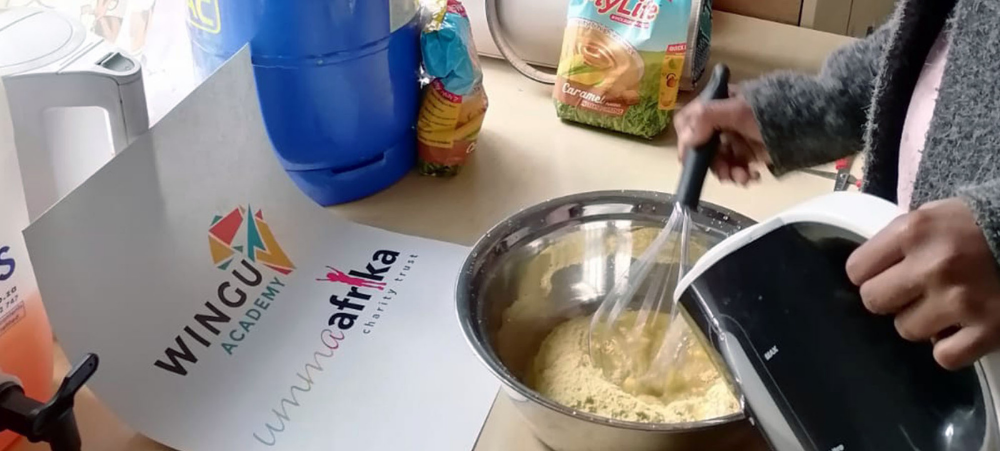
The money raised by Wingu Academy and Mahala Loyalty during Mandela Month towards the Umma Afrika Charity Trust was donated to Bok van Blerk’s Hanna Charity and Empowerment Foundation to support families in need. The initial aim was to raise R6 700 between 16 – 30 July 2021, but the Back-a-buddy initiative raised over R7 000! Through the kind donations by Wingu Academy and Mahala Loyalty supporters, Umma Afrika Charity Trust was able to donate 240 Umma Pot Meals (each Umma Pot Meal feeds up to 6 people), as well as care packages to the Hanna Charity and Empowerment Foundation. Thank you to everyone who participated in this worthy cause during a time when communities need it the most!

Tommee Tippee

NEWBORN NAPPIES: EVERYTHING YOU NEED TO KNOW ABOUT NEWBORN BABY POOP

Babies do three things – eat, sleep and poop. And if you’ve recently become a parent (congrats!), it may come as a shock to you just how many nappies your little one can get through a day.   Newborn poop isn’t very much like its adult counterpart, which can take you by surprise when you first start changing nappies! Here’s everything you need to know about what’s normal and what’s not in the world of newborn baby poop:  How Often Should a Newborn Poop? While there isn’t an exact poop quota your baby should meet each day, here’s what a normal day of pooping might look like:  On average, babies have about four poops a day during the first week of their life. This decreases to an average of two per day by their first birthday.   Breast milk is considered a natural laxative, so breastfed babies may poop at every feed during their first few weeks. Thankfully, this ‘in and out’ phase doesn’t last very long, and they might not poop for several days after the six week mark. Phew!  Formula-fed babies, on the other hand, can poop up to five times a day when newborn, reducing to as little as once per day after a few months.  While all of this might seem like too much poop to handle, there’s generally not a lot to worry about. Some babies are quite literally pooping machines, while others can go a few days without pooping at all!   As long as your baby seems happy, bouncy and is eating well, chances are things are fine – even if you need to change them 12 times a day!   Newborn Baby Poop Chart A better indication of your baby’s digestive health is the colour of their poop.  Below is a rough guide to the different shades of baby poop and what the colours might mean:  Meconium: large, dark, thick and tarry poop that can be sticky and very hard to clean up. Meconium contains cells and other substances that line your baby’s digestive tract during pregnancy. This kind of poop is generally nothing to worry about and will subside after the first 3 or 4 days.   Mustard Yellow: Breastfed babies often poo yellow stools. The consistency will generally be loose (sometimes very loose!), and smell (semi) sweet – not like your average poop!   Pale Yellow or Pale Brown: Babies who are formula-fed might have semi-formed poops that are this colour. They may strain a little to work this kind of poo out, but this is totally normal!  Green: While a few green nappies are usually nothing to worry about, babies who frequently poop green, watery stools might have diarrhoea. It could be a sign that your baby has an allergy or intolerance, so it’s best to check this one out with your health advisor.   Pink or Red: Reddish baby poop could be a sign of blood, but there’s no need to panic if you spot it. Call your doctor and they’ll be able to tell you what’s going on. It could just be a sign of allergies or constipation.   White: Very pale, white poop is very rare, but it could indicate an underlying problem. Contact your doctor straight away if you spot this kind of poop.   Newborn Diarrhoea   We’re sure you’re aware by now just how much a baby’s poo can vary! If your little one is eating well, gaining weight and growing, chances are everything is fine.   While it’s not unusual for breastfed babies’ poop to be loose, if your baby’s poop is frequently watery, it could be a sign of diarrhoea.   Diarrhoea can be a symptom of many things, including infection, teething, antibiotics, dietary changes or allergies. It’s always best to get your baby checked out by a doctor to find the root cause of the problem!  Remember – if your baby does have diarrhoea, it’s important to keep their fluid levels in check. Breastfeed or offer your baby the bottle more frequently to help them get the extra fluids they need.   Newborn Constipation Signs You might think your baby is constipated if they seem to strain when pooping. But if you’re feeding your baby formula this is quite normal. Formula is a little harder for babies to digest (and makes their poop more solid), and it’s completely normal for them to seem strained or upset when passing a poop. As long as their poop is soft and a normal colour, everything should be fine.   Your baby might be genuinely constipated if they show any of the following signs:  Pooping fewer than 3 times a week.   They have hard, dry and lumpy poops that look like pellets.  They’re eating less and aren’t as hungry.  Their little tummy is firm.  Their poops are larger than usual and are difficult to pass.  They seem a little grizzly and fatigued. How to Relieve Constipation in Newborns Constipation can be caused by a number things, including dehydration or a change in diet. Thankfully, these can be easily treated using the following methods:  Massage Lay your baby down on their back on a soft, safe and comfortable surface. Gently give their tummy a massage to help get things moving. You can use your fingertips to make circular motions across their belly in a clockwise pattern.    Movement You can try exercising your baby to help things along. Lay them down on a soft, safe surface and gently move their legs in a cycling motion. These movements will encourage their bowels to function and provide some relief.  A Nice Warm Bath Bathe your little one in warm water to help their abdominal muscles relax and discourage them from straining. This can also help soothe some of the discomfort associated with constipation.   Nappy Cream for Newborns Pooping problems can lead to your baby’s nappy area getting irritated. While nappy rashes are super common, they can also be super uncomfortable for your baby, so

Cartoon Network Africa

Yogi Bear, Cindy, Huckleberry Hound, and a Universe of Hanna-Barbara Characters Welcome You to Jellystone! on Cartoon Network Africa

Original animated ensemble comedy series from Chowder’s C.H. Greenblatt and Warner Bros. Animation marks anticipated return of legendary characters to television after 30-year hiatus  Cartoon Network’s young audience won’t be the only ones delighting in the brand-new, animated series, Jellystone! – there’s something nostalgic for baby boomers and millennials in there too! From 15th of November, Africa’s #1 kids’ channel is bringing on the whacky, wonderful, and absolutely hilarious epic ensemble cast of Hanna-Barbera characters, created by acclaimed showrunner and executive producer C.H. Greenblatt (Chowder, Harvey Beaks) and produced by Warner Bros. Animation.  The series presents a reimagined take on these beloved characters, modernising them for today’s family audience and introducing them to a new generation of fans. Set in the charming town of the same name, Jellystone! follows the Hanna-Barbera characters as they live, work, play, and (often the case) destroy the town in some silly way together.   Huckleberry Hound proudly serves as the town’s mayor; Cindy, Boo Boo and Yogi are the town’s medical staff; Jabberjaw works at Magilla’s clothing store where they supply all the bow ties and hats to the town’s citizens. Every character has a specific role in the community, and their paths cross in fun and ridiculous ways, turning everyday activities into hilarious pandemonium.  “I grew up watching tons of Hanna-Barbera cartoons and have a deep love for these characters,” said Greenblatt. “The massive amount of both classic and not-so-classic characters we were able to use from the Hanna-Barbera library is what really makes the Jellystone! universe special. Rather than recreate the feeling of cartoons of the past, we wanted to have silly, weird fun with these characters and expand their personalities to give them more depth. Chances are, if there’s a character you love, you’ll see them somewhere in this world eventually. We hope long-time fans appreciate our take on this world, and we’re excited that parents get to introduce and enjoy their favourite Hanna-Barbera characters with their kids.” We’re re-writing history at Cartoon Network, so take a trip to Jellystone! from Monday, 15 November, on Cartoon Network Africa.

Tommee Tippee

INFORMATION ABOUT BABY POOP

Tommee Tippee has the information you need about baby poop, including what is considered normal and how often it should happen. How often should babies poop is one of the most commonly asked questions that Tommee Tippee receives from moms, so you’re not alone in wondering this and other baby poop-related questions. Whether you feel you are changing nappies every ten minutes or worrying that you’re not changing them often enough, it is likely that your baby’s bowel movements are normal. Some babies are like little poop machines, pooping several times a day, usually around every feed. Meanwhile, some babies can go several days without pooping once (you can bet you’ll know about it when it does happen though!). You’ll find that you’ll change the most nappies with your newborn. A newborn baby can average around 12 changes in a 24-hour period but you may be relieved to hear that this does slow down as your baby gets older (phew!). This is the time however when your nappy disposal bin will be your best friend. What your baby is fed can also determine how often they poop. Breast milk contains a natural laxative, so breastfed babies can poop more often, typically have several bowel movements each day. Formula-fed newborns may have fewer.  Formula is harder for babies to digest, which changes the texture of their poop to make it more solid. This means it’s more likely for them to become constipated. But before you reach for the prune juice, it’s probably helpful to know that it is totally normal for babies to strain and cry when passing a poop. This alone does not mean that they are constipated. As long as the poop is soft, everything is fine. For more information about how to help a baby poop, keep on reading for a more general baby poop guide. It covers everything you are dying to know about your new favourite subject. You also invited to join the Tommee Tippee Changetime right here https://www.instagram.com/tommeetippeeza/    from 15 – 19 November 2021. Tune into a IGTV series of pre-recorded & live sessions about nappies, fifty shades of poo, nappy rash, sore tummies, along with tips & tricks on how to help you navigate this very important part of your life (and your baby). Is this poop normal? You’re in for a surprise when it comes to the colour, texture and smell of baby poop! With the help of Tommee Tippee though, you can become an expert in one of the most talked about subjects for new parents on what’s normal and what isn’t. Poop. Something you hardly thought about and certainly didn’t talk about before becoming a parent. And now it’s not only a hot topic of conversation but wondering whether the colour, texture, smell or frequency is normal is starting to drive you a little crazy! Baby poop comes in all sorts of shades and forms and can keep even the most experienced parent guessing. Let us help demystify that nappy for you with our handy baby poop guide…. BABY’S FIRST POOP Among the most unusual baby poop is a baby’s first poop. This is because it is made up of something called meconium, which is made up of everything mum ingested while their baby was in the womb. This poop is a dark greeny-black colour and very, very sticky, which can make it quite difficult to wipe away. Yes, it does look and feel like something they tarmac the roads with — this is normal and will likely last for a few days at least. BREASTFED BABY POOP After the meconium has passed, your baby’s poop will start to change to a lighter greeny-black colour and then on to a yellow hue. It is also often quite bright. The texture will change too, from sticky to grainy, even loose. It should be soft and easy to pass. The biggest surprise for new parents is often the smell, as it is far sweeter than you might anticipate – a breastfeeding bonus! BOTTLE-FED BABY POOP It is a little more difficult for a baby to digest formula than breast milk and this results in some small differences in their poop. Bottle-fed baby poop is likely to be bulkier than breast-fed baby poop. Colour-wise, you can expect the poop to be a paler yellow or yellowish brown and it will be stronger smelling. Fortunately, your nappy disposal bin should be helping you keep those nasty niffs away. BABY POOP WHEN INTRODUCING SOLID FOODS All change! With solid foods, your baby’s poop will now become larger and thicker, more like what you’d expect as an adult. And unfortunately they will get smellier too! You may notice that different foods affect the poop differently. Sometimes you’ll see the colour of the poop reflect what you’ve given your baby to eat. You may also notice certain hard-to-digest foods pass straight through. This will change in time, as your baby gets used to different food types. In the meantime, you’ll have fun guessing what those weird little black flecks are (HINT: it’s probably that banana). This poop just got real. JET PROPELLED POOP Yes, your baby can achieve some real force behind that poop! Don’t be surprised if that poop you’ve waited longer than usual for has made its way out of the nappy. What to watch out for with baby poop…   You already know that poop comes in all sorts of shapes and sizes (not to mention smells and colors). Because of this, it is sometimes hard to tell when something is wrong. Nevertheless, there are a few signs you should watch out for that could indicate a greater problem: Diarrhea – runny or even explosive diarrhea could be a symptom of teething or an allergy, but you should check with your doctor in case of infection or other medical problem. Constipation – some babies just don’t poop as often as others (especially if they are bottle fed). However, if your baby is really

Parenting Hub

R20 million in bursaries available at The Knowledge Trust Education and Career Expo on WhatsApp

South African matriculants, school leavers and students can register now to attend The Knowledge Trust Career Expo, hosted for the first time entirely on the WhatsApp platform. Expo visitors who have completed the expo’s career guidance journey, unlock access to apply for the more than 140 bursaries, valued at over R20 million. They also have access to more than 20 education institutions, who will be hosting stands at the expo, as well as a wide variety of career guidance, learnership and job opportunities.   The expo, which runs for three months focusing on different topics each month, can be accessed for free by South African youth. For November, the theme is Education and participants can register to connect with educators, training providers and organisations who sponsor young talent.  The expo features a variety of pathways across six different expo halls: business and management; media and communication; science, technology, engineering and maths; health and wellness; tourism and hospitality; and arts, humanities and education.  For the current Matric cohort, the event’s ground-breaking use of the WhatsApp platform enables them to easily co-ordinate browsing the virtual education and employment expo halls with their study and exam timetables, from home, simply via their devices.  For school-leavers and students, it enables them to scout for serious study opportunities, bursaries and sponsorships without incurring any travel spend or major data costs. In addition to accessing the bounty of bursaries, participants have the option to apply for Standard Bank student loans via the WhatsApp bot. Young South Africans can register here to access The Knowledge Trust Career Expo on WhatsApp.   Jaryd Raizon, Africa Director of The Knowledge Trust says, “This expo was designed for youth as a free tool they can explore within the comfort of their homes. At a time when so many other events have been disrupted due to the pandemic, it was vital to provide youth with access to career guidance, education and job opportunities, at scale through affordable technology. At the same time, ensuring Matrics and school-leavers are not further compromised due to COVID-19.” JobStarter, a career coaching platform, is one of the partners at The Knowledge Trust Career Expo.  Executive Director, Marguerite van Niekerk highlights why learners and students should participate: Learners and Matrics – “Taking the first step to planning for your future can feel rather daunting, even frightening.  To know what your next step should be, you need to know what options are available to you because it is important to match your skills, interests and values to study and career pathways that work well for you.  Career Expos like this one are important tools for you to use to discover what’s out there in the world of work and to explore options that suit you.  You are likely to gain insights into careers you haven’t known about or considered.” School-leavers and Students – “The job market is constantly and rapidly changing, and so are the skills-sets that employers need.  The Knowledge Trust Career Expo will provide you with wonderful opportunities to gain insights into different industries and a deeper understanding about your interests, skills and values.  It’s an experience that helps you understand who you are and what you have to offer, which is a crucial first step in your job-seeking journey.  This, in turn, helps you create a better CV and stand out in interviews.” Van Niekerk concludes, “My top tip is to explore every booth in every hall.  Don’t follow your preconceived ideas about study or work that might interest you.  Keep an open mind and check out all the options.  You never know what you might learn about yourself or the world of work that could shift your career trajectory in more fulfilling and rewarding ways.” Unilever’s LevelUp initiative is an exciting feature of the expo this November. The youth empowerment programme will give expo participants access to training modules that will enable them to strengthen their CV as well as build their skills and experience.  LevelUp teaches the basics of personal branding, helps to develop digital skills and offers a range of activities that promote work-readiness. Lisa Andrews, HR Director Talent & Organisation at Unilever says, “Collaborations and partnerships are critical in growing and developing Africa’s youth and we are proud to partner with The Knowledge Trust on such an innovative and purpose driven initiative” Registration for The Knowledge Trust Career Expo via WhatsApp is free here

Tommee Tippee

NAPPY RASH

Nappy rash… it’s sore, it’s red and it’s uncomfy for your little one. But it’s also pretty easy to treat and maybe not as scary as you think it is. Nappy rash isn’t as common in newborns as it is in bigger babies and toddlers, but most babies will get nappy rash at least once in their lifetime. Let’s get into it.  What causes nappy rash? Your baby has super sensitive skin which doesn’t like to be wet or irritated. Unfortunately, your baby also likes to wee and poo in their nappy, and even the most absorbent nappy will still leave some wetness on your baby’s skin. This alone can cause nappy rash, but here are some more common causes to look out for:  Your baby’s nappy isn’t being changed often enough and their skin is becoming irritated by the moisture.  Your baby’s nappy may be too tight and is rubbing on their skin.   The skin in the nappy area has not be clean thoroughly enough during changes.   It could be a reaction to some soaps, wipes or detergent.   Diarrhea is a common cause of nappy rash because of the extra… moisture.  Your baby has recently been treated with antibiotics.   What does nappy rash look like? It’s good to know exactly what you’re looking for when it comes to nappy rash. The rash itself can range from a mild rash to a large rash that can spread across their bottom and thighs. Here are some common signs to lookout for:  Red or inflamed skin. Spotty or bumpy skin.   Skin is hot to touch.   Small blisters in the nappy area.   In severe cases, there might be small specks of blood in their nappy, from irritated skin.  You might also notice that your little one is fussy or seems irritated especially when they’re having a wee or a poo, or when you’re changing their nappy. In other cases, they might not seem bothered at all!  Types of nappy rash  If you’re looking to get scientific, there are a bunch of different types of nappy rash that your baby could get – some more common than others:  Irritant dermatitis – The most common type of nappy rash, caused by a wet nappy being in contact with your baby’s skin. To avoid this, you should change your baby’s nappy regularly and use a solid nappy cream.   Candidiasis (yeast infection) – Yeast overgrowth in the nappy region, often caused by diarrhoea or tight nappies. A good nappy cream should be able to tackle this, but if not you can always visit your doctor.   Bacterial infections – This infection is often caused when baby’s skin is already irritated and bacteria builds in irritated areas. Antibiotics are normally needed for a bacterial infection, so if you notice puss-filled blisters or hard scabs around their nappy area, you should consult your doctor.   How can nappy rash be prevented?  Obviously, the best way to deal with nappy rash it to try and avoid it in the first place. Here are some of the best methods of avoiding nappy rash:  Change your baby’s nappy as soon as possible.   Give your baby a bath once a day – enough to keep them clean and their skin hydrated but not too much to dry out their skin.   Try not to use soap or bubble bath when cleaning your baby.   Dry your baby gently after washing them and try to avoid talcum powder, as it could irritate your baby’s skin.   Make sure your baby’s nappy fits correctly – the nappy should be snug under the belly button and the tape should be fastened evenly.   Have some nappy-free time – especially after a bath, you might want to pop your baby on a towel and let them wriggle around in the nude.   How to treat nappy rash   Sometimes you take all the precautions in the world and can still be stuck with a little nappy rash – it happens. But not to fear – you can almost always treat nappy rash at home.   The best thing to do is invest in a top notch cream or ointment. Look for a cream or ointment that is a great all-round soother and healer for your little one’s sensitive skin, one that contains antiseptic and antibacterial properties will help fight off further infections.   If you think your baby’s rash might be an allergic reaction, try to figure out if you’ve used anything new recently. The culprit is often detergent or soap!   And if your baby’s rash isn’t clearing up after day 4, looks extra sore or is spreading, you should visit your doctor to ensure the rash isn’t infected.   You can also catch the Tommee Tippee Changetime # Nappyfest   on  https://www.instagram.com/tommeetippeeza/.   Dr Aimee Gavin a dermatologist, will be chatting live to AfroDaddy on all things nappy rash.  Tune into the live on Monday 15th November 2021 at 8pm.  

Sudocrem South Africa

Nappy Rash – What do I need to know?

Nappy rash is a common skin condition or skin irritation in babies and toddlers.  Babies and toddlers who wear nappies can develop nappy rash.  Once children are toilet trained at around 2-3 years of age, nappy rash generally isn’t a problem. Until then it’s not uncommon. Most cases of nappy rash are mild and respond very well to simple management like more frequent nappy changing and applying a good quality barrier cream. Sometimes nappy rash needs specific treatments to target the cause of the rash. Try not to worry if your baby has nappy rash. Most babies will, at some time, get nappy rash no, matter how well they are nurtured. Generally, it is not caused by an infection or poor hygiene, but simply due to the sensitivity of a baby’s skin. What are the symptoms of nappy rash? Generally, the skin covered by the nappy appears red, inflamed, and sore. The rash may just be concentrated around the baby’s bottom, or all over the area covered by their nappy. May look spotty, like little pimples.  Can look shiny and red. Blisters and broken skin can be present when nappy rash is severe or caused by a bacterial or other skin infection. What causes nappy rash? A baby’s skin is sensitive to all sorts of irritants and some babies are particularly susceptible to nappy rash. When the skin covered by a nappy is in contact with moisture the skin reacts by becoming red and irritated.  The ammonia and enzymes in wee and faeces irritate their skin and the acidic contact causes their skin to react. Sometimes nappy rash appears very quickly, even between nappy changes. Rubbing caused by friction of the moist nappy aggravates the skin even more. This means the usual protective barrier function of the skin is compromised, causing their skin to react.  Nappy rash can become worse when a baby is teething. How can I prevent and treat my baby getting nappy rash? The key is to change your baby’s nappy frequently.  Removing a wet or soiled nappy so it’s not in contact with their skin is the single most useful thing you can do. Clean your baby’s skin thoroughly after removing their soiled nappy. Use warm water or gentle nappy wipes to remove all traces of wee and faeces from their skin. Allow their skin to dry well. Smear a good quality barrier cream such as Sudocrem Skin & Baby care cream onto their skin which will help to create a protective barrier. If the cream is thick, try warming it between your fingers before you apply it. Even if your baby doesn’t have a nappy rash, or it’s cleared up, use Sudocrem Skin &Baby care cream to ensure the skin barrier is maintained. Use good quality nappies which will help to draw any moisture away from your baby’s skin. Give your baby some time each day to kick freely without a nappy on. During floor time, lay them on a towel and give their skin a chance to ‘breathe’ and never leave a baby unattended. See a doctor or healthcare professional if: Your baby seems distressed or there are any changes in their feeding or sleeping patterns. If your baby has a temperature or any other symptoms which you feel could be signs that they are unwell. If their nappy rash has blisters, pimples or crusts. Sudocrem Skin & Baby care cream has been used and loved by families since 1931.  It’s great for preventing, soothing, and treating nappy rash.  Sudocrem Skin & Baby care cream is a soothing emollient cream that helps in the management of nappy rash. The Zinc Oxide in Sudocrem provides a barrier to protect the baby’s delicate skin between nappy changes. 

Solarpop

Lift-Off with Drone Home

3… 2… 1… LIFTOFF!  With Drone Home, gone are the days of boring family game nights, it’s the only game that literally takes flight!  In Drone Home players assumes command of a group of crash-landed aliens needing help to return home. Each player selects their favourite colour aliens and attempts launch them into the transport drone to send them flying home. Sounds simple, well your opponents are trying their best to secure a seat for their aliens and just might kick your pilot out before the drone takes flight! The first player to send all their aliens home is the winner! Suitable for ages 8 and up, Drone Home will keep the whole family entertained for hours on end. With it’s simple addictive gameplay and active play, younger players will stay entertained and develop important fine and visual motor skills. As a finalist for the Toy of the Year Award (TOTY) 2021 you are rest assured that Drone Home isn’t only adored by families but has gained the attention and approval of leading toy authorities across the world.  Key Features:   Race to the launch pad – Hurry and launch your aliens down your ramp, trying to land in the centre launch pad where the drone awaits! Knock others out of the drone – Another alien landed in the drone? You have mere seconds to propel your aliens to knock them out and prevent the others escape! Lift-off – When an alien lands in the drone, it’s activated and flies up after a small delay! So, if your alien is aboard when it takes off, you’re closer to winning! Closer to winning – The winner is the first player to fly all of their aliens home! Number of Game Players – 2 – 4 Ages – 8 & Up Drone Home is available from Toy Kingdom, Hamleys, C.N.A. Takealot.com, EveryShop and other fine retail stores.

Parenting Hub

A holiday could be just what the doctor ordered

After enduring three waves of COVID-19, the vaccine programme now rolling out and the travel and hospitality industry re-opening, now might be the ideal time to plan a de-stressing, year-end family holiday. Many families are still getting over cabin fever, the stress and anxiety associated with the disruptions to work, education, anticipated social events that were cancelled, or at worst, the loss of someone close. A Human Sciences Research Council (HSRC) study in 2020 found that during the first lockdown period 33% of South Africans were depressed. This is double the level of depression and anxiety that a 2018 study found.  The HSRC also reported that 45% of respondents were fearful and 29% experienced loneliness. Research supports the benefits of taking a holiday to counter depressive symptoms, with one study finding that getting away is far more effective than passive leisure activity. Scientists have also found that the psychological benefits of a holiday can last for up to a month after returning home. Besides finally having something to look forward to and the mental health benefits of a holiday, another consideration is the deals that are available as the hard-hit travel and hospitality sectors try to lure back customers.  Personal loan specialists, DirectAxis, canvassed some industry experts to find out how you might regain some sanity while getting the best value for your holiday budget. Be an early bird If you’re planning to fly to your destination, the good news is that with British Airways (operated by Comair), kulula.com and South African Airways all flying again, there’s increased competition and more seats to fill, which should keep airfares in check.  Even so, don’t wait too long before booking. Airlines sell different fare types within each cabin. Typically, the cheapest fares have conditions attached to them, such as penalties for changes to the booking or a limited baggage allowance. The more restrictions there are, the less you’ll pay. Airlines know these cheaper fares will sell quickly. To discourage customers from changing their minds at the last minute and leaving the airline with an unsold seat, they charge hefty fees for cancellations or changes. If you’re sure about your arrangements and book early, you can snap up these lower fares. The other tip is to try to fly during periods of lower demand. Although the year-end break is always going to be busier and fares are likely to be slightly higher than during quieter periods, most people want to be on morning or evening flights so they can make the most of their day. You may be able to save some money if you choose less popular flights during the day or fly on Christmas Day or New Year’s Eve when demand is typically low. Avoid popular flights at the start or end of school holidays which are likely to be more expensive. Expand your horizons The successive lockdowns meant that international tourism all but dried up. While there is now some interest from North America and some European markets with less stringent travel restrictions, industry insiders think the international market won’t recover until after 2023.  This means that some top-end hotels, guest houses and private game lodges which had previously depended on international tourism over the South African summer peak season have had to re-think their sales and marketing strategy to attract local guests. The result is that some of these experiences which domestic travellers may have previously not considered are now much more affordable. With not all international flights having returned and some countries still restricting international travel, now could be the time you could enjoy a once-in-a-lifetime, world-class experience in your own country at a fraction of what you would have paid pre-pandemic. Do your homework Shafeeqah Isaacs, head of financial education at DirectAxis, says the travel experts also provided some sound travel tips: Do some research before you commit. Compare airfares, hospitality rates and understand what is included and what the penalties are for changes or cancellations. Once you’ve narrowed down your choices double check that you’ll get what the website promises on review sites such as TripAdvisor. The internet is a valuable tool, but there’s no substitute for first-hand experience. If you know someone who has visited your destination find out everything you can, good and bad. That way you’ll know what not to miss and can avoid repeating any mistakes they made. Once you’ve booked your trip, plan what you’re going to do when you get there. If you can, pre-book. It could save you money and also avoid disappointment if popular activities are booked up on the day. It will also help you stick to your travel budget. Doing things on a whim can be expensive. When you’ve finalised your plans and booked your trip, consider what you have left of your budget to spend on your holiday. That way you’ll be able to savour the memories as you ease back into daily life, rather than anxiously waiting for January’s paycheque because you’ve over-spent. “A family holiday may not be as costly as you think and will help put the anxieties and stresses of the past 18 months behind you. You’ll also be supporting the recovering domestic travel and hospitality sector,” says Shafeeqah.

Wingu Academy

Eating Disorders – Food for thought

Eating disorders is one subject that is very important to address, especially since it usually has its onset during the teenage years but can even develop at a younger age and continue well into the adolescent years. Eating disorders can cause a lot of conflict, stress and even death in families and thus it’s important to understand the types, causes and treatment. Types There are various types of eating disorders. The most common ones according to the South African College of Applied Psychology include binge eating disorder, where the sufferer overeats; anorexia nervosa, where the sufferer eats too little; bulimia nervosa, where the sufferer attempts to rid themselves of food they’ve consumed; and even rumination disorders where the sufferer regurgitates food.  “The most common factors that come into play are that the person is anxious about their physical appearance, and how it appears to others around them. This also includes that the image that they have of their own bodies, are distorted. Subsequently, they also have eating behaviours that are maladaptive. Research has further shown that eating disorders affect both genders, although they occur more frequently among females,” says Dr Serahni Symington, Child and Adolescent Play Therapist. Causes Dr Symington says that the causes of eating disorders must be understood from an integrative model, because there is not a single causal factor that leads to the development of it. Multiple factors could lead to the development of an eating disorder and is often also accompanied by other diseases like manic depression, anxiety, possessive compulsiveness disorder and substance abuse. According to reports by psychologytoday.com, researchers have long been probing the underlying causes and nature of eating disorders. Unlike a neurological disorder, which generally can be pinpointed to a specific lesion on the brain, an eating disorder likely involves abnormal activity distributed across multiple neural systems. Eating disorders appear to run in families, and there is ongoing research on genetic contributions to the conditions. Other factors—psychological, interpersonal, and social—can play a role in eating disorders. Among identified psychological factors are low self-esteem, feelings of inadequacy and lack of control in life, depression, anxiety, anger, and loneliness. Interpersonal factors include troubled family and personal relationships, difficulty expressing emotions and feelings, a history of being teased or ridiculed based on size and weight, or a history of physical or sexual abuse. Social factors that can contribute include cultural pressures that glorify thinness and place value on obtaining the “perfect” body, narrow societal definitions of beauty that include only those people of specific body weights and shapes, or cultural norms that value people on the basis of physical appearance and not inner qualities and strengths. People with anorexia nervosa see themselves as overweight even though they may be dangerously thin. In bulimia nervosa, despite usually weighing within the normal range for their age and height, sufferers, like individuals with anorexia, may fear gaining weight, desire to lose weight, and feel intensely dissatisfied with their bodies. Many with binge-eating disorders are overweight for their age and height. Feelings of self-disgust and shame associated can lead to bingeing again, creating a cycle of binge-eating. Treatment Because of their complexity, eating disorders require a comprehensive treatment plan involving medical care and monitoring, professional interventions, nutritional counselling, psychotherapy, and, when appropriate, medication management. Treatment for eating disorders lies in recognizing and overcoming underlying triggers. Depending on the type of eating disorder and its associated underlying triggers; medications can be used to ease symptoms of co-occurring disorders such as depression and anxiety. Selective serotonin reuptake inhibitors (SSRI) are known to help reduce binging and purging and is specifically used in some cases of bulimia nervosa. The first-line treatment for all eating disorders is psychotherapy, which encompasses a broad range of therapy approaches such as cognitive behavioural therapy (CBT) and dialectal behavioural therapy (DBT) which aim to recognize and reduce the harmful thoughts and emotions associated with the eating disorder and works to develop productive coping mechanisms and tools to help the individual engage in positive thoughts, emotions, and behaviours in order to overcome their past traumas and low self-esteem. Other skills and tools learned in therapy include mindfulness, relapse prevention skills, meditation, nutrition counselling, art therapy, and relationship building. The good news Eating disorders can be treated, and a healthy weight can be restored. The sooner an eating disorder is diagnosed and treated, the better the outcome is likely to be.  Wingu Wellness Hub Parents who have any concerns about eating disorders and wellbeing of their children can contact the Wingu Wellness Hub to assist with guidance to get the help they need. Sources:  https://www.psychologytoday.com/za/conditions/eating-disorders, https://www.psychologytoday.com/za/blog/happiness-is-state-mind/201703/eating-disorders-it-s-not-all-about-food


Parenting Hub

Walking the road to wellness

Being healthy and living a full life is what we all want, for ourselves and our family.  An important part of life’s wellness journey is about having the right people to support you – physically, emotionally, mentally and even financially – when it matters most. The latest television ad by Bonitas Medical Fund underpins this ‘holistic’ healthcare message in a simple, real and compelling way. It addresses the fact that medical aid is a necessity but expands on the message to show how the Scheme acts in the best interests of its members and ‘has a plan’ for everyone.  The story is one of perseverance and tenacity as a father tackles his tough wellness journey with the support of his family, friends – and medical aid – in order to walk his daughter down the aisle. ‘The story is about protecting our loved ones and making sure they have the best care possible,’ says Lee Callakoppen, Principal Officer of Bonitas. Produced by Joe Public and shot over three days in various locations, the advert reinforces the Bonitas’ brand strategy of being the ‘Medical Aid for South Africa’ while it introduces a campaign takeout referencing affordable and accessible quality healthcare and better benefits that don’t impact your savings. ‘We are a unique medical scheme,’ explains Callakoppen. ‘In that we offer medical aid solutions for all sectors of the market and the South African population. Our advertising needs to be slightly disruptive and set us apart, which is why we chose to portray a real life family dealing with a healthcare situation that was impacting their lives and future.  ‘We’re always taking strides to see how we can provide our members with more value – and connect with them more strongly. Be it through competitive plan design, the introduction of new benefits that add meaning to their lives or innovation in the way we communicate and engage with them.’ There are several versions of the ad including a 60s, 30s and three 10s which will be flighted across a range of DStv channels as well as Business Day TV, ENCA, eTV and SABC. Supporting the campaign will be radio, print and digital adverts. ‘We are passionate about ensuring South Africans make informed decisions about their healthcare and that they have the cover they need, when they need it. Our hope is that this TV advert will resonate well with viewers and get them thinking about the future of their health.  We believe ‘when I becomes we, illness becomes wellness’ and would like to be the medical aid that takes the wellness journey with them.’ Click here to view the latest Bonitas Medical Fund TV advert

Prima Baby

Keep little ones protected from mosquitos and bugs this summer with Chicco Anti-Mosquito Wipes and Anti Mosquito After Bite Rub

Summer brings lots of fun, warm nights and days spent in nature – unfortunately, it also comes with insects.  Keep your little ones protected from mosquitos and bugs this summer with Chicco Anti-Mosquito Wipes and After-Bite Rub and get the gentlest, most natural solution to all-round cover. Made with naturally effective ingredients such as Melissa, Crabwood and the soothing properties of Xanthoxylum, wipes are easy to use as they sit in strollers, car seats or in their cribs. A gentle wipe-down will keep them refreshed and free from nagging mozzies at all times. If mozzies do manage to get their way, just rub some gentle soothing After-Bite rub into the bitten area and provide relief from itching and stinging. Unlike most mosquito repellents the Chicco Anti-Mosquito range leaves a great smelling, natural fragrance, reminding you that every time you protect your baby you are doing the least possible harm to their gentle skin. Available at Baby City, The Kid Zone, Loot, Takealot and other participating retailers.

Koa Academy

WHY EDUCATION SHOULD BE DESIGNED FOR THE INDIVIDUAL, NOT THE AVERAGE

Whenever we design one thing for many users, we rationalise that if we ‘design it for the average’, we’ll have a good fit for most users.  An example of this was in 1926, when the US Air Force was coming up with a design for their first fleet of fighter planes. They constructed the cockpits based on the average measurements of over 100 of their prospective Top Gun pilots.   After around 25 years of inexplicable crashes involving highly trained pilots, they decided to revise their cockpit design. They doubled down on their assumption about designing it for the average pilot, and this time they took many more measurements from over 4000 pilots, hoping to have ‘a better average’.  But the plane crashes they put down to ‘human error’ only increased. As Koa Academy CEO and Principal, Mark Anderson tells the story: “Then along came Lieutenant Gilbert S Daniels, a Harvard graduate who had studied the law of averages.  He had a firm belief that if you wanted to design something for an individual human being, the average was useless.  He went on to prove this by studying the data of the 4000 pilots and showing that not one of them fell into the ten most basic average measurements, even with a generous 30% margin of error. In other words, not one of the individual pilots was average in every way, and so none of them fitted into the cockpit with optimal access to all the aircraft’s controls.” Daniels concluded that in designing a cockpit for the average, they had effectively designed ‘a cockpit for no one’.  Anderson maintains that the same is true for our traditional education system. “Teaching to the middle is simply not a good way to educate individual human beings; it’s not a good way for any child to learn.  We’ve known this for a long time, and school leaders, teachers and parents have been yearning for a shift from teaching to the middle to teaching the individual child.” Finding the ways to individualise learning has been a passion for Anderson since his early days of teaching.  Technology has been a key to unlocking how one education system can individualise learning for many.  “We’ve finally solved the dilemma of teaching to the middle, where some are frustrated and bored, and others are frustrated and confused,” he says.  At Koa Academy, a high engagement online school, learners in close-knit Pods are working at their own pace on personalised pathways and engaging with content that is delivered optimally for them. Their progress is tracked and measured against targets that each individual child has set under the guidance of their teacher.   When the US Air Force finally introduced adaptable features in their cockpits and each pilot could fit optimally, crashes due to ‘human error’ became very rare.  In the same way, no child gets left behind, or gets left unattended out ahead, because their learning path is highly adaptable to their unique learning needs. Discover Koa Academy here

Sanlam Savings Jar

Saving Can Be Child’s Play

As South Africans, our experience with money is probably as diverse as our population. Unfortunately, the significant gaps in understanding basic financial concepts continue to be a barrier to living the lives we deserve. This makes taking a one-size-fits-all approach to financial education as effective as trying to build a house using only a hammer. While access to financial infrastructure is one way to broaden socio-economic inclusion, another is addressing the knowledge gap in ways that work.  This needs to be a nuanced approach that’s sensitive, sustainable, and accessible. It needs to empower people to live with confidence, go after their goals and believe they can build a better life. Ideally, it should start in childhood, but be an ongoing journey. In fact, the earlier in childhood we can start, the better. Starting Young It has long been known that play is one of the most powerful ways in which children learn. This is what makes the Sanlam Savings Jar app such an innovative and apt solution to the question of how to teach children sound financial lessons. In the app, which essentially gamifies the idea of saving, players become young dragon masters embarking on a fantastical quest. The more they save, the more their mystical dragon grows. Mariska Oosthuizen, Head of Brand at Sanlam, says, “We know that gamification is a powerful means to educate young people. The Sanlam Savings Jar breaks down basic financial concepts, like planning, goal setting, needs versus wants, and appreciation of money and how to earn it. It’s critical to teach children these concepts early on as habits are formed from as young as seven.” By making the idea of saving fun, whether for a rainy day or a sunny one, much of the stigma and discomfort is removed from conversations about money. A key first step in closing the financial literacy gap in South Africa involves families being able to talk freely about the subject. Turning it around An alarming finding comes from the Organisation for Economic Co-operation and Development, which ranked South Africa the worst of 30 countries for financial competency in 2018. This worrying reality need to be addressed urgently and head-on. Teaching children how to plan, especially where money is involved, starts to empower them to live with confidence. Upskilling their financial literacy will do exactly this and help South Africa as a nation, move away from some of the troubling tendency toward over indebtedness.  Here are a few ways you can help improve your child’s financial literacy:  Teach them about managing debt: Debt is a tricky one to teach little people about. Offer to ‘advance’ your child the money they need for a desperately desired toy, but make sure they understand the ‘conditions’ upfront. Talk about what the toy is worth. Now, show them the impact of interest. By taking your loan now, they’ll have to ‘pay’ more for the toy in total. Work out a roster of chores they can do to ‘pay back’ the money. And make sure they know that if they don’t do the chores, they could lose their cherished toy! It sounds harsh, but it’s wise to teach these lessons to older children in the safe space of your home. Practice saving and investing for different goals: Ponies and Playstations don’t grow on trees but the money you need to buy them can be grown in a bank account. Through games like the Sanlam Savings Jar app your little one can take their first steps to becoming Baby Bezos. Give them financial confidence: Few things are as gratifying as the hands-on-hips confidence your mini me displays when they do something well. That confidence can be built with financial literacy too. Give them little savings tasks and reward them when they do these well. If it all goes according to plan then, in a few years’ time, they’ll have the financial confidence to start to build their best, independent lives.  

FYI Play it Safe

Shocking anonymous match-making in apps used by teenagers

We all know technology changes rapidly and apps are launched every single day. We also know that many of these apps are targeted at our tweens and teenagers, and even those not aimed at them are not always adequately protected to limit our children’s exposure to these apps. Do we fully understand and realise the full consequence of this and what can we do to support our children? Founder and CEO of FYI play it safe, Rachelle Best, put it to the test: “When we launched FYI play it safe, the app that alerts parents when their children are potentially exposed to harmful situations, I personally tested many of the popular apps. As I have a teenage daughter, I wanted to see what she would be exposed to and what her experience would be like  when using these apps. I was absolutely horrified by what I found access to and the content I was exposed to.”  My testing included a number of the anonymous chat apps and websites, such as Omegle and Anonymous Chat for two. Even though these apps accommodate younger users, time and time again, I was matched with a stranger aged between 18 and 23. A mix of male and female – even though we have no way of knowing whether the personal details of the other person were true. The average conversation went something like this: [Anonymous] male or female?  Female [FYI] [Anonymous] age 14 [FYI] [Anonymous] what you up to? I’m in class [FYI] [Anonymous] want to have some fun Yes, sure, what type of fun? [FYI] 5th message – the stranger either started with very explicit sexting or tried to jump to another platform like Snapchat or KIK to exchange pictures. Even worse, some of them recommended we continue our chat on “lamourly.fun” – a very explicit pornography site.  On average, it took 5 messages in about 30 seconds. This is just the pornography risk that anyone who engages on anonymous chat apps (including our children) gets exposed to. In addition, apps that we use every day launch new features to help them stay relevant and compete with other apps.  Whether it is self-destructing messages or a place where you can hide your “private” information. Our children are typically the first to know about these changes, which they then test and use.  Changes to apps or launching new apps aren’t all bad and it enhances our mobile experience, but it makes parenting in the digital world really tough. For parents to keep up with all the new apps our children use and changes to the apps we have already “approved” for their use can be a full time job!  The good news is that, because of the technology FYI play it safe uses, we will know when a new app is launched and we monitor it by default. Also, before a message self-destructs, we would have captured and analysed it already. FYI play it safe is not a parental control app, but rather an app that gives you insight into what is really going on in your children’s digital lives. It sends parents alerts when their children are exposed to or show signs of cyberbullying, depression, self-harm, suicidal ideation, or when they engage in adult content such as pornography, sexting or drugs. FYI play it safe is the one app no parent should be without. Download the app at www.fyiplayitsafe.com and follow the easy three-step sign-up process to start your free 7-day trial.

Stimulus Maksima!

Why does reading matter?

 Why do we tell children to read? Why do we always tell children that reading is beneficial for them? And is it even true in this digital age? Does reading novels actually help older children in any way? Does reading to younger children have identifiable benefits? And, finally, does reading really matter in any way? Yes – reading is vital, life-changing and stimulating for some very important reasons. Let’s take a look at how reading assists children in their everyday lives, and then look further to see how it can give them an overall fulfilling, rewarding life. Books help children develop vital language skills. In children, reading skills do exist, but they need to be developed. Learning in school, and later on at university requires advanced levels of reading. No reading SKILL equals no advancement in the university of life. Whatever path you want to follow in life, be it academia, sciences or even entrepreneurship and the arts, you need reading skills. And to cope with life as a normal functioning adult, reading skills are of utmost importance for everyday use. People studying futurology have hailed the death of the written word as imminent. However, the exact opposite has happened. With the advent of the internet and the overload of information that we are bombarded with every day, reading a vital skill that everyone wants to acquire as fast as possible. Skimming and searching through copious amounts of information as fast and as accurately as possible is a valued skill. Paperless does not mean without the written word. You can read the same report in many different ways, formats and presentations at the click of a button. A couple of written words today can cause an international uproar in minutes. In order to understand what you read, other skills are also necessary, such as critical thinking, evaluation, anticipation, and moderation. Without these skills, reading would not mean much at all. The more children read, the better they become at reading. Yes, it’s true. If children enjoy what is being read to them, the more interested they will become in doing as much as possible to fine tune and develop their reading skills. This means they will be fully capable adults with access to all information anywhere they choose. It is also important to enjoy the activity of reading. If it takes you out of your life and introduces you to other worlds, thoughts, places, and things, then you are the richer for it. When a child struggles to read, it will continuously be an emotional obstacle. So, it is important to forge a positive attitude towards reading as early as possible. Children who read frequently will develop enquiring minds and become more interested in becoming avid readers themselves. If you read out loud to children, they become familiar with grammatical styles and expression. Through this, they learn to speak better and develop a greater understanding of how to express themselves verbally. Through this they are also able to pick up on empathy as they read stories through the eyes of different characters. They learn to identify similarities and differences between themselves and various characters. The list goes on. Children who read a lot regardless of whether it is newspapers, the internet, books or magazines are exposed to a greater range of new and interesting vocabulary. They do not have to understand the actual word as most times they can work it out from the context of the sentence and next time they see it, they will have learned something without even realising it. Reading aloud also helps children with the pronunciation of words as they link the word on the page to the word that is being spoken – this is true even if they cannot yet sound out the word themselves. Reading is an amazing experience. It can open up a whole new world to children, enhancing their lives with places, things, and descriptions they have never heard of before. Reading also brings a completely new world to a child – whether it is factual, scientific or simply for self-interest. There are so many resources available from which children can read, that if they take to it and realize how useful it can be, then, literally, the world is their oyster – there is no end to what they can read and access. It would be a magical experience for them. Reading will open up a whole new understanding of humanity, and its history from all over the world. And nowhere is it more obvious that we live in a “global village” than when thinking of this in relation to children growing and developing their hungry minds. Aspects such as peaceful coexistence throughout the world and concern for humanity are all by-products of reading. Children will learn these things through the reading of non-fiction books, and other materials that are set in other periods of time, in other countries and cultures. Books bring a real live world into the life of a child. Through their imagination, they can go places and feel things without any consequences. They don’t have to answer to anyone. They can travel with their minds and meet all sorts of unsavory or popular characters who they can revisit, whenever they feel the need, by simply rereading the book. Discovering a sequel or other stories by the same author is even more exciting. Lessons in life skills such as problem-solving, cause and effect as well as conflict resolution and learning about accepting responsibility for your own actions are all explained and contained between the exciting pages of novels. Mystery stories or investigations into plots can all challenge young minds to solve theories – and then feeling terribly pleased when they do it correctly as it unfolds in the book. Furthermore, their confidence is given a great boost. Everybody knows that children copy what they see and hear from the world around them. There are plenty of children’s TV programs that leave much to be desired

Parenting Hub

This Children’s Day, Pampers Celebrates Single Parents who brought the world home when their babies couldn’t step out through their campaign #MamaUyindlovu

Pampers also steps up to support young children with early childhood development scholarships In celebration of National Children’s Day in South Africa, Pampers is celebrating single parents who bravely navigated lockdown parenting with little to no support. 40% of parents in South Africa are single moms. Though the past year has been challenging for most parents, it has been undoubtedly been even much more so for single parents who spent months isolated from family, friends, and childcare facilities that would form part of their support system. The campaign called #MamaUyindlovu, highlights the unique struggles and triumphs of renowned singer, Busisiwe “Cici” Thwala as she experienced first time motherhood during the COVID-19 related lockdowns. It also recognizes how she left no stone unturned to ensure her baby was safe and thriving developmentally during the height of the pandemic, despite the isolation. “My son Dialo is just over a year old, so he spent most of the first year of his life in lockdown. I was worried at first that he was missing out on crucial social contact with others. But I realized that I had an opportunity to do things differently and that’s when I decided to create special moments where we would explore and learn about the world in our home in creative ways.” said Cici.  Damilola Oyebanjo, Brand Director, Pampers South Africa, says, “Pampers exists to celebrate and support parents to give babies the brightest beginnings in spite of these unprecedented times. Children’s Day presents the perfect opportunity for us to celebrate single moms, who are bringing up the next generation. 40% of parents are single moms in South Africa, and despite the challenges, all parents are showing incredible resilience and are giving their little ones a great foundation because of their active involvement and investment in their child’s development.” Committed to making a meaningful difference and stepping up as a #ForceforGood, Pampers has pledged to donate towards early childhood learning scholarships by partnering up with SmartStart.  SmartStart is an early learning social franchise that boasts over 6000 sites across South Africa. This is part of Pampers’ efforts to support the happy and healthy development of little ones as they continue their journey of discovery in our post-lockdown world. “Early learning is critical for a child’s future success. Yet many children from disadvantaged communities cannot access quality early learning due to economic barriers. We’re excited to be partnering with Pampers to grow access to our quality early learning programmes through early learning scholarships. We believe this kind of support is essential to parents during these times.” said Samantha Maasdorp, Network Strategist Lead at SmartStart.  The partnership with SmartStart aims to support South African moms by providing early learning opportunities for their little ones during national lockdowns, especially single moms.  Pampers is calling on all local communities to join in saluting single moms and supporting the right of all children to access quality early education this Children’s Day.  “Through National Children’s Day we are presented with a unique opportunity to come alongside parents, as a brand, to support the holistic development of children by creating greater access to the critical development resources they need to have a brighter future,” concludes Oyebanjo Damilola, Pampers Brand Director.  

My Breastpump

How to be #preemiestrong

November is dedicated to all the parents and little warriors that find themselves in a Neonatal Intensive Care Unit (NICU). No mommy ever thinks that something might go wrong and that her baby will be born too early and need to be in a NICU. NICU’s are not really spoken about and can be scary if you suddenly find your baby in one. For myself this is a very special month because both of my children were born too early and it would have been amazing to have had this type of information and support 11 years ago. For myself the first time realizing that my baby was going to be born at 33 weeks, I was scared and did not know what to expect. I did not even know what I needed to ask for help with. The day after my baby was born, a friend of mine arrived at ICU and gave me a breast pump. For this I will always be grateful because she helped me start my journey of breastfeeding, even though it was not what I had planned but it ended up being so very special. Every drop that I pumped for my babies, was a love letter sent to them.  So what does a mom need to know if her baby is in NICU.  Your baby is in the care of professionals who want you baby to grow and get stronger so that your baby can go home, but you are still your baby’s mom. You are an important part of the NICU team and we consider you as your baby’s life support. Ask questions, be available, get to know your NICU team and try to practice skin to skin as soon as possible. Find out more about why Skin to Skin is so important . Protect your milk supply. Mothers own breast milk is lifesaving. Colostrum and mature milk are known for their antibody, stem cells, easy absorption, correctly balanced nutrition (for a premature infant) and it is protective against Necrotising enterocolitis (NEC). A mom needs to start expressing as soon as possible after birth as she can. Ideally to start within 1 hour if possible and then to express for 10 -12 times in 24 hours. This will help you to get your milk supply up and way ahead for your baby’s current needs but get you ready for when your baby comes home. You should be aiming for 750ml by day 14.  In order to be able to express this amount you will need a high-quality hospital grade breast pump like the Ameda Mya Joy. Find a South African Certified Lactation Consultant to help you with your breast feeding and expressing.  Make use of donated breastmilk if you need it. Throughout South Africa we have a variety of breast milk banks that collect and send out breast milk for premature infants. If your baby needs breast milk in the first week, ask your NICU team for more information about breast milk banks. This will give you time to recover from birth and build up your own milk supply. If you have lots of breast milk and you would like to share with other mothers in NICU then please contact the South African Breast Milk Reserve and they will let you know the process. Donating your breast milk can really make the difference for a premature infants life. Syringes can be very useful to collect your first few drops of breast milk. They are sterile so you can use them straight away to suck up the colostrum drops and send to the NICU. Remember to label them Have a pumping bag ready to take to the NICU. This will allow you to spend more time and be able to pump while you are with you baby. In your pumping bag you will need: Breast pump Microwave sterilizing bag. It is always better to have your own way to sterilize your breast pump parts. This helps you to be in control of your sterilizing and not needing to share equipment with other moms, thus reducing the risk of cross-contamination.  Breast milk storage bags .These are so useful. Make sure that you label the bags with your baby’s name, date of expressing and amount. This way you make sure that you baby will get your breast milk and that the oldest milk is used first.   Breast pads can be very useful to help prevent any unwanted leaking. You can try the disposable breast pads  or the washable breast pads depending on your preference.  Have some snacks and drinks available. These are so useful if you have been in the NICU all day. You don’t need to leave and it can help keep you hydrated for all the pumping.  To help you with bonding, you can use a NICU bonding heart.  These are the most amazing little hearts that helps your baby to smell you even while you are away.   The octopal is the cutest little octapus but is also calming aid that helps your baby to feel at home and helps to stop them from pulling out their tubing and drips.  Join a support group. There is a lovely support group for NICU parents on Facebook called My Little Prem Support SA (@MyLittlePrem), where you can share your stories and chat to other moms that are going through or have gone through similar experiences like you. Your friends and family might not understand how strange and difficult NICU can be for a parent, and it is so amazing to be able to relate to other mothers who have followed the same journey as you have. It does help to make you feel less alone and more heard.  Find your preemie nappies that will make such a difference in your little one’s life Finally buy your baby a coming home outfit. You might find that new born clothing is a bit large for your little one. We love the Little Little Prem

Bonitas – innovation, life stages and quality care

Keeping kids healthy throughout the year

Parents are often very good about getting their children off to a healthy start at the beginning of the year with medical check-ups and healthier schools lunches but it’s equally important to maintain a healthy lifestyle throughout the year. So, here are some tips on what you should be doing to maintain your child’s health.

Glenoaks Remedial and Special Needs School

UNLEASHING POTENTIAL THROUGH MULTI-DISCIPLINARY THERAPY AT GLENOAKS REMEDIAL AND SPECIAL NEEDS SCHOOL

A young poet, Mattie Stepanek, once said: “Unity is strength… when there is teamwork and collaboration, wonderful things can be achieved.” The multidisciplinary team (MDT) working at Glenoaks remedial and special needs school, epitomises collaboration through its remarkable interdisciplinary approaches that aim to enhance the potential and learning of every child in our school. It is only through collaboration and the sharing of knowledge, that one can optimise learning.  An integral part of the MDT team at Glenoaks School is the passionate therapy team. The primary purpose of any therapy is to increase a child’s participation, independence and engagement in activities that are relevant to their life. Glenoaks’ therapists are onsite for the full school day which allows them the opportunity to provide therapeutic intervention based on the learner’s individual needs. Intervention occurs individually, in pairs, in groups or even within the classroom itself to ensure carryover of skills being learnt. Glenoaks’ therapists provide not only assessment and intervention services to the learners but also support and guidance to the teachers and parents. They are involved in every aspect of learning and take part in case discussions, placement decisions and termly parent feedbacks – which provides the opportunity for parents to gain information about their child’s areas of strengths and difficulties holistically.  THE DIFFERENT THERAPEUTIC DISCIPLINES OFFERED AT GLENOAKS INCLUDE:  Psychology Our Psychologists primarily focus on the emotional well-being of our learners. An eclectic therapy approach is utilised, which is flexible and multifaceted.  Many children experience problems that affect how they feel, think or act and therapy helps them with this. The aim of therapy is thus to assist our learners to overcome behavioral, emotional and social problems that interfere with success at school and at home.  Therapy helps them to cope better, communicate better and do better. Through talking, playing, drawing, practicing new skills and solving problems, learners display: Improved communication and personal skills Ability to manage stress more effectively Better expression and understanding of emotions Improved self-esteem and confidence Improved problem-solving abilities Our Psychologists also provide parental guidance, to assist parents in supporting their children to reach their full potential and offer parent counselling, by providing a space for parents to discuss and explore their own emotions with regards to accepting and understanding their child’s areas of weakness and celebrating their strengths. Occupational Therapy Our Occupational Therapists use an interdisciplinary and multidisciplinary approach to assess and treat learners with challenges in the areas of gross motor, fine motor, visual perceptual development, as well as sensory processing. The aim of Occupational Therapy in the school environment is to enhance a learner’s ability to fully access the learning environment and actively engage in the learning process so that they may participate in all aspects of school life (academic and non-academic). Our therapists use a variety of games, sensory activities, functional activities and academic-related tasks to meet these outcomes. In addition to this, the learning environment is taken into consideration, with classroom and activity accommodations recommended and implemented when necessary.  Speech, Language Therapy and Audiology Our Speech Pathologists and Audiologists primarily focus on the assessment and treatment of social and cognitive communication difficulties. One of the most crucial aspects of learning is the development of communication skills. In order to communicate however, children require language. Reading, writing, listening, and speaking are all forms of language and proficiency in the understanding and use of language will enable a child to be able to cope better at school. Speech and Language Therapy is therefore provided to students who present with delays or deficits in communication that are impacting on their social and academic performance.  Our therapists focus on developing the learner’s speech, voice, fluency, auditory processing and receptive (understanding what is said) and expressive (expressing one’s thoughts logically and coherently) language skills in order to support their interpersonal communication and curricular goals. Through collaboration with the MDT, our Speech Pathologists aim to improve and facilitate success in oral and written communication, executive functioning, literacy, critical thinking and reasoning. Remedial Therapy Our Remedial therapists focus on assisting learners overcome or cope with their academic difficulties. Remedial therapy, also referred to as learning support, acknowledges the potential of learners to grow at their own pace towards their maximum level of independence in their academic learning. Our therapists focus on developing and improving reading, reading comprehension, spelling, writing, and mathematical skills.  Individualised strategies and practising learning styles of choice are used to support learners in reaching a level of achievement according to their unique abilities. The remedial therapy department works in collaboration with people from the multidisciplinary therapy team, family and community to which the learner belongs, to accommodate and meet specific support needs. Robert John Meehan said: “Every child has a different learning style and pace. Each child is unique, not only capable of learning but also capable of succeeding.” Successful children become successful adults who have a good self-esteem and self-worth. They enjoy learning new things and are not afraid to explore new avenues. Glenoaks’ MDT team nurtures our learners to achieve their potential and achieve success – whether it be academic or within the more practical realm. Authors:  Meera Rijhumal – Speech Language Therapist & Audiologist – Glenoaks School Karen Jacobs – Speech Language Therapist and Audiologist – Glenoaks School

Solarpop

25 Years of Pokémon!

For more than 25 years, children all over the world have been discovering the world of Pokémon. It is almost a sure thing that parents have been introduced to the world of Pokémon through their children watching the animated series, bringing home trading cards from school or playing one of the many video games. As the Pokémon franchise is turning 25 years old this year, the chances are good that parents have great memories of Pokémon from their own youth. With 2021 being the 25th Anniversary of the Pokémon brand, it is no wonder that Pokémon is being celebrated worldwide across various platforms. The brand has such an amazing following that celebrities such as Katy Perry and Post Malone even lent a hand in celebrating Pokémon! Besides a long running animated series that has been a staple on South African television channels and more recently streaming channels such as Netflix, the Pokémon Trading Card Game (TCG) especially enjoys a strong local following. It’s no surprise as the Pokémon Trading Card Game is beloved by young and old alike. With the generational gap it breaches, it has become a pastime parents enjoy with children. In the Pokémon Trading Card Game, players build decks around their favourite Pokémon and then play against each other to prove who is the best Pokémon Trainer. There are many ways for players to start their Pokémon Trading Card Game journey, but typically younger players will start with the Pokémon Battle Academy, which is a step-by-step guide guiding children and parents alike through the rules. Players can also start out with theme decks – preconstructed decks designed to cover the basics of the game.  Once players understand the rules they can augment their card collections with booster packs that provide more cards, letting players develop more diverse decks and unique strategies. With thousands of cards to choose from, the game is never the same twice.  It is during November and December when Pokémon’s anniversary celebration will truly reach its peak with the local release of a Trading Card expansion named aptly named Celebrations! The Celebrations expansion offers plenty to be excited about, allowing players the opportunity to stroll down memory lane with classic Pokémon TCG cards. Celebrations will allow players to add a variety of Legendary, Mythical, and other beloved Pokémon to their collections, including Mew, Ho-Oh, Zamazenta, Flying Pikachu, and Surfing Pikachu.  The Pokémon TCG: Celebrations expansion includes: 4 Pokémon V and 2 Pokémon VMAX 25 classic Pokémon TCG cards More than 45 cards The Celebration set will contain some sough after items such as the Elite Trainer Kit, the Pikachu Premium Figure Collectors Box and the Pikachu V-Union box set which will delight young and old. Pokémon Celebrations will truly make an amazing gift under Christmas trees this year and create lasting memories your children will remember when they are celebrating the 50th anniversary with their children.  

Sidebar Image

Scroll to Top