Expert Advice from Bonitas Medical Fund
Bonitas – innovation, life stages and quality care

Pregnancy, your body and your baby – week 32 of your pregnancy

You officially have 8 weeks until delivery, but this is likely not to be exact, as many babies aren’t born on their due dates. Your body may be feeling sore and tired, thanks to the strain your growing little one puts on you. Your body at week 32 As you get closer to delivery day, you may notice more frequent Braxton Hicks contractions, which is just your body’s way of preparing for the real-deal. Your feet and ankles may be swollen and your back and pelvis are probably taking strain. Constipation, shortness of breath, fatigue, a sore mouth and leg cramps are also all common pregnancy symptoms at this time. Look after yourself (and your baby) and don’t be afraid to ask for help or to put your feet up for some well earned rest – growing a baby is hard work! Your baby at week 32 Your little one is now roughly the size of a melon and they are practicing breathing, sucking and swallowing to prepare their body for the outside world. Your baby is also busy shedding the lanugo, which is the fine hair covering their body. Most of it will be gone by the time they are born, although some babies are born with some lanugo covering parts of their body. Your baby’s finger and toenails are also growing – you may even find them fairly long when they are born. Things to keep in mind at week 32 of your pregnancy You may be wondering how realistic your due date is, although pregnancies are 40 weeks long, as little as 5% of moms give birth on their due date. Most women give birth to their babies between week 37 and 42, although about 11% of moms-to-be deliver prematurely. If you don’t go into labour within a week of your due date, you will most likely have a nonstress test which monitors your baby’s heart rate and checks they are reacting normally to stimuli. When you hit 42 weeks, your doctor may induce labour.

Bonitas – innovation, life stages and quality care

Pregnancy, your body and your baby – week 31 of your pregnancy

Your baby is getting bigger and plumper – looking more like the chubby baby you’ll expect to meet. You may be feeling a dip in your energy levels, thanks to a sore body and a less-than-ideal night’s sleep. Your body at week 31 Your breasts and belly are growing, preparing your body for birth and beyond. Your baby’s kicks may be uncomfortable (yet still a comforting reminder that everything is going well in there) and you may find yourself constantly feeling tired. A good night’s sleep may be harder to come by, so it’s important that you eat healthily and exercise as this can help your energy levels. Other common pregnancy symptoms are aching and swollen feet, a sore back, constipation, stretch marks and feeling bloated. Your baby at week 31 Your baby is now roughly the size of a coconut and their bones are slowly hardening. Their skull is soft and made up of unfused bone, so that delivery is easier and brain growth can easily be accommodated. Your little one will be moving around quite a bit at this point, and you may even start to notice some patterns in their movement. However, if you notice a sudden change or stillness in their movements, it’s important to call your doctor quickly as there may be an issue. Things to keep in mind at week 31 As your belly grows, you may find sleeping harder as it becomes more difficult to find a good position to lie in. It is recommended that you sleep on your side. In particular the left side is preferable as this allows optimal blood from the inferior vena cava and takes pressure off your organs. However, don’t worry if you lie on your right as well, whatever makes you feel most at ease.  You may feel more comfortable with your knees bent and a pillow tucked between them, and you could pop a pillow under your tummy for added comfort.

Bonitas – innovation, life stages and quality care

Strokes in children and adults under 45

Strokes, often associated with older adults, can also affect young people. Understanding the causes, risk factors, symptoms and preventive measures is crucial for addressing this serious health issue.  It is considered to be an early stroke if the person is younger than 45 – although not as common as older people, about 10-15% of strokes occur in children and adults under 45. Unfortunately, that number is rising.  A stroke changes your life in an instant and, although survival rates are high, around two-thirds of stroke survivors live with a disability. Dr Themba Hadebe, Clinical Executive with Bonitas Medical Fund, takes a look at some of the causes and risk factors associated with strokes as well as symptoms, treatment and preventative measures. What is a stroke? There are two main causes of stroke: Ischemic (caused by a blocked artery in the brain) and haemorrhagic (related to bleeding in the brain). A stroke may strike seemingly out of nowhere but, approximately 12% of patients may have only a temporary disruption of blood flow to the brain, known as a transient ischemic attack (TIA) or mini stroke up to 90 days before a full-blown stroke. TIAs may cause symptoms similar to an intense migraine when a clot temporarily blocks a blood vessel but gets dislodged. And a silent stroke? According to Harvard Medical School, ‘A silent stroke refers to a stroke that doesn’t cause any noticeable symptoms. Most strokes are caused by a clot that blocks a blood vessel in the brain, preventing blood and oxygen from reaching that area, resulting in brain cells dying.   Depending on the location of the clot, this can cause symptoms such as weakness in an arm or leg, trouble speaking or seeing. Sometimes, the area of damage is small and occurs in a part of the brain that doesn’t control any vital functions, so the stroke remains undetected. Causes and risk factors ‘There are a number of genetic conditions that can lead to a stroke,’ explains Dr Hadebe.  Hereditary conditions, such as sickle cell disease or connective tissue disorders Heart problems: Congenital heart defects, arrhythmias or infections like endocarditis  Blood vessel abnormalities: Conditions like arteriovenous malformations (AVMs) or aneurysms Blood clotting disorders: These can lead to the formation of blood clots that travel to the brain Infections and inflammatory conditions: Certain infections (like meningitis) or autoimmune conditions (like lupus) can cause inflammation and increase stroke risk Hormonal factors: Use of oral contraceptives, particularly in combination with smoking Trauma: Head or neck injuries can damage blood vessels, leading to a stroke He also lists some lifestyle factors that can add to the risk of having a stroke: Smoking Diabetes High cholesterol Heart disease Alcohol Obesity High blood pressure Lack of exercise Unhealthy diet Drug abuse (especially cocaine and methamphetamines) Signs and symptoms ‘The symptoms of a stroke in young people are similar to those in older adults,’ says Dr Hadebe. ‘In the youngest of stroke patients, congenital heart abnormalities or heart valve problems that lead to clot formation can cause a stroke. Most important is identifying a stroke and getting medical assistance quickly, the sooner you get treatment the better your chances are of survival and making a full recovery.’  He says you need to BE FAST when remembering stroke symptoms. Balance – trouble walking, dizziness or lack of coordination Eyesight changes – trouble seeing in one or both eyes Facial drooping Arm weakness, especially on just one side Speech difficulty – confusion and trouble speaking Time to get to hospital Women may experience other seemingly unrelated signs of stroke, such as difficulty breathing, general weakness, fainting, hallucinations or nausea and vomiting. Treatment for a stroke An IV injection of recombinant tissue plasminogen activator (TPA) is the gold standard treatment for ischemic stroke.  It breaks up the blood clots that block blood flow to your brain however, this type of medication must be given within 3 hours after stroke symptoms start. In cases of haemorrhagic stroke, surgery might be needed to repair blood vessel abnormalities. Recovery time Every stroke is different, the quickest recovery takes place in the days and weeks immediately afterwards but can continue for months and years. For all patients, the recovery process involves making changes in the physical, social and emotional aspects of their life. The injury to the brain can lead to widespread and long-lasting problems with rehabilitation and long-term support needed to help regain as much independence as possible. Brain exercises can help survivors regain thinking, reasoning and memory skills. Other activities include eating a heart-healthy diet, getting regular exercise and limiting alcohol consumption.  Mitigating the risks A healthy lifestyle – no matter what your age – that includes regular exercise and a balanced diet can certainly reduce, if not minimise, the risk of having a stroke.  Dr Hadebe says, ‘Many strokes can be prevented. Make sure you go for wellness screenings to check your blood pressure and cholesterol levels and work with your clinician to control health conditions that raise your risk. Being aware of the symptoms and following a healthy lifestyle can possibly prevent a stroke from happening in the first place.’ 

Bonitas – innovation, life stages and quality care

Pregnancy, your body and your baby – week 30 of your pregnancy

You now officially have ten weeks left of your pregnancy, this can be both an exciting and overwhelming realisation, and feelings of anxiety during this time are normal. Your little one’s kicks and growing baby bump are reminders that your due date is increasingly getting closer. Your body at week 30 Your back and feet may be increasingly getting more painful as your baby grows in size. Swollen ankles and feet are normal, so remember to give yourself some time to put your feet up and invest in some comfortable footwear. Bloating, constipation and  stretch marks are normal at this point in your pregnancy. The fatigue you felt in your first trimester may be returning. You could be struggling to sleep at night, which will leave you feeling drained during the day. Don’t be afraid to ask for help at this time, you’ll need extra hands now and after your baby has been born. Your baby at week 30 As your delivery date grows closer, your baby is constantly growing in size, and at this point she is roughly the size of a cabbage. Your little one is also prepping for the big day and they should have (or will be soon) changed position, facing head down with their face towards your back (known as the occipito-anterior position) – ready to enter the pelvis. This is the ideal position for birth, however it is possible for your baby to be lying another way inside you. Some babies will only turn this way closer to your due date. Things to keep in mind at week 30 It’s normal to feel anxious about your approaching delivery. Going to antenatal or birth classes can help you feel more prepared for what is to come. Do exercises that can help you prepare your body for what it will go though, certain yoga and pilates positions can strengthen your muscles and help make the process quicker and smoother. If you find that your anxiety is overwhelming, chat to a health professional, as you may be experiencing antenatal anxiety. This is nothing to be ashamed about, and is something that can be managed with the help of professionals.

Bonitas – innovation, life stages and quality care

Pregnancy, your body and your baby – week 29 of your pregnancy

Week 29 of your pregnancy and you may notice that your body is taking more strain. Be mindful of this and don’t be afraid to take it easy if needed. Make sure that you’re still eating healthily (and remembering to take your prenatal vitamins) and exercising gently, both are important to your health as well as your growing baby’s. Your body at week 29 You are now entering the last phase of your pregnancy, and because of this you may find this very challenging, both physically and mentally.  Your back, pelvis and feet are probably aching, and you’ll experience constipation, frequent urination and shortness of breath. Your baby at week 29 Your baby is now filling more of your womb, this means that any kicks, which used to be soft and barely notable, may feel more like hard pokes now. Your little one is also growing rapidly, and will probably have doubled in weight before birth. At this point many of their organs are almost fully developed, meaning they have a good chance of survival if born premature. That being said, their lungs still have lots of developing to do, which is why preemies need help breathing via a ventilator. Things to remember If you haven’t already, start planning your maternity leave. In South Africa, moms are entitled to four months of unpaid leave. If you’re still feeling able to work, you’ll probably want to keep most of your leave for after birth, so that you can spend as much time with your growing baby as possible. Generally speaking, maternity leave begins about a month before birth –  and the good news is dads are now entitled to 10 consecutive days of parental leave. Your employer is obliged to keep your job for you until you return from leave, so you won’t have to worry about losing your job.

Bonitas – innovation, life stages and quality care

Pregnancy, your body and your baby – week 28 of your pregnancy

Welcome to week 28 of your pregnancy, you are now in your third trimester – the final stretch before birth! Your baby will do lots of growing during this time, and your body may start taking some strain in the final weeks before delivery. You’ll probably be feeling both nervous and excited, soon you’ll be able to take your little one home! How your body will be feeling at week 28 If you haven’t started experiencing it already, you may notice that back ache and pelvic pain are becoming an issue. This is due to the fact that pregnancy hormones cause your ligaments to loosen, which can cause lower back and pelvic pain. Your changing centre of gravity also puts strain on your back. Excruciating pain in your pelvic reason is cause for concern and the culprit could be symphysis pubis dysfunction (SPD). Luckily this isn’t harmful to your baby, but is probably very painful to you. Chat to your doctor if you’re feeling pain that you see as abnormal. They’ll probably recommend a physiotherapist to you as physio can help minimise your pain and improve your muscle function. Other common week 28 pregnancy symptoms include Braxton-Hicks contractions, frequent urination, swollen ankles and feet, sleeping problems, stretch marks, heartburn and indigestion and constipation. Your baby at week 28 Your little one is growing fast, and is now the size of a head of lettuce. Around this time your baby will begin to open and close their eyes,  and can sense changes in light. Your baby’s heart rate will have lowered to about 140 bpm (and at birth this will have dropped to around 130 bpm). If you were to have an ultrasound now you may notice hair on your baby – this is known as lanugo, which is fine hair that grows on babies before birth. This will disappear at birth or shortly afterwards.

Advice from the experts
Bonitas – innovation, life stages and quality care

10 ways to manage your medical expenses

‘As you begin 2024 with a clean slate in terms of medical aid benefits, it’s a good time to look at ways to manage medical expenses,’ says Lee Callakoppen, Principal Officer of Bonitas Medical Fund. Here are 10 tips to empower yourself in managing medical expenses.   Designated Service Providers (DSPs) and networks  Healthcare costs in South Africa are generally unregulated which means providers are free to charge any tariff.   ‘Using DSPs and hospital networks means that favourable tariffs for members have been negotiated,’ explains Callakoppen. ‘Using networks also means you can reduce or eliminate co-payments.’ Tariffs and rates of payments The Scheme Rate is the amount a scheme will pay for specific treatments and procedures. However, 100% of the scheme rate doesn’t necessarily mean 100% of the account will be paid.  Ask for a quote from your practitioner and/or hospital ahead of any procedure. If there is a major discrepancy, try and negotiate an adjusted fee.  The value-add benefits  Make use of the free wellness screening and testing offered by your medical aid. There has been an intensified drive to detect, prevent or manage various chronic conditions as well as vaccinate against potential diseases and conditions. ‘After completing an online wellness questionnaire or a wellness screening, you are able to access the ‘Benefit Booster’ providing access of up to R5 000 in additional funds to use for out-of-hospital expenses.’ The Bonitas ‘Be Better Benefit’ includes an annual wellness screening, per beneficiary, to check blood pressure, blood glucose, BMI and cholesterol. It’s about being on the right path to good health and wellness. Other benefits include Flu vaccines, HIV tests, lipograms, mammograms, prostate screening, pap smears, pneumococcal vaccines, whooping cough boosters, HPV vaccines, stool tests for colon cancer, dental fissure sealants, online hearing screenings and contraceptives. Ask your pharmacists  Ask your pharmacists for over-the-counter medications for less serious illnesses. Pharmacists are able to provide sound medical advice about problems like rashes, colds or illnesses that are not severe. Also use generic medications where possible. A generic’s active ingredient or drug content is identical but is between 30% and 80% cheaper.  Managed Care The prevalence of Non-Communicable Diseases (NCDs) has been increasing year-on-year, so have mental health issues, which is a risk factor for NCDs and vice versa. For this reason, it is important to make full use the Care programmes your medical aid offers.   ‘At Bonitas we offer support for NCDs through a range of Care programmes including Audiology, HIV/AIDS, cancer, diabetes, mental health, back and neck, hip and knee replacements as well as hospital-at-home.’ Remember to pre-authorise Pre-authorisation is required for all hospital admissions, out-of-hospital screenings and procedures. Always ask if there are any co-payments or sub-limits that will apply and how to avoid these. For planned procedures, make sure you use a DSP or check whether the procedure can be in the doctor’s rooms or a day clinic. Be aware of consulting after hours Be careful about using after-hours consultations or emergency rooms unless it’s absolutely necessary. In a bona fide medical emergency, one has no choice and this usually results in admission to hospital. Manage your chronic medicine correctly The golden rule for chronic illness benefits is to try to use the medication on the scheme’s formulary and to obtain this from a specified pharmacy, either on the network or a DSP. PMBs Make sure you understand what is covered under Prescribed Minimum Benefits (PMBs) and to use a DSP to ensure that claims are paid from risk, not from your medical savings account. Gap Cover Gap Cover is designed to cover the difference or part of the difference between what the medical scheme pays and the service provider charges for in-hospital procedures/treatment and specified outpatient procedures. Ensuring you ‘work smarter’ with the benefits and medical expenses during the year, is a win-win situation for your health and pocket. 

CRYOSAVE

Unlocking the Potential: Cord Blood Stem Cell Therapy and the Spectrum of Treatable Diseases

Over the past three decades, the field of cord blood stem cell therapy has witnessed remarkable progress, with more than 40,000 successful transplants worldwide. These transplants have emerged as transformative treatments for various medical conditions, particularly blood disorders, inherited metabolic disorders, and immunodeficiency syndromes. As the therapeutic landscape continues to expand, cord blood stem cells have found applications in over 80 approved therapies, offering hope for patients facing a diverse range of diseases. Treatable Diseases and Therapies: Cord blood stem cell transplants have proven effective in treating a multitude of diseases, ranging from blood cancers to inherited metabolic disorders and bone marrow disorders. The following is a glimpse into the scope of treatable diseases and approved therapies: Blood Cancers: Acute Lymphoblastic Leukaemia (ALL) Acute Myeloid Leukaemia (AML) Chronic Myeloid Leukaemia (CML) Myelodysplastic Syndrome (MDS) Multiple Myeloma Hodgkin’s Lymphoma Non-Hodgkin’s Lymphoma Inherited Metabolic Disorders: Hurler Disease (MPS type IH) Osteopetrosis Adrenoleukodystrophy Krabbe Disease Bone Marrow Disorders: Aplastic Anaemia Unspecified Fanconi Anaemia Other Diseases: Blood Disorders Bone Marrow Failure Syndrome Immunodeficiencies Neuroblastoma Solid Tumours For a comprehensive list of current treatable diseases and therapies, interested readers can refer to the Parents’ Guide to Cord Blood and CryoSave’s dedicated page to these diseases. Ongoing Clinical Trials: The frontier of cord blood stem cell therapy extends beyond approved therapies, with ongoing clinical trials exploring the potential applications of these cells in various conditions. Some of the areas currently under investigation include: Acquired hearing loss Alzheimer’s disease Acute Ischemic Stroke Autism Spectrum Disorders Amyotropic Lateral Sclerosis Bronchopulmonary dysplasia Cartilage repair Critical limb ischemia Cerebral Palsy Congenital Diaphragmatic Hernia Congenital Heart Diseases Childhood Hearing Loss Corneal Epithelial Wounds Ulcerative Colitis / Inflammatory Bowel Disease Duchenne Muscular Dystrophy Diabetic Foot Ulcers Diabetes Mellitus (Type I & Type II) Encephalopathy (neonatal) Epidermolysis Bullosa Fertility Global development delay Graft versus host diseases Glaucoma Hypoplastic left heart syndrome HIV Hydrocephalus Ischemic Stroke (pre/peri-natal) Intraventricular haemorrhage Infant Lung Disease Idiopathic Dilated Cardiomyopathy In-Utero Brain Injury / Stroke Liver Cirrhosis Neurodegenerative Disorders Preterm Neonatal Complications Parkinson’s Disease Rheumatoid Arthritis Severe Hypoxic-ischemic Encephalopathy Systemic Lupus Erythematosus Spinal Cord Injury Skin-Wound / Burns Sweat Gland Diseases / Regeneration References Cairo MS, Rocha V, Gluckman E, et al. Alternative allogeneic donor sources for transplantation for childhood diseases: unrelated cord blood and haploidentical family donora. Biol Blood Marrow Transplant. 2008; 14:44-53. Cairo MS, Tarek N, Lee DA, et al. Cellular engineering and therapy in combination with cord blood allografting in pediatric recipients. Bone Marrow Transplant. 2016;51:27-33 Gluckman E, Ruggeri A, Rocha V, et al. for Eurocord, Netcord, World Marrow Donor Association and National Marrow Donor Program. Family-directed umbilical cord blood banking. Haematolgica. 2001; 96: 1700-1707. Mazonson P, Kane M, Colberg K, et al. Prevalence of medical conditions potentially amenable to cellular therapy among families privately storing umbilical cord blood. Matern Child Health J. 2016 (online). https://clinicaltrials.gov

Bonitas – innovation, life stages and quality care

Pregnancy, your body and your baby – week five of your pregnancy

Week five of your pregnancy is the week that many women find out that they are pregnant. You’ll notice the skipped period and your pregnancy test will come out positive, you’ll also start to notice some pregnancy symptoms if you hadn’t already. Your body at 5 weeks pregnant This week you’ll notice pregnancy symptoms, and this is just the beginning of a huge number of changes you’ll feel taking place in your body. At this point your pregnancy hormones will probably be affecting you, making you feel nauseous, your breasts tender. You could also be experiencing spotting and cramping, as well as frequent urination and cravings. The pregnancy hormone, human chorionic gonadotropin (hCG), is responsible for many of these changes, and this hormone is why your test shows up positive. Not only will your body physically change, but you’ll probably be dealing with mental changes as well. No only can your changing hormones cause your moods to fluctuate, but finding out you’re pregnant can also be an emotional experience. Remember any emotions are valid, even if you’re feeling overwhelmed and confused, as opposed to excited. If you’re struggling it’s important to reach out to those around you or seek professional help.  Your baby at 5 weeks pregnant   Your baby is now roughly the size of orange or apple seed and her tiny face is already starting to form, even though she looks more like a tadpole than a human. During this time your baby’s neural tube is developing – this will become their spine and brain – which is why folic acid is so important at this point. Folic acid taken daily reduces the risk of spinal tube defects. By 5 weeks your little one’s heart will have also started beating. If your pregnancy is healthy, you won’t be having an ultrasound before 8 or 9 weeks of pregnancy, so it’ll be a few more weeks before you get to see your baby.

Parenting Hub

Smile-Ready for School: Oral Health for Back-to-School Success

The start of a school year is always a nerve-wracking and exciting time for both kids and parents – whether your child is off to daycare or big kid school. Parents always want to make sure they set up their children for success and to show up as the best versions of themselves, and while this includes making sure your little one is fully kitted with the required uniform, stationery and lunchbox – sending your child back to school with a healthy and confident smile is also a vital part of that checklist. As you get ready to entrench your family into the school routine – making sure oral health is prioritised will be essential to ensuring they have a successful school year. As our little one’s teeth are developing, taking care of them is critical not only for preventing things like decay and gum disease, amongst other things, but healthy teeth and gums also contribute to overall well-being.  Plaque buildup eventually leads to cavities, gingivitis or severe gum disease that puts teeth and gums at risk – and even other parts of the body. Developing good dental habits from a young age can help prevent dental problems in the future. In fact, good oral health habits can, in the long run, lead to saving on doctor/dentist visits and missed school days.  Oral health must be prioritised as early as the age of 2 and should change as the teeth do. So, we challenge parents to take their children’s oral health seriously as they start new habits and routines. What’s also crucial is knowing which phase your child is in when it comes to brushing their teeth. We like to break this up into 4 phases, which entail the below: Phase 1: Dependent cleaning – prioritise as early as when your child has their first tooth. This is where mom or dad takes control of their child’s oral hygiene.  Phase 2: Supported brushing – from two-and-a-half years old. Your child is beginning to show some independence and do things on their own, which includes wanting to brush their own teeth. It’s important to Use a pea-sized amount of kids toothpaste. Adult toothpaste might burn too much. Choose a soft, dense bristle kids toothbrush – adult toothbrushes are too large for a child’s small mouth. Start brushing all the tooth surfaces, doing large circles over the tooth and gums (about eight counts per tooth) Brush the chewing surfaces using a scrubbing method A plaque-disclosing tablet can show your child where to brush and where plaque is present. They can easily see the plaque and brush on these surfaces Parents should also brush after the child has brushed their teeth to ensure hard-to-reach areas are not missed.  Phase 3: Supervised brushing – from nine years old. Regularly checking on them and motivating and supporting them with their oral health is encouraged. This not only lets them know that they are doing the right thing, which will keep them motivated to keep brushing every day, but it will give you the chance to spot any technique that needs to be fixed early on. Phase 4: Independent brushing – young adults. They’re responsible for brushing their teeth and looking after their oral health. This is when you know that your guidance has paid off, and they can keep up with the routine on their own. As parents, we are responsible for ensuring we give our children the best life and opportunities possible. Gifting them a healthy smile, which contributes to their confidence and overall well-being, is certainly one that cannot be overlooked.  Written by: Richard Meyer, GM at Curaprox

CRYOSAVE

The Importance of Storing Cord Blood Stem Cells for Future Health

The decision to bank your baby’s cord blood stem cells is a significant one, offering potential health benefits for both the child and their siblings. Understanding the intricacies of stem cell matching and the role these cells play in medical treatments is crucial for making an informed choice about storing this precious resource. Who Can Benefit? Your baby’s cord blood stem cells are a 100% match for themselves, ensuring a personalized and compatible source for potential future medical treatments. Siblings, on the other hand, may also benefit, but a crucial step is determining their compatibility through a process called tissue typing or HLA (Human Leukocyte Antigen) testing. This method reveals whether siblings can utilize each other’s stem cells for approved therapies. Biological siblings share a 25% chance of being a match, a statistic that highlights the importance of storing cord blood for each child in the family. Biological parents are considered a partial match, termed ‘haploidentical,’ emphasizing the need for alternative sources in certain situations. Importance of Matching in Transplants In cases where an individual cannot use their own stem cells due to an inherited condition, having cord blood from a matched sibling becomes invaluable. If the sibling did not inherit the same condition, their cord blood becomes a preferred source for stem cells in potential transplant scenarios. This emphasizes the critical role cord blood banking plays in securing a suitable match for transplantation, significantly increasing the chances of successful treatment. Comparing Match Chances Understanding the probabilities associated with different sources of stem cells is vital in appreciating the value of cord blood banking. The chances of being a suitable match for a transplant vary based on the source of stem cells: Autologous (Your own stem cells): 100% chance of a match. Syngeneic (Stem cells from identical twins): Each twin has a 100% chance of a match. Haploidentical (Stem cells from biological parents): A 50% chance of matching. Allogeneic (Stem cells from biological siblings): Each sibling has a 25% chance of matching. Banking your baby’s cord blood stem cells is an investment in their future health. The potential benefits extend beyond the individual, providing a lifeline for siblings who may require compatible stem cells for medical treatments. As the statistics show, the chances of finding a transplant match from unrelated donors are extremely low, making cord blood banking a proactive and strategic choice for families concerned about their long-term well-being. References Waller-Wise R. Umbilical cord blood: information for childbirth educators. J Perinat Educ. 2011 Winter;20(1):54-60. doi: 10.1891/1058-1243.20.1.54. PMID: 22211060; PMCID: PMC3209739.

Bonitas – innovation, life stages and quality care

Pregnancy, your body and your baby – week four of your pregnancy

This may be the week that you realise that you’re pregnant. Many women don’t notice so early-on, but if you’ve been trying for a while you may  take a pregnancy test before when your next period was due. Your body at 4 weeks Although your body is changing, chances are you may not have noticed just yet – at the end of this week you’ll probably notice (or maybe earlier or later – depending on your menstrual cycle) that you’ve missed your period. This is one of the more obvious pregnancy signs, but your body is changing in other ways as well. When your fertilised egg implanted into your uterus you may have noticed some cramping and spotting. You may write -off other early pregnancy signs as pre-menstrual changes, however, there are some symptoms that are unique to having a baby. Such as nausea, spotting and cramping, and a raised body temperature. If you haven’t already, now is the time to quit any unhealthy habits, such as drinking alcohol and caffeine, and smoking. It’s also a good idea to take prenatal supplements if you haven’t started yet. If you’re feeling healthy and your pregnancy symptoms are all normal, you’ll only need to schedule an ultrasound at week 8. Your baby at 4 weeks Your baby is a tiny mass of cell inside you, roughly the size of a poppy seed, but just because it’s so small doesn’t mean lots isn’t happening. In the next few weeks, this tiny ball of cells will form the neural tube, which is the beginning of the brain and spine. At this point, the cells that are your baby are dividing up, becoming more defined. Three layers are developing – the ectoderm, the mesoderm, and the endoderm – and these will later develop to become your baby’s organs and tissues.

Parenting Hub

Ear infections: Why they are common in children

Affinity Health, a leading provider of high-quality health coverage, sheds light on the causes, symptoms, and preventive measures associated with paediatric ear infections. Ear infections, medically known as otitis media, are among the most common reasons children visit healthcare providers. These infections can occur in the middle ear, the space behind the eardrum, leading to various symptoms and complications. “Ear infections can be distressing for children and parents, but understanding the factors that contribute to their prevalence and taking preventive measures can help reduce the risk,” says Murray Hewlett, CEO of Affinity Health. “It’s important for parents and caregivers to recognise the symptoms of ear infections and seek medical attention when needed to ensure prompt and effective treatment.” Why Ear Infections are Common in Children The structure of a child’s Eustachian tubes, which connect the middle ear to the back of the throat, differs from that of adults. In children, these tubes are shorter, narrower, and more horizontal, making bacteria or viruses more likely to pass from the throat to the middle ear. This anatomical difference increases the susceptibility of children to ear infections. Other factors that make children more susceptible to ear infections include: Immature Immune Systems: Children’s immune systems are still developing, making them more vulnerable to infections, including those that can lead to ear infections. Their immune response may be less robust in fighting off bacteria and viruses. Exposure to Germs: Children are often in close contact with one another, especially in daycare centres, schools, and playgroups. This increased interaction can lead to a higher likelihood of exposure to germs that can cause ear infections. Frequent Upper Respiratory Infections: Upper respiratory illnesses like colds and sinusitis are frequently connected with ear infections. Children tend to experience these infections more often than adults, increasing the chances of ear infections as a secondary complication. Passive Smoke Exposure: Passive smoking has been related to an increased incidence of ear infections in children during pregnancy or after birth. Allergies: Children with allergies, particularly allergic rhinitis, may be more prone to ear infections. Allergic reactions can lead to inflammation in the nasal passages and Eustachian tubes, contributing to ear infections. Bottle Feeding and Pacifier Use: How a child is fed, whether bottle feeding or breastfeeding, can influence the risk of ear infections. Bottle-fed babies may be at a slightly higher risk, and prolonged pacifier use can also contribute to ear infections. 6 Common Symptoms of Ear Infections in Children While the symptoms of ear infections may vary from child to child, several common signs might suggest the presence of an ear infection. These signs include: Ear Pain: Ear infections often cause significant ear pain, leading to irritability and difficulty sleeping. Fever: A high fever is a common symptom of ear infections, mainly when the infection is bacterial. Fluid Drainage: In some cases, ear infections can cause fluid to drain from the ear. This fluid may be pus-like and have a foul odour. Hearing Problems: Ear infections can temporarily affect a child’s hearing, leading to difficulty understanding speech or responding to sounds. Irritability and Fussiness: Infants and young children with ear infections may become irritable and fussy and have difficulty feeding. Tugging at the Ear: Young children may tug or pull at their ears in response to ear pain. Prevention and Treatment Preventing ear infections in children can be challenging, but there are measures that parents and caregivers can take to reduce the risk: Breastfeeding: Breastfeeding for the first six months of life can help boost a child’s immune system and reduce the risk of ear infections. Avoiding Passive Smoke: Reducing exposure to passive smoke during pregnancy and after birth can lower the risk of ear infections. Vaccination: Staying current with recommended vaccinations can help prevent illnesses that may lead to ear infections. Good Hygiene Practices: Hand hygiene and encouraging children to cover their mouths and noses when coughing or sneezing can help limit germ spread. Limiting Pacifier Use: Reducing pacifier use after six months may help lower the risk of ear infections. Prompt Treatment: If a child develops symptoms of an ear infection, seek immediate medical attention. Bacterial infections may require antibiotics, while viral infections may resolve independently with supportive care.

CRYOSAVE

10 Reasons to choose cord stem cell banking for your baby

Stem cell storage is more than just a medical choice; it’s a step towards securing your family’s well-being. With the promise of potential treatments and the assurance of peace of mind, let’s explore ten vital reasons why storing your child’s stem cells is a decision worth considering. Reason #1: Collection at Birth – a once-in-a-lifetime opportunity: The collection of umbilical cord blood and tissue stem cells takes place shortly after birth. If not done at this time these precious cells are discarded as medical waste. It is the reason why collecting cord blood stem cells is particularly important because there is only one opportunity to collect them immediately after birth, unlike other types of stem cells. These stem cells have the ability to differentiate into various cell types and tissues; therefore, they can be used for treating various critical diseases. Reason #2: Potential Future Medical Treatments Umbilical cord blood-derived (UCB) stem cells can be used in the treatment of blood-related diseases. As for UCB stem cells, using the patient’s own stem cells called “autologous transplants”, are readily available when needed. Currently, several blood diseases are believed to be critical diseases and are immediately needed (unlike matching with a donor which can take months), every minute counts. Therefore, cord-blood banking is very important to be done and prepared for any future emergencies. One of the primary reasons to store your baby’s stem cells is the potential for them to be used in medical treatments. Stem cells might be used in the future to treat a range of diseases and conditions, should the need arise, such as cancer, diabetes, cerebral palsy, and more. By storing your baby’s stem cells now, you may be able to provide them access to life-saving treatments in the future. Reason #3: Low Risk There really isn’t much risk involved at all! The collection process is completely safe for both mother and child and involves only a few minutes shortly after birth for collection. Even delayed cord clamping can be done.  Additionally, cryogenic storage is entirely secure and totally reliable; even in the event of a disaster, your baby’s stem cells will remain safe with us until needed. Reason #4: Inexpensive Options Although it may sound like an expensive option initially for many parents, having the ability to treat many life-threatening diseases in the future is truly priceless. As the number one cord blood bank in South Africa, our mission is to make stem cell storage more affordable for families and offer different plans and flexible payment options to suit your needs. Reason #5: Ensuring Your Child’s Future Cryopreserving and storing your baby’s stem cells is an asset for use in their future health and well-being. Nobody knows what might happen in the future, and should your child develop a life-threatening illness, then having access to their stem cells could save their life. In the past decades, the technology has advanced substantially and will continue to do so in the years ahead. By banking your baby’s stem cells now, you can ensure they have access to any new treatments or therapies that arise from further scientific research. Reason #6: Peace of Mind Knowing that your child’s stem cells are stored safely away can give parents peace of mind about their long-term health expectations. The stress associated with trying to find a suitable donor if needed down the line, as well as removing any concerns about matching or rejection issues for transplants from unrelated donors. Reason #7: Beneficial for the entire family  Umbilical cord blood stem cells not only are used for the children themselves but also potentially used by the immediate family members. Parents have a 50% chance of a match and siblings have a 25% chance. Besides treating blood-related diseases, these stem cells from cord blood and cord tissue can also be used to treat the family member’s other degenerative diseases. Therefore, collecting and banking UCB-derived stem cells can provide peace of mind for you and your family in the future. Reason #8: The demand is growing Stem cells isolated from umbilical cord blood have been used to treat different kinds of diseases apart from blood-related diseases, including diabetes, strokes, nerve damage, muscular diseases, etc. It is believed that the stem cell umbilical cord blood market is growing by 16,% due to the increased awareness of cord blood stem cells’ potential in treating various medical conditions and also by the rising incidence of chronic diseases in the population. Reason #9: High processing standards in a state-of-the-art facility Safety is considered an important aspect of the umbilical cord blood and tissue stem cell banking process. At present, UCB- and UCT-derived stem cell collection and banking is of the highest standard with international accreditations and certifications. Therefore, you and your family can rest assured that once frozen, your stem cells can be stored for decades. Reason #10: Revolutionary innovations of umbilical cord blood transplantation The innovation of umbilical cord blood stem cells for therapeutic use has made significant progress since the 1980’s and more than 40,000 UCB transplants have been performed. Umbilical cord blood and tissue stem cells are now being studied as an alternative treatment for many diseases such as type 1 diabetes or type 2 diabetes, multiple sclerosis, and heart failure, to name but a few.  Storing your baby’s stem cells poses many advantages for parents that wish to protect their child’s health long-term without breaking the bank. It offers potential medical treatments which could save lives down the line, but also offers peace of mind knowing that you have taken steps towards safeguarding your children’s health — no matter what happens in life. Our promise is that we will do our best to take good care of your future and provide you with the highest quality and most reliable service.

Parenting Hub

Radiology’s pivotal role in the detection of lifestyle diseases

Data from the World Health Organization (WHO) indicates a notable increase in Non-Communicable Diseases (NCDs) such as cardiovascular and respiratory diseases, diabetes and cancers. These diseases are major contributors to global morbidity and mortality. In fact, three years ago, the Human Sciences Research Council (HSRC) and the Medical Council described the increase in NCDs as an ‘emerging epidemic’ and the ‘biggest threat to South Africa’s health’.   NCDs, known as chronic or lifestyle diseases, are medical conditions that are not infectious and cannot be transmitted directly from person to person. They progress slowly, often lasting for a long duration. The main categories include cardiovascular diseases (such as heart disease and stroke), cancer and chronic respiratory diseases and diabetes. Other examples include obesity, mental health disorders and musculoskeletal conditions. Lifestyle diseases were more prevalent in higher income brackets but currently, they are wreaking havoc amongst all South Africans. The good news is that the damage resulting from unhealthy lifestyles can be stemmed. Dr Jean de Villiers from SCP Radiology says medical imaging techniques play a crucial role in the early diagnosis, management and monitoring of lifestyle diseases. ‘The rapid evolution of high-quality imaging techniques, using reduced radiation dose, has positioned radiology ideally for this role. This contributes significantly to the understanding and treatment of these conditions.’  Why ‘lifestyle’ disease’? The conditions are called lifestyle diseases because they result from long-term, habitual behaviours and lifestyle choices.  The terminology implies that their prevention, control, and management are often a result of an individual’s actions, such as:  Poor diet: Diets high in processed foods, saturated fats, trans fats, salt and sugar Physical inactivity: Lack of regular physical activity Tobacco use: This is a major contributor to cardiovascular diseases, respiratory diseases and certain types of cancer Environmental factors: Including air pollution, water pollution and other environmental toxins can contribute to the development of respiratory diseases and other health problems Occupational hazards: Certain workplace exposures to chemicals and other hazards can increase the risk of specific NCDs Genetics: A family history may result in a genetic predisposition to certain NCDs Age and gender: The risk of developing NCDs tends to increase with age. Some conditions, like osteoporosis and certain cancers, may be more prevalent in specific age groups or genders Metabolic factors Obesity, high blood pressure and high cholesterol levels can increase the risk of developing cardiovascular diseases and diabetes Psychosocial factors: Chronic stress can contribute to the development or exacerbation of various NCDs Mental Health Perhaps surprisingly, mental health can also result in chronic diseases. According to Harvard Medical School, poor mental health can negatively impact on physical health, leading to an increased risk of some conditions. Depression has been linked to a 67% increased risk of death from heart disease and a 50% increase in risk of death from cancer. Mainly because people with mental health conditions are less likely to receive the physical healthcare. Preventing NCDs usually involves lifestyle modifications: Adopting a healthy diet, engaging in regular physical activity, avoiding tobacco and excessive alcohol consumption and managing stress. Early detection, through regular health check-ups and screenings, is also crucial for effective management and prevention of associated complications.   The role played by radiology Diagnostic imaging: Helps in the early detection and diagnosis of lifestyle diseases.  ‘For most of these conditions, early identification and diagnosis are crucial. X-rays, Computed Tomography (CT), Magnetic Resonance Imaging (MRI), mammography, and ultrasound are ideally suited to visualise relevant internal anatomical structures and identify relevant abnormalities early,’ says Dr de Villiers. Monitoring disease progression: Radiological techniques can monitor the progression of lifestyle diseases over time. This is important for diseases like diabetes, where complications can affect the kidneys, eyes and blood vessels. Treatment planning: Aids in treatment planning by providing detailed anatomical information. For example, before certain surgeries or interventional procedures, imaging guides the medical team to target the affected area and minimising damage to surrounding healthy tissue. Screening programs: These are essential for the early detection of certain lifestyle-related conditions. For instance, routine mammography and colonoscopy for the early detection of breast cancer and colorectal cancer, respectively. Similarly, there are currently National pilot projects running to detect early lung cancer in high-risk individuals using low-dose CT scans of the chest. Research and clinical trials: Radiology plays a key role in research studies and clinical trials aimed at understanding the mechanisms of lifestyle diseases. Advanced imaging techniques can be used to investigate the effects of lifestyle interventions and assess the effectiveness of treatment. Patient education: Radiological images can be used to educate patients about the nature and progression of their conditions. Being able to see the affected areas can help patients understand the importance of lifestyle modifications and treatment adherence. In summary, radiology is an integral component of the multidisciplinary approach to the detection and management of lifestyle diseases. It facilitates early detection, accurate diagnosis and effective management, ultimately contributing to improved patient outcomes and quality of life.

Parenting Hub

Back to School 2024 – Creating Healthy Lunch boxes

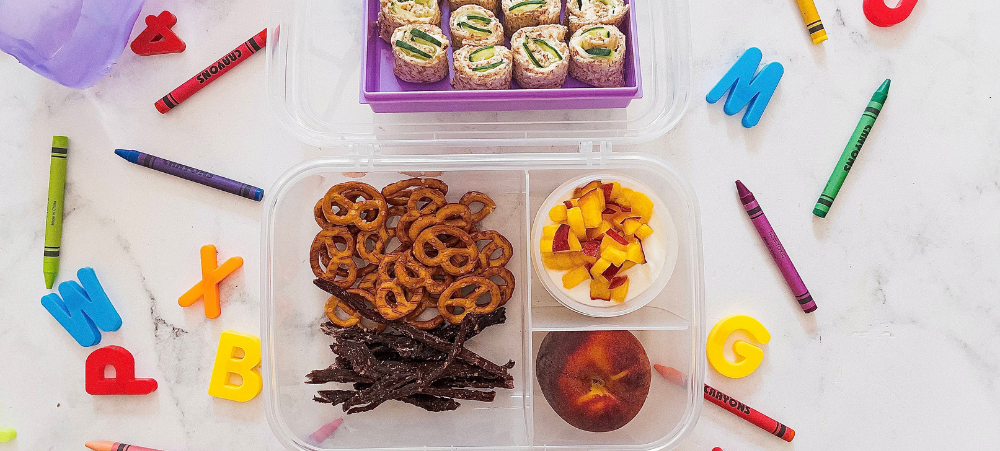
– It’s easier than you think – The 2024 school year has kicked off and parents are back to the challenge of the daily packing of nutritious and appealing lunch boxes.  Time constraints, especially on weekday mornings, picky eating, getting the nutritional balance right and cost concerns are all hurdles that busy parents must grapple with.  What goes into the lunch box, and what gets eaten during the school day are really important.  Lunch, snacks and hydration make a significant impact on our kids’ energy levels and their abilities to concentrate and perform, both cognitively and physically throughout the school day. This year, Juicy Delicious and Rediscover Dairy have teamed up to provide inspiration and dietitian advice to make mastering school lunch boxes much easier.  An important feature of school lunch boxes is the inclusion of vegetables and fruits every day.  When South African children go back to school in January, it is still stone fruit season with its abundance of peaches, nectarines, and plums available throughout the entire first term.  Firm, yet juicy yellow cling peaches, succulent plums and deliciously sweet nectarines are all excellent lunch box fruits because they travel well as whole fruits.  They are refreshing on a hot school day, packed with fibre and immune-boosting vitamins C and A, and loved by children as much as any sweet treat.  Of course, South African grown stone fruit also blend perfectly with dairy.  A fresh peach milkshake or nectarine yoghurt smoothie makes for an ideal, nutrient-dense drink on-the-go. Maretha Vermaak, the registered dietitian at Rediscover Dairy says, “When it comes to nutritional balance, parents need to ensure that school lunch box foods are contributing to their child’s needs for protein, energy, healthy fats, vitamins and minerals.  This is where dairy shines.  Luckily, kids love dairy, so it is an ideal solution for picky eaters.  Milk, cheese, maas and yoghurt offer a unique nutritional spectrum including high quality protein, energy and calcium.  Dairy is also a vital source of vitamins such as A, B2, and B12, as well as potassium and zinc.  So, you have an exceptional nutritional profile, as well as affordability and versatility.  This ensures that you easily include dairy in the school lunch box so that your child is getting the recommended 2 to 3 servings of dairy every day.” Parents can elevate their school lunch box game by using child-friendly compartmentalised lunch boxes, such as the newly launched ADDIS Munch On The Go Bento Box which is proudly manufactured in South Africa.  Ideally- sized, with an easy opening, kid-friendly clip, it includes a leak-free POD for a yoghurt, dip or sauce as well as a removable tray for carrot sticks or wholewheat crackers, or slices of nectarines.  Fill the main section with a cheese sandwich or chicken, feta and veg wrap and pack a peach or plum, nuts or mini tomatoes in the smaller compartment.  With neat, clearly defined sections, picky eaters can navigate their way around their lunch box without feeling overwhelmed and find something they like in every nook. Here are 6 tips to master lunch box prep: Plan ahead – Include lunch box prep in your weekly meal planning and shopping. Create a weekly list to focus on buying a variety of healthy, fresh lunch box foods.  If you limit biscuits, sweets and crisps stored in your grocery cupboards then there’s less chance they will end up in the lunch box on a busy morning. Involve your kids – Consider your child’s food preferences and include your kids in the lunch box preparation process.  Make it a fun and interactive experience. Daily dairy – You need to aim to include at least 2 to 3 servings of dairy in your child’s daily diet.  Luckily there are many ways to include milk, cheese, yoghurt and maas in the school lunch box. You can freeze a small yoghurt or fruit juice to keep the lunch box cold.  Always include fruits and vegetables – Each day prioritize fresh fruits and vegetables based on what is seasonally available which helps to meet daily energy, fibre, vitamin and mineral needs. Avoid unhealthy foods – Steer clear of fried, sugary, and high-salt foods to promote overall health and cultivate healthy eating choices from an early age. Choose healthy beverages – Include low-calorie, healthy, nutrient-rich beverages like milk, or water instead of fizzy drinks and sugary cordials. By incorporating these tips and keeping in mind the delightful combination of dairy and stone fruits, parents can ensure that their children start the year with lunch boxes that are nutritious and delicious, setting the stage for a successful school year. For more inspiration and recipes, follow @juicydelicioussa on Instagram or visit www.juicydelicious.co.za 

Parenting Hub

What are the costs of cord blood banking?

At CryoSave we understand that becoming a parent comes with financial strain. That is why we offer flexible pricing options, structured to your needs.” as this will give an indication that even though there is so much benefit, CryoSave makes it easier in terms of cost.  Below is a breakdown and explanation of the costs of stem cell banking. The collection kit The collection kit includes everything your doctor/midwife will need for the collection. The collection kit is paid upfront when you sign up for stem cell banking. The reason this is paid upfront is to ensure that the kit can be couriered to you immediately to be available once the baby is born for the collection to take place and after completion the kit will be collected by a specialised courier. Processing the collected samples Once the samples (collection kit) are received by the CryoSave laboratory, the samples need to be processed. This means that the cord blood cells are separated. The cord blood and tissue are processed according to international standards. CryoSave is an internationally AABB (Association for the Advancement of Blood and Biotherapies) accredited facility. All cord blood samples are processed using internationally validated processing and cryopreservation protocols. The cord blood and tissue stem cells will be kept in a liquid nitrogen storage tank (between -196 and -150°C) at our secured facility for long-term storage. In addition to the above, blood is also drawn from the mother at birth. The vials for these tests are also included in the kit. These samples will then be analysed by pathologists for infectious markers. Stem cell banks must do quality checks on all samples and before freezing a representative sample is taken for quality testing. The number of blood-forming stem cells and the % viability of the cells present in each sample is measured. Other checks are done to determine the recovery of stem cells after processing. Stem cell banks must also test for microbiological infection in each sample. After successful storage, the parents are notified of the success of the cord blood and cord tissue processing and negative microbiology. Parents will also receive a certificate for both the cord blood and cord tissue for their records. If difficulties are encountered during delivery that might have affected the collection of the cord blood or tissue, the Laboratory Director or Medical Director will call the gynaecologist to ascertain the reason for the problematic delivery. They will also contact the parents to inform them and discuss the collection with them. If the sample is needed for an approved transplant, CryoSave offers parents free shipment of the samples to anywhere in the world where the transplant will take place. A sample will only be released if approval is provided by an approved transplant centre and after discussions and approval documentation has been signed by the transplant physician, the parents, and the cord blood bank. Storage After processing is complete the cord blood and tissue stem cells are cryopreserved and cryogenically stored in the vapour phase of cryogenic nitrogen freezing tanks at -196° C and maintained there until needed. When you consider all these costs; running any cord blood bank is rather expensive. This includes the cost of running the liquid nitrogen facility, maintenance of equipment, regulatory-, compliance- and operational costs (including staff salary expenses). The storage fees paid over 20-30 years, is a critical element of cost as this is to ensure that the stem cell bank you banked your baby’s stem cells with, can safely and securely store your samples for the required time to come. Storage fees should therefore be a non-negotiable cost when it comes to this process. Conclusion In addition, the search for donor stem cells can take months for a life-threatening disease and can cost anything between R600k – R1m. If you bank with a private cord blood bank, the stem cells are immediately available. Considering the above, the cost of R25 000 for the collection kit and processing fees, and storage fees less than R50 p/m should not seem expensive. Only the collection fee is paid upfront. Repayment terms are available. At CryoSave we understand that becoming a parent comes with financial strain. That is why we offer flexible pricing options, structured to your needs. Contact us today to get a personalized quote.

Parenting Hub

UNDERSTANDING THE IMPORTANCE OF CONTRACEPTION

According to Affinity Health, a leading provider of high-quality health coverage, contraception is a fundamental aspect of reproductive health and family planning. What is Contraception? Contraception, often called birth control, encompasses a range of methods and practices designed to prevent unintended pregnancies. It allows individuals and couples to make informed choices about their reproductive futures, supporting their goals for family planning and personal health. Types of Contraception Methods Available and Possible Side Effects Various contraception methods are available to individuals for family planning and preventing unintended pregnancies. These methods include: Oral Contraceptives (Birth Control Pills) These prescription medications contain hormones to prevent pregnancy. There are combination pills (containing both oestrogen and progestin) and progestin-only pills. Possible side effects of oral contraceptives  Nausea Breast tenderness Irregular bleeding or spotting Headaches Mood changes Weight changes Decreased libido (sexual desire) Changes in menstrual flow Injectable Contraceptives Injectable contraceptives often contain the hormone progestogen that stops your body from releasing eggs and thickens the mucus at the cervix, administered once every two or three months (depending on which injectable is chosen). Possible side effects of Contraceptive Injection  Irregular menstrual bleeding or spotting Weight gain Mood changes Decreased bone density with long-term use (reversible after discontinuation) Intrauterine Devices (IUDs) These are small, T-shaped devices inserted into the uterus. There are hormonal and non-hormonal (copper) IUDs available. Possible side effects of IUDs Cramping or pain during insertion Irregular menstrual bleeding or spotting (may decrease over time) Expulsion (rare) Infection (rare) Perforation of the uterus (extremely rare) Implants A hormonal implant inserted under the arm’s skin can provide contraceptive protection for up to three years. Possible side effects of Implants Pain or bruising at the insertion site Irregular menstrual bleeding or spotting Headaches Mood changes Weight gain Changes in libido Emergency Contraception (Morning-After Pill) Emergency contraception, which is available without a prescription, can be used to prevent pregnancy following unprotected sex or contraceptive failure. Possible side effects of Emergency Contraception Nausea Vomiting Breast tenderness Fatigue Changes in menstrual cycle Sterilisation   Surgical sterilisation methods for permanent contraception are available for both men (vasectomy) and women (tubal ligation). Possible side effects of Surgical Sterilisation Risk of surgical complications (infection, bleeding). Potential regret if future fertility is desired (reversal is not always possible or successful).  Barrier Methods  Condoms act as a physical barrier between sexual partners, preventing the exchange of bodily fluids, including semen and vaginal secretions, which can carry sperm and infectious microorganisms. A diaphragm is a barrier contraceptive inserted into the vagina before intercourse. Similar to a diaphragm, the cervical cap is a small silicone device that covers the cervix. The contraceptive vaginal ring is a hormonal method inserted into the vagina and replaced monthly. Possible side effects of Barrier Methods  Allergic reactions to latex or spermicides (in some cases) Discomfort during sex Reduced spontaneity Natural Family Planning This method, also known as fertility awareness-based methods, involves tracking a woman’s menstrual cycle to identify fertile and infertile days. Possible Deterrents of Natural Family Planning Requires strict adherence to tracking and monitoring methods. Risk of unintended pregnancy if methods are not followed accurately. Contraceptive Patches These patches are worn on the skin and release hormones to prevent pregnancy. They are typically changed weekly. Possible side effects of contraceptive patches may include: Skin irritation at the patch site Nausea Breast tenderness Headaches Mood changes Changes in menstrual flow Spermicides These are chemical substances that are used to kill or immobilise sperm. However, their effectiveness can vary, and they are generally considered to be less reliable compared to other contraceptive methods. The typical-use effectiveness rate for spermicides is around 72% to 82%. This means that with typical use, 18 to 28 out of 100 women using spermicides for a year may become pregnant. Possible side effects of Spermicides Irritation and Allergic Reactions Increased Risk of Urinary Tract Infections “Choosing the right contraceptive method is a personal decision that depends on various factors, including your health, lifestyle, preferences, and relationship status,” says Murray Hewlett, CEO of Affinity Health. “Remember that there is no one-size-fits-all contraceptive method, and what works best for one person may not be suitable for another. Be proactive in discussing your options with a healthcare provider, and don’t hesitate to ask questions until you feel confident in your choice.” The Importance of Contraception Contraception, in its various forms, has far-reaching benefits, including: Empowering Individuals and Couples: Contraception gives individuals and couples the power to decide when, how, and if they want to start or expand their families. This autonomy allows for greater control over life goals, career aspirations, and personal well-being. Promoting Women’s Health: Contraception can help regulate menstrual cycles, alleviate symptoms of conditions like polycystic ovary syndrome (PCOS), and reduce the risk of certain reproductive cancers. Enhancing Maternal and Child Health: Family planning through contraception enables women to space their pregnancies and have healthier pregnancies and childbirth experiences. Spacing pregnancies at optimal intervals reduces the risk of maternal and infant mortality and supports the well-being of both mother and child. Preventing Unsafe Abortions: In regions with limited access to contraception, unsafe abortions are more common. Widespread use of contraception can help reduce the need for dangerous procedures, protecting the lives and health of individuals. Supporting Sustainable Population Growth: Contraception is crucial in managing population growth, particularly in regions with high birth rates. Stopping the Spread of Sexually Transmitted Infections (STIs): Some forms of contraception, such as condoms, offer dual protection by preventing both unintended pregnancies and the transmission of STIs.

Parenting Hub

FACTORS INFLUENCING CHILD MENTAL HEALTH AND TIPS FOR SUPPORTING THEM

Affinity Health, a leading provider of high-quality health coverage, explores factors shaping children’s and teens’ mental well-being and tips to champion their mental health. Factors Influencing The Mental Well-being of Children While we know early life experiences, including prenatal factors, infancy, and childhood, significantly influence a child’s mental health, many other things can contribute to healthy emotional development. A few factors include: Genetic Factors A child’s mental health can be influenced by their genetics and how their brain works. Each child has their genetic makeup, which can make them more or less likely to face mental health issues. While there are no genetic tests to confirm a diagnosis of a mental disorder, the chance of a child having a specific mental disorder is higher if other family members have that same mental disorder. When we understand more about a child’s genetics, we can provide better care and support. Family Environment The family environment is a critical factor in a child’s mental health. Stable and supportive family relationships provide a secure foundation. At the same time, conflict, neglect, or abuse can lead to serious mental health concerns, including anxiety, depression, substance use disorders, eating disorders, dissociative identity disorder, and post-traumatic stress disorder (PTSD). Peer Relationships Peer relationships and social interactions are essential for children’s development. Positive friendships and social connections contribute to a child’s emotional resilience. In contrast, bullying or social isolation can lead to depression or anxiety. Media and Technology Use The influence of media and technology on children is a growing concern. Excessive screen time, exposure to inappropriate content and cyberbullying can lead to depression, anxiety, low self-esteem, self-harming behaviour (especially for girls), alcohol and drug use and dependence, aggression, and involvement in violence or crime (especially for boys). Parents and caregivers should monitor and guide their children’s media consumption. Community and Socioeconomic Factors Community and socioeconomic factors, such as access to healthcare, economic stability, and neighbourhood safety, can impact a child’s mental health. Ensuring that children have access to essential resources and support systems is crucial. Traumatic Experiences Traumatic events like natural disasters, accidents, or violence can impact a child’s mental health. Identifying and addressing trauma through counselling and support services is essential for healing and recovery. Access to Mental Health Services Access to mental health services is critical in addressing child mental health challenges. Many children and adolescents require professional help to manage their emotional well-being effectively. Increasing access to mental health care is essential. 10 Ways to Support Your Child’s Mental Well-being Encourage children and teens to express their thoughts and emotions openly. Create a safe space where they feel heard and validated. Foster healthy relationships within your family. Teach conflict resolution, empathy, and practical communication skills. Promote a balanced approach to education that values overall well-being. Encourage extracurricular activities, hobbies, and interests beyond academics. Educate young individuals about responsible digital usage, including limiting screen time, avoiding cyberbullying, and maintaining a healthy online presence. Prioritise physical health through regular exercise, a balanced diet, and adequate sleep. These habits are fundamental for both physical and mental well-being. Seek professional help when necessary. Mental health professionals can provide therapy and counselling tailored to the individual’s needs. Teach resilience-building skills, including problem-solving, stress management, and coping strategies. These skills empower children to navigate challenges effectively. Raise awareness about mental health issues and reduce stigma. Educate children and teens about the importance of seeking help when needed. Introduce mindfulness practices and relaxation techniques to reduce stress and anxiety. These skills promote emotional regulation. Engage with schools, communities, and organisations that promote mental health awareness and provide resources for support.

CRYOSAVE

Choosing the Right Stem Cell Bank: Private, Government, or Community – What Parents Should Consider

Some of the earliest decisions that parents face, can be amongst the most challenging. The choices that parents must make before and after the birth of their baby can have long-term implications for their future health. These days, one of these major decisions includes whether to collect and store the cord blood and tissue of your new-borns umbilical cord and placenta during delivery. Then there is also the question about the choice of the various types of stem cell banks. There are three types and options for stem cell banks. These are: Public Stem Cell Banks In South Africa, there is no public cord blood bank available, as the government does not provide a facility for collecting and storing cord blood samples. At public stem cell banks, families can choose to donate the cord blood, but in doing so, they relinquish ownership of the sample, making it unavailable for their own or their family’s use. This absence of a public cord blood bank poses challenges for families in South Africa who may require cord blood stem cells for potentially life-saving treatments in the future. To address this limitation, families may need to explore private cord blood banking options, which come with associated costs and ongoing maintenance fees. Private banks allow individuals to store their baby’s cord blood exclusively for their own use, providing a potential source of compatible stem cells if needed. However, the availability of private cord blood banking ensures that families have an alternative for preserving cord blood in South Africa, despite the lack of a public option. Community Stem Cell Banks If individuals decide to bank their baby’s stem cells with a community bank, they will incur lower costs for registration, processing, and storage. However, the trade-off is that they do not have exclusive rights to the sample for their own family’s use. Typically, the initial banking period in such cases is limited to 10 years. Community banking of cord blood is open to everyone, meaning there is no guarantee that the donating family will be able to access these cells if they ever require them. Public and community banking operates on the principle of donation, allowing anyone in need to potentially utilize the donated stem cells if they are a compatible match. Unfortunately, if a family needs the stem cells in the future but they are no longer available to them, obtaining donor stem cells becomes a significant financial challenge. The cost of acquiring donor cells can range from R600 000 to R1 million. Additionally, the search for a suitable donor can be a time-consuming process, taking months. In cases of life-threatening diseases, this delay can be a critical obstacle for individuals and their families, leaving them with limited options. Private Stem Cell Banks Private cord blood banking offers individuals a means to ensure the future health of their family. The process involves an initial cost for the collection kit, processing of the sample, and subsequent storage fees. However, flexible payment plans are often available to accommodate varying financial circumstances. Typically, the storage period spans 20 years, and the associated fees can be paid on a monthly, annual, or upfront basis. Moreover, it is possible to extend the storage term beyond the initial 20 years. The cost of private cord blood banking should be viewed as a form of lifetime insurance for one’s family, rendering it highly affordable. By opting for this option, the stored samples remain exclusively accessible to the donor and their immediate family, ensuring immediate availability in the event of a medical treatment requirement. Additionally, there is a 25% chance that the stored samples will be an exact match for siblings with the same parents, and a 50% chance of being a match for the parents themselves. This significantly enhances the potential benefits of private cord blood banking for family members who may require stem cell treatments in the future. CryoSave is your dedicated premier private family stem cell bank. Our stem cell products are stored exclusively for your family’s use. Our ultimate focus is to ensure the highest quality service delivery and maintenance of your child’s precious stem cells.

Parenting Hub

UNDERSTANDING THE SYMPTOMS OF PUBERTY, PRECOCIOUS PUBERTY, AND DELAYED PUBERTY

Affinity Health, a leading provider of high-quality health coverage, explores the normal progression of puberty and the signs of precocious and delayed puberty. “Understanding the symptoms and timing of puberty, as well as recognising signs of precocious or delayed puberty, is crucial for parents, caregivers, and young individuals,” says Murray Hewlett, CEO of Affinity Health. “Open communication with a healthcare provider can help address concerns and ensure that adolescents are on a healthy and developmentally appropriate path through puberty.” Understanding Puberty Puberty is the natural physical and hormonal changes that occur as children transition into adulthood. It typically begins between eight and 13 in girls and between nine and 14 in boys, although individual timelines vary. Common Signs of Puberty Include: Growth Spurts: During puberty, adolescents often experience rapid growth in height. This growth may happen over a relatively short period, leading to noticeable changes in stature. Development of Secondary Sexual Characteristics: Puberty causes the development of secondary sexual characteristics such as breast development in girls, voice deepening in boys, and body hair growth in both genders. Body Odour and Sweat: The increased hormonal activity during puberty leads to increased sweating and body odour. Adolescents may need to start using deodorants or antiperspirants. Acne: Hormonal changes can also contribute to the development of acne. The skin may become oilier, and adolescents may experience pimples and blackheads. Menstruation in Girls: The onset of menstruation, or the first period, typically occurs around age 12 or 13 in girls. Menstrual cycles can be irregular during the early stages of puberty. Voice Changes in Boys: Boys experience voice changes during puberty, with the voice becoming more resounding as the vocal cords lengthen and thicken. Emotional Changes: Adolescents may experience mood swings, heightened emotions, and increased sensitivity as they navigate the emotional aspects of puberty. Understanding Precocious Puberty Precocious puberty occurs when puberty begins earlier than usual. In girls, this means before age eight, and in boys, before age nine. Precocious puberty occurs when there is an early activation of the body’s hormonal system responsible for the onset of puberty. Several factors can trigger this premature development, including: Central Precocious Puberty (CPP): This is the most common form of precocious puberty, often caused by the early maturation of the hypothalamus and pituitary gland, which release hormones that stimulate the gonads (testes in boys and ovaries in girls) prematurely. Peripheral Precocious Puberty (PPP): This less common form of precocious puberty is usually caused by abnormal hormone production outside the hypothalamus-pituitary-gonadal axis. Tumours, cysts, or adrenal gland disorders can lead to PPP. Idiopathic Precocious Puberty: In some cases, the cause of precocious puberty remains unknown, leading to the classification of idiopathic precocious puberty. It is thought to be related to genetic or environmental factors. Signs of Precocious Puberty Include: Breast development before age 8 in girls Mood swings and irritability Increased appetite and weight gain The start of menstruation before age nine in girls The appearance of pubic hair before age eight in girls or age nine in boys Rapid growth and a significantly increased height in a short period Deepening of the voice in boys before age nine Underlying medical conditions may cause precocious puberty; sometimes, it has no known cause. It is critical to seek medical attention as soon as possible to determine the cause and explore potential treatment options. Treatment options may include hormone therapy, psychological support, and nutritional guidance. Understanding Delayed Puberty Delayed puberty is when the onset of puberty occurs later than the typical age range. In girls, this means no signs of puberty by age 13, and in boys, no signs by age 14. Signs of Delayed Puberty Include: The absence of breast development by age 13 in girls Short stature Absence of facial hair in boys by age 14 No pubic hair growth by age 13 in girls or age 14 in boys The absence of menstruation by age 16 in girls No voice changes in boys by age 14 It is important to remember that the pace of development varies among individuals, and some children are ”late bloomers”. In some cases, however, delayed puberty may be due to genetics, chronic illness, hormonal imbalances, or nutritional deficiencies. A healthcare provider will tailor treatment solutions after addressing any underlying causes.  

Social Kids

Finding the perfect balance between screens

It’s all about balance, and that’s something that Codey tries to show children in his online adventures. Play your 20 minutes on a screen and then move! Meet friends or play with your imagination. Taking a break from a screen is easy to do when you have a fun alternative to look forward to. The Codey Crawler adventures take children through how to be safe when they play games or watch YouTube, but it’s not just all about being online. Social Kids has joined forces with the experts at Kids Collab, an organisation that promotes an active lifestyle and safe space for kids to play, together we’ve created some alternatives to relieve a child’s eyes and get that blood pumping and imagination soaring.   Physical activities to play, brought to you by Kids Collab: 1)      The Stocking Adventure Time to practice kicking and striking. Before you start, gather a small ball or pair of socks rolled up and a stocking. Place the socks at the one end of the stocking and tie it around your child’s waist. Now encourage them to try kick the ‘ball’ using one foot. After a few attempts, change it up so that the stocking is tied to a stable branch. Using a bat or rolled up newspaper, encourage them to hit the stocking as they create their own swing ball. 2)      Magic Carpet Ride Who thought collecting teddies around a room could be such fun. All you need is a box, some teddies/toy, some rope and a stable object. Tie the rope to a stable object and place the box at the end of the rope. Scatter the teddies around the area near the rope. Encourage your child to sit in the box and pull themselves forward, while they collect the teddies on the way. Tip: place the box on top of a blanket for a smoother ride. 3)      Fun with Colours Ready to practice some balancing while having fun with colours. All you need is scissors, tape, a pencil and a few different coloured pieces of paper. (Tip: include a pillow to make it more fun). Make a simple colour wheel on a piece of paper using the different colour paper and place the matching colours on their shoes/feet. Encourage your child to balance on one leg while they pick up the colour off their foot and match it to the colour on the wall. To challenge their balance a bit more, have them stand on a pillow and perform the same activity. 4)      A simple balloon A blown up balloon can give hours of fun, the floor is larvae, keep the balloon up high, balloon soccer or try keep the balloon up without using your hands. The games are boundless. 5)      Save the ducks Learning to transfer objects in different ways can be loads of fun. Collect small/lightweight objects to mimic ducks (plastic cups, socks or balls), Sit on a chair, collect the ‘ducks’ between your feet and transfer them into the basket in front of them. Next, try encouraging your child to lie on their back and transfer the ‘ducks’ with their feet overhead into the basket behind them. Don’t forget to add it the imaginative play element 6)      Memory Game Ready to have some fun jumping in a bag. Get out your socks, some cups and a material bag (e.g. woollies tote bag). Place all the socks around the garden, making sure they have matching pairs and place the cups over it to cover them. Encourage your child to hop around the garden in their bag, trying to locate the matching pairs. They can only pick up one cup at a time and once they have found the matching pair, encourage them to place it in their bag until all the socks have been collected. Thanks to passionate teams like Kids Collab and Social Kids, parents have access to a wealth of information to help you better balance your child’s time online and still grow up in a technology driven world with a balanced outlook on life. Let’s build those healthy digital habits from a young age. Register for a once-off fee of R500 to access all 5 adventures, parent guides, WhatsApp support line and supervised classes if you need them.

Vital Baby

Raising a Vegan Baby: Tips and Ideas for Nutritional Success

Vegan-based diets are becoming more popular, especially in South Africa, where more than 100 000 vegan mothers gave birth in 2020. But can you raise a healthy vegan baby? The answer is yes if you take care of their nutritional needs for growth and development. A vegan diet for babies must be well-planned and balanced, and you should seek support from a registered dietitian with experience in pediatrics. Gestation: If you are a vegan mum, you should ensure that you eat a well-balanced diet and increase your intake of certain nutrients during pregnancy. Your daily nutrient requirements increase considerably when you are expecting. You need more iron, folic acid, B12 and other B vitamins, vitamins A, C and D, plus extra protein, and calcium. Some nutrients, like selenium and iodine, can be passed on through your breast milk, but it may be worth seeking professional advice from a registered dietitian to ensure that your diet contains enough for you and your baby. Typical adult vegan diets tend to be low in fat and high in fibre, which is not suitable for growing children, who need a lot more energy and nutrients from food to meet their nutritional requirements for normal growth and development. Vegan diets are naturally high in fibre and too much fibre can fill little tummies quickly, curbing appetite and stopping them from eating enough to get adequate nutrients.   Breastfeeding is best for vegan babies, and you should try to breast feed as long as you can and continue to supplement solid feeds with breast milk.  Vital Baby helps to ensure both parents can get involved with the baby’s nourishment with the daily use of a manual or electric Nurture Flexcone breast pump which helps you to save and store breastmilk for feeds when you can’t be there and for topping up breastmilk at mealtimes.   Occasionally, newborn infants may need a little help during feeding. The Vital Baby Feed Assist bottle enables you to gently squeeze the base of the silicon squeeze bottle to encourage milk flow through the teat and to assist with the latch. Anti-colic valves help to reduce air intake. If for some reason you are unable to breastfeed, you can use plant-based baby formula instead in either powder, concentrate or liquid form. Make sure you choose a formula that is fortified with vitamin B12, vitamin D, iron, calcium, and other essential nutrients for your baby.  The Vital Baby Nurture Milk Formula Dispenser has been specially designed so that the revolving lid can click accurately into position above each compartment, and the wide, easy-pour spout makes it simple to dispense the milk formula into the bottle, avoiding spillages. Starting solids Parents can begin feeding their babies a vegan diet when they start eating solids, usually around six months of age. Your baby can enjoy fruit and vegetable purées, enriched with a variety of vegan protein, calcium, and good fat sources. These include lentils, mashed beans, quinoa, tofu, tahini, yeast extract, finely milled nuts and seeds and fortified soya products like milk or plain soya yoghurt. Most plant-based yogurts contain live active cultures, so your baby can get the same gut health benefits of probiotics from non-dairy alternatives. Beans, chickpeas, lentils, nut butters, whole meal bread and rice and fortified breakfast cereals are all good iron sources for your baby. And adding vitamin C-rich food (e.g., oranges, strawberries, cabbage, pepper, and pineapple) will help with iron absorption. It is not advised to feed your child low-protein vegan milk alternatives like almond, coconut, or rice milk as they will fill up their tiny tummies without providing much nutrition. Critical nutrients for your vegan baby’s diet: Protein: pulses (beans, lentils, peas), nuts (almonds, walnuts), seeds (sunflower seeds) and tofu. Iron: beans (kidney beans), pulses (lentils), peas (green peas), green leafy vegetables (spinach), nut butters (peanut butter), tofu (firm tofu). They should have an iron-rich serving at every meal. Vitamin B12: fermented yeast products (nutritional yeast), fortified foods (soya milk) or supplements. Iodine: Moms may need to supplement when baby is over 2 years old or use iodized salt sparingly. Calcium: beans (navy beans), pulses (chickpeas), sesame seeds (tahini), dark green leafy vegetables (kale), white bread (whole wheat bread), plant-based milk (almond milk). Vitamin D: exposure to sunlight, fortified foods (margarine) or supplements. Selenium: Brazil nuts (just one or two per day is enough), sunflower seeds (roasted sunflower seeds), mushrooms (shiitake mushrooms) or supplements. Omega 3: chia seeds (ground chia seeds), hemp seeds (hemp hearts), tofu (silken tofu), linseed (flaxseed oil), rape seed oil (canola oil), hazelnuts (roasted hazelnuts), pecans (raw pecans) and walnuts (chopped walnuts).  Vitamin B2: wheat germ (toasted wheat germ), almond butter (smooth almond butter), avocado (ripe avocado) and mushrooms (portobello mushrooms).  The NOURISH Prep and Wean from Vital Baby provide inspired ideas for food combinations and nutrition packed meals home cooked in your own kitchen. Steam, cook, and blend healthy homemade meals quickly for your little one with three modes – sterilise, steam cook and blend – perfect for batch cooking and feeding later. With five blending modes you can tailor consistency of food to your child’s stage of weaning – from smooth purees to chunkier textures while its 2-tier steaming system allows you to cook multiple foods with different cooking times all at once. It is suitable for use with fruit, vegetables, meat, and fish. Ideas for your 9+ month Vegan Baby Blend fresh or frozen fruit (e.g., banana, mango, berries) with plain soya yoghurt and a dash of maple syrup.  Mash a ripe avocado and a ripe banana together with a fork until smooth. Spread on whole wheat toast or crackers. Sprinkle with some cinnamon or nutmeg for extra flavour. Mash a ripe banana with a fork and stir in chia seeds and plant-based milk. Refrigerate overnight or for at least an hour until thickened. Serve with fresh fruit or nuts on top. Cook some quinoa in water or apple juice until fluffy. Stir in some grated apple, raisins, and cinnamon.


Lifesaving South Africa

Preventing the unthinkable

Sunshine, watermelon and flip flops… summer holidays are around the corner! If you’re a parent you’re probably planning activities to keep your little ones occupied, or maybe pulling together your holiday travel plans. Whilst you are ticking off your packing list and racing to get your shopping done, be sure to take a moment and consider how you will keep your children safe around water this summer holiday. Drowning happens quickly and silently and can devastate a family in a matter of minutes. More than 700 children under the age of 15 years old die from drowning every year in South Africa, but even non-fatal incidents in which a child is rescued can leave a family dealing with long term social and health consequences. Recent evidence from Australia suggests that an infant’s risk of drowning triples as they reach one year of age. In South Africa, we know that children under 5 years old have the highest drowning rates compared to other age groups, but rates remain high in older children as well. Young children tend to drown in water in and around the home, while older children drown in larger, open bodies of water. Whilst these numbers are sobering, it is important to remember that most drowning incidents are preventable.  Here are some tips for keeping your children safe around water this summer. 1- Layers of barriers Many drowning incidents in very young children are unwitnessed, meaning that no-one is around at the time that the child enters the water. Young children often fall into water unintentionally while playing nearby or fetching toys that they may have been playing with earlier. One of the most effective ways to prevent drowning in young children is to ensure that there are barriers preventing them gaining access to water around the home. This means ensuring that pools are fenced off or have a safety cover that meets local safety standards, even better if you have both. Having a cover or fence alone is not enough – it must be used correctly! This means replacing the cover completely when a pool is not in use or ensuring that a gate is closed and not easily opened by children. It’s important to remember that hot tubs, paddling pools, blow-up pools, and portable above ground pools all present a drowning risk and should be protected appropriately or emptied when not in use. Pools aren’t the only area of risk around your home either – small ponds, reservoirs or storage tanks should also be protected by a barrier preventing access.  2 – Designated supervision So many drowning stories start with “I thought he/she was watching”. Counter intuitively, drowning incidents can happen easily in a crowd because they are silent and not signaled by splashing as many people think. Consider the large family braai where everyone is chatting around the pool and kids are splashing and laughing. Everyone is there but no-one is watching. Designating an adult to supervise children enjoying any water is essential. A supervisor should be an adult, not an older sibling, who is sober, not distracted by their phone or a book and within arm’s reach should something go wrong. As a parent it’s so easy to fall into the trap of thinking that nothing bad ever happens, so I’ll just step away to take that phone call or take the pot of the stove. Supervision is about someone being able to respond appropriately in the tiny percentage of times that things go wrong, not the majority of times where it’s just another day of summer fun. Forget about the “dad bod” or “mummy tummy” – get your cozi on and enjoy the water with your kids. 3- Learn CPR and know your emergency number Knowing what to do in an emergency can make the difference between a tragedy and a close call. CPR is simple to learn and, if performed early, can save a life and reduce the chances of long-term neurological damage in a drowning incident. Calling 112 from any cell phone in South Africa will reach a call centre who will route you to the closest emergency service. 4 – Swim between the flags When heading to the beach, make sure to swim only where and when lifeguards are on duty. Lifeguards do not replace adult supervision of children, but swimming between the red and yellow beach flags ensures that you are in the safest location on any given beach.  5- Be mindful of unfamiliar homes and holiday locations Even the most diligent, water smart parents can get caught out while travelling. It’s important to consider water safety when visiting family who might have older children or no children, or while staying in hotels and guesthouses that are unfamiliar and exciting to explore. When you’ve arrived at your holiday location, take a slow walk around the property, and consider it from the perspective of your children – where is the water? Where are the access points? How can you prevent access? If you’re visiting an unfamiliar beach, dam or river, speak to locals or lifeguards to find out where the safe swimming spots are. 6- Watch out for lilos and pool floats That flamingo pool float is super fun but be very cautious using it on any large open bodies of water or rivers. Floaties get caught by the wind and currents very easily and can quickly take a child (or adult!) out of their depth. 7- Teach your children survival swimming skills Summer holiday preparation happens year-round and enrolling your children in a survival swimming or learn-to-swim programme can help them learn the essential skills of safe entry and exit and what to do when they fall in. Speak to them about water safety from a young age to ensure that safety becomes engrained in their behaviour. 8 -Teach your children to become Watersmart Lifesaving SA has launched a free online e-learning WaterSmart hub, making water safety content accessible to all South Africans.  The hub includes animated videos

Vital Baby

The Ins and outs of Co-Sleeping with your Kids

Co-sleeping is common in many parts of Africa, including South Africa. Co-sleeping is when parents share a bed with their young infant or child. It is considered as bonding, comforting, and protecting the child, however, co-sleeping may also have risks and challenges, affecting the parents’ sleep quality, intimacy, and independence. Co-sleeping may also vary depending on the family’s preferences, values, beliefs, and circumstances. Co-sleeping was common in Western societies until the 19th century when nuclear families and private bedrooms became popular. Co-sleeping was then associated with poverty and bad parenting and discouraged by society. Babies can find it hard to sleep without the closeness of a parent and may cry when they’re in a cot. Co-sleeping can make it easier for parents to respond to their baby, settle them more quickly and hopefully get some better-quality sleep at the same time. Older children might be motivated to sleep with their parents because of separation anxiety or when feeling sensitive or vulnerable, such as during the night.  No evidence confirms co-sleeping enhances a better (or worse) emotional attachment compared to those children who sleep separately. While today’s modern paediatricians may recommend room-sharing and discourage bed-sharing, the choice remains with your family, and your cultural and societal customs.  Jake in the Bed Lisa and Mark had a two-year-old son named Jake, who slept in their bed every night since he was born. They loved the warmth and comfort of co-sleeping but faced some problems. Lisa often had back pain and neck stiffness from sleeping awkwardly to accommodate Jake. Mark often snored loudly, which disturbed Jake’s sleep and made him restless. They also felt that co-sleeping affected their intimacy and relationship, as they had no space or time for each other. They decided to try to transition Jake to his bed in his room, but they faced some difficulty as Jake was now used to sleeping with his parents. He resisted and cried whenever they tried to leave him alone which left Lisa and Mark feeling frustrated and exhausted from the constant struggle. Max in the Bed Anna and Ben had a four-month-old son named Max, who slept in a crib beside their bed. They were happy with this arrangement, but they noticed that Max often woke up crying during the night and had trouble falling asleep. They also felt that they missed the closeness and connection with their baby. They decided to try co-sleeping with Max and found that co-sleeping made their nights more manageable and more enjoyable. Max could nurse more frequently and comfortably, which helped him sleep longer and better. Anna and Ben also felt more relaxed and rested, as they did not have to get up and check on Max every time, he made a noise. They also felt that co-sleeping strengthened their bond with Max, as they could cuddle, kiss, and talk to him more often. They enjoyed watching him sleep and wake up with a smile. They continued co-sleeping with Max until he was ready to move to his room.  Co-sleeping is common in many cultures and families, but it has some benefits and drawbacks. Here are some of the pros and cons of co-sleeping with your kids: Weigh up the facts and set the scene to suit you before it becomes a nightly habit and ensure your best option for harmonious nights and deep, peaceful sleep for everyone. Pros for Co-Sleeping: Co-sleeping may increase your emotional bond and attachment with your baby, as you can cuddle, comfort, and communicate more easily. Co-sleeping may make night nursing more accessible and convenient for breastfeeding, as you will not have to get up and go to another room to feed your baby. Co-sleeping may help babies and toddlers fall asleep faster and sleep better, as they feel more secure and relaxed near their parents. Cons for Co-Sleeping: Co-sleeping may increase the risk of accidental suffocation, strangulation, or injury to the child, especially if the parents are obese, smoke, drink alcohol, use drugs, or sleep deeply. Co-sleeping may interfere with your sleep quality and quantity, as you may be disturbed by the child’s movements, noises, or needs. Co-sleeping may affect your intimacy and relationship with your spouse, as you may have less privacy and time. Co-sleeping may make it harder for the child to develop independence and self-soothing skills, as they may become too dependent on their parents’ presence to fall asleep or stay asleep. Co-sleeping is a personal choice that depends on many factors, such as your family’s personal preferences, values, beliefs, and circumstances. There is no right or wrong answer to whether you should co-sleep with your kids. However, if you co-sleep, you should follow the safety guidelines to reduce the potential risks. You can also consider some alternatives to co-sleeping, such as room-sharing (where the child sleeps in their crib or bed in the same room as you) or partial co-sleeping (where the child sleeps in their room but joins your bed for part of the night). Safety Tips: Place your baby on their back on the side of the bed, away from the edge and to the side of one parent. Avoid placing your baby between parents or next to other children or pets. Co-sleeping with a child over one year old is less risky than with a child under 12 months. At a toddler’s age of 1 to 2, they can roll over and free themselves if trapped in the bed. Co-sleeping during the school-aged years has been associated with problems initiating sleep, less nighttime sleep, more daytime sleepiness, more bedtime resistance, increased nighttime awakenings, and greater levels of sleep anxiety. Tips for Getting Baby to Sleep in their Cot:  Make sure baby is comfortable. Check the room temperature, the lighting, and their clothing. Make the cot a safer place. Use a firm, flat, waterproof mattress and a comfortable baby sleeping bag. Try the gradual retreat. Move the cot closer to your bed and slowly away until it reaches the baby’s room. Eliminate motion. Avoid rocking or driving your baby to

Panado®

Proper Dosage For Peace Of Mind

While the classic approach suggests a spoonful of sugar helps medicine go down, convincing kids to take medicines often demands more than a little patience. While administering medicine to tots can be challenging, the good news is you can make it a little easier – and keep your child safe – by giving the correct amount every time. Why Correct Dosage Is Important  Little bodies process things differently than adults, making precision crucial. A child’s weight and age often determine medicine dosage.1a Even a tiny excess can be harmful, while too little can render the medicine ineffective.1b How To Get The Right Dose – Every Time Before administering medication to your child, read the medication label and follow the dosage recommendations. If in doubt, reach out to your child’s doctor to discuss the medication’s proper amount, frequency, and duration.  Sometimes, the way we measure can lead to inaccurate doses. Here are some key pointers to keep in mind when medicating your child. Household spoons: A regular kitchen teaspoon is equivalent to 5mls but not all spoons are created equally. Some may measure significantly higher or lower than 5mls.1c  Even if medicine instructions say “teaspoon”, it’s safer to ask your pharmacist for metric measuring spoon that shows the exact millilitres. That way, you can always be sure. Dosing cups: While using a dosing cup is better than a teaspoon, it’s not always accurate as some medicine can stick to the cup. This means your child might not get the full dose.1d Oral syringes or infant droppers: Both these options are available at most pharmacies, doctors, or online stores, are safe for babies and toddlers (they don’t attach to needles), help give the exact dose by showing measurements, and reduce mess and spitting by allowing you to place medicine in the corner of your child’s mouth.1e When in doubt, calculate how much paracetamol you should give your child with Panado®’s quick and accurate dosage test. Click here. Medicine Safety Basics  Ensuring the health and safety of our children is paramount, especially when it comes to medications. In addition to always ensuring you give your child the correct dosage based on their age and weight, keep the following guidelines in mind. Avoid giving partial doses or adding “a bit more” based on your child’s perceived illness severity. Dosages are determined by a child’s weight for safety and effectiveness, not by how sick they appear. Underdosing might not work, while overdosing could be dangerous.2a Check with your child’s doctor or pharmacist before giving your child two types of medicines with the same ingredients.2b Never give your child medicines prescribed for someone else, whether it’s an adult or child.2c  Children should not be given medication that contains aspirin, as it can lead to serious health complications like Reye’s syndrome.2d Do not give cough or cold medicines to your child unless the doctor gives you the green light, especially to children under four years old.2e Turn to the Power of the Panado® Paediatric Range of Products Panado® contains paracetamol, which boasts over 150 years of clinical experience.3  It’s fast-acting4 and gentle on sensitive tummies.5 Panado® paediatric range of products includes Panado® Paediatric Syrup, Strawberry,6 Panado® Paediatric Syrup, Peppermint Alcohol and Sugar-Free,7 Panado® Paediatric Syrup, Peppermint 5 ml Sachets8 and Panado® Infant Drops.9 Make pain and fever care easy by shopping for Panado® products available from Baby City, Pick n Pay, Checkers including Hypers, Shoprite, Clicks, Dis-Chem and Independent Pharmacies. For more information, visit https://panado.co.za/ and join the conversations on Facebook.   2023083110309095     References:   Intermountain Health. Getting the right medication dose for your baby. Available from: https://intermountainhealthcare.org/blogs/getting-the-right-medication-dose-for-your-baby. Last accessed August 2023. John Hopkins All Children’s Hospital. On call for all kids: Giving your child the correct medicine dosage. Available from:  https://www.hopkinsallchildrens.org/ACH-News/General-News/On-Call-for-All-Kids-Giving-Your-Child-the-Correc. Last accessed August 2023. 150 years of paracetamol. GP Pharma Update Mar/Apr 2019. Moller PL, Sindet-Pedersen S, Petersen CT, et al. Onset of acetaminophen analgesia: Comparison of oral and intravenous routes after third molar surgery. Br J Anaesth 2005;94(5):642-8. doi:10.1093/bja/aei109. Available from: https://pubmed.ncbi.nlm.nih.gov/15790675/. Last accessed August 2023. Goodman & Gilman’s.The pharmacological basis of therapeutics, 13th ed. Acetaminophen. p696 Panado® Paediatric Strawberry Syrup approved package insert, March 2002. Panado® Paediatric Syrup Alcohol and Sugar-Free professional information, May 2022. Panado® Paediatric Syrup professional information, May 2022. Panado® Infant Drops (Drops) approved professional information, August 1990.


Vital Baby

Every Mother’s Power Struggle with Junk Food & Their Toddler

Junk food is addictive, and your toddler will fall in love with their first taste of sugary treats. Managing junk foods and your toddler’s health may be your first-ascent challenge in your journey of motherhood, so it’s wise to get ahead of the pack and learn how to avoid the pitfalls and traumas of keeping those little fingers out of the sugar bowl and growing and developing without worry of tantrums, addiction, or disease. Junk food is usually gorgeous and glitzy to look at, always colourfully presented and wrapped with a silver lining or in a cluster of sugary crystalline collaboration which looks decidedly more alluring than a piece of broccoli on a plate. Even adults struggle with maintaining a healthy diet, but you can help your child ingrain good eating habits early on in life and set them up for health and longevity over a lifetime – at the same time, it may help you to get back on track after your maternity.  Everyone needs to eat healthily but especially toddlers to get the nutrients their growing bodies need. Studies show that fast food served more than three times a week is associated with disorders in children such as asthma, eczema, and rhinitis.  Cakes, sweets, puddings, potato chips, ice cream and other low-nutrient junk foods shouldn’t be part of their diet. Junk food puts everyone’s health at risk but especially your toddler and sets them up for: Obesity, low self-esteem, and the risk of developing depression later Constipation and poor bowel health  Dental problems, cavities, and mouth disease Skin complaints and dry skin and hair Anxiety, mood swings and problems with concentrating Addiction to dopamine, the reward system in the brain, throughout their life Nutrient deficiency in iron, vitamin D, calcium, and zinc, leading to stunted growth, breathing problems, fatigue, unusual food cravings, and chronic infection. How can you better manage junk food and your child’s health? Avoid power struggles.  Even if your child likes chips, sweets, and fizzy drinks, you don’t have to give in to their cravings. Your toddler can’t get to the shops to buy junk food themselves, so don’t keep it in the home. When they ask for treats, simply respond that you don’t have any and offer them a choice of two healthy snack options instead. Nature’s own sweets are fresh or dried dates, sweet melon, and grapes. Eat regular meals.  When your toddler is getting adequate nutrition with regular and timely meals, there will be no room for junk food cravings and bad eating habits to creep in. If you have a busy schedule, it is important to plan and bring healthy packed snacks when you are unable to sit down at the table to eat.  The Nourish Scoop™ High chair from Vital Baby is compact, comfortable and tailors to every stage of weaning. It is perfect for sit-down family meals while growing up, converting to a handy toddler chair when the time comes.  Set a good example.  Our children don’t do what we say, they do what we do. Let your child watch and get involved in cooking nutritious meals and packing lunches, or at least having a say in what goes into their lunch boxes. For example, let your child help squeeze fresh oranges for decanting into their juice bottle or sippy cup and let them choose their favourite trail mix style.  You can encourage their nutrition further with the Vital Baby® NOURISH Starter Weaning Kit, which is the perfect combination of utensils and accessories for little ones who are taking their first weaning steps toward independent eating and drinking. This set makes for a great weaning gift for moms and dads who are about to start their toddlers on their own food journey. It includes super-soft and shallow spoons for a little mouth, bowls and pots for easy serving and storage, a super soft silicone bib with a built-in mess catcher, free flow cup to encourage sipping and is BPA, Latex, and phthalate free. Make meals learning time together.  Engage with your child at mealtimes. You can get them involved in their meal by arranging foods into a smiley face or cutting patterns into fruit skins.  Brighten their meals by serving five different food group colours on their plate, always as fresh as possible. Help them identify the colours with parts of their body, such as their heart, bones, teeth, and eyes. Red fruits are for healthy hearts and immunity. Orange fruits are antioxidants and convert to Vitamin A in our bodies. Green food groups relate to protein and Vitamin K for healthy skin and gut. Blue fruits such as blueberries are superfoods providing a good source of fibre and Vitamin K, and C.  Encourage your child to be curious by preparing their favourite meal and adding a new vegetable or fruit to the sample. You can also serve two side dishes at the evening meal, one familiar and one as a new experience.  If your toddler is ready to move from finger foods to adult cutlery, empower them further with the Vital Baby big kid cutlery set, which includes their own stainless-steel set with rounded fork tips and chunky handles for little hands to grip easily. By feeding themselves, your toddler is developing many skills, including hand-eye coordination, fine motor skills and postural control.  Quick Tips to Live By  #1 Never use junk food as a reward or bribe. #2 Order the healthiest options when eating out. #3 The number one contributor to junk eating is stress and boredom. Children often get fussy and demand junk food when they are idle and don’t have anything to keep them busy.  #4 We often feel hungry when we are dehydrated. When your child wants junk food, ask them to drink a cup of water first. Add a slice of cucumber to the glass and ask them to count the transparent seeds in the centre to take their mind off the junk. #5 Involve your child in making ‘junk food’ at home, including

Parenting Hub

ARTHRITIS IN YOUNG ADULTS

Affinity Health, a leading provider of high-quality health coverage, delves into arthritis in young adults, exploring its causes, symptoms, diagnosis, and management. “Arthritis is often associated with ageing, but it’s a misconception that it only affects the elderly,” says Murray Hewlett, CEO of Affinity Health. “Arthritis can strike at any age, including in young adults. However, with the right treatment, support, and a positive mindset, young adults with arthritis can manage their condition and lead fulfilling lives.” What is Arthritis? Arthritis, in its many forms, is a group of conditions that cause joint inflammation, leading to pain, stiffness, and reduced mobility. While it is indeed more common among older adults, it can also affect young adults, sometimes even during their teenage years. When arthritis strikes in youth, it can be particularly challenging, as it disrupts the active and dynamic lives of individuals just starting to build their futures. Types Of Arthritis Affecting Young Adults Several types of arthritis can affect young adults, but two are particularly common: Rheumatoid Arthritis (RA): This autoimmune disease occurs when the body’s immune system assaults the synovium – the membrane lining surrounding the joints – by mistake. It typically begins in young adulthood and can affect several joints. Juvenile Idiopathic Arthritis (JIA): JIA is a term used to describe several types of arthritis that occur in children and adolescents, usually before age 16. Some forms of JIA can persist into adulthood. Young adults can also develop other types of arthritis, such as psoriatic arthritis, ankylosing spondylitis, and reactive arthritis, which frequently develops in response to infections. Symptoms Of Arthritis In Young Adults Arthritis doesn’t discriminate based on age, and the symptoms can be as debilitating for young adults as for older individuals. Common symptoms include: Joint Pain Stiffness Swelling Fatigue Reduced Range of Motion Fever Diagnosing Arthritis In Young Adults Diagnosing arthritis in young adults can be challenging because the symptoms often overlap with those of other conditions. If you or a young adult you know is experiencing persistent joint pain or other concerning symptoms, it’s essential to consult a healthcare provider. Affinity Health explains how the diagnosis process typically works: Medical History: The healthcare provider will ask about the individual’s medical history, including a family history of arthritis and any recent illnesses or infections. Physical Examination: A thorough physical examination will help assess joint inflammation, range of motion, and overall health. Blood Tests: Blood tests, including rheumatoid factor and anti-cyclic citrullinated peptide (anti-CCP) antibodies, may help identify specific types of arthritis. Imaging: X-rays, ultrasound, or magnetic resonance imaging (MRI) scans can provide detailed images of the joints and help diagnose underlying concerns. Joint Fluid Analysis: If needed, a sample of joint fluid may be extracted and examined for signs of inflammation. Management And Treatment Various treatments and lifestyle changes can aid in managing the condition and enhance your quality of life. Depending on the type and severity of arthritis, healthcare providers may prescribe nonsteroidal anti-inflammatory drugs (NSAIDs), disease-modifying antirheumatic drugs (DMARDs), or biologics to reduce inflammation and control symptoms. A physical therapist can design exercises to improve joint mobility, strength, and function. In contrast, occupational therapists help individuals learn techniques and strategies to manage daily tasks more effectively despite weakened joints. Pain management techniques, such as heat and cold therapy or over-the-counter pain relievers, can provide relief, while surgical interventions like joint replacement may be necessary. Coping With Arthritis As A Young Adult A diagnosis of arthritis can be overwhelming, but it’s crucial to remember that many young adults with arthritis live fulfilling lives. Here are some strategies for coping: Educate Yourself: Understanding your condition and treatment options empowers you to make informed decisions. Seek Support: Connect with support groups or therapy to share experiences and coping strategies. Advocate for Yourself: Be an active participant in your healthcare. Communicate openly with your healthcare provider. Ask questions. Embrace Self-Care: Prioritise self-care activities that promote mental and emotional well-being. Set Realistic Goals: Break down your goals into achievable steps to avoid feeling overwhelmed.  

Parenting Hub

Electric vs manual toothbrushes: Which is really better for your teeth?

Brushing teeth twice a day is the foundation of a good oral hygiene routine, and essential to remove plaque, prevent cavities and bad breath and keep teeth and gums healthy. Both electric and manual toothbrushes may be effective in cleaning teeth, and there are pros and cons for both. For years, there’s been a debate on whether electric or manual toothbrushes work best to remove plaque, and now, it seems that a verdict has been reached. According to Healthline, a review of studies have shown that electric toothbrushes are more effective at reducing plaque and gingivitis than their manual counterparts. These studies showed that after three months of using an electric toothbrush, “plaque was reduced by 21% and gingivitis by 11%.” Why are electric toothbrushes more effective? The bristles in an electric toothbrush vibrate to remove the plaque build-up from teeth and gums. This rapid vibration allows for micro-movements when you move the brush across your teeth, resulting in more effective removal of plaque and debris from the teeth and gums. The benefits of using an electric toothbrush: Better removal of plaque and debris It’s been established that electric toothbrushes are better than manual when it comes to removing plaque and debris from the teeth and gums. The less plaque, the less your chances of developing gum disease and cavities. They’re beneficial for people with limited mobility Electric toothbrushes do most of the work for you, and are particularly helpful for people with mobility issues such as arthritis or carpal tunnel. They are less wasteful When it’s time to replace your toothbrush, you only have to replace the head of the electric brush, not the entire item as you would with a manual toothbrush. Special features Some electric toothbrushes boast special features like built-in timers, different speeds and pressure sensors to ensure you get the most out of your brushing session. Not sure where to begin? The Philips Sonicare range of electric toothbrushes makes use of unique technology that drives fluid deep between your teeth and along the gum line for visibly cleaner teeth, healthier gums and a whiter smile. It’s no surprise they’re recommended by dentists all around the world! Philips Sonicare toothbrushes operate with sonic technology, which utilises ultrasound and sonic waves while you brush. It moves the brush head with up to 62.000 movements per minute, creating microbubbles that support cleaning between teeth. All Sonicare toothbrushes are clinically proven to deliver a superior clean compared to a manual toothbrush while being gentler on teeth and gums. No matter what your budget, Philips Sonicare has an electric toothbrush to suit your needs and lifestyle. Try: Philips One (329.00) The sleek, lightweight Philips One is a powered version of your manual toothbrush. A tiny motor inside the handle transforms each of the hundreds of soft bristles into micro-vibrating mini scrubbers that help to gently clean and whiten your teeth at the touch of a button. Its single AAA battery lasts up to 90 days and because you don’t have to charge it, this brush is great for travelling. Philips 3100 Series (R1369.00) The 3100 Series is an ergonomically designed, lightweight sonic electric toothbrush with built-in pressure sensor. Powerful bristle vibrations drive micro-bubbles deep between teeth and along the gum line. 31,000 gentle brush strokes per minute breaks up and sweeps away plaque while protecting your teeth and gums. It offers two months’ worth of manual brushing in just two minutes. Philips ProtectiveClean 6100 (R3349.00) Feel the difference of a gentle clean with the smart ProtectiveClean 6100 while whitening your teeth in one week. It comes with a handy travel case. Click on the W2 Optimal White brush head to reveal a whiter smile by removing surface stains. Its densely packed central stain-removal bristles is clinically proven to whiten teeth in just one week. Whether you’re keen on trying an electric toothbrush for the first time, or you’re an experienced user looking to upgrade your oral care regime, Philips Sonicare has an electric toothbrush suited to your budget and lifestyle. For more information, visit: https://www.sonicare.co.za/ Follow Philips on social media: Facebook: Philips Zoom Sonicare Instagram: @philipszoomsonicare

Parenting Hub

5 SIMPLE AND EFFECTIVE TIPS TO TEACH KIDS PROPER HANDWASHING

Affinity Health explores five simple and practical tips to make handwashing a habit for your children. “Handwashing may seem mundane, but it’s one of the most effective ways to prevent the spread of illnesses,” says Murray Hewlett, CEO of Affinity Health. “Teaching your kids proper handwashing techniques is essential for their health and the well-being of your entire family and community”. Why Proper Handwashing Is Important The practice of handwashing dates back centuries and has evolved as our understanding of hygiene and disease transmission has grown. Viruses that cause respiratory infections, like the common cold and flu, can survive on surfaces for hours. Regular handwashing reduces the likelihood of touching contaminated surfaces and transferring the virus to your eyes, nose, or mouth. Proper hand hygiene is also essential for stopping the spread of foodborne illnesses. Handwashing prevents the transfer of bacteria and pathogens from one surface or ingredient to another during food preparation. For example, if you handle raw meat and then touch vegetables without washing your hands, you can contaminate the vegetables with the bacteria from the meat. How to Encourage Your Child to Wash Their Hands  Make it Fun with Singing Kids love to sing, and you can use this to make handwashing enjoyable. You should encourage your children to sing a song while they wash their hands. Teach them to scrub their hands with soap for the duration of the song, which is about 20 seconds. Use Visual Aids Visual aids are a fantastic way to help kids understand the importance of handwashing and the steps involved. You can find posters or videos on the internet that illustrate handwashing. Lead by Example Children often learn best by watching and imitating adults. Be a role model when it comes to handwashing. Demonstrate the proper handwashing technique, emphasising the importance of using soap, scrubbing all parts of the hands, and rinsing thoroughly. Make handwashing a family affair by doing it together. This will show your kids the right way to wash their hands and reinforce the idea that handwashing is a routine everyone should follow. Teach the 5-Step Handwashing Technique To ensure thorough handwashing, teach your children the five essential step Wet: Start by wetting their hands with clean, running water. Make sure the water is at a comfortable temperature, not too hot or too cold. Soap: Apply soap to their hands. Encourage them to use enough soap to create a good lather. Scrub: Instruct them to rub their hands together vigorously. Ensure they scrub all parts of their hands, including the back, between the fingers, and under the nails. This step should last at least 20 seconds, or as long as it takes to sing “Happy Birthday” twice. Rinse: Rinse their hands thoroughly under clean, running water. Help them ensure that all soap is washed away. Dry: Use a clean towel or an air dryer to dry their hands. Remind them not to use a towel that has been used by someone else, as this can transfer germs. Reinforce the Why Explaining the reasons behind handwashing can help children understand its significance. Discuss how germs and bacteria are invisible but can make them sick if they get on their hands and touch their face, eyes, nose, or mouth. Additional Tips for Effective Handwashing Education Frequent Reminders: Encourage your children to wash their hands at specific times, such as before eating, after using the toilet, after playing outside, and when they come home from school. Hand Sanitiser: While soap and water are the best options for handwashing, hand sanitiser can be used when they are unavailable. Teach your children to use hand sanitiser with at least 60% alcohol content and supervise their use. Practice Regularly: Make handwashing a routine activity. Positive Reinforcement: Praise your children when they wash their hands properly. Explain Handwashing After Coughing or Sneezing: Teach your children to cover their mouth and nose with a tissue or their elbow when coughing or sneezing. Afterwards, they should wash their hands to prevent the spread of germs.

Parenting Hub

HOW TO IMPROVE BRAIN DEVELOPMENT IN INFANTS

Affinity Health, a leading provider of high-quality health cover, explores various strategies and activities to nurture young minds. “The first few years of a child’s life are critical for brain development. During this time, their brain undergoes rapid growth, forming countless connections that will shape their cognitive, emotional, and social development,” says Murray Hewlett, CEO of Affinity Health. “As parents and caregivers, there are numerous ways we can help improve brain development in infants and set the stage for lifelong learning.” Early and Frequent Interaction Early and frequent interaction is one of the most fundamental ways to promote brain development in infants. From the moment your baby is born, make eye contact and maintain it during feedings, nappy changes, and playtime. This simple act helps strengthen the bond between you and your baby and encourages their visual development. Talk to your baby, even if they can’t respond with words yet. Narrate your day, describe what you’re doing, and sing songs. This helps build their vocabulary and understanding of language. Pay attention to your baby’s cues, such as crying, cooing, or facial expressions. Responding promptly to their needs builds trust and helps them feel secure. Skin-to-Skin Contact Skin-to-skin contact, also known as kangaroo care, is essential for infants’ brain development and emotional well-being. Holding your baby close to your skin provides comfort and warmth, regulates body temperature, and reduces stress. It also strengthens the parent-infant bond, which is crucial for healthy brain development. Breastfeeding Breast milk is known for its incredible nutritional and developmental benefits. Breastfeeding provides essential nutrients, antibodies, and growth factors that support brain development.  The act of breastfeeding also promotes bonding between mother and child. Tummy Time Tummy time is essential for strengthening an infant’s neck and upper body muscles. It also allows babies to explore their surroundings from a different perspective, enhancing their sensory and motor development.3b Gradually increasing tummy time as your baby grows helps them develop the muscles needed for crawling and eventually walking. Offer a Stimulating Environment Creating a stimulating environment for your infant can greatly benefit their brain development. Here are some ideas: Age-Appropriate Toys: Provide toys that are safe and suitable for their age. Toys with different textures, colours, and shapes encourage sensory exploration. Books: Even before they can understand words, reading to your baby stimulates their cognitive development and introduces them to the world of language. Mobiles and Visual Stimulation: Hang colourful, visually stimulating mobiles above their crib or play area. These can capture their attention and promote visual tracking. Encourage Exploration Infants are naturally curious and eager to explore their environment. Allow your baby to touch, feel, and examine objects within safe limits. Supervised exploration helps build cognitive skills and fine motor control. Music and Rhythms Music has a profound impact on brain development. Play soothing music or lullabies to help calm your baby, and introduce rhythmic play with instruments like shakers or tambourines. Regular Sleep Schedule Consistent sleep patterns are crucial for brain development in infants. Ensure your baby gets enough sleep by establishing a regular bedtime routine. Newborns typically require 16 to 18 hours of sleep per day, while infants generally need 12 to 16 hours of sleep daily, which includes their naps. Toddlers should aim for a total of 11 to 14 hours of sleep, preschool-aged children require about 10 to 13 hours, and elementary school-aged children should aim for 9 to 12 hours of sleep each night. A well-rested baby is more alert and ready to learn during wakeful hours. Baby Sign Language Baby sign language is a valuable tool for improving communication with your infant before they can speak. Simple signs like ‘more’, ‘eat’, and ‘milk’ allow your baby to express their needs, reducing frustration and enhancing early language development. Maintain a Healthy Diet If you’ve started introducing solid foods, ensure your baby’s diet is rich in nutrients essential for brain development. Include fruits, vegetables, whole grains, lean meats, and healthy fats in their diet. Limit Screen Time The American Academy of Pediatrics recommends avoiding screen time for children under 18 months and limiting it for older children. Excessive screen time can interfere with physical, social, and cognitive development, so it’s best to prioritise hands-on activities and face-to-face interactions. Create a Safe and Loving Environment A secure and loving environment is the cornerstone of healthy brain development. Ensure your baby feels safe, loved, and protected. Be responsive to their needs, provide affection, and create a stable home life. Get Outside Spending time outdoors exposes your baby to new sights, sounds, and sensations. Fresh air and natural surroundings stimulate their senses and support cognitive development. Remember to protect them from the sun and dress them appropriately for the weather. Engage in Play Play is an essential avenue for learning in infancy. Simple games like peek-a-boo, tickling, and imitating facial expressions can provide hours of entertainment while promoting social and emotional development. Be Patient and Responsive Finally, remember that every baby develops at their own pace. Be patient and sensitive to their specific needs and create a loving environment in which they feel loved.

Lifesaving South Africa

Lifesaving SA and DHL launch an online water safety learning platform

Every year, hundreds of families across South Africa lose loved ones in preventable drowning accidents. For youth 17 and under, drowning represents the second highest cause of accidental death after road accidents. The highest percentage of deaths are in children aged 1-9 years. This problem is not unique to South Africa, but follows trends seen globally, where 90% of the world’s accidental drowning deaths occur in middle to lower income countries. (World Health Organization) Following on from the success of Lifesaving SA’s WaterSmart School programme, in partnership with the Department of Education and DHL, Lifesaving SA has launched a free online e-learning WaterSmart hub, making water safety content accessible to all South Africans.  While water safety training does take place in South Africa, its reach is limited. This is because programmes currently depend on in-person instruction conducted by volunteers, such as those working with Lifesaving South Africa (LSA).  In 2016, Lifesaving SA launched WaterSmart, a paper-based educational programme written for the Department of Education Life Skills Orientation curriculum for grades 4-6. Since its inception, each year 50 lifeguard facilitators present this programme in hundreds of underprivileged schools, thanks to the sponsorship from corporates such as DHL, who through its partnership with Lifesaving South Africa, connect people and help save lives. In 2021 the KZN Department of Education partnered with Lifesaving SA where 6700 teachers and supervisors were trained to present the programme in their classrooms. In 2022 the programme was presented to 607 770 learners in more than 6000 schools, reaching over a million learners to date. The DHL Lifesaving WaterSmart Online Hub seeks to address the problem of drowning in South Africa by teaching learners about the various dangers water poses, empowering them to better manage risks and maintain a constant awareness and vigilance whenever water is around. The hub includes animated video content and interactive quizzes and spot the risks, making it fun and easy for children to learn about water safety and prevent drowning. The characters and scenes are presented in a simple, easy to understand format, allowing a greater audience to be reached. The content draws upon materials already developed by LSA for in-person training, including the character of “Resci,” who guides learners through the content. Teachers and parents are guided with learning plans, downloadable resources such as workbooks, readers, and posters to assist with delivering the programme to their learners and after each module is completed the learner is presented with a certificate. Jed Michaletos, Managing Director of DHL Express South Africa, expressed his delight, adding, “As a business, we talk about delivering excellence in a digital world, so when we had the opportunity to work with the Lifesaving SA team to digitize their learning materials, we jumped at it. This will increase the reach of the programme dramatically through ease of access – and really help deliver the message of water safety, to all. This project is a true demonstration of our organisational purpose, of Connecting People and Improving Lives.” With summer having finally arrived after a long and wet winter, DHL and Lifesaving SA want to ensure that children are taught how to be safe around water to prevent unnecessary drownings because one life lost to drowning is one life too many. To access the hub, visit https://watersmart.dhllifesaving.com/library/home or click on the QR code to start learning. For more information about Lifesaving South Africa visit www.lifesaving.co.za and follow us on social media X – @LifesavingSA Facebook – Lifesaving South Africa Instagram – lifesavingsouthafrica

Bonitas – innovation, life stages and quality care

Bursaries and boreholes – helping in the healthcare space

The partnership between Gift of the Givers and Bonitas Medical Fund has, and will continue, to have a positive impact in a quintet of interventions in the field of healthcare. The partnership, which began in 2018 continues into 2024, with an additional investment of R3.3 million. This includes bursaries to final year medical students at the University of KwaZulu Natal and the provision of boreholes at various health facilities across the country.   Lee Callakoppen, Principal Officer of Bonitas says, ‘the association with Gift of the Givers goes back a few years, when we supported various projects on an ad hoc basis.  The partnership is aimed at identifying health related projects being undertaken by the Gift of the Givers to which Bonitas can add value. ‘In 2022, we aligned our CSI initiatives to our mantra: ‘A Medical Aid for South Africa’. The purpose: To provide relief to the most vulnerable and marginalised communities, specifically in the field of healthcare interventions. We wanted to assist in the social upliftment of South Africans, particularly in the healthcare space. And who better to partner with than this leading philanthropic organisation in the country.’   ‘Gift of the Givers continues to go beyond the call of duty to bring humanitarian aid where needed. It has built its reputation on the principles we, as a corporate citizen, also value: Respect, care, professionalism and dedication. We are proud to be partnering with them once again.’  Bursaries for 6th year medical students Eight medical students in their 6th and final year of study at the University of KwaZulu Natal, will receive bursaries. The bursaries cover outstanding and current fees, enabling them to complete their final year of medicine and graduate as a doctor at the end of 2024. The students were selected based on their academic results and financial needs and were vetted by the University as promising students in need. They are also diverse in terms of the background and locations, with a strong desire to enhance the healthcare landscape in South Africa. Boreholes at healthcare facilities Water is the gift of life and no more so than in a healthcare setting. It is essential to run a medical facility – whether it’s a hospital or clinic or the communities around them. Critical shortages of water are hindering the provision of quality healthcare in a number of public healthcare facilities. Six hospitals and clinics have been identified, by Gift of the Givers in partnership with Bonitas, as being in urgent need of water interventions.  They are located in the Eastern Cape, Gauteng, KZN and Free State and the healthcare facilities include a psychiatric hospital, general hospitals, clinics and an orphanage. The due date for completion on these projects is April 2024.  Dr Imtiaz Sooliman says, ‘All the projects we have partnered with Bonitas on have been a great success and we look forward to continuing working with them. In fact, soon after our staff became members of Bonitas in 2019, we knew there was synergy in our ethos, that a collaboration in the healthcare space with the Fund would be a success.  ‘We are in the fortunate position of having the relationships in place to actively execute the necessary healthcare interventions, together with Bonitas. We are thrilled at the success of this continued partnership.’  An overview of the most recent projects Celebrating our nurses In collaboration with Gift of the Givers, Bonitas honoured 470 nurses at the Mahatma Gandhi Memorial Hospital in KZN in recognition of International Nurse’s Day. Nurses remain the backbone of the healthcare system and this gesture was to show appreciation for their exceptional service, especially in very trying times, such as the Covid-19 pandemic – when the entire healthcare environment was under enormous pressure.  After the floods in KZN Bonitas responded to the disaster relief calls for assistance after the floods in KZN and donated R500k to Gift of the Givers to assist in rebuilding damaged healthcare facilities in the region.  The gift of hearing This year Bonitas sponsored an Audiology Programme, in KZN which looked at testing the hearing of over 15 860 learners, at various schools during the year.  ‘Children’s learning is substantially compromised with hearing difficulties, reducing the possibility for progress and achievement,’ said Dr Imtiaz Sooliman. ‘Appropriate, early intervention is critical to make a meaningful impact on the academic development of the learner.’ Disaster relief conference Bonitas was a key sponsor in the disaster relief conference held in Cape Town earlier this year. The conference, the largest of its kind in the world, was attended by various stakeholders responsible for community upliftment and healthcare delivery.  Callakoppen says, ‘They say the best partnerships aren’t dependent on a mere common goal but on a shared path of equality, desire and no small amount of passion. Both Gift of the Givers and Bonitas have the drive to help others. And, in terms of the Fund, moving a step closer to providing quality healthcare for all South Africans.’

Parenting Hub

SURPRISING CAUSES OF STROKES IN YOUNG ADULTS

Affinity Health, a leading provider of high-quality health cover, discusses surprising cause of strokes in young adults, and what you can do to reduce your risk. “When we think of strokes, we often associate them with older adults. However, strokes can happen at any age, and they’re not as rare in young adults as you might think,” says Murray Hewlett. “In South Africa stroke is the second most common cause of death after HIV/AIDS and a significant cause of morbidity. A staggering 15% of strokes occur in those aged 18-50.” Understanding Strokes A stroke is like a traffic jam in your brain. It happens when something blocks or bursts a blood vessel that carries oxygen and nutrients to your brain cells. When that road gets blocked, your brain doesn’t get what it needs, and its cells can start to die. Just like when a roadblock causes cars to pile up, a stroke can make your body stop working correctly. Strokes can have severe consequences, including paralysis, difficulty speaking, memory problems, and even death. Types of Strokes There are mainly three types of strokes: Ischemic Stroke: This is the most common type of stroke, accounting for about 85% of all cases. It happens when a blood clot or plaque buildup in an artery blocks blood flow to a part of the brain. Without enough blood and oxygen, brain cells in that area can die. Haemorrhagic Stroke: This type of stroke occurs when a blood vessel in the brain ruptures or leaks. It leads to bleeding into or around the brain, which can damage brain cells. Haemorrhagic strokes are less common than ischemic strokes but often more severe. Transient Ischemic Attack (TIA): Often referred to as a mini-stroke, a TIA is different from the other types of strokes because it is temporary. It occurs when there is a temporary blockage of blood flow to the brain, but the blockage is brief, and the symptoms usually resolve within a short time (usually less than 24 hours). TIAs are warning signs that there may be an underlying issue that needs medical attention because they can precede a full-blown ischemic stroke. “Each type of stroke has distinct causes, risk factors, and treatments,” adds Hewlett. “Recognising the surprising causes of strokes in young adults is crucial for prevention and early intervention.” Surprising Causes of Strokes in Young Adults One of the biggest culprits behind strokes in young adults is stress. Prolonged stress can lead to high blood pressure, a major risk factor for strokes, and can also contribute to the formation of blood clots, which can block blood vessels in the brain, causing a stroke. Another unexpected factor is substance abuse. Certain drugs can lead to elevated blood pressure, irregular heart rhythms, and even arterial dissection – a tearing of the blood vessel walls – all of which can precipitate a stroke. Alcohol abuse can raise blood pressure and lead to an increased risk of atrial fibrillation, a heart rhythm disorder known to cause strokes., while smoking damages blood vessels and increases the risk of clot formation. A lesser-known contributor to strokes in the young is undiagnosed medical conditions. Conditions like sleep apnoea, which disrupts breathing during sleep and lowers oxygen levels in the blood, can lead to hypertension and increase the likelihood of a stroke. Autoimmune disorders like lupus or even infections like COVID-19 have been linked to strokes in younger individuals. These conditions can cause inflammation and blood vessel damage, making the arteries more susceptible to blockages. Other conditions, such as poorly managed diabetes, being overweight or obese, and high cholesterol can increase stroke risks. Lastly, certain genetic factors play a role in strokes among young adults. Some individuals may carry genetic mutations that predispose them to blood clotting disorders, making them more susceptible to stroke. Preventing Strokes in Young Adults While some stroke risk factors are beyond our control, Affinity Health lists several proactive steps you can take to reduce your risk: Eat a balanced diet, engage in regular physical activity, and maintain a healthy weight. If you have conditions like high blood pressure, diabetes, or high cholesterol, work with your healthcare provider to manage them effectively. If you smoke, seek support and resources to quit smoking. Avoid excessive alcohol consumption and illicit drug use. Learn about your family medical history and discuss any unusual symptoms or concerns with your healthcare provider. If you have specific risk factors or experience symptoms like severe headaches, sudden weakness, or difficulty speaking, seek immediate medical attention. Early intervention can significantly improve outcomes in the event of a stroke. Schedule regular check-ups with your healthcare provider to monitor your overall health, blood pressure, cholesterol levels, and other relevant factors. Incorporate stress-reduction techniques like mindfulness, meditation, or yoga into your daily routine.

Panado®

Travel Hacks for a Happy Holiday Season

No one wants to be bogged down by pain or fever during their holiday travels, and now, thanks to Panado®, you don’t have to be!  Whether you’re jetting off on a family holiday, embarking on a road trip adventure, or simply making a quick visit to family and friends, Panado® has your back with a range of solutions for adults and children.                       Tips for Travel With Kids  Comfortable Seating While car seats are a must for children, they are designed primarily for safety, not comfort. If you’re traveling long distances by car, ensure that your child’s car seat is properly installed and fitted,1a and that it is appropriate for their weight, and height.1b                        Ear Pressure Relief Children often experience earaches during plane journeys due to rapid cabin pressure changes.2a To help your child during air travel, teach them to relieve ear pressure by chewing gum or sucking on a lollipop.2b Manage Motion Sickness Motion sickness happens when our senses send conflicting signals to the brain.3a For example, when we’re in a moving car, our inner ear senses motion, but our eyes see a stationary interior, which can make the brain feel confused and lead to dizziness, nausea and vomiting, especially in children younger than age six.3b  If your child gets motion sick, keep a bag handy in the car, for just in case. Talk to a doctor about remedies, consider child-sized acupressure wristbands, and encourage them to focus on objects outside the car.3c Tips for Adults for Travel  Plan Ahead Planning ahead is the secret sauce to ensuring your travels are as pain-free as possible. Before you embark on your adventure, take some time to create a checklist of all your travel essentials. This checklist should include items like your passport, tickets, itinerary, and, of course, a basic first aid kit.  Stay Hydrated Dehydration can be a silent troublemaker when it comes to discomfort while traveling. It can cause headaches, nausea and fatigue.4 To combat this, make sure to drink plenty of water while you’re on the move. Carry a reusable water bottle with you and aim to stay refreshed throughout your trip.  Stretch Your Legs Whether you’re on a long-haul flight or a road trip across the country, taking regular breaks to stretch your legs and get your blood flowing can work wonders. Being in one position for an extended period can lead to stiffness and aches.5 Stand up, walk around, do some simple stretches – anything to keep your muscles engaged.  The Paediatric Range  We understand that traveling with babies, toddlers, and children can be an adventure all on its own.  Panado®’s paracetamol-based infant drops, paediatric syrups, and on-the-go sachets provide soothing pain and fever relief for your little ones. Parents trust6 Panado® to be gentle on little tummies but tough on pain and fever in babies and kids.7&8 Panado®’s paediatric range includes peppermint flavoured syrup in convenient 5ml sachets, Panado® Paediatric Syrup, Strawberry (50 ml | 100 ml),9 Panado® Paediatric Syrup, Peppermint Alcohol and Sugar-Free (50 ml | 100 ml),10 and Panado® Infant Drops 20 ml.11                   Always administer using a medicine measure or a syringe. Do not exceed the recommended dose.  Dosage details can be found at https://panado.co.za/dosage-calculator/ and are calculated according to your child’s age and weight.   The Adult Range Panado® is conveniently available in tablet12, capsule13 or effervescent14 form to suit individual preference. Panado® Tablets provide relief from pain and fever. For those seeking an alternative, Panado® Capsules offer a convenient option: the capsule shells are designed to be smoother and more slippery, making them easier to swallow – especially beneficial for individuals who struggle with tablet consumption. The tasteless and odourless nature of the capsules caters to those who find tablets’ taste or aftertaste bothersome.15 In cases where swallowing tablets or capsules poses a challenge, Panado®’s effervescent formulation serves as convenient solution.16                       Panado® products are available from Baby City, Pick n Pay, Checkers including Hypers, Shoprite, Clicks, Dis-Chem and Independent Pharmacies. For more information, visit https://panado.co.za/ and join the conversations on Facebook.            2023092110313298 References: National Childbirth Trust. Guide to child car seats. Available from: https://www.nct.org.uk/baby-toddler/getting-out-about-your-baby/travelling-baby/guide-child-car-seats. Last accessed October 2023. KidsHealth. Flying and your child’s ears. Available from: https://kidshealth.org/en/parents/flying-ears.html. Last accessed September 2023.  University Hospitals. How to prevent and treat car sickness in kids. Available from: https://www.uhhospitals.org/blog/articles/2023/01/how-to-prevent-and-treat-car-sickness-in-kids.  Last accessed September 2023.  Medical News Today. Headaches, nausea, and fatigue: How are they related? Available from:  https://www.medicalnewstoday.com/articles/headache-nausea-fatigue. Last accessed September 2023.  Flarin. Why do my muscles feel stiff after sitting for a while? Available from: https://flarin.co.uk/why-do-my-muscles-feel-stiff-after-sitting-for-a-while/. Last accessed September 2023. Circana, MT,  July 2023 MAT. Blondell RD, Azadfard M, Wisniewski AM. Pharmacologic Therapy for Acute Pain. Am Fam Physician 2013;87(11):766-772. Prescott LF. Paracetamol: past, present, and future. Am J Ther2000;7(2):143-147.  Panado® Paediatric Strawberry Approved package insert March 2002.   Panado® Paediatric Syrup Alcohol and Sugar-Free & Panado® Paediatric Syrup package insert. April 2010.  Panado® Infant Drops (Drops) approved professional information, August 1990.   Panado® Tablets approved professional information, June 2005.  Panado® Capsules approved package insert, August 1984.  Panado® Effervescent (Tablet) approved professional information, July 1992.  Science Direct. Capsule. Available from : https://www.sciencedirect.com/topics/pharmacology-toxicology-and-pharmaceutical-science/capsule. Last accessed October Panado website. Panado tablets effervescent 16s. Available from : https://panado.co.za/product/panado-tablets-effervescent-16s/. Last accessed October.

Vital Baby

Correct Care and Intervention for Your Baby’s Cleft Lip & Palate

Cleft lip and palate are common birth defects that affect the development of the upper lip and the roof of your baby’s mouth.  They occur when the tissues that form these structures do not fuse properly during pregnancy. The causes of cleft lip and palate are not fully understood, but they may involve a combination of genetic and environmental factors. Cleft lip and palate can affect your baby’s appearance, feeding, speech, hearing, dental health, and self-esteem. This is because many children with cleft conditions are rejected by their cultures and their families and may face ridicule and harassment for their appearance. As a result, they often struggle with low self-confidence, bullying and social exclusion. Correct Care for Cleft Palate Early surgical intervention is important for cleft palate babies as it can prevent speech patterns from being negatively affected. “A great many South African parents do not realise that the quality of life of children born with cleft lip and palate can be drastically improved as help is available and there is always a way to get assistance for your child,” says Netcare Doctor Professor Tim Christofides. Smile Foundation SA encourages new parents to celebrate their babies and seek help from the medical professionals available through their non-profit organisation that aims to assist children from disadvantaged backgrounds to receive life-changing Plastic and Reconstructive surgery to correct facial anomalies that children have been born with or developed because of trauma. International children’s charity Smile Train South Africa supports 100%-free cleft repair surgery and comprehensive cleft care for children globally and empowers local medical professionals to provide cleft care in their own communities. Treatment involves surgery to repair the cleft, as well as other interventions such as speech therapy, dental work, and ear care. Cleft lip surgery usually takes place when your baby is aged 3 to 6 months old, and cleft palate surgery is done when your baby is 6 to 12 months old.  Vital Feeding Support for Your Baby Feeding your baby with cleft lip and palate can be challenging, as babies born with cleft may be unable to feed properly and may suffer from malnutrition and thirst. The risk of death is nine times higher for cleft-born children.Vital Baby offers a range of products for babies and toddlers, including feeding, weaning, hydrating, and soothing items. If you want to breastfeed your baby, you may need some extra support and guidance from a lactation consultant or a nurse. Breastfeeding a baby with cleft lip and palate can be possible but may require some modifications, such as using a breast pump, a nipple shield, and supplemental feeding appliances to help you stay calm and organised. Controlled Flow Feeding for Cleft Babies: Babies with cleft lip and palate may need special bottles or nipples that allow the parent to control the flow of milk or formula into the baby’s mouth.  Vital Baby offers a range of bottles and nipples suitable for cleft-born babies, such as the Nurture Breast-Like Feeding Bottle, the Nurture Bottle Feeding Gift Set designed to mimic the natural feel and shape of the breast and to help your baby latch on easily and comfortably, and the Nurture Flexcone Electric Breast Pump Gift Set,  Burping Your Cleft Baby Babies with cleft lip and palate may also need frequent burping during and after feeding, as they may swallow more air than usual. Vital Baby recommends using their Easy Pour Breast Milk Storage Bags to store and freeze breastmilk and to gently squeeze out any air bubbles before feeding. They also suggest using their Nipple Shields to protect sore or cracked nipples and their Ultra Comfort Breast Pads to absorb any leaks or spills. Feeding Position for Cleft Baby Babies with cleft lip and palate can benefit from a supportive and comfortable feeding position, such as holding them upright or slightly tilted to prevent milk or formula from going into the baby’s nose or ears. During breastfeeding, a mother’s nipple naturally flattens when in the baby’s mouth. The vital baby® NURTURE™ breast like teats are designed to mimic breastfeeding, with a Flexzone teat to stretch and flex just like a nipple, helping avoid bottle confusion and making the transition between breast and bottle easier so your child can get all the nutrition it needs to grow strong. Weight Management for Cleft Baby  Check your baby’s weight regularly to make sure he or she is getting enough nutrition. Your doctor or nurse will tell you how often to weigh your baby and what weight gain to expect. Remember, too, that caring for your baby with cleft lip and palate can be emotionally and physically demanding, so it’s important to take care of yourself as well as your baby.  Soon enough, you will be celebrating all your baby’s milestones and achievements; until then, focus on your baby’s strengths and abilities rather than his or her differences. Remember that your baby is unique and beautiful regardless of the cleft. Vital Baby cares about you and your newborn. Head over to our Family Corner to learn more about caring and nurturing your little one.

Sidebar Image

Scroll to Top