
leading expert advice from Dibber International Preschools
DIBBER SA

Fine and Gross Motor Skills: Building Blocks for Confident, Capable Children

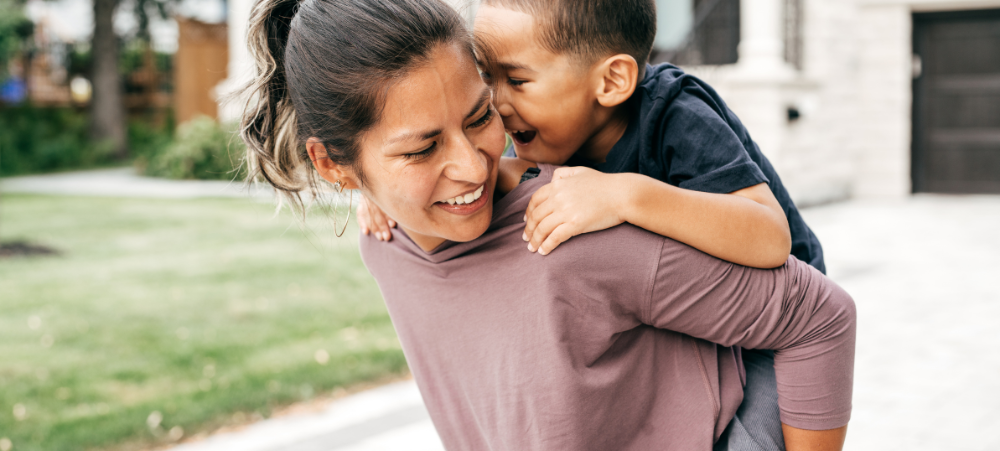
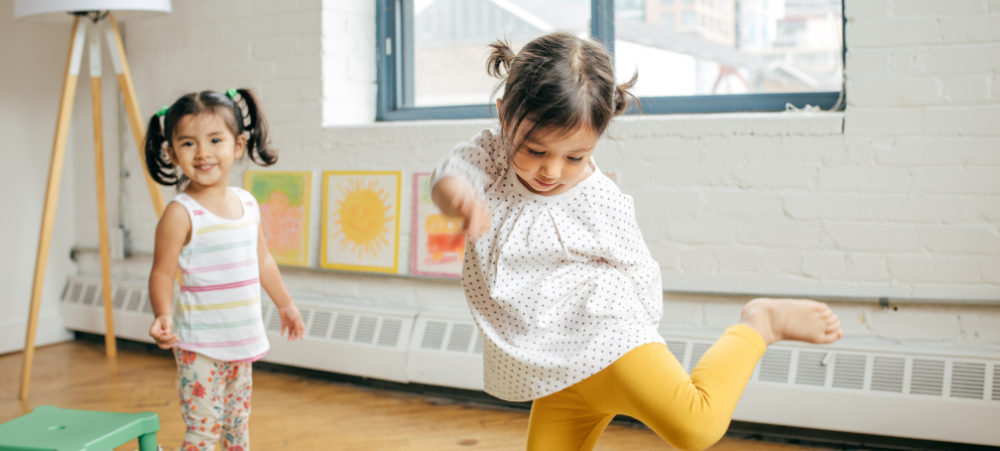
From the moment a baby learns to grasp a finger or kick their legs, they are beginning a journey of movement that will shape their development for years to come. At Dibber International Preschools South Africa, these early milestones are recognised not just as cute moments, but as critical indicators of a child’s physical, cognitive, and social growth. In its latest educational guide for parents and caregivers, Dibber unpacks the difference between fine motor skills — small, coordinated movements like picking up a pencil or tying shoelaces — and gross motor skills, which include larger physical actions like crawling, jumping, and running. “These two areas of development work hand-in-hand,” explains Ursula Assis, Country Director of Dibber South Africa. “By supporting both types of movement through intentional play and daily routines, we help young children build the physical confidence and independence they need to explore their world and thrive within it.” Fine motor skills involve subtle, precise actions that rely on hand-eye coordination and visual-motor integration. Gross motor skills, in contrast, depend on larger muscle groups — engaging the arms, legs, spine, and core — and are essential for mobility and spatial awareness. Together, these skills form the foundation for everyday tasks like eating, writing, dressing, and playing — all of which contribute to a child’s readiness for school and life beyond. “We may not think twice about actions like turning a page or climbing a set of stairs,” adds Assis, “but for a child, these are hard-won milestones that build resilience, control, and self-esteem.” Age-Appropriate Milestones The guide breaks down typical developmental milestones from birth to age six, helping parents identify what skills to look out for — and when to expect them. For example: Recognising these milestones helps caregivers ensure children are on track while identifying opportunities for early support if needed. Everyday Spaces, Everyday Movement The release also encourages families to explore local outdoor environments as natural playgrounds for gross and fine motor development. Parks, beaches, and reserves across South Africa — from Johannesburg’s Delta Park to Durban’s family-friendly coastlines — provide the perfect settings for children to climb, balance, build, and move. “Our message to parents is simple: movement is learning,” says Assis. “Whether it’s scootering through a park or stacking blocks at home, every action strengthens the brain-body connection that drives future learning.” Dibber’s Commitment to Holistic Development At Dibber International Preschools, movement is more than physical activity — it is woven into every aspect of the child’s learning journey. Educators create rich, sensory environments where both gross and fine motor skills are encouraged through daily activities, purposeful play, and guided exploration. “We look at the whole child — not just what they can write or say, but how they move, how they explore, how they express,” explains Assis. “Supporting motor skill development gives children the tools to build confidence, independence, and a deep sense of competence that lasts a lifetime.” For more information on Dibber’s approach to early learning and development, or to find a preschool near you, visit www.dibber.co.za.
DIBBER SA

Helping Little Bodies Fall in Love with Movement

Dibber Encourages Healthy Activity in Children Through Joyful, Everyday Play. Dibber International Preschools is championing the power of movement in early childhood with a renewed focus on joyful, developmentally appropriate physical activity. With children increasingly drawn to screens and sedentary pastimes, Dibber is committed to helping little ones fall in love with movement from the very beginning. Movement is not just a matter of fitness—it’s foundational to early learning. Regular physical activity supports healthy growth in young children, strengthens muscles and bones, improves mental health, and fosters key cognitive and social development milestones. “At Dibber, we believe that movement should be a celebration of what little bodies can do,” says Ursula Assis, Country Director of Dibber South Africa. “We help children explore the joy of movement through dancing, climbing, stretching, running, and balancing. These experiences not only support physical health but also nurture confidence, coordination, and emotional resilience.” Making Exercise Fun, Not Forced Not all children are naturally inclined toward physical activity. That’s why Dibber promotes gentle, motivating ways for caregivers to encourage movement at home and in daily life: According to Dibber, movement routines established in the early years can shape a child’s relationship with health and wellness for life. “It’s not about perfection or performance,” adds Assis. “It’s about building positive emotional connections to physical activity. At Dibber, we create playful environments where movement is part of the daily rhythm—whether through music, games, or outdoor adventures.” The Preschool group encourages caregivers to support age-appropriate physical activity at home and consult their family doctor for guidance on more intensive exercise, especially for children with unique developmental needs.

DIBBER SA

Let’s Celebrate Our Teachers

As we prepare to celebrate Teacher’s Day on the 5th of October and observe Teacher Appreciation Month, Dibber International Preschools South Africa is encouraging families to show gratitude to the educators who play such a vital role in the lives of their young children. Teachers are not only guides in early education—they are caregivers, mentors, and champions of growth during the most formative years of a child’s life. Dibber’s approach to early childhood education recognises the profound impact educators have, and this October, parents and toddlers alike are invited to celebrate their preschool teachers with small but powerful acts of kindness. “Our educators give their hearts and energy every single day to nurture, inspire, and support our children,” says Ursula Assis, Country Director of Dibber South Africa. “Teacher Appreciation Month is a perfect time to pause and reflect on the impact these dedicated individuals make—and to celebrate them in meaningful and memorable ways.” Here are five heartfelt ways families can show appreciation to teachers this month: 1. Personalised Thank You Notes Sometimes, a few simple words from a child can create an unforgettable moment. A colourful card or scribbled note can speak volumes when it comes from the heart. At Dibber Bedfordview, one group of 4–5-year-olds surprised their teacher by drawing their favourite classroom moments. “You make me smile every day,” one child wrote—words that stayed pinned on the classroom board for months. “These personal expressions of appreciation remind teachers why they do what they do,” says Assis. 2. Handmade or Thoughtful Snacks A sweet gesture can be as simple as a homemade muffin or a pack of treats with a kind note. At Dibber Bryanston, children brought banana muffins with a message saying, “You make school sweet,” much to the delight of their teacher, Miss Zanele. Whether it’s a batch of vetkoek, a koeksister, or even a small chocolate bar, food made or gifted with love is always a hit. 3. A Bouquet of Blooms Fresh flowers are a timeless way to say “thank you.” In Pretoria, children once picked wildflowers from their home gardens and brought them to class in recycled jam jars. These small, fragrant arrangements brightened the classroom and reminded teachers that their hard work was seen and valued. 4. School Supply Donations As the school term winds down, resources like crayons, glue sticks, and notepads can run low. In Midrand, one parent donated a bulk pack of art supplies during back-to-school season. The teacher later said, “It felt like a weight was lifted.” “Helping teachers with supplies is a tangible way to ease their burden and support creative learning,” adds Assis. “It shows appreciation in action.” 5. Volunteer Your Time Whether reading to a class, leading a simple workshop, or helping supervise an outing, parent volunteers can make a big difference. At Dibber Fairlands, a physiotherapist parent ran a fun movement session with the children—hopping, stretching, and balancing together to celebrate their teacher. While October is the designated month of appreciation, Dibber reminds families that educators deserve to feel supported and celebrated all year round. “Teachers shape far more than academics. They nurture a child’s self-esteem, sense of belonging, and view of the world,” says Assis. “A heartfelt thank you—even a small one—can uplift their entire day. And those gestures don’t go unnoticed.”

DIBBER SA

Five Creative Ways for Young Children to Celebrate Diversity

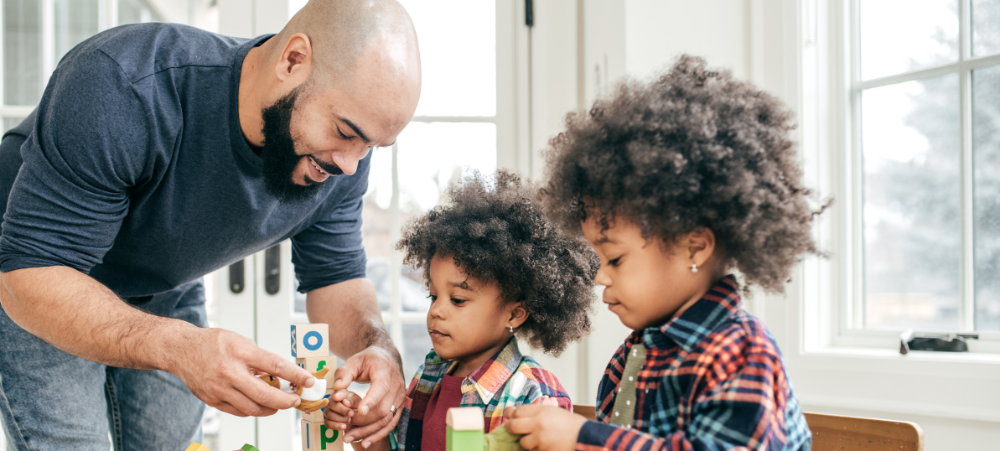
Children are born curious. As they explore the world around them – filled with different people, sounds, tastes, and traditions- they begin forming ideas about themselves and others. In South Africa, where cultures weave a rich and colourful national identity, early childhood offers a beautiful opportunity to instil openness, acceptance, and pride in diversity. “At Dibber International Preschools, we believe that teaching children to value diversity starts long before they enter a formal classroom. It happens not just through books and lessons but through the lived experiences, celebrations, and connections they see around them. “Diversity is not something we teach in a single lesson. It’s something we live, every day, in how we talk, play, eat, and include,” says Ursula Assis, Managing Director of Dibber International Preschools South Africa. “Our children are growing up in a world where cultural awareness is a superpower, and it’s our responsibility to help them embrace difference with joy, curiosity, and empathy.” Five Meaningful Ways to Nurture Diversity in Young Children 1. Celebrate Traditions Together From Diwali to Eid, Chinese New Year to Heritage Day, every celebration is an opportunity to learn about customs, symbols, and stories from around the world. Dressing up in traditional attire, preparing cultural meals, and hearing the stories behind each holiday helps children connect emotionally and visually with cultures beyond their own. 2. Music and Art as Cultural Bridges Children naturally respond to rhythm, melody, colour, and pattern. Exploring diverse music and art introduces them to new perspectives and creative expressions. Whether they’re learning to play a djembe drum, creating Zulu beadwork, or singing lullabies in isiZulu, these activities lay the foundation for cultural appreciation. 3. Visit Cultural Spaces and Museums Family outings to places like the Ditsong National Museum of Cultural History in Pretoria or local libraries with multicultural children’s books allow young learners to understand how history, struggle, and celebration shape identity. These visits can spark deeper conversations and help children connect local stories to their own lives. 4. Embrace Differences Through Stories Storytelling is a powerful tool for empathy. Reading books about children from different backgrounds, abilities, and experiences teaches preschoolers to appreciate differences and recognise common humanity. Conversations around what makes each person special help children grow more compassionate and inclusive. 5. Model Inclusive Behaviours Children mirror the actions of the adults around them. They learn to do the same when parents, teachers, and caregivers speak respectfully about all cultures, use inclusive language, and build diverse friendships. At Dibber, this is embedded in our daily practices—from how we greet one another to the languages we celebrate in our classrooms. Heritage Day: A Celebration of Unity in Diversity In South Africa, Heritage Day on 24 September is more than just ‘Braai Day’. It is a tribute to the people, cultures, and histories that make this country unique. Families come together to share meals like pap and chakalaka, Shisanyama, and milk tart. Communities organise parades and storytelling sessions, honouring traditions passed down through generations. “When children grow up in spaces that celebrate culture, they grow up with confidence, respect, and a strong sense of belonging. At Dibber, we are proud to walk alongside families in creating a generation that not only learns about the world—but welcomes it with open arms,” concludes Assis.

DIBBER SA

The Powerful Influence of a Mother on a Child’s Development

From the first heartbeat, a mother’s presence offers warmth, safety, and guidance. In those crucial early years—especially the first 1,000 days when a child’s brain and emotional wiring are rapidly forming—the influence of mothers and maternal figures can help shape how children learn and who they become. Across South Africa and beyond, mothers and female caregivers are often the first teachers, role models, and nurturers that children encounter. Their presence anchors childhood in stability, empathy, and love. “We often talk about education starting at school, but it truly begins at home—often in the lap of a mother, grandmother, or aunt,” says Ursula Assis, Managing Director of Dibber International Preschools South Africa. “These early experiences, wrapped in care and routine, shape how children view themselves and the world around them. That is why our approach to early education deeply values the role of mothers and matriarchs as co-educators.” Mothers are often the emotional epicentre of a child’s world. From a warm hug after a tumble to bedtime lullabies passed down through generations, maternal figures provide children with emotional safety, an essential condition for healthy development. Children learn empathy, resilience, and self-confidence when a mother validates emotions or responds with kindness. Early Learning Starts with Mum The influence of mothers on child development often begins with simple, everyday interactions. Singing a folk song in Afrikaans, preparing meals together, or helping with counting games in isiXhosa—these early moments spark language skills, curiosity, and a love of learning. Mothers have laid the foundations for cognitive and social development before formal schooling begins. Whether it’s allowing a toddler to choose their outfit or encouraging them to share their ideas, mothers empower children to be heard. This nurtures independence and helps children build a strong sense of identity. In South African homes, where many mothers juggle work, parenting, and community responsibilities, their ability to balance strength with softness is a profound model for young children. In homes filled with laughter, traditions, and story-sharing, maternal figures quietly shape a child’s understanding of values—respect for elders, sharing with others, and standing up for what’s right. These lessons are often passed down during ordinary routines, becoming extraordinary building blocks of a child’s moral compass. Extended Family: A Collective of Care While mothers hold a special role, South African children are often raised by a robust network of women—grandmothers, sisters, aunts, and caregivers—each contributing in unique ways. This shared responsibility is a celebration of ubuntu, reinforcing a child’s sense of belonging, community, and connection. Dibber honours the vital role of mothers and strong female figures in a child’s early years. The preschool’s educators work hand-in-hand with families, ensuring that what begins at home is nurtured in its classrooms.  When a child feels loved, safe, and seen, the learning never really stops. It only grows stronger.

DIBBER SA

Is My Child Ready? Understanding School Readiness, the Dibber Way

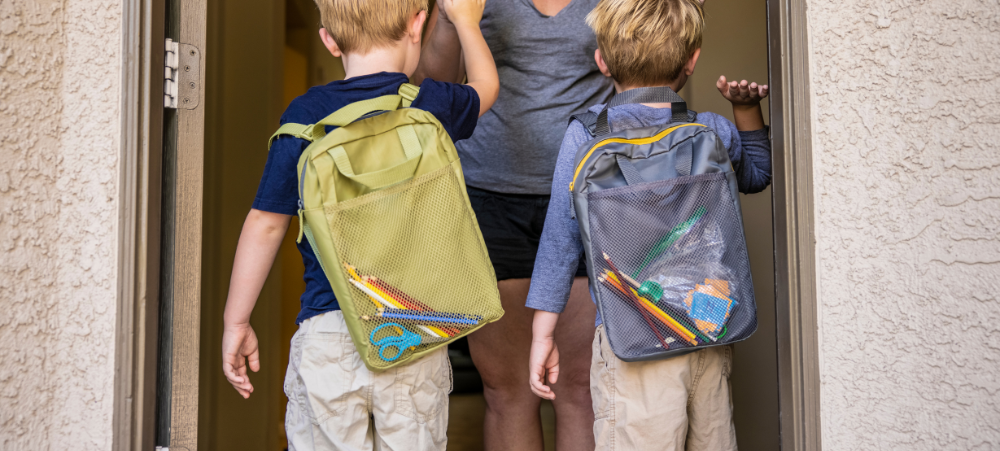
Is my child ready? It’s a question that comes quietly at first—maybe when they start saying more words, when they begin packing their own little backpack, or when you see them watching older children play just beyond their comfort zone. It’s not always about school readiness. Sometimes, it’s something deeper. You start to wonder: are they ready for the world beyond me? Are they ready to sit in a group, to listen, to speak up, to take turns? Will they be okay when I’m not right there? At Dibber, we’ve seen it all—the nervous drop-offs, the proud moments when a child says their friend’s name for the first time, the spark in their eye when they master something small but mighty, like fastening a zip or remembering a story they loved. We also know readiness isn’t a tick-box. It’s something you feel more than you see. It’s in the way they wave goodbye with a little more confidence, or when they comfort a crying friend, even though just weeks ago, they would’ve cried themselves. You don’t need fancy terms or complicated checklists to know your child is growing. You’ll notice the little things. Like how they start asking questions that actually wait for answers. Or how they begin to recognise their own name on a hook or a cubby. You’ll hear them telling you about the colours in their drawing—not just that they drew a house, but that the roof is red because it’s “hot like the sun.” These are the signs that something inside them is beginning to click. Respect, too, is something that grows. Not in a loud, demanding way, but slowly, through how we speak to our children and how we speak around them. They’re always watching. They see how we greet the cashier, how we talk about neighbours or family members. They see how we apologise when we make mistakes. Children learn respect not by being told to “be respectful,” but by living in a space where respect is simply part of the air they breathe. We’re not aiming for perfect children. We’re not even aiming for “school-ready” children in the old-fashioned sense. We’re nurturing something more meaningful: children who feel safe to be themselves, can handle a no without crumbling, and are brave enough to try again after a tough moment. Children who learn to pause before grabbing a toy, who notice that their friend’s feelings matter. Children who know their voice counts—not because we told them, but because we listen when they speak. That’s why we believe gentle parenting isn’t soft parenting. It’s strong in the ways that matter. It sets firm, clear boundaries, but holds them with calm and warmth. When a child struggles, we don’t react with frustration—we guide. We help them make sense of the moment and gently support them through it. And yes, it takes time. But so does anything that truly lasts. The beautiful thing is, when a child feels respected, they start to mirror it. They surprise us. They look you in the eye and say, “I’m sorry.” They offer their last biscuit to a friend. They raise their hand and wait. These moments don’t happen because we told them what to do. They happen because we showed them the way. And as for school? Whether your child is heading to Grade R or still a year or two away, the most important preparation you can offer isn’t flashcards or early reading apps. It’s confidence. It’s connection. It’s giving them daily chances to solve small problems, to use their hands and hearts, to make choices that matter. Even something as simple as picking their snack or choosing a story gives them a sense of self—and that’s what they’ll carry into the classroom more than anything else. At Dibber, we hold their hands for a while, but our goal is to help them grow the strength to walk proudly on their own. We know it’s not about being the loudest or the fastest learner—it’s about building a child who believes, deep down, “I am seen. I am safe. I can do hard things.” So, if you’ve been wondering whether your child is ready, maybe take a moment to look at what they can do and who they are becoming. A child who notices. A child who tries. A child who is beginning to belong in their own skin. That, more than anything, means they’re on their way. And that’s more than enough. By Kelly Eyre, Quality and Pedagogy Lead, Dibber South Africa

Advice from the experts
Skidz

The Vital Years: How to Enrich your Child’s Learning Ability from Birth Until the Age of Eight

Research has shown that we develop most of our ability to learn in the first 8 years of life, especially the first 4. This doesn’t mean that you absorb more knowledge, but that you build more neuro pathways (the main learning pathways of the brain) in this time, than throughout the rest of your life. This is why early childhood development and age appropriate stimulation is so important. Researcher Dr Phil Silva from New Zealand highlights the importance of early stimulation. “It doesn’t mean that the other years are unimportant, but our research has shown that children who have a slow start during the first three years are likely to experience problems right through childhood and into adolescence.” There are 6 main pathways into the brain by which we learn, our 5 senses, sight, hearing, touch, taste and smell, and the sixth step is through what we physically do. This means a baby will learn to crawl by physically crawling. Every day is a learning experience and the more a child is allowed to explore the world the more neuro pathways are built and the more he can learn during his lifetime. Through stimulating a child’s brain, more interacting connections are formed in the brain. The more connections there are the easier it is to learn. What a child does physically in the first few years of life, plays a major part in how well he or she will develop other abilities. Some examples. Developing the brainstem: Activities such as grasping, crawling, pushing, reaching and turning leads to hand-eye coordination and pre-writing abilities. Developing the cerebellum (balancing): Activities such as spinning, swinging, rolling, listening and dancing leads to bicycle riding, reading skills and fine motor coordination. Developing the emotional brain: Activities such as cuddling and playing together leads to love, security and confidence. Developing the thinking brain (cortex): Activities such as stacking toys, puzzles and patterning leads to math, problem solving, spelling and memory. It seems like most countries have their educational priorities completely wrong, as most spend under 10% of their education budget on these forming years. SKidz Clever Activity Boxes has set a curriculum of fun filled activities to bridge this gap. The curriculum is written primarily for babies and toddlers that stay at home with mommy or a nanny, but it has also been used by schools and day mothers. All the equipment is supplied with the manual which gives direction regarding what activities to do each day and what areas of development are being stimulated through those activities. Children learn through exploration, games and play and this is what we have focused on. You can order your age specific box from www.skidz.co.za/shop

Skidz

How early learning builds a child’s other abilities

We often read articles and speak to Early Childhood Development experts such as Paediatricians and Occupational Therapists, who assess a child’s progress based on developmental milestones. Being a part of many mommy groups, I often find some moms who say that this focus on milestones is misguided. The problem is that many don’t really understand why looking at milestones as a guideline is important. Some even say things like “My child didn’t crawl and she is fine”, but what measures as fine? I’m not talking about major problems or delays in development, but things that we only see later in life. It is also important to note that these developmental skills that are learnt and developed through exploration and play, is the foundation of other skills used later in life. Investing in the development of your child especially in the first few years cannot be emphasised enough. The easiest way to explore this would be through examples, so here goes. When a baby is born, he can’t see or hear very well and his sensations are far from perfect. When looking at visual stimulation babies need to be exposed to high contrast colours and patterns.   In the earliest months a baby lays down the main ‘visual pathways’ of his brain. The cortex of his brain has 6 layers of cell which transmit different signals from the retina in the eyes to the back of the brain. On layer for example transmits vertical lines, another horizontal. Others will deal with circles, triangle and squares. If, for example, a baby would only see horizontal lines, then when he crawled or walked he would continually be banging into the legs of tables and chairs because the visual pathways which where laid earlier could not process vertical lines. Here are some more examples of how what a child physically does in the first few years of life plays a major part in how well he will develop other abilities. The Brainstem:  Controls the flow of messages between the brain and the rest of the body. Activity learnt: Grasping Touching Crawling Walking Reaching Turning Pushing Pulling. These activities lead to: Hand-eye coordination Gross motor skills Prewriting ability The Cerebellum:  Coordinates voluntary movements such as posture, balance, coordination, and speech, resulting in smooth and balanced muscular activity. Activity learnt: Spinning Tumbling Balancing Dancing Listening Swinging Rolling These activities lead to: Balance Sporting ability Bicycle riding Writing skills Fine motor coordination Reading skills. The Emotional brain (amygdala and temporal lobe):  Emotions, like fear and love as well as brain functions, like memory and attention. Activity learnt: Cuddling Stroking Playing together These activities lead to: Love Security Bonding Social skills Cooperation Confidence The cortex:  Associated with higher brain function such as thought and action Activity learnt: Stacking toys Building puzzles Recognising and making patterns Playing word games Repetitive play and music These activities lead to: Math Logic Problem solving Fluent reading Spelling Writing A good vocabulary Painting Memory Musical ability Another point to consider is that for a child learns from concrete and active experiences. To understand an abstract concept he would first have to understand the physical concept. For instance, to understand the abstract concept of roundness, he must first have experienced real round things like a ball. There are endless examples that could be explored but the conclusion is the same. Experiences and active play to reach milestones are extremely important for future successes. SKidz gives you as a parent the tools to stimulate and play with your child, which encourages not only his physical ability, but also sets a firm foundation for healthy relationships, where he feels loved and secure. The program has been developed by 4 experts in early childhood development and is divided into 5 boxes so that you only need to buy the appropriate one at a time. Each box comes with all the equipment needed to do the activities as well as a step by step manual, with easy to follow instructions as well as developmental information, so that you know what areas you are developing through that activity.  The range is divided into the following ages 0-6 months, 6-12 months, 12-18 months, 18-24 months and 2-5 years. More info on this wonderful product can be found on the website http://skidz.co.za. All orders are also placed from the online shop on the website. For some up to date news, articles and specials follow SKidz on facebook at www.facebook.com/skidzsa.

Parenting Hub

Signs Of Reading Readiness

Parents raise readers and teachers teach reading The best advice I can give you is, do not rush your child into reading.  Preparation is key; the better and more sound the foundation for reading is the easier and quicker your child will learn to read. If your child is showing the following signs he is well on his way to becoming a reader.  Give yourself a pat on the back; you must be doing something right.  Well done Mom and Dad. Signs of reading readiness Your child: Knows about books – i.e., holds a book the right way up, knows where its starts and ends Knows letter names and sounds Good use of language – speaks clearly, understand instructions, articulates his thoughts and feelings using the correct words Loves to listen to stories Able to sit still and listen to a story Can rhyme simple words – cat, hat, sat Recognises own name and start recognises simple words like, mom, dad Becoming aware of print and will say things like, ‘what does that word say’, whilst being read to. Awareness of print around – billboards, advertising signs like MacDonalds, coke, etc. Begins to relate what is being read to him to his own experiences, for example whilst reading a book about dogs your child may say, ‘I have a dog called….’ As parents continue to read daily, give plenty of support and encouragement as your child starts experimenting with reading, but DO NOT push.  Learning to read takes time and develops in stages, just enjoy the journey. The greatest gift you can give your child is the gift of reading.

Mia Von Scha

Your Child’s Language Development and How it Affects Later Success

I recently attended a fascinating lecture by Suzy Styles, who is a professor of Psychology and Linguistics at the Nanyang Technological University in Singapore.  Her research is all around how language modulates brain development, shapes sensation and co-creates our conscious experiences. There were a number of things she discussed that are fundamental bits of wisdom for parents and educators to be aware of. Babies’ sensory systems are already in place before birth, and by the time the baby is born they have already been primed for the kind of auditory world they are going to emerge into including large amounts of information about their native language. Babies at birth can already recognize a story that has been told to them in the womb, can tell the difference between different languages and can recognize their mother’s voice. The sounds that they hear in the womb and in early life are literally changing the structure of their brains as they make new connections. Prem babies often have difficulty with language later on. This is due to the nature of the sounds that they are hearing outside of the womb when they should still be in it… The sound of the mother’s voice and heartbeat are replaced by aircons and ICU noises and unfiltered speech. Prem babies need to have the sounds of the womb simulated in order to have optimal auditory development. When we speak to babies we naturally hyperarticulate vowel sounds (we do this when we speak to foreigners and Siri too!). Babies LOVE this! It matches the way they are hearing at this developmental stage and is linked to faster hearing skills later on. Even the toys that we give to children can make a difference to their language acquisition. For example, babies who have teething toys that get in the way of their tongues are unable to recognize sounds like “t” that use the tongue tip. Between around 6-12 months babies lose the ability to distinguish sounds that they don’t hear regularly. For example, Japanese babies can no longer tell the difference between “ra” and “la”, and Spanish speakers can’t tell the difference between “ba” and “va”. This means that these early years are the optimal time for a baby to be exposed to another language. However, babies only learn a new language (or even words in their own language) in interaction with real live people. Television and radio do not count, no matter how good the program they might be watching. The only time that babies learn from a recorded sound is when they are exposed to it together with an adult who discusses it with them or interacts with them and the show – using the TV or radio as a prop for interaction. Up to six years old children still have some neural sensitivity to adapt to new languages. The benefits of learning a second language go beyond just social convenience. Studies have shown that bilingual people (and only those who have learned their second language early in life) recover better from strokes and don’t show early symptoms of Alzheimers. The more you talk to a baby and the more interactive and fun this is, the more their hearing is increased. Whenever emotion is involved in learning there is more consolidation of the learning. Their studies show that children of professional class parents are exposed to around 30 million more words than a working class child by the time they reach school. And this directly correlates with school performance later on. Hearing more words has a protective effect against later learning disabilities. It is not enough for the child to just be around chatty adults – the speech actually has to be directed at the child and needs to be fun. Even reading to a baby only makes a real difference if the reading is fun and interactive (NOT instructional). It needs to be like a game, for example making jokes that violate expectation. The book is more like a prop for some kind of linguistic interaction with the child. The more fun the experience, the more the language ‘sticks’. Children are affected by our attitudes to learning and how much fun is involved at all ages. Children who are judged on what they say in class will disengage and have lower grades. In terms of language development, the greatest predictors of whether children will do well in school are: Interaction. How much and how fun and how child-directed the experiences are. The number of words they are exposed to. Whether their caregivers use instructional speech (tie your shoe, put on your clothes, eat your food) or expanding type speech (ooh, I see you’re putting on your shoes. Those are the same shoes you wore yesterday. And the ones you nearly left at the beach last week. You love those shoes, don’t you? You would have missed them if we hadn’t found them…) The core lesson for me that comes out of all this research is that we need to be present with our babies and children – engaging them in fun, interactive ways and exposing them to as much of our linguistic worlds as we are able. KEY ACTION POINTS: Speak to your baby in utero. Sing to her, read to him, tell them what you’re thinking and feeling. If you have a multi-lingual family, have the other parent or grandparents chat to the child in a different language while they are still in the womb and beyond. If you want your baby to learn another language make sure they are exposed to it before 12 months old (or definitely before 6 years old) in fun, interactive ways with a caring adult. Prem babies can have improved language skills later on if you are able to simulate womb sounds in the hospital – filter the mother’s voice, expose the baby to a recording of her heartbeat, and cut out as many of the sounds of the hospital as possible. If this is done for

Sharon Standsfield

Help Your Child to Read

Helping your child learn to read and to love reading is probably the greatest gift you can give them. Reading opens a whole world of communication, learning and imagination. So, when you help your child learn to read, you open up the whole universe for them. Reading is not centred in just one part of the brain and that’s one of the main reasons that it can be so difficult for some children to learn to read. There are different parts of the brain that need to work together, at exactly the same time. These parts of the brain have different functions and are even on opposite sides of the brain. So the communication between all the parts of the brain needs to be at its best. Just think what you are actually doing when you read and you will realise the complexity of this wonderful pastime that we can spend so many relaxing hours doing once it is mastered. In my work I see many children struggling to develop early reading skills and parents want to help them but often just don’t know where to begin. Very often all the input to help the child actually starts at the stage of actually reading and trying to sound out words. This is starting too high up the ladder for many children. That is why I just had to share my own experience and methods, creating a program that parents can use to build visual skills, auditory skills and develop close communication between the different parts of the brain involved in reading. A fun and games approach to developing the basic skills to really learn to read. When we read, our brains have to link the visual codes our eyes see with the sound code that each letter represents; and visual and sound processing are done on opposite sides of the brain. There are subtle differences between the parts of the visual code (letters) as well as between the different sounds they represent. Children need to be able to recognise the similarities as well as the differences of the sounds and of the printed letters. And this has to be done in an instant! We also have to notice the subtle differences between the different letters. For example, ‘b’ and ‘d’ are the same but just back to front and ‘t’ and ‘f’ also confuse many children who struggle with perceiving subtle visual differences. We need to be able to notice when letters are close together, making a word and when there is a small gap between the letters of different words. This is visual perception and develops through our interaction with the real world around us. From the moment we are born and we start moving our hands and legs, we are learning about where things are and what size and shape they are. The more we play with real objects and move them and move ourselves around them, the more we develop our visual perception for shape, size and special relations (what things are close together, far apart, back-to-front, upside-down). So the first thing you can do to begin preparing your child for reading is to let them play obstacle courses. Who would have thought this was step one of learning to read? By the way, spatial perception is also important to maths. So, get your child to make obstacle courses! As your child develops his control and understanding, you can let him make letters out of play-dough and draw letters in sea sand or snow or on a mirror, using shaving foam. But knowing the shapes of letters is no good on its own. He also needs to be able to recognises and differentiate the sounds that letters represent and he must be able to separate the different sounds in the words he hears. I frequently meet children in my practice who have good a vocabulary and speak well but struggle to tell me what the first sound or last sound of a word is. When we read we are joining sounds together to make words. When we spell, we are working out the sounds in a word and then assigning the correct letter to represent that sound. Both these tasks need us to be able to notice the separate sounds that combine to make a word. We also need to be able to hear the subtle differences between the sounds: ‘ch’ and ‘sh’; the soft ‘t’ versus the harder sound of ‘d’ or ‘c’ and ‘g’. Parents can teach their children rhymes and play word games, such as “I Spy”. These games help develop the auditory processing to separate out the different sounds in words. Play good old-fashioned games with rhyming and skipping or rhyming and clapping. This way, you will help your child develop the sense of rhythm and rhyme and the communication between both sides of the brain to help speed up his ability to link the sight of letters and words with the sound. There is a lot you can do to help your child be ready to learn to read; and most of it is fun and games! Once you’ve helped him develop the underlying skills and enjoy playing with words and letters, he will be ready to learn to read and to love reading.

Mia Von Scha

Choosing a Preschool

As a first time mom, finding and choosing a school for my daughter was one of the most daunting things I had to do. I had no idea what to look for, how to screen for potential problems, or even what the law was regarding the qualifications of teachers and preschool owners. And so my poor child, and then the next child too, got moved from school to school almost yearly before I decided to homeschool. So let me just say, from the outset, that every school will have its problems. There is no such thing as a perfect school, but there may just be a perfect school for you and your child – one where they don’t bother about things that are not on your priority list and do care about the same things as you. If I were to do it all again, I would do the following: I would make a list of what was important to ME in terms of childcare. For example, it is important to me that my kids eat nutritious food and not junk, that their caregivers are caring and not overly disciplinarian, that there is no shaming or naughty corners or physical punishment, and that kids are allowed to be kids and have lots of free play. I would absolutely INSIST on spending a week at the preschool with my child. Most schools discourage this as they say the kids settle quicker if the parents are not around, but a small child cannot articulate problems to you when they arise. I would like to see for myself how certain issues are handled. For example, at one school my kids were at I found out years later that if they cried they were shamed by being put into nappies. I knew my daughter was unhappy at the school (the school kept telling me she was very happy there) but she was only 4 and couldn’t express what it was that was bothering her. I would hang around at the end of the day and chat to parents of kids who are already in the school. Of course the school will tell you they are marvelous, but you may get a different picture from the parents. I would have a list of questions for them such as what they like most and least about the school, if they’ve ever had an issue with a teacher and how the management handled it, etc. Get a broad overview from a number of people. I would find out what qualifications each of the teachers has and what additional training they are exposed to on a regular basis. We had one teacher who had never even heard of a sensory integration disorder and so was shaming my child for coming to preschool in her pyjamas when she was tactile defensive and literally couldn’t handle wearing much else. The same teacher used sarcasm with her class (telling them she would cut their tongues out if they spoke in class), something that children can only cognitively start to comprehend at around age 8. Teachers need to be up to date on current research, childcare philosophies, and childhood growth and development. Other questions I would ask the management would be around the size of the class, the teacher to child ratio, the teachers’ working hours, and even their salary if they will disclose that. I would want to know that the teachers are not overworked and underpaid and unhappy. And lastly, I would trust my instincts. This was a tough lesson that I learned through all of this – where I had a feeling that things were not ok and yet when I asked I was told that my children were happy and playing and everything was fine. You know your child. Trust that. If something doesn’t feel right, it probably isn’t. And do not be afraid to change schools if you need to. Of course the ideal is to get your child into one school where they are happy and make friends and are settled, but kids can and do adapt to change. Rather keep looking until you are completely satisfied than settle for something less than ideal because you are afraid of making the change. For us, in the end, homeschooling was what best suited all of our needs, but that is also not for everyone. There are pros and cons to both and you need to look at your unique family, your own values and needs and then find the best solution for you. Good luck!

Parenting Hub

How Parents Can Support Early Childhood Development

Research shows children who have parents who are actively engaged in their educational lives, do better. This is especially true when talking about early childhood education. Yet many parents have no idea of how to get involved.  As a parent development specialist and a person well versed in Early childhood , I think there are 3 ways parents with a young child should be involved with their child’s education. 1) Be willing to learn about and understand the difference in the way young children and older children learn. 2) Ask about ways you can help and support children’s learning at home and do them. 3) Make time to volunteer in the centre in the ways they need you to be involved. ~Be willing to learn about the difference in how younger and older children learn Young children learn by actively observing and then acting out  what they see. Young children from age six months to five years watch, listen, and learn. Children are natural observers. However, children really begin to learn as they act out their observations. We in early childhood call this acting out play. Many parents not understanding the difference between acting out observations and play for enjoyment tend to  see early education as “just playing”.  The truth is your child is learning through acting out a variety of situations they have observed over their young years. Early educators use observations, knowledge of child development, and open ended questions to help children link their observations with the skills they need to prepare for life and school. Older children who can think, talk, read, and interact with others use those skills to learn and play becomes a chance to unwind. Play no longer is the primary tool for learning. Older children have developed other skills they use for learning. ~ Ask about ways you can support your child’s learning at home and do them Early childhood learning involves discovery, pre–skills, and learning from the world. Teachers use the classroom setting to help children learn and grow. Parents can also do activities with their young children which can promote discovery, curiosity, and observation. Making cookies, jello, and cakes can help children to observe changes which are made by adding cold or heat.  Asking open ended questions can help children make the observations. Example: when we put the jello in the refrigerator we could pour it like water now we can’t. Why do you think that happened? Your child’s teacher will have more suggestions for you. Remember  when you do them with your children you are supporting their growth and development. ~Make time to volunteer at your child’s centre in the way they need you to be involved Every child care centre needs volunteers for things to run smoothly. Sometimes they need someone to help kids into jackets to go outside. Or they may need you to help serve lunch or snack. Sometimes you could be asked to help to decide on a committee which effects the whole centre. For instance, you may sit on a playground committee deciding to resurface the ground. Please give your full attention no matter the task and  you will not only be appreciated. You will become a part on the centres’ community. This is ultimately your goal. Parents are a vital part of whole education process. Using these three suggestions as your starting point will help you to begin engaging in your child’s educational growth.

Parenting Hub

Learning Using Everyday Items From Around Your Home

This article is to give you some fun ideas on how to stimulate your child’s development at home using everyday things from around the home. To touch briefly on the biology of learning, which in a nutshell is all about the brain.  A child learns the most up to the age of 3 years. This is because when children are born, their brains are around 25% of the adult size, however by 1 year your child’s brain has shot up to about 66% of it’s eventual size and by the age of 3 years, your child’s brain is nearly 90% of it’s eventual size. The brain & the nerves in the spinal cord work together as a network sending messages backwards & forwards to every part of the body. Each person is born with a certain number of brain cells (in the region of 100 billion), which is the potential of the brain.  What makes the difference is the number of connections between these brain cells that activates this potential of our brains.  Stimulating the brain helps to connect more of the brain cells, so that we use as much of our brain’s potential as possible. This is where some of the debate around the influence of genetics and experiences that we provide for our children come into play – which is more important? Science shows us that before birth, babies’ brains develop in a predictable genetic way.  But recent scientific studies show that the brain is “moulded”  by experience.  Some of the early connections between the brain’s neurons depend on stimulating the senses (e.g.. sight, sound, smell, taste & touch).  In this way, these early learning experiences can affect the ability of the central nervous system to learn & store information. Different types of learners: Visual Learners:  Like to look at different things e.g. pictures & models Will close their eyes to visualize Prefers quite environments Remembers faces better than names Auditory Learners: Are talkative & like the sound of their own voices Listens to others Can work in noisy environments Remembers names better than faces Kinesthetic Learners: Prefer to move around Very active, fidgets & can’t concentrate for long Prefers to actively participate in order to learn Find it difficult to repeat what is heard Your child will also fall into one of these types of learners, but it’s so important to add the other half of the equation before you can really gauge which type your child falls into.  The other important part of the puzzle is: what is developmentally appropriate for his / her age. For example: If we look at attention span, we need to remember that it is developmentally appropriate for babies to concentrate 1 minute per year of their age.  So what might feel like a short attention span for us adults, could actually be longer than is developmentally appropriate & therefore doesn’t necessarily mean that your baby is a kinesthetic learner. Everyday items for educational play: From your Kitchen: From about the 6 month sitting stage, containers are a huge hit!  For example, plastic Tupperware containers or even packaging that you would throw away.  Things like empty plastic milk bottles make super rattles, empty Coke bottles for encouraging crawling (loco motor skills) & empty margarine tubs make great stacking tubs. Also, an empty pot with a wooden spoon makes a lovely drum sound & starts to teach concepts like cause & effect. Experimenting with different types of food is a wonderful way to introduce different textures as well as to stimulate the control of the small muscles (fine motor) of the hand. Things to look out for: Food allergies that your child may have Safety of the object e.g.. size of the object & possibility of chocking hazard From your Bedroom: Different textures of clothing eg.  Cotton, satin, velvet, corduroy, wool, chiffon  which stimulates the sensation of touch. Making home made mobiles using a clothing hanger & tying different interesting objects to hang from it.  This is to help with visually tracking objects. Using any soft light clean clothing to play peek a boo games, which start with the journey of mastering object permanence. Things to look out for: Safety of the object e.g.. that possible chocking hazards such as buttons are very secure on the item of clothing. Any loose cords or ties are supervised to prevent the risk of strangulation. From your Bathroom: Toiletry items that are non toxic for example, baby aqueous cream, petroleum jelly, shaving cream which all provide wonder messy tactile stimulation. Mirrors can be a wonderful source of entertainment & fun!  Mirrors can be used in so many different ways for example: smearing safe toiletries on them (sensory experience), playing peek a boo with behind them (stimulating the concept of object permanence). Body brushes, loofahs & exfoliating mesh sponges are also fantastic sources of different textures which stimulate the sensation of touch. Things to look out for: That the toiletry items are non toxic & that the child is supervised so that he / she doesn’t put toiletries in their mouths. Always supervise the child around water to prevent any drowning which can happen in just a few centimetres of water. Everyday things you hope they won’t play with, but they probably will: Land line & cell phones  – I’ve had mine washed in the dogs water bowl, but the favorite place for a lot of young children is to throw them in the toilet! Remotes for the TV, DVD machine & CD player – a fantastic toy from a baby’s point of view because it responds with lights & noises when they push the buttons.  It does also teach them cause & effect, but there are many other objects that we would prefer them to play with that will teach them the same thing.. Appliances such as buttons & dials on the oven, stove, dishwasher & washing machines – again young babies love these machines responding to them, but they pose dangerous risks such as fire. Children really do learn through play! 

Barbara Harvey

How Parents Can Support Early Childhood Education

Research shows children who have parents who are actively engaged in their educational lives, do better. This is especially true when talking about early childhood education. Yet many parents have no idea of how to get involved.  As a parent development specialist and a person well versed in Early childhood , I think there are 3 ways parents with a young child should be involved with their child’s education. Be willing to learn about and understand the difference in the way young children and older children learn. Ask about ways you can help and support children’s learning at home and do them. Make time to volunteer in the centre in the ways they need you to be involved. ~Be willing to learn about the difference in how younger and older children learn Young children learn by actively observing and then acting out  what they see. Young children from age six months to five years watch, listen, and learn. Children are natural observers. However, children really begin to learn as they act out their observations. We in early childhood call this acting out play. Many parents not understanding the difference between acting out observations and play for enjoyment tend to  see early education as “just playing”.  The truth is your child is learning through acting out a variety of situations they have observed over their young years. Early educators use observations, knowledge of child development, and open ended questions to help children link their observations with the skills they need to prepare for life and school. Older children who can think, talk, read, and interact with others use those skills to learn and play becomes a chance to unwind. Play no longer is the primary tool for learning. Older children have developed other skills they use for learning. ~ Ask about ways you can support your child’s learning at home and do them Early childhood learning involves discovery, pre-skills, and learning from the world. Teachers use the classroom setting to help children learn and grow. Parents can also do activities with their young children which can promote discovery, curiosity, and observation. Making cookies, jelly, and cakes can help children to observe changes which are made by adding cold or heat.  Asking open ended questions can help children make the observations. Example: when we put the jelly in the refrigerator we could pour it like water now we can’t. Why do you think that happened? Your child’s teacher will have more suggestions for you. Remember  when you do them with your children you are supporting their growth and development. ~Make time to volunteer at your child’s centre in the way they need you to be involved Every child care centre needs volunteers for things to run smoothly. Sometimes they need someone to help kids into jackets to go outside. Or they may need you to help serve lunch or snack. Sometimes you could be asked to help to decide on a committee which effects the whole centre. For instance, you may sit on a playground committee deciding to resurface the ground. Please give your full attention no matter the task and  you will not only be appreciated. You will become a part on the centres’ community. This is ultimately your goal. Parents are a vital part of whole education process. Using these three suggestions as your starting point will help you to begin engaging in your child’ educational growth.

Parenting Hub

Learning Through Play

Research shows that children who actively engage in imaginative play and other sorts of play such as creative activities, are usually happier and more co-operative than those who don’t.  They are much more willing to share and take turns and particularly more creative in their activities.  They demonstrate a larger vocabulary than children who engage less in these childish activities.  Through play, children build a solid foundation for future learning and open themselves to a world of learning opportunities. Early childhood development practitioners all agree that play for young children is essential.  It is vitally fundamental to a child’s social, emotional, physical and intellectual development.  Through healthy play activities, young children are better prepared to enter school and generally grow into secure and self-confident teens and adults.  Interestingly through happy play, children begin a love of learning and prepare for life itself and for every parent, this is so important. Through activities such as cutting and drawing, they develop the muscles in their hands and fingers preparing them for future skills such as writing.  When sharing materials used for creative activities, children learn to be cooperative with one another which is vital for their future social interaction on a higher level and forms the basis for positive self-esteem. And this is where the Mysmartkid programme succeeds in bringing this all together.  The team at Mysmartkid understand the importance of early childhood development and how challenging it can be for parents and caregivers to ensure that their children are reaching those essential developmental milestones.  This is the very reason why they created this unique programme which provides members with the guidance, expert advice and tools necessary to helping your children progress and thrive. The Mysmarkid play and learn programme is tailored to your child’s age and six key developmental areas and helps your child to reach those important milestones.  The Smartbox is filled with toys, activities and expert advice and is delivered to your child every two months.  You will also receive two free useful welcome gifts when you join and have immediate access to exclusive resources and member discounts. Mysmartkid will be with you every step of the way and in addition to your bi-monthly Smartbox which features carefully selected and age-appropriate books, puzzles and toys, Mysmartkid provides you with a wide supplementary range of innovative and educational games, toys and products as well – easily purchased from the Mysmartkid online store. The benefit of belonging to the Mysmarkid programme is that members have access to early childhood development practitioners such as an educational psychologist and speech and language therapist to name only a few.  Playing and learning is the foundation of the Mysmartkid programme.  The team are of the firm belief that teaching children through play is how they can help you give your children the best possible advantage.  Through the programme they can help parents to develop those necessary key skills, build relationships and expertly navigate through what is your child’s most vital developmental phase. Mysmartkid also offers members access to the Mysmartkid blog which allows you to clearly seek out articles pertaining to the six development areas : Wellbeing Identity Concepts Creativity Communication My World This well-presented and well-written blog allows you to search for articles broken down into age groups within the six development areas, making it so much easier for you to find exactly what you’re looking for.  The most popular articles are highlighted within the blog and so parents can easily see what other parents are reading.  This can be a great help to parents to know that other parents are experiencing the same difficulties as them. Mysmartkid has taken pains to ensure that they cater for the needs of young children and their early childhood development. However, through the Mysmarkid programme the team has recognised the necessity to educate parents in terms of their child’s development and so at no time do parents feel like they are out of their depth with no access to those in the know.  They are provided with reading material and instructions within the Smartbox to give them all the relevant tools to work with their children in providing them with the means to play, learn and grow. The programme is sound, well researched and established and as such, you can depend on Mysmartkid to be there to support parents and their little ones on this important journey.

Parenting Hub

Mysmartkid Smartbox – Learning Through Play

What an amazing product the Smartbox from Mysmartkid has proved to be!  Our first Smartbox was received with great excitement and did not disappoint.  Mysmartkid have a programme that has been developed by experts in the field of early childhood development and it is evident in the choice of educational toys, puzzles and activities that are included in the Smartbox. Each toy has been carefully selected to incorporate the six development areas whilst being age-appropriate.  Parents are encouraged to play with their children and to guide them through each activity included in the Smartbox, but our experience with the Smartbox has proved that because they are age-appropriate, your little one will have no difficulty in accomplishing each game, puzzle and activity on their own.  This not only demonstrates to you, the parent, that your little one can work independently, it goes a long way to increasing your child’s sense of well-being and self-confidence. And so in our first Smartbox, we received a number of really interesting toys and activities for Emily to enjoy.  Her first choice was to create little insects from the Shrink Insect box.  She was required to colour them in herself with the coloured pencils supplied as well as cut them out once she had completed colouring them in.  Punching holes proved a little challenging, but she managed to do that too and together we prepared her shrink insects for the oven.  Eagerly she awaited them coming out the oven to see if they had really shrunk and to complete them by creating legs with the beautiful brightly coloured pipe-cleaners also provided in the Smartbox.  Through this activity, she had made toys for herself to play with and her sense of accomplishment was visibly evident. Emily’s next choice of activity from the Smartbox was to plant the seeds that were all neatly packed together with the very necessary soil, nutrients, tools and seed trays.  Making up the soil was great fun for her and she enjoyed plunging her hands into the wet soil and mixing in all the relevant ingredients and then dividing it into the seed trays.  Preparing each seed tray and dropping the seeds into each compartment was made easy for Emily with the scoop provided in the Smartbox and all the seeds were clearly marked so that she knew what she was planting.  Also included in the Smartbox from Mysmartkid was a progress sheet which she is still working on with her mom, to document the growth of her little plants which are looking really great and probably can be planted into the garden as soon as Spring arrives! Then on a quiet afternoon in her school holidays, Emily decided it was time to play with the last toy in her box which is called Elastica.  This is such an educational toy with a great element of fun and involves having to create images with different coloured elastics that are applied to a pin board.  Included in the Smartbox are a number of cards with the images and instructions on how to achieve them.  There is also a book that you can work with your little one and focuses on achieving solving maths problems.  This particular product can be used in the classroom as well as by occupational therapists to help with fine motor coordination and problem-solving skills. Whilst we await the delivery of our next Smartbox for Emily, we have chosen a few toys off the Mysmartkid website to supplement Emily’s participation in the Mysmartkid early childhood development programme.  We would highly recommend that all parents with young children become members of Mysmartkid.  The benefits of early learning for young children through play, are supported by the team of experts at Mysmartkid who have developed the programme.  It is evident from what Emily has already achieved from just one Smartbox of toys, that the selection for the Smartbox has been done by experts. With everything that we as families are faced with today, the pressures on ourselves as parents as well as on our children to perform, the Smartbox offers our children an outlet to play, learn, develop and grow and that’s what all parents are looking for.

Parenting Hub

Mysmartkid – Early Childhood Development Experts

“What I love about the Mysmartkid concept is that it provides parents with knowledge, skills and activities which facilitate their children’s development in so many areas. This is done in a simple, accessible and really enjoyable way which provides the foundation for lifelong learning.” Says Catherine Barry, Speech and Language Therapist and member of the excellent panel of experts at Mysmartkid. Playing is important to children. It is the way they practice growing up. Toys are the tools that children use in play and so providing them with educational toys that they can derive pleasure from and at the same time enhance their development, is the answer to any parents’ dream.  All parents want to see their children succeed in life and no-one understands this better than the team at Mysmartkid who have developed an exciting early childhood development programme that will suit all budgets.  For just a minimal outlay every two months, the Smartbox from Mysmartkid will be delivered to your door. Not only is the Smartbox filled with really cool toys for your child to enjoy, but the team have expertly and skilfully selected toys that are age appropriate and focus on all areas of early childhood development.  This means that all the necessary skills that your child needs to learn and develop prior to starting school receive attention and you can be assured that they will benefit from playing with these excellent toys. At Mysmartkid, the leading childcare experts are there to guide parents in all aspects of early childhood development. They will give you all the advice you need on how to help your little one reach their developmental milestones – every playful step of the way. Mysmartkid has a philosophy that says they believe that a child’s early years are the building blocks for their future success and that your child’s early years are the windows of opportunity for their future success.  By educating parents and caregivers to help their child reach their full potential, the Mysmartkid programme allows for parents and caregivers to interact with their child through play.  The most fulfilling way for a child to learn is through play and through the Mysmartkid programme your little one will become a rounded, happy, confident and connected child. Children all learn in different ways and there are various parenting philosophies for each method. However, certain basic learning principles apply to all children, at each age and phase. Involving your little one through all their senses and making sure that your timing is right is just one step in the right direction in terms of creating a fun and unpressurised environment for your child to blossom and grow. When you become a member of Mysmartkid, you will receive the Smartbox every two months, which comes with a variety of age-appropriate and very easy-to-use educational toys.  Included in the Smartbox is a full-colour newsletter, which has advice and information that parents can use to help their child reach those all-important developmental milestones.  The contents of the Smartbox are fun.  They have all been developed in such a way as to encourage parents to interact with their child as well as encourage children to think for themselves and solve problems for themselves.  Parents will be surprised to find just how much fun their little ones will have playing with the toys from the Smartbox. The panel of experts at Mysmartkid have selected age-appropriate toys for the Smartbox, for all age groups.  They have identified six main areas of development that you as a parent should be focusing on with your child and the toys that have been selected will aid in doing just that.  In each Smartbox you will also find a milestone development guide, which is very helpful for parents to identify where their little one may be having problems and therefore pay more attention to those areas.  Over and above the toys from the Smartbox, parents are able to purchase many more excellent toys from the Mysmartkid website. Included on the website is an excellent blog which offers articles that will educate parents and give them great tips and ideas on what they can be doing with their child to stimulate them and help with their early childhood development. When joining the Mysmartkid programme, participants will receive two free gifts which is a beautiful Mysmartkid kiddie’s backpack and an exclusive handbook on Early Childhood Development.  Parents will find that this is just the beginning of a long and rewarding relationship with Mysmartkid where they can watch their little one develop into a beautiful well-rounded balanced young person!

Parenting Hub

When should a child be referred to an occupational therapist?

  Following is a few easy questions that could help you to determine if a child should be referred to an O.T.  What is fine eye-hand coordination? This is the ability to use eyes and hands together to perform a task.  We all use this skill every day in all different kinds of situation:  tying shoe-laces, writing, cutting, dressing, the list is endless. How will I know if a child has a problem? Drawing shows poor orientation on the page and the child is unable to stay within the lines when colouring/writing. Your child will struggle with activities that kids the same age finds easy e.g. buttoning small buttons when dressing, picking up small objects Your child will rather get involved in gross motor activities e.g. swinging than doing colouring, pegboard tasks, etc. Threading activities will be difficult or avoided Child will find it difficult to cut neatly on a line Handwriting won’t be neat. Muscle tone  Muscle tone refers to the natural stress in the muscle when at rest. It is not the same as muscle strength. A child with a natural lower tone in his muscle will use his muscles with more effort than a child with a natural higher muscle tone. How will I know if a child has a problem? Tires easily / or moves around the whole time to maintain muscle tone Appear clumsy / uncoordinated Child will over emphasize movement / use exaggerated movement patterns Lean on to objects Find it difficult to maintain one position for a long time Slouch in chair Use broad base of support when sitting Drool Fidgety – uses this to build up tone when sitting for long periods of time Usually doesn’t part-take in endurance sport What are visual perceptual skills? These skills are necessary to interpret seen information in the brain. These skills are the building blocks for reading, writing and maths. How will I know if a child has a problem? Kids who struggle with foreground-background will ‘steals’ words/letters from other sentences/words and add it to the word/sentence they are busy reading.  They also find it difficult to find specific words/numbers on a page. Kids with a limitation in position in space and/or spatial-relationships will confuse p/b/d, switching of words in a sentence or switching of syllables. Kids with a limitation in form-constancy will struggle to read different types of fonts/hand writing and to copy writing from the black board. Kids with closure impairment will confuse letters with each another when different fonts of writing are used e.g. a/d; u/a; c/e. Kids with impairment in discrimination will for example struggle to find words/numbers that is the same. Kids that struggle with analysis and synthesis finds it difficult to read words that they have to spell Kids with a limitation in memory will for example struggle to copy work from the black board Kids that struggle with consecutive memory will for example find it problematic to copy words/sentences/numbers correctly from the black board. What is bilateral integration? That is the ability of both sides of the body to work together to perform a task. How will I know if a child has a problem? Appears to be uncoordinated when doing tasks Difficulty in performing gross motor tasks e.g. skipping, galloping, jumping-jacks, etc. Prefers not to cross the imaginary midline of the body Not choosing a dominant hand to write/draw/colour (after age 5) Swapping hands when doing tasks What is dyspraxia? Praxis (a.k.a motor planning) is the ability of the brain to conceive, organize, and carry out a sequence of tasks/actions. Praxis is the ability to self-organize. Praxis includes motor planning, cognitive events and communication. The child may present with the following: Appear clumsy Poor balance Difficulty with riding a bike Poor handwriting Difficulty with remembering instructions and copying from the blackboard May have difficulty with speech and the ability to express themselves Bumping into objects Late establishment of laterality (right- or left-handedness) Poor sense of direction Difficulty in learning new motor skills (crawling, using utensils and tools, catching a ball, penmanship) Difficulty in completing tasks with multiple steps (playing board games, sports,  solving puzzles and learning math skills) Difficulty in doing tasks in the proper sequence (dressing, or following directions with multiple steps, putting together words and sentences in the right order) Difficulty copying designs, imitating sounds, whistling, imitating movements Difficulty in adjusting to new situations or new routines Difficulty in judging distance in activities (riding bicycles, placing objects) or with others (standing too close or too far away) Present with delayed skills – remaining in the early stages of skill acquisition Poor at holding a pencil Forgetful and disorganized Have a poor attention span Need to go right back and begin again at the very beginning of the task when experiencing difficulty, instead of just ‘getting on with it’ Have difficulty using tools – cutlery, scissors, pencils – lots of handwriting problems (although not all handwriting difficulties are the result of motor Dyspraxia) poor balance; Have poor fine and gross motor co-ordination Have poor awareness of body position in space Have difficulty with reading, writing, speech and maths Other signs/symptoms Child acts immature (cries easily, separation anxiety, etc.). Concentration difficulties / easily distracted by things/people/sounds around himself/herself. If a child is struggling with reading, writing, spelling, maths. If a child’s school progress is behind the other kids in the class. If a child has a physical impairment that is influencing his/her playing, walking, running, etc. Hurts himself or other children / appear to be aggressive  –  when children struggle with certain developmental skills they may become angry easily because of frustration.  Kids who have poor self-control/impulsivity often cannot control themselves physically when angry. Hyperactive child / child who fidgets / cannot sit still / talks non-stop – this child may have ADD or ADHD Children who turn the paper when drawing/colouring/writing – this may be because the child is avoiding to cross the imaginary midline of the body A complete occupational therapy assessment will be

Parenting Hub

Mysmartkid – The Smart Choice

From the moment that you engage with the Smartbox from Mysmartkid, you will be hooked and more importantly, so will your little one!  Mysmartkid has developed an exciting and interesting early learning development programme for young children specifically designed to cater for every stage of development.  Boasting a panel of experts which includes an educational psychologist, occupational therapist, art psychotherapist, a counselling psychologist and a speech and language therapist, Mysmartkid affords parents an outstanding opportunity to establish all the very basic skills required for their future. Mysmartkid programme is based on six core developmental areas that address your child’s emotional, physical, cognitive and social growth.  Each Smartbox contains carefully selected age-appropriate educational toys that will keep your child occupied for hours and at the same time stimulating and equipping them with skills and brain development necessary for a solid foundation for school. Because Mysmartkid is an interactive programme whereby parents are encouraged to play with their little ones, each Smartbox also contains a Parent Guide book.  Each Parent Guide book addresses all of the six core developmental areas which are : Wellbeing Identity Creativity Concepts Communication My World These developmental areas are in line with the Department of Education’s Early Learning and Development Areas (ELDAs) making parents feel safe in the knowledge that they are purchasing and introducing their children to, a programme that has been well-researched and has the backing of an incredible panel of experts in the field of Early Learning. Mysmartkid philosophy is that a child’s early years are the building blocks for future success. The early years of a child’s life are the windows of opportunity for their future success.  They fully understand that many parents and caregivers already know how important Early Childhood Development is, but that they may not be sure how best to help their child reach their full potential. Mysmartkid believes that the most fulfilling way for a child to learn is through play which results in a well-rounded, happy, confident and connected child who will become actively involved in the world.  The beauty of the programme is that it not only guides parents in terms of each of the important milestones in a child’s development, but it also equips parents with expert tips on how to guide their child’s development in terms of achieving each of those milestones.  Even more importantly, Mysmartkid totally gets that all children are different and that they each develop in their own time and because of this, encourage and advise parents to use the Parents Guide, but to not compare their child’s progress to others.  They make parents feel comfortable knowing that their child will progress and reach each milestone at their own pace and when they are ready. Each Parent Guide book included with every Smartbox plays a vital role in making the most of the age-appropriate toys and educational tools in the Smartbox.  Whilst the toys have been developed for children, adults too will find them intriguing.  There is little more reward than spending quality time with your little one and what could be better than playing together with toys that will entertain your child while at the same time, stimulate those vital skills and brain development required at that specific time in their life. Being part of the Mysmartkid programme is a journey that parents can embark on with their young children – a journey of exploration and discovery.  It is a journey where interest is maintained through the ongoing anticipation of delivery of the next Smartbox and the discovery of new and interesting toys. It too is a journey that begins with setting the foundation for your child’s future – something that every parent wants to achieve for their child. “Helping children to think and solve problems creatively is as simple as providing opportunities to paint, draw, invent, explore and play. Joining in the fun and spending valuable time together has amazing benefits for you and your child alike! The Mysmartkid programme is something we as parents could all use and I am excited to be a part of it!” says Debbie Mynhardt member of the panel of experts at Mysmartkid.

Parenting Hub

Play Is Very Important For Your Child’s Development And Education

As parents we constantly worry that we are not giving our children the very best educational foundations to prepare them for the adult, working world. We want our children to be a success in this highly competitive, fast-moving world of technology and we will pour our time, effort and money into extra-mural activities and extra-lessons in order to achieve just that. Sadly, this often comes at the expense of time spent in simple, unstructured play. More and more today, play time is being lost to structured learning activities. This does not simply reduce the freedom and joy of childhood; it removes a cornerstone of development. Yes, play is actually an essential part of child development and therefore of learning! Let’s look at how play helps your child’s development: Gross motor skills: It is easy to see how running, jumping, climbing and swimming develop your child’s muscle strength and coordination. What is less obvious is that if your child’s sporting activity becomes too regulated too soon, he is going to specialise before he has developed an overall good coordination. The more diverse a child’s physical play can be, the more chance he has of developing his muscles and overall coordination in a balanced way. He is less likely to develop early tight tendons ( I see many children with tight tendons at the back of the knees) and less likely to develop weak core muscles (we are seeing more and more young children walking around with poor posture due to weak core muscles). So encourage your child to do unstructured physical fun activities, such as climbing trees, sawing wood, jumping on a trampoline, before you set him on the road of specialised coaching in a specific sport. Fine motor skills: So many parents, in their keen desire to prepare their child for school, give them workbooks and pencil and paper tasks. Many parents begin teaching their child to write so that they can “hit the ground running” when they enter school. Unfortunately, this can have the negative effect of your child developing an inefficient pencil grip, which hampers writing for many years to come. This is because using a pencil correctly requires a child to have finger and thumb stability and a fairly high level of coordination. The best way to help your child be ready to learn to write is to play lots of hand-strengthening games at home. Games that include flicking marbles, crumpling paper, cutting, beading, tying knots and weaving pieces of paper to make table mats. Climbing on the jungle-gym is also a very good way to help your child develop both the coordination and hand muscle strength to prepare him for easy and efficient writing. Sensory Integration: We need all our senses to work and interact together so that we can be comfortable in our environment. Children begin developing their senses and the communication between them through interaction with the environment. The more opportunity children have to play with diverse media and in different sensory settings the better they can develop their sensory systems. A child with an inefficient sensory system struggles to work and learn at his real potential. Visual perceptual skills: Visual perception develops through a child’s interaction with his environment. When a child stretches his arm to reach a high branch, or climbs through a tunnel in an obstacle course, he is developing his spatial perception. Shape perception is developed by a child grasping and manipulating many different objects in play. When he cannot find the toy he wants and has to search for it in his toy-box, he is developing figure-ground perception. Figure-ground perception helps him separate the words from a body of text for reading and find his place when he is copying from the board in school. Verbal skills and Language: Children playing are constantly talking, either with themselves, explaining the aspects of the imaginary situation, or with the other children involved. Researchers have found that less verbal children speak more during imaginary play. In imaginary play, children are therefore experimenting with and developing their language and communication skills. Playing games where word sounds are changed and learning silly rhymes or making up nonsense words, helps children develop their phonics skills and auditory processing. If these are simply taught in a formal way, the child feels no real ownership and finds it harder to remember all the different sounds the written letters represent. If he plays games and experiments with the sounds in words, his feeling of being in control of the words and the sounds is greater, making it easier for him to learn and remember his phonics. He develops an actual concept of how sounds make up words. The reading programme I developed uses play to build phonics skills, the games continue the child’s reading development with fun and movement. This reduces the sense of apprehension so many children have around learning phonics and reading and allows them to develop their skills, while discovering that reading and the written word is fun. Thinking skills (cognition): Thinking is a kind of “inner speech”. We talk silently to ourselves to think through things and solve problems. Children in imaginative play begin to develop this skill through talking aloud and explaining everything that is happening in the game. (Think of the children playing in the “home corner” in your playschool and how they tell each other what to do and talk to the dolls and teddies). Slowly, as they become more practiced, this talking changes to become “inner speech” (they think it but don’t say it out loud). This is a major foundation for developing thinking and reasoning skills. We also know that showing a child how to do something has far less educational impact on him than providing him with the material and allowing him to play and experiment and discover for himself. Reading: To read well, a child needs to have developed the ability to notice the separate sounds in words. He also needs to be able to recognise

Parenting Hub

Making Learning Fun

The early years are regarded as most critical for establishing the foundation for development and academic success for children. Play is vital for children to learn new skills such as fine and gross motor skills, language and communication, cognitive skills and social and emotional development. All of these skills combined form the basis for early childhood development. Teaching these skills is as simple as playing a game. Take for example playing “Peek -a-Boo”. This simple game teaches them about object permanence (the fact that something still exists even if you can’t see it). The usual fit of laughter that accompanies the game is what play is all about. Most babies develop physically, mentally and emotionally in a similar pattern. These developmental steps are known as milestones. Reaching certain milestones prepares the child for more advanced development later on. Missing a milestone could have adverse consequences later on, for example, a baby who does not crawl and immediately starts to walk may suffer from low muscle tone and/or problems with fine motor skills such as holding a pencil. Another important element of learning is repetition. Repetition provides a more comprehensive understanding of concepts as the child is able to take in different information each time. Repetition is also important for physical brain development as nerve connections that are repeatedly used become stronger. Repetition allows the child opportunities to strengthen these connections. Little Thinker has designed and developed the THINKER BOX – an innovative home stimulation program to help you ensure your children reach their core developmental milestones through play. The THINKER BOX contains age appropriate and fun activities to do with your children. By encouraging learning through play, you can make sure your child reaches all their important developmental milestones. Each module covers a three month period and includes five boxes (Monday to Friday) containing flashcards and the items for the activities, a milestone development tracking chart and two reading books. Our product has been reviewed by a physical therapist, so you have the added comfort that the activities are indeed focused on the core developmental milestones per age group. How the THINKER BOX helps you: We’ve done all the research on early child development – so you don’t have to Flashcards are simple and easy to understand The age appropriate activities are easy to do The equipment for activities is included The structured, yet fun format ensures that you do the right activity at the right time A developmental milestones chart helps you track your child’s progress and identify possible delayed development areas

Sidebar Image

Scroll to Top