

leading expert advice from Dibber International Preschools
DIBBER SA

Understanding Attention Levels in the Early Stages of Childhood

Parents often worry when a toddler doesn’t listen or seems distracted. Dibber International Preschools reminds families that attention and listening skills develop gradually, and that what appears to be inattention is often a normal part of early childhood development. “Attention is not something children either have or don’t have, it’s a skill that grows with time, practice and the right environment,” says Ursula Assis, Country Director at Dibber International Preschools South Africa. “When adults understand what attention looks like at different ages, they can respond with more patience and less pressure, and children feel safer and more capable.” Attention is a child’s ability to focus on an activity, sound, object, or instruction for a period. In the early years, attention and listening form the foundation for everyday learning – from following simple instructions and taking turns, to participating in play and engaging in classroom routines. At Dibber, educators see attention as part of holistic development, supported by a stable rhythm, calm transitions, language-rich interactions, and play-based learning. 0–12 months: brief focus and quick shifts Babies are learning to process the world for the first time. Their attention is naturally short and easily redirected by a new sound, bright object, or familiar voice. They may quieten, turn towards a caregiver’s voice, or track movement, but not for long. Dibber encourages caregivers and parents to support this stage with calm, close connections, slow speech, expressive facial cues, and quieter spaces where babies can notice sounds without feeling too overwhelmed. For families in busy homes, even small changes can make a difference. This is called 60-second quiet rituals – micro-habits that are simple to try each day. For example, try turning down the television or music for just one minute, setting aside a single minute for quiet play or reading in a cosy spot, or creating a brief routine where you connect without background distractions. These quick and intentional pauses help babies notice sounds and faces, even when the environment is lively, making it easy for parents to experiment and see what works for their family. 1–2 years: deep focus on what matters to them Toddlers often become intensely absorbed in play and may not respond immediately when called. This is not defiance, it’s concentration. At this age, switching attention between activities can be difficult. “Calling a child’s name, pausing, and waiting for eye contact before giving instructions can make a remarkable difference,” says Assis. “This small habit helps children learn how to shift their focus without feeling rushed.” 2–3 years: growing flexibility and early listening routines As toddlers approach three, they begin to show more flexibility – they can pause play, listen briefly, and return to what they were doing. However, they still struggle to hold multiple instructions in mind at once. Simple, single-step instructions work best, especially when paired with actions, routines, or visual cues. Songs, short stories, and listening games can also strengthen attention in gentle, enjoyable ways. 3+ years: stronger focus and decision-making From age three onwards, children typically become more able to sustain attention and follow brief instructions, even with some distractions around them. They also start making small decisions about where to direct their attention, which supports independence and confidence. There will still be moments that require reminders, but encouragement and positive reinforcement support growth far more effectively than repeated correction. “At Dibber, the message to parents is reassuring,” Assis adds. “Every child develops at their own pace. With warmth, consistency, and supportive environments, children learn to focus, listen, and engage with the world with growing confidence.” To learn more about Dibber’s play-based approach and family support, visit www.dibber.co.za.

DIBBER SA

Seven NASA-Inspired Activities That Make Space Real for Little Learners

Outer space has a unique way of capturing a child’s imagination – from glittering stars and distant planets to powerful rockets exploring the unknown. Dibber International Preschools encourage parents and caregivers to lean into that curiosity, using simple, hands-on activities that introduce early science concepts in ways young children can understand and enjoy. “Children are naturally wired for wonder,” says Ursula Assis, Country Director of Dibber International Preschools South Africa. “When we follow their curiosity and turn big ideas into playful experiences, we’re not only teaching them about space – but we’re also building confidence, problem-solving, language, and a love of learning that lasts.” At Dibber, we use play-based learning to make complex ideas approachable. Space-themed activities support key early learning areas such as fine motor development, collaboration, early maths and sequencing, and cause-and-effect thinking, all while keeping learning joyful and pressure-free. Seven easy, low-cost ideas help teach outer space to children using everyday materials and a spirit of exploration: 1. Build a balloon-powered rocket Using paper, tape, a straw and a balloon, children create a rocket that shoots forward when released. It’s a simple, exciting way to introduce early physics. This activity can elicit cause-and-effect, motion, curiosity, and experimentation. 2. Make planet masks Children choose a planet, decorate it using colours and textures, then become the planet through role-play. This blends creativity with early astronomy knowledge.This can build imagination, confidence, storytelling and most importantly, planet recognition. 3. Explore gravity with a rocket launch activity Through safe, simple demonstrations, such as launching lightweight objects or testing different launch methods. Children begin to grasp that rockets need energy to lift off.This creates observation, early science language and problem-solving in young children. 4. Play a solar system matching game Match planets to pictures, colours, rings, or simple clues. Turn it into a cooperative game with turn-taking and shared discovery.Activities such as this will help the little ones strengthen their memory, sequencing, and cognitive development. 5. Go on a space-themed scavenger hunt Hide stars, planets, astronaut symbols or space words around the home. Children hunt for clues while learning new vocabulary in motion, slowly building language, teamwork, and active learning. 6. Express space through art Invite children to draw galaxies, rockets, moons or imaginary planets. Ask questions about their artwork to deepen understanding and encourage communication. This will enhance their visual thinking, self-expression, creativity and imagination. 7. Learn with interactive space games Puzzles, mazes, and simple mission games help children practice logical thinking and focus while reinforcing spatial concepts and increasing concentration, reasoning, and persistence. Dibber’s approach to early education encourages children to explore big ideas through play, creativity, and gentle guidance. Space-themed learning becomes an opportunity to nurture curiosity, independence, and joy while supporting key foundational skills that help children thrive in later learning. All effort parents make, no matter how small, contributes to this journey and makes a meaningful difference in their child’s educational experience. “Space is a wonderful theme because it invites children to ask questions and imagine possibilities,” adds Ursula. “And when children learn that their questions matter, they develop the confidence to keep exploring – not only the universe, but the world around them

DIBBER SA

Language Diversity at Home: How Everyday Moments Shape Confident Communicators

Language is more than words. It’s how children express feelings, understand the world, and connect with others. Dibber International Preschools says a home that embraces language diversity powerfully supports a child’s development. “Children are naturally curious about words, sounds and meaning,” says Ursula Assis, Country Director for Dibber International Preschools South Africa. “When families nurture language diversity at home—through storytelling, songs, or simple conversation—children grow up more confident, empathetic, and open to the world around them.” Homes are often a child’s first classroom, and supporting language diversity doesn’t require formal lessons or fluency. Rather, it happens through small, meaningful moments interlaced into daily life. From chatting in multiple languages during routines to reading bilingual books or singing nursery rhymes from different cultures, these everyday practices help children develop flexibility in thinking, stronger memory, and an expanded emotional vocabulary. According to Dibber, the goal is not perfection but exposure – and joyful engagement. “Using your home languages freely and naturally helps children make important brain connections,” Assis explains. “And it also tells them: who you are, where you come from, and how you express yourself matters deeply.” Play-based approaches work especially well. Labelling household items in different languages, using pretend play to introduce new vocabulary, and turning learning into games or songs keep the process fun and pressure-free. Dibber’s Nordic-rooted philosophy encourages families to celebrate their cultural roots and make language a shared, emotional experience – whether it’s counting in isiXhosa, singing in Afrikaans, or reading bedtime stories in English. Dibber also highlights the importance of patience. “Children develop at their own pace. Some might mix languages or pause before responding, and that’s absolutely normal,” Assis reassures. “The key is to stay supportive and engaged without rushing them.” Parents and caregivers play a crucial role in shaping how children experience language. By modelling curiosity and respect – greeting neighbours in their home language, learning a few new words together, or showing interest in other cultures – families can help children develop a lifelong love of language. “Nurturing language diversity is about far more than communication,” says Assis. “It’s about raising confident children who can connect with others, understand different perspectives, and thrive in a multicultural world.” With more than 600 high-quality preschools across nine countries, Dibber is a global leader in early childhood education. In South Africa, its campuses in Gauteng and the Western Cape offer holistic, heart-led learning environments that reflect and celebrate diversity, including language and culture. For parents wondering where to start, Dibber’s advice is simple: talk, read, sing, and play. Children may not remember every word, but they will remember how language made them feel: curious, connected, and seen.

DIBBER SA

Why Independence, Responsibility, and Curiosity Are the Magic Ingredients for Child Development

Besieged in a society that often focuses on outcomes, deadlines, and test scores, children still need time and space to explore what sparks joy, wonder, and imagination. According to Dibber International Preschools, hobbies are more than fun; they are an essential part of a child’s development. “When children are allowed to follow their curiosity and explore what they love, we see their confidence grow,” says Ursula Assis, Country Director for Dibber South Africa. “Hobbies provide children with something deeply personal, something that is theirs to create, nurture, and enjoy.” Whether it’s painting, gardening or baking, hobbies for children help cultivate critical life skills. They encourage emotional growth, social development, and self-awareness. But beyond that, Dibber highlights three key skills that form the foundation of meaningful hobbies: independence, responsibility, and curiosity. Independence allows children to take the lead. One of the most valuable aspects of hobbies is the chance for children to make their own choices. When children are supported to follow their interests – without the pressure of adult expectations – they naturally take ownership of the activity. “Independence doesn’t mean children are left to manage alone,” Assis explains. “It means they’re offered time, space, and tools, while being trusted to explore at their own pace.” From organising collections to crafting or music-making, children thrive when they are allowed to learn through trial and error, guided by their own motivation. Responsibility opens opportunities for gentle growth, even if it’s only one step at a time.Hobbies also introduce small but powerful lessons in responsibility. Looking after art materials, remembering to water a plant, or returning to an ongoing puzzle teaches children the value of consistency and care. However, it’s natural for children to sometimes lose interest or forget their responsibilities. In such cases, parents can gently guide their children by setting reminders or turning the activity into a shared experience. This approach helps maintain engagement without creating pressure. At Dibber, educators encourage children to complete tasks they start, without pressure or judgment. These habits gradually take root, helping young learners build a sense of discipline that extends into other areas of life. “When children experience the joy of following through, they begin to value effort,” says Assis. “That’s something that stays with them far beyond the classroom.” Curiosity creates the spark behind every hobby. It fuels creativity. When children are encouraged to ask questions, explore new activities, and try new tools or materials, they develop open minds and flexible thinking. Hobbies offer a safe space for this kind of exploration without the pressure to be perfect. At Dibber, the focus is always on process rather than outcome, ensuring that children can dabble, dream, and discover what truly excites them. “Supporting curiosity means making space for mess, trial, and wonder,” adds Assis. Beyond the Classroom Dibber believes that nurturing hobbies for children is not about creating ‘talents’ – it’s about nurturing joyful, well-rounded humans who are confident in expressing themselves. These small, everyday moments- painting after breakfast, tending to a pot plant, writing a song – all build the foundation for lifelong learning.

DIBBER SA

Fostering Resilience in Young Children Is Vital to Their Healthy Development

Nurturing resilience in young children is paramount for their growth and development in a country and world filled with challenges. Ursula Assis, Country Director of Dibber International Preschools, sheds light on this crucial aspect of parenting, teaching, and early childhood education and development. As Assis explains, resilience refers to a child’s ability to respond positively to adverse events. While some may perceive resilience as an innate trait, she stresses that it can also be cultivated through cognitive, emotional, and social skills. “Resilience is not just about bouncing back from setbacks; it’s also about equipping children with the tools to navigate life’s uncertainties with confidence and adaptability,” says Assis. Here are nine practical ways parents can foster resilience in their young children, according to Assis: In conclusion, Assis reiterates that parents play a crucial role in modelling resilient behaviour for their children. By incorporating these strategies into parenting practices, parents can empower their children to thrive in the face of adversity. Dibber International Preschools is dedicated to supporting parents in this journey of fostering resilience and nurturing the next generation of confident, resilient individuals.

DIBBER SA

The Lasting Impact of Early Childhood Development: How Early Learning Lays the Foundation for Lifelong Success

“Early childhood education may look like play and simple routines, but its influence runs deep. It shapes who children become and how they see the world,” says Ursula Assis, Country Director of Dibber International Preschools South Africa. As the new academic year begins, Dibber is inviting families to reflect on the lifelong value of early childhood education – not just as preparation for school, but as preparation for life. In the first five years, a child’s brain forms more than a million neural connections every second. These formative experiences shape emotional well-being, social skills, confidence, communication, and a child’s relationship with learning itself. It is during these early years that the foundations are laid for how children grow, connect, and adapt in an ever-changing world. “At Dibber, we don’t just teach children to learn- we teach them to love learning,” says Assis. “Our educators nurture curiosity, confidence, and emotional resilience through a blend of structured rhythm, free play, and heart-led care.” The long-term impact of high-quality early education reaches far beyond letters and numbers: Dibber’s unique approach to early learning blends global best practice with local cultural richness. Each child is seen and celebrated for who they are, with values like respect, kindness, curiosity, and responsibility deeply embedded in everyday interactions. “Children are the most important people in the world. When we honour that, we raise individuals who are confident, capable and compassionate—ready not only for school, but for life,” adds Assis. Dibber operates 17 schools across Gauteng and the Western Cape, with new campuses and a franchise model expanding access to its values-driven, play-based education. To learn more about Dibber’s approach to early childhood education and how it prepares children for long-term success, visit www.dibber.co.za or follow @dibber_southafrica on Instagram.

Advice from the experts
DIBBER SA

Family Day Trips and Activities to Rekindle the Joy of Togetherness

Creating lasting memories through shared experiences plays a vital role in strengthening family bonds. In a time when schedules are filled with responsibilities, making space for family connection is essential. Family day trips and activities provide a break from routine and support emotional well-being, learning, and togetherness—values closely aligned with the educational philosophy of Dibber International Preschools. “Children thrive when they feel connected, and shared family experiences offer the perfect environment to foster that connection,” says Ursula Assis, Country Director of Dibber International Preschools. “Exploring nature, discovering history, and spending quality time as a family nurtures social-emotional development in ways that last well beyond the day’s adventure.” South Africa’s diverse landscapes and rich cultural heritage provide families with endless opportunities to reconnect: Reconnect with Nature The Cradle of Humankind offers a fascinating journey through history, while the Hennops Hiking Trail invites families to bond through scenic walks and light adventure. These outdoor experiences inspire curiosity and imagination while encouraging physical activity. Wildlife Encounters A visit to the Lion & Safari Park near Hartbeespoort gives children an up-close look at South Africa’s iconic animals while fostering a sense of wonder and responsibility for the natural world. Celebrate Culture and Heritage Lesedi Cultural Village and the Sammy Marks Museum provide immersive experiences that bring history and cultural diversity to life. These visits promote understanding and respect for South Africa’s multicultural identity. Coastal Escapes From Umhlanga Beach’s golden sands to the biodiversity of Cape Vidal in iSimangaliso Wetland Park, the coast offers opportunities for exploration, relaxation, and sensory play. Farm Fun Hands-on experiences at places like Redberry Farm in George or Irene Dairy Farm in Pretoria allow children to engage with nature and agriculture, enriching their understanding of the environment in a playful and educational way. “Whether it’s a short outing or a full-day experience, family trips provide children with essential moments of joy, learning, and belonging,” adds Assis. “These are the experiences that help children feel rooted, valued, and secure.” Dibber International Preschools believes that learning happens everywhere, not just in the classroom. Families are encouraged to use day trips as opportunities to connect, converse, and create memories that strengthen relationships and support child development. For more on Dibber’s holistic approach to early childhood education, visit www.dibber.co.za/branches.

DIBBER SA

Stories That Inspire: Nurturing Young Minds Through Folktales

Imagine sitting under a giant baobab tree as the sun dips below the horizon, with the gentle cadence of an elder’s voice sharing timeless stories. At Dibber International Preschools, folktales are more than entertaining narratives—they are a powerful medium for teaching, connecting, and preserving cultural heritage while nurturing a child’s imagination and moral growth. “Storytelling is at the heart of our educational approach,” says Ursula Assis, Country Director of Dibber International Preschools. “When we weave folktales into our daily curriculum, we’re not only sharing delightful stories but also imparting valuable lessons about resilience, empathy, and creativity.” Folktales captivate with simplicity and depth, often featuring colourful characters and memorable adventures conveying universal truths. Consider the classic South African tale of “The Lion and the Jackal,” where the clever jackal outsmarts the proud lion—a narrative that teaches children the value of wit and resourcefulness over sheer strength. Such stories ignite curiosity, inspire critical thinking, and provide young learners with a framework to understand complex emotions and social interactions. At Dibber, our Engaged Educators™ integrate folktales into everyday learning, creating an immersive environment where lessons come alive. In a typical session, children might listen intently to the tale of “The Clever Tortoise,” absorbing lessons on patience and perseverance while envisioning the sounds and sights of the African savannah. These storytelling moments do more than entertain—they foster language development, cultural awareness, and a sense of belonging. Moreover, folktales serve as a bridge between generations, bringing families together around bedtime stories or circle-time discussions. They offer windows to the past and mirrors to a child’s growth, adapting across cultures and time to remain relevant. “At Dibber, we cherish the sparks that folktales ignite in a child’s imagination,” adds Assis. “Every story is a little seed of wisdom that can light up a young mind and guide them on their lifelong learning journey.” For more information on our storytelling approach and the enriching experiences at Dibber International Preschools, please visit www.dibber.co.za/branches.

Twinkl

Unlocking the Joy of Maths: How to Make Maths Fun for Your Child

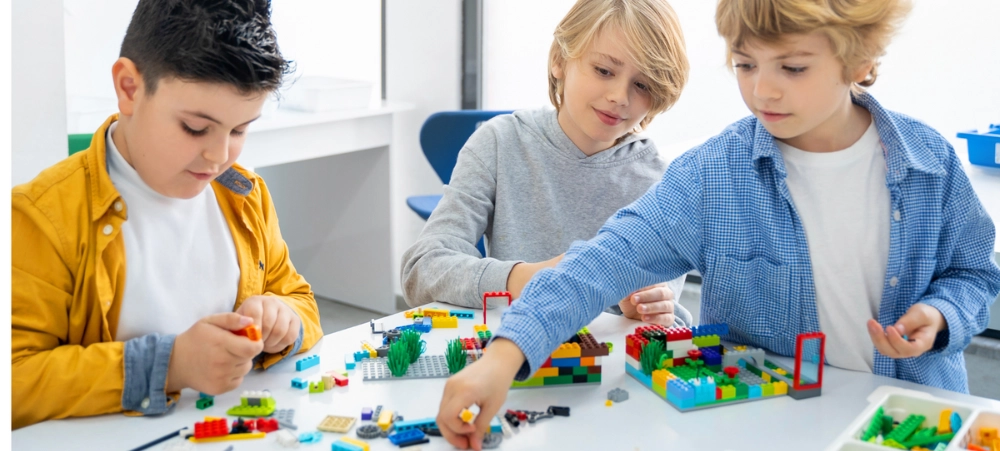
Every child has unique strengths, and while some may naturally gravitate toward numbers, others might need a little extra support. As parents, it can be tough to help a child who doesn’t enjoy maths — but the good news is that maths doesn’t have to feel like a chore! By incorporating everyday activities and playful strategies, you can spark curiosity and turn maths into a fun, rewarding experience. Twinkl’s free Make Maths Fun guides are packed with ideas to help parents bring maths to life, but here are some simple ways to start right away: 1. Make Maths Practical Maths is everywhere — from baking to budgeting. Invite your child to help measure ingredients, count change at the shop, or plan a holiday route. Want to level up the fun? Let them design a house using Lego or toy bricks! They can estimate how many bricks they’ll need, measure dimensions, and build their mini dream home. 2. Play Games That Build Maths Skills Games are a fantastic way to sneak maths into playtime. Classic games like Rummikub, Monopoly, Bingo, Battleship, and Uno encourage problem-solving, strategic thinking, and number skills. Plus, playing together strengthens social bonds and teaches valuable life lessons like patience and perseverance. 3. Find the Maths in Everyday Fun Arts and crafts? There’s maths in that too! Drawing and painting explore geometry and symmetry, while puzzles, tangrams, and Lego sets build spatial awareness and pattern recognition. Even activities like folding paper for origami introduce mathematical concepts in an engaging way. 4. Bring Friends and Family Into the Fun Maths can be a social experience! Try adding riddles or brainteasers to mealtime conversations, or encourage your child to form a maths study group with friends. Learning in a group can make tricky concepts more manageable — and much more enjoyable. 5. Explore Maths in Nature Nature is a treasure trove of mathematical wonders. Show your child symmetry in butterfly wings, count petals on flowers, or measure the distance between trees using sticks. Observing patterns, sizes, and shapes in the natural world helps children see maths as part of life’s beauty. 6. Discover the Rhythm of Maths in Music If your child loves music, use that passion to spark a love for maths. Music is full of patterns, beats, and fractions — from counting rhythms to understanding time signatures like 3/4 or 4/4. Clapping out rhythms or composing simple melodies turns maths into a creative adventure. 7. Start a Mini Business Why not turn maths into a hands-on learning experience? Help your child set up a cookie stand or sell pre-loved clothes. They can practice budgeting, pricing, counting change, and calculating profits — all while building confidence and financial literacy. Maths is Everywhere — Let Twinkl Help You Find It! By weaving maths into your child’s daily life, you can help them develop a positive attitude towards the subject. Whether playing a board game, exploring the garden, or dancing to a favourite song, there are endless ways to make learning maths an exciting adventure. For even more creative ideas and printable activities, check out Twinkl’s Make Maths Fun free guides. With a little imagination and the right resources, you can help your child discover just how fun maths can be! Ready to get started? Head to Twinkl and start exploring today! Link: https://www.twinkl.co.uk/l/17rynq

DIBBER SA

Honouring Human Rights Day: A World of Heart, Value, Play, and Exploration for Every Child

Human Rights Day in South Africa, observed on March 21, holds deep historical significance. It commemorates the Sharpeville Massacre of 1960, where peaceful protesters advocating against unjust pass laws were met with violence. This tragic event became a turning point in the country’s fight for democracy and equality. Today, Human Rights Day reminds us of our responsibility to uphold the dignity, freedom, and rights of all people—especially children, who represent the future of our nation. This day offers us a beautiful opportunity to reflect on the world we are creating for our children. It’s not just about the rights they should have—it’s about building a world where every child knows, without a doubt, that they are the heart of it. Imagine if every child, from the moment they begin to understand the world around them, felt a deep sense of belonging. Imagine if they knew their voice matters, their dreams are important, and their presence makes the world brighter. This is the world we must create, where children are heard, respected, and loved unconditionally. Children may not yet grasp the full scope of human rights, but they understand something even more powerful: love, kindness, fairness, and the magic of being truly seen. They feel the warmth of inclusion and the sting of being left out. They bloom when their voices are heard and shrink when they’re ignored. As parents, caregivers, and educators, it’s our role to create a space where their voices are always heard—no matter what. When we listen to them, they feel valued. And when they feel valued, they begin to believe in their own worth and the power they hold to shape the world around them. It’s not just about hearing their words; it’s about creating environments that spark wonder and imagination, where they feel free to explore and learn. Every child deserves a space where they can play without limits, where their curiosity is nurtured, and their imagination is allowed to run wild. Play is more than just fun—it’s how children learn about the world. Through play, children explore ideas, build relationships, and develop the skills they need to navigate life. It’s where they practice kindness, understand fairness, and discover their own unique voice. Play is where their hearts are touched, where their dreams begin to take shape, and where they start to believe that anything is possible. When we create magical learning environments that foster wonder and curiosity, we are giving children the tools they need to thrive. These environments go beyond walls and materials—they are filled with opportunities for children to question, discover, and dream. They are places where children feel like they belong, no matter their background, abilities, or challenges. When we nurture a child’s curiosity and wonder, we are helping them build the confidence to speak up, to ask questions, and to chase their dreams. We are teaching them that the world is theirs to explore, and their voice is a powerful tool for making change. Educators and caregivers can make Human Rights Day meaningful for young children through engaging activities that emphasize fairness, inclusion, and respect. Here are some simple ways to celebrate: On this Human Rights Day, let’s remember the incredible power of children. They are not just part of the world—they are the heart of it. And it’s up to us to show them that their voice matters, their dreams are worth pursuing, and that they are worthy of love and respect, every single day. Let’s create spaces where children are heard, where they are encouraged to play, dream, and grow, and where they feel safe to explore their potential. Together, we can build a world where every child feels seen, valued, and heard—no matter what. By: Kelly Eyre

Twinkl

Building Stronger Bonds: How Parent-Teacher Communication Boosts Your Child’s Success

Parents and teachers are partners in a child’s educational journey. After all, children spend a significant portion of their week with their teachers — so open, respectful communication is essential for supporting academic progress, addressing emotional or behavioural concerns, and fostering trust. Twinkl offers a wealth of resources to help parents navigate school communication, but let’s explore some simple ways to strengthen this connection right away: 1. Choose the Right Communication Channels Whether through WhatsApp groups, communication apps, or in-person chats, finding the best way to connect with your child’s teacher is key. Remember to keep messages respectful and concise, focusing on school-related topics to maintain a positive, productive atmosphere. 2. Respect the Teacher’s Morning Routine Mornings are a busy time as teachers welcome learners and set the tone for the day. If you have concerns, consider requesting a meeting instead of raising issues during drop-off. This ensures your child’s teacher can give your concern the attention it deserves without disrupting the class. 3. Be Open to Constructive Feedback Hearing that your child needs extra support or has behavioural challenges can be tough, but it’s important to remember that teachers share feedback to help your child thrive. Approach these conversations with an open mind, and if you disagree, express your thoughts calmly to maintain a collaborative relationship. 4. Be Mindful of Teachers’ Time Teachers juggle many responsibilities, so try to keep communication brief and focused, saving longer discussions for scheduled meetings. And unless it’s an emergency, avoid reaching out during evenings or weekends to respect their personal time. 5. Show Appreciation Teaching is a demanding job, and small gestures of gratitude can make a big difference. A heartfelt thank-you note or kind words during a conversation can strengthen your relationship and brighten a teacher’s day. Working Together for Your Child’s Success When parents and teachers communicate with mutual respect and support, they create an enriching environment where children can flourish. By staying connected, appreciating each other’s roles, and using thoughtful communication strategies, you can help make school a positive, nurturing space for your child. For more tips and printable resources to support parent-teacher collaboration, explore Twinkl’s free guides. Let’s work together to build strong partnerships that empower learners to reach their full potential! Link: https://www.twinkl.co.za/l/qncqm

DIBBER SA

Hydrating Children in Summer: Tips to Thrive Under the South African Sun

As the South African summer reaches its peak, ensuring that children stay well-hydrated is vital for their health and overall well-being. With the sun blazing and temperatures soaring, our young ones are naturally drawn outdoors for play. However, the risk of dehydration remains a significant concern. Dibber International Schools, believes that integrating simple, mindful hydration practices into daily routines can help children remain active, healthy, and water-wise throughout the season. Practical strategies include providing children with reusable water bottles adorned with their favourite colours or characters, making water more enticing by adding a slice of lemon or a few mint leaves, and offering fruit-infused water to add both flavour and essential nutrients.  For families enjoying outdoor activities—be it hikes, picnics, or beach days—incorporating water-rich fruits such as watermelon, grapes, and oranges into snacks can effectively replenish lost fluids. Creative options, like preparing homemade fruit popsicles or chilled smoothies using summer favourites like mangoes and guavas, also offer a fun, refreshing way to boost hydration. “Outdoor play is essential in the summer, but keeping our children hydrated is equally critical,” says Ursula Assis, Country Director of Dibber International Preschools. “Our approach integrates hydration awareness into our daily routines through engaging activities like storytelling about water’s importance and interactive science experiments. By making hydration fun and educational, we help children develop healthy, water-wise habits that last a lifetime.” At Dibber, spacious outdoor areas are designed with safety and hydration in mind. Shaded zones and accessible water stations ensure that children can play and explore without the risk of dehydration. Additionally, teaching young learners about water conservation—such as using collected rainwater to care for plants—instils responsible habits in a country where water resources are precious. For more information on how Dibber International Preschools supports hydration and overall child well-being, please visit www.dibber.co.za/branches.

Twinkl

Breaking Barriers: Helping Your Child Shine

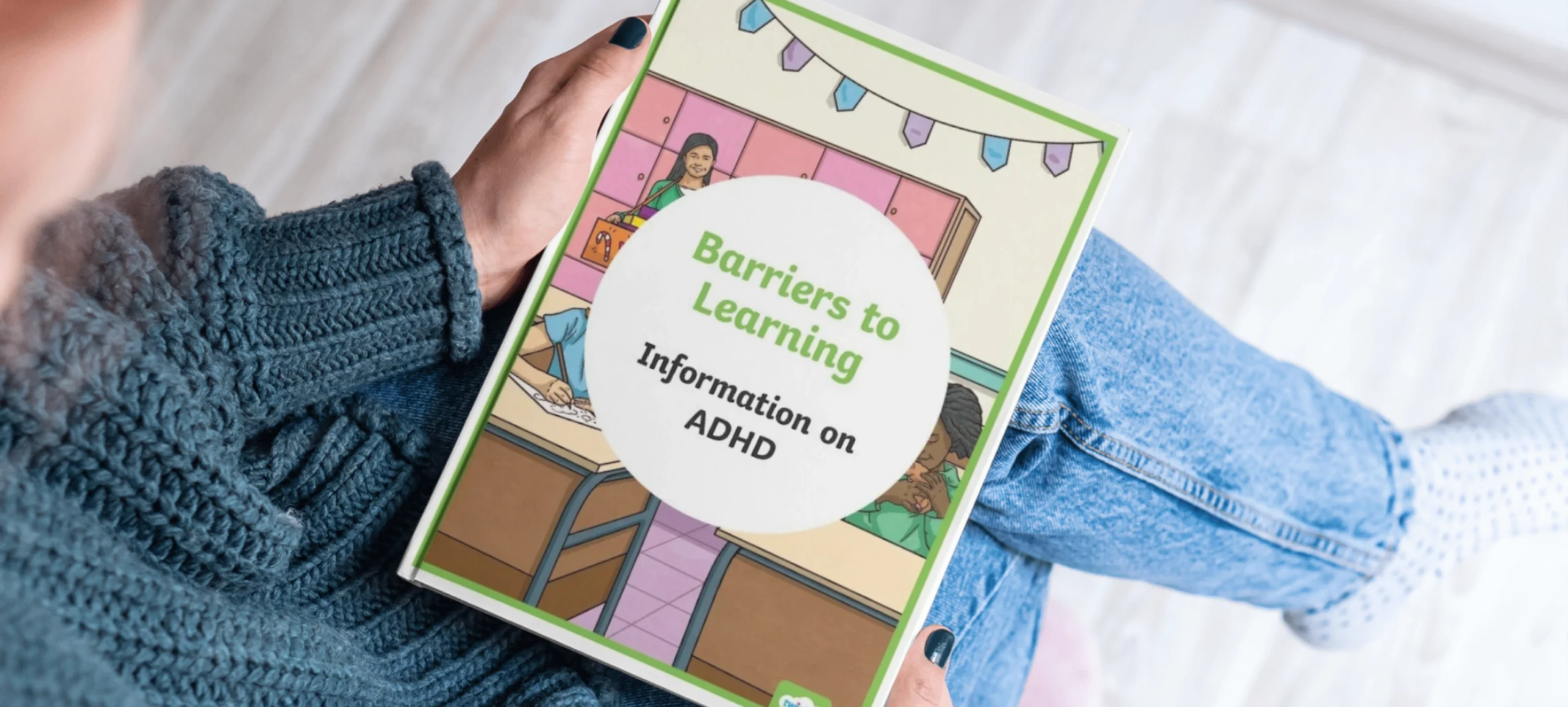
Every child is a little star with their own way of learning and growing. But sometimes, those learning journeys come with a few speed bumps, and that’s perfectly okay! Whether your child is finding it tricky to focus, struggling to read, or facing sensory challenges, recognising these hurdles is the first step to supporting them. What Are Barriers to Learning? Barriers to learning can show up in lots of ways. Maybe your child has ADHD, dyslexia, or struggles with numbers (dyscalculia). Perhaps they face sensory challenges like hearing loss or a visual impairment. Emotional hurdles, like anxiety or attachment issues, can also make focusing a bit harder. For some children, conditions like autism or foetal alcohol syndrome call for extra-special strategies to help them succeed. But here’s the thing: these challenges don’t define your child! With a bit of understanding and the right tools, they can absolutely thrive. Small Changes, Big Differences Supporting your child doesn’t have to mean massive changes. Sometimes, it’s the little things that make the biggest difference—like adding a quiet corner at home, trying a new way to explain a tricky concept, or working with their teacher to adjust classroom strategies. Finding help can sometimes be challenging. At Twinkl, we believe every child deserves to feel confident and capable. That’s why we’ve put together resources to help parents and teachers work through barriers to learning.  You’re not alone on this journey! Twinkl’s resources are here to help you every step of the way. Whether you’re looking for advice about ADHD, dyslexia, or even anxiety, we’ve got booklets packed with practical tips and ideas. How Twinkl Can Help We know that supporting children with different needs can sometimes feel overwhelming. That’s why we created the Barriers to Learning Information Booklet Series—a collection of handy, easy-to-read guides made especially for South African parents and teachers. Here’s what you’ll find in these booklets: These booklets are your go-to guide for creating an inclusive and supportive environment where every child feels seen, heard, and valued. Let’s Break Barriers Together At the heart of it all, we just want children to feel confident, happy, and ready to take on the world. Together, we can create a learning environment that celebrates every child’s uniqueness. So, why wait? Head over to Twinkl and check out our Barriers to Learning series. Let’s work together to help every child shine bright and feel unstoppable!

Holistic Awareness

Integrated Learning: Where Wellness and Learning Meet

Learning is about creating understanding, building confidence, and developing a lifelong ability to engage with the world – not just memorising and learning facts. But for true healthy learning to occur, we need more than just information. We need wellness. This is where integrated learning comes in—a whole-person approach that recognises the deep connection between emotional wellbeing, cognitive function, whole-person wellness, and academic success. Instead of treating learning difficulties or focusing on performance, we create an environment fostering health, resilience, and meaningful engagement.                    Play Learn Develop – Hug in a Bag (Whale)  Why Learning Needs Wellness A salutogenic approach to learning asks: How do we create health? Instead of focusing on what’s wrong or what’s missing, we look at how we can add to a learner’s experience—supporting them in ways that strengthen their confidence, emotional regulation, and ability to process and retain information. We focus on how their strengths can build up the person, but also address their challenges. When we integrate wellness into learning, we see: Bringing Learning & Wellness Together Integrated learning is not a one-size-fits-all model. It’s about meeting each learner where they are (their current capabilities) and creating strategies that work for their unique strengths, challenges, and needs. Effective and integrated learning is for all individuals as it provides space for everyone to reach their potential. Some key elements of this approach include: Creating Lasting Change When wellness is prioritised within learning, the experience is shifted from stress and frustration to growth, resilience, and meaningful progress. It’s not just about getting through school; it’s about creating a strong foundation for lifelong learning and wellbeing. Learning should feel safe, supported, and rewarding. By embracing a whole-person, integrative approach, learners are empowered to thrive.

DIBBER SA

The Power of Outdoor Play

The rustle of leaves, the warmth of the sun, and the feel of grass under little feet – such simple experiences can transform childhood. In South Africa, where nature’s splendour is all around, outdoor play offers more than just a break from routine; it is a vital gateway to holistic growth. It enhances physical health, boosts emotional balance, and sparks creative thinking in our young ones. Activities like playing soccer in the park, building mud pies, or exploring indigenous plants do more than strengthen muscles. They ignite the imagination, encourage teamwork, and build resilience while also developing essential cognitive, social, and emotional skills. Research has shown that play supports young children’s development in language, literacy, and social competence (Copple & Breadekamp, 2009). “At Dibber International Preschools, our commitment to holistic early learning extends well beyond the classroom. Our campuses are thoughtfully designed to integrate nature into everyday learning. Spacious play areas, sensory gardens, and shaded outdoor learning corners provide safe, stimulating environments where children can freely explore and learn. Our Engaged Educators™ transform the outdoors into a vibrant classroom – whether they’re planting seeds, watching clouds drift by, or observing the stars – fostering a deep emotional connection with nature. “Outdoor play is essential to our educational philosophy,” says Ursula Assis, Country Director of Dibber International Preschools. “By allowing children to experience nature firsthand, we teach them the importance of teamwork, persistence, and living fully in the moment. These outdoor experiences improve their physical health and cultivate emotional resilience and creative thinking.” Furthermore, outdoor play instils a natural sense of balance. Whether navigating a rocky trail or tending a garden, children learn patience, responsibility, and adaptability – key skills that contribute to long-term resilience and a deeper understanding of the world. At Dibber, we are proud to transform every outdoor space into a classroom. By nurturing a love for nature and weaving it into our curriculum, we empower our children to become thoughtful, innovative, and well-rounded global citizens. For more information on how Dibber International Preschools is harnessing the power of outdoor play to nurture holistic development, please visit www.dibber.co.za/branches.

DIBBER SA

Celebrating Roots and Voices: The Heart of International Mother Language Day at Dibber

As an educator and parent at Dibber International Preschool, I carry a deep sense of pride and emotion when I think about the incredible tapestry of languages and cultures that define our community. February 21, International Mother Language Day, isn’t just another date on the calendar for us. It’s a reminder of the roots that ground us, the voices of our ancestors, and the stories that shape who we are. In South Africa, we are blessed with eleven official languages, each a treasure trove of history, traditions, and connections. Language was a tool of division during apartheid, where many were silenced or denied the right to speak in their mother tongue. Yet, post-1994, language became a powerful symbol of unity and nation-building. Our multilingual identity is not just a reflection of our diversity; it’s a testament to our resilience and the beauty of coming together while honouring our differences. But I know, as many of you do, how easily a mother tongue can become lost in the noise of modern life. English often dominates in schools and workplaces, and sometimes our own languages take a backseat. It’s easy to forget how much is at stake when we allow this to happen. Our children deserve more than that. They deserve the richness, the sense of belonging, and the pride that comes from speaking their first language. Language is so much more than words. It’s the way your grandmother’s voice softens when she tells a childhood story. It’s the laughter shared over isiZulu proverbs that carry generations of wisdom, the rhythmic beauty of a Xhosa song, or the heartfelt simplicity of an Afrikaans bedtime story. These moments stay with us; they become part of who we are. For our children, these moments are grounding and affirming, especially in a world that can sometimes feel vast and overwhelming. In our homes and classrooms at Dibber International Preschool, we hold onto these traditions with everything we have. We tell the stories our grandparents told us, we sing the songs that carry meaning, and we share words that feel like home. As a parent of a child on the autism spectrum, and as someone who is on the spectrum myself, I have a profound appreciation for the meaning and weight of words. I’ve seen firsthand how connecting with a mother tongue offers comfort and security. It’s in the familiar sounds and rhythms of our language that my son and I both find a sense of calm amidst life’s complexities. At Dibber International Preschool, we carry these values into every aspect of our teaching. Every child’s language is welcomed, celebrated, and respected. When a child shares a word or phrase in their mother tongue, it’s like they’re sharing a piece of their soul. We encourage this because it enriches everyone. Whether through a story, a song, or simply a greeting, each language adds to the vibrant mosaic of our classrooms. And in South Africa, where multilingualism is part of our daily lives, this celebration of diversity becomes even more essential. What if every child truly understood their value? What if they grew up knowing that their voice, their heritage, and their unique place in the world mattered deeply? At Dibber, we aim to create children for the heart of the world—confident, empathetic, and holistically developed individuals who celebrate themselves and others. We nurture their academic and physical growth and emotional, social, and cultural well-being. This approach ensures that every child feels seen and valued for who they are and what they bring to the world. Supporting a child’s mother tongue doesn’t mean rejecting other languages; it means giving them a foundation. A strong mother tongue gives children the confidence to learn new skills, embrace other languages, and explore the world with open hearts and curious minds. For families worried about losing their linguistic heritage, even small efforts can make a big difference. Read stories together in your language, play traditional games, or simply use your language in daily conversations. These little acts carry immense power. We South Africans know the pain of losing our connection to language and identity. But we also know the joy and pride that come from reclaiming it. International Mother Language Day is more than a celebration; it’s a call to action. Let us hold onto our languages fiercely, teach our children to love and cherish them, and remind them of the stories and people that came before. This day is about so much more than language. It’s about roots, heritage, and the incredible journey of identity. It’s about giving our children the tools to stand tall and proud in who they are while embracing the diversity of the world around them. Let us honour every voice, every story, and every language. Together, we can build a future where all our children feel seen, heard, and celebrated—proud of where they come from and ready to embrace all that lies ahead. By Kelly Eyre, Kelly Eyre, quality and pedagogy lead at Dibber International Preschools

DIBBER SA

The Importance of Routine

Parenthood is one of the most rewarding journeys, yet it often comes with its fair share of challenges. Many parents find themselves stretched thin between managing school schedules, work commitments, extracurricular activities, and household responsibilities. One simple yet transformative solution exists to alleviate stress for both parents and children: establishing routines. “Routines create predictability for children, offering them a comforting sense of structure and stability,” says Ursula Assis, Country Director of Dibber International Preschools. “For children, knowing what to expect fosters emotional security and supports their developmental growth, while parents benefit from reduced decision-making fatigue and stronger family connections. “Predictability is crucial for young children as it provides a sense of control in their world. Children feel reassured and emotionally secure when daily activities follow a consistent schedule—such as regular mealtimes, bedtime rituals, or designated play hours. This stability encourages healthy emotional regulation, improves sleep quality, and boosts confidence as they learn to navigate their environment independently.  “Simple practices like a calming bedtime routine or a predictable morning schedule can positively impact a child’s mood, behaviour, and ability to focus. These habits prepare children for success not only at home but also in a school setting where transitioning between tasks and adhering to schedules are essential skills. “Parents, too, stand to gain from implementing routines. By reducing the mental load of constant decision-making, routines bring much-needed consistency to parenting. This enables parents to focus more on meaningful interactions with their children and even carve out time for self-care. The beauty of routines lies in their simplicity. A consistent story time, family meal, or evening walk can strengthen bonds and provide moments of restoration for parents. “Moreover, routines don’t have to be rigid to be effective. Families can adapt their schedules to fit their unique needs while maintaining the predictability that helps children and parents alike thrive. “Routines have far-reaching long-term benefits. Children who grow up with predictable schedules are more likely to develop healthy habits, better emotional regulation, and the confidence to navigate the challenges of an unpredictable world. These skills set the stage for academic success, personal growth, and resilience. “By establishing routines that balance the needs of the entire family, parents are laying the foundation for their children’s well-being while reducing their own stress. It’s not about perfection but about finding a rhythm that works for everyone,” concludes Assis. For more insights into child development and fostering emotional security through routines, visit www.dibber.co.za

DIBBER SA

Tackling Sibling Rivalry

Sibling rivalry—those moments of bickering, debates, and competition—can feel like an everyday drama in households with more than one child. Whether it’s arguing over who gets the last slice of pizza or the coveted window seat, these conflicts are as common as they are challenging for parents. But sibling rivalry isn’t just about the minor skirmishes—it’s also a powerful opportunity to teach children valuable life skills. “At Dibber International Preschools, we believe sibling conflicts can be transformed into moments of growth,” says Ursula Assis, Country Director of Dibber International Preschools. “By teaching children empathy, collaboration, and problem-solving skills, parents can foster stronger relationships between siblings that will benefit them throughout their lives.” Understanding the Root of Sibling Rivalry Sibling rivalry often stems from underlying emotions such as jealousy, competition, or boredom. Though natural, these feelings can escalate into frequent disagreements if not addressed. The key is to approach the situation with empathy and create an environment where each child feels seen, valued, and respected. Tips for Creating Harmony at Home Dibber International Preschools recommends the following strategies for addressing sibling rivalry and fostering harmony at home: Recognise and appreciate each child’s unique strengths and talents. By building their self-esteem, children are less likely to compete for attention and more likely to support one another. Engage siblings in activities that promote teamwork, such as baking, arts and crafts, or building a fort together. These shared experiences teach cooperation and allow siblings to appreciate each other’s contributions. When disagreements arise, guide children through the process of resolving conflicts. Encourage them to express their feelings, listen to one another, and find mutually acceptable solutions. These skills are not only helpful at home but will serve them well in their social and professional lives. Children learn by example. Demonstrating respectful communication and healthy conflict resolution in your own relationships sets a robust standard for your children to emulate. Establishing household rules about acceptable behaviour ensures consistency and fairness, reducing misunderstandings that may lead to conflicts. The Long-Term Benefits of Addressing Sibling Rivalry Parents can transform sibling squabbles into meaningful opportunities for emotional growth by focusing on empathy, mutual respect, and collaboration. “These moments are not just about managing today’s disagreements but about equipping children with lifelong skills,” Assis explains. The result? Lifelong bonds built on understanding and respect. “Parents may feel overwhelmed in the moment, but the effort to nurture harmony will lead to relationships that children treasure well into adulthood,” Assis adds.

DIBBER SA

A Guide to Choosing the Best Preschool for Your Child

Sending your child to preschool is one of the most significant milestones in their early years. It sets the foundation for their learning journey and development. Choosing the best preschool can feel overwhelming, but by focusing on a few key aspects, parents can ensure they find a preschool that aligns with their child’s needs and family values. “Choosing the right preschool is more than just a decision about where your child will spend their day—it’s an investment in their future,” says Ursula Assis, Country Director of  Dibber International Preschools. “At Dibber, we believe in fostering a love for learning in a nurturing and joyful environment, laying the groundwork for confident, independent, and curious learners.” Key Factors to Consider When Choosing a Preschool 1. Location and Fees: A convenient location can ease daily commutes for busy families. Additionally, parents should explore tuition fees and what they include, such as meals, extracurricular activities, and supplies. Flexible payment options, whether monthly, termly, or yearly, can also make a difference. 2. Safety First: Safety is non-negotiable when choosing a preschool. Top preschools prioritise the well-being of children with measures such as secure drop-off and pick-up procedures, first-aid-trained staff, clean facilities, and clear emergency protocols. 3. A Nurturing Learning Environment: Emotional, social, and cognitive development should take precedence over academics at this stage. A play-based learning approach encourages creativity, problem-solving, and social skills. “Our Nordic-inspired pedagogy is designed to inspire children to explore and learn through play in a supportive and stimulating environment,” explains Assis. 4. Responsive and Individualised Care: Teachers who understand and respect each child’s individuality can make a world of difference. Smaller class sizes often allow for personalised attention, ensuring each child feels valued and supported. 5. Happiness is Key: “Happy children are naturally curious learners,” says Assiss. “A preschool that prioritises joy and play in its daily routines will foster a love for learning that lasts a lifetime.” 6. Questions to Ask: Parents should feel empowered to ask important questions when researching preschools. Inquire about: Choosing the right preschool is about more than just education—it’s about creating a safe, joyful, and inspiring space where children feel confident to explore the world around them. “At Dibber, we see each child as a unique individual with their own strengths, interests, and potential,” says Assis. “By prioritising responsive care, a safe environment, and play-based learning, we aim to create happy learners ready to embrace life’s adventures.”

DIBBER SA

The Power of Play: A New Year Filled with Learning and Growth

The start of a new year is the perfect canvas for creating playful memories, setting the tone for growth and joy in the months ahead. “Play is an essential part of a child’s growth—it’s how they explore the world, express themselves, and build relationships,” says Ursula Assis, Country Director of Dibber International Preschools. “The games and activities we choose for our children don’t need to be elaborate or expensive. It’s about creating opportunities for creativity, problem-solving, and bonding.” Kick off 2025 with these engaging activities that support your child’s development: “At Dibber International Preschools, play-based learning is central to our philosophy. Every game or activity offers children a chance to connect, learn, and grow,” says Assis. This January, take time to incorporate play into your daily routine. Pick one activity each day and watch how play transforms your child’s outlook and strengthens your family’s connection.

DIBBER SA

Rainy Day Adventures: Engaging Indoor Activities for Toddlers

Rainy January days in South Africa bring fresh opportunities for indoor adventures, but for parents, keeping energetic toddlers entertained indoors can feel like a marathon. “Children thrive in environments that stimulate their curiosity and creativity, even when confined indoors,” says Ursula Assis, Country Director of Dibber International Preschools. “Simple, interactive activities at home can offer incredible opportunities for engagement, development, and bonding with your child.” Here are some parent-approved ideas for keeping toddlers entertained on rainy days: “At Dibber, we embrace the power of play as a cornerstone of learning,” says Assis. “Every moment spent playing, exploring, and laughing together builds the social, emotional, and cognitive skills children need to thrive.” This January, embrace the magic of indoor play. Even a rainy afternoon can become a treasure trove of fun, fostering your child’s development while strengthening family bonds.

DIBBER SA

Embrace the Mess: How Messy Play Supports Toddler Development

Messy play is more than just chaotic fun; it’s a gateway to creative exploration, sensory stimulation, and developmental growth for toddlers. Dibber International Preschools champions the power of play, including the wonderfully messy kind, to nurture holistic development in young children. “Messy play is about more than making a mess—it’s about giving children the freedom to explore their world through touch, sight, and sound,” says Ursula Assis, Country Director of Dibber International Preschools. “This kind of play is vital for their sensory development, problem-solving abilities, and creativity.” The Value of Messy Play Messy play engages a toddler’s senses, encourages curiosity, and builds foundational skills. While it might sound daunting to parents, the benefits are well worth the cleanup. “Messy play allows children to experiment, make discoveries, and express themselves in ways they might not during structured activities,” Assis explains. Six Fun and Safe Messy Play Ideas Messy Play Tips for Parents To make the most of messy play: At Dibber International Preschools, messy play is embraced as part of a play-based learning philosophy that nurtures well-rounded, confident, and curious learners. “Letting your child get messy while exploring is one of the best ways to help them grow. So, parents, grab your aprons and let the fun begin!”

DIBBER SA

Attachment: A Heartfelt Journey from Theory to the Soul of Parenting

“Back in my psychology days, I poured over theories about attachment, eager to understand the science behind our earliest bonds. It was fascinating on paper, an exploration of how a child’s connection with their caregiver could set the stage for a lifetime of trust, love, and resilience. But the real power of attachment theory became clear when I became a mother, cradling my two boys, holding their little hands, and hearing their giggles and cries. Suddenly, what had once been concepts in a textbook transformed into a sacred journey that unfolded in our everyday together. Attachment theory, pioneered by psychologist John Bowlby, speaks of the ‘secure base’ a child needs—a haven that gives them the courage to explore the world, knowing they can always come back to someone they trust. Back in those study days, I understood it intellectually. But as a mother, it became so much more. I realised I was that secure base for my boys. I was the comforting arms they could run to after a fall, the steady eyes they searched for in a crowded room. Being their secure base wasn’t just a theory to me—it was an honour, a daily commitment to being their home in a world that could feel so big. Mary Ainsworth, who followed in Bowlby’s footsteps, demonstrated how children’s responses to separation and reunion with their caregivers reveal their attachment style: secure, anxious, or avoidant. I remember studying the labels and scenarios in class, finding it all interesting but a bit abstract. Now, as a mother, I see these attachment styles in real-time, every time my boys hesitate to leave my side or joyfully greet me after being apart. Every giggle, every tight hug, every time they run toward me, I see that trust we’ve built—the trust that makes them feel safe even in separation, knowing I’ll always return. And then there’s the idea that has come to mean the most to me: the ‘Circle of Trust.’ This idea illustrates a child’s natural cycle between independence and connection, a delicate dance of security and exploration. At the centre of this circle is the parent or caregiver, a steady presence. The child circles outward, stretching their wings, testing their limits, exploring their world. But when something startles them, or they simply want to share a moment, they return to the centre, seeking comfort and validation. It’s a rhythm that builds their confidence and courage while keeping the bond alive and thriving. As I watch my boys play and grow, I see this circle in action daily. They’ll venture off, excited by a new discovery—perhaps a fascinating bug or a funny sound. And they look back to find me, their faces lighting up as they seek my smile, my silent assurance that I’m here, that I’m proud. When they stumble, whether it’s a scraped knee or a disappointed heart, they come running, searching for my arms and a soft voice to soothe them. This circle of trust is more than a concept; it’s a shared heartbeat, a dance of closeness and independence. In each step, I see their resilience blossom, their sense of safety solidify. For parents, this Circle of Trust feels deeply rooted in our everyday lives. We’re raising our children in a land of vibrant diversity, where the world can be both breathtaking and, at times, uncertain. Our little ones, under six and still so fresh to the world, take in every sight, every sound, every feeling with wonder and sometimes with a bit of hesitation. In these early years, our role is to be their constant—to be the faces they search for when they feel a bit lost and the hands they reach for when the world feels a bit too big. In our everyday moments, this circle plays out. At the playground, I see them dashing off with boundless energy, pausing to glance back to make sure I’m still watching. During bedtime stories, they curl up close, seeking the warmth of familiarity before drifting into dreams. And when they’re overwhelmed—when frustration, fear, or a tumble catches them off guard—they run back to me, knowing I’ll catch them, steady them, and gently send them out again. In these moments, I realise that building a secure attachment is not about grand gestures or perfect parenting. It’s in the countless little acts—the quiet moments of holding, comforting, listening, and just being present. It’s when they look to us as if to say, ‘Are you still there? Do you still believe in me?’ And we respond with a steady gaze, a smile, and the assurance that yes, we’re here and always will be. These early years, these first steps in their journey, are precious. They’re about so much more than milestones or achievements. They’re about laying a foundation of love and trust that will carry them through a lifetime. What I once studied as theory has become the heartbeat of my family, a bond that grows stronger with every goodbye and hello, every tear and every laugh. As parents, especially of little ones, we may sometimes feel overwhelmed or wonder if we’re doing enough. But when we show up, day after day, with a gentle hand and a listening heart, we’re giving our children the most beautiful gift of all: a foundation they can always return to, a circle of love and trust that will hold them steady as they venture out to discover the world.” By Kelly Eyre, Quality and Pedagogy Lead, Dibber South Africa

DIBBER SA

Managing Temper Tantrums in Toddlers

Every parent has faced the challenge of managing their toddler’s temper tantrums. These intense emotional outbursts are not only common but also a natural part of a child’s developmental journey. Dibber International Preschools, known for its nurturing approach to early childhood development, shares insights into why tantrums occur and practical strategies to handle them effectively. “Temper tantrums are a form of communication for toddlers,” says Ursula Assis, Country Director of Dibber International Preschools. “While they may feel overwhelming in the moment, they present opportunities to teach children emotional regulation, patience, and effective communication skills.” Why Do Tantrums Happen? Toddlers, typically between 1 and 3 years, are learning to navigate their emotions and express themselves. Tantrums occur when they experience frustration, disappointment, or a desire for control. “At this age, children are still developing the language and emotional tools needed to convey their feelings,” explains Assis. “Tantrums are their way of processing big emotions when they feel overwhelmed.” Strategies to Manage Tantrums Assis advises parents to remain calm and empathetic during a tantrum, emphasizing that a parent’s response significantly influences the outcome. What to Do After a Tantrum Assis recommends using calm moments after a tantrum to guide your child toward better emotional awareness. Preventing Tantrums While tantrums can’t always be avoided, proactive strategies can minimize their frequency: “Children thrive in environments where they feel safe, loved, and understood,” Assis emphasizes. “Mutual respect and patience are key to helping children develop healthy ways to process their emotions.” Building a Strong Foundation for Emotional Growth At Dibber International Preschools, tantrums are seen as an opportunity to nurture emotional resilience and psychological growth. “Our goal is to create a supportive environment where children learn to channel their emotions positively,” Assis concludes. “With love and patience, we help them build the skills they need to navigate their world with confidence.”

DIBBER SA

Top Seven Advantages of Early Childhood Care and Education

The early years of a child’s life are filled with wonder, curiosity, and adventure. At Dibber International Preschools, we believe these formative years are the perfect time to nurture a child’s innate curiosity through early education and care, laying the foundation for lifelong learning and development. “Early childhood education is not just about preparing children for school; it’s about setting them up for success in all areas of life,” says Ursula Assis, Country Director of Dibber International Preschools. “When we engage young minds early on, we help them build essential skills, develop confidence, and foster a love for learning that lasts a lifetime.” The Benefits of Early Childhood Education and Care Research and experience show that early learning has a profound impact on a child’s cognitive, social, and emotional development. Here are seven key advantages: Creating Holistic Learning Experiences At Dibber International Preschools, our approach to early childhood education goes beyond academics. We provide children with opportunities to explore, create, and connect through play-based learning and carefully designed activities. “Every moment in a preschool setting is an opportunity for growth, whether it’s discovering new concepts, building friendships, or understanding the world more deeply,” says Assis. Dibber’s commitment to holistic development ensures that children receive the emotional, social, and intellectual support they need to thrive. “Parents can trust that their child is not only gaining knowledge but also developing the skills and values needed for a fulfilling life,” Assis concludes.

DIBBER SA

Preparing your Toddler for Preschool – Practical Tips

Starting preschool is a major milestone in a child’s early development, and for many families, it comes with a mix of excitement and apprehension. Dibber International Preschools is here to support parents through this transition with expert advice to help toddlers feel prepared and confident as they begin their preschool journey. “Preschool is often a child’s first step into the world outside the comfort of their home, and this transition is significant for both children and parents,” says Ursula Assis, Country Director of Dibber International Preschools. “By focusing on preparation and creating a sense of security, we can help young learners embrace this new chapter with enthusiasm and curiosity.” Building Confidence Through Play and Familiarisation Preparation begins at home, and playful activities can make a big difference. Assis recommends using pretend play to simulate typical preschool routines. “Take turns being the parent, child, or teacher, and act out scenarios like saying goodbye, singing songs, or playing with toys,” she suggests. “This role-play helps children feel more in control and eases the anxiety of stepping into a new environment.” Books about starting preschool are another effective way to spark conversations. Reading stories together can help children understand what to expect and provide an opportunity to talk about their feelings. “Ask your child how they think the characters in the story feel and relate it to their own emotions,” adds Assis. Practising Independence Preschool encourages independence, and parents can support this by teaching simple self-help skills. “Activities like hanging up their coat, unzipping their backpack, or opening a lunchbox can be turned into fun games,” says Assis. “These small practices build confidence and help toddlers feel capable on their first day.” Visiting the Preschool Visiting the preschool before the first day is crucial in familiarising children with the new environment. “A tour of the classroom and some time on the playground can go a long way in making a child feel comfortable,” advises Assis. “It’s about helping them see this new space as safe and welcoming.” Easing Separation Anxiety The first day can be emotional for both parents and children, but there are strategies to make goodbyes smoother. “Plan to stay for a short while, exploring the classroom together before saying goodbye,” suggests Assis. “It’s also helpful to create a special goodbye routine, like a secret handshake or a kiss on the palm to ‘hold’ throughout the day.” Assis emphasises the importance of maintaining a positive and confident tone during drop-offs. “Children take their cues from their parents, so staying upbeat and reassuring can make a world of difference,” she says. Supporting the Transition Even after the first day, some children may show signs of worry or regression. Assis encourages parents to be patient and understanding. “Acknowledge their feelings, offer extra support, and celebrate their small victories,” she advises. “This helps children navigate their emotions and adapt to their new routine.” At Dibber International Preschools, the team understands the significance of this transition and works closely with families to make it a smooth and positive experience. “Preschool is the start of a lifelong love for learning,” concludes Assis. “By preparing children with care and intention, we set the foundation for a successful and joyful educational journey.”

DIBBER SA

Raising Environmentally Conscious Children

As the world faces unprecedented environmental challenges, fostering eco-consciousness in young children has never been more critical. Dibber International Preschools is dedicated to nurturing the next generation of environmentally responsible citizens by instilling sustainable values and practices from an early age. “Children are the stewards of tomorrow,” says Ursula Assis, Country Director of Dibber International Preschools. “By teaching them to respect and care for the environment, we are not only empowering them to make a difference but also ensuring a more sustainable future for all.” Building a Connection with Nature One of the most impactful ways to raise environmentally conscious children is by fostering a connection with nature. Spending time outdoors, whether exploring a local park or planting a garden, helps children appreciate the beauty and abundance of the natural world. “Children who develop a bond with nature early on are more likely to grow into adults who protect and nurture it,” explains Assis. Teaching Resource Conservation Understanding the efficient use of natural resources is another key aspect of environmental education. Assis advises parents and educators to demonstrate how small actions—like turning off lights when not in use or conserving water—can collectively make a big impact. “Children are naturally curious and eager to learn. By involving them in simple conservation efforts, we can instil habits that last a lifetime.” The 3 Rs: Reduce, Reuse, Recycle Introducing the concept of waste management through the principles of Reduce, Reuse, and Recycle helps children understand their role in minimising waste. “At Dibber, we incorporate these principles into everyday activities, turning them into fun and educational experiences,” says Assis. “For instance, children can create art projects using recyclable materials, combining creativity with environmental stewardship.” Practical Activities to Inspire Eco-Consciousness Hands-on activities like gardening or planting saplings provide children with tangible ways to engage with nature. Caring for plants teaches responsibility and nurtures a sense of pride in contributing to the environment. “It’s through these small, meaningful actions that children begin to understand their role in nurturing the planet,” Assis explains. Additionally, fostering a love for animals helps children develop empathy and a broader understanding of the interconnectedness of life. Visits to conservation parks and safaris offer opportunities to teach children about the importance of protecting wildlife and their habitats. Leading by Example Children learn by observing the behaviours of adults around them. “If we want our children to care for the environment, we must model sustainable choices in our own lives,” says Assis. Simple actions, like reducing plastic use or choosing eco-friendly products, demonstrate the importance of making thoughtful decisions. Dibber’s Commitment to Environmental Education At Dibber International Preschools, environmental education is a cornerstone of the curriculum. “We believe that by unlocking children’s creativity and curiosity, we can encourage them to think beyond textbooks and embrace the importance of sustainability,” Assis notes. Dibber’s initiatives focus on three key areas: “Our goal is to show children that small, everyday actions can lead to significant change,” says Assis. “By embedding these values early, we’re helping to shape a generation that will prioritise the health of our planet.” A Shared Responsibility Raising environmentally conscious children is a collective effort that involves families, schools, and communities. “Together, we can teach children that they have the power to make a difference,” concludes Assis. “It starts with simple, intentional steps—steps that not only protect the environment but also instil hope for a brighter, more sustainable future.”

Educ8 SA

Learning with Educ8 SA for Your Little Ones

Does Educ8 SA cater to children aged 2 to 6 years old? Yes, we do!  We are excited to announce that we offer a complete year of Preschool and Kindergarten activities for your little ones. This is fantastic news for parents with young children as well as for those who run or plan to start a daycare center. Our packages are designed to save you money while providing an all-inclusive bundle that covers all subjects in a streamlined program. The curriculum is based on weekly themes and comes with lesson plans and printouts. If you’re tired of piecing together multiple programs or simply enjoy weekly themes, this program is perfect for you and your little ones. So why wait? Sign up now and enjoy a stress-free learning experience with Educ8 SA! Can you provide more information about what you offer at the preschool level? Preschool Program for Ages 3 – 4 @ R400/month for 12 months: Our Preschool program includes a total of 46 weeks—36 core weeks plus 10 bonus holiday weeks. It consists of over 4,000 pages and is an all-inclusive, progressively challenging program designed for homeschooling, though it has also been successfully adapted in many traditional preschools and home day-cares. Monthly themes are sent to you in smaller, manageable files. We also offer a Complete Year Program for Ages 5-6, which provides an increasing level of challenge as a perfect companion to follow this year’s program. What about the Kindergarten Program for Ages 5-6? Kindergarten Program (Ages 5 – 6) @ R450/month for 12 months: Our Kindergarten Plans & Printout Bundle has everything you need for a year filled with Preschool-themed fun and learning.  Our weekly plans are tailored for 5-6-year-old children. Every activity can be used at home with one or more children or adapted to a daycare/preschool classroom. While we focus on specific math and literacy concepts each week, preschool is all about exploration and learning together. We emphasize exposure to concepts rather than mastering every one of them. And, of course, we incorporate lots of play to make learning enjoyable! What can I expect within each theme bundle? Learning Goals: Each week includes a letter/sound focus, read-aloud comprehension, literacy, math, science/social studies, fine motor skills, and gross motor skills. The skills practiced each week are listed on one convenient page and are also included on the week-at-a-glance, activity summary, and activity overview pages. Suggested Materials: Prepping for the week is super easy with our checklist, allowing you to gather everything you need without searching through each page of activities! Activity Summary Pages: Learning activity pages include everything you need to know to complete the activities for the week. Each learning category has a dedicated page with pictures, directions, materials, and goals so you know exactly what to do for each activity. Detailed Activity Overviews: Each activity comes with an activity overview page that includes skills, materials, preparation items, directions for the activity, and a large photo of the activity in action. This page is perfect for keeping all materials easily accessible during learning. Printables: We provide printable activities and materials to simplify weekly preparation! You’ll find a variety of printable options to save you from having to purchase additional hands-on materials you may not have available. Activities in Action: You can also check out additional photos of each activity in action for even more ideas! Week at a Glance: We provide a summary of all activities for the week on one convenient page. Each week includes five read-aloud books with related activities, five literacy activities, five math activities, five sensory bins, and science/social studies or art activities. All activities are designed around specific learning goals that spiral throughout the year. Our mission is to provide you with fun and engaging materials that make homeschooling preschool age children easy and enjoyable for both you and your little ones! Sign up today or contact Educ8 SA for more curriculum options!  084 685 2138   [email protected]   www.educ8sa.com  

DIBBER SA

Tips for Potty Training Success 

Potty training is a milestone that brings both excitement and challenges for parents and toddlers alike. Dibber International Preschools offers practical, easy-to-follow strategies to make the process as smooth and stress-free as possible. “Potty training isn’t just about timing; it’s about building trust, consistency, and creating a positive experience for the child,” says Ursula Assis, Country Director of Dibber International Preschools. “By following some essential tips and remaining patient, parents can make potty training an enjoyable journey for their toddlers.” One of the key tips for potty training success is consistency. Toddlers thrive on routine, and establishing a regular potty schedule – such as after meals or first thing in the morning – helps them adjust to the idea more quickly. “The familiarity of a consistent schedule makes toddlers feel secure, making it easier for them to understand and embrace potty training,” explains Assis. Incorporating rewards can also be a powerful motivator. Simple incentives, like stickers, a small treat, or even a congratulatory high-five, reinforce the child’s success and make the process more enjoyable. “Using rewards teaches toddlers that each successful potty trip is an achievement worth celebrating. It builds a foundation of positive reinforcement, encouraging children to continue developing their new skills with enthusiasm,” says Assis. Making the potty-training process fun is another effective approach. By introducing a potty-training song, reading a favourite book, or creating a playful atmosphere, parents can make the experience feel more like an adventure than a task. “The goal is to ensure that children feel relaxed and comfortable,” says Assis. “When toddlers associate potty time with fun, they are much more open to engaging in the process.” Dibber also emphasises the importance of recognizing each child’s individual readiness. “Not every toddler will be ready at the same time, and that’s perfectly normal. If your child is showing interest in the potty, waking up dry from naps, or indicating they’re uncomfortable in diapers, these are signs they may be ready. But if they’re not, giving it a little more time can prevent frustration for both parent and child.” Potty training is a unique journey for every family. Dibber International Preschools encourages parents to approach it with patience, positivity, and a willingness to celebrate each small success. “Every child’s potty-training journey will look different, but with consistency and encouragement, you’ll reach that milestone together,” concludes Assis.

Wingu Academy

The Power of Play: Why Play-Based Learning Is Essential for Early Childhood Development

In the early years, children are at their most curious, energetic, and eager to explore the world around them. At Wingu Academy, we know that play isn’t just a fun activity; it’s a powerful tool for learning. That’s why our Stage R programme integrates play-based learning into the core curriculum. It’s a child-centered approach where learning happens naturally through discovery, creativity, and experimentation. Why Is Play-Based Learning So Important? 1. Fosters Cognitive Development:Play-based learning stimulates children’s brains by encouraging problem-solving and critical thinking. Whether they’re building blocks, engaging in role-play, or solving puzzles, children are developing essential cognitive skills in a low-pressure environment. 2. Encourages Social and Emotional Growth:Children learn social cues, teamwork, and empathy when they engage in group play. They navigate relationships, resolve conflicts, and learn how to communicate effectively with their peers, all through play. 3. Sparks Creativity and Imagination:Play allows children to explore their creativity without constraints. Whether it’s imaginative storytelling or building new worlds with blocks, this creativity sets the foundation for innovation in later years. 4. Supports Physical Development:Through activities that develop gross and fine motor skills, children strengthen their coordination, balance, and dexterity—all critical physical milestones that help them become more confident and independent. How Wingu Academy Incorporates Play-Based Learning At Wingu Academy, we combine online resources with interactive, hands-on activities to give children the best of both worlds. Our educators design learning experiences that are fun, engaging, and aligned with developmental goals. Ready to see your child thrive through the power of play? Contact us today to learn more about how our Stage R programme can give your child the best start to their education.

DIBBER SA

How Mealtimes Shape a Child’s Heart for the World

The simple act of sitting down to a family meal can sometimes feel like a lost tradition, but the transformative power of shared mealtimes in shaping a child’s sense of connection, confidence, and belonging is as essential today as it was in the past. “Mealtimes are so much more than just nourishment for our bodies; they’re a time for children to feel truly seen and valued,” says Kelly Eyre, Quality and Pedagogy Lead at Dibber International Preschools. “When families and educators make time for these moments, they create a space where children learn that their voices matter, instilling confidence and a sense of belonging that prepares them for the world.” At Dibber, mealtime is a cherished part of each day, providing sustenance and an opportunity for fellowship and connection. By encouraging children to set aside screens and distractions, Dibber creates an environment where children can fully engage with each other. The table becomes a vibrant place of learning and bonding. Conversations are encouraged—about the food they are eating, where it comes from, and how it nurtures their bodies. “These discussions allow children to connect with their food and each other, gaining a deeper appreciation of the world around them,” explains Eyre. The experience of shared meals also fosters independence in young children. At Dibber, children are encouraged to serve themselves, use utensils, and make choices about their meals. This practice, often mirrored at home, helps children develop a sense of autonomy and confidence. “When children feel empowered to make their own choices at the table, it gives them a sense of responsibility and pride that they carry beyond mealtime,” adds Eyre. Dibber believes that mealtimes are equally valuable for families. Sitting together as a family without screens or interruptions opens up moments for genuine conversation. “When parents take this time, they discover so much about their children’s worlds—their joys, worries, and curiosities. It builds a foundation of trust and emotional security that is vital to a child’s development,” says Eyre. Regular family mealtimes also establish a comforting rhythm in a child’s life, creating a shared space for stories, traditions, and values that shape who they become. “What happens at the table extends far beyond our school walls. When families continue these mealtime conversations and practices at home, they’re nurturing their child’s physical growth and emotional and social development. These are the moments where memories are made, and traditions are born.” At Dibber International Preschools, mealtimes are about more than eating—they are about nurturing children’s hearts and souls. We give children the foundation to thrive in a connected, compassionate world through simple, intentional acts at the table.

DIBBER SA

Encouraging Mindfulness in Young Children 

Helping young children navigate their emotions, improve focus, and reduce stress can be achieved through simple and engaging techniques—mindfulness. Dibber International Preschools highlights the many benefits of introducing mindfulness practices to children from an early age, as it is a powerful tool for enhancing their overall well-being and promoting emotional balance. “Mindfulness for young children is about teaching them to be fully present, to notice their thoughts, feelings, and experiences without judgment. It helps them build emotional resilience and mental clarity, which are crucial in their development,” explains Ursula Assis, Country Director of Dibber International Preschools. “By starting mindfulness practices early, we are giving children the tools to manage their emotions in healthy ways.” Mindfulness is naturally suited to young children, as they often live in the present. Simple practices like mindful breathing exercises, noticing sensations, or reflecting on experiences make mindfulness fun and relatable. For example, parents and educators can ask children questions like, “How did it feel when you bit into that apple?” or “What did you notice while playing outside?” These questions help children become aware of their emotions and surroundings, fostering emotional intelligence and self-awareness. Key Benefits of Mindfulness for Young Children: “Mindfulness is not just about quiet moments. It’s about giving children lifelong tools to manage their emotions, foster resilience, and thrive in their environment. A mindful child today becomes a balanced and thriving individual tomorrow,” concludes Assis.

DIBBER SA

Effective Strategies for Managing Intense Emotions in Children

Managing intense emotions in young children, especially when they manifest as anger or frustration, can be challenging for any parent. Dibber International Preschools is committed to providing parents and educators with practical strategies for handling these situations effectively. With a focus on children aged 0 to 6 years, Dibber is helping families across South Africa support emotional growth and foster positive behaviours. “Emotional regulation is a skill children can learn from an early age,” says Ursula Assis, Country Director of Dibber International Preschools. “By teaching children ways to understand and manage their feelings, we are equipping them with tools for life, allowing them to navigate their emotions with resilience and empathy.” One of the key principles behind managing intense emotions in children is validation. When a child has a meltdown or displays aggressive behaviour, the initial step is acknowledging their feelings rather than jumping straight into discipline. Simple affirmations like, “I can see you’re upset,” help children feel understood and can reduce the intensity of their emotions. Assis explains that grounding techniques are also highly effective. “For instance, the ‘Five Senses Activity’ encourages children to identify something they can see, hear, touch, smell, and taste. This practice helps shift their focus from overwhelming emotions to the present moment, providing an immediate calming effect.” Observing patterns and identifying triggers that lead to emotional outbursts is another valuable approach. “If a child becomes irritable when hungry, it’s best to avoid challenging conversations or activities during that time,” Assis advises. “This approach not only helps parents manage child aggression but also teaches children the importance of self-awareness.” Dibber encourages parents to discuss emotions with their children during calm moments, helping them recognise the physical and mental signs of intense emotions. By teaching children to notice when their body feels tense or when specific thoughts accompany frustration, parents empower them to use self-regulation techniques. Deep breathing, counting, or taking a momentary break are all strategies that can prevent emotions from escalating. “Children learn so much by watching their parents. When parents model healthy emotional regulation, they demonstrate that it’s okay to feel strong emotions and that there are positive ways to handle them. These shared practices turn self-regulation into a bonding experience and a valuable learning opportunity,” says Assis. Through strategies like grounding techniques, validation, and modelling, Dibber International Preschools is helping parents and educators manage child aggression effectively. “Our goal is to foster an environment where children learn to navigate their emotions with confidence and compassion. These early lessons in emotional regulation lay the foundation for resilient, well-rounded individuals.”

Parenting Hub

IS YOUR CHILD READY FOR BIG SCHOOL? HOW READINESS IS DETERMINED TODAY

In recent years, the approach to determining school readiness has undergone significant changes. Traditionally, school readiness assessments in Grade 0 focused heavily on evaluating whether children met specific academic and developmental benchmarks. However, this method often overlooked the individual growth and unique strengths of each child. Today, there is a shift towards a more holistic and supportive approach, emphasising continuous growth and tailored support, an education expert says. “The modern approach places less emphasis on traditional assessments and more on measuring and supporting student growth over time,” says Lynda Eagle, Schools Academic Advisor at ADvTECH, Africa’s leading private education provider. “This shift recognises that each child develops at their own pace and has unique strengths and areas for improvement. By focusing on growth, educators can better support students as they progress, extending their strengths and providing scaffolding where needed.” THE MEANING OF SCHOOL READINESS School readiness is an assessment of the degree to which a child is prepared to enter school and succeed in a learning environment, explains Eagle. When considering school readiness there is a range of developmental areas – all inter-linked – that need to be considered: academic/cognitive, social, emotional and physical. Collectively, a healthy development across these areas will indicate that a child is ready and able to adapt and thrive in their new setting, she says. “School readiness is not just about knowledge. It involves a child’s ability to adapt, to manage their emotions, to positively interact with others and to follow routines.” AREAS OF DEVELOPMENT Children’s development will differ according to the child’s age and stage of development. The various elements considered are broadly defined as follows: Physical: This includes both fine and gross motors skills that facilitate the child’s ability to control their body movements with increased accuracy and precision. The development of these skills ultimately prepares children for handwriting (letter and number formation) and the more physical activities required when participating in sport – such as running, jumping, and throwing a ball. Cognitive development: Is the ability of the child to process and demonstrate their understandings of foundational skills through problem-solving, the following of instructions, the sequencing of events, and the ability to reason and apply what they have learned to new situations. Social development: This considers the child’s ability to interact with others, to share, take turns, engage in collaboration and cooperate with others. Do they understand social cues, and are they able to interpret and respond appropriately to social cues, and recognise emotions? Emotional development:  This involves the ability of the child to self-regulate and manage their emotions and behaviours. It facilitates the building of the child’s self-confidence and ability to work independently – to make sound choices and to operate in a community effectively. BEYOND TRADITIONAL ASSESSMENTS – DETERMINING WHAT IS BEST FOR THE CHILD “When we fail to consider the age and developmental stage of a child, we risk trying to grow or develop their skills before they are ready, or before they have had the necessary foundational experiences, which can have a lifetime impact if there is a rush towards achieving school readiness,” says Eagle. “An overemphasis on academic skills can lead to moving to abstract concepts without providing enough concrete experiences. Measuring and judging students against uniform pre-determined norms or standards fail to recognise their unique needs, talents and dispositions. This approach places undue pressure on both the adults and students in an attempt to meet these milestones and often at the expense of developing important essential or soft skills”. Additionally, failing to consider cultural contexts means that norms are based on standards that do not align with the child’s unique experiences. “Fostering a competitive environment can place pressure on a child’s well-being, sense of belonging and identity. When a child is labelled as not ready, it implies they are not worthy, leading to judgment rather than nurturing.” Eagle says parents and educators need to take a balanced approach by determining whether the school is ready for the child, and whether it can work with a framework that recognises the rights of the child – adapting and designing learning experiences that address gaps and challenges. “Rather than ticking boxes to determine school readiness (or not), it is our duty to focus on the child’s emotional, social and mental health – where they feel safe then they will be open to learning. We must be flexible and adaptive – to be inclusive and affirmative in our actions and behaviours – this includes the language that we use. The overriding recognition should be that children don’t mature or learn in the same ways. That is okay, and simply requires us to adjust accordingly.”

DIBBER SA

THE TOP SEVEN ADVANTAGES TO EARLY CHILDHOOD EDUCATION

As parents consider the best path for their child’s development, early childhood education and care stand out as essential building blocks for future success. Ursula Assis, Country Director of Dibber International Preschools, emphasises the profound impact of early learning on a child’s cognitive, social, and emotional development. “Learning begins at birth, and the experiences children have in their early years lay the foundation for lifelong learning. At Dibber, we recognise that tapping into a child’s natural curiosity through structured learning and social interaction offers remarkable benefits,” says Assis. Early childhood care and education provide numerous developmental advantages beyond the classroom. From literacy and numeracy skills to nurturing independence and social interaction, the advantages of early learning experiences are transformative. Here are the top 7 advantages of early childhood education and care: Literacy and Numeracy Skills Early exposure to a structured curriculum helps children easily grasp fundamental concepts like letters and numbers. “A well-designed early education program ensures that children build a strong foundation in literacy and numeracy, essential for future academic success,” explains Assis. Independence Being introduced to a world outside of their home environment allows children to develop independence. They learn to explore, solve problems, and make decisions in a safe and supportive setting. Socialisation Early learning centres provide valuable opportunities for children to socialise with their peers. “Socialisation is critical for children as they learn the basics of teamwork, cooperation, and empathy through interactions with other children of the same age,” says Assis. Confidence Encouraging teachers play a significant role in helping children feel seen and heard. When a child’s contribution is valued, their confidence and self-esteem grow. “At Dibber, we are committed to fostering an environment where children feel empowered to express themselves,” adds Assis. Routine A structured daily routine helps children feel secure and in control of their environment. Knowing what to expect throughout the day supports emotional well-being and helps children manage transitions more smoothly. Lifelong Learning Early childhood education cultivates a positive relationship with learning by making learning enjoyable and stimulating. “When children develop a love for learning early on, they become eager to explore new ideas and challenges throughout their lives,” Assis highlights. Exposure to Diversity Early childhood education introduces children to a diverse world. They meet peers and educators from various cultural, religious, and social backgrounds, helping them appreciate diversity and fostering a sense of unity in difference. “Exposure to diversity from a young age allows children to develop a global mindset, which is invaluable in today’s interconnected world,” notes Assis. The holistic benefits of early childhood education cannot be overstated. Children develop crucial life skills, improve their academic readiness, and build strong social connections, all within an environment that encourages play-based learning. “As we continue to provide high-quality education at Dibber International Preschools, we are dedicated to giving children the opportunity to grow, learn, and thrive in a nurturing environment that supports their development in every aspect of life,” concludes Assis.

DIBBER SA

NURTURING MENTAL WELLNESS FROM THE START : building a strong foundation for your child

October is mental wellness month, and while we often associate mental wellness with the teenage years to adulthood,  it is essential to remember that nurturing a child’s mental health begins in the early years. Parenting is a journey filled with love, joy, and the responsibility of shaping a child’s emotional and mental well-being.  “Fostering mental health in children starts from their very first experiences,” says Ursula Assis, Country Director of Dibber International Preschools. “By being responsive to their needs, celebrating our rich cultural heritage, and embracing mindful practices, we can help children develop the tools they need to navigate the challenges of life with confidence.” A key element of this journey is embracing South Africa’s rich cultural roots. Our traditions, languages, and stories offer a treasure trove of experiences that can help children feel connected to their identity and heritage. Whether it’s sharing folktales like the stories of Anansi the Spider or teaching simple greetings in Zulu, Xhosa, or Afrikaans, celebrating diversity from an early age fosters a sense of belonging and pride. At Dibber International Preschools, we recognise the importance of creating an environment where children feel comfortable expressing their emotions. “It’s vital for children to develop emotional intelligence early on. We create safe spaces where children can talk about their feelings, whether it’s joy, frustration, or sadness, and we give them the language they need to express themselves,” says Assis. Play also plays a central role in a child’s emotional and cognitive development. Exploring local parks, building sandcastles, or engaging in traditional South African games like “diketo” helps children develop confidence, empathy, and creativity. These outdoor activities support their mental well-being and instil a deep appreciation for nature. Nurturing healthy relationships is another cornerstone of a child’s mental health. “In South Africa, where community is deeply valued, it’s important to teach our children empathy and the importance of kindness,” explains Assis. “By fostering loving relationships at home and encouraging positive social interactions, we lay the foundation for strong connections throughout their lives.” Establishing consistent routines, especially in the early years, also contributes to a child’s mental well-being. Predictable daily rituals provide structure and security, helping children feel in control of their environment. This sense of stability reduces anxiety and teaches life skills like time management and responsibility. Mindfulness practices, such as deep breathing or listening to the sounds of nature, are also effective tools for promoting inner peace and emotional regulation. “Mindfulness is a simple but powerful way to help children manage stress and develop self-awareness. It’s a practice that benefits parents and children, creating a calm and balanced environment at home,” adds Assis. Assis also emphasises the importance of seeking support when needed. “Parenting is not a solitary journey,” she says. “Whether it’s advice from healthcare professionals, joining parenting groups, or simply reaching out to friends, asking for help is a sign of strength. When we have concerns about our child’s development, seeking guidance is crucial for their mental well-being.” Throughout the journey of parenthood, leading by example is one of the most impactful ways to instil healthy coping mechanisms in children. By demonstrating constructive ways to manage stress and healthily expressing emotions, parents teach their children essential life skills to help them navigate future challenges. Finally, celebrating milestones—big or small—reinforces a child’s self-esteem and builds a positive self-image. Whether taking their first steps or making new friends at school, recognising these achievements boosts their confidence and motivates them to keep trying. “Building a strong mental health foundation in a child’s early years is a journey of love, patience, and discovery,” concludes Assis. “By nurturing their emotional well-being and embracing the richness of our cultural heritage, we are laying the groundwork for a resilient and mentally healthy future. Every day is an opportunity to learn and grow together, and these small steps make a big difference in shaping the adults our children will become.” Written by: Kelly Eyre

Sidebar Image

Scroll to Top