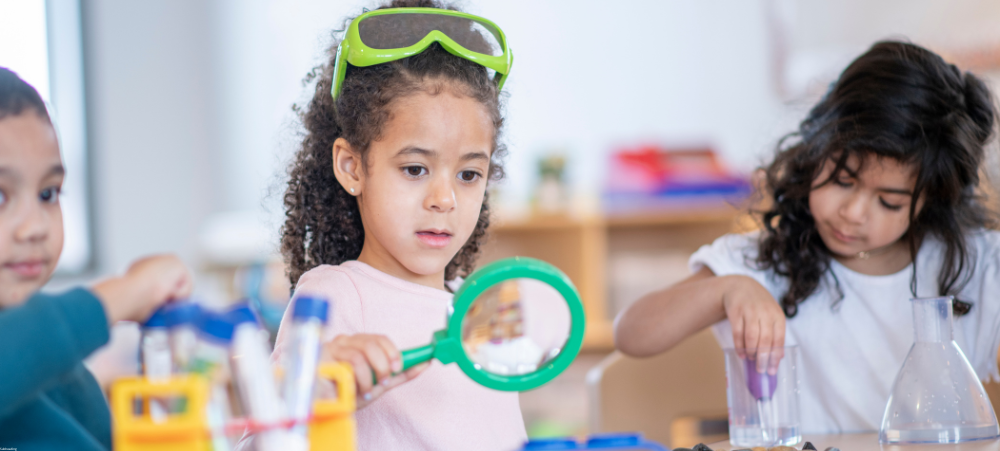
A child may be given an expensive educational toy, only to spend the next half hour happily exploring the cardboard box it came in. For Dibber International Preschools, moments like these are a reminder of something simple but important: young children learn best when they feel curious, engaged, safe and free to explore.
Early childhood learning is more than numbers, colours and letters. Between the ages of one and six, children also build emotional security, confidence, communication, creativity, and social awareness. Dibber believes holistic well-being is central to early development and learning.
“At Dibber, we believe meaningful learning begins with the whole child,” says Ursula Assis, Country Director of Dibber International Preschools South Africa. “Children need to feel emotionally safe, physically supported and socially connected before learning can truly take root. When those needs are met together, children are far more able to engage with confidence and joy.”
Dibber believes children thrive when their emotional, physical, social and cognitive needs are supported together. Well-being is essential for meaningful learning.
This is especially evident in emotional security. Young children are deeply affected by their environments. When anxious or unsettled, they struggle to focus and absorb information. When safe and supported, they explore, ask questions and engage more confidently.
For Dibber, holistic well-being goes beyond physical care. It includes emotional support, stable relationships, routines, movement, creative expression and belonging. Even small moments, such as a calm response or a reassuring conversation, shape a child’s sense of security and readiness to learn.
Play is essential to this approach. Rather than being separate from learning, Dibber sees play as a powerful way for children to build skills in communication, creativity, coordination, emotional understanding and problem-solving. Activities like building with blocks, role-playing, drawing, exploring outdoors or sensory play make learning natural, joyful and deeply meaningful.
“Play is not separate from development,” adds Assis. “It is one of the ways children develop confidence, emotional strength, language and social awareness. When children enjoy learning, they become more engaged in it, and that lays a much stronger foundation for later growth.”
The early years are also when children begin developing the social and emotional skills that shape how they relate to others. Learning to share, express needs, manage frustration and build friendships happens gradually through everyday experiences. While these moments can sometimes appear messy or chaotic, especially during the toddler years, Dibber sees them as valuable opportunities for growth.
With steady guidance and emotional support, children are more likely to develop empathy, confidence and healthy ways of responding to social situations. These early emotional skills not only support well-being in the present but also help children adapt more comfortably to structured learning environments later on.
Movement is an additional essential part of holistic well-being. Dibber notes that young children learn through movement, and that running, climbing, balancing, dancing and outdoor play all contribute to physical, psychological and cognitive development. Physical activity supports concentration, coordination, confidence, and emotional management, while also stimulating brain development.
This is why Dibber believes young children benefit most from environments that allow them to move, explore and interact freely with the world around them, rather than remain seated for long periods. Outdoor play, in particular, offers valuable opportunities for creativity, independence, and sensory development, all of which support overall learning.
For Dibber, however, one of the most powerful influences on a child’s learning experience remains the quality of their relationships with caring adults. Children are more likely to thrive when they feel heard, respected and emotionally connected to their parents, caregivers and educators. These positive relationships create the sense of safety that allows children to participate actively, explore confidently and strengthen resilience over time.
At Dibber, this is reflected in the role of its Engaged EducatorsTM, who create caring environments through meaningful interaction, guided exploration and play-based learning experiences. The approach is designed not only to support academic readiness, but also to help children grow into confident, curious and emotionally secure individuals.
Parents often feel pressure to focus heavily on educational targets in the early years. Dibber believes, however, that meaningful learning begins with something more foundational: emotional security, connection, movement, curiosity and confidence. When these are nurtured, children become better prepared not only for school but for life.
“Before children can flourish academically, they need to feel that they belong,” says Assis. “That sense of safety and connection is where strong learning begins.”
For Dibber, this is the true value of holistic well-being in early childhood. It supports academic readiness, emotional resilience, social development, creativity and a lifelong love of learning — a foundation that stays with children long after the early years are over.

- Six Simple Science Experiments That Get Preschoolers Asking Questions - October 5, 2026
- Why the Best Early Years Educators Do More Than Teach - September 25, 2026
- How to Help Toddlers Learn the Language of Emotion - September 18, 2026