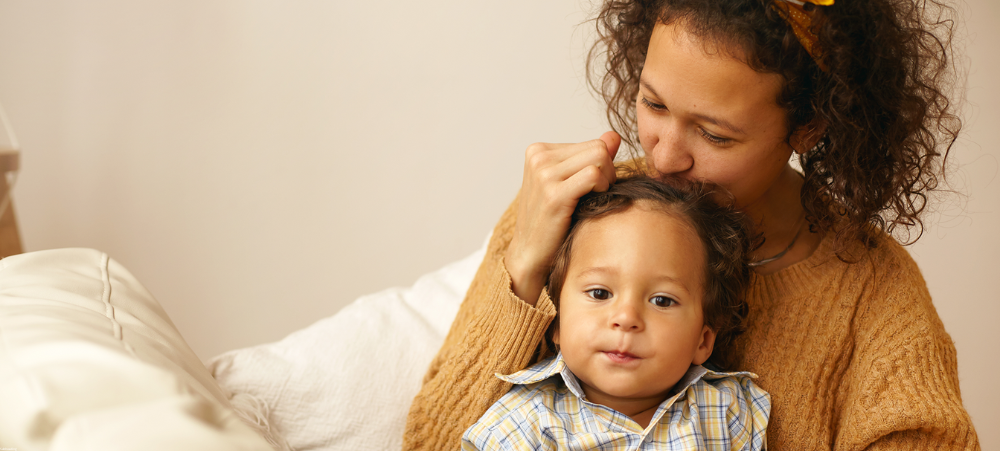
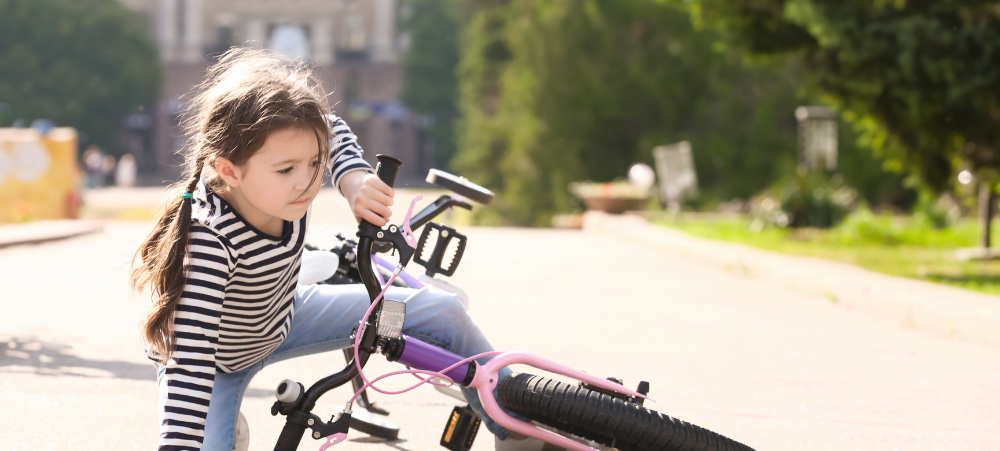
After just an hour outside, your child can come back with grazed knees, a fresh scrape on one elbow and a bruise the size of a plum on their shin. How did all of that happen in one afternoon? The reassuring answer is that, in most cases, this is simply what an active childhood looks like. And with warmer weather keeping kids outdoors longer, climbing, running, riding bikes, and seeing just how high they can jump, you may notice a few more bumps, scrapes, and bruises that need a little TLC.
Why do children get bruises?
Bumps and bruises are almost a childhood rite of passage. Most are nothing to worry about. They’re simply part of having an active and adventurous child who is still figuring out where their body ends and the coffee table begins. Children may seem to bruise more than adults, but that doesn’t necessarily mean their skin or blood vessels are more fragile. Kids spend more time running, jumping, climbing, falling and bumping into things than the average adult, who has generally learned to walk around furniture rather than through it. Add a little built-in childhood clumsiness into the mix, and bruises are almost guaranteed.1
First aid for bumps, bruises and minor aches
Cuts, bumps and bruises can all come from the same tumble, but they happen in slightly different ways. A cut breaks the skin, while a bruise forms underneath it when tiny blood vessels are damaged and a little blood leaks into the surrounding tissue.The majority of small injuries can be treated at home so long as bleeding is light or has stopped, your child is not in severe pain, and they can move the area normally. If the injured area has a skin scrape, wash it with mild soap and lukewarm water. You can apply an antibacterial cream to prevent infection. Cover the wound with a sterile gauze pad and tape or a simple plaster.2 Bruises may not appear straight away, but the skin can still be painful and often feel tender at first. Most need nothing more than a cold pack wrapped in a towel (or even a bag of frozen veggies), for no more than 20 minutes. And if your baby seems in pain, an age-appropriate pain reliever with paracetamol may help.3
Stocking a child-safe first aid kit
A first aid kit stocked with a few essentials gives you peace of mind when your child gets hurt. Start with plasters in a range of sizes and antiseptic wipes for cleaning small cuts and grazes.
A digital thermometer is also worth keeping close for checking your child’s temperature. Add tweezers for splinters, blunt-tip scissors for cutting gauze or tape, and sterile gauze pads for anything too big for a plaster.Saline solution is useful for rinsing eyes or wounds, while a cold pack can help soothe bumps, bruises and sprains.4 Keep an age-appropriate pain reliever such as Panado® available in handy single-use 5 ml sachets13 on hand, along with oral rehydration salts for bouts of vomiting or diarrhoea and burn gel for minor burns or scalds. Finish with disposable gloves and hand sanitiser.4
When should you call the doctor?
Most childhood bumps heal themselves with time, a hug, and maybe an extra story before bed. But a few situations warrant a trip to your child’s paediatrician. Any head injury followed by vomiting, slurred speech, pupils that look different in size, or a sudden change in the way your child walks needs medical attention.5 The same goes for a limb your child suddenly refuses to walk on or put weight on, cuts that are long, deep, or ragged edged, any visible deformity,numbness around the injury, or pain that seems far bigger than the bump itself.Redness, swelling, discolouration, or pus are all signs of infection worth flagging quickly, while anything needing stitches or an X-ray is usually best handled at a hospital rather than waiting it out at home.6
The power to fight pain and fever
Panado®’s Paediatric Range delivers the trusted7 pain relief South African families have relied on for generations. The range includes Infant Drops,8 named Product of the Year 2025 in the Child – Health category following a Kantar survey of 2,000 South African consumers,9 as well as Peppermint Syrup10 with improved taste11 and Strawberry Syrup,12 which is also available in handy single-use 5 ml sachets13 for families on the go.
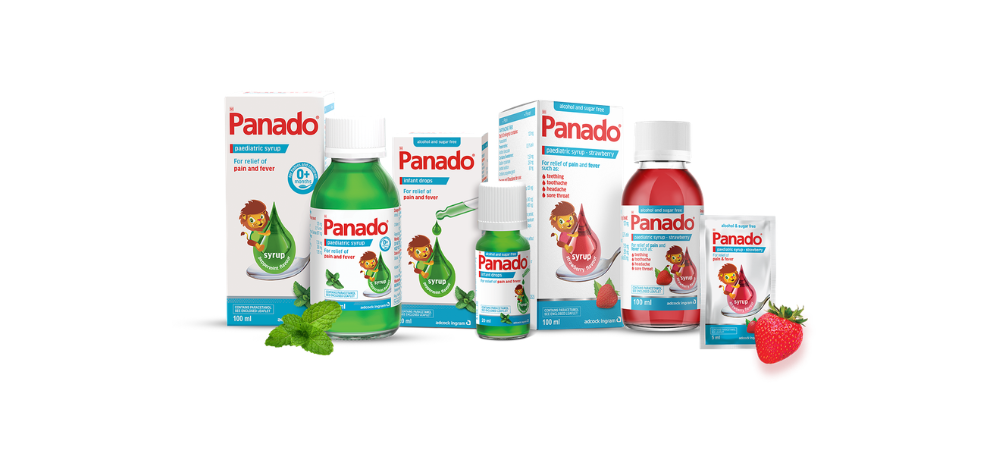
Panado® products are available from Baby City, Pick n Pay, Checkers including Hypers, Shoprite, Clicks, Dis-Chem and independent pharmacies. For more information, visit: https://panado.co.za/ and join the conversations on Facebook and Instagram. For references and legal disclaimers, visit https://panado.co.za/references.
Approval ticket #09.09.2026.10000064388. September 2026.

- Managing Bumps, Bruises and Minor Aches as Kids Get Active Outdoors - October 1, 2026
- When tiny teeth cause big trouble - September 2, 2026
- Why some children seem to get one sore throat after another - September 1, 2026