Toptots Head Office

Kangaroo care and its benefits

You may have heard the terms “skin-to-skin” or “kangaroo care” when it comes to interacting with a newborn baby. It refers to the amazing benefits that have been found when a mother has the opportunity to place their newborn baby skin-to-skin straight after birth. It also refers to skin-to-skin contact during the newborn phase from both mother and father. Of course, birth can be an unpredictable time – and that includes the need for doctors or nurses to have to handle your baby immediately after birth for medical reasons or for the baby to be placed in an incubator. If these things occur, skin-to-skin does not have an expiry date when it comes to your baby and can take place as soon as it is medically safe to. Here are just some of the scientifically proven benefits of kangaroo care: Skin-to-skin contact helps regulate a baby’s temperature. When mom/dad and baby are skin to skin, the parent’s chest temperature adjusts to warm up a cool baby, or cool down a too-warm baby. This phenomenon is called “thermal synchrony.” Skin-to-skin contact increases the paternal bond. One study followed mothers and babies who experienced skin-to-skin contact right after delivery compared to mothers who only viewed their child briefly immediately after birth. Days later the mothers who had skin-to-skin contact were shown to be more comfortable caring for and handling their babies. One year later those same mothers were found to touch, hold and interact with their children more. Skin-to-skin contact can help keep heart and breathing rates stable. Newborns panic when they are separated from their mother immediately after birth. That separation causes stress, which can increase both heart and breathing rates. Being skin to skin with their mother reduces stress and helps keep a baby’s heart rate and breathing normal. Babies cry less when they are skin to skin with their parent. Being close to their parents is natural for babies. Studies show that babies cry less when skin to skin with their mothers than babies who have been separated from mom. Human touch is an integral part of brain development. Touch and movement have been shown to be the basic building blocks for brain and social development. Early skin-to-skin contact helps to set a pattern for continued holding, carrying and touching. Moms who have early skin-to-skin contact breastfeed more and longer. When babies are placed skin-to-skin on their mother after delivery, research has shown that they follow a series of steps to familiarise themselves with their mother, eventually making their way to the breast on their own to begin breastfeeding. The research results are so strong, in fact, that the American Academy of Pediatrics now recommends that immediately after delivery all healthy infants be placed in direct skin-to-skin contact with their mothers as soon as possible and at least for the first hour. How to Hold Your Baby Skin to Skin: Find some good times throughout the day when skin-to-skin works best for you, your baby, and your partner. This might be during feedings (whether by breast or bottle), right before a bath, or just before putting pyjamas on for bedtime. Place your baby in a nappy only. Moms remove your bra. Hold your baby directly against your bare chest. Make sure your baby’s head is turned to the side, so he or she can easily breathe, and hold your baby close enough for you to kiss the top of their head. Your body will keep them warm. It’s fine to drape a thin blanket over your baby’s back. All you need to do after that is sit quietly and enjoy being close and together.

Parenting Hub

Panado® Proudly Launches Berry Nice 5 ml Sachets to Make Life Easier For Parents On-the-Go

Panado® is the trusted1 name parents reach for when they need the power to fight their little one’s pain and fever.  But as any parent knows, pain and fever never arrive at a convenient time.  A fever can spike halfway through a long car trip or teething pain can creep in during a weekend away. A sore ear can appear mid-grocery shop or on the taxi ride home.  And a sore throat? It always seems to show up just before bedtime at Gogo’s house. That’s where Panado®’s newest offering – Panado® Strawberry 5 ml Sachets2 – fit neatly into real life with children. Ready to work immediately,3 gentle on stomachs4 and made for those unexpected moments when parents need pain and fever relief.  Your perfect backup for life’s little surprises Panado® Strawberry 5 ml Sachets2 offer on-the-go pocket power for parents and are compact, easy to store, and ideal for travel. Whether tucked into your pocket, a handbag, nappy bag, backpack or car console, they’re a practical solution when families are out and about. Easily accessible, they offer a solution for unexpected pain or fever emergencies. Small enough to carry, pain & fever relief when you need it most Suitable for babies and children from three months and older2, each sachet contains a single 5 ml dose of Panado® Strawberry Syrup2, powered by paracetamol, which has over 150 years of clinical experience5. There’s no bulky bottle to pack and no messy spills to deal with. Parents simply tear open the sachet, administer the right dosage using a medicine measure or syringe, and toss what’s left once the correct dose has been given. No mess. No stress. Just pain and fever relief.  Dosage is calculated according to a child’s age and weight, and parents can check the Panado® dosage calculator at panado.co.za/dosage-calculator, or scan the QR code. This extra step helps ensure the right dose every time.  Big relief in one tiny sachet The Panado® Strawberry 5 ml Sachets2 contain the same trusted2 formulation, strength and berry nice flavour parents are familiar with, ready to work immediately3 when pain or fever strikes. Panado® Strawberry 5 ml Sachets1 complement the existing Panado® paediatric range, which includes Panado® Strawberry Syrup2, Panado® Peppermint6 with improved taste7 and Panado® Infant Drops8, recognised as a Product of the Year 2025 winner, voted for by 2,000 South African consumers in a Kantar survey and awarded in the Child – Health category.9 Parents trust1 Panado® to bring comfort when it matters most, helping your little one settle, feel better and get back to being their happy, playful self, wherever the day takes you. Panado® products are available from Baby City, Pick n Pay, Checkers including Hypers, Shoprite, Clicks, Dis-Chem and independent pharmacies. For more information, visit: https://panado.co.za/ and join the conversations on Facebook.  For references and legal disclaimers, visit https://panado.co.za/references. Approval ticket #02.20261000004801. February 2026.

Bonitas – innovation, life stages and quality care

Neonatal jaundice, what is it and what happens if my baby is born with it?

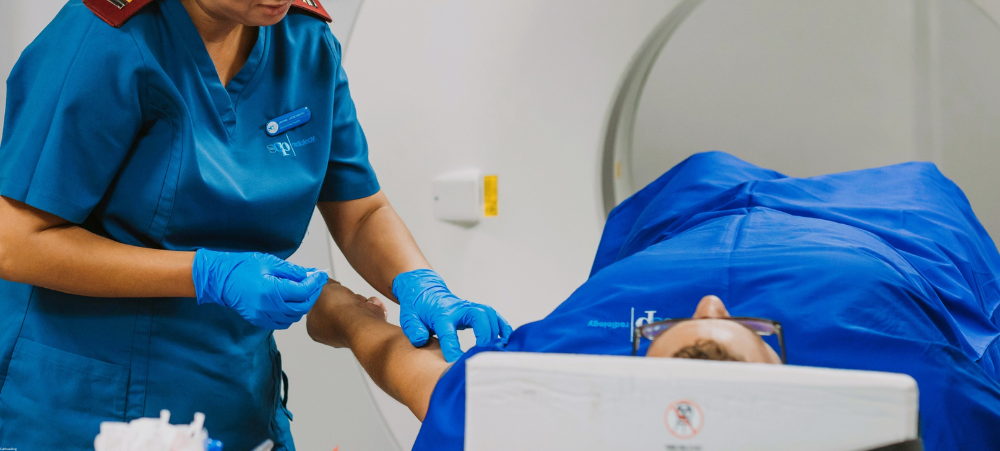
Jaundice is a yellow discolouration of a baby’s eyes and skin and is fairly common in newborn babies. Although it may be alarming to you to see your newborn baby with a slightly yellowish tint, thankfully, most cases of jaundice are considered normal and will go away on their own. You may be wondering why your baby may be born with this condition, or what treatments are available if your little-one has jaundice – read on, we outline the causes and common treatments thereof.  Why would my baby have neonatal jaundice?  Babies are born with neonatal jaundice when they have excess levels of unconjugated bilirubin in their blood. Bilirubin is a yellowy substance which comes from the breakdown of red blood cells, however, baby’s livers sometimes can’t break this substance down fast enough, giving their eyes and skin a yellow tint.  When your baby is born they will be checked for jaundice, as high levels of bilirubin can lead to more serious problems. A baby is more likely to get neonatal jaundice if they are born premature, have a different blood type to their mother or are being breastfed. Babies who are breastfed can develop jaundice if they don’t get enough breastmilk, due to trouble feeding.  What happens if my baby has neonatal jaundice? If your baby has jaundice, this will typically be seen in the second or third day of being born.  Sometimes jaundice will go away on its own and other times it will need to be treated. If your baby is struggling to breastfeed it’s important that he be breastfed more often, or even receive formula as a supplement during this time.  Phototherapy (light therapy)  can also be used to help your baby. Light can turn the bilirubin into a form that can easily pass out the body. If the jaundice is very bad, your baby may receive a blood transfusion which will quickly lower bilirubin levels. 

Toptots Head Office

Top 5 ways to encourage your toddler to speak

Milestones are often reached at different times by different children. Speech is one of them. If your young toddler is on the verge of speaking, starting to babble, and you want to help them along – try these tips 1. Talk  A lot. You may not think this, but your child can already start taking language cues. They are listening to you. So describe what you are doing, point at objects and say their names  out loud. Verbalise as much as you possibly can. Just hearing you form words will get them to talk that much faster. 2. Make it fun  When children are enjoying what they are doing, they learn so much more from it (this is really what the Toptots classes are built on too). When you are actively trying to teach them to say certain words, make them words they will enjoy. For example, if they love animals then the word dog or cat.  3. Keep it simple Don’t try to teach them more than two words at a time. They won’t be able to retain the information. Keep it short and sweet, and use repetition to help them remember the sounds. Keep to single syllable sounds so as to not overwhelm them. 4. Make them ask  This is for toddlers that have the ability to talk but would rather point at things (this is very common). If your child can say the word water, but would rather point at the tap, then wait for them to say it before pouring it. This starts the ball rolling on language development and expression. 5. Use music.  Children love music, and can often remember melodies better than words. When the two are combined, the music helps children decipher sounds better. Play songs they enjoy in the car, at home, and make it a fun experience to try and sing along! Your toddler’s ability to speak depends largely on their environment and home life. Try to include as many spoken opportunities for them as possible, and commit to taking time each day to run through simple words with them. 

Toptots Head Office

Top ways to balance work and parenting

We all know that parenting can be a delicate juggling act at the best of times. Whether it is organising day-care, scheduling doctor appointments, making sure they are getting their five a day – being a parent is a lot to handle and think about. Throw a career into the mix, and often balls can start dropping. Here are five ways to not only help you manage your time but make sure that both your children and your job get the attention they need. Switch off This advice comes from some of the most successful business people in the world. Segment your time. When you are at work, focus solely on the tasks at hand. With that level of focus and concentration, you will be able to do your job more efficiently. The same applies at home. Make sure you switch off your work notifications when possible. Give your children and yourself the attention you all deserve when it is time to do so. Schedule This is a biggie! The more organised you are, the more time you have. For your children, for your job, to grab a coffee with a friend. There are many apps you can download to help you manage your and your families’ schedules. Some of them can even be shared amongst family members, so everyone that needs to can lend a hand. Make sure you have all the info you need at the touch of a button. Dentist appointments, Toptots classes, grocery lists and more. Knowing everything that needs to be done is one step closer to getting everything you need done! Prep time Most working parents swear by this. Whether packing lunches the night before or taking a few hours on a Sunday to meal prep for the week – using the time you have to give you breathing room during the crazy periods (AKA, bath and dinner time) is a smart use of time. Again, there are many online tools to assist you in things like meal prepping – use them to give you a helping hand. Time for you A burnt-out parent is not going to have the energy and capability to get anything done. Never mind spending quality time with their children. It is essential that you put yourself on the top of your ‘take care of’ list. Make sure you schedule time to do things you love, see friends and family and look after yourself. Happy parents make happy children.  Delegate You don’t need to do it all yourself. Everyone needs help, whether it be from a partner, parent or friend. There are always people around that are willing to lend a hand; you just need to reach out to them. Learning to let go of tasks, delegate responsibilities and ask for help with help to ease your load to focus on the things that matter – yourself and your children! Toptots Early Learning SA

Wingu Academy

Personalised Learning at Scale: The Future is Individual

For decades, education followed a one-size-fits-all model. That model is now obsolete. Today, personalised learning is the global standard, powered by AI and data-driven insights. In fact, adoption has accelerated rapidly, with the majority of students and teachers now actively using AI tools in education environments. AI enables: This approach ensures that: But personalisation is not only about technology. At Wingu Academy, personalised learning is layered with: Global education research confirms that data-informed instruction significantly improves learning outcomes when combined with expert teaching. The result is a learning experience that is: Education is no longer about keeping up — it’s about unlocking each learner’s full potential.

It seems we can't find what you're looking for.
Scroll to Top