

Advice from the experts
Parenting Hub

Having a Baby After Cancer

While having a baby after cancer is generally considered to be safe, there are special circumstances that can make it necessary for some couples to plan their pregnancies in advance. Along with other, more typical factors that can frustrate your attempts to become pregnant, common cancer treatments such as partial or total removal of the cervix, radiation therapy to the entire abdomen, radiation therapy for the testicles or uterus, and anthracycline chemotherapy can all play roles in determining how difficult conception and childbirth will ultimately be. Just what role those effects will play may depend on the age of the patient, but even if the treatments don’t cause permanent damage, it can still take years to fully recover. Fortunately, if you want to make sure you can still have a baby after cancer regardless of how the treatment affects you, modern technology has ensured that there are some excellent options that you can pursue in order to improve your chances of success. The Mandatory Waiting Period – Although there are no firmly established guidelines for exactly how long you should wait after your last cancer treatment to have a baby, it is usually recommended that women wait at least six months. During this time, any eggs that have been negatively affected by the cancer treatment are likely to leave the body. For both men and women, however, it is believed best to wait between two and five years before attempting to conceive. While there is no denying that this can be a heartbreakingly long time to parents eager to have a child, this broad estimate—starting from the time that all of the required treatments are received by the patient to the time when the patient tries to have a child—reflects just how difficult it can be for doctors to reliably assess the likelihood of the cancer recurring as well as for the patient to recover his or her previous reproductive virility. Getting Started – After a rough battle with any chronic illness, and especially after experiencing the terror of learning you have cancer, few things can be more uplifting than the anticipation and joy of childbirth. Yet, there are two risks that a woman should consider prior to conceiving: 1) what is her risk of cancer recurrence and 2) what is the risk of pregnancy increasing the chances of the cancer coming back? The latter is especially important for women who have hormonally driven cancers or cancers that require prolonged oral therapy. Fortunately, there are several options that will help any woman who has had cancer—even ones with the aforementioned risks—achieve the joy of parenthood. A cryobank is often the ideal solution for couples who are eager to get started on building their families right away. Both short and long-term embryo storage is available through cryobanks, as are egg and sperm banking services. Since the deposited sperm or eggs remain unaffected by the cancer treatments, aspiring parents can plan in advance for their pregnancies, whether choosing to wait until a full five years have passed or to proceed immediately after treatment. When sperm and eggs are collected prior to treatments, there is no fear of having them being negatively impacted. Ideally, when the sperm and eggs are collected prior to treatment, they would be collected as embryos versus as separate eggs and sperm. The reason this is ideal is because frozen embryos have a 15% to 30% improved chance of resulting in a healthy birth than that of frozen eggs or frozen sperm. If it is possible for couples to freeze embryos, then it is highly recommended that they do so instead of just banking frozen eggs and sperm. This extends even to women who may still be single prior to treatment, but know they want children in the future that are biologically theirs. They can freeze their eggs or even freeze embryos using a donor’s sperm for the future. While many couples will be able to conceive after freezing their embryos, not every couple is as fortunate. Yet, there are still options for them.  Couples who find that they cannot conceive after going through cancer treatment can seek out a surrogate to carry their child for them. It is important to note that couples seeking a surrogate should do careful research into the laws of surrogacy and the associated costs, which can be significant. Usually the couple is expected to cover the medical, legal and other reasonable expenses for the surrogate, which might include monetary compensation. It is recommended to pursue surrogacy through either an agency or through a lawyer to help the biological parents know their rights and keep the process as smooth as possible. Risk of the Child Having Cancer – Currently there is no evidence suggesting that a cancer diagnosis in the parent increases your child’s risk of getting cancer. The only time this should be a worry is if your cancer is genetically linked. If it is, then it is strongly recommended you meet with your doctor or a genetic counsellor to better understand your risk of passing those specific genes to your child. Yet even in these situations, there are still options.  For example, if you use in vitro fertilisation as your avenue to pregnancy, then you can screen your embryos for the cancer-causing gene to make sure you will not pass it on. When the unexpected occurs in life, people often have no choice but to make the best of what they are dealing with. Looking ahead to the creation of a healthy family unit is often a great way to promote positive emotions during a trying time. Fertility preservation can eliminate fears and reservations concerning some of the latest and more aggressive treatments, thereby supplying cancer patients with lasting peace of mind. Of all the many uncertainties that cancer survivors must wrestle with, the fear of not being able to produce or bear children should not be one of them.

Parenting Hub

Teaching your children the value of money

Teaching our children to be responsible with their finances is essential as financial habits are formed early. Most of what your child learns about finance , they will learn from your example. Are you sending the correct financial message?  Start of on the right foot by first setting a good example of how you manage your  personal finances and  take advantage of every opportunity to instill great money-smart habits in your child. As important as what you tell your child about money, it  is also important to watch how you talk about it. Rather than saying “We can’t afford that”, a more positive  approach is to say “We don’t buy every thing we want, we choose which are the most important things to spend our money on.”  Teaching the difference between needs and wants early and how to priorities will ensure a firm foundation for their own personal finances as they grow.  Setting a  budget with them and encouraging them to save up for those non-necessities may seem cruel but the gratification of holding an item you saved for and bought yourself is a feeling of pride. The lessons we teach our children greatly changes as they grow. So, when do you start teaching your child about money?  From about 3 -6 years : Introduce your child to easy concepts …. #Why we need money Allow them to handle the coins and notes. Start a simple piggy bank , allowing them to save . Let them know and understand that we need money to buy the items we want. Play pretend store or restaurant games . Take them shopping and allow them to pay with their own money . #Money doesn’t grow on trees Take your child to work, show them that people have to work to earn money. Point out the work people in your community do. Teach them about needs and wants. Allow them to make a wish list and help them save for an item by doing a simple chore, ie :feeding the cat. Age 6 -13 years – At this age a child becomes aware of the value of money #Choices are important Have your child ask themselves questions like Do I need this ? Can I borrow it? Would it cost less somewhere else? Teach your child to shop around and compare prices. Your child should know  that smart shopping helps your money go farther. #Budgets Set budgets from allowances . Some parents give their children an extra allowance for toiletries , birthday parties , ect and allow their child to do the planning . #Allowances Allowances are a personal choice. These can be freely given but it is always wise to have your child earn an allowance. This prepares them for a working environment. Amounts for allowances vary from household to household. We have always tried to maintain a R10 per year allowance . (So , if you are 10 you receive R100 allowance per month) #Bank accounts Open a bank account for your child at your preferred credit provider. Most have exciting packages open to children. Allow them to meet the bank manager and treat this visit seriously . Show your child how to make a deposit , withdraw and how to use an ATM. Explain the concepts of credit, interest and saving to your child. #Savings are cool You should save a tenth of all your incomes. If this habit is installed in your child early , they will develop healthy saving habits . We started with two jars – save and spend . This allowed my children to see the money go into each jar and how the save jar filled up , whilst the spend jar stayed empty. Set goals or make a wish list to stay focused on why you are saving. # Make use of resources In the world of technology parents have many apps and sites open to them to encourage and teach financial skills. One of my personal favourite apps for teaching finance skills to children is “mymoneymap” from Nedbank. It is designed to guide your child to work efficiently with their allowance and gain the required financial skills . Open to everyone , you do not need to be a Nedbank account holder to make use of this app. http://www.nedbank.co.za/website/content/products/product_detail_new.asp?SubSubcatid=6949&Subcatid=719&ProductID=657

Good Night Baby

How is your child sleeping? Give him the gift of a Good Night’s Sleep!

Sleep. We all need it, and we don’t know how important it is until we can’t get enough of it? Are you a mother? Then you know EXACTLY what I’m talking about. Can you still remember what it feels like to look into your partner’s eyes? To have time to read a magazine, take a long bath and just generally have a life? Or are you constantly on pyjama drill? Wondering when this “punishment of motherhood” will end. Sleep is vital for all humans to be healthy: it’s when we recharge so we’re at our personal best. Bad sleeping habits it linked to obesity, poor performance, ADHD, car accidents… you name it! If your child isn’t sleeping well, you’re likely not to either and this could be detrimental to your health as well as your child’s! However, if addressed early on, sleep problems can be overcome. The bad news is bad sleepers do not just “grow out of it”. But the good news is there is a lot you can do about it! Here are a few myths about sleep that you need to be aware of: Myth #1 ~ All soothers are good for my child’s sleeping habits. Unfortunately not all soothers (be is dummy’s, taglet blankets, mommy’s fingers, milk) is good for your child’s sleeping habits. It depends on your child’s age and tendency’s, but chances are that he can use some of these to aid him/herself in falling asleep which never teaches him the skill to self sooth. Myth #2 ~ The later I put my child in bed and the more tired he gets during the day, the better he will sleep.  Actually it works the other way around. The better rested your child is, and putting him/her to bed at an appropriate bed time, actually makes them sleep better and longer. Myth #3 ~ Some children are just bad sleepers and they will grow out of it eventually. Did you know that studies have shown that adults who tend to have insomnia and bad sleeping habits were actually bad sleepers as children? Sleeping is actually a skill we need to teach our children, just like walking, eating and drinking. Your child will not grow out of it! The earlier you address it the better! Myth #4 ~ I can wait to start teaching my child the skills to sleep when he is older or on solids. The fact of the matter is that we as parents interfere with our children’s healthy development of good sleep cycles. There is so much that we can do better from the day they are born to implement healthy sleep associations and awake-sleep cycles. Myth #5 ~ The only way I can teach my child to self sooth is to leave him to cry-it-out. Teaching your child to self sooth is not just a matter of leaving him to cry. There is so much that you can do as parent to follow a structured sleep plan that will give your child’s this skill. Sleep is influenced by so many things; stimulation, routine, feeding habits, bedtime, health, discipline, and a trained professional can help you to implement changes in your child’s life that learn him the art to self sooth. Remember that crying is your child’s way of protesting change, and not all crying is bad. Myth #6 ~ It is selfish of me to want to have my child sleep through the night. Remember that teaching your child self soothing strategies are not about you! Consolidated, uninterrupted 11/12 hours of sleep is what your child needs. By taking the necessary steps to achieve restful, consolidated sleep for your child you will be giving them a skill they will carry with them throughout their lives. And this is truly a gift.    

Bill Corbett

Parenting 101 on Keeping Kids Safe on the Internet

There’s going to be a lot of Internet-Enabled devices hidden in gift-wrap this coming holiday season and many will be for children and teens.  With this fact in mind, the timing for this topic may be right on schedule.  Consider printing off this list of guidelines for you to read or share before turning your child, tween or teen loose with new access to the Internet. For most adults, the memories of the “playground” conjure up the play area located behind the school or down at the local park.  It usually included swings, the slide and jungle gym climbing bars.  But now that we live in the digital age, the playground for today’s child has become the Internet.  They are on their smart phones on their way home on the school bus, they jump on the computer once they get home, or they can be found with a microphone/ear piece attached to their head while playing Call of Duty on their xBox game console. According to the Journal of Adolescent Health, in 82% of online sex crimes against minors, the offender used the victim’s social networking site to gain information about the victim.  Predators out to victimize children did exist when we adults were children, but were less likely to approach us on that playground.  They weren’t as brave and many did not want to risk being seen.  But predators are braver today and can easily hide on the Internet. Here are tips for parents on helping keep kids safe on the Internet: Invest in the Relationship:  It’s been stated that rules without relationship can result in rebellion, so before you put rules in place and enforce them, work on developing your relationship with your child.  Spend time talking about Internet safety and share with them how best to use the Internet safely.  Set up movie nights with the family to watch the 2010 movie ‘Catfish’ or the 2011 movie ‘Cyberbully’ with your tween or teen child. Know your child’s friends:  If she is invited to a friend’s party, consider setting up a meeting with that other parent to get to know them.  Use that time to share your values to assess how safe your child will be in the care of the other parents.  When dropping her off or picking her up at/from the party, physically go to the door to make the exchange.  If any of her friends live in homes with few or no boundaries, don’t ban that child from your child’s circle.  Instead, establish a rule that this friend is always welcome in your home, but limit your child’s visit to that other home. Establish ground rules:  Set up rules around the use of computers, the Internet and social media.  Rules such as, only accepting friend requests from people your child has met in real life and only using the computer when an adult is at home are good guidelines to start with.  Encourage your child to notify you if they receive messages from anyone they don’t know. Become Educated:  Avoid turning your child loose on a device or application that you yourself have not yet used comfortably.  If you allow your child to use social media, become familiar with all of the application’s capabilities and security options.  Using the excuse that it’s too complex is not acceptable if you plan to allow your child to use it; ignorance is no excuse when it comes to a child’s safety. Be a Parent, Not a Friend:  Determine time frames that your child can use devices and the Internet, and enforce the limitations.  Secure your wireless router with a password and change it often.  Working with your router can be a bit complex so consult your wireless router’s manufacturer to learn how to do it.  Ban Internet-Enabled devices in your child’s bedroom and during established homework time.  It was reported that the mother of the 12-year-old Florida girl who committed suicide, gave her daughter the smart phone because she wanted her daughter to like her. Take Charge of the Computer:  Locate the computers your child uses in a common area where adults are likely to walk by often, and learn how to check the history of your computer’s Internet browsers to see where your child has been.  Children have codes or acronyms they sometimes use to warn friends while instant messaging.  POS may mean “parent over shoulder” or PIR can mean “parent in room.”  Do a search on the term NETLINGO to learn more.  Lock up Internet enabled devices when adults are not at home. Use Parent Controls:  There are many software packages available at a reasonable price that can be downloaded and run that filter what websites your child can visit.  Many others can capture keystrokes and website addresses and even generate reports for parents to review off line or after hours.  Our children’s safety trumps privacy in the digital age.  You don’t want your child to frequent sites such as Omegle.com, Chatroulette.com and Chaturbate.com.  Not sure what I’m talking about?  Visit those sites when your children aren’t around and see for yourself. Educate Your Children:  The three biggest dangers on the Internet to our children are bullying, sexting and predators.  Take time to explain each one and why they are a problem.  Remember that education is a powerful weapon that can keep your children safe.  Set up guidelines regarding sharing information about their likes, their friends and locations.  Promote positive relationships around your child and be an example for them to learn from. Don’t Suffer From the Halo Effect:  The term is a psychological description of a type of cognitive bias.  It’s when our overall impression of a person influences how we feel and think about his or her character. I’m borrowing this term as a way of describing how some parents have difficulty considering that their child might do something inappropriate.  When a child demonstrates an inappropriate behavior on the Internet, they are not a bad child.  They were most likely influenced by their

Judy Dooley

Dealing with an anxious child

At some stage of childhood all children may become anxious or nervous due to new situations , change in routines or simply because of the over stimulation of a world that is far to large and confusing for them to comprehend. These anxieties are often debilitating and leave your child feeling vulnerable and afraid. What is anxiety?  Anxiety is fear. Fear of the unknown, fear of failure , fear of not knowing. Never belittle a child’s fears because although there is usually no immediate threat to your child they believe their fears are real. Some signs that your child may be anxious could include any of the following : A child who becomes overly clingy, impulsive, or distracted. New nervous movements ( twitches, excessive hand wringing , blinking) Disturbed sleeping patterns, either not able to sleep or sleeping longer than usual, or nightmares. Sweating hands, dizziness, accelerated heart rate and breathing or the inability to breathe. Feeling nauseous. Complaining of headaches or stomachaches. The most effective way of helping an anxious child is to: Understanding anxiety – Taking the time to recognise and explain your child’s anxieties , allows them to know that anxiety is not a negative emotion. Rather it is our bodies way to safe guard us from what we fear or what may hurt us. Prepare and plan – Always try to be that one step ahead, discuss where you going , what the area looks like, what they need to do. Recently , while on holiday , my 17 year old son who has Aspergers, was asked to pay the parking meter. Totally unsure of the practice he went into anxiety overdrive. Calmly explaining each step to him , the  hurdle was overcome and he was quite happy to pay the meter . Encourage with positive words – Positivity and choice of words greatly affect your child’s anxiety.  By reinforcing positive statements you not only encourage , reassure but also develop a healthy self esteem. Role play –Role play can be very effective , especially in small children. This allows them to go through the motions of  something they have never done and are unsure of what it entails or what role they are to play. Coping techniques – Teaching your child some coping  techniques, such as breathing deeply or using a stress ball,  ensure that your child knows their emotions have been understood and that they have your support to overcome their fears. It also gives them a control over their fears. Support – Always listen to your child. They are anxious for a reason . Stay at the extra mural , walk them to school, hold their hand a little longer. We are our children’s safety nets and here to guide them through the unknown and fearful. While most children experience relatively mild forms of anxiety, some may suffer from more serious anxiety disorders that require treatment.  Always consult your paediatrician if you feel your child’s anxiety may be controlling their day to day functioning.

Parenting Hub

Make time for National Bullying Prevention Month

Bullying can take many forms between young kids as well as with older teenagers. It can involve verbal or physical taunts hurled offline in school playgrounds or locker rooms. Or it can be more menacing, with overt threats to one’s safety. The Stop Bullying site defines bullying as unwanted, aggressive behavior, involving a range of verbal bullying, social bullying and physical bullying. Each of these behaviors evolve from an unbalanced and unnecessary power imbalance. More often in our mobile tech age, however, bullying takes its form online called cyberbullying. This online form of taunts, abuse and threatening behavior can be a terrible experience for a child. Children who get attacked from online cyberbullies can suffer from self-image issues or struggle with social interactions. Other symptoms include insecurity and depression that can arise from cyberbullying tactics. These attacks can affect school performance, too. October is National Bullying Prevention Awareness Month, and parents and teachers will shift its focus to eliminating bullying from classrooms, playgrounds and digital outlets. Finding good sites online for parents can help with tips and activities to highlight the awareness. Activities include suggesting various media guidelines to reporters covering cyberbullying, youth engagement events and social media awareness online. With more kids and teens on the Web for entertainment and knowledge, cyberbullying is taking center stage. One of the activities planned for the month falls on October 9th — it’s Unity Day, sponsored by Pacer.org. On this day, students can come together with teachers and administrators to show their colors for unity, in this case, orange. Downloadable fliers and wrist bands for unifying the students on Unity Day can be used to broaden support against cyberbullying. Students who have been victims of phishing cyber attacks can report phishing tactics to teachers and educators. Nearly 45 percent of all children are reporting (via DoSomethingNow.org) that they have been in some way, humiliated, harassed or otherwise harmed by online bullying. So to combat this bad juju, the organization suggests setting up a good-news site for your class or school. Bring attention to the high points of a kid’s day, not the low points. Try these with your children: Create a site with a catchy name and a good design look. Make sure the principal is aware of what you’re starting. Write about good things done in your school. Get other students’ permission to mention them in stories, and get quotes to personalize the story. Drum up some publicity for your web page or blog. Promote it with social media in friends’ feeds and through official school Internet channels. Seek out other students’ reactions, and if they like it, ask them to help you with further work. Visit this site by the National Child Traumatic Stress Network for information and links to a wide array of anti-bullying sites. The site also includes tips and tactics for parents and educators when faced with a cyberbullying situation.

Parenting Hub

Cyber-Bullying has reared its ugly head!

In a previous article that we published on bullying amongst our children in South Africa, we touched lightly on cyber-bullying and promised you a separate article on this subject, as it is so vast.  We’ve all heard the term and no doubt as parents you have already felt the need to educate yourself as to exactly what cyber-bullying is.  For those parents out there who have your days caught up in the hectically crazy world that we live in, MAD Pups has prepared the following information.  We have tried to touch on the most important aspects of cyber-bullying to bring to your attention and then give you some useful tips on how to deal with this difficult subject. What exactly are we talking about here?  In a nutshell, cyber-bullying is a form of teen violence that can do lasting harm to young people.  This form of bullying has been made possible because of the advances in technology and social media which has made it possible for more young people to have access to cell phones and the internet.  It takes place on all social media platforms.  Bullies use text messaging or digital images, emails, instant messaging, web pages, blogs and chat rooms or discussion groups. In a poll taken as early as August 2006, the Chicago Tribune reported that about one in every three children between the ages of 12 and 17 and one in every six children ages 6 to 11, are victims of cyber-bullying.  We all know the story of Megan Meier, a 13 year old girl from Missouri, who committed suicide in 2006 after allegedly receiving cruel comments from a boy on MySpace.  The boy who befriended her turned out to be a mother of one of her classmates!!  How scary is that? This was seven years ago!  Although the poll is outdated, it still gives us a sense of what is going on as our rational minds can only tell us that this has escalated as the number of people who have internet access and access to technology has also escalated. This could very well happen to one of your children and the damage that it could do both psychologically and emotionally could be just as devastating.  Just imagine how much an adult posing as a child can outwit and outsmart your child. Therefore knowing that people can hide their identity online is critical to how important you view this subject.  It’s also important to remember here that there is huge peer pressure focused on our young children (perhaps a subject for another article) and because of this, children are not always going to disclose that they are victims of cyber-bullying.  This makes it even more important for you as a parent, to keep those channels of communication open as much as possible. You need to educate yourself and your children about social networks, how they work and how to manage them.  Teach your children about the dangers of social networks and chat-rooms and teach them also not to respond to or forward any threatening or abusive messages.  Get them to understand that whilst you are okay with them with being connected – after all they are the ‘connected’ generation – they need to conduct themselves and behave online, in a responsible and mature manner and that it’s okay to ask for your guidance and advice ie you will not judge them or find fault with them in terms of the decisions that they make or want to make in any way. Talk to your children about cyber-bullying and explain to them that it is wrong.  Many children do not understand that they are doing harm when they post something or that they can be hurtful in their responses to messages etc.  This is also why MAD Pups regularly runs courses for children on assertiveness, entitled Assertiveness for Life, where children are taught to make the distinction.  Ensure that they understand the difference between photos and images that are socially acceptable and those that can be offensive.  Let them know that should they become the target of cyber-bullying, they must keep the messages and share them with you so that should the situation become out of control, there is material proof to pass on to authorities.  Let them know that they should not be sharing or posting any information on-line that they would not want to have public They should never ‘friend’ people that they do not know as well as never share information, images, photos etc with strangers.  If anyone is continuously harassing them, sending them messages that are mean, nasty, inappropriate and make them feel uneasy, let your child know that it is better to remove them off their friend list and even better, block them. It is vital that parents: Know which sites your child visits Monitor their on-line activity Help them be smart regarding what they post about themselves and discourage them from sharing anything that could be hurtful or damaging to either their or their friends’ reputation Encourage them to keep their passwords safe and know what their passwords are Encourage them to change their passwords regularly and to keep you updated as to what they have changed them to Block unwanted messages Keep internet access to a shared family space Encourage your child to have times when all technology is switched off such as at family meals Check your child’s phone and social network accounts regularly and remove anything that you think is inappropriate Tell your child that at no time should they post or share any personal contact details online or with anyone that they don’t know – ever! Install parental control filtering software if necessary Establish clear and consistent rules regarding the use of computers, cell phones etc Keep the channels of communication between you and your child open and honest at all times Cyber-bullying is a very real monster.  It is happening all around the world and whilst it cannot be stopped, we owe it to

Parenting Hub

Breast Milk vs Formula – What are the differences?

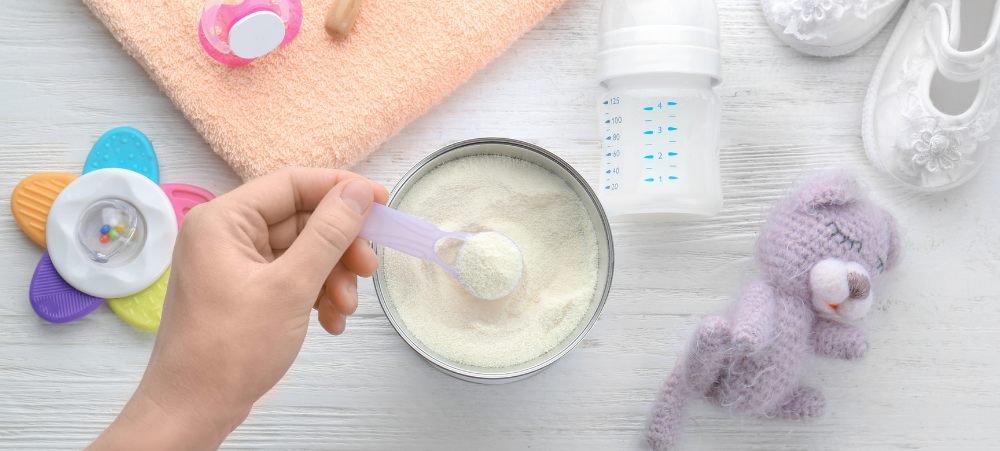
Undoubtedly we all want what is best for our newborn baby’s, so what are the benefits surrounding breast-milk and commercial formula? Even the most prepared mother who has opted to breastfeed can land up by not being able too. Therefore if you are pregnant and considering your options then this certainly will be a read for you. First we will look at breast milk – we all know that breast is best, so taking a look at why this is so is also important. Breast milk is amazing simply because it can change in composition depending on your baby’s needs. Breast milk is a fully comprehensive meal in liquid form and is made up of many components: Fat – If you were to remove all the water from breast milk, half of what is left behind is fat including a high level of cholesterol. These fats and cholesterol are vital because unlike adults, babies, toddlers and young children need high levels of fats for the development of the nervous system. These essential fats are needed to cover & protect nerve cells and are a crucial component of brain development. Carbohydrates – About 37% of breast milk is made up of carbohydrates. While we often think of carbohydrates as bread, pasta and rice, in actual fact all sugars are carbohydrates. In breast milk, most of the carbohydrates are in the form of lactose, which is a milk sugar. Lactose provides your baby with energy so that she can do the things that babies do: breathe, eat, cry, wriggle, pass stools, learn, grow, and develop. Proteins – Breast milk contains protein, which is essential for your baby’s growth. Colostrum is particularly high in protein, to stabilise your newborn’s blood sugar whereas mature milk has a slightly lower but consistent level of protein (1g per 100ml). As your baby grows her protein needs increase, so by six months of age, your baby will need to have protein from sources other than milk, in other words from solid foods. Vitamins, Minerals, and More – Breast milk contains vitamins and minerals, which formula’s attempt to simulate. However, the nutritional composition of breast milk includes over 100 different components the effect and importance of which will be established in years to come. Mature milk has many different kinds of proteins but the two major proteins are whey and casein. Whey is a smooth, liquidly-type of protein whereas casein is a coarse protein that tends to curdle. In breast milk, 60% to 80% of the proteins are of the whey type. Whey is easier to digest and it is absorbed well in your baby’s stomach, which is why breastfed babies will be hungry more often. Reasons to breastfeed Breast milk is the gold standard against which all formulas are measured for good reason: Breast milk is the most complete form of nutrition for young babies. Your breast milk has just the right amount of fat, energy, water, and protein that is needed for a baby’s growth and development. For most babies breast milk is easier to digest than other alternatives. Breast milk is the only milk that contains antibodies, which help to build your baby’s immune system. Breastfed babies are able to fight off infections and disease easier and are sick less often. Exclusive breastfeeding for the first 4 months of life has been found to lower the risk of childhood obesity as well as Type 2 diabetes. Exclusive breastfeeding for the first 4 months of life may also protect your child against allergies, especially allergic skin conditions like eczema. Breastfeeding also has many benefits for you. Breastfeeding uses up some fat stores and helps you get back into your jeans. It also helps your uterus to return to its original size a lot sooner and lowers the risk of breast and ovarian cancers. On a more practical level breastfeeding is convenient, it saves time and money. It is always available, at the right temperature and in a sterile ‘container’. What is important to remember is that even if you are able to breastfeed for only a short period of time, your baby will experience numerous benefits from breast milk. What about bottle-feeding? Taking the decision to bottle-feed will be the right choice for you and your baby if thought through carefully and upon advice of a medical professional. When it comes to parenting you are the only expert on your baby and although you must heed advice, ultimately a choice that makes you feel most comfortable and relaxed is the right choice for you and your baby. Feeding your baby expressed breast milk in a bottle will have the same benefits as breastfeeding and modern infant formula preparations are an excellent source of nutrition for your baby. For mothers who are unable to breastfeed or who decide not to, infant formula is a good alternative. If you feed your baby with a commercially prepared formula, be assured that your baby’s nutritional needs will be met. Things to consider when choosing your baby’s formula: While breastfeeding is the best nutrition for babies, commercially prepared infant formulas are a nutritious alternative to breast milk. Manufactured under sterile conditions, commercial formulas attempt to duplicate mother’s milk using a complex combination of proteins, sugars, fats, and vitamins that would be virtually impossible to create at home. So, if you don’t breastfeed your baby, it’s important that you use only a commercially prepared formula. If your baby is very irritable, has excessive gas, diarrhoea (which may be bloody), spitting up, vomiting, and poor weight gain she may be intolerant to the formula she is on. Choosing another type of baby formula, in consultation with a dietician, nursing sister or paediatrician may help alleviate the symptoms. Simply changing brands, unless you also change formula types, does not usually make a difference. You should not self diagnose your baby’s problems and decide to simply switch formula. You are more likely to create problems by uninformed formula switching. If you have a problem you think

Lil-lets

What I wish I knew

A recent campaign run by Lil-lets ‘We are Women’ called, ‘What I wish I knew’, has revealed some startling myths around periods. It’s hard to believe that in this day and age when we talk openly about every possible sensitive subject from HIV/AIDS to practising safe sex, condom use, sexually transmitted diseases and many other previously taboo subjects, there remains little or no dialogue about menstruation. Why does it remain an embarrassing topic between mothers and daughters, in schools or in the media? Surely something that is totally natural and happens to half the population of the world every month should be something we can talk about. The result of keeping it secret is a collection of myths – some of which can be potentially harmful to young women, others just causing inconvenience. So during Lil-lets launch of its smallest ever tampon – the Nano tampon – and a new Compact Applicator tampon, both in response to consumer needs, the company has decided it’s time to debunk all these myths and do some straight talking. According to Darlene Smith, Marketing Executive of Premier Home and Personal Care, the most common myths, from an anonymous survey, include: Myth You can’t fall pregnant when you have your period Fact Although it is unlikely that you will fall pregnant, it is not impossible. But a condom should always be used to protect against sexually transmitted diseases. Myth Women menstruating can catch a cold easily and should avoid cold water or iced drinks Fact There is absolutely no reason why women who are menstruating should avoid cold or ice drinks and they will not catch a cold easily. So keep drinking those milkshakes girls. Myth Tampons can break your virginity Fact The word virgin means that you have never had sex with a man. Only sex can break your virginity. Myth You can’t exercise or do strenuous activities while menstruating Fact You can exercise as long as period cramps do not inhibit you. Remember if you are going to swim, which is quite acceptable, you need to wear a tampon not a pad. Myth You can only use a tampon when you are much older or have had babies Fact You can start usingtampons at any age as long as you are comfortable. Start with smaller tampons which are easier to insert and more comfortable, like the new Lil-Lets Nano tampons, so you can get used to wearing them or use a mini Compact Applicator tampon for easier insertion. Myth Period pains are cause for concern. Fact Period pains are quite normal. However, if your daily activities are disturbed it is best to discuss this with your doctor or clinic sister. Myth PMS is made up by men and is all in your head. Fact Craving chocolate, being snappy, headaches, bloating, weight gain, anxiety and depression even joint pain are all part of Pre-menstrual syndrome according to medical experts. Myth Heavy bleeding only happens to women who have given birth. Fact Heavy bleeding can happen to anyone at anytime. Your period flow can even vary from heavy to light or light to heavy in one period or from period to period. This is not unusual and is quite normal. Lil-lets is the only brand that offers a comprehensive range of sanitary protection that caters to your varied flow. Myth During your period you get snakes in your stomach and this causes the pain Fact There is absolutely no truth in this statement. Period pain is normal and is caused by your uterus contracting to help expel its lining when your egg has not been fertilised. We are Women. We have periods and they aren’t fun. But it is part of what makes us women. We need to be more open, to talk and help those who are not getting the reliable information they deserve. Let’s start the conversation NOW. Join the ‘We are Women’ conversation on Facebook, MXIT and Twitter or go to www.wearewomen.co.za for advice and additional access to information.      

Parenting Hub

Bullying – Empower your child

The topic of bullying has become the focus of increasing attention and concern in recent times. Whereas in the past there may have been a tendency to downplay bullying and regard it as part of growing up, there is now an increasing awareness of it being a widespread social problem that can have serious short- and long-term consequences for both victim and perpetrator. Recent statistics show that up to 50% of school children are bullied each year. It is an issue which we ignore at our own peril! What constitutes bullying? What is it that makes it different from someone simply fighting with your child, calling of names, being mean or teasing? The essential elements of bullying are as follows : A more dominant child repeatedly exhibits aggressive behaviour towards a less powerful person. There is a conscious intent to hurt the other child, either physically or psychologically, and the bully derives pleasure from this behaviour. There is no justification whatsoever for the bullying behaviour. The intensity and/or duration of the bullying are damaging to the self-esteem of the victim The victim is vulnerable, often because of physical or psychological qualities, and cannoteffectively defend himself The victim feels isolated and is not supported by either peers or adults The bully knows that the victim wants the behaviour to stop but will persist with thebullying. The effects and potential damage of bullying is difficult to assess, largely due to the varying vulnerability of children. However, for most there is a significantly negative impact on the victims’ general well-being. Self-esteem is inevitably damaged, there is heightened anxiety, signs of sadness and distress, withdrawal from social interaction, often general health problems develop such as headaches, stomach aches, disturbed sleep and even bed- wetting. There is often a deterioration in school performance as the bullied child becomes increasingly distressed and unable to concentrate. Other warning signs that could signal that your child is being bullied include unexplained cuts and bruises, torn clothing, loss of appetite, reluctance to go to school, “loss” of possessions or pocket money, complaining of being starving when getting home from school (often a sign that the lunch box has been raided by the bully), becoming withdrawn, reduced social interaction, unexpected mood changes, irritability and temper outbursts, tearfulness, talking about suicide. How do I help my child if I suspect that he is being bullied? It is essential that when the child tells the parent about them being bullied, that they take what the child is saying seriously and act decisively. To ignore or minimise it would be the worst possible outcome for the child, already feeling over-whelmed, helpless and alone. Whilst most schools have an anti-bullying policy, it is often difficult to implement and despite concerted efforts to eradicate bullying, it continues to occur. Perhaps a more proactive approach is to teach your child to deal with the bullies that they may encounter. One such approach is to teach your child to be assertive. The ability to be assertive is a life- long asset. Although it is necessary to be passive or aggressive at certain times in social situations, many children tend to be overly aggressive or passive. Children with poor assertiveness skills and who frequently display passive behavior, feel negative about themselves and do little to protect themselves, making them more vulnerable and more likely to be bullied and manipulated. Bullies prefer children who are unable to fight back or who withdraw from confrontation and cry when attacked. Likewise children who tend to be overly aggressive in their interactions are sometimes labeled as bullies and are often disliked by their peers. In teaching children to be assertive, they learn to identify and express their feelings, be mindful of the feelings of others, have the confidence to say what they want and develop the skills to deflect difficult or unpleasant social situations. They develop strong self-esteem and are able to stand up for themselves in a pleasant but firm manner. Without wishing to be pessimistic, it would seem that bullying is a perennial problem, very difficult to eradicate and likely to get worse as the stresses and pressures of life continue to escalate. It is a problem that is likely to confront most children at some point in their lives but by creating assertive, confident children hopefully the bullies will find fewer targets and may themselves learn to behave in more socially acceptable and positive ways. Written By: Margie Wilson

Tabitha

What is HELLP Syndrome?

Ruby was born at 30 weeks gestation via emergency caesarean and was a tiny 1044 grams at birth. She suffered from tachycardias (when the heart beats over 100 bpm) and was given caffeine to help prevent bradycardias (when the heart beats under 60 bpm). Ruby was required to be on a continuous positive air pressure (CPAP) machine to keep her airways open. She had jaundice, requiring phototherapy several times and suffered from continual apnoea episodes throughout her stay in the neonatal intensive care unit. Due to being intubated, Ruby developed an oral aversion so in turn she came home with a nasal gastric tube. Her hospital stay was 10 weeks in total. So why did all of this have to happen to Ruby? The answer is because I developed a life threatening and rare complication called HELLP syndrome. My kidneys and liver were failing. I was at risk of seizures and there was a chance that I may lose my life. Ruby was at risk of losing hers before it had even began. HELLP stands for H (hemolysis, which is the breaking down of red blood cells), EL (elevated liver enzymes) and LP (low platelet count). The most reported symptoms of HELLP syndrome are the following; Headache Nausea and/or vomiting Visual disturbances Swelling High blood pressure Epigastric tenderness and upper right quadrant pain (from liver distention) Protein in the urine Ruby is now 16 months old. She continues to have issues with her feeding, causing her weight gain to be slow. Ruby also has experienced hypersensitivity, which has caused her some distress in social situations. The experts said that Ruby would grow to be a strong person, and she has proven that. They said she may have issues with her sight and hearing… Apart from the earlier hearing tests, Ruby has blitzed every test since. They said she might struggle with feeding… And that she has. However, Ruby surprised us recently and moved onto ‘soft lumps’ from her normally pureed foods. They said we may come across issues with Ruby’s brain development due to her prematurity… And so far we have seen none. Ruby is one clever little girl. She is clapping, ‘high fiving’ everyone and playing peek-a-boo just like all of the other 16 month olds. They said that Ruby would be smaller than most other kids her age… She is smaller yet just as capable. They said she would be 18 months old before she took her first step … And now Ruby is walking, months ahead of when she was expected to take that first step. They also said that Ruby would rise up and beat her obstacles like many of her premature peers… And that she continues to do each and every day. It is so easy to forget how precious it is to be alive. Help us raise awareness of HELLP syndrome. Visit www.facebook.com/littlemiraclebook. There you will find details about a 100% non-profit book I wrote for children that began life in a neonatal intensive care unit (NICU). ‘Little Miracle’ is a heartwarming children’s book that journeys through the ups and downs of a NICU experience. It is a tale of how nothing, not even separation, can break the bond between a mother and her precious child. All proceeds are going to charities that share my vision of HELLP syndrome awareness.

Parenting Hub

10 Things That Will Fight A Dangerous Addiction

It’s like a drug, they can’t get enough.  They’ll mysteriously forget about homework assignments just to get it.  They’ll fight you tooth and nail not to lose it.  It’s one of the biggest issues that reduce cooperation for many parents and if they could, they would pass up sleep and food just to have more of it.  What I’m talking about is entertainment media for children, and it is highly addictive.  It’s also referred to as SCREEN TIME and it exists in the form of video games, television shows, computer usage and the Internet, and it must be controlled, supervised and allowed in moderation.  If parents would just understand and implement this, they would get a bonus of more cooperation from their children.  Chores would be done as planned and homework would be completed as agreed. According to a recent article that appeared on numerous news Web sites, British research is warning parents that too much screen time in childhood will lead to a greater level of screen addiction as they mature.   Watching something can have the same chemical effect in the same regions of the brain as substance abuse and gambling.  These activities result in the release of the ‘feel good’ chemical Dopamine that acts as the reward for doing something you enjoy.  This leads to the drive in the brain (addiction) to want to engage in the addictive behavior more often. There is well-established literature showing the adverse effects of screen experience on the cognitive development of children under three and, as a result, the US Pediatric Association has recommended no screen time before this age.  As children get older, screen time should be managed and allowed in moderation.  Too much screen time can interfere with being physically active, reading, doing homework, spending time with family, and even playing with friends.  Experts have even tied screen time to problems with attention span in children.  It’s becoming such an issue that technology addiction centers are beginning to pop up around the country. If you’re a parent who is ready to step up and manage screen time for your children.  Here are 10 things to begin implementing immediately to fight this dangerous addiction:   Place computers that the child uses, in a common area for you to monitor Install monitoring software on the computer if your child is able to use it when home alone Establish a 30 – 60 minute daily limitation on screen time during the week Ban screen devices from bedrooms (TVs, computers, and handheld devices) Don’t allow games on the same electronic reader device that your child uses for books Secure your wireless router and put parent control on all your children’s’ devices Handheld devices should be “signed out” for use and then “signed back in” Smart phones aren’t for children or young teens and should be monitored Walk your talk and limit your own screen time to set a healthy example When you implement these changes, don’t get angry when your child objects  

Parenting Hub

Choosing a good sunscreen for your family

According to CANSA South Africa has the second highest incidence of skin cancer in the world after Australia, as far as Caucasians are concerned. By the time a child reaches adolescence, nine out of every ten of them will have UV related skin damage. Children should be taught from as early as possible the dangers of the sun and how to protect themselves from it.  It should be part of their daily routine as is brushing their teeth or bathing. So we all understand how vital it is that we lather our kids with sunscreen. This is a costly but necessary exercise so how do we ensure we are using the right one? What do we need to look out for when purchasing a sunscreen? Choose a sunscreen that offers both broad spectrum UVA and UVB protection. UVA rays are not blocked by the ozone layer and penetrate the inner layer of skin and contributes towards long term damage on skin such as  premature ageing and wrinkles. UVB rays are blocked by the ozone layer but are more damaging than UVA rays. They affect the outer layer of skin and are more aggressive than UVA rays and cause sunburn faster. They are also the major cause of skin cancer. Ensure that you purchase a sunscreen that include any of the following ingredients: avobenzone, titanioum dioxide or zinc oxide. Choose a sunscreen that is SPF 30 or higher. The sun protection number (SPF) suggests how long it will take a protected sunbather’s skin to burn compared to someone not using sunscreen. The higher the SPF number, the more protection you should get. (E.g. SPF 30 means you can spend 30 times as long in the sun than if you were unprotected). It is also recommended to choose a sunscreen that is water resistant. How to apply sunscreen. Seems silly to explain how to apply sunscreen but did you know that most people only apply 25 to 50 percent of the recommended amount of sunscreen. Ensure you put sunscreen on your child at least 30 minutes before they go out into the sun. Whether you prefer a cream, lotion or gel it does not matter. All work just as well. Mixing different sunscreens is not a problem. Reapply sunscreen every two hours. Especially if you child is swimming or sweating. Parenting Hub recommends you use sunscreens with CANSA’s Seal of Recognition. These sunscreens pass the stringent protection requirements and qualify for the CANSA Seal of Recognition. New Harmonized COLIPA (EU) UVA Protection Claim Recent skin cancer research has highlighted the need for more effective UVA protection provided by sunscreen in terms of the mean critical UVA wavelength; UVA Protection Factor (UVAPF) and photo stability of sunscreen chemicals – as determined by the new Harmonized Colipa (EU) UVA Protection Claim – currently the most stringent standard for sunscreen protection internationally. Whilst EU sunscreen manufacturers are compelled to be Colipa compliant, several proactive South African companies have also reformulated their sunscreen – and many other local companies are in process of doing so. All CANSA Seal-bearing sunscreens will be COLIPA-compliant by 1st April 2013 and will display the new CANSA SunSmart logo to show this. Click here for a list of Colipa Compliant sunscreens from CANSA or visit www.cansa.org.za for more info.          

Mandy Rodrigues

Myths About Infertility

Infertility is a universal problem that impacts many people across the world.  It is also a growing problem in spite of medical science developing new methods daily for improving treatment.  There are some common myths, shared by men and women alike about infertility.  These myths seem to transgress cultural boundaries, and appear to be universal. Myth 1: Infertility is a female problem While this belief is widely held, it has no factual basis.  One too easily assumes that infertility is a female problem.  However, in nearly a third of all infertility cases, a male factor is the main cause.  The most well-known causes of male infertility include: damage to the testicals from infections like mumps, failure of the testicles to properly descend, damage caused by chemotherapy and radiation, or the loss of a testicle due to torsion or trauma. In some instances, men are actually born without the vas deferens tube which carries the sperm from the testes. Myth 2: Once a woman adopts a child, she will conceive There are cases where one reads of woman adopting and then conceiving themselves.  However, this only occurs in about 5% of people who adopt, and this is not reason enough for one to adopt.  We are not sure why this happens, but it could be that the couple achieves a peace of mind about the process of infertility; and this causes a corresponding physical reaction in the body which makes one less prone to the stress related to infertility. This relationship is however very unclear. Myth 3: The more we have intercourse, the higher our chances One assumes that the more one has intercourse around time of ovulation, the more sperm, and the higher the chance of a pregnancy.  However, having intercourse every day can lower the sperm count significantly.  Every other day is probably a better option.  Similarly, abstaining for long periods of time, does not improve the store of sperm.  In fact, after three days the quality of the sperm starts decreasing somewhat. Myth 4: If a man is producing semen, then he must have sperm This is a common perception.  However, one must not confuse semen with sperm.  Semen is the fluid in which the sperm swims. It is just a vehicle for the sperm to survive in until they reach the egg.  A healthy male has millions of microscopic sperm in each drop of semen. To have spontaneous conception the sperm count should typically be more than 10million and the sperm motility should be more than 40%. In instances where a man has no viable sperm in their ejaculated sample, a fertility specialist will proceed with a testicular biopsy procedure to extract a small amount of tissue from one testicle, which can be used to fertilise the egg. Myth 5: Men can have children no matter what age they are Even though Charlie Chaplin fathered a child in his seventies, and we see many older men fathering children with their second younger wives, men also have a biological clock.  Not only does the genetic DNA start showing more problems such as in birth defects but the longer one lives, the more one is exposed to the environment and lifestyle factors.  Recent research is showing strong evidence for lifestyle factors contributing to male factor infertility such as smoking, obesity and stress.  However, the good news is that these can be managed. Myth 6: Men cannot have a vasectomy reversed A vasectomy is considered a form of permanent birth control.  During the procedure, each testicle is cut or sealed to prevent the release of sperm. Fortunately, a reversal can be effective in a huge number of cases.  And if a reversal is not possible, there are other more invasive options available.  One would need to consult with a specialist urologist to ask about further options. Myth 7: Relax and you’ll conceive When you tell someone to relax, it is impossible to obey.  The relationship between stress and fertility exists, but it is not as simple as that, or as direct as that.  Infertility is a disease, and has a physical component as well as an emotional component.  To tell someone to relax, will simply stress them more and be counter productive.  Support and empathy help; as well as a plan forward with some hope. Myth 8: It’s so easy for other couples to conceive While a couple is going through the process of trying to have a child, it does feel like everyone else is falling pregnant easily.  But the fact is that one in 10 people are battling to conceive, and even when a couple is absolutely healthy, they only have a 25% chance every month of conceiving. Myth 9: It takes months to get an appointment at a fertility clinic, and a referral letter from a doctor is needed A couple doesn’t need to be referred by a family doctor or gynaecologist to see a fertility specialist. A husband and wife are able to make that call on their own, and book their own appointment.  Even though fertility clinics are busy and appointments may take some time, ask to be placed on a cancellation list.  There are always cancellations; and one can usually get a sooner appointment. Myth 10: Does going to a fertility clinic mean we have to do invasive treatment like IVF? This is a common misperception.  Firstly, just because a couple has been struggling for only a few months, it doesn’t mean they can’t go seek a specialised opinion.  By seeking this opinion in the beginning, the basics can put right so that conception happens quicker.  Medical assistance should be considered in couples under 35 who have been trying to conceive for over a year without success, or after six months in women over 35. There are very few clinics that only do IVF, and most have a variety of less invasive options that they start off with and if conception difficulties are not identified, then more involved tests are done. Myth 11:

Kath Megaw

Secondary Infertility – A Psychological Perspective

There is much written about the journey of infertility and the emotional roller-coaster that one goes through.  There is also a lot of literature and support available, whether it be on-line or from friends and family.  There is empathy – albeit it often misplaced and unintentionally wrongly communicated. However, there is very little written and limited support for another type of infertility – secondary infertility. Once you have had one child the expectation is that you will have no problem conceiving in the future. However, this is not always the case, and secondary infertility is a common problem. When one looks at infertility in general, it causes a myriad of psychological consequences such as depression, anxiety and post-traumatic stress disorder.  These all have an effect on our daily lives, our relationships and the way we view ourselves.  When we are faced with secondary infertility, the emotional impact is sometimes worse.  Firstly, there is very little empathy from others.  They believe we are being selfish as we already have a child and should be satisfied.  This makes us feel guilty in communicating this sense of loss with others.  So, we keep it to ourselves and the result is an acute feeling of isolation. We feel guilty for wanting a second and we feel resentment that others have more than one child but expect us to be satisfied with our only child. The fact that we have “been there” and had a pregnancy and a child makes the experience of infertility bittersweet. We have experienced the joy, the feeling of being parents and loving unconditionally; and now we can’t have it again.  It makes each day and each experience with our child seem like it may be the last.  We long for those simple experiences again and feel like we are in a constant mourning process as each new developmental milestone is met with feelings of “this may be the last time…”  It puts pressure on us to actively enjoy each day with our child but this is difficult when going through the depression and anxiety that infertility causes.  Each day is met with thoughts of having to enjoy the time but longing for something more. This leads to yet another consequence – guilt. We feel guilty towards our child.  We feel they may pick up that we are unsatisfied with them.  We feel guilty that we may make them feel like they are not enough. Some older children have verbalised this when they have seen the sadness associated with their mother’s longing for another child.  The other guilt is towards the child itself, and the inability to produce a sibling for the existing child.  Even when the child is young, one worries about a playmate into the future.  When the child is older and asking for a sibling, there is a constant sadness for the child. So how do we manage it? Understand that you are entitled to feel the way you do.  Just because you have had the joy of pregnancy and parenthood does not mean you are not entitled to experience it again.  Acknowledge that the journey of secondary infertility may be worse in some ways, and easier in others.  When you do not have children, you are able to avoid certain environments in which you feel worse such as children’s parties and school functions.  When you have a child already, it is very difficult to avoid these situations. So you are constantly faced with your ‘fertility triggers’.  Understand that those around you will not necessarily understand your loss.  It is not because they are hard, selfish individuals, but they often say the wrong thing because they are really trying to say the right thing and to make you feel better.  They haven’t been through the process. In terms of your child, do not share too much of your journey with them.  You can let them know you have tried to have another child when they are a bit older, but try not to let them take on your sadness.  If it never happens, they will be okay.  They will have a life that will still be rich and fulfilling as only children. Finally, secondary infertility is a topic frequently misunderstood.  There are counselors, therapists and medical specialists who are available to talk to.  Make use of them if you are battling.  Don’t be afraid to chat to a fertility doctor, and discuss the options for assisted conception. Even though they may not be able to change the outcome, you needn’t be alone on the journey.

Maritza Breitenbach

Mommy, I have an itch ‘down there’!

Springtime is wonderful, bringing glorious, sunny days filled with fun! It is time to pack away warm, winter clothes, to put on a swimming costume and run through the sprinklers. Unfortunately, it is also during this time when it is more likely for our little girls to complain about an ‘itch down there’. Reassuringly, it is not uncommon; young girls also experience irritation and discomfort in the vaginal region. Take a little private time out, and if necessary, it is advisable to have a look and establish exactly what the problem is. The most common complaints include: a painful vagina with no redness or itchiness a sore, itchy vagina which looks slightly red with no discharge a sore, itchy vagina with a whitish discharge or white spots (tiny blisters) sitting in the folds and/or around the outside of the vagina discomfort when urinating. The most likely causes include: sweat and friction vaginal infections an allergic reaction a foreign object in the vagina sexual abuse. Sexual abuse is beyond the scope of this article. If you suspect that it may be a possibility, you are welcome to contact the author on [email protected] a to get detailed information on the signs and symptoms of sexual molestation. Sweat and friction: This is a problem that is more prevalent during spring- and summertime as children may be running around in swimming costumes – often all day long. They may also wear synthetic underwear and tight-fitting clothes, which is often also synthetic. Try to avoid the synthetics (costumes, undies and leggings) as these create friction and sweating which may cause vaginal soreness and induce secondary bacterial infection. Nappies too provide both warmth and moisture, which creates an environment that encourages fungal growth, and it is therefore best to change nappies frequently. Vaginal infections: Vaginitis refers to the inflammation of the vagina, and it is usually caused by infections like thrush (yeast infection) and bacterial vaginosis. To identify thrush, look out for a white, cottage cheese-like discharge, itching and irritated skin. This can be remedied with an over-the-counter, anti-fungal clotrimazole cream, available from your chemist. Bacterial vaginosis on the other hand, causes itching and burning and the key identifier here is a fishy odour. In this case, it is sensible to take your little kitten to the doctor since she needs to be treated with antibiotics. Allergic reactions: Allergies can be caused by perfumed soaps, bubble baths, coloured and perfumed toilet paper and nylon undies, and these are certainly worth avoiding. Foreign objects: Lastly, young girls may insert anything from pieces of toilet paper to small toys, cheese curls or peas into their vaginas and these foreign objects can cause a very smelly and offensive discharge. Moms can gently try to remove the object with clean hands by letting her girly stand with one leg elevated, let’s say, on the toilet-seat. If this exercise is too traumatic for mother or child, it is best to consult a doctor. Moms and Dads, here is our plan of action to help our precious little ones maintain a healthy vagina throughout summertime. If we follow these basic guidelines, we’ll keep our kittens untroubled and happily purring away: Change your baby girl’s diapers regularly. Avoid scented or coloured toilet paper, creams, and save bubble baths for special occasions. Use warm water and an unscented, ‘soft’ soap regularly, such as Elizabeth Anne’s, to clean the genital area once a day. Teach her to always wipe from front to back. She must wear cotton panties (white is always best) and change her underwear daily. Encourage her to wear loose-fitting clothing to allow this sensitive area to remain as cool and chafe-free as possible. Do not let her play in her bathing costume all day long. If she experiences recurring thrush, she should be taken to a doctor and have a swab taken from her vagina to determine the exact cause of the infection. Be aware of urinary tract infections (UTIs) as they are quite common in little girls. If you suspect a UTI (which is normally accompanied by a burning pain in the vagina, or pain during urination) do consult your doctor.

Sidebar Image

Scroll to Top