
Advice from the experts
Parenting Hub

Should You Let Your Child Play Minecraft?

A client of mine asked me what I thought about her child playing Minecraft on the family computer. She said he is constantly begging her to let him play and complains that all of his friends are playing it. This child’s school is even dabbling with allowing the kids to use it in the classroom. My simple answer was YES, but it comes with a more complex HOW and WHEN to let him play it. Let me explain in more detail. What is it? Minecraft is an interesting and time-consuming game that was created in 2011 by an independent company Mojang, a Swedish software developer. In September of this year, the company was purchased by Microsoft for $2.5 million. The developers also released another game called Scrolls. This first person, sandbox type of game has few rules, no story line, and allows users to create items and buildings from resources they find around them. It is an open-ended, exploration type of game that also has monsters the users can fight using swords and bows. This game is a bit primitive from a graphics standpoint and there is no blood and gore. Many have referred to it as a Legos-type video game. The Positives Kids who play this game develop problem-solving and design-thinking skills. They learn creative thinking, geometry and even a little geology as they create imaginative block structures and collaborate with others in building structures and communities. With this game, they can use their imagination to build and show off their digital creations. Experts suggest that children be 11 years of age and older, yet many parents believe that children as young as 8 years can master it and learn. The Drawbacks Parents need to know that this game is part of a large online community, hosted by private, adult-run servers that are not moderated in any way. This means that your child can be contacted by adult strangers online through chat conversations, who play the game and participate. Other risks include your child being exposed to adult-natured conversations, profanity, and sexually oriented objects or digital images (for example, phallic-shaped buildings). Precautions Many parents will think that the benefits to their child of allowing them to play, outweigh the risks if some rules and boundaries are set in place. Here are some suggestions if you decide to allow your child to play Minecraft. Locate a common-use computer in a well-traveled area of your home where your child can play the game. This will allow you and other adults to “check in” and observe your child as they play. Ban all computers from bedrooms of children and younger teens. Limit your child’s play of Minecraft to 30 – 60 minutes on weekdays and no more than 2 hours on weekend days. Setting these limits will keep time on the game in perspective with the rest of your child’s world, and make more time for active play, reading, homework and family time. Engage your child in conversation about the game and their experiences often. Invite them to show you what they are building and consider participating with them on some level, especially if they are under the age of 11. Finally, get to know the parents of your child’s friends they visit for playtime in their homes. Find out what supervision and computer access your child may have there when they visit and play.


Mia Von Scha

Helping Your Child Cope With Anxiety

Do you find that your kids become overly anxious around exam time? I love anxiety – in fact, I consider it to be a great friend – and I’d like to help you and your kids to love it too. You see, anxiety is a very specific kind of fear – fear of the future. And considering the future has not yet happened, it is a fear that we don’t know how to handle because there’s nothing we can do about something that hasn’t happened yet. What our minds are doing with anxiety is giving us a warning sign that we are thinking about something that we DON’T want to happen. Anxiety is like the little red flag to help us to focus on something more positive. Now most of us are thinking incessantly and on auto-pilot and we’re not often aware of what we’re thinking or even that we’re thinking at all. And yet our thoughts have a very direct and profound influence on how we feel. So our minds have this wonderful in-built system to help us to think about things that will flood our systems with positive, life-affirming chemicals rather than the rush of adrenaline that comes with fear. The trick here is to change the way that we view anxiety. If you can teach your kids that that “horrible” feeling is actually a trusted friend and to understand the language of this new friend, it will be a tool that will help them for life. Every time they feel that feeling it is a red flag telling them to go and take a look at their thoughts. What they’ll find is that they are imagining the worst – in their minds they are seeing themselves failing the exam or not being able to answer the questions or the teachers setting impossible tasks or something along those lines. Step one is to understand that the future has not yet happened. The only place that the future exists at this moment is in your own mind so you can imagine it to be good or bad – both are just thoughts in your head. You can’t possibly know what is going to happen or not happen, so you may as well imagine something good. What I get my clients to do is to actually imagine themselves flying above the timeline of their lives out into the future to just past the SUCCESSFUL outcome of the event they are worrying about. This is just a trick of the mind to focus on something positive and it works wonders with kids. Step two is to label your thoughts as just that – thoughts. Not truth, not fact, not inevitability. Just imagination. Kids can even label the part of their mind that thinks negatively – give it a name like “Moaning Minnie” or “Anxious Ant” and talk back to it with the positive side of the mind (which can also be given a name or character, like “Successful Susan” or “Positive Panther”). This helps kids to realize that there is always more than one way to look at a situation and looking at the negative side is just a habit that can be changed. Step three is to take damning statements and turn them into positive questions. So something like “I’m going to fail this exam” can become a question like “How can I definitely pass this exam?” Our minds respond very well to questions and tend to automatically seek out answers. So if we ask a positive question, we will find a positive solution. This also helps kids to define what they’re really worried about and take action on something specific rather than thinking in generalized negative statements. And the beginning point to all of this is the anxiety itself. Like a trusted friend, redirecting us to positivity and reminding us every time we stray from being in control of our own minds. Whenever I feel anxiety I first stop and thank my mind for keeping me on track to a wonderful, positive, relaxed and happy life. I hope you and your kids will too!

Parenting Hub

The Benefits Of Breastmilk For A Premature Baby

All babies will benefit tremendously from breastmilk. But, for a premature baby, these benefits are so much more important. No other nourishment can compare to breastmilk and your preemie will need all the nourishment he can get. Your breastmilk is tailor made for your baby and for this specific time. What this means is that the milk that you are producing right now is special ‘preemie milk’ formulated just for your premature baby. Preterm milk contains higher concentrations of fat, energy, protein, calcium, potassium, magnesium, sodium, chloride and iron. It is very different to the milk that a mother of a full term infant would be producing, No other milk can come close to what you are making and as your baby grows and develops, so your milk will change and develop too. Even though your baby may have come a little early, your body can and will continue to nurture and nourish him every step of the way. Whats in it? Immunoglobulins: Immunoglobulins are large protein molecules produced in the lymph tissue, these function as antibodies in the immune system. During the last trimester of pregnancy, immunoglobulins cross over the placenta and are stored by your baby. These are then used to protect a newborn against infections for up to 6 months following birth. Now while your prem baby may not benefit from this in utero, you can still provide him with immunoglobulins through breastmilk. Since premature babies are more susceptible to infections and disease, this is a very important benefit. Protein: Protein is vitally important for growth and development in your baby. Babies need protein in order to maintain, repair and make new cells. There are two types of proteins present in breastmilk – Casein (20-40%) and Whey (60-80%).  The remarkable balance of these proteins is what makes breastmilk so easy to digest. This means that your baby is using less energy for digestion and is therefore able to use more energy for growth. Fat:Fat is an absolute necessity for your baby. Fats aid in brain development, absorption of fat-soluble vitamins and this is of course your baby’s primary source of calories. Long chain fatty acids are crucial for brain, retina and development of the nervous system. Carbohydrates:Lactose is the primary source of carbohydrate in human milk. Many make the mistake of assuming lactose is bad for the human body, when it is actually very important – especially for your preemie. Lactose helps to minimise the amount of unhealthy bacteria in the stomach which in turn improves the absorption of minerals such as calcium and magnesium. Lactose will also promote growth of healthy bacteria in your baby’s gut. Minerals: Sodium, potassium, calcium, magnesium, iron and zinc (to mention a few) are all present in breastmilk, the amazing thing is that breastmilk also contains facilitators for each of these minerals making absorption of minerals that much more efficient. Calcium: Builds strong bones, promotes healthy nerve and muscle function, helps blood clot, and helps the body convert food into energy. Iron: Important for healthy brain, cognitive and neurological development. Iron is also a key component of haemoglobin, a protein which helps red blood cells deliver oxygen from the lungs to tissues throughout the body. Magnesium:Keeps bones strong and the heart rhythm steady, supports the immune system, and helps maintain muscle and nerve function. Potassium: Works with sodium to control the body’s water balance, which helps maintain blood pressure. Assists with muscle function and heart rhythm and, in later years, may reduce the risk of kidney stones and osteoporosis. Zinc:Needed by more than 70 enzymes that aid digestion and metabolism, and essential for growth. In summary, breast milk is hugely beneficial for your preterm baby because of its unique protein structure, its ability to promote fat absorption, and its pattern of fatty acids that promote growth and development both physically and neurologically. Unlike any other milk. Some may argue that growth is slower for babies who are fed breastmilk than those who are fed artificial milk, however,  this growth rate is generally extremely close to the rate that a child would continue to grow in utero. Now, while you are focusing on giving your baby the best of the best, you may not realise that you are doing exactly the same thing for yourself. Psychologically, moms who provide breastmilk for their babies feel more connected to them, bond better with them and feel more fulfilled in their role as a mother. You may not be unable to hold or even touch your baby for the time being, but you are still able to feed him. You are still able to provide him with the best possible nutrition, you are able to manufacture food for your child that no other human on earth can replicate. In this way, you are able to bond with your baby, in this way you are able to touch him and impact his life, in this way you are able to give him everything that he needs in this very moment. You are his mom and you are doing a fantastic job!

Parenting Hub

Making Mental Health Matter

Discovery Health and SADAG (South African Depression and Anxiety Group) are proud to announce they will be holding a one day workshop on ‘Making Mental Health Matter” facilitated by the world renowned CBT (cognitive behavioural therapist) expert Prof Stefan Hofmann in both Johannesburg (4 November) and Cape Town (6 November). We would like you to nominate a member of your staff, who you feel would benefit most from attending this one day media workshop with both international and local speakers will be discussing depression, social phobia, substance abuse, trauma/PTSD, phobias and suicide. As well as case studies sharing their own real-life stories. With International Guest Speaker, Prof Hofmann, a Professor at Boston University’s Clinical Programme, is coming to South Africa specifically to update press and media interested in mental health journalism about CBT. He is a world leading CBT specialist, with a interest in Social Phobia, Anxiety and Schizophrenia. He will be focusing on why psychological treatments, such as CBT, are so effective for anxiety and mood disorders? This is a rare opportunity for journalists to learn more about modern CBT, some of the areas he will discussing are: Why are psychological treatments, such as cognitive-behavioral therapy, effective for anxiety and mood disorders? How can we translate knowledge from basic neuroscience into practical techniques? How can psychological treatments be made more culturally sensitive in order to enhance their efficacy, dissemination, and acceptability? Why is it important for your reporter to attend?  Not a day goes by without reports of suicide, trauma – which leads to post-traumatic stress – and simply the galloping rate of depression in our country and worldwide.  The effects of which are enormous and impact not only on business, but on families – on your readers, listeners and viewers. SADAG will provide you with info sheets, stats related to South Africa and lists of professionals and case studies to interview for your stories. For those coming to Johannesburg from ‘out of town’, all travel and accommodation will be paid for. Please come back to us as soon as possible as we need to confirm travel and accommodation details. This workshop will go a long way to arming these reporters with the skills and understanding of writing on complex mental health issues, as well as giving them invaluable local and overseas sources to utilize on an ongoing basis.  

Parenting Hub

Educating Your Child About Sex And Safety

You may feel uncomfortable and out of your depth discussing these topics, but it’s extremely important, as research shows that children who receive sex ed and learn about sexual boundaries and safety are less promiscuous and safer than their uneducated peers. It’s natural for children to be sexually curious, and if you don’t tell them, they’ll learn from someone else (often the wrong info)! Children who don’t understand sexual boundaries are far more likely to be sexually abused or molested. Child sex offenders often try to break personal boundaries, gain trust and normalise sexual activity between adults and children. If you’ve taught your children about personal boundaries, they’re more likely to pick up that what the adult is doing is wrong and disrupt the grooming process, reducing their risk of being sexually exploited. Knowledge is power – ignorance may be harmful! How do children learn about sex? Their sexual knowledge and behaviour is strongly influenced by their age, what they observe (including the sexual behaviours of family and friends) and what they are taught (including cultural and religious beliefs concerning sexuality and physical boundaries). As Heather Coleman, PhD said, “Young people do not wake up on their 13th birthday, transformed into a sexual being overnight. Even young children are sexual in some form.” So, how do you go about teaching your child? Firstly, respecting children’s personal boundaries teaches them how they should expect to be treated. Some parents or adults cross these boundaries without realising how unsafe and insecure it makes children feel. Obvious transgressions are telling children sexual jokes, showing them sexually explicit material, sharing personal sexual information, engaging in sexual activity in the presence of children or with children, touching future erogenous zones e.g. breasts, buttocks, penis, vulva. Less obvious: washing your child’s genitals when they’re old enough to wash their own, ignoring or disregarding the child’s right to privacy, opposite sex parents walking around naked when child is developing, undressing child in public, opposite sex parents sleeping in same bed as child, discussing child’s development with other people, telling child that sex or body parts and body functions are dirty, evil or nasty, making sexual comments about others in front of child and using poor judgment when taking child into a public toilet. What should we teach children, and when? Parents will have an idea of how much information their child should get by the questions they pose, as each child has different maturity levels. Don’t worry about giving too much info, as your child will ignore what they aren’t ready to hear. Here’s a general guideline: Grade 0-3 Grade 5-6 Grade 7 Simple answers to all questions about the body, private parts and bodily functions (using correct terms) Boys and girls are different and must treat each other with respect Simple explanation of how babies are made, grow in mother’s uterus and about the birth process Touching your own private parts is called masturbation. It can feel nice, but is only done in private. What to expect and how to cope with the changes of puberty (including menstruation and wet dreams) Basics of reproduction, pregnancy and childbirth   Start talking about safer sex, i.e. abstinence, birth control, importance of using condoms, risks of sleeping around, sexually transmitted diseases/  HIV and pornography   Children must learn that sex is meant to be an expression of love and that there’s no room for violence in a relationship. Boys must learn that gentleness isn’t a sign of weakness and girls must learn that it’s okay to be assertive and they’re allowed to say no! All children must learn that transactional sex is wrong and they must tell an adult what is happening. Discuss the difference between safe touches (which are comforting, pleasant and welcome) and unsafe touches (which are intrusive, uncomfortable, unwanted or painful). Explain that their body belongs to them and that it’s sexual abuse when someone touches their private parts or asks them to touch their private parts (even if it’s someone they know). Tell them that children have the right to say NO to being touched, even by grown-ups and that if an adult tells them to keep a secret they should say NO, and immediately tell an adult they trust. Discuss the difference between safe and unsafe secrets and who to tell when boundaries are crossed. Create “circles of safety” by drawing a small circle in the middle of a paper plate with your child’s name in it. Then draw another circle around that and write the people who they should tell if they’re feeling unsafe. Next draw an outer circle with other people or organisations your child may contact. Include phone numbers and addresses if necessary. This should help your child to feel safer, protected and secure (a bit like a cocoon). Create a password to be kept secret from everyone and used when necessary, e.g. if you’re delayed at work and have to ask someone else to collect your child from school or arrange for someone to babysit your child in your absence. The adult must be told the password and the child told to request the password before they go with the adult or let him/her into their home, even if they are known to the child. You must reiterate that if an adult tries to force them to go with them, they should remember the three important words: RUN, YELL and TELL.

Parenting Hub

The Slim Down On Dieting

Winter has come and gone and perhaps, like most people, you gained a few extra kilos over the past few months? Now all those layers of clothing must be shed and so must the extra weight. So what diet will it be this time?The fact of the matter is this:  no matter which diet one chooses to follow, it will fail 98% of the time. Why diets don’t work The reason diets don’t work, no matter which one you contemplate, stems from the fact that diets are a short-term solution to a long-term problem. “Going on a diet” implies that sometime in the future you will be going off that diet. If the diet relies on willpower you will generally not do very well. And when you fail it is not uncommon to put yourself down, have self-esteem plummeting and your weight rising.Diets are also doomed to fail if they eliminate, or dramatically limit, a major macronutrient like carbohydrates or fats. Such diets are out of balance, and, sooner or later, our bodies begin craving the nutrients they have been denied. So what is the answer to this obesity epidemic that will allow us not only to lose weight but to lose it permanently? Insulin resistance The most significant reason diets fail is because they do not address the major underlying cause of weight gain, which is insulin resistance. What most people call cravings or emotional eating is really a carbohydrate addiction and the result of spiking blood sugar by eating high glycemic carbohydrates. These are foods that spike our blood sugar faster than spooning sugar on to our tongues. High-glycemic carbohydrates include common foods such as bread, cereals, chips, crackers, pretzels, potatoes, rice cakes, white rice, sugar and white flour. Eating these foods rapidly raises and over stimulates the release of insulin. Insulin’s primary job is to transport blood sugar into the cell where it is utilized to create energy, or to be stored as fat or glycogen. This process drives the blood sugar level back down just as fast as it went up; however, it generally drops back into a low blood sugar range or hypoglycemic range resulting in uncontrollable hunger, usually craving another high-glycemic meal or snack. The vicious cycle starts all over again leading to overeating and over time our cells become insulin resistant and just cannot utilize all the calories from our meals and snacks. Therefore, many calories are diverted to the fat cells of the abdomen where they are stored as fat. Reset your body With insulin resistance you cannot lose weight permanently no matter what you do and the only hope is to reset your body by developing a permanent healthy lifestyle that improves your insulin sensitivity. This lifestyle would consist of a healthy diet that does not spike blood sugar: a diet combining good low-glyemic carbohydrates, good fat and good proteins. It would include a modest consistent exercise program and a good supplement program. Without ever going hungry one can lose weight permanently and at the same time improve blood pressure and cholesterol levels and experience increased focus and energy. If you need guidance then consult a health practitioner who can put you on this path to health and vitality. Remaining overweight is clearly not the path to feeling fit and fabulous.  

Parenting Hub

Quit Smoking This Spring

Spring is such a wonderful time of new beginnings and lovely fresh foliage and sweet scented flowers. What better time to quit smoking so that you too can smell the roses. And what better incentive to give up smoking than knowing the positive effects that quitting will have on your health. Benefits of quitting Smokers often hide behind the argument that because they have smoked for such a long time, in health terms there is little to gain by stopping. Nothing could be further from the truth. The American cancer website lists several health benefits that may result from quitting, ranging from short-term to long-term. Here are a few of them: Within 20 minutes, your blood pressure readings will return to the level that they were before your last cigarette and the temperature of your hands and feet will return to normal. Within 8 hours, the carbon monoxide level in your blood will return to normal. Within 2 – 12 weeks, your vascular system and circulation will improve and your lung function will improve by 30%. Within 1 – 9 months, the small hair-like projections that grow on the inner surfaces of your lungs and respiratory tract that are responsible for clearing your lungs of mucous will regrow thus improving your ability to clear your lungs and cope with infections and toxins. One year later, your risk of a heart attack will decrease by 50%. Five to 15 years later, your risk of stroke will decrease to that of a non-smoker. Ten years later your risk of developing lung cancer will be 50% of that of a smoker. But what changes will you actually feel? Within a few days, you’ll probably begin to notice the slow return of your sense of smell and taste. You’ll breathe easier, and your smoker’s hack will begin to disappear, while your energy levels improve day by day as you gradually regain your vitality of days gone by. But best of all, you’ll be free from the mess, smell, inconvenience, expense and dependence of cigarette smoking. Quit smoking aids There are different options when it comes to things that could help you quit. Of course for me the prescription drugs such as Zyban and Chantix are an absolute no-no due to some potentially dangerous side-effects. Then there is the electronic cigarette that delivers nicotine to the user via a vapor that is inhaled into the lungs. These only qualify as a smoking alternative, not a quit aid. They do not cure the addiction or the habit. When we quit smoking, it is counter-productive to substitute a nicotine delivery device that looks, for all intents and purposes, just like the cigarettes we are working so hard to break free of. Furthermore the risks associated with electronic cigarettes are largely unknown at this point. They are largely untested and because they are not regulated, the amount of nicotine in them can vary, as well as other possibly harmful chemical ingredients. For this reason I cannot recommend them. The only quit smoking remedies I do recommend are herbal products, provided they are 100% natural and their safety has been confirmed. Find one that not only reduces nicotine cravings but also the symptoms of nicotine withdrawal which include stress, anxiety and irritability.

Good Night Baby

True Or False: You Cannot Breastfeed and Sleep well?

A big resounding FALSE! I recently spoke to 11 beautiful women about teaching their children how to sleep well and I was astounded by how many of them believed that they could not teach their children how to sleep well if they had chosen to breastfeed. Breastfeeding and Good Sleep are not mutually exclusive. You can be successful at both! Breastfeeding and Sleeping: A fresh perspective: You can breastfeed and teach your children good sleeping habits as well. Breastfeeding your baby to sleep ALL the time will make your baby rely on feeding to fall sleep, resulting in them waking up more frequently at night. A baby might be able to drop night feeds (healthily) from as early as between 10 and 12 weeks. Even if you breastfeed, it is advisable that you do not co-sleep with your baby as it increases your baby’s risk of SIDS. Breastfeeding in public is one of the most controversial subjects in our society: Recently Facebook has come under fire for removing photos of mothers’ breastfeeding their children, citing offensive content in violation of the Facebook Terms of Service. Facebook claimed that these photos violated their decency code by showing an exposed breast, even when the baby covered the nipple. This action was described as hypocritical, since Facebook took several days to respond to calls to deactivate a paid advertisement for a dating service that used a photo of a topless model. Dads can make or break breastfeeding: Studies show that the more supportive partners are, the longer the mother is likely to continue. Supplementing or TOP-UP feeding will not make your baby sleep better (insert gasp here!). The amount of lactose in breast milk is not affected by the mother’s diet. This means the mother cannot influence the amount of lactose in her milk by reducing or eliminating dairy foods When it comes to sleep, nutrition plays a vital role in your child’s sleep habits. It isimperative to provide adequate feeding to your baby.  

Lynne Brown

Do Sunscreens Really Prevent Skin Cancers?

Not long now and you may be heading off to your summer holiday at the sea, which brings me to the topic of sunscreens.  Being a sun-worshipper myself, with a strong belief in the therapeutic properties of sunlight, I will never be convinced that it is not good to get a healthy dose of the sun every day. It is essential for health, for life and for happy moods! Yes, too much sunlight can cause sunburn, and sunburn is a risk factor for skin cancer. But then one would assume that since sunscreens help prevent sunburn, they should reduce the risk of skin cancer too, right? Yet no study on melanoma or basal or squamous cell carcinoma has shown convincingly that sunscreens prevent the formation of new skin cancers or reduce the risk of melanoma. A few theories as to why this is so, have been put  forward, which include: The sorts of people who use sunscreen (e.g. fair-skinned) are generally at enhanced risk of skin cancer to begin with. Use of sunscreen makes people think they are not getting burned so they stay in the sun longer Sunscreen blocks out the UVB needed for Vitamin D production, but allows in the UVA, considered the melanoma culprit. Sunscreen blocks the manufacture of vitamin D which is linked to cancer-protective effects. The potentially carcinogenic effect of certain chemicals used in sunscreens More evidence pointing to sunscreens being the problem rather than the solution are these three astounding facts: Melanomas most commonly occur in countries that are less sun-exposed Are more common in indoor workers than outdoor workers and Most melanomas do not occur in typically sun-exposed parts of the body. I “pale” at the potential consequences of the current “keep your children out of the sun or slathered from top to toe in sunscreen” trend on the long term health of our children. Just to give you an example of how powerful sunscreens are, apparently a sunscreen with an SPF of 8 can reduce your ability to make vitamin D in your skin by more than 95%. Low vitamin D levels can cause bone disease and is linked with enhanced risk of cardiovascular disease and, yes you have guessed it, several forms of cancers. More than 200 epidemiological studies have confirmed that the anti-sun propaganda may well have led to a chronic deficiency of vitamin D, which may be contributing to increasing cancer incidence, including melanoma. You will be amazed to know that even in South Africa average serum vitamin D levels are dropping to levels insufficient to protect us against cancer and other degenerative diseases. Furthermore the recommendation that we should avoid the midday sun and rather get our sun exposure before 10am and after 3pm has also been reversed.  To maximize your vitamin D production and minimize your risk of malignant melanoma, the middle of the day (roughly between 10:00 a.m. and 1:00 p.m.) is the best and safest time. During this time you need the shortest exposure time to produce vitamin D because the protective UVB rays are most intense at this time- approx 15 minutes for light skins but longer for dark skinned people. As the sun goes down, the UVB is filtered out much more than the dangerous UVA. So get outdoors in the sun during the peak hours but DO NOT get burnt. Expose as much of your skin as possible till a slight pink colour says its time to cover up again. If you need to be in the sun for long periods cover up with a T-shirt and hat. Apply the same rules to your children. It is also a good idea to have your vitamin D levels checked by means of a simple blood test and if your levels are below 50ng/mL, and being in sunlight often enough is not an option for you, then it would be wise to take an oral vitamin D3 (not D2) supplement. Look for cholecalciferol and depending on how low your level was, take between 1000 and 5000IU daily.

Parenting Hub

Drugs And Our Children

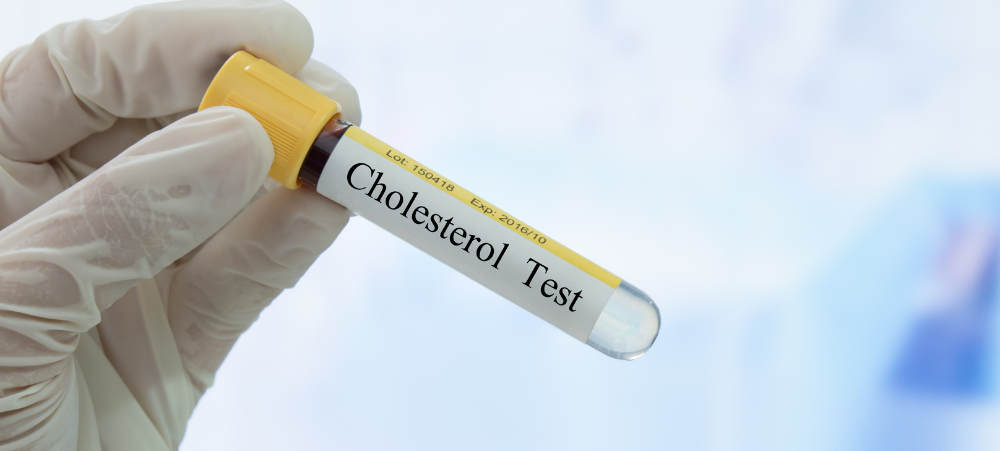
The American Academy of Paediatrics (AAP) Committee suggest that infants as young as two years old need to be screened for high cholesterol, and children as young as eight years old should be put on prescription statin drugs. In a nutshell, they were saying: Research in children and adolescents has demonstrated that some potential risk factors for cardiovascular disease may be present at a young age and paediatricians must initiate the lifelong approach to prevention of cardiovascular disease in their patients by considering pharmacological intervention for patients 8 years and older. These guidelines were approved by the FDA even though statin drugs have never been tested on young children. In other words our own 8 year old children would be the guinea pigs! Some physicians warned that the AAP is being hasty in its recommendations, given the lack of data on the long-term effects of statins in children and uncertainties about the ultimate benefits for younger statin starters. “To be frank, I’m embarrassed for the AAP today,” Lawrence Rosen, MD, from Hackensack University Medical Center in New Jersey, told the New York Times. “Treatment with medications in the absence of any clear data? I hope they’re ready for the public backlash.” New guidelines Fortunately these recommendations were replaced with a recommendation for cholesterol screening for all children age 9-11 with a retest at age 17, even in the absence of risk factors for heart disease. Is the conventional medical profession likely to follow this advice and place children as young as 9 years old on statin drugs, even without a single safety test having ever been conducted with children taking these powerful chemicals? Given the potential risks of harm from statins such as disruption of hormone production, including sex hormones, loss of cellular energy and muscle function, kidney failure, erectile dysfunction, mental confusion, amnesia and many more, is this what we want to see in our 9 year old boys and girls? The so-called specialists on the AAP committee say: “Kids are getting fatter, laying the groundwork for a future of cardiovascular disease unless something is done to stop the cascade”. Yes of course, something needs to be done  but does it have to be a drug intervention? What about a simple nutritional and weight management intervention? Treat them, don’t drug ‘em What if these children really do have high cholesterol? Well a nutritional therapist’s approach would firstly look at the underlying health problem in this case. Chances are that a child diagnosed with high cholesterol at the age of nine may have been a victim of dietary abuse. To imbalance a child’s cholesterol at such an early age would usually require the consumption of large quantities of junk food, processed and fried foods and trans fatty acids  with a dangerous lack of plant-based nutrients. A diet high in fresh, raw vegetables and fruit, sufficient fibre and the right proteins and fats, including omega-3 essential fatty acids, will achieve good results in a matter of weeks. Fresh, non-processed, living foods is what is needed here to reverse potential heart disease and normalise cholesterol. Behavioural drugs Children are also increasingly being prescribed drugs to manage behavioural problems. Does this mean children are becoming increasingly difficult to control or perhaps we are breeding Ritalin-deficient children? The redefinition of Attention Deficit Hyperactivity Disorder (ADHD) in 1994 led to a near doubling of the number of children diagnosed with this condition and an equal increase in the sales of Ritalin. In this crazy world we live in, what could be nicer than indulging in a bit of day dreaming? Yet today a dreamy child is diagnosed as having an illness and medical aids very kindly pay for their drug treatment. A disruptive child may quiet down on this medication and everyone thinks the problem has gone away, meanwhile the underlying issues remain unaddressed. A startling new study of thousands of Canadian children should make us think hard. It found that overall, these drugs have no long-term benefits whatsoever. If anything kids on Ritalin had worse outcomes than others. (However, for a small percentage of children, effective treatment for ADHD is a lifesaver and we should not lose sight of this.) Conclusion Are we creating a generation of druggies? Today it is not uncommon for school children to be taking powerful medical drugs just like their parents. Please keep your children drug-free and safe using nutrition and natural medicine and remember: Children need love, especially when they do not deserve it.

Good Night Baby

Confessions Of A Sleep Therapist

There is a saying that goes: “The cobbler’s children go unshod”. Simply put, the son of the shoemaker has no shoe…. Very often, the cobbler spends so much time looking after his customers’ needs that he has no time for his children’s. I often find myself in the same predicament. Imagine the pressure I feel when we go on holiday with friends. Because I am a sleep therapist, everyone assumes that my child never, ever, EVER wakes up. So when my little fella has a rough night, I feel like I am under the spotlight, and that my friends might be changing their opinions of my chosen passion. Or when we have friends over for a grown-up meal, my child decides that playtime extends beyond 7pm, leaving me pink-faced while explaining how he usually goes down without any fuss. Luckily, my mom’s sage remarks that children are God’s way of keeping us humble have really helped me to take child-rearing, and sleep-training, in my stride. My best laid plans for a solid sleep routine can go awry in an instant! My child remains a two year old, and toddlers will test boundaries continuously. I am NOT a supermom (as hard as it is to admit!), and with that realisation, I have decided to share some of my confessions about parenthood and my son’s sleep patterns. And once you read these, I am sure it’ll bring back memories of your own faux pas’ concerning raising your little ones… I once forgot my son in the car I once stopped to pick-up my domestic worker shortly after my son was born and I forgot him in the car! I was so new to parenting that I completely forgot I had a child! (Don’t judge me J) I gave my son sedatives to make him sleep Before I became a sleep specialist, and before I knew there was help (or that programmes existed to help parents craft the children’s sleep habits) I took a nurse’s advice and sedated my child to get him to fall sleep. I could not take the 45 minute wake-ups anymore and I was desperate. What made me feel even worse, was that the sedatives did not even help! I often sneak into my son’s bedroom to watch him sleep I know I must be disturbing his sleep patterns, but sometimes I just can’t help myself and silently sneak into his room and watch him sleep. I don’t think I can ever grow tired of his peaceful, relaxed little face. Maintaining a disciplined sleep pattern is just too much of an effort sometimes Consistency is incredibly important for all children; especially toddlers. However, when our family recently spent a few nights’ camping in the Kruger National Park, we had to share a tent with our toddler. Bedtime came, and the excitement of seeing wild animals for the first time, coupled with being able to hear every word the adults were saying was too exciting for him, which caused bedtime to become a disaster. Instead of staying consistent with our sleep “rules” I gave him some milk before bedtime, thinking it would keep my sanity during our time of relaxation (insert gasp here). However, we paid the price. We woke up five times during that night with the little guy asking for more milk. On the second night, we reverted to our better judgement and stuck to the routine he was accustomed to and our little sleep superstar slept his usual 11 hours without a peep… IN A TENT! Hail the routine! Sometimes Barney becomes my best friend If you have been following my newsletters you know that I am not an advocate of any television before bedtime. But on days when the line in Pick-‘n-Pay is too long, when road construction has made me late for ALL my meetings, when my e-toll account arrived in my post-box…. These are the days that I require a mere 10 to 15 minutes of recollecting myself during the so-called “suicide hour”. During this time I cuddle my toddler on the couch and realise that  Barney’s “I love you, you love me” song makes for a lovely mantra while mentally deciding what to prepare for dinner. Today is about celebrating your efforts at raising children! You are doing the best you can, and rest in the fact that you already know what’s best for them. Laugh about your shortcomings and mistakes, and enjoy the journey of helping these little people grow up to be responsible, well-adjusted adults. Viva parenthood!

Parenting Hub

Is Grassfed Really Better?

A lot of us are horrified by how animals are treated in feedlots and as a result, there is a decided trend toward pasture-raised animals. The newly-instated Grass-fed Association of South Africa, with its aim to establish an environmentally friendly and economically viable grass-fed meat industry, bears testimony to this. There are many reasons why grass-fed is indeed better, not the least of which the fact that putting beef cattle into feedlots and feeding them grains, goes completely “against the grain” for these animals. Grazing animals such as cattle, sheep and buck are endowed with the ability to convert grasses, which we humans cannot digest, into flesh that we are able to digest. They can do this because they possess a rumen, a 45 or so gallon fermentation tank in which resident bacteria convert cellulose into protein and fats. They are, on the other hand, very inefficient at converting corn and other grains, so we have to do this feedlot thing on a massive scale to feed all the meat-eaters of the world. However, it’s still cheaper and faster, so our meat supply is now almost all feedlot meat. But the unnaturally fast weight gain of animals in feedlots could not be achieved without enormous quantities of corn, soy-based (read GM) protein supplements, antibiotics and other drugs, including growth hormones. Apparently up to 70% of all antibiotic use around the world is on animals. This leads directly to the development of antibiotic-resistant bacteria with new “superbugs” increasingly rendering our antibiotics ineffective for treating disease in humans. We are brainwashed into believing that “grain-fed” beef is nutritionally superior, but is it? Producers are even rewarded higher grades for well-marbled flesh which is what you will get in grain-fed beef, however is this better for us? Marbled flesh is simply fat that can’t be trimmed off, as it lies within the flesh. A sirloin steak from grass-fed beef may have as little as half the fat of a steak from feedlot beef. However what’s even more important is the kind of fat. The high, imbalanced levels of omega-6 fat in grain and corn-fed animals tends to promote inflammatory processes, insulin resistance and interference with omega-3 fat metabolism. The fat in grass-fed meat is rich in desirable omega-3 fats, also found in  coldwater fish, flaxseeds and walnuts.  A grass-fed steak typically has about twice as many omega-3s as a grain-fed steak. Sadly though, when cattle are taken off grass and shipped to a feedlot to be fattened on grain, they immediately begin losing the omega-3s they have stored in their tissues.  Meat from pastured cattle may also be up to four times higher in vitamin E than feedlot meat, and much higher in conjugated linoleic acid (CLA), a nutrient associated with lower cancer risk. There are also environmental benefits to grass-fed beef – it is far less polluting, with their droppings becoming nutrients for the next pasture. Grain we feed our feedlot cattle accounts for a staggering amount of fossil fuel energy and vast quantities of chemical fertilizer. So grass-fed beef certainly has its advantages, but it is typically more expensive, and I’m not at all sure that’s a bad thing. Most of us eat far too much meat anyway! Meatless Mondays? What a brilliant idea! Grassfed vs Organic vs Natural It’s important to remember that organic is not the same as grass-fed. You may find organic beef and dairy products that are hormone- and antibiotic- free but the animals still spent their lives in a feedlot simply eating organically grown grain. What about the “natural” label? All that usually means is that the animal was raised in a feedlot but without growth hormones and antibiotics added to their non-organic feed. There can still be as many as 100 cattle, weighing from 350 to 600kgs, living in a pen the size of a basketball court.

Lynne Brown

Vitamin Antagonists

Do you think you eat healthily enough and yet you are still prone to frequent occurrences of infections and other health challenges? Perhaps your nutrient intake and the nutrients your body makes are, to a significant degree, being cancelled out by vitamin antagonists. A vitamin antagonist is essentially the same thing as an antivitamin. It is a substance that blocks or inhibits the chemical action of a vitamin in the body. Processed foods are one of the main causes of vitamin loss in our bodies, with refined white sugar and flour being top of the list of culprits that deplete our vitamin stores. However there are many other vitamin antagonists such as artificial stimulants, drugs and, above all, stress. Stimulants Caffeine for example depletes the body of the B vitamins. The high tannin levels in tea can also cause iron depletion if drunk in excess. Alcoholic beverages deplete B vitamins as well as vitamin C from the body. It is also well known that cigarette smokers have lower Vitamin C levels than non-smokers do. A single cigarette can deplete as much as 35 mg of Vitamin C from the body. Calcium & phosphorus are also depleted in cigarette smokers. Our bodies need sustainable energy, not energy artificially boosted by the short-lived highs from these negative stimulants. When one’s metabolism is stimulated artificially many enzymes, vitamins and minerals are used. These artificial stimulants whip up the heartbeat and flow of blood and oxygen to the different parts of the body and brain. It is like throwing benzene on a fire: The fire will burn higher and brighter, but only for a short time, after which it will be completely burned out and the body feels a loss of vitality and energy. Drugs Drugs or medicines are serious stress producers in the body. Because vitamin C reacts with any alien substance in the bloodstream, all drugs can be considered to be vitamin C antagonists. Birth control pills are anti-vitamins, especially of riboflavin, B6, B12 and folic acid. Aspirin interferes with digestive processes and can result in stomach bleeding. It may result in especially high losses of Vitamin C and A, folic acid and calcium and potassium. Diuretics are drugs prescribed medically to promote weight reduction, or to relieve pressure of retained fluids. They work by increasing the flow of urine which in turn results in great losses of B and C vitamins and the minerals potassium and magnesium. All laxatives, including the herbal types, are vitamin antagonists. Mineral oil, commonly used as a laxative, absorbs the fat soluble vitamins A, D, E, K which are then eliminated with the stool together with calcium and phosphorus. Beta blockers, drugs taken mainly for hypertension, decrease nocturnal melatonin, a naturally occurring hormone which basically tells your body to go to sleep, and this probably accounts for some of these agents causing insomnia.Statins (cholesterol lowering drugs) reduce production of an enzyme known as Co-enzyme Q10 which is, ironically, essential for heart health. Antibiotics suppress the growth of the beneficial or friendly bacteria population in the gastrointestinal tract and consequently the synthesis of vitamin K and may result in yeast infections and gastric problems.Antacids containing aluminium hydroxide can result in bone demineralization due to decreased absorption of phosphates. Anticonvulsants given to epileptics may result in folate, vitamin B12 and D deficiencies. Cortisone is an antagonist of vitamin B6 (pyridoxine) and blood-thinning medications may destroy vitamin A in the body. The solution This has been only a partial listing of a few specific vitamin antagonists or antivitamins. We know that all drugs and medications have side-effects, some of them serious. In many cases these may simply be the result of deficiencies in specific nutrients that these drugs have created in your body. If you’re a coffee or Coke addict or need to be on drugs for a specific health condition then it would be a good idea to supplement with a good quality whole food multivitamin and mineral supplement which should cover most of the bases. Alternatively consult a nutritionally-based health care practitioner to determine deficiencies that your specific medication or lifestyle may be causing and address these accordingly Stress Finally the greatest thief of all, robbing the body of nutrients and producing many free radicals, is stress. We might not come face to face with a lion everyday but we do experience numerous everyday stresses. Surgery, accidents, overly exhausting work or exercise, lack of sleep, exposure to extremes of heat or cold and emotions such as fear, hatred, anger, worry and grief, all produce great levels ofstress in the body. The B vitamins, vitamin C as well as proteins and minerals, are all depleted and/or can not be assimilated as a result of stress. And don’t think for a minute that the other vitamins can be properly or fully utilized when the body is under stress—they can’t!

Parenting Hub

Depression and Suicide: The Unseen Killers Suicide in South Africa takes its toll

South African Stats 1)      10% of all non-natural deaths in adults and 9.5% in youth are due to suicide. 2)      +/- 23 a day, virtually 1 every hour. 3)      Nearly two-thirds of all suicide victims were aged between 20 and 39 years. 4)      Nearly 1 third of recorded suicides in SA are in Gauteng and a 1.5x increase in suicidal deaths in the Transkei over the past five years. 5)      There were 4.6 male suicides for every 1 female suicide. 6)      1 in 4 SA teens have attempted suicide. 7)      1 in 3 hospital admissions for suicide involve youth. 8)      Less than 1% of mental hospital beds are for children and adolescence. 9)      70% of South Africans who attempted suicide had a mental health disorder. 10)   75% of people will not get the mental health treatment they need. Following the recent suicides of celebrity comedian Robin William, as well as numerous South Africans across the country that have made headlines, it is important to note that at least 10% of all non-natural deaths in adults and 9.5% in youth in South Africa are due to suicide. Globally, according to the WHO, suicide is the 2nd leading cause of death among 15-29 year olds, with 1 person committing suicide every 40 seconds. For every person that dies by suicide, between 10-20 people attempt it. According to Prof. Lourens Schlebusch, there are at least 23 suicides a day in South Africa – which may be underestimated due to the stigma involved in suicide. However, data on suicides and other unintentional injury deaths are not systematically tracked by any agency in the country making accurate statistics hard to come by, says SA’s largest mental health NGO, the South African Depression and Anxiety Group (SADAG). Suicide is a preventable tragedy and with appropriate help, treatment, and support, lives can be saved. Through raising awareness of the magnitude and scope of the problem, increasing psycho-social support and providing free counselling to those in need of help, and implementing grassroots suicide prevention strategies. SADAG’s Solutions to Suicide: Teen Suicide Prevention Despite the increasingly concerning rate of teen depression and suicide –  1 in 4 South African teens have attempted suicide and 1 in 3 hospital admissions for suicide involve youth – most schools don’t have counsellors or psycho-social support systems in place. SADAG initiated a school-based suicide prevention programme – Suicide shouldn’t be a secret – that goes class by class to empower youth to identify symptoms of depression and warning signs of suicide in themselves, their peers and loved ones; where to go in their communities for assistance, and how to contact SADAG. SADAG also trains teachers because giving power and advice to first-line responders helps them better cope in suicide crises. Counselling Containers in Townships There are many communities in South Africa that lack any access to mental health care. Dieplsoot is an example with an ever-increasing population of at least 200 000. SADAG has established a counselling container in Diepsloot that not only provides free counselling to residents but also outreach programmes with schools, churches, community groups, the police and clinics, and local shopping centres. Container Counselling units can help entire communities and provide easy access, education, support and save costs. A Counselling Container costs R600 000.00 per year to run, which includes providing the counsellors, phones, brochures and materials, talks and support to the members of the community. SADAG’s National Suicide Crisis Lines SADAG has been operating the national suicide prevention crisis lines (0800 567 567) for over 12 years with no funding from the Department of Health– despite the massive costs involved in helping callers on the lines. SADAG says the line needs to be available 24 hours a day but without funding this is simply not possible. “Our lines run 7 days a week from 8 am to 8pm but depression and suicidal thoughts don’t stop when our lines close”, says Chambers. Depression and suicide cross all racial, gender and socio-economic boundaries – affecting males and females, married and single, wealthy and poor, young and old. “Many people think that depression is a ‘female’ issue but statistics show that there are at least 4 male suicides for every one female suicide”, says Chambers. More education, resources and awareness by the government is needed. They need to be having with NGO’s working in the field.   Suicide is a critical issue in South Africa but it can be reduced and prevented. There is treatment for depression and other mental health issues, help is available. SADAG not only runs a 15-line toll-free counselling and referral centre but also offers community outreach, education and counselling to under-resourced communities, in schools, and in corporations. In addition, SADAG works with the South African government and medical aid schemes to increase political commitment and funding for mental health care and ensure that sufferers are treated equally. SADAG can be contacted on 0800 21 22 23, 0800 12 13 14, or www.sadag.org

Paarl Dietitians

Brain Food For Exams

Our brain, a mass of fat and protein weighing about 1.4 kilograms (equal to 3 bricks of butter), is the organ that makes us human, gives us the capacity for art, language, moral judgments and rational thought. It’s also responsible for each of our personality, memories, movements, and how we sense the world. So, one would think that it is the organ that we would take the most care of. We have days dedicated to heart, kidney and bone health, but how often do we take time to appreciate our brain and make sure we are looking after it! What we eat can have a direct impact on how well our brain works. Our brain is a hungry organ and reportedly uses 20-30% of our daily energy intake. Relative to its size and weight, that is rather demanding and if we don’t take in adequate nutrition, our brain is going to go hungry. None of us feel good when we are hungry, so just imagine how your brain must feel when it goes hungry. Just by skipping breakfast alone, you can adversely affect brain functions like fluency when speaking, ability to solve problems and motivation to tackle tasks. What we need to realise is your brain works just like your car. Just like your car requires good quality petrol, oil, water, brake fluid and other components to function well, so does your brain. The nutrients key to your brains health and function include glucose, vitamins & minerals and other essential chemicals. If you want to keep your brain fit and healthy and make sure it serves you well, keep reading to learn more about food and brain health. Glucose = carbohydrate = brain power The ability to concentrate and focus comes from the adequate supply of energy – from blood glucose – to the brain. The glucose in our blood comes primarily from the carbohydrates we eat – foods including fruit, vegetables, cereals, bread, sugars and lactose in milk. Eating breakfast and regular meals containing some carbohydrate ensure you will have enough glucose in your blood. Low GI carbohydrates are the best choice as they will ensure a steady supply of glucose to your brain. Not having enough glucose in the blood makes us feel weak, tired and our minds cloudy. This may happen when we don’t eat enough carbohydrate-containing food e.g. when you are following a low carbohydrate diet or if you have an erratic eating patterns. However, though glucose ensures good concentration and focus, once your blood glucose is within the normal range, you CANNOT further boost your brain power by eating more carbohydrates and increasing your glucose levels. This will not make you smarter but only cause you to gain weight! Your dietitian would be able to guide you on how much carbohydrates you need to prevent weight gain. Choose fats wisely Our brains are made of around 40% fat, and our cells need fats to maintain their structures, therefore an adequate supply of healthy fat is needed to maintain brain health. Healthy fat choices include the mono-unsaturated fats like olive oil, avocado pear, nuts and seeds and omega 3 rich foods like pilchards, sardines, salmon, trout and walnuts. If you don’t like fish you may decide to take an omega 3 supplement. Make sure your omega 3 supplement has a high proportion of the active ingredients – Eicosapentaenoic acid (EPA) and Docosahexaenoic acid (DHA). Take up to a total of 1g/day of these essential fatty acids every day. We stock various omega-3 supplements at the practice that meets the recommended dosage. Include protein at each meal Tryptophan is one of the building blocks of protein, and has been shown to play a role in depression. Studies have shown that adding pure tryptophan to the diet of people with depression can improve their mood. Tryptophan is found in most foods like seafood, dairy, nuts, seeds and legumes, but is found in the largest quantity in turkey, chicken and red meats. Protein also contains essential nutrients and eating it little and often helps to keep us feeling full, which in turn, can prevent overeating. Fresh meat, poultry, fish, shellfish and eggs are the best sources of protein. Fill around one-third of your plate with a protein food. Don’t forget your fruit and veggies and wholegrains Wholegrain cereals, peas, beans, lentils, nuts, seeds, fruits and vegetables are rich in a range of vitamins and minerals that your body needs in order to function well. These foods are also rich in B vitamins, (including folate) and zinc, which evidence suggests is important in managing depression. Try to eat at least five different fruits and vegetables daily to get all the vitamins and minerals you need. Drink enough fluid Water makes up 85 percent of the brain weight. So, it is but natural that lack of water can lead to brain shrinkage. Researches have shown that dehydration not only shrinks the brain tissues but also adversely affects concentration and memory. So, how much water is required by the body every day? Drink water according to your body weight. Dividing your weight in kilograms by 30 gives the amount of water in litres a day. For example, if you weigh 75 kg, drink (75/30= 2.5) 2.5 litres of water spread out over a day. Be careful of caffeinated beverages though. Caffeine may affect your mood and may lead to withdrawal headaches and to low or irritable mood when the effects wear off. Drinks such as coffee, cola, energy drinks, tea and chocolate all contain caffeine. Avoid all energy drinks, and try to limit intake to three cups of coffee, or five cups of tea a day. Alcohol also has a dehydrating effect. Drinking too much alcohol can also lead to B vitamin deficiencies, and can make you more depressed or anxious. Try to limit intake to no more than two to three drinks on no more than five days per week. Try to include a super food each day Super foods

Parenting Hub

Healthier Environments Build A Healthier Nation

This World Heart Day the Heart and Stroke Foundation SA is putting the spotlight on creating heart-healthy environments, enabling people to make positive changes that can reduce their risk of heart disease and stroke. World Heart Day is celebrated annually to raise awareness about cardiovascular disease (CVD). This year the Heart and Stroke Foundation SA (HSF), in partnership with the World Heart Federation, is putting the spotlight on creating heart-healthy environments, enabling people to make positive changes that can reduce their risk of heart disease and stroke. “South Africans are at high risk for cardiovascular disease and our unhealthy lifestyles are largely to blame,” says Dr Vash Mungal-Singh,CEO of the Heart and Stroke Foundation SA. “Up to 70% of our women are overweight or obese, one in two women and over a quarter of men are physically inactive, and 23% of our children 2 – 14 years are overweight or obese. Although the picture looks bleak, South Africans can reduce their risk by creating heart-healthy environments that encourage a healthy lifestyle”. The HSF recognises that not all individuals have the best opportunities to make heart-healthy choices. For instance, some people often lack access to healthy foods or to safe spaces to be physically active. However, all is not lost, even small changes can give big results and you can start in your home. Heart-healthy homes Put the spotlight on your home and see what you could change to make it heart-healthy. Making just a few changes can help reduce your own and your family’s risk of heart disease and stroke. Stock your home with healthy food options Limit pre-packed or processed foods that are often high in sugar, fat and salt Incorporate fresh fruit and vegetables in your meals Use less salt at home Prepare healthy school or work lunches at home Be physically active – aim for 30 minutes five times a week Limit TV watching Ban smoking in your home Recognise your CVD risk “This Heart Awareness Month we’re making it easier for South Africans to know their CVD risk by offering free blood pressure tests throughout the month of September,” says Dr Mungal-Singh. “One in three South African adults, 15 years or older has hypertension and the majority of them are unaware that they have the condition. High blood pressure is the leading cause of heart disease and strokes, and I urge all South Africans to take this opportunity to get their blood pressure tested”, she adds. Once you know your CVD risk, you can make a plan to improve your heart health and your healthcare professional can also advise on appropriate treatment options where necessary. Heart-healthy communities Ensure that your communities become places where people thrive and have opportunities to make heart-healthy choices. Start a walking club in your community, it is safer to walk in a group and can be just the motivation you need to get up and out the door Make a complaint when you see smoking zones located near playgrounds, schools or close to entrances of public buildings Cycle or walk to school or work if you can Take the stairs or go for a walk in your lunch break Ask for healthy food at your work canteen and children’s school Heart-healthy nations The HSF urges national policymakers to provide more opportunities for people to make heart-healthy choices. Provide safe environments like cycling paths and urban parks where people can be active – safely Regulate the amount and reach of fast-food advertising on TV and radio Enact legislation to tax unhealthy foods and support locally produced fruit and vegetables Ensure timely detection of CVD and cost-effective treatment to modify risk factors in high-risk individuals Book an appointment at any Clicks Clinic for a FREE blood pressure test during the month of September. Call 0860 254 257 to book an appointment. For more information about heart health, contact the Heart and Stroke Health Line on 0860 1 HEART (43278).    

Parenting Hub

High blood pressure is killing South Africans

South Africans have one of the highest rates of hypertension worldwide, so this Heart Awareness Month the Heart and Stroke Foundation SA is encouraging South Africans to “Beat the pressure and get tested” by offering free blood pressure tests to the public When’s the last time you got tested? Your blood pressure that is. Hypertension or high blood pressure is called the “silent killer” for a reason. People don’t usually show any signs or symptoms and once they realise that they have high blood pressure, it is often too late. In fact, one in three South African adults, 15 years or older has hypertension and the majority of them are unaware that they have the condition. High blood pressure is the leading cause of heart disease and strokes, with statistics showing that there are about 130 heart attacks and 240 strokes daily in South Africa. This year, to celebrate Heart Awareness Month, the Heart and Stroke Foundation SA (HSF) in partnership with Clicks is offering free blood pressure tests for the public at all Clicks Clinics nationwide, by appointment for the month of September, and is encouraging South Africans to: “Beat the pressure. Get tested”. Along with urging South Africans to get tested, the HSF is also encouraging South Africans to lower their salt intake by following simple steps, like adding less salt to their food when cooking, tasting their food before they add salt and adding less salt to their food at the table. “South Africans eat far too much salt, more than double the recommended daily allowance,” says Dr Vash Mungal-Singh, CEO of the Heart and Stroke Foundation SA. “And what they don’t realise is that a high salt diet is a key contributor to high blood pressure and high blood pressure is one of the leading causes for heart disease or stroke”. One also needs to take into account the cultural perceptions around salt. In many South African communities salt use and consumption is linked with health, cultural and spiritual beliefs. “In traditional, lower to lower-middle income communities, there is a widely held belief that salt has considerable health benefits, particularly in the Eastern Cape and KwaZulu-Natal. Additionally, there are some strong beliefs in rural and lower income communities that food left unsalted will be eaten by the Tokolosh,” says Dr Mungal-Singh. “In rural and township communities, salt is added liberally to food as it is considered a cheap flavourant. It is also added generously to meat to preserve it from the elements, which is particularly common amongst road side butchers. These cultural perceptions and practices around salt are another challenge we are faced with in South Africa,” adds Dr Mungal-Singh. Encouraging South Africans to lower their salt intake is important but first we need to educate them about the dangers of a high salt diet and that’s where Salt Watch steps in. Salt Watch is driven by a multisectoral coalition, supported by the National Department of Health, and is a member of World Action on Salt and Health. The HSF has been mandated as the implementing body of the Salt Watch campaign, a national public awareness and education campaign to encourage South Africans to reduce their salt intake. Fortunately, in 2013 the Minister of Health signed legislation to make salt reduction in the food industry mandatory, helping to achieve the government’s target to reduce salt intake to less than 5 g a day by 2020. This makes South Africa the first country globally to legislate salt levels to help reduce the amount of salt that the public takes in from processed foods. Every hour in South Africa, five people have heart attacks, 10 people have strokes and 10 people die from heart disease and stroke. But the good news is that 80% of these premature deaths (before the age of 60) can be prevented with a healthy balanced diet, being physically active regularly and avoiding smoking. Take your health into your hands from today by going for a free blood pressure test and lowering your salt intake. Book an appointment at any Clicks Clinic for a FREE blood pressure test during the month of September. Call 0860 254 257 to book an appointment. For more information about heart health, contact the Heart and Stroke Health Line on 0860 1 HEART (43278).

Parenting Hub

Heart-Healthy Lunchbox Ideas To Keep Your Kids Going

Packing a school lunchbox for your child can be much healthier than giving them money for the tuckshop or sending them to school with take-away meals. These foods are usually laden with unhealthy fats, salt and sugar. A balanced, heart-healthy lunchbox can help your children ensure they are getting sufficient nutrients needed for health, improve your child’s concentration at school, and help them form healthy habits that can help protect against obesity, diabetes, heart disease and stroke later on in life. And an added bonus is that it is great for the budget too. Keep in mind these five essentials that make for a heart-healthy, balanced lunchbox: A lean protein – anything from tinned fish, a boiled egg, beans or lentils, to lean meats, such as skinless chicken or trimmed beef. A complex carbohydrate – this means choosing whole-grain or high fibre starches, such as whole-wheat bread or seed breads, whole-wheat pita breads or wraps, whole-grain crackers or whole-wheat pasta. These high-fibre options provide more fibre, vitamins and minerals and release energy more slowly. Reduced fat diary – such as low fat milk, unsweetened yoghurt or reduced fat cheese. Healthier nibbles – Try to include at least two different colours of fruits or fresh vegetables in the lunchbox. This ensures a variety of vitamins and minerals. Plain unsalted nuts provide protein as well as a good dose of essential fatty acids. Home-popped popcorn makes a great snack, or you can even include healthier treats occasionally, such as home-baked bran or fruit muffins. Water is still the best drink to include in your children’s lunchbox. Add some fresh lemon slices or mint leaves and freeze the bottle overnight as this makes for a refreshing drink, especially on those hot summer days. Here are some tips for tasty lunchboxes when you’re working against the clock: If you are short of time in the morning, prepare your child’s lunchbox the night before and keep it in the fridge so that you can simply grab it on your way out in the morning. When cooking for dinner, make a bit extra and pack the leftovers into your lunchbox for the next day.. Leftover chicken can be added to a sandwich or whole-wheat wrap with grated carrot, lettuce, tomato and a slice of avocado for a delicious meal. Keep your kitchen stocked with convenient snacks that can be added to the lunchbox: small packets of plain, unsalted nuts, dried fruit, or small tubs of unsweetened yoghurt. Don’t forget fresh fruit. These are easy to transport, take no preparation and are packed full of vitamins, minerals and fibre. Compiled by Jessica Bacon, Registered Dietitian at the Heart and Stroke Foundation SA

Parenting Hub

Vitamin D – Are You Getting Enough

“I have never seen any medical diagnosis as widespread and so profoundly affecting peoples’ health and well-being as the current epidemic of Vitamin D deficiency.”  — Dr. Soram Khalsa, M.D.- ‘The Vitamin D Revolution‘) At a seminar held for the Association for Nutritional Therapy in Cape Town a while back, we learned that most South Africans, even those who do spend plenty of time outdoors under our powerful sub-tropical sun, are vitamin D deficient. I decided I had to put this somewhat incredible statement to the test. Being a sun worshipper who spends a lot of time in my garden, if I proved to have low vitamin D levels, then I would have to believe that most South Africans have. So I took myself off for a blood test for 25-hydroxyVitaminD (or 25(OH)D), the only reliable way to know what your levels are. Well blow me down! In the middle of our South African summer I only just made it into the 50-75 ng/ml range, recommended by Vitamin D experts. Apparently one needs to be in this range to really benefit from the protective or therapeutic properties of Vitamin D. Well now I understand why there is such a hoo-ha about vitamin D deficiency being at the root of a plethora of modern day degenerative diseases. Needless to say 2000IU per day Vitamin D3 was immediately added to my supplement regime and 6 months later, mostly Winter months, I’m thrilled to report that my level had risen to 71 ng/ml. Remember the new school of thought is that the right time to expose your body, without sunscreen, to direct sunlight is when your shadow is shorter than your height. Well have you noticed this is never the case on a Winter’s day? Not even at midday. So taking vitamin D supplements in Winter seems to be non-negotiable. I would have preferred to simply eat more Vitamin D rich foods however it is extremely unlikely one can get enough from one’s diet. Apparently two servings of fatty fish like salmon, tuna, sardines or mackerel would have to be consumed every day. Most of us would have to resort to canned fish which is definitely not ideal. There is a ton of research which links higher levels of vitamin D (and/or increased sun exposure) with reduced risk of a range of conditions including diabetes, multiple sclerosis, several forms of cancer (including skin cancer), arthritis, heart disease and depression. Ha! and we thought vitamin D was only good for keeping healthy bones and teeth! Who can expect to have low vitamin D levels? The elderly, anyone who does not get enough sun exposure and people who have cancer, heart disease, diabetes, osteoporosis, arthritis or suffer from depression. Also if you are prone to chronic fatigue, memory loss or dementia, joint, muscle and back pain, muscle weakness, bone fracture and falling risks, it can do no harm to have your vitamin D3 levels checked. Pregnant and breastfeeding women are at considerable risk of being deficient, which puts the child at risk too of future health problems. For teenagers suffering from depression a simple vitamin D deficiency may be the cause. In a recent study vitamin D supplementation in depressed teenagers resulted in increased well-being, improvements in depressed feelings, irritability, tiredness, mood swings, sleep difficulties, weakness, concentration and pain. If you decide to go for the 25-hydroxyVitaminD blood test and don’t know what to do with the results please seek advice on the appropriate vitamin D dose to supplement for your particular circumstances. It all depends on your starting level, how much sun exposure you are able to get and your present health profile and diet. Most people will need more than the generally recommended 400IU daily intake. Vitamin D supplementation is safe, however overdosing, although unlikely, can result in toxicity, so, if in doubt, rather seek professional advice. It is also very important that you take a D3 supplement as opposed to D2. If you really think about it, disease is much more likely to be due to a deficiency in some vitamin/mineral complex than in a deficiency of a drug.

Lynne Brown

Chromium Fights Atypical Depression

The classic picture of depression is someone who doesn’t eat enough, doesn’t sleep enough and loses weight. But according to Patrick Holford, world-renowned nutritionist and director of the Brain Bio Centre in the UK, they are seeing more and more patients who are gaining weight, feel tired all the time, crave carbohydrates and experience rejection sensitivity. This form of depressive illness is known as atypical depression and affects about 40% of depressed patients. Since 1999 numerous studies have shown that people with this kind of depression often get instant relief, by taking a chromium supplement daily. One study even reports that more than 60% of the patients in the trial went into complete remission after just 6 weeks. Best news of all is that, as a non-prescriptive nutrient, chromium formulations are extremely affordable and have shown no side effects. Why it works Chromium is an essential trace mineral that enhances the action of insulin in the body. As such chromium deficiency may lead to abnormalities of blood sugar metabolism, which could result in many of the symptoms that characterize atypical depression. The typical Western diet is low in chromium because food processing and modern farming techniques may cause losses of chromium from food. Chromium keeps levels of glucose in the blood stable. Glucose is the most important nutrient for the brain and in order for our brains to work effectively we need a steady supply of it. Any imbalance in this supply results in a range of symptoms, depression being one of them. In addition to its blood sugar-regulating effect, chromium appears to alter the body’s response to serotonin, one of the major brain chemicals involved in depression. Carbohydrate cravings The authors of many of the studies have concluded that the main effect of chromium was on carbohydrate craving and appetite regulation in patients with depression. Some suggest that physicians and mental health professionals should be alert to patients who report carbohydrate craving as it may signal the possible presence of a more serious underlying medical condition, such as atypical depression. The use of antidepressants and mood stabilizers that are commonly prescribed to treat depression may worsen carbohydrate cravings. Conclusion I firmly believe that chromium supplementation offers a new treatment option for depressed patients who crave carbohydrates and for patients who often find it difficult to stay on prescribed medications because of side effects such as sexual dysfunction and weight gain. Chromium shows promise as a simple, safe and inexpensive therapy for a common and sometimes debilitating condition. As Patrick Holford puts it: “For many people chromium is the missing link”.

Lynne Brown

Ditch The Sugar

You know what is wrong with most dietary advice for managing weight? Firstly, the simplistic assertion that all we have to do is control calories in and calories out, and secondly, the belief that sugar and sweets are relatively benign foods.  Many diets allow the intake of refined sugars in sweets and desserts as long as the overall caloric intake is controlled.  The rationale is that by allowing yourself to eat a small amount of sweets, you won’t feel deprived. There are many factors that influence our ability to avoid weight gain, and one that is often overlooked is stress.  Stress reduces serotonin (the happiness hormone), causing low moods and carbohydrate cravings, which make us dive into the candy.  But many recent studies attest to the dangers of over-consumption of sugar, one being that sugar raises triglycerides – blood fats that are deposited as fat in our fat cells. Elevated triglycerides are now known to significantly raise risk for heart disease.  Even children can have high triglycerides which puts them at serious risk of cardiovascular events in adulthood.  All sugars consumed in excess of our caloric needs are quickly converted to triglycerides, but when more than 50% of the sugar is in the form of fructose, the production of body fat increases significantly. Fructose from corn is now the cheapest form of sugar and is used in most soft drinks. Sugar also depletes chromium and magnesium, two minerals that are needed to properly process glucose.  Without them our insulin receptors simply don’t function properly.  (If you crave carbs, especially sugar, you will greatly benefit from 400mcg of chromium taken with meals. Apart from reduced cravings you will experience improved mood and energy.) So, the more sweet stuff you eat, the more you deplete the very nutrients that are needed to help your cells metabolize the sugar in them, which could indirectly lead to insulin resistance. Elevated triglycerides are seen frequently in people with diabetes. But you don’t have to be diabetic. Anytime you take in carbohydrates in amounts that exceed the body’s requirements for energy, the excess glucose is converted to fat which may lead to raised triglycerides. The current American Heart Association recommendations for lowering triglycerides are to reduce intake of fats but these measures will have limited impact if a person’s carbohydrate intake (not fat intake) remains too high.  The research is pretty clear that it is carbohydrates, not fats, that have the biggest impact on triglycerides and the sooner dietary recommendations are updated, the better. Low sugar and starch diets are the most effective for lowering triglycerides and managing weight. So, if you want to be a weight-watcher you do need to take it easy on the sweet stuff.  Watch for hidden sugars like sucrose, dextrose, corn syrup and HFCS on labels in processed foods.  Starchy foods like bread, potatoes, rice and pasta are also high in glucose and need to be avoided too if you’re serious about not packing on the pounds. But not wanting to be a complete killjoy, and because I can’t resist a bit of chocolate either, here’s an amusing quote that frees us all of too much guilt: “Research tells us that fourteen out of any ten individuals like chocolate”. Sandra Boynton, “Chocolate: The Consuming Passion”

Parenting Hub

Beware The “All Cheese, Fat And Meat You Can Eat” Diet

Although I am in favour of the Paleo/Banting/Ketogenic Diet and see it as a fundamentally healthy way of eating that mirrors the diet we evolved to eat and is in accordance with our innate physiology, alarm bells are ringing! This diet in the hands of followers who have scant knowledge of nutritional needs of the body or harm that can be done by toxic chemicals, becomes dangerous! I see people losing unwanted kilograms but at what cost? Here are some of the dangers I see: Eating only protein and fat and totally avoiding vegetables – any man’s dream! I hear of people eating just eggs, bacon and more bacon for breakfast. Some may even have a 400g steak for breakfast – nothing else! So what’s the problem with this? Firstly no acid-alkaline balance. Your vegetables are alkaline-forming and proteins, oils and fats are acid-forming. You need a balance or else disease will prevail. Cancer thrives in an acidic environment. High protein diets can lead to acidosis setting the stage for osteoporosis, hormonal imbalances and gut dysbiosis and can potentially lead to kidney stones, arthritis and gout. Secondly, you’re missing out on essential nutrients and anti-oxidants found in vegetables. Without them you are putting yourself at risk of vitamin and mineral deficiencies as well as oxidised or rancid cholesterol which can result in arterial plaque and inflammation. Thirdly, processed meats such as bacon are known to be potentially carcinogenic (cancer-forming) due to the nitrosamines formed during frying. Even non-processed meats, if from commercial sources and not from grass-fed animals, are full of toxins such as xenoestogens, antibiotics and growth hormones. Remember too that toxins are stored mainly in fat cells so the more fat you are eating from feedlot animals, and not those reared on the veld, the more toxins you are taking in. Fourthly, there’s the matter of “eat all the cheese you want” statement. There are good cheeses and bad and the bad ones from feedlot animals are just as high in the toxins mentioned for meat. Processed cheese is also high in sodium and eating too much of it can result in magnesium and potassium imbalances, never mind that cheese is also highly mucous-forming and constipating! Perhaps you find that you were but are no longer losing weight on this diet? My guess is you’re one of those eating too much protein. Did you know that a significant percentage of excess protein will ultimately be converted to sugar and stored as fat? You simply have to stick to the rules: protein portions should be no bigger than the area and thickness of the palm of you hand, minus fingers. And you simply have to include 5-7 cups of vegetables and fruits daily to benefit from this type of eating plan. Without the fibre provided by these foods constipation will be the order of the day. They are also your anti-oxidants, neutralising free radicals and slowing down ageing. This diet is also devoid of all grains so if you’re not eating organ meats, nuts and seeds then watch out for vitamin B deficiencies including biotin. If hair-loss occurs or your stress levels rise, a vitamin B supplement would be adviseable. Also have your homocysteine levels checked. High levels can cause hardening of the arteries and to reduce these levels you need most of the B vitamins which are abundant in whole grains which you are no longer eating! My intention is not to throw cold water on an eating plan that is working for you, all I ask is that you do not compromise your health for the sake of weight-loss. The good news is that two positives have come out of everyone “banting” these days: the harmful refined carbs are out and the no-fat and low-fat myths have been busted! Hoorah!

Parenting Hub

Rheumatic Heart Disease: The forgotten killer

The Heart and Stroke Foundation SA is putting the spotlight on this forgotten killer and urging parents to be vigilant of a sore throat. Rheumatic heart disease (RHD) is the most common acquired heart disease in children in many countries of the world, especially in developing countries. The global burden of disease caused by rheumatic fever currently falls disproportionately on children living in the developing world, especially where poverty is widespread. The Heart and Stroke Foundation SA (HSF) is putting the spotlight on this forgotten killer and urging parents to be vigilant of a sore throat. RHD is a chronic heart condition caused by rheumatic fever which is an autoimmune reaction to an untreated streptococcal infection, known as strep throat. Rheumatic fever occurs somewhere between 2 and 4 weeks after a strep throat (characterised by a sore throat, pain when swallowing and swollen glands). The symptoms of rheumatic fever include tiredness, joint pain, fever and a rash, often visible on the chest. The ironic tragedy of this situation is that controlling a strep throat is effective and inexpensive. Antibiotics can treat a strep throat preventing the development of rheumatic fever. For those who develop rheumatic fever, regular antibiotic injections can prevent them from contracting further strep infections and causing progressive damage to heart valves. “Rheumatic heart disease is the leading cause of acquired heart disease in children and young adults in South Africa and there is a need to prioritise prevention of the disease and the control of rheumatic fever,” says Dr Vash Mungal-Singh, CEO of The Heart and Stroke Foundation South Africa. The decline of rheumatic fever in developed countries is believed to be the result of improved living conditions and availability of antibiotics for treatment. Overcrowding, poor housing conditions, undernutrition and lack of access to healthcare play a role in the persistence of this disease in developing countries. “Rheumatic heart disease is a sentinel condition of poverty and of health inequality; its persistence marks the failure of our health systems to address the non-communicable diseases of the poor. Rheumatic fever and rheumatic heart disease are neglected diseases that require immediate attention”, says Professor Bongani Mayosi from Groote Schuur Hospital and University of Cape Town, South Africa; and Chair of the World Heart Federation Working Group on Rheumatic Fever and Rheumatic Heart Disease. Rheumatic fever commonly strikes young children between the ages of five to 15 years. It causes inflammation and damage to several parts of the body, particularly the heart, joints and central nervous system. About 60% of all acute rheumatic fever cases will develop into rheumatic heart disease. Untreated, rheumatic fever can lead to severe heart valve damage. This heart valve damage can result in stroke, congestive heart failure and death. In fact, it is the most common cardiovascular disease in young people under 25 years of age. Although it is a reaction to a common infectious disease, RHD is a chronic condition that kills or debilitates young people in their most productive years. Treatment of this disease is expensive and complicated, and can even involve the replacement of heart valves. A heart valve replacement can cost around R50,000, placing an enormous burden on the healthcare system. In addition, many South Africans may die whilst awaiting the life-saving operation. Fortunately the World Heart Federation has developed a detailed action plan to reduce 25% of the premature deaths from rheumatic fever and RHD in young people under the age of 25 by the year 2025. Rheumatic heart disease facts: The global burden of disease caused by rheumatic fever and RHD currently falls disproportionately on children and young adults living in low-income countries and is responsible for about 233,000 deaths annually. At least 15.6 million people are estimated to be currently affected by RHD with a significant number of them requiring repeated hospitalization and, often unaffordable, heart surgery in the next five to 20 years. The worst affected areas are sub-Saharan Africa, south-central Asia, the Pacific and indigenous populations of Australia and New Zealand. Up to 1 per cent of all schoolchildren in Africa, Asia, the Eastern Mediterranean region, and Latin America show signs of the disease. Globally, up to 80 million people suffer from RHD, and up to 460,000 people die from RHD each year, with nearly 300,000 new cases detected every year. However, cases of rheumatic fever are greatly underreported.  

Parenting Hub

How To Encourage Healthy Eating Habits In Children

Practical tips for parents to help their children start eating better… Encouraging Healthy Eating Habits Getting children to eat healthy can be a real challenge. Creating healthy eating habits will keep your kids feeling great and contribute to a healthy lifestyle that they can continue to maintain their whole life. We tried to encourage good eating habits with our children from a young age. We only have healthy snacks in the house and also lots of tasty fruits within reach of little fingers. We try and sit together most evenings and have dinner. At the weekend we go shopping togetherand the kids help prepare some of the meals. Here are some ways to develop your child’s healthy approach towards eating- Go food shopping together Involve your children in food shopping and let them help you select the fresh fruit and vegetable and other healthy options. Show them the variety of the colours of the produce and talk about what you could make using them. Children may be more willing to eat or try foods that they were involved with choosing. Also, enjoy this time together with your children. Let your kids help you cook Whatever age your children are, they can help out in the kitchen. The younger children may not be able to chop vegetables, but they can help in tearing up lettuce for a salad or set the table. The older kids can stir sauces or measure out ingredients. Making home cooked meals is healthier for the whole family and sets a great example for kids about the importance of food. Ready prepared meals tend to have more fat, sugar, and salt. Also, save eating out at restaurants for special occasions. Encourage smart snacking Continuous snacking may lead to overeating, but snacks that are planned at specific times during the day can be part of a nutritious diet, without spoiling a child’s appetite at meal times. You should make snacks as nutritious as possible, without depriving your children of occasional chips or biscuits especially at parties or other social events. Try not to allow snacks at least one hour before dinner, and if they do have something, make it as healthy and light as possible: baby carrots with cream cheese or apple slices. Enjoy dinners together Eat meals together as a family as often as possible. Try to make mealtimes pleasant with chatting and sharing. If mealtimes are unpleasant, children may try to eat faster to leave the table as soon as possible. They then may learn to associate eating with stress. Eating and Television Eating meals and watching TV at same time makes it difficult to pay attention to the hunger and may lead to overeating.Discourage eating meals or snacks while watching TV. Try to eat only in designated areas of your home, such as the dining room or kitchen. Avoid the allure of bribes Try not to use food to punish or reward your children. It can certainly be tempting to say no TV, dessert, or whatever else they want unless they eat their dinner. But this can create an uneasy relationship with food in your child. Instead of making them feel pressured into eating when they don’t feel like it, give them options to choose from. Make healthy food choices yourself Children learn by watching their parents so make healthy food choices yourself. Set a good example by eating variety of nutritious foods and snacks. Also, do not overeat and keep a positive approach towards food. Teaching your child healthy eating practices early in life will help develop an approach to eating food with right attitude. Other tips Encourage your children to choose water when they are thirsty. If they do have fruit juice, dilute it with water and stay away from soft drinks. Cut down on the amount of fat in your family’s diet. Include low fat dairy products, lean meat, fat free cereals or breads. Allow sweets and desserts in moderation. Don’t curb them completely. Just teach your child to eat small portions of it. Eating slowly helps to detect hunger and fullness better. Encourage your child to eat slowly.   With determination, planning, thinking out ideas, and focus, embracing healthy eating habits for children can become simple and less stressful. There’s no better gift a parent can give their kids than a lifetime of healthy choices.

Munchkins

Food Affects Behaviour

‘You don’t have to like it, you only have to eat it!’ In my previous book ‘Raising Happy, Healthy Children’ I covered diet extensively with the help of a clinical nutritionist, Sally Ann Creed, with whom the book was co-written. However, I think it is important to reiterate that what we eat affects the way we behave. The two go hand in hand. You cannot discipline a child who is being fed incorrectly, and conversely, you cannot enforce healthy eating if you have no discipline in place. Feeding a child sugar and expecting them to sit still is like expecting an intoxicated person to walk a straight line. We would all agree that alcohol affects our brain, but some people struggle to accept that food, also, can affect our brain, responses and general well being. If malnutrition makes you ill, why would the opposite not be true? Some foods can also affect behaviour and hormone functions in teenage years. Mood swings, aggression, loss of concentration, passivity, irregular or severely painful menstrual cycle, bad skin, memory loss and other problems can all be connected to a food in- tolerance or deficiency of some sort. It would be wise to check this out with your doctor or a nutritionist that you trust. I read a bumper sticker that said, ‘If you ignore your health, it will go away.’ This is so true. Sometimes people say to me, ‘Well, I do not eat vegetables and look at me, I’m fine!’ To which I respond, that sounds like saying, “I do not have to service my car. It is running just fine.”But when it has a costly breakdown that could have been prevented with a simple timely service, you regret it. We need to train our children in healthy eating habits so that as adults they will not be picky eaters but rather enjoy the full spectrum of fruits, vegetables, proteins and other foods that are freely available today. If you do not teach this, who will? To sum up, studies show that a healthy diet consists of three meals per day and two snacks. Each meal should contain a healthy form of protein. Here is a suggestion of a healthy routine for the whole family (the portion size is adjusted accordingly): Breakfast: Cooked oats, sorghum, quinoa or millet porridge (not the instant kind). For variations with the porridge add cinnamon, cashews, almonds, grated apple, banana, local honey, organic coconut oil or combinations of these. Adding raw cacao can also quickly turn it into a special chocolate breakfast. Keep in mind that grains are best absorbed by the body when they have been soaked, preferably for anywhere from 1-12 hours. This ‘increases digestibility, and eliminates phytic acid’ according to Integrative Nutrition. You can make the porridge by pouring boiling water over it and leaving it overnight to soak, and just topping up with boiling water in the morning to heat it up. Or for a faster option, you could just pour the boiling water over your porridge in the morning, cover it, and it’ll be ready in three minutes (that’s right, you don’t need the microwave or stove). For an incredibly delicious special treat, add egg yolks into hot porridge (first stir some hot porridge into the beaten egg yolks before adding to the hot porridge). Then beat egg whites till stiff and fold in gently. Serve with cinnamon and xylitol. Another breakfast option would be any variety of free-range eggs with whole grain bread if you wish (don’t be fooled by multi-grain; whole grain ingredients should be the first on the ingredient list if you have bread) and/or tomatoes, mushrooms, sautéed onions, peppers, etc. Mid-morning: Variety of fruit, nuts and seeds (not peanuts), plain full cream yoghurt (flavoured and/or sweetened yoghurts can do more harm than good, even the probiotics in them could become ineffective because of the sugar content); or Cracker breads with any nut butter (almond, cashew) or cream cheese; Green smoothies. Blend at least three organic kale leaves (or spinach, or any type of leafy green) with filtered water (this helps to blend it to a smooth consistency, rather than having bits of greens to chew). You get more benefits from leafy greens when they are blended. You could also add chia seeds and/or raw oats at this point to be ground up. The nyou can add banana (frozen makes for a more frothy smoothie) and any combination of these and other ingredients: nut butter, cacao, berries (again, can be frozen), nuts, coconut oil, carrot, raw beetroot (don’t judge it until you try it – it’s a pleasant surprise), maca, pear, etc. Try to have more vegetable than fruit where possible, just adding the fruit for some sweetness. If your children prefer a sweeter taste, you could add a touch of local honey (which can help with seasonal allergies) or xylitol. You can also blend in ice if you like a more frothy smoothie. Lunch: Half of the plate should be filled with a variety of vegetables (raw/ steamed/roasted). A quarter of the plate with a healthy carbohydrate (e.g. quinoa, sweet potato, basmati or brown rice, healthy pasta, whole grain bread, etc). It’s better if you can include complex carbohydrates, as oppose to simple. A quarter of the plate with protein (lentils, fish, red meat, chicken, eggs, beans, etc). At least 10-20% of your food needs to consist of healthy fats (coconut oil, olive oil, oily fish, avocado, nuts, etc). Mid-afternoon: Crudités with a protein (hummus, white cheese, cream cheese, cottage cheese, meat, fish, lentils, red kidney beans). You could try making this more appealing by creating a pattern or picture out of the food. Supper: Same make-up as lunch, but try to make something different so that you’re not serving the same thing on one day. You could, however, keep some dinner as leftovers for lunch the next day. It’s always more convenient for families if you can cook once, eat twice. This would typically happen around 8 am, 10

Parenting Hub

First Aid For The Common Cold

At this time of the year, every second person either has one or is getting over one. Firstly how do you know it is just a common old cold and not the flu? Symptoms of a cold are: Sore throat, runny nose or congestion, sneezing and mild or no fever. Should these symptoms develop into moderate to high fever with bodily aches and pains, you’re probably looking at flu. What to do? At the first signs of a cold (usually tingling in the nose, a scratchy throat and smarting eyes), start taking a supplementing of buffered vitamin C with bioflavonoids (preferably not ascorbic acid) at a dose of 1g every 30 minutes. You should be feeling a lot better after the third dose however continue at this high dose for the first day, till bowel tolerance is reached and stools become loose, then cut back on the dosage. For the next few days take 1g at least 3 times a day until you feel you have recovered completely. Zinc supplements have been shown to significantly reduce the severity of cold symptoms, as well as the length of the illness, but try to start within 24 hours of the onset of common cold symptoms. Take a 30mg capsule every 2 hours or suck zinc lozenges. Supplements of garlic extract may also reduce the days you suffer. Studies have reported significant improvements for the number of symptoms, the number of days and incidences that people felt under the weather, as well as a decrease in days missed at work. Raw, fresh garlic works better than cooked but the downside to fresh garlic is that the breath odour can stay as long as 2 days, so it is not appropriate to those who are in close contact with others. In this case take a supplement that leaves no odour on the breath. Timing is key so these supplements need to be on hand in your first aid cabinet to use as soon as cold symptoms manifest. What else can you do? Stay hydrated! Proper hydration allows for efficient transmission of your body’s most critical communications and helps eliminate toxins and foreign invaders so you can clear infections more efficiently. Pure water is of course the best hydrator. Get proper sleep. A deep, restorative sleep cycle is fundamental to your body’s repair process and supporting your immune system. A number of studies have demonstrated that failing to get enough sleep has numerous consequences for physical, mental and emotional health. Also don’t forget to take vitamin D daily, especially in winter when most of get almost no sunshine. Recurrent colds may just be due to a vitamin D deficiency. You probably need to take at least 4000IU vitamin D per day in Winter. Is the flu vaccine really necessary? A major review of flu vaccines appeared in the prestigious journal Lancet in which the author screened a massive 5 700 articles and found only 31 studies worthy of inclusion. The author, Professor Michael Osterholm, like many other researchers, concluded that there was only good evidence for a moderate efficacy in healthy adults, and no real evidence of protection in those over 65 years, or in children. This is a pity because the fact is that most healthy adults don’t die from the flu, and the ones that could do with the protection are the elderly and young children. Numerous studies are showing that everyone would be much better off taking vitamin D in high doses. This is safer than the flu vaccine and does not have any side-effects. Vitamin D does not kill the flu virus; it simply improves the resistance of the body to all viral infections.

Parenting Hub

‘White Gold’ – Help Decrease Infant Mortality

In South Africa, one premature infant dies every 20 minutes. In the fight against this unnecessary loss of life, International Breastfeeding Week is calling on mothers to breastfeed their babies and donate breastmilk to help decreasing infant mortality and malnutrition. The South African Breastmilk Reserve (SABR), currently the largest human-milk-banking partner of the South African Department of Health, warns that breastfeeding rates in South Africa are dangerously low with only 7,2% of South African women breastfeeding. These low rates result in the loss of the most vulnerable members of our society, including 20,000 babies under 1,8kg and 70,000 babies under 5kg annually. The International Baby Food Action Network (IBFAN) of Africa credits breastfeeding as the single biggest influence on decreasing infant mortality and malnutrition, especially in the least developed countries of Africa. Based on this core belief, SABR is urging mothers to breastfeed their own babies for at least the first six months of their lives, to ensure optimum growth and development. “We believe that breastfeeding, access to mothers-own-milk, donated breastmilk and education are the keys to unlocking infant survival”, says Stasha Jordan, breastfeeding activist and executive director at SABR. “We are calling on all mothers to donate breastmilk at local breastmilk-banks to ensure that the young lives that do not have access to their mothers’ breastmilk get the best chance of a healthy start to life.  Not just during International Breastfeeding Week but on an ongoing basis. Whilst International Breast-feeding Week reminds us of the importance of ‘promoting, protecting and supporting breast-feeding’ we should live every day to ’empower inspire and counsel’ mothers and communities in breastfeeding and ‘baby-friendly’ care for the most vulnerable. Educating mothers living in poverty and with HIV and AIDS about safe infant feeding practices is also a key focus for the SABR, to ultimately avoid vertical transmission (from mother to baby) of HIV and AIDS. “We invite mothers with babies to visit our milk-banks across the country to learn more about home-methods for heat treatment of breastmilk and through this, promote food security in a continent where poverty and malnutrition are rampant,” says Jordan. In the previous financial year, the SABR had 889 donors and supplied breastmilk to 1295 infants, which contributed to saving an average of 5,000 premature infants from infection and mortality associated with lack of breastfeeding, since its inception in 2003. “Health care professionals and mothers are becoming increasingly sensitised to the importance of the use of breastmilk in perinatal care, which is in turn increasing the need for more breastmilk-banks across the country,” says Jordan. In realising the value this ‘white gold’ holds, the SABR, in partnership with the Free State Department of Health, has recently expanded human-milk-banking to a further four provincial hospitals, bringing the countrywide total 44 human-breastmilk-bank facilities. “Despite great success over the past ten years, the lives that need to be saved remain many, says Jordan. “We have a mammoth task ahead of us to turn around infant mortality rates in Africa, therefore we need the support from the breastfeeding community to help drive the change toward higher breastfeeding rates and ultimately lower infant mortality.” In reducing premature infant mortality rates, over-stretched hospitals also save millions of Rands annually, which advances the healthcare of the entire nation over the long run. To get involved and alleviate the challenges faced by the SABR, including low breastfeeding rates in South Africa, sourcing donor mothers when so many women are HIV positive, and funding for the operation of the milk-banks, please visit www.sabr.org.za or call 011 482 1920 or e-mail: [email protected]. About South African Breastmilk Reserve The South African Breastmilk Reserve (SABR) was founded in 2003 as the first registered human-milk-bank in South Africa. The main objective of the SABR is to facilitate the establishment of human-milk-banks in as many communities as possible, with the aim of providing human milk (and the necessary equipment and funding) to babies in need, particularly babies orphaned as a result of AIDS. Today the SABR supplies in excess of 60 hospitals and is constantly working to gain favour for human milk banking in these hospitals, including: Bloemfontein Universitas, Bloemfontein Pelonomi; Boitumelo Hospital; Bongani Hospital, Dihlabeng Hospital; Edenvale (cnr); Kalafong Hospital; Kimberley Hospital; Manapo Hospital; Netcare Alberlito (cnr); Netcare Blaauwberg; Netcare Cuyler PE; Netcare Femina; Netcare Kuils River (cnr); Netcare Olivedale; Netcare Parklane; Netcare Parklands; Netcare St Augustine’s (cnr); Netcare The Bay; Newcastle Provincial H; Northdale (cnr); Pietermaritzburg H Complex; Potchefstroom Hospital; SABR Head Office; Sandton MediClinic; Tembisa Hospital; Witbank Hospital.

Nutripaeds

Why go for rice cereal when we have so many other delicious options?

Honestly, as a Mom and dietitian there is no reason to start food introductions with rice cereal. Rice cereal has been a long-time staple of the food introduction folklore, but there is no science or even practical reasoning behind it.  Rice cereal has very little nutritional value.  It is starchy, full of carbohydrates with little to no protein or fat and very few vitamins and minerals.  Even the iron that is added to most brands is very poorly absorbed and frequently contributes to constipation. And that whole “add rice cereal to the bottle to make them sleep through the night” idea?  Sorry, it’s a myth. Why go for rice cereal when we have so many other delicious options?   Here are some ideas for the different age groups: 4-6 months, pureed food (the Allergy society recommends to wait until at least 4-6 months before introducing solid foods.  I strongly agree.  There is no downside to waiting past 4 months, as mothers milk is by far the best and most nutritious food.) Avocado (a great first food!  Full of healthy fats, mild in flavour) Carrots (add a drizzle of olive oil to increase the calories) Sweet potato Hubbard squash/butternut/pumpkin (mixed with a little cinnamon – yum!) Pear Banana Apple Mango 6-9 months, pureed food, start small finger food Berries (except strawberries, which can be allergenic – wait until 12+ months to introduce those) Broccoli, kale, chard and other “brassica” family vegetables Cucumbers Yogurt Cream cheese Poultry (even though it’s expensive, organic is really the best) Ostrich or venison Lamb Pork Egg Nut butters Beans and lentils (mixed with some chicken stock – yummy!) Sunflower and pumpkin seed butter (thinned) Grains like oats, rice, quinoa, buckwheat Blackstrap molasses (you can add a little to just about everything to increase iron and calcium) 7-12 months, mashed or finger food Orange and other citrus Strawberries Grapes Tomato Barley, rye and wheat Mushrooms Honey Soy Beef (pureed beef stew in tomato stock is so delicious!) Obviously there are a lot more foods.  Fruit and Veggies can be introduced daily, new one every day to increase range and variety. With the protein foods – Start with one food at a time and wait 3-4 days before introducing a new food (this is to see if there is a delayed food intolerance that may not be immediately noticeable). Once one food is well tolerated you can mix and match (or mix and mash) – e.g., chicken and pumpkin, avocado and peas. There are lots of opinions on how to introduce foods and when to add spices and herbs.  Personally, I think adding flavour is a great idea while the child’s palate is still developing.  Many infants start with extremely spicy curries and peppered dishes.  I don’t recommend that – unless your family is already used to some heat – but definitely consider adding a dash of cinnamon, a pinch of paprika, or some ground herbs like basil, thyme or oregano.  Just remember that infant portions are very small, so the spice needs to be proportionate. Making your own is so much more fun (and less expensive) than buying baby food jars.

Good Night Baby

What Role Does Nutrition Play When It Comes To Your Child’s Sleep?

Not as much as you might be thinking…. Very often, when we talk to clients their main concern is that milk, milk supply, solids or the lack thereof, are the causes of their child not sleeping. This is a natural reaction due to the kinds of information new mothers are exposed to. In hindsight, I am embarrassed to admit, that I was shoving (and I mean, literally: forcefully, SHOVING) rice cereal down my 3 month old’s throat because I was convinced that he was hungry. This was supported by the sage advice of the older generation, who insisted that once I started feeding my solids, he’d magically start sleeping through. I also tried (with little success) “topping up” my baby’s breastmilk with formula because—as the nurse was telling me—he continued to wake at night because he is NOT receiving sufficient nutrition from me. I was also informed by loving friends and strangers alike that I should change the formula that I’ve selected for the young one, because my baby might in fact be lactose intolerant, therefore the current formula was causing him discomfort as it was being processed by the digestive system. Does any of this sound familiar? With the popularity of this type of ill-advice, it is very easy to fall into the “over-nutrition” trap. Moms, just because you are breastfeeding does not mean your child is not able to sleep through! What If I told you that only 5% of sleep problem cases have their root causes in nutrition challenges!? It is far more likely that that your baby has not yet developed the skill of soothing him/herself, and therefore nutrition is not the problem. The fundamental rule to remember is that your baby’s sleep is regulated by his/her brain and not by the stomach. When nutrition does play a role: Nevertheless, a hungry baby will not sleep well either; so here is a checklist to use to rule out whether nutrition is the problem: Is your baby growing according to his/her growth curve? Essentially, is your baby gaining weight steadily? Is your baby older than 6 months? If “yes”, solids can be introduced. How old is your child? If your child is younger than a year, milk is more important. If your child is older than a year, solids should be the primary source of nutrition. Does your child receive protein rich nutrition if he/she is older than 6 months? Does your child have a sufficient intake of minerals like Zinc, Magnesium and Iron? Does your child eat/drink too much salt, sugar or caffeine? These additives could spike energy levels, leaving the child in a hyper-alert stage. Is your baby drinking too much water, rooibos and/or juice? Remember, juice has a high concentration of sugar/fructose. Sugar is a drug – like it or not. We would live to believe that the hype around sugar is no more than drama-mongering by puritan foodies. Unfortunately they are right. People die from diseases every day that started (and ended) with their relationship to sugar. By sugar I am referring to high fructose corn syrup, which appears in just about every kind of sweetened convenience food, drink and confectionary. As well as good old table sugar. Of course there is a place for sugar, but when the average person has no idea about moderation it is good practice to abstain as much as possible. Possibly the most interesting research regarding sugar is not only the effect on the endocrine system, but the effect on the brain.  Researchers reported in the “Neuroscience & Bio-Behavioural Review Report” in 2008 that “intermittent dietary sugar consumption alters extracellular dopamine in the brain, much in the way an addictive drug does. Moreover, when this intermittent sugar consumption ceases, dopamine levels are affected and signs of withdrawal can become evident. Not only can extracellular dopamine levels be affected but so too can the dopamine receptors themselves.” The sugar addicts and chocoholics were right! To  initiate  a  restful  sleep  we  need  to  encourage  foods  that  support  sleep-inducing  neurotransmitters  such  as  serotonin  and  melatonin.  Traditionally  these  are  foods  rich  in  tryptophan  and  B  complex  vitamins.  Growth  hormones  are  also  released when  we sleep  and these are essential for not only growth but also healing and repair.

Parenting Hub

Busting The Myths About Teen Suicide

By Janine Shamos All teens are moody; all teens are rebellious; all teens are angry and irritable; all teens are depressed. Aren’t they? Yet most of us still find it staggering that a teen could take his or her own life. Shouldn’t the world be filled with hope and possibility as a teen – not despair so deep that ending your life seems the only option? Teen suicide is a reality for many families. 9.5% of all teen deaths in South Africa are due to suicide and suicide as the fastest growing, and second leading, cause of death in the 15 – 24 age group. The National Youth Risk Survey found an alarming number of high school teens were depressed and suicidal – over 20% had considered suicide in the last month. But despite its prevalence, teen suicide is still shrouded in myth and misconception. It’s crucial we break the myths – there is no better way to prevent teen suicide. The South African Depression and Anxiety Group (SADAG) runs the only toll-free suicide crisis line in the country (0800 567 567) and the only teen suicide prevention programme in schools. “The Suicide Shouldn’t be a Secret programme now eleven years old, is aimed at educating teens and teachers about the warning signs, facts and interventions of teen suicide”, says SADAG’s Cassey Chambers. The programme has been implemented in schools across the country in rural, per-urban and urban schools. Teen suicide is a hard thing to think about, and many people turn a blind eye hoping it’s a problem that will solve itself. LOTTO, has taken the bold step of supporting SADAG’s teen suicide prevention initiative at 30 more high schools across Gauteng. SADAG will be talking to the teens as well as their teachers to demystify the issue of teen suicide. “Teachers have a lot of face time with their students and often see problems before the parents do”, says Chambers. “Too often they don’t recognise behaviour changes as potential problems and don’t know what to do or who to turn to for help. The programme offers that insight and quick access to assistance.” The SADAG programme is open to applications from schools who feel they are in need of such intervention. “If you have students who are at risk or you feel that prevention is key, let us know”, says Chambers. Schools can call Clare or Adri on 011 262 6396 for more information. “I thought that teen depression wasn’t an issue in our school, I thought our kids were ‘fine’ – until we had a Grade 10 student kill himself. It was so out of the blue, so sudden – and he was not the kind of person I would have thought would ever be depressed or want to take his own life. We all need educating”, says High School Educator Dianne. The myths surrounding teen suicide are numerous – and dangerous. “There is still a lot of ignorance – and prejudice – about suicide generally”, says Chambers. “Not only does this mean that those in need of help, don’t ask for it because of fear and shame, but also those who have lost loved ones due to suicide have a far tougher road to acceptance and healing.” US Researcher, Dr Thomas Joiner, refers to suicide as “the most stigmatised of human behaviours.” Many people mistakenly believe that you can’t intervene or make a difference – that a teen who wants to kill themselves will just keep trying until they get it right so ‘why bother’. “I used to think there was nothing you could do, then I heard a SADAG counsellor use the analogy of a heart attack. We don’t just resign ourselves to a loved one having repeated heart attacks until they die, we act and intervene. We need to do the same for teens who need psychological help”, says High School teacher Prudence. One of the biggest and most damaging myths is that if people want to die by suicide, we can’t stop them. The truth is that even teens who are serious about killing themselves can be helped. In the majority of cases, teens don’t want to die – but they see no other alternative. Providing another ‘way out’, another way to ease the pain is often the answer. Many adults are scared to talk about suicide, afraid to bring up the subject in case it makes the teen think about it. This isn’t true. “Simply talking about suicide won’t make your teenager more likely to try it”, says psychiatrist Dr Frans Korb. Frank conversation about suicide could have quite the opposite effect – and save a life. Many parents, teachers and peers believe that teens are all talk. “My friend used to always tell me she wanted to die, and that she was going to kill herself. I never took her seriously”, says 17-year-old Naomi. SADAG warns that up to 80% of teens give some kind of warning prior to a suicide attempt or completed suicide so, while your child may not always do what he or she says (like clean their bedroom), when it comes to talk of death and suicide – take it seriously. Most teens show a number of warning signs. “The key is knowing what to watch for and this is the power of the Suicide Shouldn’t be a Secret programme”, says Chambers. Teenagers who drink a lot, use drugs, run away from home, withdraw from friends, write or draw pictures about death, have trouble at school or go through a break-up may all be at risk for suicide. “There are many warning signs and the SADAG programme helps people understand what these signs mean and helps them put all these signs and triggers into context”, says Chambers. SADAG is open from 8am to 8pm 7 days a week on 0800 21 22 23, or visit www.sadag.org. The programme answers questions like: “My teen listens to metal – they sing about death and sometimes suicide. Does my

Sidebar Image

Scroll to Top