


Lifestyle

Advice from the experts
Motivating your teenager in preparations for examinations
Abbotts Colleges

Motivating your teenager in preparations for examinations

Parents are often just as stressed, as their teenagers are when it comes to preparing for and writing examinations. Books and articles on the subject are limitless and easily accessible – try Googling it. The problem is, that there is just so much to read, that by the time you are done, your child would have finished schooling. The advice given in these articles is very much the same. They all speak about planning, goal setting, study methods, working environment, nutrition, rest and communication. You are bound to pick up handy hints from any article you read. You will soon realise that the advice in most articles is relatively obvious and is probably something that you would have figured out for yourself anyway. Sedhoorajan Padayachee, Principal at Abbotts Colleges Northcliff believe that it would be more helpful for parents to understand how their teenage children think and what they want during this challenging phase of growing up. If this is better understood, then motivating teenagers to study becomes a far easier task. Like all subjects in the technologically advanced world we live in, literature on understanding teenage behaviour is also exhaustive. I can however, refer you to a short and very informative article on the subject by Dr Debmita Dutta (30 December 2018) Dr Dutta reminds us that the three things teenagers want most are freedom, independence and respect. She goes on to explain that most teenagers are not motivated to study because they see studying as an unending drudgery; they believe that even if they study they will not have freedom or independence and still risk the chance of being reprimanded and not respected. Dr Dutta further proposes that parents: 1. Motivate their children to learn rather than perform 2. Don’t bribe or punish their children to learn 3. Be patient sensitive and understanding 4. Allow and encourage lots of physical activity 5. Explain the “why” behind what teenagers are studying 6. Don’t compare their child to others 7. Encourage the company of adults other than the parents 8. Give their teenagers mental challenges 9. Do not try to control 10. Allow friendships 11. Do not criticise 12. Do not be grumpy and complain 13. Show their passion not their worry 14. Do not pressurise teenagers with praise 15. Stop panicking and looking disappointed. All of the above recommendations are substantiated in the article, which is a must-read. Parents are advised to always be around, if possible, when their children are studying. Leaving them alone is strongly discouraged as this could be interpreted as neglect and indifference. Just be around for moral support without creating the sense that you are policing them. Besides, by just being around, the temptation for your teenager to do something else during study time will be discouraged. You may feel that it is premature to offer this kind of advice now, considering that it is so long before the June examination. Parents and students have become accustomed to receiving guidance on examination preparation three or four weeks before the examination. This is probably why students do not do as well as they are capable of. Examination preparation should not start a few weeks before the examination. It should start at the beginning of the year in the classroom from day one. Students must listen to their teachers with intent all day, every day. Encourage your children to pay attention in class ensuring that nothing distracts them. More than half the battle is won in the classroom. Absence must be discouraged at all cost, unless it is unavoidable. Students believe that they will make up for lessons missed on their own – this is not the same as receiving instruction from the teacher. This is the first step to successfully preparing for the examinations. Stress and anxiety can be avoided if preparation is constant and not crammed just before an examination. Inculcate these good habits in your teenager and you will pave the way for their success. Written by: Sedhoorajan Padayachee, Principal at Abbotts College Northcliff


First Aid Tips Every Mom Should Know
OneAid

First Aid Tips Every Mom Should Know

I was recently asked by All4Women to put together my top 10 first aid tips for moms. I wanted to share these with all of you in this blog post. You can find more tips in my MiniKit Pocket Guide (https://www.oneaid.co.za/product/minikit/).  Keep emergency numbers on speed dial: Every parent should know who to call in an emergency. You should also teach this to your children. Write the numbers down and stick them on your fridge or somewhere near the phone.  Cuts and scrapes: Stop any bleeding by pressing firmly on the wound with a gauze or cloth. Then rinse the wound under cool running water before applying a dressing such as a plaster. Tap water is perfectly fine, you don’t need fancy antiseptic solutions.   Burns: Rinse burns under cool running water for up to 20 minutes. This will prevent any further damage and reduce pain. Do not use freezing cold water or ice  Bee stings: Remove the stinger if still attached and apply an ice pack to reduce swelling. Don’t use tweezers as this may squeeze out more poison. Rather scrape the stinger off with a flat-edged object such as a bankcard.  Nosebleed: Lean your child forward so they don’t swallow any blood and pinch the nose closed just below the bony part. Blood can irritate the stomach and cause nausea and vomiting. Broken bones: If you suspect a broken bone don’t move the limb or apply any weight. Splint the injured limb to prevent any movement before going to the emergency room.  Seizures: Never put anything into the mouth of a child who is having a seizure. This includes medicines for fever if your child is having a febrile convulsion. Roll your child onto his or her side and wait for the seizure to stop.  Heat exhaustion: Get your child out of the heat and elevate his or her legs. Prevention is key so make sure your child drinks plenty of fluids before and during any activity in hot weather. Poisoning: If you suspect your child has swallowed a potentially harmful substance do not make them vomit or give them anything to eat or drink unless told to do so by emergency services. Here are 10 essential tips to prevent poisoning in your home (https://www.oneaid.co.za/10-essential-tips-to-prevent-poisoning-inyour-home/). Be prepared: Always have a well stocked first aid kit on hand so you can manage minor injuries without delay and reduce the risk of infection or severity of injury.  Be sure to follow me on Instagram @oneaidsa

Autism: What is it, what are the signs and who can help?
Clamber Club

Autism: What is it, what are the signs and who can help?

Autism Spectrum Disorder (ASD) is a group of conditions that affect a person’s social communication, sensory processing, thinking and emotional regulation. It is a lifelong condition that has a spectrum of difficulties. Savannah Senior, Clamber Club Expert and Speech-Language therapist, sheds some light on Autism, the signs and how you can help your little one. This means that a child with ASD will have small to significant difficulties in each area of the spectrum. Although many people describe a spectrum as a line, a circle can also be used. This can sometimes give one a better idea that a child may function better in one area and less so in another. Sensory Processing: The ability to process and integrate all your senses and use them in a functional way. For example, to hear the teacher’s voice, seeing her writing on the board, feeling the pen in your hand = processing this information and understanding that you need to copy the teacher’s writing = motor movements of you writing. Children with ASD frequently struggle to process and integrate the sensory information that they receive from their environment. Social Communication: Communicating with others and sharing joy in social relationships. Children with ASD are impacted in this area of communication as they struggle to understand others facial expressions and body language; are more literal than figurative; struggle to make eye contact; find it difficult to share attention together with someone else etc. Thinking: Children with ASD may think in a rigid manner meaning that they cannot understand or accept alternatives when they were not expected. Thinking ahead may be difficult and new unexpected situations may be difficult. Routines often help with this. They frequently have fixed interests. Emotional Regulation: This is being able to monitor and modify emotional reactions to situations that may distress you. If one cannot emotionally regulate, behavioural difficulties can often be observed. When you are well regulated, you can recognise when you need to implement a regulation strategy such as talking to our friends, taking a break when you need it, sleeping enough, exercising etc. Children with ASD find regulating their emotions difficult and this can often result in self-harm, physical aggression, or inconsolable children. Behavioural difficulties are frequently associated with children who have ASD. It is important to remember that every behaviour is a communication. The cause of ASD is unknown but it is thought that it is a combination of genetic and environmental components. At one point it was thought that MMR vaccinations caused ASD, but this has been extensively researched and has shown that there are no links between ASD and MMR vaccinations. What to look for: ASD comes in all shapes and sizes, in other words, every child is different! Not every child will present with the same signs. Here are a few signs to look out for, but remember that a child usually has a few or many of these signs and may have ones that are not mentioned here: Struggling with non-verbal communication including: eye-contact (receiving and using); understanding and using facial expressions and body language Delayed understanding and use of language. Difficulties understanding figurative language. Children with ASD will frequently take phrases literally i.e. It’s raining cats and dogs. A child with ASD will look up to see where the cats and dogs are. Lack of interest in other children. They frequently prefer to play alone or alongside children. Difficulty understanding their own and other people’s emotions and feeling. Echolalia: repeating words, phrases or sentences (immediately or later) without fully understanding their meaning. Oversensitive to touch, light, textures or sounds. Lack of imaginative or pretend play. Children on the spectrum will frequently play with toys in an unusual way such as lining them up, spinning or opening/closing a toy instead of playing with it as a whole. Enjoying routine and structure. Difficulty moving from one activity to the next or difficulty getting them to engage in an activity (seems as if they have poor attention). Preference for repetitive activities and games such as lining things up, opening and closing doors, turning lights on and off, putting things in something and taking them out etc. Arm flapping, self-harm, uncontrollable temper tantrums and other behavioural difficulties. What to do? If you are concerned that your child is presenting with signs of Autism, seek help. It is best to contact your child’s Paediatrician who will be able complete a developmental assessment and either diagnose your child or refer your child for further assessments. Autism South Africa can also help you on your quest of answers! They can be contacted through their website: http://aut2know.co.za/. Some General Tips: Make things visual! Children on the spectrum are usually visual learners. Use pictures to help improve your child’s understanding of up-coming events and situations. This can include photographs, line drawing, visual schedules, showing your child an object/action while speaking etc. When communicating, break things into smaller phrases i.e. instead of saying, ‘Put your coat on and go to the car,’ rather say, ‘Put your coat on’ child puts coat on ‘Go to the car.’ Remember that all behaviour is a communication. You can try deciphering what your child is saying by keeping a log of: the behaviour that occurred, what happened before this and how you helped your child become regulated again. Look through them to try find patterns. Avoid figurative language. Copy your child’s actions and play routines to enter their world.

Keeping Your Children Safe During Bath time
OneAid

Keeping Your Children Safe During Bath time

I’m sure many of you will agree that bath time is loads of fun for our kids. Whilst the bathroom is a fun place, it can also be a scary place with a number of dangerous hazards such as the drowning, burns and poisoning.  It’s important that you are always in the bathroom with your children before, during and after bath time. Drowning is a major cause of death in children under five years. According to the Consumer Products Safety Commision in the United States, 80% of the 87 children, under five years who drown at home each year, have drowned in the bathtub. Young children are top heavy and can slip suddenly and drown in very little water. Infants and toddlers also don’t have the upper body and core strength to lift themselves up if that slip under the water.  HOW TO RUN A BATH Keep your child away from the bath until the water is the right temperature.  The safe temperature of bath water should be between 37oC and 38oC (36OC for a newborn). Children have thinner skin than adults so they can burn much more quickly. Even if the bath feels warm to you it may be hot to your little one. Your plumber can also set the thermostat of your geyser to a maximum of 50oC.  Always fill your bath with cold water first. Your child could put his hand or foot in the water before the bath is ready and get burnt. If you have a mixer tap, run hot and cold together but start with the cold and slowly increase the amount of hot.  Run cold water through the tap before your child gets into the bath to cool the tap and prevent them from getting burnt if they touch it. If you have a mixer tap, point the lever on the cold setting when you are finished running the bath to ensure the hot water does not get accidentally turned on in the bath.  Do not overfill the bath. Fill the bath water to just over your little one’s knees.  HOW TO HAVE A S-A-F-E BATH  S: Supervision is key! Always supervise babies, toddlers and children less than six years in the bath and when you run the water. Never leave an older child to supervise. A: Arrange everything you will need for bath time in advance for e.g. towel, soap, shampoo, nappy, clean clothes and any medications.F: Feel the water with your elbow first. It should feel warm but not hot. You can also use a water thermometer. Remember to swirl the water around to ensure an even temperature with no hot pockets.  E: Empty the bath as soon as bath time is over.  SLIPS, TRIPS & FALLS  Slips, trips and falls in the bathtub and shower are a common cause of injury in young children and according to statistics more common than tub drownings.  Use a non-slip mat in the bath. If you are using a bath seat or ring, your child will still need to be supervised. A bath seat is not a safety device. These seats are actually associated with an increasing number of reported drownings. This is because the device gives parents a false sense of security and they are therefore more likely to leave their baby alone in the bath.  Infants should be bathed in the bathroom basin or a smaller infant bathtub. This way they can’t roll over or ever be completely covered by the water.  Wipe up any splashes before your kids get out the bath so that nobody, including you, can slip and hit their head. As your kids get older you should also teach them to remain seated in the bath and not to stand up and jump.  Be sure to keep a MiniKit in your bathroom for peace of mind. Each kit contains a range of thoughtfully selected first aid items geared towards common childhood injuries. You can purchase one here: https://www.oneaid.co.za/product/minikit/ WHEN CAN YOU STOP SUPERVISING YOUR CHILD IN THE BATH? This is a difficult question to answer as children mature at different ages. Since most children who drown in bathtubs are under the age of five, the general consensus is children under the age of six should never be allowed to bath alone and even those over six should be closely monitored. Even if your child knows how to swim you should never be too far away. OTHER BATHROOM HAZARDS Toilet: luckily my daughter has never been interested in exploring the toilet bowl but I have had moms tell me how their child likes to play with the water in the toilet. Keep the toilet lids closed at all times and if your little one is particularly curious install a toilet-lid lock.  Appliances: make sure any electrical appliances in the bathroom are unplugged and out of reach when your child is having a bath. Regular plug sockets may actually not be fitted in bathrooms for safety reasons so rather keep extension cords out.  Medicines: many of us keep medication in the bathroom. Make sure they are all locked away, out of sight and out of reach.  Dangerous items: make sure you keep cosmetics, razor blades, nail scissors, cleaning products and other dangerous items away.  Don’t get distracted during bath time. Keep your phone on silent or rather keep it out of the bathroom and join in on the fun. You could also try having a shower with your child instead for some extra fun. My daughter loves this and the best part is that I manage to get cleaned up as well freeing up some time later in the evening for something else. Just make sure you get a slip-proof mat for the shower first. RESOURCES https://www.aappublications.org/news/2015/11/11/PPBath111115 https://medlineplus.gov/ency/patientinstructions/000154.htm http://www.ncbi.nlm.nih.gov/pubmed/19596735 https://pediatrics.aappublications.org/content/124/2/541.long https://pediatrics.aappublications.org/content/100/4/e1.long?utm_source=TrendMD&utm_medium=TrendMD&utm_campaign=Pediatrics_TrendMD_0

Pre-authorisation and payment: Do you know the difference?
Bonitas – innovation, life stages and quality care

Pre-authorisation and payment: Do you know the difference?

Medical aid members know that pre-authorisation ahead of a medical procedure is always required but does pre-authorisation mean it’s an agreement to pay in full? No, not necessarily. This is the cause of a great deal of confusion and unhappiness from medical aid members as well as doctors and hospitals. Gerhard Van Emmenis, Principal Officer of Bonitas Medical Funds says, ‘Pre-authorisation is required for all hospital admissions, including emergencies. However, it is not an agreement to pay all the costs and expenses in full.’ Why not? Let’s take you through the Ts and Cs.  Why do they differ? Most medical aid plans have varying hospital benefits according the level of cover you have chosen. Van Emmenis says, ‘All of our plans provide hospital cover for major medical events when you or your dependant is admitted to hospital. But, each plan has different hospital benefits available. We encourage you to use the healthcare providers on our network and to get pre-authorisation for your hospital stay so the providers of your treatment or procedure are paid to the full extent of what your plan offers.’ Understanding your medical aid rate of payment‘ For example’, says Van Emmenis, ‘The Bonitas Rate is the rate at which we reimburse healthcare providers. Where we pay 100% of the Bonitas Rate, this is NOT necessarily what the healthcare provider charges. They may charge 200% of your medical aid rate which means you are responsible for half the payment. Each plan has a different rate according to the premium you pay. If you visit a healthcare provider that charges the Bonitas Rate, we will pay the bill in full (provided that you have benefits available). For this reason it is important to use designated service providers with whom Bonitas has negotiated rates.’ How much will your plan cover? If it is not an emergency the best way to find out how much your medical aid will cover is by asking the hospital and medical practitioners for a detailed quote.  Submit this to your medical aid to check what they will cover and how much the shortfall, if there is one, will be.   Co-payments The shortfall will be in the form of a co-payment. These co-payments differ from one medical aid scheme to another, and are often higher than anticipated, mostly due to medical practitioners and hospital charging higher than the medical aid rate. Minding the gap When there is this shortfall between what the medical scheme pays and what the hospital or specialist charges, it helps if you have taken out gap cover. Even if you have a top of the range medical aid plan, it doesn’t mean there will not be ‘gaps’ between the tariffs your scheme is prepared to pay and the amount your specialist charges. GAP cover is not a medical aid product but an insurance policy taken out to reduce or eliminate co-payments. Again the amount you receive depends on your GAP policy  It is important to note that Gap Cover is an insurance ‘policy’ and is regulated under the Long and Short Term Insurance Act (1998). Medical schemes, on the other hand, are overseen by the Council for Medical Schemes Act (1998) and are not for profit. Ensuring you are covered 1. Make sure you get a quote.  Medical aid members are advised to not only obtain pre-authorisation but a quote from the hospital and medical practitioners prior to being admitted to hospital (if it’s not an emergency).  Submit this to your medical aid to find out if there are any co-payments and if so, how much they are. 2. Find a hospital on your medical fund’s preferred network in order to ensure maximum payment 3. Make sure you fill in provide all information required for pre-authorisation correctly: Have your correct membership number and the details of the member who the request is for The date you are going into hospital and the date of  the treatment or procedure The name of the doctor who will be treating the member, their telephone number and practice number The name of the hospital where you will receive treatment, their telephone number and practice number The relevant procedure and diagnosis (ICD-10) codes for the treatment (ask your doctor for these) If your request for authorisation does not include all the information listed above, your request will not be approved. If your pre-authorisation is declined the reasons for doing so will be listed on the correspondence. If it is approved, you will receive a pre-authorisation number and this will also outline the approved length of your hospital stay and the status of all codes. However remember the pre-authorisation is not a commitment to pay the full amount.  4. Gap cover If you have Gap Cover, notify them of the co-payment required prior to being admitted to hospital as there are limits to the amount they will pay. What about emergencies? Emergencies must be pre-authorised within 48 hours of going into hospital or on the first working day after a weekend or public holiday. If you don’t get pre-authorisation, your account won’t be paid by the Scheme. ‘The most important thing’, says Van Emmenis, ‘is to find out, prior to being admitted, what your medical aid will pay and what payment you are responsible for. It will save a great deal of stress when you are recovering from surgery.’

Helping your teen to have a positive body image
Parenting Hub Editorial Team

Helping your teen to have a positive body image

A happy home environment can help your child to develop an internal sense of control and a positive sense of self that will equip them to avoid eating disorders. Teen body image refers to how adolescents perceive their bodies. It includes their feelings about their body and how they take care of it, and is an essential part of adolescent development. Teen body image is also closely linked to self-esteem, largely because society and the media place so much importance on the way we look. This focus on appearance contributes to teenage body image issues and teen eating disorders.  “An important challenge faced by teenagers is internal versus external locus of control,” says Linda Swanepoel, therapeutic manager and occupational therapist at Akeso Montrose Manor. “This means the extent to which a person believes they have the power over events in their lives. A person with an internal locus of control believes that they can influence events and their outcomes, while someone with an external locus of control blames outside forces for everything and seeks external approval and validation to feel good about themselves.” A healthy, confident child will learn to have an internal locus of control, but if the child is raised in a household where there is instability and chaos, and at times a lack of safety, they may learn an external locus of control.  “When a child is too young to have the resources to cope they soon learn that ‘if I can help mommy and daddy to feel better, I will feel better’. As they grow older, face more stress and carry the weight of expectations, their focus turns to pleasing or impressing others, rather than developing a sense of self.” Teenagers experience increased school and societal pressures at a time when significant changes are taking place in their bodies. Thus, if they have not learned to believe in their own resources to cope with life, their focus will be on what other people expect or think of them, rather than on how they feel about themselves.  “Eventually, everything they choose to do in their lives is dependent on assumptions they make about how they will be perceived by others,” Swanepoel adds. “Body image plays an important role in this too.” Why body positivity is important “Teenagers tend to see the concept of a ’middle path’ as average and boring, and Western society reinforces this all or nothing thinking. This leads to beliefs like you must have the perfect body, you must go to university and you must make money,” Swanepoel says.    “This is why body positivity is important,” Swanepoel explains. “If we can get our society to be more middle path thinkers, teenagers with an external locus of control may be able to be more realistic and accepting of themselves. With less stress and pressure, it is easier to listen to your own voice and develop your own sense of self.” Body image and weight risk factors Maintaining a weight lower than your natural set point, or trying to lose weight, immediately activates “all or nothing” thinking. It takes motivation, discipline and determination to restrict food intake, so teens develop strict rules and often the rewards are external (for example, praise from others).  “If you break a rule you’ve set for yourself, you feel weak and like a failure, and believe you are a greedy person,” says Swanepoel. “Greed, indulgence and selfishness are bad words in Western society, and can lead to guilt. Once the rules are broken, at risk teens tend to go off the rails and binge on forbidden foods. This may lead to secret eating rituals, comfort eating and avoidance of life, which may in turn lead to obesity.” According to Maslow’s Hierarchy of Needs, people need to meet basic needs like food, sleep, water, health and safety before they can strive for self-esteem and self-actualisation.  “People who diet are depriving themselves of these needs in a drive for self-actualisation,” Swanepoel says. “They compromise their health, their relationships and their goals and aspirations as they become preoccupied by food, exercise and weight, becoming prisoners to their own habits.  They end up lonely, exhausted and feeling like a failure – and they hate their bodies no matter what size they are as perfection is unattainable. This is where depression, self-harm and suicide become possibilities.”   Look out for these warning signs Loss or gain of weight or fluctuating weight – often from bulimia – are the most common symptoms of eating disorder among teenagers Increased exercise and keeping busy all the time, as fear of boredom may lead to binge urges Avoiding social situations, as they have too many secrets to keep and need to stay in control Rigid thinking and ‘all or nothing’ thinking – judgemental, critical and catastrophising   Isolation Spending many hours on social media Spending time preparing food and baking for others, but not eating themselves Making excuses at meal times (I’m going to work in the library, I’ll get a take away lunch)   Many demands at restaurants – food rules become important (I’m gluten/lactose intolerant, I’m a vegetarian/vegan. I’m banting.  No carbs, no sauce and no salad dressing) Becoming angry and defensive when help is offered Wearing baggy clothes, usually in neutral colours – black, white, grey Spending time with people who are not matched to the teenager’s personality Depression, anxiety and obsessive compulsive disorder (OCD) symptoms. How can you help? Children need to feel safe so that they can focus on self rather than feeling responsible for others.  Swanepoel points out that it’s important to avoid the ‘drama triangle’ – perpetrator, victim and rescuer.   “This is when one parent complains to the child about the other parent. The child will feel the need to take sides and rescue, immediately starting the external locus of control cycle. This leads to low self-esteem, which can lead to body image problems, such as restricting  (trying to be perfect) or binging (as a result of avoidance). Parents need to work as a team

Top Choking Hazards For Babies and Toddlers
OneAid

Top Choking Hazards For Babies and Toddlers

We recently went to a very popular restaurant for lunch and to my astonishment there were vending machines with gumballs and other small toys, right next to the jungle gym. This is a disaster waiting to happen! Children under 3 are at the highest risk of choking because their airways are so small. Plus, chewing and swallowing is a lot more difficult for them. They also love to put foreign objects in their mouths. There is a cylindrical tool in the US used to measure toy parts that is the same size as a young child’s throat. If a toy part fits into this cylinder it’s a choking hazard and a warning label has to appear on the toy packaging. Therefore any object smaller than 3 cm wide is a choking hazard for small children. WHAT IS A CHOKING HAZARD? Any object that can get caught in a child’s throat and block the airway is a choking hazard. TOP 10 HOUSEHOLD CHOKING HAZARDS Once your baby starts to crawl and explore, choking hazards are all of a sudden everywhere. Coins Small caps of bottles e.g. juice and water bottles Small round batteries Jewellery Buttons Toys and toy parts Balloons (uninflated or popped) Garden pebbles Nails and screws Stationary e.g. staples, paper clips and pen lids If you have older kids too, you should keep their toys separate and make sure they learn to pack their toys away. There are countless more choking hazards. You should probably get down on your knees and have a look at your child’s eye level. How many more choking hazards can you find? TOP 10 FOOD CHOKING HAZARDS Hotdogs, grapes and popcorn are the top 3 causes of choking in children under the age of 3. Young children have a hard time chewing their food since they lack the proper dentition (canines for tearing and molars for grinding). They are still trying to coordinate chewing, and as a result, often just swallow their food whole. This makes smooth, slippery, round and hard foods especially dangerous. The foods in the list below are not recommended for children under 4 years of age. The American Academy of Pediatrics (AAP) goes even further and recommends that hotdogs, grapes and popcorn not be given to children until they are at least 5 years old. If you do however want to give your children some of these foods, then cut them in such a way that you change their round shape. Hotdogs should be cut lengthwise before slicing and skins of other sausages removed. Grapes and other round fruit should be cut into quarters. Whole grapes, cherry tomatoes and other round balls of fruit (blueberries are ok for toddlers as they are soft to chew) Hot dogs and other sausages Popcorn Tough, large pieces of meat Fruit pips and stones Nuts and seeds Hard round sweets and caramels Raw vegetables, especially carrots Marshmallows Chewing gum BE CAREFUL  Children can trip and choke more easily if playing and eating at the same time. Your child should not walk, run or lie down while eating. Children should not be distracted whilst eating. They must sit upright and concentrate on what they are doing. It is also not advisable to have your young child eat in their car seat whilst you’re driving. You might not even notice if they’re choking. You should always supervise your child when they are eating. It’s important that all parents and caregivers learn first aid for choking and CPR. There are many training academies that offer such courses around the country that are usually done over one day and will make you feel more confident when dealing with childhood emergencies. RESOURCES Altkorn, R. et al. (2008) Fatal and non-fatal food injuries among children (aged 0–14 years). International Journal of Pediatric Otorhinolaryngology, [online] 72 pp. 1041—1046. Available from: https://www.sciencedirect.com/science/article/pii/S0165587608001298[Accessed 24 October 2018]. CDC (2018) Choking Hazards [online]. Available from: https://www.cdc.gov/nutrition/infantandtoddlernutrition/foods-and-drinks/choking-hazards.html [Accessed 24 October 2018].

Are headphones damaging your hearing
Parenting Hub Editorial Team

Are headphones damaging your hearing

If it’s too loud, you’re too old? No, more like too sensible… Headphones and earphones are the accessory of our times. They are affixed to our ears to deliver music or podcasts, to conduct telephone calls, to accompany a workout routine, or to drown out the conversation of colleagues in open-plan offices. But is all this in-ear noise safe? The answer, unfortunately, is “not really”, but you can take steps to prevent or reduce the harm of being plugged in all day. According to the World Health Organisation (WHO), up to 1.1 billion teenagers worldwide are at risk of hearing loss from unsafe use of personal audio devices, including smartphones, and exposure to damaging levels of sound at noisy entertainment venues. Of course, it’s not just teenagers who are at risk – anyone who is exposed to harmful noise levels can suffer the same hearing damage. The WHO points out that hearing loss has potentially devastating consequences for physical and mental health, education and employment. How headphones damage your hearing Sound waves travel into your ears and cause the eardrum to vibrate. This vibration is then transmitted to the inner ear via several small bones. In the inner ear, the vibrations reach the cochlea, a fluid-filled chamber that has thousands of small hairs that are moved by the vibrations. It is the movement of these hairs that enables us to hear sound. If you listen to loud sounds, the hairs move more, and if you listen to loud sounds for too long, the hairs can lose their sensitivity to vibration, or become damaged. While it is possible for the hairs to recover over time from a single instance of loud noise, repeatedly listening to sounds that are too loud and for too long can result in permanent damage and hearing loss. Preventing damage To avoid headphone-related hearing damage, the WHO strongly recommends the following: Restrict the daily use of personal audio devices to less than one hour. Limit the time spent on noisy activities by taking short listening breaks (a time when you listen to nothing). Audiologists also recommend: Turn down the volume. If you are listening through headphones and you can’t hear any of the noise around you, then your volume is too loud and is damaging your ears. Use over-the-ear headphones rather than in-ear earphones, as they increase the distance between the source of the noise and your eardrums, reducing the chance of damage. Even better, if you are listening at home or in the car, play your music or other media over a speaker, at moderate volume. If you are planning to be in a loud-noise environment, take a headphone break for most of the day so that your ears haven’t already been damaged by sound. How do I know if there’s hearing damage?  If you experience any of the warning signs of hearing loss, visit a doctor or audiologist immediately, and get regular hearing check-ups so that if hearing is being lost, action can be taken. The signs of hearing loss include: the muffling of some sounds, difficulty understanding words especially when there is background noise, trouble hearing consonants, increasingly asking people to repeat themselves, needing to turn up the volume on the television, radio or device, withdrawing from conversations, or avoiding social situations. Safeguard your hearing While listening to music at loud volumes may be cool and fun and being permanently plugged into a set of phones is just the way life is, a permanent loss of hearing can affect your quality of life forever. Rather take the steps to prevent hearing damage and enjoy existing in a hearing world for as long as possible. How long to listen It’s not just volume but time spent listening to sound that is damaging to your ears. Here is a useful guide to how long you can listen to noises at certain volumes: By 1Life

Electronic vs. Manual Breast Pumps: Which Works For You?
Breastpumps and Beyond

Electronic vs. Manual Breast Pumps: Which Works For You?

Many people debate over whether they need an electric or manual breast pump. Truth be told, there is no right side to this discussion. Both manual and electronic breast pumps have their purpose within the breastfeeding world. Knowing which best suits your lifestyle is the key question one should be asking. We shall discuss this below, so read on ow to see which pump best suits your needs. Electric Breast Pumps The electric breast pump has been in production since 1991. This was introduced to the world by the Swiss company, Medela, who managed to produce the first ever electric-powered, vacuum operated breast pump. From then on, the electronic pump has grown exponentially, with hundred of suppliers and models available. But what are the advantages to having an electronic pump? The Pros Of The Electronic Breast Pump It is time efficient – taking less time than a manual pump to express This type of pump requires less effort to use than a manual pump There is a wider variety of models to choose from, including hospital grade pumps Offer you the option of hiring – please note however, only hospital grade pumps can be rented from a professional supplier The Cons Of The Electronic Breast Pump These types of pumps are a lot pricier than any manual The electronic pump is far nosier than a manual pump Some electric models can be intricate to sterilize Generally, these pumps are more difficult to transport than a manual If you buy a mains operated pump, you will be reliant on a plug outlet to do your pumping Manual Breast Pumps The manual pump has been around since the late 19th century, first being patented in the States. There is a reason this magical little appliance has endured through the century – even with the introduction of the electronic breast pump.  The Pros Of The Manual Breast Pump Cost effective – this type of pup is far more affordable for the everyday mum The manual pump is light weight and compact, making it easy to carry on the go The manual pump is incredibly quiet to use The pump is also really simple to operate This pump requires no electricity, meaning you can use it any time, any where The Cons Of The Manual Breast Pump This type of pump operates slower than the electronic counterpart Sometimes finding a regular pumping rhythm can be challenging Manual pumping can tire your hands In Conclusion As you can see, both electronic and manual breast pumps have their pros and cons. If you are a mom pressed for time with a bust schedule, your best bet would be to invest in an electronic pump. However, if you’re looking for an affordable, easy t use and transport breast pump, the manual version will serve you just fine! Stand a chance to win a Medela Harmony Manual Pump this month! See our competition page for more now.

SPECIAL NEEDS OR NEEDING SOMETHING SPECIAL
Mia Von Scha

SPECIAL NEEDS OR NEEDING SOMETHING SPECIAL

My children simply did not fit into the mainstream schooling system. They’re both very bright and along with that come some eccentricities that often get  labelled as problems within a very structured environment where children are expected to be alike, fit within the system and not stand out or cause waves. My ten year old once explained it like this: “I’m like a puzzle piece that’s been put in the wrong box… I don’t fit anywhere. There’s no place for me.” That’s quite a tough feeling for a small child to bear. And it isn’t that there’s something wrong with her, although within that system that was exactly the message she was getting. There are many children struggling in school who don’t need to be placed in remedial classes. They need something special, but they’re not exactly special needs. They would thrive in a different environment but not that one. I have nothing against remedial education. It is fantastic in the right circumstances. But a child who is simply in the wrong place and is then moved to a remedial class where there are really special needs kids can look around and label themselves. They end up thinking there is something wrong with them. These kids will generally fly if homeschooled or placed in a good cottage school or Montessori or within the Cambridge system where they have the freedom to work at their own pace and fill in the gaps they missed by being in the wrong environment.  For some, the box is simply too small to contain them. For others, it’s the noise levels. Some children are visual or kinesthetic learners and don’t respond to lectures. Most children don’t learn at the predetermined pace of the SA education system. Every child is unique – the exact reason that standardized education is failing. Nobody is standard. The trouble is if kids keep being pushed to move onto the next thing without mastering the previous stage then they end up with huge gaps in their foundational knowledge which will cause the whole structure to come crashing down at some point. That’s the point they pick up the label. Or if they learn faster than the system they get bored and restless and get labelled as ADHD or ODD (Oppositional Defiant that is, not odd – although they can be labelled as odd too!) If there is a problem with learning don’t necessarily assume that the problem is with your child. It might be. But it might not. And you are their advocate until they can stand up for themselves. You need to question and explore alternatives and not necessarily take the word of those in educational authority as fact. Only a few children really thrive within the schooling system. Most do not. Your child may genuinely be a special needs child – with Autism or dyslexia or serious processing difficulties and for these children the special needs schools and classrooms can make a huge difference to their ability to learn and develop with the appropriate assistance. But if your child is simply in need of something special – a smaller class, a more nurturing environment, a faster or slower pace, or a different style of teaching – then you need to look beyond the special needs class to any of the amazing alternatives that exist. Every child deserves to feel that there is a puzzle that they will fit in to!

MIGHT MY CHILD HAVE ADHD?
Impaq

MIGHT MY CHILD HAVE ADHD?

If you are wondering about the answer to this question, then it’s most likely that your child is in preschool and not primary school because by the time children are in a more formal school setting with all the demands of sitting at a desk, having a school structure etc., issues of ADHD have already started to present themselves or been diagnosed.  Nearly all preschool-aged children display the core behaviours or symptoms of ADHD – inattention, distractibility, impulsivity and hyperactivity – as part of their normal development. However, as other children gradually begin to grow out of such behaviours, children with ADHD do not and this difference becomes clearer the older the child gets. So, when looking at the preschool child (three/four-year-olds), it’s easy for parents to feel confused about whether their child’s pattern of activity and behaviour is typical or whether it’s atypical. The signs and symptoms of ADHD are the same for preschoolers as they are for older children with ADHD – struggling to pay attention, getting bored and distracted quickly, being fidgety, restless or very active, having difficulty waiting and taking their turn, and engaging in risk-taking behaviour. The difference for ADHD is the degree of the symptoms.  The key is to discover whether the child’s behaviour is developmentally age appropriate or not. For instance, one parent observed her child in free play at the end of the school day. She noted that her son ran around wildly and didn’t listen to the teacher’s instructions to “play safe”; when the other children were settling down after activities her son couldn’t and seemed to get more hyped up; when other children were listening to a story being read, her son was rolling around and playing with toys. Although diagnostically children with ADHD may be diagnosed as young as four years old, usually from teacher reports, assessment on the Conners Comprehensive Behavior Rating Scales™, and collateral evidence from parents, the following questions may help a parent to develop some answers. Is the behaviour I observe in my child similar to that of other children he encounters; is the behaviour I expect of my child developmentally appropriate for his/her age, do I see a pattern of behaviour when my child engages in various activities, do I see a pattern of behaviour in various settings? To be diagnosed with ADHD, a child must have a specified number of symptoms for at least six months that occur in more than one area of life, e.g. at home AND at school. However, diagnosed or not, until the age of five, medication cannot be prescribed. The best treatment plan is behavioural therapy/play therapy for the child as well as parent training to help parents understand ADHD and best manage the ADHD child so that they can function optimally at home and at school. Lorian Phillips is a clinical psychologist and has been in private practice for the last 21 years. She also parents two ADD/ADHD sons and due to her challenges with her boys, she was motivated to find more constructive ways of dealing with them. This led to her parenting her boys differently and when she saw the results of her alternative parenting style, she developed a parenting course for parents of ADD/ADHD children. The successful course has been running for the past six years. In addition, Lorian also consults with parents in her private practice to offer guidance and support in working with ADHD children. She has spoken at various schools to help teachers manage the ADHD child in the classroom and has given many talks on parenting the ADHD child including an appearance on 5FM’s Weekend Play Date where she spoke about ADHD management. You can read her parenting blog called ADHD Parenting on her Facebook page. Lorian Phillipa writes for Impaq. Impaq provides innovative and accessible education solutions.

Pregnancy and Gestational Diabetes, What You Need to Know
Parenting Hub Editorial Team

Pregnancy and Gestational Diabetes, What You Need to Know

Pregnancy is one of the most life-altering experiences for a woman. Pregnancy Awareness Week takes place from 10 to 16 February to strengthen pregnancy education and stress the important issues that promote a healthy pregnancy and safe motherhood1. This year Life Healthcare is focusing on educating women about gestational diabetes. Pregnancy can result in various risks for both mother and baby, the most prevalent of these risks is gestational diabetes, a condition in which a woman without diabetes develops high blood sugar levels during pregnancy. Pregnancy can affect the way a woman’s body processes sugar due to a high volume of hormones produced by the placenta. These hormones block the body’s ability to produce insulin that moves the sugar from the bloodstream into the body’s cells. “Gestational diabetes is most common from 20 weeks of pregnancy and is rarely diagnosed before this. Identifying the signs and symptoms of gestational diabetes isn’t always easy as they are nonspecific, however, a urine test, which is then followed up with a fasting blood test, can ascertain whether an expectant mother has this condition,” explains Dr Liz Radloff, Obstetrician/Gynaecologist at Life Wilgers Hospital. Risk factors for diabetes include being over the age of 25 years, being overweight, having conditions that cause insulin resistance, such as polycystic ovarian syndrome (PCOS), and having high blood pressure prior to pregnancy. Gestational diabetes can result in various complications for both mother and baby, including a higher than normal birth weight, preterm labour and low blood sugar in the infant2. “Nutrition is critically important for an expectant mother and child and will assist in decreasing the risk of developing gestational diabetes. It is important for pregnant women to adopt a healthy, balanced diet and establish a regular exercise routine that is overseen and approved by their specialist. It is not recommended that women who are overweight attempt to lose weight once they have fallen pregnant. If weight loss is required, consulting with your specialist and a dietician will ensure that this is done safely to minimise the risk of complications,” explains Dr Radloff. Should diet and exercise fail in managing this condition, medication in oral or injectable forms may be necessary to manage high sugar levels. Generally, gestational diabetes clears after birth, however, mothers who have been diagnosed during pregnancy are likely to develop type 2 diabetes later. If a pregnant woman has gestational diabetes, her risk of type 2 diabetes after pregnancy rises. It is therefore recommended that mothers follow the same diet and exercise plan once their babies have been born. It is vital that expectant mothers listen to their bodies to avoid the risk of developing complications such as gestational diabetes. Life Healthcare places great importance on appointing a qualified and skilled healthcare practitioner to assist and monitor development during pregnancy. The correct medical assistance from a certified healthcare provider will ensure both mother and baby are kept healthy and safe during pregnancy. “Gestational diabetes can be a worrying diagnosis for an expectant mother. However, by managing the condition with your obstetrician/gynaecologist and making well-informed decisions related to your diet and exercise, risks can be mitigated, and expectant mothers can look forward to delivering healthy babies,” concludes Dr Radloff. For more information on pregnancy and pregnancy-related symptoms and developments visit our pregnancy guide in the link below: https://www.lifehealthcare.co.za/media/1567/pregnancy-guide-v2.pdf

LETTING GO OF THE PURSUIT OF HAPPINESS
Mia Von Scha

LETTING GO OF THE PURSUIT OF HAPPINESS

Behind most things that we want, at the core of what we think we are looking for, is this one elusive word, “happiness”. We want to be happy, we want our kids to be happy, we want to be happy in our careers, we want to have happy families. Have we ever stopped to ask ourselves what happiness actually is? Do we even know what we’re asking for? And if we did, would we still want it? In order to understand happiness, we have to start by looking at the raw experience of emotion. The next time you feel any emotion, close your eyes and observe it. Imagine that you could remove the label from it and just see it in its raw state as a baby might experience it. What you’ll notice when you close your eyes is that you are instantly transported into a never-ending internal space and emotion is something that arises within this space. All that emotion is, is a movement of energy in this vast space. It may feel fast or slow, smooth or prickly, quiet or loud, distant or in-your-face. It may move upwards or downwards, be constricting or expansive, it may even have a shape or a colour.  When you begin to observe your internal world, you’ll see that all emotions are simply movements of energy in this inner space, each one with a different movement, frequency or intensity. There is nothing in this movement that tells you that this is happiness or anger or sadness or boredom or excitement or anxiety or peace. There is nothing in the movement of energy that tells you that this is a ‘bad’ or a ‘good’ emotion. Each one is simply a different movement of energy once you view it without the label that you have applied to it. In fact, if you watch carefully you’ll see that without the label, it is very difficult to distinguish between boredom and peace, or between excitement and anxiety. The difference between a ‘bad’ and a ‘good’ emotion lies in the label and in the story that our minds attach to the experience. So, knowing this, then what is happiness? It is simply one movement of energy in inner space. We may experience it as smooth, quiet energy, but there is nothing in that movement that makes it better energy than one that is loud and spiky or one that is fast and expansive. What we’re saying when we say we want to always be happy is that we only want to experience one movement of energy for the rest of our lives. Like only watching one movie for the rest of your life, or listening to one song, or eating one type of food, or hanging out with only one friend. Is that really what you want? We have a variety of emotions to make life interesting, diverse, fun. There is a richness to our experience as humans because of our range of emotional energies, not in spite of them. What most people call happiness I call flatlining. What I believe we are all really looking for is fulfilment – that state of pursuing something so meaningful to you that you enjoy both the ups and downs, the highs and lows; the full range of emotional expression. That is a life worth living, that is a career worth pursuing, that is a family goal worth having, and that is what we need to be teaching our kids. Let go of the pursuit of happiness. Pursue your dreams and enjoy the roller coaster of an experience that comes with that pursuit!

Don’t Be Scared, Be Prepared
OneAid

Don’t Be Scared, Be Prepared

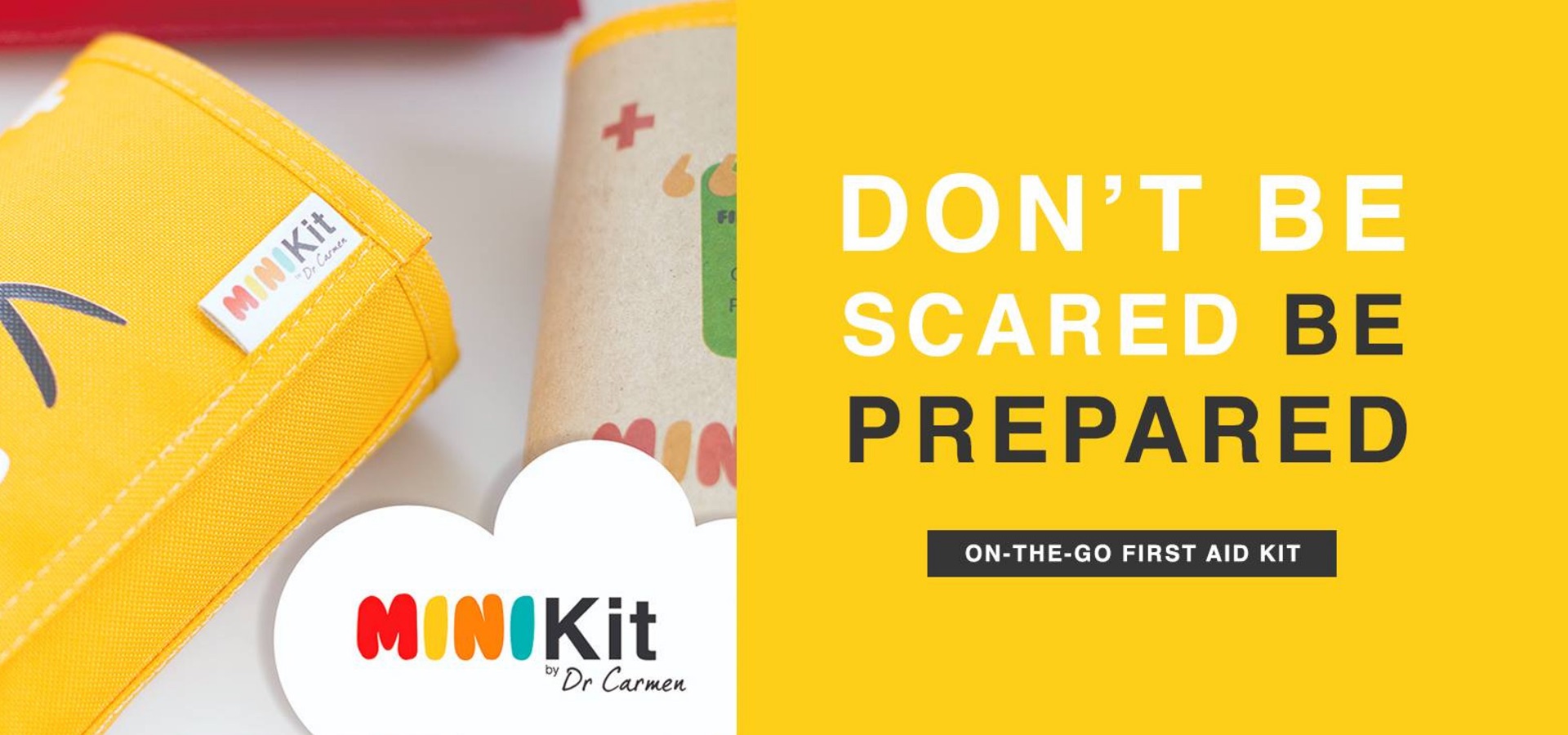
Oneaid focuses on preventing and reducing the risk of childhood injuries. Through blog posts and social media Oneaid offers you, as parents and caregivers, useful information and helpful tips on how to keep your little ones healthy and safe.  OneAid by Dr Carmen Becoming a parent is one of the most challenging and liberating experiences anyone can go through. There is no amount of research, childcare books or magazines that will prepare you for parenthood. For most parents keeping their little ones safe and making sure they have few accidents as possible can be extremely stressful. It was, for this reason, Dr Carmen – mother and Doctor – created OneAid.  Dr Carmen is a medical doctor with over 10 years experience in accident and emergency medicine, and is also a mom to a beautiful, baby girl. She has a Masters degree in Public Health and is passionate about disease prevention and health education.  Social Media In Healthcare Almost 90% of adults have used social media to look for and share health information. Dr Carmen believes that healthcare needs to go digital and more healthcare professionals should be taking advantage of its broad reach. Social media can be an effective tool to get information to the public and promote health and safety.  OneAid creates engaging fun content on social media to provide information and tips relating to various public health issues in an effort to spark up conversations to drive behaviour change and education.  For a little daily advice on childhood safety issues readers can also subscribe to the OneAid newsletter. The MiniKit by Dr Carmen Cuts, scrapes and burns are common injuries to expect as our little ones gain more confidence in this world. Having a first aid kit on hand can help reduce the risk of infection or the severity of the injury. It also teaches our kids the right thing to do when they hurt themselves.  Dr Carmen has designed and developed the MiniKit, a mini first aid kit geared towards common childhood injuries. This is available in two colours – red and yellow and includes first aid essentials such as plasters, burn gels, dressings and more. Plus, the MiniKit’s small size makes it fit perfectly into any nappy or handbag, so parents are always prepared, even on the go. Through its fun and colourful design, Dr Carmen hopes to get little ones engaged and involved in the first aid experience. But that’s not all. Inside each MiniKit you will find a detailed first aid pocket guide that features simple, easy to follow steps on what to do when your child has had a minor accident or fall. By following the guide’s steps, parents can take the necessary action when dealing with broken bones or burns for example, and will now know which medical materials to use.  Ordering Your MiniKit Whether you are buying the MiniKit for yourself or as a baby shower gift, it’s really easy to order. All you need to do is visit the OneAid website on www.oneaid.co.za and browse through the products page. Add your products to your cart and checkout when you are done. There is no need to open up any accounts.  You can also purchase the pocket guide, which can be downloaded straight onto your phone. If you buy the MiniKit this download will be available to you for free.  “Accidents are just that, they happen unintentionally and unexpectedly. With the right information, we can try and reduce the incidence of these accidents.” – Dr Carmen

Do you worry about your child and cyberbullying?
Parenting Hub Editorial Team

Do you worry about your child and cyberbullying?

As digital continues to grow and influence the day to day lives of children, and with the new school year already underway, do you find yourself worrying about the risks your children may face online, especially when it comes to cyberbullying? And do you feel that you know enough about cyberbullying – the signs, the various forms and what measures you can put in place – to not only protect your children but to be able to help them if they face this very real issue? “Despite the many benefits the digital world offers, an unfortunate challenge many parents face today is that they don’t always realise when children are being impacted by cyberbullying,” says Riaan Badenhorst, General Manager for Kaspersky Lab Africa. “This is in no way a reflection on parenting styles, but rather the result of not understanding the different types of cyberbullying that exist and with that, the proactive steps that can be put into place to help protect children from this very dangerous and growing online threat. There are many forms of cyberbullying, and getting a grip on these can assist parents in not only having a better understanding for themselves but to also educate their children on what to look out for.” Forms of cyberbullying: Exclusion – is the deliberate act of leaving someone out – like when a child is excluded from friends’ parties or activities. It can also occur when a child’s friends are having online conversations and tagging other friends but not them. Outing – involves the deliberate act of embarrassing or publicly humiliating a child or group of children, online, through the posting of private, personal, sensitive or embarrassing information, without the child’s permission to do so. Outing can happen in a variety of ways and parents should consider that even reading out aloud a child’s saved message(s) from their mobile phone can be considered a form of outing. Fraping – involves the act of someone logging into someone else’s social networking accounts and impersonating that person by posting inappropriate content, using their name. Parents are likely to be familiar with this type of bullying, as they may have personally experienced it, often in a joking manner. Unfortunately for children, however, it is more than often not a joke. Fraping can lead to repetitional damage and have serious consequences. ‘Google never forgets’ – and so anything posted online is never fully gone, even after it is deleted. Trolling – is a deliberate act of provoking a response through the use of insults or bad language on online forums and social networking sites. A troll aims to personally attack a child, in the hopes that the child becomes angry enough to act in the same way, to get a reaction – and then possibly looks to use it against the child, to get them into trouble at school or with an adult. Catfishing – is when another person steals a child’s online identity and photos, and creates new or alternative social networking profiles, for misleading purposes. A catfish is someone who wants to hide who they really are and does this through creating a fake persona, using images and information they found (and stole) online. Harassment – is sustained, constant and intentional bullying that involves abusive or threatening messages sent to a child or group of children. The messages are mostly malicious and aimed at attacking a child’s confidence and self-esteem. Continues Badenhorst; “All forms of cyberbullying should be perceived by parents/guardians of children as very dangerous and therefore requires immediate attention, as any type of cyberbullying can have massive implications to a child’s well-being.” How parents/guardians can help: Kaspersky Lab offers a few guidelines that can be followed by parents/guardians, as a means to help children deal with cyberbullying: It is important that parents/guardians are tolerant of the situation and do not ‘overreact’ leaving the child feeling scared and embarrassed. Cyberbullying can take some time to fix and so being open and talking through the issue with your child, showing support, can be beneficial in dealing with the problem. Be open and talk about cyberbullying with your children – using things like TV programmes as teachable moments around bullying and online behaviour. Ask them their views on cyberbullying and talk through these. Parents/guardians should be conversation starters on the topic – don’t wait for your child to raise the matter – look for signs of cyberbullying as the earlier the matter is picked up the faster it can be dealt with. Monitor your children’s online activities. Understand what they do on social networks, which platforms they use and who their friends are online. It’s not about ‘policing’ their behaviour, but monitoring is important. Explain to your children that they should alert you as the parent, or alert a trusted adult, if they are being cyber-bullied – that they will not be judged but can seek the right help to fix the issue. Ensure they understand that cyberbullying is not okay – and that it is better to talk up and report it so that the right help can be initiated. Do not take your child’s mobile device away or disconnect their devices from the Internet – this will only frustrate them – rather talk to them and help them with the challenge and monitor their mobile time and use, depending on their age. Educate children about basic online security rules – what can and should not be shared – and privacy guidelines. Ensure their social media pages are set on private, encourage them to only connect with people they know (friends and family) and talk to them about the types of images they share online. Make use of applications, such as Kaspersky Safe Kids, to help you manage your children’s screen time and use of certain apps. Such a solution allows you to set rules for website access, ensuring that sites with harmful content can be blocked. It also uses a GPS tracker, meaning that you can locate your children’s

Tips For Choosing The Right High Chair
OneAid

Tips For Choosing The Right High Chair

Before going out and buying a high chair it’s important to know the safety requirements. A US study found that more than 9 400 children, aging three years and younger, were treated each year for high chair related injuries in emergency rooms from 2003 to 2010. That’s one child every hour!  Nearly all of these injuries were as a result of a fall where the child either climbed in or out of the chair or stood in it. Majority of the injuries seen were head injuries (37%) then bumps and bruises (33%) followed by lacerations (19%). Most of us use our high chairs in the dining room or kitchen where the flooring is usually hard, so you can imagine the impact this has on a small brain.  This has prompted the US to update their safety standards (unfortunately there are no available statistics for South Africa). From mid-2019 all high chairs in the US will have to have a passive crotch restraint and a three-point restraint system, which means there has to be a fixed post that sits between a child’s legs and restraints that are fixed to the high chair in three different places. They found that children were able to slip out the bottom of a high chair and hope a fixed post will prevent this.  High chairs are not recommended for children younger than 6 months of age. A child is only ready for a chair once they have good head and neck control and are able to sit up on their own. If one is used too early a child could experience positional asphyxia. You may however, be able to start a little sooner with a reclining high chair. CHOOSING THE RIGHT HIGH CHAIR Framework: choose a high chair that is sturdy. Put some weight on it and see if it squeaks, deforms or moves or collapses. Gaps: make sure there are no gaps your child can slip out of. Also chair-related check for gaps that little fingers can get caught in.  Harness: choose a high chair with either a three-point or five-point harness that includes a crotch strap or a post. The restraint should go over the shoulders, around the waist and if a five-point harness then between the legs.   Wide base: a high chair becomes top heavy when your child is in. Choosing a chair with a wide base will make it more stable so that it does not tip easily.  Wheels: if you choose a high chair with wheels, make sure they can be locked when the chair is in use. Folding locks: if the high chair folds check that the locks work well enough so that the chair cannot fall or collapse when in use. Joints: choose a high chair with metal joints. These are stronger than plastic, which can crack after time. Safety standards: make sure the high chair meets current safety standards and has been approved by an international safety authority.  BOOSTER SEATS AND HOOK-ON SEATS  Please be careful when you use these chairs. If not used correctly these seats can be dangerous.  Hook-on seat: These chairs are mounted directly onto a table and should only be used once your baby has good head and neck control and can sit upright. The mounts must be slip resistant and because this seat carries the entire weight of your baby the table has to be strong so that it does not tip over.  Booster seat: These seats are attached to normals chair by straps to raise a child’s height. They are usually used when a child has outgrown the high chair but is not quite tall enough to sit at the table unaided. They should also have straps to keep your child in the seat.  KEEPING YOUR CHILD SAFE IN A HIGH CHAIR  Never leave your child unsupervised when they are in a high chair.  Always use the safety straps when your child sits in the chair, even if only for a few minutes. The tray is not a restraint. If the chair folds, make sure it is locked each time you set the chair up. If the chair has wheels, make sure they are locked each time you set the chair up. Never allow your child to stand in the high chair. Do not place the high chair near a counter or table. Your child may be able to push against the surface and cause the chair to tip over.  Don’t allow older children to climb or play on the high chair while another child is seated in it because it could tip over. Position the high chair at its lowest possible height if this is adjustable.  Make sure potential hazards such as hot food, drink and sharp cutlery are out of reach.  When choosing a high chair opt for an age-appropriate one with plenty of safety features. It’s also important to check often for recalls once you have purchased your chair. High chairs are commonly recalled because of their safety issues. Recent recalls include the Skip Hop Tuo convertible high chair and the Graco Table2Table 6-in-1. You can check http://www.recalls.gov to see if your high chair has been recalled.  RESOURCES https://journals.sagepub.com/doi/abs/10.1177/0009922813510599 http:// https://www.nationwidechildrens.org/newsroom/news-releases/2013/12/new-study-finds-24-children-a-day-are-treated-in-us-emergency-departments-for-high-chair-related

Cyberbullying
Impaq

Cyberbullying

Bullies have always existed. However, in the digital age, the bullying we are seeing is worse than ever before. This is largely for two reasons: firstly, before we all had smartphones, a victim of bullying could go home from school and have some sort of break. Now, bullying is round the clock. Secondly, the type of content being shared is troubling as people say things behind a screen that they would never say to someone’s face. Moreover, the consequences of cyberbullying are more prevalent – in South Africa, we are seeing increased incidences of depression, anxiety and behaviour related to self-harm and even suicide as a direct result of cyberbullying. When it comes to cyberbullying, anonymity is the root of all evil – people seem to think they can get away with saying whatever they want when they hide behind the veil of online anonymity. We are seeing the worst kinds of bullying taking place on anonymous apps such as Qooh.me or through anonymous profiles created on apps such as Instagram. We are seeing a lot of naming and shaming, direct personal attacks, slut shaming, fat shaming, pressuring others to send nudes, and revenge pornography. Although terrible content is shared on anonymous platforms, the truth is that any platform can be open to abuse. Some platforms are simply better than others at removing offensive content. What to do if you are being bullied If YOU are being bullied: Tell a trusted adult (a parent, guardian or teacher). Take screenshots to keep as evidence. BLOCK the bully.  If you are aware that someone else is being bullied: Don’t join in (this includes commenting and sharing harmful content) and leave a WhatsApp group that hosts abusive content. Report bullying to a trusted adult (a parent, guardian or teacher). What legal options are available if you are being bullied?  If you know the identity of the bully, and the bullying is sufficiently severe to the extent that it can be said to cause you mental, emotional or psychological harm (or inspire the belief that harm could be caused), one mechanism available is to apply for a Protection Order under the Protection from Harassment Act. Almost all social media platforms have a reporting function that allows the possibility for damaging content to be removed.  Finally, the Cybercrimes Bill, which will hopefully become law soon, has codified a lot of crimes relating to online activities. Specifically, its chapter on malicious communications criminalises the creation or distribution of “a data message” that incites the causing of any damage to property belonging to, or violence against, a person or group of persons which is harmful or intimate in nature, and which is distributed without the consent of the person involved. This would include a lot of content that we are loosely defining as cyberbullying.

Medical tax rebates stable after budget speech
Bonitas – innovation, life stages and quality care

Medical tax rebates stable after budget speech

Private medical aid members can breathe a sigh of relief after the budget speech. Treasury has been hinting for a while that they were considering reducing of the medical tax credit to fund the National Health Insurance (NHI), fortunately, it remains unchanged for the year ahead. Although it was a relief to members it was also a surprise tax sacrifice, considering the need to fund NHI. This equates to over R30 billion this year and around R35/36 billion for the coming year – a large sum indeed.  It is believed the removal of tax credits would have upset too many people who are dependent on it to access private health care and are essentially being rewarded for not burdening the government health care. Before 2012, SARS deducted your medical aid contributions against your taxable income. ‘Originally,’ says Gerhard Van Emmenis, Principal Officer of Bonitas Medical Fund, ‘your medical aid contributions would be a deduction against your taxable income. However, from 2012, SARS introduced a medical credit, a ‘tax credit’ which is deducted from your overall tax liability.’ The medical tax credit consists of the following two amounts: The medical scheme fees tax credit This applies to the premiums paid by you to a registered medical scheme on behalf of yourself and your dependents. The main member, as well as the first dependant on the medical scheme, receive a monthly tax credit of R310 (for the 2018-2019 year).  All additional dependants receive a monthly tax credit of R209 (for the 2018-2019 tax year). There are three categories: 1. Under 65 (without disability) 25% of the total contributions paid to the medical scheme  Less (4X medical scheme fees credit) Plus qualifying medical expenses paid less 7.5% of taxable income 2. Under 65 (with a disability) 33.3% of total contributions paid to the medical scheme Less (3X medical scheme fees credit)  Plus qualifying medical expenses paid  3. 65 or over (with or without disability)  33.3% of total contributions paid to the medical scheme Less (3X medical scheme fees credit)   Plus qualifying medical expenses  It is important to note that if your premium is a deduction from your salary or wages, your employer is obliged to use the credit system to adjust your monthly PAYE tax accordingly. If you contribute to a medical scheme independently from your employer, you will receive the tax credit on assessment when you complete your tax return.  2. The additional medical expenses tax credit This means that the overall amount of tax you need to pay at the end of the tax year is reduced. The amount of your tax rebate is made up of a percentage of all out-of-pocket expenses you have spent on qualifying medical expenses that weren’t covered by your medical scheme. This amount accumulates throughout the tax year. You will need to keep the slips for these expenses. To calculate the additional medical expenses tax credit, special formulas are used. The specific formula to use depends on your age and whether you or one or more of your dependants has a disability. The following out-of-pocket expenses qualify: Consultations, services or medications from a registered medical practitioner, arthropod, physiotherapist, dentist, chiropractor, herbalist, homoeopath, optometrist, osteopath or naturopath Admission to a registered hospital, including nursing homes Care at patient’s home by a registered nurse, nursing assistant, nursing agency or midwife Medicines prescribed by a duly registered physician (as listed above) and acquired from a duly registered pharmacist Medical expenses on services rendered or medicines supplied outside of South Africa and which are substantially similar to the services and medicines listed above Money paid towards the treatment of a physical impairment or disability (as long as it is a qualifying expense prescribed by the Commissioner). What about over-the-counter expenses It is important to note that unless these are prescribed by a registered medical practitioner and acquired by a pharmacist they don’t enjoy a tax rebate. Examples include medicines, such as cough syrups, headache tablets or vitamins.  ‘Whether NHI is going to materialise or not’, says Van Emmenis, ‘The Government’s coffers need filling and the approximately 17% of the South African population on private medical should expect their medical aid tax relief to get less and less in the future.’ 

Practical tips on how to keep your kids safe online
Impaq

Practical tips on how to keep your kids safe online

If you have been on any social media platform these past few weeks you might have seen the terrifying image of a creature with long black hair and bulging eyes. Warnings about the Momo Challenge, an online game in which children are encouraged to harm themselves, have gone viral. But some sources have now confirmed that the challenge is nothing but a hoax designed to scare parents (and children).  Whether the Momo Challenge is real or not, online safety remains a concern for every 21st century parent. The Momo Challenge might have been fake, but there are real threats out there, like cartoons on YouTube being spliced with instructions on how to commit suicide – videos that have been confirmed to exist. It’s important for parents to take preventative measures to keep their kids safe on the internet. While limiting screen time is a good place to start, here are some other things you can do to keep your kids safe, both online and offline.   Establish some ground rules With younger children you can control (almost) everything they see online but older children are tech-savvy and can easily find themselves viewing content that might be inappropriate for their age. It’s important to have an open conversation and to encourage them to speak to you or any other adult they trust if they encounter anything in the digital realm that appears frightening or threatening. SafeKids.com, a site that promotes internet safety for kids, lists a set of criteria that you can discuss with your kids about what they should and should not do on the internet.  Keep technology in a common space It is best to keep technology like smartphones, tablets and computers in a common space for all family members to use. The computer screen should be visible from other parts of the room and should not be turned towards a wall. This way children can see how the internet should be used and how useful it can be, e.g. doing research for a project, looking up an address, or watching educational videos. Children are also less likely to look for inappropriate content with a parent in the room.  Pay for content The problem with free content, like the videos on YouTube and YouTube Kids, is that anyone can upload videos without it being curated or approved. And it is not only the content you need to be worried about, the advertisements showed between videos can also be harmful. You might want to consider paying for good children’s entertainment, e.g. Netflix, Showmax, children’s DVDs, or advert-free games designed for young players. Use a child-friendly search engine While most of us rely on Google to find what we are looking for, you might want to switch to an alternative search engine like Kiddle or Kid’s Search when your children are browsing online. These child-specific search engines aim to create a safe platform for children to explore the internet. If you want to continue using Google as your preferred search engine, enable Google SafeSearch on your computer. Here’s how: Go to google.com   Google anything and select Settings on the right. Select Turn on SafeSearch. Explicit images, videos, and websites will now be blocked from the Google Search results. Make Apps Safe Or as safe as they can be. On YouTube you can select restricted mode, an optional setting that restricts the availability of potentially mature or objectionable content. Here’s how to turn restricted mode on:  Go to the account icon .  Click Restricted Mode. In the dialog box that appears, toggle restricted mode to on. Restricted mode works on the browser or device level, so you must turn it on for each browser or device you are using. For safety, turn restricted mode on for all the browsers (e.g. Google Chrome, Firefox, Internet Explorer, etc.) loaded on your computer, smart TV, tablet or smartphone. You can also lock restricted mode. This will prevent anyone else, your kids included, from changing the settings. Watch this short video to learn how to lock restricted mode.  Keep in mind, however, that switching to a child-friendly search engine, selecting SafeSearch on Google or restricted mode on YouTube is not 100% accurate and that some inappropriate content may still slip through. It is therefore important to be mindful of your child’s online activities and to teach your child about internet safety. Article written by Elmien Ackerman – Copywriter at Impaq

Review: OneAid Mini First Aid Kit
Parenting Hub Editorial Team

Review: OneAid Mini First Aid Kit

There is no doubt that we all need a good First-Aid Kit in the home, the car, your handbag…. You name it, children always seem to find scrapes and burns when you least expect it.  We are absolutely in love with the MiniKit by OneAid. Developed by a mother who just happens to be a medical doctor with years of experience in the trauma room, every consideration has been made in this handy first aid kit.  Firstly, it wraps up small. Small enough to fit in your handbag, diaper bag or to keep inside your motor vehicle.  The kit comprises of: 2) Pairs of gloves (latex-free) (1) Hand disinfectant (2) First aid dressing (1) Conforming bandage (1) Triangular bandage (1) Sterile gauze (1) Sterile dressing pad (12) Assorted plasters (1) Burn gel (1) Burn dressing (4) cotton buds (1) Antiseptic solution (2) Antiseptic ointment (1) First aid scissors (1) Metal tweezers (1) Adhesive tape (1) Syringe (5ml) (3) Reward stickers Available in Red or Yellow Don’t miss out on this amazing first aid kit, you certainly will not be sorry! Retail price is R395 and can be purchased online at www.oneaid.co.za

Goatie Goodness – the better choice
Kabrita

Goatie Goodness – the better choice

When choosing milk, it’s not just a matter of full cream, low-fat or flavoured anymore. Sometimes an alternative is needed. But not all milks are created equal.  Here’s a five-point checklist of what to look for and why Goat milk could be the ‘right’ milk choice for you and your family.  Fat size Young children should drink full cream milk since they need the fat for proper development of their brains and nervous systems.  Goat milk is a full cream milk and is naturally homogenized, meaning the fat molecules are naturally smaller and more easily digested.  Protein Structure Milk is also a great source of high-quality protein.  Protein builds, strengthens and repairs our body’s muscles, bones and blood. The protein composition of goat’ milk allows it to form a softer curd during digestion offering greater digestive health and comfort. Type of Carbohydrate Some carbohydrates, known as oligosaccharides possess “prebiotic” properties, promoting the growth of beneficial bacteria in our gut and boosting our immune system. Goat milk contains the highest amount of oligosaccharides among domestic animals and is free of added sugars Essential Vitamins & Minerals Research consistently shows that South Africans have a low intake of the minerals, calcium and potassium. Milk is a good source of calcium. Calcium is needed for strong bones and teeth.  Vitamin D is essential to help increase the absorption of calcium from the gut. Check the ingredients list on the milk label for milk with Vitamin D (cholecalciferol).  One glass of KABRITA Instant Full Cream Goat Milk gives you half your daily requirements for vitamin D. Better Sustainability Important environmental issues such as hygiene, animal welfare and overall quality are uppermost in the minds of the most discerning consumer and parent. All KABRITA goats’ milk is non-GMO* and is sourced from farms which follow strict guidelines in terms of animal feed and treatment.  KABRITA goats’ milk is set to meet the highest international standards and goats have not been exposed to antibiotics, growth hormones or pesticides. KABRITA Instant Full Cream Goat Milk is available as an easy-to-use goat milk powder for the whole family; it’s free of added sugars and provides nutrients that support health. Why not give this unique, high-quality goat milk with its fresh and mildly sweet taste, a try?  *non-genetically modified organisms Kabrita Instant Full Cream Goat Milk powder is available at Dis-Chem Pharmacy, Baby City stores and Wellness Warehouse nationwide with a price range from R170 (400g). The product range is also online at… www.dischem.co.za www.wellnesswarehouse.com  www.takealot.com  For more information and visit www.kabrita.co.za and follow @kabrita_sa on Facebook and  Instagram. #GoatieGoodness #KabritaSA

Bonitas gives back
Bonitas – innovation, life stages and quality care

Bonitas gives back

Members of Bonitas Medical Fund will now have access to free lifestyle vouchers as well as discounted offers on gap cover and financial services products through the Fund’s new multi-insurer platform. This is not another Loyalty programme. ‘Our members’ health has always been a priority and we strive to make healthcare as affordable as possible,’ says Gerhard van Emmenis, Principal Officer of Bonitas. ‘And while our various plans offer a host of benefits, we know that in difficult financial times money matters can add to stress levels.  For this reason, we have adopted a multi-insurer platform which offers members discounted lifestyle vouchers as well as exclusive offers on gap cover and various insurance products.’ The past 12 months have been extremely difficult for consumers, impacted by the increase in VAT, the fuel levy and the resulting escalating prices. This has increased the burden placed on consumers struggling to make ends meet.  ‘In 2017 a Financial Wellness Indicator revealed that 73.5% of South African households were financially unwell,’ says Van Emmenis.  ‘2019 is no different. Consumers are cash strapped so being able to align with strategic partners to offer a comprehensive and tangible way to relieve the money pressure while helping them find them some ‘extra’ money, will go a long way to keeping them physically and financially healthy.’  A report published last year, which reviewed rewards programmes in South Africa, indicated that there are around 100+ existing loyalty programmes with the average consumer subscribed to about nine. ‘The economic landscape is tough to navigate and we didn’t want to add to the pressure already placed on our members by offering a loyalty programme for which they would have to pay an additional monthly fee for. Our multi-insurer platform is premised on negotiating exclusive deals to the benefit of our members.  ‘They are designed to add real value aligned to member needs.’ Van Emmenis explains. In brief: These do not cost anything  There are no points No levels of membership You don’t have to work for rewards The model is split in two.  One: Free monthly discount lifestyle shopping vouchers to offset daily living expenses These are available from over 30 retailers and 6 000 outlets countrywide, such as Shoprite, Takealot and Edgars, as well as for airtime and data purchases and electricity. ‘The deals are aimed at the average South African, with discount vouchers for groceries, data, airtime and electricity. There are also discounts on activewear and gym membership to encourage a healthier lifestyle,’ Van Emmenis says. Two: Discounted financial service products through Medgap and Indie MedGap offers comprehensive gap cover at a discount of up to 26% exclusively for Bonitas members.  Indie offers various financial products such as a funeral, critical illness or disability cover, as well as income protection at a discounted premium, together with a free investment at no extra cost.  Indie will match and invest up to 110% of Bonitas’ member’s life insurance premiums, with cash drops every five years. The multi-insurer platform is supported by a new, revamped member zone to allow members to manage their medical aid 24/7, on any device. This includes submitting claims, applying for chronic medicine and viewing benefits clearly signalling a new era of medical aid has dawned. 

Autism in Adults
Parenting Hub Editorial Team

Autism in Adults

The Adult Programme for People with Autism (APPAutism) is a registered non-profit company that aims to provide support for adults with moderate to severe Autism who are unable to independently perform the tasks required of adult life, following the principle of life-long learning, in a supported environment. Autism is a lifelong developmental disability that affects how a person communicates with and relates to, other people, and their ability to function in the world around them. It is a spectrum condition, which means that, while all people with autism share certain difficulties, their condition will affect them in different ways. The majority manifest with moderate to severe learning and behavioural disabilities and need a lifetime of specialist support. The nature of the disability is such that it requires intervention and management that is specific to the condition.  There are very few centres in South Africa that cater to this need. APPAutism’s mission is to prepare adults over the age of 18 for life outside of the schooling environment, by implementing a programme of meaningful activities and interactions with the aim of developing the skills and behaviours required for these adults to be able to maximize their potential and integrate into their environments. It aims to provide a happy environment with varied activities and programmes which are individualised and where members feel they belong. The Programme The programme is highly structured. Every day includes components of daily living skills; vocational skills (at the many facilities within REEA); communication and socialisation skills; cognitive skills, and leisure and well-being activities Participants are taken twice a week to a fully operational protective workshop, where they work supervision by a job coach in order to develop their ability to work in a protective workshop environment. The programme provides for a varied and stimulating day, combining group work, individual work, and community interaction; as well as combining pre-vocational and vocational skill development, with activities that are enjoyable and fun There is a high staff to adult ratio. (One staff member per five participants. The programme is individualised as far as possible to the specific strengths of each person. Each person will have an Individual Daily Life Plan which incorporates goals/ activities related to the social, emotional, work, and familial aspects of their lives. APPA is a non-profit company. However monthly fees are charged in order to maintain the varied extent of the programme, and the high staff to student ratio. We are open from 08:00 to 15:00 daily, Monday to Friday, with an annual holiday break in December. Daily Living Activities : Aim: To develop and build self-help skills, leading to independence, in the areas of dressing, hygiene, food preparation, meal-times; housekeeping duties. Examples of activities may be: preparing food/snacks; laying the table; eating together; independent eating skills; sweeping; loading dishwasher; hanging up clothes; feeding pets; laying the table; etc Protective Workshop Activities : Aim: To identify the “best-fit” workshop/work activities that leverage both the interests and the capabilities of the adult. This may include daily workshop time either in the REEA facility or in an external facility that has been identified. Or it may include partial workshop activity time, e.g. for a couple of hours twice a week. This will depend on the ability of the individual to stay on task for long periods of time. Examples of activities may be: Sorting, packaging; compiling; assembling; office work; Working in the gardens; Part-time work at already established protective workshop centres; Dog walking; Any other work in and around the facility Leisure and Well Being: Aim: To replicate a normal, fulfilling day with balanced activities to ensure the quality of life and to maintain a healthy lifestyle. Examples of activities may be: Walking/hiking/exercising; Art lessons; Music Therapy; Watching TV/listening to movies; Restaurant/movies/ten pin bowling; “Me” time; Dancing/ ball play/soccer; Shopping Communication and Socialisation Aim: To continue to develop appropriate communication skills, and socially appropriate, adaptive behaviours, and work on diminishing socially inappropriate behaviours. These specific skills are inherent and form part of all other activities at the centre. Group socialisation sessions are held weekly led by a qualified social worker. AAC communication devices or systems are encouraged. Cognitive Aim: To continue to reinforce and build on academic skills obtained during schooling years Examples of activities may be: Numeracy and basic math’s; English and writing skills; Money skills; Computer Skills; Fine motor and gross motor development Facilities Here we have combined our own specific programme, in our own custom venue, with the facilities available at REEA. The facilities available to us include: A specific area custom designed for APPA (Adult Programme for People with Autism) A homely environment A large kitchen and laundry for life skills A fully catered dining room for lunchtime meals Large gardens Right on the border with Delta Park for walks and physical activities A medical/emergency room, staffed with a full-time nurse Horseriding facilities on the property Indoor swimming facility nearby

The link between emotional challenges and poor academic performance
Parenting Hub Editorial Team

The link between emotional challenges and poor academic performance

Have you ever considered that your child’s struggles at school may be because of emotional challenges? The academic year, as we are already aware, hold many stressors for children. What we are not always conscious of is that a child’s emotional state can directly affect the need to perform academically. In fact, according to Kerry De Jager, Head Franchisor at Step Up Education Centres, South Africa says, “Children who are experiencing emotional challenges (pain, uncertainty, family challenges, low self-esteem and fear) are more likely to struggle with the academic demands of formal schooling.” Think of a time as an adult, for example, where you have had an emotional challenge. “It is incredibly difficult to focus on our jobs and careers when our emotional state is one of pain, blame or demotivation. As an adult we have developed the skills needed to cope with stress and anxiety and yet our emotional state sometimes hinders our ability to function in the workplace,” Kerry explains.  She adds that developmentally some children are not yet ready to deal with these stresses and furthermore an emotional immature child will not have the coping skills to deal with the way their emotions make them feel. As the stresses of the year creep up on them, their emotional state will have a greater and greater impact on their ability to concentrate on their academic work. “An emotionally stable learner is able to take in and retain new information more effectively. Concentration skills are better and social relationships are a great deal more positive.” Kerry gives the following tips to parents who you have a child who is struggling at school: It is important to look at your child as a unique individual and realise that academic performance cannot be looked at in isolation. If your child has not performed as well as what you expected, try and find out why.  Aim at honest non-judgemental conversations that will enable you to understand the emotional state that your child has been in during the academic year.  Are they emotionally able to cope with the grade that they are in? Has it been a particularly difficult year at home? Has your child had a significant change in their lives like a new sibling or perhaps a divorce? Has there been a change in friends at school or at social clubs? All these questions may provide some insight into why they have not performed as well as you anticipated.  They will also afford you an opportunity to work together to find positive solutions. Remember that everyone wants to achieve success, whether they are willing to admit it or not! It is not in their nature to want to fail. Our role as parents is to guide, support, encourage and motivate our children to rise above the challenges of life to achieve the best version of themselves! “Each child is unique and their needs all differ. If you take the time to try and understand why a child is performing the way they are, it is a huge step in the right direction. Be patient with your children as they navigate the world with you at their side!” Kerry Concludes.

Single parenting financial tips
Hero Life

Single parenting financial tips

Being a parent is challenging enough, but when you’re doing it solo, you have double the time, financial and resource demands. You’re likely reliant on one income, but still have current expenses and concerns, as well as longer-term considerations such as life insurance and education policies. Single parents have little margin for error when it comes to their finances and we at Hero Life have some practical strategies for balancing present and future financial requirements. Save It sounds so easy, but in practice it’s tough, especially when there are always expenses, a and new ones come up. You need to find ways to save that make sense – whether it’s setting up a debit order on your bank account for a savings plan, only eating takeout once a month, only buying clothes on sale, scouring supermarkets for grocery specials, or packing lunch to take to work. The key to changing spending behaviour is by creating a goal, and starting small. Begin by switching off lights when you don’t need them to save electricity, or waiting a while before buying those shoes, or limiting yourself to one impulse buy a month. You could save hundreds of rands a month, which equates to thousands by the end of the year. This money can be saved for emergencies, or put towards education policies or increased life cover. Create a budget It’s boring and admin-heavy, but by figuring out your fixed and variable expenses, and looking at your bank statements, you’ll see exactly where your money is going, which will help you make smart decisions on what you could cut out of your life. You’ll likely find that you’re spending money on things you don’t need, or you’ll see opportunities where you could be paying less for something. You could also try the 50-20-30 budget method: 50% of your net income should go towards your needs, 30% towards your wants, and 20% to your savings and debt repayments. If you’d like guidance here or don’t know where to start, chat to us at Hero Life – we’ll happily guide you through the process. Protect yourself and your things Having a will, life insurance and medical aid aren’t luxuries. You might think that because you and your family are generally healthy, or that you don’t have a lot of assets, you don’t need medical aid or a will. Or you might think that because you’re fairly young, you don’t need life insurance, or that your kids will be provided for by their dad, or your parents. There are many things to consider if something happens to you – your kids’ education, first cars, weddings and general wellbeing, and you’ll be doing them a big disservice if you leave them with nothing. These things are important, and without them, you could be left with debt, your kids could be left with no assets and lots of debt too, and you could be compromising heavily on your savings and your financial future. If you’re unsure of where to start, or worried about how to afford it everything and how to budget, then chat to us at Hero Life. At Hero Life we’re happily helping young South African families with their finances and pointing them in the right direction. Hero Life is a company that offers a free online Will, helps you to start saving for your kids’ education, and offers life insurance, designed specifically for young parents. Hero Life is an MMI Group initiative, and underwritten by Guardrisk Life Limited (Reg no 1999/013922/06), an authorised Financial Services Provider (FSP license number 76). This material has been prepared for informational purposes only and is not intended to provide financial advice. Visit herolife.co.za for more info or WhatsApp us at +27 73 916 9367 to learn more. Facebook: https://www.facebook.com/herolifeZA/    #BeAHero #SuperSavvy #HeroParents

Pregnancy and Migraine
Panado®

Pregnancy and Migraine

Pregnancy is an exciting time for many women. Unfortunately pregnant women also suffer from headaches and migraines, and tend so self-medicate with over the counter medication.  According to Dr Elliot Shevel, Medical Director of The Headache Clinic, and South Africa’s internationally recognized Migraine expert and pioneer in the field of Migraine Surgery, “Often the migraines or headaches worsen during the first trimester (the first three months of pregnancy), but don’t despair – in 70 % of women the migraines get better in the second and third trimesters. Unfortunately medication is not a good option during pregnancy, and the only pain medication that is safe is Panado or Paracetamol,” he says. “Unfortunately pregnant women who suffer from migraines with aura, (a term used to refer to warning signs of migraine such as seeing zigzag lines before the pain starts), usually don’t find relief in the second half of their pregnancy and have less chance of improvement.” Two studies show that many pregnant women rely on over the counter medication. The first study, published in the Journal of the Pakistan Medical Association, showed “a significant number of pregnant women relied on over-the-counter medication”. A descriptive cross-sectional study was conducted at Isra University Hospital in Pakistan for six months and comprised of 351 pregnant women who were interviewed face to face. Overall, 223 (63.5%) patients were using over the counter drugs before pregnancy and 128 (36.5%) had used them in a previous pregnancy. A further 133 (37.9%) were using the medications during the current pregnancy. Quite worrying is that a total of 103(77.4%) had no knowledge about the possible harmful effects of the medication they were taking. Whilst this study highlighted the frequent use of over the counter medications in pregnant women, another study, published in Headache: The Journal of Head and Face Pain, indicates most women experience automatic relief during their 2nd and 3rd trimesters.  So is surgery a viable option in pregnant women? One of the most successful treatment methods for migraine is to close off the small arteries under the skin of the scalp that cause the pain (not the arteries in the brain), by means of minimally invasive surgery. Commenting on the surgery during pregnancy, Dr Shevel says, ‘We usually wouldn’t do the surgery during the first three months of the pregnancy because the drugs used in the sedation or anaesthetic may affect the fetus and cause problems. After the first trimester the operation is safe to perform, but we prefer to wait until the baby is born to avoid any possible unforeseen complications. Sometimes however, an expectant mother is just in so much pain that the operation can’t wait.”  Other pressing issues Expectant mothers always have a lot of questions about headaches and migraines. Here are some answered:  Will the baby be affected by the trauma and pain of my headache? No, says Shevel. “There is no evidence to indicate this, but the baby can be affected by a medication the mother is using and that is why we are saying only Panado or Paracetamol is safe.”  Is there an ingredient in the pill that aggravates or makes headaches worse? The short answer is yes. “The pill contains a variety of different hormones, and changes in those hormone levels can affect the headaches. It is interesting to note however, that although they can make the headaches worse, they may also sometimes make them better – it’s impossible to predict.” What role does breastfeeding play? According to Shevel breastfeeding can also play a role. “If women breastfeed after birth the headaches usually stays away until the baby is weaned. “

How to teach the essential skill of self-awareness to your children
Parenting Hub Editorial Team

How to teach the essential skill of self-awareness to your children

Life on earth is a rollercoaster ride of emotions and our reactions to these emotions. All too often, we coaster through life, unaware of our behavioral choices and even worse, unable to consider the possibility that we could have made better choices for ourselves along the way. According to Cindy Glass, Founder and Owners of Step Up Education Centres says, “Self-awareness is the first skill in emotional intelligence and it sets the precedent for the growth and development of all emotional intelligence skills. Being able to look at ourselves honestly, and without negative judgement, will enable and empower us to achieve greater success in all that we do. This, of course, applies to our children and their personal and academic learning as well.” She adds that self-awareness skills will help your children become aware of their emotions and behaviours and make better choices in all that they do. They will also experience better personal relationships as they become aware of the emotions, behaviours and choices of others. “It is important to note that self-awareness includes skills in being aware of positive and negative emotions, behaviours and choices. It is about learning to own these choices, learn from the mistakes and consider what behaviours will be best in any situation,” Cindy explains. She offers the following helpful tips to teach your child this essential life skill: Create an environment where your children are free to recognise and acknowledge their mistakes and achievements in a non-judgmental, non-frightening way. Remember that it is fear of negative consequences that often hold us back from admitting mistakes to ourselves. And yet, if we cannot own a mistake, how can we find a positive solution to fix it? Don’t allow the blame-game. Blaming others for the choices that we have made disempowers us and reduces our opportunity to grow and learn from our choices and experiences. You are your child’s first and most powerful teacher – set the example! Teach your children the power of self-awareness by being self-aware! Remember that we are all on that rollercoaster that we call life and learning is a life-long gift. Teach your children to be kind to themselves in their uniqueness and imperfections, just as you are kind toward yourself. Teach your children to recognise and honour their own talents and not to compare themselves to anyone else. We must remember that we are ALL on this journey and we all have interesting and wonderful ways in which we can choose to live our lives. Different is not less. Non-judgmental self-awareness is essential. Positive self-worth is everything! “Learning the essential skill of self-awareness will bring about more positive learning and it will go a long way in ensuring that we live happier, more fulfilled lives.  Which parent would not want this for themselves and their children?” concludes Cindy.

Understanding Migraine Triggers
The Headache Clinic

Understanding Migraine Triggers

Migraine is a very common problem that affects about 18% of all women and 6% of all men.  Studies have shown that environment, lifestyle, and diet can play a large role in how often you get migraines. Dr Elliot Shevel, Medical Director of The Headache Clinic, and South Africa’s internationally recognized Migraine expert and pioneer in the field of Migraine Surgery says that the most commonly reported migraine triggers include alcohol (especially red wine and beer), chocolate, aged cheese, cured meats, food preservatives that contain nitrates and nitrites, and monosodium glutamate (MSG). Although these are the most common, almost any food can be a trigger. Even so, only about 20% of migraine suffers have an identifiable food trigger. There is no certainty why certain foods trigger headaches, but suggested mechanisms are as follows: Chocolate 22 percent of headache sufferers identify chocolate as one of their headache triggers. But many people with migraines have increased appetite and food cravings just before their headaches start. Reaching for a chocolate bar may be the result of a migraine, rather than the cause. Alcohol Sulfites used as preservatives in red wine have been linked to migraine headaches. Alcohol in any drink causes the blood vessels in the scalp to dilate, and can also result in dehydration, both of which might be headache triggers. Alcohol is also a potent trigger for cluster headaches – otherwise known as “suicide headaches”. They are known as suicide headaches because the pain is so severe that sufferers do sometimes actually commit suicide. Caffeine Caffeine can actually help get rid of a migraine headache because caffeine works as a vasoconstrictor for some patients. In some patients it can trigger a headache or make it worse. Caffeine may be included in some migraine medications, but too much caffeine can be a headache trigger when you come down from your caffeine “high.”  Cheese It is generally agreed that aged cheese is more likely to cause a headache, because it contains a substance called tyramine that forms as the proteins in cheese break down over time. The longer a cheese ages, the more tyramine it has. MSG Monosodium glutamate (MSG), which is found in soy sauce and as a food additive has been implicated in causing migraine. The interesting thing though, is that in cultures where MSG is used extensively, the percentage of migraine sufferers is the same as in other countries. Ice cream The stabbing pain you get when you eat ice cream too fast is a reaction to the cold, not the ice cream itself. An ice cream headache is more likely if you are overheated. The pain peaks in about 30 to 60 seconds. “Cold foods like ice cream may be migraine triggers for people who suffer from migraines, but for most people, the pain goes away quickly.  Bananas Bananas usually don’t appear on lists of foods that are headache triggers, but they could trigger a migraine for people who are sensitive to tyramine, the same substance found in aged cheese.  Preserved meats The nitrates and nitrites used as preservatives in hot dogs, bacon, and lunch meats may dilate blood vessels and trigger headaches in some people.  According to Dr Shevel, studies can’t tell you if, or which foods may trigger your headaches, but many people do have food triggers and some triggers are completely obscure and uncommon.  There are a few important things to remember about migraine food triggers says Shevel: Migraine attacks are often due to multiple factors.  There are many non-dietary trigger factors for migraine. When you’re already stressed, not sleeping well, and not exercising, eating a food trigger may make it more likely to have a migraine attack. In this case, it is the combination of all of these different things that contribute to the migraine, and not just the one food. Your personal food triggers can be difficult to figure out.  Here are some suggestions:  Keep a food diary along with your headache diary, to help identify what you ate before migraine attacks. You can download a diary by clicking here Some foods can trigger a headache right away, while with other foods the headache can be delayed up to 24 hours. If you think a specific food is triggering migraine attacks, you may try to avoid that food for a month. Only limit one food at a time so that there can be no confusion as to which one affected you and monitor your symptoms to see if they improve. Be careful about trying extremely strict diets.  There is a risk of avoiding foods that are not necessarily migraine triggers and you may be missing out on many important nutrients. The presence of triggers is confusing though, as they are frequently blamed for causing migraines, whereas the actual cause is some change in the body that predisposes the patient to develop migraine attacks. In other words, the patient is susceptible to developing migraine attacks – and the trigger merely sets them off. This means that if the underlying problem is diagnosed and treated, those triggers that previously set off an attack no longer do so. Obviously if the patient identifies a certain foodstuff that always triggers an attack, they should avoid it. The problem though is that many triggers, such as weather changes, stress, and hormone changes during the menstrual cycle, cannot be avoided. At The Headache Clinic, the emphasis therefore is not on identifying the triggers, but on diagnosing and treating the underlying problem. Dr Elliot Shevel, Medical Director of The Headache Clinic, and South Africa’s internationally recognized Migraine expert and pioneer in the field of Migraine Surgery, says that although migraine has many triggers, most people cannot identify their individual triggers. The best way to treat migraine therefore is not to focus upon the triggers, but upon cause, i.e. the actual physical structures that generate the pain during an attack. With the latest state-of-the-art diagnostic and Non- drug treatment techniques developed at The Headache Clinic, it is possible to prevent migraine

The Taboo Topic Of High Allergen Foods And Breastfeeding
Breastpumps and Beyond

The Taboo Topic Of High Allergen Foods And Breastfeeding

The topic of high allergen foods being consumed while breastfeeding has been a long debated one. However, we have some interesting developments on the subject! Read on below to see why you, in fact, should be upping the ante by eating high allergen foods whilst breastfeeding.  Don’t Believe Us? Believe The Science! In a study published in the Journal of Experimental Medicine today, research suggests that a mother’s diet while breastfeeding can help the baby build certain tolerances against allergic foods. Conducted by teams from Boston Children’s Hospital and Harvard Medical School, they researchers show how introducing allergic foods to your child’s digestive system from an early age actually help them build tolerance against these foods later in life. This results in them not developing full blown allergies to the foods in question.  How To Introduce High Allergen Foods Into Your Diet Whilst Breastfeeding You know the good old saying, less is more? this is definitely true in this instance. When introducing the foods to your diet, do so slowly so as to not risk giving your child a reaction. For example, start with a handful of nuts a day. Go for sushi one weekend. All the while, monitor how your baby reacts to the new exposure to these foods.  What Not To Do In The Process By no means should you jeopardise your own well-being. If you are highly allergic to a certain food, eating these foods will do you no good. As a result, this will definitely not benefit your baby either. Therefore, only introduce foods which you can safely eat yourself into your and your baby’s diet.  Making High Allergen Foods And Breastfeeding Work In Unison From now on, do not be afraid to experiment a little with what you are eating. Who knows, it could actually benefit them highly later on in life!

Gō-Ecō WITH THE NEW KURO-Bō RANGE
Parenting Hub Editorial Team

Gō-Ecō WITH THE NEW KURO-Bō RANGE

KURO-Bō’s message is simple. It is now 100% easy and 100% convenient to create the best-tasting water using 100% natural filters that are kind to the environment and sustainably produced. It’s a promise! Since launching in 2017, KURO-Bō has rapidly (r)evolutionised water filtering systems in South Africa.  Through their innovative use of Japanese-inspired activated charcoal (or “Binchotan”), KURO-Bō has changed the way South Africans can access purified and mineralised water, at home and on-the-go, and with zero single-use plastic.  After introducing their first Gō-Ecō 1L Bottle in January 2018, KURO-Bō has extended their planet-changing range even further to make their eco-filtering technology appealing to even more active people on the gō. Those seeking a more compact bottle and volume, will welcome the new 550 ml size Gō-Ecō bottle with a sustainable bamboo lid, and a removable neoprene sleeve that doubles up as a sports-grip and insulation, keeping your KURO-Bō naturally purified water cool. Refill the Gō-Ecō bottle with tap water using the clever detoxing KURO-Bō Activated Charcoal Kōins, which have been specially designed to fit into the bottles, purifying, mineralising and pH-balancing your water while you’re active and on the move.  KURO-Bō hasn’t stopped there. Frustrated by the lack of 100% plastic-free, long-lasting and effective bottle cleaners on the market, their new KURO-Bō Gō-Ecō Natural Cleaning Brush fills a real gap.  The bristles are made of natural sisal, and the practical long handle is sustainable bamboo.  It’s eco-friendly functional beauty in action!   KURO-Bō blends elegance and style with practical functionality when it comes to naturally filtering water, but of equal importance is the message inherent in their whole range.  Their new symbolic image speaks to the importance of placing care of land, water and our health – in other words, the whole of Nature – at the forefront of our awareness in whatever we do in the world.  And that certainly includes how we filter our water.  KURO-Bō natural water filters are fully recyclable, zero-waste and plastic-free.  That’s a message they hope their Gō-Ecō bottles will carry far and wide. KURO-Bō Gō-Ecō bottles retail from R260 for the 1 litre, from R220 for the 550 ml. The bottle brush retails from R100 and a box of Koins from R180.    KURO-Bō products are available in good independent health shops country-wide, in all Wellness Warehouse stores, selected Spar, Dis-Chem and @Home stores, and online at Faithful-to-Nature and Takealot, as well as directly from KURO-Bō. Please note that the 550ml bottles are available from 1st Feb and brushes are available from 1st Mar in stores (We do however, have the 550ml bottle available now, directly from our online store) 

Sidebar Image

Scroll to Top