


How To Get Your Child To Love Healthy Meals
If there’s anything that a parent would nod their head yes to, it’s the fact that their children would rather have them rip the hair off their heads, than to eat healthy and nutritious food.
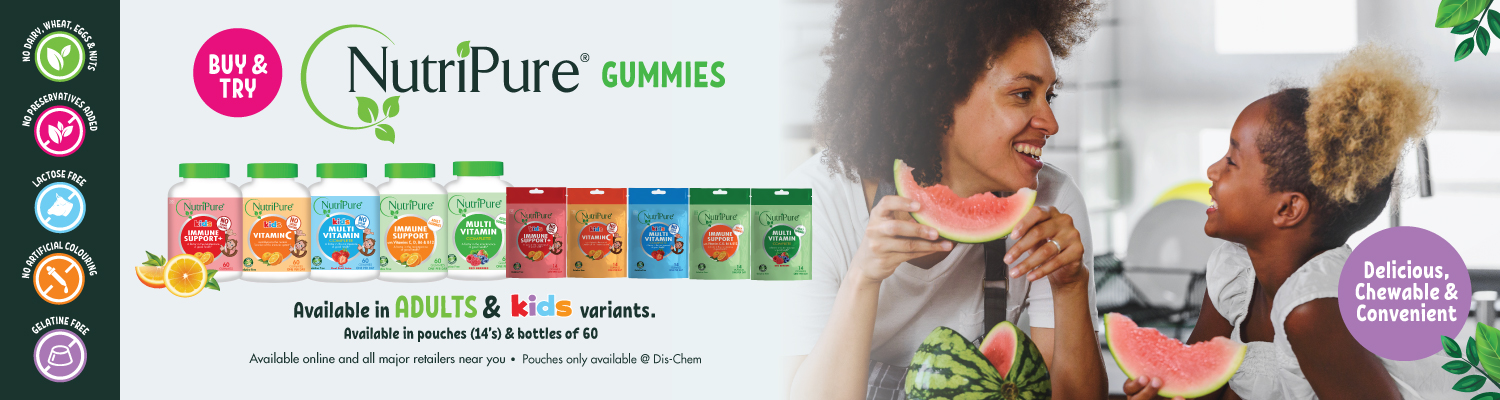

If there’s anything that a parent would nod their head yes to, it’s the fact that their children would rather have them rip the hair off their heads, than to eat healthy and nutritious food.


Around 9 000 babies are born to Bonitas Medical Fund members annually and while most of these little members are welcomed into the world without any hitches, about 20% of pregnant moms experience complications during childbirth. Many experience challenges of some kind during their pregnancy, or immediately after the birth of their child. For this reason, the Fund is making maternity education and support a focus for 2020. The aim is to offer pregnant members all the support and guidance they need to improve their health and that of their baby. It is about making the pre- and post- birth period as stress-free and healthy as possible.

Covering a wriggling child in sun cream is tricky enough, but when your little one has sensitive skin it can be even trickier– you don’t want to use anything that’s going to irritate. That’s why Childs Farm sun protection products don’t containparabens, SLSs, mineral oils, artificial colours or anything that might make sensitive skin flare up. Plus if you have a super-wriggler on your hands, our spray and roll-on sun lotions make everything easier.


For a parent, nothing eliminates the burden of entertaining your child more than handing them your smartphone.

A growth in membership, an increased emphasis on Managed Care, a range of enhancements for members and added value, are just some of the highlights from the Bonitas 2020 Product Launch.


And a unique curriculum, influenced by the United Nations Sustainable Development Goals, which encourages the holistic development of every learner towards their purposeful and impactful future

Moms love it when their little ones come home from school buzzing with knowledge. Sometimes though, the activity isn’t inside their heads but on top! Head lice populations rise in summer, and girls with longer hair pick them up easier than boys.

With World Breastfeeding Week recently celebrated and the focus placed on the importance of breastfeeding to improve the health of babies, it is an ideal time to consider the risks of alcohol for pregnant and/or breastfeeding mothers – and the delicious alternative beverage options that are now available in the market. Today, one of the major risks to a pregnant or breastfeeding woman is alcohol consumption. While many women do limit their intake during pregnancy and breastfeeding, they may not be doing enough. The health risks associated with consuming alcohol during pregnancy, breastfeeding and even conception mean that there are now an increasing variety of alcohol-free beverages for moms and moms-to-be in order to have safer (and healthier) choices. In fact, it turns out that 0.0% non-alcoholic malt beverages can even boost breastmilk supply by stimulating prolactin levels. It also has some other surprising – and quite remarkable – health benefits… Without going into the technical details, the barley malt contains lactogenic beta-glucan. This not only makes it highly nutritious, but when enjoyed 90 minutes prior to breastfeeding, can see an increase in the mom’s milk production. This makes sense, considering that barley is a starchy food that contains complex carbohydrates. The soluble fibre (essentially slowing glucose absorption) contained in the barley can lower cholesterol and even reduce the risk of heart disease. Malt drinks are well known to be both wholesome and highly nutritious, while providing some protein, sugar, essential minerals and levels of vitamins A and B vitamins. It also provides the all-important folic acid that is beneficial during both pregnancy and breastfeeding. The Risks of Alcohol During Pregnancy Here’s how it works, in a nutshell. Alcohol in the mother’s blood passes to the baby through the umbilical cord. This can result in miscarriages, stillbirth, or a range of disabilities that are classified under the term foetal alcohol spectrum disorder (FASD). Sadly, South Africa has the highest prevalence of these disorders than anywhere else in the world with 111.1 instances per 1 000 children (the global average is 7.7). The Consumption of Alcohol During Breastfeeding & Alternative Options Conventional wisdom used to state that drinking a beer before nursing could help with the milk ejection reflex. However, more recent studies have shown that infants who are fed milk by mothers who have consumed alcohol tend to take in less milk than those who did not. Startlingly, consuming alcohol while breastfeeding can lead to a multitude of ill effects: disturbed sleep cycles, extreme drowsiness, weakness, decreased growth in the infant, the possibility of decreased milk-ejection reflex and milk quality in the mother, not to mention the impairment of a mother’s natural reflexes that are needed in taking proper care of her child! On the other hand, consuming a non-alcoholic beverage or two means that you get all the benefits without any of the disadvantages – whether pregnant or breastfeeding. Moreover, modern 0.0% non-alcoholic beverage now has the same taste, while being devoid of the negative health side-effects associated with alcohol. Additional benefits include the hangover-free lifestyle and reduced calorie consumption. A win for South African mothers, and mothers all around the world! To celebrate women as everyday heroes, Bavaria threw a surprise baby shower for Itumeleng Nyathi, a Zimbabwean woman who left her country to pursue a brighter future in South Africa. In doing so, she had to walk away from her family and existing support systems. While in South Africa, Itumeleng met her husband Larry and they are now expecting their first child together, a baby girl arriving in September. Itumeleng received a bumper supply of gifts at the event, courtesy of Bavaria and a Johannesburg Mom’s Group – who banded together to provide her with a stroller, car seat, cot, feeding chair, baby bath, bouncer, booster seat, and more. An extra special surprise awaited Itumeleng as she was reunited with her mother, whom she hadn’t seen in several years. This heart-warming story has been turned into a special, shareable video: Please click here to watch By Oliver Wills, Marketing Manager at Bavaria

Private and public healthcare has been in the news lately and will continue to be a topic of discussion around the Department of Health’s proposed National Health Insurance (NHI) Bill as well as the current socioeconomic landscape. Traditionally in September, private medical aids present their products, plans and pricing for 2020 to existing members, or potential members, so that they can make informed choices. ‘It is imperative that the decision you make regarding you and your family’s health and wellness is balanced against affordability,’ explains Lee Callakoppen, Principal Officer of Bonitas Medical Fund. ‘For existing medical aid members, it’s the time to analyse the plan they are on, whether it meets their health needs and compare it to the various options available. If you’re joining a scheme for the first time, you need to consider your specific healthcare needs and spend time investigating which plan will be best suited to deliver on this.’ However, medical aid plans can be confusing which is why it’s important to compare the various options and schemes to ensure you find a medical aid that works for you and your family’s health and that is within your budget. For people who have a broker, that should be the first point of call to help you can make an informed decision. Here are some steps to help simplify the decision. Analyse your healthcare needs Completing a quick personal healthcare needs’ analysis will help you determine what level of cover you need. If you have dependants, you need to factor in their healthcare needs too. Consider how much you and your family spent on medical expenses over the past year as a guide and then ask the following: How often did your family visit a doctor Do you require medicine often Did you or the family need to visit a specialist Are any of you in need extra cover for cancer, HIV, renal failure or any other specific conditions How much did you spend on dentistry, optometry and over-the-counter medicine Then consider which of the expenses were once-off and won’t come up again soon (like childbirth) and which are likely to come up again and again (such as flu) as well as chronic conditions like high blood pressure and diabetes. Check how much cover you require If you find you hardly claimed (if you are on a medical aid) or have very a few medical expenses, then you will need a lower level of cover. However, if you have a large number of medical expenses, you will require one of the more comprehensive plans. Once you’ve established this you can decide whether you require a full medical aid or a hospital plan. Are you happy to use a network Some plans require you to use a specific GP, hospital network and have a list of preferred providers. This helps to keep costs as low as possible because the Scheme will have negotiated special rates with these services providers. Check whether there is a wide enough network in your area to cover your specific needs. Check your budget Once you have an idea of what you might need for the year ahead in terms of healthcare, then it’s time to look at your budget. Decide what you can afford and remember that the rule of thumb is that contributions should not exceed 10% of your monthly income. Read the small print Make sure you read all the details including the benefits. These vary from plan to plan so establish what is covered and look at whether it offers additional risk benefits which can potentially save on the day-to-date expenses. These could include anything from free wellness screenings (blood pressure, cholesterol, blood sugar and BMI measurements) through to maternity benefits, flu vaccinations, mammograms, pap smears and HIV tests. All of these are costly if you have to pay for them yourself. What about savings Medical savings are a fixed amount medical scheme gives you at the beginning of the year. You can use your savings for daily out-of-hospital medical expenses, such as GP and specialist consultations and over the counter medicine. There are ways to maximise your savings but first you need to know what you annual allocation is. Age can influence the decision If you have young children, ensure that the medical aid option you select provides sufficient child illness benefits. For young couples looking to start a family, ensure the option provides sufficient cover for maternity benefits. However, if you aging then you need an option that covers chronic conditions and provides sufficient in-hospital cover in the event of hospitalisation. Some additional advice Remember to be honest on your application form, disclose all information about you and your dependents’ health. Membership can be suspended or cancelled if you fail to do so Any waiting period or exclusions? Schemes may impose certain waiting periods for new members joining or for a pre-existing medical condition. This is based on the guidelines of the Medical Schemes Act and the specific scheme’s rules. Finally, get expert advice ‘Your health and that of your family is important so it is vital that you are comfortable with the choice you make and are confident your healthcare needs will be taken care of,’ says Callakoppen. ‘My advice is to make sure you are informed. Read the information and fine print and compare what the different plans are offering before you commit. If you are still unsure, phone the scheme and ask questions or check with your broker or financial advisor.’

It is estimated that around 10 million – or 20% – of South Africans are abusing substances. This is according to the South African Society of Psychiatrists. Whether it is alcohol, codeine, dagga, heroin or other drugs it’s a very worrying statistic that costs the private and public healthcare industry millions annually in rehabilitation and recovery.

In fact, according to recent reports, 6 Android apps that were downloaded a staggering 90 million times from the Google Play Store were found to have been loaded with the PreAMo malware, while another recent threat saw 50 malware-filled apps on the Google Play Store infect over 30 million Android devices. Surveillance malware was also loaded onto fake versions of Android apps such as Evernote, Google Play and Skype.

Happy Family Organics, makers of ready-to-eat, nutritious and delicious organic meals, is not only changing the way babies and children are nourished in South Africa and around the world, but they are also changing the lives of young orphans in Tanzania through their Happy Family Children’s Village (HFCV).

How do you know what health products and supplements are necessary or not when it comes to your little one? How do you choose and what do you look for?

Be honest and disclose all information. Don’t forget to read the questionnaire carefully and regardless of whether you think it’s important or not, or whether the medical condition was years previously, include it in your application

Bullying has been put on the radar this July, which is recognised as National Mental Illness Awareness Month, to highlight the need for greater public awareness and responsiveness given the high level of violence experienced at SA schools.


While we may be familiar with the dangers of a poor diet, in particular eating too much sugar, the actual effects of this may be far more frightening than previously imagined. Certainly, science supports the idea that excess sugar consumption leads to weight gain, increasing our chances of becoming obese as well as developing diabetes and heart disease. But now, new data shows that sugar can harm us in a place we didn’t expect, by actually attacking our DNA. Majority of the world’s population will average around 13-14% of calories a day from pure added sugar. It would seem we’re destined to harm our DNA.

Access to quality healthcare remains a priority for South Africans. However, with healthcare costs consistently outpacing inflation, the challenge for private medical schemes remains finding the right balance between providing a high level of value and care for members, while managing costs effectively.


What is eczema? Atopic eczema is a common chronic skin condition that causes dry, red and itchy skin. It may affect up to 20% of infants, and 3% of adults. It is commonly associated with other allergic disease such as asthma and hay fever. Atopic eczema usually begins in infancy, at around 3 months, and it may persist into adulthood. Its’ course may vary over a period of time with bouts of red, angry flares interspersed with relatively normal-looking skin. The good news is that in most cases eczema improves by age 3 to 5 years, and has often completely resolved by teenage-hood. What causes eczema? Importantly, eczema is not a contagious disorder. It is due to the interplay of genetics, environmental factors, and a defective skin barrier in an individual. Due to this abnormal layer of skin, there may be water loss, and allergens and irritants may enter the skin resulting in itchiness and dryness. The skin may be vulnerable to bacterial infections during the flares. What are the common sites of eczema? In young children, eczema is usually seen on the face and outer legs and arms. It appears wet and oozing. As a child gets older, the rash usually changes to a dry scaly itchy rash, and the position moves to the inner creases of the elbows and knees. Is eczema a serious condition? Though not associated with serious illness, eczema has definitely been proven to affect one’s quality of life. This may be due to the intractable itch, often subconscious, leading to sleep problems for example. Lack of sleep may, in turn, result in both behavioural and learning problems during school. There is often an associated issue of low self-esteem as individuals feel embarrassed by their skin, and absenteeism is common. What causes eczema to flare-up? Heat, woollen or synthetic clothing, fragranced soaps, washing detergents, and bubble baths have all been associated with eczema flare-ups. What are the steps to manage eczema? Reduce trigger factors prevent over-heating wear cottons rather than wool or synthetic clothing keep nails short to reduce damage to the skin from scratching emollients should replace soaps fabric softeners should be avoided avoid bubble baths bath water should be lukewarm not hot, and once out pat yourself dry, don’t rub the skin wash hair in the basin to avoid shampoo making contact with the skin before swimming, use a layer of emollient from top to toe after swimming, have a shower to remove the chlorine, followed by using an emollient again Moisturizing emollients These are the cornerstone of eczema treatment. They create an oily layer on top of the skin, which stops water from leaving the skin and therefore becoming dry. They should be applied in large quantities and frequently, as much as 8 times a day. Aqueous cream should not be used as a moisturizer as if it is left on the skin it is likely to irritate it however it may be used as a substitute for soap. Steroid creams These are effective in stopping skin inflammation. They work rapidly to settle down eczema flare- ups, and should be used during flare-ups to prevent skin damage. Steroids come in different strengths, from very mild to very strong. Very strong steroid ointments should be used sparingly as they have side effects such as thinning of the skin. Mild steroids have far fewer side effects, and will not affect a child’s growth and development. In a flare-up, a potent steroid cream can be used, but once controlled a lower strength ointment should replace it. This should be slowly reduced until the steroid cream can be stopped completely, and then only the emollient continued. Emollients should be used during flares too, and applied directly onto the steroid ointment. Cortisone tablets, syrups or injections are not recommended. While they may provide short term improvement, they may also cause worsening of eczema and are associated negative side effects. Antibiotics Your doctor may prescribe antibiotics in severe cases where areas of infection are noted around the eczematous lesions. Is eczema due to a food allergy? There is a lot of concern that eczema is a result of a food allergy. In fact, a very small minority of children with atopic dermatitis will have food allergy. This is far more common in severe atopic dermatitis. It is more likely that eczema causes food allergies, than the other way around, as allergens may enter the skin through the defective skin barrier. Food should not be removed from diet for the treatment of atopic dermatitis without the guidance of an allergy doctor. A baby with widespread eczema not responding to the correct eczema treatment may need to be worked-up for a possible food allergy. Can I prevent my baby from developing eczema? Babies at high risk are those whose parents or siblings have any type of allergies. There is a lower risk of eczema if babies are not exposed to cigarette smoking. Breastfeeding is beneficial in the first 4 months, if possible. Probiotics during pregnancy may provide a beneficial role in eczema prevention. And lastly, regular use of emollients in high risk babies, even if no eczema is present, has been shown to be protective against developing eczema.

Life doesn’t stop when you are pregnant. Most of us are still busy with a full day’s work plus the usual cleaning, washing, shopping and cooking chores while sometimes caring for older children as well.

I’ve had parents often come into the emergency room after their child has taken a tumble asking for a Tetanus vaccine, which is why I felt the need to write a post explaining what Tetanus is and why we need to vaccinate our kids. WHAT IS TETANUS? Tetanus is a disease commonly known as lockjaw. It is caused by the bacteria, Clostridium tetani and can be fatal. The toxin from the bacteria affects the nervous system and causes severe painful muscle spasms, which can interfere with the ability to breathe. Currently there is no cure for Tetanus and treatment is mainly symptomatic until the effects of the toxin wear off. Complete recovery can take up to several months. WHERE IS THE BACTERIA FOUND? Clostridial spores can be found everywhere. They are found in soil, dust and animal faeces (including humans). Once the spores enter a wound they grow into mature bacteria, which produce the powerful toxin. Clostridium tetani is found worldwide. WHAT ARE THE SIGNS AND SYMPTOMS OF TETANUS? Signs and symptoms of tetanus can appear anytime from a few days to a few weeks from infection: Spasms and stiffness of jaw muscles (hence the name lockjaw); Spasms and stiffness of the neck muscles; Difficulty swallowing; Spasms and stiffness of other body muscles, commonly the abdominal muscles; Other constitutional symptoms such as fever, sweating and palpitations. TETANUS VACCINATION I won’t go into too much detail regarding the various combination vaccines as there are many and every country has its own recommendations. A copy of the latest South African immunisation schedule can be downloaded from my resources page. The WHO recommends an initial 6-dose schedule to achieve tetanus immunity. 1. Primary vaccination Three primary doses of the vaccine are recommended in childhood starting from 6 weeks. 2. Booster vaccination Three booster doses are recommended prior to adolescence. Booster vaccines are then recommended every 10 years thereafter. TETANUS-PRONE WOUND This is any wound that has been contaminated with material that could contain tetanus spores; This is any wound that is deep; This is any wound that is dirty; This is any wound that contains a foreign body. Note: any wound can be tetanus-prone – cuts, scrapes, burns, animal (including human) and insect bites. WHEN TO SEE A DOCTOR It is recommended you see a doctor if: Your child has a tetanus-prone wound and has not had a booster vaccine in the last 5 years; Your child has a minor, clean wound and has not had a booster vaccine in the last 10 years; Your child has a wound and you cannot remember when their last booster vaccine was. RESOURCES CDC (2018) Tetanus. [online]. Available from: https://www.cdc.gov/vaccines/pubs/pinkbook/tetanus.html#contraindications [Accessed 30 August 2018]. WHO (2018) Tetanus vaccines: WHO position paper, February 2017 – Recommendations. Vaccine. [online] 36 (25). Available from: http://dx.doi.org/10.1016/j.vaccine.2017.02.034 [Accessed 30 August 2018]. WHO (2018) Tetanus. [online]. http://www.who.int/ith/vaccines/tetanus/en/ [Accessed 30 August 2018].
‘South Africa is heading for a disaster if the number of people living with chronic lifestyle diseases does not change.’ That’s what both the Human Sciences Research Council (HSRC) and the Medical Research Council warned two years ago. The Council described the problem of these non-communicable diseases as an ‘emerging epidemic’. If you look at the exponential growth of chronic lifestyle diseases then it is not difficult to understand why former Minister of Health, Dr Aaron Motsoaledi, said chronic diseases such as hypertension and diabetes are putting a huge strain on the country’s health care system. Obesity and being overweight are major risk factors for the development of chronic diseases. Testing for lifestyle diseases such as diabetes and heart disease is essential in the face of a steadily deteriorating health status in our country. Lee Callakoppen, Principal Officer of Bonitas Medical Fund says, ‘Get tested, know your numbers and take action now!’ The Bonitas Clinical Team explain why you need to keep your finger on the pulse of your ‘big four’ wellness numbers and what they are. Cholesterol What is cholesterol? It is a soft, waxy substance – one of the blood fats made naturally in the body. It helps to form cells, hormones and bile (that helps us digest food). Cholesterol is found mostly in animal products such as meat, cream and butter. What is high cholesterol? This is when you have too much ‘bad’ cholesterol in your blood. This, in turn, can cause narrowing and blockages of the arteries – the blood vessels that carry blood to your heart muscle and to other parts of your body. In time, the narrowing of the arteries to your heart can lead to a heart attack, while blockages in the arteries of your brain can cause a stroke. The test Called a fasting lipogram it measures the exact amount of different types of cholesterol you have. Good to know If your total cholesterol is greater than 5mmol/L on your fasting lipogram this indicates raised cholesterol Your low density lipoprotein (LDL) – the ‘bad cholesterol’ – should not be greater than 3mmol/L. LDL causes the build-up of cholesterol in the arteries which means a greater chance of heart disease High density lipoprotein (HDL), if less than 1.2mmol/L, means you don’t have enough good cholesterol which prevents build up in the arteries and transports cholesterol to the liver If your triglycerides (fat stored in the body) are higher than 1.5mmol/l, this is also indicative of a possible cholesterol problem. Weight and BMI Your Body Mass Indicator (BMI) calculator checks if you’re at a healthy weight. The test You can calculate yours by: Dividing your weight in kilograms (kg) by your height in metres (m) Then dividing the answer by your height again to get your BMI. Underweight less than 18.5 Normal weight 18.5 – 24.9 Overweight 25 – 29.9 Obese 30 or greater Diabetes What is diabetes? Our bodies produce insulin all day – a hormone that creates energy by converting sugar, starches and other foods. Without insulin, cells cannot absorb sugar (glucose), which they need to produce energy. When there isn’t enough of this hormone in your body, or it’s not used as it should be, sugar (or ‘glucose’) can’t be moved to your other body cells to supply them with energy. This means that you have higher than normal blood-glucose levels, resulting in diabetes.There are two main types of diabetes: Type 1 and Type 2. They are different conditions but are both serious and need to be treated and managed properly. Type 1 diabetes occurs when the pancreas stops producing insulin. It usually starts very quickly and in younger people. If you have Type 1 diabetes you need insulin injections to survive as well as having a carefully balanced food intake and exercise programme Type 2 diabetes (formerly called adult-onset or non-insulin-dependent diabetes) occurs when the pancreas makes too little insulin or your body can’t use the insulin effectively. It usually develops in adulthood and is often caused by being overweight and not exercising. Approximately 85–90% of all people with diabetes have Type 2 and many people who have this condition are undiagnosed. This can result in serious damage to the delicate parts of the body and lead to blindness, heart attackstroke, kidney failure, impotence and amputation so it’s vital to be checked. The tests Test 1: The Fasting blood glucose test – blood glucose is taken before you eat in the morning. Normal 3.9 to 5.5 mmols/l Prediabetic or Impaired Glucose Tolerance 5.6 to 7.0 mmol/l Diabetic More than 7.0 mmol/l Test 2: HbA1c test. The HbA1c levels determine your blood sugar control over time. Normal Less than 6% Prediabetic 6 – 6.4% Diabetic 6.5% or more Blood pressure What is blood pressure? Blood pressure is the pressure of blood in your arteries – the blood vessels that carry blood away from your heart. The blood pressures numbers mean the following: The first (or top) number is your systolic blood pressure. It is the highest level your blood pressure reaches when your heart beats. The bottom figure is your diastolic blood pressure and is the lowest pressure exerted as your heart relaxes between beats. What is high blood pressure? High blood pressure or hypertension is when blood pressure stays elevated over time. Hypertension is often known as the “silent killer”, since nearly 33% of people who have it, don’t know it. The only way to know if you have high blood pressure is to have yours measured. Range Normal 120/80 to 129/84 Upper end of Normal 130/85 to 139/89 Mild hypertension 140/90 to 159/99 Moderate hypertension 160/100 to 179/109 Severe hypertension More than 180/110 If your blood pressure is too high, it puts extra strain on your arteries (and your heart) and if it’s not treated, hypertension can cause kidney failure, eye problems, heart disease and stroke. Callakoppen says, ‘When you consider that 1 in every 3 people in South African has high blood pressure and every 8 minutes 1 South African has

My husband and I travelled with our two-year-old on a long-haul flight to London. Having bought a seat for our restless bundle of energy was, in our case, the best thing ever. Eleven hours plus on our laps would have been too much to handle. We very quickly learnt what to do and what NOT to do.

It occurred to me the day I went back to work after my maternity leave that I didn’t know any other emergency number besides 10111. Thankfully I have never had to use this but I couldn’t risk leaving my daughter at home with her caregiver without leaving a more comprehensive list of important numbers by the phone. The last thing you want to do in an emergency is dial the wrong number. In the US, the UK and Europe there is only one toll-free number to call from any landline or mobile phone. In South Africa, things are not as simple. Unfortunately there isn’t one single number for an emergency. I spent a really long time searching the web and making a couple of phone calls but I finally managed to put together this simple list. It is vital that you as parents and/or caregivers know what number to dial when and it is perhaps even more important that your little ones know this too. USING YOUR CELL PHONE: Any emergency nationwide – 112 (this number will still work even if you have no airtime) USING YOUR LANDLINE OR CELL PHONE: Police/Fire – 10111 Nationwide ambulance (public EMS) – 10177 Netcare 911 (private EMS) – 082 911 ER 24 (private EMS) – 084 124 Poison Information Centre – 0861 555 777 Remember, before making that emergency call, try to stay calm. You also need to have important information ready such as, the type of emergency, details of any injuries and the exact location of the emergency needing attention. A list of Emergency Numbers can be downloaded for free from my resources page. It may be a good idea to stick this on your fridge or somewhere nearby the phone.


Irrational decisions are made when they are the result of a knee jerk reaction and when you are at your emotional peak. It is a choice you have made and decided to act upon based on your feelings and usually clouded by misinformation. Decisions made on the spur of the moment and under emotional conditions have almost always been the wrong decision, which leads to one feeling embarrassed and the need to apologise followed by the necessary mending of the relationship.

Garbage in – garbage out? What are we feeding them? Good nutrition is of paramount importance for teenagers. Teens who do not eat correctly are more likely to be overweight, lack energy and enthusiasm and perform poorly at school.

Winter is here and so are coughs, colds and flu. Common colds and flu are both caused by viruses and share many of the same symptoms however colds are usually milder and do not cause any serious complications. More than 200 viruses can cause a cold whereas the flu is caused by the Influenza virus. This is why there is no vaccine available for the common cold.

Lifestyles or Non-Communicable Diseases (NCDs) – such as diabetes – have become an epidemic in South Africa which is why preventative and managed healthcare has become all important. Whether you rely on the public or private healthcare system it is critical that you manage your health and lead a healthy lifestyle, to prevent long term illness. Cardiovascular (heart attacks and stroke), cancer, chronic respiratory disease and diabetes are on the increase and responsible for the high cost burden of healthcare. For the around 20% (just under 8.9 million) South Africans who are on private medical aid schemes, managing their medical expenses correctly is important if they want to avoid unnecessary out of pocket expenses and make their medical benefits last longer. It also helps them understand the cost associated with the healthcare services they receive and the benefits associated with the plan they have elected. Here are the five tips from Lee Callakoppen, Principal Officer of Bonitas Medical Fund on how you can stretch your medical benefits. 1. Use Designated Service Providers or networks Medical schemes negotiate preferential rates with providers – known as Dedicated Service Providers (DSPs) – who have partnered with them. This allows schemes to ensure that members get the best quality services at the most cost-effective rate so that the benefits are optimised and the scheme at large is sustainable. So if you use a network hospital, doctor or pharmacy you will not be charged more than the agreed rate. This will help you avoid co-payments and make your medical aid last longer. So, to reduce co-payments and even avoid them altogether, find a healthcare professional on your schemes network. 2. Go generic Use generic medicines which have the same active ingredient, strength and dosage as the original brands and are as effective. Most pharmacists offer a generic option, especially for chronic medication. Medical schemes are more likely to pay in full for generic medicine. Pharmacists are also able to provide sound medical advice on problems such as rashes, colds or illnesses that are not severe, simply ask and buy the recommended over-the-country medicine to save on a visit to the doctor. 3. Managed Care benefits Some schemes offer programmes to help you manage severe chronic conditions such as cancer, diabetes and HIV/AIDS. These programmes are usually covered from the risk portion of your medical contribution and are not funded from your savings account. They help you use your benefits to maximum advantage while ensuring you receive quality care by using specific providers. Other benefits – such as maternity consultations, wellness benefits, preventative care and dentistry – are also paid from risk by some schemes. Again giving you more value for money and are in addition to your savings and day-to-day benefits. Carefully read through what your plan offers and choose wisely to make sure you find the right plan to suit your specific healthcare needs 4. Know the facts If you do need to be hospitalised and it’s not an emergency ensure that it’s on your medical aid’s DSP list. Talk to your doctor or specialist to find out all the facts in terms of what they will be charging and compare this to what your scheme will cover. If the difference is substantial, negotiate. Approach your doctor and ask if they are prepared to adjust their fee. Alternatively, you can also check if there are other healthcare providers on your scheme’s network that will charge you a better rate. You can also avoid the unwelcome surprise of a co-payment or sub-limits by: Making sure you obtain pre-authorisation Making sure the medical practitioner uses the correct ICD-10 codes Checking what additional costs will apply (if any), what costs will be covered and how you can avoid these. 5. Keep moving One of the best ways to manage your health and the associated costs, is to live a healthy lifestyle and this includes getting enough exercise. Try different exercise routines and find one that works for you. Whether it is a regular short power walk, playing tennis or soccer, riding a bike or attending a yoga or pilates class, it will be beneficial to your mental and physical wellbeing. ‘Be informed and make good and less costly healthcare decisions,’ says Callakoppen. ‘Your health is important, so take time to research and understand the medical aid plan you are on. Read the information sent to you by the scheme or your broker, including the fine print and, if you don’t understand some of the terms, speak to your broker or phone the customer care line. Understand and know your rights in terms of healthcare cover, this will go a long way in helping you make the most of your benefits.’

Going through a divorce can be extremely harrowing and stressful, not just for the couple themselves but also for their children. And, given the divorce statistics released recently by StatsSA, divorce is on the increase. More than 25 390 divorce papers were filed in 2017, four in 10 divorces came from marriages that lasted less than 10 years and 55,6% involved children. Part of the anxiety is financial which can be exacerbated, depending on whether you are married in community of property have an ante nuptial agreement with or without an accrual clause. It can be very difficult going through the nitty-gritty details, especially when emotions are high. There are a lot of factors to consider, including how to divide up property and other assets, child care and support and, just as important, healthcare. Divorce can seriously impact the healthcare cover you might have previously enjoyed, especially if you are your children were on a joint medical aid, with one partner being the main member and the rest of the family listed as dependants. We put a few questions to Lee Callakoppen, Principal Officer of Bonitas Medical Fund to help you make sure have the right information and follow the correct procedures to ensure your healthcare is not compromised during divorce proceedings. What is the correct process to follow when getting divorced and taking a dependant off your medical aid? All changes in dependency must be sent through to the medical aid. You are usually required to fill in a form regarding this and provide supporting documents. In instances of a divorce, you will need to provide the divorce settlement to your medical aid together with your form. Is there a notice period required? Usually changes are effected within 30 days, which means you do need to allow time for the change to take place. What are the rights of the dependent being removed in terms of coverage while moving to a new medical aid? The main member is effectively the policyholder when it comes to medical aid and his/her dependants are beneficiaries. Unfortunately, this means the dependant has no rights once they are removed from the membership which is why it is important to obtain cover for you after a divorce with immediately effect. Does moving from one medical aid to another impact continuity of cover and/or will waiting periods apply? The usual underwriting rules apply so check with your new medical aid in terms of waiting periods and/or any exclusions. What happens if the medical aid cover was always in the ‘husbands’ name and now the ex-wife wants to apply – will she been penalised for not having a medical aid and be charged late joiner fee (if over 35)? No, however you will be required to prove that you have previously belonged to a medical aid. We advise that you request a certificate of membership showing the period that you belonged to the medical scheme as a dependant on your ex-spouse’s medical aid. What are the advantages and disadvantages of being a dependent on a partner/spouse’s medical aid? Advantages Reduced contributions, the monthly contributions for an adult dependant is cheaper than that of a main member Disadvantages The main member has to provide access and approval in order for a dependant to access online portals etc Can a divorced couple still share a medical aid scheme or does this only apply to children? Yes, if one spouse is financially dependent on the spouse. You will need to provide proof of dependency for this. If you are able to remain or your ex’s plan would this be a recommendation in terms of medical cover and continuity of healthcare? No. You will still have continuity of cover if you join a medical aid as the main member. The bottom line: Although divorce means heartbreak and emotional turmoil you do need to keep your wits about you. Seek the help of a financial adviser or broker to ensure you don’t compromise on your health or that of your children. Keep copies of your divorce papers, get any additional paperwork required, notify the existing medical aid of the changes and sign up for you own medical aid or hospital plan that kicks in immediately.

A red, chapped nose is one of the more visible side-effects of colds and flu, for children and adults. Here’s five practical ways to prevent a sore or raw nose this winter, from mom of three, Dirna Grobbelaar, Oral Hygiene Advisor at Ivohealth. A runny nose can cause dryness and chafing as frequent blowing and wiping, strips natural moisture from the skin and causes irritation. Apply some type of barrier cream, balm or ointment such as petroleum jelly or coconut oil to form a protective layer over the skin. Or ideally, use Letibalm, the only product available in South Africa specifically designed to protect and repair the delicate skin around the nose and lips. It’s made with natural and active ingredients including ancient healing herb centella asiatica with proven antioxidant, anti-inflammatory and hydrating properties; nourishing cocoa butter and antioxidant vitamin E. Whichever balm you use, it’s vital to apply it several times a day, especially before and after blowing the nose. Keep a tub or tube of Letibalm handy in your bag, child’s school bag and the car, so there is one available whenever needed. Wiping with the correct tissues will minimise irritation. Wet wipes aren’t suitable as they may contain cleansers, chemicals or other irritants; rather use a soft tissue, ideally ones infused with aloe vera or calendula. Instead of wiping the nose, gently pat or dab the skin. Blowing the nose less often will help prevent ‘tissue burn’. Rinsing the nostrils with a saline spray or homemade saline solution can help clear stuffiness. Buy a nasal spray at the pharmacy or make your own saline solution with a cup of cool, boiled water and half a teaspoon of salt. Steam helps relieve congestion and moistens the nasal passages, another good reason to enjoy hot soups and herbal teas when you’re feeling under the weather. Steaming your face over a bowl of hot water under a towel may be helpful, or sit in a sauna or steamy bathroom, probably a safer steaming method for children. Keeping the body and skin hydrated is important in preventing dry skin. Using a humidifier can add moisture to the air. Drinking plenty of fluids, especially water or herbal tea, is always recommended and especially when you have the sniffles. A clean washcloth soaked in warm water can be used to gently moisturise the face. Avoid harsh soaps, facial scrubs or anti-ageing products but do use plenty of moisturiser to keep the skin soft, in addition to a balm around the nose and lips. The best advice is to do all you can to stay well this winter. Maintain a healthy lifestyle and diet; get lots of fresh air and exercise; regularly wash your hands to avoid germs. But should the sniffles strike, these few simple steps can make it nicer and less nasty for your nose . Five tips to prevent a chapped nose this winter: Regularly apply a barrier cream, such as Letibalm nose and lip repair Use soft tissues, ideally infused with aloe vera or calendula. Gently pat rather than wipe Blow the nose as little as possible. Use a saline spray or solution to help clear stuffiness Use steam to moisturise the skin and help relieve congestion Keep the skin hydrated and mucous thin – use a humidifier and drink plenty of fluids For further practical advice from Dirna Grobbelaar read the Ivohealth blog on www.ivohealth.co.za.

The provision of a constant, clean supply of municipal water is a necessity that underlies modern infrastructure – ensuring that convenience and hygiene are easily attainable, with water freely available at the turn of the tap. What is often overlooked; however, is that in order to achieve this, a cocktail of chemicals are added to the water supply. These include free chloride and chloromines, along with other heavy metal elements and VOC’s (volatile organic compounds) such as pesticides, fertilizers, petro-chemicals, dioxins, radioactive materials and micro-organisms. Ideally, these substances should be filtered out of all consumable water as evidenced by the widespread popularity of household water filters and purification systems. Less known, but as important, is that impurities such as these can also be absorbed through the respiratory systems and eyes, whilst the highly absorptive nature of the skin means that up to 60% of the chlorine that most people absorb daily is due to showering or bathing in chlorinated water. When it comes to incorporating filtered water into your showering routine though, things can get tricky as the efficiency of a carbon filter is severely compromised by high temperatures, pressure and the volume that a showerhead handles. That’s where, the latest in innovative technology ─ Vit-C Shower comes in! Delivering the benefits of Vitamin C directly to you, the Vit-C Shower combines intelligent design and the powerful effects of Vitamin C to provide users with a water supply that is dechlorinated and packed with natural benefits. As opposed to conventional filters that only remove around 20 – 50% of the chlorine in water, the Vit-C shower dechlorinates and neutralizes up to 99.8% of free chlorine and chloromines in the water. What makes this possible is the pioneering use of Vitamin C within a filter that is independent from the shower head. Exposure to Vitamin C in the form of ascorbic acid enclosed ceramic balls, not only allows for far greater dechlorination but also provides users with an array of supplementary benefits; helping in the growth and repair of all body tissues, formation of collagen, absorption of iron, wound healing, maintenance of cartilage, bones and teeth and immune system defences. This is then bolstered by a rigorous 12 stage filtration process that includes sediment filters in the form of micro-porous cotton and stainless steel mesh, along with a variety of additional elements that include calcium sulphite, malfan stone and tourmaline to ensure that the highest water quality is maintained. The negative consequences of chlorine and chloromines in our water are manifold. Amongst others, skin and hair are stripped of their natural oils thus possibly resulting in over 20% of infants and children, and 3% of adults suffering from eczema type skin conditions. What Vit-C shower offers is a chance to dramatically reduce this possibility, whilst providing gentle care for your skin in the form of water that is softer, gentler and which leaves you feeling refreshed and revitalized!

