


Vegan – Is it healthier?
As popular campaigns like ‘Veganuary’ fuel New Year’s pledges to cut back on meat, MANY people has been asking my opinion on vegan diets and on documentaries such as ‘The Game Changers’. If you are intrigued – keep reading.


As popular campaigns like ‘Veganuary’ fuel New Year’s pledges to cut back on meat, MANY people has been asking my opinion on vegan diets and on documentaries such as ‘The Game Changers’. If you are intrigued – keep reading.


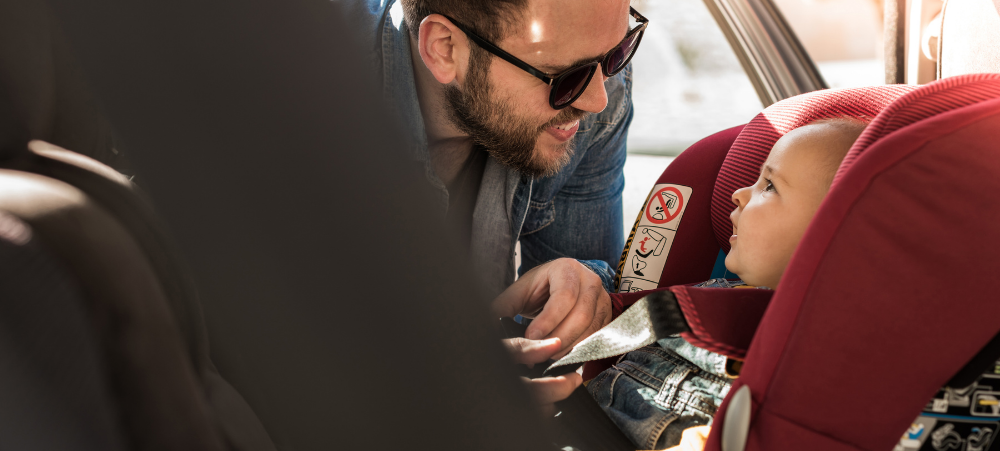
I am a huge advocate of babywearing. Be absolutely clear though – babywearing is not an alternative to using a car seat. While babywearing brands and consultants are very clear that wearing a baby in a car isn’t safe, there are those that don’t know this. So I am adding my voice to theirs in getting this message across. The benefits for baby and the baby wearer are numerous. Keeping baby close and secure is the best thing for baby’s development and babywearing allows you to carry on with normal day to day life. Kangaroo care, babywearing, in public hospitals has proven to help premature babies to thrive. I can understand the temptation to keep baby wrapped close to you at all times because of these benefits. But the dynamics of a car accident don’t change. A baby or child between an adult body and a seatbelt will be crushed to death. Most parents understand that it is never safe to hold a baby or child in your arms or on your lap in a car. Physics research has shown that passengers have less than half a second to react in a crash or even if the driver has to slam on brakes. When a car crashes or suddenly stops, the body takes on the weight of the speed you were travelling multiplied by the actual weight. So while anybody could hold onto something weighing 5kgs… If your baby weighs 5 kg, and you crash at only 60km per hour, your baby weighs 300kg. Nobody can hold onto something weighing 300kgs. Some people believe that wearing a seatbelt over them and their child solves this. The sad fact is… In a crash, your baby or child would be crushed to death between the seatbelt and your body. The force against your baby is roughly that of 30 adults, each weighing 50 kgs, standing on top of your child. 1500kgs… An entire rugby team or the weight of your average car… The wrap or sling won’t make a difference at all in this equation. It will be holding your baby in place between you and that seat belt. Car seats are expensive. They are a pain to move in and out of a car. Car seats are awkward to carry. They can wreak havoc on your back, neck and shoulders. Unwrapping a finally-sleeping baby from babywearing and transferring them into a car seat… Easily equated with disarming a bomb… On a rollercoaster… With both arms tied behind your back. It is a pain. You are tired and sore and you just want to get yourself and your baby… and probably your other kids too… home in the fastest, least traumatic way possible. I feel you mommy. Really I do. I know that overwhelmed feeling oh so well. I’m a mommy. I am a mommy of a toddler. Who still rear-faces, and will until her car seat doesnt’ allow it anymore around 25kgs. I have had to transfer her sleep-heavy little body to her car seat http://www.health4life.net/ drugstore in the rain after a month of sleepless nights. I have faced the consequences of that transfer waking her… Her screaming while the tears pour down my face as I drove home. What I haven’t had to do is face the consequences of not making that choice. I have talked to and listened to and cried with mommies who have though. This mommy lost her baby in a 2 block car trip. It isn’t worth it. Babywearing is wonderful. It is a tradition that has been around for thousands of years. African mommies have been wearing babies for as long as we have records. Daddies, grandparents, even older siblings can now use babywearing to bond with the babies in their world. Wear your baby! Keep them close to you, safe and warm. You are doing the best you can for your baby. And when it comes time to get into the car, transfer them to their car seat. Just as you are designed to hold and support your baby; a car seat is designed to hold and support your baby in a car. The materials used are chosen and tested to make sure that your little one is completely surrounded by protection in the case of a crash. #CarseatFullstop. Every child. Every time. No matter what. One share, seen by one person, who straps in one child, saves a life.

I think that most of us have experienced the wrath of COVID -19 and the havoc it has caused in our everyday lives and like most people, we have all grown quite tired of hearing about it. Ever since COVID-19 hit I think it has worn us down and caused us such anxiety that we now have COVID -19 burnout. When the Pandemic first arose, I like most, was consumed by it. We watched the news and followed the stats closely and had so many sleepless nights. Although COVID -19 is still very much a relevant topic, I think we are all yearning for a little bit of normalcy and wants things to look forward to and have conversations about things other than this cumbersome virus. We still want to stay in the loop with things that pertain to us like kids, school, updates, breakthroughs etc but we want to consume it at our own pace; not every time we open a social media app. We have all been feeling a bit down and I don’t know about you, but I haven’t found the need to dress up or even put on makeup. Now that most of us are back at the office or bracing ourselves to go back to work, I wanted to share my tips on how to achieve the “no makeup”, makeup look. Wearing a mask is also mandatory, so this look means we will look office-ready without the hassle, seeing as we are all still running our households and seeing to the kids schooling under the “new normal” circumstances. The “no makeup”, makeup look These days the makeup trend is all about the “no makeup, makeup look.” We are seeing a lot less makeup than before. Makeup is not ‘plonked’ on but rather more natural looking, letting your natural features come through. Here are our tips to achieve the ‘no makeup, makeup look’ Minimal foundation. Try mixing your foundation in with moisturizer so coverage is less. Don’t skip the sunblock. Wrinkles are the last thing we want to add to our already long list of worries. Conceal properly. Colour correct and conceal any discoloration or redness. Use the CATRICE colour correcting palette. Peach concealer underneath your foundation cancels outside blueness or darkness. Green concealer underneath your foundation cancels out redness. For shadow you want to choose a cream shimmer colour for eyes. You could even use a shimmer colour on the inside of your eyes to open it up. If you are not a fan of shimmer, then try using a single shade of eyeshadow all over the lid like a warm brown or orange. Use the CATRICE nude palette. Groom your brows and for a more natural look you could use brow gel. Use the CATRICE clear brow gel. Apply a coat of mascara and for a more subtle look you could also use brown mascara instead of black. Use the CATRICE glam & doll mascara. Bronzer and blush to warm up the cheeks and create definition. Use the CATRICE matt bronzing powder and luminice highlighter palette. Sweep of highlighter and a dash of gloss on the lips. Use the CATRICE volumizing lip gloss. As moms on the go, we all need a little pick me up and confidence boost even if it is a little makeup to help us feel normal again. Feeling good about ourselves is an instant energy boost and mood enhancer. Transitioning your summer closet to winter on a budget Life is expensive – period! Finding smart ways to recycle my summer clothes to winter is something I love doing because it gives me an opportunity to wear my summer clothes in different ways and make it feel like a whole new outfit. Here are my tips: Maxi dresses – throw on a long sleeve top underneath, a blazer or leather jacket, a pair of boots and we have a whole new outfit. Layering – I love layering my white shirts and throwing on a chunky knit or taking a dress and throwing over a knit. Invest in thick winter stockings. Recycle those summer skirts by pairing them up with winter stockings and boots. Add richer, deeper colours – most people will think neon colours should be tucked away for Summer but pairing it up with earth tones will make it perfect for Winter. For example, a neon bodysuit paired with a camel blazer makes it very wearable for Winter. Accessories are life changing and it is a less expensive way to change up an outfit. Layering up necklaces and adding a different earring can really breathe new life into an old outfit. When I do have extra cash I can spend, I like to invest in statement pieces that will last me for years to come. I invest in leather jackets, a few coloured winter scarfs, a few chunky knits, boots, sneakers or loafers, scarfs and hats or beanies. My favourite past time is buying vintage items. You can pick up amazing steals and some name brand items too for a fraction of the cost. I love that the pieces you find are unique and no one else will have the same. Sitting in my closet while the kids are asleep, and hubby is playing Fifa (yes this happens in my household too) and thinking up outfits is something I find so relaxing. Plus, it saves me time in the morning having to decide what to wear. CATRICE Cosmetics is available at Dis-Chem pharmacies and online at Takealot, Zando, Superbalist & House of Cosmetics.


As Metropolitan’s Three Word Stories campaign draws to a close, consumers are given tips to help with their finances during the Covid-19 pandemic and beyond Nobody could have predicted the turmoil the coronavirus pandemic would cause for the financial lives of most South Africans. Many people’s income has been significantly reduced, and thousands of others are facing the prospect of unemployment. As a result, the economy is contracting. The pandemic has forced all of us to consider critical questions about our financial security. According to a DebtBusters report from the first quarter of 2020, South Africans were under severe financial strain even before the Covid-19 outbreak and are now increasingly cashing in their long -term investments for immediate survival. The pandemic is likely to continue to affect household finances for years to come. TransUnion recently reported that 79% of South Africans’ household income has been negatively impacted. Therefore, being mentally strong, having a plan, prioritising spending and using resources efficiently is imperative to the financial stability for many families. Now in its final week, Metropolitan’s Three Word Story campaign seeks to build resilience among South Africans by sparking conversations about real-life financial concerns, and ease their anxiety about the future by finding ways to deal with the challenges they face. “Access to money has a great impact on how people experience the pandemic. Our food security, personal safety, health and so many other essentials depend on access to money. The questions consumers are asking themselves about their finances have never been more significant. How do I ensure my financial survival? Should I be saving more aggressively? How do I restructure my finances or my debt? How do I pull myself out of debt? Our tips this week aim to help South Africans deal with tremendous financial challenges we are all facing and how to navigate through these unchartered waters,” says Llewellyn Allen, Head of Marketing: Metropolitan, “My hope is that these tips will assist people find a way to not become overwhelmed, but to dig deep to find their strength. The only way to conquer fear is through action, and that starts with reminding ourselves that we have the mental strength and resilience to deal with whatever financial challenges we face,” adds Allen. Reassess your finances and budget accordingly: Many financial experts have predicted that the value of the rand is likely to fall. Consumers will be forced to spend more Rands to buy the usual items they bought before the pandemic. It is important to be realistic about where you stand financially. Honest budgeting and keeping track of expenses serve as a great reality check. Be honest with yourself; the first step is to understand where and how you spend money. To do this properly, draw up a detailed, accurate account of everything your household spends money on in a normal month. Start by listing all fixed monthly expenses that help you maintain a basic standard of living. Then draw up a second list of variable expenses, including discretionary spending. Once you have both lists, compare them with your income and cut out any unnecessary items so that your expenses are less than your income. Even though removing luxuries from a monthly budget might be painful, the ‘new normal’ of social distancing and staying at home might make it easier to cut out the out of home luxuries. Plus, it will reduce stress if you manage to reduce your expenses to be less than your income. Involve the whole family: This is an opportune time for parents to talk to their children about where money comes from, why budgeting is so important, and how everyone in the family can contribute to lowering household spending by making compromises. Parents may want to consider reducing their children’s allowances now that most children are at home and not able to spend money on excursions. Set savings targets for the whole family and make it fun and practical. Seeing money accumulate in a glass jar in the kitchen and later depositing it into a bank account for safety can be highly motivating, and it can be the start of learning about investments and earning interest. Depositing the money in a bank account, not only keeps the money safe but also helps with fighting the temptation of spending the money when in sight. Make smart financial decisions: A crisis such as the Covid-19 presents new opportunities for scammers and fraudsters to steal money by preying on people’s anxieties. Now is the time to make considered financial decisions and avoid the temptation of investing in and losing your money to get-rich-quick schemes. Speak to an accredited financial adviser if you need help with making smart financial decisions during this time. If the household’s financial standing has changed during this difficult time, calm nerves are required to take stock of the finances and make adjustments if required. Information from credible sources as well as speaking to an accredited financial advisor can help to make sense of things.

Beyond getting your child’s own savings started, teaching your children age appropriate lessons about handling money is important. It better equips them, and you, to accumulate and maintain a steady growth on investments, particularly if everyone is on the same page about the family’s long-term saving goals. A good example is education. Though online education opportunities have become quite popular recently, school fees remain a reality, and they can really add up over time. Although COVID-19 brings up a lot of uncertainty, now is a great time to teach your kids some valuable financial lessons, so here are four healthy money habits to pass along. Make money child friendly As your children get older, explore ways to teach them ‘adult’ money lessons in practical and memorable ways. One way could be to pay them ‘performance bonuses’ for spotting opportunities that save money in the home and in their schooling. When you do annual uniform shopping and they find a cheaper deal on school shoes elsewhere, invest the difference into savings. You might consider opening a tax-free savings account on behalf of your child, or a unit trust account if your investment horizon is a little shorter. A formal way to save can make your children cognisant of the cause you are saving towards, and aware that their efforts are actively making a difference. You can also mimic the discipline of saving by paying pocket money on a specific date each month. This demonstrates that money isn’t available on tap and things, just like their education, need to be planned and saved for. Allow trial and error Talk to your children about questions that they may have about money. By helping them understand what’s confusing them, it opens their mind to creative ways to work with it. Once your teenagers understand the concept of compound interest, the excitement and devotion to growing the initial amount might kick in. Additionally, although the (weekly or monthly) pocket money you give them might be the same, their personal expenses will change. One month, your child might ask for an early withdrawal to buy a camera for photography class, and the month after, a book. By providing ‘statements’, your child will be less intimidated by personal financial planning and have a realistic idea of what it looks like to budget, review expenses and be conscious about using their money. More importantly, they will learn to plan ahead for what they need and want. In this time, allow for mistakes so that they know not to panic when the environment or costs change. Intuition combined with your lessons are key to them navigating their newfound financial responsibility. Check twice before clicking once The newer generation is growing up with the internet, but it is never a bad idea to teach them to shop safely and wisely while online. Begin by teaching your kids the difference between a credit and debit card and which one you will be allowing for the online buying responsibilities you might give them from time to time. Emphasise that transactions should only be made on trusted sites and to make it easier, provide a list of places where you will allow the card to be used. You can also suggest they place an item in their virtual shopping cart for a day or two before buying, as this could result in realising the item isn’t necessary to buy, or some retailers may even send a discount for that item, hoping it will conclude the sale. By giving older children the occasional responsibility of doing their own stationery shopping (with your supervision) not only will they learn how to compare prices and stick to the budget, but they will also learn to become familiar with the cost of things (and how they can change over time). Hopefully, your child will learn that financial planning is based on needs first, then wants. Textbooks? Need. New PlayStation? Want. Play the role of an adviser Financial advisers are qualified professionals who commit to evaluating your current situation and help you build a realistic strategy toward reaching your ideal financial goals. As your children gain more understanding, find out their financial goals. You want them to understand the role of a financial adviser in their personal financial planning journey when the time comes, but more importantly, to be honest with their adviser. You might consider including them in conversations you have with your adviser. Small lessons amount to big, well-informed decisions and as a parent, the ongoing lesson of being financially prepared is a gift that will reap many rewards in the future. Ronald King, Head: Public Policy & Regulatory Affairs at PSG

I thought although this was not in my original “money saving” ideas it is very pertinent to what is happening at the moment and as such I have decided to write about ways to save money during this period of Lockdown/Covid-19 pandemic.

In the same way that I hate being told what to do, I hate telling other people what to do. Parenting is hard enough without people making judgements about our parenting choices. BUT, there is one notable exception, and that’s when it comes to a child’s safety. If you choose to feed your kid from the boob or with formula, I don’t care because either way your little one is getting fed. If you choose to have a nanny or send your kid to creche, that’s also your choice and I have nothing to add to the conversation. However, if a child is in danger, we all have a responsibility to speak up. The world is full of scary things that threaten your child’s safety I recently saw a video where a little one was almost taken, just a couple steps away from her mom… Or how about the uproar about the Stanford rape case? Babies can get sick and end up in the NICU, a place I hope Harley never ends up in again. Sometimes, there’s nothing we can do to prevent the horrors – it comes down to luck. However, when you get in a car, there is something you can do for your child’s safety… And a frighteningly small percentage of parents do it. I remember the weeks leading up to when we brought Harley home. I kept hoping for her to gain the weight, to be ready to come home, but it didn’t feel quite real. Because she had come so early, Dean and I hadn’t even gotten around to getting her two most important things – her cot and her car seat. I had done my research and I knew exactly what I wanted; the car seat we ended up purchasing is so safe that it claims our car can roll (knock on wood that never happens) and she would still be totally fine and protected. It was only when we bought both her travel system and her camping cot that it felt real that she’d be coming home. We had a way to transport her and a place for her to sleep. South African Statistics around your child’s safety The hospital had a rule that you couldn’t take a baby home without a car seat. I sort of laughed at the time – I mean, obviously, right? Well, not so obviously. According to some scary statistics, less than 7% of babies are in car seats in South Africa. That means a whopping 93% aren’t. When you consider that car seats reduce the risk of death in passenger cars by 71% in infants and 54% in toddlers… Those are some scary, scary numbers. Thinking of the ridiculous number of accidents that occur every day on our roads, in particular over long weekends or major holidays, it’s actually terrifying to think how many tiny lives are in danger for absolutely no reason. The cost of a car seat Yes, I know, some of you will tell me that there are people who can’t afford car seats, and you’re absolutely right. That’s why there are organizations like Wheel Well which runs a campaign around car seats. That’s right, any old car seat you have can be refurbished and donated to a family in need… Helping them take care of their child’s safety even if they don’t have the funds. But sadly, those aren’t the babies I see most often unrestrained. No, I’m talking about the little ones I see, being dropped off at the nearby schools and creches, the ones driving in Polos or Subarus or Land Rovers or Porsche Cayennes. I see their children standing on the back seats, hanging limbs out of windows, or even climbing into the front of the car. It isn’t due to hardship that these parents aren’t restraining their tiny people, it’s out of negligence. Maybe the kid screams in the car seat, or maybe they figure it’s just a quick trip and everything will be fine. How devastating would it be, then, if that quick trip ended in tragedy, a tragedy that could be avoided. I’m lucky – Harley adores her car seat. She happily goes into it, sometimes just giving a wriggle when I strap her in, and then usually falls asleep during the drive – even if it’s just down the road. She faces backwards, and I’m starting to notice her feet are actually touching the backrest of the backseat. Cool for her, she’s getting taller. But that doesn’t mean she’s getting turned around anytime soon. The reality is, we never know when we could be in an accident It could be a distracted driver on his phone in rush hour traffic while we go fetch Dean in the afternoon, it could be a still-drunk driver on a Saturday morning when we head to Pretoria to see my beautician, it could be due to random glare from headlights late at night driving back from a braai with friends. I consider myself a careful driver; I have never been in an accident. But that doesn’t mean I never will. It’s scary and awful to imagine. Maybe you don’t have a kid, or maybe you always strap yours in. But based on the stats, you know at least one person who doesn’t. You don’t have to explain to them how horrifying it is when a baby is thrown from a car. You don’t have to be “that” friend who lectures them. Simply share these #CarseatFullstop posts when you see them and think more about a child’s safety. Are you following? To make sure you don’t miss any of these posts, be sure to join the #CarseatFullstop Facebook group or follow #CarseatFullstop on Facebook, twitter and Instagram. And a huge shoutout to local mom, blogger, brain and words behind Pregnant in Cape Town and Tums 2 Tots Online, and generally awesome lady Mandy Lee Miller, for campaigning for your child’s safety. She has so much passion for the project and truly puts it in the best words: About the Author Zoe is a rockstar geeky mom to a gorgeous

Since being back at the practice and seeing patients, we found that majority of people have gained 1-3kg during the lockdown period. This weight gain occurred despite eating ‘ok’ and doing some form of exercise.

Car crashes remain one of the leading cause of unintentional injury-related death among children under 14 in South Africa. No doubt, in part, because 4 out of 5 car seats are used incorrectly… And nearly a third of children ride in incorrect restraints for the size and age. Those are a whole lot of car seat mistakes!

The yoghurt section in the grocery store seems to be expanding every year, and it’s no wonder why! Yoghurt is a versatile food that can be eaten as part of a meal or snack, and can be incorporated into many recipes from dips to dressings to desserts. Yoghurt contains protein, fat and carbohydrates, as well as the nutrients calcium, potassium, phosphorus and is often enriched with vitamin D.


Male infertility refers to the inability of a male to achieve a pregnancy in a fertile female. In humans it accounts for 40-50% of infertility. This is commonly due to deficiencies in the semen, and semen quality is used as a surrogate measure of male fertility.

You might have seen our Tantalize range in the sugar alternative and wellness aisles at major retailers but doubt that you know who we are, so let’s introduce ourselves.

If you follow me on social media you would have noticed me going on a lot about face masks recently. It’s very important for the public to know how to use them correctly because otherwise it’s such a wasted effort.

Parenthood is undeniably one of the most universally desired goals in adulthood, and most people have life plans that include children. However, not all couples who want a pregnancy will achieve one spontaneously and a proportion will need to seek medical treatment to help resolve underlying fertility problems. It’s therefore understandable that infertility has been recognised as a public health issue worldwide by the World Health Organisation (WHO). “Infertility is when you cannot get or stay pregnant after trying for at least a year and you are under the age of 35,” says Dr Sulaiman Heylen, President of the Southern African Society of Reproductive Medicine and Gynaecological Endoscopy (SASREG). One in every four couples in developing countries is affected by infertility, while one in six couples worldwide experience some form of infertility problem at least once during their reproductive lifetime. The current prevalence of infertility lasting for at least 12 months is estimated to affect between 8 to 12% worldwide for women aged 20 to 44. In recent years, the number of couples seeking treatment for infertility has dramatically increased due to factors such as postponement of childbearing in women, development of newer and more successful techniques for infertility treatment, and increasing awareness of available services. This increasing participation in fertility treatment has also raised awareness and inspired investigation into the psychological ramifications of infertility. It can cause stress, depression and anxiety, which is why it is important to know that there are options available for treatment. Age is a key factor “Up to 50% of all patients who visit a fertility centre are 35 or older. We cannot stress enough how important it is for people not to wait too long when they consider having children. Young women need to be aware that there is a slow decline in fertility from their 20s until the age of 35, after which it starts to decrease rapidly until the age of 45,” says Dr Heylen. “It’s extremely important for couples to investigate fertility options and fertility preservation earlier in life, rather than leaving it too late. A woman who is not ready to have a child can choose to freeze her eggs to try to preserve her ability to have a child later,” says Dr Heylen. It’s estimated that 20 to 30% of infertility cases are explained by physiological causes in men, 20 to 35% by physiological causes in women, and 25 to 40% of cases are because of a problem in both partners. In 10 to 20% no cause is found. Infertility is also associated with lifestyle factors such as smoking, body weight and stress. A woman’s age is one of the most important factors affecting whether she is able to conceive and give birth to a healthy child. This is due to several changes that are a natural part of ageing: The number and quality of eggs (ovarian reserve) decreases naturally and progressively from the time a woman is born until the time she reaches menopause. It is not only more difficult to get pregnant (conceive), but miscarriage and chromosomal abnormalities in the child (such as Down syndrome) are more common in older mothers. Fibroids, endometriosis, and tubal disease are more common and can affect fertility. Women who become pregnant at an older age have a higher risk of complications during the pregnancy, such as gestational diabetes and preeclampsia. The decrease in a man’s fertility appears to occur later in life than in a woman’s fertility. In their mid-to-late 40s, men experience changes in their sperm that can cause issues with fertility, and chromosomal or developmental problems with their children. Lifestyle and family history If you have any of the following risk factors, you may also consider seeking advice earlier: Family history (i.e., mother or sister) of early menopause (before age 51) History of cigarette smoking in either partner Previous ovarian surgery Exposure to chemotherapy or radiation to treat cancer in either partner Shortening in the time between periods Skipped or missed periods History of injury to the testicles Exposure to toxic chemicals (certain pesticides or solvents) Pregnancy is a complex process Pregnancy is the result of a process that has many steps. To get pregnant: A woman’s body must release an egg from one of her ovaries (ovulation). A man’s sperm must join with the egg along the way (fertilise). The fertilised egg must go through a fallopian tube toward the uterus. The fertilised egg must attach to the inside of the uterus (implantation). Infertility may result from a problem with any or several of these steps. For the pregnancy to continue to full term, the embryo must be healthy and the woman’s hormonal environment adequate for its development. When just one of these factors is impaired, infertility can result. Couples, dependent on the ages of the partners, are generally advised to seek medical help if they are unable to achieve pregnancy after a year of unprotected intercourse. The doctor will conduct a physical examination of both partners to determine their general state of health and to evaluate physical disorders that may be causing infertility. Usually both partners are interviewed about their sexual habits in order to determine whether intercourse is taking place properly for conception. If no cause can be determined at this point, more specific tests may be recommended. For women, these include an analysis of ovulation, x-ray of the fallopian tubes and uterus, and laparoscopy. For men, initial tests focus on semen analysis. “Based on the results of the specific tests, a treatment plan will be made which can include medication, surgery or assisted reproduction,” says Dr Heylen. Treatment options Not all couples who desire a pregnancy will achieve one spontaneously and some will need medical help to resolve underlying fertility problems. It is now estimated that more than 9 million babies have been born worldwide since the first IVF baby was born in 1978. Most assisted reproductive technology (ART) treatments take place in women aged between 30 and 39. The most common fertilisation technique is ICSI
Hands up if your boobs leak when you hear a crying baby? If your mind goes blank? You grit your teeth while trying to talk sweetly, over the loud screams? Your breath quickens, and little creatures feel like they are moving around under your clothes? While you try aimlessly to distract baby, whose eyes are probably closed anyway. (You can put your hands down now.)

The recipes are all easy to make, affordable and consist of essential ingredients, which make them ideal for cooking during the lockdown. It even carries Jan Braai’s stamp of approval!

It seems we constantly hear about kids being picky eaters; it may feel like we are condemned to have a child who will eat nothing but chicken fingers and pizza. Is there anything you can do to raise an adventurous eater? Plenty actually, starting right now!


Staying healthy remains a priority for South Africans especially during the COVID-19 lockdown. However it can be a challenge to seek medical help when the Government is asking us to stay home, wear masks, wash our hands frequently and practice social distancing. The solution lies in virtual care.

We are buying a second hand car seat. But unlike last time and the abandoned (money) seat in the garage, I am not going in blind… I’ve been armed with questions from #CarseatFullstop and intend not to come home with a denim covered car seat of unknown origins.


It is not uncommon for people in South Africa to find themselves trapped in an abusive relationship. Children are often the victims of domestic violence either directly, or indirectly by being a witness to the abuse which can have a dire and lasting impact on them.

Winter can take its toll on your skin. The cold weather dries out your skin leaving it flaky, dry, and itchy. Therefore, it is important to switch up your skin care regime to help combat the effects of the colder months.

To break-through these struggles we need to build our motivation and self-esteem from the inside out. This means that at the beginning of each day you should take a conscious look at how you are doing. For example, you should score yourself out of 10 on physical energy, emotional wellness, mental sharpness and connection to purpose or a greater cause. Where you score lower, you can ask yourself what you need to make happen in your day ahead that will raise that score. What are you grateful for right now? What is your intention for today? What affirmation can you choose or create to frame your day ahead?
Done with compassion and genuine curiosity, this “checking in” morning practice will not only get you conscious, but will also support you in building and staying true to healthy personal habits.

The World Health Organization (WHO) stresses that although pneumonia vaccines are not effective against COVID -19, vaccinations against respiratory illnesses are highly recommended to protect your health and lowering the risk of becoming infected with any respiratory disease during this time. WHO also states that globally more children, under the age of 5, die from pneumonia than malaria, AIDS and TB combined. In SA, flu and pneumonia rank second – after intestinal infectious disease – as the leading cause of children under 5, which doesn’t make sense when vaccines are available in both the private and public healthcare sector for children and adults. Bonitas Medical Fund recommends having a flu vaccine, it is the first line of defence when it comes to protecting yourself. For those who are at risk of pneumonia, a second vaccination against Streptococcus pneumouniae is also recommended. What is pneumonia? Pneumonia is inflammation of the lungs caused by an infection. Many organisms can cause lower respiratory tract infections or pneumonia. Mixed infections with multiple viral and/or bacterial infections are common. Streptococcus pneumoniae is a bacterium known to be a common cause of bacterial pneumonia in South Africa. Pneumococcal infection may cause mild disease such as a middle ear infection or more complicated infections like pneumonia or an infection of the blood called bacteraemia. In South Africa, individuals at risk of more severe or invasive pneumococcal disease include the elderly, HIV-infected individuals and individuals with chronic medical conditions (e.g. chronic lung disease). Severe disease may require hospitalisation for treatment and may result in death. These streptococcal bacteria can spread from the nose, throat and ears of infected individuals. Pneumococcal vaccine Two pneumococcal vaccines are registered for use in adults (over 18 years of age) in South Africa: The 23-valent polysaccharide vaccine (PPV23) and the 13-valent pneumococcal conjugate vaccine (PCV13). PCV13 is also included in the South African Extended Programme of Immunisation (EPI) for childhood vaccines and is given to infants at 6 weeks, 14 weeks and 9 months. These vaccines aim to provide immunity against the types of Streptococcus pneumoniae that are most commonly associated with severe disease. According to local clinical guidelines from the South African Thoracic Society and Federation of Infectious Diseases Societies of Southern Africa, since the introduction of the PCV13 into the EPI there has been a reduction in the number of cases of pneumococcal pneumonia caused by these types of Streptococcus pneumoniae in South Africa. Who should have the vaccination? Infants routinely receive pneumococcal conjugate vaccines (PCV13) as part of the EPI for childhood disease*. The pneumococcal polysaccharide vaccine (PPSV23) is recommended for individuals who are at risk of developing severe disease*: individuals 65 years or older anyone with chronic medical conditions affecting the lung, heart or kidneys HIV-infected individuals Those with a compromised immune system due to other medical conditions (e.g. individuals with cancer) Pneumococcal vaccination during the COVID-19 pandemic The pneumococcal vaccination is not active against the novel coronavirus and will not protect you from becoming infected; it will offer protection against Streptococcus pneumoniae. However, the National Institute of Communicable Disease (NICD) states the following, ‘any intervention to lower the risk of becoming infected with any respiratory disease at this time may be of benefit. Lowering the risk of acquiring a respiratory infection, will allow for less visits to clinics and less hospital admissions, thus decreasing the burden on the health infrastructure at this time and lowering ones’ exposure to acquiring COVID-19 in the hospitals/clinics.’ Although pneumococcal vaccination does not protect against COVID-19 mild or severe disease or COVID-19 pneumonia, it could play a role in preventing secondary pneumococcal pneumonia infections in those with underlying conditions and the elderly. When to get vaccinated? If you think you may be within one of the groups at risk of severe pneumococcal disease, contact your pharmacy to check whether stock of the vaccine is available and schedule an appointment to be vaccinated. Most medical aid plans offer a free flu vaccine annually to members as well as a once off –pneumococcal vaccine for those over the age of 65. As part of the preventative care benefit this is taken from risk cover so it doesn’t deplete members’ savings. Bonitas says that despite the evidence of the efficacy of both the flu and the pneumonia vaccinations, there is not enough uptake. To address this and encourage more members to get vaccinated the Scheme runs email and SMS vaccine drives targeted at the elderly, high risk/emerging risk members as well as children. It reports that this has shown an improvement in people taking the necessarily precautions, but the Fund still believes there is a long way to go.

The term “superfood” is relatively new, but it has become extremely popular. “Superfoods” refer to foods that have exceptionally high nutritional value in the form of vitamins and minerals, and minimal calories. They are also known for being packed with antioxidants.

In the last article I touched briefly about budgeting and if you are serious about saving money then setting up a monthly budget is something that is particularly important to do. The reason being is because you need to know and understand where your money is going every month otherwise how you are going to find ways to save it!

The flu season is officially underway and, while Coronavirus is bringing the world to a standstill, it is important to remember that flu can be deadly too. Which is why it is important to have a flu vaccine.


As countries around the world, like South Africa, grapple with easing lock-downs and rebuilding economies, COVID-19 remains part of everyday life. Protection from the novel virus is likely to remain a high priority for the foreseeable future. Maintaining our health and supporting our immune systems has probably never been so important for our families. Many South Africans are also tightening the purse strings on their household budgets as the financial consequences of the pandemic response become starker and global recession looms.

As the number of COVID-19 infections creeps closer to 20 000, both public and private healthcare is going to be under constant pressure. The World Health Organization (WHO) says its COVID-19 data to date suggests that 80% of infections are mild or asymptomatic, 15% are severe infections, requiring oxygen and 5% are critical infections, requiring ventilation.

Did you know that about 70% of our immune system is housed in our gut (or “gutter” as Mila calls it )? Well to be more precise, your gut lining houses 70% of the cells that make up your immune system. (1)

I am a careful driver. I don’t have any history of accidents, whether from my own doing or anyone else’s. But I also don’t have any illusions – almost every other day I have some kind of close call situation. There are always people who don’t look before driving… Or change lanes without checking their blind spots… Or who reverse out of a parking spot without checking. Sometimes, I’m even guilty of those things and only remain accident-free thanks to good luck and quick reflexes. With Harley along for the ride, I’m even more aware of the risks, and the importance of car seats, particularly rear-facing car seats. But there were some rear-facing concerns that arose.

