


Lifestyle

Advice from the experts
Treat your Aching Joints
Parenting Hub Editorial Team

Treat your Aching Joints

Joint pain is more common than you may realise. From a dull ache to a stabbing pain, it’s a condition that affects almost everyone at some stage and generally gets worse as we age.  Catherine Clark, the Owner and Founder of The Harvest Table, says that athletes are often the people who experience the worst joint pain. “Most adrenaline junkies accept a level of joint discomfort as they believe it’s a result of strenuous exercise. In truth though, if athletes get the right nutrition their joint pain may be alleviated,” says Catherine.  Joint pain can affect any part of your body, from your ankles and feet through to your knees, hips, shoulders and hands. It’s usually caused by inflammation, the body’s normal immune response to an injury or infection that results in painful swelling around the joint. “Whether you exercise or not, the great news is that it’s easy to manage painful joints with some small changes to your lifestyle,” says Catherine.  Catherine’s top tips to reduce joint pain are: 1. Stop eating gluten Studies have shown that people who are gluten sensitive can have an inflammatory reaction to the proteins found in wheat, which causes their immune systems to jump into action. The resultant inflammation affects the body’s organs and soft tissue which leads to intermittent joint pain. If you think that you may be gluten sensitive, try cutting out all wheat products for two weeks and see if this reduces your joint pain (and other symptoms such as bloating). There should be a massive difference within just a couple of days and you’ll never look back.  2. Eat more inflammation fighting foods We all have levels of inflammation in our bodies but when it gets out of hand, it can impact your health. Your body will send you signals when this happens and one of the most common is aching joints. Fortunately, you’ve already got most of the best inflammation-busting basics in your refrigerator and if you eat an overall healthy diet that’s high in fruits, vegetables, nuts, whole grains, fish and healthy oils – all of which have natural antioxidants – this will help reduce levels of inflammation and leave you feeling better in no time.  3. Introduce Bone Broth Bone broth is a meeting of ancient wisdom and modern nutrition. Made from slow-cooked beef bones, it’s low in calories but rich in the amino acids and essential minerals our bodies and bones need to stay strong and healthy. Bone broth is readily available in a powder form that delivers a whopping nine grams of protein per teaspoon. It also tastes very mild, so you can add it to anything, from smoothies to stews, to ensure your whole family gets the nutrition they need. But the proof, especially for athletes, is in performance and according to Anton Cater it’s made a world of difference, an ultramarathon athlete who used to suffer from joint pain. He discovered bone broth in 2020 and upon completing a recent 100km race, he said he hadn’t experienced any muscle or joint pain! Anton attributes this to his daily afternoon bone broth snack, saying that it’s now a staple in their household that the whole family loves. 4. Manage your weight Joints in your body’s lower half, particularly your knees and hips, bear most of your weight and if you are you are carrying a couple of extra kilograms, this can contribute to achy, swollen and stiff joints. The more weight on your joints, the more wear and tear on the cartilage. So, protect your hips and knees in the long-term by lightening your load.  5. Exercise Another way to reduce joint pain is through regular exercise. Light strength training can fortify the muscles around joints, providing better support. Your muscles act as shock absorbers so if you can get them toned, you may have less pain. Start with swimming or water aerobics as this is a great way to exercise. The water provides resistance and you’ll activate muscles without burdening your joints. And it’s great fun too! When you are used to living with sore joints, being pain free can be life changing. If you follow these lifestyle changes though and still have no relief, Catherine advises that you consult a medical professional as there are many other, more serious conditions that can cause joint pain. Harvest Table has a wide range of collagen products that are available from www.harvesttable.co.za. Follow Catherine on Instagram: @whole_healthy_me.

Your children with disabilities want to do it themselves!
Glenoaks Remedial and Special Needs School

Your children with disabilities want to do it themselves!

From my 20 years of professional experience and a lifetime of personal experience with disability I can honestly say that helping your children with disabilities to learn and participate in activities of daily living is probably one of the most important things you will ever do for yourself and for them. Activities of daily living (ADLs) are essential and routine self-care activities that most young individuals can perform without assistance. The concept was originally proposed in the 1950s by Sidney Katz and his team at the Benjamin Rose Hospital in Ohio. Healthcare and educational professionals often use a person’s ability or inability to perform ADLs as an indication of their functionality, particularly in regard to people with disabilities. A person’s ability to safely care for themselves will significantly impact on their quality of life, will set the stage for future performance in school, work and independent living, and determine their need for different levels of care and support in adulthood. Most people engage in daily tasks, almost automatically with little thought. But for individuals with mental and physical impairments, these essential daily living skills can present barriers to leading a happy, healthy, fulfilling life. Types of Activities of Daily Living (ADLs) ADLs are skills needed to manage one’s basic physical needs, as well as more complex activities associated with living independently in the community. They include a person’s ability to: Move around independently. Use the toilet independently. Feed oneself. Bathe / shower and groom oneself.Drive or organize alternative means of transport to get around.  Shop for groceries and other items like clothing. Prepare meals.  Pay expenses, use a banking service and manage money. Clean a home, do laundry and basic home maintenance. Communicate using technology. Obtain medication and take as prescribed. Do you do too much for your child? When children are young parents intuitively take over the executive functioning role of their child’s brain. They make important decisions for their children, organize their lives, and create structure and routines.  Most of the time, the responsibility for these processes moves from the parent to the child as they get older. This is an important part of a child’s development, and a clear indication of this is when children start saying ‘I want to do it myself!’ But what about children who have barriers to learning or disabilities? In these children their executive functioning skills are often compromised, negatively affecting their ability to naturally learn important life skills. These children will need more help and support to participate in ADLs and become more independent. This can be an emotionally taxing and time-consuming burden for parents and becomes a dysfunctional habit which disempowers children and increases stress, burnout, and resentment for parents. Why parents do too much for their children Parents tend to be more protective of children with disabilities, believing that their children won’t manage these responsibilities. Some parents feel sorry for their children with disabilities and believe they shouldn’t have more responsibilities when they already find many aspects of life challenging. It takes a lot of time, energy, and patience to teach children with disabilities to be more independent. Parents struggle to set aside time for this with the demands of work, running a household and caring for other siblings. Many parents believe their children with disabilities will learn daily living skills naturally when they are older and that there is no reason to start earlier.  Children are very aware that parents or the helper manage these tasks at home, unfortunately creating the perception amongst children that they will never have to do these tasks themselves.     Benefits of teaching your children daily living skills The benefits of teaching your children ADLs are endless, and although the choice to do this could be perceived as the more difficult option, it certainly results in long term advantages for both parents and their children. Increased independence. Improved confidence and self-esteem. A sense of purpose. Reduces the burden on parents. Teaches responsibility and perseverance which are critical life skills. Improves a child’s chances of being a more independent adult.  Builds an understanding of following structured activities which is vital for entry into the workplace.  Introduces the concept of being rewarded for ‘work’ if incentives are used.  How to teach daily living skills Teaching a child with a disability to be more independent will require some planning and different approaches to ensure a positive and successful experience. Do the tasks with your children. Children with disabilities learn and retain information better when the skill is demonstrated, and they can model someone else doing it.  Step1: Let them watch you first while you explain what you are doing. Step 2: Allow them to try small parts of the task while you instruct, watch and guide.   Step 3: Prompt them to explain to you what needs to be done, allow them to try on their own, observe, assist only if needed and give feedback.  Step 4: Leave them to do the task on their own by following a checklist and give feedback once complete. Teach the task where it usually happens – if you are teaching your child to use an ATM do so at a real ATM so that learning is more tangible. Break the task down into simple steps. This helps explain the correct sequence of events so that children know where to start and what comes next. Use visual reminders – checklists, a photo sequence, rosters, and videos. Visual tools work best for children with disabilities and should be exciting to look at, visible, accessible, and linked to a child’s interests where possible.  Explore using assistive devices and technology that make elements of the task easier to manage such as alarms, reminders, and adapted / assistive tools. Advances in technology and creative tools can make the impossible possible. Continuously praise and reward. Positive reinforcement is so important for children, it encourages them to keep trying and helps them to believe in their abilities. Use star charts or a points system and link achievements to

First Finger Foods Fun Time
Squish

First Finger Foods Fun Time

The World Health Organization recommends that infants are introduced to solid foods from 6 months, in combination with milk feeds, to help meet their changing nutritional requirements. Soon thereafter, your baby will be eating pureed solids like a pro. And just like your baby progressed from rolling to sitting to crawling and standing, a similar yet less obvious developmental progress also occurs in the mouth as little mouths, often toothless, work out the munching movements needed for more challenging textures of the next exciting feeding journey: finger foods.  When is my baby ready for finger foods? Did your 8-month-old just launch for your dinner plate? While then it is time to shake things up with finger foods. The American Academy of Pediatrics (AAP) recommends starting finger foods when a child can sit up without support and bring their hands or other objects to the mouth.  These foods should be soft, easy to swallow and cut into small pieces. Some babies may have teeth at this point, some not. Either way, you can still introduce finger foods. You will be surprised at how powerful those little gums chomp away at more solid and textured foods. Watch out for foods that are too small or large as this could cause a choking hazard. Why must I start finger foods? Introducing your baby to a variety of foods is important not only for exposure to various tastes and textures but also to encourage adventurous eaters to learn to eat on their own and to master the art of grasping food and objects, which is especially important for a baby’s brain and eye development and coordination. Finger foods are not only important developmentally, but also a useful reminder to recognize a baby’s hunger and fullness cues.  Your child may be hungry if he or she: Puts hands to mouth Turns head towards mom’s breast or reaches for a bottle Puckers, smacks or licks lips Has clenched hands Which foods are good finger foods? Finger foods should be small, bite-sized, and easy to dissolve in your baby’s mouth. Continue to be wary of foods that pose a choking risk, such as foods that are hard (firm pieces of meat, hard blocks of cheese, raw vegetables, hard candy, nuts), round (whole grapes and olives), chewy (gummy sweets) or sticky (peanut butter). This is a great time to make the most of your baby’s enthusiasm for food and offer up a variety of healthy foods with fun flavours and different textures, such as: Rice cakes or crackerbreads, broken into smaller pieces dipped in any of the delicious Squish 100% Fruit and Veg Purees Soft fruit like raspberries or blueberries, cut in half, or chunks of banana perfect for dipping into som Squish Pear, Mango and Yoghurt Diced or sliced avocado Small blocks of soft cheese like cream cheese Scrambled eggs Omelette, made with some mozzarella cheese and soft veggies like spinach, mushrooms and onion, cut into blocks Well-cooked, soft peas, fresh or frozen Small pieces of broccoli florets, steamed until soft  Small pieces of cubed butternut pumpkin, potatoes, or sweet potatoes, steamed until soft Small pasta shapes like tubes or shells mixed with their favourite flavour of Squish 100% Fruit and Veg Puree Finely shredded chicken with a side serving of Squish Sweet Potato, Apple and Cinnamon Puree Grated cheese Small pieces of a healthy treat, like homemade bran muffin or blueberry pancake with a side serving of Squish Summer Berries Puree Steamed and flaked fish High fibre grains like wholewheat couscous, quinoa, or bulgur wheat, cooked until soft and mixed with avocado or cream cheese For a convenient and on-the-go snack, why not try Squish? Squish offers a range of 100% fruit and veg purees and pressed 100% fruit and veg juices. The convenient pouches are well-loved amongst mommies and are perfect for babies from the first introduction of solids, right through the weaning process – from babies to toddlers and beyond.   When feeding your child finger foods, why not offer them a side dish of Squish 100% Fruit and Veg Puree and allow them to dip their bread, vegetables, crudites or fruit into it. How do I offer up finger foods? Start with longer, finger-like pieces of foods which are easier to pick up. As your baby masters the art of picking up food with the pincer grip, progress to smaller pieces. The Baby’s tongue is also a powerful muscle in the chewing process. The key is to make sure that the foods are soft enough for them to chew and the pieces are an appropriate size. At this stage, babies may still not be able to fully feed themselves to meet their high energy and nutrient needs. For this reason, it is important to continue to offer spoon-fed meals, adjusting consistencies from puree to lumpy to match the baby’s new-found finger food skills. Offer up finger foods in addition to these meals, possibly at one or two snack opportunities a day. It is a good idea to not place out too many pieces at once as overeager little fingers may try to eat all the finger food pieces at once. And just like with the first solid foods, your baby will not be a fan of all finger foods. It may take several attempts so practice patience and enjoy these fun times on the next part of your feeding journey.  

The app that alerts parents of harmful online interactions gets an upgrade
FYI Play it Safe

The app that alerts parents of harmful online interactions gets an upgrade

FYI play it safe has announced an update to their app, which alerts parents about their children’s online conversations and searches when the app detects potentially harmful events. These events include potential signs of cyberbullying, depression, self-harm, suicide or when children engage in adult content. South African based, FYI play it safe empowers parents with valuable detailed information, which enables them to reach out to their children and speak about the danger they might be in. Additionally, parents are presented with an overview of their child’s online activities.  “In the latest release of FYI play it safe, we have the ability to update our monitoring software within minutes of any new apps being released, which may attract the attention of our tweens and teenagers,” said Rachelle Best, CEO and Founder of FYI play it safe. “In this release, we now distinguish between priority applications, which we monitor more closely and “blacklisted” applications we believe pose an even bigger risk to children. The first category includes the use of chat apps, social media accounts or internet browsers, where we will zoom into the details of what is being said and commented on. In the second category, we believe that parents should know when their children engage with the app, regardless of the content. Typical examples of these are where children use anonymous chat apps, talking to strangers or apps which can expose them to adult and inappropriate content,” continued Best. Privacy is top priority and the relevant measures have been put in place for both parents and their children who subscribe to the app. FYI play it safe is not a parental control app, but rather a complimentary layer of added security for parents of children between the ages of 8 and 16.  “While tweens and teenagers are focused on having fun and meeting new friends online, parents need to balance the tension between respecting their children’s privacy and navigating the risks presented by social media platforms, gaming and anonymous chat rooms plus search engine content.” concluded Best.  Download the app at www.fyiplayitsafe.com and follow the easy three-step sign-up process.

Three financial tips to ride the third wave
Parenting Hub Editorial Team

Three financial tips to ride the third wave

South Africans are officially in the third wave of the Covid-19 pandemic, and it has become abundantly clear that there are neither easy fixes to the virus, nor to the financial fallout experienced by many individuals, households and businesses. JustMoney, a trusted online source of information and advice on money matters, has revealed initial findings of a survey it’s conducting on responses to the vaccination roll-out.  The first 300 respondents have listed physical, emotional and financial wellbeing as areas where they have been most impacted. Although 63.7% of respondents believe that the successful roll-out of the vaccine will help them stabilise their financial circumstances, 32.6% said the vaccination would make no difference at all to their earning potential. JustMoney’s marketing manager, Shafeeka Anthony, says, “This is worrying, and although the vaccination rollout will improve matters, we need to brace ourselves for another difficult year at least. We need to protect our health as much as possible, and also our financial well-being. Taking steps now and planning for the future sounds daunting, but these will pay off later.” As a starting point, Anthony advises budgeting, tackling debt, and saving. 1 – Work out a budget: Track the amount of money coming in, list your regular monthly bills, then all your variable expenses – those that change from month to month. Bank and credit card statements are a helpful place to start. Soon you will see where your money goes, where you have money left over, and where you can cut back. Check whether you can freeze payments on services you are not currently using.  To help you budget, access JustMoney’s handy budget calculator here.  If a spreadsheet sounds too formal, read up about three alternatives to traditional budgeting here.  2 – Reduce your debt: Firstly, understand the difference between good and bad debt. Debt is acceptable if, for example, it takes the form of a home loan and allows you to buy a flat or house for your family. Debt is bad if it does not increase your wealth in the long term, for example spending money on the latest gadgets and fashions. If more than a third of your income is allocated to paying your debt, and you find yourself taking out loans to get through the month, you may well need debt assistance. Anthony urges all who are over-indebted to ask for help before a legal process is instituted. Find a handy JustMoney guide to debt counselling here. 3 – Save: If you have found yourself saving money due to the lockdown lack of social spending opportunity, be warned that there will be greater temptation to splurge as more people are vaccinated and matters return to a form of normality. Entrench your new, positive habits now, such as setting up a debit order to an investment account. “The pandemic has helped us to focus on what really matters, like our relationships, families and friends. Cut out what you don’t really need, get into good financial habits, and continue with these so that they are second nature even when this crisis is over. Addressing budgeting, debt and saving now can have a positive impact for decades to come.”

Turn your kids into bargain hunters not impulse buyers
Parenting Hub Editorial Team

Turn your kids into bargain hunters not impulse buyers

According to a study by Invesp, 84% of shoppers admitted to making impulse purchases when shopping – with 8 out of 10 impulse buys being made in store as opposed to online. The likelihood of making an impulse buy is sure to increase when shopping with your children, as they spot items they are interested in throughout the store. Is giving in to these requests teaching your children negative spending and saving habits?  African retail giant, Game’s 2021 price perception survey found that over 80% of shoppers were prioritising bargain hunting more so now than they did a year ago – largely due to the economic impact of the COVID-19 pandemic. “We have seen a massive shift in the shopping and spending behaviours of our customers. There is an increased appetite for specials and deals across all our categories – especially essentials like groceries,” explains Katherine Madley, Vice President of Marketing at Game.  With the consumer budget under more strain than ever before, responsible spending saving habits are increasingly important. Curbing impulse buying habits is an easy and effective way to ensure you are sticking to your monthly budget and spending within your means. As a responsible retailer, Game has looked into ways that parents can instil a culture of healthy habits for their children in this regard – whether shopping in-store or online.   Give Kids Responsibility   Allow children to take responsibility when going shopping, whether it is to ensure you are getting all the items on the list or making sure you do not exceed your shopping budget for the day. This will give them practical experience in managing a budget, and ensure they are focused on planned purchases rather than impulse purchases.   Do Your Research   Teaching your children to shop around for the best deal, rather than buying on impulse, is an incredibly important lesson for them to learn. Game’s survey found that while 64% of consumers compare prices online when bargain hunting, a larger percentage (55%) are using printed leaflets than those carrying out Google searches.   The survey also showed that price comparison programmes are important, with 75% of respondents saying they see the value in comparing prices to receive 10% back on the difference, with Game’s Price Beat Promise, for example.   Define Wants and Needs   When children spot items they want in store, it may be an opportune time to talk to them about the difference between wants and needs. Establishing how much they’d need to save for their wants can make it a rewarding experience when they are able to make the purchase.   Game’s survey showed the importance of essential items in today’s economy, with consumers looking to save predominantly on groceries, baby products and furniture, where household income was less than R2000.  Interestingly, groceries remained a key driver for those with household incomes between R10 000 and R20 000.     Save Your Savings   Only 25% of shoppers are putting retail-related savings into a savings account, while the majority are spending these on extra items they need for their homes – no matter their monthly household income.  Encouraging your children to save these amounts, no matter how small, can build healthy saving habits and help them to reach their financial goals rather than giving into impulse purchasing for immediate gratification.   Establish Ground Rules  Establishing ground rules upfront with your children before going shopping can curb impulse buying by setting clear boundaries. Game is assisting its customers to teach children and teenagers the pitfalls of impulse buying, and has created a downloadable Shopping Agreement that children and their parents can sign that looks to promote responsible shopping and spending habits. Game has also partnered with Nicolette Mashile, author of Coco the Money Bunny – a children’s book that looks to teach children about money – as part of its Simply Save campaign.    “An important part of teaching children about money and the best ways to make it work for them, is teaching them about how best to spend and save their money,” says Mashile. “This agreement is aimed at setting clear boundaries and expectations around shopping trips and ensuring that parents and their children are clear on the rules around spending and saving. This is a way to teach these lessons through positive reinforcement.”  “In light of Savings Month, and as a responsible retailer, Game is focused on assisting our customers in ensuring they are shopping smart, spending responsibly and saving as much as they can,” concludes Madley.  

Chicco Seat4Fix Air
Prima Baby

Chicco Seat4Fix Air

Whether you’re expecting your very first baby or shopping for a lively toddler, every Chicco car seat is engineered for comfort, safety, and peace of mind. World-class innovation and user-friendly touchpoints make Chicco car seats reassuringly easy to install, making every ride that much safer.  If it is versatility you’re looking for – look no further than the Chicco Seat4Fix Air Group 0/1/2/3 Car seat!  This car seat is suitable for us in all 4 stages of your little one’s life – from birth all the way to 36kg and comes with all the bells and whistles. This seat provides comfortable and secured seating in both the rear and front facing position, thanks to its unique rotating base.   With 3 available recline positions this seat ensures your little one is comfy – even on those extended trips! Breathable fabric allowing for more comfort whilst in the seat UV canopy  Durable shell with additional, removable Side Safety System ensuring exceptional protection in case of a side impact. Soft padded headrest 5 point harness – which adjust easily as your little one grows What more does one need? From R6999.99 this superb car seat can be purchased from participating Baby outlets. For more information head to www.chicco.co.za 

Perfect Brunch Recipes to Celebrate the Women in Your Life
Parenting Hub Editorial Team

Perfect Brunch Recipes to Celebrate the Women in Your Life

Women’s month is the perfect time to celebrate and pay tribute those special ladies in your life What better way than to host a delicious brunch to show them how much you appreciate them? Set a pretty table and host the perfect brunch this Women’s month with these tasty recipes from Rhodes Quality. Everything from an easy-to-make guava sorbet packed with Vitamin C, to a one pan breakfast bacon and potato hash, add mouthfuls of yumminess with strawberry cheesecake blondies, a trio of bean bruschetta’s, buttery apricot danish pastries, orange chicken liver pate, and to finish off, a refreshing mango and ginger mocktail. Rhodes Quality has a range of canned veg, fruit, jams and 100% fruit juice that will have you making the tastiest, heartiest brunch recipes with ease. With the goodness of mother nature sealed in every Rhodes Quality can, let your love and appreciation for your special person be shown through every dish. Guava Sorbet Packed with vitamin C this refreshing sorbet made with guava, is proven to have immune boosting qualities. If you don’t have an ice cream machine, a bit of light whisking will do. Ingredients (serves 4) 2 x 410 g cans Rhodes Quality Guava Halves in Syrup 65 ml (1/4 C) castor sugar 30 – 45 ml (2 – 3 T) lemon or lime juice 2 egg whites, stiffly beaten Method Drain the can of Rhodes Quality Guavas in Syrup and place the fruit in a blender with the sugar and lemon or lime juice and blend until smooth. Push the mixture through a sieve and place in a metal mixing bowl. Fold in the egg whites and place the bowl in the freezer. Stir and break up any ice crystals every 30 minutes or so until the sorbet is too frozen to stir any longer then transfer to a storage container, cover and keep frozen until required. Breakfast Bacon and Potato Hash An easy one pan brunch meal. Ingredients (serves 4)   1 x 400 g can Rhodes Quality Tomatoes Chopped & Peeled  4 potatoes, peeled 30 ml (2 Tbsp) olive oil 200 g back bacon, diced 2 spring onions, finely chopped salt and freshly cracked black pepper handful of chopped Parsley 4 eggs 65 ml (¼ cup) mozzarella cheese Method Dice the potatoes into even sized cubes. Heat the oil in a large non-stick frying pan. Add the potatoes and cook until tender, golden and crispy. Add the bacon pieces and fry until crisp. Add the spring onions. Add the Rhodes Quality Tomatoes Chopped & Peeled and bring the sauce to the boil. Season well to taste and stir in the parsley. Reduce the heat to a simmer. Make four wells in the hash and crack an egg into each well. Sprinkle each egg with a little mozzarella cheese. Replace the lid and cook until the eggs are cooked. Serve immediately. Cooking Tip: Replace the bacon with chicken rashers if preferred. Chocolate Orange Marble Mielie loaf Sweet orange cake seeped in orange syrup. Delicious for dessert. Ingredients (10 slices) Syrup 125 ml (½ cup) Rhodes Quality Orange 100% Fruit Juice 250 ml (1 cup) caster sugar 5 ml (1 tsp) vanilla essence 2 oranges, unpeeled, sliced Batter 4 large Eggs 250 ml (1 cup) caster sugar 250 ml (1 cup) self-raising flour 250 ml (1 cup) maize meal 125 ml (½ cup) Rhodes Quality Orange 100% Fruit Juice 80 g dark chocolate, melted Glaze 65 ml (¼ C) Rhodes Quality Orange 100% Fruit Juice 190 ml (¾ C) icing sugar Method To make the syrup, place the caster sugar and Rhodes Quality Orange 100% Fruit Juice into a small saucepan. Bring to the boil and stir to dissolve the sugar. Add the vanilla essence and the orange slices. Reduce the heat and simmer for 15 minutes until the oranges are seeped. To make the batter, beat together the eggs and the caster sugar until light and fluffy. Sift together the flour and the maize meal and add to the eggs alternatively with the Rhodes Quality Orange 100% Fruit Juice. Line a baking loaf pan with baking paper and spray well with non-stick spray. Remove the orange slices from the syrup, reserve the syrup, and arrange on the bottom of the pan. Spoon in the cake batter. Pour the melted chocolate over the top of the batter and use a wooden skewer to swirl the chocolate through the cake batter. Bake the orange loaf in an oven that has been preheated to 180°C for 35 minutes or until a wooden skewer inserted near the middle comes out clean. Remove the loaf from the oven and poke a few holes in the top with a small knife. Pour over the reserved syrup and leave to cool. To make the glaze, whisk small amounts of Rhodes Quality Orange Juice into the icing sugar, adding just enough to make a smooth thick paste. Drizzle the orange glaze over the top of the loaf. Strawberry Cheesecake Blondies These tasty squares will serve mouthfuls of yumminess with every bite. Ingredients (serves 8)   Cream cheese topping 120 g smooth, plain cream cheese, softened 65 ml sugar 1 egg yolk 2.5 ml vanilla essence Blondies 65 ml Rhodes Quality Strawberry Jam, gently warmed 250 g (1 cup) butter, melted 250 g brown sugar 125 ml sugar 2 eggs 1 egg yolk 10 ml (2 tsp) vanilla essence 565 ml cake flour 10 ml (2 tsp) corn flour 2.5 ml baking powder 5 ml (1 tsp) salt 160 ml white chocolate chips Method Strawberry Swirl Whisk the cream cheese in a medium bowl until smooth Whisk in the sugar. Whisk in the egg yolk and vanilla essence and set aside. To make the blondies, combine the melted butter and sugar in a large bowl and stir well. Add the eggs, egg yolk, and vanilla essence and stir until well blended. In a separate bowl, sift together flour, corn flour, baking powder, and salt. Gradually stir the dry ingredients into the egg mixture until well blended. Fold in white

FIVE WAYS SAVING IS AS SIMPLE AS… FINDING A DRAGON
Parenting Hub Editorial Team

FIVE WAYS SAVING IS AS SIMPLE AS… FINDING A DRAGON

When children are young, a few things are generally true. Firstly, a fantastical story is far more likely to grab their attention than a hum-drum one. Secondly, their little minds are like sponges and they are rapidly learning money habits that are likely to last. So, it is the best time to start them on the right financial journey and set them up for a lifetime of financial confidence! This National Savings Month, when the spotlight is on learning how to put money away – for rainy and sunny days – now’s the time to have crucial, meaningful conversations with kids about good money habits. Sadly, not enough South African households have these discussions. To avoid that glazed-over look on your six-year-old’s face – her mind is 100% on ponies again – making money discussions fun is key. Sanlam recently launched its free Sanlam Savings Jar app which uses Augmented Reality and animation – in the form of a life-size growing dragon – to teach children the wonders of saving. Mariska Oosthuizen, Head of Brand at Sanlam, says that the app was designed to get families talking about money. “We recently rebooted our brand to be purpose-led, with a mission to empower more people to live with confidence. We believe this starts in childhood. With this app, we wanted to create something fun, that entrenches positive saving behaviour through repetition and reward.  Children become young dragon masters and the more treasure they save in their virtual jars, the more their pet dragons grow.” To help you explain simple money concepts in ways that will keep your children engaged, why not take them on a magical money quest? In keeping with the mystical and magical dragon theme, here are the five things that savings and setting out to find a dragon have in common. 1.To start your quest, you need a goal! Every adventure starts with a goal! This could be anything, from finding a dragon (because of course they exist) to building a magical castle out of jellybeans. When it comes to saving, you also need a goal, which should be simple and achievable!  Perhaps it is to save enough to buy a skateboard. Or enough to buy gifts for less privileged kids at Christmas. Or the family a round of ice creams next time you go out. Whatever you decide, this goal is very important. It gives you the focus and direction when it comes to saving. 2.Next you need to plan your quest… How exactly are you going to find this dragon? Do you have an ancient map, drawn up by the dragon riders of old? How long do you think your quest will take? What equipment do you need to wrangle your mystical beast when you find it?  Will you need some help from others on your adventure? A dragon tamer perhaps? These are very important considerations indeed. And saving for your goal is no different. You need a plan that says how long you are going to take to reach your goal and what exactly you’ll do with the treasure you earn on the way. A goal without a plan is just a dream! Make yours a reality. 3.How will you pay for your adventure? Dragon-wrangling costs quite a bit of treasure! Do you have enough saved, or will you need to use your talents to make more money? Think about the things you’ll need for your quest. They all come at a price! Once you find your winged wonder, it’ll also be pretty pricey to feed your new pet. Dragons eat A LOT of spaghetti. Similarly, when saving, you need a budget that will allow you to cover your needs and wants and still put enough aside to reach your savings goal. 4. What talents can you use to make more money for your quest? By now, you’ve probably realised that having a pet dragon is pricey. You need to feed your beastie, get his wings regularly serviced at the dragon-wash, and employ a talon-ted nail artist to file his claws. That’s not cheap! So, how will you earn more to grow your treasure? Think about what you can do around your castle to earn more money. Can you do extra chores for cash? Or do you have a special talent you can use? Could you paint your dragon and sell your art for money? Or bake cupcakes and sell them to family and friends? Make a list of ways you can get your paws on more shiny coins! 5.  Big adventures take time… but they’re so worth it! One does not simply find a dragon overnight. It takes time. A long time, sometimes. Dragons are pretty sneaky. They know how to hide. So, you might be looking for a while. But that means that when you find your precious pet, it’ll be all the more special, right? You might be tempted to settle for lesser dragons on the way. Like maybe you’ll see a lizard and think it’s just a baby dragon in disguise. But it’s not really! It will be fun for a while but deep down, you’ll still long to find yourself a bona fide dragon pet. One cannot fly into the clouds on a lizard. That would be ridiculous. When it comes to savings, the same can be said of spending on something that you don’t really need, just because you feel like getting something new. Think quickly before buying a small Lego pack with some figurine, rather than saving and waiting until you can get the bigger box set. A lot of adults struggle with delayed gratification and it can land them in all sorts of debt. Learning this skill during childhood can be invaluable for a successful and financially confident future. For more information about the Sanlam Savings Jar, visit Sanlam.co.za or download it from the app store. Or to complete a 21-day savings challenge with your kids, visit Sanlam.co.za And for more about the app, visit https://www.youtube.com/watch?v=f9lNrMnTTws 

PROTECTING BREASTFEEDING IS A SHARED RESPONSIBILITY
Parenting Hub Editorial Team

PROTECTING BREASTFEEDING IS A SHARED RESPONSIBILITY

Breastfeeding is the recommended, ideal, natural and sustainable food for the healthy growth and development of infants and young children. The recommendation for infants 0 – six months is exclusive breastfeeding (feeding breastmilk only). Unfortunately, South Africa’s breastfeeding rates, at all ages, are low. The rate of exclusive breastfeeding in the first six months of life was reported at just 32% at the last national survey in 2016.  While that figure falls far short of the World Health Organisation (WHO) global target of 50% by 2025, it signals an improvement over the past years for the country.   The effort to improve breastfeeding rates has shifted from focusing on mostly mothers and health care workers, to look across our society and identify all the contact points with mothers and ways that mothers may be discouraged and or even persuaded to give up on breastfeeding their babies.  This has led to efforts to include all sectors throughout the healthcare system, the non-profit and community-based organisations, workplace settings and families to unite in protecting breastfeeding and creating a culture where the whole society fully supports breastfeeding mums. We often don’t realise that we may be discouraging breastfeeding and may have little idea of the health impacts on both mothers and babies if exclusive breastfeeding for the first six months of life doesn’t happen.  It’s quite another thing though, to answer a call to become a protector of breastfeeding.   How do we do this?  It starts with understanding the barriers to breastfeeding that many mothers face.  Breastfeeding education in South Africa is insufficient and there is often not enough skilled healthcare support for new mothers to help them overcome early challenges.  The answer to any sign of a struggle is too often a recommendation to abandon breastfeeding and switch to infant formula products.  In a upper-middle income country, this is a move that not only compromises the health of mom and baby but adds a significant household expense impacting on the entire family.   However, the challenges of breastfeeding exclusively for six months, and ongoing breastfeeding on demand are not limited to our healthcare facilities and services.  Key to successful breastfeeding is that moms are empowered to feed their babies anytime and anywhere, which means they need broad-based support across society.  Dr Chantell Witten, a Registered Dietitian and spokesperson for ADSA, (The Association for Dietetics in South Africa), points out that moms can face significant roadblocks to breastfeeding their babies even when this delicate process went well for them after the birth of their baby.  She says, “Given the many stressors on households, sometimes mothers find themselves in hostile home environments and social circles negative towards breastfeeding. Often influential women in their lives second-guess them or encourage that they feed other foods before their baby is six months old.  The need to earn and return to work, puts pressure on moms to give up on breastfeeding.  That’s why protecting breastfeeding needs to be a “whole of society” effort to ensure that we have work and social environments that are breastfeeding-friendly.” Breastfeeding from birth supports the healthy development of babies and plays an important role in prevention of all forms of childhood malnutrition including undernutrition, obesity and micronutrient deficiencies. Breastmilk contains antibodies which help protect against many childhood illnesses. The risk of breast and ovarian cancers can also be reduced in women who breastfeed. Professor Lisanne du Plessis, a fellow ADSA spokesperson and Registered Dietitian and Nutritionist, makes it easy to understand how we can be a protector of breastfeeding:  Partners can help mothers with the domestic workload as well as the caring of the baby. Getting hands-on with baby bathing, burping, talking, singing and playing is a great support.  Doing grocery shopping, helping with food preparation and cleaning of the house creates a supportive environment. Raising children was never supposed to be a one-woman job and partners have a major impact on creating a home environment conducive to breastfeeding for optimum mom and baby health.  Family and friends should be cheerleaders for breastfeeding. It makes such a difference to encourage mothers on their journey to provide their babies with the best nutrition.  Be aware of supporting breastfeeding moms anytime and anywhere.  Even if you didn’t have a positive breastfeeding experience with your baby, make sure you fully encourage the new moms in your social circle. Workplace support can make a real difference when it comes to maintaining breastfeeding after the end of maternity leave.  In South Africa, we have few workplace policies that are designed to create an enabling environment to support breastfeeding mothers, and you can be part of ensuring this happens in your company.  Breastfeeding moms who have returned to work are entitled to two 30-minute breaks to express breastmilk. A private room and refrigeration facilities for safely storing their breastmilk can provide further support. SA society needs to be aware of attitudes that discourage breastfeeding, and even shame breastfeeding mothers.  Breastfeeding is perfectly natural and should be normalised and championed across SA communities.  Do your part to support, promote and protect breastfeeding as a national asset. It makes sense for us to ensure that our breastfeeding moms feel valued for the great choice they are making. World Breastfeeding Week runs from 1 to 7 August 2021.  In the midst of the global pandemic with our heightened awareness of the importance of health and robust immunity, it is vital to remember that breastmilk is the optimum food for our babies.  Nothing compares, it is priceless.  Let’s support and encourage moms in those critical hours after birth, continue the support for the first six months of the baby’s life and also over the longer term as they strive to do their best for their children.

3 healthy foods to feed your toddler
Toptots Head Office

3 healthy foods to feed your toddler

We all know the importance of our children having a healthy diet, but it’s not always easy to get your toddler to eat what they should. We know the struggle of trying to get your child to eat what they should, and so we have put together a list of ‘Superfoods’ that aren’t only amazingly good for your child’s health, but also taste great. 1.Bananas for a healthy child This simple and affordable fruit is packed full of nutrients for your child.  What do they have: Vitamin B6 for producing red blood cells and keeping up a healthy nervous system Vitamin C to prevent tissue and cell damage, boost their immune system, absorb iron and help them produce serotonin (the hormone that amongst other things helps them sleep better). Potassium to grow a healthy heart and keep a stable blood pressure. Fibre to keep a healthy gut, control blood sugar, aid digestion and minimise constipation. Energy that is slow releasing and will give your child what they need to play and learn If your child doesn’t like the texture of bananas, try incorporating them into this healthy flapjack recipe instead: Mash one ripe banana well with little to no pieces. Add 1/8 tsp baking powder, 1/8 tsp of salt, 1/4 tsp of vanilla extract, 1 tablespoon of raw honey to the bananas Combine banana mixture and two eggs thoroughly Cook on medium heat using a non-stick pan 2.Sweet potatoes for a healthy child Again, these are easy to make, affordable and tasty. They also have numerous health benefits for your child. What do they have:  Beta Carotene helps raise Vitamin A levels in their blood – and works really well in children Vitamin C to prevent tissue and cell damage, boost their immune system, absorb iron and help them produce serotonin (the hormone that amongst other things helps them sleep better). Potassium to grow a healthy heart and keep a stable blood pressure. Vitamin B6 for producing red blood cells and keeping up a healthy nervous system Vitamin E to protect their bodies against oxidative damage. Fibre to keep a healthy gut, control blood sugar, aid digestion and minimise constipation. Energy that is slow releasing and will give your child what they need to play and learn You can cook these like potatoes and mash them up, for a sweet potato mash dish. Or try this Sweet Potato chips recipe: Pre-heat your oven to 200C Wash the sweet potatoes thoroughly, dry them and slice them into chip sized strips with the skin on. Coat the strips with a tablespoon of olive oil Sprinkle with salt Sprinkle with Rosemary (only if your toddler doesn’t mind seeing green things on their food!) Bake in the centre of the oven for 35-40 minutes, shifting them half-way through 3.Plain Greek yoghurt and Blueberries for a healthy child Even though both of these foods carry their own benefits, together they taste good enough for most fussy toddlers to eat. What does Greek yoghurt have:  Calcium for optimal bone health and growth in children Protein is essential in any diet; it also helps them feel fuller for longer and keeps their metabolism functioning. Probiotics to balance your child’s gut with good bacteria, which has an effect on many things within their bodies.  What do Blueberries have: Vitamin C to prevent tissue and cell damage, boost their immune system, absorb iron and help them produce serotonin (the hormone that amongst other things helps them sleep better). Antioxidant compounds to help your child’s cells fight damage, help prevent chronic diseases, and boost brain function. Blueberries have the highest levels of antioxidants compared to other fruit and vegetables Fibre to keep a healthy gut, control blood sugar, aid digestion and minimise constipation.  While blueberries are great to eat as is, depending on the age of your toddler, they may be a chocking hazard. Try incorporating the Greek yoghurt and make this Smurf Shake for your child. Blend together: 1 cup of blueberries  1 banana ½ cup of plain Greek yoghurt ½ cup of milk of your choice ½ cup of water Raw Honey to taste

Digital Covid Hub drives education and vaccinations
Bonitas – innovation, life stages and quality care

Digital Covid Hub drives education and vaccinations

The 3rd wave of Covid-19, which is predominantly the Delta variant, is having a major impact on our healthcare system with reports of hospital admissions being significantly higher than during waves 1 and 2. ‘We can attest to this by the ongoing monitoring and analysis provided by our actuarial teams’, says Lee Callakoppen, Principal Officer of Bonitas Medical Fund.  ‘In 2020 we had a total of 8 111 members hospitalised due to Covid-19 as opposed to 7 815 over the past six months.’ Covid Hub – education for everyone ‘At the outset of the pandemic, 18 months ago, we created an informative and educational Covid-19 hub to create a reliable source of information and to educate and empower our members,’ explains Callakoppen. ‘The information includes helping identify symptoms, providing guidelines on how and where to be tested and receive treatment.’  Recently, the Fund enhanced and bolstered this centralised, digital Covid-19 information hub and made it accessible to all South Africans – www.bonitas.co.za/covid. ‘As new scientific data became available, we continued to update the hub, highlighting key topics such as safety protocols, the different types of Covid-19 tests, dispelling myths around the vaccine and explaining the difference between Covid-19, the common cold and flu. One of the key elements is the comprehensive guide to recovering from Covid-19 which includes tips for caregivers, the do’s and don’ts of Covid-19 recovery, as well as post-Covid care tips.’ ‘Now, given the increased vaccination drive and it being opened to a wider group, we have further enhanced the site to assist our members with registration and help speed up the process at Bonitas vaccination sites.’ Private vaccination sites for all To support the Department of Health’s ongoing efforts to vaccinate as many South Africans as possible, Bonitas has vaccinated over 100 000 South Africans at its private vaccination sites across the country. A quarter of whom (25 245) were Bonitas members. At present, the 50+ age groups are being vaccinated, with registration and vaccinations for 35+ now open. The 10 sites adhere to all the required safety regulations and are staffed by qualified nurses, additional sites are due to come on-line in the new few weeks.   ‘As of 13 July 2021, there were 2 031 Bonitas members in hospital, compared to 1 893 the week before and 1 598 at the end of June,’ says Callakoppen. ‘We have conducted a total of 338 981 PCR tests, 150 430 of these were between January and July 12th – with 28 097 members testing positive. This is a 44% increase over 6 months. ‘However, studies have shown that once people are vaccinated, they’re far less likely to fall seriously ill and that the vaccine provides protection against hospitalisation for the Delta variant, which is why the vaccine roll out is critical.’ This aligns with the recent statement from Dr Marian van Kerkhove of the World Health Organisation (WHO): ‘The Covid-19 situation globally is dangerous with high levels of transmission driven by four major factors. The first are these variants of concern, including the Delta variant. The second factor is that we have increased social mixing and social mobility, which increases the number of contacts that individuals have. The third factor is the relaxation or the inappropriate use of public health and social measures. Proven public health and social measures that we know prevent infections, reduce the spread of somebody who is infected with the virus to others and save lives. And the fourth factor is the uneven and inequitable distribution of vaccines.’ Herd immunity Vaccinating as many people as soon as possible remains a priority if we are to minimise the impact of Covid-19.  To achieve herdimmunity, the South Africa’s Department of Health is aiming to vaccinate 67% of the country’s population – this equates to around 41 million people.  ‘It’s heartening to learn that vaccine acceptance is growing in South Africa, with the latest Covid-19 study revealing that 76% of the population are willing to be vaccinated.  The daily average number of doses administered over the past week – counting only weekdays between Monday and Friday – amounts to 150 000 – reaching a total of just over 5 million with 1,67 million South Africans having received both doses.  This means 2.9% of the population is fully vaccinated.  Plans are in place to ramp this up over the next few weeks, which will include sites being open over weekends and to widen the groups being vaccinated. Educate and vaccinate In collaboration with service providers and employer groups, the Fund’s private vaccination sites also promote key Covid-19 messages, with take home educational leaflets that can be shared. ‘In addition, we have begun the process of opening vaccination facilities at major scheme employer sites, such as Eskom,’ says Callakoppen. ‘We are continually engaging with corporates to improve the support we provide.’ Identified high-risk beneficiaries are also being supported through various initiatives, including disease management interventions, home-based care and medicine supplies where required.  QR Code replaces forms  ‘Complaints about queues and waiting times at some sites have been taken into consideration,’ says Callakoppen. ‘We have streamlined the process for members by providing access to a QR code, upon registration on the EVDS and our portal. This means that they are scanned upon arrival, eliminating any delay by having to fill in forms – allowing for a smooth and efficient process.’ Registration should still be done via the Government website on https://vaccine.enroll.health.gov.za and everyone must remember to take along their unique token, ID document or passport to the vaccinations site. If you’re on a medical aid, make sure you have your medical aid card with you.  ‘We need to remain on high alert about the pandemic,’ warns Callakoppen.  ‘It may be day 477 but we cannot afford to be complacent. We must all play our part to stay safe, which means following the protocols and getting vaccinated.   ‘The vaccination process is a key focus area for us, along with education. We will continue to use our Hub (available at www.bonitas.co.za/covid) as a central resource for factual information. A

Super Immunity, Super You
Squish

Super Immunity, Super You

In a world where regular hand washing and sanitising, social distancing, and wearing of masks has become the new normal, so too is more attention being placed on the immune system than ever before. The immune system is the body’s natural defence, working 24/7 to protect our bodies from diseases and infections caused by invading viruses, bacteria, and other germs. Think of the immune system like an army of soldiers always ready to defend their battlefield. And just as soldiers have a range of protective equipment and tools, if these germs do get into the body, these intruders are backed up by white blood cells, proteins, tissues, and organs like the skin. The good news is that there are ways that we can support our family’s immunity through good food and nutritional choices. Vitamins and minerals, known as nutrients, fuel the body for healthy functioning each day. Like superheroes that each have different superpowers and strengths, so too do the various nutrients help you and your family be stronger every day in different ways. Let us take a closer look at a few key immune-supporting nutrients that you can include in your child and family’s diet on a daily basis to help give their immunities a fighting chance. Vitamin A We do not really think about it, but our skin is an organ that can provide great support to our immune system as the first line of defence against invading bacteria and viruses. To stay healthy, our skin needs vitamin A. Almost 4 in 10 South African children under 5 are vitamin A deficient, which can irreversibly affect the growth and development of a child as well as weaken the immune system. Butternut, pumpkin, and carrots are examples of foods that contain beta-carotene, which  the body converts into vitamin A. Beef or chicken liver is also a cost-effective source of vitamin A. Find fun ways to eat more of these vegetables. For toddlers try grated carrot salads with raisins and pineapple or offer up butternut purees to your baby, with added flavours like cumin or cinnamon for variety. For a convenient and tasty meal or on-the-go snack, why not try Squish 100% fruit and veg puree and Squish pressed 100% fruit and veg juices? Vitamin C We all know that vitamin C is important to keep the immune system strong, protecting the body cells from damage. It also supports the normal function of the skin. The body cannot make or store vitamin C, so it needs to be eaten regularly. Luckily, many fruits and vegetables contain vitamin C. Unfortunately, our South African children are not eating enough fruit and vegetables. Citrus fruits like naartjies and oranges are a good source of vitamin C, as are strawberries, paw, mango, kiwi, peppers, and broccoli. Squish offers a range of 100% fruit and veg purees and pressed 100% fruit and veg juices. The convenient pouches are well-loved amongst mommies and are perfect for babies from the first introduction of solids, right through the weaning process – from babies to toddlers and beyond. Zinc Zinc is an essential mineral that is not made or stored by the body, which means that we need to eat enough every day to meet our needs. Zinc is found in almost every cell of the body, supporting immunity, wound healing, and normal growth and development in children, teenagers, and pregnant women. It is concerning to think that 1 in 2 children in South Africa is at risk of zinc deficiency. In these tough financial times, focus on the more affordable foods that help us meet our zinc needs such as baked beans, porridge, and yoghurts which have added zinc, as well as small portions of chicken and beef. Try to incorporate your little one’s favourite Squish into the meal or as a side.

Preparing for baby with Mom2B®
Parenting Hub Editorial Team

Preparing for baby with Mom2B®

Oh, the happiness of hearing about a longed-for pregnancy! And what fun preparing for the tiny arrival. Where will baby sleep? What baby equipment and cute clothes are needed? Don’t forget mom’s pregnancy wardrobe to cover that expanding tum…  Meanwhile during all this activity and joy, little one is calmly doing his or her unseen baby work – growing and developing to meet the world on that important due date. To help baby and herself during this time of preparation, mom-to-be knows that it is important to eat nourishing food. But because she is the one doing the running around while baby is just a passenger, finding the time and energy isn’t easy.  What helps is to stock the house with chicken, fish, salads, vegetables, fruits and high fibre foods like brown rice, chick peas or oats. These meet her need for smaller and more frequent meals and help her cope with typical tummy problems like nausea, constipation, and cravings.  Mom2B® Pregnancy Shakes can go on the list as part of her pregnancy and breastfeeding preparation too. They are affordable and yummy meal supplements in chocolate, strawberry or vanilla flavours and can be taken once or twice a day, helping her to acquire important nutrients for herself and baby. Just add milk or water for a drink of protein, carbohydrates, vitamins, minerals and an impressive nutritional content. No wonder Mom2B® is South Africa’s number one pregnancy shake. (*Nielsen MAT Aug 2019) Mom2B® Pregnancy Shakes, available from Takealot, selected pharmacies and retailers, cost around R144 for a 400 g tin of 8 servings.  For more information: www.mom2be.co.za or Facebook https://web.facebook.com/NativaMom2B  WIN! Are you preparing to welcome your little baby, or perhaps organising a baby shower for family member or friend? Enter and stand a chance of winning a Mom2B® hamper comprising of of 6 shakes, Nema the Mom2B® lamb, and a shaker bottle. Valued at over R1000!   

SANLAM’S FIRST-OF-ITS-KIND APP USES GAMIFICATION TO MAKE SAVING MAGICAL FOR KIDS
Sanlam Savings Jar

SANLAM’S FIRST-OF-ITS-KIND APP USES GAMIFICATION TO MAKE SAVING MAGICAL FOR KIDS

This National Savings Month, Sanlam has launched its Sanlam Savings Jar  – an interactive app that introduces children to the wonder of saving. The free, first-of-its-kind app helps little ones start a journey of financial confidence by setting them on the path to savvy savings habits for life.  Children become young dragon masters embarking on a fantastical quest. The more they save, the more their mystical dragon grows. Gamification is used to incentivise goal setting and bring the topic of saving to life. The app – which is available on iOS and Android – is an informational tool for parents seeking to introduce their children to smart money behaviours. It forms part of Sanlam’s longstanding purpose to target financial literacy to empower more people to live with confidence, go after their goals and believe they can create a better life for themselves. This doesn’t happen overnight. It’s a journey, which starts in childhood. Therefore Sanlam has consistently fostered foundational financial and numeracy skills in young people, through various initiatives, including a 21-year relationship with Takalani Sesame. Mariska Oosthuizen, Head of Brand at Sanlam, says, “We know that gamification is a powerful means to educate young people. The Sanlam Savings Jar breaks down basic financial concepts, like planning, goal setting, needs versus wants, and appreciation of money and how to earn it. It’s critical to teach children these concepts early on as habits are formed from as young as seven. Research has shown that South Africa has a notoriously poor savings culture. We hope this app gets the whole family talking about money – a topic that’s often taboo. Our goal is for it to improve families’ financial confidence and success. This has been an underlying theme in all our previous Savings Month campaigns, from ‘Conspicuous Savers’ to the famed ‘One Rand Man’. We consistently use the currency of creativity to attempt to reach people in meaningful, innovative ways. It’s important to note the Sanlam Savings Jar teaches children savings habits through virtual ‘treasure’, rather than actually asking people to save in the current, difficult Covid-19 climate.” Gamification means better learning outcomes Gamification has long been seen as a silver bullet of sorts when it comes to educational outcomes. Multiple studies point to improved engagement and learning. The Smithsonian Science Education Centre says gamification stimulates more activity in the regions of the brain that facilitate cognitive development. So-called ‘brain games’ improve the brain’s processing and information retention. Crucially, children learn morebecause they want to stick with the learning task for longer. Marilize Botha, occupational therapist, says that gamification works well because the focus shifts from expectations to fun, “That’s when we learn and retain information much more easily. For example, when children play games like hopscotch, they’re learning maths without being aware of it.” She says apps work when they have a competitive component, “For example, a child has to apply the learned skill to reach their goal. That’s when the repetition aspect lays down and consolidates the skill.” In Sanlam Savings Jar, saving is the skill reinforced through rewarded repetition. This instant feedback loop is another key part to gamification’s success. With the Sanlam Savings Jar, the closer children get to their goal, the more powerful their dragon grows. The behaviour merits a tangible reward. Pavlovian and powerful, this kind of conditioning helps habits to form. The Sanlam Savings Jar app also allows little ones to learn anywhere, in their own time and on their terms. And it is accessible. The proliferation of mobile means young people are familiar with smart phones almost from the get-go. So, it makes sense to reach them with fresh learning opportunities through a medium they’re active on. Botha adds that play is pivotal to learning, “It’s the main functional task every child must engage in to acquire new skills. In the ‘space’ of playing, children experience the freedom to try – and sometimes also fail – to gain a new skill in a stress-free environment.”  Apps can provide powerful platforms for play. Botha advises that when choosing an educational app, parents ask whether it will help a child to learn a contributing life skill and if the child will experience gratification through the learning process. The Sanlam Savings Jar was designed to make learning as fun and effortless as possible. Oosthuizen concludes, “In 2021, we rebooted our business and brand to become a purpose-driven organisation focused on giving millions of Africans the chance to live with financial confidence. The Sanlam Savings Jar is one of several initiatives that is strongly driving this purpose. It builds on our long journey in the lives of South African children, led by a 21-year partnership with Takalani Sesame and our Foundation’s work in schools and communities. To date, we’ve invested R209 million in Takalani Sesame alone.” For more information, visit the Sanlam Savings Jar site.

Shine with The Perfect Hair’s New Sunflower Range
Parenting Hub Editorial Team

Shine with The Perfect Hair’s New Sunflower Range

Moisture is the key to healthy, shiny and luscious hair and with the new Sunflower Range from The Perfect Hair, it has never been easier to give your locks all the love they deserve. Made from locally sourced quality sunflower oil, blended with bases of coconut and castor oil, this new range is rich in vitamin E and focuses on nourishing, treating and uplifting your hair. With four new products that range from a leave-in treatment to an oil spray, The Perfect Hair knows exactly which oils are vital in treating and styling your curls therefore ensuring that your hair will be Soft ‘n Smooth from root to tip. So whether you are all-natural afro styling, transitioning, in a protective style, or treating your scalp and hair while in a wig or weave, the Sunflower range has what you need: The Sunflower Moisturizer (R69.99): Natural coconut and castor oils soothe dry hair and scalp daily, locking in moisture that leaves hair frizz-free, softer and manageable. How to use: Use daily before styling for a big moisture boost. Using your fingers, apply to wet or damp hair evenly from root to tip to soften hair before styling. Complete your style with the Afro Sheen Spray for high shine and healthy looking hair. The Sunflower Leave-in Treatment (R69.99): Natural sunflower , coconut and castor oils penetrate the hair to soften, strengthen and repair. A mild and effective treatment product to use on curly and coily Afro hair types. To treat dry, damaged or dyed hair. How to use: Apply generously to clean, wet hair, leave on overnight to boost hair health. Or simply allow to soak into wet clean hair for 20 minutes. Rinse thoroughly then apply Afro Moisturizer to style and Afro Oil Sheen Spray to seal in all the goodness. Use weekly for best results. The Sunflower Oil Spray (R79.99): Infused with quality sunflower, coconut and castor oils to give your hair and skin a natural shine boost! How to use: Spray oil generously into wet hair & scalp. Massage with fingers or a wide tooth comb distributing product evenly. For best results, use the oil spray after using The Perfect Afro Moisturiser or Leave-In Treatment to seal in all the goodness. You can also apply to wet skin for a radiant & moisturised glow The Braid Spray (R59.99): Natural Aloe & coconut water provide nourishment to hair and scalp. Restore moisture to soften and moisturize hair & scalp in braids, twists, dreads or weaves. Use every day with zero product build-up. How to use: To prevent dryness, itch and odour, spray directly onto scalp and braids, locks or weaves as often as needed to refresh and moisturize. For best results, use daily with the Afro Oil Sheen Spray, for moisture and shine.

Hair in Need Of a Miracle?
Parenting Hub Editorial Team

Hair in Need Of a Miracle?

Repair & Protect Your Strands with the OGX® Extra Strength Damage Remedy + Coconut Miracle Range There are more than a few reasons why coconut oil is said to be a holy grail when it comes to health and beauty, but one of coconut oil’s crowning achievements is its many hair benefits. A treasured ingredient that deserves a spot in your haircare routine, coconut oil helps to repair and protect damaged hair, while softening and increasing shine. If you like piña coladas and… soft hair, then engage and indulge your senses in an island escape with the Extra Strength Damage Remedy + Coconut Miracle range by OGX®. This ultra-rich repairing, nourishing and rejuvenating blend infused with coconut oil, essence of tiare and vanilla bean extract helps to calm frizz and tames flyaways, leaving you with soft, bouncy, shiny hair. OGX® Extra Strength Damage Remedy + Coconut Miracle Shampoo and Conditioner (RSP R199.95 each) Create a tropical escape in your shower with this ultra-moisturising formula. Not only does it repair, soften and revive even the most damaged strands but it contains the NEW science-based, salon-quality pH balanced formula. This PH balanced duo will help give you stronger strands with more shine, less frizz and long-lasting smoothness, thanks to its gently cleansing formulas that helps to keep the hair and scalp balanced while still providing all the essentials your hair needs. OGX® Extra Strength Damage Remedy + Coconut Miracle Oil Hair Mask (RSP R209.95) Drench dry, damaged strands in this ultra-nourishing hair mask, whilst sending your senses on an adventure of coconut vanilla dreams. This Creamy and decadent, but super powerful moisturising mask will help restore and revive your locks, leaving your hair supple and smooth, keeping frizz and flyaways at bay. OGX® Extra Strength Damage Remedy + Coconut Miracle Penetrating Oil (RSP R 219.95) This Penetrating Oil is essential to the final step in your hair repair routine. Rich in many key repair ingredients such as Coconut oil and Vanilla Bean extract, this oil will help to calm flyaways and tame frizz all while leaving your hair looking, feeling and of course smelling great!  The NEW FORMULA used in our OGX® oils and masks means that it is also thicker and therefore lasts longer as you only need 2 – 3 drops to achieve that dreamy hair look and smell. And, you know what that means, less product used = more cash dollar saved.  Available at Clicks stores, Dis-Chem Pharmacies nationwide and www.takealot.com

Guilt Free Gourmet Chocolate Gets New Look
Parenting Hub Editorial Team

Guilt Free Gourmet Chocolate Gets New Look

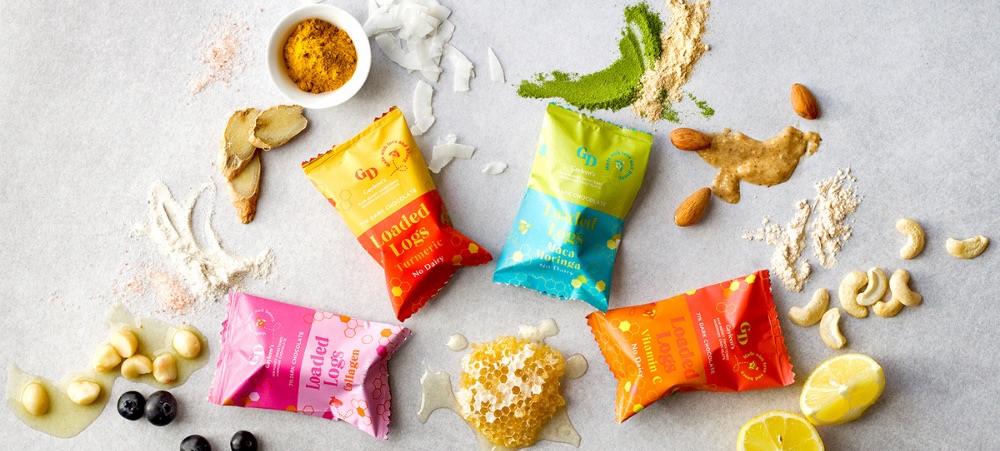
Sweetly synonymous with love, indulging in delicious chocolate triggers feel-good chemicals, hence the reason chocolate is often referred to as the ‘love drug’, the ‘happiness drug’ and the ‘pleasure drug’.  Whilst devouring chocolate places high on our ‘most pleasurable activities to do list in life’, most of us know that as much as we’d like to, we can’t eat chocolate all-day every day due it’s sugar content, or so we thought…  Thankfully, the Cape Town based brand of natural chocolate, GD Chocolate (formerly known as Gayleen’s Decadence), offers gourmet-quality indulgences that will leave your taste buds satisfied and your conscience clear. Unlike many confections on the market that use artificial sweeteners and preservatives, that can wreak havoc on your body, GD Chocolate’s range are made from natural ingredients, free of dairy, preservatives, refined sugars and high-fructose corn syrup (HFCS). This coupled with the fact that GD Chocolate’s are sweetened with only the finest quality of raw unadulterated honey which contains no chemicals, making them the perfect guilt-free chocolate treat.  All products are UTZ certified.  GD Chocolate is thrilled to announce that they will be extending their range of delectable individually hand crafted soft-centered chocolates and decadent slabs. Whilst many of their favourite slabs remain the same in taste and flavour (7 different variants which are all numbered), the soft centered chocolates rebranded as GD Buttercups are available in 5 different variants (3 original flavours and 2 new ones which are Almond butter and Vanilla). Both the slabs and the Buttercups will be introduced in beautiful new packaging.   From natural nutrients and enzymes to antioxidants and antibacterial qualities, unadulterated pure honey, a key ingredient in GD’s range boasts a variety of health benefits: High level of antioxidants helps with heart disease, high blood pressure and cholesterol Promotes both body and digestive health Strengthens the immune system Helps to eliminate allergies Reduced glucose levels The face behind the brand Whilst working for a company promoting a healthy food lifestyle, Gayleen learned a great deal about healthy living and after introducing a whole food diet – no dairy, meat or preservatives (but still enjoying a glass of wine and chocolate treat), she felt the positive effects on both her body and her life.   Being the creative that she is, Gayleen started spending every evening after work in her kitchen experimenting with raw ingredients and new treats.  After much encouragement from friends and colleagues, Gayleen started selling her treats at regular weekend markets.  At the time, there weren’t many ready-to-eat ‘raw’ items in the shops, so her stall became very popular. However, It wasn’t until Gayleen started to experiment with chocolate, filling them with different kinds of soft fillings like mint, ginger and orange, that GD was born! The demand for her chocolates with their soft fillings increased to the point where the way forward would be to directly supply the chocolates to select shops. Her creative pastime now had the potential to become a full time enterprise, and after a few months, she took the final plunge and resigned to pursue her chocolate dream. GD is available at Wellness Warehouse, selected Spars, Health shops and Pharmacies, Deli’s and online stores.   Price of slab: R53.00 (on shelf now) Price of Buttercups: R20.00 (on shelf mid-June) Follow us on social media Facebook: GD Chocolates Instagram: @gdchocolate

Winter with Pretty
Parenting Hub Editorial Team

Winter with Pretty

Winter is coming in cold, dark and gusty, and as each day passes it is becoming less and less appealing to leave bed any earlier than you have to. However, the good news is that winter looks often require less colour and complexity than their summer counterpart, with more emphasis rather being put on flawless finishes and sleek, clean lines. Pretty by Flormar understands this and with its Cover Up Foundation and show-stopping mascaras, your winter routine has just become so much easier and more glamorous.  Winter can be harsh on your complexion, with cold temperatures causing discolouring, chilly winds drying and chapping your face and the change of seasons causing general confusion for your skin. Yet despite these challenges, a radiant complexion is still easily achievable! Pretty’s Cover Up Foundation (R164,95) (promotes dewy, smooth skin finishes that are gentle and sensitive to all skin types. With a creamy texture, focus on intense coverage and an SPF15 to ward off any stray rays (this is cloud-burn season after all), this product covers any blemishes and is the perfect first layer to enhance any winter look you desire. With cool tones being showcased in the winter catalogue, you don’t want to go too big when dressing up your eyes. Therefore, this season, look to accentuate your eyes with a bold and striking mascara for elegant but eye-catching detail. Pretty by Flormar has three different mascara types to suit everyone’s personal preferences. If you like definition and want to showcase each individual lash then the High Definiton Mascara is made for you, yet if you are searching for more volume or shape, then either the Curling Mascara or Volumising Mascara is what you’re looking for. You don’t need a lot to shine this winter and with these two fundamental products in your make-up bag, you can catch those extra winks of sleep comfortably knowing that Pretty has you covered.

Avoid financial fraud when getting your vax
Parenting Hub Editorial Team

Avoid financial fraud when getting your vax

People are feeling more positive about dealing with the pandemic now that more healthcare workers and senior citizens are being vaccinated – but financial caution is still the name of the game, warns personal finance website JustMoney.co.za. “Keep tabs on your personal information when getting your jabs,” says JustMoney.co.za marketing manager Shafeeka Anthony. “Sadly, even a pandemic does not stop fraudsters in their tracks. The vaccination programme has the potential to increase economic activity and restore some business confidence, but it also offers new opportunities for charlatans and tricksters.” People may also be tempted to spend cash more freely when they are vaccinated, return to office work, and participate again in social and sporting activities. However, even if the vaccine rollout picks up speed, it’s vital to remain vigilant when it comes to managing your money. “The pandemic is by no means over, and we were already in a recession before Covid hit,” says Anthony. “South Africa has the highest unemployment rate in over a decade. Many people who enjoyed permanent jobs have had to adapt to contract or freelance work. Even those who were on track to pay off their debt have experienced setbacks. The situation is dire for many, and likely to remain so for some time.” Vaccination scams News that the vaccines are being rolled out has made many people impatient to get their jab. It’s important, however, not to allow your anxiety or eagerness make you vulnerable to Covid-related scams. For example, you could fraudulently be asked for a payment in order to get a place in a queue or to obtain a vaccination. Scammers also use telemarketing calls, text messages, social media platforms and door-to-door visits to pick up personal information. This can lead to medical identity theft, when someone who has no right to claim on your medical aid uses your information to gain access to healthcare services. This usually involves out-of-hospital claims, such as filling a prescription at a pharmacy or visiting a general practitioner and accessing medical services in your name. Read an article on medical identity theft here. People are also vulnerable when they search online for better prices for specialist medication. You could end up buying a fake drug, not only losing your money, but potentially damaging your health too.  “Should you require accurate information pertaining to Covid, vaccinations and other medical questions, check out the official Covid government site, contact your medical aid provider, or get in touch with a health professional. Do not share your personal or health information with a stranger,” says Anthony. If the pandemic has made you more aware of medical costs, read a handy JustMoney.co.za guide to medical aid here.  Ailing investments People with some spare cash could also be tempted to invest in companies that produce medical devices or drugs. The healthcare sector has caught investors’ attention as some companies have received regulatory approval for drugs to treat Covid, while others are rushing to develop products and get approval. Unscrupulous operators are well aware of this. “If an investment sounds too good to be true, it probably is,” warns Anthony. “Before you invest in a potentially dodgy company, do your homework. Preferably discuss your personal circumstances and goals with a qualified financial advisor. The key to reducing investment risk is to have a balanced, diversified portfolio and to plan for the long term.” Read a handy JustMoney.co.za article on who can benefit from the services of a financial advisor, and how you will be billed for this here. Unhealthy debt A key tip to remaining financially healthy is to avoid getting into debt, and if you already have one or more loans, do your best to keep up your repayments. The general rule is that 20%-30% of your salary should go towards repaying your large debts such as a house or car. “Create a budget, stay in touch with your creditors, and if you experience problems with repayments, discuss your situation. People will be more understanding if they see you have a plan.” Read a JustMoney.co.za article on how to keep your debt under control here. If you are having problems with debt, find out more about debt counselling and consolidation here. “Taking the time to learn a few critical financial rules can help you build a healthy financial future,” says Anthony. “At JustMoney.co.za, we understand that juggling all the demands of a pandemic is stressful enough without worrying about how to manage your money matters. “That’s why we’ve made it straightforward to find trustworthy articles, guides, budget calculators and products on our website and our credit management portal, CreditSav. You can quickly get the information you need on your desktop or mobile phone and make informed decisions,” Anthony concludes. Find advice you can bank on at https://www.justmoney.co.za/.

GD Chocolate Launches Nutritiously Delicious Chocolate Loaded Logs
Parenting Hub Editorial Team

GD Chocolate Launches Nutritiously Delicious Chocolate Loaded Logs

As more and more people are opting to eat healthier and lead more active lifestyles, there’s been an increase in consumers looking for better-for-you options, especially when it comes to sweet treats and chocolates (after all, who doesn’t love chocolate).  Cape Town based brand of natural chocolate, GD Chocolates recently launched their nutritiously delicious chocolate Loaded Logs (RRP R24.75) packed with only healthy and flavourful goodness.  Blended with the finest quality of raw honey and the smooth, enticing taste of GD’s dark chocolate each flavour offers many unique nutritional properties. Whether you’re looking for a collagen or energy boost, a dose of vitamin C or something to ease inflammation, GD Chocolates Loaded Logs boost a number of benefits.  Collagen Loaded Log Lusciously chewy, with a deliciously malty flavour, the Collagen Loaded Log contains collagen and Vitamin C (which promotes collagen production in the body), providing a collagen boost essential for great-looking skin, hair and nails. Ingredients: Cocoa (powder, butter, mass), raw honey, collagen, blueberries, macadamia oil, Vitamin C and Himalayan salt. Vitamin C Loaded Log Tart, yet sweet with a tangy citrus zing, the Vitamin C Loaded Log sparkles on the tongue, leaving you craving for more… just another taste-burst, please! Your body needs vitamin C every single day. We can’t think of a more exquisite way to get your daily dose. Ingredients: Cocoa (powder, butter, mass), raw honey, cashew nuts, baobab, Vitamin C, lemon oil, bioflavinoid (orange peel). Maca Moringa Loaded Log With its marzipan-texture and sweet, malted-nutty taste, the Maca Moringa Loaded Log is an energy boost that lasts, sustaining you for hours. Have one for lunch (literally have one for lunch!) and Maca’s mood-improving energy shotplus Moringa’s abundant phytonutrients will see you through until dinner-time. Ingredients: Cocoa (powder, butter, mass), raw honey, Almond nut butter, Maca powder, Moringa powder. Turmeric Loaded Log The Turmeric Loaded Log delivers a load of turmeric’s anti-inflammatory properties along with a sweet, coco nutty chocolate bliss with subtle, peppery-ginger warmth. Ingredients: cocoa (powder, butter, mass), raw honey, coconut, coconut oil, himalayan salt, vanilla extract, turmeric, ginger, black pepper. From natural nutrients and enzymes to antioxidants and antibacterial qualities, raw honey, a key ingredient in GD Chocolate’s range contains a variety of health benefits too: High level of antioxidants helps with heart disease, high blood pressure and cholesterol Promotes both body and digestive health Strengthens the immune system Helps to eliminate allergies Excellent remedy for skin wounds, inflammation and ulcers Available at Wellness Warehouse stores, selected Spars, Health shops and Deli’s nationwide.

Signs your young child may be suffering from Anxiety
Toptots Head Office

Signs your young child may be suffering from Anxiety

There are many reasons why children develop anxiety. From genetics to traumatic events, personality types that are prone to it or natural fears that have deepened. However, it is important to remember that if your child suffers from anxiety, they may not have it for the rest of their lives, and it is a condition that can be managed. Here are signs to look out for to spot anxiety in your child. Unusual tantrums may be anxiety. If your toddler has started throwing temper tantrums and showing disruptive behaviour – these may stem from them being anxious about something. If the tantrums aren’t associated with tiredness, and come about in specific situations, try to take a step back and see if there is something about that scenario that could be overly stressful to your child. Young toddlers often can’t communicate their fears and emotions, so they act out instead. Avoiding situations Have you noticed your young child hiding behind your legs whenever you are in a new place or doing everything, they can not to go to school every day? While both of these situations can be absolutely normal reactions, if you find it persists and becomes more intense, your child may be suffering from anxiety.  Sleep disruptions If your child suddenly battles to sleep through the night, and you find them tossing and turning when they didn’t before – this could be caused by anxiety. Just like adults who suffer from anxiety battle to sleep, so too can affect your child’s sleep.  Physical signs If your toddler or young child often complains of things like tummy aches or a sore head, however, doctors have said that there is nothing wrong; this could be a sign of anxiety. And they aren’t pretending. The stress that anxiety can cause their bodies can induce these psychosomatic symptoms.  The difference between being anxious and a disorder Everyone has moments when they feel anxious. This doesn’t necessarily mean you are suffering from an anxiety disorder. In actual fact, anxiety in the form of fears can be good for our children – it is our brain’s way of telling us something may be dangerous. When usual fears and stress start to become debilitating and stops your child from doing everyday things – this is when they may be dealing with an anxiety disorder. What you can do to help Not all of the above signs mean your child has anxiety – however, if you spot more than one on a regular basis, the best bet would be to take your child to their doctor and let them know your concerns.

Kaily car seat incl Base
Prima Baby

Kaily car seat incl Base

When it comes to your little one’s safety, the absolute first item to consider when it comes to transporting your baby is a suitable car seat!  The fact is that when your baby is correctly strapped into their car seat their risk of dying in a car accident decreases. WHAT TO LOOK FOR IN AN INFANT CAR SEAT? Rear Facing Bucket shaped with the handle  Installed Base for easier transitions The Chicco Kaily car seat is a new Group 0+ car seat that is homologated for babies up to 13kgs.  It really is the perfect ally for little ones who will be rear facing for the first few years of their lives. The base is installed with your vehicles seatbelts, which allows the seat to click into the base, providing a sophisticated and easy travel experience – the less times we wake a sleeping baby the better!  This car seat is compatible with several of our Chicco strollers allowing for a versatile travel system solution.   From R3999.99 at participating outlets, the Kaily car seat is a safe and reliable choice for travel with your most loved treasure – your little one!

Cheese fits into almost any meal plan
RediscoverDairy

Cheese fits into almost any meal plan

Cheese is a tasty, convenient and versatile food and it pairs well with fruit, vegetables and many other foods. Including cheese in a meal plan may help to complement foods from other food groups to optimise total nutrient intake. Broccoli with a cheese sauce, for example, or sliced apple, pairs well with sliced cheese. Many different types of cheeses can fit into almost any meal plan as a nutritious option: 1.Cheese helps to fill the nutrient gaps. Cheese is a source of quality protein. The protein in dairy and cheese is complete, which means it provides all the essential and non-essential amino acids (building blocks) needed to build the body. Essential amino acids cannot be made by the body itself and need to be acquired from protein-rich foods. Complete protein is necessary for growth and development, especially in children.  The protein in dairy is also a good vehicle of the amino acid lysine, which typically lacks in a diet consisting mostly of starches such as bread and pap. Protein in cheese also makes you feel fuller for longer and can help prevent unnecessary snacking. It can be served as a snack between meals and is a perfect sandwich filling for school lunches. For sports enthusiasts, the protein in cheese helps with muscle recovery and repair.  But cheese is more than purely its protein. It provides many important nutrients that work together to keep us healthy and strong. Most cheese is an excellent source of calcium, important for growing children between the ages of 9 and 19, when most bone growth takes place. The calcium is well absorbed in the presence of the naturally occurring nutrients such as phosphorus and potassium. 2.What about the fat content in cheese? The average hard cheese (Cheddar and Gouda) contains between 28% and 32% fat, compared to the fat content of other products often used as a snack, e.g. mixed nuts, with almost 55% fat, crisps at 36% fat, or peanut butter at 50%. Although cheese is relatively high in fat, it also provides many other important nutrients. A typical serving size is about 40 g (two tbsp grated cheese) and is just enough to cover a slice of bread. The good news about cheese is that emerging research has shown that the fats in dairy and cheese do not contribute to an increased risk of heart disease and may even have a protecting effect. 3.Other important facts about cheese Sodium in cheese is important as it controls the moisture content of cheese and provides texture and taste. The average hard cheese is not very high in sodium, but take note that cheeses packed in a brine such as feta can have a higher sodium content. Read the labels on the products to make sure you stay in line with your personal dietary goals. Processed cheese also provides important nutrients such as calcium, phosphorus, and protein. It is shelf-stable and can be a convenient product when on the go. It does not age and the flavour, texture, and smoothness are maintained. Processed cheese is a healthy and convenient alternative bread topping to jams and spreads.  For those who are lactose intolerant, cheese is an important source of calcium and can be enjoyed without the negative symptoms associated with lactose intolerance. 4.How much cheese does a child need and how can it be incorporated into the daily diet? Three servings of dairy per day are recommended. This can be made up of milk, cheese, yoghurt, or maas. 5.Protein requirements for children and the contribution of a 40 g serving of cheese. As cheese is an important source of good quality protein, it can also replace other protein sources in the diet. Cheese is an affordable source of protein, especially when it replaces meat in the diet. The protein in two servings of 40 g cheese can replace one chicken drumstick and one serving of cheese can replace the protein of one egg. Nutrition table:  Did you know that milk has been part of human nutrition for many years? Evidence shows that humans tamed and started farming with dairy animals 9 000 years ago! The consumption of milk and cheese can be traced back to Anatolia, the modern-day Turkey.

Who took my collagen and how can I get it back?
Parenting Hub Editorial Team

Who took my collagen and how can I get it back?

Four benefits of taking a collagen supplement to support your body through menopause There’s so much about menopause that just isn’t discussed. Deepening wrinkles, sagging skin and weight gain go hand-in-hand with hot flushes and broken sleep. Most of us know this is due to waning estrogen levels but did you know this hormone also plays a powerful role in the promotion of our human elastic glue: collagen. So, what can you do during menopause to help restore your collagen and reclaim some of your youthful virility? Catherine Clark, the Owner and Founder of Harvest Table says that generally, menopause begins 12 months after a woman’s last period. Women enter this stage of life anywhere from their mid-40’s to their late 50’s and when it hits, your body has a sudden and steep drop in estrogen, triggering major changes throughout your body.  “The decrease in estrogen as women age is directly tied to the decrease in collagen production. In fact, when you hit menopause, you experience a 30% drop in collagen which means that your skin becomes thinner, your bones become more brittle and your organs struggle to maintain levels of tissue,” Catherine explains.  Catherine explains four key symptoms of menopause and how regular collagen supplementation can improve women’s health as they age: 1. Sagging skin Estrogen is key for the normal functioning of your skin and as your levels of this hormone decline in menopause so does your collagen production. As a result, our skin loses its firmness and begins to sag causing jowls to appear and wrinkles to become more pronounced. That’s because your whole body is actually kept together by collagen protein, which makes up the majority of tissue that connects organs and skin. It, therefore, makes sense that collagen originates from the Greek word ‘kolla’ – or ‘glue’. Supplementing your diet with collagen can help restore this glue and support your system’s ability to improve your skin’s elasticity and hydration and reduce the signs of ageing. 2. Cellulite While most women are familiar with cellulite – that dimpled “orange peel” look that appears on your thighs, upper arms, buttocks and stomach, it develops much more quickly in menopause. Cellulite is fat that pushes up through the connective tissue under the skin creating an uneven or lumpy surface. Cellulite may appear anytime in a woman’s life, but when estrogen levels decline, cellulite generally increases.  Again, taking a collagen supplement on a regular basis will help reduce cellulite as it will increase the skin’s thickness and elasticity and thus reduce the appearance of cellulite.  3. Hot flushes Your liver is one of your most important organs as it regulates your health. It performs over 500 different functions on a regular basis so when your body changes during menopause, your liver suddenly gets hit with a lot more things to do and it’s no surprise that it starts to protest. Cravings, mood swings, hot flushes and sleep issues are just some of the symptoms that your liver is taking strain. Collagen feeds not only your liver but all your organs, so by taking a regular collagen supplement, you will also be supporting your liver too, helping it to deal with all the changes taking place in your body. 4. Weight gain The hormonal changes of menopause may make you more likely to develop an extra tyre around your middle as well as heavier hips and thighs. This is part of the natural ageing process because as your muscle-mass decrease, it is replaced by fat. By taking a collagen supplement you will be able to build more lean muscle mass which is great news for weight loss as muscle burns calories faster than fat. Muscle fires up your metabolism and your body becomes a calorie-burning machine. So if you couple collagen with a sensible, healthy diet, you should lose or maintain a healthy weight and feel great. Catherine concludes: “Once you’ve started taking a collagen supplement, the health benefits are notable. Whether you are concentrating on the appearance of your skin, maintaining a healthy weight or overall wellbeing, taking a collagen supplement can help you reach your health goals and counteract the symptoms of menopause.” Harvest Table has a wide range of collagen products that are available from www.harvesttable.co.za. Follow Catherine on Instagram: @whole_healthy_me.

Preventing Childhood Burn Injuries
ChildSafe

Preventing Childhood Burn Injuries

It is winter again.!!! Time for warm clothes, hot drinks, food, heaters and fireplaces. Young children like to explore.  They do not know what is dangerous and what is not. Many parents do not realise how many burns hazards are within easy reach of a child. A child’s skin burns much quicker than that of an adult. Let us continue to take care this winter not to endanger a child’s life through one careless moment. Here is some useful information to keep your family happy and safe this winter season.

Creightons | the Perfect Solution to Your Winter Hair Woes
Parenting Hub Editorial Team

Creightons | the Perfect Solution to Your Winter Hair Woes

Along with the upsides of winter (snuggling under cosy layers, sitting in front of a fire place with a good book and hot chocolate in hand) come a few downsides, especially when it comes to your hair. We’re talking dryness, frizz, and lackluster tresses. Switching up your shampoo and conditioner is a good idea to give your mane some TLC. Professionally formulated and expertly developed, Creightons award-winning Argan Smooth Moisture Rich and Pro Keratin Strength and Repair collections offer the perfect solution to your winter hair woes. Whether you’re looking for intense nourishment and moisture to transform dry and damaged hair into silky soft locks, Creightons will ensure salon-worthy tresses every day, without breaking the bank! An age old beauty secret, Moroccan Argan oil (extracted from the kernels of Argan Trees) is a luxury inclusion in hair care products. Thanks to its moisturising and conditioning properties, this beauty elixir (rich in vitamins, minerals, antioxidants and essential fatty acids) has become a popular addition to our hair regimes.  Harnessing the natural power of Moroccan Argan Oil, Creightons Argan Smooth range helps to deeply nourish, hydrate and protect even the driest of hair against frizzy and damaged strands, whilst increasing the hair’s elasticity and adding shine to dull lifeless hair. Argan Smooth Moisture Rich Shampoo and Conditioner  Perfect for hair types in need of hydration, shine and light frizz control, Creightons Argan Rich Shampoo and Conditioner (RSP R99. 95 each), infused with Moroccan Argan oil and silk proteins, replenishes moisture, leaving hair silky soft and more manageable from root to tip. Hands up if you’re tired of dealing with lackluster, frizzy locks? If that’s you, investing in a keratin shampoo and conditioner is a must to help tame your mane and make it more manageable. Keratin is a protein that is found in your hair and when your hair suffers from dryness or damage, it loses this protein, making it weaker and more prone to damage.  Pro Keratin Strength and Repair Shampoo and Conditioner  Suitable for all hair types, but particularly beneficial for those with dry, damaged, natural or colour treated hair, Creightons Keratin Pro Strength and Repair Shampoo and Conditioner (RSP R99. 95 each) gently cleanses and conditions the hair from root to tip, reducing frizz and adding maximum shine. It also helps boosts keratin levels, providing an extra layer of protection for silky smooth and more manageable locks.  Tip: Washing your hair every day will remove important natural oils, known as sebum, and will leave your hair feeling dry and brittle. Additional signs of over-washing include the colour of your hair beginning to fade, frizziness and a flaky scalp. Made with the highest quality formulations, Creightons products are 100% cruelty-free and where possible their products are vegan friendly.  Available from Dis-Chem Pharmacies.

Baby’s physical milestones for every age
Toptots Head Office

Baby’s physical milestones for every age

As parents, we naturally want to keep track of how our little ones are developing or if there are any concerns around things they are supposed to be doing. This milestone guide, written by Occupational Therapist Megan Smith, gives you the average milestones children reach at certain ages. It is important to note that not all children are the same, and many develop at different paces than others. If you are concerned about drastically missed milestones, we always suggest booking an appointment with your child’s doctor to check everything is on track.  Milestones for 0 to 6-month-old babies During the first 0 to 2 months of the baby’s life, they have limited control over their own movements as they are generally due to reflex actions. (Baby massage and exercises will assist in muscle strength and tone development).  During the first few weeks, babies will lie in a flexed position (tucked inwards, knees to chest and arms towards trunk centre). This mimics the position they maintained in the womb and allows them to feel safe and secure. Swaddling assists babies in maintaining the contained position.  Babies first motor milestone are to overcome flexion and uncoil into a more neutral lying position. As their back muscles strengthen, this becomes easier and more natural.  4 to 6 weeks – during tummy time, babies will start to lift their heads off the mat for short periods of time. As the neck muscles start to strengthen, this movement becomes easier and will be sustained for longer.  By six weeks, they should be able to hold their head up for a few minutes in supported sitting and on their tummy.  12 weeks – arm movements start to appear more controlled as babies start to swipe for objects held in their visual field. This is important for developing arm strength.  By 3 months old, when babies are placed on their side, they can roll over onto their back. 3 months – babies can hold their heads up at a 45-degree angle during tummy time.  During the 8 to 12-week period, babies will start to notice their hands and bring them to their mouths actively. This is the starting point in developing hand-eye coordination.  4 to 6 months – babies start to prop up on their elbows during tummy time and may even hold themselves up on straight arms in this position. They may collapse on one arm, causing them to roll over accidentally.  4 to 6 months – when lying on their backs, babies will start to play and engage with their toes, bringing them right up to their mouths. This is important as the position strengthens their tummy muscles.  By 6 months, babies should be rolling one way – back to tummy or tummy to back.  By 6 months, babies will love to be supported on your lap in the standing position and bounce. This strengthens the leg muscles to prepare them for pull-stand.  6 months – babies should achieve the sitting position.  6 months – babies hands become more functional, and they start to actively grasp and manipulate objects.  Milestones for 6 to 12-month-old babies 9 months – independent sitting where babies will be able to get in and out of the sitting position on their own.  While sitting, babies will start to reach forward for objects and turn their trunks to the sides to reach objects. During the reach, they may find themselves propping forwards into the crawling position.  9 months – babies should have a good contralateral crawl.  By 9 months, babies can pick up an object between their thumb and forefinger.  Around 9 to 10 months, babies can pass toys from hand to hand.  At 9 to 12 months, babies will start using external objects to pull themself into a standing position.  Once in a supported standing position, babies will bounce and rock on their legs, preparing their muscles for weight shifting needed to achieve walking.  During this period, one bounce will eventually turn into a step, and they will learn how to cruise – holding onto something with their hands for support and moving their feet. Walking is the most variable milestone and really depends on the individual child. Some walk at 9 months, others at 16 months.  Milestone for 12 to 18-month-old babies  At 12 months, they will point to objects with their index finger.  At around 15 months, they can now bend in standing to pick up a toy. At 15 months, babies can crawl up a few stairs.  At 18 months, babies can start to take a few steps backwards. At 18 months, babies can page through a thick paged book.  Milestones for 18 to 24-month-old babies  Towards 2 years, toddlers can now run more rhythmically, faster and with better balance.  At 2 years, toddlers can walk up and down stairs unaided, holding onto a rail.   They can stand and kick a big ball without losing balance.  They can catch a ball if you through it into their arms.  Milestones for 2 to 3-year-old’s At 2 years, they will start to ride a tricycle.   They can hit a ball lying on the floor with a bat.  They are able to hold a crayon with all fingers and their thumb in opposition, using elbow and shoulder to draw.  They can jump down a step with two feet together. At 2,5 years, they can walk between two lines.  They will start to cross the midline of their body during activities.  They can stand on one leg momentarily.  They can throw a ball in a specific direction.  They can kick a ball without losing balance.  They can use their fingers separately – touching their thumb to their index finger.  Milestones for 3-year-olds They can walk backwards, forwards and sideways.  They can walk heel-toe with good balance. They can walk on a straight line.  They can throw a ball from above his head.  They start to use an inferior pencil grip – holding the pencil between their thumb, index

GD CHOCOLATE LAUNCHES CHOCOLATE BUTTERCUPS
Parenting Hub Editorial Team

GD CHOCOLATE LAUNCHES CHOCOLATE BUTTERCUPS

A national lock-down together with winter descending may have seen some of us reaching for comfort food more often than we should be.  And to be fair, it’s understandable that we have felt the need for some extra sweetness to get us through these rather bitter times. Something else has happened during lock-down – Gayleen’s Decadence, the artisanal, gourmet chocolate that packs a powerful but delicious health-boosting punch, has re-branded as GD Chocolate and received a stylish new look, with all the good stuff that Gayleen’s many fans love – dairy, preservative, refined sugar and HFCS free, and sweetened only with raw honey.  Furthermore, GD Chocolate recently launched their chocolate Buttercups. Retailing at R20, the Buttercups are a treat-sized favourite that allow you to get your chocolate fix without the temptation to over-indulge.  GD Chocolate Buttercups are made with 71% dark chocolate and about 80% raw ingredients, providing all the superfood benefits of cacao.  The buttercups are available in five deliciously indulgent soft-centre fillings to choose from – Mint, Mocha-Coffee, Turkish Rose, and newcomers to the range, Almond Butter and Vanilla. GD Chocolate Buttercups provide the perfect pick-me-up before exercising, and are a great substitute for coffee when the dreaded mid-afternoon office slump kicks in.  And if you’re inclined to share them, they make a healthy yet delicious addition to school lunchboxes or as after-dinner dessert nibbles with friends. GD Chocolate and Gayleen’s journey started more than 10 years ago, when she adopted a healthier lifestyle but was loath to give up her favoured sweet treat.  She started experimenting with chocolate and soft fillings, and became the first chocolatier in the world to replace sugar or sweeteners with raw honey. She says, “I was told by other chocolatiers that it wasn’t possible to make chocolate sweetened with honey, and eventually had to have my chocolate analysed to prove that I wasn’t lying!  Not only did honey work, but what started out as a stall at a local market is now a national business, with GD Chocolate now sold at Wellness Warehouse, health shops, pharmacies, deli’s, on-line retailers and selected Spar stores around the country – all thanks to my loyal customers!” Follow GD Chocolate on social media Facebook: GD Chocolates Instagram: @gdchocolate For more information or imagery, please don’t hesitate to contact me or visit https://gdchocolate.com/

How to make sure the kids’ feeding time is not mission impossible
Parenting Hub Editorial Team

How to make sure the kids’ feeding time is not mission impossible

When a baby or toddler refuses certain foods or does not eat at regular mealtimes which adults are accustomed to, it can create tension and anxiety. Without an understanding of how young children eat, many parents find themselves disillusioned about feeding their child and misunderstand them as “fussy” eaters. This can lead to life-long issues around food.  This is the view of Dr Iqbal Karbanee, paediatrician and CEO of Paed-IQ BabyLine, who says that a lot of conflict arises when parents expect their children to conform to certain unfounded expectations around eating patterns and food preferences, which can be avoided. BabyLine is South Africa’s trusted telephonic medical advice service for the first 1000 days of a child’s life, starting from conception to birth and beyond.  “Childhood is a dynamic phase, and as a child grows and changes developmentally and physically, their nutritional requirements are also changing, ” says Karbanee.   He says that when it comes to butting heads with “fussy” eaters, it is often within the 18-month to 3-year-old category where feeding tantrums, food refusal and picky or select eating give parents headaches. He adds that parents must learn to be more dynamic in adapting to the unique needs of their child.    “Although feeding and nutrition should be viewed in the context of a child’s individuality, unfortunately we also have to consider the cultural and societal norms that come with the family, as well as the influence of others on our expectations of eating,” says Dr Karbanee.  He stresses the need for parents to understand that their young child is an individual,  and as long as they fall  within the basic developmental parameters, then they’re still within normal limits and doing fine.  Below he gives his top tips to help parents and children survive the very normal “fussy” eating phase:  Patience is a virtue – parents may need to offer a certain food to a child on many separate occasions before they’ll stop rejecting it. Just keep trying while showing your child how much you enjoy the food yourself.  A child’s stomach is only the size of their fist, so they’re only comfortable eating small portions of nutritious meals and snacks.  Sometimes it’s also as if children go through certain phases where they crave more protein or more carbohydrate in their diet. Go with the flow and allow your child to eat when they are hungry, and don’t become stressed if they skip a meal here or there. Look at your child’s food intake over an entire week before worrying whether there’s a problem.   Don’t give your child excess fluids like milk or juice or other snacks between meals. Allow them to develop that hunger so that they can eat in a healthier way.  Keep mealtimes happy, positive and fun.  Don’t react if your child refuses food. Provide positive feedback even when their food is only touched, smelled, licked or tasted.  Parents should only seek professional help if their child is not drinking fluids, not growing well, and/or becoming anxious or upset around food. If you are uncertain whether your child’s fussy feeding behaviour is anything serious, consider phoning a reputable medical advice line, which can help you quickly understand whether or not you need to take your child to a doctor.   “Children eat very differently to adults. Adults seem to have regular meals at certain times, sometimes whether they’re hungry or not. We should actually aim to eat more like children, because they will eat only as much as they need to eat,” Dr Karbanee concludes. 

Sidebar Image

Scroll to Top