Advice from the experts
Bonitas – innovation, life stages and quality care

GESTATIONAL HYPERTENSION, WHAT IS IT AND HOW CAN I AVOID IT?

Gestational hypertension is high blood pressure (the pressure of your blood on the walls of your blood vessels) during the later part of pregnancy, as opposed to chronic hypertension which is high blood pressure outside of pregnancy. Hypertension affects about 6 – 8 % of pregnant women, and unfortunately can negatively affect you and your baby. How will I know if I have gestational hypertension? You are more at risk if you’re carrying twins, are overweight, had high blood pressure, kidney disease or diabetes before becoming pregnant or are older than 40 or younger than 20.Gestational hypertension is high blood pressure in the second half of pregnancy and some moms may not even realise that they have it – which is why regular check ups are important. Unfortunately, high blood pressure during pregnancy can develop into preeclampsia. If left untreated, preeclampsia can lead to serious complications and even death. The most effective treatment of this is delivery of your baby (if possible). Symptoms of preeclampsia include headaches, nausea and excessive protein in your urine, with the most common first sign being a rise in blood pressure. How can I avoid or treat hypertension? Although there isn’t anything you can do to prevent hypertension(some variables such as age and number of babies you’re carrying is uncontrollable), you can try to keep yourself (and your baby) as healthy as possible during your pregnancy to help you control your blood pressure. Knowing your blood pressure level before getting pregnant, reducing your salt intake and regular exercise are all things you can do to help stay healthy and aware of your body’s condition. Going for regular checkups during your pregnancy will also help let you catch any problems early.

Creightons Skincare

Salicylic acid is the game changer that can transform your skin – here’s how

When it comes to breakouts and blackheads, there are a few key spot-busting ingredients you need to have in your skincare arsenal. Salicylic acid is top of the list. This game-changing ingredient is renowned among dermatologists and beauty experts for its ability to calm and heal existing blemishes, and to prevent new ones from forming. So renowned, in fact, that it’s often called acne’s biggest enemy. Here’s what you need to understand about this powerhouse ingredient. What is salicylic acid? Salicylic acid is a beta hydroxy acid (commonly referred to as BHA) and it belongs to a class of ingredients known as salicylates. Extracted from the bark of willow trees, salicylic acid is oil-soluble, which means that it can penetrate the skin’s sebum to get deep into the pores. Oil-soluble ingredients can penetrate the skin at a deeper level than water-soluble ingredients, allowing them to unclog pores and dissolve debris.  How does salicylic acid benefit the skin? Salicylic acid’s ability to penetrate deep into the skin to do its job is the characteristic that makes it such an effective treatment for acne, breakouts and blackheads. It dissolves the debris that clogs pores, ridding them of the dead skin cells and oil that leads to white-and blackheads.  It is also an effective exfoliator. Considered a keratolytic medication (agents that soften the skin’s keratin, and loosen and assist exfoliation of skin cells), it offers supreme exfoliation by removing dry and dead skin cells from the top layer of skin cells.  Salicylic also has anti-inflammatory and anti-bacterial properties that help calm and heal existing breakouts.  How do you know if salicylic acid is right for you? The most common causes of breakouts and blackheads are excessive oiliness, a build-up of dry and dead skin cells and the presence of P. acnes bacteria, the leading cause of cystic acne. Because salicylic acid has the ability to dissolve the types of skin debris that lead to clogged pores and breakouts, is it highly effective in fighting whiteheads and blackheads. Because of its anti-bacterial properties, it may have some effectiveness against cystic acne, but less so than with blackheads and whiteheads. If you are struggling with cystic acne, it is best to consult your medical practitioner for advice, as underlying health conditions and hormonal irregularities may also contribute to the problem.  Is salicylic acid dangerous? Salicylic acid is not harmful or dangerous but it needs to be used correctly to ensure it does not irritate the skin. If you over-use it, or if your skin is very sensitive, it could lead to dryness or irritability. If you’ve never used it before, you may experience a slight tingling sensation upon application. It’s best to ease salicylic acid into your skincare regime, so start by using it a couple of times a week and slowly work your way up to every day. The concentration of salicylic acid in over-the-counter skincare products is low (think around 1 – 2%), so it is usually very well tolerated.  Which salicylic range is best for me? Creightons Skincare’s Salicylic Acid range offers safe and effective salicylic acid skincare products that help fight breakouts while nourishing the skin, at affordable prices. The range consists of: Creightons Salicylic Acid Foaming Clay Cleanser (R75.95) This cleanser combines kaolin clay with salicylic and lactic acids to help absorb excess oil and maintain healthier, clearer looking skin every day. Creightons Salicylic Acid Exfoliating Tonic (R99.95) Maintain a healthier, clearer-looking complexion with this spot-busting tonic, which contains active ingredients suitable for blemish-prone skin. Salicylic acid and niacinamide are two key ingredients that will help to improve an uneven skin tone and texture, leaving skin brighter and healthier. Creightons Salicylic Acid 2% Salicylic Intense Serum (R104.95) Formulated with 2% salicylic acid, this serum helps reduce the appearance of blackheads, blemishes and enlarged pores for a clearer, more radiant complexion. Creightons Salicylic Acid Soothing Lotion (R69.95) This lightweight, moisturising lotion soothes and cares for angry, blemish-prone skin without clogging pores or feeling too heavy on the skin.  Creightons skincare products are available at Dis-Chem pharmacies. 

Parenting Hub

HELPING FUSSY LIL’ EATERS BUILD STRONG BONES

Kids need more calcium as they get older to support their growing bones* and milk is one of the best and most widely available sources of calcium**. However, if your child is a picky eater who doesn’t love a glass of milk, it can be tough to ensure they are getting all the calcium they need. Whilst there are many foods that are great sources of calcium – sardines and dark leafy greens like spinach and kale – neither sound particularly tempting, especially if you are already struggling to cater for your child’s picky palette. Paul Mindry, SPAR Brand Group House Brand Manager, comes to the rescue with 3 easy, fast recipes that your children will love: Milkshake Melody  Milkshakes appeal to all ages. Try a different flavour each time, for a calcium-infused dessert the whole family can enjoy on a warm summer’s day. Prep Time: 10 mins   |    Servings: 4 Recipe Ingredients: 500ml SPAR Classic Vanilla flavoured ice cream Recipe Method: Combine both ingredients in a food blender or processor, or use a suitable jug and a stick hand-held blender if this suits you better. Whizz until foamy, creamy and thick. Beat in the flavouring ingredients of choice thoroughly.  Pour into tumblers and serve immediately. Delicious flavour-combos: 1 well mashed banana 125 ml SPAR vanilla custard and 50 ml Squillos strawberry flavoured milk powder  If you want more of a Fruit Whip type drink, introduce fresh chopped fruits that puree easily (berries, paw-paw, mango) Homemade Custard Good, wholesome creaminess that can be whipped up with the kids’ help. Prep Time: 10 mins   |    Cooking Time: 15 mins   |   Servings: 8 Recipe Ingredients: 200ml double cream  700ml SPAR UHT full cream milk 4 large egg yolks 3 tbsp cornflour 100g caster sugar 1 tsp vanilla extract Recipe Method: Put the cream and milk into a large pan and gently bring to just below boiling point. Meanwhile, in a large bowl, whisk the yolks, cornflour, sugar and vanilla. Gradually pour the hot milk mixture onto the sugar mixture, whisking constantly. Wipe out the saucepan and pour the mixture back into it. Heat gently, stirring with a wooden spoon until the custard is thickened, but before any lumps form. Eat hot or cold. Hints & Tips For a healthier alternative, you can substitute the caster sugar for honey. Pro-Nutro Puffs Besides the health and nutrient benefits of milk, these also offer wholewheat goodness and the supplemented vitamins of breakfast cereal. Prep Time: 10 mins   |    Cooking Time: 25 mins   |   Servings: 8 Recipe Ingredients: 480 g SPAR cake flour (4 Cups) 20 ml baking powder 500 ml ProNutro whole-wheat cereal 5 ml salt 100 ml SPAR canola oil 4 large eggs, lightly beaten 500 ml SPAR UHT full cream milk 250 ml water Recipe Method Preheat oven to 180ºC and grease 2 SPAR Good Living giant muffin pans. Measure all the ingredients into a 3 litre SPAR Good Living porcelain mixing bowl. Blend together using a wooden spoon. Do not over-mix. Spoon mixture into prepared pans and bake for 25 minutes. Hints & Tips Sprinkle with poppy or sesame seeds before baking if you like The apple-bake ProNutro may be substituted for the whole-wheat, but keep in mind it will give a slightly sweeter result For more recipes go to https://www.spar.co.za/Recipes Spar UHT milk comes in Full-cream, Low-fat and Fat-free and is available from Spar Retailers, nationwide. 

Parenting Hub

Hair care for active girls

Extremely active and love sports? This is how to care for your textured hair If you have natural, curly or kinky hair, chances are you probably have a complicated relationship with exercise. Textured-hair girls know that if you live a very active lifestyle and you love sports, it can be hard on your hair. Textured hair is prone to higher levels of moisture loss during workouts, which means you need to put in extra time to care for it, afterwards. And then there’s sweat. When you put a lot of time and effort into caring for your hair, the last thing you want is to ruin it after a sweaty exercise session… And for those who usually wash their hair once a week, how do you fit in multiple gym sessions? Some women avoid exercising simply because of the effect it has on their hair, and while we can understand the reasoning, we’re adamant to show women that you can lead an active lifestyle without ruining your hair. After all, exercise is one of the most important things you can do to keep your body and mind healthy.   Follow these tips to keep your natural hair protected and nourished without having to give up your workout. Wear your hair up This might seem like a really simple solution, but it works. Wear a bun, ponytail or pineapple to keep your hair out of your face and neck. This will reduce the amount of sweat your hair comes into contact with. You could also consider a protective hairstyle like Bantu knots or braids. Be practical about your workouts If sweat and frizz are a concern, try to exercise in cooler environments. If you like working out indoors, a gym is a great option as they have air conditioning to keep you cool. Prefer outdoor activities? Exercise first thing in the morning or late afternoon when it’s cooler. Wear light workout clothing that doesn’t cling to the body or trap heat, and remember to drink plenty of water to help regulate your body’s temperature.  Wear a satin-lined headband or scarf Satin is the perfect fabric to wear when you want to protect your hair or prevent frizz. A satin-lined headband or scarf will prevent your edges from getting frizzy, as well as reduce friction and breakage during your workout. Don’t tie it too tight though, or else you might trap sweat. Don’t shampoo your hair after every workout Sweat has the potential to dry out your hair, but so does shampoo. Over-shampooing can strip hair of its natural oils, leaving it dry and vulnerable to damage. Shampooing natural hair once a week is sufficient. To reduce moisture loss, we recommend using a sulphate-free shampoo like Cantu Shea Butter Sulfate-Free Cleansing Cream Shampoo(R195.95), weekly. It has a rich lather that removes heavy build-up and the gentle formula also helps prevent breakage and dehydration.   Refresh your hair in between workouts While you shouldn’t shampoo your hair after every workout, it’s still important to refresh it. This will eliminate odours and remove bacteria from sweat, which could lead to scalp irritation and itchiness. A co-wash is a good option as it’s much gentler than shampoo. Try Cantu Shea Butter Complete Conditioning Co-Wash (R215.00). It is infused with 14 natural butters and oils to deeply nourish hair. It gently cleanses hair and remove product build-up, while moisturising every strand.  Apply a moisturiser or leave-in conditioner every day to lock in moisture and help prevent breakage. Cantu Shea Butter Daily Oil Moisturiser (R175.00) uses the nourishing power of shea butter to help replenish lost moisture in dry and damaged hair. It also helps prevent breakage, tangles and frizz.  Deep condition Using a deep conditioning treatment once or twice a month is essential, and even more so if you are exercising regularly. Not only does it replenish your hair’s moisture content, but it also helps protect it from damage and the effects of sweat. Cantu for Natural Hair Deep Treatment Hair Masque (R59.99) penetrates deep into the hair shaft for an intense treatment to repair, restore and strengthen dry, damaged hair.  Practice makes perfect If you’re new to your exercise regime, it may take some trial and error to find your groove, especially when it comes to finding a harmonious relationship between your activities and your hair. It might be tricky at first, but you’ll feel better once you’re settled into a coordinated regime, with products you know and trust. Exercise and hair care will probably always have a complicated relationship, but you needn’t sacrifice one for the other. It’s possible to keep your body healthy by taking part in all your favourite physical activities, without ruining your hairstyle, or the health of your hair.

Bonitas – innovation, life stages and quality care

Obesity considered a global epidemic by WHO

Obesity is one of the biggest health challenges facing the world today, affecting around 800 million people, with millions more at risk. The prevalence of obesity has tripled over the past four decades, imposing an enormous burden on people’s health as well as the healthcare system.  According to a World Health Organization (WHO) report, more than a quarter of South Africans live with obesity, making the country among the top 20% of the most obese nations in the world! Studies by the SA Medical Research Council indicate that nearly half of all South Africans are overweight.  Even more shocking, is the fact that 22% of children between 1 and 9 are overweight or obese. The pandemic, lockdown and increased sedentary lifestyle has made the situation worse Dr Morgan Mkhatshwa,Head of Operations at Bonitas Medical Fund says, for overweight or obese people it’s not just an issue of vanity or fitting into a pair of jeans. ‘Risks associated with obesity include: Significantly contributing to the development of cardiovascular disease, type 2 diabetes, hypertension (high blood pressure), cancer (particularly colon, prostate and breast), sleep apnoea, degenerative joint disease, digestive tract diseases (gallstones), mental health and dermatological disorders. What determines if you are obese or not? Your Body Mass Indicator (BMI) calculator checks if you’re at a healthy weight. Here’s how to calculate yours: Divide your weight in kilograms (kg) by your height in metres (m²) If your BMI is over 25 you are considered overweight, at 30+ you’re classified as obese. There are detractors of BMI on its own The BMI screening may not be the best option for bulky, body-builder or stocky men for example. This is because it does not distinguish between lean muscle mass and body fat. Best practice is to measure body fat percentage along with the BMI calculation. This provides a better indication of one’s body composition. ‘Obesity is a chronic and progressive disease,’ says Dr Mkhatshwa,‘Urbanisation and the lifestyle associated with it, is one of the main contributing factors.’ There are two reasons for this: Lack of exercise:  Cities are often over-populated, there are too few public spaces for physical activity and many residents use transport to commute Poor nutrition. Changes in diet include more processed and refined food, an increase in high-fat and high-sugar diets, less fruit and vegetables, less complex carbohydrates and fibre Although obesity is often associated with poor lifestyle choices, lack of motivation or unhealthy habits – it isn’t always the case.  In America, where 40% of adults are obese, obesity has been recognised as a disease by the American Medical Association for nearly a decade. Despite this, they are still seeing most treatment approaches for obesity focus solely on behavioural therapy.  The stigma and assumptions like this continue to create barriers that have limited better obesity care. The origin of obesity is complex and poorly understood, but includes nutritional, physiological,  psychological and genetic factors. Environmental factors such as a sedentary lifestyle and excess calorie consumption can cause obesity Genetic studies with adopted children have demonstrated that they have similar BMIs to their biologic parents but not their adoptive parents. Twin studies also demonstrate a genetic influence on BMI Secondary causes of obesity can result from medications (eg. antipsychotics, steroids and anti-viral drugs) and endocrine disorders like Cushing’s syndrome and hypothyroidism According to the International Journal of Obesity, adults with obesity (BMI ≥ 30) incur 42% higher medical costs per capita and are nearly two times more likely to die before age 70 than adults with a healthy weight. They also say that health care providers play a vital role in the prevention, treatment and control of obesity. They recommend that multicomponent behavioural interventions, pharmacotherapy and bariatric (stomach shrinking) surgery are all effective strategies that support clinically significant weight loss. Obesity as with other co-morbidities,  was also a poor prognostic factor for Covid-19 hospitalisations The general consensus regarding self-monitoring though is through: Calorie restriction:  Reducing your intake by 500-1000 kcal per day will reduce total body weight by an average of 8% over a year Exercise: 30 minutes a day will yield health benefits, but 60 – 80 minutes will assist in weight loss and additional benefits Behaviour modification: Goal setting, self-monitoring and modification of one’s environment to enhance behaviours that will support weight management ‘The reality’, says Dr Mkhatshwa, ‘is that obesity and concomitant lifestyle diseases have become a pandemic in South Africa. Diabetes 2 is amongst these and has significant health implications.  Managing this disease is imperative.  We offer a diabetes management programme to help people understand this long-term condition and empower them to make the right decisions to stay healthy.  This includes access to specialised diabetes doctors, dieticians, podiatrists and diabetic educators to effectively manage of diabetes.  However, if you are not on a medical aid, there are several diabetic support groups.’ ‘Everybody needs to act’. It’s time to increase awareness of the root causes of obesity and encourage advocacy for change.

Lamelle Research Laboratories

Lamelle manages the 4 triggers of acne -inside and out

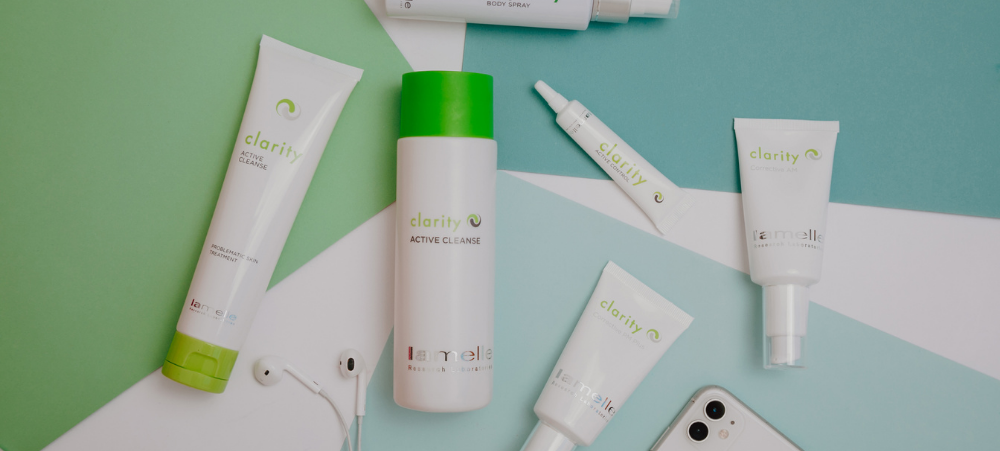
Whether you’re a teenager or an adult, acne will always be a confidence crusher. Fortunately, Lamelle Research Laboratories has created Clarity, an effective acne management system, that addresses all of the four triggers that contribute to spotty skin. Something else we’ve learned from our extensive research? To get the very best results, you have to manage acne inside as well as out. More on that later, first it’s important that you know your enemy…  The Clarity difference  Many acne sufferers feel like their war with acne is like taking one step forward then two steps back. Often, this is because they’re using products that target only some of the triggers for acne, not all of them. This is the Clarity difference – we know what creates the perfect storm for a breakout as well as how to address all of them. First up, one of the biggest contributing factors to acne is impaired follicle differentiation and shedding. Simply put, your follicles don’t naturally exfoliate as well as it should. Next on the list is having an excessive amount of oil. This ties into the third trigger – infection – something that can happen easily when your pores and hair follicles are clogged with dead skin cells and excess oil. Lastly, the fourth major triggers many don’t address is inflammation. If left unchecked, even subtle low-level inflammation creates the perfect environment for P. acnes (the bacteria that causes acne) to thrive. Ironically, inflammation is also the result of a breakout, creating a vicious cycle that’s hard to beat.  Tackle all the triggers   Clearly, if you want to treat acne effectively, you want a multipronged plan of action and this is where Lamelle’s Clarity skin care collection comes in. Each product contains active ingredients that, when used collectively, significantly address acne’s “big four” triggers. Your skin cells will begin to shed at a normal rate that won’t clog your pores; excess oil will be reduced, P. acnes are decreased and inflammation gets calmed.  To explain, we use gentle exfoliators to help normalise your skin’s rate of exfoliation. These include a retinoic acid analogue (proven to deliver all the benefits of retinol without the associated side-effects) and a water-soluble version of salicylic acid. This way, you can exfoliate without using a harsh scrub that will only trigger more inflammation. Speaking of which, Clarity’s powerful anti-inflammatory ingredients include soothing allantoin as well as nicotinamide, a form of vitamin B. As far as oil control goes, both our day and night lotions, Clarity Corrective AM and PM plus, contain epidermal growth factor (EGF) and nobiletin. Together, they’ll decrease the size of your skin’s sebaceous ducts and glands to help normalise oil production. Last, but not least, all our Clarity Correctives products contain a slew of anti-microbial actives, such as hinokitiol and azelaic acid. And yes, many of our actives are multi-taskers – our retinol derivative, as well as nicotinamide, are also brilliant bacteria-blitzers.  Inside-out protection  Want to turbo-boost your quest for clear skin? Acnevelle Plus by Lamelle Research Laboratories is an oral supplement proven to help manage acne. It contains very easy to digest form of zinc along with nicotinamide and copper. The latter is important because taking zinc long-term has the potential to cause a copper deficiency. Acnevelle Plus, when teamed with our Clarity skin care collection, has been shown to improve acne by up to 88% in just 8 weeks.  So, what are you waiting for? Together, we can help put you on the path to a clearer, more radiant complexion and killer confidence!  Learn more at www.lamelle.co.za

NutriPure

Vitamins to support kids in school

Boost your child’s immunity for the new school year with NutriPure Kids range of gummy vitamins The new school year usually brings about a mix of emotions for parents and children. Excitement, anxiety, apprehension, and relief are just some of the feelings that come into play this time of the year. And while it’s normal for a new school year to be met with a little bit of anxiety, the experiences of the past two years have resulted in heightened anxiety among a lot of families.  The pandemic has put the schooling system, teachers, and families under immense pressure, with fewer school days each year, virtual learning, and more work to cover in a shorter amount of time. Children haven’t been able to spend time with their friends, their sports and recreation clubs were cancelled and they have had to spend more time cooped up at home than ever before. That’s a lot for any adult to deal with, so imagine how big of an effect it has on a child!  With the new school year in full swing, it’s important to ensure that children are getting all the nutrients they need to function optimally while navigating the demands of the school year. Good nutrition, exercise, and naturally sourced supplements can help support focus, brain function, attention span, energy levels, and mental wellbeing. There’s an important factor to consider now that the kids are back in the classroom, and that is their immunity. Due to their young immune systems and their proximity to one another, children are prone to picking up colds and flu. With the added threat of Covid-19, it’s important to ensure that their immune systems are geared up to fight off whatever viruses they may be exposed to. Some of the most important nutrients they will need, include: Vitamin C Vitamin C is a nutritional multi-tasker, responsible for everything from the development of healthy bones and teeth, wound healing, collagen production, and supporting the nervous system. It’s also one of the most important nutrients for one’s overall health. It is a powerful antioxidant that can boost a child’s immunity and help the body fight off viruses.  Vitamin D Vitamin D is an important nutrient for bone and muscle health, as it helps the body absorb calcium and phosphate, which are both essential for strong bones. Recent studies have also shown that this vitamin plays a major role in building and maintaining a child’s immune system and protecting them against colds and flu. Vitamin B12 Vitamin B12 is essential for maintaining the health of blood cells and nerves and also promotes healthy growth. It also supports the normal functioning of the immune system. Probiotics Probiotics promote healthy gut bacteria, which aids absorption of nutrients and support the body’s digestive functions. They also help fight off “bad bacteria” in the stomach, which can lead to diarrhoea and other gastrointestinal problems.  Supplements are not a substitute for a balanced diet, and should only be used to top up any nutrient shortfalls in people’s diets. Help boost your child’s immunity with a good quality supplement that is free from preservatives and artificial additives. NutriPure’s range of gummies makes it easy and fun for kids to get their vitamins and minerals: NutriPure Kids Vitamin C (R110.00) Each of these yummy gummies gives your child 80 mg of vitamin C, which is equivalent to the recommended daily amount.  NutriPure Kids Multi-Vitamin Complete (R110.00) These multivitamin gummies offer a complete health supplement that contributes to the normal function of children’s immune systems and the normal function of many other systems in the body contributing to general wellbeing. NutriPure Kids Immune Support+ (R110.00) NutriPure Kids Immune Support+ gummies contain a unique blend of essential vitamins and minerals that contribute to the normal function of the immune system. Vitamin C, B6, and B12 help to metabolize carbohydrates, fats, and proteins and are essential in the maintenance of good health. NutriPure Kids Vitamin D (R109.00) NutriPure Kids Vitamin D gummies contribute to normal bones, teeth, and the immune system. This supplement supports the normal function of the immune system, the maintenance of bones and teeth, normal muscle function, and the absorption of calcium and phosphorus. NutriPure Kids Probiotic (R153.95) NutriPure Probiotics are formulated with Bifidobacterium infantis & Lactobacillus rhamnosus, two scientifically tested bacteria strains that promote healthy gut bacteria. While nutrition is important all year round, the start of a new school year calls for some extra attention to our children’s health. Trust NutriPure to provide your children with all the immune-boosting nutrients they require.  What sets NutriPure Kids products apart from other supplements? NutriPure gummies are made using real fruit juice, making them extra soft and juicy.  Gluten-Free No Artificial Flavours No Artificial Colours No Milk, Wheat, Eggs, Nuts No Artificial Sweeteners No GMA ingredients No Preservatives NutriPure products are available at Clicks, Dis-Chem, Takealot.com, Faithful to Nature, Spar and Pick n Pay. Website: www.nutripure.co.za

Parenting Hub

Help your kids avoid eye strain

Are carrots a lunchtime snack you’ve thought about packing into your child’s lunchbox in-between all the back-to-school craziness? If not, it’s a healthy snack to consider! You’ve probably heard that carrots promote healthy eyes and good vision, and it’s true. Carrots are high in the antioxidant’s beta-carotene—and that’s a start, but it takes a whole lot more to protect your growing child’s irreplaceable vision. Now more than ever, eye strain is becoming increasingly common among children, particularly as many young people spend more time in front of screens for everything from learning to entertainment purposes. While children experiencing ‘digital eye strain’ is becoming more prevalent, it’s important to remember that there are other causes of eye strain. Pre-existing vision problems such as myopia or astigmatism could be the reason why a child struggles visually, as can lighting conditions (too bright or too dim), stress, fatigue, dry air, and even extended periods of reading. It is important for parents to help children set boundaries so they can balance time spent on their screens, reading, learning, and play time. Eye strain can be an uncomfortable and sometimes even debilitating experience for children, affecting their mental and physical wellbeing, as well as their ability to learn and focus in the classroom. However, children don’t have to suffer from eye strain, and there are ways that you as a parent or guardian can help. Start by looking out for these symptoms: your child complains of their eyes feeling tired, dry and sore burning or itchy, watery eyes blurred or double vision sensitivity to light headaches difficulty concentrating or keeping their eyes open a sore neck, shoulders and/or back You can also try the following exercises to help relieve some of their symptoms: Encourage them to blink It may sound strange, but we tend to blink less while we’re staring at a screen or focusing intently on a task. Observe your child’s behaviour while they engage in screen time or any other task and remind them to blink more to encourage moisture in the eyes. Do this with them every day: close the eyes tightly for three seconds. Then, open the eyes wide and blink normally a few times. Repeat this process for one minute. Shift their focus Hold your finger about 15cm away from your child’s face and get them to focus on it. Slowly move your finger away, but your child must still focus on it. Now, ask them to look away from your finger at an object that is a few metres behind you for a few seconds and then back at your finger. Slowly bring your finger towards their face again. Repeat this exercise at least three times. Figure eight This simple exercise should help to keep eye muscles flexible. Get your child to sit down in a chair or on the couch. While seated, ask them to pick a point on the floor or on a blank wall about 3m away. Tell them to ‘draw’ an imaginary sideways figure ‘8’ with their eyes without moving their head. Do this for 30 seconds and then repeat for another 30 seconds in the opposite direction. Step away Take screen breaks or limit the amount of time your child spends engaged in an all-encompassing task, opting for playtime outdoors or any other activity that allows them to rest their eyes. It’s also very important for children to get enough sleep every night to give their eyes a good, long rest. Regular eye care can now ensure your child has healthy vision for life. It’s important to schedule routine eye examinations for your children to ensure that their eyes are healthy and developing as they should. Check with your medical aid to confirm optometry benefits offered.  Bestmed Medical Scheme was voted #1 by its members for customer satisfaction in the SA-csi survey 2021. With value for money and preventative care on all of its medical aid plans, it is a Personally Yours choice designed to suit various needs and budgets.

Bonitas – innovation, life stages and quality care

NHI – more questions than answers

In July 2019, the Minister of Health published a draft ‘National Health Insurance Bill’, which attracted a great deal of attention and the scrutiny hasn’t stopped. Despite several engagements, the Department of Health (DoH) has failed to provide clarity or explanations on several key issues within the ‘Bill’, which are of major concern to all stakeholders.  ‘That fact that universal healthcare is desperately needed in South Africa is not being debated. Having only around 16% of the population on private medical aid, with the rest relying on public health, is unsustainable,’ says Lee Callakoppen, Principal Officer of Bonitas Medical Fund. ‘What is worrying is the lack of detail around the implementation of this national health blueprint.  Before discussing concerns about the implementation of NHI, we should discuss the ramifications of curtailing the role of medical aids. Medical aids and associated services make an enormous contribution to the annual fiscus. The industry also contributes significantly to employment and, in turn, to the economy of the country. Healthcare administration is a massive undertaking that requires, skills, experience and expertise. State of the art technology is needed to comply with international best practices. South Africa’s medical administrators are world class, it is simply not feasible to consider having one administrator in charge of the healthcare of millions of South Africans.  Private healthcare is also a source of excellence in terms of innovation and development, which benefits the public sector. This essential role of private healthcare will be strangled if it is not able to continue in a private setting.  A few additional concerning NHI issues include: Funding of the NHI There is a proposed health financing system – designed to pool funds – but nowhere has detail been provided on this funding model.  When first presented, the estimated cost of NHI was R256 billion, with it due to be rolled out in 2026. It is not known how this figure was reached. The Institute of Race Relations (IRR) recently stated that NHI is likely to cost around R700 billion a year when fully operational in 2026, as the government now envisages.  According to the IRR, ‘The increased tax burden will fall particularly heavily on the 700 000-odd individual taxpayers who currently pay about two thirds of all personal income tax and a hefty chunk of VAT’. What will NHI offer? The Bill defines ‘comprehensive health care services’ as: Healthcare services that are managed to ensure a continuum of health promotion, disease prevention, diagnosis, treatment and management, rehabilitation and palliative care services across the different levels and sites of care within the health system in accordance with the needs of users. However, no further indication of the details of these services / benefits is provided except to indicate that medical schemes will offer what is referred to as ‘complementary cover’. This is defined as third party payment for personal healthcare service benefits, not reimbursed by the Fund, including any top up cover offered by medical schemes or any other private health insurance fund.  Single purchaser, single payer? The Bill states that the NHI will serve as the single purchaser and single payer of healthcare services, ie., that there can be no other legal entity that can purchase and pay for healthcare services. This doesn’t distinguish between complementary and duplicative services. Which means it would be illegal for medical schemes (or health insurance firms) to exist, even in a complementary form which contradicts other sections of the Bill. Constitutional rights  Bonitas does not agree or support the proposed amendments to the Medical Schemes Act (MSA) as set out in the Bill, we believe allowing medical schemes to provide only complementary cover is unconstitutional. Bonitas does, however, support the healthcare reforms as recommended by the Health Market Inquiry. The Constitution requires the State to protect, respect, promote and fulfil the rights in the Bill of Rights. The State must protect the rights to access that people already have. The right of access to healthcare is much wider than the right to obtain healthcare through the public sector. It includes the right to purchase healthcare from the private sector, if one can afford it.  The purchasing power of the consumer is a legitimate means of access to healthcare. Consumers must have the right to apply their purchasing power as they deem fit.  The Bill, in its current form, makes it unlawful for people to purchase healthcare services not covered by NHI.  The proposed Bill is fraught with illegalities and is in direct conflict with the Medical Schemes Act 31 of 1998 (MSA) and prevailing regulations. The administration of the proposed central system of healthcare will need strict governance as existing medical aids are strictly regulated.  Sound corporate governance is of critical importance in preventing mismanagement of assets, corruption, inefficiency, illegality, unethical conduct, abuse of the Fund’s resources and the collapse of the Fund.  The way forward The notion of NHI is commendable, but it’s a case of the ‘devil is in the detail’.  Detail which is yet to be unpacked and specified. The only way for the healthcare system to evolve is through inter-dependent relationships. Medical schemes should be allowed to assist the NHI administratively and take over some of the risk and burden which would lie with the NHI in respect of members of medical schemes. This would ensure that the funds deployed in the procurement of healthcare services are not unnecessarily exploited through duplication of services and functions. Lee Callakoppen, Principal Officer, Bonitas Medical Fund

Lamelle Research Laboratories

Is your teen struggling with spots? Lamelle Clarity and Acnevelle Plus stops them in their tracks

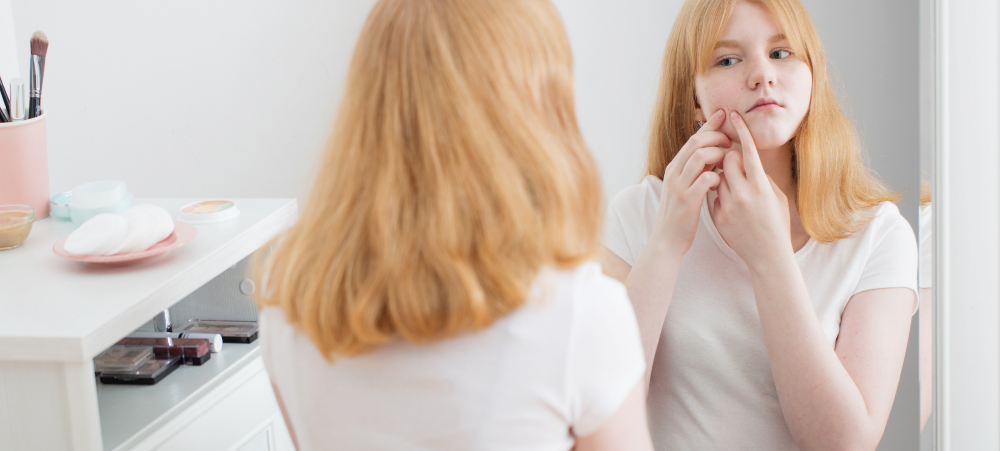
Just the other day they were enthralled by Peppa Pig. Then, before you can say “TikTok”, you’re dealing with a social media-obsessed teen. Something else you’re likely to be facing is a struggle with is acne. After all, around 85% of people will develop it in their lifetime and it usually starts around puberty going into the teen years. However, pre-teen acne and adult acne is becoming more common too thanks to drug-resistance. (The fall-out of having created so many antibacterial products is the evolution of new strains of drug-resistant bacteria!)  Still, regardless of which age you get them, spotty skin is always a confidence killer. Having to battle with pimples as an adult is awful. But having to endure acne in high school as an insecure teen is a nightmare. Fortunately, there’s a lot you can do to help your child beat breakouts and enjoy clear, healthy skin.  Say no to spots  When it comes to beating breakouts, you’ve got a bit of a checklist. First, you’ll want to keep oil production in check. Next, you have to ensure skin is exfoliating properly, then zap pimple-forming bacteria while calming inflammation. Happily, Clarity by Lamelle is a stream-lined, fuss-free skincare collection that can do all that, starting with Clarity Active Cleanse – a soap-free cleanser formulated with updated antibacterial and anti-inflammatory ingredients including a more gentle form of pore-exfoliating salicylic acid.   Next up, your teen can apply Clarity Corrective AM in the morning and Clarity Correctives PM Plus at night. Again, both of these products contain proven pimple-busting ingredients as well as super soothing anti-inflammatories. The night cream, however, is especially important as it contains a very gentle, form of retinoid that can help speed up the skin’s cellular turnover, blitz bacteria and even reduce the likelihood of post-inflammatory hyperpigmentation (PIH). (These are the dark marks that can set up camp in the aftermath of a pimple – something that’s especially common in those with a darker skin tone.)  As far as active breakouts go, your child has a brilliant weapon in Clarity Active Spot Control. A targeted treatment that rapidly stop a spot in its tracks, it also contains salicylic acid to gently exfoliate deep inside the pores, keeping them clean and clear.  It also boasts a trio of super soothers – panthenol, niacinamide and azelaic acid to calm inflammation and reduce redness – and a form of vitamin C that kills bacteria and prevents congestion.  Beating acne inside-out  Your teen might be glad to hear that there’s absolutely no truth to the rumour that chocolate causes pimples. However, eating a healthy balanced diet is important for great-looking skin. You can also take our supplement – Acnevelle Plus by Lamelle Research Laboratories. It contains zinc glycinate – a very easy to digest form of zinc – and nicotinamide, a water-soluble form of vitamin B. Together, they’ve been proven to help treat inflammatory skin conditions like acne. The supplement has also been reformulated to include an effective dose of copper to mitigate the potential to become copper deficient due to the long-term intake of zinc. When used in conjunction with our Clarity skincare collection, it can improve inflammatory, problematic skin by up to 88% in just 8 weeks!  Ultimately, if your child is struggling with spots, it’s time to take action with Lamelle Clarity and Acnevelle Plus. Together, they can help create a clear, radiant-looking complexion, giving them the confidence they need to face the world head-on. Suddenly, taking a family selfie can be fun again! (Can we get a “thanks mom!”?) 

Lamelle Research Laboratories

Acne myths busted with Lamelle Research Laboratories


Despite being one of the most common inflammatory skin conditions in the world, acne is still very misunderstood. So much so, that myths still abound. Fortunately, at Lamelle Research Laboratories, we’re acne experts that can help you sort the facts from the fiction. Myth 1: Only teenagers get acne Nope, not true! It would be great if acne was a problem you could simply outgrow, but this isn’t the case for everyone. Four main triggers that contribute to acne – skin that doesn’t naturally exfoliate the way it should, leading to a build-up of dead skin cells that can clog the pores; an excess of oil that also gets trapped in pores; infection and inflammation. These triggers can affect both adults and teens, but it’s true, teens are often most affected. This is due to their body’s creating more androgens during puberty, a hormone that can increase the production of oil. You should also know that, regardless of your age, the active ingredients proven to help clear up acne remain the same. This is why Clarity by Lamelle, our incredibly effective acne treatment range, is suitable for acne sufferers of any age. Myth 2: Chocolate causes pimples Chocoholics, you can breathe a sigh of relief! The idea that your favourite chocolate bar could be the baddie behind your breakout has persisted for decades, so much so that multiple studies have been performed to find out. The conclusion is now an extremely mixed bag with some saying that yes, eating chocolate could worsen acne and others saying it had no effect. What we do know, however, is that some research has found a correlation between low zinc levels and acne. To be clear, this doesn’t mean that acne is a sign of a zinc deficiency, but it does mean that, if you have acne, you’re more likely to not be getting enough zinc. Interestingly, the zinc-acne connection makes sense because zinc helps regulate our immune cell response in a way that helps control inflammation, one of the big triggers for a breakout. For this reason, we’ve created Lamelle Acnevelle Plus, an oral supplement that includes zinc glycinate and nicotinamide, a combination proven to help reduce the redness and sensitivity associated with inflammatory acne. Myth 3: You can scrub your way to clear skin Yes, a pimple is the result of a blocked pore, but the idea that you can “empty” these with a scrub is misguided. In fact, harsh, grainy scrubs are one of the worst things you can do to treat a breakout. More often than not, the particle is too big to get inside the pore and, worse yet, the friction will irritate your already inflamed skin, causing it to get even angrier. So, while acne sufferers will definitely want to up your exfoliation, they need to choose their weapons wisely. In this case, gentle chemical exfoliators will do a much better job of gently ridding your skin of the excess skin cells that can clog up your pores. This is why our Clarity collection doesn’t contain a scrub. Instead, it contains a mix of alpha hydroxy acids, non-irritating forms of retinol and salicylic acid to gently increase your skin’s cellular turnover. Myth 4: Getting a tan will help clear up my skin Yes, getting a tan may help temporarily minimise the look of redness associated with acne and, at first, it might feel like it’s helping to dry it up. Alas, all you’re doing is dehydrating and burning your skin causing it to produce even more oil and become inflamed. And guess what that leads to? Yep, a worsening of acne. If you want a golden glow, you might be better off using a self-tanning product. But something all acne sufferers definitely need in their artillery is a good sunscreen, especially since many of the active ingredients proven to help clear up acne, things like exfoliating acids and retinoids, will increase their skin’s sensitivity to the sun. Also, it’s not true that sunscreen will make acne worse – you just have to find one that’s lightweight and non-greasy. The bottom line Ultimately, the more you know about what really causes acne, the better equipped you’ll be to treat it. To learn more, chat with an experienced Lamelle skincare therapist who can help you create a skincare regime that’ll put you on the path to clear, healthy-looking skin. 

Bonitas – innovation, life stages and quality care

Postpartum recovery – How long does it take and what can you expect?

As a new mom, or a potential new mom, you are probably wondering how long your body will take to recover post birth and pregnancy. The postpartum period is generally regarded as the first six weeks after childbirth. This is an important time for both you and your baby, as you there are lots of emotional and physical adjustments that happen in this period. Recovering from having a baby can be a long process, especially considering that you now have a new baby to look after as well. What can I expect postpartum? Postpartum recovery will differ between moms and pregnancies. If you have opted for a vaginal birth, your vagina will hurt postpartum, and recovery can take 3 to 6 weeks depending on if you had an episiotomy or your perineum tore.  C-section incisions can be painful and you can expect a recovery period of 4 to 6 weeks. Initially you may find moving difficult, but it’s important to move a little bit to avoid blood clots. Some new moms can experience difficulty urinating, perineal discomfort or soreness, vaginal bleeding, contractions, constipation and breast tenderness post birth. During the postpartum period you may also feel irritable, anxious or have sudden mood swings, this is also known as the ‘baby blues’ and is caused by hormonal changes in the first few weeks. However, if this period is extended you could be suffering from postpartum depression, and should speak to your doctor about this. How can I help my postpartum recovery? Be aware of pushing yourself to return to ‘normal’ as soon as possible, even if you have had an easy pregnancy and birth, your body has still been through an ordeal and you will need time to recover. Avoid over exercising (even if it’s tempting to get straight back into it!) and trying to socialise too much with friends and family eager to meet the new baby.  Don’t be afraid to ask people for space and to limit your baby’s visitors.

FYI Play it Safe

FYI play it safe TO SCREEN AWARD-WINNING GLOBAL YOUTH MENTAL HEALTH FILM IN SA

Connecting the Dots by award-winning director/producer Noemi Weis will be showing at The Labia Theatre Featuring young people from across the world, documentary film, Connecting the Dots, will be brought to South Africans virtually and on big screens by FYI play it safe, innovator of the parental app that is changing how parents keep their children safer online.  Directed by Noemi Weis, Connecting the Dots, which was released in 2020, has been screened at a host of international film festivals, receiving widespread acclaim from critics and viewers. First of its kind, Connecting the Dots offers a no-frills, authentic look at youth mental health around the world.  By exclusively showcasing the voices of young people, the film invites educators, parents, families, friends, communities and leaders into a safe space to listen to the lived experiences of this generation of teens and youth.  Weis, a mother and a grandmother, has made an esteemed film career focusing mainly on social issues important to women and children.  She says, “There is a youth mental health crisis around the globe. Suicide is the number one health-related cause of death for youth. Mental health is the health issue of this generation. There is an urgent call to action being heard globally asking for an elimination of the stigma and shame surrounding youth mental health struggles and demanding an increase in open dialogue and more accessible, relevant and timely support.” Cassey Chambers, Operations Manager at The South African Depression and Anxiety Group (SADAG) says, “There’s significant value in FYI play it safe screening Connecting the Dots for South African audiences.  As a nation, we too experience high levels of youth mental health challenges, which is surrounded still by stigma that stifles conversations and inhibits finding solutions.  Young people in South Africa who are facing challenges are under-served in their communities when it comes to mental health services.  It’s hard to open up and it’s hard to find the help you need. This is an important platform to invite conversation; to inspire us to listen to the voices of our South African youth and to find solutions for what is an increasing problem in our country, that has only been exacerbated by the pandemic over the past two years.” For FYI play it safe founder and CEO, Rachelle Best, who is also mother of a teen daughter, facilitating the first screenings of Connecting the Dots is personal.  She says, “Sadly, in 2021, we experienced a significant number of teenage suicides all around us in Cape Town. This happened over a short time and mostly in the same age group as my daughter. I realised that we, as parents, don’t talk enough about youth mental health and we certainly don’t talk to our children about it enough.  FYI play it safe is helping parents keep their children safer online by alerting parents if there is any online activity that can indicate depression, self-harm or suicidal ideation. When I first watched the film, I could feel it on my skin.  What stood out for me was a scene where a young girl said that she retreated into her room more, because the people who she chatted to online understood her better than the people around her. This was the moment I realised that every parent and every child in South Africa should see this film, and that FYI play it safe can help! We should be part of this global conversation. I got introduced to Noemi Weis, who is the director and producer of Connecting the Dots, and she shared the excitement of FYI play it safe bringing the film to South Africa.”  Best sees the upcoming screenings of Connecting the Dots in South Africa as an opportunity to improve teen mental health in the country.  “The documentary exposes us to the current global conversation about youth mental health. It creates a bigger awareness that firstly, for our tweens and teenagers, it is healthy to talk about mental health. It is also ‘okay to not be okay’. And it is wise to reach out for help. Secondly, it helps parents and teachers to understand that our tweens and teenagers are actually not okay. They need help and they need us to open up conversations about their mental health to make it easier. We are really hoping for every parent, educator and youth in South Africa to see this film, to raise their hands and to become part of the conversation.” FYI play it safe screenings of Connecting the Dots will take place at The Labia Theatre in Cape Town on 22 February 2022 at 10:00 and 18:00.  Tickets cost R120 per person and are available through Webtickets now. The film is recommended for an audience of 12 years + Groups, schools and organisations can also book a bespoke screening of Connecting the Dots, virtually or at their own venues.  Contact [email protected] for further information. In partnership with UNICEF, the film offers Facilitators Guides for different target groups to help them guide their screening. Plus a tool kit to help them promote their own screening. https://connectingthedotsfilm.com/resources

Lamelle Research Laboratories

Inflammaging and how Lamelle can help you beat it


We’ve all experienced inflammation, from the ache of a sprained ankle to the sting of a bad sunburn. While it can feel unpleasant, short-term inflammation is actually a good thing as it produces inflammatory cytokines (small proteins that trigger an even greater inflammatory response) that tell your body it’s time to get busy healing. Still, in the long term, inflammation isn’t your friend. In fact, if an injury repeatedly occurs to the same area, it eventually won’t heal as well and can result in scarring or abnormal healing. Interestingly, inflammation has the same effect on our skin. Short term, it can help you heal an injury, be it a pimple or a cut. Chronic inflammation, however, causes a chain of events that can damage your skin’s collagen – among other things – and accelerate the aging process. This is what’s known as “inflammaging”. Worse yet, this type of chronic inflammation isn’t even caused by a visible injury. The triggers include “every day”, often unavoidable things like UV rays and free-radicals. Fight that fire! Clearly, none of us are immune to the effects inflammaging but we can protect ourselves in ways that mitigate the damage. One is to invest in skincare that contains potent anti-inflammatory antioxidants. This is why Lamelle products are formulated using some of the most potent and proven, including the super antioxidant Pycnogenol. Now, remember how we mentioned cytokines? You should know that not all of them are “fire starters”. You get many different types and, while some can trigger inflammation, others do a brilliant job of deactivating it. Thus, you’ll find a patented complex of the latter in our anti-aging Dermaheal collection. Interestingly, preventing accelerated aging isn’t just the only reason you’d want to keep inflammation in check. Chronic inflammation also encourages hyperpigmentation and creates the ideal environment for acne to thrive. Other ways to prevent inflammaging While anti-inflammatory active ingredients are a great way to mitigate inflammaging, it’s not your only defense. One of the biggest triggers of inflammation is still unprotected sun exposure. This is why it’s vital to applying a sunscreen every time you set foot outdoors, our favourite being Lamelle Helase 50+. It protects you from the full spectrum of light and contains that potent, inflammation-busting antioxidant we mentioned earlier, Pycnogenol. It then takes thing a step further by addressing any damage that’s already occurred using photolyase. A powerful DNA-repairing enzyme that occurs naturally in animals and plants, photolyase can seek out and correct dangerous DNA kinks (known as “dimers”) that can lead to the mutations responsible for skin cancer. Remember, it’s never too late As with just about everything in life, the prevention of inflammaging is better than cure. But what if it’s too late? What if you’re already dealing with the resultant premature aging that includes fine lines, wrinkles and a loss of firmness? In this case, you’ll be glad to know it’s never too late to take action. Lamelle’s Dermaheal range contains growth factors that help reverse the damage caused by inflammaging by optimizing the communication between your cells, instructing your skin to behave as though it were much younger. This encourages the creation of skin-firming collagen and elastin. You can also consider Lamelle in-office treatments such as peels and collagen-induction therapy (CIT) that can remove old, damaged tissue and encourage the growth of new, healthy tissue. The bottom line Ultimately, it’s very difficult to avoid the triggers of inflammaging. They’re literally everywhere – from free-radicals borne in the air to the sunlight streaming through your window. However, it doesn’t mean we can’t protect ourselves from their effects with powerful inflammation-fighting products such as those we’re proud to create at Lamelle Research Laboratories. Also, it’s never too late to start correcting the effects. Simply chat to a highly-skilled Lamelle skincare therapist who can help you prevent as well as treat so you can enjoy healthier, younger-looking skin for longer. 

Bonitas – innovation, life stages and quality care

Covid – how and when might it all end?

Covid-19 has disrupted the world in so many ways, including the uncertainty of what the future holds. The Bonitas Medical Fund clinical and actuarial teams unpack some of the pandemic versus endemic terminology and offer scenarios for the future. Since the start of Covid-19, the word ‘pandemic’ has been on everyone’s the lips. What is a pandemic and what is the difference between an outbreak, an epidemic and a pandemic? According to Harvard Medical School, ‘An outbreak is a sudden increase of an infectious disease in a particular place, an epidemic is a larger outbreak in a restricted country or community, while a pandemic means a global epidemic.’ Do the governments of various countries decide there is a pandemic? It is the World Health Organization (WHO) which declares a global pandemic as was the case on March 11, 2020, when the virus was present in over 110 countries. WHO will also decide the degree of severity and communicate this to the world? The declaration gives governments time to prepare for the pandemic, legislate laws and restrictions – such as travel and trade – and begin emergency procedures to protect their citizens.  What are the criteria for a pandemic? There is no universally agreed definition of when a disease outbreak should be called a pandemic but there are three reasons WHO can declare a pandemic, when: The disease causes death There is persistent transmission between people It spreads in multiple countries The Centre for Disease Control (CDC) explains it as a ‘term most often applied to new influenza strains’ and says it’s used when viruses can infect people easily and spread from person to person in an efficient and sustained way in multiple regions. The declaration refers to the spread of a disease, rather than the severity of the illness it causes. What are examples of other pandemics? Past pandemics, which had a profound effect on the world, were the Plague or Black Death in the 14th Century, the outbreak of flu in 1918 each killing around 50 million people. Both the AIDS pandemic and Covid-19 are more recent. Who keeps a finger on the pulse of the pandemic? During pandemics, epidemiologists work as profilers. They are experts in the branch of medicine which deals with the incidence, distribution and possible control of diseases. Epidemiologists are scientists who: Trace, monitor and predict the movement and behaviour of a pathogen to create a detailed portrait. Key epidemiological questions include: What is the spectrum of disease severity? How transmissible is the virus and who is most likely to spread it?  What are the risk factors for severe illness and death? How does the behaviour of the infection vary by location and does it change over time?  Answers to these questions can determine what public health measures should be implemented and what resources should be allocated. These choices have a profound effect on the outcomes. Who decides that a pandemic is over? The pandemic may be widely considered over when WHO decides the virus is no longer an emergency of international concern. It is generally when the infection is mostly contained and rates of transmission drop significantly throughout the world.   The expert committee reassess every three months and the world are waiting for a decision from WHO regarding the end of the pandemic as we know it. However, they are still anticipating a 5th wave. Despite this the organisation is calling for travel bans to be lifted as they have proved to be ineffective in stopping the spread of the Omicron variant.  Downgrading from pandemic to endemic There is a consensus that Covid-19 will eventually settle into becoming a more predictable virus, like the flu. This means there will be seasonal outbreaks but not the huge numbers the world is experiencing now.  It will transition from a pandemic phase to endemic phase and the world will adapt to living with it.  What is the difference between endemic and pandemic?  Endemic means the disease is still circulating but at a lower, more predictable rate — and with fewer people being admitted to hospital.  Epidemiologists would consider a disease endemic when levels are consistent and predictable – unlike the ‘boom and bust’ waves we have seen so far in the pandemic. That said, just because it’s endemic it doesn’t mean to say it’s not serious. Smallpox, for example, was endemic for thousands of years and a third of the people who were infected, died. Malaria is also endemic and causes around 600 000 deaths a year. What are the hypotheses for the way in which the pandemic will end?  It is difficult to predict when the pandemic will end but three scenarios emerge as the most probable. It is important to note that these will be determined by WHO and governments around the world. 1.Getting through it as quickly as possible This means the government allows people and communities to be exposed as quickly as possible so that most people have been infected or developed immunity. At some point herd immunity will be reached – when the virus cannot find new hosts -and the pandemic slowly peters out. The problem with this is that hospitals reach peak capacity very quickly and millions may die. 2.Slow it down or delay it and vaccinate As happened with most countries’, governments used various methods to slow down the spread. This reduces the number of lives lost but the virus still spreads slowly and many of these measures have a devastating effect on the economy. 3.Co-ordinate globally to crush it This is achieved by introducing travel bans, quarantining, social distancing and restricting travel.  In this scenario the world should co-ordinate efforts to reduce transmission.  In the best-case scenario this could end the pandemic swiftly with low loss of life. The virus will not be eliminated through this means alone but reduced transmission and spread.  Each has its pros and cons but it’s generally accepted that vaccination, assisted by as much global coordination as possible, is the best possible scenario. What is

Parenting Hub

Fruity back to school lunch box ideas for a healthy start to 2022

Make the morning rush a little easier with healthy lunch box recipes that all kids will love. Plums, peaches and nectarines, known collectively as stone fruit, pack a nutritious punch offering generous helpings of vitamins and other essential nutrients to keep budding learners sharp throughout the day. Make sure your children get their share of nature’s juicy summer bounty by including stone fruit as a snack in their lunch boxes or turn them into delicious, nourishing meals and treats. We all know how fussy children can be when it comes to balancing their daily food intake, so here are some nifty ideas to get nutritious stone fruit into their lunch boxes.  Celebrity chef, Jenny Morris, has created two moreish lunch box salads that tick all the right boxes. Her peach and bulgar wheat salad is a super easy and satisfying meal that can be prepared the night before. It is an absolutely yummy and filling alternative to regular school sandwiches, guaranteed to keep hunger pangs at bay.  Jenny’s nectarine and smoked chicken salad is another substantial lunch box meal your children will tuck into with glee. Bursting with colour and flavour, it is quick and easy to whip up.  For something sweet when energy stores start running low, Jenny’s plum jelly treats are the perfect lunchbox filler. These homemade treats are great for on the go snacking. Karen Hart’s peachy whole wheat muffins are a super nutritious lunch box filler. They are easy to make ahead of time and are sure to stay fresh and go the distance. Plums, peaches and nectarines are naturally sweet super fruit with a low glycaemic index (GI). They are high in fibre and abound in health-giving potassium and vitamins A, C and E, all-powerful antioxidants that protect against disease and help to build healthy minds and bodies. To keep children’s lunches fresh all day, Addis, the original and trusted food storage container brand, has the perfect solution. Addis Clip ‘n Seal lunch boxes come in various  sizes and great colours with a high quality, clip closing design that guarantees an airtight and leakproof seal. They are made in South Africa and are BPA free. Visit www.addis.co.za for more information. Feel inspired by following @juicydelicioussa on Instagram or visit www.juicydelicious.co.za for more tempting stone fruit recipes. Peach and Bulgar Wheat Salad     By Jenny Morris  Serves 4-6 Ingredients:  2 cups cooked bulgar wheat ½ red onion finely diced 2 spring onions with tops finely chopped ½ cup chopped mint 2 large cling peaches washed, stoned and finely diced ½ medium cucumber finely diced ½ cup finely diced red pepper 2 red chillies chopped (optional) Salt and pepper to taste Method: Toss all the ingredients together and add the dressing 30 minutes before serving. Dressing:  ½ cup orange juice ¼ cup lemon juice 1 Tbsp honey ¾ tsp salt Pepper to taste 2 cloves finely grated garlic 1 tsp mustard of your choice ½ cup olive or vegetable oil Method: Stir together all the ingredients except the oil, taste and adjust the seasoning, then whisk in the oil. Nectarine and Smoked Chicken Lunch Box By Jenny Morris Serves 4 Ingredients: 1 cup cooked bulgar wheat Zest of 1 yellow lemon 2 Tbsp chopped mint 1 cup cucumber, chopped or thinly sliced 2 large firm nectarines stone removed and chopped 300g chopped smoked chicken breast 30g toasted almonds chopped Salt and pepper to taste Dressing: ¾ cup mayonnaise 1 Tbsp olive oil 1 Tbsp lemon juice Stir together and season to taste. Method: Place all the ingredients together in a bowl, season with salt and pepper and lightly toss together, add the dressing and stir together gently. Divide into 4 portions and pack into lunch boxes. Plum Jelly Treats By Jenny Morris Makes: 24 – 30 (depending on the size of the mould) Ingredients: 15 plums, halved and stoned ½ cup water  ½ cup caster sugar 6 Tbsp gelatin powder Silicone mould of your choice Non-stick cooking spray Method: Place the plums in a small saucepan with the water and simmer until soft.  Place in a blender and process until smooth.  Strain the liquid through a sieve and return to the pot (alternatively, if you have a juicer, simply juice the fruit and place in the saucepan). Add the caster sugar and dissolve over low heat.  Sponge the gelatin in a little water, according to the package instructions.  Once, sponged, place the gelatin in the warm plum liquid and stir to dissolve. Lightly spray your mould with the non-stick spray and place on a baking tray.  Carefully pour the liquid into the mould – using a jug – and place in the fridge for an hour and a half, or until set. Pop out and enjoy! Whole Wheat Peach Muffins By Karen Hart Makes 12 muffins Ingredients:  1 cup whole wheat flour ¼ cup cake flour 1 ½ cup oats  ½ teaspoon bicarbonate of soda 1 ¼ tsp baking powder ¼ tsp salt ¼ tsp nutmeg ½ tsp cinnamon 11/2 cups peeled and diced fresh peaches or nectarines (2 peaches/nectarines) ⅓ cup buttermilk 1 tsp vanilla extract ⅓ cup honey ⅓ cup sunflower or canola oil 1 egg Extra oats to sprinkle on top (optional) Method: In a large mixing bowl, whisk together the flours, oats, baking soda, baking powder, salt, nutmeg and cinnamon. Stir in the peaches. In a separate bowl, combine the buttermilk, vanilla, honey, oil and egg. Add wet ingredients to the dry ingredients and stir until it is just mixed. Spoon the batter into a 12-hole muffin tin, lined with paper liners. Sprinkle a little oats over each muffin (optional). Bake in a preheated oven of 180ºC for 18 – 20 minutes or until cooked through and golden brown. Cool on a wire rack before serving.

Parenting Hub

HAPPY KIDS ARE GOOD KIDS

In the words of Oscar Wilde, “The best way to make children good is to make them happy,” and that’s what the Friends In Your Freezer are intent on achieving through delicious, healthy, fun, and convenient food. Oh, and a chance to win a family holiday worth R50 000 too! Two of the largest brands in the frozen food world are on a mission to create convenient and nutritious mealtime solutions, while bringing fun into the kitchen and onto kids’ plates. Whether their summer holiday was the greatest six weeks of their little lives, or a time spent ranting about having nothing to do, the back-to-school transition is daunting for most children, and more than likely, moms too. Having a stable eating routine with exciting food helps children to look forward to mealtimes, and a nutritious eating routine improves not only their energy levels, but their concentration and mental health too.  McCain and Sea Harvest offer the finest quality frozen fish and vegetables, which are incredibly healthy too. Their produce is harvested at its peak, sustainably sourced and snap frozen within hours to maintain freshness and lock in nutrients, meaning that your little ones not only get to enjoy a delicious meal, but one that’s packed with vitamins and minerals too. “Frozen foods are a convenient and affordable way of incorporating protein and vegetables into your children’s diets. The combination of products that McCain and Sea Harvest offer are sure to satisfy even the most discerning of little palates,” says Jared Patel, the Head of Marketing of the Sea Harvest Group. Get the kids involved in the kitchen and create a fun and fresh (or shall we say, frozen) take on sushi: Fish Finger ‘Sushi’ with Smiles Serves: 4 Prep Time: 30 minutes Cook time: 20 minutes Difficulty: easy Ingredients Fish & Smiles 8 Sea Harvest Fish Fingers 1 x 415 g bag McCain Smiles Sushi 8 slices of brown bread, crusts cut off 40 ml mayonnaise 8 slices of pre-sliced cheddar cheese 1 small cucumber, peeled into ribbons 1 large carrot, peeled and finely grated Dipping Sauce ¼ C (60 ml) mayonnaise 2 Tbsp (30 ml) chutney Method Fish & Smiles Preheat the oven to 200 ºC. Lay frozen Fish Fingers and Smiles onto a baking tray. Place into the oven for 15-20 minutes and cook until golden and crunchy. Alternatively, cook in an air fryer for the recommended time. Allow the fish fingers to cool completely. Sushi Roll each slice of bread with a rolling pin to flatten by half. Dollop roughly a teaspoon of mayonnaise on each slice of bread and spread evenly to all corners. Place a slice of cheese right on the edge of the side of the bread closest to you – this will ensure that there is a margin of bread left on the other side that will stick the sushi roll together. Place a cucumber ribbon on the edge of the cheese that is closest to you followed by a cooked Fish Finger. Top the fish finger with grated carrot, then roll the bread roll away from you to form a neat log shape. Press down on the seam to seal the roll. Trim off the ends off, then slice into 4-5 bite-size pieces of sushi. Repeat the rolling process until you have completed and sliced all of the rolls. Dipping Sauce Mix the mayo and the chutney together and set aside. To Serve Serve fish finger sushi rolls with potato smiles and dipping sauce on the side. Having these Friends In Your Freezer ensures that mealtime planning and creativity in the kitchen isn’t higher grade, so to speak. “Our purpose is to make mom’s lives easier, and kid’s lives happier. The first two months of the year are generally chaotic and there’s no doubt that having frozen meals on hand eliminates the added pressure of meal prep on a busy week night,” says Danielle De Villiers, Senior Brand Manager at McCain.  Purchase any 1 McCain and 1 Sea Harvest product from participating stores and stand a chance to WIN 1 of 4 family holidays valued at R50K each with McCain and Sea Harvest. Competition ends 28 February 2022, T&C’s apply. For more information, visit www.friendsinyourfreezer.co.za, McCain Facebook, McCain Instagram, Sea Harvest Facebook or Sea Harvest Instagram. You can also download this fun activity book filled with puzzles, games and jokes, to keep the kids busy!

Syllabis Learning

Understanding Independent Learning

Independent learning is a method or learning process where learners have ownership and control of their learning – they learn by their own actions and direct, regulate, and assess their education. The independent learner can set goals, make choices, and decisions about how to meet his learning needs, take responsibility for constructing and carrying out his own learning, monitor his progress toward achieving his learning goals, and self-assess the learning outcomes. The concept of independent learning is associated with improving the educational experiences and outcomes for learners through student-centered learning approaches that personalize learning and enable the learner to take ownership of the learning process.  In other words, you need to be able to do your own research instead of expecting a teacher to give you all the background material you might need. What is the difference between homeschool and independent study? Independent learning curriculums like the curriculum provided by Syllabis Learning allow students to learn with little direct teaching and interaction from the parent. Most independent programs have a pre-set program and are meant to be mostly self-instructional.  To become a good independent learner you should be motivated, resilient, ready to overcome challenges, and good with time management. Why is independent learning important? The skills you gain with independent learning are transferrable and valuable to most jobs that you will perform. These include motivation, independence, initiative, time management, organization, multi-tasking, strong reading, and writing skills. Benefits of Independent Learning The child learns how to read (or listen) for understanding. This is a skill that takes practice, and it is important for standardized tests. When the child is answering questions based on what they have read, it is a way of holding them accountable. They will learn to concentrate as they read because they will know they are going to need to use the information for their homework. The child learns HOW TO LEARN. When a child has become accustomed to learning independently, they can pick up any book and learn the information in it. This means they can continue a lifestyle of learning throughout the rest of their life. They will never be dependent on someone else to teach them something. The child has greater freedom to determine their routine. When teachers or parents are not part of the equation for learning a particular subject, the child can schedule that subject any time in their day. This often helps with motivation and effort. The child learns about their learning style. When teachers or parents are in control of their entire day, they don’t have the opportunity to experiment with different environments, times of day, or methods of learning. By trying to learn on their own, they become more self-aware, discovering how they like to learn, how they learn best, and how they do not. The child is free to learn at a faster pace. If the child is capable of understanding something well and wants to keep going, he can. He is not held back by a teacher’s lesson planning or availability. The child learns perseverance and self-reliance. When a child struggles through to success, he has learned a very valuable lesson. Some things don’t come easily, but by not giving up, success is possible.  The child learns initiative.  The responsibility for learning is on the child. He needs to do everything he can to find the answers he needs before asking for help. This may mean going back and reviewing previous material, looking for answers to help solve the current problem or answer the current question. (This is a good habit and also helps with studying for tests.)  Independent learning prepares your child for university. University students are expected to take responsibility for their own work, grades, completion of assignments, etc. No university professor is going to hold their hand or even notice if they are struggling, most likely. The student is expected to do the work, find outside resources, and ask for help when they need it. If they are used to it being this way at home, then they won’t feel like they are in over their head in university. Here are some helpful self-learning techniques to make independent learning more effective. Find a good study space: Try to avoid things that might distract you. Put your phone in another room, switch off the TV, and sign out of social media. If possible, try to study away from areas where you eat or sleep. Set goals: A good way to keep your motivation up is to think about what you want to get out of your work and remind yourself next time you are flagging. Get into a good routine. A good routine can help you avoid that feeling of the whole day slipping away without getting any work done. Try to get started on work at the same time every day and include time for breaks and having fun. Read actively: You will need to be an active reader, paying close attention to the words you are reading and their meaning. Skim read: Speed read or skim material before reading it in detail and then summarising the text in your notes. Go solo: Practice working on your own for long periods without seeking the help of an adult. Effective time management: In work or unit studies, you are more than likely to have several pieces of work to juggle at any one time. Break each project down into the relevant tasks, work out how long you will need to spend on each part, then allocate time in your diary in order or priority. Take handwritten notes. Writing out notes by hand might help you to understand and remember the content better. Taking handwritten notes is especially powerful if you try to put things into your own words and do not just copy the language your teacher uses. It can also help to use diagrams to structure your thoughts. This might feel harder at the time, but it will create a stronger memory. Different sources: When doing research, try to draw from a variety of different sources. Be persistent: If a task is challenging, do not

Lamelle Research Laboratories

How to prevent acne scarring with Clarity by Lamelle

Struggling with acne is stressful enough, nobody also wants to deal with the aftermath – the scars it can leave behind. This is why it’s important to prevent as well as address spots the moment appear while managing inflammation, a major contributor to scarring. Happily, Lamelle’s Clarity collection can help you do all three! What causes an acne scar When a pimple strikes, it causes inflammation in your skin and your body perceives it as a “wound”. In a bid to repair the injury, your skin produces more collagen, the protein that gives your skin it’s structure. Just enough and you’ll get to enjoy fresh, healthy new skin. Too much, however, and you could be left with a raised scar. Too little it could create a depressed scar, like a little pit that’s left in your skin. In addition, how long it takes for the wound to heal as well as how deep it is will also influence the extent of scarring. This is because while your skin is healing, it’s structure, which includes collagen and elastin, gets broken down and rebuilt, sometimes haphazardly. It doesn’t care what the result looks like, only that the job gets done. This is why it’s so important not to pick at a pimple because you’ll only prolong the healing process and increase the odds of disorganised rebuilding that’s essentially scarring. There’s also another way acne can blemish your skin and that’s via post-inflammatory pigmentation (PIH). Ever noticed how, sometimes, in the wake of a pimple, you’re left with a dark mark? People often mistake these for “scars” but they’re actually hyperpigmentation. This is because your melanocytes (the cell’s responsible for creating pigment) are triggered by any kind inflammation. They aren’t able to determine the cause, they just think they’re doing their job and protecting your skin. Again, this is yet another reason to not pick at pimples. The more you aggravate them, the more likely they’ll form PIH. How to prevent them Clearly, when it comes to beating acne scarring, the ideal is to prevent all breakouts. While that would be great, acne sufferers know that the reality of keeping spots in check can be a marathon, not a sprint. Still, Clarity by Lamelle, a cutting-edge skincare collection proven to clear up your skin by as much as 88% in as little as eight weeks. Aside from helping to control acne, all Clarity products are formulated with inflammation in mind. Our super-soothing ingredients include niacinamide, panthenol, tea tree oil, red cedar tea extract and salicylic acid. The latter is a great acne-blitzing multitasker as, aside from having inflammation-fighting properties, it also exfoliates deep inside your pores to keep them clean and clear. You’ll also find a patented retinoic acid ester in our Clarity Correctives PM Plus night lotion. A powerful form of vitamin A, it can serve up all the regenerative benefits of retinol but without the associated irritation. It’s a great way to help regulate your skin’s natural exfoliation process to keep your pores clean and clear. Also, studies show that retinoids and their analogues have direct anti-inflammatory effects on the skin. Again, resist the urge to pick! Relying on Clarity by Lamelle to reduce breakouts and manage inflammation is one thing you can do to help prevent acne scars. But, as we’ve said, you should nevr pick at your pimples. While it might be very tempting to squeeze that monster on your chin, you’re only increasing the risk that your skin responds with a scar or PIH. Instead, we suggest you rely on our bestselling Clarity Active Spot Control treatment. Tiny enough to pop into your handbag for on-the-go treatment, it contains a mix of super-soothers to rapidly decrease the size and redness of the spot. We’ve also used a form of vitamin C proven to zap pimple-forming bacteria. Better yet, it also makes use of azelaic acid that inhibits the overproduction of melanin to help reduce your risk of developing PIH. Genius, right? We thought so too! 

Bonitas – innovation, life stages and quality care

All about Boosters

As the COVID-19 pandemic waxes and wanes around the globe, it is universally accepted that as many people in the world as possible need to be vaccinated to develop immunity. Depending on which vaccine you received, you will either have had one or two initial vaccines doses and then, between 2 and 6 months afterwards are eligible for a booster. Kathy Malherbe speaks to Dr Morgan Mkhatshwa, Head of Operations at Bonitas Medical Fund, about COVID-19 immunity, vaccines, boosters and the way forward.  What do boosters and vaccines do? They develop immunity against infections. In the case of COVID-19, when we are fully vaccinated, we acquire what is called ‘vaccine-induced immunity’.  However, it has been shown that the immunity created by vaccines may wane over time so an additional dose of the vaccine (full or half strength) – in the form of a booster- is then given to provide the strongest and long-lasting protection possible. What exactly is immunity? Simplified, it is your body’s ability to protect you from becoming ill when you encounter a germ (virus, parasite, fungus, bacteria). It is not a simple process but essentially your body produces cells that try to stop the invading germs. This includes cells which ‘memorise’ a particular infection or germ and then recognise it when it returns and try to destroy it.  Immunity can be natural or vaccine induced Natural immunity is your body’s natural ‘fighting mechanism’ which creates antibodies to fight an infection. If you get a disease mildly (like COVID) you do not develop a powerful natural immunity and your natural immunity, regardless of how strong it is, weakens over time – faster than immunity from a COVID-19 vaccine. For this reason, it is recommended that even if you have natural immunity, you still need a COVID-19 vaccine. Why is a booster necessary when you are fully vaccinated Fully vaccinated people have proved to be well-protected from becoming severely ill or dying from COVID-19. So, you may ask why a booster then? Even though vaccines protect you, their efficacy does lessen over time, regardless of which variant of COVID, especially with people 65 years and older. This is not only in the case if a COVID vaccine. If a vaccine does not contain a live, (weakened) virus, a booster is required in most cases.  The COVID vaccine does not contain any form of live viruses and, like other inactivated vaccines, will need several doses over time to remain effective. The booster is designed to help people maintain their level of immunity for longer. It is important to know that immune responses can differ in people who get COVID-19 and recover from the illness There are many vaccines which require a booster so you’re more than likely going to receive at least one in a lifetime.  When should you have a booster shot? For those who received the double-dose Pfizer vaccine, you’re eligible for a booster shot at least 6 months after the final dose of the vaccine was administered  If you received the Johnson & Johnson vaccine, you should get a booster if you’re 18 or older and got vaccinated two or more months ago Can you have different booster shots from the original vaccine? The South African Health Products Regulatory Authority (SAHRPA) has not licensed mix and match vaccines. However, there is good evidence that mix and match vaccines are just as effective (and sometimes better) at increasing antibody levels. SAHRPA has requested submission of evidence to support this approach, so watch their website for updates.  Do booster shots use the same ingredients as existing vaccines? Yes. COVID-19 booster shots are the same ingredients (formulation) as the current COVID-19 vaccines. Some boosters have the same ingredients but it is not a full dose. J&J and Pfizer boosters are the full dose. Are there side effects from the booster shot? There is a chance you may feel like you have mild flu after your booster shot. This could include a sore and even slightly swollen arm, a temperature, a headache and fatigue for a day or two. These symptoms mean that your immune system is responding to the shots and building up immune protection against the coronavirus. Can I have a booster if I am immune compromised? Yes, but should be referred by your doctor. Persons who are immunocompromised should receive an additional Pfizer or J&J booster at least 28 days after receiving their last vaccination.  Presently, persons who are considered immune-compromised should have the same booster as the initial vaccine dose (or doses).  Even though there is talk that COVID-19 will move from being a pandemic to endemic, there’s no getting away from the fact that this virus will be part of our lives for a long time and we will need to learn to live with it. Which means that in order for the world to develop immunity against the virus, as many people as possible need to be vaccinated and also receive booster shots.  

Bonitas – innovation, life stages and quality care

Health at School

The school year is in full swing and children are as busy as ever with all their activities and homework. By following a few lifestyle tips you can keep your child healthy and cut down on their sick days says Bonitas Medical Fund.

FYI Play it Safe

Does your child use Telegram? Here’s what you should know

A lot of our children, especially teenagers, are jumping over to Telegram as their messaging app of choice. When their friends join another chat app, they know that they may be left out unless they use that app too. We tested using Telegram to explore what our teenagers will experience and to determine if there are any risks we should know about. We only needed 5 minutes to know that this app is not for children! Our experience was as follows: Firstly, we downloaded the app and registered our phone number Immediately, we got more than 15 messages from our contacts welcoming us to Telegram. When you’ve joined Telegram before, and someone in your contacts joins, Telegram notifies you about this. Needless to say, all the people reaching out made us feel very welcome. We started exploring the app and went to “Contacts”. Right at the top of this screen is a “find people nearby” button, which had us curious so we went there. After giving the app access to our location, we had 5 groups nearby which were very inappropriate for even older children. Examples of these include “Escort service”, “Horny H_’s”, “Bi couples exploring”… Do we even have to go further? Lastly, we clicked on the group that seemed the most above-board, and before we could send a message, the most explicit pornographic photo appeared. Less than 5 minutes… To conclude, a call to all parents – if your child is using Telegram, please make sure the setting for their location services is always off and that they cannot switch it on themselves. FYI play it safe is the only app that monitors all the content on Telegram that your child is exposed to. Go to www.fyiplayitsafe.com and start your 7-day free trial. 

Bonitas – innovation, life stages and quality care

Your pre- hospitalisation check list

Waves of Covid-19 and the emerging variants meant that several elective surgeries were postponed to minimise the use of hospital beds and to avoid unnecessary exposure to the virus.  As the number of infections decrease, surgeons and hospitals are catching up on the backlog of elective surgeries.  So, what exactly is elective surgery? It does not mean, as the name implies, that the surgery is optional but rather that it doesn’t need to be performed immediately. It can be scheduled at the patient’s and surgeon’s convenience.  Dr Morgan Mkhatshwa, Head of Operations at Bonitas Medical Fund, says there are pre-hospitalisation requirements for those going in for elective surgeries. Here’s a quick checklist.   Hospital networks Medical schemes negotiate preferential rates with Designated Service Provides (DSPs) who have partnered with them to ensure that members get the best quality services, at the most cost-effective rate so that benefits are optimised. If you use a network hospital, doctor or pharmacy you will not be charged more than the agreed rate. This will help you avoid co-payments and make your medical aid last longer. So, to reduce co-payments and even avoid them altogether, find a healthcare professional on your schemes network.  Pre-authorisation All procedures that take place in a hospital must be pre-authorised. Essentially, it’s an agreement between the medical aid and the hospital, indicating a willingness to pay for costs associated with the visit. But even if you do have pre-authorisation your medical aid is not promising to cover 100% of the costs.  All pre-authorisation requests are evaluated against the different schemes’ rules and clinical funding policies however, you remain responsible for any shortfall, including any co-payments. If you are unsure how to go about the process speak to your broker or your medical aid.  Quotes A quote is not the same as a pre-authorisation. Most medical aid plans have varying hospital benefits, according to the level of cover you have chosen and they also have a ‘rate’ and which they reimburse healthcare providers. This means that even if the payment is 100% of the rate, this is not necessarily what the healthcare provider will charge, they may charge 200% of your medical aid rate. Asking for a quote prior to being admitted to hospital means you will know what your medical aid will pay and what payment you might be responsible for. It gives you an opportunity to negotiate and eliminates any additional ‘surprise’ co-payments required after the procedure. Co-payments Medical practitioners, hospitals and pharmacies often charge more than medical aid scheme rates, which could be between 100% – 300% of the medical aid tariffs. A co-payment refers to the outstanding portion of the account, for which the member is responsible. This co-payment varies from one medical scheme to another and is sometimes not required if members use DSPs or network hospitals.   Day hospitals Consult with your surgeon to see if your surgery can be done in a day hospital. Globally, day surgery hospitals have changed the experience of patients by offering an alternative to acute/conventional hospital surgery. The advantages include: No overnight stay, ideal for children so they don’t have the trauma of overnight stays; there is a lower risk of infection because patients go home on the same day and there is a decreased waiting list.   Step-down facilities Your medical aid will stipulate the number of days you need to stay in hospital and check whether you will need a step-down facility when you are discharged. There are several facilities where patients can be cared for and start rehabilitation in conjunction with other medical professionals, for example physiotherapists.   Home-based care Find out if you are eligible for home-based care after your procedure. Many patients prefer to be discharged from hospital as soon as possible and receive Hospital-Level Care at home. This means good, clinical quality care which translates into a great patient experience and is also more affordable With Hospital-Level Care at Home, nurses, other health providers and caregivers are an essential element of the care continuum and play a critical role in recovery. GAP Cover Gap Cover is an additional insurance cover that complements medical schemes.  It helps to pay the difference in cost between the amount the specialist or hospital charges and the amount paid by a hospital or medical plan. You will be required to pay any shortfalls (co-payments), after which you may claim from your Gap Cover. Keep all documentation related to the surgery and hospitalisation to submit to the Gap Cover provider.  Covid-19 Test For emergency admissions, a Rapid Antigen Test is performed at the hospital but for elective surgery you are required to have a PCR test a maximum of 72 hours before admission. If your test is positive, you will have to delay your surgery by at least 10 days and then re-test. Pre-admission Pre-admission can be done a few days before you are scheduled for surgery and makes the admission process less stressful on the day. Pre-admission involves answering a series of questions and tests to eliminate the possibility of allergic reactions, drug interactions or physical complications before, during and after the surgical process. For administrative purposes the following items are required upon admission: Your identification document or passport Your medical aid card Authorisation number supplied by your medical aid, or the letter of guarantee issued by your insurer X-rays, if applicable Chronic medication, if staying overnight Dr Mkhatshwa says, ‘In addition to these, remember to take any chronic medication you are on to the hospital and make sure the doctor/anaesthetists are aware of what you are taking.  By following this checklist and making sure the surgeon and hospital have all the necessary information, you will eliminate unnecessary stress ahead of your procedure and prevent unpleasant surprises when you are supposed to be recovering.’

Glenoaks Remedial and Special Needs School

GLENOAKS SPEARHEADS CHANGES TO DISABILITY TAX LAWS

Glenoaks Remedial and Special Needs School has shown once again that our passion to meet the needs of our children is as strong as ever. Glenoaks School made a stand by challenging the changes to the disability tax laws put in place by SARS. In so doing, we sought to protect the rights of learners with special needs (LSEN) in our community. LSEN, and their parents, experience daily societal stigma that exists towards them. As a school, we could not stand back and allow our community to endure more pressure and have a law impede on their abilities as individuals. This would be the likely impact of the amendment to the list of qualifying medical expenses, as it read before our successful challenge thereof.  Section 6B of the Act allows a taxpayer to claim a tax rebate on qualifying medical expenses (expenses incurred in consequence of a disability). The amendment, among other aspects, limited parents in terms of how much they were able to claim back from SARS. The list, as it read in 2012 and until 2020, allowed parents to claim a percentage of school fees on the difference between a private special educational needs (LSEN) school and the closest public school to their home. The 2020 amendment stated, however, that this comparison would now be a percentage of school fees between an LSEN school and the closest fee-paying private school (not specializing in supporting learners with special educational needs). The difference between these two comparisons was, in many instances, profound. What defines an LSEN school? In short, our schools identify each child as an individual, with individual strengths, potentials and areas where they require accommodations and adaptations. This may mean differentiated lessons, adapted work levels, adapted pace, adapted content preparation and presentation, revision, and repetition of tasks in various methods, observing, assessing and reporting – constantly meeting a child at their developmental, emotional, vocational and academic level. This within a small class setting, so that this level of support is possible. Our learners’ developmental ages differ from their chronological ages in certain or all respects. The Learning and Developmental theory of Vygotsky states that as human beings, we learn within a zone of proximal development. Therefore, we need to identify what a learner is currently capable of, and then identify where they need to be. Our role is to find professional strategies to enable a child to reach their potential in a variety of academic and vocational areas. Ultimately, our learners require far more than a basic education. They need to work so much harder than many others do.  As many parents reading this article will know, quality schooling opportunities for learners with remedial and special needs are currently limited within the public schooling system. In the majority of cases, the only option for parents is to place their children in a private school environment that can meet their needs.  With the 2020 list in place, many parents would not have been able to afford private LSEN schools, and the amendment would have put extra pressure on an already struggling public educational system. The result would have been learners who were not placed or are incorrectly placed at schools. Private special needs and remedial schools, like Glenoaks, exist and have existed for years, largely because parents can receive financial assistance from a fair tax rebate. When we became aware of the 2020 list, Glenoaks hosted a parent meeting where an expert in the field discussed the amendment and the implications to follow. With the support of our parent body and school board, our next step was to seek the legal opinion of constitutional law practitioners. This expert opinion confirmed for us that we had to fight for the rights of the LSEN community.  Glenoaks initially collaborated and was involved in many consultative processes; all, over the course of 2 years, proving to be ineffective. We were forced to take our case to the level of litigation. We were so grateful to receive the support of a group of advocates and legal professionals who gave up their valuable time to help Glenoaks stand up for this cause. The Equal Education Law Centre, represented by the Centre for Child Law joined us, and together we forged forward challenging systems that were meant to uphold our children’s rights. Our small group put it all on the line to stand up for the rights of the special needs community. On 29 October 2021, SARS reverted to the previous list. Glenoaks is sincerely grateful for this decision.  Interestingly, this journey has taken Glenoaks back to our roots. Glenoaks School was started by Dr Lorna Swartz, a qualified Psychiatrist. In the 1960’s her daughter started to display extreme impulsivity and distractibility. Nobody at this time could provide her with support or advice. She travelled to America where she sought the assistance of a variety of professionals. Dr Swartz then returned home and started her own school, determined to make a difference in the lives of children with special needs. Dr Swartz is reported, in an interview (https://myinclusivecourse.wordpress.com/2016/07/06/dr-lorna-swartz/) to have chained herself to a government building, demanding that the government make changes to their education system. Eventually, she was able to establish a formalized and registered school. This, being the time of Apartheid, also included Glenoaks opening their doors to a variety of children, from different racial groups, with special needs.  Glenoaks’ hope for the future is to provide further financial support to learners through the help of individuals or businesses who may be able to offer bursaries or donations. In addition, we would like to share our knowledge to empower university students and educators to be able to provide more support to their own learners in all educational streams.  Ultimately, Glenoaks wants to enable the potential of as many children as we possibly can. Glenoaks has proven that we are a school with enough heart, courage and commitment to protect and vindicate the rights of both our children and their parents. GO Glenoaks,

Cosmetix

CATRICE Loose Banana Powder

We’re going bananas for this 3-in-1 loose powder! We’re about to get our bake on (don’t worry, not in the kitchen!) with CATRICE’s Loose Banana Powder. This multi-functional powder is a true powerhouse for your beauty routine. Not only will it set your makeup for a long-lasting and flawless finish, but it will also leave your makeup smooth and seamless with its mattifying properties. They say three’s a charm and that’s exactly what this powder is as it also functions as a colour corrector. We’re going to have our cake and eat it because with CATRICE Loose Banana Powder, we no longer have to worry about dreaded cakey and creased makeup throughout the day! It’s truly bananas how versatile this powder is and we’ve got the low-down as to why you need to add this powder to your beauty routine!  CATRICE Loose Banana Powder consists of an ultra-fine powder that instantly mattifies the skin leaving you with cake-free makeup and a super-smooth finish. Its slightly yellow tint is the perfect concealer for those prone to redness and blemishes, leaving you with bright and radiant skin. It’s easy to apply using the sponge included and can fit practically anywhere, making it perfect for when you are on-the-go and need a quick touch-up. Not only is the Banana Loose Powder a versatile 3-in-1 product but it’s also safe for the environment and animals with its vegan certification and is free from toxic ingredients such as microplastics, parabens, and perfume, meaning your skin is in safe and healthy hands. It just doesn’t get better than that!  You are probably wondering what we mean when we say we are baking with CATRICE Banana Loose Powder, right!? Well, baking is a common makeup term referring to the technique used to combat makeup that either disappears throughout the day or ends up creased, especially around the eye area and/or laugh and frown lines – yikes! Baking is especially beneficial to people with oily skin or who live in humid or warm climates as it helps to curb sweat and oil from interfering with your makeup. Once you have applied your primer, foundation and concealer, the baking can commence. When we refer to baking, it is the application of either a setting or translucent powder to targeted areas around the face that tend to crease over time. Common areas include under your eyes, chin, and the lines that form on the side of your mouth as well as your forehead. After application, let your product “bake” for 5-10 minutes whilst it locks in your makeup in conjunction with your body’s natural body heat. After baking, lightly dust off any remaining or excess powder and apply the rest of your makeup such as your blush, bronzer, highlighter and lips. Step out into the day with confidence knowing your makeup will remain locked-in and flawless throughout the day.   So what makes the CATRICE Loose Banana Powder different to your normal translucent loose powder used to set your makeup? Well, conventional translucent powder comes with a white tint that helps to mattify and absorb excess oil whilst setting your make-up but can leave you susceptible to a white, ghost-like finish if too much powder is used or if it is not applied correctly when baking. This is especially noticeable when images are taken with the camera flash on, which will unforgivingly highlight your makeup as chalky and powdery. With the Banana Loose Powder, the yellow tint helps to correct your colour and conceal blemishes and redness whilst still mattifying and setting your make-up in place for an all-day, flawless makeup look. Banana powders are commonly used for highlighting too as well as to brighten certain areas of the face (especially under the eyes), thus its very popular amongst individuals with darker skin tones. However, this powder is versatile and can work on any skin tone thanks to its subtle nature that works with your skin’s undertones to warm the skin up. With its natural tint and fine consistency, essence Banana Loose Powder also helps to achieve a natural and blended look whilst brightening areas of the face. Banana powders are also best used for baking when applying heavy or high coverage makeup.   Don’t let your makeup artistry go to waste with disappearing or creased make-up. Ensure flawless makeup that will last the entire day with CATRICE’s Banana Loose Powder. The Banana Powder retails for R125.95 and will be available at Dis-Chem, House of Cosmetics, Takealot, Superbalist and Skinmiles.  

FYI Play it Safe

Your child may be digitally colour-blind, and that’s normal

Most of us are aware of the fact that all people do not see colour in the same way.  Some individuals suffer from colour blindness, where the brain does not have the ability to see certain colours. If you ask people to tell you the number they see in the image below, the majority will respond by saying that it is clearly the number 15. However, people with red green colour blindness will tell you with absolute certainty that it is the number 17.  No matter how many times you tell them to look again, for them 17 is an absolute truth. In a similar manner, children can be seen as being “digitally colour-blind”.  They simply do not have the ability to detect danger in the digital world.  Some of this “digital colour-blindness” can be attributed to brain development.  The frontal cortex, the area of the brain that assists with reasoning and helps us to think before we act, only develops later in life.  This, combined with the fact that children may not yet have sufficient experience to identify and respond effectively to danger, puts every child at risk in the digital age. Even if you try to teach your children and they a) try their best to please you by listening to you and follow your advice (read younger child), or b) try their best to prove you wrong (read teenager), they most likely will not be able to see the digital red warning light even if it is right in front of them. To make things worse, many parents are not digitally educated enough to know about these dangers and to look out for them on behalf of their children.  Digital predators are aware of this… Which leaves us, as parents, with the question: “What can we do about this?” As a start, parents need to be aware of the risks that the digital world poses to their children.  They need to be aware of the applications their children have access to and how it is being used.  At the same time, it is critical that we educate our children about these risks, but knowing that education alone will not be enough to protect our children while they are still in the process of developing the skills to detect “digital red.”   It is during this critical time that not only you, but also your child needs FYI play it safe. FYI play it safe monitors your child’s online interactions and activities and will let you know when there are any red flags that you have to be aware of. It monitors for signs of cyberbullying, depression, self-harm, suicidal ideation, when they talk to potential online predators, or when they engage in adult content.  The simple fact is this, the digital world will be an essential part of our children’s lives in future.  If we choose to allow them to be online, we should guard them and make the journey safer for them. With FYI play it safe, you have that extra layer of safety.  Sign-up for your FREE 7-day trial now by going to www.fyiplayitsafe.com and downloading the app to your child’s phone. It takes less than 10 minutes to set up, with easy steps.  Authors: Hester Burger, Rachelle Best

FYI Play it Safe

Choosing the best app for your child’s online safety

To determine how parents protect their children online,  FYI play it safe recently conducted a digital survey, and found that although 99.7% of parents worry about the risks that online communication and social media pose to their children, 25% give their child a device without setting up any type of controls. A further 35% set screen time limits and control which apps their children can download.  Alarmingly, only 3 out of 10 parents do the setup of their children’s devices and use the content filtering options to ensure their children are not exposed to inappropriate content. We also found that, although parents are worried about their children’s use of smartphones, parents were not sure what to do about this and how to find the right solution. FYI play it safe was found by a concerned parent to help other concerned parents. We know that, while we do everything to try and protect our children, there is no fail-proof method or app. We have to make sure that, should our children be exposed to any harmful situation, we will know about it. We need a tool that will protect our children, but at the same time respect their privacy. These are the reasons every parent should choose FYI play it safe as their app of choice. It is not spyware The basis of FYI play it safe is “protect them, but respect them”. Parents will not see all the content on their children’s devices, but rather only be alerted when their child is exposed to a potentially harmful situation such as signs of cyberbullying, depression, self-harm, suicidal ideation, when they talk to strangers or predators, or if they engage in adult content such as pornography, sexting or any form of drugs. FYI play it safe monitors the actual contents of your child’s online activity and as soon as there is anything to be concerned about, it will alert you so you have a fair chance to intervene and to have a conversation with your child about the situation. Only you can see the alerts and rest assured that no one else has access to it. FYI play it safe monitors ALL apps Yes, that’s true! Every single app your child uses. Whether your child is doing a google search, chatting with his online gaming friends in a chat room, or using social media. As a parent, you don’t have to read through thousands of messages to determine if they are in danger. FYI play it safe does that for you.  FYI play it safe distinguishes between priority and blacklisted apps The app distinguishes between priority applications, which are monitored more closely, and “blacklisted” applications which pose an even bigger risk to children. The first category includes the use of chat apps, social media accounts, or internet browsers, where FYI play it safe zooms into the details of what is being said and commented on. In the second category, we believe that parents should know when their children engage with the app, regardless of the content. Typical examples of these are where children use anonymous chat apps, talking to strangers, or apps that can expose them to adult- and other inappropriate content. FYI play it safe understands your child’s slang We know that tweens and teenagers use their own language and parents don’t always understand the meaning of the words and phrases they use. FYI play it safe uses artificial intelligence, which is continuously updated with the latest teenage slang.  FYI play it safe doesn’t need the user IDs and passwords of your child’s online accounts There are so many apps that our children use and even within apps, some of them have more than one account. Because of the smart technology that FYI play it safe is built on, we capture whatever your child engages with on the device’s screen. We don’t need any user IDs and passwords to monitor their activity. That means that, if they create a new account, it is monitored by default. FYI play it safe monitors even deleted, disappearing, or self-destructing messages A lot of apps have the ability to have messages self-destruct or disappear. While this is an advantage in some cases, such as when you make a mistake and want to “unsend” a message, this also poses a great risk. We can no longer rely on what we see, because we won’t have access to the other messages which disappeared.    Thankfully, FYI play it safe monitors content as it happens, so before a message can disappear or be deleted, it would’ve been analysed already! FYI play it safe is easy to set up FYI play it safe takes less than 10 minutes to set up, with easy steps. Download the app at www.fyiplayitsafe.com and follow the easy three-step sign-up process to start your free 7-day trial. Step-by-step instructions and video recordings are available to guide you through the process. In conclusion, FYI play it safe is the app every parent needs. It’s the app that will alert you if something is going on in your child’s online world that you have to talk about. Be a cyber-smart parent!

Cosmetix

NEW essence Hello, Good Stuff! range

New must-have clean beauty essentials from essence to add to your skincare routine! essence cosmetics has just made ‘clean beauty’ a whole lot easier with seven brand new additions to their Hello, Good Stuff! range. They’re kicking added microplastics, parabens, PEGs (Polyethylene glycols), and mineral oil to the curb and saying Hello to only the Good Stuff! That means no more chemical ingredients that can cause irritation to the skin, disturb hormone function or trap bacteria on the surface of the skin. No more harmful and toxic ingredients that are non-biodegradable or trying to make sense of questionable ingredients in your cosmetic products. As strong advocates of beauty without cruelty and makeup with no harmful ingredients, essence’s Hello, Good Stuff! range is all about natural ingredients that are safe for beauty lovers and the environment! Their seven latest additions to the range all contain at least 92% natural ingredients, are vegan-certified, and free from added toxic ingredients. Come say hello with us to essence’s must-have clean beauty products:  essence HELLO, GOOD STUFF! CICA FACE CREAM – R99.95  The perfect addition to your skin care routine, the Cica Face Cream is a versatile cream that not only keeps your skin hydrated and moisturised throughout the day but can also be used as a primer before applying foundation. The soothing texture of the face cream contains Centella Asiatic extract. This plant is also known as Indian Pennywort, Tiger Grass or Gotu Kola and is present in popular Korean skin care products due to its calming effect. Gentle and soothing on the skin, this face cream is perfect for a self-care routine in the comfort of your home and is free from alcohol, silicone and oil so your skin is in safe hands.   essence HELLO, GOOD STUFF! FACE OIL – R119.95  Give yourself that confident glow with essence Hello, Good Stuff! Face Oil. This face oil is guaranteed to revive your skin with its intensive moisturising and nourishing qualities. Containing 2% squalene, your skin is instantly locked in with moisture as squalene mimics the skin’s natural oil production resulting in smooth, moisturised skin. With added rosehip oil, your skin is actively regenerated upon application, leaving you with healthy and supple skin. The perfect addition to your skin care routine or as a primer before applying makeup, this face oil will leave you with a gentle glow, that is not harsh or too oily on your delicate skin.  essence HELLO, GOOD STUFF! MILKY FACE MOISTURIZER – R119.95  Your essential travel companion for some added freshness throughout the day or as a versatile primer, the essence Hello, Good Stuff! Milky Face Moisturiser is light in texture and quickly absorbed by the skin for that added on-the-go boost. They say what’s good for you is good for your skin! Containing turmeric, a super ingredient much loved by foodies, this milky face moisturiser’s turmeric and oat water formula is soothing on the skin and fast-acting to give your skin a healthy boost throughout the day.   essence HELLO, GOOD STUFF! PRIMER SERUM HYDRATE & PLUMP – R119.95  Give yourself a youthful radiance with essence Hello, Good Stuff! Primer Serum. With blueberry extract, hyaluronic acid, and squalene, this combination of ingredients is sure to plump up your skin, whilst locking in moisture to give you that young, healthy, and glowing complexion. This serum is quick-absorbing and concentrated with nourishing ingredients to instantly brighten and hydrate your skin – a must-have addition to your daily skin care routine!  essence HELLO, GOOD STUFF! DEPUFF EYE SERUM – R87.95  Are your eyes giving your late-night game away? Say goodbye to puffy eyes with essence Hello, Good Stuff! Depuff Eye Serum, that’s sure to give your tired eyes a boosted wake-up. Just a dab of its powerful formula of hyaluronic acid, caffeine, cucumber juice and vegan collagen replacement, will instantly revive the unavoidable bags under the eyes dilemma.   essence HELLO, GOOD STUFF! HERBAL FACE MIST – R82.95  Stressful day got you down? Give your skin a calming spritz with the essence Hello, Good Stuff! Herbal Face Mist. With a nourishing combination of green tea, chamomile, and tea tree oil water, you may just achieve total zen after a few spritzes. This all-rounder face mist can be used both under or over makeup for a soothing and clean finish.  essence HELLO, GOOD STUFF! SLEEPING MASK – R113.95  End off your night time skin care ritual with some TLC for your skin. The essence Hello, Good Stuff! Sleeping Mask is an intensive skin renewal treatment that gently nourishes and revives the skin overnight. Free from alcohol and silicone, this sleeping mask is gentle on the skin and with its delicate lavender oil free from artificial perfume, you are guaranteed to fall into a deep slumber. Simply apply after removing your makeup and cleansing your face and let the sleeping mask do all the work. Its light gel texture contains active ingredients that will nourish and hydrate the skin overnight. The sleeping mask can also be used alone or with your night cream for some boosted skin care as the mask locks in the active ingredients of your night cream for a more intensive treatment. Sleep soundly and let the Hello, Good Stuff! Sleeping Mask work its magic!  Vegan-certified, natural ingredients and free from added microplastics, parabens, PEGs and mineral oil, the essence Hello, Good Stuff! range is a must-have to kick-start your clean beauty journey. Not only is this range safe for you and your delicate skin, it’s also non-harmful to the environment! Get your essence Hello, Good Stuff! must-have clean beauty products at Clicks (in store and online), Dis-Chem (in store and online), Woolworths (in store and online) and online at House of Cosmetics, Takealot, Superbalist and Skinmiles. Hello radiant, healthy, and glowing skin. Hello, Good Stuff! 

Parenting Hub

MAKE EVERY MOMENT IN THE SUN COUNT THIS SUMMER WHEN YOU TAN + PROTECT

Find your place in the sun this summer and transform sunburn and soreness to sun skincare health and achieve the perfect balance between your fastest and most naturally enhanced tan and serenely effective sun protection that will have everyone asking, ‘Where have you been this holiday?”.  It’s a fact that exposure to the sun’s UV rays is harmful to your skin, raising your risk of developing both melanoma and non-melanoma skin cancers, as well as eye cancer and lip cancer. Even if the sun is not shining, harmful UV rays can still reach you to do their damage through clouds, fog, and haze. Providing sun lovers everywhere with innovative technologies which enhance your natural tanning abilities, PIZ BUIN® imparts protection from the sun’s most harmful rays, while delivering you with your most natural and effective summer tan yet.  This season, #Summer2021 heralds a standing ovation for PIZ BUIN’s Tan + Protect range, here to support you in your quest for a healthy and golden tan to boost your personal style while socialising all summer long.  THE TECHNOLOGY OF TANNING PIZ BUIN  Whether out hiking fynbos covered mountains, swimming in rivers, basking on the white sands of a beach or reading a book poolside, enjoy the sun safely with the PIZ BUIN’s advanced UVA/UVB sun filter systems which help to protect you from UVB (the skin burning rays) and UVA (the aging rays) penetrating your skin and at the same time allowing you to achieve a healthy golden glow, without harming your skin. PIZ BUIN’s powerful sun protection technology is proven to enhance your body’s natural tanning process by increasing the production of your skin’s natural tanning pigment (melanin) by as much as 70%. Included in the formulation, is Vitamin E, a powerful natural antioxidant that helps to protect you from free radicals which damage skin cells and cause premature skin ageing. All this technology comes together with the added benefits of a non-greasy and quickly absorbing sunscreen which not only protects your skin against UV rays but it hydrates it too, prevents peeling and causes a longer lasting, safer tan for every one of you lovers’ of the sun.   Active sunseekers will love how it is sweat and water-resistant too, allowing you to engage in all your favourite activities while remaining protected. Simply pop in your beach, overnight, sports or road tripping bag to ensure your skin protection while at play, all the while looking tanned and sophisticated. TAN + PROTECT INTENSIFYING SUN LOTION SPF 15 150ML (from RSP R209.95)As sun care specialists, PIZ BUIN uses innovative technologies to ensure you achieve the right balance of colour and protection whenever you enjoy the sun. This non-greasy and non-sticky formula will intensely moisturise your skin to help prevent peeling and contribute to a longer lasting tan.  TAN + PROTECT TAN INTENSIFYING SUN SPRAY SPF 30 150ML (from RSP R230.00) Establish and deepen your natural tanning colour with the sweat and water-resistant Tan Intensifying Sun Spray. Quick to absorb on your skin, it hydrates the surface of your skin exposed to the sun, helps prevent peeling and contributes to a longer lasting tan. It is available in SPF 6, 15 and 30. SUN LIPSTICK SPF 30 4.9g (from RSP R54.95)Moisturised lips are plump and rosy and the PIZ BUIN moisturing Sun Lipstick helps to protect your lips from the harmful effects of UVA/ UVB exposure while Aloe Vera, provides intense moisturisation and powerful soothing properties. Apply generously and evenly before sun exposure.  Energetic and expressive or relaxed and languorous, let your time out in the sun this summer meet the expectations of your lifestyle with Tan + Protect sun protection so you can live passionately and beautifully all season long.

FYI Play it Safe

The ecosystem to ensure your child’s online safety

Comparing our own learning to ride a bike, with teaching our children to be safer online is difficult. Growing up, our parents taught us what to look out for when we first got onto our bikes. Their parents taught them. Our parents may not have even known about smartphones when we were born  As parents though, we did not grow up in the same online world that our children now need to navigate. We need to consider the online road they travel on, the type of device they drive, how your child is equipped to deal with potential danger, and the type of protection we need to offer.  Keeping our children safer on the road means that we teach them the rules of the road, which signs to follow and we make sure they are wearing their protective gear, most importantly, their helmet. Fortunately, with online safety, we also have an ecosystem that we can use to keep our children safer online. We are all in this together! Working together… On one side of the ecosystem, there are different people who play a role. The most important of these are us, as parents, our relationship with our children, and the open conversations we have with them. If something goes wrong online, our children should know that we are their first safety net.  Equally important are the teachers at our children’s schools. They spend time with our children and have up-to-date knowledge, especially in the way our children experience the online world, how they interact with each other, and the latest trends. We are very fortunate that we also have access to cyber-wellness experts, who publish valuable cyber-safety materials and present courses and talks on anything cyber. We also have a regime of legal experts who specialise in ICT (Information, Communication, and Technology) regulation and legislation. We can count on their support if we ever get into a situation where legal representation or advice is needed.  …while making good use of technology On the other side of the ecosystem, we have hardware and software that can help us keep our children safer online. Our wifi routers in our homes can be configured, to only allow wifi access to specific devices, at specified hours and can also filter out inappropriate content such as pornography. Additionally, there is a wide variety of apps available that can help you to set screentime limits, age restrictions and content filtering on your child’s device. Most devices (whether Android- or Apple-based) have some of these settings built-in, but you can also use free, easy-to-set-up apps such as Google family link to enable this. FYI play it safe – at the center We all know technology changes extremely fast, and we also know our tweens and teenagers are smart… That’s why, at the center of the ecosystem, FYI play it safe adds the ultimate comfort to parents.  FYI play it safe monitors the actual contents of every single app your child uses. Whether your child is doing a google search, chatting with his online gaming friends in a chat room, or using social media. As a parent, you don’t have to read through thousands of messages to really know what’s going on. FYI play it safe does that for you and will alert you if your child is exposed to a potentially harmful situation. Monitoring includes signs of cyberbullying, depression, self-harm, suicidal ideation, when they talk to strangers or predators, or if they engage in adult content such as pornography, sexting or any form of drugs. Be the cyber-smart parent. FYI play it safe is the one app no parent should be without. Download the app at www.fyiplayitsafe.com and follow the easy three-step sign-up process to start your free 7-day trial.

Sidebar Image

Scroll to Top