


Advice from the experts
Parenting Hub

HOW TO RECOGNISE AN ANXIETY ATTACK

According to Affinity Health, a leading provider of high-quality healthcare, anxiety is a standard and sometimes even beneficial emotion that helps us deal with stress and danger. However, when anxiety becomes excessive or irrational, it can become a debilitating condition affecting a person’s daily life. According to the World Health Organization (WHO), anxiety disorders are the most common mental health condition globally, affecting approximately 275 million people. Anxiety attacks, a condition characterised by recurrent and unexpected panic attacks, affect an estimated 2-3% of the global population. However, due to cultural and language differences, mental health stigma, and inadequate mental health resources, anxiety disorders and anxiety attacks (otherwise known as panic attacks) are often underreported and undertreated worldwide. “Anxiety attacks are sudden and intense episodes of fear and panic that can last from a few minutes to several hours,” says Murray Hewlett, CEO of Affinity Health. “During an anxiety attack, a person may experience physical, emotional, and cognitive symptoms that can be overwhelming and frightening. The symptoms of an anxiety attack can vary from person to person, but some common signs can help you recognise an anxiety attack.” Physical Symptoms of an Anxiety Attack Physical symptoms are among the most common signs of an anxiety attack. These symptoms can include the following. Rapid heartbeat or palpitations Chest pain or discomfort Shortness of breath or hyperventilation Sweating or chills Nausea or abdominal distress Dizziness or light-headedness Trembling or shaking Tingling or numbness in the hands or feet Muscle tension or aches These physical symptoms can be so severe that people may think they are having a heart attack, which can further increase their anxiety and panic. Emotional Symptoms of an Anxiety Attack Emotional symptoms are another common sign of an anxiety attack. These symptoms can include the following. Intense fear or terror Feelings of impending doom or danger Extreme nervousness or apprehension Restlessness or agitation Irritability or anger A sense of being disconnected from reality Feeling like you’re losing control or going crazy A solid urge to escape or flee the situation These emotional symptoms can be distressing. They may lead to further anxiety and panic. Cognitive Symptoms of an Anxiety Attack Cognitive symptoms are the third most common sign of an anxiety attack. These symptoms can include: Racing or intrusive thoughts Obsessive or compulsive behaviour Difficulty concentrating or focusing Memory problems or forgetfulness Confusion or disorientation A distorted sense of time or space Negative self-talk or self-doubt Catastrophic thinking or overestimating the severity of the situation These cognitive symptoms can make it difficult to function and may lead to a sense of hopelessness or despair. Anxiety Attack Triggers Anxiety attacks can occur suddenly and without warning, but specific situations or events can also trigger them. Common triggers include: Social problems, such as public speaking or meeting new people Specific phobias, such as flying or heights Traumatic events, such as accidents or violence Stressful life events, such as divorce or job loss Health problems, such as chronic pain or illness Substance abuse or withdrawal Hormonal changes, such as during menstruation or menopause Identifying the triggers of an anxiety attack can help you avoid or prepare for future episodes. Duration and Intensity of an Anxiety Attack Anxiety attacks can last from a few minutes to several hours, and their intensity can vary from mild to severe. Mild anxiety attacks may cause only a few physical or emotional symptoms, while severe anxiety attacks can cause intense and debilitating symptoms that may require medical attention. The duration and intensity of an anxiety attack can also vary from person to person and can depend on the individual’s overall health, stress level, and coping skills. Recurrence of an Anxiety Attack Anxiety attacks can be a one-time event or a recurring problem. People who experience recurring anxiety attacks may have an anxiety disorder, such as panic disorder or generalised anxiety disorder. These disorders can cause significant distress and may require professional treatment. The Aftermath of an Anxiety Attack People may experience various feelings and behaviours after an anxiety attack. Some common aftermath symptoms include the following. Exhaustion or fatigue Headaches or migraines Aches and pains Gastrointestinal problems, such as diarrhoea or constipation Increased sensitivity to stress or anxiety triggers Avoidance behaviours, such as avoiding places or situations that may trigger anxiety attacks Changes in sleep patterns, such as insomnia or excessive sleeping Difficulty concentrating or focusing Feelings of shame, embarrassment, or guilt These aftermath symptoms can be distressing and may increase the risk of future anxiety attacks. “Anxiety attacks can be a frightening and overwhelming experience. However, recognising the signs and symptoms of an anxiety attack can help you take steps to manage your anxiety and prevent future episodes,” adds Hewlett. “If you experience anxiety attacks, seeking professional help from a mental health provider who can offer you effective treatment and support is important. Remember that anxiety is a treatable condition, and with the right treatment and support, you can overcome your anxiety and lead a fulfilling life.” About Affinity Health Affinity Health is South Africa’s leading health insurance provider, offering you a range of options at affordable rates, including access to the widest national provider network. We understand the importance of medical insurance that meets your needs, budget, and lifestyle. Our healthcare products are designed to protect you and your family when it matters the most. We strive to give our clients peace of mind and the highest standard of service. For more information, follow us on Facebook, Twitter, and Instagram.


Parenting Hub

The Perfect Hair launches new Soft & Smooth hair treatment range

Trusted local hair care brand The Perfect Hair is expanding their hair care collection with the launch of four exciting new treatment products. Known for offering quality hair care formulations that effectively solve the hair concerns faced by South Africans, The Perfect Hair celebrates the beauty of hair in all its glory. The new Soft & Smooth range is designed to help strengthen hair, restore damage, encourage healthy hair growth, and leave hair feeling soft & smooth, with a vibrant shine. Whether your hair is relaxed, transitioning, colour treated or natural, the Soft & Smooth range is a great solution for your hair care concerns. Like all products in The Perfect Hair range, Soft & Smooth contains only the best nourishing natural ingredients and are free from harmful ingredients like petroleum, parabens, silicone, and sulphates. The Soft & Smooth range is affordably priced from R19.99 (per sachet) to R34.99 (per 125ml tub). The range contains products that assist with the following hair concerns. The Perfect Hair Soft & Smooth 5-in-1 Hair Growth Treatment Promote healthy hair growth with this 5- in 1 Hair Growth Treatment. Its key ingredients are Shea Butter and Olive Oil, which work together to stimulate healthy hair growth by reducing breakage through nourishing, softening, strengthening & moisturising the hair. The Perfect Hair Soft & Smooth Deep Protein Treatment With Coconut Oil and Castor Oil, this deep treatment intensely nourishes, and repairs dry and damaged hair. It leaves your hair stronger, more nourished, smooth, and shiny. The Perfect Hair Soft & Smooth Repair & Growth Treatment Instantly revive dry, breaking and dull hair with this intensive treatment. With Shea Butter & Castor Oil, it repairs & strengthens hair and helps combat existing damage, leaving your hair moisturised and smooth, whilst promoting healthy hair growth. The Perfect Hair Soft & Smooth Moisturising Hair Butter Restore shine and manageability to hair with this moisturising hair butter. With Shea Butter and Coconut Oil, it offers the hair and scalp deep moisture and nourishment while giving hair a vibrant shine. From R19.99, shop these incredible Proudly South African products at selected Clicks; Dis-Chem Pick ‘n Pay & Spar stores now. The Perfect Hair https://theperfecthair.co.za/

Parenting Hub

Introducing SHRINE: The world’s first hair dye dropper

Ready to discover a revolutionary new way of colouring and toning your hair? Meet SHRINE, the world’s first multi-use, semi-permanent hair dye drops. Using only one bottle, you can create up to 30 full head colours and achieve a spectrum of unreal results. One bottle, endless shades! Unlike anything else you’ve seen before, SHRINE products are salon-approved, vegan, and cruelty-free. Plus, they are free from single-use plastic. And what’s even more impressive is that the formulas are extremely gentle, leaving hair soft and hydrated, even with frequent use. Looking to eliminate unwanted brassy tones or spruce up your blonde? DROP IT Toner Drops give you that just-left-the-salon finish at home and can be used weekly to maintain your tone. Simply add your desired number of drops into any conditioner and apply, it’s that easy. DROP IT is semi-permanent, and the toner will last up to 5 washes. SHRINE allows you to unleash your inner artist, tone your hair, maintain your colour or experiment until you find your favourite shades. From pastel to bright, simply add your desired number of drops into any conditioner and apply – it’s that easy. And all you need to create any shade of your dreams is one bottle of SHRINE DROP IT. DROP IT is surprisingly simple to use, and requires just a few basic steps to Transform your hair in just 10 minutes; Firstly, using any conditioner, fill the SHRINE bowl to the measuring line. Check the DROP CHART on the side of the box to choose your shade, then drop the desired number of drops into the conditioner. Add more drops for more vibrant colour or start with less for a subtle colour. Using the SHRINE mixer, mix the drops and conditioner together until the colour is consistent and all mixed together. Apply the product to towel dried hair. Section the hair and apply the product evenly throughout. (Wear gloves incase) Wait 10 minutes to develop, rinse hair well until the product has washed out. Dry and style your hair as usual. SHRINE DROP IT is available in the following shades of Colours and Toners. Toners; White blonde Ash blonde Champagne blonde Temporary Colour; Silver Bronde Peach Aqua Red Purple Hot pink SHRINE allows you to create the hair colour of your dreams without leaving the house. Fuss-free and easy to use, the formulas are gentle, effective and eco-conscious. Get creative and allow your personality to shine through with SHRINE. Shrine haircare is available exclusively at Clicks for R 329.00.

Cartoonito

BUGS BUNNY BUILDERS – Bang, Crash, Bugs!

At ACME Construction Company, Bugs and Lola Bunny manage a crew of builders that seem to spend more time destroying things than building them! In July, the Mouse Sisters hire The Looney Builders to build a cheese café, Marvin the Martian commissions them to build him a new spaceship after a crash, and Daffy does Daffy things while trying to impress his cool cousin, Billy, who hired The Looney Builders to build her an art studio. PREMIERE: Monday, 17 July @ 16:55 CAT TUNE IN: Mondays – Fridays @ 16:55 CAT Available on DStv Catch Up

Parenting Hub

#SundayLunchSorted A perfect pie and a good lager too!!

Mushroom Leek and Lager Pie for the perfect Sunday family Lunch! Mushroom, Leek & Lager Beef Pie Recipe and image credit: The South African Mushroom Farmers’ Association Serves 6 Ingredients: 1 kg beef chuck, cut into 2.5 cm chunks 4 leeks, washed very well and sliced 2 stalks celery, finely sliced 2 carrots, finely sliced 4 garlic cloves, minced ⅓ cup flour 300ml lager 2 cups / 500ml beef stock Handful fresh thyme sprigs 2 bay leaves 500g thickly sliced Button or Portabellini mushrooms 1 – 2 sheets puff pastry (enough to cover pie) 1 egg, beaten Salt and pepper, to taste Olive oil Method: Season beef with salt and pepper. Heat a drizzle of oil in a large heavy based pot. Add the beef and brown all over. Cook in batches to avoid the beef sweating. Set aside. Turn heat down to medium and add a fresh drizzle of olive oil. Add leeks, celery, carrots and garlic. Cook until softened and sweet. Add flour and stir through coating all the vegetables. Add beer, beef stock, thyme and bay leaves and stir to mix well. Bring to simmer and then cover. Reduce heat to low and allow to cook for 2 hours until the beef if tender. Remove the lid and allow sauce to reduce until thickened. Add mushrooms and mix them in to evenly distribute. Taste and adjust seasoning. Preheat oven to 200˚C. Pour pie filling into a pie/ baking dish. (Roughly 25 x 20 x 4.5 cm) Top with puff pastry. Cut out a few steam holes. Brush with egg wash and bake for 30-40 minutes until the pastry is deeply golden brown and cooked through.

Parenting Hub

5 Facts You Didn’t Know About the New Barbie Dreamhouse 


The new Barbie Dreamhouse is a highly anticipated item this year, that is already a hit with kids and parents, for all the right reasons. Behind the stylish designs and integrated play opportunities are incredible benefits and features that we don’t always see or know about… So, here are 5 interesting facts about the new Dreamhouse that you didn’t know: It is a symbol of childhood dreams. The new Barbie Dreamhouse is a symbol of childhood dreams for many children. It promotes creativity as it’s a place where they can imagine themselves as anything they want to be, from a doctor to a fashion designer, and everything else in between. By creating their own scenarios, children develop critical thinking skills, learn to think outside the box, and practice social interactions with their dolls, fostering empathy and emotional intelligence. The Dreamhouse can help children develop their fine motor skills, and a sense of autonomy, personal expression, and decision-making skills. As they experiment with the customisable design, children develop their sense of style, spatial reasoning, and the ability to make independent decisions. The Dreamhouse includes educational elements, such as mini science or art stations, sparking curiosity and a love for learning in children while they play. It also features a dedicated space for storytelling, inspiring children to create and share their narratives, enhancing language skills, their vocabulary, narrative structure, and communication skills, boosting their confidence in expressing ideas and engaging with others. The Dreamhouse encourages doll play, which can also help children develop their social skills, their emotional intelligence, and their self-esteem. Doll play can also help children learn about empathy, compassion, and responsibility. By engaging in cooperative play, children develop important social skills such as communication, negotiation, and teamwork, building friendships and fostering a sense of community. It can also help them learn about different careers and different cultures and promotes diversity and inclusivity by featuring dolls of various ethnicities, body types, and abilities, helping children embrace and celebrate differences. Through play, children learn about diversity and develop acceptance, respect, and understanding for people from different backgrounds, cultivating a more inclusive and compassionate mindset. If you are looking for an iconic item that will provide your child with hours of fun, learning and personal growth, the new Barbie Dreamhouse is the ideal option. It is sure to become more than a cherished childhood memory. 

Parenting Hub

Everyday must-haves for women’s health

Women have a lot on their plates. From bearing and raising children to maintaining a home, excelling in their careers, spending quality time with their partners and friends and keeping up with hobbies – every hour in the day is filled to the brim. As a result, many women admit not always prioritizing their health and wellness needs. While this may seem sustainable in the short-term, it can have catastrophic effects in the long-term. It’s important for all women and girls to reflect on their individual health needs and to take proactive steps to improve their overall health. This includes going for regular health tests and screenings, getting active, maintaining a healthy weight, eating well and finding ways to manage and cope with mental health challenges. While it’s important to visit your healthcare providers for routine check-ups regularly, there are also plenty of little things you can do daily to maintain your physical and mental health Sip on healthy drinks In the pursuit of making healthy eating choices, we sometimes forget that drinks also play a major part in our dietary health. Limit your daily intake of caffeine and alcohol and avoid sugary drinks as far as possible. Be sure to drink plenty of water, and for an added tasty health boost, include SELA Women’s Tea (R62.95) in your diet. It contains traditional rooibos, black tea and wild ginger to provide support to women experiencing painful ovulation, period cramps or hot flushes, and may also help alleviate the symptoms associated with menopause. This tea, packed with ginger’s anti-inflammatory and pain-relieving properties, may help relieve pain and bloating, plus it is free of artificial flavours, colours and preservatives. Take care down there It’s important to keep your intimate area clean and fresh, but regular soaps and body washes may upset the delicate pH balance or lead to itching or discomfort. That’s because most of them contain fragrances and colourants that cause irritation. The answer? Switch to a cleanser that was specifically designed to be used “down there.” Summers Eve Lavender Night Time Cleansing Wash (R129.99) is uniquely formulated and pH-balanced to match your body’s natural chemistry and is perfect to use in the evening. It removes odour-causing bacteria and is scented with soothing lavender and amber which are safe to use around the vaginal area. If you prefer a morning shower, try Summers Eve Active Daily Performance Wash (R129.95) which offers energized cleansing that helps you feel ready for the day. It contains Acti-Cool™, a blend of eucalyptus and peppermint oils that has a cooling and refreshing effect on the skin. Always pH-balanced to match your body’s natural chemistry, it is perfect for an active lifestyle A supplement for every need Even when you follow a healthy, balanced diet, chances are you still aren’t consuming all the essential nutrients your body needs to function optimally. We recommend daily supplementation – not just with a multi-vitamin product that offers overall protection, but also with products designed to help support your body when it has specific needs. For example, when you’re going through a stressful time, supplementing with a product like JSHealth Mild Anxiety + Stress (R649.00) may help relieve the symptoms of stress and irritability, so you feel calm and relaxed. Want to improve the health of your skin, hair and nails? JSHealth Vitality X + Collagen (R999.00) is derived from wild cod skin and contains aloe vera silica and vitamins C & E to nourish hair, skin, and nails. It also promotes and maintains collagen formation for health, skin elasticity and hydration. Boost your overall health and immune system with a multi-vitamin product that contains a variety of essential vitamins and minerals. NutriPure Multivitamin Complete Gummies (R145.00) is packed with a balanced dosage of essential vitamins and minerals which are factors in the maintenance of good health. Has your immune system taken a bit of a beating? NutriPure Immune Support Gummies (R145.00) contains six essential vitamins necessary to boost and maintain a healthy immune system. Healthy skin The skin is the body’s largest organ, and it’s what protects us from bacteria and other harmful aggressors. Maintaining healthy skin isn’t just about looking good, it’s also about strengthening, nourishing and protecting skin so that it can continue protecting us. One of the most important things you can do to protect your skin is to apply a sun protection product daily. The sun’s UV rays aren’t just responsible for burning skin – they’re also responsible for accelerating the ageing process, causing hyperpigmentation and even skin cancer. Be sure to apply a broad spectrum SPF every day, regardless of the weather. Piz Buin Allergy Face Cream SPF50 (R199.00) offers high sun protection and a unique anti-irritant shield complex to help strengthen the skin’s resilience to the sun. Maintaining a skincare regime twice a day will not only benefit the appearance of your skin, but also the health of your skin. It’s essential to cleanse, treat and moisturise and exfoliate a couple of times per week to remove dead skin cells from the surface of the skin and prevent breakouts. With winter officially here, skin is bound to need extra moisture as we head into icy temperatures. We recommend cleansing twice a day with a hydrating cleanser like Creightons H2O Boost Foaming Gel Wash (R119.95) and following with Creightons H2O Boost Day Gel (R179.95) in the morning and Creightons H2O Boost Overnight Mask (R179.95) in the evening. The collection contains hyaluronic acid, a powerful ingredient that helps restore moisture in the skin. For effective exfoliation, we recommend NIP+FAB Vitamin C Scrub Fix (R249.95), an illuminating exfoliating scrub infused with vitamin C, coffee seed extract and coconut oil to effectively cleanse, nourish and renew the skin. If you prefer a chemical exfoliant, try NIP+FAB Salicylic Fix Night Pads (R349.95), which effectively exfoliates while protecting against the formation of breakouts and clogged pores. Whatever your age or health status, remember that small daily self-care practices can have a major positive effect on your physical and mental wellbeing.

Bonitas – innovation, life stages and quality care

Load shedding – healthcare and chronic meds

Load shedding in South Africa has significant effects on both private and public healthcare. These are far-reaching and can have severe consequences for patients, medical facilities and healthcare professionals. So just what is the impact of load shedding on healthcare in South Africa? In the realm of healthcare, load shedding exacerbates the existing challenges faced by hospitals and clinics. Load shedding further strains infrastructure and compounds existing shortages, compromising patient care.  New regulations allow larger public hospitals exemption from load shedding however, Eskom has warned that it would be technically impossible to isolate and exclude most healthcare facilities from load shedding.  Dr Morgan Mkhatshwa, Clinical Executive of Bonitas Medical Fund says, ‘prolonged or frequent loss of basic services, including the lack of electricity, has been shown to have financial, psychological and physical implications.’ The importance of private healthcare was highlighted during the Covid-19 pandemic.  ‘Medical aid changed from being a grudge purchase to an absolute necessity and, once again, this is being reinforced by the electricity crisis and load shedding,’ says Dr Mkhatshwa.  ‘Apart from having access to private hospitals, which are predominately well equipped with generator banks and/or inverters, medical aids take every precaution to ensure other services are available at optimum levels and the highest quality.’ He says, ‘To ensure the delivery of cost-effective healthcare, we have a network of hospitals and clinicians with whom we have negotiated favourable rates to minimise co-payments for our members. All of these hospitals and clinician practices have put effective contingency plans in place to ensure they are able to generate sufficient back-up power for uninterrupted patient care.’ Provision of pharmaceuticals These include vaccines, insulin and certain antibiotics, which are sensitive to temperature fluctuations and require refrigeration/strict maintenance of the cold chain. During power outages, the lack of electricity can compromise the integrity and efficacy of these medications, rendering them ineffective or potentially harmful. This does not only pose a risk to patient health but also leads to financial losses as medications and vaccines may need to be discarded, due to compromised storage conditions. He says the provision of chronic medications is essential to ensure members are able to adhere to their medicine regime. The Fund ensures their Designated Service Providers are proactive in developing contingency plans to ensure an uninterrupted medicine supply to its members.  This includes having generators and backups, double dispensing of medication to ensure chronic medication deliveries are doubled up and developing communication tools to inform and educate members about medication supply. ‘More than 80% of South Africans are reliant on public healthcare services at the approximately 420 state-run hospitals and more than 3 000 state-run clinics. While private facilities, secondary- and tertiary-level public hospitals appear to be well equipped with generator banks, smaller healthcare facilities including primary healthcare clinics, are often left in the dark,’ says Dr Mkhatshwa.  ‘The cost of alternative sources of power can be substantial, with a private hospital group recently reporting an average monthly expenditure of R800k to run its generators. ‘The situation is not only unsustainable but is also putting the healthcare of our citizens at risk and, once again, it is the most vulnerable who are compromised the most.’ The original study by the University of the Witwatersrand’s Department of Emergency Medicine, Faculty of Health Sciences in 2019. http://www.scielo.org.za/scielo.php?script=sci_arttext&pid=S0256-95742019001200003

Parenting Hub

HOW LONG DOES A COLD LAST?

According to Affinity Health, a leading provider of high-quality healthcare, the common cold, a prevalent respiratory illness, affects millions worldwide each year. “The common cold can be a disruptive and uncomfortable illness, but it’s crucial to remember that it is usually a self-limiting condition,” says Murray Hewlett, CEO of Affinity Health. “By practising good hygiene, getting adequate rest, and using appropriate symptom-relieving measures, individuals can help minimise the impact of the cold on their daily lives.” What is a Cold?  A cold, also referred to as an upper respiratory tract infection, is an illness caused by several different viruses. The most common type of virus responsible for colds is rhinovirus. However, other viruses, such as coronavirus and adenovirus, can also contribute to cold symptoms. When a person contracts a cold virus, it primarily affects the nose and throat, causing inflammation and irritation. The typical cold symptoms include a runny or stuffy nose, sneezing, sore throat, cough, mild headache, and sometimes low-grade fever. These symptoms usually develop one to three days after exposure to the virus and can last for about a week. Colds are highly contagious and can quickly spread from person to person. The virus is transmitted through respiratory droplets released when an infected individual coughs, sneezes or talks. These droplets can be inhaled by people nearby, leading to infection. Additionally, the virus can spread indirectly by touching surfaces or objects contaminated with the virus and then touching the face, mouth, or nose. “It’s important to note that the common cold is different from the flu, which is caused by the influenza virus and typically presents with more severe symptoms,” adds Hewlett. “If you have concerns about your symptoms or if they worsen, it’s advisable to consult a healthcare professional for proper evaluation and guidance.”  Prevalence in South Africa and Worldwide  The common cold is a global health concern, and South Africa is no exception. The prevalence of colds in South Africa mirrors that of other countries, with a significant number of cases reported annually. According to the World Health Organization (WHO), adults can expect to experience two to four colds annually, while children may experience even more. These figures highlight the widespread nature of the common cold and its impact on individuals of all ages. Duration  Although cold symptoms can vary from person to person, they typically resolve within seven to 10 days. However, it is essential to note that certain factors, such as a weakened immune system or underlying health conditions, can prolong the duration of the illness. Treatment Options  Unfortunately, there is no cure for the common cold, as viral infections cause it. Antibiotics are ineffective against viral infections and should not be used to treat colds unless a secondary bacterial infection is present. However, several management strategies can help alleviate symptoms and promote recovery. These include: Rest: Getting plenty of rest allows the body to divert energy towards fighting the infection. Hydration: Staying well-hydrated helps thin mucus secretions and prevents dehydration. Over-the-counter medications: Non-prescription cold remedies, such as decongestants and pain relievers, can temporarily relieve symptoms like congestion and sore throat. It is necessary to carefully follow the instructions and consult a healthcare professional if in doubt. Saline nasal rinses: Nasal saline rinses can help clear nasal passages and alleviate congestion. Warm fluids: Drinking warm liquids, such as herbal teas or broths, can soothe a sore throat and provide comfort. Steam inhalation: Inhaling steam from a bowl of hot water can help relieve congestion and ease breathing.   About Affinity Health Affinity Health is South Africa’s leading health insurance provider, offering you a range of options at affordable rates, including access to the widest national provider network. We understand the importance of medical insurance that meets your needs, budget, and lifestyle. Our range of healthcare products is designed to protect you and your family when it matters the most. We strive to give our clients peace of mind and the highest standard of service. For more information, follow us on Facebook, Twitter, and Instagram.  

Parenting Hub

Beat thrush with probiotics: A secret weapon for optimal vaginal health

Thrush is a common vaginal infection caused by an overgrowth of yeast (a type of fungus).1a It can be uncomfortable and frustrating to deal with, but certain specific probiotics can be a secret weapon for optimal vaginal health. Signs and symptoms Symptoms of thrush include itching, soreness, and abnormal discharge. You might also experience pain during sexual intercourse or when urinating.1b Anyone can get thrush, but those who have weakened immune systems, are pregnant, or have uncontrolled diabetes may be more susceptible.1c Reuterina femme is a probiotic supplement that contains Lactobacillus reuteri RC-14 and Lactobacillus rhamnoses GR-1. Reuterina femme has clinical evidence that: Is proven to work effectively in vaginal infections.3 Shows reduction in the incidences of recurring vaginal thrush infections.2 Reduces growth of infection causing bacteria and yeasts.3 Can be used with antibiotics to increase theireffectiveness.4 Incorporating Reuterina® femme into your daily routine can help you beat thrush and maintain a healthy vaginal microbiome.   The Reuterina® family of probiotics are available from pharmacies nationwide. For more information, visit: https://reuterina.co.za/ and join the conversations on Instagram and Facebook.   References and product legals available on request.   S0 Reuterina (chew tablet). Each tablet contains a minimum of 100 million ( 1 x 10 8) live, freeze-dried colony forming units (CFU) Limosilactobacillus reuteri RC-14 and Limosilatobacillus rhamnosus GR-1. Applicant: Austell Pharmaceuticals (Pty) Ltd, 1 Sherborne Road, Parktown, Johannesburg, 2193, South Africa. Tel: 0860287835. www.austell.co.za . PMX: 1597_06/2023

Parenting Hub

Introducing the new Nilotiqa Aloe & Avo collection

Local hair care brand Nilotiqa is proud to present their newest range: Introducing the Aloe & Avo Collection, four deeply nourishing products designed for natural, protective and transitioning hair styles. This soothing, rich in antioxidants, hydration-boosting, vitamin-packed range has arrived just in time for the colder, dryer winter season. Filled with soothing and hydrating properties for your scalp and hair, the products promise to hydrate and protect your hair, leaving it feeling, thicker, stronger and healthier. “Protectives styles are convenient and can be so pampering to hair when handled with care and gentleness. That is why it was important for Nilotiqa to come up with a range that would really care for the scalp and hair while in protective styles” says Thokozile Mangwiro, Founder & CEO of Nilotiqa. “We know that our customer loves their hair and loves to express themselves through hair. It was important to create rich formulations that strengthen hair and help stimulate growth, even with your hair in a protective style.” The range comprises four brand new products: Nilotiqa Aloe & Avo Moisturising Hair Butter 250ml (R99.99) A moisture-rich remedy to deeply nourish and hydrate. With daily use, hair is left softer and stronger. How to use: Apply to dry or damp hair daily to add/lock in moisture and maintain healthy hair. Nilotiqa Aloe & Avo Growth Stimulating Hair Oil   100ml (R99.99) This blend of natural oils is designed to encourage healthy hair growth from the scalp. With daily use, hair is nourished, hydrated and moisturised with a vibrant shine. How to use: Massage oil into scalp and hair, from roots to tip to nourish hair and replenish moisture. Recommended for daily use to promote healthy hair growth. Nilotiqa Aloe & Avo Curl Defining Gel   250ml (R99.99) Flake free and crunch free. Provides lightweight curl definition without stiffness and white residue, with a beautiful natural shine. Suitable to use as prep for protective styles. How to use: Section hair and apply generous amounts to each section. Scrunch coils and curls as needed. For best results, allow to air dry. At the start of protective styles, apply the gel at the root of your scalp after parting each braid to get a better grip on the hair and to allow the style to last longer. Nilotiqa Aloe & Avo Volumizing Hair Mousse   250ml (R119.99) A lightweight, frizz-busting formula to achieve soft, defined, natural or set curls. Suitable to set and wrap your protective styles with added shine. How to use: Pump a small amount into the palm of hands and rub together. Apply to wet or dry hair and distribute evenly into hair. Style as desired. The Nilotiqa Aloe & Avo collection is available at Dis-Chem. Learn more at https://www.nilotiqa.com/ Facebook: @nilotiqa Instagram: @nilotiqa About Nilotiqa We offer a solution to allow black women to retain moisture that is necessary for healthy hair maintenance and healthy hair growth. Whether your hair is in protective styling, an au natural fro, or whether you’re transitioning, our goal is to help keep your hair as healthy as possible. Created by a Black Woman for Black Women to nurture, protect and care for their kinks and coils. A proudly South African brand where rich, nourishing and moisturizing ingredients are sourced from South Africa and Africa. We pride ourselves in sourcing only the best, natural, qualitative, nutritive ingredients from the African soil Our products are free from chemicals; parabens; sulphates; mineral oil; waxes; formaldehyde & petroleum. We are cruelty free.

Parenting Hub

5 SIMPLE WAYS TO KEEP YOUR SKIN HYDRATED THIS WINTER

Winter is officially here, and by now you’ve likely replaced your lightweight moisturiser for a richer, creamier alternative, and your foamy gel cleanser for a milkier version. Most of us are really good at adapting our facial skincare routine to accommodate the colder weather, but how much attention do you pay to your body care regime? Cooler temperatures are synonymous with dry skin. That’s because a drop in temperature means a drop in humidity (water particles in the air). When the humidity drops and the air becomes drier, it’ll try extract moisture from anywhere it can – including your skin. And that’s how we end up with scaly, dry and sometimes even rough skin in winter. Dry skin can occur anywhere on the body, and if left untreated it can become sensitive and flaky. Don’t skimp on your body care regime this winter – a few small lifestyle changes and the right products will ensure your skin stays soft, smooth and hydrated all season long. #1 Stay hydrated In winter we’re less likely to stick to our eight glasses of water per day, and more likely to reach for another warm cup of coffee or hot chocolate. Staying hydrated isn’t just important for your organs and gut health, but it’s also essential for hydrated skin. If you simply cannot get through eight glasses of water per day, try substitute one or two of them with a herbal tea instead – you’ll still benefit from the water content without additional caffeine or sugar. #2 Avoid hot showers There is nothing better than a hot shower when it’s chilly outside, right? Wrong! Hot water may feel great when you’re cold, but it’s extremely dehydrating. It strips skin from its natural oils and may leave it feeling tight, dry and sensitive. Dermatologists recommend sticking to lukewarm – warm showers. Not sure how to gauge the temperature? If your skin is flushed (pink) after your shower, the water was too hot. #3 Incorporate an oil in your regime Our skin is lipid-loving, which means that oils are a great option to moisturise and nourish it. Not only do they go to great lengths to put moisture back into the skin, but body oils also feel ultra-luxurious when applied to the skin. We recommend applying a nourishing body oil after your shower to replenish moisture. Skin Oil from Africa’s Body Oil range contains a natural composition of African extracts that help the skin remain hydrated and smooth for longer. Each variant has been carefully crafted to cater to a variety of different needs. This winter, we recommend trying Hydrating Rosehip Oil (R39.95). Rosehip Oil is known for its large amount of antioxidants and essential fatty acids. The oil can be used to hydrate dry or itchy skin as well as reduce the presence of scars and stretch marks. If you’re a coconut oil fan, try Skin Oil from Africa’s Moisturizing Coconut Oil (R39.95). Coconut oil is known for being anti-inflammatory, intensely moisturising and for its ability to protect the skin’s barrier function. Skin Oil from Africa’s Coconut Oil assists in keeping skin hydrated and healthy. Both oils are fragrance-free and suitable for sensitive skin. #4 Lock in moisture with a body cream The benefits of using a body cream are endless… Did you know that is also has the ability to lock in moisture from products applied before it? For the ultimate moisture boost, we recommend following your body oil application with a little bit of body cream. It’ll lock in all the moisture and nutrients from your oil and help protect your skin’s barrier function. Skin Oil from Africa’s body cream range contains a natural composition of African extracts combined with Almond Oil and Shea Butter, creating the perfect body cream formula. Perfect for dry skin, the range promises to moisturize, hydrate, purify and boost your skin according to your everyday needs. Follow your Rosehip Oil application with Skin Oil from Africa Rosehip Oil Body Cream (R59.95). It hydrates skin while providing 48 hours of intense moisture for dry skin. Follow your Coconut Oil application with Skin Oil from Africa Coconut Oil Body Cream (R59.95). It has an extensive list of benefits, the most predominant being its moisturizing properties. #5 Up your daily nutrients Our lifestyles go through major changes in winter, and our diets aren’t exempt. Salads and smoothies suddenly aren’t that appealing anymore, and soups, stews and curries become far more enticing. Certain foods and nutrients may help maintain the skin’s moisture levels: omega-3 oils (found in fish, eggs, and avocado), antioxidants (found in green tea and fresh fruit and veg) as well as vitamins A, B, C D and E may all contribute to healthier, hydrated skin. If you’re worried that you’re not getting enough nutrients from your diet, you may want to consider including a good quality daily supplement in your diet. Follow these simple steps and enjoy softer, healthier and moisturised skin all season long. About Skin Oil from Africa Skin Oil from Africa offers a unique range of skin oil and body creams crafted in Africa. These products are formulated with care featuring a natural composition of key African extracts; Bio-Pharm Oil, Hemp Seed Oil, Rosehip and Coconut Oil. The benefits of plant oils in cosmetics are based on both the physical and biochemical effects of the fatty acids which are key elements in the Skin Oil from Africa Range. Each of our variants have the added benefits of Vitamin E, rich in antioxidants helping ones skin maintain a youthful look. The addition of Sweet Almond Oil assists in skin hydration, repair, healing and anti-inflammatory properties of this range. Skin Oil from Africa products are available from selected Clicks, Pick n Pay and Checkers store. Learn more: https://skinoilfromafrica.co.za/ Follow Skin Oil from Africa on social media: Facebook: Skin Oil from Africa Instagram: @skinoilfromafrica

Cartoon Network Africa

JELLYSTONE – Crossover Chaos

No city where all the fantastic Hanna-Barbera cartoon characters live could possibly be ordinary! In Jellystone, Augie Doggie and Doggie Daddy, Yogi, Cindy, and Boo Boo, Huckleberry Hound, Jabberjaw, Top Cat and his gang, El Kabong, and Captain Caveman see their paths intersect in fun and ridiculous ways – with spectacular results! This month, Doggie Daddy has to find a way to stop Grape Ape from terrorising Jellystone; Top Cat and his gang try their hardest to get arrested and put in a fancy new jail; and, when everyone in town becomes a superhero, El Kabong starts wondering if anyone needs him anymore. PREMIERE: Monday, 10 July @ 18:00 CAT TUNE IN: Mondays – Fridays @ 18:00 CAT Available on DStv Catch Up

Cartoon Network Africa

There’s Nothing Rubbish About Garbage Boy & Trash Can!

Cartoon Network’s first African-produced superhero animated comedy series comes to the channel this month. Get ready for a trash-tastic adventure with the hilarious and action-packed Garbage Boy and Trash Can premiering on Cartoon Network Africa on Monday, 17 July @ 16:45 CAT. He’s a superhero with no actual superpowers, and his sidekick is a trash can, but that’s not going to stop young Tobi from using absolutely anything he finds to set off on a world of amazing adventures in Garbage Boy and Trash Can, the first Cartoon Network superhero animated comedy series to be produced in Africa. Premiering on Cartoon Network Africa on 17 July at 16:45 CAT, Garbage Boy and Trash Can was commissioned by Cartoon Network Africa following Nigerian animator Ridwan Moshood winning the CN Creative Lab initiative. The series was produced in collaboration with the newly-formed animation production company Pure Garbage, a South African-based company specially launched for the project, which is a partnership between series creator Ridwan Moshood, Mike de Seve, head of US multi–Emmy Award-winning studio Baboon Animation and Nick Wilson, founder of African Animation Network (AAN). Magic Carpet, a leading Nigerian animation studio, co-produced the show, and actors from Uganda, Malawi, Nigeria and the USA voice the characters. This global collaboration marks the first innovative model in animation between talents from Africa, Europe, and the US under Cartoon Network’s creative production process – a process intended to train and mentor African talent and produce content of international broadcast quality.      He may not be able to leap tall buildings in a single bound or run faster than a speeding locomotive, but Garbage Boy’s belief in his superpowers may just be his actual superpower! Where most people see trash, Garbage Boy sees unlimited opportunities for fun and adventure. Whether it’s building a bazooka out of some old PVC piping that fires wads of mouldy socks or an electron microscope from broken VCR parts, Garbage Boy believes that everything – even garbage – is worthwhile. Exiled from his home planet, the alien robot, Trash Can, is driven by his sense of duty. He has an infinite intellect, a cyber-noggin filled with galaxies of knowledge and a compact, metallic frame housing an endless number of gadgets. Together, they tackle their major enemies – boredom and Dr Sore Eyes (full name ‘Braintomus Bombastus Edgar James Vanessa Sore Eyes, Ph.D.) – although the latter does a pretty good job of thwarting himself as he tries to avenge being shunned by the Academy of Really Real Sciences.     Creator, Director and Art Director Ridwan Moshood found inspiration for the show in the adversity of his childhood. “The inspiration for creating the lead characters came from the derogatory name some bullies used to call me back in junior secondary school. However, I soon realised that this name did not define my identity or limit my potential,” he says. “It is this powerful message that I aim to convey to children currently experiencing name-calling and bullying. That’s why I decided to create a show centred around the character ‘Garbage Boy’ who, despite the name, is actually a superhero — a symbol of overcoming adversity and proving that hurtful labels do not determine one’s true worth.”  The style of Garbage Boy and Trash Can is a homage to the cartoons Moshood watched during his childhood, mainly the Saturday morning shows like Dexter’s Laboratory, The Grim Adventures of Billy and Mandy, The Powerpuff Girls, and more. “It is Dexter’s Laboratory that greatly influences the artistic style of the show, as it remains my favourite Cartoon Network series. In fact, meeting the creator, Genndy Tartakovsky, is a personal aspiration of mine,” he says.   Cartoon Network Africa’s Creative Lab began its journey in June 2018 as an initiative designed to bring innovative, local short-form content to the channel and its digital platforms while reinforcing the local relevance of the brand. “The Cartoon Network team was amazed by Ridwan’s talent and his vision for the show, even then – and we’re delighted to see the final product adding to Cartoon Network’s diverse and original content,” says Ana González, Editorial Lead: Southern Europe and Africa, Kids Brands, Warner Bros. Discovery. “We are proud to produce and bring on air a pure African story with a fantastic Nigerian comedy hero in Garbage Boy and Trash Can, featuring fresh local animation talent and a truly stellar African voice cast to produce local, inclusive content.”

Parenting Hub

Educational gaming shows developmental benefits

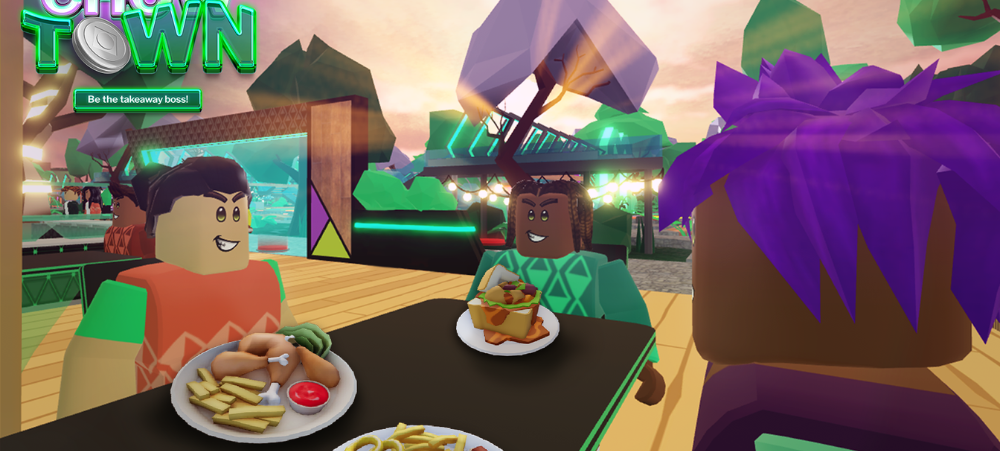
There can be no denying the pervasive influence of digital platforms and devices in households around the country. The ubiquity of these devices and the habits we’ve built around them worries some parents who question the wisdom of this digital fixation, especially at a young age. This is uncharted territory for most parents, largely because they never knew digital overload in the way that new devices and capabilities like VR, AR and the metaverse have transformed experiences. The truth is that we’re all learning as we go along, even though there is a growing body of research into the impact of these digital activities. At Nedbank we believe in the good that technology can do, from digital innovation that puts you in full control of your finances to the metaverse and beyond. We believe that when done correctly, and with the right motivations, technology can do more good than harm. Nedbank has invested heavily in digital technology over the past few years, setting up presence in the metaverse in 2022 and becoming the first bank in Africa to launch its own game on a popular gaming platform. The latest innovation is launching a tycoon-style game called Chow Town on popular multi-player gaming platform, Roblox. In this game, players manage a restaurant selling uniquely South African dishes, learning basic entrepreneurial skills as they unlock new features in the game. “It might seem strange for a bank to launch a Roblox game, but our aim is to leverage digital platforms to offer alternative experiences to engage, surprise and delight our clients,” says Stelios Vakis, Chief Information Officer: Nedbank Africa Regions. “Roblox is incredibly popular among children aged between 9 and 12 years, which is exactly the right age to start learning about entrepreneurship and making good money choices. We believe that Chow Town gives us the opportunity to nurture entrepreneurial skills and offer an educational experience for tweens in a relatable environment to help them learn important life lessons,” he adds This move is backed by research that shows that online is where it’s at for the vast majority of our younger population. Platforms like Roblox, Minecraft, and Fortnite are some of the most recognisable names for their ability to let players gather and play together. Developmental benefits While being fully aware of the risks inherent in unsupervised online access, gaming platforms have shown that they can serve a greater purpose by developing certain skillsets that players can apply in other aspects of their life. Such is the interest in the cognitive and development benefits of online gaming, that a recent study explored the possibility of introducing game-based standardised assessments in education because they can test more complex skills than traditional tests. The paper suggests that video games have the potential to be a valuable educational tool for students, with the capacity to develop cognitive, social, and emotional skills. The authors argue that video games can help students develop cognitive skills, such as problem-solving and critical thinking, as well as social and emotional skills, like teamwork and empathy. As a result, they suggest that video games should be integrated into the classroom as an educational tool, although they do caution against excessive use of video games. Purpose-driven gaming Nedbank’s game on Roblox builds on this ability for gaming to teach essential skills. Chow Town’s purpose is to let players learn how to grow a successful business that sells international and uniquely South African foods. Reaching certain milestones unlocks new content and menu items, allowing the player to further expand the business and develop their entrepreneurial skills. The nature of the online environment allows players to experiment with different strategies, and if they fail they don’t suffer any real losses. This ability to fail without real consequences is seen as essential to nurturing a new generation of entrepreneurs by teaching them to manage their finances. Observe and encourage With digital platforms and engagement advancing at such a rapid pace, it’s only natural that concerned parents want to ensure their loved ones are safe online. But rather than a blanket ban on engaging with others on online platforms, it’s advisable to carefully oversee online activity and step in when needed. Its only human nature to want what you can’t have, and forbidding an activity is more likely to encourage youngsters to find a way to join their friends. No matter the risks. Rather, a pragmatic approach is needed to enable youngsters to learn and benefit from curated or supervised online activities. This could include vetting screen time, games and platforms to ensure that others are not abusing your child’s desire to learn or play in a fun, safe environment. There is no doubt we need to protect our young, but in doing so we also need to take responsibility by knowing what they’re doing, who with, and where.

Parenting Hub

FIVE TIPS TO KEEP YOUR CHILDREN HEALTHY DURING THE CHILLY SEASON

As the winter season approaches, Affinity Health, a leading provider of high-quality healthcare, reminds parents and caregivers of the importance of maintaining their children’s health and well-being. Colds and flu are quite common among children, especially during winter. The colder weather and increased time spent indoors close to others can contribute to the spreading of respiratory infections. Children, particularly those in school or day-care settings, are more susceptible to these infections due to their developing immune systems and frequent exposure to other children. The close contact and sharing of objects among children provide ample opportunities for viruses to spread. Additionally, the influenza virus circulates more widely during the colder months, increasing flu cases during winter. “It’s important to note that with the COVID-19 pandemic, there have been changes in transmission patterns and public health measures that may impact the occurrence of respiratory illnesses in children,” says Murray Hewlett, CEO of Affinity Health. “It’s always recommended to follow local health guidelines and take appropriate preventive measures.” As much as we’d love to protect our little superheroes from every sneaky cold and flu villain, they can still catch a case of the sniffles. However, there are ways we can help our children ward off troublesome winter illnesses. Read on for Affinity Health’s five essential tips to keep children healthy in winter. Encourage Proper Hand Hygiene Regular handwashing is one of the most effective ways to prevent the spread of germs. You must encourage your children to wash their hands frequently with soap and warm water, especially before meals, after using the restroom, and after coughing or sneezing. If soap and water are unavailable, alcohol-based hand sanitisers can be an alternative. By instilling good hand hygiene habits, you can help reduce the risk of infections. Ensure Adequate Nutrition A well-balanced diet plays a crucial role in maintaining a robust immune system. Include a variety of fruits, vegetables, whole grains, and lean proteins in your children’s meals. These foods provide essential vitamins, minerals, and antioxidants that can bolster their immune response. Additionally, consider incorporating immune-boosting foods such as citrus fruits, berries, yoghurt, and green leafy vegetables into their diet. Promote Regular Physical Activity  Encourage your children to engage in regular physical activity, even during winter. Whether indoor activities like dancing, yoga, active games, or outdoor activities such as playing in the garden, jogging, or walking, keeping them active helps boost their immunity and overall well-being. Remember to dress your kids appropriately for the weather to ensure comfort and safety. Ensure Sufficient Sleep Adequate sleep is essential for children’s overall health and immune function. Establish and maintain a consistent sleep schedule, ensuring your children get the recommended amount of sleep for their age group. A well-rested body is better equipped to fight off infections and support their overall well-being.  Practice Respiratory Etiquette Teach your children proper respiratory etiquette to prevent the spread of respiratory infections. It would help if you encouraged them to cover their mouth and nose with a tissue or elbow when coughing or sneezing. Remind them to dispose of used tissues properly and wash their hands afterwards. By practising respiratory etiquette, you help reduce the transmission of germs and protect their health. Signs And Symptoms of Colds and Flu In Children While cold and flu symptoms can overlap, some distinguishing features can help differentiate between the two. Common Cold: Runny or stuffy nose Sneezing Sore throat Mild headache Cough, usually dry and hacking Mild fatigue or tiredness Mild body aches Watery eyes Low-grade fever, if present, is generally mild Influenza (Flu):  Sudden onset of symptoms High fever (often above 38°C) Severe headache Fatigue and extreme tiredness Muscle or body aches, which can be severe Chills and shivering Dry, persistent cough Sore throat Runny or stuffy nose, although less common in flu than in colds Nausea, vomiting, and sometimes diarrhoea more common in children than in adults Did You Know? On average, children can experience anywhere between 6 to 10 colds per year, especially during their first few years of life, while, according to the Centers for Disease Control and Prevention (CDC), during typical flu seasons, flu illnesses can affect around 8% to 20% of children. About Affinity Health Affinity Health is South Africa’s leading health insurance provider, offering you a range of options at affordable rates, including access to the widest national provider network. We understand the importance of medical insurance that meets your needs, budget, and lifestyle. Our healthcare products are designed to protect you and your family when it matters the most. We strive to give our clients peace of mind and the highest standard of service. For more information, follow us on Facebook, Twitter, and Instagram.

Cartoonito

THE ADVENTURES OF BERNIE – Back to Zig

Get ready for a spinoff of the much-loved Zig & Sharko show with The Adventures of Bernie! After another failed attempt to help Zig eat Marina, Bernie is now lost at the bottom of the ocean! Our genius inventor relentlessly tries a series of crazy strategies to return to his island and reunite with Zig. But with his new clumsy and wacky neighbours, it certainly won’t be easy!! Catch the brand-new shorts in a special holiday block alongside episodes of Zig & Sharko. PREMIERE: Monday, 3 July @ 17:55 CAT TUNE IN: Mondays – Fridays @ 17:55 CAT Available on DStv Catch Up

Cartoon Network Africa

CRAIG OF THE CREEK – Never Stumped for Adventure

Life in the Creek is never dull – there’s always a new adventure to be had, new friends to be made or even just hanging out at the Stump. Craig, Kelsey and JP are never far from fun, trouble or a mix of the two. This month, they’ll find themselves marooned on an island full of tattle tales, chasing a Creek legend on a college campus tour and uncovering an ancient Creek Curse. Cow-Boy moseys into the Horse Girl Meadow and causes a ruckus, and Craig has to step in to save his brother Bernard when he joins in with the wrong bunch of Creek Kids. PREMIERE: Monday, 3 July @ 15:15 CAT TUNE IN: Mondays – Fridays @ 15:15 CAT Available on DStv Catch Up

Parenting Hub

WHAT ARE THE COMMON SYMPTOMS OF MULTIPLE SCLEROSIS?

As we mark International Multiple Sclerosis (MS) Month, Affinity Health, a leading provider of high-quality healthcare, raises awareness and understanding about this debilitating and complex disease. What is MS? MS is a chronic autoimmune condition that affects the central nervous system (CNS). It is estimated that over 6,000 people in South Africa are living with MS, and around 2.5 million worldwide. MS occurs when the immune system mistakenly attacks the protective coating (myelin) that surrounds nerve fibres in the CNS. This can cause a range of symptoms, depending on which nerves are affected. The cause of MS is not yet fully understood, but it is believed to be a combination of genetic and environmental factors. Signs And Symptoms The signs and symptoms of MS can vary greatly from person to person, depending on which part of the CNS is affected. Some of the most common symptoms include: Fatigue: MS-related fatigue is often described as an overwhelming sense of exhaustion that does not improve with rest. It can be debilitating and affect daily life. Muscle weakness or spasticity: MS can cause muscle weakness, stiffness, or spasms, which can affect movement and coordination. Vision problems, such as blurred or double vision: MS can damage the nerves that control eye movement, leading to vision problems. Sensory symptoms, such as numbness or tingling in the limbs: MS can affect the way nerves transmit signals, leading to altered sensations such as numbness, tingling, or burning. Difficulty with coordination and balance: MS can affect the cerebellum, which is responsible for coordination and balance, leading to problems with walking or standing. Problems with speech or swallowing: MS can affect the nerves that control speech and swallowing, leading to slurred speech or difficulty swallowing. Cognitive difficulties, such as memory problems or difficulty with concentration and attention: MS can affect the parts of the brain responsible for cognition, leading to problems with memory, attention, and information processing. Treatment Options While there is currently no cure for MS, there are treatments available that can help manage the symptoms and slow down the progression of the disease. These include medication, physical therapy, and lifestyle changes such as a healthy diet and regular exercise. According to Murray Hewlett, CEO of Affinity Health, “Early diagnosis and treatment are key to managing MS. It is important to seek medical attention if you experience any of the symptoms associated with MS, as early intervention can help prevent long-term disability and improve quality of life.” MS can have a significant impact on a person’s quality of life, and it is important to provide support and care for those living with the disease. This includes access to healthcare, rehabilitation services, and community support. “By increasing awareness, we can help reduce the stigma associated with MS and improve support for those living with the disease,” concludes Hewlett. About Affinity Health  Affinity Health is South Africa’s leading provider of health insurance, offering you a range of options at affordable rates including access to the widest national provider network. We understand the importance of having medical insurance that meets your needs, your budget, and your lifestyle. Our range of healthcare products are designed to protect you and your family when it matters the most. We strive to give our clients peace of mind and the highest standard of service at all times. For more information, follow us on Facebook, Twitter, and Instagram.

Parenting Hub

Winter? No problem! Nilotiqa is here to protect your hair all season long

In South Africa, winter arrives in the blink of an eye. We’ve barely worn our in-between-weather clothing and already it’s time to dig out the parkas and puffer jackets. For many of us, winter is a joy: sipping hot chocolate in front of the fire, a lazy lie-in on the weekend and the sound of the rain… But for those of us with brittle, dry or damaged hair, this season can get tricky. When the colder temperature sets in, the humidity drops, which means that there is less moisture in the air. When this happens, the air draws moisture from anything it can – including your hair and skin! That’s why dry hair is one of the most common winter beauty concerns, and why we are more prone to breakage, frizz and split ends during the colder months. We’re always told that we need to adapt our skincare routines when we move from summer to winter. Lighter products get swapped out for richer, more nourishing formulations to combat the effect of the cold on our skin. Our hair is very much the same: when the cold weather sets in, hair needs extra moisture and nutrients to keep it soft, hydrated and healthy. Protect your hair from the elements and give it a moisture boost by following these winter hair care tips courtesy of Nilotiqa. Don’t over-shampoo Washing your hair regularly in summer is essential to rid your hair and scalp of sweat and bacteria. When the weather cools down, try to shampoo a little less frequently and change your regular shampoo for a gentler formula. When we shampoo our hair we also remove the natural oils produced by our scalps, and in winter, these are essential to keep our hair moisturised. Try: Nilotiqa Shea & Coco Moisturising Conditioner (R119.99). It is the perfect shampoo for winter as it replenishes lost moisture in dry and brittle hair. Active ingredients shea butter and coconut oil deeply nourish hair, while others gently cleanse and purify hair, removing build-up. Look after your scalp It’s not unusual for one’s skin to get dry during winter, and that goes for the scalp too! A dry scalp can become itchy and uncomfortable, and may even flake. Avoid this by moisturising your scalp frequently. Try: Nilotiqa Shea & Coco Scalp and Hair Oil (R99.99). This lightweight oil easily penetrates hair and skin to seal in the moisture and is packed with high amounts of vitamin E and C, leaving hair and scalp nourished and moisturised. Try leave-in conditioning products If you’ve never tried a leave-in conditioner, now is your time! It helps replenish moisture and combat the effects of hot styling aids and cold winds. Plus, it’ll leave your hair feeling soft, lustrous and moisturised. If you like a lighter texture, try Nilotiqa Shea & Coco Repairing Leave-In Conditioner (R99.99) which rehydrates hair and protects it from breaking. It has a creamy formula that softens the hair while restoring its moisture balance. If you prefer a buttery texture, try: Nilotiqa Shea & Coco Deep Moisture Butter (R100.00). It replenishes the hair’s moisture and is suitable for daily use. The formula contains shea butter and coconut oil to replenish moisture – it deeply nourishes while locking in moisture. Don’t skip your weekly hair mask Most of us need the extra moisture boost that a hair mask offers, and during winter, a weekly mask can make a big difference in repairing and protecting hair. Hair masks contain more concentrated ingredients than conditioners, which includes stronger moisturisers and hydrators that replenish and lock in moisture. Try: Nilotiqa Shea & Coco Intensive Repair & Strengthen Mask (R129.99). It helps to strengthen and repair hair, while preventing breakage and damage. This intensive treatment deeply penetrates hair follicles to condition strands with a protein-enriched formula. It is perfect for restoring damaged natural hair. Enriched with protein, it penetrates the hair follicles for an intensive hair treatment. Give curls some extra definition Curly hair is naturally drier than straight hair, so it’ll need plenty of additional moisture during winter. Because of the low humidity, curly girls may also find their hair more prone to frizz, with less definition and less manageability. We recommend applying a curl enhancing product like Nilotiqa Shea & Coco Curl Enhancing Activator (R99.99), which contains coconut oil, shea butter, jojoba and sunflower to enhance and define your curls, adding healthy shine too. Simply apply to damp hair and leave in. Prefer a richer formula? Try Nilotiqa Shea & Coco Moisturising Curling Cream (R130.00) which combines coconut oil, shea butter, pro-vitamin B5, grapeseed oil and sunflower oil to turn dry, brittle hair into luscious curls, free from frizz. Don’t let winter get the better of your hair this season – with these simple adjustments to your regime, you’ll have soft, healthy and moisturized hair all winter long. Shop Nilotiqa products at selected Clicks, Dis-Chem & Pick n Pay stores. Learn more at https://www.nilotiqa.com/ Facebook: @nilotiqa Instagram: @nilotiqa About Nilotiqa We offer a solution to allow black women to retain moisture that is necessary for healthy hair maintenance and healthy hair growth. Whether your hair is in protective styling, an au natural fro, or whether you’re transitioning, our goal is to help keep your hair as healthy as possible. Created by a Black Woman for Black Women to nurture, protect and care for their kinks and coils. A proudly South African brand where rich, nourishing and moisturizing ingredients are sourced from South Africa and Africa. We pride ourselves in sourcing only the best, natural, qualitative, nutritive ingredients from the African soil Our products are free from chemicals; parabens; sulphates; mineral oil; waxes; formaldehyde & petroleum. We are cruelty free.

Parenting Hub

4 Ways Meta’s Family Center helps protect children and teens online

The Internet and social media platforms have evolved into spaces everyone can participate in. More and more young people are coming online to connect with their family and friends over things that matter to them. It’s important for parents to have open and honest dialogues with their teens about online safety, empowering themselves to stay safe online using free tools and resources available. Meta works with experts in mental health, child psychology, digital literacy and more, to build features and tools so people can connect online safely and responsibly. In addition to offering a wide range of online safety and privacy tools across its platforms, Meta’s newly launched Family Center in South Africa, is an online portal that gives power to parents and provides them with the means to safeguard their children and teens. Available across Meta technologies such as Instagram,  the Family Center offers tools and resources to manage digital experiences across digital ecosystems. Here are four ways Meta’s Family Center and platforms enable parents to support their children online. 1. Supervision tools By linking Meta accounts, parents can unlock a wide range of supervision tools that let them actively participate in their child’s digital activity. And, while teenagers don’t always think it’s cool that parents are on the app too, having an online presence can be very beneficial. Using Family Center on Instagram, parents can monitor who their teens are following and who follows them, as well as how much they spend on the platform every day. They can also set daily time limits to manage the time spent scrolling. 2. Education Hub Not every parent knows how to approach the topic of online safety, or how to enforce it. That’s why Family Center’s Education Hub is an invaluable resource, providing parents with tips, insight, and comprehensive articles that help them and their families navigate online spaces. Education Hub features expert input from leading parental organisations that specialise in media literacy, safety and communication, privacy, and overall digital well-being. 3. Healthy habits South Africans are hooked on social media platforms, spending an average of three hours and 44 minutes online each day – more than the global average. Spending so much time online can result in us developing habits, which is why it’s vital that young people develop healthy ones. For teens on Instagram, the ‘Take a Break’ feature allows them to make informed decisions and take control of how much time they spend on the app. If a user has spent a certain amount of time scrolling, Instagram will ask them if they want to take a break and suggest setting reminders to take more breaks in the future. In January Meta also introduced Quiet Mode on Instagram, a new feature to help people focus and to encourage them to set boundaries with their friends and followers. For example, when you turn on Quiet Mode, you won’t receive any notifications, your profile’s activity status will change to let people know you’re in Quiet Mode, and Meta will automatically send an auto-reply when someone sends you a DM. Meta is making Quiet Mode available to everyone on Instagram globally in the coming weeks. 4. Privacy by default A big part of being in online spaces is the level of privacy those spaces provide. As such, there should always be privacy safeguards in place that determine what information other users can and cannot see. For instance, Facebook users under the age of 16 are defaulted to certain privacy settings. This includes who can see their friends list, the people and Pages they follow, posts that they’re tagged in, and who can comment on their public posts. These are just some of the ways that platforms like Facebook and Instagram work to maintain online safety and privacy. “It’s only by taking a holistic approach, by offering comprehensive resources and effective methods to set and monitor boundaries, that we can make a real difference in young people’s lives. We want to help them connect and foster relationships in a safe and secure environment,” said Sylvia Musalagani, Safety Policy Manager for Africa, Middle East and Turkey at Meta.

Dr Tamara Jaye

COULD THIS BE ADHD?

With home-schooling becoming the new norm, many parents are now faced with seeing their children in a different role as a student, and they have been forced into becoming the, often ill-equipped, teacher. Some parents are finding this incredibly difficult, and especially those whose children are not getting on with the schoolwork with as much ease as they’d expect.

The Speech Bubble Co

All You Need to Know About Speech Therapists

Speech therapists, speech and language therapists and speech pathologists all refer to the same scope of practice. In South Africa, we study a 4 year Bachelor of Science degree at university followed by 1 year of community service at a government hospital or health care facility. It is a requirement that we register with the Health Professionals Council of South Africa (HPCSA). Thereafter, we can work in the public or private sector.

Clamber Club

Playful ways to express emotions

“Emotions are important and can determine the kind of behaviour your child displays,” advises play therapist and Clamber Club Expert Anna Rodrigues. “A young child does not have the language to tell what he is feeling so his feelings come out in his behavior,” she adds. A child who feels angry for example could be defiant; a child who feels sad may cry continuously and a happy, content child may smile often and be compliant. A child who knows that there are many different emotions can name them and has a greater ability to be in control of those emotions. How can you help your child show his emotions? Start by looking at ways to help your child recognize his different emotions. “The first four emotions your child should recognise as a toddler is the happy face, the sad face, the angry face and the scared face,” says Anna. As you page through a magazine with your child or read him a story at night, point out the emotions the characters may be experiencing. As your child becomes familiar with those emotions highlight other emotions such as the excited teddy, the frustrated little boy or the nervous horse. Secondly, allow your child to experience these emotions through play. Children love to pretend and to fantasize. So, let your child pretend to be a mad dinosaur or a scared bird. Notice the expression on your child’s face as he plays out these emotions. There are also many negative emotions that your child may feel, he may feel annoyed, upset, confused, scared, angry or disillusioned. “These are all normal to experience, but when he starts to act out and misbehave or internalise these hard feelings it is important to help him to release these emotions in a playful manner,” advises Rodrigues. How high is your PQ when it comes to your child? There is so much importance placed on the child’s IQ and EQ, however we should add PQ –  playful quotation, to this group. Here are our top playful activities to do with your child to help him release negative energy or negative feelings:

Tanya Hanekom

IS MY CHILD IGNORING ME, OR IS IT “SELECTIVE” HEARING?

Does this sound familiar? “Joshua, it’s time for dinner…” No answer. Is he ignoring me? Or maybe he didn’t hear me…? Maybe I should get those ears checked… When is it worthwhile taking your child for a hearing test? Perhaps you recall your child had a hearing test at birth. Or perhaps there was so much going on that it seems like a distant memory. Most children do have their hearing screened at birth by an audiologist, but it depends on the hospital protocol. The test that is done at birth is a screening test to exclude significant hearing loss, but it is certainly worthwhile to repeat the hearing test several times as your child ages. Ideally, your child should have their hearing tested at birth, at one year, at three years and at five years of age. This should be done by an audiologist, as doctors cannot test your child’s hearing. Why is it so important to test my child’s hearing so frequently? At Birth –This is normally a screening done in the hospital at birth, within the first few days of life. Hearing is tested using a small probe which measures echo responses from the cochlea (inner ear). It is recommended that every child has a hearing screening test at birth. At 1 year – At this age your child should start producing one word utterances. Hearing is tested using the same test as at birth, but this time a diagnostic version is used, which tests a broader range of tones, and two different types of echoes can be measured. Your child can sit quietly and does not need to respond. We also look at their behavioural responses to soft speech in a sound proof booth, with rewarding stimuli like a Barney DVD which is played when they respond appropriately. Lastly, their middle ear health is tested using tympanometry, as many children have middle ear fluid which parents are not aware of. At 3 years – Your child should now be stringing short sentences together, which should be largely intelligible to both family and strangers. By age 3 and a half, your child can start responding more accurately to behavioural hearing tests. A combination of the testing described above, as well as play audiometry is generally used at this age to test your child’s hearing. Middle ear pressure tests and objective testing may be repeated if behavioural responses do not give enough information. At 5 years – By five years of age your child can attend for longer and give responses that are accurate. A full diagnostic hearing test is normally carried out. Results tend to be more specific to the pitch and intensities of your child’s hearing threshold. It is important that your child’s hearing is tested before they start school to ensure they can hear normally, which will allow your child the optimum learning capacity. Warning signs for potential hearing loss to look out for: Requests for the TV to be a little louder Ignoring or not responding when spoken to, especially from a distance (this can be inconsistent) Asking for repetition (saying ‘what?’ ‘huh?’) Difficulty learning new words Delayed speech or language development You feel concerned as a parent Teachers raise concerns Academic difficulties Attention or behaviour problems Complaints about sore ears, or frequent tugging of the ears Difficulty hearing on the phone with one or both ears If in doubt, rather have your child’s hearing tested routinely. Hearing loss can occur within the first few years of life, and children are at risk for middle ear infections, which are not always detectable by parents. To find an audiologist in your area, visit  Audiology SA 

Parenting Hub

DO LAXATIVES HELP WITH WEIGHT LOSS?

Affinity Health, a leading provider of high-quality healthcare, warns that using laxatives for weight loss is ineffective and can also be dangerous. What Are Laxatives? Laxatives are substances that are designed to promote bowel movements and relieve constipation. While they are often used for medical purposes, such as treating digestive disorders or preparing for medical procedures, some people may also use laxatives to lose weight. However, the use of laxatives for weight loss is not only ineffective, but it can also be dangerous. Busting Laxative Myths The idea that laxatives can aid in weight loss is based on a common misconception about the role of bowel movements in the body. Some people may believe that if they can have more bowel movements, they will eliminate more waste and therefore lose weight. However, the amount of waste in the body is not directly correlated with body weight. In fact, most waste material comprises water, bacteria, and undigested food, which do not contribute to overall body mass. Furthermore, using laxatives for weight loss can have serious health consequences. 10 Dangers of Abusing Laxatives Laxative abuse is a growing problem, especially among those who struggle with eating disorders or body image issues. The dangers of laxative abuse include the following. Dehydration: Laxatives can cause the body to lose water, leading to dehydration if not enough fluids are consumed. Electrolyte imbalances: Laxative abuse can also cause electrolyte imbalances in the body, leading to serious health problems such as muscle weakness, irregular heartbeats, and seizures. Intestinal damage: Overusing laxatives can damage the intestinal lining, causing chronic inflammation, ulcers, and bleeding. Nutrient deficiencies: Chronic laxative abuse can lead to nutrient deficiencies, as the body may not be able to absorb essential vitamins and minerals. Gastrointestinal disorders: Laxative abuse can contribute to developing gastrointestinal conditions such as irritable bowel syndrome (IBS), chronic constipation, and even colon cancer. Dependence: Regular use of laxatives can lead to physical dependence on them, making it difficult for the body to have a bowel movement without their use. Weight gain: Laxatives do not help with long-term weight loss and can lead to weight gain as the body becomes dependent on them to have regular bowel movements. Kidney damage: Laxative abuse can damage the kidneys over time as they filter waste products from the body. Psychological effects: Laxative abuse can also have psychological effects, such as anxiety, depression, and a distorted body image. Death: In extreme cases, laxative abuse can lead to serious health complications that can be fatal, such as electrolyte imbalances, dehydration, and kidney failure. The Importance of Healthy Lifestyle Changes for Weight Loss Instead of relying on laxatives for weight loss, focusing on healthy, sustainable lifestyle changes is essential. This includes a balanced diet of fruits, vegetables, whole grains, lean protein, regular exercise, and adequate hydration. “In some cases, constipation and digestive issues can be a symptom of an underlying medical condition,” says Murray Hewlett, CEO of Affinity Health. “If you are experiencing chronic constipation or other digestive issues, it is important to talk to a healthcare professional to rule out any underlying conditions and develop an appropriate treatment plan.” About Affinity Health Affinity Health is South Africa’s leading health insurance provider, offering you a range of options, including access to the widest national provider network. We understand the importance of medical insurance that meets your needs, budget, and lifestyle. Our healthcare products are designed to protect you and your family when it matters. We strive to give our clients peace of mind and the highest standard of service. Follow us on Facebook, Twitter, and Instagram.  

Clamber Club

The Great Eye-Hand Link; The Importance of Eye-Hand Coordination for Children

Eye-hand coordination, also known as hand-eye coordination, refers to the smooth, controlled and coordinated movements of the hand and eye together in order to reach a specific goal.  While this may appear to be a fairly simple process to an observer, it is in fact an immensely complicated process that is dependent on your eyes ability to see, your brains ability to process, interpret and understand what is being seen by the eye and then based on that information plan and execute a smooth, coordinated, appropriate motor response. In the case of eye-hand coordination, the motor response relates to the use of the hands in order to achieve a particular objective. Fine motor control refers to the ability of small groups of muscles found in the hands, fingers and eyes working together in a coordinated manner. Good fine motor skills develop from good gross motor skills in children. This means that providing a young child with opportunities to move the large muscle groups in their bodies through engaging in activities such as climbing, jumping, running and crawling develops body awareness. This in turn enables the child to better understand where their bodies are in relation to their environment and other objects. This understanding of their bodies in terms of large movements will then also translate in to an understanding of their bodies in terms of small movements or fine motor skills should the child be provided with sufficient gross motor input.  Kelly Westerman, Clamber Club franchisee and Occupational Therapist says, “It is very important to understand that our child’s eye-hand coordination is intimately linked to their fine motor control and both the importance of the eyes and the hands must be understood and acknowledged as being key role players in eye-hand coordination.”  The role of the eyes is to see, follow moving objects, focus near and far, judge distances, observe details of objects and importantly, navigate the movement of the hands. The role of the hands is to feel textures, shapes, temperatures and weight. The hand will hold and manipulate objects, push and pull, catch and throw, clap, rub, grip, squeeze and point. All of which might be meaningless without the guidance of the eyes; thereby creating the eye-hand coordination.  “If we consider how many of the things we do on a daily basis require the use of our eyes and hands, we realise how important it is that this process works effectively and efficiently,” adds Westerman.  Fine motor skills and eye-hand coordination begin to develop from the time a child is born. An infant tracking a moving object with their eyes and then attempting to swipe at it, reaching for objects and moving those objects to their mouths as well as grasping and releasing objects are all the early activities that develop these skills. As the child gets older good eye-hand coordination and fine motor skills contributes to a child’s ability to learn essential self-care skills such as dressing and undressing, brushing their teeth and feeding themselves. In the school-going child, proficiency in these skills results in improved classroom performance as these skills are involved with a learner’s ability to write, cut, copy work from a board and read.  “In light of the importance of eye-hand coordination, parents should ensure that they create opportunities for their children to learn and master these skills form as early as possible,” comments Occupational Therapist and founder of Clamber Club, Liz Senior. “We aim to provide children with comprehensive eye-hand coordination experiences in our classes, using equipment that is beneficial, and at the same time fun, while promoting the skills required to get their hands, fingers and eyes working together in a coordinated manner.” Clamber Club has put together these top activities and games that can help your baby develop their eye-hand coordination: Encourage your baby to follow moving objects or person with their eyes Provide opportunities for your little one to reach and grasp at objects Give your baby a variety of objects to hold so that they can practice difference grips and grasps. Watch as your little one transfers objects from one hand to another. This is a very important skill that they learn, so parents should watch out for it!  Your baby will also play with their hands. This is a wonderful way for them to learn more about their hands, so make sure that there are times when their hands are free of objects and they can explore with their hands at their midlines  Do not discourage your little one from bringing objects to their mouths; this is an important skill and by mouthing objects your little one learns about certain features of that object Provide opportunities for your little one to explore objects with their eyes. This can be done through suspending objects from frames that your baby lies under

Parenting Hub

IS EXERCISE MORE EFFECTIVE THAN MEDICATION FOR DEPRESSION AND ANXIETY?

While medication and therapy are often used to treat anxiety and depression, Affinity Health, a leading provider of high-quality healthcare, highlights growing evidence to suggest that exercise may also be an effective treatment option. According to the World Health Organization (WHO), depression is the leading cause of disability worldwide, affecting more than 264 million people. Anxiety disorders are also common, affecting an estimated 284 million people globally. “While depression and anxiety are distinct conditions with unique symptoms, they often occurB together and share many common underlying factors,” says Murray Hewlett. “Research has shown that genetics, life experiences, and brain chemistry can all contribute to the development of these disorders.” Signs And Symptoms of Depression and Anxiety Depression is a mood disorder characterised by persistent sadness, hopelessness, and a loss of interest in activities that were once enjoyable. Symptoms of depression may include: Feelings of sadness or hopelessness Loss of interest in activities Changes in appetite or weight Changes in sleep patterns Fatigue or lack of energy Difficulty concentrating or making decisions Feelings of worthlessness or guilt Thoughts of death or suicide Anxiety is a condition characterised by excessive worry, fear, or nervousness. Symptoms of anxiety may include: Excessive worry or fear Restlessness or irritability Difficulty concentrating or sleeping Muscle tension or headaches Fatigue or lack of energy Panic attacks Avoidance of certain situations or activities The Evidence for Exercise as a Treatment for Depression and Anxiety Research has consistently shown that exercise can positively impact mental health. A growing body of evidence suggests that exercise may be as effective as medication for treating depression and anxiety. “One meta-analysis published in the Journal of Psychiatric Research found that exercise was as effective as medication for treating depression in adults. The study analysed the results of 11 clinical trials involving 455 patients with major depressive disorder. The researchers found that exercise was just as effective as medication in reducing symptoms of depression,” adds Hewlett. “Another study published in the Journal of Sport and Exercise Psychology found that exercise was an effective treatment for anxiety in college students. The study involved 60 college students randomly assigned to either a control or exercise group. The group participated thrice weekly in a 30-minute aerobic exercise session for eight weeks. The researchers found that the exercise group experienced significantly reduced anxiety symptoms compared to the control group.” Hewlett continues to say a review of 25 studies published in the journal Clinical Psychology: Science and Practice found that exercise was an effective treatment for depression in older adults. The review included studies of various types of exercise, including aerobic exercise, resistance training, and tai chi. The researchers found that exercise was effective in reducing symptoms of depression in older adults, regardless of the type of exercise. Why Exercise May Be Effective There are several reasons why exercise may be an effective treatment for depression and anxiety. First, exercise has been shown to increase levels of certain neurotransmitters, such as serotonin and dopamine, which affect mood regulation. Exercise has also been shown to reduce inflammation, which is thought to contribute to depression. In addition to these physiological effects, exercise can also have psychological benefits. Exercise has increased self-esteem, improved mood, and reduced stress and anxiety. Is Exercise More Effective Than Medication? While exercise is an effective treatment for depression and anxiety, it is not necessarily more effective than medication. The effectiveness of exercise versus medication may depend on the individual and the severity of their symptoms. For some people, medication may be a necessary component of treatment for depression or anxiety. For others, exercise may be an effective alternative or complementary treatment for depression and anxiety. “While exercise may not be the best option for everyone, it can be a valuable tool for managing symptoms and improving mental health. Suppose you are struggling with depression or anxiety. In that case, it is important to speak with a healthcare provider or mental health professional to determine the best treatment for your needs, ” says Hewlett. About Affinity Health Affinity Health is South Africa’s leading health insurance provider, offering you a range of options at affordable rates, including access to the widest national provider network. We understand the importance of medical insurance that meets your needs, budget, and lifestyle. Our healthcare products are designed to protect you and your family when it matters the most. We strive to give our clients peace of mind and the highest standard of service. For more information, follow us on Facebook, Twitter, and Instagram.  

Parenting Hub

Baked Mushroom Bowls with Swiss Chard Mash

Serves 4  Ingredients: For the mash: 6 large baking potatoes  6 Tbsp butter 125ml / ½ cup full cream milk, kept warm 1 medium white onion, diced  1 bunch / 200g swiss chard, roughly chopped For the mushrooms: 500g mixed cultivated mushrooms 2 Tbsp butter, melted  1 Tbsp lemon juice 2 garlic cloves, grated  ± 6 sprigs of fresh thyme ½ tsp chilli flakes  Olive oil Salt and pepper, to taste  Micro herbs or baby greens, for serving Method: For the mash:  Peel potatoes and cut into large cubes.  Transfer to a pot of cold water and rinse until the water runs clear.  Cover potatoes with clean cold water and season generously with salt. Bring to a simmer.  Cook until potatoes are completely tender.  Drain in a colander and let steam dry for a minute.  Use a potato ricer, food mill or hand held masher to mash the potatoes in their pot.  Add the butter and fold in using a spatula.  Pour in the hot milk and fold it into the potatoes.  Season to taste.  While the potatoes are cooking, prepare the swiss chard.  Heat a drizzle of olive oil in a large frying pan and cook the onion until soft.  Add the swiss chard and sauté until barely wilted.  Season.  Fold the swiss chard through the mashed potatoes and keep warm.  For the mushrooms: Preheat oven to 200˚C, fan on.  Place the mushrooms in a large bowl.  It is great to use a mix of mushrooms but keep the sizes similar for cooking. Keep small portabellinis whole and slice large browns into quarters etc…  Drizzle the mushrooms with the melted butter.  Add the lemon juice, garlic, thyme and chilli. Toss to coat well.  Transfer to a large  rimmed baking sheet and spread into a single layer. Roast for 10-15 minutes or until mushrooms release liquid and are golden brown. Carefully pour off the excess mushroom liquid to keep them from going soggy.  (You can keep this for a delicious broth or stock or drizzle over the dish as a sauce) Serve the roasted mushrooms on a bed of the swiss chard mash.  Top with some fresh herbs or baby greens and serve! 

Parenting Hub

Everyday vitamins and nutrients for you and the whole family

When looking after your and your family’s health, diet takes top priority. A healthy, balanced diet supports a stronger immune system, healthy blood pressure and cholesterol and a healthy heart.  It’s important to include lots of fresh fruit and veggies, lean protein and fibre in your diet, and to minimise the amount of sugar, salt and processed foods consumed. Water is the number one healthiest drink to consume, followed by herbal teas, while sugary fizzy drinks and excess caffeine is best avoided.  Even when we follow a balanced diet, it is still possible that our bodies are not getting all the nutrients we need to function at our best. This may be due to dietary restrictions (for example, a vegetarian or vegan might not always get enough iron) or the fact that some nutrients are not present in a big variety of foods. Then there’s also the factor of food quality. Because of modern farming practices, the foods we eat today do not have the same nutrient density as the foods our grandparents ate.  This is where the importance of supplementation comes in. Good quality supplements support a healthy diet by filling in the gaps and ensuring you get all the vitamins and minerals your body needs, in the correct amounts.  Supplements are not a “fix” for a bad diet – you can’t eat lots of unhealthy foods and take supplements to make up for it. Rather, they’re a complement to a balanced diet which may lack a few nutrients due to the various factors involved.   When selecting supplementation products for you and your family it is important to choose products that don’t contain added sugar or unnecessary fillers. Choose a brand with a trusted reputation, that uses good quality raw ingredients and as many natural ingredients as possible. The type of nutrients you decide to supplement with is entirely up to each member of your family’s individual health concerns. Adults have a lot more health concerns than children do, and especially in older adults, it’s important to supplement according to individual health concerns. All adults will benefit from taking a multi-nutrient product (to build immunity and support general health) and a probiotic to ensure gut health and absorption of nutrients.  NutriPure Multi-Vitamin Complete (R145.00) is packed with 12 essential vitamins and minerals: Vitamin D, B6, B12, C, Biotin, Pantothenic Acid and Niacin help to metabolise carbohydrates, fats, and proteins and are factors in the maintenance of good health.  I If you struggle with stress and anxiety, a supplement filled with stress-fighting nutrients like JSHealth Mild Anxiety + Stress Tablets (R649.00), which contains a special combination of rejuvenating adaptogens, herbs, antioxidants, and vitamins, may help reduce your symptoms and support your immune system.  If you have skin concerns, you could supplement with JSHealth Skin + Digestion Formula (R649.00) to help heal and prevent breakouts, or with JSHealth Vitality X + Collagen (R999.00) if you’re concerned about the visible signs of aging like loss of elasticity and skin sagging.  Did you know that herbal teas can also be taken daily to help improve health conditions? Not only are they an excellent source of hydration (to replace sugary or caffeine-filled alternatives) but they contain natural ingredients with a variety of health benefits. SELA teas are filled with the very best in African Traditional Herbs that have been used for many generations to help boost health and relieve the symptoms of many illnesses. Sela products are suitable for everyone from the age of 12 years old and older. The range contains a natural, affordable and effective solution for everything from sleeplessness (SELA Sleep Tea, R49.99, has calming and relaxing properties to promote restful sleep), to healthy and strong immune system (SELA Health Tea, R49.99, is formulated to support a stronger immune system and general health) to sexual health (SELA Strong Man Tea, R84.99, supports healthy male sexual function).  Because children are growing, they need a lot of vitamins and minerals to ensure healthy bone development. Children are also prone to getting sick, so it’s essential to strengthen their immunity. A multivitamin is the first place to start. This should cover all the major vitamin and mineral requirements that children need. NutriPure Kids Multi Vitamin (R120.00) is a complete health supplement containing 11 essential vitamins and minerals including, among others, vitamins B6, B12, C and D. Formulated into a soft and chewy treat, it is free from added sugar and is made from natural ingredients. In addition to a multivitamin, it’s also important to improve your child’s gut health with a good quality probiotic. NutriPure Kids Probiotics (R170.00) is formulated with Bifidobacterium infantis and Lactobacillus rhamnosus, two scientifically tested bacteria strains. Each NutriPure bear contains 1 billion live cultures to help your child boost their daily culture intake. Remember, you’ll get the most out of your supplements when they form part of a healthy lifestyle that includes a balanced diet, regular exercise, and enough sleep and rest.

Sidebar Image

Scroll to Top