


Advice from the experts
Parenting Hub

Seven Things your dermatologist wishes you wouldn’t do

From sun burn, to DNA damage, to blisters, dermatologists see it all, and are often asked what some of the most common skincare misdemeanours are. Without fail, the sun almost always comes up top when a skincare professional lists the things their patients should avoid to enjoy healthier skin. Despite this, many of us are still guilty of turning a blind eye to the danger of UV rays, and sometimes neglect sun protection guidelines out of ignorance or inconvenience. Techniblock, a leader in sun protection products, aims to make it easy for all South Africans to use sunscreen with ease and efficacy, in turn lessening the occurrence of sun burns, skin DNA damage and more seriously, the development of skin cancer. They’ve compiled a list of the seven things your dermatologist wishes you wouldn’t do: 1- Save sun protection for the beach Many of us grew up believing that sunscreen was a product only necessary at the beach and around the swimming pool. Today we know better, but a lot of people still only apply sunscreen when they’re spending prolonged time directly in the sun. Research has proven that in order to protect our skin from harmful UVA and UVB rays, we need to apply sunscreen every day, regardless of the weather. After all, did you know you can still burn on an overcast day? Take precaution and apply sun protection every day, no matter where you’re headed. You might go for a dark early morning run thinking you don’t need sun protection, but what happens if you run into a friend and end up grabbing a coffee afterwards? If possible, keep a pair of sunglasses and a hat on-hand too, as these offer extra protection when you’re exposed to UV rays. Techniblock SPF 50 Active On The Go (R99.95) comes in a convenient 75ml bottle which can easily fit in a handbag or gym bag, making it the perfect product to keep on-hand – you never know when you may need it! 2- Use sunscreen incorrectly In order to reap the full benefits of your sun protection product, you need to use it correctly. If you choose a cream or lotion formula, that means spreading on at least a shot glass-sized amount to the exposed parts of your body. That’s about 40ml, so if you do the math, a 200ml bottle of sunscreen should disappear within about a weekend. If you enjoy a lotion formula, try Techniblock SPF 50 Body Lotion (R189.00). Water-resistant and non-greasy, it absorbs with ease and leaves skin lightly fragranced (with no greasy residue). It’s important to reapply sunscreen after every swim, even if it has a water-resistant formula, as well as every couple of hours if you’re spending time outdoors. Take care to apply sunscreen to all exposed areas – even the “obscure” ones like on your ears and between your toes. Aerosol sprays are a convenient alternative to lotions and creams, and make it easier to cover the body without missing any spots. Try Techniblock SPF 50 Wet & Dry Convenience (R189.00), which can be sprayed on wet or dry skin and has a light, non-greasy texture. 3- Get a “base tan” Some people sun tan at the start of summer in order to darken their skin for the season, which they believe will protect them from developing sun burn later on. This is a myth – the truth is that there is no such thing as a healthy tan, and even slight darkening of the skin is an indication that damage has taken place. Sun exposure accelerates the development of wrinkles, lines and other signs of ageing. In fact, the darkening of skin is a result of the body producing more melanin to protect skin from the sun. Bottom line – if you want a golden glow, stick to a fake tan. 4- Run shirtless Men run shirtless for good reason – it gets hot! But it’s not a smart move in terms of sun exposure. Stripping down robs you of the safeguard of clothing and puts your skin at risk of sun burn and DNA damage. Try to run with shorts and a cool t-shirt or vest instead – it may not offer complete sun protection, but it’s better than full exposure. Plus, did you know that many active wear brands are now manufacturing clothing with built-in sun protection? Look for the term “UPF” on the label. 5- Forget about your head and lips The head and the lips are two of the most overlooked spots on the body when it comes to SPF application. Men with thinning hair or bald spots are at high risk of developing skin cancers and pre-cancerous growths as these commonly first appear on the scalp. Wearing a hat every time you go outside is first prize (applying sunscreen to a bald spot is easy enough, but it becomes trickier when hair is thinning). Because you can’t easily see on top of your head, an aerosol sunscreen is a better alternative to a cream, as it doesn’t leave a white patch when not rubbed in. Try Techniblock SPF 50 300ml (R299.00). It releases an ultra-fine, invisible mist that effectively protects the skin without leaving an oily residue. The skin on our lips is thin and very prone to sun burn and damage, but because it’s not always pleasant to wear sunscreen on the lips, this area is often neglected. We recommend applying a thin layer of sunscreen on your lips, or alternatively invest in a lip balm with SPF. 6- Take sun burn lightly You wouldn’t take a painful burn from a hot appliance lightly, so you shouldn’t do so with sun burn either. Red, painful skin after a sun burn is a sign that your body’s barrier has been damaged. This means that it cannot function optimally to protect the body from aggressors, making it easier for illness-causing bugs to get through and harder for your body to regulate fluids and temperature. If you feel feverish

Parenting Hub

Menopause Awareness

 “As a brand and product range that proudly supports conditions that impact women’s reproductive health and well-being, we are passionate about empowering women with knowledge and support around conditions like Menopause that often have a marked impact on women’s lives but are not openly spoken about. 3Sixty Biomedicine through the Salome range is committed to ensuring that women have the resources and support they need for a smoother and better quality of life that includes the menopausal journey,” says Nokuthula Msibi, Project Lead at Salome. Menopause, a natural phase in every woman’s life, ushers in a host of physical and emotional changes. In this transformative journey, accurate information on symptom identification and management is crucial. Menopause typically presents in women between the ages of 45 and 55, heralded by the cessation of menstruation. This significant biological transition can bring forth a range of symptoms, including: Hot Flashes: Sudden and intense heat sensations, often accompanied by sweating. Mood Swings: Emotional fluctuations and increased irritability. Sleep Disturbances: Insomnia or disrupted sleep patterns. Vaginal Dryness: A decrease in vaginal moisture and elasticity. Bone Health Concerns: Increased risk of osteoporosis due to declining estrogen levels. Weight Management Challenges: A tendency to gain weight, particularly around the abdomen. Changes in Libido: A decrease in sexual desire and discomfort during intercourse. “As a brand and product range that proudly supports conditions that impact women’s reproductive health and well-being, we are passionate about empowering women with knowledge and support around conditions like Menopause that often have a marked impact on women’s lives but are not openly spoken about. 3Sixty Biomedicine through the Salome range is committed to ensuring that women have the resources and support they need for a smoother and better quality of life that includes the menopausal journey,” says Nokuthula Msibi, Project Lead at Salome. There are many misconceptions about symptom management, and very little awareness of what to expect, signs to look out for, and how to manage this common and natural phase of life.  Msibi, explains, “Menopause is known to be a transformative phase in a woman’s life, accompanied by its own physical and emotional challenges. We understand the importance of managing menopausal symptoms effectively and want to ensure that women journey through this phase of their life with confidence and grace. Equipping yourself with practical knowledge and strategies is essential”. The Salome range shares these five tips for women experiencing Menopause in an effort to help women recognise and effectively address the often perplexing and uncomfortable signs of the condition. 1- Educational Resources Knowledge is power, especially when it comes to understanding menopause and its symptoms. Women are encouraged to explore an extensive library of articles, videos, and expert advice to gain a better understanding of menopause, its symptoms, and strategies for managing these symptoms. This information empowers women to make informed decisions about their health and well-being and on the Salome social media platforms there is information women can tap into on the subject. 2 – Nutritional Guidance Proper nutrition can promote overall well-being and help manage menopausal symptoms. Nutritionists and healthcare professionals can offer valuable guidance on dietary choices that may be beneficial during this phase. 3- Lifestyle Recommendations Incorporating regular exercise, stress reduction practices, and self-care strategies into daily routines can contribute to a smoother transition through menopause. A healthy lifestyle can lead to better symptom management and overall well-being.  4 – Community Support Emotional support during the menopausal journey is essential. Women are encouraged to seek out communities where they can share their experiences, ask questions, and provide emotional support to one another. Connecting with others who are going through similar experiences can be a source of comfort and encouragement during this journey. 5 – Treatment Options  Hormonal imbalances during menopause can result in discomforting symptoms. While Hormone Replacement Therapy (HRT) options are available to address hormonal imbalances, Salome has introduced to its range M-Pause based on herbal extracts for the relief of menopausal symptoms such as hot flushes, profuse sweating and low mood. Consultation with a healthcare professional can provide guidance on what treatment options are suitable and most effective for symptom management. Salome offers a comprehensive range of products designed to manage a range of reproductive health issues experienced by women which includes Salome M-Pause, Salome Pre-MenS, Salome Menstrual Pain, Salome Heavy Menstrual Bleeding, Salome Fertility and Salome Polycos. These products provide relief from symptoms linked to menopause, menstrual pain, heavy menstrual bleeding, premenstrual syndrome and Polycystic Ovary Syndrome (PCOS). All Salome products are available at selected Clicks stores, independent pharmacies, and online at Salome’s official website, https://salome-range.co.za  Stay updated and engage with Salome through their social media platforms: Facebook: Salome Range Twitter: @SalomeRange Instagram: SalomeRange

Kaboutjie

Mom’s Guide to Spending Less and Saving More: Practical Tips for a Thrifty Lifestyle

Being a mom is an incredibly rewarding experience, but it is a costly one. The expenses of raising a family add up fast, leaving many moms with financial stress. With smart strategies and creativity, you can learn to spend less and save more. Here are some practical tips for moms to reduce household spending and boost savings. 1. Create a Budget: The first step to spending less and saving more is to create a budget. Track your income and expenses to get a clear picture of where your money is going. Allocate specific amounts for essential expenses like groceries, rental, school fees, and transportation. A budget can help you identify areas where you can cut back and save. 2. Shop Smart: When it comes to shopping for your family, smart choices can make a big difference. Look for sales, use coupons and download grocery cash back apps, such as SnapnSave, to make money back from your till slips. Consider buying generic brands and buying bulk to take advantage of better pricing and save money in the long run. Plan your grocery trips and meals ahead of time to minimise food waste.  3. Embrace Second-hand Shopping: Children grow quickly, and their clothing, toys, and equipment can become expensive. Explore thrift stores, consignment shops, and online marketplaces for gently used items. Find out if there is a second-hand clothing store for school clothes in your area or hook up with other school moms to buy and sell school clothes, sports equipment, and textbooks. This will save you a fortune on school expenses.  4. Reduce Energy Consumption: Water and electricity costs are soaring. Teach your family about turning off lights, unplugging devices, and conserving water. Consider investing in energy-efficient appliances – it will cost you more initially but pay off over time.  5. Meal Planning and Cooking at Home: If you are eating out or ordering takeaways often it adds up very quickly. Rather plan your meals in advance and prepare homemade, cost-effective meals. Cooking at home not only saves money, it is also a healthier option. 6. Cancel Unnecessary Subscriptions: Review your monthly subscriptions, including streaming services, gym memberships, or magazine subscriptions. Cancel any that your family no longer uses or can do without. If you want to keep your subscription, double check your membership benefits. You may be able to get by with a downgrade and spend less each month.  This will free up money for more essential expenses or savings. 7. Practice Mindful Spending: Before making a purchase, take a moment to consider if it’s a need or a want. Delay impulsive buys and give yourself time to think about whether the purchase is essential. This can help you avoid unnecessary spending. 8. Emphasise Experiences Over Things: Instead of constantly buying material items, prioritise experiences and quality time with your family. Activities like picnics in the park, nature walks, or board game nights can be just as enjoyable and far less expensive. 9. Set Savings Goals: Set some goals for savings by deciding what you will need money for in the future, for example retirement, your children’s education, or holidays. Try to set aside some of your income every month for savings, even if it is a small amount. Make sure to allocate some savings for an emergency fund so that you won’t have to resort to using credit to get by.  10. Consider Extra Income: If your schedule allows, explore part-time work or freelancing to supplement your income. Online opportunities or working from home can be flexible options for busy moms. Moms can be the ultimate money-saving superheroes for their families by implementing these practical tips. Spending less and saving more doesn’t have to mean making sacrifices. With a well-planned budget, smart shopping, and a focus on what truly matters, you can provide for your family while securing a more financially stable future. So, go ahead and start your journey towards a thrifty and fulfilling lifestyle today.

Parenting Hub

LOONEY TUNES AND FRIENDS CELEBRATE HALLOWEEN

A special new episode of Looney Tunes Cartoons marks the spookiest day of the year – Halloween – with a bunch of our Cartoonito friends putting their own spin on the ghostly celebration. We kick off with some spooky episodes of Masha and the Bear, Cocomelon, Mr Bean and many more at 15:10 CAT. Then to cap off the Halloween fun, catch the 30-minute special Bugs Bunny’s Howl-o-Skreem Spooktacula Graveyard Goofs where Daffy Duck and Porky Pig take center stage – but will things go as planned? ⏰ Tune in: Bugs Bunny’s Howl-o-Skreem Spooktacula Graveyard Goofs – Tuesday, 31 October @ 17:35 CAT Halloween special block – Tuesday, 31 October from 15:15 CAT

Parenting Hub

FIVE COMMON REASONS FOR A HYSTERECTOMY

Affinity Health, a leading provider of high-quality health cover, presents a comprehensive overview of hysterectomies, highlighting the five most common reasons for this surgical procedure. “A hysterectomy is a common surgical procedure performed worldwide, with approximately one in five women undergoing this surgery by age 55 and one in five by 60,” says Murray Hewlett, CEO of Affinity Health. “It’s worth noting that advancements in surgical techniques, anaesthesia, and post-operative care have greatly enhanced the safety of hysterectomies over time. Minimally invasive approaches, such as laparoscopic or robotic-assisted procedures, have further minimised the risks associated with traditional open surgeries.” What Is a Hysterectomy?  A hysterectomy is a surgical surgery that removes a woman’s uterus. It may also include the removal of the cervix, ovaries, fallopian tubes, and other nearby tissues, depending on the circumstances. You will not be able to get pregnant or menstruate after a hysterectomy. This procedure can be performed via different methods, such as abdominal, vaginal, or laparoscopic approaches, and it may be partial or total, depending on the extent of organ removal. Hysterectomy Procedures Hysterectomies are classified into numerous categories. Your doctor will discuss each procedure’s risks, advantages, and potential side effects with you. Total hysterectomy(the most common type) involves the removal of the entire uterus as well as the cervix. Partial hysterectomy(also known as supracervical hysterectomy) removes only the uterus, leaving the cervix alone (research into the risks and benefits of leaving the cervix intact is underway). A radical hysterectomyis a surgical procedure that removes the uterus, cervix, and upper section of the vagina (typically for cancer therapy). Medical Conditions Leading to Hysterectomy Several medical conditions may warrant a hysterectomy as a treatment option. The five most common reasons include: Uterine Fibroids Uterine fibroids are harmless growths that develop in the uterus. They can vary in size and number, and while some women may have no symptoms, others may experience heavy menstrual bleeding, pelvic pain, pressure on the bladder or bowel, and even fertility problems. A hysterectomy may be recommended when fibroids become large, multiply, or cause significant discomfort and disruption in daily life. Endometriosis Endometriosis is a disorder in which tissue that usually lines the uterus begins to grow outside of it, most commonly on the ovaries, fallopian tubes, or other pelvic organs. Chronic pelvic pain, painful periods, painful intercourse, and infertility can all arise from this. While various treatments, such as medications and surgeries, exist to manage endometriosis, a hysterectomy may be considered when conservative approaches have been exhausted, and the symptoms severely impact a woman’s quality of life. Adenomyosis Adenomyosis occurs when the tissue lining the uterus, called the endometrium, grows into the muscular wall of the uterus. This condition can lead to heavy or prolonged menstrual bleeding, severe cramping, and an enlarged uterus. Women with adenomyosis often experience significant pain during their menstrual cycles. When symptoms are severe, impacting daily activities, and other treatment options have been unsuccessful, a hysterectomy may be suggested to relieve pain and improve quality of life. Uterine Prolapse Uterine prolapse happens when the muscles and ligaments supporting the uterus weaken, causing the uterus to descend into or protrude from the vagina. This condition is more common in women who have given birth, especially multiple times or have gone through menopause. Symptoms may include a sensation of pressure or heaviness in the pelvis, urinary incontinence, difficulties with bowel movements, and discomfort during sexual intercourse. When uterine prolapse becomes severe and significantly affects a woman’s daily activities, a hysterectomy may be recommended to address the condition. Gynecologic Cancer Hysterectomy is a crucial treatment option for various gynecologic cancers, including uterine, cervical, and ovarian. In these circumstances, the operation seeks to remove the malignant tissue while preventing it from spreading further. The extent of organ removal may vary depending on the stage and type of cancer. A hysterectomy is often combined with other treatments, such as chemotherapy or radiation therapy, to provide the best chance of successful cancer management and long-term survival. Recovery Process Recovery following a hysterectomy varies from woman to woman and depends on the surgical approach and overall health. Generally, women can expect some post-operative discomfort, fatigue, and vaginal bleeding or discharge. Pain management, rest, and proper wound care are essential during recovery. The healthcare provider will provide guidelines regarding activity restrictions, resuming everyday daily routines, and follow-up appointments.  

Cartoon Network Africa

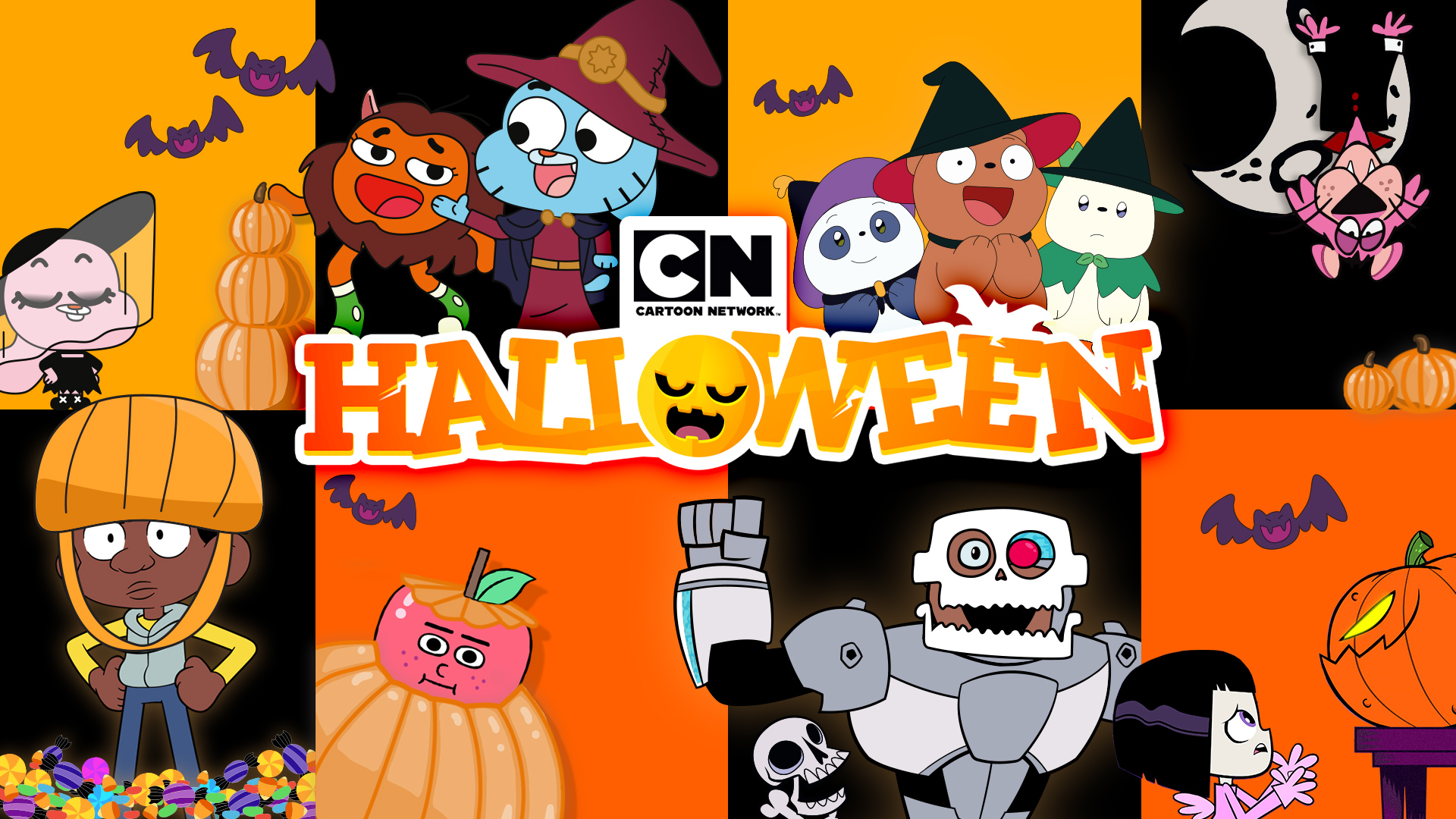
HALLO-FREAK HALLO-WEEK – Creepy Creatures

Cartoon Network celebrates Halloween this month with a daily block of spooky episodes ofTeen Titans Go!; We Bare Bears; Craig of the Creek; The Amazing World of Gumball; and many more. From 28 – 31 October, catch the freakiest, craziest, oddest episodes of your favourite shows in a special not-so-scary, a-bit-more-hairy block, only on Cartoon Network Africa!  Tune-in: Saturday, 28 October – Tuesday, 31 October from 14:55 CAT

Parenting Hub

GARDENING WITH YOUR CHILDREN

Every weekend one of my favourite activities begin with my children, it is something that we all look forward too each week. Our seeds that we saved from the fruits and veggies have dried out and they are now waiting for us to take them and begin a whole new journey of gardening together. We begin by weeding the flower beds, watering the garden and then planting new seeds, this is all part of our Sunday mornings. Gardening has been a special time amongst South Africans for decades. As a small child I have fond memories of watching my father attend to his gardens each day and so what better family memory to create than creating a beautiful garden with my children. After all, what child does not like being outside, digging in soil, getting dirty, creating things and watching them grow! This weekly activity has also provided a great outlet for communicating in our household and we have strengthened our relationships with each other as a result.  I simply love when my children come running, little pot in hand to show me that their seed, from the previous week, has started to grow. Gardening has mustered great responsibility with my little one’s and this is something that is not taken lightly in our house. Yes, there have been times when they have all learnt about cause and effect, like not watering the seedling resulted in a unhappy plant, but I am happy to report that we have had very few casualties along the way. When we began gardening with our children, I knew that this was the perfect opportunity for me to broaden their knowledge of good food vs bad food. Although I am lucky in that my children don’t have a problem eating their vegetables, this did not stop me from giving a lesson or two on the importance of putting the right food into our bodies. Getting out in the sunshine, digging in the dirt is also a wonderful way to discover and learn about all the creepy crawly’s that lurk beneath the surface and everyone loves to watch their little sister being chased by their latest discovery.  All in all, this is a lovely way for moms and dads to unwind with their kiddies each week and discover new things. Here are a few tips on how to create a garden with your child: Keep it simple. Give your child their own garden space to look after and nurture. It does not need to be a big area at all, a few pots is all that is needed to get them excited. Involve older children on the planning and design of the garden. Tweens love getting involved when you entice their opinion about something. Use light-weight tools and gardening equipment with your children. Grow an interesting assortment of of seeds such as sunflowers, corn, pumpkin, tomatoes. Plant flowers that attract bird life and butterflies into your garden. Incorporate flowers that are bright and sweet in smell. Most importantly, have fun!

Squish

5 tricks to get your toddler to eat more fruit and veg

Fruit and vegetables are key to a balanced, healthy diet, but we all know that sometimes getting your toddler to enjoy them can be a challenge. Here’s exactly why fruit and veg are so important and sneaky ways to get your toddler to eat – and enjoy! – them. If you’re having trouble getting your toddler to gobble up their fruit and veg, you’re not alone. Between the ages of two and six it isn’t unusual for little ones to get a little more picky about the foods they are willing to try. But fruit and veg are an important part of a balanced diet – they boost immunity, provide important roughage, and are packed full of vitamins and minerals. In short, they ensure your child’s healthy growth and development, promote good health, and protect against diseases.  So, how can you get your child to eat more of nature’s bounty? Try these tricks: 1. Sneak veg into sauces and their favourite foods Next time you’re making a pasta sauce, meatballs, cottage pie, or even mac and cheese, add a little veg to the mix. It won’t alter the taste and will ensure that your little one is getting a good dose of veg. Let Squish 100% Veg Puree be your secret weapon. Packed full of veggie goodness, Squish pouches have a convenient resealable lid which means you can use what you need to add some veggies to sauces and meals, then just pop the lid back on, put it in the fridge and use again for another meal. Choose from Squish 100% Butternut + Carrot, Butternut + Carrot + Sweet Potato, and Mixed Veg. Looking for recipe inspiration? Your toddler will love this quick and easy veggie-packed Pasta Sauce.  2. Freeze it! Slushies are fun and delicious – and when they’re made from Squish 100% Pressed Juice you can rest easy knowing your little one is getting a good serving of fruity goodness too. Simply keep a selection of Squish juice boxes in the freezer, then when you need a slushie, remove and let it defrost slightly, then serve – it’s as easy as that! Squish 100% Pressed Juices are made from 100% fruit, are preservative free, and come in a range of thirst-quenching flavours, including Apple, Apple + Prune with Rooibos Extract, Pear + Prune, and Summer Berries. 3. Offer dips Finger foods lend themselves well to dipping and are always a firm favourite with toddlers. Dips are also an easy way to sneak a serving of veg into your toddler’s meal. Add a pouch of Squish 100% Veg Puree to a tub of cottage cheese or cream cheese, or blitz together with a can of drained chickpeas. Squish 100% Fruit and Veg Purees are free of preservatives, flavourants and colourants – and have no added sugar. This is also a good opportunity to offer your child raw vegetables cut into strips or fun shapes for dipping. Try cucumber, red or yellow pepper, or carrots. Remember children often have to try a new taste several times before they’ll eat it with enthusiasm, so keep trying! 4. Get smoothie-licious When you have a stash of Squish 100% Fruit and Veg Puree pouches in your pantry, a delicious smoothie packed full of natural goodness is just a quick blitz away. Smoothies are a great addition to breakfast and are also good to add to your little one’s packed lunch. To make, simply add a pouch of Squish 100% Fruit and Veg Puree to a cup of natural yoghurt (or you can use half milk, half yoghurt) and blitz. Remember, you can use the veggie flavours too, especially Squish 100% Pear, Butternut, Yoghurt + Mango with Cinnamon, Pear + Sweet Potato or Apple, Beetroot + Guava.  5. Bake them in! Every toddler loves a baked treat – but did you know they’re also a great way to sneak a little more fruit and veg into their diet? The next time you’re making your favourite muffin or pancake batter mix substitute the sugar with any Squish 100% Fruit Puree like Squish Summer Berries or Mango + Banana to take them to the next level of nutritious deliciousness. Double the batch, so you can freeze halve – that way you’ll always have delicious snacks on hand for mid-afternoon treats and lunchbox fillers. You’ll also want to try this Chocolate Brownie recipe – your little one will never guess that they’re packed with veggies and fruit! 

PowerPlastics Pool Covers

Unpacking common myths around child drowning

Whether you have a pool or have small children in your family or social circle, everyone needs to learn about pool safety. Being able to identify a drowning in progress and acting fast can make a real difference to the child making a full recovery after a drowning incident.  Most people imagine that picture A is an accurate depiction of a drowning in progress. In reality, B and C are more accurate – mouth at water level, head bobbing, body upright, little to no splashing and sometimes the appearance of doing doggie paddle. Familiarise yourself with these drowning behaviours:  Head low in the water, mouth at water level  Head tilted back with mouth open Trying to roll over onto the back to float Hair falling over the forehead or eyes Body is vertical/ upright  Eyes glassy & empty, unable to focus Eyes open, with fear evident on the face Hyperventilating or gasping Trying to swim in one direction but without progress Common Drowning Myths Myth: Drowning children will shout for help Drowning children are physiologically unable to call out. The respiratory system is designed for breathing – speech is the secondary function. Drowning children’s mouths alternately sink below and reappear above the surface but while their mouth is above the surface, they need to exhale and inhale before they sink again. There is not enough time to cry out.  Myth: Drowning children are unsupervised children 50% of all child drownings will occur 25 metres or less from an adult who was distracted for only a few seconds.  Myth: Drowning children wave their arms to attract attention or will thrash in the water Drowning children cannot wave for help. Physiologically, a person who is drowning cannot perform voluntary movements such as waving or moving towards a rescuer. Envisage the surface of the water as a platform. Someone who is drowning often presses down on the surface and tries to use it as leverage to get their mouth above the water’s surface to breathe. So what the onlooker sees are arm movements that can appear to be playful swimming. Children will not kick wildly either. They remain upright in the water with no evidence of a supporting kick. They are quiet, focused only on breathing and show no signs of violent struggle. The child’s struggle is quick — 20 seconds, whereas an adult struggles for 60 seconds. Myth: My child has had swimming lessons so he / she won’t drown No child is ever drown-proof, no matter how good their swimming skills. A few swimming lessons are no guarantee when it comes to drowning prevention.  Myth: Water wings and flotation aids will prevent drowning Water wings give a dangerous and false sense of security, often making children think they are stronger swimmers than they actually are. Flotation aids can also suddenly deflate. To prevent a tragedy, be vigilant about pool safety and cover your pool with the leading safety cover from PowerPlastics Pool Covers – The PowerPlastics Solid Safety Cover which also complies with local safety regulations. This cover also saves water, power and chemical input, giving you safety as well as savings, and it brings a beautiful finish to the outdoor living area. Learn more and shop online at www.powerplastics.co.za 

Bonitas – innovation, life stages and quality care

Breast Cancer – different screening tools

Radiologists from the SCP Radiology practice and Dr Lizanne Langenhoven, who specialises in the treatment of breast cancer, talk about the different kinds of screening for breast cancer.  Dr Langenhoven says, ‘When you consider that around 90% of women find their own breast lumps, it is a very important part of the screening process. Although 80 percent of these lumps are not malignant, there are cases where women owe their lives to their own self-examination.’  A guide to self-examination: Lying down or in the shower:  Place your right hand behind your head. Using the pads of the fingers on your left hand, feel for changes in your entire breast in a circular.  Do the same above and below and in your armpit area.  In front of a mirror: Check for any dimpling, puckering or changes in either nipple.  See your doctor or clinic if you have any of these symptoms. Have regular screenings at your doctor or clinic.  The different screenings include: Mammogram: Is breast imaging using low-dose X-rays to form a 2D image. The advantage is it often reveals abnormalities undetected in a clinical breast examination. Four images are taken, two of each breast. The breast is lightly compressed for less than 1 minute during the examination to improve diagnostic accuracy. Tomosynthesis: This is a form of 3D mammography and uses X-rays as well as sophisticated software to create a 3D image of the breast. It is considered better at detecting cancer and reducing false positives in dense breast tissue.  It is invaluable in problem-solving and is used in combination with 2D mammography. Breast Ultrasound: Ultrasound is a supplementary investigation used to further evaluate morphology, blood flow, and consistency of masses and lymph nodes that are abnormal mammography.  It uses no radiation but rather real-time imaging, using sound waves to create an image. It’s a slightly longer process and is also valuable in problem-solving. It is used in combination with a mammogram not in place of it.  MRI: The digital MR image is created using strong magnetic fields and radio waves but no radiation. You will receive an intravenous injection and then lie on your stomach, in an MRI ‘tunnel’ for around 45 minutes.  An MRI for breast screening is usually used for problem-solving, high-risk screening and for women who have breast implants. Biopsy: A breast biopsy may be recommended when a suspicious area is found in your breast, like a breast lump or other signs and symptoms of breast cancer. It is also used to investigate unusual findings on a mammogram, ultrasound, or other breast examination.  Thermography: Thermography is a test that uses an infrared camera to detect heat patterns and blood flow in body tissues. Digital infrared thermal imaging (DTI) is the type of thermography that can be used to show these patterns and flow in the breasts.

Bonitas – innovation, life stages and quality care

Beating heatstroke

Bonitas Medical Fund offers some advice about heatstroke. What the symptoms are, how to avoid it and what to do if someone, child or adult, develops heatstroke.

Parenting Hub

10 WAYS TO CARE FOR YOUR MENTAL HEALTH DURING PREGNANCY

Affinity Health, a leading provider of high-quality health cover, explores ten ways to care for your mental health during pregnancy. While pregnancy is a time of excitement and anticipation, it is common for women to experience a range of emotions, including anxiety, mood swings, and even depression. “Hormonal shifts, such as the surge of progesterone, oestrogen, and human chorionic gonadotropin (hCG), can significantly impact a woman’s mood,” explains Murray Hewlett, CEO of Affinity Health. “In addition to hormonal influences, the physical changes associated with pregnancy, such as nausea, vomiting, backache, and alterations in body image, can induce stress and affect emotional well-being. Furthermore, sleep disruptions and the significant life changes accompanying pregnancy can further contribute to emotional upheaval.” Acknowledging the complexity of these factors and their potential impact on mental health during pregnancy is essential. By prioritising mental well-being alongside physical care, women can nurture a positive and supportive environment for themselves and their growing baby. How To Prioritise Your Mental Health During Pregnancy   Educate Yourself   Hormonal fluctuations can trigger mood swings and emotional instability, and understanding these changes can provide reassurance that what you’re experiencing is normal. Read reliable books, attend prenatal classes, and consult your healthcare provider to learn about pregnancy’s psychological aspects. Talk About Your Feelings Communication is critical during this period. Talk openly about your feelings with your partner, friends, family, or healthcare provider. Sharing your experiences can help you process your emotions and reduce feelings of isolation. Stay Active Endorphins, which are natural mood boosters, are released during exercise. Regular physical activity can help manage stress and anxiety, enhance sleep, and boost energy levels throughout pregnancy. Gentle workouts such as walking, swimming, or pregnancy yoga are ideal. Before beginning any fitness routine, always consult with your healthcare physician. Healthy Eating What you eat can significantly impact your mood and energy levels. A healthy diet of fruits, vegetables, lean proteins, and whole grains will help your mental health. Avoid excessive caffeine and processed foods, which can increase anxiety levels and mood swings. Practice Mindfulness and Meditation Mindfulness and meditation techniques can help reduce stress and anxiety throughout pregnancy by focusing on the present moment. Deep breathing, progressive muscular relaxation, and guided imagery are all options. Consider taking a prenatal meditation class or using meditation apps to help you during your pregnancy. Prioritise Rest and Sleep Fatigue can exacerbate emotional instability. Prioritise rest and make sure you’re getting enough sleep. If you’re having trouble sleeping, discuss it with your healthcare provider. Simple strategies like limiting screen time before bed, maintaining a regular sleep schedule, and creating a calm, dark sleep environment can help. Establish a Support Network  Surrounding yourself with a support network can make a significant difference. Whether it’s family, friends, healthcare providers, or a support group of other expecting mothers, having people to lean on can provide emotional stability and reassurance. Seek Professional Help  If your emotional distress is persistent, affecting your daily life or causing you to have thoughts of harming yourself or others, it’s essential to seek professional help immediately. Therapists and counsellors are trained to help you navigate these challenges. In some cases, medication may be recommended. Limit Information Overload While it’s good to be informed, the sheer amount of information available can be overwhelming and anxiety-inducing. Limit your consumption of pregnancy-related information to trusted sources and avoid excessive searching and reading, particularly of scary or negative stories. Self-care Rituals Taking time to nurture yourself can boost your mood and overall well-being. Engage in activities you enjoy, pamper yourself, and practice self-care rituals. These include reading a book, taking a warm bath, listening to music, or spending time in nature.  Conclusion Pregnancy is a remarkable journey, filled with moments of joy, anticipation, and inevitable challenges. By consciously caring for your mental health during this time, you’re nurturing yourself and creating a healthy environment for your growing baby. Remember, it’s okay to ask for help and prioritise your well-being. Your mental health matters – for both you and your baby. About Affinity Health Affinity Health is South Africa’s leading health cover provider, offering you a range of options at affordable rates, including access to the widest national provider network. We understand the importance of having medical insurance that meets your needs, budget, and lifestyle. Our healthcare products are designed to protect you and your family when it matters the most. We strive to give our clients peace of mind and the highest standard of service. For more information, follow us on Facebook, Twitter, and Instagram.

Cartoon Network Africa

WE BABY BEARS- Star Seekers

Hop in the box for a We Baby Bears journey where The Baby Bears’ wish upon a star turns their box into a magical means of transportation to many worlds, from a village of talking vegetables to a land where snow sculptures come to life. This month – join Baby Grizz, Baby Panda, and Baby Ice Bear in a two-part special entitled ‘The Little Fallen Star’ where the Baby Bears travel to the far reaches of space to discover the origin of their magic box.   Premiere: Saturday, 21 October from 08:45 CAT

Parenting Hub

Barbie® Doll with Down Syndrome, Supported by Down Syndrome South Africa, Now Available in Store

The newest addition to Mattel’s range of inspirational dolls is a Barbie doll with Down syndrome, created to allow even more children to see themselves in Barbie, as well as have Barbie reflect the world around them. Now available in South Africa, ahead of National Down Syndrome Day on the 20th of October, The Barbie doll with Down syndrome is meant to inspire all children to tell more stories through play.   “As the most diverse doll line on the market, Barbie plays an important role in a child’s early experiences, and we are dedicated to doing our part to counter social stigma through play,” said Lisa McKnight, Executive Vice President and Global Head of Barbie & Dolls, Mattel. “Doll play outside of a child’s own lived experience can teach understanding and build a greater sense of empathy, leading to a more accepting world. We are proud to introduce a Barbie doll with Down syndrome to better reflect the world around us and further our commitment to celebrating inclusion through play.”   To ensure the doll accurately represents a person with Down syndrome, Barbie worked closely with the National Down Syndrome Society (NDSS). NDSS empowers individuals with Down syndrome and their families by providing resources, driving policy change, engaging with local communities. NDSS’s guidance and real-world experiences informed the design process from start to finish, including the dolls sculpt, clothing, accessories, and packaging. The close partnership ensured the Barbie team celebrated individuals with Down syndrome through a doll that would immediately connect with the community.  “The launch of new Barbie Doll with Down syndrome in South Africa is a powerful symbol of inclusivity and representation”, says Ancella Ramjas, National Executive Director at Down Syndrome South Africa (DSSA). As an organisation working with persons with Down Syndrome and their families, this presents a unique opportunity to work with Barbie SA to educate, empower and promote acceptance towards a more inclusive world, where everyone’s uniqueness is celebrated.”  “’Empowering Dreams, Embracing Diversity’ is the theme that we will be working with our upcoming National Awareness Month in October, and I also think it aligns with the message that we as an organisation see with regards to the impact of the new Barbie Doll. Together let’s break down barriers one doll at a time by Empowering Dreams and Embracing Diversity,” concludes Ancella Ramjas.  Children’s early experiences help shape their thoughts and perceptions – and Barbie can play an important role in this process. When a child plays with Barbie, they play out their dreams and imagine they can be anything. Doll play has an incredible purpose during key developmental stages as it may help set children on a course for success by allowing them to develop empathy – fuelling social skills needed to excel as they imagine their futures with an equal playing field. The Barbie doll with Down syndrome allows more children to see themselves in Barbie as well as the world around them, which can help foster a sense of inclusivity.    Barbie is the most inclusive doll line on the market – with over 175 looks offering a variety of eye colours, hair colours and textures, body types, disabilities, and fashions to tell more stories. Barbie has introduced dolls with vitiligo, dolls that use a wheelchair or a prosthetic limb, a doll with hearing aids and a doll without hair. This year, Barbie is continuing to represent global belonging and inclusivity with the full 2023 Fashionistas lineup, which also includes new dolls in a variety of body types including a new Fashionista doll wearing braces and a Ken Fashionista doll with a prosthetic leg.  Barbie doll with Down Syndrome is available at leading retailers nation-wide, at a RSP of R279.00  Celebrate Down Syndrome Awareness Day by Joining Down Syndrome South Africa at the Pretoria Botanical Gardens for an Awareness Walk and Picnic on the 21st of October. The day will include a fun walk, cup cake decorating, family picnic, face painting, and so much more. RSVP to this event by mailing [email protected]  

RediscoverDairy

Does what you eat in pregnancy matter?

There’s nothing quite like pregnancy to focus your attention on your health and well-being.  Most moms-to-be naturally have questions and concerns about their nutrition so that they meet the needs of their growing baby.  Of course, you also want to maintain a strong and healthy body that is well-prepared for birth and the rigours of new motherhood. Healthy eating during your pregnancy helps to ensure a healthy pregnancy weight and helps your baby develop normally and have a birth weight of at least 2.5 kilogrammes.  Pregnancy is not the time to be experimenting with diet fads or taking ‘nutrition advice’ from non-experts. Rediscover Dairy dietitian, Maretha Vermaak says, “For your baby to be born healthy, growth and development need to happen on quite a strict schedule during each of the trimesters and therefore these timeframes are called ‘critical periods’. If certain nutrients are in short supply during these critical periods, development or growth may be disrupted. Having a healthy, nutrient-dense diet even before you fall pregnant will give you and your baby a good start.” No, you don’t need to ‘eat for two’ This adage is often interpreted as eating double, but your energy needs during pregnancy actually increase very little.  In the first trimester you have no increased energy needs.  In the second trimester, you need approximately 1470 extra kilojoules, and in the third trimester, that increases to only 1890 extra kilojoules.  However, kilojoule counting is not an exact science, and it’s too hard to accurately maintain on a daily basis.  Maretha says, “It can be helpful instead to monitor your weight gain and increase or decrease your energy intake relative to that.  However, the best approach is to focus on your nutrient intake, understanding the role of nutrients in a healthy pregnancy and making sure that the nutritional quality of your food is good.” Nourishing nutrients you need From conception to birth, your baby’s cells will divide rapidly, highlighting the importance of having the right fuel to support these processes.   Here are six ‘star’ nutrients to focus on: ●     Protein – During pregnancy your protein needs increase by 50% to support the development of your growing baby’s body. However, most people exceed the daily recommendation for protein (0.8g/kg/day) and so increasing your protein intake is not likely to be necessary.  What you can do is focus on the quality of the protein you consume.  Choose a variety of animal and plant-based proteins and opt for minimally-processed foods.  Some examples of good protein choices include milk and other dairy products such as maas, yoghurt and cheese; fatty fish such as sardines, pilchards or cooked seafood; meat and poultry, eggs, legumes, nuts and seeds. ●     Folate – This is a B-vitamin that is critical for DNA synthesis and cell division. Not having enough folate can lead to neural tube defects in your growing baby.  This nutrient is so important that all women of childbearing age are advised to consume it in adequate amounts. Foods rich in folate include dark-green leafy vegetables, fruits and grains as well as nuts, legumes, seafood, eggs, dairy products, meat and poultry. ●     Iron – Additional iron is important for mom, because during pregnancy blood volume increases, which means that there are more red blood cells with each needing iron to function. Additional iron is also stored by your baby, especially in the final weeks of gestation. Many women enter their pregnancies with low iron stores and so the risk for iron deficiency anaemia increases as the pregnancy progresses. Good sources of iron are red meat and eggs. Eating vegetables and fruit high in vitamin C together with iron-rich foods will improve the absorption of iron Tip: As milk and dairy inhibit the absorption of iron, it is best to have iron-rich foods (or a supplement) during the day rather than with breakfast, which usually contains milk or dairy products. ●     Zinc – This is an important mineral for cell division and immune function, but women generally do not get enough of this nutrient every day. Animal foods such as meat, seafood and dairy products, and also plant-based foods such as legumes, nuts and seeds are good sources of zinc. ●     Omega-3 fatty acids – Brain and eye development rely on adequate levels of omega-3 fatty acids. Protein-rich foods such as fatty fish, nuts and seeds are good sources of omega 3 fats too. ●     Calcium – Pregnancy boosts your body’s ability to absorb and store calcium. Consuming about 1200 mg of calcium a day during pregnancy calcium is important not only for forming your baby’s bones and teeth but also for maintaining your own bone health. Milk and dairy products such as maas, yoghurt and cheese are great sources of calcium that is easily absorbed by the body. Three to four servings of dairy a day are recommended to help you reach your required calcium intake. Fish usually eaten with their bones, such as tinned sardines, can also be a valuable source of calcium. One extra micronutrient One nutrient that we have not touched on is iodine which plays a role in the production of thyroid hormones. Thyroid hormones impact on maternal energy metabolism and support the growth and development of the baby in the first trimester. In addition, it is a vital nutrient for proper brain development, potentially affecting neurocognitive outcomes of children later in their lives. During pregnancy, thyroid hormone production increases by 50%, which means you need to make iodine-rich foods part of your diet. In South Africa, many people meet their iodine needs by using iodised salt. However, as eating a lot of salt is generally not recommended, especially for those with high blood pressure, it is best not to rely on iodised salt as your only source of iodine. Milk and dairy products can contribute greatly to iodine intake. What else may be missing? Fibre! A high-fibre diet not only offers many health benefits, but it can also help to reduce constipation during pregnancy. Many women experience constipation during

Good Night Baby

When nutrition affects toddler sleep

We don’t often relate bad eating to bad sleeping when it comes to toddlers (12 – 36 months).  This is a considered a baby issue, yet it can have a major impact toddlers, and can often lead to very bad habits that are difficult to change. At Good Night we are SLEEP experts and NOT feeding experts BUT with this very intricate relationship, it is something that we can assist with or at least identify issues to ensure healthy sleeping. From my experience, these are the major nutritional factors that can influence your toddler’s sleep: Still drinking milk during the night This is by far the most common nutritional issue we pick up when it comes to toddlers. This can have a large impact not only on their sleep but it can also have a domino effect on the rest of their nutrition and health.  For healthy toddlers older than 12 months, solids (normal food) should be their main source of nutrients. Milk becomes secondary to the solids meals and should only be seen as a source of calcium and to quench their thirst. Thus it should be given with a solid meal and rather NOT as a separate meal on its own any longer. It is quite normal though for a toddler to have milk until he’s about 2 years old, especially if you have a milk lover or if you are still breastfeeding.  But limit the milk to two feeds a day, one as part of breakfast and one as part of dinner.   This also means that your toddler does not need to drink any milk during the night.  The reality is that milk during the night can do more harm than good after 12 months for the following reasons: Your toddler is at a higher risk of having iron deficiencies if they drink more than 710 ml of milk during the day.  Drinking milk during the night can cause tooth decay. Filling them up with milk at night can fill them up with nutrients that they don’t need and cause them to be picky eaters during the day. Too much sugar  Sugary sweets, snacks, and juices should be avoided especially just before bedtime. When toddlers consume sugar, their blood sugar levels will increase and then drop significantly. Their tiny bodies will be hard at work to re-stabilize their blood sugar and, in doing so, will release adrenaline, a stress hormone, which can cause toddlers to experience restlessness. This, in turn, can have a major effect on their sleep. The temptation of sugar is everywhere, but caregivers are in an influential position of introducing kids to more nutritious foods early on. The more healthy foods that toddlers start enjoying while younger, the better. Not weaning your toddler from the bottle Paediatricians recommend that babies be weaned from their bottles by age one, and never later than 18 months for many reasons: Once again because of their teeth! If your toddler spends all day (or worse, all night) drinking from a milk bottle of milk, their teeth (not only the ones you can see) could experience permanent damage and serious decay. Too much bottle time can mean more ear infections. It can have an impact on their development. It can hinder speech as they cannot practice talking if there is a bottle in their mouth. Walking around with a trusty bottle keeps their hands from play and exploration.  The reality with toddlers is that they are emotional beings and any changes will be a lot more challenging to administer and champion, but all these changes are for good reason and they will be healthier because of it. Consistency and determination will benefit you and your toddler regarding healthy food choices. By Jolandi Becker – MD of Good Night

Parenting Hub

Q and A – why are some women reluctant to go for a mammogram

The World Health Organization creates awareness around breast cancer in October. First initiated in October 1985, Breast Cancer Month has grown exponentially globally and this year is no exception. According to the Cancer Association of South Africa (CANSA), it’s far better to have an early-stage diagnosis, as it results in better breast cancer treatment and long-term survival. CANSA recommends monthly breast self-examination, annual medical check-ups, and screening. Radiologists from the SCP Radiologist Practice and Dr Lizanne Langenhoven, who specialises in the treatment of breast cancer, address some of the concerns around breast cancer screening. If early detection is recommended and provides the best outcome, why are women reluctant to screen for breast cancer? An informal survey amongst women, who are hesitant to go, even though they have the means to go, shows that the top reasons include the following: It’s going to be too painful Many women still rely on their mother’s experience with early mammograms which were painful. Mammography machines have progressed exponentially since the early days, so the level of discomfort experienced during the procedure is now significantly reduced. Modern technology and digital equipment allow us to use less compression and still obtain quality imaging. Also, the amount of pressure is different for each individual, depending on the breast size and composition. Pressure is often manually adjusted so speak to your mammographer if you experience any discomfort. Fear of exposure to radiation A mammogram uses relatively low-dose radiation. The total dose is approximately 0.5 mSv (2D mammogram). To put it into perspective, we are exposed to 3.0 mSv of background radiation from our natural surroundings per year. Radiologists also strictly follow what’s known as the ALARA principle – to always apply radiation “as low as reasonably achievable”. The benefits of mammography thus far outweigh the risks from this low dose radiation. Fear of finding out you have breast cancer Dr Langehoven says, ‘The good news is that our understanding of the different subtypes of breast cancer has improved significantly over the past few years! We no-longer follow a one-type-fits-all approach and many women may even safely be spared chemotherapy in a curative setting. ‘As with everything else in life, it is easier to address a ‘small’ or ‘early’ problem than it is to address a much larger problem! I’ve seen breast cancer diagnosed at a size of 2mm on mammogram – meaning that treatment is tailored to a very low risk situation. In short, the earlier we become aware of an existing problem, the sooner it can be addressed and with much less invasive treatment.’ I don’t go for mammograms, I only go for thermography At present, thermography cannot substitute mammography but may be used as complementary screening. Dr Langenhoven cautions that thermography is not all it is cut out to be. In order for the cancer to give off heat signals, it has to be significant in size. Mammography on the other hand can detect changes in the breast before they progress to cancer. A mammogram therefore picks up the disease course much sooner than thermography. Why mammography instead of ultrasound, which doesn’t use radiation? Mammography is our workhorse.  We look for masses, calcifications, and architectural distortion. Ultrasound is a supplementary investigation used to further evaluate morphology, blood flow, consistency of masses, and lymph nodes that are abnormal on a mammogram. Tomosynthesis is also supplementary, used to further evaluate architectural distortion seen on a mammogram. They all work together. With denser breasts mammography is less sensitive, which is when we add the supplementary investigations to improve the sensitivity of detection. If am diagnosed with breast cancer I am going to die anyway, so I would rather not find out This statement is not true in the current day and age where 90% of women with early breast cancer can be cured of their disease, says Dr Langenhoven. ‘In the same way we don’t drive cars from the 50’s, our treatment is no longer ancient either!’ The side-effect profiles of our new drugs are aimed at improving quality of life during treatment, and the fact that we now identify and treat 4 distinct subtypes of breast cancer means that we can target the specific growth-pattern at play and avoid unnecessary treatment. Previously, because we didn’t know which women had aggressive breast cancers and who didn’t, all women were treated more or less the same up to a few years ago. This meant that women feared finding out they had breast cancer for fear of the radical and toxic treatment they would be subjected to. This has really changed over the past 10 or 15 years and our approach has changed to be specific and conservative when we advise treatment. It is tailored to the specific characteristics of each women’s disease. Surgical outcomes are so much better and very few women would ever be offered a ‘flat’ mastectomy as part of their treatment plan. We no longer approach breast cancer surgery without consideration of the cosmetic outcomes and quality of life of the woman behind the cancer. The notion that cancer means suffering and death comes from a bygone time and we should do all we can to change this outdated perception. The survival rate of breast cancer depends on a number of factors including the type of cancer, the immune receptors, the grade, and the speed at which it is growing – these all determine the survival rate. A big tumour that is slow growing and has a low grade has a more favourable outcome after treatment, than a small tumour that is high grade and fast growing. However, if a cancer is found early and the grade is established earlier, then tailored treatment can begin earlier which may slow down or limit the progress. An early diagnosis will improve treatment outcome. The advantage of screening is early detection for better treatment outcomes and prognosis. Dr Langenhoven adds that early detection really counts when it comes to treatment related side-effects and cost of treatment. An early cancer may very

Parenting Hub

WHAT ARE HORMONAL HEADACHES AND HOW ARE THEY DIFFERENT?

Affinity Health, a leading provider of high-quality health cover, delves into the world of hormonal headaches, exploring what sets them apart from other headache triggers, and outlines strategies to manage hormonal headaches effectively. “In our fast-paced, demanding world, headaches have become a common companion. But not all headaches are created equal. Some are triggered by stress or tension, others by dehydration or lack of sleep,” says Murray Hewlett, CEO of Affinity Health. “However, a particular category of headaches are related to hormonal fluctuations, aptly termed hormonal headaches.” Defining Hormonal Headaches Hormonal headaches are triggered by changes in hormone levels, particularly estrogen and progesterone in women. Hormonal fluctuations occur naturally during different stages of a woman’s menstrual cycle, during pregnancy, postpartum, menopause, or when using hormonal contraceptives. It’s during these times that women may experience hormonal headaches. Types of Hormonal Headaches Menstrual Migraines These are migraines that often occur during a woman’s menstrual cycle. Typically, they happen in the days leading up to, during, or immediately after menstruation and coincide with a drop in estrogen levels. Menstrual migraines can be more severe and longer-lasting than other migraines, and they may not respond as well to over-the-counter medications. Pregnancy Headaches During pregnancy, women experience dramatic hormonal changes, which can lead to various types of headaches. Increased blood volume and circulation may trigger frequent tension-type headaches during the first trimester. Conversely, during the second and third trimesters, migraines often decrease due to stable hormone levels. Menopausal Headaches Menopause, a period characterised by significant hormonal changes as menstruation ceases, can trigger increased headaches or migraines. Fluctuating hormone levels notably see drops in estrogen, which can lead to these headaches. Signs and Symptoms of Hormonal Headaches Hormonal headaches can manifest in various ways. The symptoms can differ between individuals and depend on the type and stage of the hormonal cycle. However, Affinity Health highlights common signs and symptoms to watch out for: Head Pain: The pain is usually one-sided and throbbing, although it can sometimes be bilateral. It can be moderate to severe and may worsen with physical activity. Timing: The headache typically occurs in the days leading up to, during, or after menstruation. This timing can help distinguish hormonal headaches from other types. Duration: Hormonal headaches, particularly menstrual migraines, may last longer than regular migraines. They can persist for several hours to a few days. Associated Symptoms: Hormonal headaches can accompany nausea, vomiting, and sensitivity to light and sound. Some women also experience an aura, which includes visual disturbances, like seeing flashing lights, zigzag lines, or even temporary loss of vision. Other Symptoms: During periods of hormonal fluctuation, women might also experience additional symptoms like bloating, breast tenderness, mood changes, and increased irritability. Understanding these symptoms can help in early detection and management of hormonal headaches. However, headaches can also be a sign of other severe conditions. If your headaches are severe, frequent, and accompanied by other worrying symptoms (such as sudden onset, changes in personality or behaviour, fever, stiff neck, vision changes), or if they are different from your usual pattern of headaches, it’s essential to seek immediate medical attention. Can Men Suffer from Hormonal Headaches? While it’s true that hormonal headaches are more common in women due to the cyclical nature of female hormones, men can also experience headaches related to hormonal changes, albeit less frequently. Testosterone, the primary male sex hormone, does influence headaches and migraines. For example, studies have shown that men who suffer from cluster headaches, an excruciating type of headache, may have their headache cycles aligned with seasonal changes in testosterone levels. Moreover, any condition or treatment resulting in significant hormonal changes in men can trigger headaches. For instance, men receiving hormone therapy for prostate cancer, which significantly reduces testosterone levels, often report headaches. “While the connection between hormones and headaches is less studied in men than in women, it’s clear that hormones can influence headache patterns in both genders. It’s always important for any person suffering from regular or severe headaches to seek medical advice, as proper diagnosis and treatment can greatly improve quality of life,” adds Hewlett. Identifying and Managing Hormonal Headaches Hormonal headaches are typically diagnosed based on their timing due to hormonal fluctuations. Tracking your headache patterns, menstrual cycles, or other hormonal changes can help establish a diagnosis. Management strategies for hormonal headaches often involve both lifestyle modifications and medical treatments. Exercising regularly, eating a balanced diet, being hydrated, and getting enough sleep can all help minimise the frequency and intensity of hormone headaches. Medical treatments can include pain relievers, nonsteroidal anti-inflammatory drugs (NSAIDs), triptans, and preventive medications. In some cases, hormonal therapies may be recommended to stabilise hormone levels and prevent hormonal headaches. Discussing these options with a healthcare provider to find a tailored treatment approach that works best for you is crucial. Empowerment through Understanding In conclusion, while common, hormonal headaches are a unique subtype of headaches that primarily affect women due to their link with hormonal fluctuations but can also affect men. Understanding the nature of hormonal headaches, their triggers, and effective management strategies can empower those affected to take control of their symptoms and improve their quality of life. About Affinity Health Affinity Health is South Africa’s leading health cover provider, offering you a range of options at affordable rates, including access to the widest national provider network. We understand the importance of having medical insurance that meets your needs, budget, and lifestyle. Our healthcare products are designed to protect you and your family when it matters the most. We strive to give our clients peace of mind and the highest standard of service. For more information, follow us on Facebook, Twitter, and Instagram.  

Parenting Hub

Sensory Smart Teenagers

The onset of adolescence is a very challenging time for both teens and their parents. It is a time that is marked with rapid changes, and it is also when many expectations are placed onto teenagers – academic and sporting responsibilities, social pressures, the development of self identity and emerging freedoms. With increased independence come increased responsibility and the pressure to fit into social groups. The teenage brain is still growing, and it is different to the brain of an adult. Nancy Mucklow, in her book The Sensory Team Handbook, explains how the pre-frontal cortex of a teenager is still developing higher functions of impulse inhibition, emotional regulation, decision-making, attending, and behavior planning and organisation. The cerebellum, responsible for muscle coordination, is also still changing, as is the Corpus Collosum, a thick cable of nerves that connects the two halves of the brain. Due to this ongoing development happening in the teenage brain, skills such as creativity and problem-solving are not yet what it will be once the brain is fully developed. The brain is an amazing thing and it is teaching itself at all times. Teens need to explore, try things out, look at positives and negatives, and make their own decisions. In addition to all the challenges they face, teenagers also need to be aware of the impact of the environment on their sensory systems. They need to understand how their sensory systems work and why it matters in their day-to-day functioning. Not understanding the effect of sensory overload and responses to sensory overload may result in one or more of the following: Inability to focus Easily irritable Disorganisation Lethargy Impulsivity Risk taking Forgetfulness Adopting bad habits First defined by Patricia Wilbarger, a sensory diet is a carefully planned and personal activity plan that provides the sensory input a person needs to stay focussed and organised throughout the day.  Just as you may jiggle your knee or chew gum to stay awake or soak in a hot tub to unwind, teens  need to participate in stabilising, focussing activities too. Everyone can benefit from a personalised sensory diet. Each person has their own thresholds to sensory input, but they may not have the insight on how to cope with an overloaded and stressed sensory system. Teens need to determine their own unique sensory needs and preferences to promote body and brain function. Creating a sensory diet for teens will help them to develop healthy habits of self regulation that will help them function optimally as adults. Benefits of creating sensory diets for adolescents include: Increased self-awareness Improved ability to self nurture Increased resilience Increased self-esteem and body image Improved ability to engage in meaningful life roles Improved ability to engage in social activities Improved ability to cope with triggers and stress Improved ability to make informed decisions Engage your teen in identifying the events and occasions that make him or her feel overwhelmed, irritable and lethargic. Parents, teens and teachers can each keep a journal recording what they have seen and how the teen dealt with the situation. Think of the times at home, school and socially where experiences were negative and what the possible triggers could have been. Also note the activities that help with calming and regulation, and that lead to the teen feeling better. The activities or things that lead to regulation are what the teen will place in his or her sensory toolbox or sensory kit. A sensory toolbox or kit is a bag, box or container that holds a variety of sensory tools that can be used to both calm or stimulate a person’s sensory system.  A sensory kit is unique to each person as each one is unique in their sensory needs.  Trial and error will result in finding the right tools for each person.  Sensory diets and toolboxes should include and involve all the senses, and the teen should be encouraged to make use of regular sensory breaks to stay regulated. A sensory break is another way of taking a regular old break from seated activities or sedentary activities. It is a time used to gain the needed sensory input in our bodies to stay alert, on task, and focussed. Sensory breaks for teens should take place at least every 45 minutes. For the thrill-seeking teenager encourage fun, but safe activities such as rock wall climbing, horse riding, running, and martial arts. These activities add intensity to the sensory diet without putting the teen in danger. Sensory tools in all the sensory systems can be used as alerting, calming and organising strategies. Alerting strategies and activities: Alerting activities are used for those who look for sensory input or who are unaware of the sensory experiences in their environment. Sensory seekers often need to be bombarded with sensory input in order to register what is happening around them or to stay alert. Fidget toys – Play with “fidget toy” for hands, such as small stress ball Crunchy, spicy, sour and salty foods – Pretzels, carrots, apples, granola, and other crunchy foods Fast and irregular movements – Spinning on a swing or other equipment (can quickly become over-stimulating – use caution!) Lively music – Dancing to rock, jazz, rap, or fast kids music A brightly lit room (full spectrum or natural light) Rocking quickly in a rocking chair Running, skipping, galloping for at least 1-2 minutes (any type of aerobic exercise, really) Jumping in place (trampoline, jumping jacks, jumping rope, etc.) Motor breaks during school – stand and stretch, run an errand for teacher, walk to bathroom, etc. Push on wall as if to move wall Do “chair push-up” in sitting by lifting bottom off floor or chair, holding self up with arms Carrying a stack of books, laundry, groceries, or something else approx. 5% of body weight Drinking grapefruit, cranberry or other tart juice – try partially freezing it Drinking through a long, thin straw, or reg. straw w/thick liquids (stimulates deeper breathing) Cold shower or cold water on face or arms

Parenting Hub

Digital eye strain at work? Here’s how to help those tired eyes

Thursday 12 October is World Sight Day and, this year, the focus (pun intended) is on eye care at work. In this day and age, digital eye strain is arguably the greatest contributor to eye health issues at work. With the average office worker spending seven hours a day in front of a screen, it’s not surprising that at least half of computer users experience it. Symptoms include blurred vision, headaches, red or scratchy eyes, dry eyes and increased sensitivity to light. You may not be able to change the amount of time you’re in front of a computer, or the factors that can cause eye strain, but Wesley Language, Head of Optometry at Spec-Savers, shares some steps you can take to reduce it. Rest your eyes Look away from your computer screen regularly and focus on distant objects, as this relaxes the focusing muscle inside the eye, which in turn reduces eye fatigue. It’s advisable to keep the 20/20/20 rule in mind: every 20 minutes look away from your screens at something that is 20 feet (6 metres) away from you for 20 seconds. This allows your eyes to relax and can alleviate symptoms. Use adequate lighting and reduce glare Glare reflected from light-coloured walls and shiny surfaces, as well as reflections on your computer screen, can cause eye strain. Some ways to reduce this include: Attach an anti-glare screen to your monitor, especially if there’s a window behind you. Reduce the external light by covering windows with curtains or blinds, reduce the lighting in your room and avoid sitting under big overhead fluorescent lights. If you’re a specs wearer, use lenses with an anti-reflective coating to reduce glare. Adjust your monitor’s display settings Make sure the brightness matches the surroundings (bright room, bright screen) and adjust the text size and contrast so that it is comfortable to read. Black print on a white background is the best combination for comfort. If you’re on a screen at night, adjust the monitor’s colour temperature to reduce the blue colours on your screen. Blue light is short-wavelength visible light, and there is evidence that this may be associated with certain eye conditions. Modify your workstation The way you sit at your desk and arrange your equipment can affect your vision. Place documents on a copy stand next to the screen so you don’t need to keep looking down at a piece of paper and then up at your monitor. Make sure your workstation and chair are at the correct height. Improper posture while working on your computer can also add strain. Your computer screen should be 50 to 60 centimetres from your eyes and the centre of the screen should be 10 to 15 degrees below your eye line. Your chair should be set up so that your thighs are parallel to the floor and your back is slightly reclined Enlist the help of customised blue light computer glasses These special-purpose glasses are prescribed specifically to reduce blue light exposure and differ from regular eyeglasses or reading glasses in various ways. The usual positioning of a computer screen means that it’s within your intermediate zone of vision, which is closer than driving (distance) vision, but farther than reading – or near – vision. Generally, computer glasses have about 60% of the magnifying power of reading glasses to enable optimal magnification in this intermediate zone. Computer glasses should accurately correct any astigmatism you might have, and precise measurements should be taken to ensure the optical centre of each lens is directly in front of your pupils when you are using your preferred working distance. For these reasons, computer glasses should be customised to your individual needs. Using weaker, non-prescription reading glasses for computer use typically won’t provide the accurate vision correction you need for sustained clarity and comfort while at your computer. The very best thing you can do, though, is to have a comprehensive eye exam this World Sight Day to rule out any vision problems you may have. When you have your test, let the optometrist know you use computers regularly and how long you use them for. And while you’re there, please spread the love by pledging your eye exam, using #LoveYourEyes to post on social media.

Cartoonito

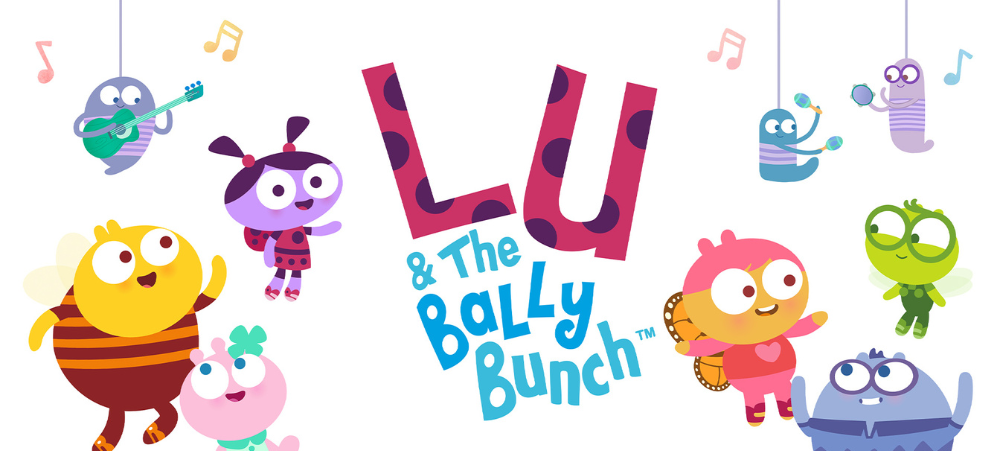
LU & THE BALLY BUNCH – Ladybird Lu

Lu is a ladybird who has started school at Ms Shella’s Shell School with her new friends in the village of Ballybug. Lu and her ‘Bally Bunch’ of five insect classmates learn how to laugh, play, and navigate their new social lives together at school, dealing with the ups and downs of getting along and sharing a new space with other children and learning about one of life’s most important skills – how to be a friend.  Inspired by creator Nicky Phelan’s memories of helping his mum in her own preschool, there’s nothing as funny as seeing a bunch of three-year-olds fail to navigate each other and nothing as heart-warming as seeing them learn to get along.  Premiere: Monday, 9 October @ 17:40 CAT ⏰ Tune in: Mondays – Fridays @ 17:40 CAT Also available on DStv Catch Up

Cartoon Network Africa

POKEMON SUN & MOON- Ash in Aloha

What starts as a summer vacation in the tropical Alola region becomes the next exciting chapter in Ash Ketchum’s quest to become a Pokémon Master! There’s plenty for Ash and Pikachu to explore, exciting new Pokémon to discover and interesting people to learn from along the way—including the cool Professor Kukui and the fun-loving Samson Oak.  More new faces will help guide Ash’s Alolan adventure, in skilled Trainers Kiawe, Lana, Mallow, and Sophocles—and a mysterious research assistant called Lillie. It’s not all set to go Ash Ketchum’s way, though – familiar foes, Team Rocket, have also made their way to Alola and are joined by new challenges, Team Skull.  Premiere: Monday, 9 October @ 17:30 CAT ⏰ Tune in: Mondays – Fridays @ 17:30 CAT Also available on DStv Catch Up

Bonitas – innovation, life stages and quality care

DEALING WITH KIDS AND PREGNANCY

Dealing with pregnancy can be tricky on its own, but when you have a toddler or young kids to look after things can become more difficult. If this is your second pregnancy, you may be struggling with morning sickness, fatigue and a tired achy body and still having to look after another young child.  You’re probably wondering how to manage, so we’ve put together some useful tips to help you the second time around. Be patient with them and yourself It’s important that you’re patient with your child. Initially, they may not understand the pregnancy which can make them act out in confusion. Getting them involved and feeling like a big sibling can help them to feel excited about the new addition to the family. That being said you should also be patient with yourself. You may be feeling unwell due to your pregnancy, and with looking after another child you may find things falling by the wayside. It’s likely that only you will notice these things, so don’t be too hard on yourself. Playtime for you and them  You might not always be feeling up to playtime with your little one, so this is a good time to encourage them to play independently. This way you free up a little bit more time for yourself while keeping them entertained. As your pregnancy progresses, play in ways that you can manage. Instead of running around, focus on board games, drawing and puzzles. Allowing a little bit of screen time (even together) is another way you can easily entertain your kids. Help and schedules Don’t be afraid to ask for help. If you have a partner, they are the obvious person to lend a hand, but if you are by yourself, either reach out to close family or consider getting paid help for part of the day.  Another way to find some time for yourself is to nap when your toddler naps. Syncing up your sleep schedules may mean that you find yourself a little bit more rest time for when you’re feeling tired or nauseous. 

Parenting Hub

Just five percent of women regularly check their breasts for signs of cancer Cheeky CANSA campaign encourages female shoppers to check out their melons

According to the National Cancer Registry 2019, breast cancer remains the most prevalent of cancers amongst women, and females have a one in 27 lifetime risk of developing it.   The breast is the leading cancer site in women throughout the world, states research by Bruni et al. (2019). It is also the leading cause of female cancer deaths in almost all countries, except for the most economically developed, in which it is second to lung cancer.  While many factors such as age, family history, genetics and even diet play a role in the chances of developing breast cancer, early detection plays a key role in effective treatment and outcomes.    To encourage self-screening, the Cancer Association of South Africa (CANSA) has joined hands with retail chain Food Lover’s Market and Grid Worldwide, a leading branding and design agency, in a national campaign that appeals to shoppers to check their breasts as often as they check out their fruit and vegetables.    Taking place in October, for breast cancer awareness month, the Check Them Out campaign will see the fresh produce aisles of all Food Lover’s Market and Food Lover’s Eatery stores across the country brandished with cheeky stickers to remind women to perform home self-examinations to spot lumps, bumps and other irregularities, which could be signs of breast cancer.   While the campaign aims to get a reaction from shoppers in a good way, the objective is to drive proactive cancer screening, as women treated for early breast cancer are likely to become long-term survivors, according to a study published in 2023 by leading medical research group, The BMJ.    In addition to quirky stickers on fruits and vegetables, the Check Them Out campaign also takes the form of rebranded shopping bags and in-store promotional posters that detail how to conduct a self-examination. In-store and campaign artwork directs ladies to the CANSA page for further information and crucial next steps should they find something suspicious.    As the ‘Make it Mean Something Company’, Grid Worldwide proactively approached CANSA and Food Lover’s Market for the Check Them Out campaign. “Everyone knows someone who has been affected by cancer” says Lauren Shewitz, creative director at Grid. “As a team, we wanted to create a relevant, memorable and impactful campaign that not only created awareness but also brought meaning to marketing, with the ultimate objective of saving lives.”   Terri Coppin Harris, head of Culture and Communication at Food Lover’s Market, says this was an opportunity they couldn’t afford to miss. “As a retailer that holds fast to strong family values, we could not pass on the chance to weigh in and support this campaign. Breast cancer is still listed as the top invasive cancer reported for South African women, and this made us realise that it can so easily affect our shoppers and team members. We loved the idea of creating a bold reminder in our stores to educate our customers and our team about self-examination and screening.”  While shoppers will be reminded to ‘check out their melons’ and ‘feel their avos’ through stickers on selected seasonal fruit, Food Lover’s Market has elevated the campaign in-house by creating an equally strong awareness campaign to engage and inform all Food Lover’s Market team members on the importance of preventative screenings.    Says Coppin Harris, “I am confident that this campaign will garner the reaction we want. We’re aiming to grab shopper attention in a big way as it’s not every day you see fruit linked to some of our most intimate parts. Hopefully, it will make our consumers stop, think and take action.”  “We’re excited to align ourselves with Food Lover’s Market and Grid Worldwide for the Check Them Out campaign,” adds Lorraine Govender, National Manager, Health Promotion at CANSA. “Together, we are raising awareness in a proactive and meaningful way, and delivering on the message that early detection is critical. We want to urge everyone to be aware of their own bodies, look out for anything that is unusual, and get checked out early – it could save your life.”  *Breast self-examinations in African women is very low and needs to be driven through awareness tactics for behavioural change. Link to research report can be found here   CANSA’s vision is to lead South Africa towards a cancer-free society. Our mission, as a non-profit organisation fighting cancer, is to enable research, educate the public and advocate for, and support, all people affected by cancer. Through collaborative research, we aim to promote and support innovative, effective, and relevant approaches to the prevention, diagnosis, and treatment of cancer. CANSA uses evidence-based research to inform our advocacy work, health education programmes, and service to those living with cancer. Our service comprises health, education, and advocacy awareness campaigns; CANSA Care Centres that offer a wide range of care and support services to those impacted by cancer – cancer screening and early detection; stoma and other clinical support, home-based care and medical equipment hire. We offer a free Tele Counselling service in seven languages and supply patient care and support in the form of 8 CANSA Care Homes in the main metropolitan areas for out-of-town cancer patients and CANSA-TLC lodging for parents / guardians of children undergoing cancer treatment. We further operate a national CANSA Help Desk with a toll-free line to offer information and support.    Food Lover’s Market has grown from its origins as a single Fruit & Veg City store 30 years ago to become South Africa’s largest specialist fresh produce retailer, with over 100 Food Lover’s Market stores in South Africa and 6 other Sub-Saharan countries, including Namibia. The retailer prides itself on its quality fresh produce, its theatre of food experience with a distinctive market feel and its consistent value offerings for the consumer. Food Lover’s Market caters to the discerning customer, the connoisseur, the professional ‘foodie’ and regular customers who are used to the exceptional quality and variety that has always been part of the Food Lover’s offering. Forming part of the Food Lover’s Market family, FVC International is

Panado®

Paracetamol Use During Pregnancy: What You Need to Know

Even the most trouble-free pregnancy has its share of aches and pains1. The good news is that some of these discomforts will go away as your pregnancy progresses, while others can be easily relieved with the power of Panado®. During pregnancy, your body undergoes a complete transformation as your baby grows.  Your centre of gravity decides to play musical chairs, your organs rearrange to make room for your growing baby, and increased weight puts pressure on your joints and muscles.1a  The circulatory system, too, faces stress during pregnancy, possibly leading to soft tissue pain due to fluid retention.1b Nerve pain enters the scene, often due to nerve compression from weight gain or uterine pressure.1c  The sciatic nerve tends to be impacted, especially in later pregnancy and sometimes post-delivery.1d In the first trimester, shifting hormones and blood volume can trigger headaches.  Overall a headache can often be exacerbated by fatigue, stress and eyestrain.2 Additionally, as your body readies itself for childbirth by loosening ligaments, it becomes more prone to strains, resulting in leg aches and back pain.3 As unpleasant as they may be, most of these aches and pains are normal during pregnancy.  Medications During Pregnancy When it comes to taking medications during pregnancy, it’s crucial to be aware of the potential impacts on your developing baby.  The journey from the moment of conception to birth is an intricate process, and substances you consume can sometimes cross the placenta, affecting your baby’s growth and well-being.4a The use of certain medications during pregnancy has been associated with lower birth weights, meaning that the baby may be born smaller than expected. Premature birth, where the baby arrives before the full term, is another possible outcome due to the influence of certain medications.4b To ensure the healthiest outcome for both you and your baby, it’s recommended to discuss any medications, supplements, or treatments with your health care provider before using them during pregnancy. They can provide guidance tailored to your specific situation, taking into account the potential benefits and risks.  Remember, staying informed and seeking professional advice can greatly contribute to a smoother and healthier pregnancy journey.4c The Power of Panado® Panado® contains paracetamol, which boasts over 150 years of clinical experience5, and the first choice of painkiller if you’re pregnant.6  Paracetamol offers reliable relief for mild to moderate pain, encompassing headaches, toothaches, sore throats, general aches, and rheumatic discomfort.7a Additionally, it aids in alleviating flu symptoms and feverishness.7b Clinical studies show paracetamol is not only the choice for pregnancy, but also for those who are sensitive or allergic to aspirin.8a  How Panado® Can Help Panado® offers a wide variety of pain and fever solutions to meet the needs of people at all stages of life. From infants and children, to teenagers, adults, pregnant women, and seniors, trust Panado® to provide reliable relief. Panado® is conveniently available in tablet9, capsule10 or effervescent11 form to suit individual preference, and offers fast pain relief. Panado® Tablets provide relief from pain and fever. For those seeking an alternative, Panado® Capsules offer a convenient option: the capsule shells are designed to be smoother and more slippery, making them easier to swallow – especially beneficial for individuals who struggle with tablet consumption. The tasteless and odourless nature of the capsules caters to those who find tablets’ taste or aftertaste bothersome. In cases where swallowing tablets or capsules poses a challenge, Panado® Effervescent formulation serves as a convenient solution. Make pain and fever care easy by shopping for Panado® products from available from Baby City, Pick n Pay, Checkers including Hypers, Shoprite, Clicks, Dis-Chem and Independent Pharmacies. For more information, visit https://panado.co.za/ and join the conversations on Facebook.        2023091310311916 References: Healthline. What body aches can you expect during pregnancy? Available from: https://www.healthline.com/health/pregnancy/body-aches-pregnancy. Last accessed September 2023. Stanford Medicine Children’s Health. Headaches in early pregnancy. Available from: https://www.stanfordchildrens.org/en/topic/default?id=headaches-in-early-pregnancy-134-3. Last accessed September 2023. MedlinePlus. Aches and pains during pregnancy.  Available from: https://medlineplus.gov/ency/patientinstructions/000580.htm. Last accessed September 2023. BetterHealth. Pregnancy – medication, drugs and alcohol. Available from:  https://www.betterhealth.vic.gov.au/health/healthyliving/pregnancy-medication-drugs-and-alcohol. Last accessed September 2023. 150 years of paracetamol. GP Pharma Update Mar/Apr 2019. Bumps. Paracetamol. Available from: https://www.medicinesinpregnancy.org/. Last accessed September 2023. Cambridge University Hospitals. Pain relief during pregnancy and after birth. Available from: https://www.cuh.nhs.uk/patient-information/pain-relief-during-pregnancy-and-after-birth/. Last accessed September 2023.  Australasian Society of Clinical Immunology and Allergy (ASCIA). Allergic reactions to aspirin and other pain killers. Available from: https://www.allergy.org.au/patients/drug-allergy/allergic-reactions-to-aspirin-and-other-pain-killers. Last accessed September 2023. Panado® Capsules approved package insert, August 1984.  Panado® Tablets approved professional information, July 2016.  Panado® Effervescent (Tablet) approved professional information, July 2016. 

Elize Swanepoel

16 Best Home Remedies For Sick Children

Today’s post covers a few helpful home remedies for sick children. When my son gets sick, it’s always challenging and worrisome. For serious illnesses, the best road to recovery is taking your child to your family physician. However, for various commonplace childhood ailments, there are different home remedies that you can try. You can also use these home remedies in conjunction with doctor-prescribed medicine to speed up recovery and alleviate some of the discomforts your little one is experiencing. Hydration Parents often forget the most important element of getting better – fluids. Kids (and adults alike) need to stay hydrated when their bodies are combating illness. Children experience fluid loss when they run a fever or have a stomach bug that causes diarrhoea and/or vomiting. Offer plenty of fluids like diluted fruit juice or water, even if he takes small sips throughout the day, to help keep him hydrated. Plenty of Rest When your child is asleep, his body is working hard to help him recover from illness. Ensure your child gets plenty of rest in a comfortable and quiet space that promotes peaceful sleep. Steam Therapy Steam therapy can offer welcome relief when your child is having respiratory issues due to having the flu or a cold. You can use a cool mist humidifier in his room to relieve congestion, or you can run a hot shower and let him inhale the steam for about 10-15 minutes. Vicks Vaporub I grew up with my parents always having Vicks Vaporub in our home, and now I use it to help my son feel better. I rub it into his chest and underneath his feet before bedtime to help him breathe easier during the night. Honey Honey is an effective home remedy for cough in children over one year old. It thins the mucus and is a natural cough suppressant. Mix one teaspoon of honey in herbal tea or warm water to help calm his coughing and soothe a sore throat. My neighbour uses a homemade recipe of one teaspoon of Aspen Borstol cough remedy and one teaspoon of honey mixed in half a glass of water. She swears by this recipe; it is the only cough remedy she used for her children and now her grandchildren. Ginger Ginger is the go-to remedy for upset stomach and vomiting. It is a natural anti-nausea home remedy. Not many children like the taste of ginger, but you can add a touch of honey to make it sweeter and more palatable. Make ginger tea by adding fresh ginger slices to hot water and allow it to simmer before draining the tea and adding the honey. Warm Compress A warm, damp cloth helps ease the pain associated with stiff muscles, ear pain, or stomach aches. Apply it to the affected area and remove it after 10-15 minutes. A warm bottle also works wonders for a sore tummy; just ensure the water is not too hot. I don’t boil the kettle completely. However, sometimes the water is still a bit too hot, so I add some cold water until it’s at the right temperature. Chicken Soup / Broth There’s a reason why grandma’s homemade chicken soup always makes you feel better instantly. Not only is it comforting, but it actually helps with alleviating cold and flu symptoms. The warmth of the soup clears indigestion and soothes a sore throat, while the soup itself keeps them hydrated. Saline Nasal Drops Saline nasal drops can be used for babies and small children who can’t blow their noses effectively. A few drops can be gently applied in the nostrils to loosen stubborn mucus. Elevation When your child struggles to breathe and has a nasty cough, you can raise his head to relieve the symptoms caused by illnesses like pneumonia and bronchitis. Create a slight incline by using an extra pillow. Saltwater Gargle When I was a child and frequented the doctor’s office with tonsillitis symptoms, he one day recommended that I gargle with salt water as soon as my throat started hurting. Since then, I’ve used this remedy often, which always seems to offer relief for sore throat symptoms within a day. A saltwater gargle can also do wonders for soothing a sore throat in children. Mix half a teaspoon in a glass of lukewarm water and let him gargle with it a few times throughout the day. Aloe Vera There is a good reason why Aloe vera is used in so many commercial cosmetic products and skin lotions. It offers relief from sunburn and can also be used for skin irritation, minor burns, and insect bites. Aloe vera gel is a common household remedy because of its active compounds that help reduce inflammation and pain on the skin. Probiotics Probiotics boost the immune system and encourage digestive health. You can implement a probiotic-rich diet with foods like plain yogurt or buy child-friendly probiotic supplements at your local pharmacy. Oatmeal Bath Oatmeal is an excellent remedy for irritated and itchy skin linked to chicken pox or rashes. Grind the oatmeal into a fine powder and add it to your child’s bath water. Let him soak in the bath for 15-20 minutes. Comfort Items No one likes to be sick, especially children. Never undervalue the effectiveness of comfort items like a favourite blankie, stuffed animal, or children’s book. These items can offer emotional support and make them feel more secure until life returns to normal for them again. Affection and Lots of Cuddles Above all else, your love and attention can significantly affect the healing process. There is no such thing as too many cuddles in my book, as it reassures them that you are them for them to provide comfort while they’re not feeling well. Final Thoughts I hope you’ve enjoyed reading my post about the best home remedies for sick children. Taking care of our little ones when they are sick can be challenging, but they rely on us as their parents to provide them the love,

Cartoon Network Africa

Cartoon Network – MOVIES HOLIDAYS – Film Fun

Settle in for a CN Movie every day of the spring holidays. In Teen Titans Go! vs Teen Titans (2 October), The comedic Teen Titans take on their serious counterparts when villains from each of their worlds team up to pit the two Titan teams against each other. On 3 October, Best Bros Grizzly, Panda and Ice Bear go on a wild, hilarious and dangerous adventure to escape a foe that threatens to tear them apart in We Bare Bears: The Movie and on 4 October, DC Super Hero Girls: Legends of Atlantis sees Wonder Woman, Batgirl, Supergirl, Bumblebee and the rest of the Super Crew must journey through the depths of the ocean to Atlantis. On 5 October,Ben 10 vs The Universe: The Movie sees Ben go interstellar to save the day when Vilgax returns to do double the damage on Team Tennyson and planet Earth. To round things off on 6 October, two slacker groundskeepers must go back in time and battle an evil volleyball coach in order to save the universe after accidentally creating a Timenado in Regular Show: The Movie.  Tune-in: Monday, 2 October – Friday, 6 October @ 11:30 CAT

Cartoonito

MOVIE STARS HOLIDAYS

Whether it’s Hibernation Rabbid heading for Mars on a misinformed adventure, Robin Hood needing a helping hand from Tom & Jerry to save himself and rescue Maid Marion or Scooby-Doo and the gang setting out to clear their names after being accused of plotting a practical joke, there’s something for everyone with some of the biggest stars on Cartoonito this spring school holiday! ⏰ Tune in: Monday, 2 October – Monday, 9 October @ 09:40 CAT 2 October: Rabbids Invasion: Mission to Mars 3 October: Tom and Jerry: Robin Hood and his Merry Mouse 4 October: Scooby-Doo! and the Samurai Sword 5 October: Tom & Jerry: Willy Wonka and the Chocolate Factory  6 October: Looney Tunes Rabbits Run 7 October: Scooby-Doo! The Mystery Begins (Live action) 8 October: Scooby-Doo! Curse of the Lake Monster (Live action) 9 October: Kangaroo Jack: G’Day USA

Cartoon Network Africa

THE HEROIC QUEST OF THE VALIANT PRINCE IVANDOE -Prince in Peril

Accompanied by his loyal squire Bert, Prince Ivandoe sets off on a quest to Eagle Mountain through The Five Kingdoms to claim the legendary Golden Feather. So far, Prince Ivandoe has travelled from his home, the Kingdom of the Mighty Stag, through Svanland – the idyllic Land of the Swans, the rogue state of The Forest of the Outlaws, the Red Squirrel Kingdom – set high in the trees – and the Underground Kingdom of the Ogres, where King Ironhorn rules from a crumbling and this month, his journey takes him into the Underground castle.  These new episodes bring a lot of wacky adventures along, Prince Ivandoe’s unfortunate hiccups have an interesting twist on a wish granted by a Wishpillar. His squire Bert is thrust into the limelight when he pulls a mysterious sword from a stone, and and Prince Ivandoe and Bert are going to form a unlikely bond with a Sassy Gnome while trying to get him reunited with his brothers!  Premiere: Monday, 2 October @ 16:35 CAT ⏰ Tune in: Mondays – Fridays @ 16:35 CAT Also available on DStv Catch Up

Parenting Hub

How to help your child build resilience

our children face many challenges and obstacles as they grow and are faced with what life has to offer. She adds, “Children who have been taught the skill of resilience, are able to bounce back from stress, challenges, tragedy, trauma and adversity in more effective ways than children who do not know how to be resilient. Resilient children are more adaptable, have greater courage and are more curious when facing the world around them.”

Sidebar Image

Scroll to Top