Parenting Hub

Outdoor Activities to Keep Kids Active and Engaged

Getting children outdoors is one of the best ways to support their physical health, mental well-being, and social development. Fresh air, sunlight, and movement are essential for growing bodies, but outdoor time also sparks creativity and builds confidence. Whether in the backyard, at a local park, or on a family outing, outdoor activities provide endless opportunities for learning and fun. 1. Backyard Adventure Challenges Turn your backyard into an adventure zone: 2. Classic Physical Play Kids love movement, and simple outdoor games never go out of style: 3. Water and Sand Fun Water and sand play offer sensory experiences that engage children creatively: 4. Gardening and Nature Exploration Teaching kids to care for plants and observe nature nurtures responsibility and curiosity: 5. Creative Outdoor Projects Encourage imaginative play with arts and crafts outdoors: 6. Family Fitness & Adventure Combine exercise with family bonding: Tips for Outdoor Safety and Success Final Thoughts Outdoor activities are more than just fun—they support children’s physical health, mental well-being, social skills, and creativity. By incorporating a variety of games, challenges, and nature exploration, parents can create an environment where kids are motivated to move, explore, and thrive. Remember, the best outdoor play is active, engaging, and full of laughter. Sources:

Impaq

Making Sense of Infinite Content: Why Curation and Curriculum Matter in Online Learning

There has never been more free educational content. And it’s growing at astonishing rates daily. YouTube channels, open courses, shared notes, and videos. The challenge for families is not that they can’t find learning material and resources; in fact, there is so much of it available that making sense of it all and ensuring learners stay aligned to what they must master to progress successfully and stay on track with their peers, is the biggest challenge for many families. “Parents easily find multiple videos on a single topic in minutes,” says Louise Schoonwinkel, Managing Director at Optimi Schooling of which Impaq is a registered trademark. “But what they need is a high quality, reliable, age- and level appropriated content that aligns to the curriculum – not a bigger pile of unverified and unmoderated links.” Impaq’s onlinelearning platformis offers a unique learning ecosystem for both parents and learners: a place where content is mapped to CAPS, lessons are sequenced in teachable order, and assessments and feedback are embedded in the same environment. “Curation beats accumulation,” Schoonwinkel says. “A platform is doing its job when it guides learners week-by-week and surfaces gaps early enough to fix.” What a curriculum-aligned platform is designed to do “The point is coherence,” says Schoonwinkel. “When the curriculum, the teaching materials, and the assessments all line up in one place, learning can be manageable, engaging and exciting.” How Impaq’s Online Learning Platform Supports Parents Impaq’s platform, the Optimi Learning Portal (OLP) is designed to remove guesswork for parents by turning the yearly curriculum, aligned with the national CAPS curriculum, into a clear, week-by-week roadmaps. Lessons, activities, and assessments are sequenced in the right order, with a built-in planner that shows what to cover and when. This structure helps families keep pace with the syllabus without spending evenings stitching together resources from multiple sites. The platform also gives parents visibility without requiring them to micromanage. Because teaching materials, assessments, memos, videos, past papers and additional resources live in one place, alongside links to interactive and recorded classes, parents can track learner progress and intervene early, rather than discovering gaps at exam time. Finally, the OLP supports the realities of family life. Learners can revisit recorded explanations, submit work, and stay on track during travel or schedule changes. Free resources (like YouTube) can still be used, but the platform keeps everything aligned to CAPS and extra material enhances the lesson and understanding. Schoonwinkel stresses that free resources still have a place when used deliberately. “Open content is fantastic for reinforcement,” she says. “A platform simply ensures that enrichment supports the syllabus rather than pulling learners off course.” Finally, she frames the OLP as part of the education infrastructure rather than a silver bullet.“Remember – a good platform should empower the user,” Schoonwinkel concludes. “It doesn’t replace the parent’s role in homeschooling, but it helps learners thrive and enables parents on multiple level to teach, excel and safe valuable time and effort.”

DIBBER SA

The Powerful Influence of a Mother on a Child’s Development

From the first heartbeat, a mother’s presence offers warmth, safety, and guidance. In those crucial early years—especially the first 1,000 days when a child’s brain and emotional wiring are rapidly forming—the influence of mothers and maternal figures can help shape how children learn and who they become. Across South Africa and beyond, mothers and female caregivers are often the first teachers, role models, and nurturers that children encounter. Their presence anchors childhood in stability, empathy, and love. “We often talk about education starting at school, but it truly begins at home—often in the lap of a mother, grandmother, or aunt,” says Ursula Assis, Managing Director of Dibber International Preschools South Africa. “These early experiences, wrapped in care and routine, shape how children view themselves and the world around them. That is why our approach to early education deeply values the role of mothers and matriarchs as co-educators.” Mothers are often the emotional epicentre of a child’s world. From a warm hug after a tumble to bedtime lullabies passed down through generations, maternal figures provide children with emotional safety, an essential condition for healthy development. Children learn empathy, resilience, and self-confidence when a mother validates emotions or responds with kindness. Early Learning Starts with Mum The influence of mothers on child development often begins with simple, everyday interactions. Singing a folk song in Afrikaans, preparing meals together, or helping with counting games in isiXhosa—these early moments spark language skills, curiosity, and a love of learning. Mothers have laid the foundations for cognitive and social development before formal schooling begins. Whether it’s allowing a toddler to choose their outfit or encouraging them to share their ideas, mothers empower children to be heard. This nurtures independence and helps children build a strong sense of identity. In South African homes, where many mothers juggle work, parenting, and community responsibilities, their ability to balance strength with softness is a profound model for young children. In homes filled with laughter, traditions, and story-sharing, maternal figures quietly shape a child’s understanding of values—respect for elders, sharing with others, and standing up for what’s right. These lessons are often passed down during ordinary routines, becoming extraordinary building blocks of a child’s moral compass. Extended Family: A Collective of Care While mothers hold a special role, South African children are often raised by a robust network of women—grandmothers, sisters, aunts, and caregivers—each contributing in unique ways. This shared responsibility is a celebration of ubuntu, reinforcing a child’s sense of belonging, community, and connection. Dibber honours the vital role of mothers and strong female figures in a child’s early years. The preschool’s educators work hand-in-hand with families, ensuring that what begins at home is nurtured in its classrooms.  When a child feels loved, safe, and seen, the learning never really stops. It only grows stronger.

Cartoonito

Celebrate Batman Week With the Whole Family! 🦇

Get ready for an action-packed week the whole family can enjoy! Bam, Redbird, Bibi, Batwing, and Buff are back — and this time, they’re learning all about teamwork, friendship, and helping one another as they join Batman, Robin, and Batgirl to keep Gotham safe. This month, we’re bringing you something extra special: Batman Week! 🎉 Tune in for a brand-new episode every single day as we count down to Batman Day. And the fun doesn’t stop there — on Saturday, 20 September 2025 at 7:30 CAT, gather the family and enjoy a Batman Day Marathon, featuring all the brand-new episodes back-to-back. It’s the perfect way to celebrate your favourite heroes, share some laughs, and enjoy quality family time. Don’t miss it! 📺 Premiere: Monday 15 September 2025 ⏰ Tune-In: Monday to Friday at 15:30 CAT

Parenting Hub

Creative Ways to Teach Kids Life Skills

Teaching children life skills from an early age sets the foundation for independence, confidence, and resilience. Life skills aren’t just about chores—they include problem-solving, decision-making, self-care, and social abilities that help children navigate the world successfully. Making learning these skills fun and interactive encourages engagement and helps kids retain what they learn. 1. Start with Daily Responsibilities Even young children can learn responsibility through simple tasks: 2. Use Play to Teach Problem-Solving Games and creative activities can help kids learn how to think critically and overcome challenges: 3. Encourage Financial Literacy Early Teaching money skills can be simple and fun: 4. Foster Communication & Social Skills Life skills aren’t just practical—they’re social: 5. Build Independence through Decision-Making Giving children choices empowers them and teaches responsibility: 6. Make Learning Fun & Rewarding Positive reinforcement encourages continued learning: Final Thoughts Life skills are the stepping stones to independence, resilience, and confidence. By incorporating playful, interactive, and consistent learning opportunities into daily routines, children not only gain practical abilities but also develop critical thinking, problem-solving, and social skills that will serve them for life. Remember, small, everyday lessons—celebrated and reinforced—can create lifelong benefits. Sources:

Cartoon Network Africa

A Legendary Pokémon Adventure! ⚡❄️🔥

An ancient legend comes to life in this exciting Pokémon adventure! When the harmony of Articuno, Zapdos, and Moltres is disrupted, it’s up to Ash Ketchum and the mythical Pokémon Lugia to step in. Together, they must track down the three powerful spheres of fire, ice, and lightning to restore balance across the Orange Islands. Filled with thrilling battles, friendship, and unforgettable Pokémon moments, this adventure is perfect for fans of all ages. Join Ash and his legendary friends — don’t miss the adventure! 📺 Premiere: Saturday 13 September 2025 ⏰ Tune-In: Saturday at 11:05 CAT

Global Tutors

Does My Child Have ADHD? Understanding the Beautiful Chaos of Unique Minds

A parent’s guide to recognising ADHD and a parent-friendly ADHD screening The Morning Reality Check Last Tuesday, Ollie spent twenty minutes looking for her school bag — while standing right in front of it. When her mum pointed it out, Ollie said, “Oh! I was looking for the blue school bag!” (Her school bag is red. It’s always been red. They bought it together at Pick n Pay.) This is life with an ADHD brain – and honestly? It’s pretty amazing once you understand what’s happening behind those beautiful, busy eyes.  What Does ADHD Really Look Like? Forget the outdated image of the “hyperactive boy bouncing off walls.” ADHD looks different for every child, and many of the signs might surprise you: The School Puzzle Piece Here’s where things often get tricky. Traditional classrooms are designed for the sit-still, listen-quietly learner. But ADHD brains thrive with movement, variety, and engagement that standard schooling doesn’t always offer. Teachers might say a child is “easily distracted” or “not reaching their potential.” Parents might hear “needs to try harder.” These comments can be hurtful, especially when families see just how capable their child is at home. The truth? These children aren’t broken — the system just isn’t built for their brand of genius. That’s why specialised educational support matters so much. The Executive Function Puzzle Executive functions are often called the brain’s “CEO skills” because they help manage, coordinate, and guide everything we do in daily life — from getting ready for school in the morning to tackling a long-term science project. These skills work together like a control tower, keeping thoughts, actions, and emotions on track. Here’s a closer look at each one: For children and teens with ADHD, it’s like assembling IKEA furniture without the instructions — possible, but it takes patience, creativity, and support. The Gifts Hidden in Plain Sight ADHD doesn’t just come with challenges — it also brings along remarkable strengths that, when recognised and nurtured, can help children thrive both in and out of the classroom. These gifts often appear in ways that surprise parents and teachers, and they’re a big part of what makes these children so unique and inspiring. When to Consider an Assessment Consider seeking an ADHD assessment if you notice: The Assessment Journey A proper ADHD assessment might include: It’s not about labelling — it’s about understanding how a child’s brain works so the right support can be put in place. Building Your Support Village Support can come from: At Global Tutors, we support South African families by offering one-on-one online tutoring with experienced tutors across all subjects, grades, and learning styles. Whether a child needs help catching up, extending their skills, or learning in a way that works best for their brain, we match them with the right tutor to make that happen. How a Tutor Can Make a Difference While seeking assessment or support, try: The Power of the Right Educational Match We’ve worked with countless families where the right educational support has been truly transformational. We’ve seen children who struggled in traditional settings absolutely thrive with the right tutor. It’s remarkable how quickly things can turn around when a child finally feels understood and supported in the way their brain actually works. The right support doesn’t change who a child is — it helps them be the best version of themselves. These children didn’t need to be “fixed” or made to fit into a box that was never designed for them. They needed educators who could see their potential and work with their natural strengths and learning style. When that happens, the results can be absolutely incredible. The ADHD journey isn’t always easy, but with the right understanding and strategies, these children grow into innovative, resilient adults who make the world better.  A child’s unique wiring isn’t a flaw — it’s a gift. And seeking answers through assessment is an act of love. Take the Next Step If you’re ready to explore whether your child might benefit from extra support, start with our parent-friendly ADHD screening: 🌟 Try the ADHD Assessment At Global Tutors, we don’t “fix” ADHD — we understand it. Our goal is to give every child the tools and strategies they need to shine.

Wingu Academy

Parent Confidence Starts with Transparency and Support

At Wingu Academy, we know that online learning isn’t just about the student—it’s about the entire family. Parents are not just observers; they’re key partners in a child’s academic success. That’s why Wingu is built to support learners and give parents the tools, insights, and connection they need to feel confident and involved every step of the way. Parents Belong in the Learning Loop In a digital learning environment, it’s easy for parents to feel like they’re on the outside looking in. That’s not the Wingu Way. We believe that the more informed and involved a parent is, the more empowered the learner becomes. From the very beginning of a learner’s journey, we create channels for clear, ongoing communication between school, learner, and home. And at the centre of that support system? Our Subject Support Advisors (SAAs). SAAs: Support for Students, Guidance for Parents Wingu SAAs aren’t just academic overseers. They play a vital role in bridging the gap between learners and parents, offering proactive updates and guidance that make online schooling feel structured and supported. Parents receive regular check-ins that highlight progress, challenges, and milestones—so nothing is hidden or left to guesswork. If a learner is struggling, needs a plan adjustment, or shows signs of burnout, the SAA steps in early and communicates directly with the parent to find a solution. Many parents describe their child’s SAA as a reliable partner who helps them understand what’s happening academically—without needing to micromanage day-to-day learning. Full Visibility Through Powerful Tools We’ve also built a tech platform that reflects our commitment to transparency. Wingu’s learning dashboard offers clear, real-time visibility into: Weekly checklists and termly reports curated by SAAs help parents track their child’s academic rhythm and understand where extra support or motivation might be needed. There’s no need to wonder, “How are they doing?”—you’ll know. What Parents Are Saying The response from families has been overwhelmingly positive. “It feels like having a digital academic au pair. I know what’s happening, and my child is accountable in a way that feels supportive, not stressful.” Others highlight how much lighter the load feels at home. With Wingu’s SAAs in place, parents aren’t left to fill the role of full-time academic monitor. Instead, they get to support, encourage, and celebrate their child’s learning—knowing a qualified guide is walking the road with them. Confident Parents = Confident Learners When parents feel informed and included, they’re more equipped to encourage and support their child with confidence. And when learners feel that the support system is working together—home and school—they grow into more independent, capable individuals. At Wingu Academy, we believe that success in online learning starts with structure and flourishes with partnership. In our world, parents are never left behind.

St Teresa's School

Educating beyond the Screen

At St Teresa’s School, we believe that true education nurtures every part of a child in mind, body, heart, and spirit. In a world increasingly dominated by screens, it is easy to assume that digital tools like coding, robotics, and online learning should take centre stage in the classroom. However, mounting research, and our own experience, remind us that what young children need most are rich, real-world experiences that ignite curiosity, connection, and creativity. While tablets, interactive whiteboards, and online assignments have become staples in many schools, studies show that excessive screen time can hinder concentration, reduce physical activity, and limit opportunities for meaningful social interaction. Ironically, in trying to prepare children for the future, we risk disconnecting them from the present. Young brains develop best through hands-on, sensory-rich, and emotionally engaging experiences. Real learning happens through doing, not simply through watching. There is, of course, a place for technology, particularly when it is used intentionally to reinforce or extend learning. However, digital stimulation can never replace the deep cognitive and emotional benefits that come from climbing a tree, painting a picture, building with blocks, or acting out a story. Research continues to confirm that too much screen exposure negatively impacts areas of the brain responsible for attention, memory, language, and emotional regulation. These effects are particularly concerning in the early years, when foundational neural pathways are being formed. Skills essential for computational thinking, such as pattern recognition, sequencing, spatial awareness, and problem-solving, are best nurtured through offline activities like construction play, puzzles, storytelling, music, and physical exploration. At St Teresa’s School, our approach is proudly holistic. We offer a curriculum designed to stimulate the whole child: to develop critical thinking and creativity, to foster empathy and resilience, and to encourage collaborative learning. Our classrooms and outdoor spaces are alive with joyful noise and purposeful mess, whether our girls are conducting a science experiment, crafting a sculpture from recycled materials, solving a logic puzzle with peers, or debating a topic in class. These are the experiences that strengthen young minds and shape confident, compassionate human beings. In a fast-changing world, our aim is not just to keep up with trends but to remain rooted in what truly matters. We want our girls to flourish, not just in school, but in life. For this reason, we champion an education that values play, connection, creativity, and wonder as much as it values academics.  Lynne Elfick St Teresa’s School Junior Primary Principal

Maths Mentor

More Than Just Extra Lessons: Why Mentoring Is the Best Support for Your Teen’s Maths Journey

 If you’re reading this, chances are you’ve watched your teenager wrestle with Maths homework late at night, frustrated and tired, while you’re quietly worrying: Is my child really coping? Between school, sports, cultural activities, and family commitments, the calendar is full — but the Maths practice that builds real skill is often the first thing to be neglected. It’s a stressful position for any parent. You know cramming before exams won’t cut it, but you also know you can’t always provide the structured support your teen needs. So, what’s the solution? Enter Maths Mentor, a South African company dedicated to helping learners from Grade 4 to Grade 12 reach their full potential in Mathematics. With a team of highly capable university student mentors, innovative mentoring packages, and a fully digital platform, Maths Mentor provides the guidance, structure, and encouragement students need — all from the comfort of home. Our goal is simple: help students not just understand Maths, but enjoy it, gain confidence, and develop the habits that lead to lasting success. More and more families are finding the answer in mentoring. Unlike traditional tutoring, which can sometimes feel like an extension of the classroom, mentoring is about guidance, accountability, and confidence. It’s a relationship built on consistency and encouragement, where your child doesn’t just learn Maths — they learn how to approach Maths. Why Mentoring Works Where Cramming Fails Cramming has become a habit for many students: burying themselves in notes the night before an assessment and hoping for the best. While it may help them recall a few formulas in the short term, it doesn’t create lasting understanding. Mentoring, on the other hand, focuses on steady, structured learning. By practising consistently in smaller, manageable chunks, your child builds long-term comprehension. And because mentors provide guidance along the way, gaps are filled before they become roadblocks. Here’s what makes mentoring so powerful: Private Mentoring Packages (Grades 4–12) Our Private Mentoring Packages offer one-on-one online sessions tailored to your child’s unique needs. Each session is scheduled week by week around your child’s calendar, allowing flexibility for sports, cultural activities, and other commitments. This personalised, digital approach ensures your teen receives focused guidance in areas they find challenging, while also building strong study habits and steady, long-term progress. Mentors also provide ongoing support via WhatsApp chat, so your child can ask questions and get guidance between sessions. Private mentoring is ideal for students who need a completely tailored experience — whether that’s mastering foundational concepts in primary school or tackling advanced topics in Grades 10–12. Cohort Mentoring Packages (Grade 12 only) Cohort mentoring brings together small groups of 4–8 students for collaborative, online learning. All sessions cover both Grade 11 and Grade 12 content, ensuring students are fully prepared for the Matric final exams. Cohorts typically run for 4–8 weeks and are scheduled on average every 2 months, providing bursts of high-impact, targeted learning. Working in a small group encourages peer support and shared problem-solving, which can be highly motivating for matric students navigating a busy final year. Who Are Our Mentors?  All of our mentors are university students pursuing challenging degrees in Medicine, Engineering, Commerce, and other disciplines that rely heavily on strong mathematical skills. They provide support entirely online, through video sessions and WhatsApp chat, combining academic expertise with accessibility and approachability. This combination allows mentors to connect with students in a way that motivates, inspires, and keeps learning going even outside the scheduled session. Mentors are carefully selected not only for their subject knowledge but also for their ability to guide, encourage, and build confidence. This approach ensures your child feels supported, understood, and motivated every step of the way. More Than Extra Lessons — A True Partnership Mentoring is not about last-minute fixes or overwhelming students with extra work. It’s about steady, structured growth — building skills, confidence, and resilience week by week. With the right mentor, your teen doesn’t just survive Maths — they master it. Ready to See the Difference Mentoring Can Make? If you’re looking for the kind of support that goes beyond “just extra lessons,” now is the perfect time to take the next step. Complete our quick Find a Mentor Form and use the code ParentHub20 to get 20% off our Private and Cohort Mentoring Packages. (Ts & Cs apply.) Give your child the guidance, accountability, and confidence they need to thrive in Maths — all from the comfort of home, entirely online, with support whenever they need it. Cameron PitmanDirector, Maths Mentor (Pty) LtdBScEng – Mechanical Engineering | MCom – Leadership Studies | PhD – Leadership Studies (in progress)


Parenting Hub

Preparing Your Home for a New Baby: A Room-by-Room Checklist

Welcoming a new baby into your home is one of life’s most exciting moments—but it can also feel overwhelming. From cribs to bottles to baby-proofing, there’s a lot to think about. A room-by-room checklist can help you stay organised, reduce stress, and ensure your home is ready for your little one’s arrival. 1. Nursery The nursery is the baby’s safe haven, so make sure it’s ready and comfortable: 2. Bedroom Parents will spend a lot of time here, especially during nighttime feeds: 3. Bathroom Bathing and hygiene are key for baby and parent convenience: 4. Kitchen Feeding time can be hectic, so prep your kitchen for efficiency: 5. Living Areas Make your home baby-friendly and safe: 6. Laundry & Storage Babies generate a lot of laundry! Final Tips for a Stress-Free Home By preparing your home thoughtfully, you’ll create a safe, comfortable, and welcoming environment for your newborn—and enjoy a little peace of mind as you settle into life with your new bundle of joy. Sources:

Parenting Hub

Celebrating Milestones: Fun Ways to Document Your Child’s Growth

Watching your child grow is one of the most magical parts of parenting. From their first smile to their first steps, every milestone is a reminder of how quickly they change and learn. While memories can fade, documenting these special moments allows you to celebrate achievements and create keepsakes your family will treasure forever. Why Documenting Milestones Matters Children’s growth happens fast, and it’s easy to forget small yet significant moments. Documenting milestones helps: Creative Ways to Celebrate and Document Milestones Making Milestone Celebrations Fun Tips for Consistency Final Thoughts Celebrating and documenting milestones is about more than keeping memories—it’s about cherishing the journey, encouraging growth, and building your child’s confidence along the way. Every smile, step, and achievement tells a story worth remembering, and a little creativity can make these moments truly magical. Sources:

Stickythings

Create Magical Moments for Your Little Ones with StickyThings

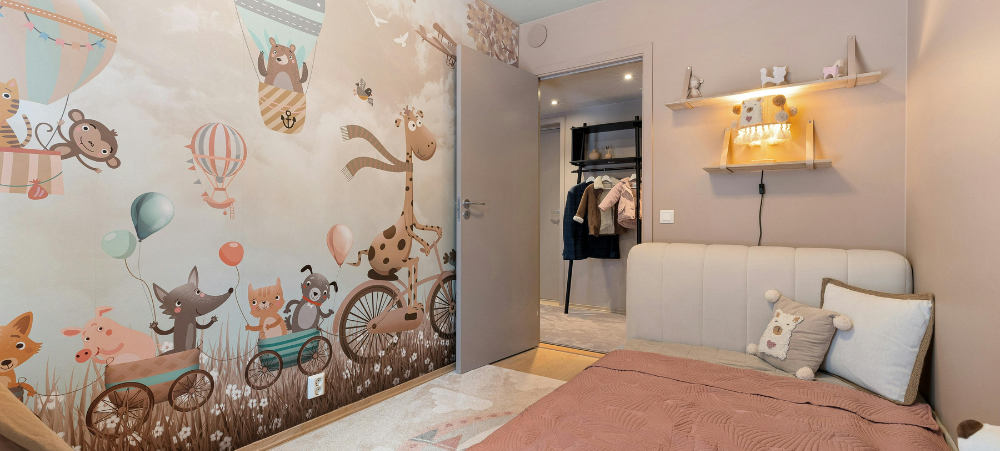
Why Stickythings Delights Parenting Hub’s Audience At Parenting Hub, you’re part of a supportive, hands-on community of parents who value creativity, connection, and practicality. From pram-friendly walks to enrichment meetups, the focus is always on meaningful, child-centric experiences. That’s why decorating nurseries, play areas, and home learning spaces matters, not only for looks but for nurturing little imaginations. Stickythings.co.za brings your child’s world to life with stylish, easy-to-apply wall stickers, murals, decals and wallpaper.  Moms love how it transforms everyday spaces into memories. What Parents Can Discover 1. Playroom Wonders & Nursery Enchantment Transform your child’s space into a dreamy forest, educational alphabet adventure, or pastel paradise. Choose from thoughtfully designed motifs like the Woodland Forest Wall Art Sticker featuring a majestic tree that towers over 2 meters to spark storytelling and cozy vibes. StickyThings Transform your child’s space into a dreamy forest, educational alphabet adventure, or pastel paradise. Choose from thoughtfully designed motifs like the Woodland Forest Wall Art Sticker featuring a majestic tree that towers over 2 meters to spark storytelling and cozy vibes. StickyThings 2. Custom Creations for Your Unique Family Moments Got a ‘first steps’ milestone or a favourite nursery rhyme? Stickythings offers custom designs, decals and murals tailored to your family’s story. It’s a heartfelt way to mark milestones on your own terms. StickyThings 3. Safe, Stylish, and Stress-Free Worried about fuss? The FAQ covers all the questions parents ask: yes we can help with installation, and yes wall art can be removed cleanly, so you’re decorating worry-free. StickyThings Your Parenting Hub Mom-to-Mom Guide As a savvy Parenting Hub parent, you know the power of purposeful design: environments that bring joy, encourage play, and create great photo ops for memories and milestone sharing. Stickythings helps you: See it in action: Head over to your favourites and the gallery at stickythings.co.za to explore ready-made collections and custom magic. Let your heart and your home grow together. Request a quote or consult with the friendly Stickythings team today!

Kumon

Laying Strong Foundations for Reading for Early Learners

Renowned children’s author Dr. Seuss (Theodor Geisel) wrote “The Cat in the Hat” in 1957 after a book publisher challenged him to write a fun book that first graders could read. Using beginning sight words and leaning heavily on rhyming words like “cat” and “hat,” Seuss created a book using only 236 words that changed how beginning reader books were written. He and his publisher understood how important it was for children not only to enjoy what they were reading but also to develop the skills that lay the foundations for reading, so they stressed those skills in that book and in the beginning reader series that followed.  Unlike learning to talk, which young children pick up intuitively by listening to those around them, learning to read requires specific skills that must be taught. Spoken and written language skills are naturally linked, however, and young children with strong oral language skills find it easier to learn to read, according to the National Early Literacy Panel Report (2010).  The five components of the reading process are phonemic awareness, phonics, fluency, vocabulary and comprehension. Children must master all five components to become skilled readers.   Phonemic Awareness  Before children can learn to read, they must be aware of and able to work with phonemes, the sounds that make up words in spoken language. That means they need to understand that the B at the beginning of the word “boy” sounds like the B at the beginning of the word “ball” and in the middle of the word “table.” Children have to understand that letters and words are composed of different sounds before they can start to sound out a word they see in print.  Young children starting to grasp phonemic awareness and the relationship between sounds and letters might play with rhyming words, changing “bat” to “cat,” for instance. That is how they begin to understand the relationship between spoken sounds and written words.  Phonics  Phonics is scientifically based reading instruction that teaches children to read based on the sounds that letters make, commonly referred to as sounding out a word. Beginning readers usually start by learning hard consonant and short vowel sounds.  Using phonics, a child who knows the sounds that the consonants C and T, and the short vowel sound of A, can sound out the word “cat” using a consonant, short vowel, consonant pattern. Building on that, they can also sound out the word “hat” using the same pattern.   C + AT = CAT  H + AT = HAT  Seuss actually came up with the concept of his classic book because “cat” and “hat” rhymed. He decided to name it “The Cat in the Hat” and then developed the storyline based on the title.  Phonics also teaches kids consonant digraphs, a combination of two consonants that represent one sound, like the CH at the beginning of the word “chicken” and add it to other words they know, like this:   CH + AT = CHAT  Fluency  Fluency is the ability to express oneself easily in a given language. In reading, fluency is being able to read text without errors at a comfortable speed and with appropriate inflection or emotion. Fluency helps a reader better comprehend what they are reading.   Parents help children build fluency skills by reading aloud to them expressively or even dramatically. A beginning reader who has developed good fluency skills can easily identify the sounds of the letters in the alphabet and recognize common sight words. They can read simple text and understand it, and they can learn to read in a conversational voice.   Vocabulary   Vocabulary, or the words that a child knows, is critical to reading comprehension. Children learn the meaning of many words through everyday interactions, including hearing words used in conversations.   In addition to helping children build fluency skills by reading with great expression, parents who read a lot of different books and literature to their children are building their vocabulary. Because some words are less familiar to children and, therefore, must be taught to them directly, it’s also helpful to call out new words from a book or conversation and explain the definition.   Comprehension  If a child cannot understand what they are reading, they won’t learn to love reading. Comprehension is the culmination of the other components of reading working together: To comprehend what they are reading, a child must know some of the words, be able to figure out other words using phonics and use clues in the text to match the words on a page with their meaning.   Among beginning readers or pre-readers, parents and teachers can ask questions to encourage comprehension by prompting them to identify the main idea or predict what a character will do. They might ask, “What is this story about?” or “What do you think will happen next?”   Parents who read to their children regularly and use these basic strategies to lay the foundation for reading skills will help their child be ready to learn to read.  All these skills are covered and developed in the Kumon English Programme. Consider enrolling your early learner in the Kumon English Programme to give them a great head start in their education. Visit www.kumon.co.za/english to learn more. This article is courtesy of the Kumon North America website* * https://www.kumon.com/resources/laying-strong-foundations-for-reading-for-early-learners/ 

Parenting Hub

Helping Your Child Build Confidence Through Daily Wins

Confidence is one of the most important gifts you can give your child. It shapes how they approach challenges, interact with others, and perceive themselves. While it’s easy to think confidence comes naturally, it actually develops over time through consistent encouragement, achievement, and positive reinforcement. One of the most effective ways to nurture confidence is by focusing on daily wins—those small moments of success that build a child’s self-esteem bit by bit. Why Daily Wins Matter Children often struggle with self-doubt, especially when comparing themselves to peers or feeling pressure to perform. Daily wins—completing a task, learning a new skill, or simply trying something challenging—provide measurable evidence of their abilities. According to child development experts, small, achievable goals help children feel competent and capable, which reinforces a growth mindset and resilience (source: American Psychological Association). Daily wins also create a positive feedback loop: How to Identify Daily Wins Tips for Celebrating Wins Incorporating Wins into Routine Building a Growth Mindset Daily wins not only boost confidence—they also encourage a growth mindset. When children learn that effort leads to improvement, they become more resilient in the face of challenges. As Dr. Carol Dweck, a leading psychologist on growth mindset, explains, children who see effort as the path to mastery are more likely to persevere and succeed (source: Dweck, Mindset: The New Psychology of Success). Final Thoughts Helping your child build confidence doesn’t require grand gestures or expensive programs. By noticing and celebrating small, daily wins, you are teaching them to value their efforts, embrace challenges, and grow into capable, self-assured individuals. Remember, it’s the accumulation of tiny victories that turns into lifelong confidence. Sources:

Hatfield Online School

How to Make a Success of Online Schooling – Study Tips

At Hatfield Online School we place most of the responsibility on the shoulders of our students, to ensure that they manage their time and their schooling well. And that’s a good thing! Our vision is to produce young adults who are confident and responsible, and who will go out and impact the world for the better! At the time of writing, our matric class has just completed the first week of their month-long preliminary exam session. And our Grade 7 to 11 classes are thinking about their November exams, which start in 2 short months’ time. Therefore, we thought it prudent to offer up some study tips. All Hatfield Online School students have access to a comprehensive Orientation Course, which guides them through the process of becoming successful online scholars. This course also includes a unit on study skills. Here are our top tips (but our students should please go through the course in depth to feel extra equipped 😊): Does your child need the kind of education that surpasses, and escapes the confines of the traditional classroom? Hatfield Online School not only bridges the gap between the present and the future, but also the gap between a world-class education and affordability. Please contact us to find out more about world-class online IEB education for your child, from as little as R2 295 per month for full time tuition, or from R590 per month per single subject: [email protected]. 

DIBBER SA

Is My Child Ready? Understanding School Readiness, the Dibber Way

Is my child ready? It’s a question that comes quietly at first—maybe when they start saying more words, when they begin packing their own little backpack, or when you see them watching older children play just beyond their comfort zone. It’s not always about school readiness. Sometimes, it’s something deeper. You start to wonder: are they ready for the world beyond me? Are they ready to sit in a group, to listen, to speak up, to take turns? Will they be okay when I’m not right there? At Dibber, we’ve seen it all—the nervous drop-offs, the proud moments when a child says their friend’s name for the first time, the spark in their eye when they master something small but mighty, like fastening a zip or remembering a story they loved. We also know readiness isn’t a tick-box. It’s something you feel more than you see. It’s in the way they wave goodbye with a little more confidence, or when they comfort a crying friend, even though just weeks ago, they would’ve cried themselves. You don’t need fancy terms or complicated checklists to know your child is growing. You’ll notice the little things. Like how they start asking questions that actually wait for answers. Or how they begin to recognise their own name on a hook or a cubby. You’ll hear them telling you about the colours in their drawing—not just that they drew a house, but that the roof is red because it’s “hot like the sun.” These are the signs that something inside them is beginning to click. Respect, too, is something that grows. Not in a loud, demanding way, but slowly, through how we speak to our children and how we speak around them. They’re always watching. They see how we greet the cashier, how we talk about neighbours or family members. They see how we apologise when we make mistakes. Children learn respect not by being told to “be respectful,” but by living in a space where respect is simply part of the air they breathe. We’re not aiming for perfect children. We’re not even aiming for “school-ready” children in the old-fashioned sense. We’re nurturing something more meaningful: children who feel safe to be themselves, can handle a no without crumbling, and are brave enough to try again after a tough moment. Children who learn to pause before grabbing a toy, who notice that their friend’s feelings matter. Children who know their voice counts—not because we told them, but because we listen when they speak. That’s why we believe gentle parenting isn’t soft parenting. It’s strong in the ways that matter. It sets firm, clear boundaries, but holds them with calm and warmth. When a child struggles, we don’t react with frustration—we guide. We help them make sense of the moment and gently support them through it. And yes, it takes time. But so does anything that truly lasts. The beautiful thing is, when a child feels respected, they start to mirror it. They surprise us. They look you in the eye and say, “I’m sorry.” They offer their last biscuit to a friend. They raise their hand and wait. These moments don’t happen because we told them what to do. They happen because we showed them the way. And as for school? Whether your child is heading to Grade R or still a year or two away, the most important preparation you can offer isn’t flashcards or early reading apps. It’s confidence. It’s connection. It’s giving them daily chances to solve small problems, to use their hands and hearts, to make choices that matter. Even something as simple as picking their snack or choosing a story gives them a sense of self—and that’s what they’ll carry into the classroom more than anything else. At Dibber, we hold their hands for a while, but our goal is to help them grow the strength to walk proudly on their own. We know it’s not about being the loudest or the fastest learner—it’s about building a child who believes, deep down, “I am seen. I am safe. I can do hard things.” So, if you’ve been wondering whether your child is ready, maybe take a moment to look at what they can do and who they are becoming. A child who notices. A child who tries. A child who is beginning to belong in their own skin. That, more than anything, means they’re on their way. And that’s more than enough. By Kelly Eyre, Quality and Pedagogy Lead, Dibber South Africa

Koa Academy

Online Safety in a Digital School Matters More Than Ever

Safety Comes First At Koa Academy, your child’s online safety is one of our top priorities. Just as parents expect a traditional school to create a secure physical environment, we make it our mission to safeguard students in the digital space of our online school. Beyond that, we also focus on giving students the skills and confidence they need to use technology responsibly and with support. It’s important to recognise that “being online” can mean very different things. Accessing lessons in our structured school environment is not the same as gaming or using social media. At Koa, we take full responsibility for the safety of our digital classroom, while partnering with parents to guide their children in other areas of their online lives. Creating a Secure Learning Space We take the protection of our students seriously and have designed an online ecosystem that values both accountability and transparency. Our school operates using Google Workspace for Education and every child logs in with a unique account. This ensures high levels of protection, with Google’s built-in security features like content filtering, monitored traffic and strict app access controls. All of these are overseen by Koa’s trained IT administrators and we go a step further by bringing in an external EduTech team each year to audit our systems. On a more personal level, our small Pods of 8 students with a dedicated teacher provide daily guidance. This model not only builds accountability but also gives space for important conversations about using technology responsibly. Because every student is seen, our values of empathy, respect and self-management are practised and reinforced in real time. We also guide parents on how to extend these principles beyond our platform – whether that means managing access to personal accounts, supervising use of social apps, or setting boundaries around gaming. Why Soft Skills Matter Being born into the digital age doesn’t automatically equip children with the tools to navigate it. As we like to remind families, being a digital native is not the same as being digitally literate. Many adults also find managing their online presence challenging, which shows how intentional we need to be in preparing young people for it. Some of the core soft skills we focus on at Koa include: Adolescence is the perfect time to refine these abilities. Schools play an important role in providing safe, structured opportunities for students to practise and reflect on them. Partnering with Klikd We know that the online space brings challenges, but ignoring them doesn’t help. That’s why we encourage open discussions with students about what they’re experiencing and what they may face in the future. This is why we have partnered with Klikd to provide students with relevant training to help them navigate their personal online world with confidence, while teaching them how to engage in responsible and healthy online behaviours. The Klikd team has reimagined digital safety education and we use their content in our Pods to upskill and empower both students and parents throughout the year. Students work through the Klikd App modules, each one focusing on a specific aspect of the online space, guided by their experienced Pod teachers. Instead of finger-wagging and fear-mongering, they are coached to develop a positive approach to the online world and how to navigate it happily and safely. The content is all presented by teens themselves, in a format that is easy for our kids to connect with. Examples of Klikd modules include: Parents are also supported through adult guides on each module, conversation starters and weekly updates from Klikd that highlight current online trends. These resources give families the tools to keep meaningful conversations going at home, while tailoring them to their own values. No Quick Fixes There’s no single solution to online safety. It requires the right systems, intentional teaching, expert support and collaboration between school and home. At Koa Academy, we are committed to combining these elements so that students not only stay safe but also thrive in the ever-changing digital landscape. Discover Koa Academy. Visit www.koaacademy.com to learn more.

Acrobranch

Acrobranch: South Africa’s Ultimate Treetop Adventure for Families and Friends

Looking for an unforgettable way to enjoy outdoor activities in South Africa? Acrobranch is your go-to destination for thrilling treetop adventures, heart-pumping ziplining and action-fuelled obstacle courses suitable for kids (3 yrs.+) & adults. Whether you’re planning a family day out, a birthday party, school excursion or corporate team-building event, Acrobranch delivers excitement, nature and adventure in every visit. Who We Are Acrobranch is South Africa’s leading network of treetop adventure parks, with more than 15 years of experience bringing families and adventure enthusiasts closer to nature. Our mission is simple: help people explore, challenge themselves and create lasting memories high above the forest floor. With safety, fun and innovation at the core of everything we do, Acrobranch has become a trusted name for adventure lovers across the country. Our Adventure Offerings At Acrobranch, we cater to every adventurer, from kiddies to grown-up thrill-seekers. Our 2-hour adventure courses are designed to challenge, excite and inspire confidence: Each course is carefully designed to ensure fun, safety and a sense of accomplishment for every participant. Why Choose Acrobranch? Overall Benefits  A visit to Acrobranch is more than just fun – it’s an experience that benefits both kids and adults: Whether it’s for personal growth, quality family time or team-building activities, Acrobranch offers meaningful experiences that go beyond ordinary outdoor fun. Events We Cater To Acrobranch is the perfect venue for: What Makes Acrobranch Unique Acrobranch stands out because of our commitment to safety, fun and innovation: Safety First Your safety is our priority. Each participant receives a secured EU-graded harness, with instructors providing safety briefings & monitoring all courses (on-course support). Continuous belay systems and rigorous safety protocols ensure a secure and worry-free experience for everyone. Our 12 Parks Across South Africa Acrobranch operates 12 incredible parks nationwide: North West: Gauteng: KZN: Western Cape: Every park offers unique adventures and stunning natural surroundings, making each visit a new and exciting experience. Plan Your Adventure Today Ready for a thrilling day of treetop adventure, ziplining and outdoor fun? Acrobranch is your destination for family-friendly activities, kids’ parties and corporate events in nature. Contact us at 021 201 1121 or visit www.acrobranch.co.za to #gethooked today!

Impaq

Home vs Online: Parents Weigh Quality, Structure, and Support in Alternative Schooling

As application windows open for the next academic year, more South African families are evaluating homeschooling and full-time online schooling alongside traditional classrooms. The core question is shifting from “Is it cheaper?” to “Is it credible, structured, and sustainable for my child?” “Parents aren’t looking for hype,” says Louise Schoonwinkel, Managing Director at Optimi Schooling of which Impaq is a registered trademark. “They want to know exactly how alternative models work, who assesses their child’s progress, and how the pathway to matric is secured.” Under South African regulations, parents choosing home and online schooling up to Grades 9 register with their provincial department as a legal alternative to traditional schooling. For Grades 10–12, learners outside a brick-and-mortar school complete their National Senior Certificate through a distance education provider registered with an Umalusi-accredited assessment body, such as SACAI. What quality looks like in alternative schooling Education experts point to four pillars that signal programme quality: a well-designed curriculum, trusted assessment, teaching support, and actionable progress data. “Families expect guidance when they choose alternative education,” says Schoonwinkel. “That means study plans, weekly pacing, proper memo’s, moderated assessments, and teachers who are reachable within agreed timeframes.” Parents also ask about re-entry to mainstream schooling. “Good documentation makes transitions possible,” she adds. “Reports, moderated marks, and clear records help schools place learners appropriately if families choose to move back.” Schoonwinkel emphasises that alternative education does not have to be all-consuming for parents. “The goal is not to turn parents into teachers,” she says. “The goal is to give parents a clear roadmap and reliable support so learning can happen consistently at home.” Finally, she encourages families to compare their options. “Quality alternative education doesn’t have to break the bank,” Schoonwinkel says. “But it does have to meet standards. Compare like-for-like: curriculum, assessment, support, and reporting.” Toolkit: What’s included – and what’s not To help families compare offerings, the summary below indicates what’s usually included in home and online schooling, versus what you may need to budget for separately.  Often included Commonly not included (or billed separately) “Do your research and get clarity from providers if you are unsure,” says Schoonwinkel. “Clarity upfront prevents any surprises later.” Due-diligence questions parents can use Our Two Learning Pathways Choose between a parent-led Homeschooling model and a teacher-led Online School – both CAPS-aligned and supported. Choose with peace of mind. Whether you opt for Homeschooling or our Online School, Impaq gives your child a CAPS-aligned path from Grade R–12, qualified teacher support, structured assessments, and transparent progress reporting.  If you’re ready to lock in a placement-proof plan for 2026, start the enrolment conversation now – registrations for 2026 are already open: https://shop.impaq.co.za/registration 

Wingu Academy

What Is the SSA Programme at Wingu Academy?

Real Support That Moves With You. At Wingu Academy, we don’t just offer an online curriculum—we offer real support. And at the heart of that support is our SSA Programme: a system designed to make sure every learner thrives, and every parent feels confident in the journey. Whether you’re new to online education or have been navigating it for a while, the SSA Programme exists to ensure you’re never left to figure things out alone. Here’s how it works: Weekly Check-In Documents Each week, your child’s SSA (Subject Support Advisor) prepares a progress checklist. This checklist helps learners stay focused on their goals and keeps parents in the loop with clear, actionable updates. No guesswork. No surprises. Just transparent progress tracking. Academic Accountability Partnership Wingu learners don’t just get access to teachers—they get a partner in their academic journey. SSAs motivate learners, celebrate milestones, and step in when support is needed. They’re not just checking boxes—they’re building confidence and momentum. Flexible and Responsive Support Every learner is unique, and so is every family’s rhythm. If something’s not working, we adjust. The SSA Programme includes flexible opt-out options and a responsive support approach. We believe in finding what works and improving it together. Termly Parent Feedback You know your child best. That’s why termly feedback forms are a key part of the SSA Programme. We use your input to refine our approach, strengthen our connection with you, and continuously raise the bar on what online learning support should be. Transition Support That Cares New to Wingu? Your SSA will walk beside your family during those first few crucial weeks. From navigating the dashboard to understanding assessments, they’re there to make sure the transition to online schooling is smooth, not overwhelming. Why Parents Love It Many of our families say their SSA feels like having a “digital au pair” for academics—someone who helps reduce stress at home, keeps students accountable, and helps learners develop real-world skills like time management and exam strategies. It’s peace of mind for parents, and practical, personal support for learners. Real Growth Needs Real Support At Wingu Academy, we believe that structure + care = success. The SSA Programme is one of the most powerful tools we offer to ensure every learner is known, supported, and set up to succeed. Because great online learning isn’t just about content—it’s about connection. Ready to experience the Wingu Way? Let’s build confidence, clarity, and progress together.

Kumon

How to Make Homework Less Stressful

Many parents agree that, at times, it can be a challenge to get homework completed. Sitting down after a long school day may be the last thing your child wants to do. It might also feel like an argument not worth having when there are still a lot of to-dos left on the list for the day. But completing homework is crucial to academic progress. Homework assignments provide the necessary practice to continue developing a skill and mastering it.   Here are a few helpful tips to make homework less stressful so your child can continue excelling:   Take note of how long it takes to complete homework  Homework is meant to give students more practice on concepts that they’ve learned in the classroom. The time it takes to complete typically varies by age and grade. Speak with their teacher to get a better idea of how long homework might take to complete. Once you have this timing in mind, take note of how long it takes for your child to complete their assignment. If your child is taking longer than the expected time, let their teacher know.   Update the teacher on the homework completion time  This will inform the teacher of possible concepts that might need more attention and an adjustment in their workload. This is the same for those who may be completing work immediately. Their teacher may be able to adjust their workload to give them more challenging assignments to avoid boredom.   Keep supplies organised  An organised space and materials can help make homework less stressful. There are a few different areas to focus on when it comes to staying organized. Making sure your child has a clean workspace and the items needed to stay organized can help them feel more prepared. Work with your child to check books and folders, pencil bags and even ask about locker organisation at school. Also, make it a point to do weekly backpack clean outs as sometimes there could be papers and miscellaneous items lost in one of the many pockets!   Have a weekly schedule  Once you have a good idea of how long homework takes, you can create a daily or weekly schedule that incorporates it. Set aside some time to discuss the weekly to-dos with your child and how to plan these into the days of the week. Then encourage them to write these tasks down on a planner so they can visualize the week ahead of them. This gives them an idea of what to expect and how to plan accordingly around these important to-dos. Praise efforts Sometimes homework assignments are quick. Other times a little encouragement might be needed. Praise their efforts to encourage them to continue practicing. Explain that sometimes mistakes happen, that they are part of the learning process, and they can actually illustrate how to find the solution.    Have a Plan for Big Assignments Stay informed about when your child is tackling big assignments or multiple assignments from different subjects in one day. It may help to plan in breaks and have regular check-ins to make sure things stay on track. For example, set a 30-minute goal for each assignment. Once the time is up, they get a break or even a small reward such as device time, a treat, or an extra star on a rewards chart. This allows them a few moments to clear their mind and then refocus their attention back to the big assignment.  The takeaway Getting homework completed can be a challenge, but the practice it provides is a crucial part of the learning process. Practice at home can help to reinforce the concepts learned at school and build confidence for any future tests on the subject matter. These tips can make homework less stressful while also helping your child manage their time, stay organized and develop more independence. This article is courtesy of the Kumon North America website* * https://www.kumon.com/resources/how-to-make-homework-less-stressful/ 

Cartoonito

Big Adventures With Barney and Friends! 🦖💜

Get ready for fun, laughter, and plenty of dino-sized adventures! Set in a local playground, this heartwarming show follows Barney, Billy, and Baby Bop, along with their three best kid friends. Together, they dive into silly, imaginative adventures that preschoolers will love. With every adventure, Barney helps little ones explore those big preschool emotions — from joy and excitement to challenges like frustration or sharing — while reminding them how important it is to love themselves and care for others. The series beautifully highlights themes of love, community, and encouragement, making it the perfect show for families to enjoy together. 📺 Premiere: Saturday 6 September 2025 ⏰ Tune-In: Weekends at 12:30 CAT 2 new episodes per day

Be a Boffin

Building Bright Minds with Be a Boffin

When it comes to preparing our children for the future, few tools are as powerful as curiosity and critical thinking. That’s where Be a Boffin comes in — a proudly South African brand dedicated to making Science, Technology, Engineering and Math (STEM) education fun, accessible, and inspiring. 🌟 A Scientist and Mom Behind the Brand Be a Boffin was founded by Dr Lara — scientist, mom, and passionate advocate for STEM education. With her background in science and her love for nurturing young minds, Dr Lara understands the importance of sparking curiosity early. She believes that when children explore and experiment through play, they develop the problem-solving and creative skills that will serve them for life. 🔬 What Be a Boffin Offers Be a Boffin creates hands-on educational kits designed for children aged 6 and up. Each kit brings STEM to life with fun, engaging activities that encourage kids to explore the world around them. From engineering challenges and simple science experiments to activities that explain how everyday things work, Be a Boffin products are more than just toys — they are stepping stones to discovery. 🎁 Why Parents Love It 🚀 Inspiring Tomorrow’s Innovators At Be a Boffin, the mission is simple: to ignite a love of science in children today, so they become the problem-solvers and innovators of tomorrow. Discover more about our products and join us on the journey of building bright young minds. 👉 Visit www.beaboffin.co.za to explore our full range of STEM kits.

Cartoon Network Africa

Welcome to the Wacky World of Jellystone! 🍯🎉

Step into the delightful town of Jellystone, where some of your favorite classic Hanna-Barbera characters come together to live, work, play — and, more often than not, cause hilarious chaos along the way! In this bustling town, everyone has a special role to play: But in true Jellystone style, their paths constantly cross in the silliest and most unexpected ways, turning even the simplest everyday activities into laugh-out-loud adventures. Packed with fun, zaniness, and plenty of nostalgia for parents, Jellystone is a show the whole family can enjoy together. Don’t miss the hilarity — tune in to Jellystone and join the fun! 🐻💙 📺 Premiere: Saturday 6 September 2025 ⏰ Tune-In: Weekends at 17:00 CAT 2 new episodes per day 

NB Hearing & Balance

Tuning Into Sound: How Your Baby Hears You in the Womb

One of the most magical parts of pregnancy is knowing that your baby is already learning about the world before they’re even born. While we often think of touch as the earliest sense to develop, many parents are surprised to discover just how early hearing plays a role in connecting you to your little one. When Does Hearing Develop in the Womb? By around 18 weeks of pregnancy, your baby’s ears have started forming and connecting to the brain. By 25 weeks, they begin responding to sounds. At first, the womb is a muffled, watery world, but by the third trimester, your baby can hear your voice, your heartbeat, and even muffled outside sounds like music or a sibling’s laughter. By the time you reach the final weeks of pregnancy, your baby’s auditory system is fine-tuned enough to recognize your voice! This early familiarity is why newborns often calm when they hear their mother or father speak. It’s a sound they already know and love. Why Sound Matters Before Birth Sound isn’t just background noise for your baby, it’s a vital part of their neurological development. Research shows that prenatal exposure to voices and music helps babies: Your voice is actively helping wire their brain for future communication. How Parents Can Stimulate Their Baby’s Hearing in Utero Encouraging healthy hearing development is simpler than you might think. Here are some gentle, bonding ways to nurture your baby’s auditory world: Newborns show a preference for the language and even the accent or dialect they heard most in the womb, your daily conversations are shaping their early listening skills! Caring for Your Baby’s Hearing During Pregnancy While sound exposure is important, protecting your baby’s delicate hearing begins long before birth. A few tips: Beyond Birth: Supporting Lifelong Hearing Health After your baby arrives, those early familiar sounds continue to comfort and connect them. But remember, even healthy newborns should have their hearing checked. Early detection of hearing difficulties can make a life-changing difference in speech, learning, and development. At NB Hearing and Balance, we’re passionate about supporting families from the very start. Whether you’re curious about your baby’s in-utero hearing, preparing for their first hearing screening, or seeking guidance on lifelong hearing health, our caring team is here to help. The Sweet Sound of Connection Every time you talk, sing, or read to your baby during pregnancy, you’re doing more than bonding. You’re laying the foundation for their language, learning, and emotional connection with you. And that’s something worth tuning into. Learn more about hearing development and schedule a consultation with one of our audiologists. We have various locations throughout Cape Town.

Educ8 SA

Educ8 SA: The Importance of Good Mental Health in Online Schools

Good mental health is essential for students in online schools to thrive academically, socially, and emotionally. Online learning can present unique challenges, such as isolation, technical issues, and self-motivation, which can impact mental health. Parents and educators must prioritise mental health support to ensure students’ well-being. Why Good Mental Health Matters in Online Schools Strategies for Promoting Good Mental Health in Online Schools For Parents For Online Schools Benefits of Good Mental Health Support in Online Schools Best Practices for Online Schools By prioritising good mental health support, online schools can create a positive and supportive learning environment that promotes students’ overall well-being and academic success. Contact us today for amazing online options for online resources and for home schooling on www.educ8sa.com [email protected] 084 685 2138

MiniMi

MiniMi is changing gender reveals in SA

Gender reveals are exciting, and many parents want early answers. MiniMi offers a safe, fast, and accurate way to know your baby’s gender from 10 weeks. Gender reveals are more popular than ever, and they’ve become an exciting milestone for expectant parents. But what many people don’t see behind the balloon popping and cake reveals is the growing desire for early, reliable answers about their baby’s gender. MiniMi is a safe, accurate, and fast way to find out your baby’s gender from as early as 10 weeks into pregnancy.  Why gender reveals have taken off  From intimate family moments to elaborate parties, gender reveals are now a celebrated part of the pregnancy journey for many parents. Social media has certainly played a role but so has the emotional connection that comes with knowing your baby’s gender early in the journey.  Parents often say that finding out the gender makes the experience feel more real – it allows them to bond with baby, dream, plan and prepare. And with more people sharing their journeys online, the excitement is contagious.  How MiniMi works  The MiniMi Early Fetal Sex Test is 98% accurate and works by analysing a small sample of blood from a simple blood draw from the mother’s arm. It can be done from 10 weeks of pregnancy, looking for fragments of the baby’s DNA which are present in the mother’s blood. If a Y-chromosome is detected, it indicates that the unborn baby is a male, and if no Y-chromosome is found, it is a female.  Appointments are booked online and the test can be taken at selected Dischem Baby City Mom & Baby Clinics countrywide – click here for a list of available clinics in your area.  Results are emailed to the parents, or a recipient on your choice, such as a friend, or party planner, and are available within 5 working days from when the sample reaches our laboratory in Johannesburg.  Why Next Biosciences launched South Africa’s first early fetal sex test  Before now, South African parents have relied on ultrasound prenatal scans from 16 weeks to determine their baby’s gender, which often can’t be confirmed with 100% certainty, especially if the baby’s position makes it difficult to see clearly. On the other hand, international testing comes with high costs, long turnaround times, and added logistical challenges.  MiniMi has changed that.  By offering this test locally, we’re making early gender discovery more accessible, affordable, and reliable for South African families, with faster results and local support.  Whether you’re planning a gender reveal party or simply want to connect with your baby sooner, MiniMi brings science and celebration together.  No invasive procedures. No long waits. Just peace of mind.  Book your MiniMi test today – click here  Contact us: [email protected] Tel: 011 697-2900

Mommy Material

From Doubt to Confidence: How a Simple Device Could Have Changed My Breastfeeding Journey

When I became a mom for the first time, I thought breastfeeding would just happen naturally. But the reality was different. My baby would scream after almost every feed, and at just two weeks old, a close family member told my mom that she didn’t think my milk was “any good.” She urged my mom to convince me to take my baby to a nurse, saying, “New moms should think about their baby, not themselves.” Her words crushed me. I refused to go, but for days I lived in silent doubt, questioning whether I was failing my son. Was my milk not enough? Was I starving him without realising it? Then came his scheduled follow-up appointment. To my shock (and relief) he had gained more weight than required on nothing but my breastmilk. Looking back, I often think: if I’d had the MyLee Milk Sensing Device then, I wouldn’t have wasted those days feeling like a failure. I would have had proof; clear, objective reassurance that my milk was nourishing him. I would have trusted myself more. And that’s why I feel so passionate about bringing this technology to other moms. Why Moms Doubt Themselves I now know I wasn’t alone. Studies show that the most common reason moms stop breastfeeding earlier than they want to is due to milk supply-related concerns. Sometimes supply is absolutely fine, but doubt creeps in, while in other cases there may be genuine risks that are best addressed early. Either way, these concerns are real and deserve both attention and support. The truth is, the early days matter more than we often realise. The Crucial First Five Days Recent research published in Breastfeeding Medicine (July 2025, Academy of Breastfeeding Medicine’s special issue) highlights just how important the first five to six days postpartum are. This window is when your body goes through secretory activation — the transition from colostrum to mature milk and the process of building volume. If this process is delayed or impaired, it can affect long-term breastfeeding outcomes. On the flip side, when secretory activation happens on time and milk volume comes in effectively, moms are much more likely to meet their breastfeeding goals. The problem? Until now, there’s been no simple way for mothers at home to know if their supply is on track. That’s where the MyLee Milk Sensing Device changes everything. Awarded as the Breastfeeding Support Product of the Year at the 2024 Baby Innovation Awards, MyLee is developed by MyMilk Lab and available locally through Mommy Material. This small handheld device brings cutting-edge lactation monitoring to moms at home. With just a few drops of milk (even colostrum), the device uses unique conductivity-based technology to analyse biomarkers that reflect electrolyte levels, particularly sodium, which research has shown is strongly linked to lactation progress. This provides real-time insights into whether milk production is progressing as it should. This technology, once only available in research or NICU settings, is now accessible to everyday mothers. Instead of relying on guesswork or worry, moms can finally get answers. Imagine knowing just days after birth whether your milk is on track. Imagine the confidence of being reassured, or the relief of catching a potential issue early enough to get the right support. Backed by Global Research This isn’t just marketing hype. MyLee was highlighted in a 2025 review in Breastfeeding Medicine exploring new point-of-care techniques to support breastfeeding. Here’s what leading experts are saying: As Dr. Angela Lang, Director of Clinical Education at Medela, summarises: “By removing the guesswork and providing targeted recommendations, we empower mothers to take control of their lactation journey.” That empowerment is exactly what MyLee delivers. A New Era of Personalised Breastfeeding Support Every mother and every milk supply is unique. Some moms may only need to pump six times a day, while others may need eight. Generic advice doesn’t always fit and can even cause more stress. MyLee allows breastfeeding professionals to give personalised guidance based on each mom’s unique milk biochemistry. That means targeted recommendations, timely interventions when needed, and reassurance when everything is progressing just fine. It’s not about adding pressure. It’s about removing doubt. It’s about giving moms confidence. From NICUs to Living Rooms Much of the global conversation around milk biomarkers and early monitoring has focused on NICUs and preterm babies, but the truth is that these tools are just as valuable for mothers of full-term, healthy newborns. Every mom deserves to feel confident in her milk supply. MyLee brings the same science-based insights used in specialised care settings straight into everyday homes. More Than Just One Device Breastfeeding is one of the most natural things in the world, but it isn’t always easy. For too many moms, doubt creeps in at the very moment when reassurance is needed most. The MyLee Milk Sensing Device offers a new way forward; turning uncertainty into confidence, and helping moms trust their bodies again. Because when mothers feel supported, babies thrive; and that is what truly matters. Learn more about MyLee and our full range at www.mommymaterial.co.za or join our community on Instagram @mommymaterialsa.

DIBBER SA

Teaching Toddlers to Tame Big Feelings: Eight Ways to Help Children Learn Self-Regulation

One of the most challenging and vital skills a child will ever learn is how to manage strong feelings. From toddler tantrums to meltdowns over toys, emotional outbursts are a natural part of development. But when children are given tools to understand and express themselves, they gain something much greater than momentary calm: resilience. Dibber International Preschools believes emotional intelligence is just as important as literacy and numeracy. That’s why helping children name, process, and manage their emotions is woven into every part of their daily routines—through play, stories, breathing, reflection, and connection. Understanding What’s Behind the Anger Big emotions often stem from little frustrations: a missed nap, disrupted routine, or inability to express feelings in words. Instead of seeing anger as “bad,” we view it as a message that children need help translating. “When a child acts out, they are not trying to be difficult. They are trying to communicate something they don’t yet have the words or tools for,” says Ursula Assis, spokesperson for Dibber International Preschools South Africa. “Our role as adults is to meet that moment with patience, not punishment.” Simple Ways to Support Emotional Self-Regulation Here are eight approaches used in Dibber schools and shared with families to nurture this life skill in little ones: Raising Emotionally Resilient Children, Together “At Dibber, we partner with families to ensure children feel safe, seen, and supported both at school and at home. Our nurturing environments are designed to help every child flourish—not just academically, but emotionally too. “Because when children understand their feelings, they also begin to understand the feelings of others. And that’s the foundation of kindness, empathy, and lifelong confidence,” concludes Assis.

Scroll to Top