
leading expert advice
Vital Baby

Can Moms Really Afford to Breastfeed?

Let’s face it—new parents already juggle a million things, and the idea of breastfeeding on top of work, finances, and life can feel completely overwhelming. In South Africa, the laws say mums should get support. But do the laws match reality? And can moms genuinely afford to breastfeed?  South African law gives new moms four consecutive months of maternity leave—usually starting around one month before the due date and extending to three months after the birth. It’s illegal to return to work within the first six weeks, unless a healthcare provider says you’re ready.  However—here’s the kicker—employers aren’t required to pay salaries during this time unless it’s in your contract or a company policy. Instead, moms can apply for benefits from the Unemployment Insurance Fund (UIF).[1] UIF payouts range between 38% and 60% of your salary, depending on how much you contributed before leave[2]. Meanwhile, the application process can take 3–8 weeks, and you must reapply every month while on leave.  The law also entitles mothers to two paid 30-minute breastfeeding or expressing breaks per day—on top of lunch or tea breaks—for the first six months of a baby’s life. And employers are encouraged to provide a private, hygienic space for this purpose[3].  But the reality often falls short. Many women return to work within three months due to financial strain. The lack of proper lactation facilities, supportive workplace policies, or even awareness of these rights means many stop breastfeeding entirely. Even worse, domestic and informal workers—who often need the most support—are the least likely to access maternity protections.[4] South African moms are advised to exclusively breastfeed for six months, in line with WHO guidelines. Yet the statistics tell the real story: only around 32% of babies under six months are exclusively breastfed, averaging less than three months of breastfeeding overall[5].  These low rates are linked to higher risks of malnutrition, diarrhoea, pneumonia, and even infant mortality.  Even in the system’s imperfect current state, here are some practical tips from Sr Londe – independent midwife and Vital Baby’s trusted advisor – to help moms make breastfeeding work: Breastfeeding isn’t just about health—it benefits business too. Breastfed babies are generally healthier, meaning less absenteeism, more productivity, and better staff retention. Plus, it contributes to broader goals like gender equality, economic inclusion, and improved child development outcomes.  Here’s the bottom line: Can moms in South Africa afford to breastfeed? Legally, yes—but practically, it’s often an uphill battle. Gaps in pay, awareness, infrastructure, and enforcement mean many moms return to work too soon. But with proactive planning, workplace conversations, and community support, breastfeeding while working is absolutely doable.  [1] https://www.news24.com/Life/What-the-law-says-about-maternity-leave-UIF-and-going-back-to-work-20150826 [2] https://www.bbrief.co.za/2025/08/05/employee-maternity-leave-pay/ [3] https://www.news24.com/Life/What-the-law-says-about-maternity-leave-UIF-and-going-back-to-work-20150826 [4] https://www.saffarazzi.com/news/no-proper-maternity-pay-or-leave-for-domestic-workers-in-south-africa/ [5] https://internationalbreastfeedingjournal.biomedcentral.com/articles/10.1186/s13006-024-00634-z

Medicalaid.com

A father’s (unofficial, but honest) guide to pregnancy

Pregnancy is often described as a time of joy, anticipation and transformation, but for many fathers-to-be it can also feel like uncharted territory. While expectant mothers are the focus of much of the medical care and attention, partners play a vital role throughout the journey. Understanding the changes, both physical and emotional, that accompany pregnancy can help fathers provide meaningful support and strengthen the bond with both mother and baby. For men who have never navigated pregnancy before, the experience can feel overwhelming. Questions about how to help, what to expect and how to prepare for fatherhood often arise, sometimes quietly and without clear answers. While every pregnancy is unique, one constant remains: the presence of a supportive partner can make a measurable difference to the well-being of both mother and child. Research has shown that women who feel emotionally supported during pregnancy are less likely to experience complications such as antenatal depression, which can affect long-term family health. The first step is simply being present. Medical appointments, antenatal classes and routine check-ups are not just for mothers. When fathers attend, they signal that the journey is shared. Listening carefully to health professionals, asking questions and offering encouragement can ease anxiety. For many women, pregnancy brings dramatic physical changes that can be uncomfortable and sometimes frightening. When a partner acknowledges these changes without judgement and offers practical help, from preparing meals to sharing household responsibilities, it lightens the load and fosters trust. Pregnancy also brings emotional shifts that may be less visible. Hormonal changes can influence mood, but so too can the anticipation of birth and the realities of a growing family. Fathers who learn to listen without rushing to solve every problem often provide the greatest comfort. Sometimes the most valuable support lies in simply asking, “How are you feeling today?” and being ready to listen. For fathers, pregnancy is also a time of personal adjustment. The prospect of becoming a parent can stir up excitement, but also fears about responsibility, financial pressures and changing relationships. Talking openly with a partner about these concerns is important, but fathers should also recognise the value of peer support. Speaking with other new or experienced fathers, joining a prenatal group or even seeking professional guidance can provide reassurance and practical ideas. In South Africa, where extended family networks often remain strong, reaching out to relatives who have walked the path before can be an invaluable source of wisdom. As pregnancy progresses, fathers can prepare by learning about labour and delivery. Many hospitals and clinics offer courses on what to expect in the delivery room. These sessions not only demystify the process but also teach techniques such as breathing exercises, massage and ways to offer reassurance during labour. A father who understands what is happening is less likely to feel powerless and more likely to be a calming presence when it matters most. Bonding with the baby can begin long before birth. Talking to the unborn child, reading aloud, or even playing gentle music can help create a sense of connection. Ultrasound scans, where available, often make the pregnancy feel more real, allowing fathers to visualise the life they are preparing to welcome. For many men, the first kick felt beneath a hand placed gently on the mother’s stomach is a transformative moment. Practical preparation is another cornerstone. From setting up a safe sleeping space for the baby to understanding the basics of nappies, feeding and car seat installation, fathers who take an active role reduce the burden on their partners and signal that parenting is a shared responsibility. These actions may seem small, but they lay the groundwork for an involved fatherhood that benefits the whole family. The journey of pregnancy is not without challenges. There may be complications, unexpected medical advice or moments of stress that test patience. Fathers are not expected to have all the answers. What matters most is a willingness to learn, adapt and remain a steady presence. Encouraging healthy habits such as balanced meals, exercise where appropriate and adequate rest supports both mother and baby. Pregnancy, in many ways, is as much about partnership as it is about birth. When fathers engage with openness and commitment, they contribute not only to the health of their child but also to the strength of their relationship. The months leading up to birth are an opportunity to grow together, to share fears and hopes, and to establish patterns of care that will carry into the first years of parenthood. For fathers, the guide to pregnancy is not found in a single manual but in everyday actions: listening, supporting, preparing and being present. Each step taken with intention lays the foundation for a family that begins not only with the arrival of a child, but with the shared journey of bringing that child into the world.

Parenting Hub

How to Maintain a Healthy Routine During Pregnancy

Pregnancy is a transformative journey, bringing excitement, anticipation, and new responsibilities. Maintaining a healthy routine during this time not only supports your physical and mental well-being but also promotes optimal growth and development for your baby. A balanced routine helps manage energy levels, mood swings, and common pregnancy discomforts. Here’s a guide to creating a sustainable and nourishing routine throughout your pregnancy. 1. Prioritise Balanced Nutrition Eating well is foundational: 2. Incorporate Regular, Safe Exercise Exercise has physical and mental benefits during pregnancy: 3. Establish a Sleep Routine Quality sleep supports both mother and baby: 4. Manage Stress and Mental Well-being Pregnancy hormones can intensify stress and mood changes: 5. Routine Medical Checkups Regular prenatal visits are critical: 6. Organise Your Day Structure creates balance and predictability: 7. Stay Educated and Inspired Knowledge empowers confident parenting: Final Thoughts A healthy routine during pregnancy is about balance, not perfection. Prioritising nutrition, gentle movement, quality sleep, stress management, and medical care ensures both mother and baby thrive. By creating a structured yet flexible routine, expectant parents can navigate pregnancy with confidence, comfort, and joy. Sources:

Vital Baby

Lesser-Known Pregnancy Risks That Need To Be Discussed

Pregnancy is often painted as a glowing, joyful time — but behind the baby bump and excitement, many expectant mothers in South Africa are quietly facing health risks that go unnoticed, undiagnosed, and untreated. “While most women know the basics of pregnancy care, there are lesser-known risks that can have serious consequences for both mom and baby,” says Sr Londe, an independent midwife and Vital Baby’s trusted advisor, working with families across South Africa. “And too often, they’re only picked up when things go wrong.” From vitamin deficiencies to high blood pressure and undetected anaemia, these “silent risks” are more common than you might think — and they’re especially relevant in the South African context. 1. Vitamin D Deficiency – The Hidden Threat You’d think a sunny country like South Africa wouldn’t have to worry about Vitamin D levels — but studies show that up to 80% of South African women are deficient during pregnancy, especially those with darker skin tones or limited sun exposure. Vitamin D is essential for calcium absorption and foetal bone development. Low levels have been linked to gestational diabetes, low birth weight, and even developmental delays after birth. Most women don’t know they’re deficient because symptoms like fatigue and mood swings are brushed off as ‘normal pregnancy symptoms’, but it’s worth testing and supplementing if necessary. 2. Pregnancy Hypertension – Not Just a Late-Pregnancy Problem High blood pressure in pregnancy (also called gestational hypertension or pre-eclampsia) is a growing concern, especially in women over 35, first-time moms, or those with underlying conditions. In South Africa, pre-eclampsia is one of the leading causes of maternal mortality, according to data from the Department of Health. Symptoms can include swelling, headaches, or visual disturbances — but often, there are no early warning signs at all. That’s why regular blood pressure checks at every antenatal visit are so critical. “Hypertension doesn’t just affect the mother,” warns Sr Londe. “It can limit blood flow to the baby, leading to premature birth or growth issues.” 3. Anaemia – Common, but Often Ignored Iron-deficiency anaemia is one of the most prevalent nutritional conditions in pregnant South African women — yet it’s often overlooked as just being “tired” or “run-down.” Anaemia can increase the risk of preterm labour, low birth weight, and even postnatal depression. “Many women assume exhaustion is just part of pregnancy,” says Sr Londe, “but if you’re struggling to get through the day, can’t catch your breath, or feel dizzy often — it’s worth checking your iron levels.” While some of these risks may sound worrying, the good news is they are easily manageable with the right support. The key is awareness, routine checks, and not brushing off how you feel. Pregnancy isn’t just about baby scans and cravings — it’s also a time of massive change for a woman’s body. And while many risks fly under the radar, they don’t have to be scary. “When moms are informed, they’re empowered,” says Sr Londe. “A healthy pregnancy starts with understanding your body, trusting your instincts, and never being afraid to ask questions.” Because when it comes to pregnancy health in South Africa, it’s not just about what’s obvious — it’s about what’s overlooked, so discuss any changes and concerns with your healthcare provider to ensure a healthy, safe pregnancy.  Join Sr Londe for the monthly Ask The Midwife Live on Vital Baby South Africa’s Instagram account to get support and advice on pregnancy, birthing, and the postpartum time. 

Stickythings

Create Magical Moments for Your Little Ones with StickyThings

Why Stickythings Delights Parenting Hub’s Audience At Parenting Hub, you’re part of a supportive, hands-on community of parents who value creativity, connection, and practicality. From pram-friendly walks to enrichment meetups, the focus is always on meaningful, child-centric experiences. That’s why decorating nurseries, play areas, and home learning spaces matters, not only for looks but for nurturing little imaginations. Stickythings.co.za brings your child’s world to life with stylish, easy-to-apply wall stickers, murals, decals and wallpaper.  Moms love how it transforms everyday spaces into memories. What Parents Can Discover 1. Playroom Wonders & Nursery Enchantment Transform your child’s space into a dreamy forest, educational alphabet adventure, or pastel paradise. Choose from thoughtfully designed motifs like the Woodland Forest Wall Art Sticker featuring a majestic tree that towers over 2 meters to spark storytelling and cozy vibes. StickyThings Transform your child’s space into a dreamy forest, educational alphabet adventure, or pastel paradise. Choose from thoughtfully designed motifs like the Woodland Forest Wall Art Sticker featuring a majestic tree that towers over 2 meters to spark storytelling and cozy vibes. StickyThings 2. Custom Creations for Your Unique Family Moments Got a ‘first steps’ milestone or a favourite nursery rhyme? Stickythings offers custom designs, decals and murals tailored to your family’s story. It’s a heartfelt way to mark milestones on your own terms. StickyThings 3. Safe, Stylish, and Stress-Free Worried about fuss? The FAQ covers all the questions parents ask: yes we can help with installation, and yes wall art can be removed cleanly, so you’re decorating worry-free. StickyThings Your Parenting Hub Mom-to-Mom Guide As a savvy Parenting Hub parent, you know the power of purposeful design: environments that bring joy, encourage play, and create great photo ops for memories and milestone sharing. Stickythings helps you: See it in action: Head over to your favourites and the gallery at stickythings.co.za to explore ready-made collections and custom magic. Let your heart and your home grow together. Request a quote or consult with the friendly Stickythings team today!

NB Hearing & Balance

Tuning Into Sound: How Your Baby Hears You in the Womb

One of the most magical parts of pregnancy is knowing that your baby is already learning about the world before they’re even born. While we often think of touch as the earliest sense to develop, many parents are surprised to discover just how early hearing plays a role in connecting you to your little one. When Does Hearing Develop in the Womb? By around 18 weeks of pregnancy, your baby’s ears have started forming and connecting to the brain. By 25 weeks, they begin responding to sounds. At first, the womb is a muffled, watery world, but by the third trimester, your baby can hear your voice, your heartbeat, and even muffled outside sounds like music or a sibling’s laughter. By the time you reach the final weeks of pregnancy, your baby’s auditory system is fine-tuned enough to recognize your voice! This early familiarity is why newborns often calm when they hear their mother or father speak. It’s a sound they already know and love. Why Sound Matters Before Birth Sound isn’t just background noise for your baby, it’s a vital part of their neurological development. Research shows that prenatal exposure to voices and music helps babies: Your voice is actively helping wire their brain for future communication. How Parents Can Stimulate Their Baby’s Hearing in Utero Encouraging healthy hearing development is simpler than you might think. Here are some gentle, bonding ways to nurture your baby’s auditory world: Newborns show a preference for the language and even the accent or dialect they heard most in the womb, your daily conversations are shaping their early listening skills! Caring for Your Baby’s Hearing During Pregnancy While sound exposure is important, protecting your baby’s delicate hearing begins long before birth. A few tips: Beyond Birth: Supporting Lifelong Hearing Health After your baby arrives, those early familiar sounds continue to comfort and connect them. But remember, even healthy newborns should have their hearing checked. Early detection of hearing difficulties can make a life-changing difference in speech, learning, and development. At NB Hearing and Balance, we’re passionate about supporting families from the very start. Whether you’re curious about your baby’s in-utero hearing, preparing for their first hearing screening, or seeking guidance on lifelong hearing health, our caring team is here to help. The Sweet Sound of Connection Every time you talk, sing, or read to your baby during pregnancy, you’re doing more than bonding. You’re laying the foundation for their language, learning, and emotional connection with you. And that’s something worth tuning into. Learn more about hearing development and schedule a consultation with one of our audiologists. We have various locations throughout Cape Town.

MiniMi

MiniMi is changing gender reveals in SA

Gender reveals are exciting, and many parents want early answers. MiniMi offers a safe, fast, and accurate way to know your baby’s gender from 10 weeks. Gender reveals are more popular than ever, and they’ve become an exciting milestone for expectant parents. But what many people don’t see behind the balloon popping and cake reveals is the growing desire for early, reliable answers about their baby’s gender. MiniMi is a safe, accurate, and fast way to find out your baby’s gender from as early as 10 weeks into pregnancy.  Why gender reveals have taken off  From intimate family moments to elaborate parties, gender reveals are now a celebrated part of the pregnancy journey for many parents. Social media has certainly played a role but so has the emotional connection that comes with knowing your baby’s gender early in the journey.  Parents often say that finding out the gender makes the experience feel more real – it allows them to bond with baby, dream, plan and prepare. And with more people sharing their journeys online, the excitement is contagious.  How MiniMi works  The MiniMi Early Fetal Sex Test is 98% accurate and works by analysing a small sample of blood from a simple blood draw from the mother’s arm. It can be done from 10 weeks of pregnancy, looking for fragments of the baby’s DNA which are present in the mother’s blood. If a Y-chromosome is detected, it indicates that the unborn baby is a male, and if no Y-chromosome is found, it is a female.  Appointments are booked online and the test can be taken at selected Dischem Baby City Mom & Baby Clinics countrywide – click here for a list of available clinics in your area.  Results are emailed to the parents, or a recipient on your choice, such as a friend, or party planner, and are available within 5 working days from when the sample reaches our laboratory in Johannesburg.  Why Next Biosciences launched South Africa’s first early fetal sex test  Before now, South African parents have relied on ultrasound prenatal scans from 16 weeks to determine their baby’s gender, which often can’t be confirmed with 100% certainty, especially if the baby’s position makes it difficult to see clearly. On the other hand, international testing comes with high costs, long turnaround times, and added logistical challenges.  MiniMi has changed that.  By offering this test locally, we’re making early gender discovery more accessible, affordable, and reliable for South African families, with faster results and local support.  Whether you’re planning a gender reveal party or simply want to connect with your baby sooner, MiniMi brings science and celebration together.  No invasive procedures. No long waits. Just peace of mind.  Book your MiniMi test today – click here  Contact us: [email protected] Tel: 011 697-2900

Mommy Material

From Doubt to Confidence: How a Simple Device Could Have Changed My Breastfeeding Journey

When I became a mom for the first time, I thought breastfeeding would just happen naturally. But the reality was different. My baby would scream after almost every feed, and at just two weeks old, a close family member told my mom that she didn’t think my milk was “any good.” She urged my mom to convince me to take my baby to a nurse, saying, “New moms should think about their baby, not themselves.” Her words crushed me. I refused to go, but for days I lived in silent doubt, questioning whether I was failing my son. Was my milk not enough? Was I starving him without realising it? Then came his scheduled follow-up appointment. To my shock (and relief) he had gained more weight than required on nothing but my breastmilk. Looking back, I often think: if I’d had the MyLee Milk Sensing Device then, I wouldn’t have wasted those days feeling like a failure. I would have had proof; clear, objective reassurance that my milk was nourishing him. I would have trusted myself more. And that’s why I feel so passionate about bringing this technology to other moms. Why Moms Doubt Themselves I now know I wasn’t alone. Studies show that the most common reason moms stop breastfeeding earlier than they want to is due to milk supply-related concerns. Sometimes supply is absolutely fine, but doubt creeps in, while in other cases there may be genuine risks that are best addressed early. Either way, these concerns are real and deserve both attention and support. The truth is, the early days matter more than we often realise. The Crucial First Five Days Recent research published in Breastfeeding Medicine (July 2025, Academy of Breastfeeding Medicine’s special issue) highlights just how important the first five to six days postpartum are. This window is when your body goes through secretory activation — the transition from colostrum to mature milk and the process of building volume. If this process is delayed or impaired, it can affect long-term breastfeeding outcomes. On the flip side, when secretory activation happens on time and milk volume comes in effectively, moms are much more likely to meet their breastfeeding goals. The problem? Until now, there’s been no simple way for mothers at home to know if their supply is on track. That’s where the MyLee Milk Sensing Device changes everything. Awarded as the Breastfeeding Support Product of the Year at the 2024 Baby Innovation Awards, MyLee is developed by MyMilk Lab and available locally through Mommy Material. This small handheld device brings cutting-edge lactation monitoring to moms at home. With just a few drops of milk (even colostrum), the device uses unique conductivity-based technology to analyse biomarkers that reflect electrolyte levels, particularly sodium, which research has shown is strongly linked to lactation progress. This provides real-time insights into whether milk production is progressing as it should. This technology, once only available in research or NICU settings, is now accessible to everyday mothers. Instead of relying on guesswork or worry, moms can finally get answers. Imagine knowing just days after birth whether your milk is on track. Imagine the confidence of being reassured, or the relief of catching a potential issue early enough to get the right support. Backed by Global Research This isn’t just marketing hype. MyLee was highlighted in a 2025 review in Breastfeeding Medicine exploring new point-of-care techniques to support breastfeeding. Here’s what leading experts are saying: As Dr. Angela Lang, Director of Clinical Education at Medela, summarises: “By removing the guesswork and providing targeted recommendations, we empower mothers to take control of their lactation journey.” That empowerment is exactly what MyLee delivers. A New Era of Personalised Breastfeeding Support Every mother and every milk supply is unique. Some moms may only need to pump six times a day, while others may need eight. Generic advice doesn’t always fit and can even cause more stress. MyLee allows breastfeeding professionals to give personalised guidance based on each mom’s unique milk biochemistry. That means targeted recommendations, timely interventions when needed, and reassurance when everything is progressing just fine. It’s not about adding pressure. It’s about removing doubt. It’s about giving moms confidence. From NICUs to Living Rooms Much of the global conversation around milk biomarkers and early monitoring has focused on NICUs and preterm babies, but the truth is that these tools are just as valuable for mothers of full-term, healthy newborns. Every mom deserves to feel confident in her milk supply. MyLee brings the same science-based insights used in specialised care settings straight into everyday homes. More Than Just One Device Breastfeeding is one of the most natural things in the world, but it isn’t always easy. For too many moms, doubt creeps in at the very moment when reassurance is needed most. The MyLee Milk Sensing Device offers a new way forward; turning uncertainty into confidence, and helping moms trust their bodies again. Because when mothers feel supported, babies thrive; and that is what truly matters. Learn more about MyLee and our full range at www.mommymaterial.co.za or join our community on Instagram @mommymaterialsa.

Netcells

The future of your child’s health starts today 

You can’t predict the future – but you can prepare for it with Netcells. Discover this once-in-a-lifetime opportunity to protect your family’s health.  Now is an opportune moment to explore the incredible value held within a simple resource: umbilical cord blood. Amidst the wonder of welcoming a newborn into the world, parents are often unaware of the lifesaving potential contained within cord blood and tissue, which are stem cells. Cord blood, collected from the umbilical cord at birth, is rich in haematopoietic stem cells, which have the unique ability to develop into various types of blood cells that are usually produced by one’s bone marrow. This invaluable resource holds promise for future potential medical treatments. Stem cells are the building blocks of life, possessing the remarkable ability to repair and regenerate damaged tissues and organs. Cord blood, specifically, can be used to help treatment over 80 blood-related diseases, including certain cancers, blood disorders, immune deficiencies, and more. Collecting stem cells at birth is easy, painless and a lot less invasive than collecting them later in life. These cells can be stored and preserved for many years, ready to be utilised if the child needs it in the future. They hold the potential to treat not only the child from whom they were collected but also family members who are a match, making them a precious resource for the entire family. Next Biosciences is the longest internationally accredited cord blood bank in South Africa, having stored 22 000+ samples since 2005. We believe education is pivotal in empowering families to make informed decisions about cord blood banking. Discussing this topic with healthcare providers during pregnancy, visiting our stands at baby-related events and expos can provide invaluable insights and guidance. At Next Biosciences we also offer four lab tours a year at our laboratory in Midrand (next is Saturday, 6 September 2025 – RSVP here), as well as one-on-one lab tours during the week.  Understanding the process, benefits, and limitations of cord blood banking is essential for making a well-informed choice. For more information on stem cell banking, click here. Contact us at: [email protected] Tel: 011 697-2900



Aphrodite’s Garden

The Powerful Benefits of Delaying the Cutting of the Umbilical Cord

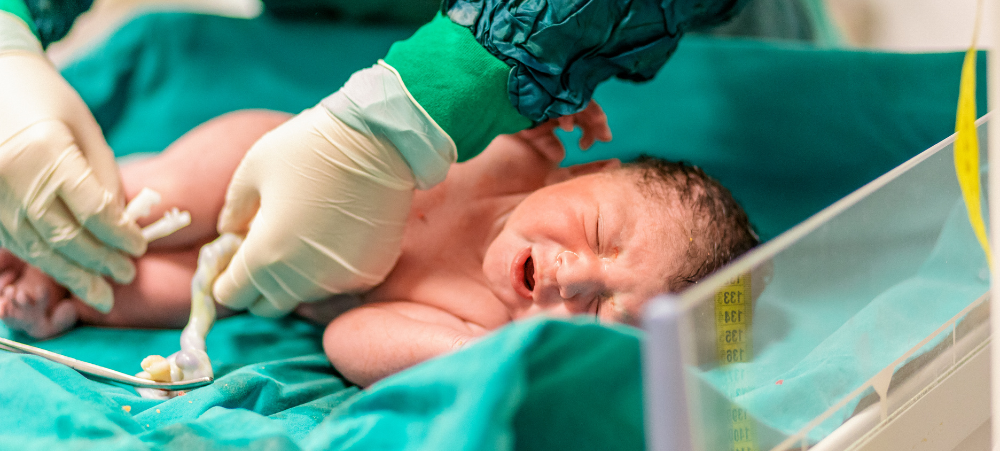
In the precious moments after birth, there’s a quiet yet powerful transition taking place—baby’s journey from womb to world. One gentle, yet profoundly impactful choice parents can make during this time is to delay clamping and cutting the umbilical cord. What is delayed cord clamping? Delayed cord clamping simply means waiting before clamping and cutting the umbilical cord—typically 1 to 5 minutes after birth, or until the cord stops pulsating.  Why wait? The benefits are remarkable: Things to consider: Delayed clamping is generally safe for both vaginal and cesarean births. However, it’s always important to discuss your birth preferences with your healthcare provider and include it in your birth plan. As your baby receives this final gift from the placenta, you too deserve care rooted in love and healing. Aphrodite’s Garden Mama Care Gift Set Thoughtfully curated to honour the strength and sensitivity of new motherhood, this all-natural set supports you through birth and postpartum recovery—with plant-based, chemical-free care. What’s inside:  A heartfelt gift for every birthing journey. Shop now at www.aphroditesgarden.co.za

Sanosan

The Unspoken Struggles of Postpartum Skin – How to Restore Hydration and Elasticity After Birth

Hormonal acne, dryness, pigmentation — new moms face more than sleepless nights.  Stretch marks and sleepless nights aren’t the only things women face after giving birth. For many new mothers, the postpartum period brings a whole new set of challenges — and one of the least talked about is what happens to your skin. “Postpartum skin issues are incredibly common, yet so few people talk about them,” says a spokesperson for Sanosan, the trusted baby and mother skincare brand known for its high-quality products with a focus on natural ingredients. “New moms are often surprised by how dramatically their skin changes — from dry, flaky patches and pigmentation, to oiliness and breakouts that make them feel like they’re going through puberty again.” It all comes down to hormones. During pregnancy, elevated levels of oestrogen and progesterone help your skin look and feel great — often giving rise to the famous “pregnancy glow”. But once your baby is born and hormone levels plummet, your skin can be left feeling dull, dry, and irritated. Here are some of the most common skin changes postpartum: While you can’t control your hormones, you can take steps to support your skin’s recovery. According to Sanosan, the key is gentle care and hydration. “Many new moms are tempted to use harsh scrubs or active ingredients to ‘fix’ their skin quickly, but this often makes things worse. Your skin needs time, nourishment, and support — just like the rest of your body after birth.” Here are a few expert-approved tips: Perhaps the most important message for new moms? You are not alone. Too often, women feel guilty for caring about how they look after birth. But wanting to feel comfortable in your skin again doesn’t make you vain — it’s part of healing. Taking care of your skin can be a small but powerful act of self-care in a time that’s otherwise all about giving. So whether it’s dryness, dark spots or stubborn breakouts — know that it’s normal. With the right care, your skin will find its balance again.   Now available in South Africa, Sanosan is a German family-owned company specializing in baby, mama, and kid skincare products, focusing on natural ingredients and gentle formulas for healthy skin. They emphasize quality, safety, and sustainability in their products, aiming to provide the best care for babies, children, and mothers. Using active ingredients specially tailored to your baby’s skin, natural milk protein is the central ingredient in Sanosan and is especially nourishing. More than 90 % of the ingredients are of natural origin such as organic olive oil, and the formulations are biodegradable. Safety first: all products are clinically tested and are free from parabens, silicones, paraffins, SLS / SLES and phenoxyethanol.  Sanosan is available from Clicks Baby and Online stores, takealot.com, Makro Online

Parenting Hub

How Parenting Has Changed Since the 90s (and What’s Stayed the Same)

Parenting in the 1990s looks quite different from the experience of today’s moms and dads, yet some core values remain timeless. From the rise of technology to evolving social norms, the journey of raising children reflects both dramatic changes and enduring constants. 📺 What’s Changed Since the 90s? ⏳ What’s Stayed the Same? 🛠️ Tips for Modern Parents Sources:

Parenting Hub

Helping Your Toddler Adjust to a New Sibling: Gentle Strategies That Work

Welcoming a new baby into the family is a joyful occasion—but for your toddler, it can be a confusing and even upsetting time. Their world is about to shift, and they may not fully understand why. The good news? With the right approach, you can help your toddler not only adjust to their new sibling, but also thrive in their new role as a big brother or sister. 🧠 Understanding the Toddler Perspective Toddlers are creatures of routine and predictability. A new baby can feel like an invasion of their safe world—and suddenly, their parents’ attention is being divided. Common toddler reactions may include: 📚 Source: Zero to Three – Adjusting to a New Baby 👣 Before Baby Arrives: Laying the Groundwork 1. Involve Them in the PregnancyLet them help decorate the nursery, pick out clothes, or listen to the baby’s heartbeat. Talk about the baby using “our baby” language to build connection. 2. Read Books About New SiblingsStories help toddlers make sense of big changes. Try:📖 “I Am a Big Brother” / “I Am a Big Sister” by Caroline Jayne Church📖 “The New Baby” by Mercer Mayer 3. Set Expectations GentlyTalk about what babies do (cry, sleep, feed), and how they won’t be playmates right away—but they will be loved by everyone, including their big sibling. 👶 After Baby Arrives: Easing the Transition 1. Keep Routines SteadyMaintain your toddler’s usual bedtime, meals, and playtime. Predictability helps them feel secure amid change. 2. One-on-One TimeEven 10 minutes of undivided attention each day makes a huge impact. Play their favourite game, go for a walk, or cuddle during a story. 3. Let Them Help (When They Want To)Ask your toddler to bring a diaper, choose the baby’s outfit, or sing a lullaby. Feeling involved boosts their sense of importance. 4. Avoid ComparisonsResist saying things like, “You were such a quiet baby!” Instead, affirm their unique role: “You’re such a kind big sister.” 💞 Handling Tough Emotions Validate Their Feelings“It’s okay to feel sad or mad sometimes. It’s a big change.” Create a Safe Space for ExpressionUse play, drawing, or toddler-friendly emotion cards to help them express what’s going on inside. Give Words to Their ExperienceTry: “You miss having Mommy all to yourself. That makes sense. I love you just as much now as before.” 📚 Source: HealthyChildren.org – Helping Kids Adjust 🎉 Celebrating the Big Sibling Role Make a fuss—in a good way! Ideas include: 📝 When to Seek Extra Help If your toddler’s adjustment becomes extreme (aggression, prolonged withdrawal, severe regression), don’t hesitate to speak to a paediatrician or child psychologist. Early support can ease transitions for everyone. 🌈 Final Thoughts Your toddler’s world is changing—but your love isn’t. With patience, empathy, and reassurance, you’re helping them build the foundation for a lifelong sibling bond. It won’t always be easy—but it will be worth it. You’ve got this, mama. 💪

Parenting Hub

Your Postpartum Body: What’s Normal and When to Ask for Help

Giving birth is one of the most transformative experiences a woman can go through—physically, emotionally, and mentally. But while much attention is given to pregnancy, the postpartum period can feel like a mystery box of unexpected changes. From leaky breasts and night sweats to body aches and mood swings, it’s hard to know what’s normal and what’s cause for concern. This guide offers honest insight into what to expect—and when to ask for help. 🩺 Let’s Talk About the “New Normal” Here are a few common postpartum body changes you may experience—and why they happen: 1. Bleeding (Lochia) Post-birth bleeding can last up to 6 weeks. It starts heavy and red, gradually lightening in flow and colour. Clots smaller than a R5 coin are normal—but call your doctor if you’re soaking a pad in under an hour. 2. Uterine Cramps Known as “afterpains,” these help your uterus shrink back to size and are often more intense while breastfeeding due to oxytocin release. 3. Breast Changes Your milk may come in within 2–5 days. Expect engorgement, leaking, or tenderness. Blocked ducts and mastitis (redness, fever, pain) are red flags—see a professional if symptoms appear. 4. Hair Loss You may lose more hair than usual around 3–4 months postpartum. It’s due to hormonal shifts and is typically temporary. 5. Sweating & Hormonal Fluctuations Night sweats? Blame hormones again! These typically settle within a few weeks. 6. Changes “Down There” Swelling, stitches, or haemorrhoids are common. Use pads instead of tampons, ice packs, and witch hazel for relief. Pelvic heaviness or incontinence may indicate a need for pelvic floor therapy. 📚 Source: Mayo Clinic, What to Expect 🧠 The Emotional Recovery Postpartum is not just about your body. Mental and emotional changes are just as important. It’s normal to feel: But if these feelings intensify or persist beyond two weeks, it may be postpartum depression or anxiety—both of which are common and treatable. 📞 SADAG Postnatal Support Line (SA): 0800 456 789 🚩 When to Seek Medical Help Don’t brush things off. Call your doctor if you experience: 💪 Self-Care Isn’t Selfish Yes, you’re caring for a new life—but your recovery matters too. Try: Even 10-minute resets matter. 💬 Final Thoughts There is no “bounce back” after birth. There’s only moving forward—with grace, support, and knowledge. Your postpartum body is powerful, and it deserves care, patience, and compassion. Trust your instincts. If something doesn’t feel right, reach out. You’re not alone.

Parenting Hub

How to Build a Minimalist Baby Registry That Still Has It All

Walk into any baby store and it’s easy to feel overwhelmed—wipes warmers, diaper stackers, wipe dispensers… do you really need it all? If your vibe is more “less clutter, more calm,” then a minimalist baby registry could be the perfect solution. It focuses on quality, function, and versatility—without sacrificing the essentials. Here’s how to build a simple, smart baby registry that covers everything you need and nothing you don’t. 🎯 Why Go Minimalist? A minimalist registry helps you: Plus, babies outgrow gear so quickly—less stuff means less waste and more peace of mind. 📚 Source: BabyCenter – Minimalist Baby Essentials ✅ Minimalist Must-Haves by Category 👕 Clothing Babies grow fast, so stock up smart: 💡 Skip: Shoes for newborns—they’re adorable, but not necessary. 💤 Sleep Essentials 📚 Source: AAP Safe Sleep Guidelines 🍼 Feeding For breastfeeding: For formula feeding: For both: 🚿 Bathing & Grooming 💡 Skip: Fancy bath toys—your baby will be just as happy with a cup to pour water. 🧷 Diapering 💡 Skip: Wipe warmers and designer diaper bags unless you truly love them. 🛒 Travel & Gear 📚 Source: Consumer Reports – Baby Gear Essentials 💗 Comfort & Connection 📝 Tips for Creating Your Registry 🚫 What to Skip (Unless You Know You’ll Use It) Final Thoughts A minimalist baby registry doesn’t mean sacrificing comfort or style—it means choosing intentionally. With a little planning, you’ll end up with everything your baby needs… and nothing you’ll trip over at 2 a.m. Trust your instincts, start simple, and add as you go. You’ve got this. 💪

Sandton City

Sandton City creates family-friendly facilities- Iconic mall puts families first with thoughtful upgrades

Sandton City, Africa’s most iconic shopping destination, has elevated its shopping experience with a complete refurbishment of most of its bathrooms, ensuring ultimate comfort, convenience, and choice for visitors. The upgrades include dedicated nursing rooms and purified water dispensers outside each bathroom, promoting sustainability, by encouraging bottle refills and reducing single-use plastic.   Additionally, upgraded floor and wall tiling provides a sleek, modern aesthetic, while improved lighting creates well-lit and inviting spaces. The size of the toilet cubicles has been increased for added comfort and accessibility. Push-activated taps have been installed to accommodate individuals with upper limb disabilities. Privacy screens strategically placed in male bathrooms now provide added discretion. As an extension of its commitment to family-friendly shopping, Sandton City offers a full baby care lounge featuring a kitchen, baby change area, feeding rooms, and a play zone, making parenting on the go more convenient. This lounge is situated on the lower level, at entrance 4 near Checkers, and is free-to-use. For easy access to this facility, dedicated mom and tots parking bays, located the centre’s main near entrances, are marked in bright colours for easy identification, adding another layer of convenience.  Sandton City thrives on being an unparalleled, world-class retail destination. With over 374 stores, the centre houses an array of highly sought-after local and international brands. To cater to evolving shopper needs, Sandton City recently welcomed Mio Mondo, South Africa’s first luxury kids and baby store, offering a curated selection of designer brands such as Kenzo, Moschino, Karl Lagerfeld, all geared for ages 0 – 16. Parents can also shop a host of family-focused retailers including Dis-Chem Baby City, Koco Bino, Cotton Kids, Keedo, and Naartjie, offering special baby and kids’ apparel and lifestyle products. “At Sandton City, we are always looking for ways to enhance the shopper experience, ensuring that every visitor, whether they’re parents with young children, business professionals, or international tourists, enjoys a world-class environment,” says Dimitri Kokinos, General Manager of Sandton City. “These latest upgrades reflect our commitment to comfort, convenience, and sustainability, reinforcing Sandton City’s position as Africa’s most prestigious retail destination.” For more information and regular updates go to www.sandtoncity.com or follow Sandton City on social media @sandtoncitymall. 

Parenting Hub

The Power of Skin-to-Skin Contact: Bonding Beyond Birth

Skin-to-skin contact, also known as “kangaroo care,” is one of the most powerful ways to bond with your newborn, and its benefits go far beyond that first touch. This practice involves holding your baby directly against your skin, often on the chest, in the first moments or hours after birth. But its importance doesn’t end there—skin-to-skin contact provides emotional, physical, and developmental benefits for both parents and babies that last long after birth. Let’s explore the reasons why skin-to-skin contact is so important for both you and your newborn. The Benefits of Skin-to-Skin Contact 1. Enhances Emotional Bonding From the moment your baby is placed on your chest, there’s a deep, emotional connection that begins to form. This first skin-to-skin contact can help reduce stress for both you and your baby and increase feelings of comfort and safety. Studies have shown that this intimate time can help strengthen the emotional bond between parents and their newborns, laying the foundation for trust, affection, and a secure attachment. How to Support It: 2. Regulates Baby’s Body Temperature One of the body’s remarkable reactions during skin-to-skin contact is its ability to regulate the baby’s body temperature. When placed against your chest, your body helps to keep your baby warm by providing a steady temperature, which is crucial for newborns who can’t regulate their body heat on their own. How to Support It: 3. Boosts Baby’s Immune System Skin-to-skin contact has been shown to support the newborn’s immune system by exposing them to beneficial bacteria found on the parent’s skin. This helps to boost your baby’s immune defenses, making them better prepared to fight infections. How to Support It: 4. Reduces Crying and Stress Research suggests that babies who experience regular skin-to-skin contact cry less and experience lower levels of stress. The comforting feeling of being close to their parent helps babies feel more secure, reducing their need to cry and helping to settle them. How to Support It: 5. Promotes Breastfeeding Success Skin-to-skin contact plays a significant role in establishing breastfeeding. The close contact helps stimulate your baby’s natural feeding instincts, making it easier for them to latch on and nurse. This can be particularly helpful in the early days when both mother and baby are learning to breastfeed. How to Support It: 6. Enhances Brain Development The calming, nurturing effects of skin-to-skin contact are not just beneficial for your baby’s emotional health—they also impact their brain development. Studies have shown that babies who experience more skin-to-skin contact in their early weeks tend to have better brain function and are more likely to meet developmental milestones earlier. How to Support It: The Role of Skin-to-Skin Contact for Parents Skin-to-skin contact is not only beneficial for the baby, but it also offers numerous advantages for parents. It can help reduce feelings of anxiety or postpartum depression, create a sense of confidence in new parents, and promote relaxation through the release of oxytocin (the “love hormone”). 1. Strengthens Parenting Confidence The more time you spend holding your baby skin-to-skin, the more confident you may feel in your ability to care for them. This bonding time helps parents learn their baby’s cues and needs, creating a stronger sense of connection and trust in their parenting skills. 2. Reduces Stress and Anxiety For many new parents, skin-to-skin contact can be a calming experience. It triggers the release of oxytocin, which reduces stress, anxiety, and even the risk of postpartum depression. This hormone can help you feel more relaxed and connected to your baby. How to Support It: 3. Encourages Bonding with Both Parents Skin-to-skin contact isn’t just for mothers—it’s important for fathers or second parents as well. Research shows that fathers who engage in skin-to-skin contact experience an increase in bonding hormones like oxytocin and can feel a stronger connection to their baby. How to Support It: How to Practice Skin-to-Skin Contact Final Thoughts Skin-to-skin contact is one of the most beneficial experiences for both you and your newborn. It not only creates a strong emotional bond but also promotes physical, developmental, and psychological benefits for both parents and babies. Whether you’re in the delivery room or at home, make time for this simple yet powerful practice. It’s one of the most meaningful ways to nurture your baby beyond birth. Sources:

Sandton City

Sandton City creates family-friendly facilities- Iconic mall puts families first with thoughtful upgrades

Sandton City, Africa’s most iconic shopping destination, has elevated its shopping experience with a complete refurbishment of most of its bathrooms, ensuring ultimate comfort, convenience, and choice for visitors. The upgrades include dedicated nursing rooms and purified water dispensers outside each bathroom, promoting sustainability, by encouraging bottle refills and reducing single-use plastic.   Additionally, upgraded floor and wall tiling provides a sleek, modern aesthetic, while improved lighting creates well-lit and inviting spaces. The size of the toilet cubicles has been increased for added comfort and accessibility. Push-activated taps have been installed to accommodate individuals with upper limb disabilities. Privacy screens strategically placed in male bathrooms now provide added discretion. As an extension of its commitment to family-friendly shopping, Sandton City offers a full baby care lounge featuring a kitchen, baby change area, feeding rooms, and a play zone, making parenting on the go more convenient. This lounge is situated on the lower level, at entrance 4 near Checkers, and is free-to-use. For easy access to this facility, dedicated mom and tots parking bays, located the centre’s main near entrances, are marked in bright colours for easy identification, adding another layer of convenience.  Sandton City thrives on being an unparalleled, world-class retail destination. With over 374 stores, the centre houses an array of highly sought-after local and international brands. To cater to evolving shopper needs, Sandton City recently welcomed Mio Mondo, South Africa’s first luxury kids and baby store, offering a curated selection of designer brands such as Kenzo, Moschino, Karl Lagerfeld, all geared for ages 0 – 16. Parents can also shop a host of family-focused retailers including Dis-Chem Baby City, Koco Bino, Cotton Kids, Keedo, and Naartjie, offering special baby and kids’ apparel and lifestyle products. “At Sandton City, we are always looking for ways to enhance the shopper experience, ensuring that every visitor, whether they’re parents with young children, business professionals, or international tourists, enjoys a world-class environment,” says Dimitri Kokinos, General Manager of Sandton City. “These latest upgrades reflect our commitment to comfort, convenience, and sustainability, reinforcing Sandton City’s position as Africa’s most prestigious retail destination.” For more information and regular updates go to www.sandtoncity.com or follow Sandton City on social media @sandtoncitymall. 

Sandton City

Sandton City creates family-friendly facilities- Iconic mall puts families first with thoughtful upgrades

Sandton City, Africa’s most iconic shopping destination, has elevated its shopping experience with a complete refurbishment of most of its bathrooms, ensuring ultimate comfort, convenience, and choice for visitors. The upgrades include dedicated nursing rooms and purified water dispensers outside each bathroom, promoting sustainability, by encouraging bottle refills and reducing single-use plastic.   Additionally, upgraded floor and wall tiling provides a sleek, modern aesthetic, while improved lighting creates well-lit and inviting spaces. The size of the toilet cubicles has been increased for added comfort and accessibility. Push-activated taps have been installed to accommodate individuals with upper limb disabilities. Privacy screens strategically placed in male bathrooms now provide added discretion. As an extension of its commitment to family-friendly shopping, Sandton City offers a full baby care lounge featuring a kitchen, baby change area, feeding rooms, and a play zone, making parenting on the go more convenient. This lounge is situated on the lower level, at entrance 4 near Checkers, and is free-to-use. For easy access to this facility, dedicated mom and tots parking bays, located the centre’s main near entrances, are marked in bright colours for easy identification, adding another layer of convenience.  Sandton City thrives on being an unparalleled, world-class retail destination. With over 374 stores, the centre houses an array of highly sought-after local and international brands. To cater to evolving shopper needs, Sandton City recently welcomed Mio Mondo, South Africa’s first luxury kids and baby store, offering a curated selection of designer brands such as Kenzo, Moschino, Karl Lagerfeld, all geared for ages 0 – 16. Parents can also shop a host of family-focused retailers including Dis-Chem Baby City, Koco Bino, Cotton Kids, Keedo, and Naartjie, offering special baby and kids’ apparel and lifestyle products. “At Sandton City, we are always looking for ways to enhance the shopper experience, ensuring that every visitor, whether they’re parents with young children, business professionals, or international tourists, enjoys a world-class environment,” says Dimitri Kokinos, General Manager of Sandton City. “These latest upgrades reflect our commitment to comfort, convenience, and sustainability, reinforcing Sandton City’s position as Africa’s most prestigious retail destination.” For more information and regular updates go to www.sandtoncity.com or follow Sandton City on social media @sandtoncitymall. 

Parenting Hub

What I Wish I Knew Before Baby: Honest Advice from New Moms

Becoming a mother is a transformative journey filled with joy, challenges, and countless surprises. While books and prenatal classes offer guidance, nothing quite prepares you for the real-life experiences of motherhood. We reached out to new moms to share the honest advice they wish they’d known before welcoming their little ones. 1. The Emotional Rollercoaster Is Real “I wish someone had told me that it’s okay to feel overwhelmed and even a bit lost in the beginning,” says Emily, a first-time mom. The early days are filled with hormonal shifts and emotional ups and downs. Recognising that these feelings are normal can be comforting. 2. Sleep Deprivation Is No Joke “Sleep when the baby sleeps” sounds simple, but it’s not always feasible. Many moms report underestimating the impact of sleep deprivation. Establishing a support system and taking turns with your partner can help manage exhaustion. You, Baby and I 3. Trust Your Instincts With a flood of advice from family, friends, and the internet, it’s easy to feel overwhelmed. “I learned to trust my gut when it came to my baby,” shares Sarah, mom of two. Every child is different, and parents often know what’s best for their own. 4. Breastfeeding Can Be Challenging While breastfeeding is natural, it’s not always easy. Many new moms face latching issues, pain, or supply concerns. Seeking support from lactation consultants or support groups can make a significant difference. 5. Self-Care Isn’t Selfish Taking time for yourself is crucial. “I felt guilty leaving my baby even for a short walk,” admits Lisa. However, recharging allows you to be more present and patient. Even small breaks can have a big impact. 6. Your Relationship May Shift Introducing a baby changes dynamics. Communication with your partner becomes even more vital. Discuss expectations, share responsibilities, and support each other through the transition. 7. It’s Okay to Ask for Help Many moms feel they need to do it all, but seeking assistance is a sign of strength, not weakness. Whether it’s from family, friends, or professionals, support can ease the journey. 8. Every Milestone Is Unique Comparing your baby’s progress to others can lead to unnecessary stress. Remember, each child develops at their own pace. Celebrate your baby’s individual journey. Kellys Thoughts On Things 9. You Are Not Alone Feelings of isolation are common, especially in the early months. Joining mom groups, either in person or online, can provide a sense of community and shared experience. 10. Cherish the Moments Amidst the chaos, there are countless beautiful moments. “The days are long, but the years are short,” reflects Amanda, mom of three. Take time to savour the smiles, giggles, and cuddles. Motherhood is a journey filled with learning curves. While challenges are inevitable, so are the moments of profound joy and love. Embrace the journey, seek support when needed, and remember that you’re doing an incredible job. Sources:

Sandton City

Sandton City creates family-friendly facilities- Iconic mall puts families first with thoughtful upgrades

Sandton City, Africa’s most iconic shopping destination, has elevated its shopping experience with a complete refurbishment of most of its bathrooms, ensuring ultimate comfort, convenience, and choice for visitors. The upgrades include dedicated nursing rooms and purified water dispensers outside each bathroom, promoting sustainability, by encouraging bottle refills and reducing single-use plastic.   Additionally, upgraded floor and wall tiling provides a sleek, modern aesthetic, while improved lighting creates well-lit and inviting spaces. The size of the toilet cubicles has been increased for added comfort and accessibility. Push-activated taps have been installed to accommodate individuals with upper limb disabilities. Privacy screens strategically placed in male bathrooms now provide added discretion. As an extension of its commitment to family-friendly shopping, Sandton City offers a full baby care lounge featuring a kitchen, baby change area, feeding rooms, and a play zone, making parenting on the go more convenient. This lounge is situated on the lower level, at entrance 4 near Checkers, and is free-to-use. For easy access to this facility, dedicated mom and tots parking bays, located the centre’s main near entrances, are marked in bright colours for easy identification, adding another layer of convenience.  Sandton City thrives on being an unparalleled, world-class retail destination. With over 374 stores, the centre houses an array of highly sought-after local and international brands. To cater to evolving shopper needs, Sandton City recently welcomed Mio Mondo, South Africa’s first luxury kids and baby store, offering a curated selection of designer brands such as Kenzo, Moschino, Karl Lagerfeld, all geared for ages 0 – 16. Parents can also shop a host of family-focused retailers including Dis-Chem Baby City, Koco Bino, Cotton Kids, Keedo, and Naartjie, offering special baby and kids’ apparel and lifestyle products. “At Sandton City, we are always looking for ways to enhance the shopper experience, ensuring that every visitor, whether they’re parents with young children, business professionals, or international tourists, enjoys a world-class environment,” says Dimitri Kokinos, General Manager of Sandton City. “These latest upgrades reflect our commitment to comfort, convenience, and sustainability, reinforcing Sandton City’s position as Africa’s most prestigious retail destination.” For more information and regular updates go to www.sandtoncity.com or follow Sandton City on social media @sandtoncitymall. 

NB Hearing & Balance

Can My Baby Really Hear Me Speaking?

We are often told that playing music to your unborn child can increase their brain development, but parents often ask, “Can my baby even hear the music or hear me talking”? Well, the answer is: Yes, they can! While your baby’s ears start to develop at around 7 weeks gestation, it takes some time for their ears to mature and send signals to the brain. Studies have shown that the earliest detection of sound in utero is at 19 weeks gestation. At first, they may only be able to hear low-pitched sounds, like a mother’s heartbeat or bodily sounds (yes, that rumbling tummy that tells you to eat more, can be heard by your new developing soul!). However, as the cochlear (the inner ear organ of hearing) and the auditory neural pathways (the highways to the brain) develop, your baby will be able to hear more sounds and may even start responding with movement or kicking, around 24 weeks of gestation.  Why Does My Baby Not Always Respond to Dad’s Voice? The amniotic fluid surrounding the baby will muffle environmental sounds, so these sounds will be heard at a much softer volume than the sounds inside your body. Therefore, your baby will hear your own voice at a much louder volume than any external sounds. The baby will become more familiar with your voice than other voices as they can hear you more clearly than other voices. (Tell Dad to talk right next to your belly, and see what happens then 😊) How Can I Stimulate My Baby’s Hearing While Pregnant? While there is no research evidence that playing music to your baby in utero will improve their IQ, there is certainly no harm in playing music to your baby and continuing with normal daily sounds, and your developing baby may show some interesting responses (such as quietening down or livening up)!  Research has shown that the greatest behavioural in-utero responses by babies, are recorded in response to a mother’s voice. Therefore, reading or singing to your baby may stimulate their auditory development more than external music. The familiarity with mom’s voice has also shown positive effects once a baby is born, as they already recognize your signature sound.  Babies who are born prematurely have shown positive effects when listening to recordings of their mom’s heartbeat and voice, even while in Neonatal Intensive Care. This familiar auditory stimulation helps to regulate heartbeat (which is likely to show contentment) and improve their newly developing auditory processing.  Can Noise Exposure Affect My Babies Hearing While Pregnant? Although there is insufficient data to support this, prolonged exposure to very loud noises during pregnancy may contribute to foetal hearing loss, as very loud sound over an extended period of time is known to contribute towards damage to the cochlear hair cells in adults.  Have Your Baby’s Hearing Tested at Birth It is important to regularly have your babies hearing tested, and we can screen your baby’s hearing from 48 hours after birth. This is pivotal in ensuring that any risk of hearing loss is identified as early as possible. Early intervention has a positive impact on speech, language and learning for your baby. Contact us if you are in Cape Town! Our rooms are conveniently located in Sea Point, Durbanville, Hout Bay, Wynberg and Noordhoek.

Parenting Hub

Newborn Sleep Myths Every Parent Should Ignore

When it comes to newborn sleep, there’s a lot of advice—some helpful, some outdated, and some just plain wrong. With so much information available, it’s easy for new parents to feel overwhelmed or misled. To help you navigate this journey, here are some common newborn sleep myths that you can confidently ignore. Myth 1: “Keeping a Baby Awake Longer Helps Them Sleep Better at Night” Many parents believe that limiting daytime naps will make their baby extra tired and help them sleep through the night. In reality, an overtired baby becomes fussier and has a harder time settling down. Babies need frequent naps to prevent overstimulation, and well-rested babies actually sleep better at night. Fact: Newborns need 14-17 hours of sleep per day and should not stay awake for more than 45-90 minutes at a time before their next nap【1】. Myth 2: “A Full Bottle or Heavier Meal Before Bed Means Longer Sleep” Many parents believe that feeding their baby extra milk or formula at night will keep them full longer and reduce night wakings. However, newborns wake up not just because of hunger but also due to natural sleep cycles and developmental needs. Overfeeding may even lead to discomfort, gas, or reflux, making sleep worse. Fact: A consistent bedtime routine is more effective than overfeeding in helping babies sleep better【2】. Myth 3: “All Babies Should Sleep Through the Night by 3 Months” It’s a common misconception that all babies should be sleeping through the night by three months. While some babies may begin to sleep in longer stretches, night waking is completely normal well beyond the newborn stage. Babies wake for feeding, comfort, and developmental reasons. Fact: Many babies continue to wake up at night until 6-12 months old. Sleep patterns vary, and expecting a young baby to sleep uninterrupted isn’t realistic【3】. Myth 4: “Newborns Should Sleep in a Silent, Dark Room” While a dark, quiet room may help adults sleep better, newborns are accustomed to the noisy, rhythmic sounds of the womb. White noise, soft talking, or gentle movement can actually be soothing for babies and help them settle into sleep more easily. Fact: White noise can mimic the sounds of the womb and help babies sleep better【4】. Myth 5: “Putting Rice Cereal in the Bottle Helps Babies Sleep Longer” This old-school advice is not only ineffective but also potentially dangerous. Thickening a bottle with rice cereal does not improve sleep and can increase the risk of choking and digestive issues. The American Academy of Paediatrics advises against adding solids or cereals to a baby’s bottle unless medically recommended. Fact: Babies should not start solids until around 6 months. Before then, milk or formula provides everything they need【5】. Myth 6: “Babies Will Just Fall Asleep When They’re Tired” Newborns do not have the ability to self-regulate their sleep like adults do. Without guidance, they can become overtired, making it even harder to settle. Establishing a gentle sleep routine helps babies recognise sleep cues and feel secure. Fact: A consistent bedtime routine (rocking, singing, dim lights) helps babies fall asleep more easily【6】. Myth 7: “Holding or Rocking Your Baby to Sleep Creates Bad Habits” Some parents worry that holding, rocking, or comforting a baby too much will create a dependency that makes it harder for them to sleep independently. However, newborns need parental comfort to feel safe and secure. Sleep training techniques should only be considered later, when babies are developmentally ready. Fact: Responding to your baby’s needs builds trust and supports healthy emotional development【7】. Conclusion Newborn sleep can feel like a mystery, but understanding the facts over the myths can help you feel more confident. Babies have different sleep needs, and it’s okay if your baby isn’t following a “perfect” schedule. The key is to follow their cues, create a calming routine, and have realistic expectations. Sources: 【1】 National Sleep Foundation – Newborn Sleep Recommendations【2】 Mayo Clinic – Baby Sleep Basics【3】 AAP – Normal Infant Sleep Patterns【4】 Healthline – The Benefits of White Noise for Babies【5】 American Academy of Pediatrics – When to Start Solids【6】 Parents – Bedtime Routine Tips for Babies【7】 Harvard University – Infant Sleep and Development

Parenting Hub

How to Prepare Your Older Child for a New Sibling

Welcoming a new baby into the family is a joyous occasion, but it can also be a significant adjustment for an older child. Preparing your firstborn for the arrival of a sibling is crucial to fostering a positive relationship and ensuring a smooth transition. Here are effective strategies to help your older child embrace their new role: 1. Introduce the Idea Early Begin discussing the upcoming arrival in simple terms appropriate for your child’s age. This early introduction allows them time to process the information and ask questions【1】. 2. Involve Them in Preparations Engage your child in activities like setting up the nursery or selecting baby clothes. This involvement fosters a sense of responsibility and inclusion【1】. 3. Set Aside Special Time Dedicate daily one-on-one time with your older child, engaging in activities they enjoy. This reassures them of their unique place in the family【2】. 4. Educate Through Play Use baby dolls and accessories to simulate caregiving tasks, helping your child practice nurturing behaviours. This playful approach enhances empathy and readiness【3】. 5. Prepare for Your Hospital Stay Explain the process of your hospital stay, including who will care for them during this time. Clear communication alleviates anxiety about temporary separations【4】. 6. Encourage Sibling Bonding Involve your older child in age-appropriate baby care tasks, such as fetching diapers or singing to the baby. This participation promotes a nurturing bond【5】. 7. Address Behavioural Changes with Empathy Recognise that regression or attention-seeking behaviours are common. Respond with patience and understanding, reinforcing your child’s sense of security【1】. 8. Highlight the Benefits of Being an Older Sibling Discuss the special aspects of being an older sibling, such as teaching and guiding the new baby. This perspective fosters pride and excitement【6】. 9. Maintain Routines Keep familiar routines to provide stability. Consistency helps your child feel secure amid the changes【7】. 10. Celebrate Their Role Acknowledge and celebrate your older child’s new role with small gestures, like a “big sibling” gift. This recognition reinforces their importance in the family【5】. Implementing these strategies can ease the transition and nurture a loving bond between siblings, laying the foundation for a harmonious family dynamic. Sources: 【1】 Child Mind Institute – Preparing Your Child for a New Sibling【2】 Healthy Children – Preparing Your Family for a New Baby【3】 Parents – Baby Doll Toys & Accessories for Big Siblings【4】 Cleveland Clinic – How to Prepare a Toddler for a New Baby【5】 Huckleberry Care – Preparing Siblings for a New Baby【6】 The Times – Talking to Your Child About Siblings【7】 The Parenting Junkie – 10 Ways to Prepare Your Child for a New Sibling

Parenting Hub

The Fourth Trimester: What No One Tells You About Life After Birth

The period immediately following childbirth, often referred to as the “fourth trimester,” is a critical yet frequently overlooked phase in a mother’s journey. This time encompasses significant physical, emotional, and psychological adjustments as both mother and baby adapt to their new realities. Understanding the nuances of this period is essential for fostering a supportive environment for new mothers. Physical Recovery and Challenges After childbirth, a woman’s body undergoes numerous changes as it returns to its pre-pregnancy state. This recovery process can extend up to six months and may involve: It’s also common for new mothers to experience urinary incontinence, constipation, and hemorrhoids during this period. Engaging in light physical activities, such as Kegel exercises, can aid in strengthening pelvic floor muscles and improving recovery 【1】. Emotional and Mental Health The fourth trimester is not only a period of physical recovery but also a time of significant emotional adjustment. Many new mothers experience mood fluctuations, commonly known as the “baby blues,” characterised by feelings of sadness, anxiety, and overwhelm. These feelings typically resolve within two weeks. However, some women may develop postpartum depression (PPD), a more severe and prolonged form of depression. Symptoms of PPD can include: Recognising these symptoms early and seeking professional help is crucial, as untreated PPD can affect both the mother and the child’s well-being 【2】. Cultural Practices and Support Systems Various cultures have specific practices to support new mothers during the postpartum period. For instance, in Korea, the tradition of sanhujori emphasises rest, a warm environment, and nutritious foods to aid recovery. Common practices include consuming seaweed soup rich in nutrients and avoiding cold foods or activities to maintain body warmth 【3】. In some cultures, new mothers participate in postnatal retreats or employ postpartum doulas to provide physical and emotional support, assist with infant care, and offer guidance on breastfeeding. These support systems can significantly enhance a mother’s confidence and overall experience during the fourth trimester 【4】. Navigating Relationship Dynamics The arrival of a new baby can alter relationship dynamics between partners. Sleep deprivation, hormonal changes, and the demands of caring for a newborn can lead to decreased intimacy and emotional strain. Open communication and mutual support are vital during this transition. It’s also essential to understand that sexual activity can be resumed when the mother feels physically and emotionally ready, and there is no standard timeline that fits all 【5】. Conclusion The fourth trimester is a pivotal period that requires attention, understanding, and support. By acknowledging the physical and emotional challenges new mothers face and providing comprehensive care and resources, society can ensure a healthier and more fulfilling transition into motherhood. Sources: 【1】 Postpartum Recovery – Wikipedia【2】 Postpartum Depression – Wikipedia【3】 Sanhujori – Korean Postpartum Care【4】 The Role of a Doula in Postpartum Recovery【5】 Sex After Pregnancy – Wikipedia

Parenting Hub

Self-Care Tips for a Stress-Free Pregnancy

Pregnancy is an exciting time, but it can also be overwhelming. From fluctuating hormones to physical discomfort, there’s a lot to navigate as you prepare to bring a new life into the world. In the midst of all the changes, it’s easy to forget about taking care of yourself. However, prioritising self-care during pregnancy is essential for both your well-being and the health of your baby. Here are some self-care tips to help you enjoy a stress-free pregnancy and feel your best. 1. Prioritise Rest and Sleep One of the most important aspects of self-care during pregnancy is making sure you get enough rest. As your body changes, it can become more difficult to sleep, especially during the later stages. However, adequate sleep is vital for your physical and mental health, as well as for the growth and development of your baby. Tips: 2. Stay Active with Gentle Exercise While it’s important to avoid overexertion, staying active during pregnancy can help reduce stress, boost energy, and alleviate common pregnancy discomforts like back pain and swelling. Gentle exercises like walking, swimming, or prenatal yoga are safe and beneficial for most women. Tips: 3. Eat a Balanced and Nutrient-Rich Diet What you eat during pregnancy can have a direct impact on both your health and your baby’s development. A nutritious diet that’s rich in vitamins, minerals, and protein is crucial for a healthy pregnancy. While indulging in cravings occasionally is fine, it’s important to prioritize wholesome foods to support both your well-being and your baby’s growth. Tips: 4. Manage Stress with Mindfulness and Relaxation Pregnancy can bring about feelings of anxiety or stress, especially with all the changes happening in your body and life. Practicing mindfulness and relaxation techniques can help manage those feelings and bring a sense of calm and peace. Tips: 5. Pamper Yourself with Prenatal Massages Pregnancy can be tough on your body, especially as you experience changes like swollen feet, backaches, and sore muscles. Prenatal massages are a wonderful way to relieve tension and help with physical discomfort. These massages are specifically designed to target areas of discomfort for pregnant women and are performed by certified therapists trained in prenatal care. Tips: 6. Stay Connected with Loved Ones It’s easy to feel isolated during pregnancy, especially if you’re dealing with stress or discomfort. Staying connected with family and friends can provide emotional support and keep you feeling positive. Sharing your thoughts, concerns, and excitement about your pregnancy can help you process your emotions and strengthen your relationships. Tips: 7. Schedule Regular Check-Ups with Your Doctor Regular prenatal check-ups are essential to monitor both your health and the health of your baby. These appointments give you the opportunity to ask questions, raise concerns, and receive professional guidance throughout your pregnancy. Tips: 8. Embrace Positive Affirmations Pregnancy is a time of major transition, and it’s easy to feel overwhelmed or anxious. Embracing positive affirmations can help shift your mindset and encourage a sense of calm and confidence. Tips: Conclusion Self-care is a vital part of a stress-free pregnancy. By taking time to rest, eat well, stay active, and manage stress, you can create a positive and healthy experience for yourself and your baby. Remember to listen to your body and always consult your healthcare provider if you have any concerns. Pregnancy is a journey, and prioritising your well-being will help you enjoy this special time while preparing for the arrival of your little one.

Parenting Hub

How to Create the Perfect Birth Plan

A birth plan is a document that outlines your preferences and wishes for labor and delivery, giving you the opportunity to communicate your choices to your healthcare team in advance. It is a helpful tool for ensuring your voice is heard during one of the most significant events of your life. While birth plans can offer structure, it’s important to stay flexible, as childbirth can be unpredictable. This guide will walk you through how to create the perfect birth plan, offering tips on what to include, how to communicate your preferences, and why flexibility is key. 1. Understand the Purpose of a Birth Plan Before diving into creating your birth plan, it’s essential to understand that it’s not a rigid, set-in-stone contract. A birth plan is more of a guideline that reflects your preferences and values, but it’s important to be open to change if circumstances evolve. Childbirth can be unpredictable, and your healthcare providers will be ready to make decisions based on what’s safest for you and your baby. That said, a birth plan allows you to express your wishes and prepare for the birthing process. 2. Start with a Calm, Open Mind Creating a birth plan can feel overwhelming at first, especially if you’re a first-time parent. It’s important to approach the process with a calm, open mindset. While you may have a vision for your ideal birth, it’s essential to keep in mind that things don’t always go as planned. Your birth plan should reflect your desires, but also acknowledge that flexibility and adaptability are key to ensuring both you and your baby are safe and comfortable. 3. Key Elements to Include in Your Birth Plan While every birth plan is unique, there are several key aspects you should consider when creating your document: Labor Preferences Delivery Preferences Post-Birth Preferences 4. Be Clear About What You Want, but Stay Flexible It’s crucial to communicate your preferences clearly, but also remember to stay flexible. Birth is unpredictable, and certain interventions or changes in plans may become necessary to ensure your safety and the safety of your baby. While it’s okay to have a clear vision of your ideal birth, it’s also helpful to include in your birth plan that you’re open to modifications if necessary. For example, you could write: 5. Involve Your Birth Team in the Process Once you’ve drafted your birth plan, be sure to review it with your healthcare provider or midwife. They can offer advice on what’s realistic, especially if you’re planning to give birth at a hospital. They may also help clarify any medical procedures or policies that might affect your preferences. By involving your birth team early in the process, you can ensure everyone is on the same page and work together to create the best possible experience for you and your baby. 6. Keep It Short and Simple While you may have many wishes and preferences, it’s best to keep your birth plan short and to the point. Most birth professionals will appreciate a concise plan that covers your key preferences without overwhelming them with excessive detail. Aim for a one-page document that includes your most important points. 7. Prepare for the Unexpected Even the most well-prepared birth plans may need to be adjusted. While it’s great to have a vision for your birth, it’s essential to prepare mentally for the possibility that things might not go as expected. For example, your plan might need to change if there are complications, if you need an emergency C-section, or if other interventions are necessary. The key is to prioritise your health and the health of your baby, and trust that your birth team will be there to support you every step of the way. 8. Update Your Plan as Needed As your due date approaches, it’s a good idea to revisit your birth plan and make any necessary updates based on new information or circumstances. For instance, if you decide on a different type of pain management or have a change of heart about your preferences, be sure to revise your plan. Stay flexible, but also ensure your wishes are communicated clearly. Conclusion Creating the perfect birth plan is about preparing yourself mentally and emotionally for the birth process while ensuring your wishes are known. While a birth plan can be a great way to communicate your preferences, it’s important to remain open to adjustments as things evolve. Focus on your overall goal of a safe, healthy birth for both you and your baby, and trust that your healthcare team will be there to help guide you through the process. The perfect birth plan is one that is flexible, realistic, and supportive of both your desires and the changing nature of childbirth.

Parenting Hub

Baby on the Way? How to Financially Prepare for Parenthood

Expecting a baby is an exciting and life-changing experience, but it can also bring significant financial responsibility. Preparing your finances for the arrival of a little one ensures that you can focus on bonding with your baby and adapting to parenthood without worrying about unexpected financial pressures. Here are some essential steps to financially prepare for parenthood. 1. Reassess Your Budget The first step in preparing financially for your baby is to take a close look at your current budget. Adding a baby to your family will likely increase expenses, from diapers to healthcare costs, so it’s essential to know where your money is going. You’ll need to account for baby-related costs such as: Cutting back on non-essential spending, such as dining out or subscription services, can free up funds to put toward these new expenses. 2. Create an Emergency Fund Having an emergency fund is always important, but it’s especially crucial when preparing for a baby. Medical emergencies, unexpected costs, or a temporary reduction in income can be stressful during this time. Aim for a savings cushion of 3-6 months of living expenses. If you don’t have an emergency fund yet, now is the time to start building one. 3. Understand Your Insurance You’ll need to update your health insurance to include your baby. Be sure to review both your medical and maternity coverage. Some plans have a waiting period before adding a baby, so it’s important to understand when you need to make those updates. Additionally, take time to review your life insurance and consider increasing coverage if necessary. Life insurance can help ensure your family’s financial security in case of an unexpected event. 4. Start Saving for Baby’s Future Although it may seem like a far-off consideration, it’s never too early to begin saving for your baby’s future education and expenses. Opening a savings account or a 529 plan (if you’re in the U.S.) for college savings can help reduce the financial burden later on. Starting small can be effective—automatically transferring a small amount each month can add up over time. 5. Consider Parental Leave and Adjusting to a New Income Review your workplace benefits and understand how much parental leave is available to you and whether it is paid. Many parents opt to adjust their income expectations based on their leave time or transition to a single-income household. Consider how this may affect your financial plans and try to save in advance to cover the time when you may have a reduced income. 6. Prepare for Tax Changes A new baby can impact your taxes. In many cases, you can claim your child as a dependent, which may provide tax benefits such as the Child Tax Credit or dependent care credits. However, be sure to consult with a tax professional to understand all available deductions, credits, and tax strategies based on your specific circumstances. 7. Create a Will No one likes to think about worst-case scenarios, but it’s essential to have a will in place to protect your baby’s future. A will ensures that your child is cared for by someone you trust and that their assets are handled according to your wishes. It also allows you to designate guardianship and name trustees to manage any financial assets you might pass down to them. 8. Track Baby-Related Costs Once your baby arrives, it’s easy for expenses to start accumulating rapidly. Keep track of the costs for both essentials and extra items like toys, clothing, and family activities. This will help you better understand where your money is going and ensure you’re staying on track with your budget. There are apps available that can help track your spending and make budgeting easier. Conclusion Preparing financially for a baby can feel overwhelming, but breaking it down into manageable steps can ease the process. By assessing your budget, creating an emergency fund, adjusting your insurance, and saving for the future, you can confidently welcome your little one into the world. Financial readiness can reduce stress and help you focus on what truly matters—enjoying the special moments with your new baby. Sources:

Parenting Hub

Pregnancy Nutrition Myths: What’s Fact and What’s Fiction?

Pregnancy is an exciting yet overwhelming time, filled with advice from well-meaning family, friends, and social media. While proper nutrition is essential for both mother and baby, there are many myths surrounding what pregnant women should or shouldn’t eat. Let’s separate fact from fiction and ensure expecting moms make informed choices. Myth #1: You Need to Eat for Two Fiction: Many believe pregnancy requires double the food intake.Fact: While you need extra nutrients, excessive calorie intake can lead to unhealthy weight gain. The NHS recommends only about 300 extra calories per day in the second and third trimesters. Focus on nutrient-dense foods rather than increasing portion sizes unnecessarily. Myth #2: Avoid All Seafood Fiction: Many assume that all seafood is harmful during pregnancy.Fact: Certain fish like salmon, sardines, and trout are excellent sources of omega-3 fatty acids, crucial for the baby’s brain development. However, pregnant women should avoid high-mercury fish like shark, swordfish, and king mackerel. The FDA suggests eating 2-3 servings of low-mercury fish per week. Myth #3: No Caffeine Allowed Fiction: Some believe caffeine should be completely eliminated.Fact: While excessive caffeine can increase the risk of complications, moderate intake (200 mg per day, roughly one cup of coffee) is generally considered safe, according to the American College of Obstetricians and Gynaecologists (ACOG). Myth #4: Cravings Indicate Nutrient Deficiencies Fiction: Many think pregnancy cravings signal what your body needs.Fact: While some cravings may reflect minor deficiencies, they are more likely linked to hormonal changes. Instead of giving in to unhealthy cravings, try to opt for nutritious alternatives. Myth #5: Dairy Should Be Avoided Fiction: Some claim dairy causes excessive weight gain or allergies in the baby.Fact: Dairy is an excellent source of calcium and protein, essential for the baby’s bone development. Unless you have lactose intolerance or allergies, consuming dairy products like milk, cheese, and yogurt is beneficial. Myth #6: Spicy Food Can Induce Labor Fiction: Eating spicy food will trigger labor.Fact: No scientific evidence supports this claim. While spicy foods may cause heartburn or indigestion, they do not induce labor. Labor is triggered by hormonal and physiological changes rather than diet. Myth #7: Herbal Teas Are Always Safe Fiction: Many assume that all herbal teas are natural and safe.Fact: Some herbs can cause contractions or affect pregnancy. The American Pregnancy Association advises avoiding certain teas like chamomile, liquorice root, and raspberry leaf without consulting a healthcare provider. Stick to pregnancy-safe options like ginger or peppermint tea. Final Thoughts Proper nutrition is vital for a healthy pregnancy, but misinformation can lead to unnecessary restrictions or risky choices. Always consult with a healthcare provider or registered dietitian before making dietary changes. Sources:

Parenting Hub

Pregnancy Superfoods: What to Eat for Baby’s Development

When you’re expecting, your baby’s growth and development depend on the nutrients you consume. A balanced diet during pregnancy doesn’t just keep you healthy—it helps build your baby’s brain, bones, organs, and more. By incorporating nutrient-dense “superfoods” into your meals, you can give your little one the best start in life. It’s important to remember that every pregnancy is unique. Always consult your doctor or a registered dietitian before making major changes to your diet, especially if you have food allergies, medical conditions, or dietary restrictions. Here’s a guide to the top pregnancy superfoods and how they support your baby’s development. 1. Leafy Greens: The Powerhouses of Nutrients Leafy greens like spinach, kale, and Swiss chard are loaded with essential vitamins and minerals. How to enjoy them: Add leafy greens to smoothies, soups, or salads. 2. Eggs: Nature’s Multivitamin Eggs are a versatile and affordable source of nutrition. How to enjoy them: Scramble them for breakfast, or add boiled eggs to salads and sandwiches. 3. Fatty Fish: The Brain-Boosting Food Fatty fish like salmon, sardines, and mackerel are packed with omega-3 fatty acids. Consult your doctor: Because of concerns about mercury in fish, always check with your doctor about safe consumption amounts. How to enjoy them: Bake or grill salmon for a healthy dinner. 4. Berries: Antioxidant-Rich Snacks Strawberries, blueberries, raspberries, and blackberries are not only delicious but also incredibly nutritious. How to enjoy them: Add berries to yogurt, oatmeal, or smoothies for a tasty treat. 5. Greek Yogurt: A Calcium Boost Greek yogurt is a creamy, protein-packed snack that’s perfect for pregnancy. How to enjoy it: Top Greek yogurt with fresh fruit, nuts, or a drizzle of honey. 6. Nuts and Seeds: Nutrient-Dense Snacks Almonds, walnuts, chia seeds, and flaxseeds are excellent sources of healthy fats and nutrients. How to enjoy them: Sprinkle seeds on salads or oatmeal, and snack on a handful of nuts. 7. Whole Grains: Sustained Energy Quinoa, brown rice, oats, and whole-grain bread provide lasting energy and important nutrients. How to enjoy them: Swap white rice for quinoa or enjoy oatmeal for breakfast. 8. Avocados: Healthy Fats for Growth Avocados are a creamy, versatile superfood loaded with nutrients. How to enjoy them: Spread avocado on toast, or add it to salads and smoothies. 9. Sweet Potatoes: A Beta-Carotene Boost Sweet potatoes are a delicious source of beta-carotene, a plant-based vitamin A. Consult your doctor: Excessive vitamin A can be harmful during pregnancy, so talk to your doctor about safe amounts. How to enjoy them: Bake sweet potato wedges or mash them as a side dish. 10. Beans and Lentils: Protein and Iron Powerhouses Chickpeas, black beans, lentils, and kidney beans are affordable and nutritious. How to enjoy them: Add beans to soups, stews, or salads, and try lentil-based curries or burgers. 11. Oranges and Citrus Fruits: Hydration and Vitamin C Oranges, lemons, and grapefruits are refreshing and nutrient-packed. How to enjoy them: Snack on fresh oranges or add lemon slices to water for a refreshing drink. 12. Water: The Unsung Hero While not technically a food, staying hydrated is just as important as eating well. How to enjoy it: Aim for 8-10 glasses a day, and flavour it with fruit or herbs if plain water feels boring. Tips for a Balanced Pregnancy Diet Final Thoughts A nutrient-rich diet during pregnancy isn’t just about physical health—it’s a way to nurture your baby’s development and set the stage for a healthy future. By focusing on these superfoods and consulting your doctor regularly, you can feel confident that you’re giving your little one everything they need to grow strong and healthy. Remember, balance and moderation are key. A mindful approach to nutrition—combined with your doctor’s guidance—will help make your pregnancy journey as smooth as possible.

Sidebar Image

Sidebar Image

Sidebar Image

Scroll to Top