

PowerPlastics Pool Covers

Interactive learning to promote water safety among children

Water Safety Charts – interactive learning to promote water safety among children With 250 children drowning in pools every year, teaching water safety at home is of paramount importance. A drowning child makes no noise. There are no cries for help, no splashing, no waving arms. You have mere seconds to get to the child in time, and more often than not, an adult won’t get there in time. A tried and tested method is to adopt different layers of safety to protect children. Make the primary layer a safety cover such as SA’s leading safety cover, the PowerPlastics Solid Safety Cover, which creates a childproof barrier over the pool and comes with certification. Another layer is child-friendly education, and it is an opportunity to create new games and interactive play. Creating a water safety chart that children will love involves combining engaging visuals, simple language, and interactive elements. Here’s a structured approach to designing such a chart: Design elements – bright and colourful graphics Use vibrant colours and fun illustrations to capture children’s attention. Images of children swimming, wearing life jackets, or playing safely near water can make the chart visually appealing. Simple and clear messages Include straightforward safety rules written in large, easy-to-read fonts. Examples of rules to feature: “Always swim with an adult.” “No running near the pool.” “No playing on the pool cover” “Cover the pool after swimming.” Essential water safety rules List fundamental safety tips in a way that’s easy for children to remember. You might consider using rhymes or catchy phrases to enhance recall: “Look before you leap!” “Stay where you can see!” “Mom, swim with me!” “No buddy, no swim.” Illustrative scenarios Create sections that depict various water environments (like pools, lakes, and oceans) with specific safety tips relevant to each setting. Always show a pool with a solid safety cover on it, so a pool cover becomes as normal as seatbelts in cars.  Ask them questions about what characters should do to stay safe, making the learning process fun and relatable. This helps children relate the rules to real-life situations and understand that a pool cover should always be a part of everyday life. Child participation Engage children in the chart creation process by allowing them to contribute their drawings or ideas for rules. This involvement fosters ownership and makes them more likely to remember the information. Strategic placement Place the chart in visible areas such as bathrooms, playrooms, or near swimming pools, ensuring it is at the child’s eye level for easy reference. Incorporate storytelling Use storytelling techniques alongside the chart by creating stories that illustrate water safety scenarios, making learning more relatable and memorable. Games and activities Develop games related to water safety that can be played alongside using the chart. (See the other articles in this series for a full list of games.) By combining these elements, you can make the lessons enjoyable for children, helping them learn essential safety practices effectively while having fun. It is not a once-off exercise. Reinforce learning by revisiting water safety lessons through discussions, games, or story time to ensure that the information remains fresh in their minds. Be open and honest with children about drowning and what happens in just seconds. Let PowerPlastics Pool Covers watch your child when you can’t. Learn more about the bestselling safety pool cover at https://powerplastics.co.za/product-category/pool-covers/safety-covers/ 

Vital Baby

Can Moms Really Afford to Breastfeed?

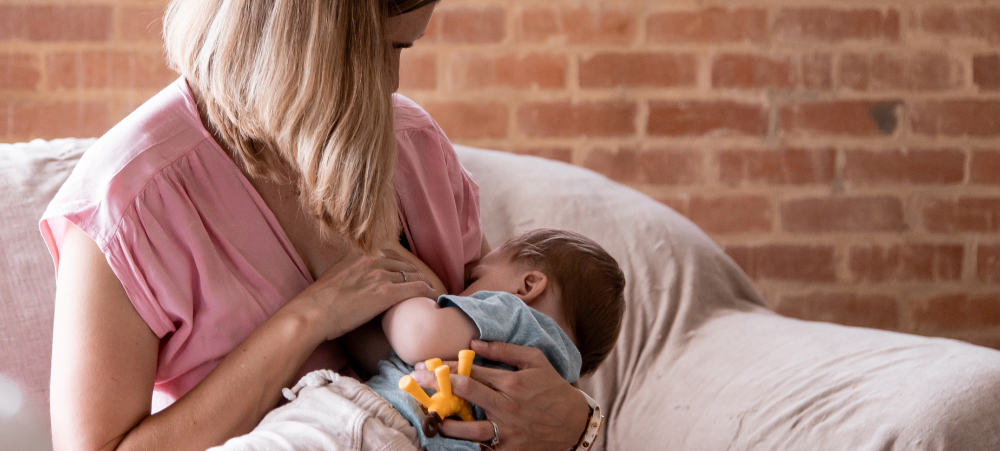
Let’s face it—new parents already juggle a million things, and the idea of breastfeeding on top of work, finances, and life can feel completely overwhelming. In South Africa, the laws say mums should get support. But do the laws match reality? And can moms genuinely afford to breastfeed?  South African law gives new moms four consecutive months of maternity leave—usually starting around one month before the due date and extending to three months after the birth. It’s illegal to return to work within the first six weeks, unless a healthcare provider says you’re ready.  However—here’s the kicker—employers aren’t required to pay salaries during this time unless it’s in your contract or a company policy. Instead, moms can apply for benefits from the Unemployment Insurance Fund (UIF).[1] UIF payouts range between 38% and 60% of your salary, depending on how much you contributed before leave[2]. Meanwhile, the application process can take 3–8 weeks, and you must reapply every month while on leave.  The law also entitles mothers to two paid 30-minute breastfeeding or expressing breaks per day—on top of lunch or tea breaks—for the first six months of a baby’s life. And employers are encouraged to provide a private, hygienic space for this purpose[3].  But the reality often falls short. Many women return to work within three months due to financial strain. The lack of proper lactation facilities, supportive workplace policies, or even awareness of these rights means many stop breastfeeding entirely. Even worse, domestic and informal workers—who often need the most support—are the least likely to access maternity protections.[4] South African moms are advised to exclusively breastfeed for six months, in line with WHO guidelines. Yet the statistics tell the real story: only around 32% of babies under six months are exclusively breastfed, averaging less than three months of breastfeeding overall[5].  These low rates are linked to higher risks of malnutrition, diarrhoea, pneumonia, and even infant mortality.  Even in the system’s imperfect current state, here are some practical tips from Sr Londe – independent midwife and Vital Baby’s trusted advisor – to help moms make breastfeeding work: Breastfeeding isn’t just about health—it benefits business too. Breastfed babies are generally healthier, meaning less absenteeism, more productivity, and better staff retention. Plus, it contributes to broader goals like gender equality, economic inclusion, and improved child development outcomes.  Here’s the bottom line: Can moms in South Africa afford to breastfeed? Legally, yes—but practically, it’s often an uphill battle. Gaps in pay, awareness, infrastructure, and enforcement mean many moms return to work too soon. But with proactive planning, workplace conversations, and community support, breastfeeding while working is absolutely doable.  [1] https://www.news24.com/Life/What-the-law-says-about-maternity-leave-UIF-and-going-back-to-work-20150826 [2] https://www.bbrief.co.za/2025/08/05/employee-maternity-leave-pay/ [3] https://www.news24.com/Life/What-the-law-says-about-maternity-leave-UIF-and-going-back-to-work-20150826 [4] https://www.saffarazzi.com/news/no-proper-maternity-pay-or-leave-for-domestic-workers-in-south-africa/ [5] https://internationalbreastfeedingjournal.biomedcentral.com/articles/10.1186/s13006-024-00634-z

Medicalaid.com

A father’s (unofficial, but honest) guide to pregnancy

Pregnancy is often described as a time of joy, anticipation and transformation, but for many fathers-to-be it can also feel like uncharted territory. While expectant mothers are the focus of much of the medical care and attention, partners play a vital role throughout the journey. Understanding the changes, both physical and emotional, that accompany pregnancy can help fathers provide meaningful support and strengthen the bond with both mother and baby. For men who have never navigated pregnancy before, the experience can feel overwhelming. Questions about how to help, what to expect and how to prepare for fatherhood often arise, sometimes quietly and without clear answers. While every pregnancy is unique, one constant remains: the presence of a supportive partner can make a measurable difference to the well-being of both mother and child. Research has shown that women who feel emotionally supported during pregnancy are less likely to experience complications such as antenatal depression, which can affect long-term family health. The first step is simply being present. Medical appointments, antenatal classes and routine check-ups are not just for mothers. When fathers attend, they signal that the journey is shared. Listening carefully to health professionals, asking questions and offering encouragement can ease anxiety. For many women, pregnancy brings dramatic physical changes that can be uncomfortable and sometimes frightening. When a partner acknowledges these changes without judgement and offers practical help, from preparing meals to sharing household responsibilities, it lightens the load and fosters trust. Pregnancy also brings emotional shifts that may be less visible. Hormonal changes can influence mood, but so too can the anticipation of birth and the realities of a growing family. Fathers who learn to listen without rushing to solve every problem often provide the greatest comfort. Sometimes the most valuable support lies in simply asking, “How are you feeling today?” and being ready to listen. For fathers, pregnancy is also a time of personal adjustment. The prospect of becoming a parent can stir up excitement, but also fears about responsibility, financial pressures and changing relationships. Talking openly with a partner about these concerns is important, but fathers should also recognise the value of peer support. Speaking with other new or experienced fathers, joining a prenatal group or even seeking professional guidance can provide reassurance and practical ideas. In South Africa, where extended family networks often remain strong, reaching out to relatives who have walked the path before can be an invaluable source of wisdom. As pregnancy progresses, fathers can prepare by learning about labour and delivery. Many hospitals and clinics offer courses on what to expect in the delivery room. These sessions not only demystify the process but also teach techniques such as breathing exercises, massage and ways to offer reassurance during labour. A father who understands what is happening is less likely to feel powerless and more likely to be a calming presence when it matters most. Bonding with the baby can begin long before birth. Talking to the unborn child, reading aloud, or even playing gentle music can help create a sense of connection. Ultrasound scans, where available, often make the pregnancy feel more real, allowing fathers to visualise the life they are preparing to welcome. For many men, the first kick felt beneath a hand placed gently on the mother’s stomach is a transformative moment. Practical preparation is another cornerstone. From setting up a safe sleeping space for the baby to understanding the basics of nappies, feeding and car seat installation, fathers who take an active role reduce the burden on their partners and signal that parenting is a shared responsibility. These actions may seem small, but they lay the groundwork for an involved fatherhood that benefits the whole family. The journey of pregnancy is not without challenges. There may be complications, unexpected medical advice or moments of stress that test patience. Fathers are not expected to have all the answers. What matters most is a willingness to learn, adapt and remain a steady presence. Encouraging healthy habits such as balanced meals, exercise where appropriate and adequate rest supports both mother and baby. Pregnancy, in many ways, is as much about partnership as it is about birth. When fathers engage with openness and commitment, they contribute not only to the health of their child but also to the strength of their relationship. The months leading up to birth are an opportunity to grow together, to share fears and hopes, and to establish patterns of care that will carry into the first years of parenthood. For fathers, the guide to pregnancy is not found in a single manual but in everyday actions: listening, supporting, preparing and being present. Each step taken with intention lays the foundation for a family that begins not only with the arrival of a child, but with the shared journey of bringing that child into the world.

Sanosan

Why Less Is More When It Comes To Understanding Newborn Skin

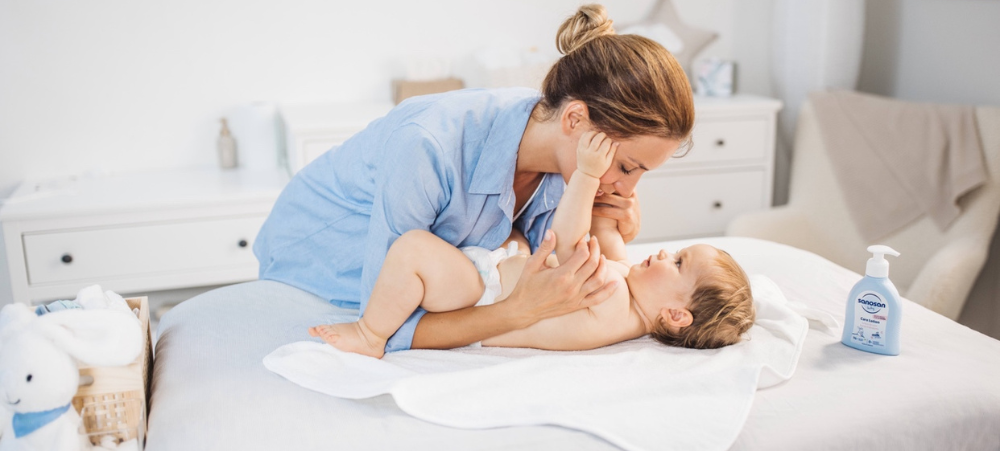
A baby’s skin is delicate, unique, and still developing — and sometimes, too much care can do more harm than good. Newborn skin: soft, squishy, and oh-so-kissable. But behind that perfect glow is something many new parents don’t know — a baby’s skin barrier is still a work in progress, and it needs a very different kind of care from ours. “People assume baby skin is just miniature adult skin — but that couldn’t be further from the truth,” says Karen Van Resnburg, brand manager at Sanosan South Africa. “It’s thinner, more sensitive, and far more vulnerable to damage.” Understanding how baby skin functions is the first step to protecting it — and when it comes to keeping it healthy, the golden rule is simple: less is more. At birth, a baby’s skin is still adjusting to life outside the womb. For nine months, they’ve been cocooned in a perfectly warm, moist environment. Once exposed to air, their skin must start regulating temperature, absorbing moisture, and defending against germs — all on its own. Here’s what makes baby skin so different: Newborns don’t get dirty the way adults do. They’re not running around, sweating, or exposed to pollution. Yet many parents instinctively reach for soaps, bubble baths, and wipes multiple times a day — thinking more cleaning equals better care. “The truth is, over-washing can strip a baby’s skin of natural oils and disrupt the protective barrier,” explains Karen. “This can lead to dryness, irritation, and in some cases, conditions like eczema.” Moisturising can be helpful — especially if the skin is dry or flaky — but it’s easy to overdo it. Slathering on thick lotions too often can clog tiny pores or interfere with the skin’s natural development. “Unless your baby’s skin is visibly dry or a healthcare professional has advised it, daily moisturising isn’t always necessary,” says Karen. “The key is to be gentle, responsive, and not overly reactive to every change in your baby’s skin.” How to support the skin barrier — simply and safely Most importantly, parents should know that a little goes a long way. Newborn skin is designed to adapt and strengthen over time. In many cases, it simply needs space to do what it’s naturally built to do. “So much of early parenting is driven by love and a desire to protect,” says Karen. “But when it comes to your baby’s skin, protection sometimes means stepping back — and letting nature take the lead.” Newborn skin care doesn’t need to be complicated. With a bit of knowledge and a less-is-more approach, you can help your baby develop strong, healthy skin — one gentle step at a time. Sanosan focuses on natural ingredients and gentle formulas for healthy skin. Using active ingredients specially tailored to your baby’s skin, natural milk protein is the central ingredient in Sanosan and is especially nourishing. More than 90 % of the ingredients are of natural origin such as organic olive oil, and the formulations are biodegradable. Safety first: all products are clinically tested and are free from parabens, silicones, paraffins, SLS / SLES and phenoxyethanol. For more info visit  https://sanosan.co.za Sanosan is available from Clicks Baby and Online stores, takealot.com, Makro Online and https://medhealthsup.com

Parenting Hub

How to Maintain a Healthy Routine During Pregnancy

Pregnancy is a transformative journey, bringing excitement, anticipation, and new responsibilities. Maintaining a healthy routine during this time not only supports your physical and mental well-being but also promotes optimal growth and development for your baby. A balanced routine helps manage energy levels, mood swings, and common pregnancy discomforts. Here’s a guide to creating a sustainable and nourishing routine throughout your pregnancy. 1. Prioritise Balanced Nutrition Eating well is foundational: 2. Incorporate Regular, Safe Exercise Exercise has physical and mental benefits during pregnancy: 3. Establish a Sleep Routine Quality sleep supports both mother and baby: 4. Manage Stress and Mental Well-being Pregnancy hormones can intensify stress and mood changes: 5. Routine Medical Checkups Regular prenatal visits are critical: 6. Organise Your Day Structure creates balance and predictability: 7. Stay Educated and Inspired Knowledge empowers confident parenting: Final Thoughts A healthy routine during pregnancy is about balance, not perfection. Prioritising nutrition, gentle movement, quality sleep, stress management, and medical care ensures both mother and baby thrive. By creating a structured yet flexible routine, expectant parents can navigate pregnancy with confidence, comfort, and joy. Sources:

Parenting Hub

Booster Seats – The Forgotten Step in Child Passenger Safety

Too Big for a Car Seat? Not Yet. The Safety Step Parents Are Skipping They may look big enough to drive around like the grown-ups – but children aged 4 to 12 are often driving unprotected. As South Africa marks Child Passenger Safety Week from 21 to 27 September, experts are urging parents not to skip one of the most crucial, and often overlooked, stages of car safety: the booster seat. “Many parents see the move from a car seat to a seatbelt as a milestone of independence,” says Debbie Billson, from Maxi-Cosi. “But the reality is, a standard seatbelt is not built for a child’s body. Skipping the booster step puts children at serious risk.” South African law currently mandates car seats only for children under the age of 3. But that leaves a dangerous gap. Children between ages 4 and 12, who are too big for toddler seats but too small for adult seatbelts, are often left unprotected. Booster seats are specially designed to fill that gap. They lift the child up so that the vehicle’s seatbelt sits correctly across the hips and shoulder – not dangerously across the stomach or neck. “A poorly positioned seatbelt can cause devastating internal or spinal injuries in a crash,” explains Billson. “With a booster, the same belt becomes a life-saving safety feature.” The Numbers Speak for Themselves Despite this, booster seat usage remains low in South Africa – largely due to lack of awareness and outdated assumptions that seatbelts alone are “good enough.” Children should continue to use a booster seat until they reach a height of 150 cm – typically around 10 to 12 years old. Many children under this height are simply not developed enough for a seatbelt to fit safely on its own. If the lap belt rides up on the tummy or the shoulder belt cuts across the neck, your child still needs a booster seat! Modern vehicles are built with safety in mind, but they’re designed around adult bodies. That’s why Kelston Motor Group, a proud campaign partner, is raising awareness about the importance of proper child restraints – even in the safest cars. “Booster seats aren’t optional; they’re an essential step in every child’s journey to safer travel,” says Peter McNaughton, Managing Director of Kelston Motor Group. “Any child under 150 cm tall still needs a booster seat – no matter how grown-up they look.” Child Passenger Safety Week (21–27 September) is the perfect time to check your child’s car seat setup. Because when it comes to keeping your child safe on the road, there’s no such thing as skipping a step. For more information, please visit: https://maxicosisa.co.za/news/child-passenger-safety/

Parenting Hub

Sleep Solutions for Newborns and Parents

Sleep is one of the biggest challenges new parents face. Newborns have tiny stomachs, unpredictable schedules, and developing circadian rhythms, which means sleepless nights are normal—but there are strategies that can make a difference for both baby and parents. Here’s a practical guide to help your family get more rest while keeping your newborn safe and content. 1. Understand Newborn Sleep Patterns 2. Establish a Safe Sleep Environment 3. Encourage Day-Night Awareness 4. Feeding and Sleep 5. Create a Bedtime Routine Even in the first months, gentle routines can signal sleep: 6. Parents’ Sleep Strategies 7. When to Seek Help Some sleep difficulties may need guidance: Final Thoughts Newborn sleep is unpredictable, but understanding patterns, creating a safe environment, and establishing gentle routines can make a significant difference. Remember, short stretches of sleep are normal in the early months—focus on consistency, safety, and self-care. Over time, both babies and parents can enjoy more restful nights. Sources:

Vital Baby

Lesser-Known Pregnancy Risks That Need To Be Discussed

Pregnancy is often painted as a glowing, joyful time — but behind the baby bump and excitement, many expectant mothers in South Africa are quietly facing health risks that go unnoticed, undiagnosed, and untreated. “While most women know the basics of pregnancy care, there are lesser-known risks that can have serious consequences for both mom and baby,” says Sr Londe, an independent midwife and Vital Baby’s trusted advisor, working with families across South Africa. “And too often, they’re only picked up when things go wrong.” From vitamin deficiencies to high blood pressure and undetected anaemia, these “silent risks” are more common than you might think — and they’re especially relevant in the South African context. 1. Vitamin D Deficiency – The Hidden Threat You’d think a sunny country like South Africa wouldn’t have to worry about Vitamin D levels — but studies show that up to 80% of South African women are deficient during pregnancy, especially those with darker skin tones or limited sun exposure. Vitamin D is essential for calcium absorption and foetal bone development. Low levels have been linked to gestational diabetes, low birth weight, and even developmental delays after birth. Most women don’t know they’re deficient because symptoms like fatigue and mood swings are brushed off as ‘normal pregnancy symptoms’, but it’s worth testing and supplementing if necessary. 2. Pregnancy Hypertension – Not Just a Late-Pregnancy Problem High blood pressure in pregnancy (also called gestational hypertension or pre-eclampsia) is a growing concern, especially in women over 35, first-time moms, or those with underlying conditions. In South Africa, pre-eclampsia is one of the leading causes of maternal mortality, according to data from the Department of Health. Symptoms can include swelling, headaches, or visual disturbances — but often, there are no early warning signs at all. That’s why regular blood pressure checks at every antenatal visit are so critical. “Hypertension doesn’t just affect the mother,” warns Sr Londe. “It can limit blood flow to the baby, leading to premature birth or growth issues.” 3. Anaemia – Common, but Often Ignored Iron-deficiency anaemia is one of the most prevalent nutritional conditions in pregnant South African women — yet it’s often overlooked as just being “tired” or “run-down.” Anaemia can increase the risk of preterm labour, low birth weight, and even postnatal depression. “Many women assume exhaustion is just part of pregnancy,” says Sr Londe, “but if you’re struggling to get through the day, can’t catch your breath, or feel dizzy often — it’s worth checking your iron levels.” While some of these risks may sound worrying, the good news is they are easily manageable with the right support. The key is awareness, routine checks, and not brushing off how you feel. Pregnancy isn’t just about baby scans and cravings — it’s also a time of massive change for a woman’s body. And while many risks fly under the radar, they don’t have to be scary. “When moms are informed, they’re empowered,” says Sr Londe. “A healthy pregnancy starts with understanding your body, trusting your instincts, and never being afraid to ask questions.” Because when it comes to pregnancy health in South Africa, it’s not just about what’s obvious — it’s about what’s overlooked, so discuss any changes and concerns with your healthcare provider to ensure a healthy, safe pregnancy.  Join Sr Londe for the monthly Ask The Midwife Live on Vital Baby South Africa’s Instagram account to get support and advice on pregnancy, birthing, and the postpartum time. 

Parenting Hub

Bonding with Your Baby: Tips for New Moms and Dads

The early days of parenthood are filled with awe, excitement, and sometimes uncertainty. Bonding with your baby is more than just cuddles—it’s the foundation for a secure attachment, emotional development, and long-term well-being. Both moms and dads play a critical role in creating strong, nurturing connections with their little ones. Here are practical ways to strengthen that bond while supporting your baby’s growth. 1. Skin-to-Skin Contact Skin-to-skin contact is one of the most effective ways to bond with your newborn: 2. Eye Contact and Talking Even newborns benefit from verbal and visual interaction: 3. Gentle Touch and Massage Touch is a powerful bonding tool: 4. Shared Activities Both parents can participate in activities that strengthen connections: 5. Create a Routine Babies thrive on predictability, and routines foster secure attachment: 6. Include Both Parents Bonding is not limited to moms: 7. Mind Your Wellbeing A happy, healthy parent is better able to bond: Final Thoughts Bonding with your baby is a journey that grows every day. Through touch, eye contact, routines, and shared activities, both moms and dads can create a secure foundation for emotional and social development. Remember, it’s not about perfection—small, consistent acts of love, attention, and presence make the biggest impact. Sources:

Parenting Hub

First-Time Parent Survival Guide: What No One Tells You

Becoming a parent for the first time is one of life’s most thrilling yet overwhelming experiences. From sleepless nights to endless diaper changes, first-time parents quickly realise that while advice is plentiful, the real challenges—and joys—often go unsaid. This guide offers honest, practical tips to help new parents navigate the early months with confidence, patience, and a touch of humour. 1. Sleep Will Be a Luxury One of the biggest shocks for new parents is sleep deprivation: 2. Feeding Challenges Are Normal Whether breastfeeding, formula feeding, or a combination: 3. Embrace the Mess First-time parents often feel the pressure to maintain a perfect home: 4. Baby Doesn’t Come with Instructions Every child is unique: 5. Mental Health Matters Postpartum can be challenging: 6. Practical Tips for Survival 7. Celebrate the Small Wins First-time parenting is full of little victories: Recognising and celebrating these wins builds confidence and reduces stress. Final Thoughts Being a first-time parent is a rollercoaster ride of love, exhaustion, joy, and learning. There is no perfect way to do it, and much of parenting is about adapting, experimenting, and enjoying the journey. Trust yourself, ask for support, and don’t forget to celebrate the little moments—they add up to a lifetime of cherished memories. Sources:

DIBBER SA

The Powerful Influence of a Mother on a Child’s Development

From the first heartbeat, a mother’s presence offers warmth, safety, and guidance. In those crucial early years—especially the first 1,000 days when a child’s brain and emotional wiring are rapidly forming—the influence of mothers and maternal figures can help shape how children learn and who they become. Across South Africa and beyond, mothers and female caregivers are often the first teachers, role models, and nurturers that children encounter. Their presence anchors childhood in stability, empathy, and love. “We often talk about education starting at school, but it truly begins at home—often in the lap of a mother, grandmother, or aunt,” says Ursula Assis, Managing Director of Dibber International Preschools South Africa. “These early experiences, wrapped in care and routine, shape how children view themselves and the world around them. That is why our approach to early education deeply values the role of mothers and matriarchs as co-educators.” Mothers are often the emotional epicentre of a child’s world. From a warm hug after a tumble to bedtime lullabies passed down through generations, maternal figures provide children with emotional safety, an essential condition for healthy development. Children learn empathy, resilience, and self-confidence when a mother validates emotions or responds with kindness. Early Learning Starts with Mum The influence of mothers on child development often begins with simple, everyday interactions. Singing a folk song in Afrikaans, preparing meals together, or helping with counting games in isiXhosa—these early moments spark language skills, curiosity, and a love of learning. Mothers have laid the foundations for cognitive and social development before formal schooling begins. Whether it’s allowing a toddler to choose their outfit or encouraging them to share their ideas, mothers empower children to be heard. This nurtures independence and helps children build a strong sense of identity. In South African homes, where many mothers juggle work, parenting, and community responsibilities, their ability to balance strength with softness is a profound model for young children. In homes filled with laughter, traditions, and story-sharing, maternal figures quietly shape a child’s understanding of values—respect for elders, sharing with others, and standing up for what’s right. These lessons are often passed down during ordinary routines, becoming extraordinary building blocks of a child’s moral compass. Extended Family: A Collective of Care While mothers hold a special role, South African children are often raised by a robust network of women—grandmothers, sisters, aunts, and caregivers—each contributing in unique ways. This shared responsibility is a celebration of ubuntu, reinforcing a child’s sense of belonging, community, and connection. Dibber honours the vital role of mothers and strong female figures in a child’s early years. The preschool’s educators work hand-in-hand with families, ensuring that what begins at home is nurtured in its classrooms.  When a child feels loved, safe, and seen, the learning never really stops. It only grows stronger.

Parenting Hub

Preparing Your Home for a New Baby: A Room-by-Room Checklist

Welcoming a new baby into your home is one of life’s most exciting moments—but it can also feel overwhelming. From cribs to bottles to baby-proofing, there’s a lot to think about. A room-by-room checklist can help you stay organised, reduce stress, and ensure your home is ready for your little one’s arrival. 1. Nursery The nursery is the baby’s safe haven, so make sure it’s ready and comfortable: 2. Bedroom Parents will spend a lot of time here, especially during nighttime feeds: 3. Bathroom Bathing and hygiene are key for baby and parent convenience: 4. Kitchen Feeding time can be hectic, so prep your kitchen for efficiency: 5. Living Areas Make your home baby-friendly and safe: 6. Laundry & Storage Babies generate a lot of laundry! Final Tips for a Stress-Free Home By preparing your home thoughtfully, you’ll create a safe, comfortable, and welcoming environment for your newborn—and enjoy a little peace of mind as you settle into life with your new bundle of joy. Sources:

Stickythings

Create Magical Moments for Your Little Ones with StickyThings

Why Stickythings Delights Parenting Hub’s Audience At Parenting Hub, you’re part of a supportive, hands-on community of parents who value creativity, connection, and practicality. From pram-friendly walks to enrichment meetups, the focus is always on meaningful, child-centric experiences. That’s why decorating nurseries, play areas, and home learning spaces matters, not only for looks but for nurturing little imaginations. Stickythings.co.za brings your child’s world to life with stylish, easy-to-apply wall stickers, murals, decals and wallpaper.  Moms love how it transforms everyday spaces into memories. What Parents Can Discover 1. Playroom Wonders & Nursery Enchantment Transform your child’s space into a dreamy forest, educational alphabet adventure, or pastel paradise. Choose from thoughtfully designed motifs like the Woodland Forest Wall Art Sticker featuring a majestic tree that towers over 2 meters to spark storytelling and cozy vibes. StickyThings Transform your child’s space into a dreamy forest, educational alphabet adventure, or pastel paradise. Choose from thoughtfully designed motifs like the Woodland Forest Wall Art Sticker featuring a majestic tree that towers over 2 meters to spark storytelling and cozy vibes. StickyThings 2. Custom Creations for Your Unique Family Moments Got a ‘first steps’ milestone or a favourite nursery rhyme? Stickythings offers custom designs, decals and murals tailored to your family’s story. It’s a heartfelt way to mark milestones on your own terms. StickyThings 3. Safe, Stylish, and Stress-Free Worried about fuss? The FAQ covers all the questions parents ask: yes we can help with installation, and yes wall art can be removed cleanly, so you’re decorating worry-free. StickyThings Your Parenting Hub Mom-to-Mom Guide As a savvy Parenting Hub parent, you know the power of purposeful design: environments that bring joy, encourage play, and create great photo ops for memories and milestone sharing. Stickythings helps you: See it in action: Head over to your favourites and the gallery at stickythings.co.za to explore ready-made collections and custom magic. Let your heart and your home grow together. Request a quote or consult with the friendly Stickythings team today!

NB Hearing & Balance

Tuning Into Sound: How Your Baby Hears You in the Womb

One of the most magical parts of pregnancy is knowing that your baby is already learning about the world before they’re even born. While we often think of touch as the earliest sense to develop, many parents are surprised to discover just how early hearing plays a role in connecting you to your little one. When Does Hearing Develop in the Womb? By around 18 weeks of pregnancy, your baby’s ears have started forming and connecting to the brain. By 25 weeks, they begin responding to sounds. At first, the womb is a muffled, watery world, but by the third trimester, your baby can hear your voice, your heartbeat, and even muffled outside sounds like music or a sibling’s laughter. By the time you reach the final weeks of pregnancy, your baby’s auditory system is fine-tuned enough to recognize your voice! This early familiarity is why newborns often calm when they hear their mother or father speak. It’s a sound they already know and love. Why Sound Matters Before Birth Sound isn’t just background noise for your baby, it’s a vital part of their neurological development. Research shows that prenatal exposure to voices and music helps babies: Your voice is actively helping wire their brain for future communication. How Parents Can Stimulate Their Baby’s Hearing in Utero Encouraging healthy hearing development is simpler than you might think. Here are some gentle, bonding ways to nurture your baby’s auditory world: Newborns show a preference for the language and even the accent or dialect they heard most in the womb, your daily conversations are shaping their early listening skills! Caring for Your Baby’s Hearing During Pregnancy While sound exposure is important, protecting your baby’s delicate hearing begins long before birth. A few tips: Beyond Birth: Supporting Lifelong Hearing Health After your baby arrives, those early familiar sounds continue to comfort and connect them. But remember, even healthy newborns should have their hearing checked. Early detection of hearing difficulties can make a life-changing difference in speech, learning, and development. At NB Hearing and Balance, we’re passionate about supporting families from the very start. Whether you’re curious about your baby’s in-utero hearing, preparing for their first hearing screening, or seeking guidance on lifelong hearing health, our caring team is here to help. The Sweet Sound of Connection Every time you talk, sing, or read to your baby during pregnancy, you’re doing more than bonding. You’re laying the foundation for their language, learning, and emotional connection with you. And that’s something worth tuning into. Learn more about hearing development and schedule a consultation with one of our audiologists. We have various locations throughout Cape Town.

MiniMi

MiniMi is changing gender reveals in SA

Gender reveals are exciting, and many parents want early answers. MiniMi offers a safe, fast, and accurate way to know your baby’s gender from 10 weeks. Gender reveals are more popular than ever, and they’ve become an exciting milestone for expectant parents. But what many people don’t see behind the balloon popping and cake reveals is the growing desire for early, reliable answers about their baby’s gender. MiniMi is a safe, accurate, and fast way to find out your baby’s gender from as early as 10 weeks into pregnancy.  Why gender reveals have taken off  From intimate family moments to elaborate parties, gender reveals are now a celebrated part of the pregnancy journey for many parents. Social media has certainly played a role but so has the emotional connection that comes with knowing your baby’s gender early in the journey.  Parents often say that finding out the gender makes the experience feel more real – it allows them to bond with baby, dream, plan and prepare. And with more people sharing their journeys online, the excitement is contagious.  How MiniMi works  The MiniMi Early Fetal Sex Test is 98% accurate and works by analysing a small sample of blood from a simple blood draw from the mother’s arm. It can be done from 10 weeks of pregnancy, looking for fragments of the baby’s DNA which are present in the mother’s blood. If a Y-chromosome is detected, it indicates that the unborn baby is a male, and if no Y-chromosome is found, it is a female.  Appointments are booked online and the test can be taken at selected Dischem Baby City Mom & Baby Clinics countrywide – click here for a list of available clinics in your area.  Results are emailed to the parents, or a recipient on your choice, such as a friend, or party planner, and are available within 5 working days from when the sample reaches our laboratory in Johannesburg.  Why Next Biosciences launched South Africa’s first early fetal sex test  Before now, South African parents have relied on ultrasound prenatal scans from 16 weeks to determine their baby’s gender, which often can’t be confirmed with 100% certainty, especially if the baby’s position makes it difficult to see clearly. On the other hand, international testing comes with high costs, long turnaround times, and added logistical challenges.  MiniMi has changed that.  By offering this test locally, we’re making early gender discovery more accessible, affordable, and reliable for South African families, with faster results and local support.  Whether you’re planning a gender reveal party or simply want to connect with your baby sooner, MiniMi brings science and celebration together.  No invasive procedures. No long waits. Just peace of mind.  Book your MiniMi test today – click here  Contact us: [email protected] Tel: 011 697-2900

Mommy Material

From Doubt to Confidence: How a Simple Device Could Have Changed My Breastfeeding Journey

When I became a mom for the first time, I thought breastfeeding would just happen naturally. But the reality was different. My baby would scream after almost every feed, and at just two weeks old, a close family member told my mom that she didn’t think my milk was “any good.” She urged my mom to convince me to take my baby to a nurse, saying, “New moms should think about their baby, not themselves.” Her words crushed me. I refused to go, but for days I lived in silent doubt, questioning whether I was failing my son. Was my milk not enough? Was I starving him without realising it? Then came his scheduled follow-up appointment. To my shock (and relief) he had gained more weight than required on nothing but my breastmilk. Looking back, I often think: if I’d had the MyLee Milk Sensing Device then, I wouldn’t have wasted those days feeling like a failure. I would have had proof; clear, objective reassurance that my milk was nourishing him. I would have trusted myself more. And that’s why I feel so passionate about bringing this technology to other moms. Why Moms Doubt Themselves I now know I wasn’t alone. Studies show that the most common reason moms stop breastfeeding earlier than they want to is due to milk supply-related concerns. Sometimes supply is absolutely fine, but doubt creeps in, while in other cases there may be genuine risks that are best addressed early. Either way, these concerns are real and deserve both attention and support. The truth is, the early days matter more than we often realise. The Crucial First Five Days Recent research published in Breastfeeding Medicine (July 2025, Academy of Breastfeeding Medicine’s special issue) highlights just how important the first five to six days postpartum are. This window is when your body goes through secretory activation — the transition from colostrum to mature milk and the process of building volume. If this process is delayed or impaired, it can affect long-term breastfeeding outcomes. On the flip side, when secretory activation happens on time and milk volume comes in effectively, moms are much more likely to meet their breastfeeding goals. The problem? Until now, there’s been no simple way for mothers at home to know if their supply is on track. That’s where the MyLee Milk Sensing Device changes everything. Awarded as the Breastfeeding Support Product of the Year at the 2024 Baby Innovation Awards, MyLee is developed by MyMilk Lab and available locally through Mommy Material. This small handheld device brings cutting-edge lactation monitoring to moms at home. With just a few drops of milk (even colostrum), the device uses unique conductivity-based technology to analyse biomarkers that reflect electrolyte levels, particularly sodium, which research has shown is strongly linked to lactation progress. This provides real-time insights into whether milk production is progressing as it should. This technology, once only available in research or NICU settings, is now accessible to everyday mothers. Instead of relying on guesswork or worry, moms can finally get answers. Imagine knowing just days after birth whether your milk is on track. Imagine the confidence of being reassured, or the relief of catching a potential issue early enough to get the right support. Backed by Global Research This isn’t just marketing hype. MyLee was highlighted in a 2025 review in Breastfeeding Medicine exploring new point-of-care techniques to support breastfeeding. Here’s what leading experts are saying: As Dr. Angela Lang, Director of Clinical Education at Medela, summarises: “By removing the guesswork and providing targeted recommendations, we empower mothers to take control of their lactation journey.” That empowerment is exactly what MyLee delivers. A New Era of Personalised Breastfeeding Support Every mother and every milk supply is unique. Some moms may only need to pump six times a day, while others may need eight. Generic advice doesn’t always fit and can even cause more stress. MyLee allows breastfeeding professionals to give personalised guidance based on each mom’s unique milk biochemistry. That means targeted recommendations, timely interventions when needed, and reassurance when everything is progressing just fine. It’s not about adding pressure. It’s about removing doubt. It’s about giving moms confidence. From NICUs to Living Rooms Much of the global conversation around milk biomarkers and early monitoring has focused on NICUs and preterm babies, but the truth is that these tools are just as valuable for mothers of full-term, healthy newborns. Every mom deserves to feel confident in her milk supply. MyLee brings the same science-based insights used in specialised care settings straight into everyday homes. More Than Just One Device Breastfeeding is one of the most natural things in the world, but it isn’t always easy. For too many moms, doubt creeps in at the very moment when reassurance is needed most. The MyLee Milk Sensing Device offers a new way forward; turning uncertainty into confidence, and helping moms trust their bodies again. Because when mothers feel supported, babies thrive; and that is what truly matters. Learn more about MyLee and our full range at www.mommymaterial.co.za or join our community on Instagram @mommymaterialsa.

Netcells

The future of your child’s health starts today 

You can’t predict the future – but you can prepare for it with Netcells. Discover this once-in-a-lifetime opportunity to protect your family’s health.  Now is an opportune moment to explore the incredible value held within a simple resource: umbilical cord blood. Amidst the wonder of welcoming a newborn into the world, parents are often unaware of the lifesaving potential contained within cord blood and tissue, which are stem cells. Cord blood, collected from the umbilical cord at birth, is rich in haematopoietic stem cells, which have the unique ability to develop into various types of blood cells that are usually produced by one’s bone marrow. This invaluable resource holds promise for future potential medical treatments. Stem cells are the building blocks of life, possessing the remarkable ability to repair and regenerate damaged tissues and organs. Cord blood, specifically, can be used to help treatment over 80 blood-related diseases, including certain cancers, blood disorders, immune deficiencies, and more. Collecting stem cells at birth is easy, painless and a lot less invasive than collecting them later in life. These cells can be stored and preserved for many years, ready to be utilised if the child needs it in the future. They hold the potential to treat not only the child from whom they were collected but also family members who are a match, making them a precious resource for the entire family. Next Biosciences is the longest internationally accredited cord blood bank in South Africa, having stored 22 000+ samples since 2005. We believe education is pivotal in empowering families to make informed decisions about cord blood banking. Discussing this topic with healthcare providers during pregnancy, visiting our stands at baby-related events and expos can provide invaluable insights and guidance. At Next Biosciences we also offer four lab tours a year at our laboratory in Midrand (next is Saturday, 6 September 2025 – RSVP here), as well as one-on-one lab tours during the week.  Understanding the process, benefits, and limitations of cord blood banking is essential for making a well-informed choice. For more information on stem cell banking, click here. Contact us at: [email protected] Tel: 011 697-2900

Wriggle and Rhyme

The surprising secret to building brains: it starts with a song!

We all know that young children, especially toddlers, love to make a noise. Whether it’s banging pots, humming tunes or clapping hands.  But did you know that all that musical play is actually helping to shape their brains? Music education in the younger years isn’t just fun, it’s incredibly powerful for developing auditory processing and listening skills. Sponge brains At this stage of development, toddlers are soaking up sound like little sponges. Their brains are learning how to pick out patterns, differentiate tones, and follow rhythms. These are all the things that are crucial for listening, understanding language, and eventually reading.  When they participate in music activities like singing songs, tapping along to a beat, or moving to rhythms, they’re strengthening neural pathways that support focus, memory, and sound discrimination. From clapping a rhythm to learning to read For example, clapping to a steady beat or echoing a simple melody helps toddlers learn how to listen closely, anticipate what comes next, and stay engaged. These are the very same skills they’ll need in the classroom later on when they’re learning to follow directions, concentrate, and communicate. Plus, music offers a joyful, gentle way to learn and practice these skills. There’s no test, no “wrong” answer — just fun and connection.  Beaters in the air! Our small group music classes also build social skills. We encourage our little RHYMERS to connect with others, take turns, and respond to social cues through sound, which is another win for early listening development. Music supports brain development In short, giving your young child regular access to music is one of the simplest (and most fun!) ways to support their brain development.  So grab a shaker, turn up your favourite music, and have fun together — you’re not just making memories, you’re building lifelong skills. Enjoy some of our unique Wriggle and Rhyme musical stories – more info HERE. Available to stream on your favourite music streaming platform. Musical resources Find us at www.wriggleandrhyme.co.za or on Facebook and Instagram @wrigglerhyme 

Aphrodite’s Garden

The Powerful Benefits of Delaying the Cutting of the Umbilical Cord

In the precious moments after birth, there’s a quiet yet powerful transition taking place—baby’s journey from womb to world. One gentle, yet profoundly impactful choice parents can make during this time is to delay clamping and cutting the umbilical cord. What is delayed cord clamping? Delayed cord clamping simply means waiting before clamping and cutting the umbilical cord—typically 1 to 5 minutes after birth, or until the cord stops pulsating.  Why wait? The benefits are remarkable: Things to consider: Delayed clamping is generally safe for both vaginal and cesarean births. However, it’s always important to discuss your birth preferences with your healthcare provider and include it in your birth plan. As your baby receives this final gift from the placenta, you too deserve care rooted in love and healing. Aphrodite’s Garden Mama Care Gift Set Thoughtfully curated to honour the strength and sensitivity of new motherhood, this all-natural set supports you through birth and postpartum recovery—with plant-based, chemical-free care. What’s inside:  A heartfelt gift for every birthing journey. Shop now at www.aphroditesgarden.co.za

Sanosan

The Unspoken Struggles of Postpartum Skin – How to Restore Hydration and Elasticity After Birth

Hormonal acne, dryness, pigmentation — new moms face more than sleepless nights.  Stretch marks and sleepless nights aren’t the only things women face after giving birth. For many new mothers, the postpartum period brings a whole new set of challenges — and one of the least talked about is what happens to your skin. “Postpartum skin issues are incredibly common, yet so few people talk about them,” says a spokesperson for Sanosan, the trusted baby and mother skincare brand known for its high-quality products with a focus on natural ingredients. “New moms are often surprised by how dramatically their skin changes — from dry, flaky patches and pigmentation, to oiliness and breakouts that make them feel like they’re going through puberty again.” It all comes down to hormones. During pregnancy, elevated levels of oestrogen and progesterone help your skin look and feel great — often giving rise to the famous “pregnancy glow”. But once your baby is born and hormone levels plummet, your skin can be left feeling dull, dry, and irritated. Here are some of the most common skin changes postpartum: While you can’t control your hormones, you can take steps to support your skin’s recovery. According to Sanosan, the key is gentle care and hydration. “Many new moms are tempted to use harsh scrubs or active ingredients to ‘fix’ their skin quickly, but this often makes things worse. Your skin needs time, nourishment, and support — just like the rest of your body after birth.” Here are a few expert-approved tips: Perhaps the most important message for new moms? You are not alone. Too often, women feel guilty for caring about how they look after birth. But wanting to feel comfortable in your skin again doesn’t make you vain — it’s part of healing. Taking care of your skin can be a small but powerful act of self-care in a time that’s otherwise all about giving. So whether it’s dryness, dark spots or stubborn breakouts — know that it’s normal. With the right care, your skin will find its balance again.   Now available in South Africa, Sanosan is a German family-owned company specializing in baby, mama, and kid skincare products, focusing on natural ingredients and gentle formulas for healthy skin. They emphasize quality, safety, and sustainability in their products, aiming to provide the best care for babies, children, and mothers. Using active ingredients specially tailored to your baby’s skin, natural milk protein is the central ingredient in Sanosan and is especially nourishing. More than 90 % of the ingredients are of natural origin such as organic olive oil, and the formulations are biodegradable. Safety first: all products are clinically tested and are free from parabens, silicones, paraffins, SLS / SLES and phenoxyethanol.  Sanosan is available from Clicks Baby and Online stores, takealot.com, Makro Online

Vital Baby

Dads – how can you make a difference in Mom and Baby’s breastfeeding journey

Breastfeeding may be a mother’s role, but fathers have a powerful part to play — from late-night bottle prep to emotional support. There’s a long-held stereotype that breastfeeding is a one-woman job. But ask any mother who’s done it — and she’ll tell you the truth: breastfeeding might be a solo act in practice, but it takes a team to make it work. More South African families are starting to understand the importance of active dad involvement in the breastfeeding journey — and the results are healthier babies, more confident moms, and stronger parent partnerships. “Breastfeeding doesn’t just impact the baby and the mother — it shapes the family dynamic,” says Sr Londe, independent midwife and trusted advisor for Vital Baby. “When dads step in to support the process, it creates a ripple effect of encouragement and connection.” While only moms can do the actual feeding (unless they’re expressing), the success andsustainability of breastfeeding often depend on the dad’s support. Research shows that when fathers are informed, present, and positive about breastfeeding, mothers are more likely to start breastfeeding, feel confident doing it, and continue for longer. In fact, a study published in the Journal of Human Lactation found that mothers were twice as likely to continue breastfeeding at six months if they felt supported by their partners. So, what does a supportive breastfeeding dad look like? It’s not about doing it all — it’s about being there, in big and small ways: Encouraging her when it gets tough Breastfeeding can be physically and emotionally challenging — especially in the first few weeks. Dads can help by listening without judgement, offering words of encouragement, and reminding her of the bigger picture when it feels overwhelming. Taking care of the little things Changing nappies, soothing the baby after feeds, sterilising bottles or breast pumps, and handling burping — these seemingly small actions allow mom to focus on feeding and recovery. Getting informed “Men don’t have to guess their way through it,” says Sr Londe. “Learn about how breastfeeding works, understand what mom is going through, and show her she’s not alone.” That means attending antenatal classes, reading up, or simply asking questions. Helping with night feeds If baby is bottle-fed with expressed milk or formula at times, dads can take the night shift or early morning feed. It’s a game-changer for sleep and helps fathers bond with their babies. It’s time to ditch the outdated narrative that dads only come into their own once the baby is weaned. Today’s fathers are embracing nurturing roles from day one, and brands like Vital Baby are encouraging this shift with products and support that empower dads to show up — confidently and hands-on. “The more we normalise the role of dads in early feeding and baby care, the more we support families as a whole,” says Sr Londe. “Breastfeeding is not a women-only world — it’s a family journey.” Being present, proactive, and positive — these are the hallmarks of modern fatherhood. And in the world of breastfeeding, that presence can mean the difference between isolation and teamwork. So to all the dads wondering how to help: Your role is vital. Your support is powerful. Your presence is enough.

Parenting Hub

Calming Eczema-Prone Skin

Whether you’re an eczema veteran or newbie, E45 – an expert in dry, itchy skin – has a tailored solution to keep your body feeling calm, hydrated, and comfortable. What is Eczema? Eczema is a family of inflammatory skin conditions that bring along itchiness, dryness, rashes, scaly patches, blisters, and even skin infections.1a There are seven types of eczema: atopic dermatitis, contact dermatitis, dyshidrotic eczema, nummular eczema, seborrheic dermatitis, and stasis dermatitis.1b For many people with eczema, the term “flare-up” is all too familiar. It’s used to describe those frustrating periods when symptoms intensify and are prolonged.1c Atopic Eczema  Atopic eczema is the most common type of eczema and can be persistent and frustrating to manage.2a It’s especially common in children, often making an appearance before their first birthday, although adults can develop it for the first time later in life as well.2b While atopic eczema is a long-term (chronic) condition, there’s good news – it doesn’t always stick around forever. Many children experience significant improvement as they grow, and in some cases, eczema may even clear completely over time.2c  How to Treat Eczema-prone skin Eczema is like that overdramatic friend who insists on making everything about them. Change your laundry detergent? Cue the full-blown tantrum. Step outside on a breezy day? Here comes the fiery protest. Dare to enjoy a long, steamy shower? Unacceptable! While it is true that eczema can be unpredictable, keeping your skin moisturised can make all the difference.6 The Link Between Eczema and Skin Hydration Healthy skin feels soft and supple thanks to its water content.3aTo maintain that smooth, hydrated feel, the top layer of skin needs at least 10 % water, with an ideal range of 20 – 35 %.3b To lock in moisture, the skin’s sebaceous glands produce sebum – a natural mix of fatty acids, sugars, and waxes – which forms a protective barrier against water loss.3c  People with eczema have a weakened skin barrier, making their skin more prone to dryness, irritation, and allergens.4a This barrier weakness is partly due to lower levels of ceramides, natural lipids that help lock in moisture and protect against irritants.4b When the skin’s barrier is compromised, allergens and irritants can penetrate more easily, triggering inflammation, itchiness, and flare-ups.4c E45 Cream5a, with its rich emollient action5b, is more than just a moisturiser – it’s an intensely hydrating solution for managing a wide range of dry skin conditions, including eczema.5c Suitable for the whole family (including babies and children5d). This fragrance-free and non-greasy formula5e contains Medilan,5f a medical grade, highly purified and hypoallergenic form of lanolin, light liquid paraffin5g, and white soft paraffin5h that work together to lock in moisture and keep skin hydrated. E45 Cream is available in 50g, 125g, 500g tub, and 500g pump, simply apply twice a day or as needed for relief.5 Final Thoughts  With daily use of E45 Cream, you can soothe, protect, and strengthen eczema-prone body skin. Stick to the routine, and you’ll be well on your way to keeping flare-ups at bay and feeling more comfortable in your skin every day. For more information and references, visit E45 and join the conversations on Facebook, YouTube, Tik Tok and Instagram. E45’s range of products are available from selected independent pharmacies, Clicks and Dis-Chem stores. The range is also available from Takealot. Keep a look out for the new packaging designs which will be filtering into stores shortly. 17.02.2025.1000001298. February 2025.

Parenting Hub

Early Education Milestones Every Parent Should Know

Watching your child grow and learn is one of the most rewarding parts of parenting. Early education milestones provide helpful markers to understand your child’s development and ensure they’re on track with skills they’ll need in school and life. While every child develops at their own pace, knowing typical milestones can guide you in supporting your child’s learning journey—and alert you early if extra help is needed. Here’s an overview of key early education milestones from birth to age five: Birth to 12 Months: Foundations of Learning 1 to 2 Years: Exploring and Communicating 2 to 3 Years: Building Independence 3 to 4 Years: Developing Skills 4 to 5 Years: Ready for School Tips for Supporting Milestones at Home: When to Seek Help If you notice your child is consistently missing several milestones or seems to struggle with basic skills, consider discussing your concerns with a paediatrician or early childhood specialist. Early intervention can make a significant difference. Final Thought: Knowing early education milestones empowers you as a parent to provide the best support for your child’s growth. Celebrate their unique journey, and enjoy the adventure of learning together! 📚 Sources:

NB Hearing & Balance

Winter Listening: Outdoor Sound Play for Children’s Growth

When we think of listening, we often imagine quiet, focused moments indoors — reading a story, following instructions, or singing a lullaby. But in reality, the world outside offers one of the richest soundscapes for nurturing a child’s listening development. Even in winter, perhaps especially in winter, nature becomes an immersive sensory classroom. It’s just a matter of tuning in. Winter is not silent. It whispers and whooshes. It crunches and drips. It hums, howls, and hovers with stillness, all of which offer rich opportunities for children to engage in listening, sensory play, and early auditory training. At NB Hearing and Balance, we believe in supporting children’s hearing health in a holistic way, and the outdoor environment provides a meaningful, natural space to help develop listening skills while encouraging curiosity and movement. Why Listening is More Than Hearing For young children, listening is an active process. It involves detecting sounds, distinguishing between them, interpreting what they mean, and learning to respond appropriately. These skills form the foundation of communication, learning, and social development. In children with normal hearing and those using hearing aids or cochlear implants, auditory training supports the brain’s ability to process and make sense of sound. One powerful way to build these skills is through sensory-rich environments, and winter landscapes, despite the chill, are full of unique sensory invitations. From the sound of boots crunching on frosted grass to the distant rumble of thunderclouds, every auditory encounter is a chance for growth. The Soundscape of Winter: A Natural Playground for the Ears Let’s take a closer (or rather, a deeper) listen to the sounds of winter. You may be surprised how much is happening when you pause to hear it: When we frame these everyday moments as meaningful listening experiences, we’re not just going for a walk; we’re participating in auditory learning. Linking Nature Sounds to Sensory Play Sensory play is essential to early development. It helps build nerve connections in the brain, supports language development, and promotes fine and gross motor skills. Importantly, it also fosters mindfulness and emotional regulation. By incorporating listening into sensory play outdoors, parents and educators can encourage whole-child development. Try some of these activities: The Role of Listening in Auditory Training Children with hearing difficulties, whether permanent or temporary, benefit greatly from intentional auditory training. Outdoor sound-based play can be part of a structured approach to developing these skills. The unpredictable nature of outdoor environments challenges children to listen carefully and adapt to new sound patterns, supporting the development of auditory memory and attention. For children using hearing aids or cochlear implants, caregivers can: At NB Hearing and Balance, we work closely with parents to personalise listening goals based on each child’s developmental needs and hearing profile. The environment,  indoors and out, becomes part of the therapeutic toolkit. Tips for Safe and Successful Winter Listening Play Listening is Learning — Wherever You Are Winter’s soundscape may be subtle, but it’s filled with opportunity. When we bring children outside and guide them to listen with curiosity, we’re nurturing not just hearing, but awareness, attention, language, and joy. At NB Hearing and Balance, we advocate for natural and engaging ways to support your child’s auditory development. If you have concerns about your child’s hearing, speech, or sensory responsiveness, contact our team — we’re here to help you navigate the journey toward stronger listening, inside and out.  Give us a calll, we are conveniently located in Cape Town, we help families connect through sound from Fish Hoek, to Hout Bay, Wynberg, to Sea Point, and the Durbanville surrounds.

Lotus Preschool and Aftercare

The Gentle Beginnings: Why Starting Preschool from 4 Months Can Nurture Lifelong Growth

At Lotus Preschool and Aftercare, we understand that sending your baby to school at 4 months is a major decision. We know it requires careful thought. It is natural to feel a mix of emotions—excitement, concern, and curiosity. What truly matters is choosing a safe, nurturing space. This space should guarantee your baby is loved and supported. They should be gently guided through the earliest stages of development. A Strong Foundation Starts Early The first year of life is full of rapid growth. During these early months, your baby is already learning how to trust, communicate, explore, and feel secure. Brain development is at its most dynamic, forming over a million neural connections every second. Early exposure to rich, responsive environments has long term benefits for cognitive, emotional, and physical development. At Lotus, our infant program is carefully designed to offer a peaceful and loving environment. Babies from 4 months old are free to explore safely. They can develop at their own pace. Our caregivers are trained in early childhood care. They follow the Montessori philosophy. This ensures each child receives personalised attention, love, and encouragement. The Benefits of Montessori Schooling from 4 Months The Montessori approach is based on the belief that even the youngest children can learn. They are capable of growing in remarkable ways. Dr. Maria Montessori recognised that the earliest years of life are not only foundational but transformative. Here is what Montessori offers your baby from 4 months: As Dr. Maria Montessori said,“The greatness of the human personality begins at the hour of birth.” We honour this belief in everything we do. We create spaces that support the unique development of each child from the very beginning. Emotional and Social Growth Through Connection In our infant environment, babies experience warm, consistent interactions with loving caregivers. These interactions help them feel secure and loved while also beginning to understand early social cues. Babies also watch and connect with other infants, promoting social development and empathy in age appropriate ways. Establishing Routines and Gentle Structure Predictable routines help babies feel safe and settled. While we always follow each baby’s individual feeding and sleeping needs, we gently introduce consistent rhythms to the day. This helps promote restful sleep, self regulation, and a sense of comfort and security. A Strong Partnership with Parents We view ourselves as your partner in parenting. Lotus offers open communication, regular updates, and ongoing support to guarantee your peace of mind. We know how precious these early months are, and we walk alongside you to support both you and your child. We support your return to work with care and empathy. We also offer flexibility. You can trust the environment where your child is safe, loved, and thriving. Referrals and Further Reading If you are considering enrolling your baby in preschool and would like to explore the benefits further, we recommend the following resources: You are welcome to visit Lotus Preschool and Aftercare. You can watch our infant environment. Meet our caring staff and ask any questions you have. In Closing: A Loving First Step Into Lifelong Learning Sending your baby to preschool from 4 months is not about rushing development. It is about embracing it. It is about giving your child the opportunity to explore and grow. Your child will feel safe in a space filled with love, learning, and respectful care. At Lotus Preschool and Aftercare, we offer more than just early education. We offer a foundation for confidence, curiosity, and lifelong growth—beginning with the very first step. We invite you to take that step with us.

Sanosan

Seasonal Skin Challenges for Newborns: What Every New Mom Should Know

Becoming a mom is a beautiful experience – but it can also be overwhelming, especially when your newborn’s soft, delicate skin suddenly starts to act up. From dry patches and heat rash to unexplained redness, seasonal changes can bring a whole new set of skin challenges for your little one. According to Sanosan, a skincare brand specially formulated for babies, understanding how the different seasons affect your baby’s skin is the first step to keeping them comfortable and protected all year round. A newborn’s skin is about 30% thinner than adult skin. That means it loses moisture more easily and reacts faster to environmental changes like cold, heat, humidity, and even the wind. Each season comes with its own challenges – but the good news is that there are simple ways to protect your baby’s skin through it all. In colder months, the drop in humidity and the use of heaters can strip your baby’s skin of its natural moisture, leading to dry, flaky, or even cracked skin. Babies may also experience chapped cheeks or lips, especially if exposed to cold winds. What helps: When temperatures rise, so do the chances of heat rash – those tiny red bumps that show up in the folds of your baby’s skin. This is caused by blocked sweat glands and is most common in the neck, armpits, and nappy area. What helps: The in-between seasons can be tricky. One day it’s sunny and dry, the next it’s windy and cool. Pollen, dust, and other allergens are also more active in spring, which may cause mild skin irritation or flare-ups in babies with sensitive skin. What helps: Sanosan emphasises the importance of using skincare products that are specifically made for babies.  “Adult lotions or harsh soaps can do more harm than good. Look for dermatologically tested, pH-balanced baby products that are free from parabens, silicones, and artificial fragrances. Sanosan products, for example, are formulated with natural ingredients like hydrolysed milk protein and organic olive oil to nurture and protect delicate baby skin.” Most skin concerns in newborns are harmless and will clear up with proper care. But if you notice signs of infection, persistent rash, swelling, or your baby seems unusually fussy or uncomfortable, it’s best to check with your paediatrician. As a new mom, it’s easy to second-guess yourself, especially when your baby’s skin doesn’t look picture-perfect. Just remember – a few bumps, flakes, or rashes are completely normal. With the right knowledge and gentle care, you can help your baby stay happy and comfortable in every season.

Parenting Hub

A Guide to Winning the First Year & Reaching Baby’s Developmental Milestones 

Embracing fun from day one is easy when you’re focusing on key milestones and Winning the First Year. From the first giggle to those wobbly first steps, every moment in a baby’s first year is a building block for lifelong learning. Fisher-Price understands that play is more than just fun—it’s essential for development. With toys that support cognitive, sensory, and motor skill growth, parents can turn everyday moments into meaningful learning experiences. Because seeing little ones thrive is easy because the Happiest Childhood Starts Here: Fisher-Price Glow And Grow Kick & Play Piano Gym Baby Playmat (Age 0 – 36 months) Get your little one moving, grooving (and learning) with the Glow and Grow Kick & Play Piano Gym from Fisher-Price. This soft baby activity mat features a high contrast toy arch with 10 linkable toys. The removable piano with 5 light up keys features a multi-coloured light show and has 4 musical settings that grow with baby from newborn to toddler. With 3 Smart Stages learning levels, and a bonus freestyle mode with real piano notes, you can keep things fresh and fun as your little virtuoso goes from lay and play and tummy time to sitting up and making music! RSP: R 1489.99 Fisher-Price Soothe ‘n Snuggle Otter (Age 0+) The Fisher-Price® Soothe ‘n Snuggle Otter is a unique plush soother that helps comfort your baby just like you do. The soother’s soft textures, up to 30 minutes of calming music, sound effects and soft lights, and gentle rhythmic motion engage your baby’s developing tactile, visual, and auditory senses while helping to promote relaxation. The otter’s sweet face, calming motion, super snuggly fabrics, and satiny tail help comfort your baby, giving them a sense of security. RSP: R719.99 Fisher-Price Plush Smart Stages Laugh & Learn Puppy (Age 6 – 36 months) Say hello to your baby’s first best friend! Puppy is soft, cuddly, and he’s ready to make sure learning fun never ends. He responds to your baby’s touch with exciting sing-along songs and phrases that introduce more than 100 first words, parts of the body, colours, shapes and more! And because every baby develops at their own pace, Puppy comes with Smart Stages™ technology, so you can choose the level that’s best for your child. There are a variety of songs, sounds and phrases within each of the three levels of play. And Puppy’s light-up, multicolour heart even twinkles along to the music! RSP: R749.99 The Fisher-Price® Rock-a-Stack® This toy offers classic stacking fun for your baby. They will love grasping, holding, shaking and exploring the five colourful rings. This helps develop fine motor skills and gross motor skills as baby grasps, shakes, and stacks the rings. Babies can stack the rings on the post, then bat at the wobbly base to make it rock back and forth. Stacking helps them develop hand-eye coordination and introduces them to the concept of relative size as they learn to sort and stack from biggest to smallest! RSP: R219.99 Fisher-Price Baby’s First Blocks Set  Open a bucket of fun for your baby with the Baby’s First Blocks set from Fisher-Price. These chunky, colourful blocks help introduce colours and shapes as babies sort, stack and drop the blocks through the slots in the bucket lid. Empty the bucket to start the fun over again and again! And with an easy-carry handle, you can take Baby’s First Blocks wherever you and your tiny tot go! All that block-grasping and shape-sorting play helps strengthen your baby’s hand-eye coordination and dexterity while enhancing their problem-solving skills. RSP: R295.99 Winning the First Year is all about celebrating every giggle, every discovery, and every milestone, big or small. With Fisher-Price, parents can feel confident that they’re not just choosing toys but tools that nurture growth, spark curiosity, and make learning fun. Whether it’s tummy time, or those first steps, the right companion can turn every stage into a joyful achievement. Because when play leads the way, you’ll know that the Happiest Childhood starts here.

Vital Baby

How Social Media is Changing the Way South African Parents Raise Their Babies

The impact of Instagram and TikTok parenting trends on real-life parenting It used to be that new parents turned to their own moms, a baby book, or the clinic sister for advice. Today? It’s more likely they’re scrolling Instagram or TikTok for tips on breastfeeding, sleep training, or that oh-so-perfect nappy caddy. While social media has opened up a world of support and information for new moms and dads, it’s also changing the parenting landscape – sometimes for better, and sometimes for worse. “We’re seeing a shift in how South African parents approach raising their babies,” says Sr Londe, independent midwife and spokesperson for Vital Baby, a brand focused on supporting real, everyday parenting. “Social media gives parents access to a global village of advice, hacks, and product recommendations – but it can also lead to comparison, pressure, and even confusion about what’s best for their baby.” Platforms like Instagram and TikTok are full of aesthetic nursery tours, toddler lunchbox ideas, and clever parenting hacks. Hashtags like #newmomlife, #gentleparenting, or #mumtok generate millions of views. While many of these videos are made by well-meaning parents sharing what works for them, they can unintentionally set unrealistic expectations. “There’s nothing wrong with watching other moms for inspiration,” says Sr Londe. “But every child – and every parent – is different. Social media doesn’t always show the tough moments: the sleepless nights, the tantrums, or the mental load of parenting.” Not all of it is negative. For many new parents, especially in isolated or rural areas, parenting influencers and online groups provide a vital sense of community. From breastfeeding tips to baby-led weaning videos and postpartum mental health discussions, social media has helped normalise many once-taboo parenting topics. It’s also allowed South African parents to learn from others around the world – and realise that challenges like colic, sleep regression, or picky eating are universal. “We love how social media has helped parents feel less alone,” adds Sr Londe. “With our monthly collaboration ‘Ask The Midwife Live’ on Vital Baby’s Instagram, we are creating a great platform for expecting and new parents to get reliable advice and support.”  The constant highlight reel of perfectly dressed babies and spotless homes can leave new parents feeling like they’re falling short. It’s easy to forget that behind every adorable baby milestone video, there may be a mountain of laundry, a crying fit, or a mom who hasn’t had coffee yet. Social media can also lead to information overload, with conflicting advice on everything from sleep training methods to first foods. “As a brand, Vital Baby always encourages parents to do what feels right for them,” says Sr Londe. “There’s no one-size-fits-all when it comes to raising babies. Trust your instincts and don’t let social media make you feel like you’re not enough.” So how can parents benefit from social media without letting it overwhelm them? Vital Baby, known for its award-winning range of weaning, feeding, hygiene, and sleep products, believes in supporting real parenting – messy, beautiful, exhausting, and rewarding. Whether you found them in a shop or saw them in a mom’s TikTok video, the focus remains the same: practical products for real families. “We believe there’s no right way to parent, just your way,” Sr Londe concludes. “And no matter what the algorithm says – you’re doing just fine.”  Catch Sr Londe live monthly on @vitalbabysa

Parenting Hub

How Parenting Has Changed Since the 90s (and What’s Stayed the Same)

Parenting in the 1990s looks quite different from the experience of today’s moms and dads, yet some core values remain timeless. From the rise of technology to evolving social norms, the journey of raising children reflects both dramatic changes and enduring constants. 📺 What’s Changed Since the 90s? ⏳ What’s Stayed the Same? 🛠️ Tips for Modern Parents Sources:

Parenting Hub

Sleep Regression: What It Really Looks Like (and How to Cope)

Your baby was finally sleeping through the night… and then suddenly, you’re back to hourly wake-ups, nap battles, and early-morning cries. Welcome to the frustrating — but completely normal — world of sleep regressions. But what exactly is a sleep regression? Why do they happen? And how can you survive them without losing your mind (or your sleep)? Let’s break it down. 🍼 What Is a Sleep Regression? A sleep regression is a period when a baby or toddler who was sleeping well suddenly starts waking up more often, resisting naps, or struggling to settle. These phases are usually temporary but can feel endless when you’re in the thick of them. Sleep regressions typically coincide with major developmental leaps, such as: “Sleep regressions aren’t setbacks — they’re signs your baby’s brain is growing,” says Dr. Harvey Karp, paediatrician and author of The Happiest Baby on the Block. 🧠 When Do Sleep Regressions Happen? While every child is different, these are the most common ages: Each regression can last anywhere from a few days to a few weeks. 🔁 What Sleep Regression Looks Like Signs include: It can feel like you’re back to square one — but it’s temporary. 💡 How to Cope (and Help Your Child Through It) 1. 🕰️ Stick to Routines Children thrive on predictability. Keep bedtime and nap time routines consistent to signal when it’s time to sleep. 2. 🧸 Offer Comfort, But Don’t Create New Sleep Crutches It’s okay to offer extra cuddles, but try not to introduce habits you’ll have to break later (like feeding to sleep or staying in the room for hours). 3. 💤 Prioritise Sleep — Even If It’s Messy Don’t skip naps or push bedtime later hoping for longer night sleep. Over-tiredness can make things worse. 4. 🎧 Use White Noise Helps block out distractions and soothes overstimulated little brains. 5. 🧠 Remember: This Is a Phase You’re not doing anything wrong. Regression is part of the process. ✨ What About Sleep Training? If you’ve already done sleep training, a regression doesn’t undo your hard work. Stay consistent and confident — your child remembers the routine. If you haven’t done sleep training, a regression may not be the best time to start. Wait until things stabilise. 🧠 A Word on You Sleep regressions affect parents too. You may feel exhausted, defeated, and impatient — and that’s valid. Make small changes to protect your own sleep: This is a temporary blip in a long journey. Sources:

Scroll to Top